GardenPulse Guide

GardenPulse Guide

Garden, Yard & Outdoor Living Reviews & Buying Guides

Compare garden, yard & outdoor living by use case, features, trade-offs, price, returns, and seller terms before you buy.

Buying guides

Buying guide image
Garden Fencing & Privacy Screens

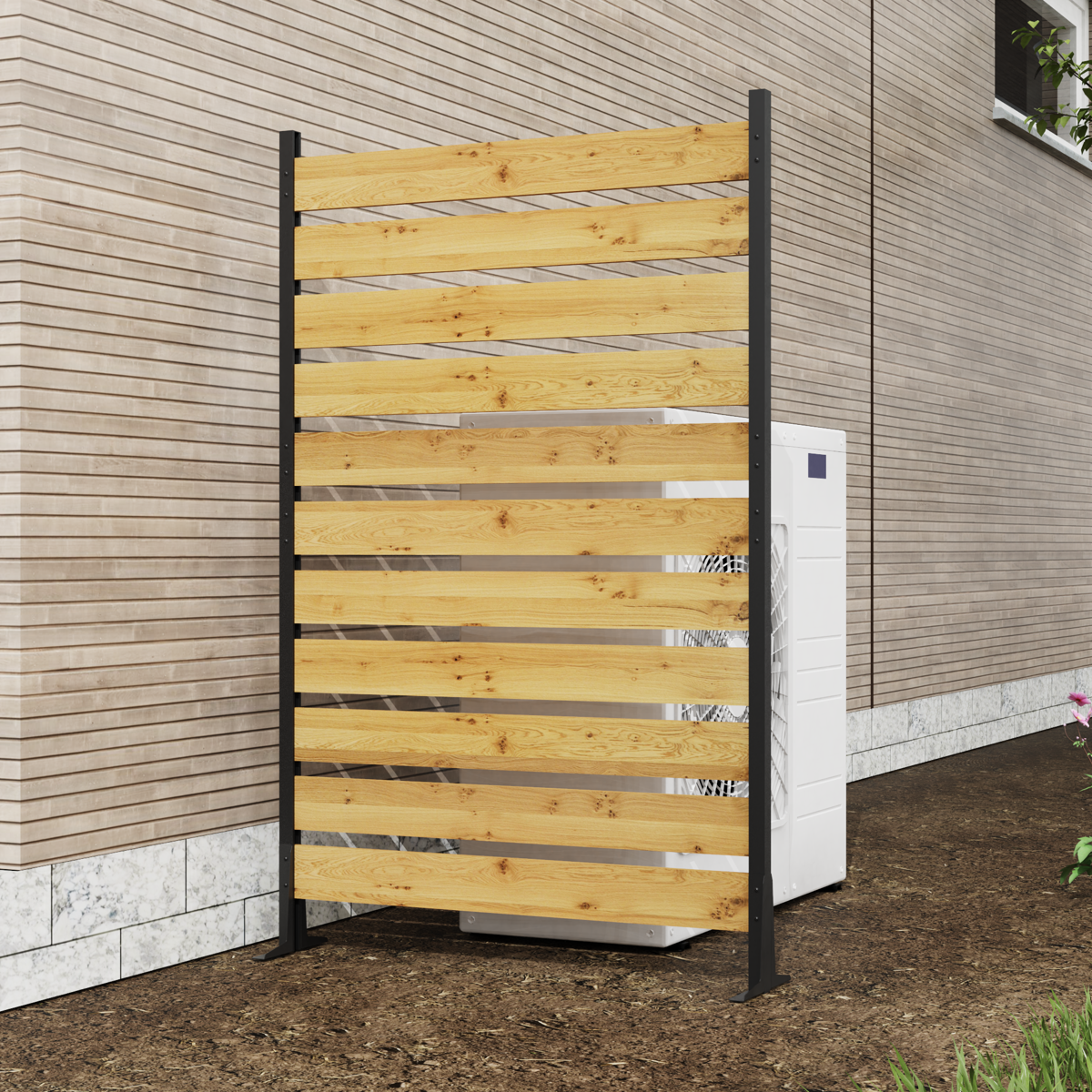
Privacy Fence

Privacy fences are free-standing or mountable barriers that block sightlines on decks, around AC units, trash cans, and property lines. The primary trade-off is between rigid, wind-rated hardscape panels (wood, metal, composite) and lightweight visual screening (artificial hedge, mesh tape) that offers no structural or security value. The clear decision rule: if the screen must survive wind, support climbing plants, or hide bulky equipment permanently, buy a framed hard panel with ground stakes rated for your wind zone; if you only need to soften a chain-link line or block a neighbor's window view cheaply, choose UV-stabilized faux greenery and skip anything marketed as a 'fence' without a frame.
Buying guide image
Garden Fencing & Privacy Screens

Portable Privacy Fence

Portable privacy fences are freestanding or semi-permanent barriers used to screen patios, block sightlines, and define temporary outdoor zones without digging post holes. The core trade-off is between lightweight foldable panels that move easily but flex in wind, and rigid panel-and-post systems that stay put but require anchoring. Buy one only if you can anchor it or accept panel movement; skip flimsy mesh-only screens for anything beyond light visual screening.

Buying guide image
Garden Fencing & Privacy Screens

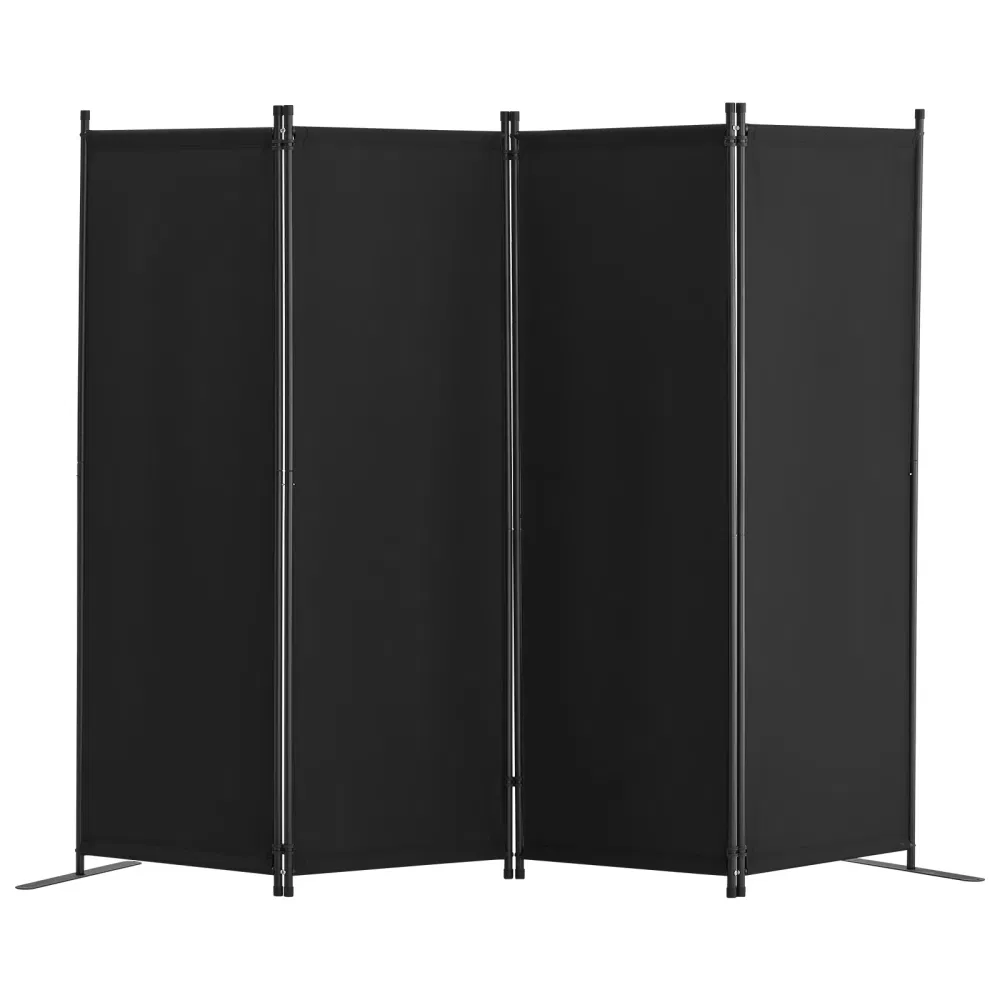
Portable Privacy Screen

Portable privacy screens are freestanding or folding partitions that create temporary visual barriers indoors or outdoors without permanent installation. The key trade-off is between lightweight portability (thin panels, plastic hinges) and wind/durability stability (solid wood, metal frames, weighted bases). Buy a folding wood or composite panel for indoor room division and a weighted, weather-resistant outdoor panel for patio or deck use—skip bare lightweight fabric screens for windy exposures.

Buying guide image
Watering & Irrigation

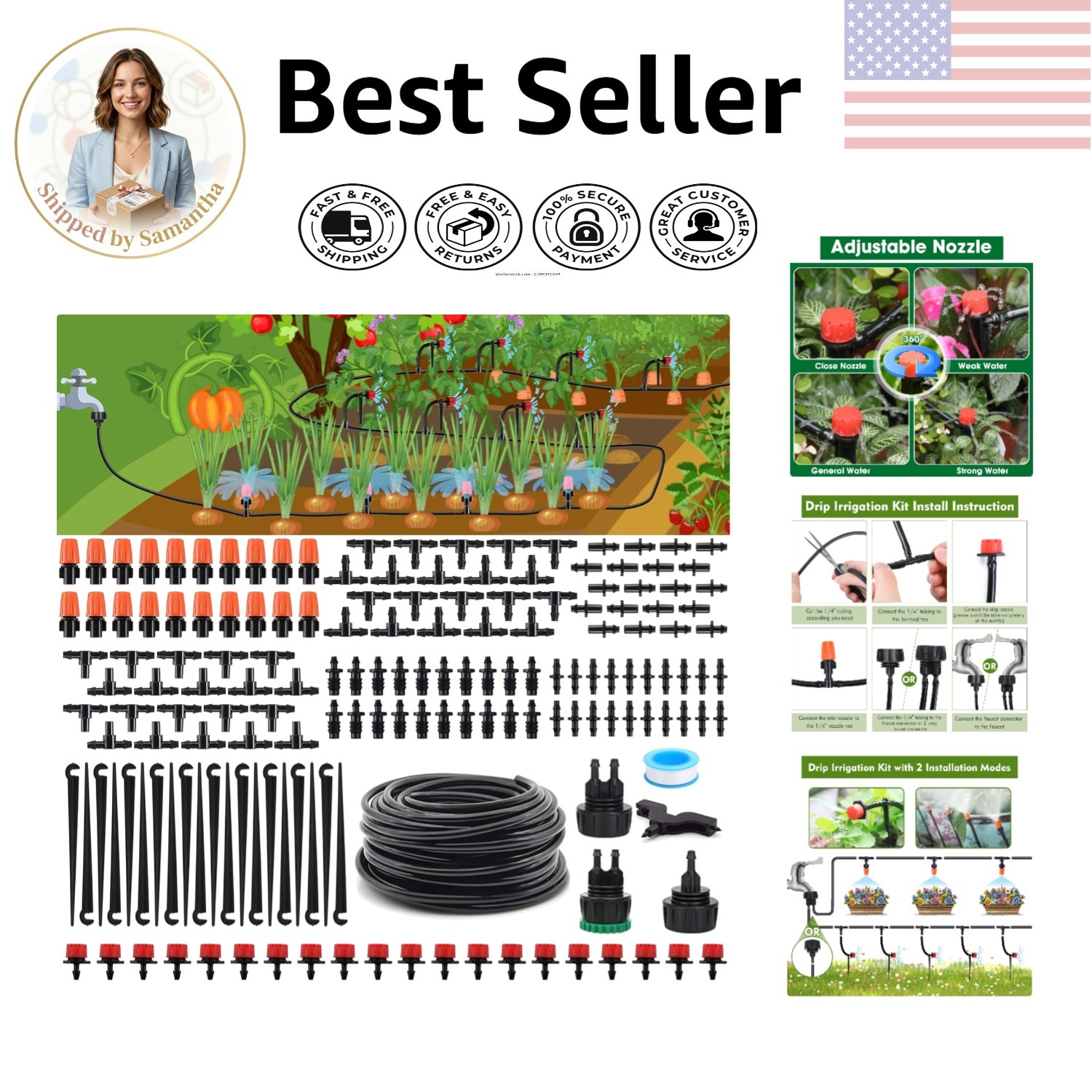
Automatic Watering System Indoor Plant

Indoor plant watering systems range from passive ceramic stakes to pumped drip timers, and the wrong architecture for your pot count and vacation length is the usual failure point. Pump-based kits need a reservoir and tubing sized to your plant count, while self-watering stakes suit small collections over short trips. Prioritize timer programmability and check that the drip emitters can be tuned low enough for 4-inch pots.

Buying guide image
Garden Fencing & Privacy Screens

Privacy Screen Balcony Railing

Balcony railing privacy screens are tensioned fabric, mesh, or panel systems that attach to existing railings or walls to block sightlines and wind. The core trade-off is between flexible fabric screens—which are light, removable, and conform to railings—and rigid panels that offer greater wind resistance but need structural mounting. Choose a fabric screen for quick, non-destructive installation; choose panels only when you can anchor into masonry or structural rail posts.

Buying guide image
Raised Garden Beds & Planters

Metal Planter

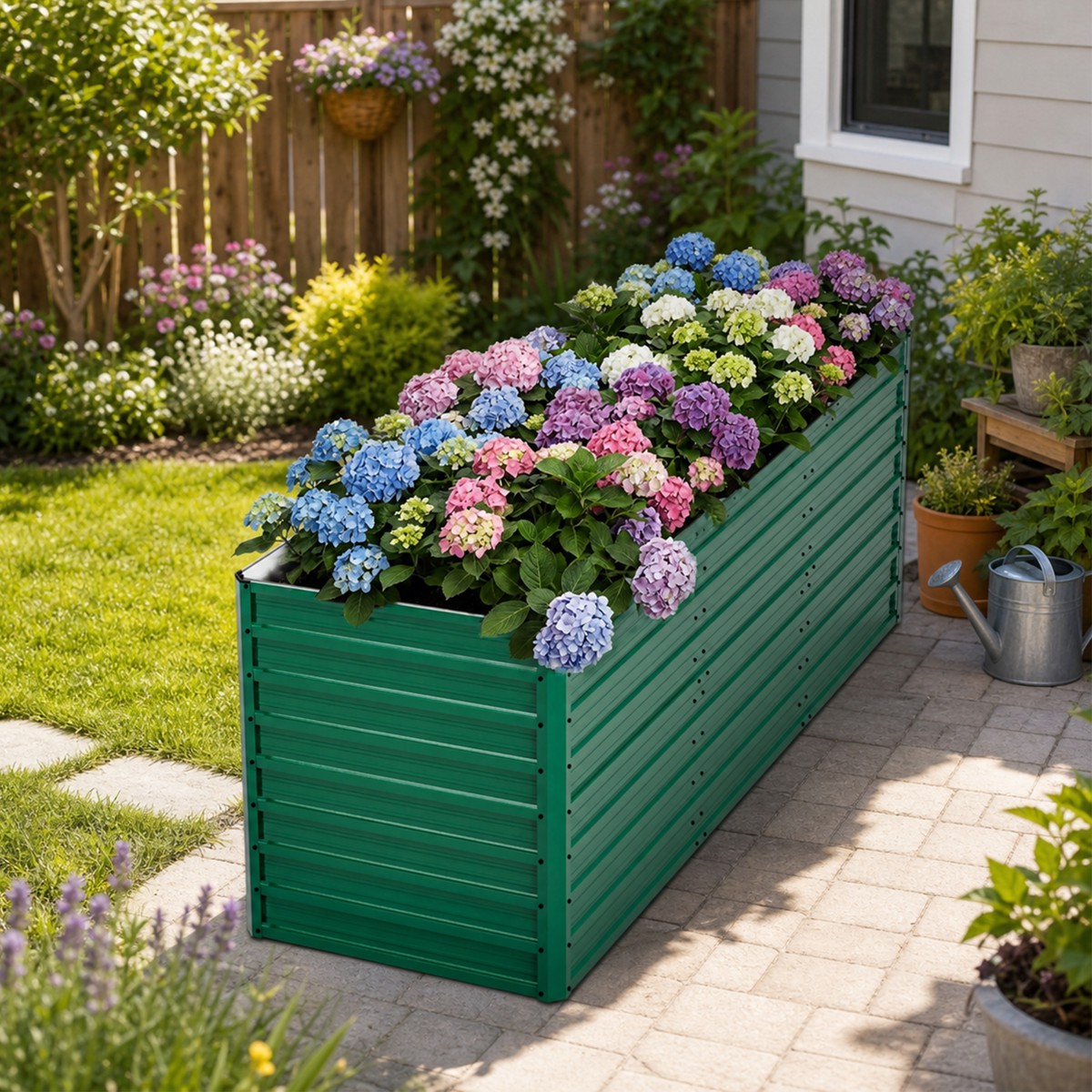
Metal planters range from thin galvanized raised beds to powder-coated steel privacy screens and trellis boxes. The core trade-off is steel gauge and coating quality versus cost: heavier 22–24 gauge steel with a baked-on powder coat resists rust and soil pressure for years, while 28-gauge or bare galvanized panels dent and corrode within a season or two. Choose by thickness and finish first, then match the form factor—raised bed, tall box, or trellis screen—to your growing or screening goal.

Buying guide image
Patio Furniture

Swing Seat

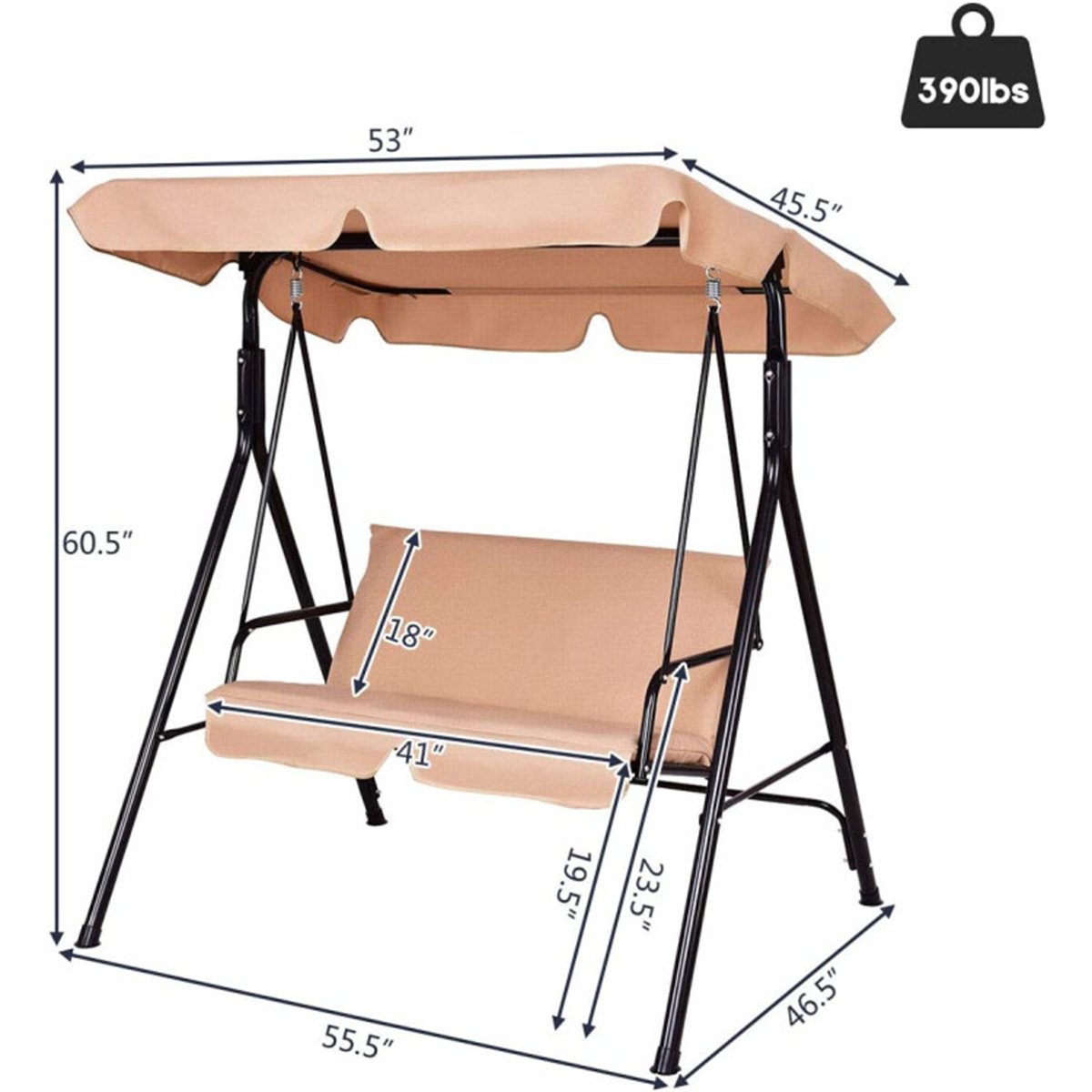
Swing seats split into two distinct buyer paths: hanging porch swings that need a structural anchor, and freestanding canopy swings with an integrated steel A-frame. Seat count, fabric grade, and frame gauge decide whether a swing survives seasons of UV and rain or fails at the weld. Measure the footprint and anchor point before choosing a tier, because canopy swings need clearance on all sides while hanging swings depend entirely on beam capacity.

Buying guide image
Patio Furniture

Folding Lounge Chair Outdoor

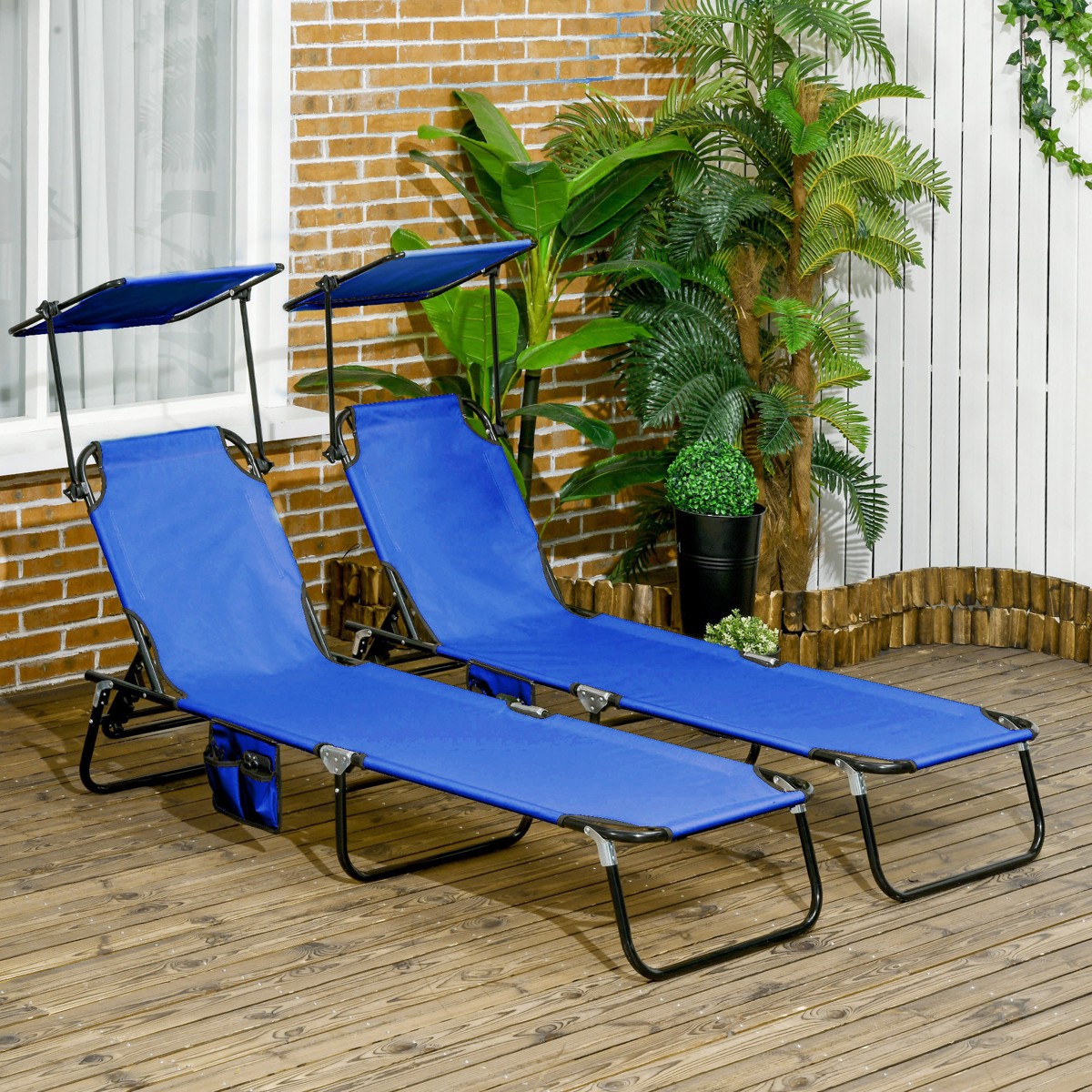
A folding lounge chair is a portable, reclining outdoor seat built on either a steel or aluminum folding frame with a fabric or mesh sling. The core trade-off is frame rigidity and fabric UV/weight rating versus portability and cost. Buy a steel-frame chair with a breathable mesh sling and a multi-position recline for patio durability; skip thin plastic or low-denier fabric slings if the chair will stay outdoors year-round.

Buying guide image
Outdoor Storage

Outdoor Storage Shed

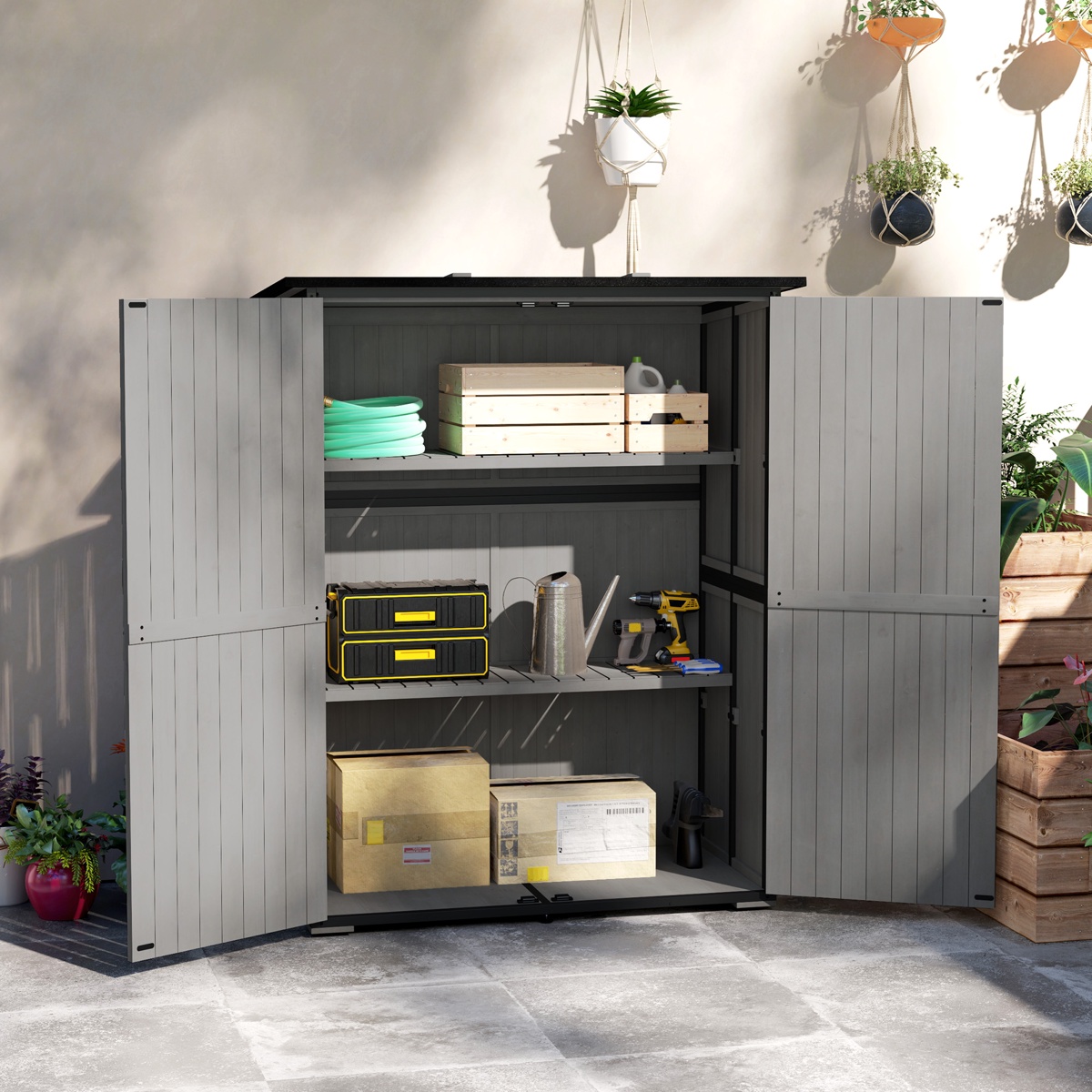
An outdoor storage shed is a weatherproof structure for garden tools, bikes, pool gear, or lawn equipment, and the core trade-off is material vs. weather resistance: resin and metal resist rot and UV but can dent or rust, while wood and fabric need more upkeep. Choose resin or galvanized steel for low-maintenance durability, wood for aesthetic flexibility, and skip fabric or thin plastic if you need year-round security.

Buying guide image
Beehives & Frames

Bee Box

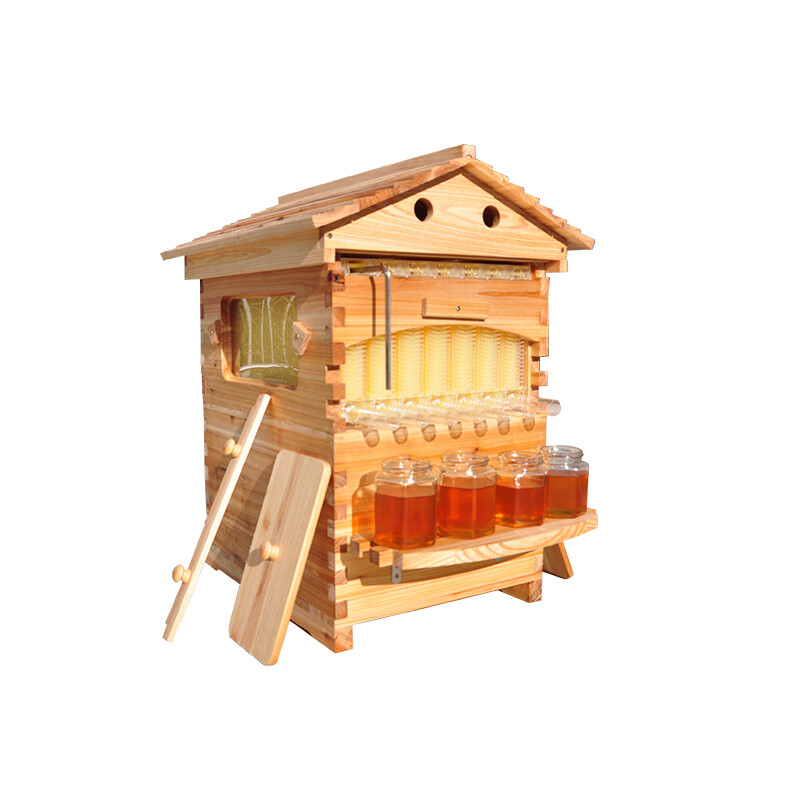
Bee boxes are the modular hive bodies and frames that form a Langstroth or similar managed beehive, and the core trade-off is wood species and joint construction versus cost. Durable boxes use rot-resistant cedar or cypress with box or dovetail joints and beeswax-dipped foundations, while compromises rely on thin pine, butt joints, and plastic foundations that warp or sag. Choose a wax-coated cedar box with finger or dovetail joinery and standardized 10-frame Langstroth dimensions for long-term apiary use.

Buying guide image
Honey Extraction & Packaging

Manual Honey Extractor

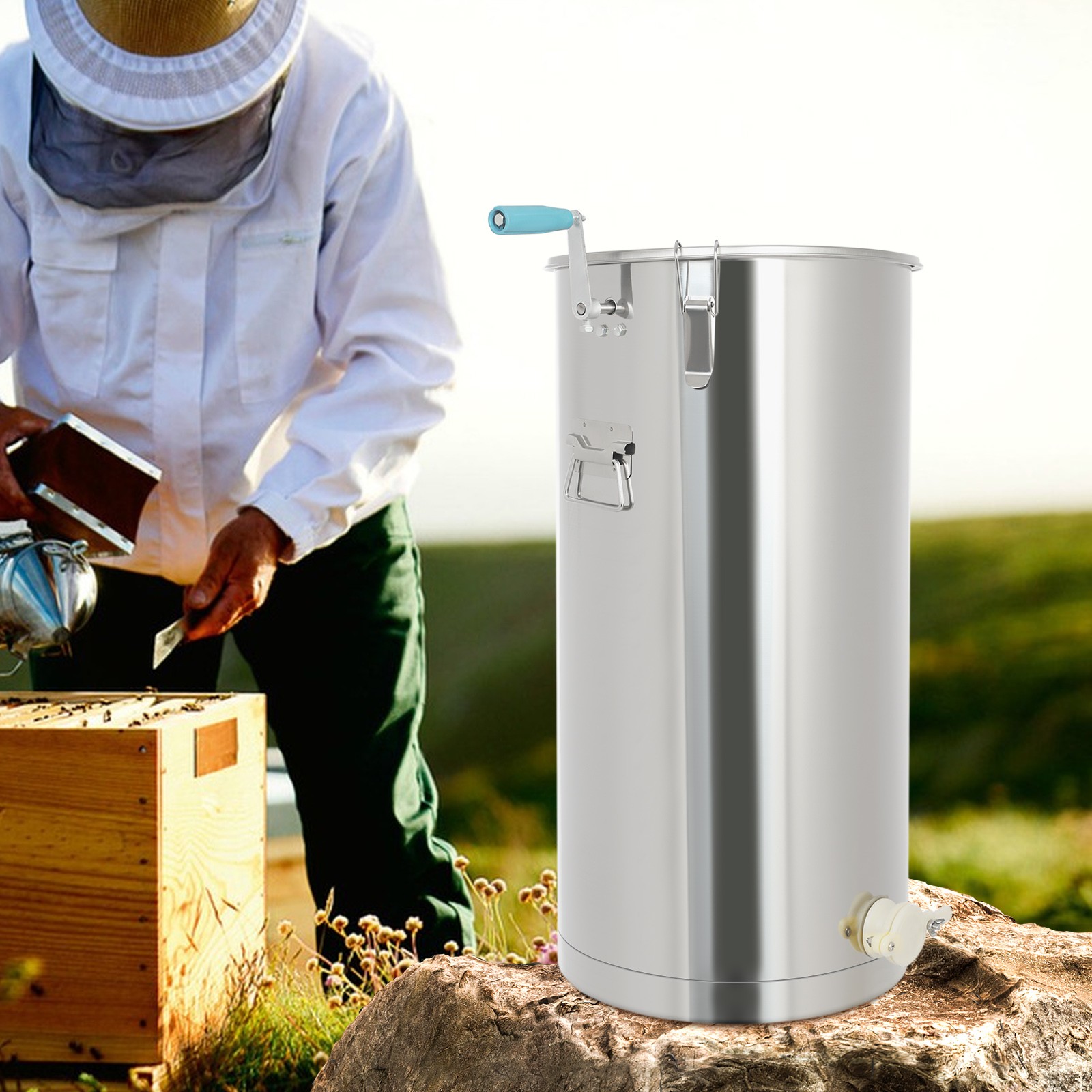
A manual honey extractor is a hand-cranked centrifuge that spins uncapped frames to fling honey out of the comb without destroying the wax. The core trade-off is frame capacity and drum construction: small 2-frame units suit hobby hives, while 3-4 frame stainless drums with welded seams and a bottom honey gate speed up harvest and resist corrosion. Buy stainless steel with a true tangential or radial basket and a sealed gearbox; skip painted or thin-gauge drums that flex, rust at seams, and leak honey.

Buying guide image
Beehives & Frames

Bee Hive With Tap

A bee hive with tap is a Langstroth-style hive fitted with a rear honey gate or tap so honey can be drained without opening the brood chamber. The primary trade-off is tap quality and hive material: flimsy plastic taps and thin cedar crack or leak under load, while stainless or brass taps and thick beeswax-dipped cedar last for seasons. Decide by tap material, frame count, and whether the tap is gravity-fed from a dedicated honey super.

Buying guide image
Outdoor Structures, Shade & Awnings

Outdoor Canopy

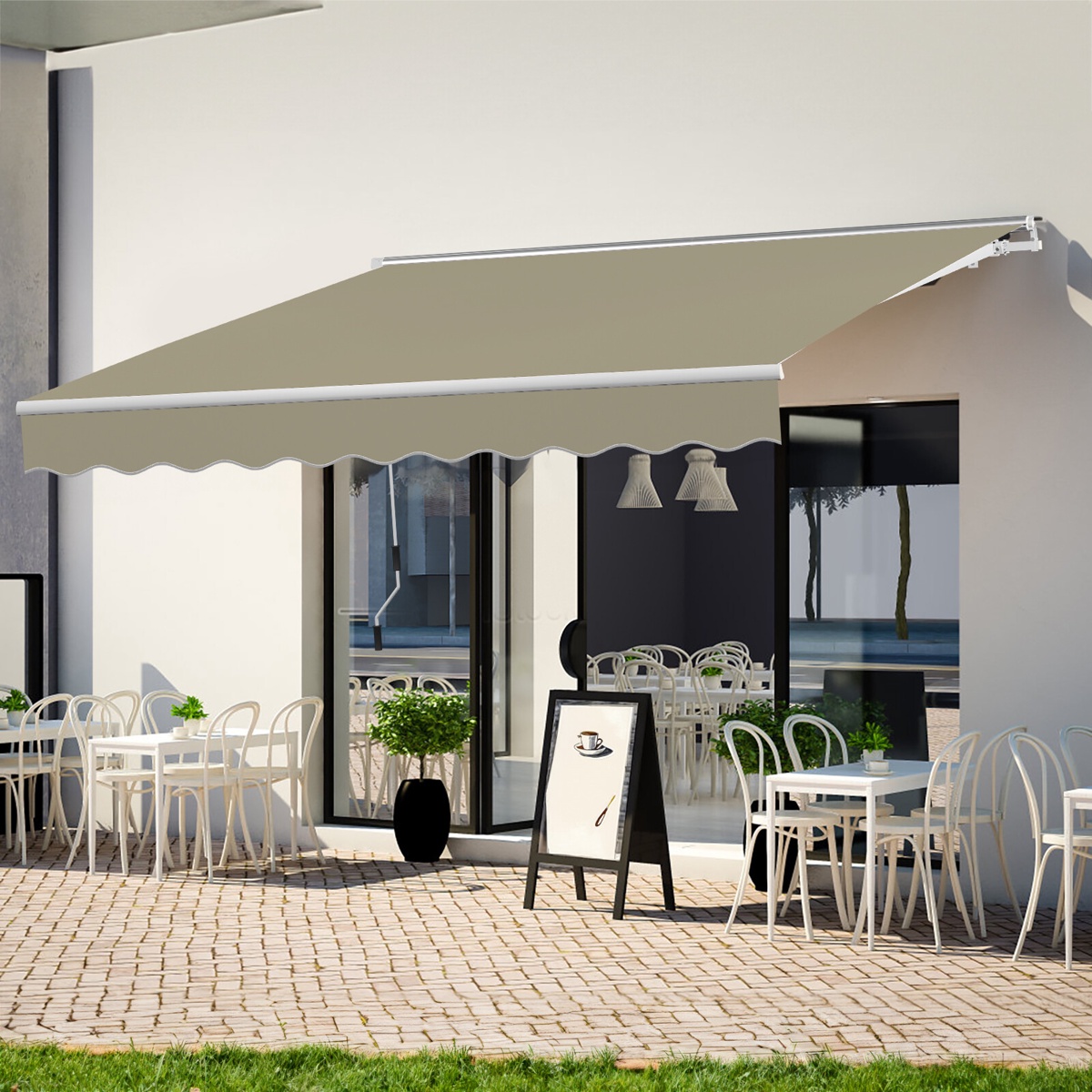
Outdoor canopies split into two distinct buyer paths: wall-mounted retractable awnings that attach to the house and freestanding pop-up or gazebo canopies that anchor to the ground. Getting the mounting type, fabric grade, and frame material right matters more than brand names, because a lightweight polyester pop-up will fail in wind where a powder-coated steel frame with a 300D+ canopy lasts. Measure the wall or footprint before choosing, since retractable awnings are sized in exact width-by-projection dimensions while freestanding tents follow standard 10x10 or 5x5 footprints.

Buying guide image
Patio Furniture

Outdoor Furniture Sectional

An outdoor furniture sectional is a modular seating system built for year-round weather exposure, where the frame material and cushion fabric determine how many seasons it survives. The core trade-off is PE wicker over a steel or aluminum frame versus solid wood or aluminum: wicker resists moisture and UV but can sag without a metal subframe, while wood looks premium but requires re-oiling and may check in dry climates. Buy PE rattan rated for 2,000+ UV hours on a powder-coated aluminum frame if you want minimal maintenance; choose solid acacia or pine only if you will commit to annual sealing.

Buying guide image
Patio Furniture

Outdoor Table And Chair Set

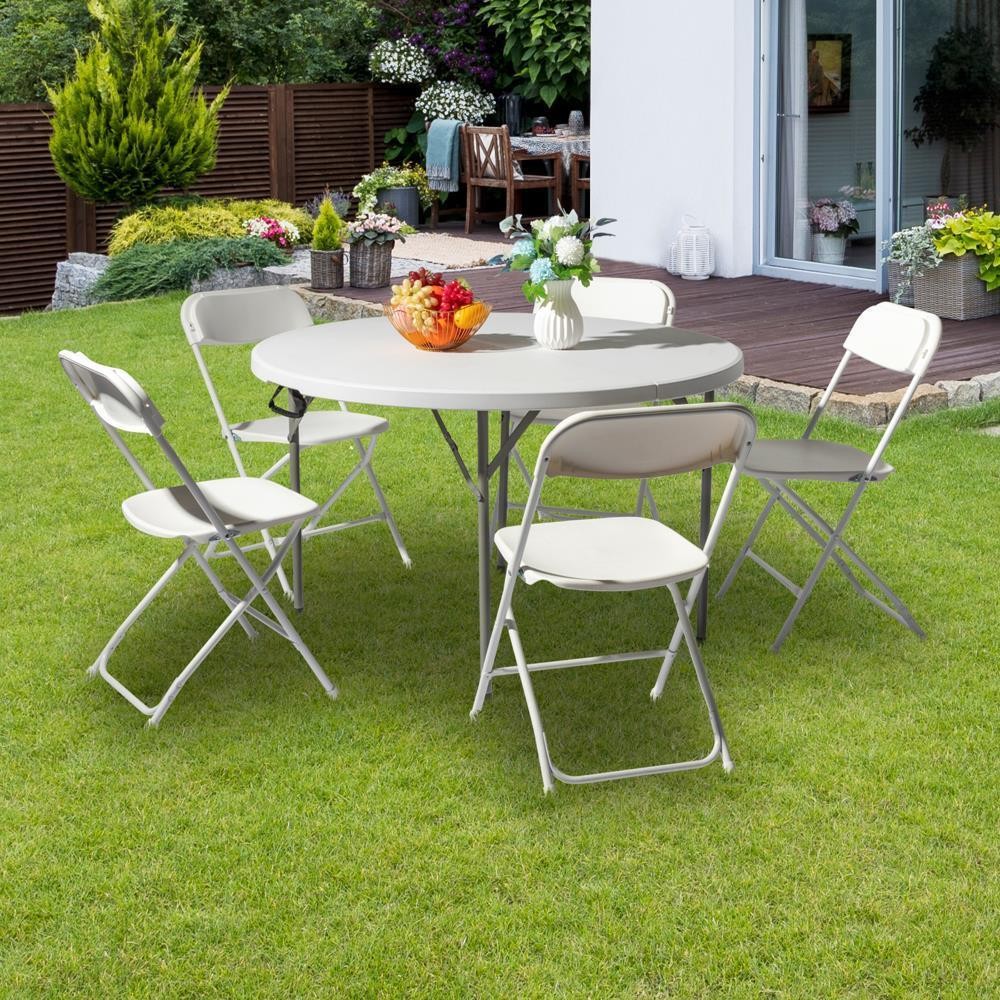
Outdoor table and chair sets range from compact folding bistro trios to full dining and bench sets, and the primary trade-off is frame material versus weight and weather exposure. Powder-coated steel and aluminum resist rust but vary in gauge, while acacia and eucalyptus need oiling; cast aluminum costs more but never rusts. Buyers should match frame gauge and finish to their climate and set size to their actual seating footprint.

Buying guide image
Patio Furniture

Outdoor Table And Chair

Outdoor table and chair sets are defined by how the frame and tabletop handle moisture, UV, and weight, not by styling. The core trade-off is steel/iron (cheap, rust-prone unless powder-coated) versus cast aluminum or dense hardwoods like acacia and eucalyptus. Buy aluminum, teak-class hardwood, or powder-coated steel with sealed welds for multi-season durability; skip uncoated steel, thin tubular frames, and MDF/particle-board tops.

Buying guide image
Greenhouse & Hydroponics

Portable Greenhouse

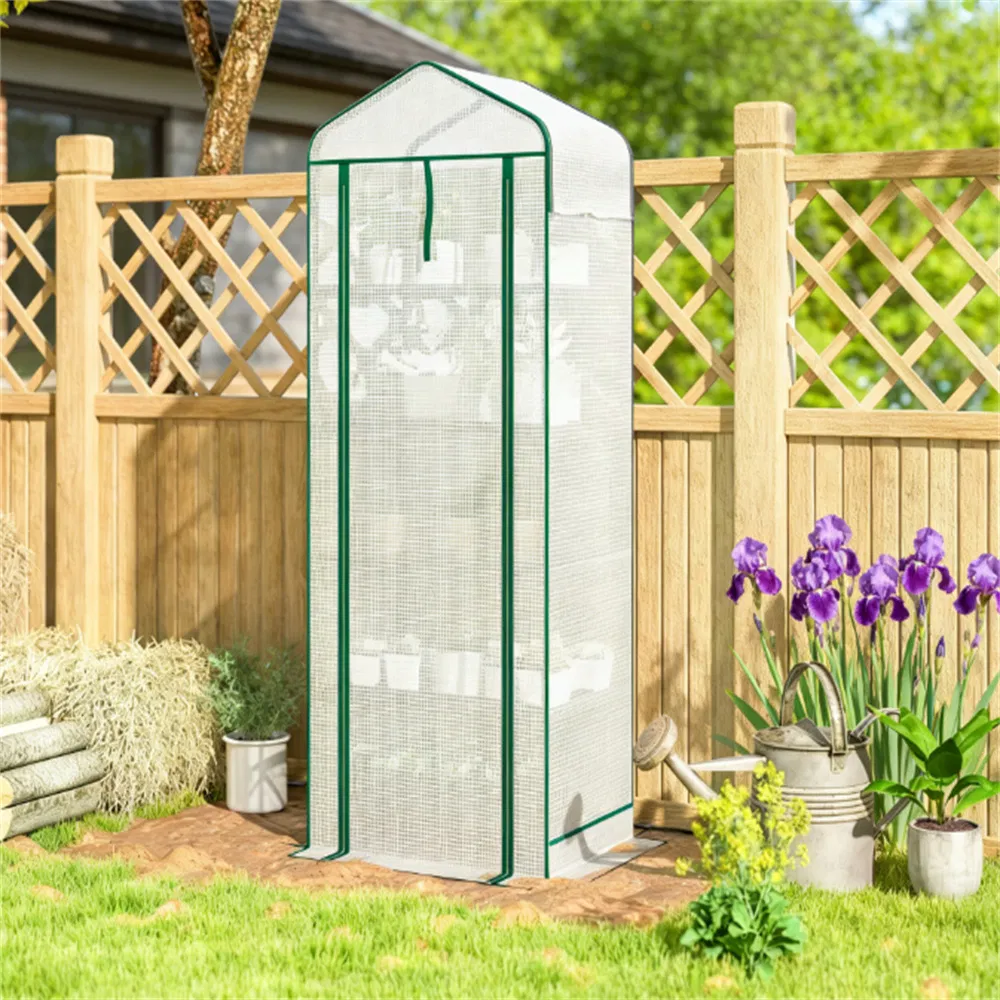
A portable greenhouse is a temporary or semi-permanent plant enclosure built around a metal or plastic frame and a translucent PE, PVC, or polycarbonate cover, used to extend the growing season, start seeds, or overwinter tender plants. The core trade-off is cover durability versus light transmission and airflow: thin PE film is cheap and bright but degrades in UV within a season or two, while thicker woven PE, PVC, or twin-wall polycarbonate resists tearing and holds heat but costs more and blocks some light. The clear decision rule is to match cover grade and frame diameter to your wind and snow load and your expected years of use; if you need more than two seasons outdoors in a windy spot, skip budget PE-film kits and step up to reinforced woven PE or polycarbonate panels on a powder-coated steel frame.

Buying guide image
Outdoor Structures, Shade & Awnings

9 Outdoor Umbrella

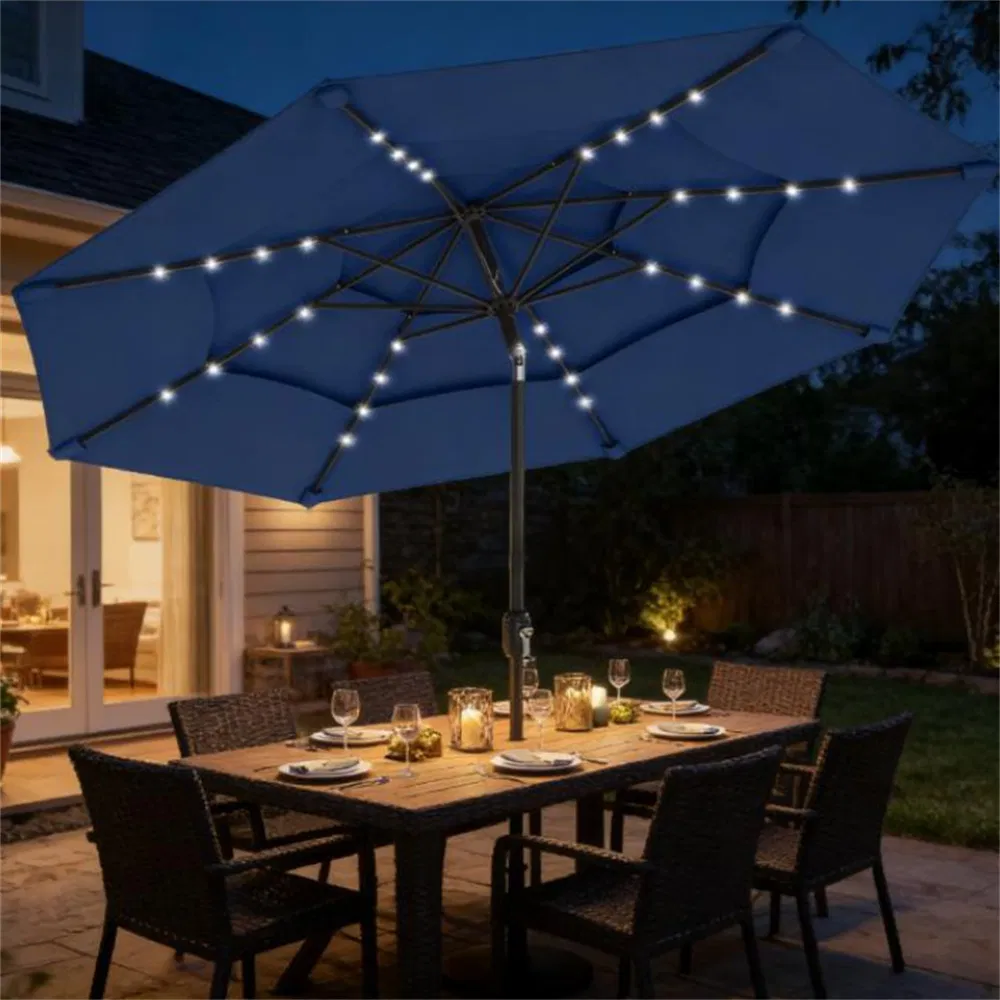
A 9-foot outdoor umbrella is the standard size for shading a 4- to 6-person dining set or a lounge chair pair, with the core trade-off being canopy coverage versus wind stability and frame rigidity. Durable options use solution-dyed or heavy-gauge spun-poly canopy fabric, aluminum or powder-coated steel ribs, and a crank-and-tilt hub rated for repeated use; compromises show up as thin 160-180g fabric, plastic hubs, and 6-8 rib frames that invert in gusts. The decision rule: buy a 9-ft market umbrella with at least 8 ribs and a tilt/crank mechanism for table use, or step to an offset cantilever only when you need unobstructed clearance and can anchor a weighted base.

Buying guide image
Outdoor Storage

Shed Outdoor Storage Shed

Buying an outdoor storage shed means balancing footprint against local zoning limits and choosing a shell material that handles your climate without rust, rot, or UV chalk. Most shoppers misjudge the base preparation or pick a resin model for a windy, snow-load region where a braced steel unit belongs.

Buying guide image
Patio Furniture

Patio Rocking Chair

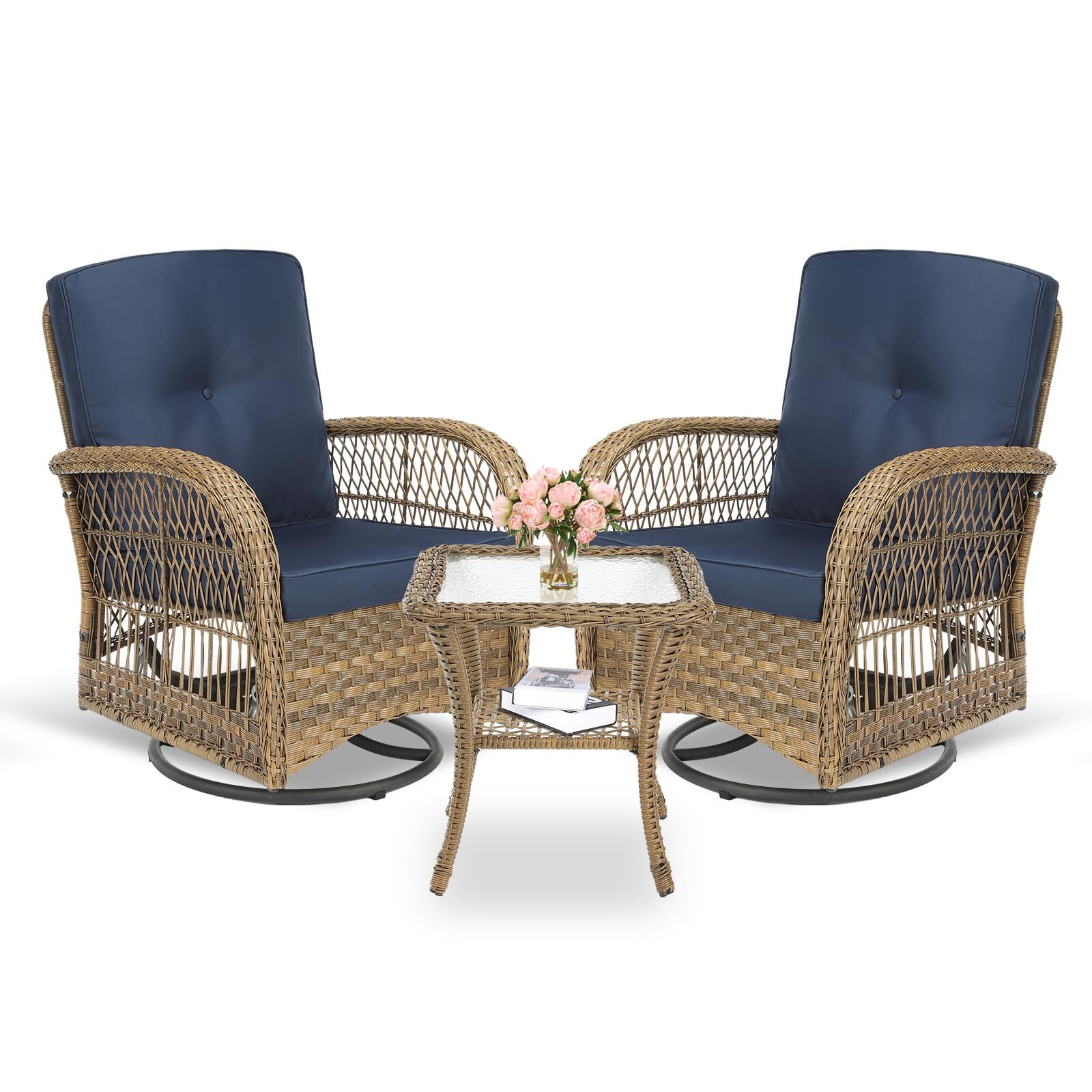
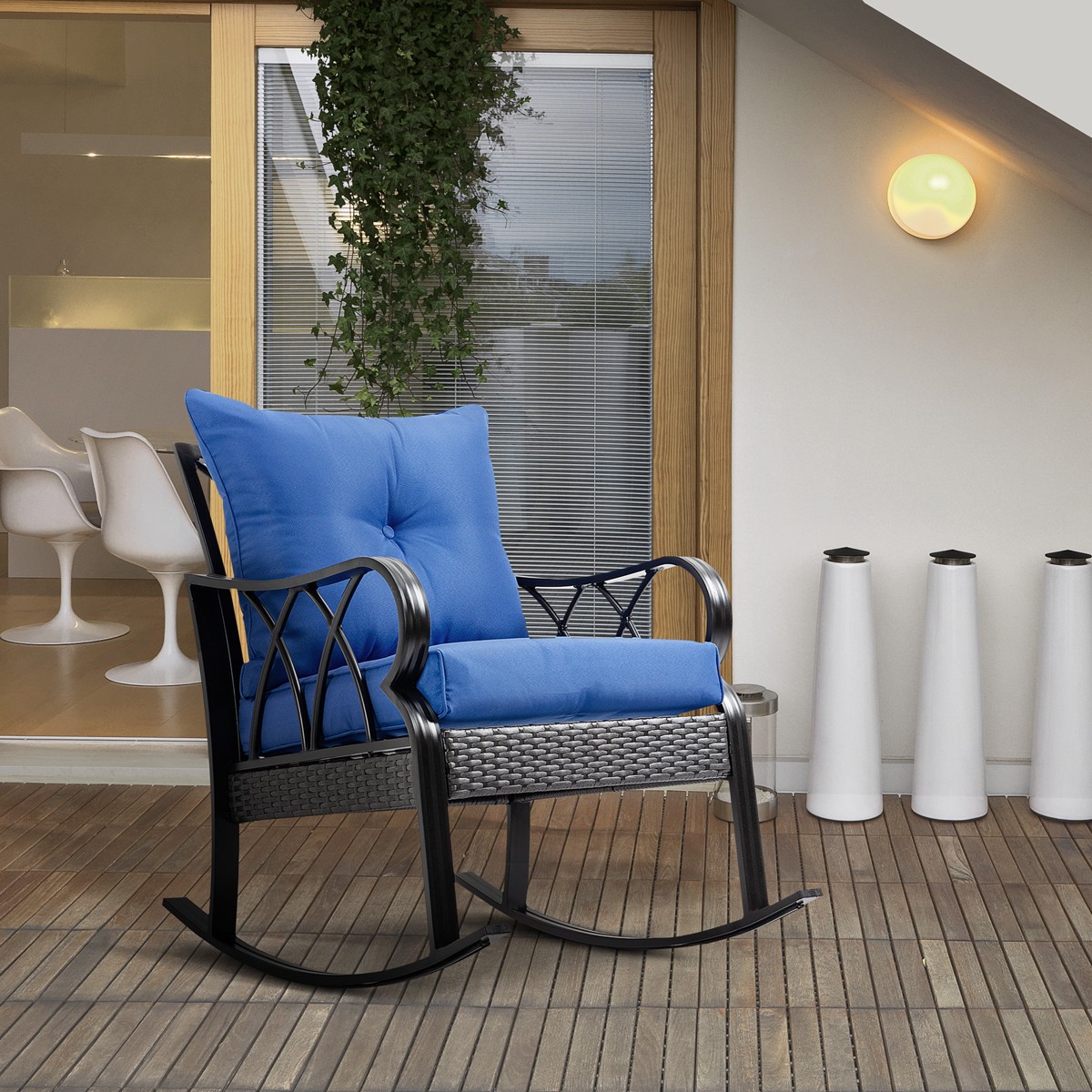
A patio rocking chair lives outdoors year-round, so frame material and finish decide whether it lasts three seasons or fifteen. Buyers often misjudge scale: high-back rockers need roughly 30 inches of depth plus clearance for the rock arc, and two-person gliders need a footprint wider than a standard loveseat. The right pick balances frame construction (acacia, teak, powder-coated steel, PE wicker) against your climate and whether you want a single chair, a bistro set, or a glider bench.

You may also like

Finding more guides for you…