
Photos from current listings. Actual item, color, and included accessories may vary.
Storage Shed Clearance Buying Guide
Storage shed clearance refers to the minimum unobstructed space required around a shed for installation, ventilation, and long-term structural integrity—not merely a discount event. The core trade-off is between maximizing usable interior footprint and preserving the wall-to-obstacle gaps that prevent rot, warping, and voided warranties. The decisive rule: any shed placed with less than the manufacturer's specified clearance (typically 12–24 inches on sides and rear, 24–36 inches at the door) is a compromise that risks moisture damage and code violations, regardless of build quality.
Median $381.49
Key takeaways
- Resin and plastic sheds require 12–18 inches of side/rear clearance for airflow and thermal expansion; metal sheds need 24 inches to prevent condensation-induced rust at contact points.
- Wooden sheds demand 24 inches minimum on all sides plus a 6-inch gravel perimeter to block soil contact—direct ground contact voids most rot warranties within 2–3 years.
- Standard building codes (IRC R302) require 3–5 feet clearance from property lines for sheds over 120 sq ft, and 24–36 inches from combustible walls for any shed.
At a glance
- Category
- Outdoor Storage
- Last updated
- Nov 28, 2026
Current offers
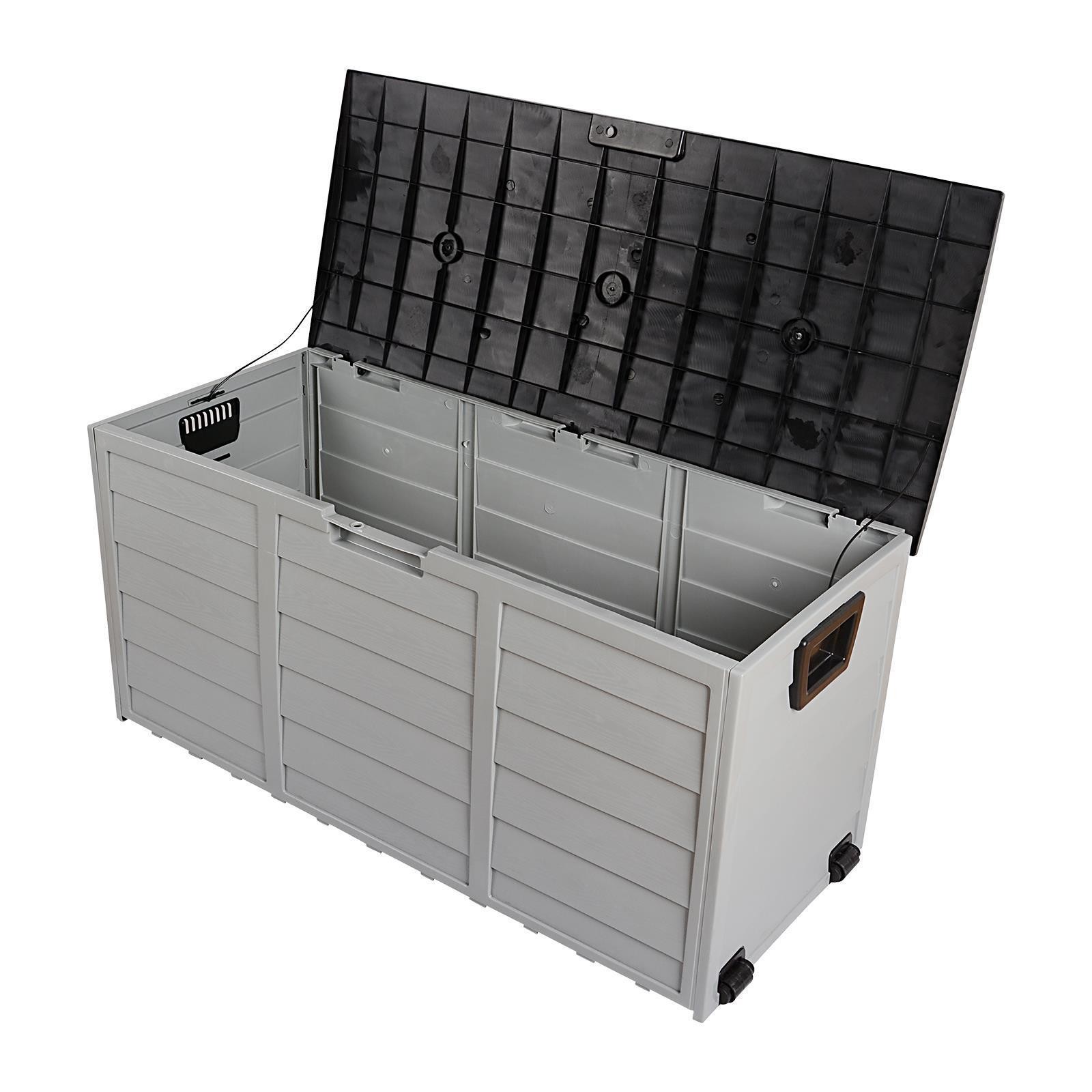 All Weather UV Pool Deck Box Storage Shed Bin Backyard Patio Outdoor w/ Wheel$63.99Last checked Nov 22, 2026View on eBay
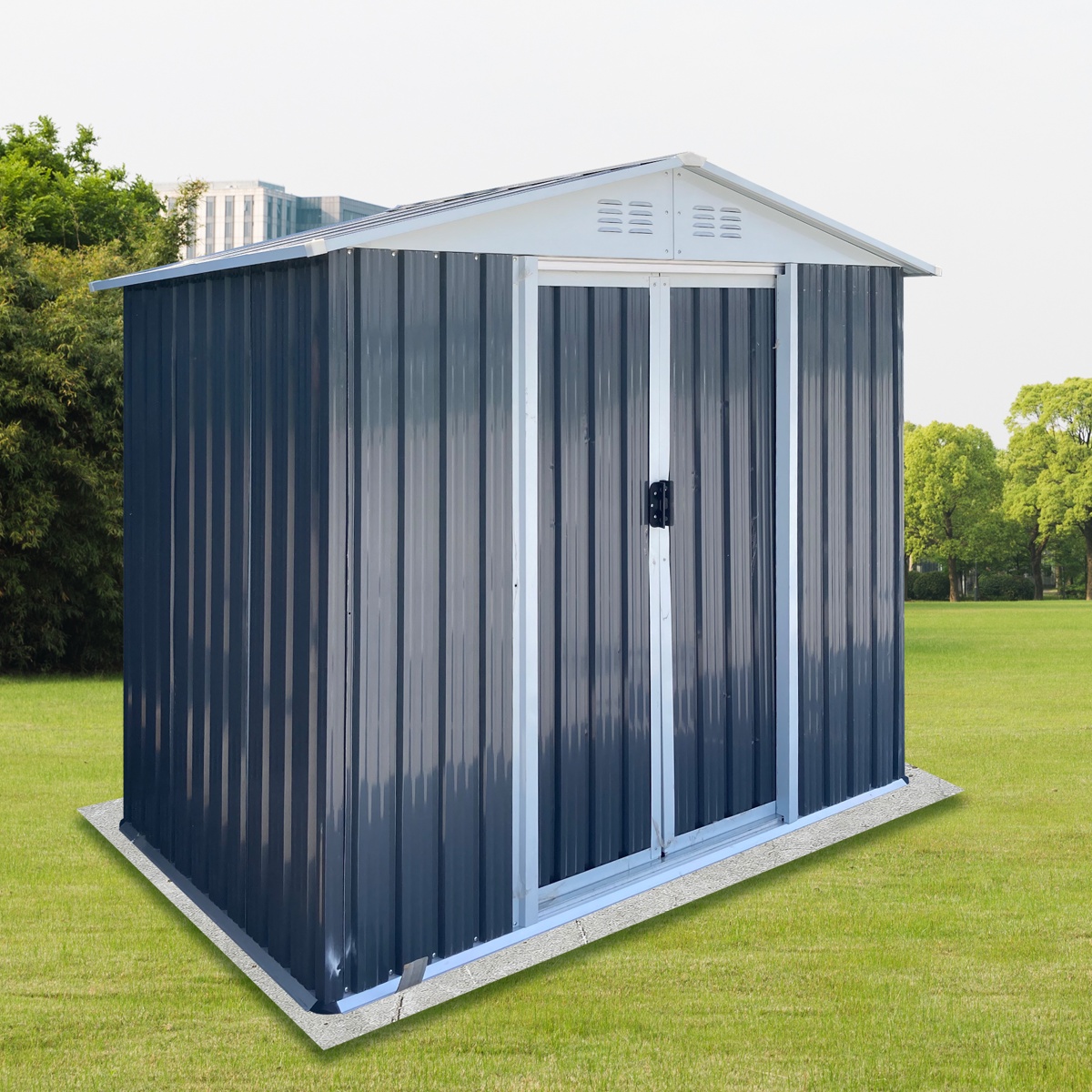 Outdoor Storage Sheds 6FTx4FT Roof Grey$129.99View on Mallflare
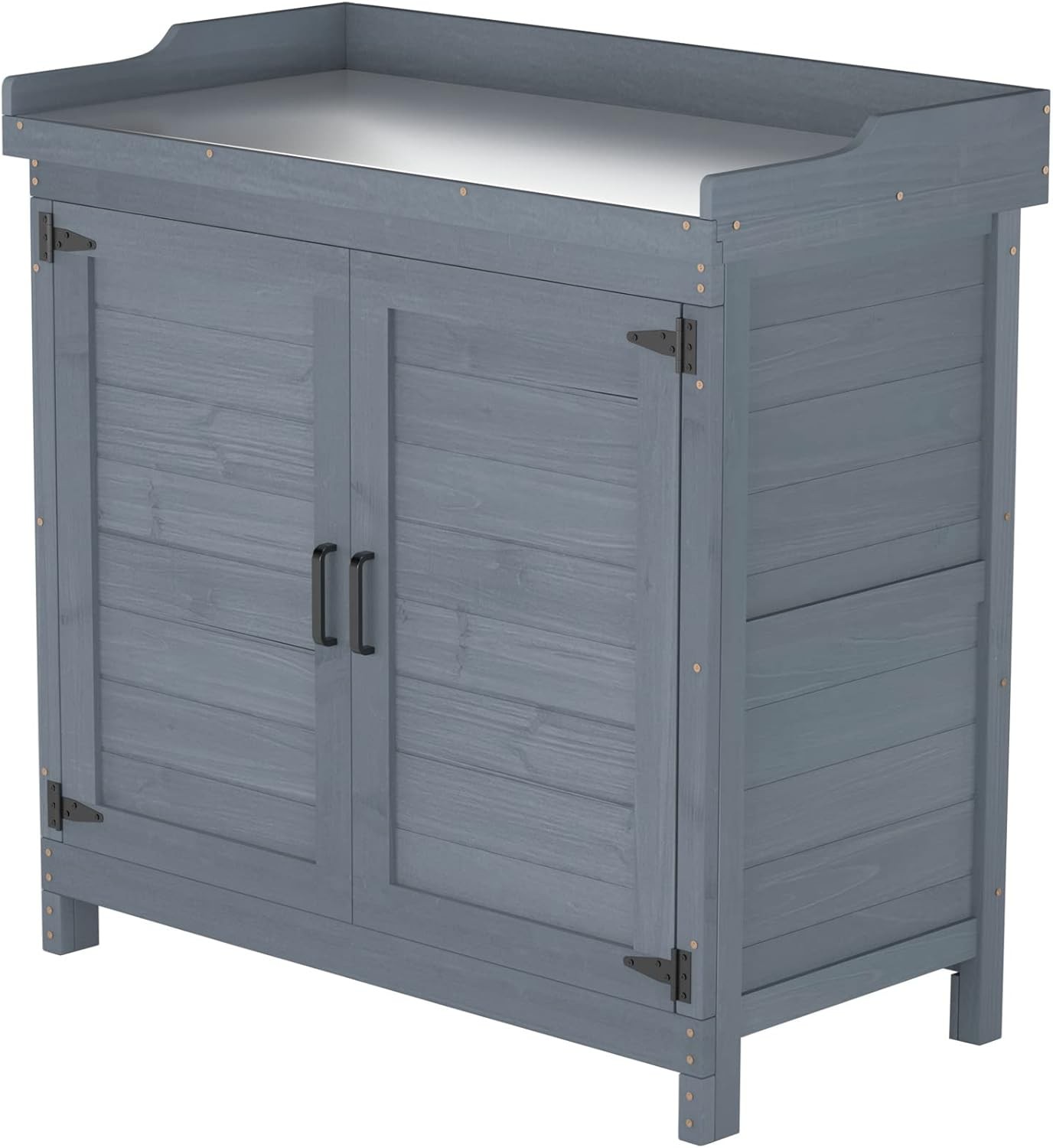 Outdoor Garden Patio Wooden Storage Cabinet Furniture Waterproof Tool Shed$139.99Last checked Nov 25, 2026View on eBay
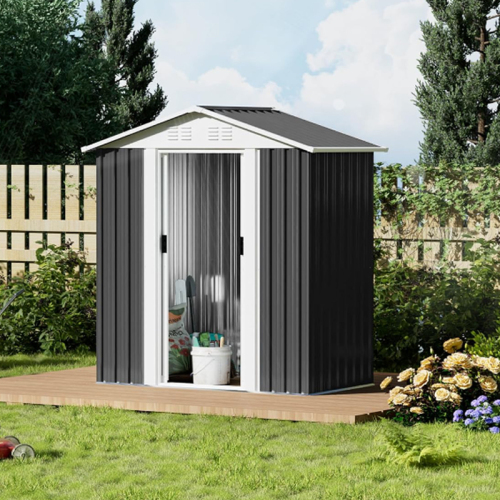 5X3 Feet Dark Grey Outdoor Storage Shed With Aluminum Alloy Frame Base$135.99View on Mallflare
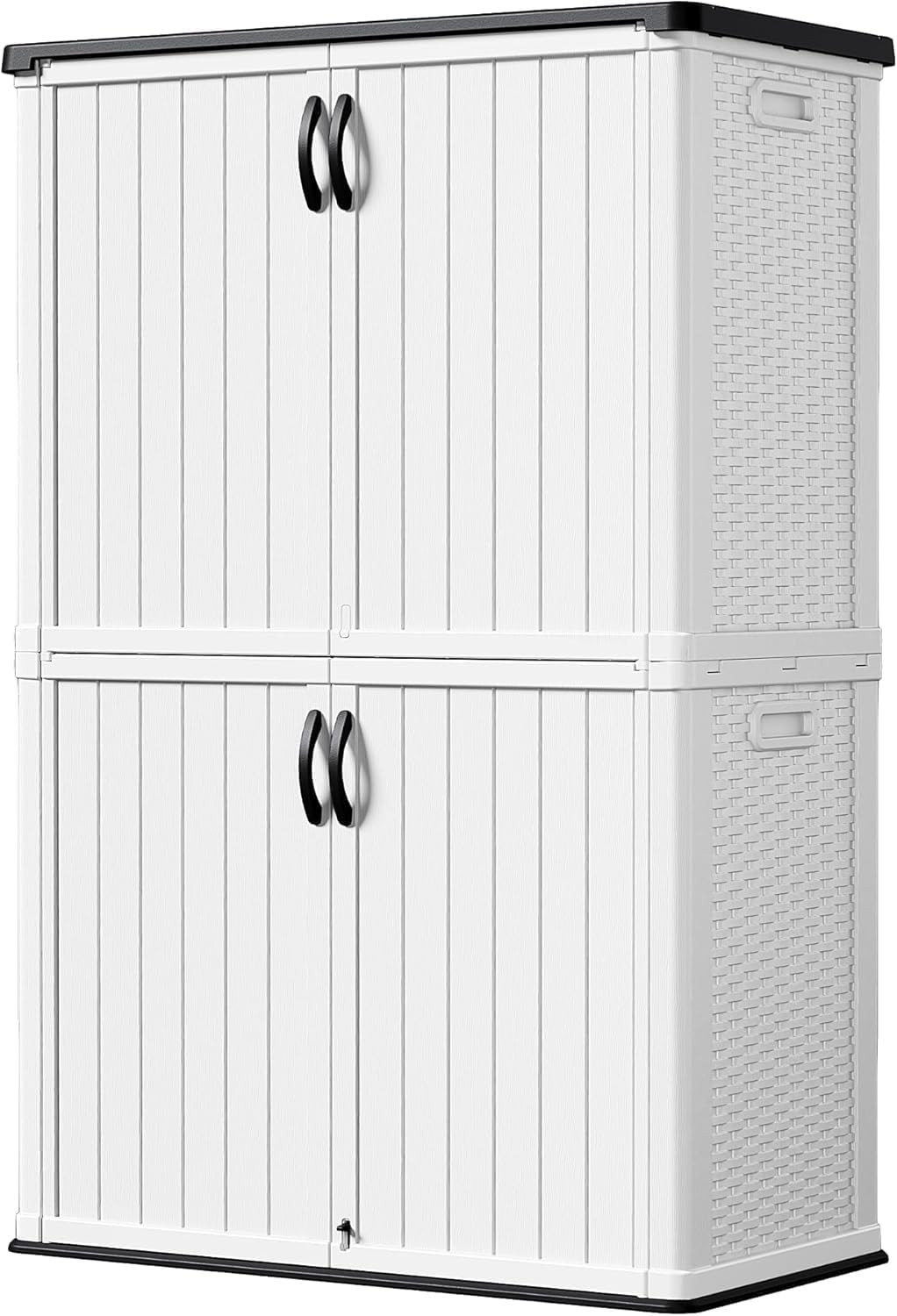 50 Cu Ft Outdoor Storage Cabinet - Waterproof Vertical Shed for Patio, Garden &$407.74Last checked Nov 14, 2026View on eBay
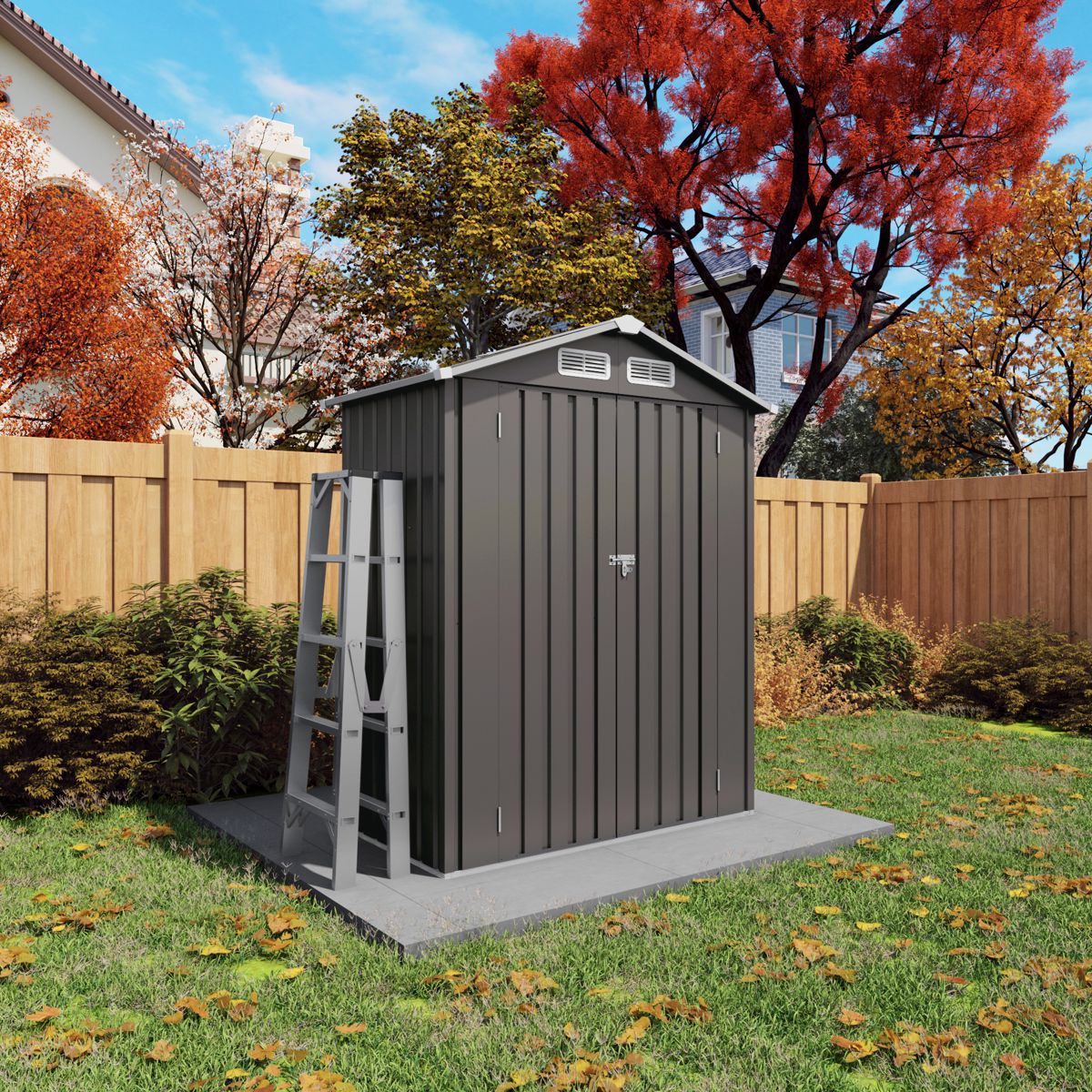 5X3 FT Metal Outdoor Storage Shed, Tool With Peaked Roof Waterproof, Lockable Door Compact For Garden, Backyard, Patio, Sundries And Bike Gray$159.99View on Mallflare
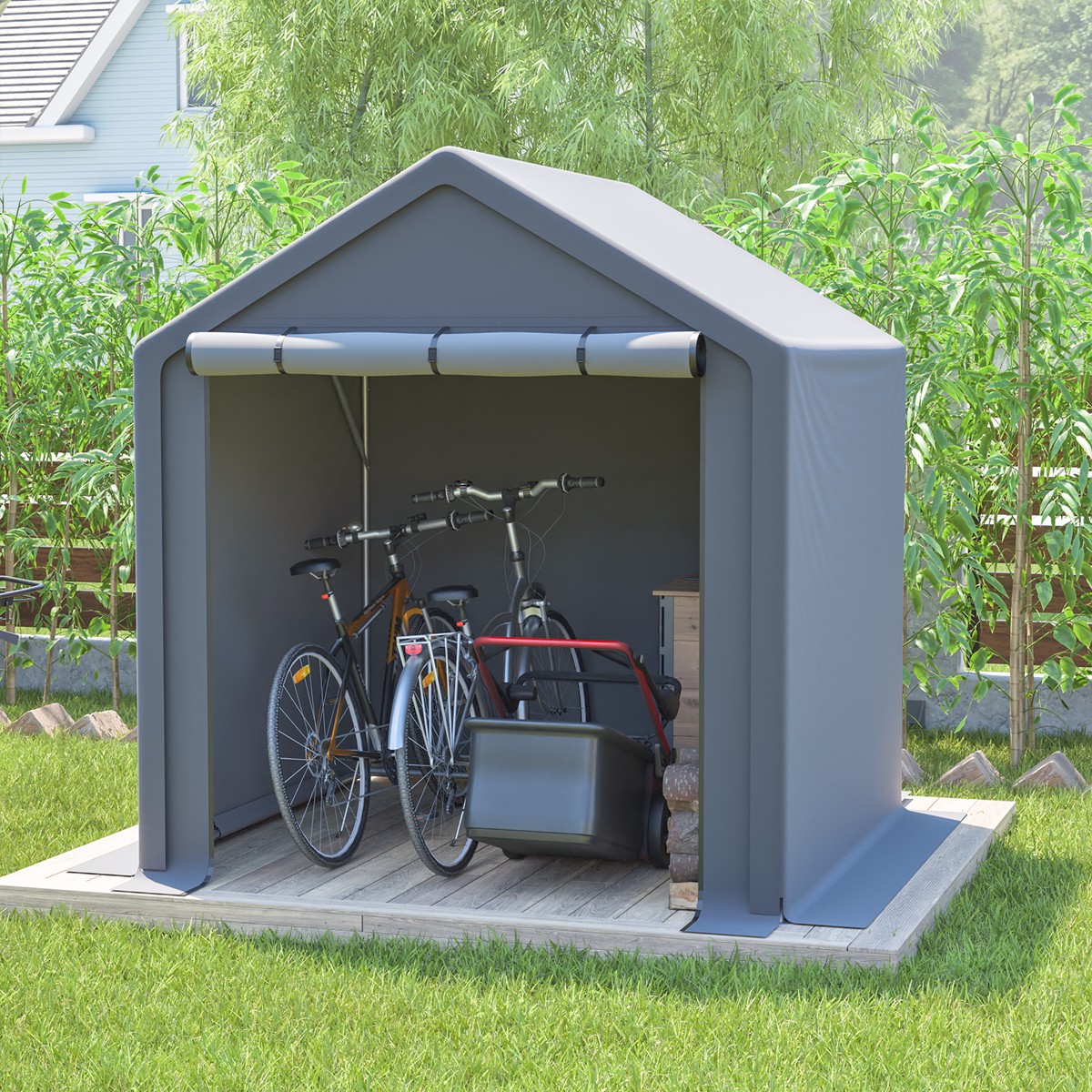 6x6 FT All-Season Storage Tent Quick-Install Waterproof & UV-Resistant Outdoor Shed$163.99View on Mallflare
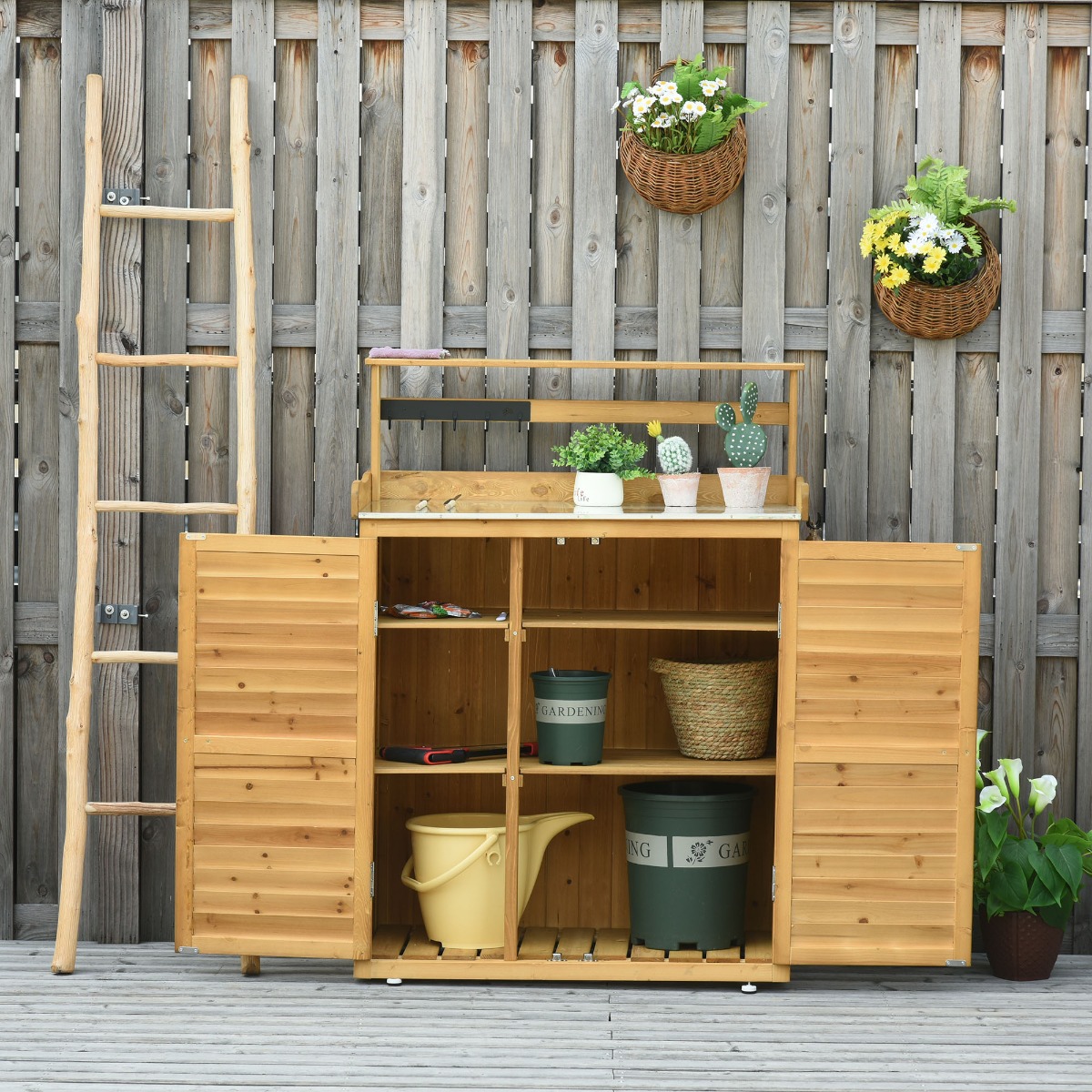 Backyard Garden Tool Storage Shed, Outdoor & Potting Bench with 2 Magnetic Close Doors & Large Interior Space$179.99View on Mallflare
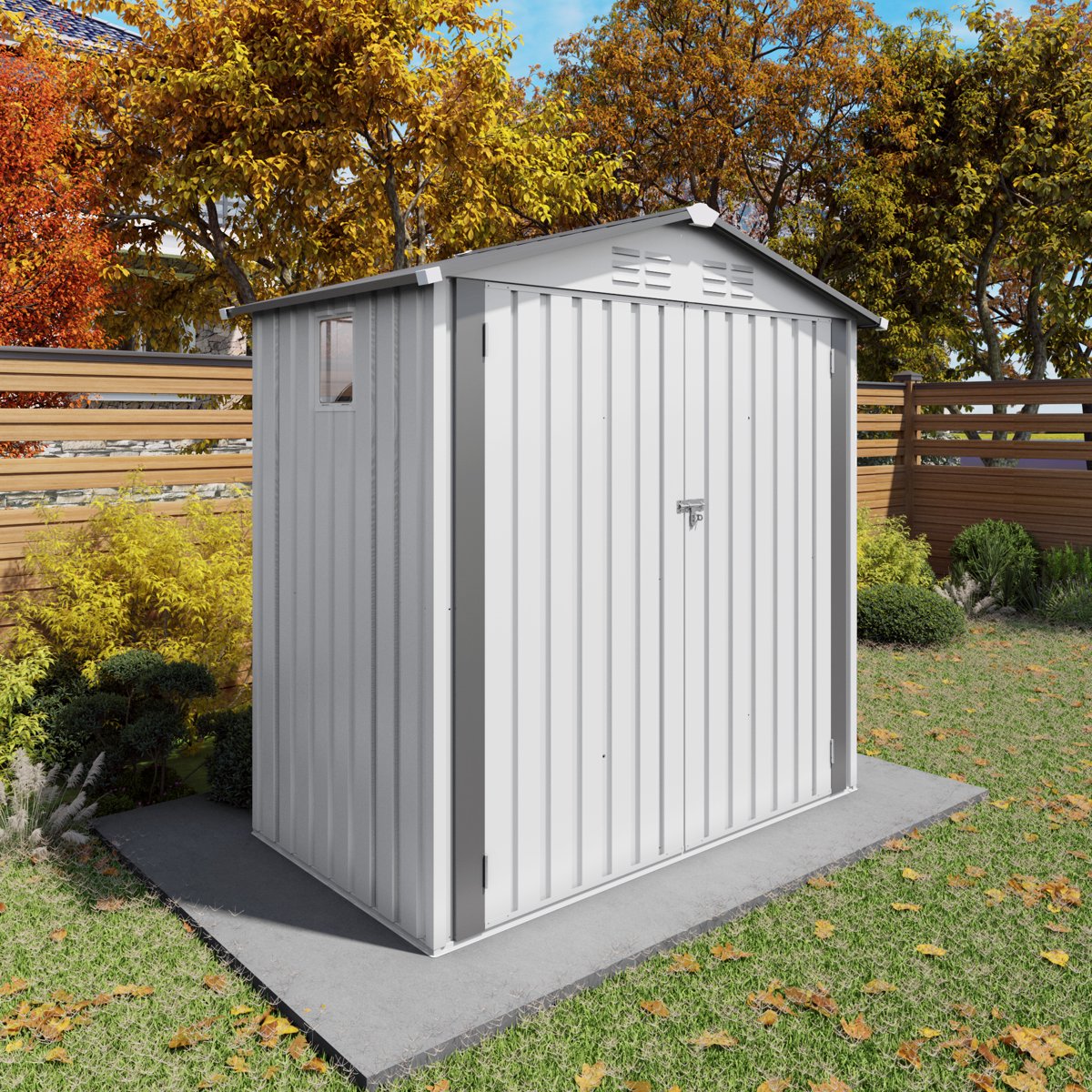 6X3.6FT Metal Storage Shed,Tool Shed With Peaked Roof Waterproof Clear Window And Lockable Door Compact Tool For Garden, Backyard,Patio,Sundries And Bike White$199.99View on Mallflare
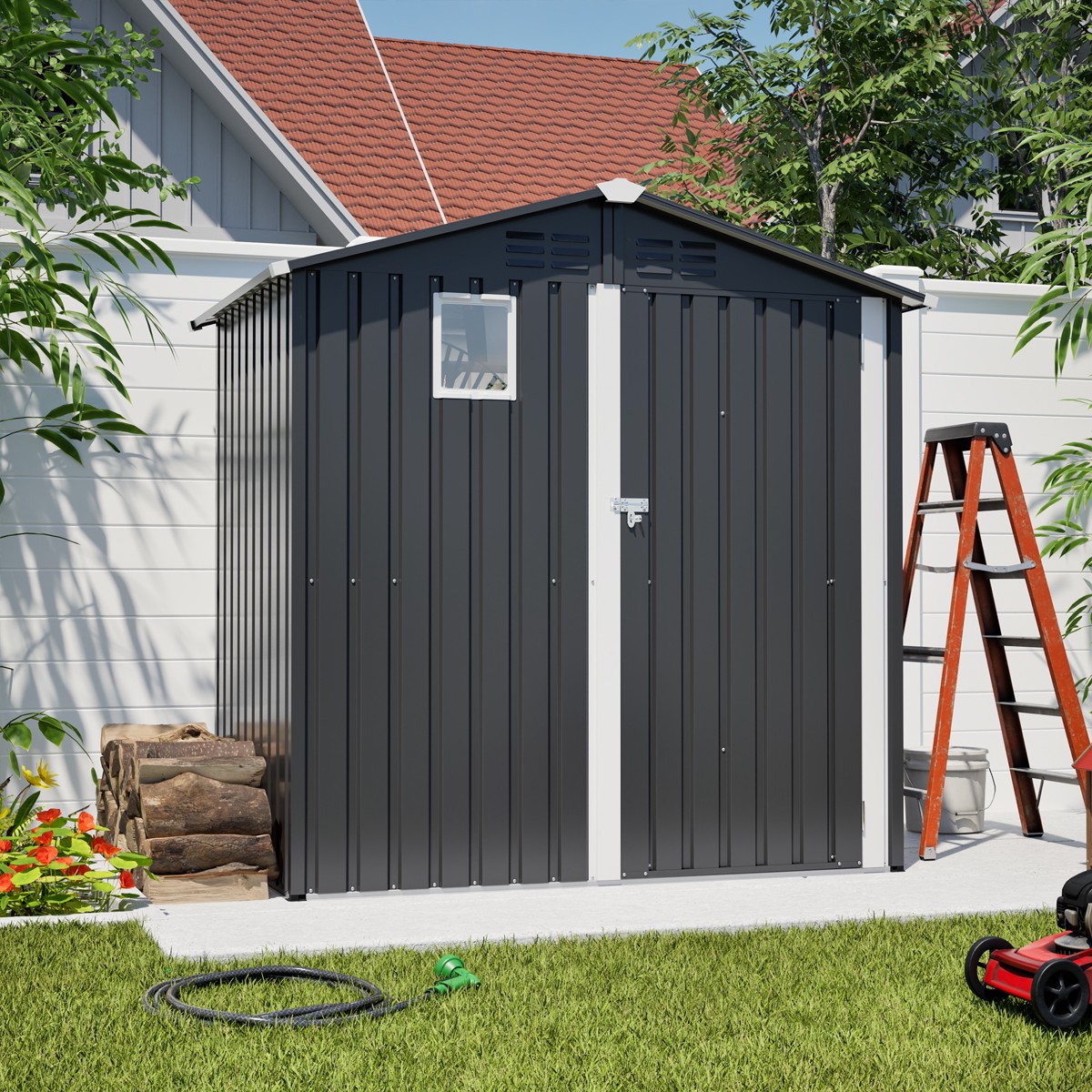 Metal Outdoor Storage Shed 6FT X 4FT, Steel Utility Tool House , Sheds For Backyard Garden Patio Lawn 6 X 4,Gray$208.99View on Mallflare
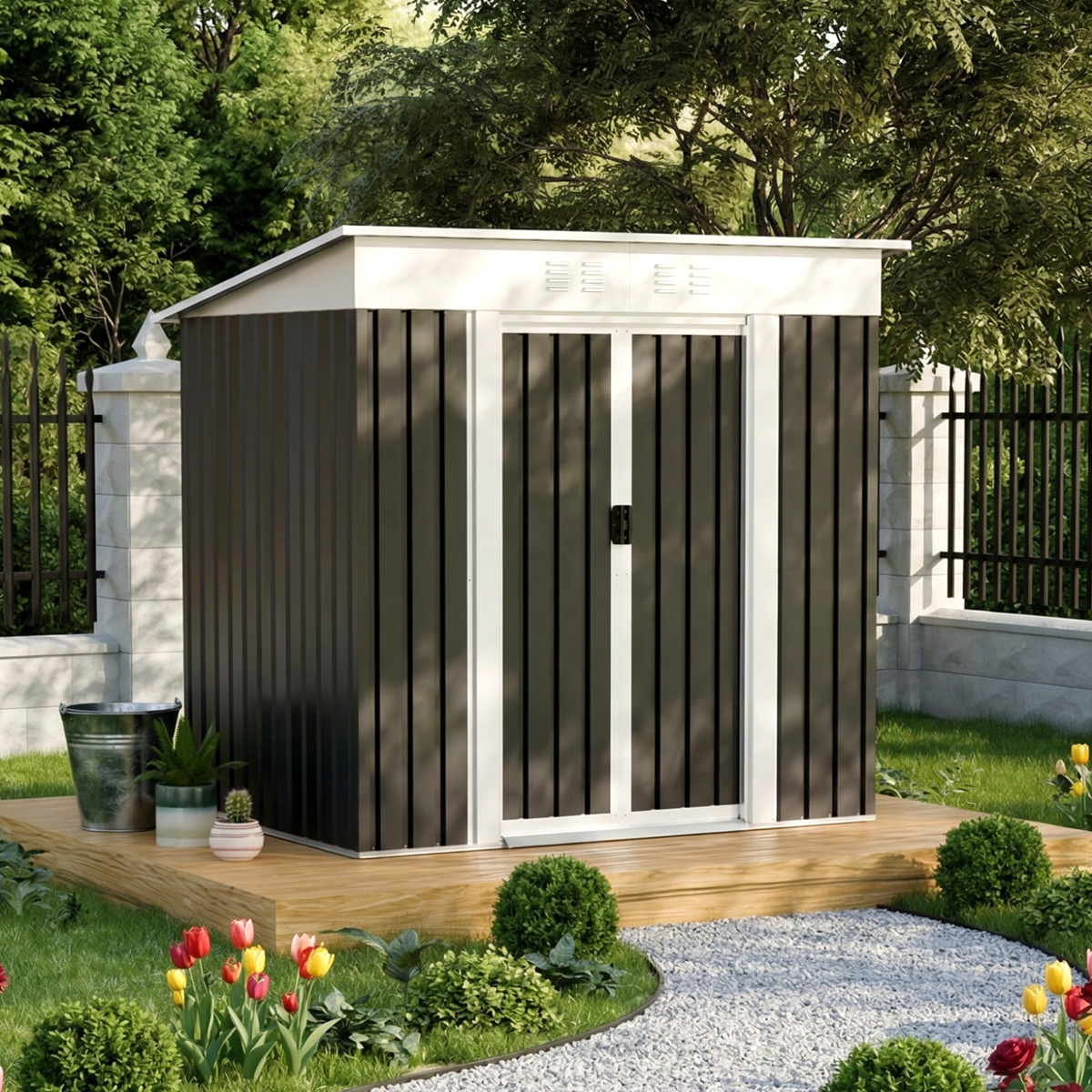 6x4 FT Garden Shed For Patio Outdoors Storage Metal Frame Design Sliding Door$208.99View on Mallflare
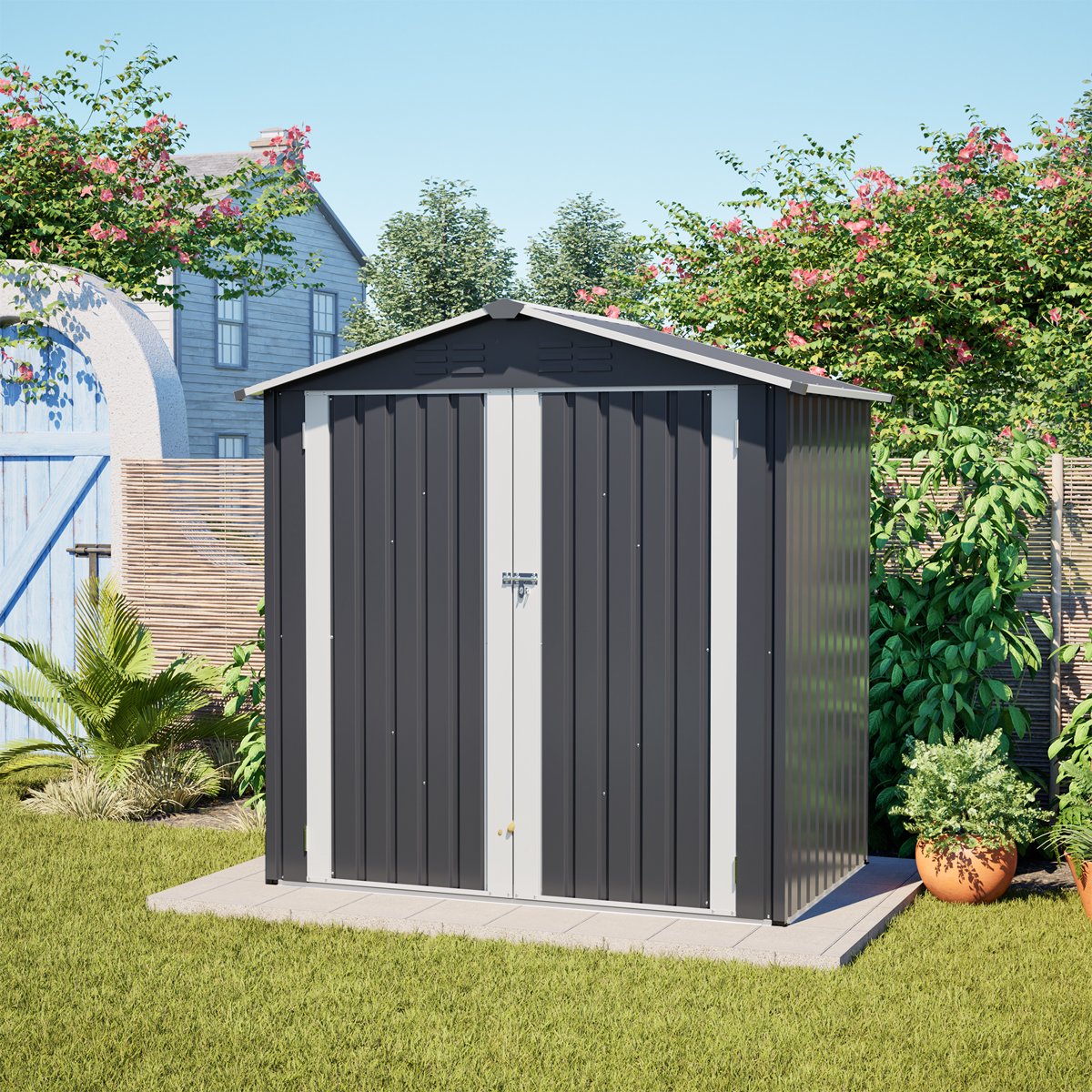 Metal Outdoor Storage Shed 6 X 4 FT With Lockable Door,Waterproof Garden Tool House For Patio Lawn,Gray$209.99View on Mallflare
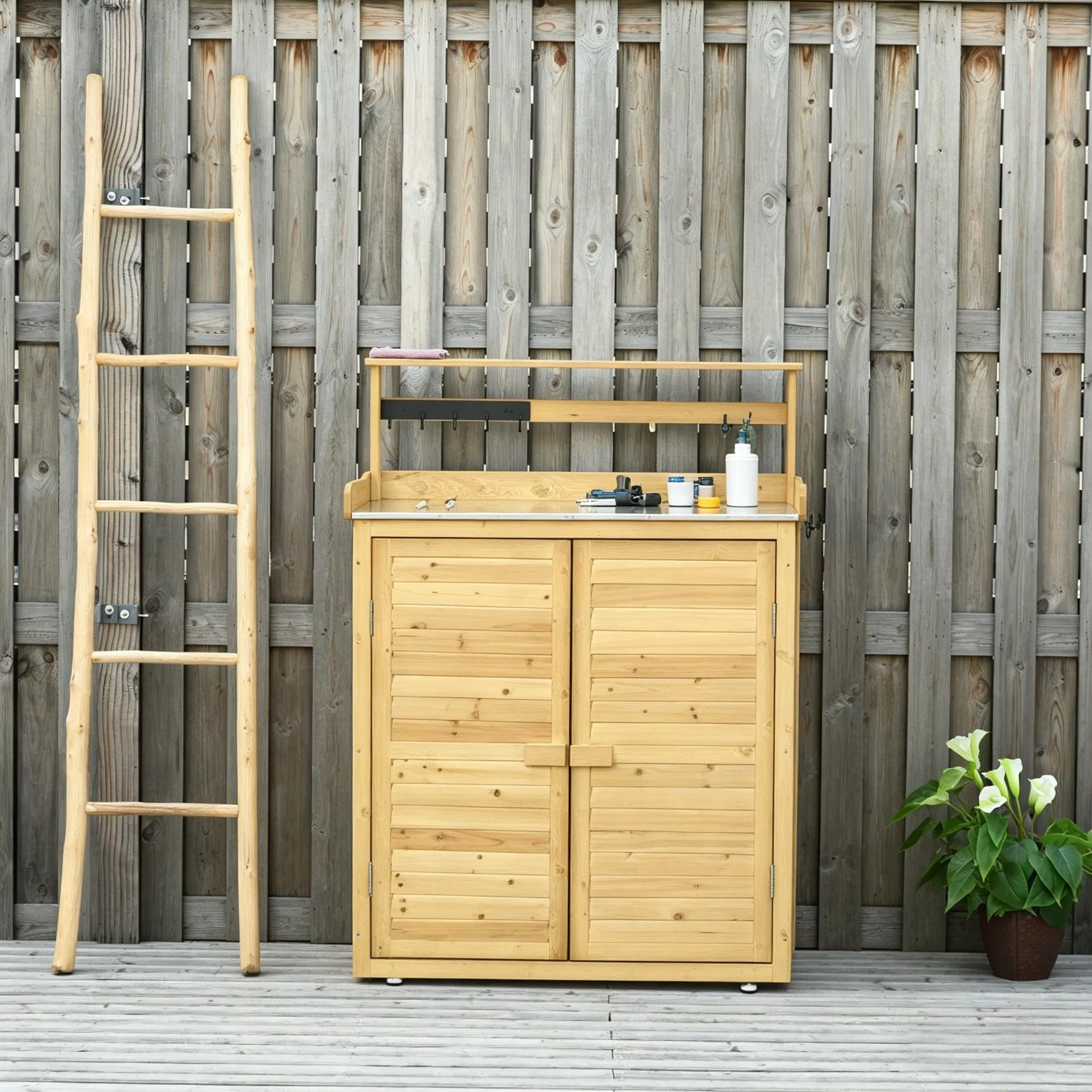 Outdoor Backyard Garden Tool Storage Shed with Potting Bench Large Interior 2Magnetic Close Doors for Organization And Convenience$230.99View on Mallflare
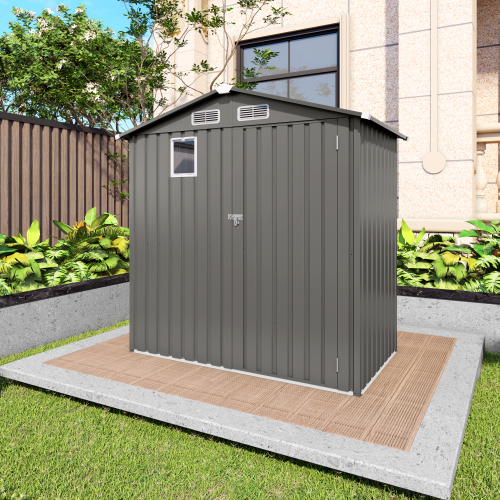 6X 3.6FT Metal Outdoor Storage Shed, Tool With Peaked Roof Watertight Clear Window And Lockable Door Compact Room For Garden, Backyard, Patio, Sundries And Bike Gray$248.99View on Mallflare
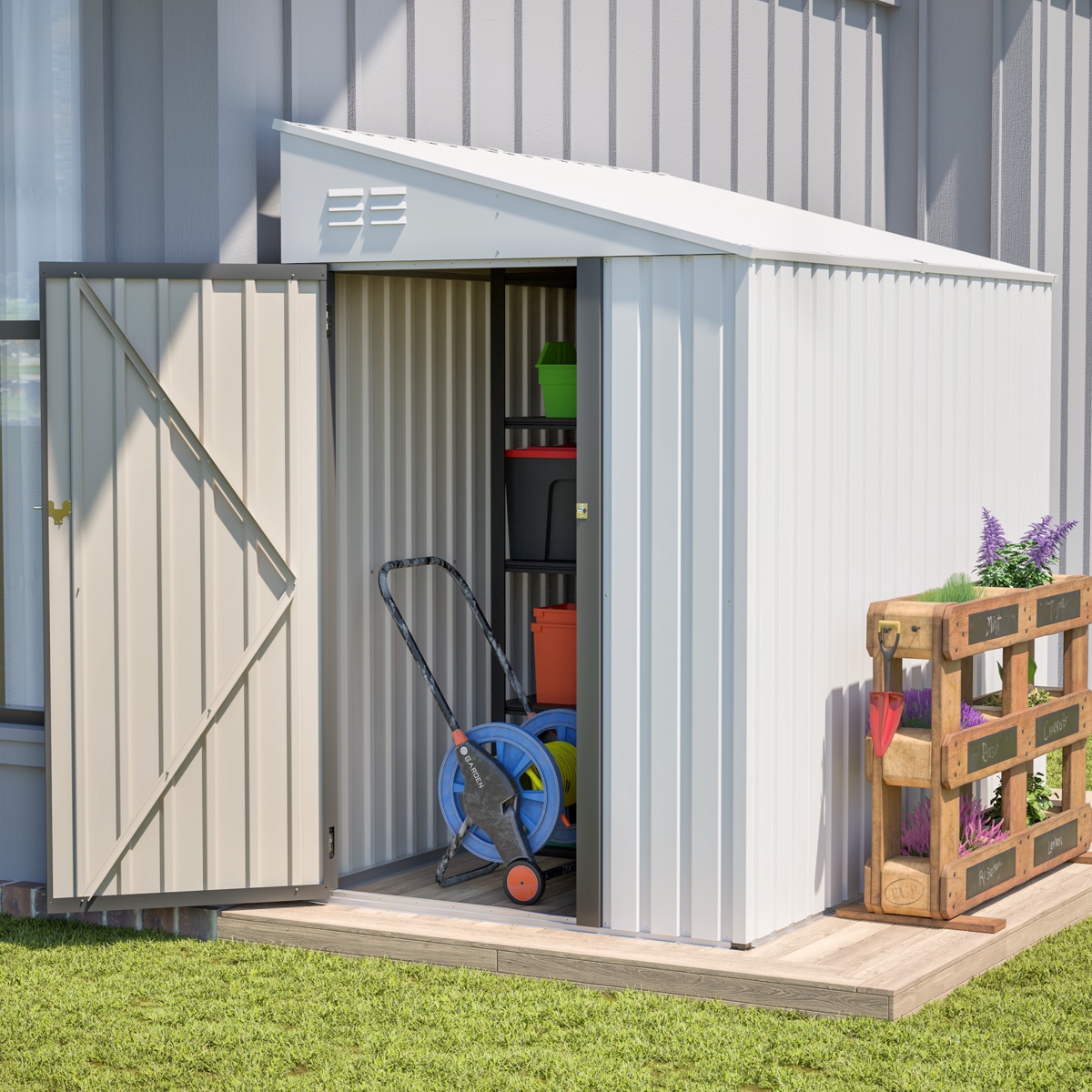 White 4 X 7 Lean-To Storage Shed, Heavy-Duty Metal Outdoor Garden & Bike With Lockable Door, Easy Assembly Solution$279.99View on Mallflare
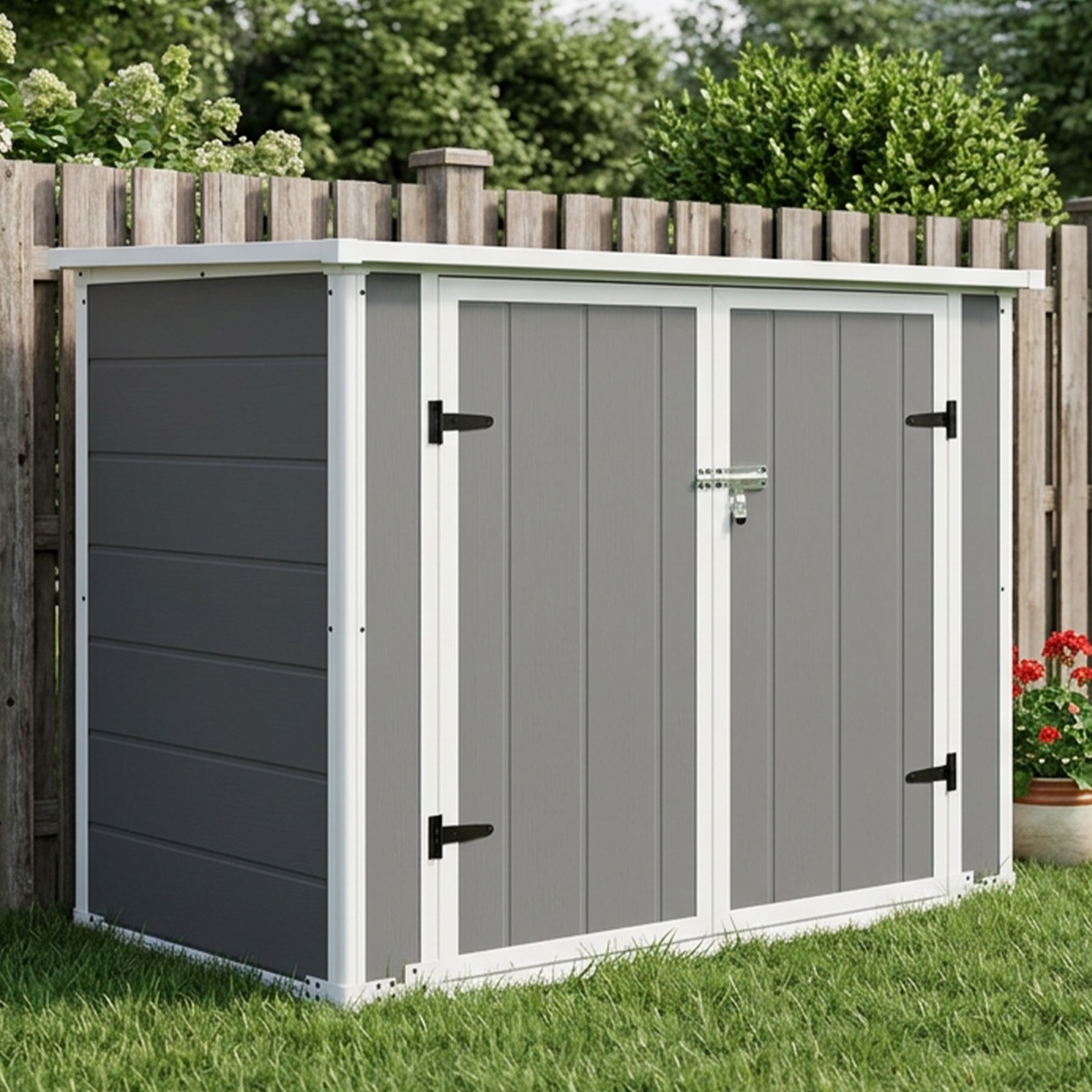 Horizontal Outdoor Storage Shed with Ramp & Hydraulic Lid, Lockable Waterproof Cabinet for Trash Cans, Tools & Firewood$285.99View on Mallflare
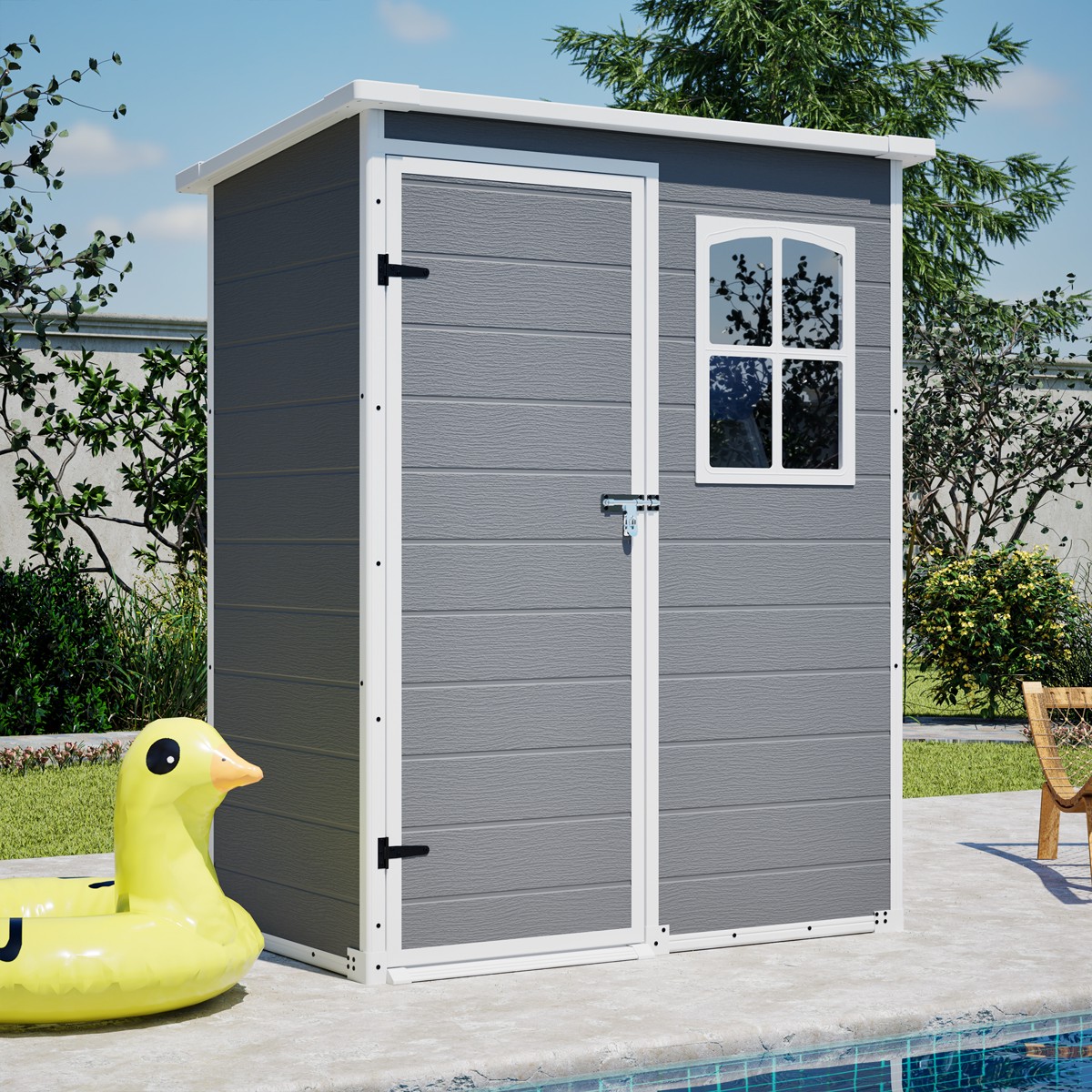 5x3ft Gray Resin Outdoor Storage Shed With Floor, Waterproof Lockable Design And Window - Ideal Tool & Garden For Backyard, Patio, Lawn$311.99View on Mallflare
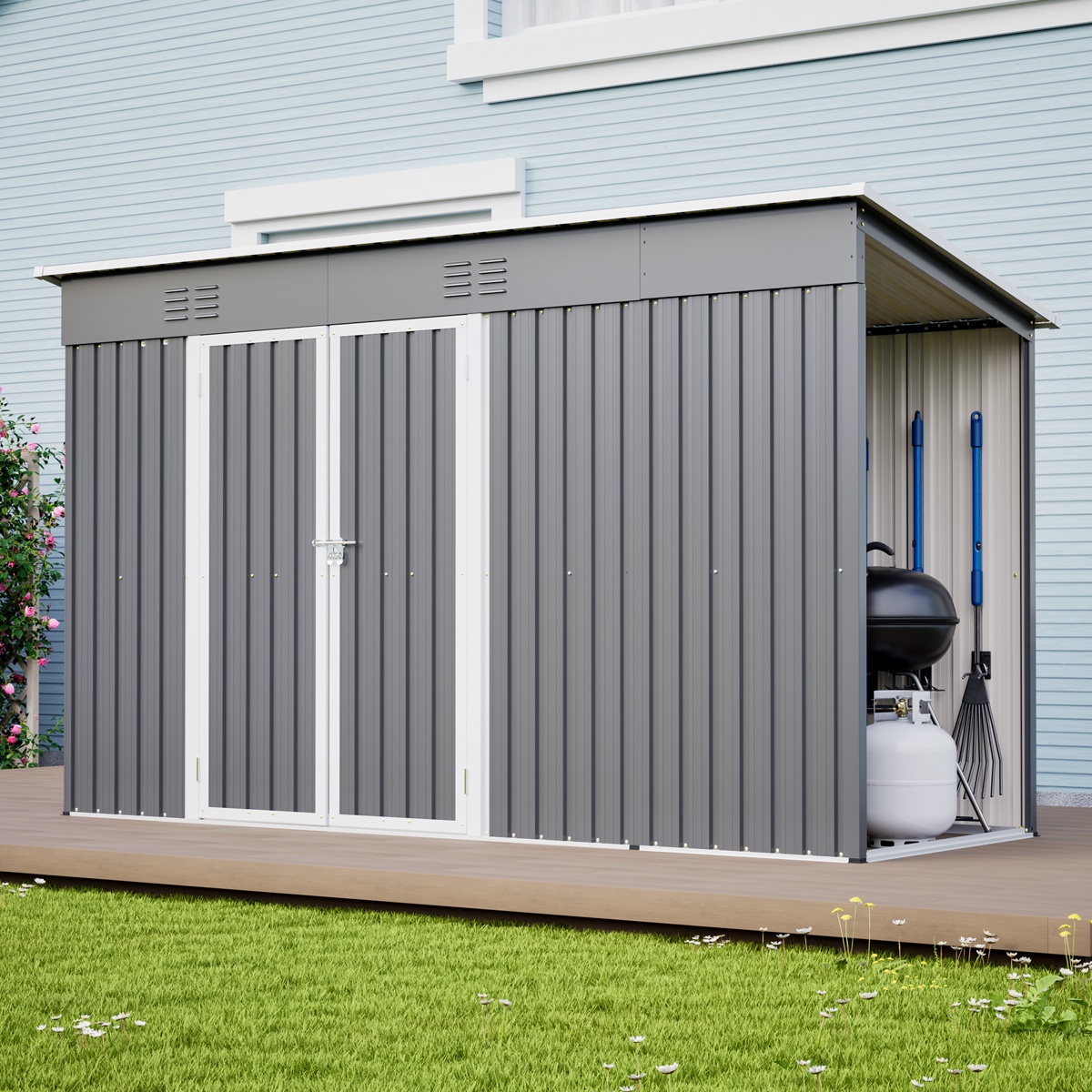 10 X4 Outdoor Metal Storage Shed For Garden Tools Lockable Door With Floor Frame$312.99View on Mallflare
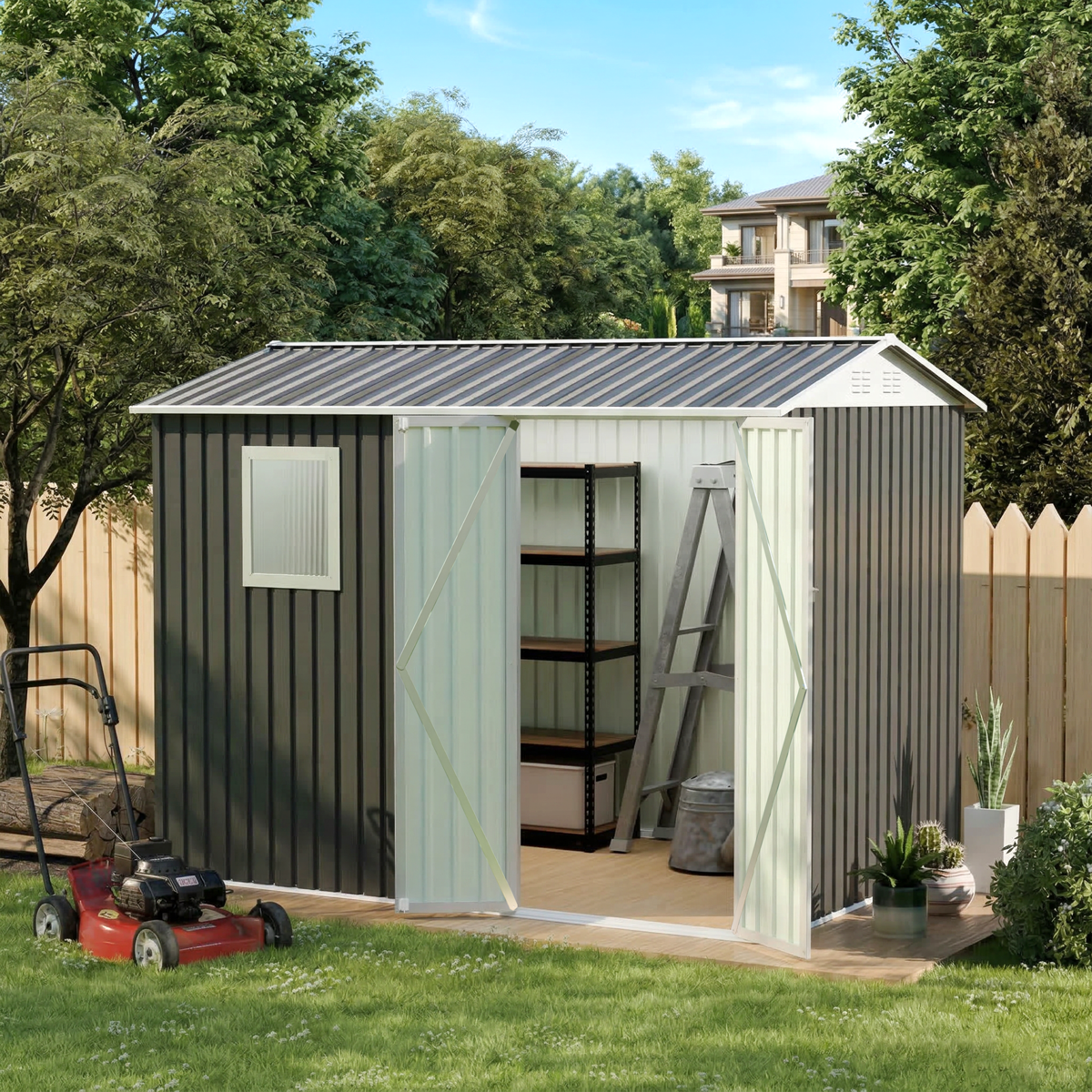 9x6 FT Metal Garden Shed With 1 Windows For Outdoors Patio Hinge Doors Storage Sheds$318.99View on Mallflare
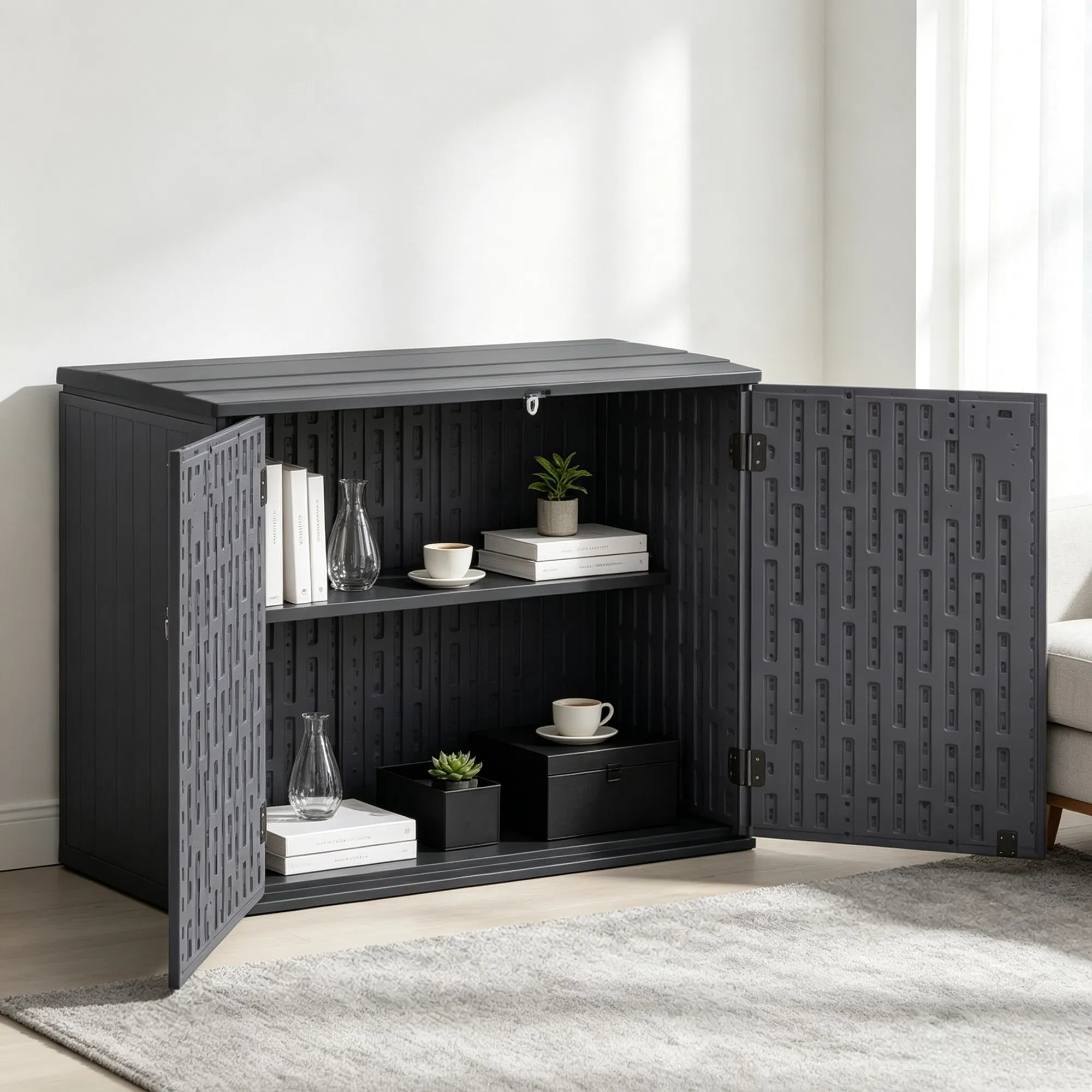 Horizontal Resin Storage Shed 20 Cu.Ft with Adjustable Shelf Outdoor Garden Equipment Organizer$346.99View on Mallflare
Highlights
- Resin and plastic sheds require 12–18 inches of side/rear clearance for airflow and thermal expansion; metal sheds need 24 inches to prevent condensation-induced rust at contact points.
- Wooden sheds demand 24 inches minimum on all sides plus a 6-inch gravel perimeter to block soil contact—direct ground contact voids most rot warranties within 2–3 years.
- Standard building codes (IRC R302) require 3–5 feet clearance from property lines for sheds over 120 sq ft, and 24–36 inches from combustible walls for any shed.
- Clearance directly affects anchoring: wind-rated sheds (100–130 mph) specify 18–24 inches from fences or walls to allow proper ground-anchor installation and inspection.
Best use cases
- Best fit: A 10x8 resin shed on a level gravel pad with 18-inch side gaps and 30-inch door clearance—pick this for low-maintenance backyard storage in wet climates.
- Wrong fit: Pushing a metal shed flush against a garage wall to save space—skip this; the 24-inch rear gap is non-negotiable for condensation control and roof overhang.
- Best fit: A wooden shed with 24-inch gaps and a 6-inch gravel border—choose this when local code allows 3-foot property-line setback and you can maintain annual staining.
- Wrong fit: Installing any shed on a slope or directly on soil without a framed base—skip shed kits that don't include floor framing or anchor kits when clearance is under 24 inches.
Buying tips
- Measure door clearance first: most shed doors require 36 inches of unobstructed approach; subtract 6 inches for door swing if hinges are exposed.
- Allow 24 inches between shed walls and fences or trees for maintenance access and to prevent debris accumulation that traps moisture.
- For sheds over 100 sq ft, confirm local setback rules: typical minimum is 3 feet from property lines, but some jurisdictions require 5 feet for structures over 120 sq ft.
- Choose a shed with pre-drilled anchor points and include a ground-anchor kit rated for your wind zone (110 mph minimum for most suburban areas).
Specs
| Side/Rear Clearance | Resin 12-18 in; Metal/Wood 24 in |
|---|---|
| Door Approach | 36 in unobstructed minimum |
| Property Setback | 3 ft typical; 5 ft for >120 sq ft |
| Base Type | Level gravel, concrete, or framed floor |
What to check before buying
- Measure the exact pad dimensions plus 24 inches on all sides—confirm the total footprint fits your yard before ordering any shed kit.
- Verify local zoning setback: 3 feet from property lines is common, but 5 feet may apply for sheds over 120 sq ft or taller than 10 feet.
- Check ground slope: a shed pad must be level within 1 inch over 8 feet; otherwise, add a gravel or concrete base before installation.
- Confirm the shed's anchor kit and floor framing are included—separate purchases add cost and often ship with 2–4 week lead times.
FAQ
Data sources: eBay / Amazon listings and product attribute feeds. Updated Nov 28, 2026.
Some links on this page are affiliate links. If you buy after clicking one, we may earn a commission at no extra cost to you. This does not change which products appear here or their order. Affiliate disclosure.