
Photos from current listings. Actual item, color, and included accessories may vary.
Outdoor Planter Box Buying Guide
Outdoor planter boxes range from decorative containers to functional raised beds, with the core trade-off being material durability versus cost and weight. Galvanized steel and rot-resistant wood offer long-term structural integrity, while plastic and fabric suit lighter, movable applications. The decision rule: choose metal or thick-walled wood for permanent, soil-filled installations; choose UV-stabilized plastic or heavy-duty fabric for seasonal or portable use.
Median $122.99
Key takeaways
- Galvanized steel planters resist rust for 10+ years when coated; uncoated or thin-gauge metal corrodes within 2-3 seasons.
- Cedar and larch are naturally rot-resistant; pine requires chemical treatment or a liner to last beyond 3-5 years.
- Polypropylene and polyethylene plastics need UV stabilizers to avoid brittleness; look for 3mm+ wall thickness for structural planters.
At a glance
- Category
- Raised Garden Beds & Planters
- Last updated
- Nov 28, 2026
Current offers
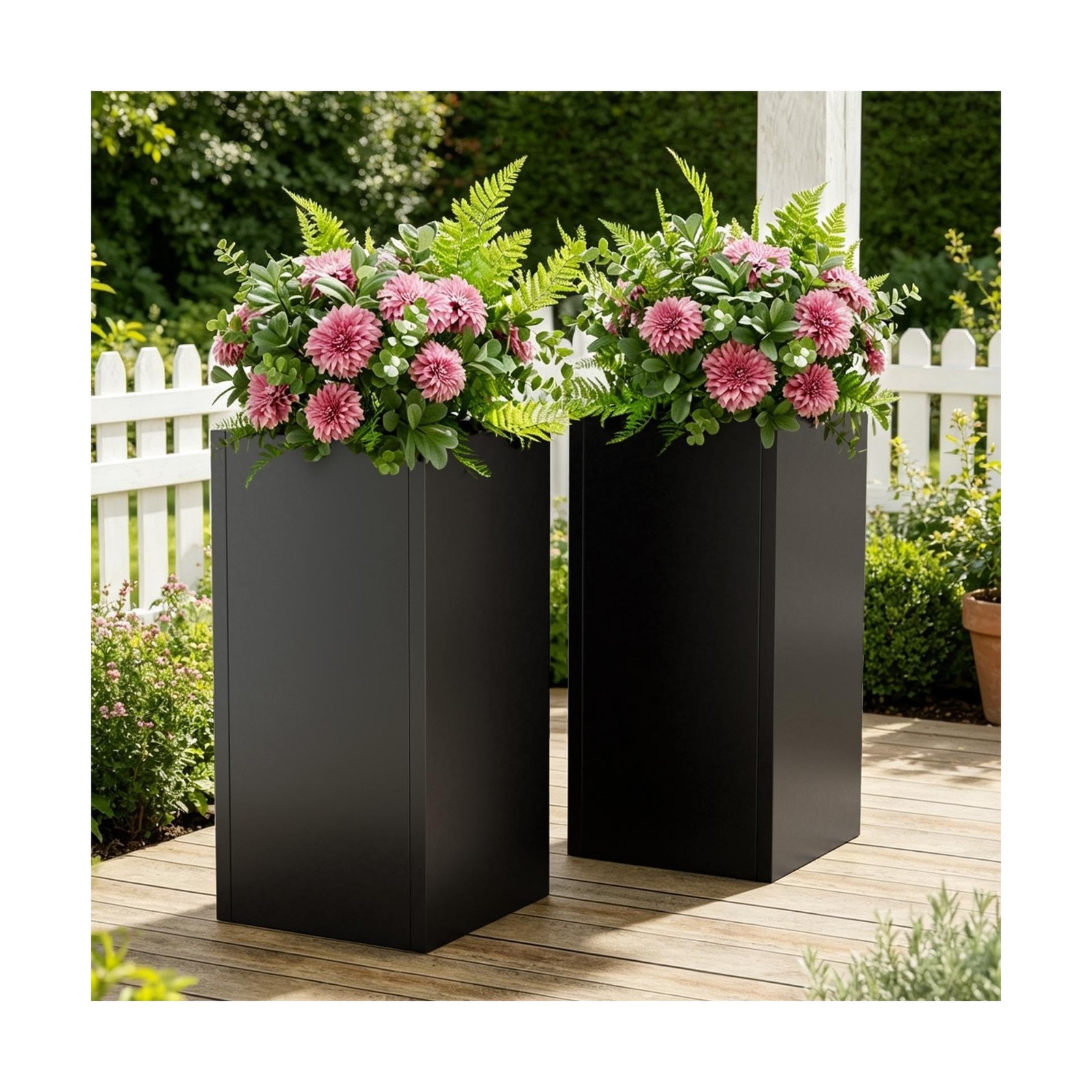 24" Metal Tall Planters Box for Outdoor Plants - Square Black 2Pack | Galvani...$139.25View on eBay
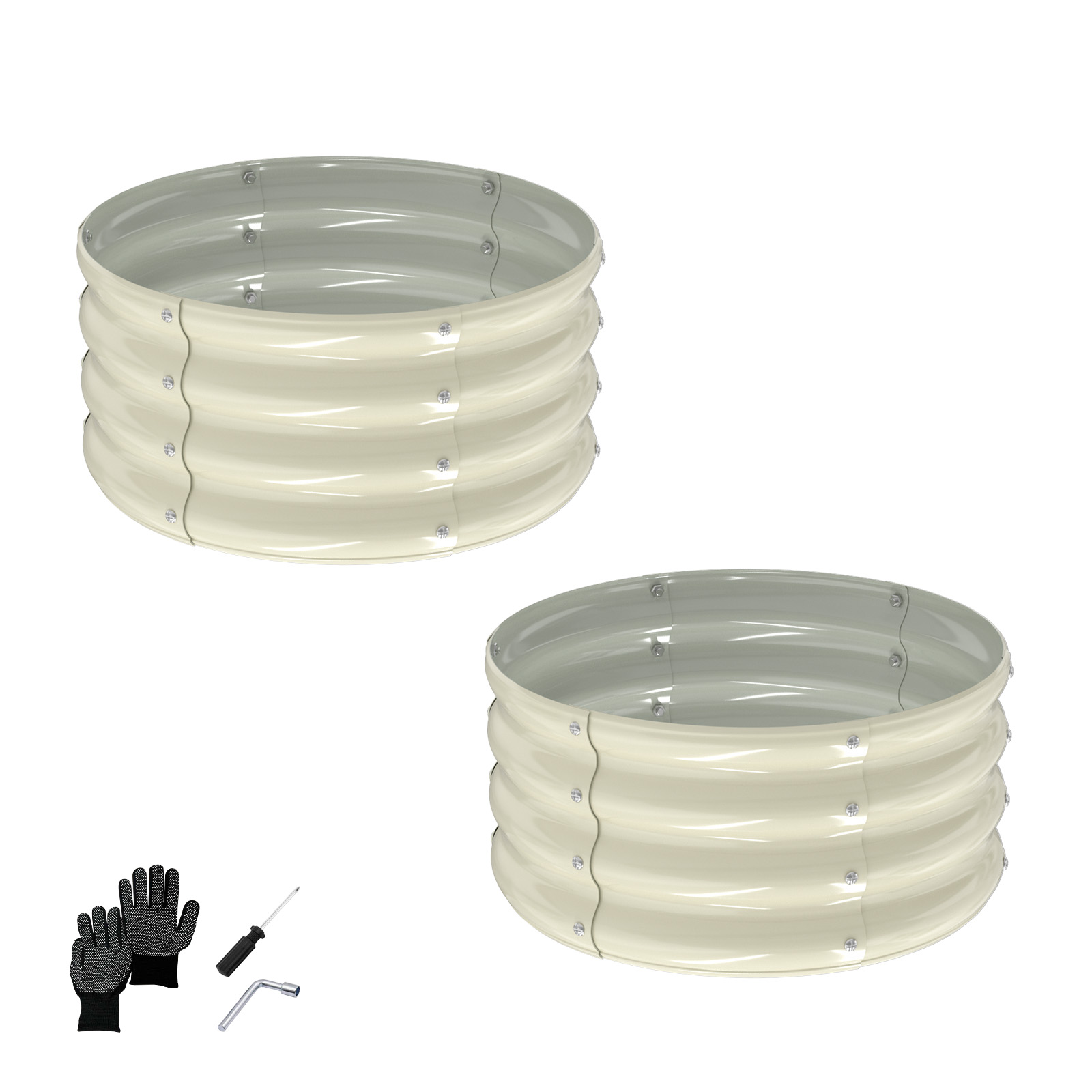 2 Pcs 2×2×1ft Raised Garden Bed, Round Galvanized Outdoor Planter Box, Metal Bed for Planting Vegetables Fruits Flowers, White$41.99View on Mallflare
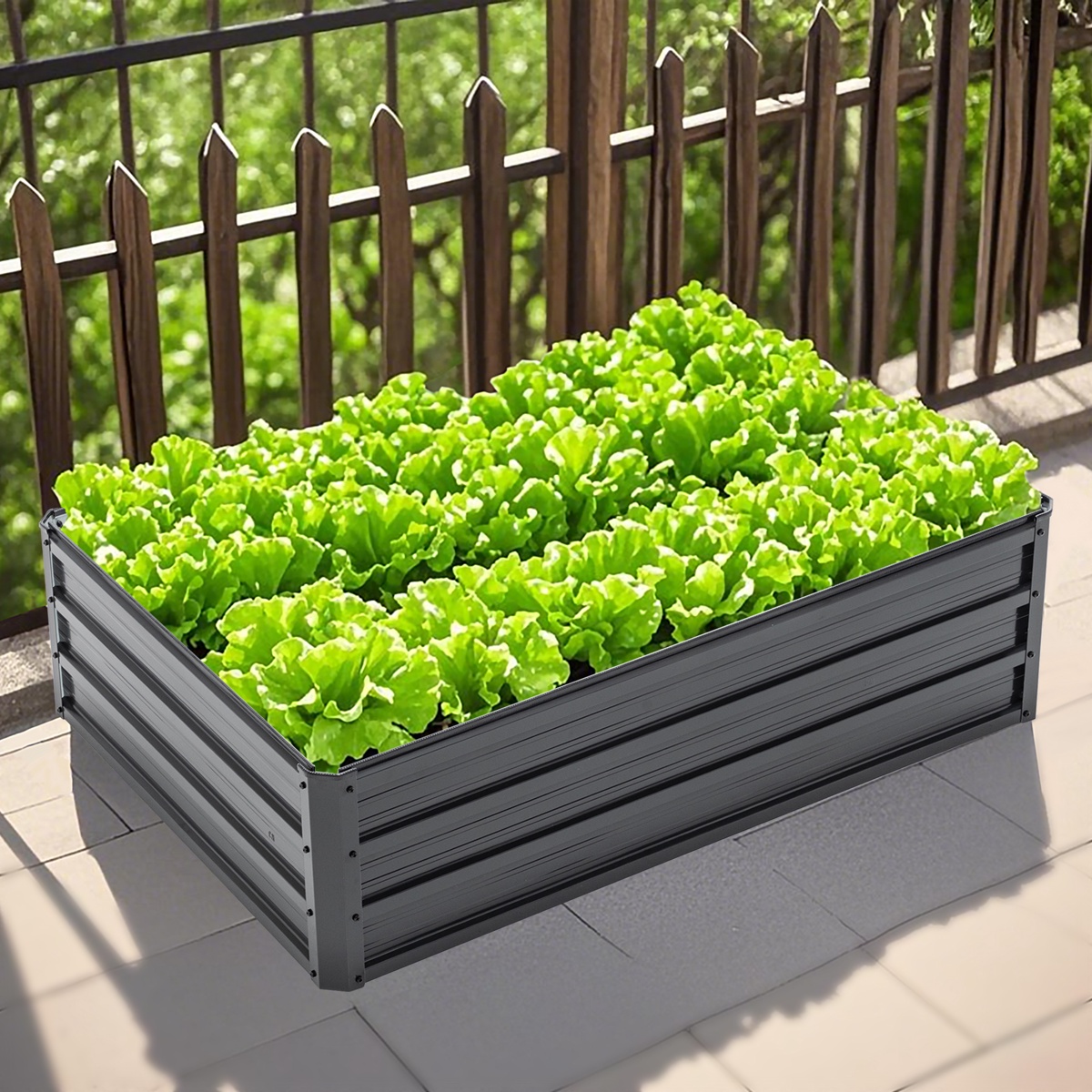 4x3x1ft Metal Raised Garden Bed,Deep Root Outdoor Galvanized Planter Box,Patio Kit Planting Beds for Vegetables Flowers Herb,Black$55.99View on Mallflare
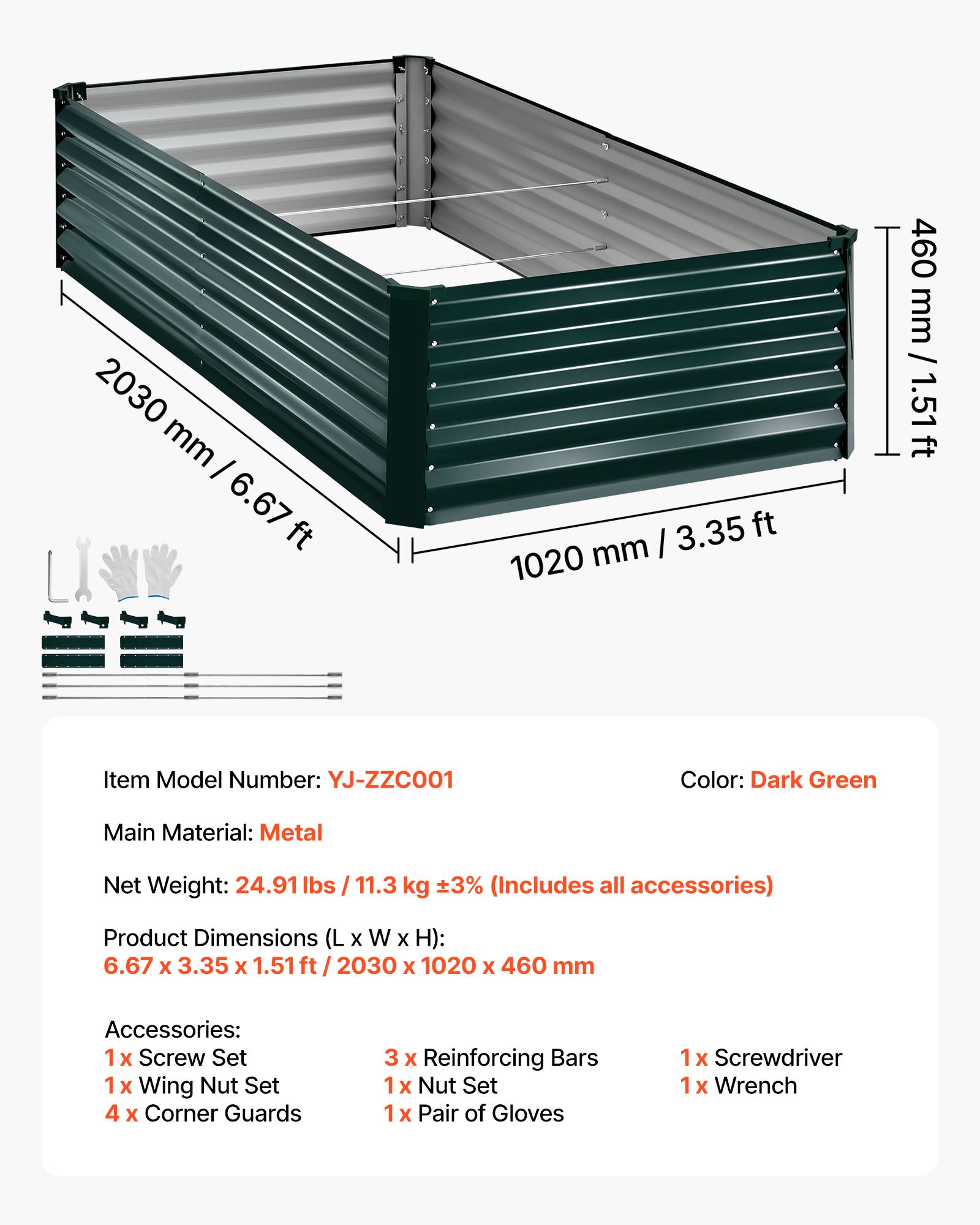 Galvanized Raised Garden Bed, 6.67 X 3.35 X 1.51 Ft, Rectangular Metal Planter Box Kit Outdoor, Rustproof Elevated Planting Box With Gloves, Alu-Zinc, For Growing Flowers Vegetables, Dark Green$72.99View on Mallflare
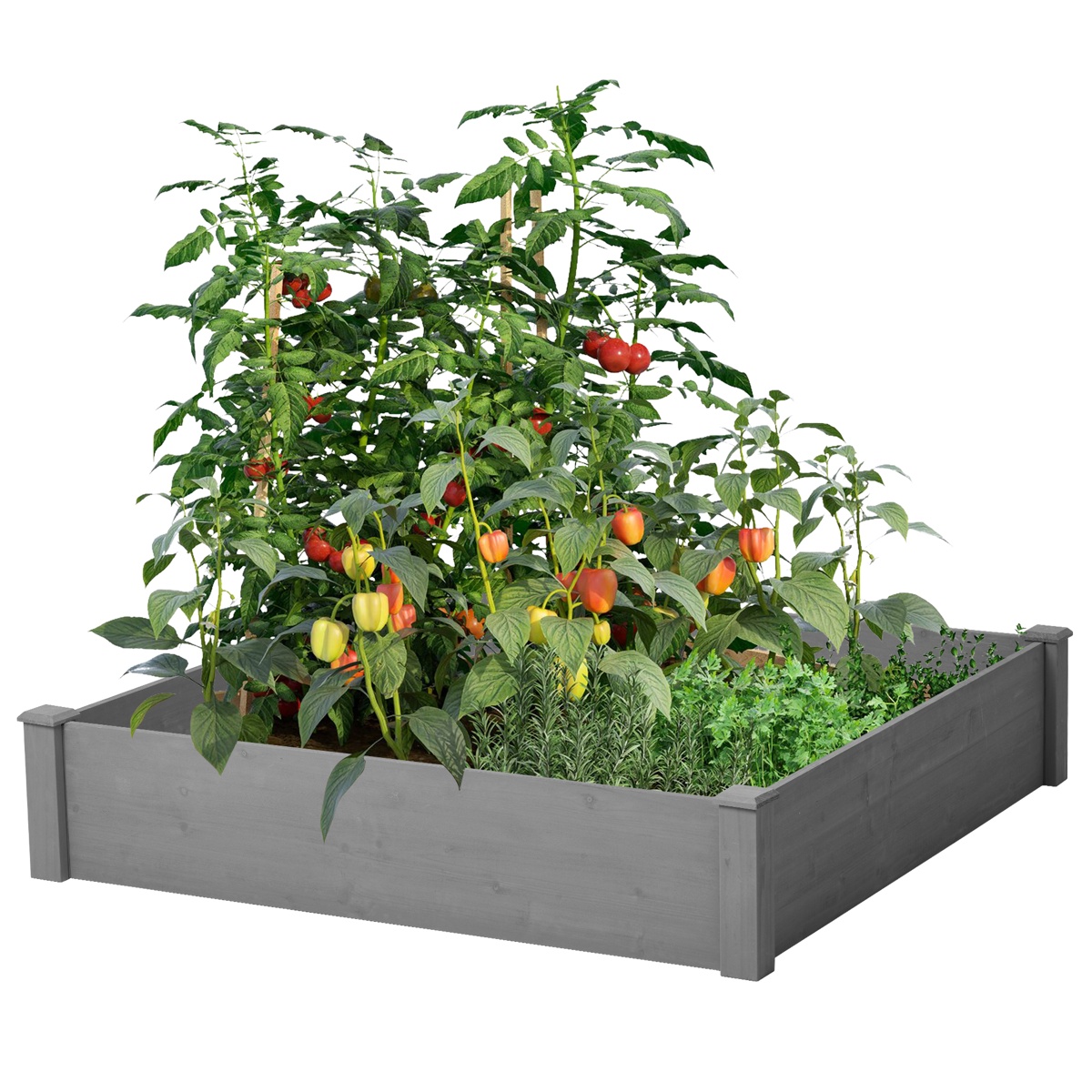 Raised Garden Bed 48x48x10'', Outdoor Wood Planter Box Over Floor, Tool-Free Assembly$75.99View on Mallflare
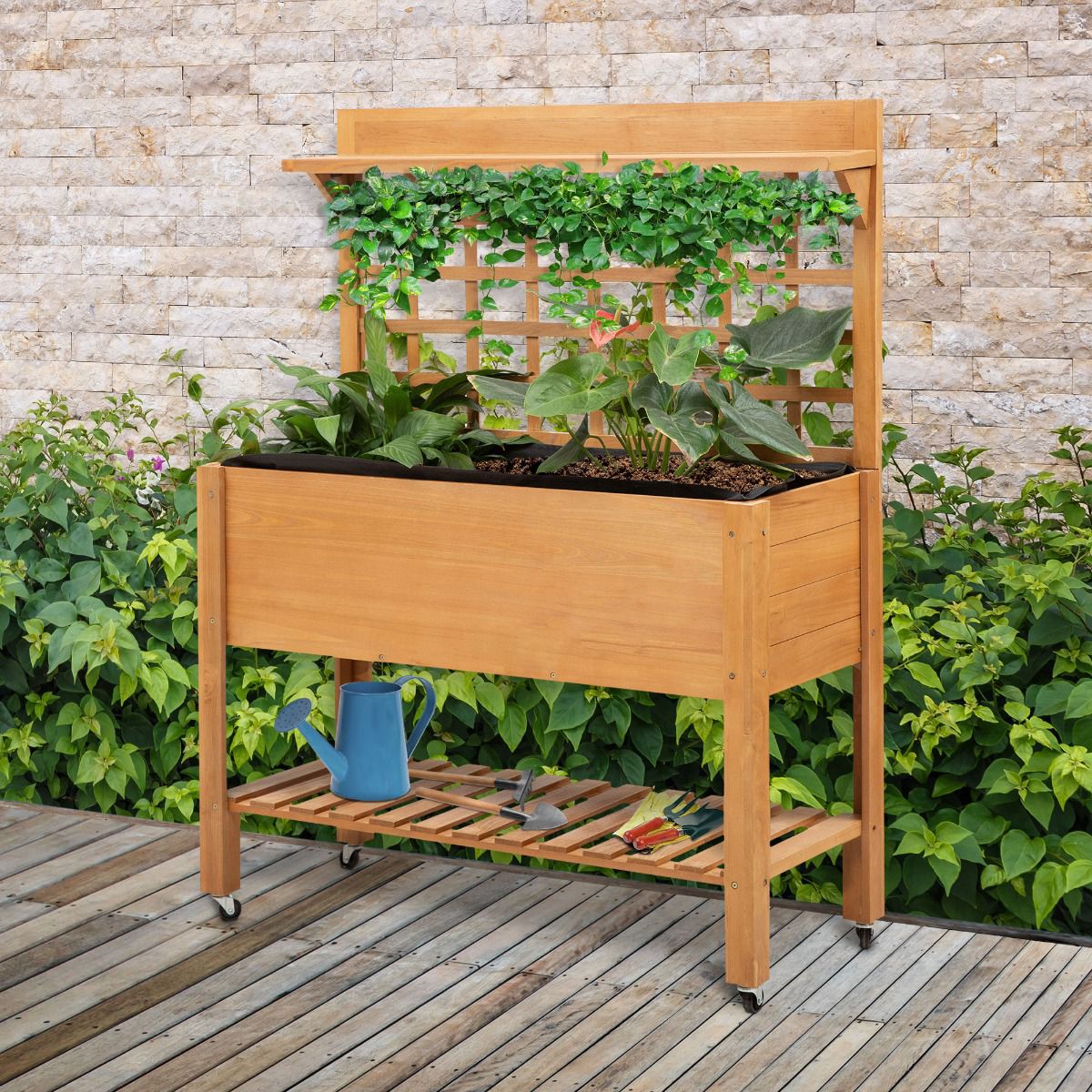 41"x18"x53" Elevated Garden Raised Bed with Shelf and Wheels Solid Wood Planter Flower Herb Boxes for Vegetables Outdoor/Indoor - Brown$80.99View on Mallflare
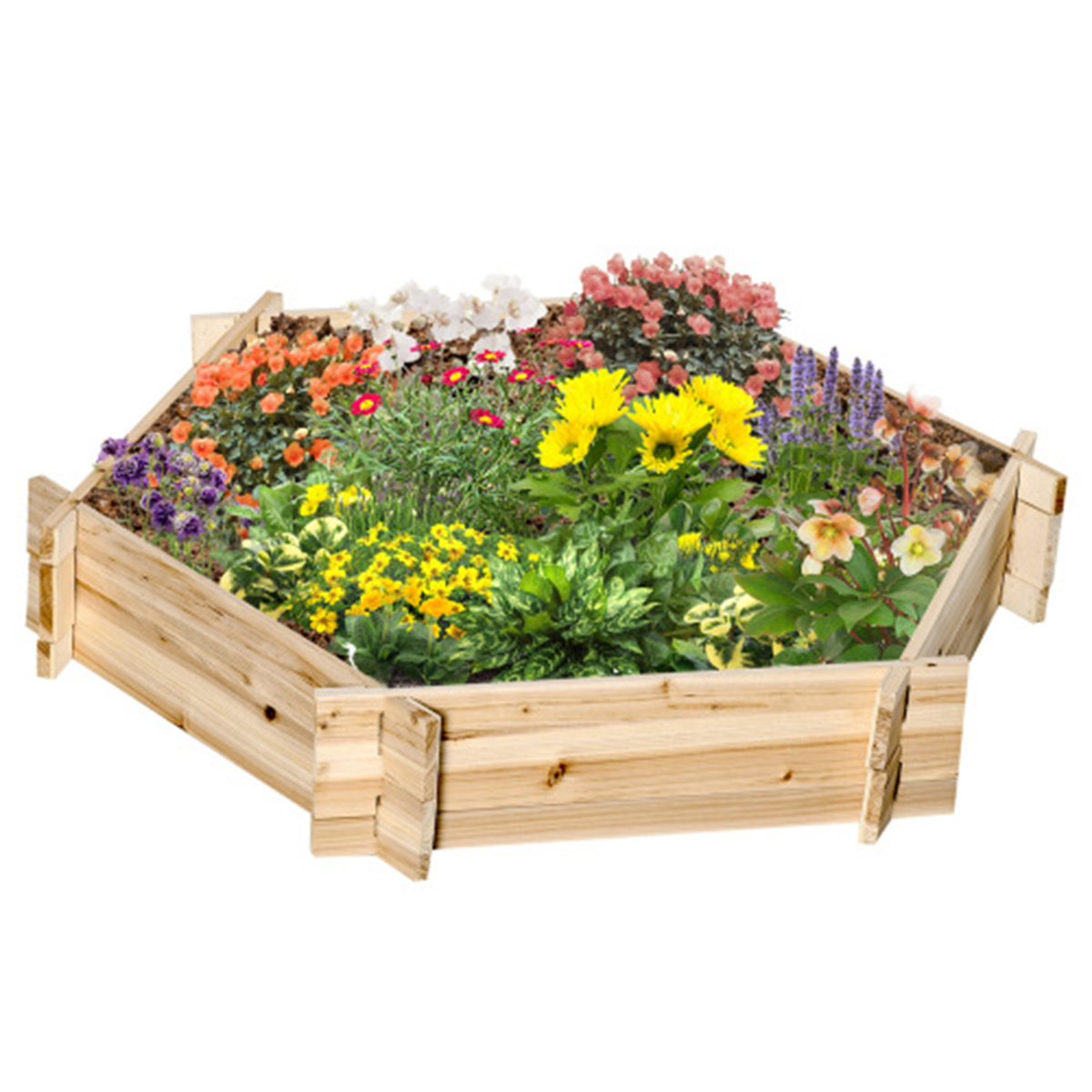 39" x 36" Screwless Hexagon Raised Garden Bed – DIY Herb Planter Box for Outdoor Gardening$82.99View on Mallflare
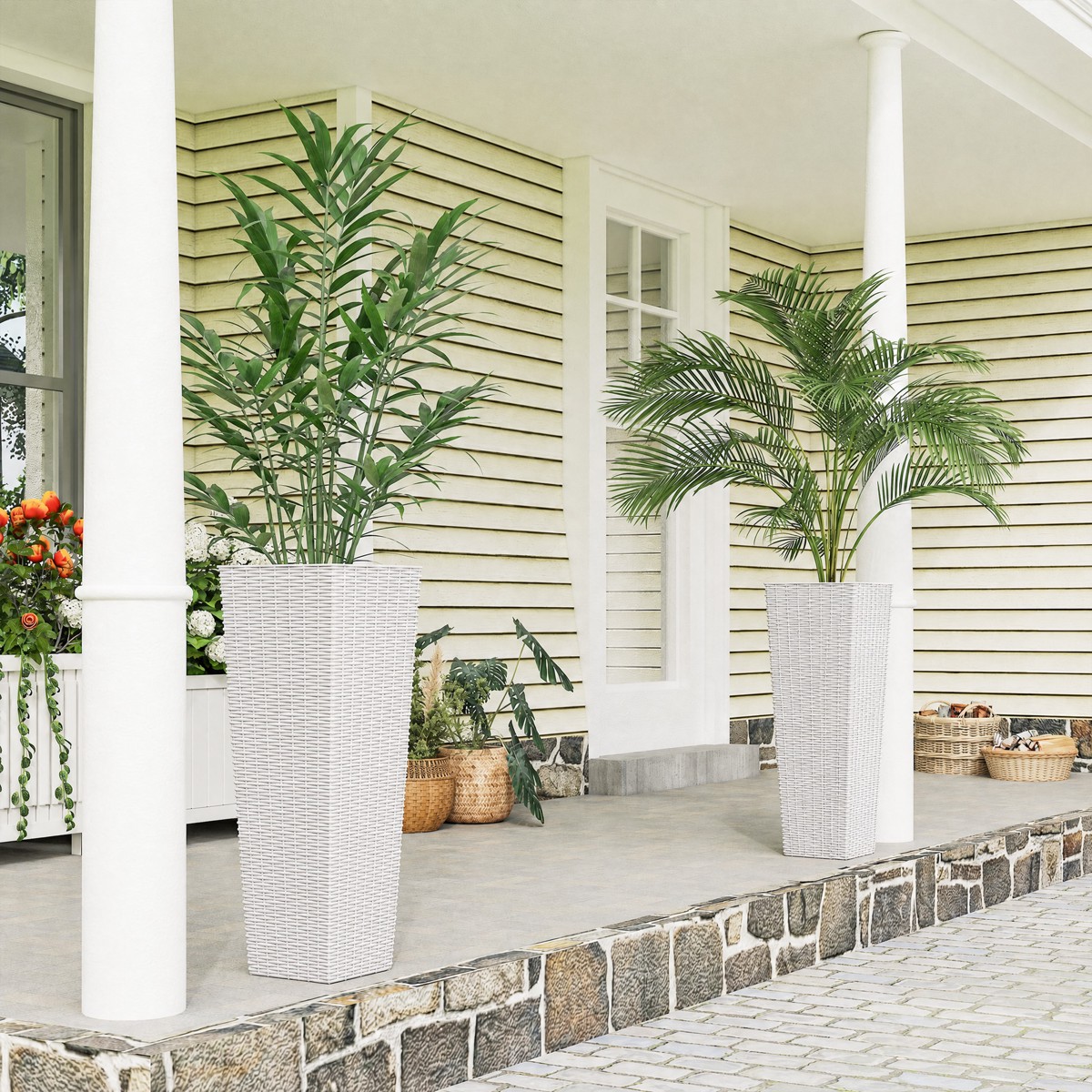 32 Inch Tall Planters for Outdoor Plants, Set of 2 Plastic Flower Pots with Drainage Holes, White$86.99View on Mallflare
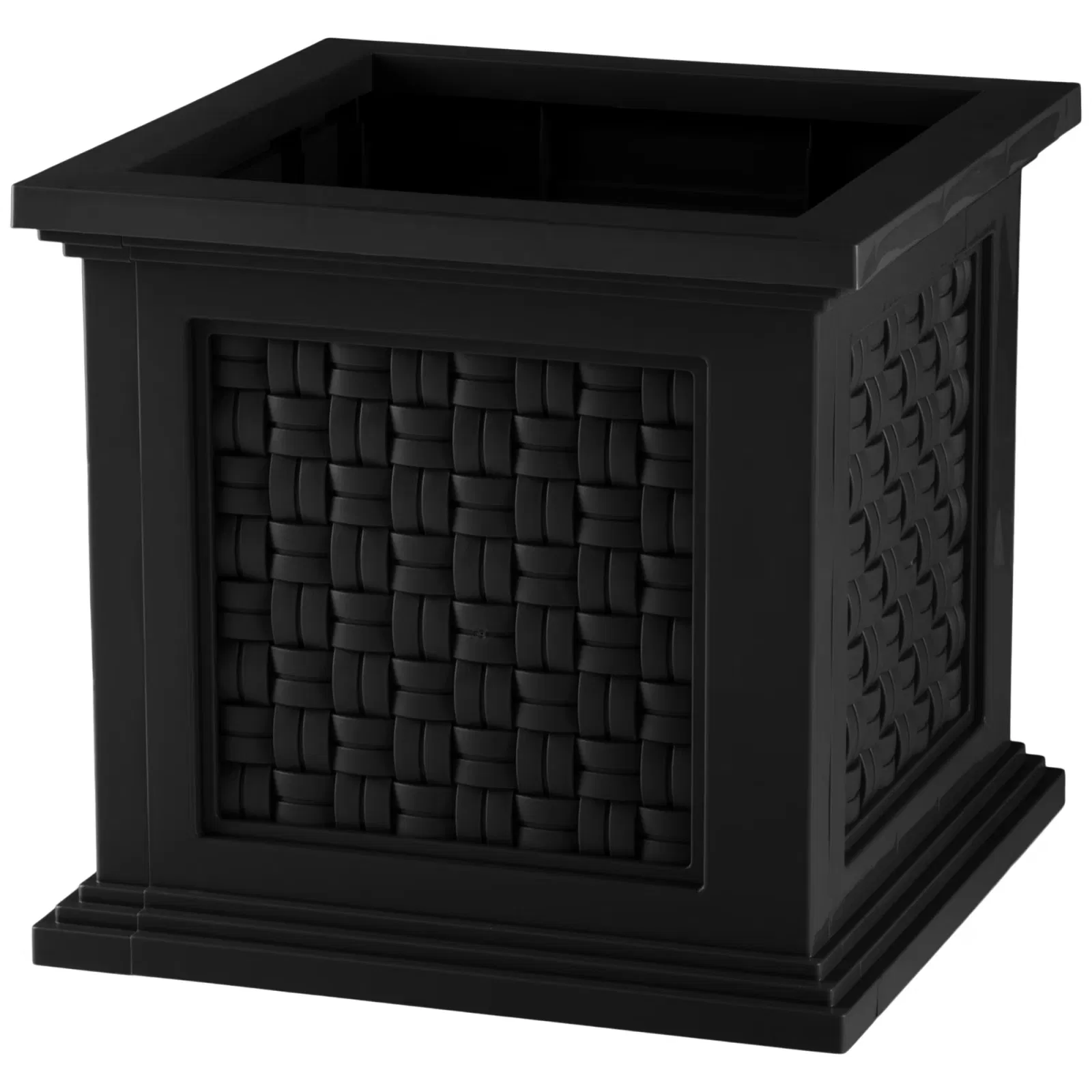 Outdoor Rattan Style Planter Box - 14.65-Inch Plant Pot, Black$87.99View on Mallflare
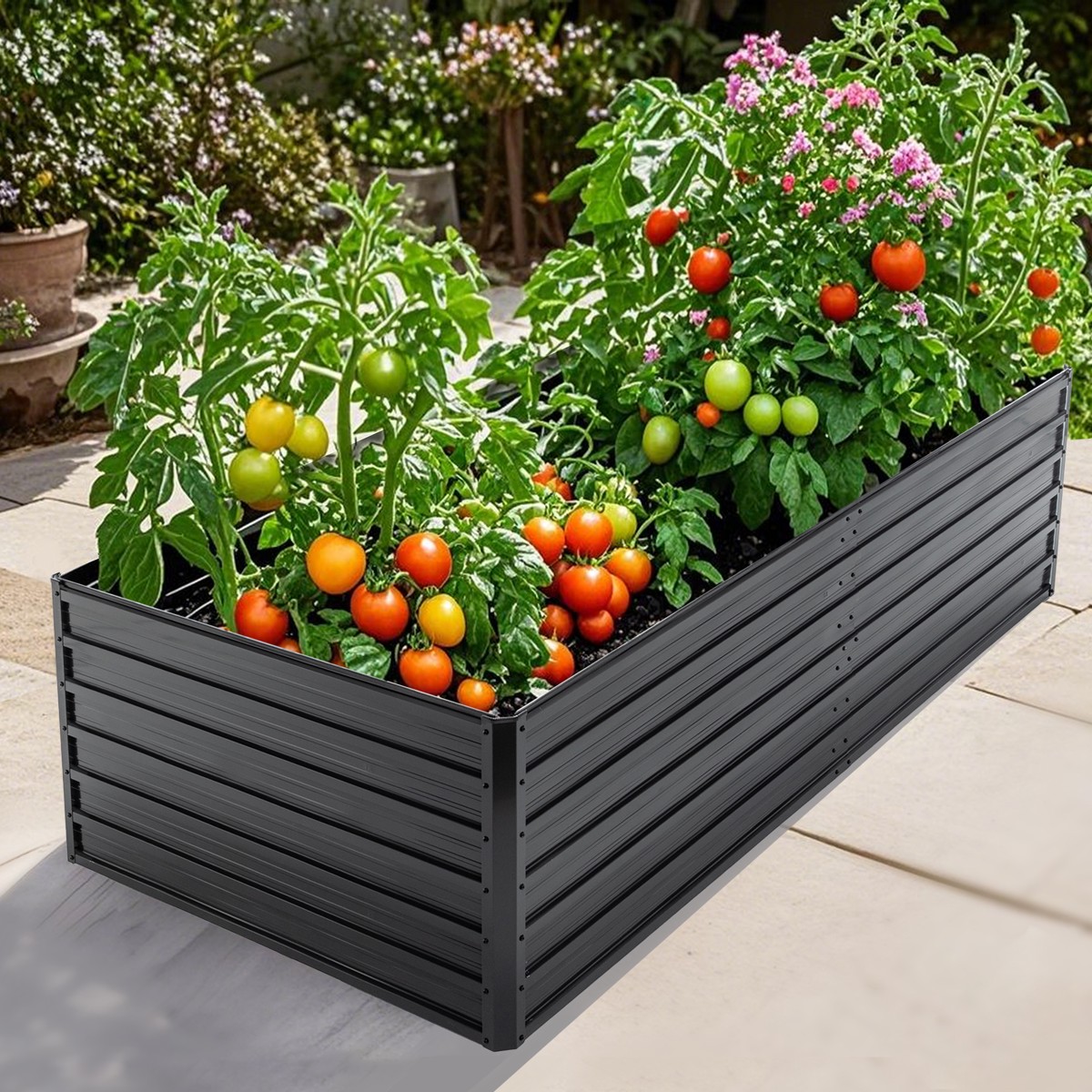 Metal Raised Garden Bed Outdoor 7.2x3.6x2 FT Galvanized Bed Kit,Vegetable Boxes-Rectangle Flower Box,Large Planter Beds For Planting,Fruit,Herb-Black$94.99View on Mallflare
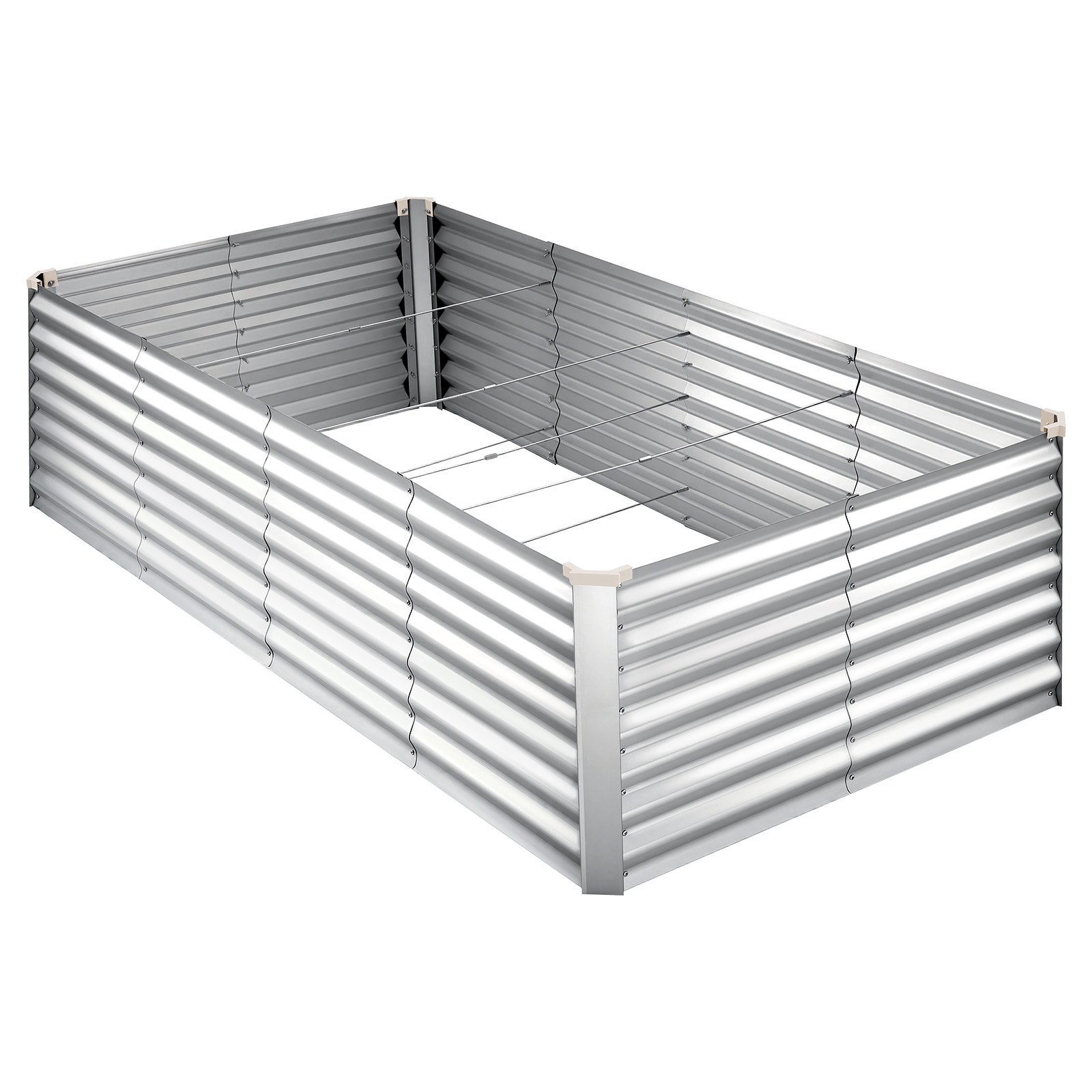 Galvanized Raised Garden Bed, 8 X 4 X 2 Ft, Rectangular Metal Planter Box Kit Outdoor, Bottomless Elevated Planting Box With Gloves, Rustproof Alu-Zinc, For Growing Flowers Vegetables, Silver$95.99View on Mallflare
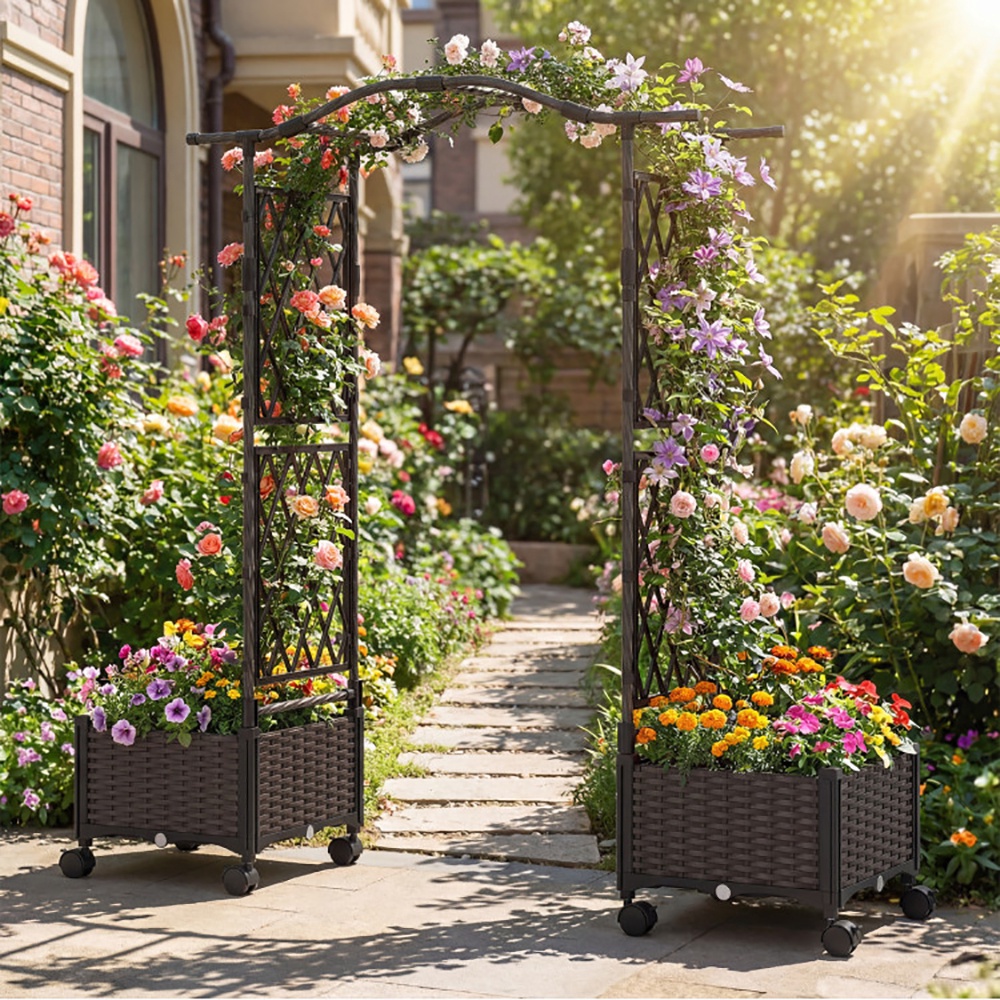 5 FT Self-Watering Planter Boxes With Lattice Trellis And Roof For Outdoor Application, Such As Balcony, Deck, Patio, And Garden$96.99View on Mallflare
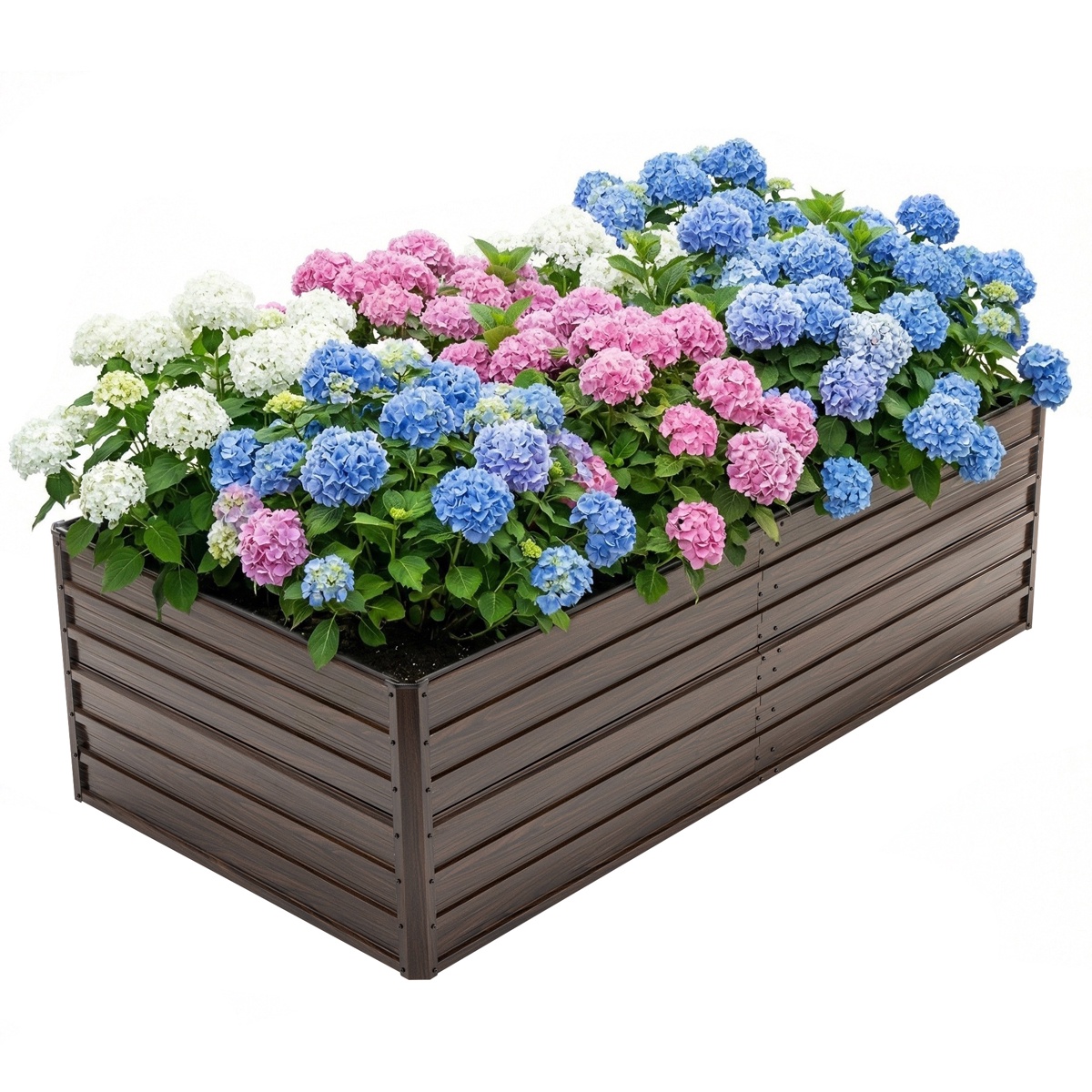 Woodgrain Aesthetic & Metal Strength: 8x4x2FT Galvanized Raised Garden Bed Kit - Large Outdoor Planter Box for Veggies, Fruits, Herbs$97.99View on Mallflare
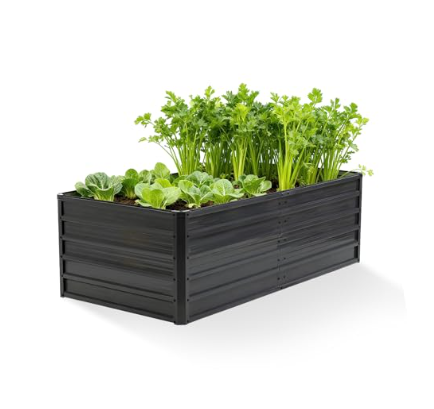 Metal Raised Garden Bed, 6x3x2ft Outdoor Planter Box, Beds For Planting Plants Vegetables, Flowers$98.99View on Mallflare
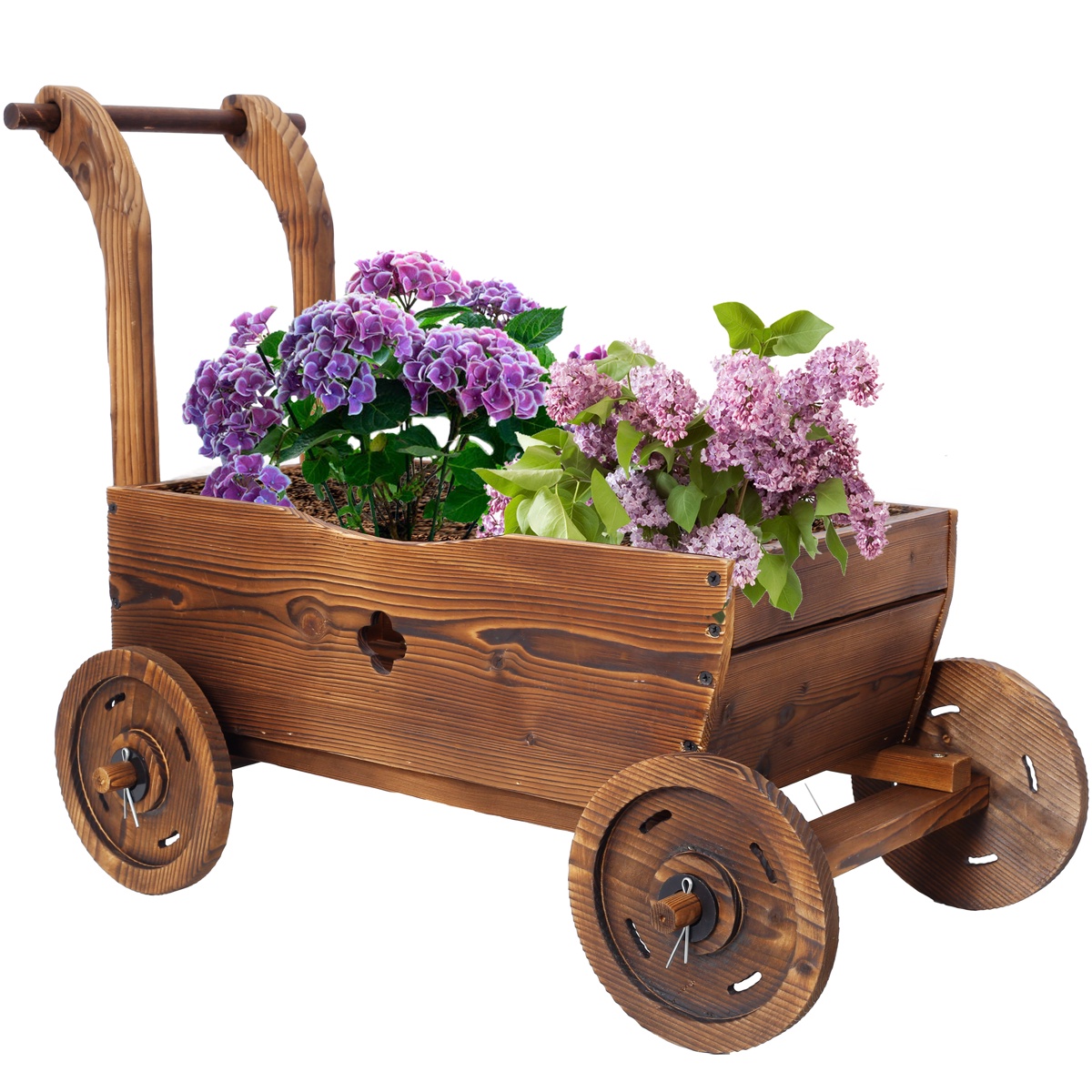 Wooden Wagon Planter Box, Mobile Garden with 4 Wheels, Handle, Drain Hole, Decorative Flower for Indoor & Outdoor Decor, Cart for Patio, Balcony, Brown$100.99View on Mallflare
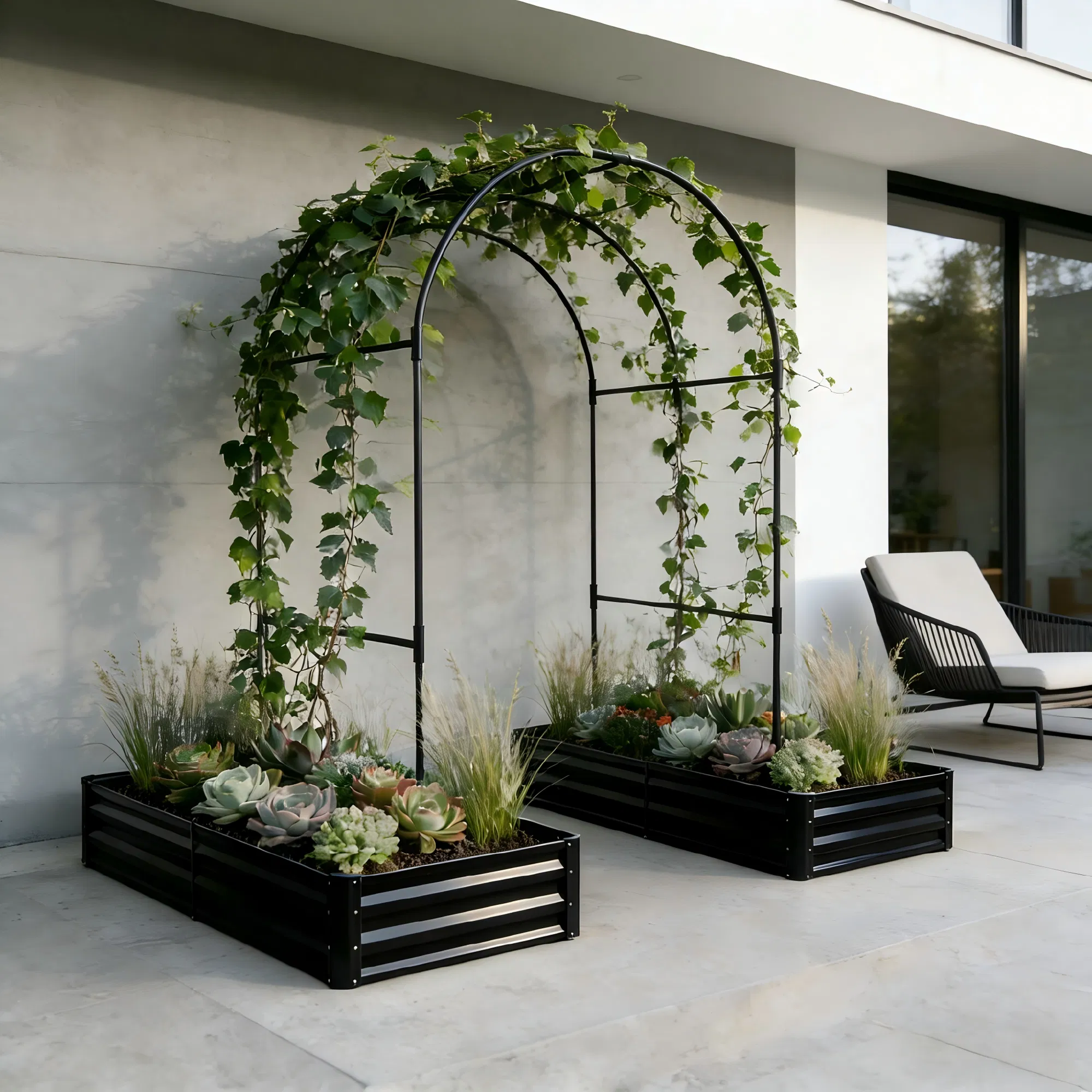 Raised Garden Bed with Arch Trellis, 2 Pack Metal Planter Boxes Outdoor for Climbing Plants Vegetables Flowers$101.99View on Mallflare
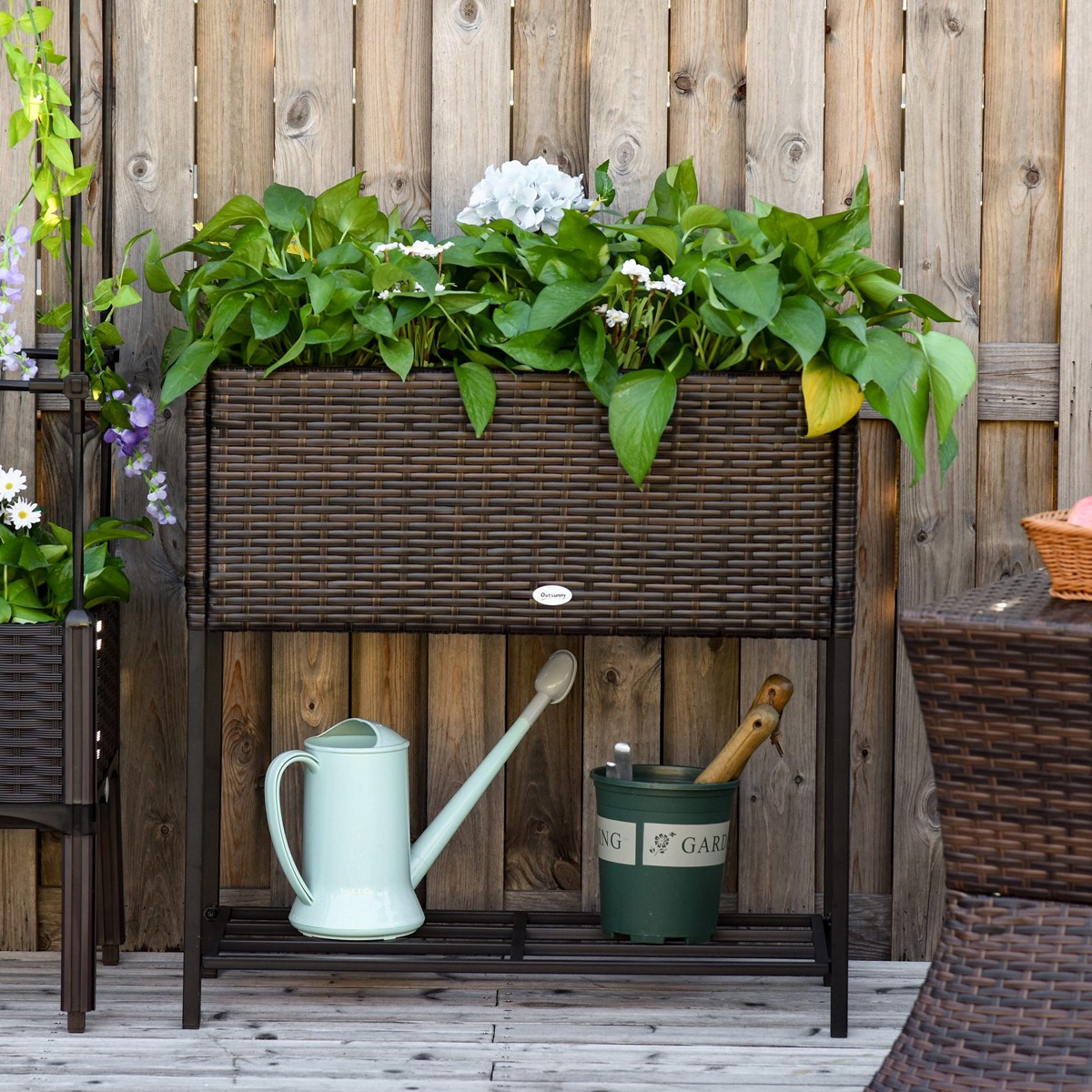 Elevated Rattan Planter Box With Tool Storage, Indoor Outdoor, 28 High$102.99View on Mallflare
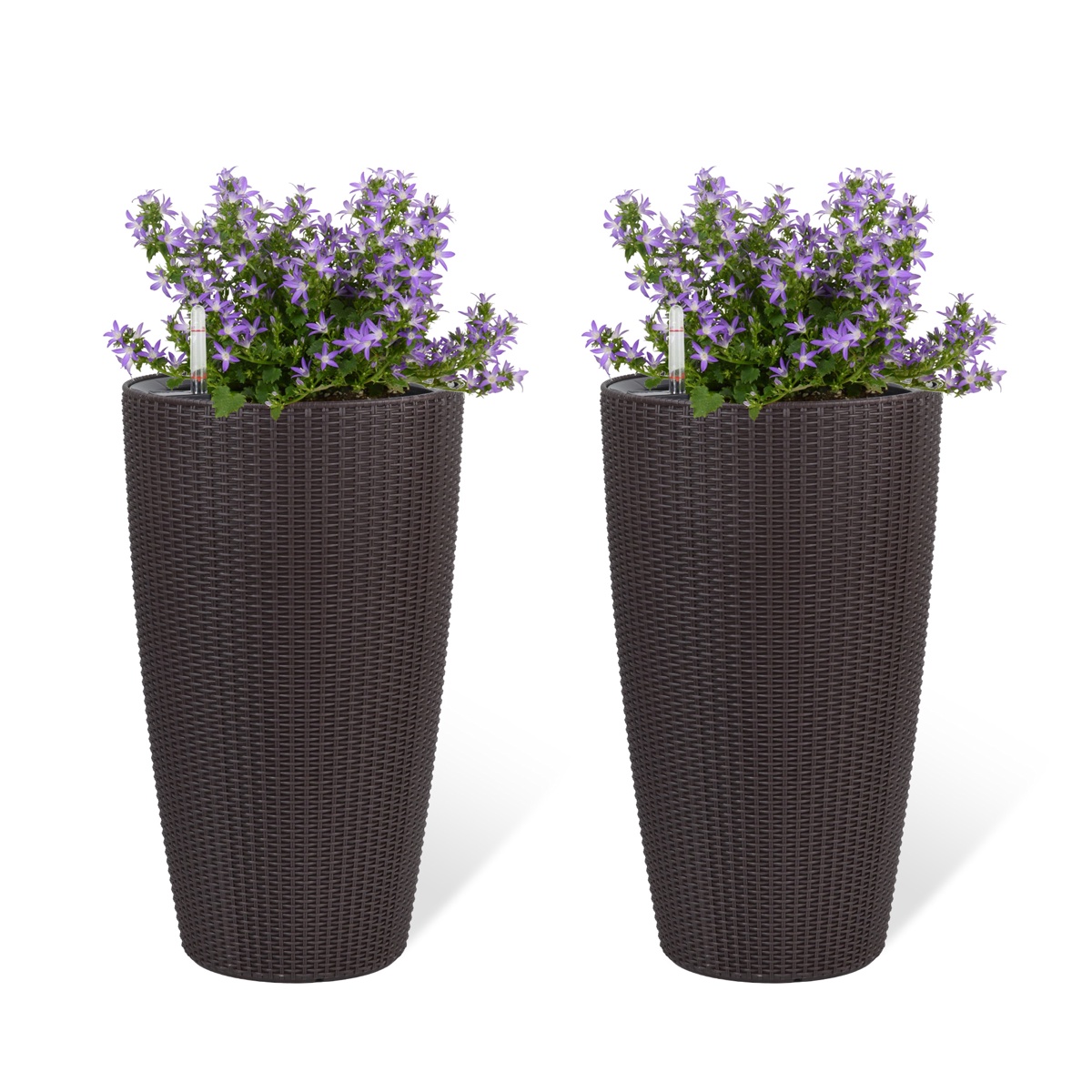 Set Of 2 Faux Rattan Tall Planters Outdoor Indoor Large With Water Level Monitor Inner Bucket, Automatic Watering, Flower Plant Pots For Garden, Patio, Porch, Brown, 22 Inch$112.99View on Mallflare
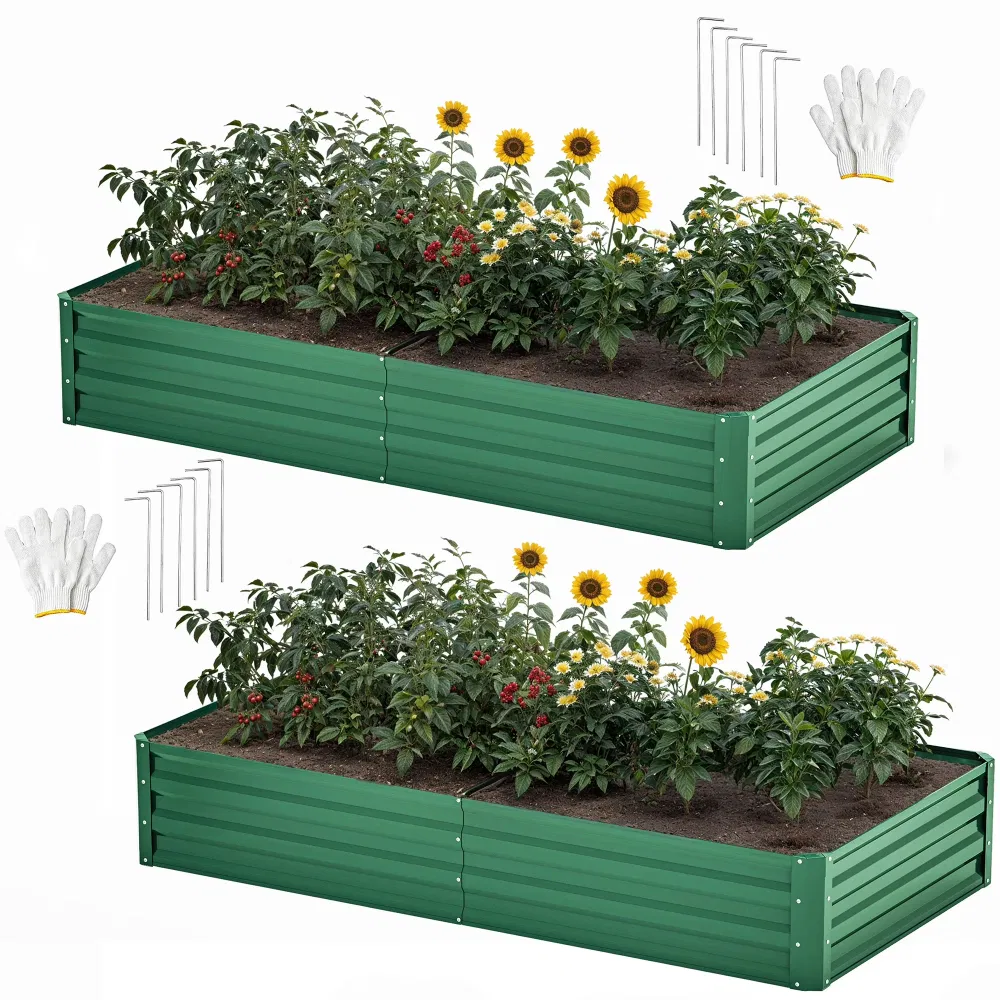 2 Pack 6ftx3ft Outdoor Raised Garden Bed Kit,Large Galvanized Metal Patio Planter Box with Safety Rubber & Gloves, for Vegetables Flowers,Green$116.99View on Mallflare
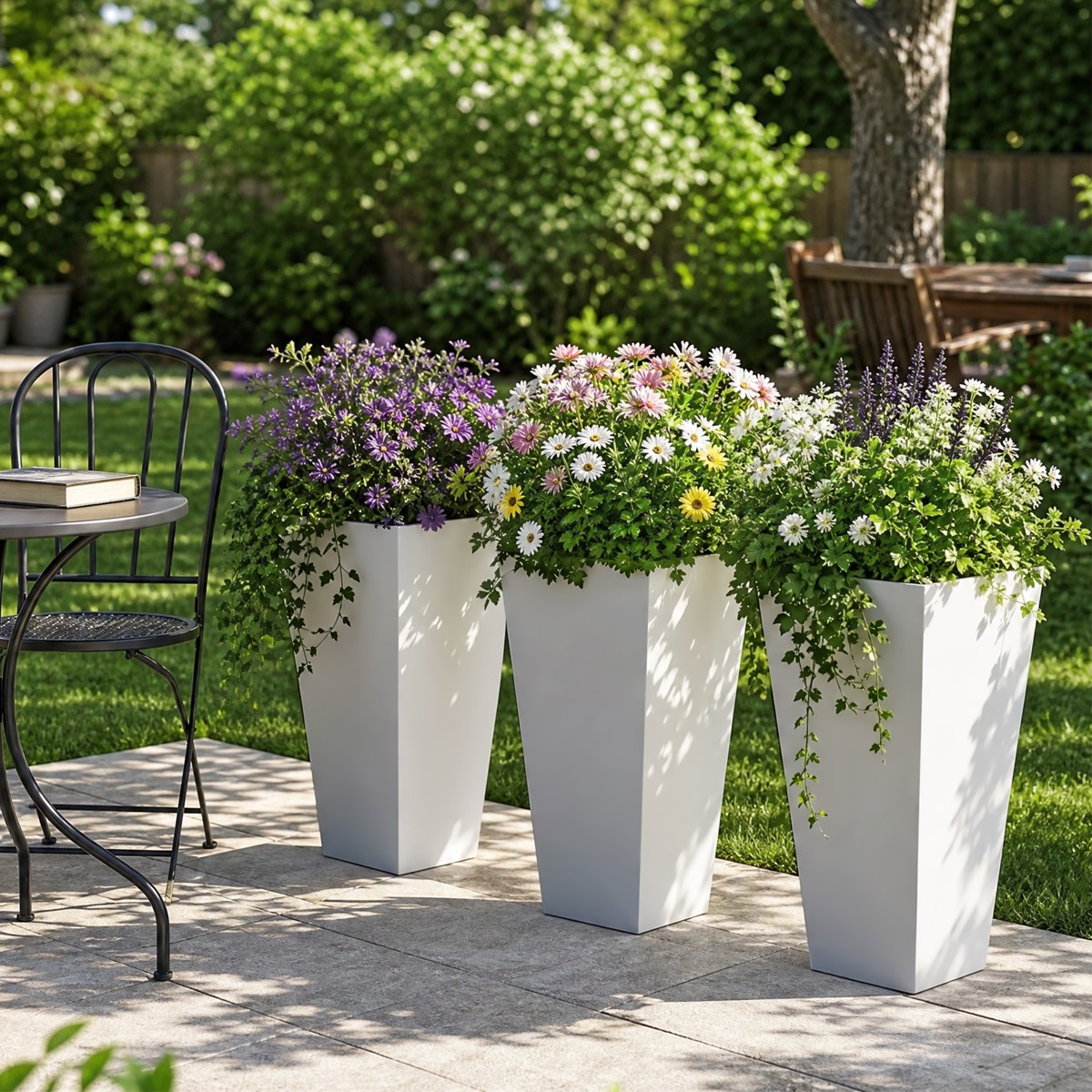 Tall Planters for Outdoor Plants Set of 3, 28 In Taper with Drainage Holes, Indoor Large Plant Pots, White$122.99View on Mallflare
Highlights
- Galvanized steel planters resist rust for 10+ years when coated; uncoated or thin-gauge metal corrodes within 2-3 seasons.
- Cedar and larch are naturally rot-resistant; pine requires chemical treatment or a liner to last beyond 3-5 years.
- Polypropylene and polyethylene plastics need UV stabilizers to avoid brittleness; look for 3mm+ wall thickness for structural planters.
- Fabric grow bags use 300-600 GSM non-woven geotextile for a balance of aeration, drainage, and root pruning.
Best use cases
- Permanent vegetable beds on soil: pick 0.6-1mm galvanized steel or 2-inch thick cedar; skip thin plastic or untreated pine.
- Patio or balcony herbs: choose self-watering elevated plastic or wood planters with drainage holes and a reservoir; avoid fabric bags that dry out fast.
- Rooftop or windy exposure: use heavy-gauge metal or thick wood with wind anchors; skip fabric pots and lightweight plastic that tip.
- Seasonal movable displays: opt for fabric grow bags or UV-stabilized plastic; avoid heavy metal beds that cannot be relocated.
Buying tips
- For soil volume, calculate cubic feet: length x width x depth in feet. Most vegetables need 12-18 inches depth; root crops need 18+ inches.
- Metal thickness matters: 0.6mm (24-gauge) steel is minimum for soil-filled beds; 1.0mm (18-gauge) resists bowing.
- Wood grade: cedar or larch last 10-15 years; pressure-treated pine lasts 5-10 but may leach chemicals—line with food-safe membrane.
- Fabric pot sizing: 10-gallon bags suit potatoes and tomatoes; 5-gallon for peppers and herbs. Use 300+ GSM fabric for durability.
Specs
| Material Type | Galvanized steel, cedar, UV plastic, fabric |
|---|---|
| Metal Thickness | 0.6mm (24ga) to 1.0mm (18ga) |
| Fabric Weight | 300-600 GSM non-woven |
| Soil Depth | 12-24 inches for vegetables |
Related searches
What to check before buying
- Measure available space: planter footprint plus 18-24 inches clearance for walking and harvesting.
- Confirm drainage: containers need drainage holes; raised beds on soil can use open bottoms or hardware cloth.
- Check surface: balcony or deck weight limits may prohibit 1-ton soil-filled metal beds; fabric or plastic are lighter.
- Verify assembly: metal beds often ship as panels with hardware; wood beds may require tools and 1-2 hours to build.
FAQ
Data sources: eBay / Amazon listings and product attribute feeds. Updated Nov 28, 2026.
Some links on this page are affiliate links. If you buy after clicking one, we may earn a commission at no extra cost to you. This does not change which products appear here or their order. Affiliate disclosure.