
Photos from current listings. Actual item, color, and included accessories may vary.
Privacy Screen Buying Guide
Privacy screens are free-standing or fence-mounted panels that block sightlines on patios, decks, balconies, and utility areas while letting air and light through. The core trade-off is structural anchoring versus flexibility: ground-staked or hard-mounted panels survive wind, while freestanding and folding panels trade wind resistance for portability and renter-friendly setup. Buy a staked or fence-clamped system for permanent outdoor exposure and a freestanding or hinged panel only for sheltered, temporary, or indoor use.
Median $132.99
Key takeaways
- Outdoor panels ship in two anchoring classes: ground-stake kits (stakes around 19.7 in deep) for soil, and freestanding bases or fence clamps for hardscape and chain link.
- Artificial hedge panels are specified by face size and thickness—common 24 x 16 in at 1.5 in thick—so square footage math (panel area x count) determines coverage, not panel count alone.
- Metal decorative screens use laser-cut or stamped sheet in powder-coated steel or aluminum; aluminum resists rust at the coast, while thin stamped steel needs coating integrity to avoid edge rust.
At a glance
- Category
- Garden Fencing & Privacy Screens
- Last updated
- Nov 29, 2026
Current offers
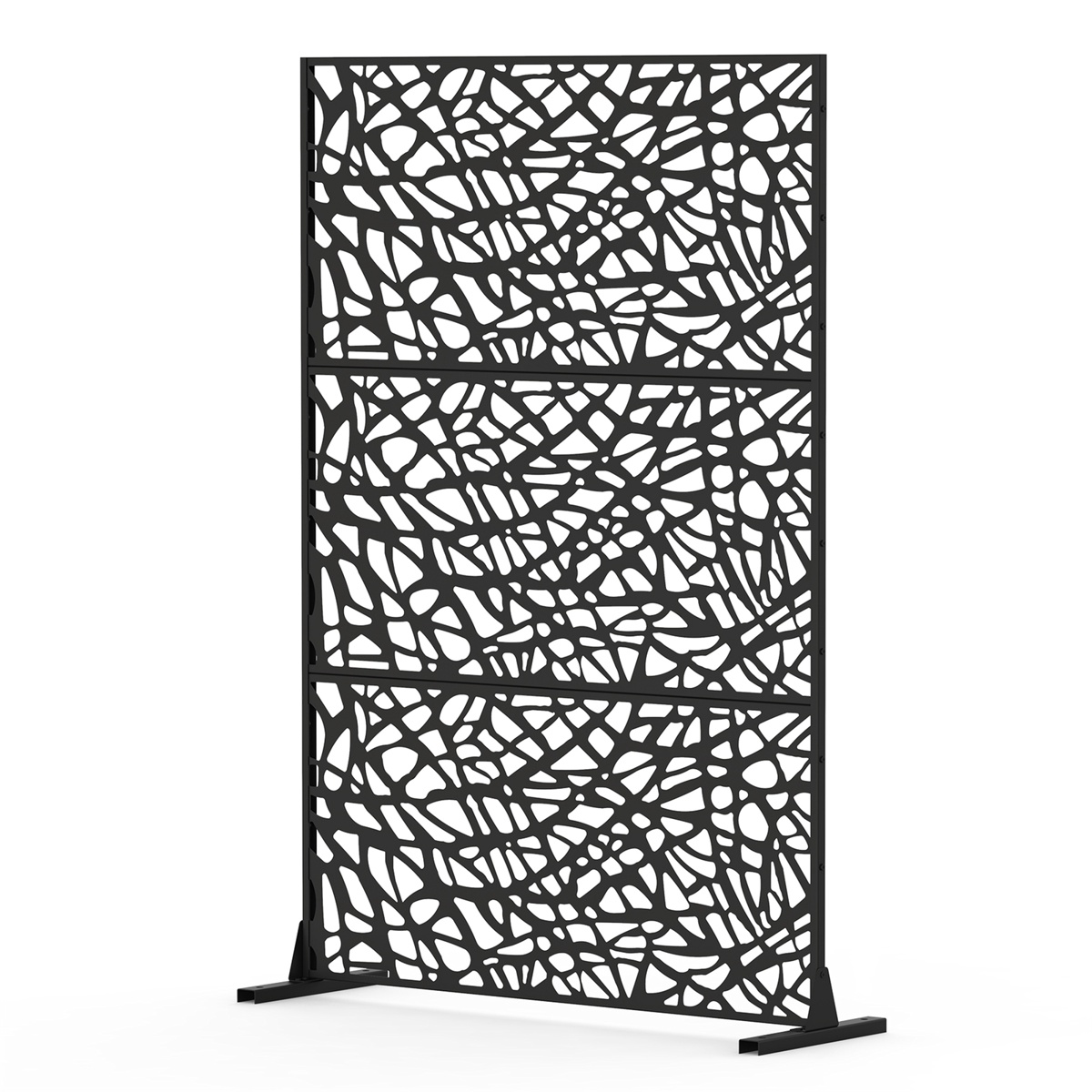 4'x6' Decorative Fence, Indoor &Outdoor Freestanding Metal Privacy Screen Panels$164.86Last checked Nov 24, 2026View on eBay
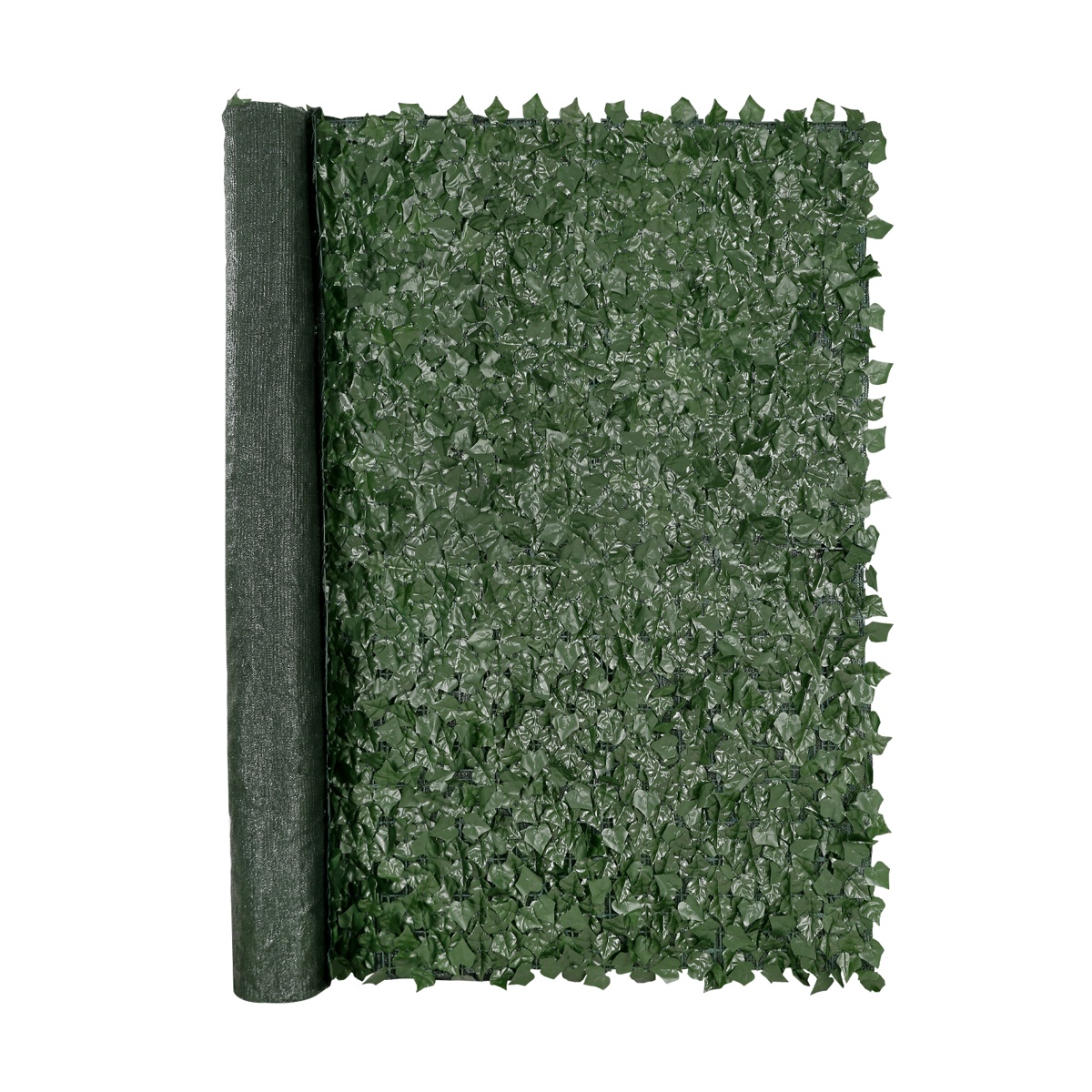 VEVOR Ivy Privacy Fence, 96 X 72 In Artificial Green Wall Screen, Greenery Ivy With Mesh Cloth Backing And Strengthened Joint, Faux Hedges Vine Leaf Decoration For Outdoor Garden, Yard, Balcony$39.99View on Mallflare
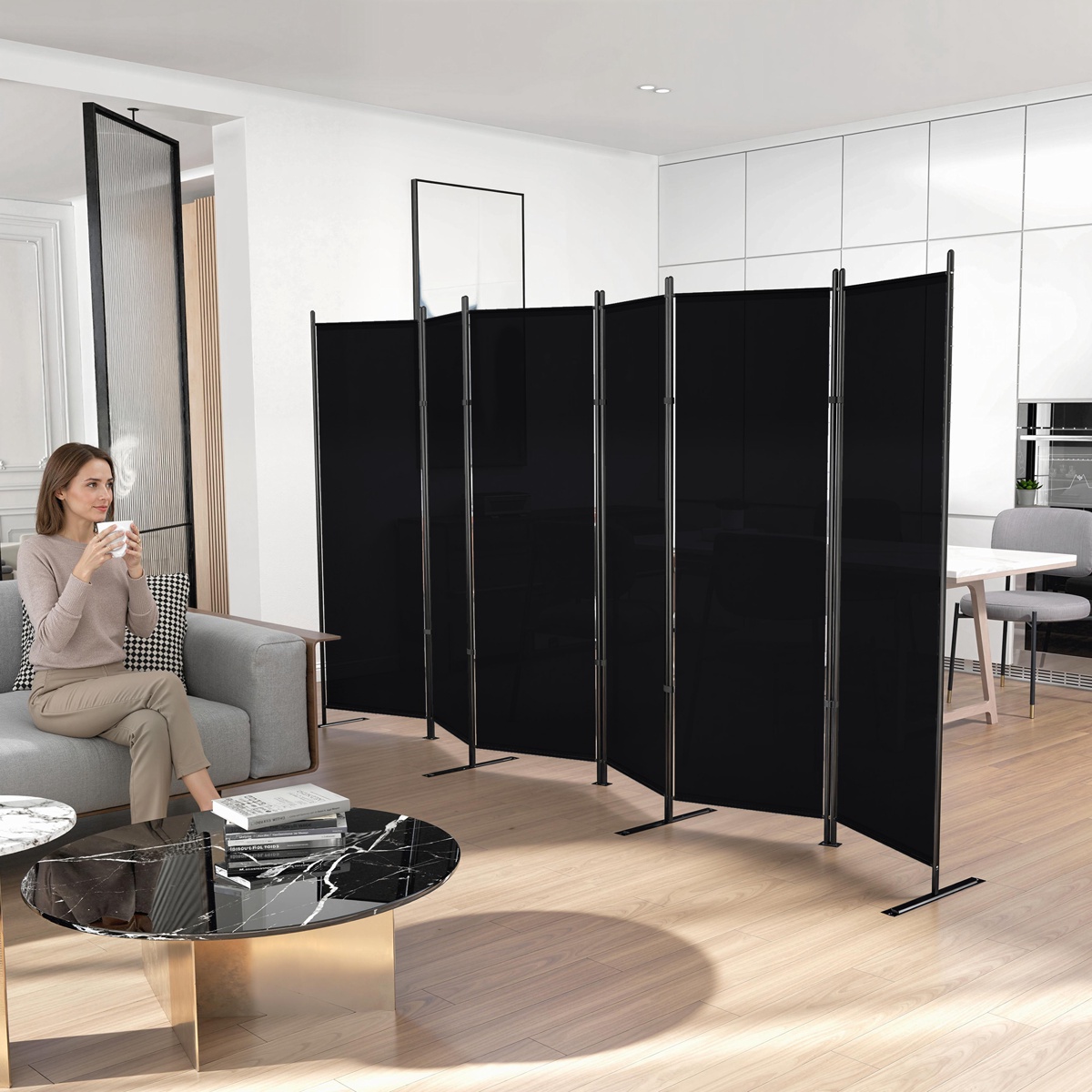 6-Panel Privacy Screen Folding Room Divider for Indoor Bedroom Office, Black$82.99View on Mallflare
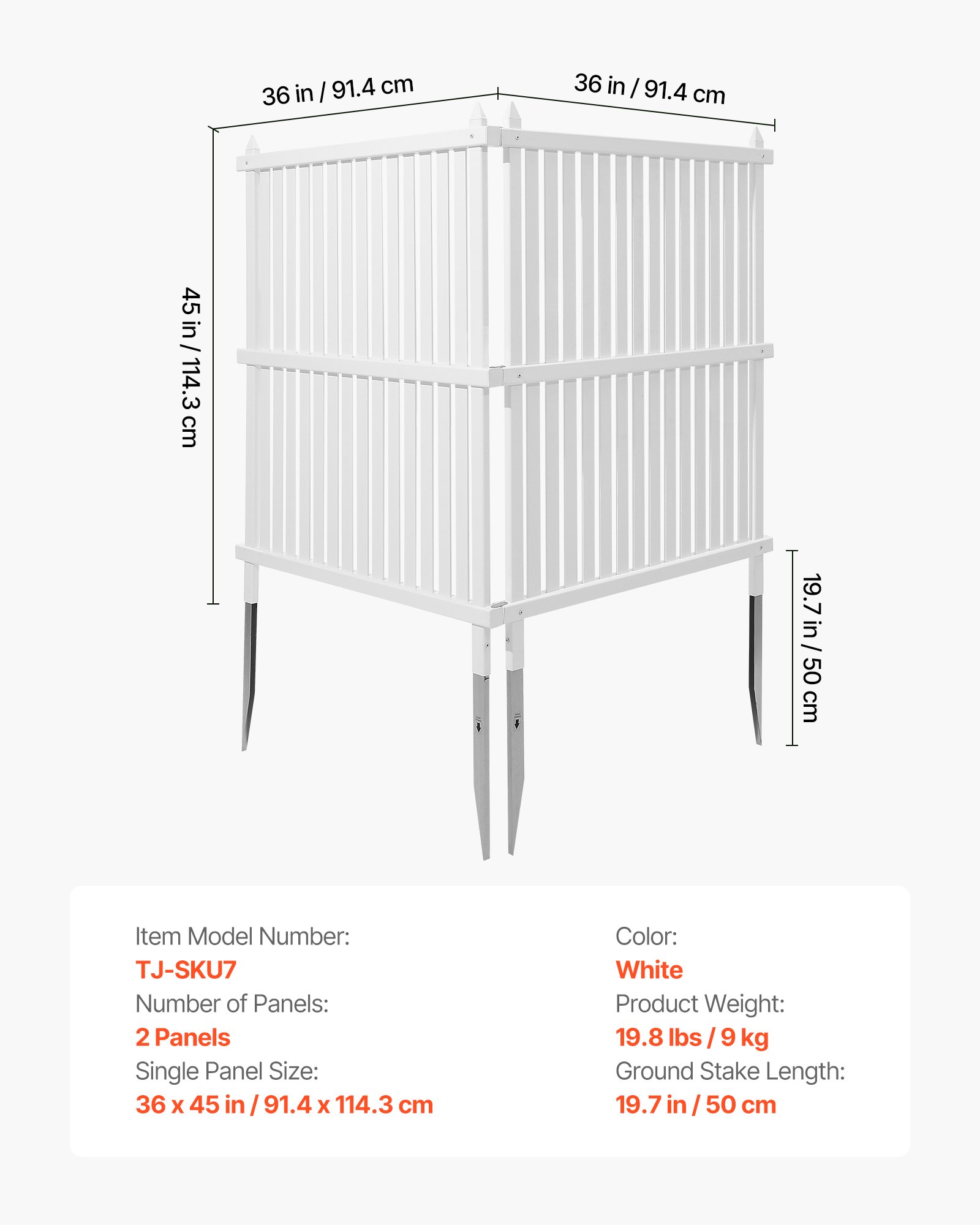 2 Panels Outdoor Privacy Screen, 36 X 45 In Air Conditioner Fence With 19.7 In Ground Stakes, Pool Equipment Enclosure, Strip Vinyl Ideal For Trash Can And A/C Units, White$82.99View on Mallflare
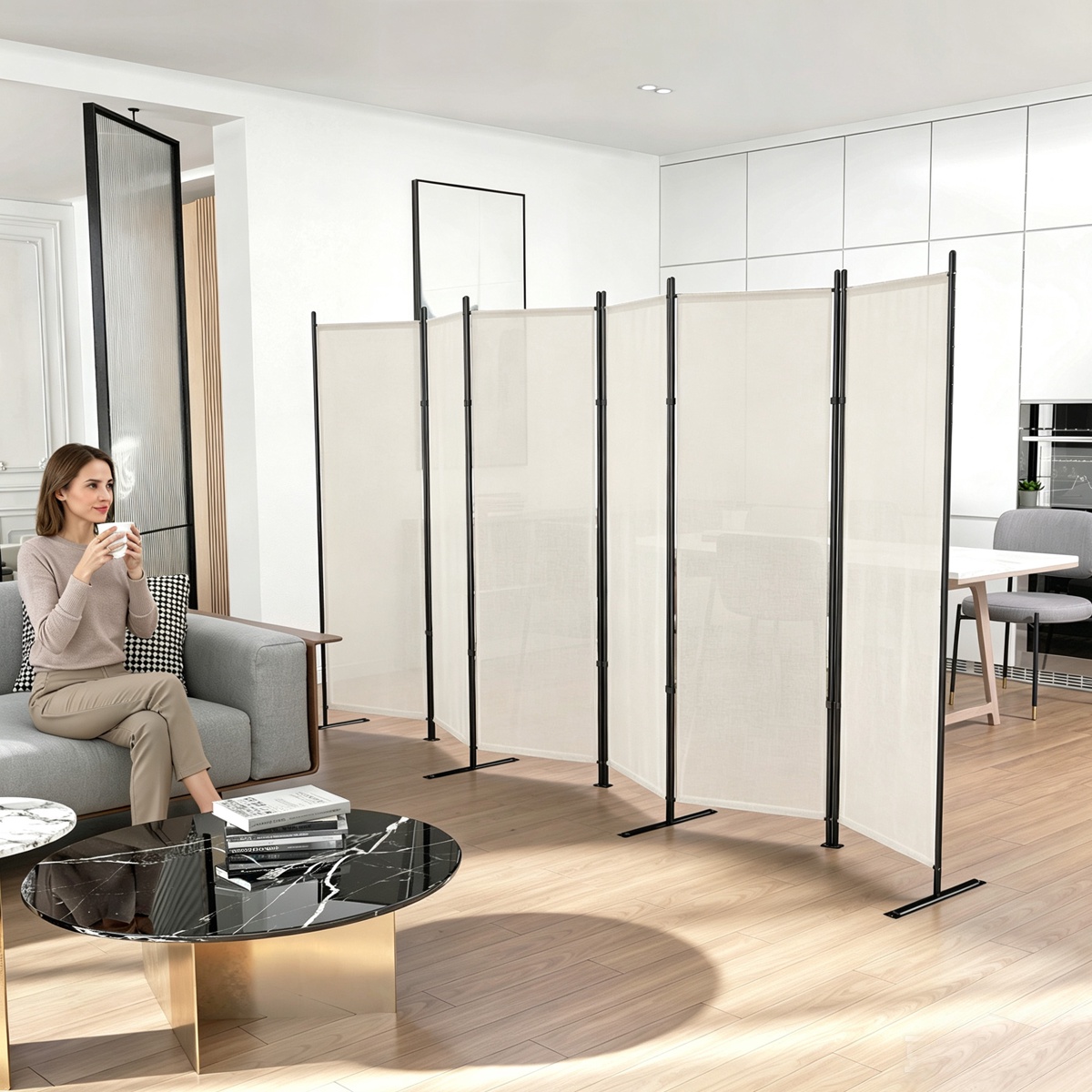 6-Panel Privacy Screen Folding Room Divider for Indoor Bedroom Office, Beige$82.99View on Mallflare
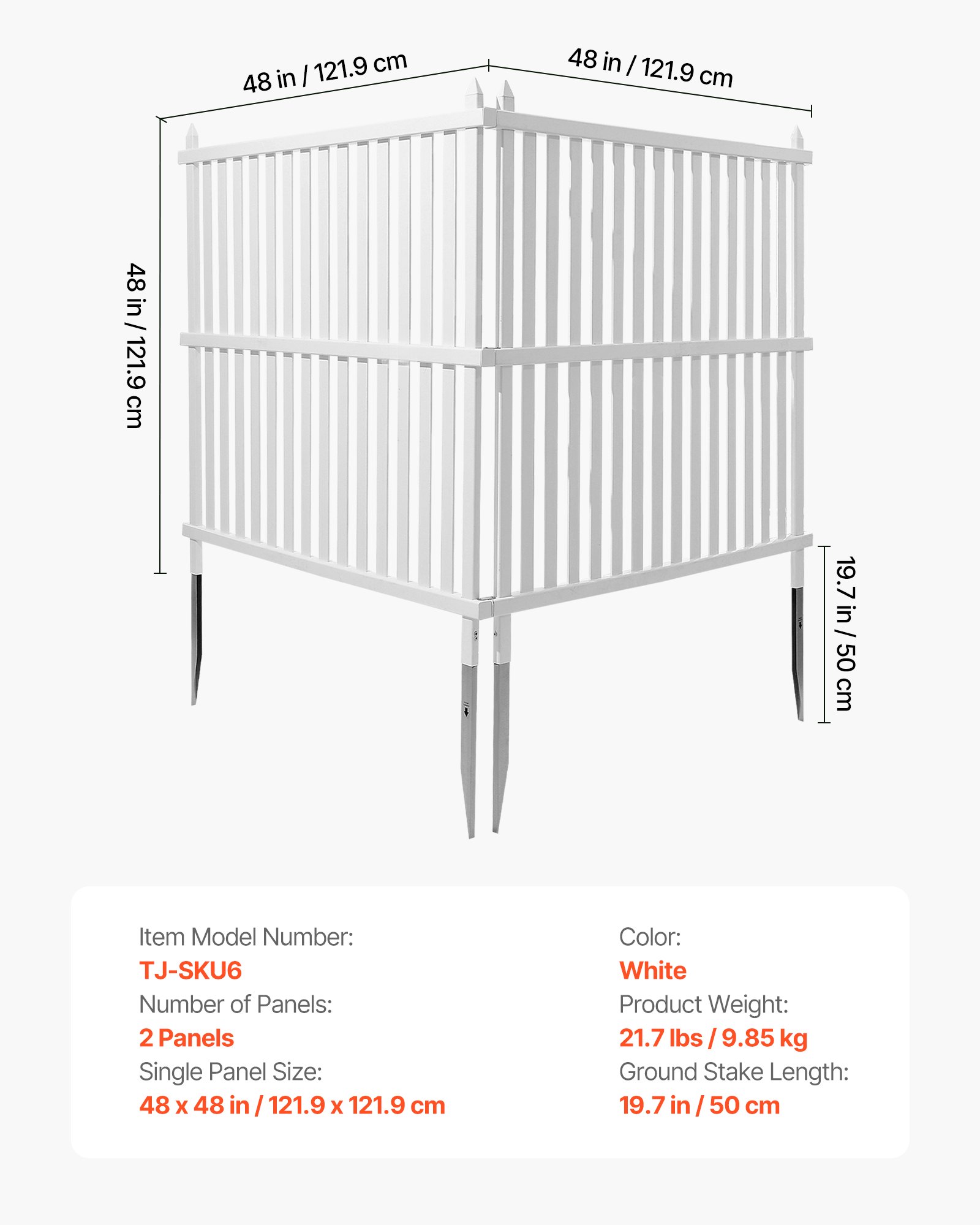 2 Panels Outdoor Privacy Screen, 48 X 48 In Air Conditioner Fence With 19.7 In Ground Stakes, Pool Equipment Enclosure, Strip Vinyl Ideal For Trash Can And A/C Units, White$88.99View on Mallflare
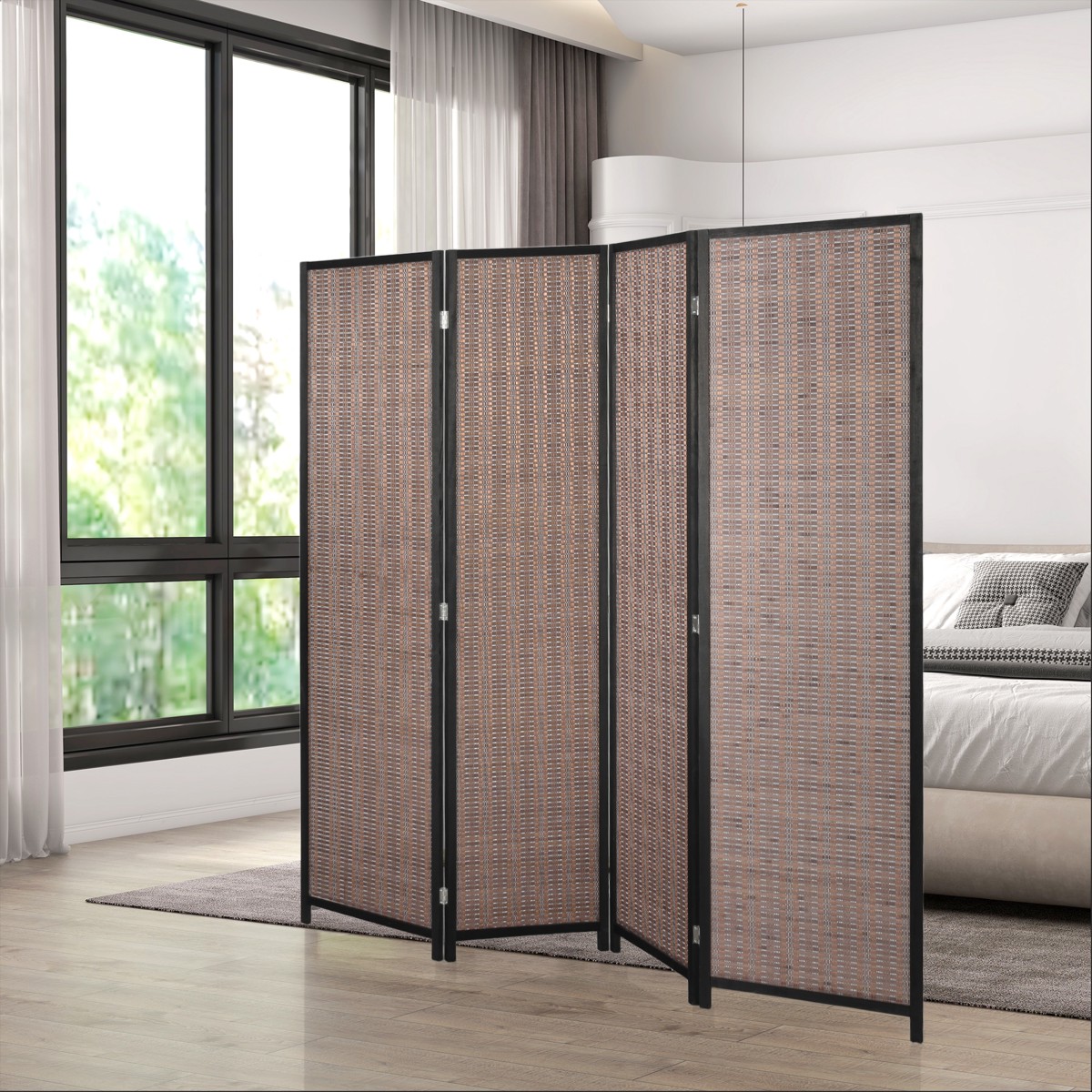 Room Divider Folding Privacy Screen Freestanding 4 Panel Pine Wood for Bedroom Home Office 6 Ft Tall Black Brown$94.99View on Mallflare
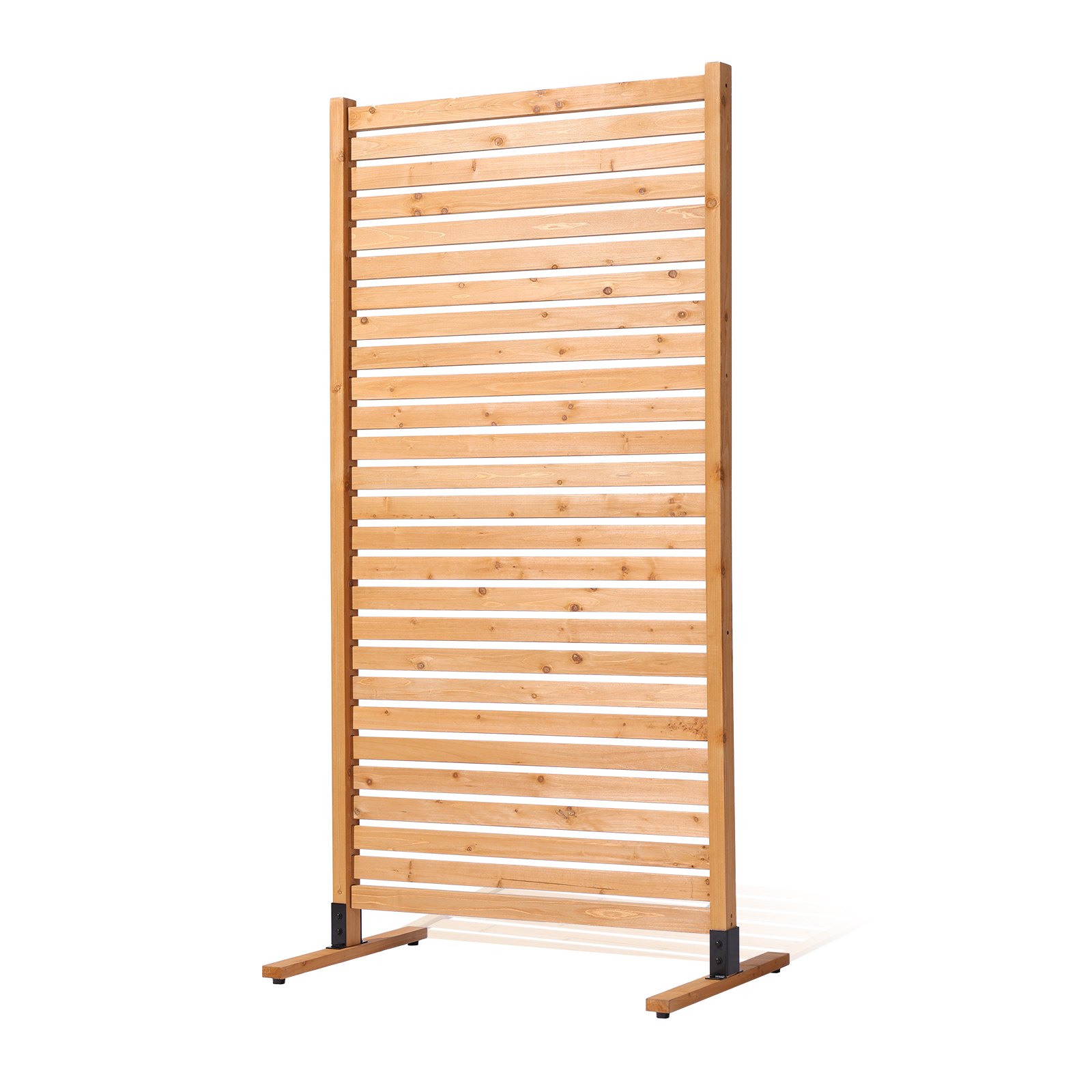 Wooden Privacy Screen 36' X 76' Freestanding Outdoor For Patio$100.99View on Mallflare
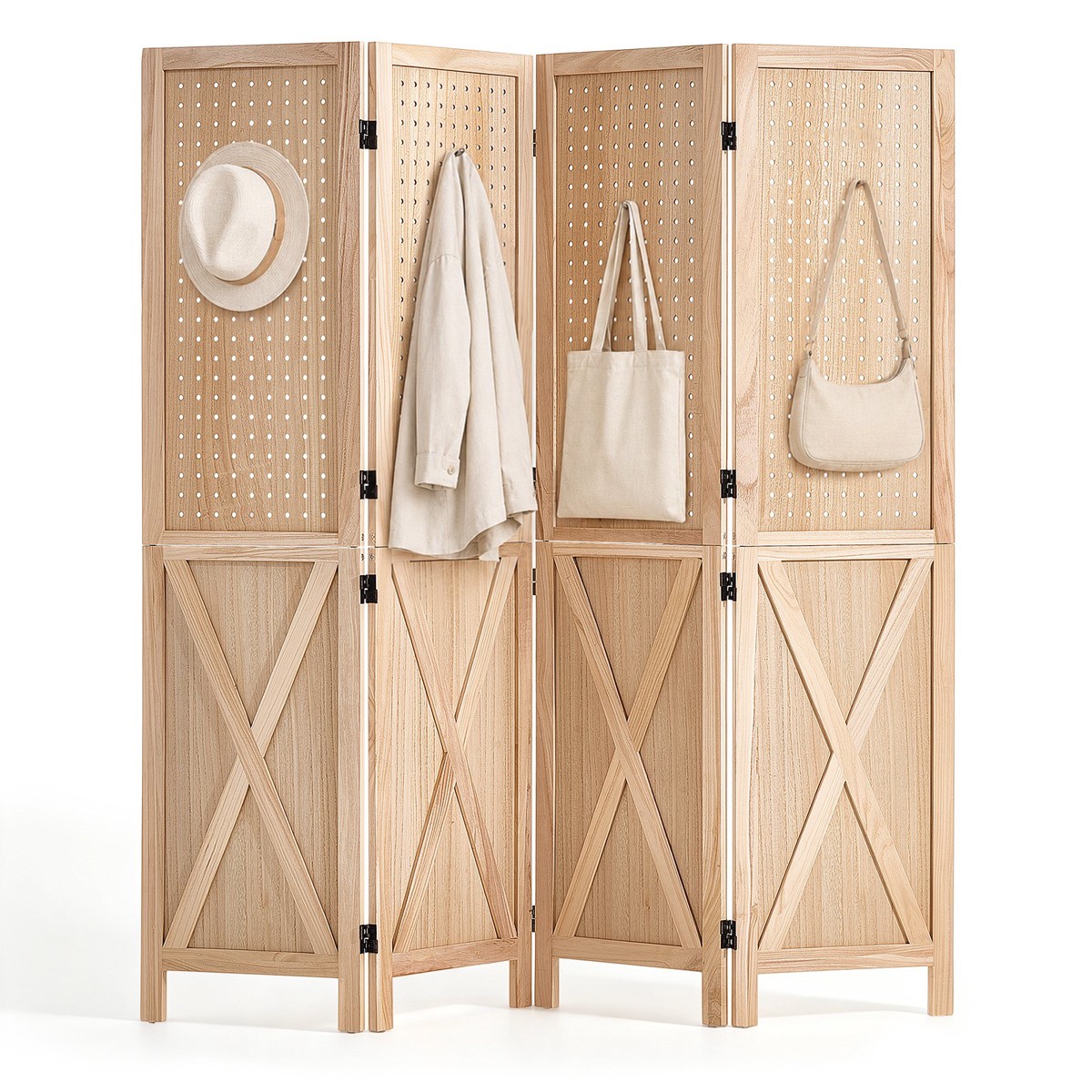 Wood Room Divider 4 Panels 59.8" Pegboard Folding Privacy Screen, For Separation & Home Decor, Solid Frame with X Pattern, 360° Two-Way Hinges, Rustic Wooden Partition Hardware$103.99View on Mallflare
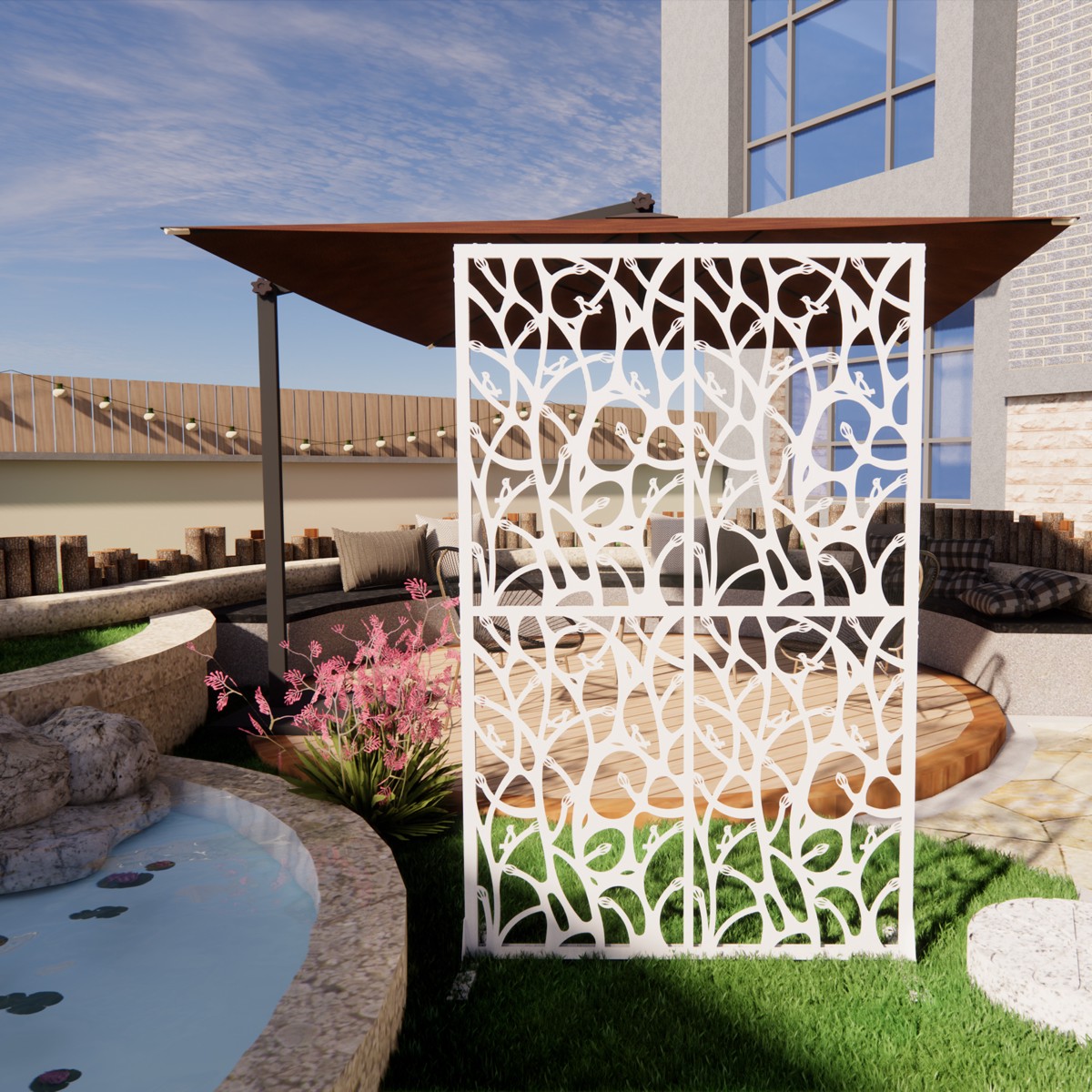 Metal Privacy Screens W3.8Ft X H6Ft Outdoor And Indoor Divider With Free Standing Decorative Screen For Balcony Patio Garden Room White Bird Shape$105.99View on Mallflare
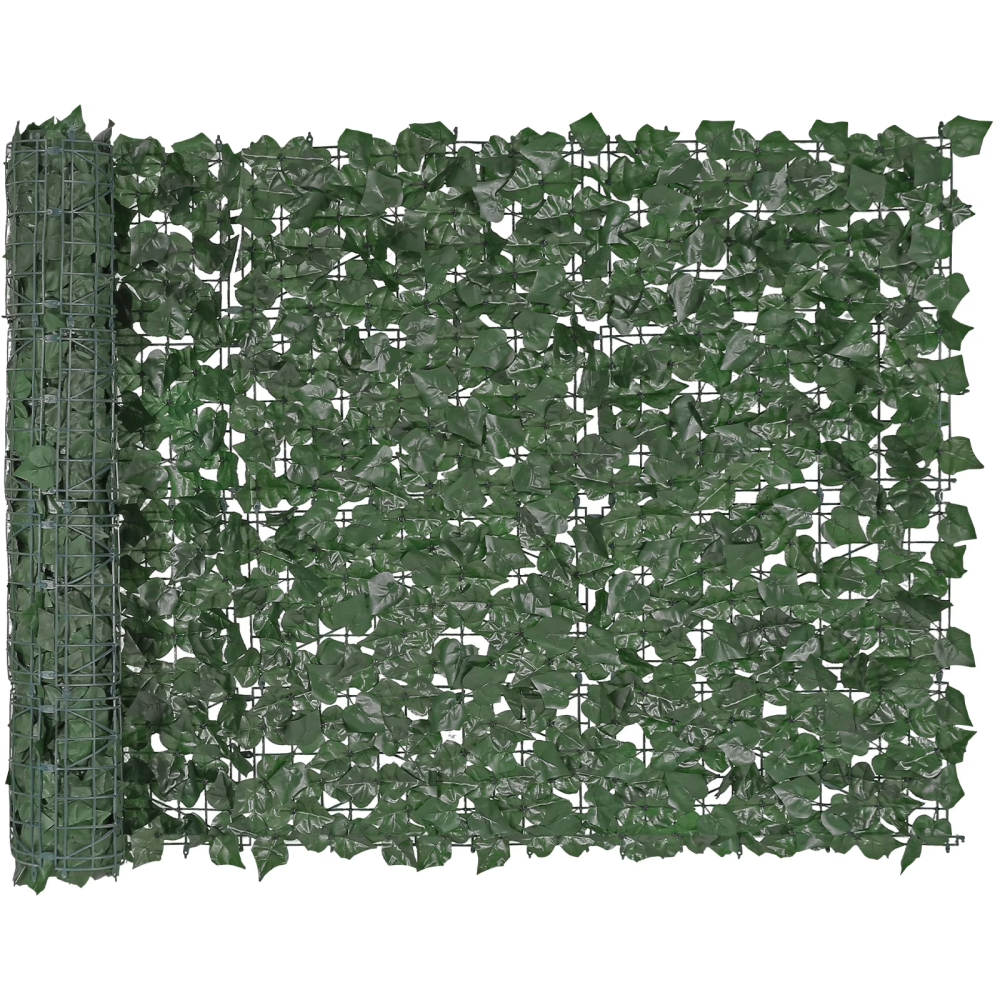 39"x98" Artificial Faux Ivy Leaf Privacy Fence Screen Decor Panel Hedge$105.99View on Mallflare
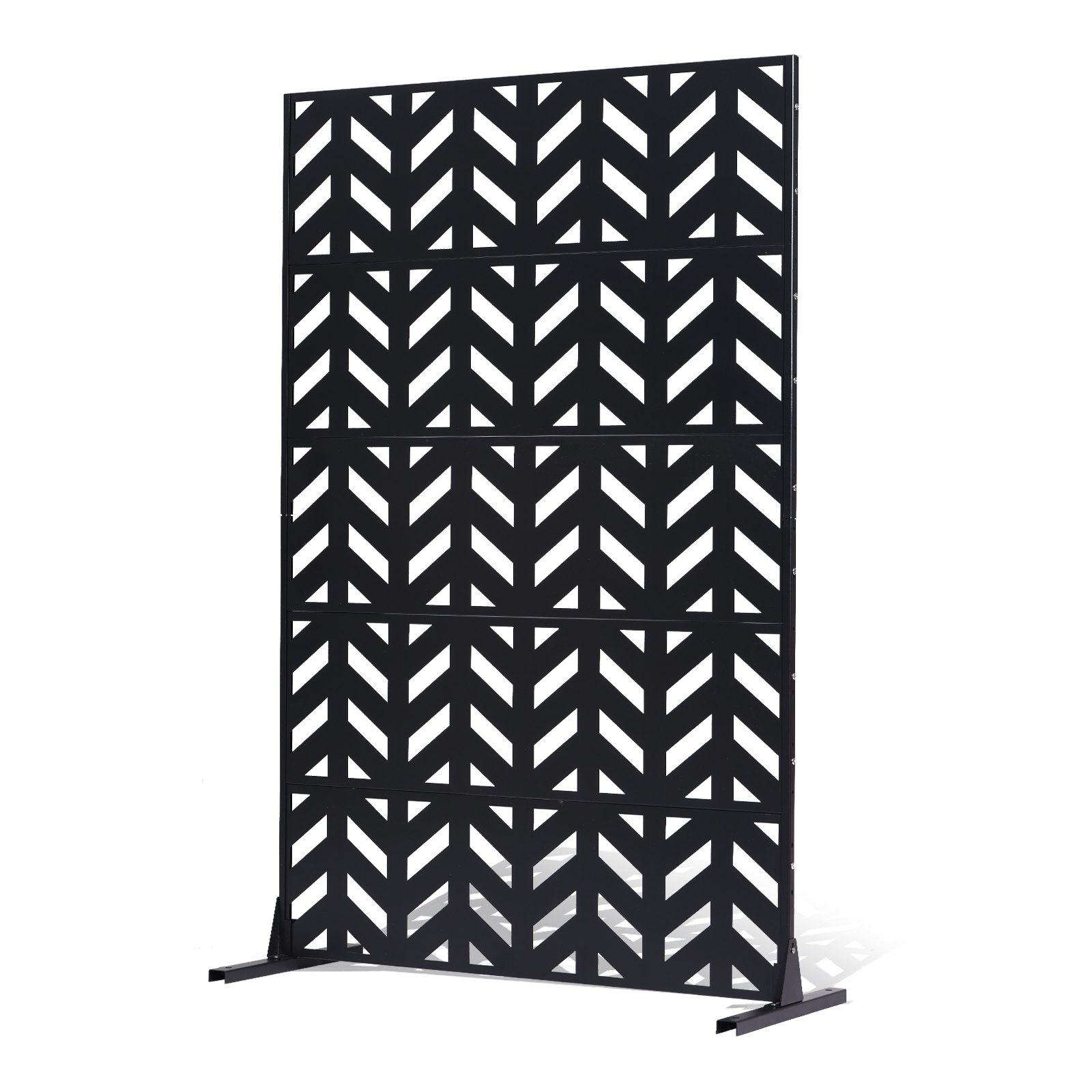 Metal Privacy Screen 47' X 72' Freestanding Outdoor Screens For Patio$107.99View on Mallflare
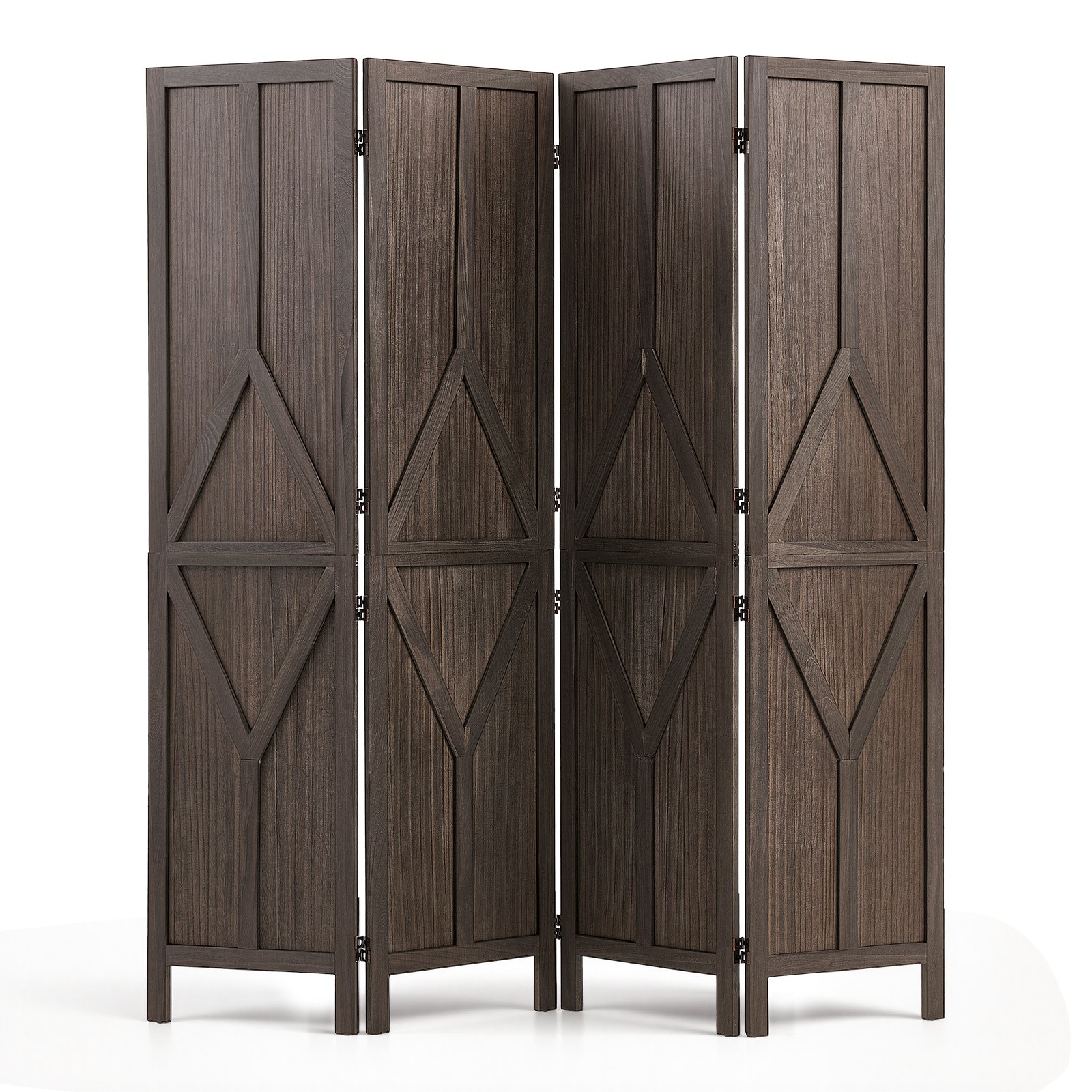 Wood Room Divider 4 Panels Folding Privacy Screen Y Pattern, For Separation & Home Decor, 67 inches Tall, Solid Frame, 360° Two-Way Hinges, Rustic Wooden Partition with Hardware$110.99View on Mallflare
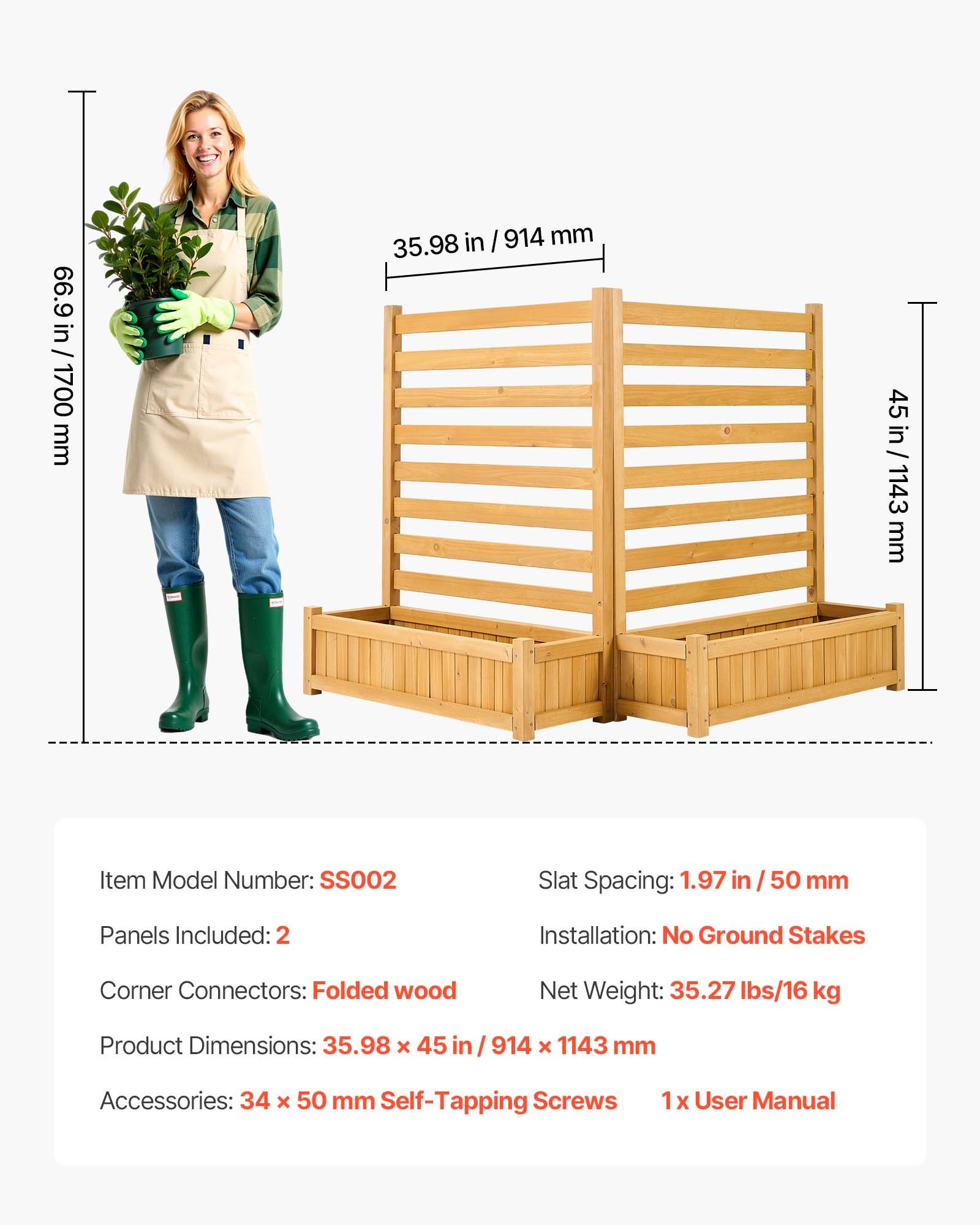 Wooden Privacy Fence, 36 X 45 Inch Air Conditioner 2 Slatted Panel Solid Outdoor Wood Screen With 2 Planters, Metal Stakes, Trash Can Hider Fences Suitable For Garden, Pool$113.99View on Mallflare
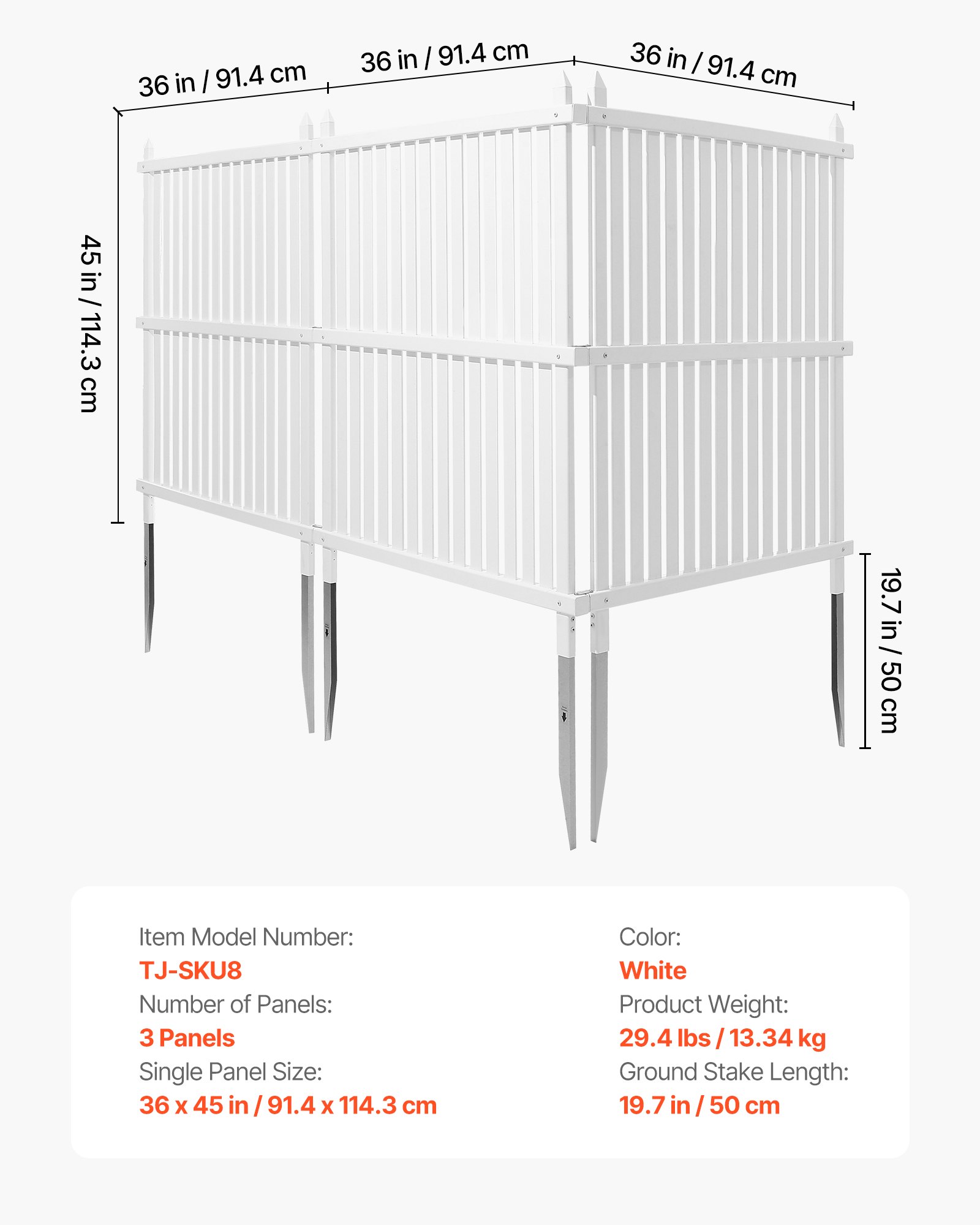 3 Panels Outdoor Privacy Screen, 36 X 45 In Air Conditioner Fence With 19.7 In Ground Stakes, Pool Equipment Enclosure, Strip Vinyl Ideal For Trash Can And A/C Units, White$114.99View on Mallflare
 Decorative Outdoor Privacy Screen, See-Through Divider/Separator with Twisted Branch Motif for Fun Shadows or Climbing Plant Trellis, Fence Panel for Garden Walkway, Backyard, 6.5FT$115.99View on Mallflare
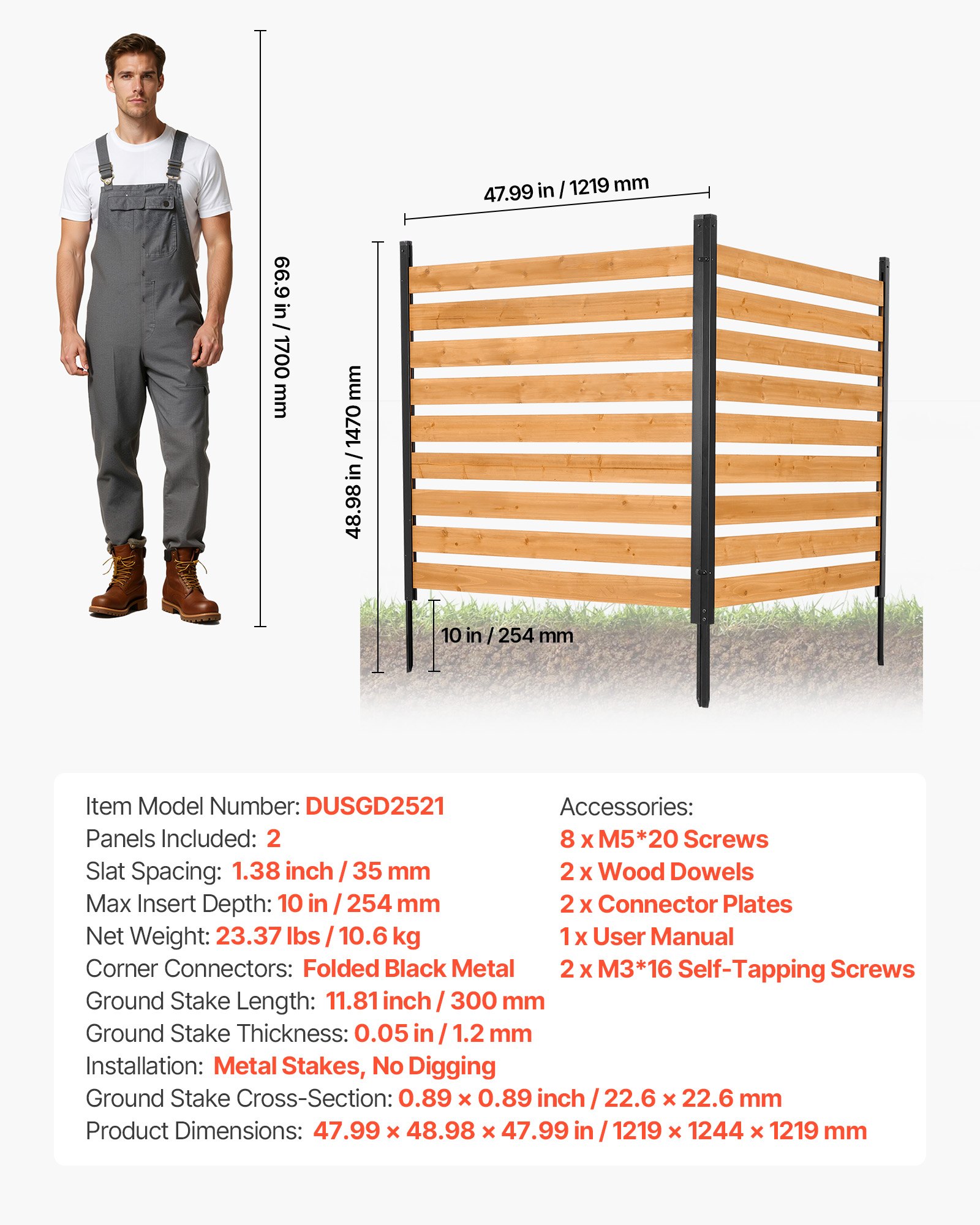 Wooden Privacy Fence, 48 X 49 X 28 Inch Air Conditioner 2 Panel Solid Outdoor Wood Screen With Metal Stakes, Steel Frame, Trash Can Hider Fences Suitable For Garden, Pool$117.99View on Mallflare
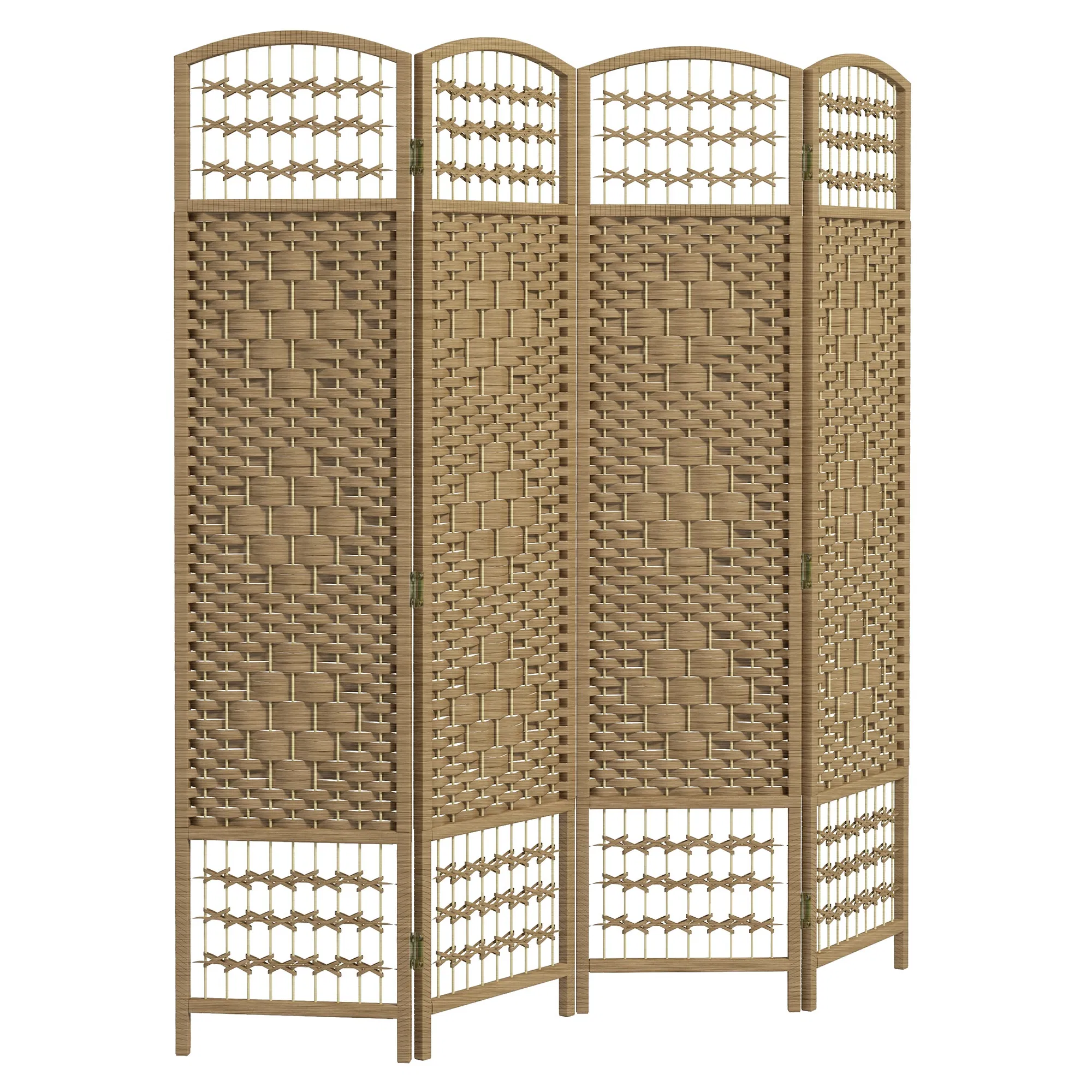 4 Panel Folding Room Divider, Portable Privacy Screen, Wave Fiber Partition for Home Office, Natural$119.99View on Mallflare
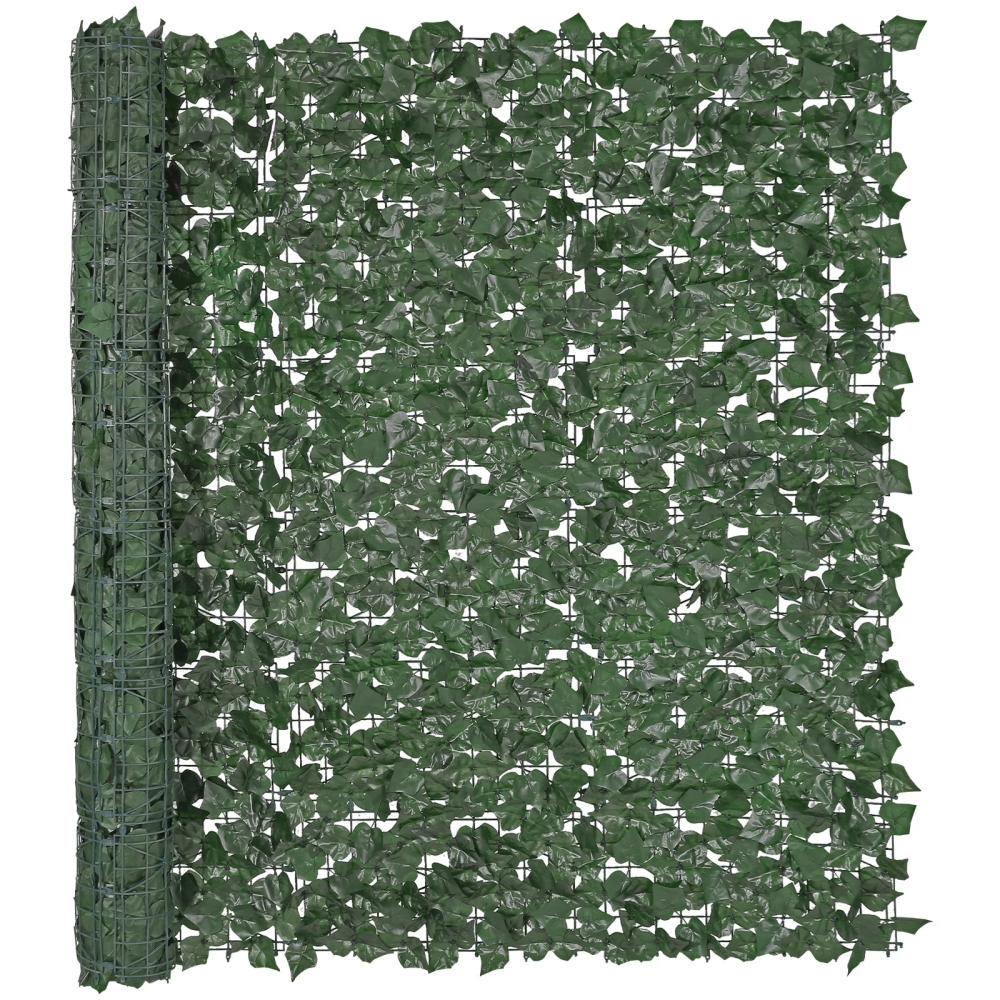 59"x98" Artificial Faux Ivy Leaf Privacy Fence Screen Decor Panel Hedge$122.99View on Mallflare
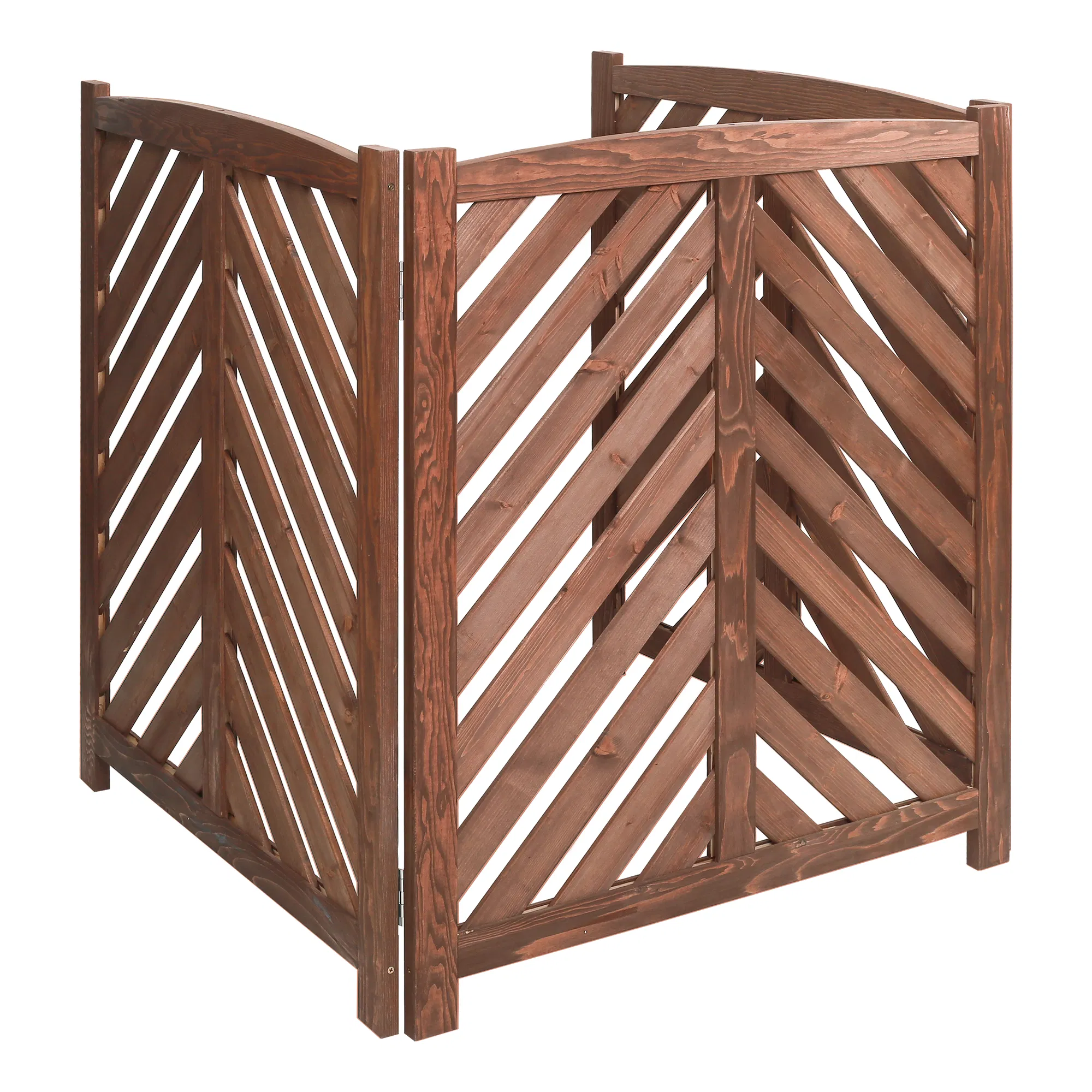 Air Conditioner Fence Screen Outside, Cedar Privacy 3 Panels to Hide AC & Trash Enclosure, 33"W x 38"H$126.99View on Mallflare
Highlights
- Outdoor panels ship in two anchoring classes: ground-stake kits (stakes around 19.7 in deep) for soil, and freestanding bases or fence clamps for hardscape and chain link.
- Artificial hedge panels are specified by face size and thickness—common 24 x 16 in at 1.5 in thick—so square footage math (panel area x count) determines coverage, not panel count alone.
- Metal decorative screens use laser-cut or stamped sheet in powder-coated steel or aluminum; aluminum resists rust at the coast, while thin stamped steel needs coating integrity to avoid edge rust.
- Chain link privacy solutions are either woven slat tape (cut to roll length, tied per diamond) or rigid panels; slats block sightlines but add wind load, so posts and tension bands must be sound.
Best use cases
- Patio or deck with permanent exposure: choose ground-staked panels with concrete footings or fence-clamped rigid panels; skip lightweight folding wood dividers that topple in gusty conditions.
- Balcony or rental where drilling is prohibited: choose freestanding metal or artificial boxwood panels with weighted bases or tension-mounted frames; skip stake-based kits that require soil.
- Chain link fence line: choose woven slat tape rated UV-stable in black or rigid privacy panels sized to post spacing; skip decorative stamped screens that leave large open cutouts.
- Utility screening for AC units, pool pumps, or trash cans: choose louvered or strip-vinyl panels with ground stakes and at least 6 in clearance for airflow; skip solid panels that trap heat and block service access.
Buying tips
- Measure the exact opening and add 10-15% overlap: panels are sold in nominal sizes (36 x 45 in, 48 x 48 in, 4 x 6 ft), and actual coverage shrinks after staking and framing.
- Match anchor to substrate: 19.7 in ground stakes need soft soil or gravel; on concrete or pavers use base plates with ballast or fence-post clamps instead.
- For chain link, count diamonds per post spacing and buy tape by roll length—calculate linear feet as fence height x number of runs, then add 10% for weaving waste.
- Check wind exposure before choosing a style: solid panels in exposed areas need posts set in concrete at least 2 ft deep; louvered, slatted, or mesh designs pass wind and stay upright.
Specs
| Mounting Type | Ground stake / freestanding / fence clamp |
|---|---|
| Panel Material | Powder-coated steel, aluminum, wood, vinyl |
| Coverage Per Panel | 2.67-16 sq ft depending on size |
| Wind Strategy | Louvered/slatted vented vs solid anchored |
Related searches
What to check before buying
- Measure the span, height, and post spacing of the fence or opening, and confirm whether the screen sits on soil, concrete, pavers, or deck boards.
- Confirm local wind and snow loads; permanent solid panels need footings and framing rated for the exposure, while renters should pick freestanding or clamp-on designs.
- Check finish and hardware: powder-coated aluminum or steel for coastal humidity, stainless fasteners, and UV-stabilized plastic or artificial foliage to prevent fading.
- Verify companion parts are included or sourced: stakes, base plates, post clamps, tension bands, and hinges are frequently sold separately from the panel.
FAQ
Data sources: eBay / Amazon listings and product attribute feeds. Updated Nov 29, 2026.
Some links on this page are affiliate links. If you buy after clicking one, we may earn a commission at no extra cost to you. This does not change which products appear here or their order. Affiliate disclosure.