
Photos from current listings. Actual item, color, and included accessories may vary.
Patio Bench Buying Guide
A patio bench is the hardest-working seat outdoors, so material and frame construction matter far more than cushions or styling. Buyers commonly misjudge two things: how the bench will weather in their climate, and whether the seat depth and back height actually suit lounging versus upright sitting. Pick the frame material and mounting type first, then size to your space and use.
Median $169.99
Key takeaways
- Solid teak resists rot and insects naturally; oil it annually to prevent silver-gray weathering and surface cracking.
- Poly rattan over a powder-coated steel frame handles sun and rain well, but cheap weaves can fray at stress points within a few seasons.
- Cast aluminum is lightweight and rust-proof; cast iron and steel are heavier and need repainting when chips expose bare metal.
At a glance
- Category
- Patio Furniture
- Last updated
- Nov 28, 2026
Current offers
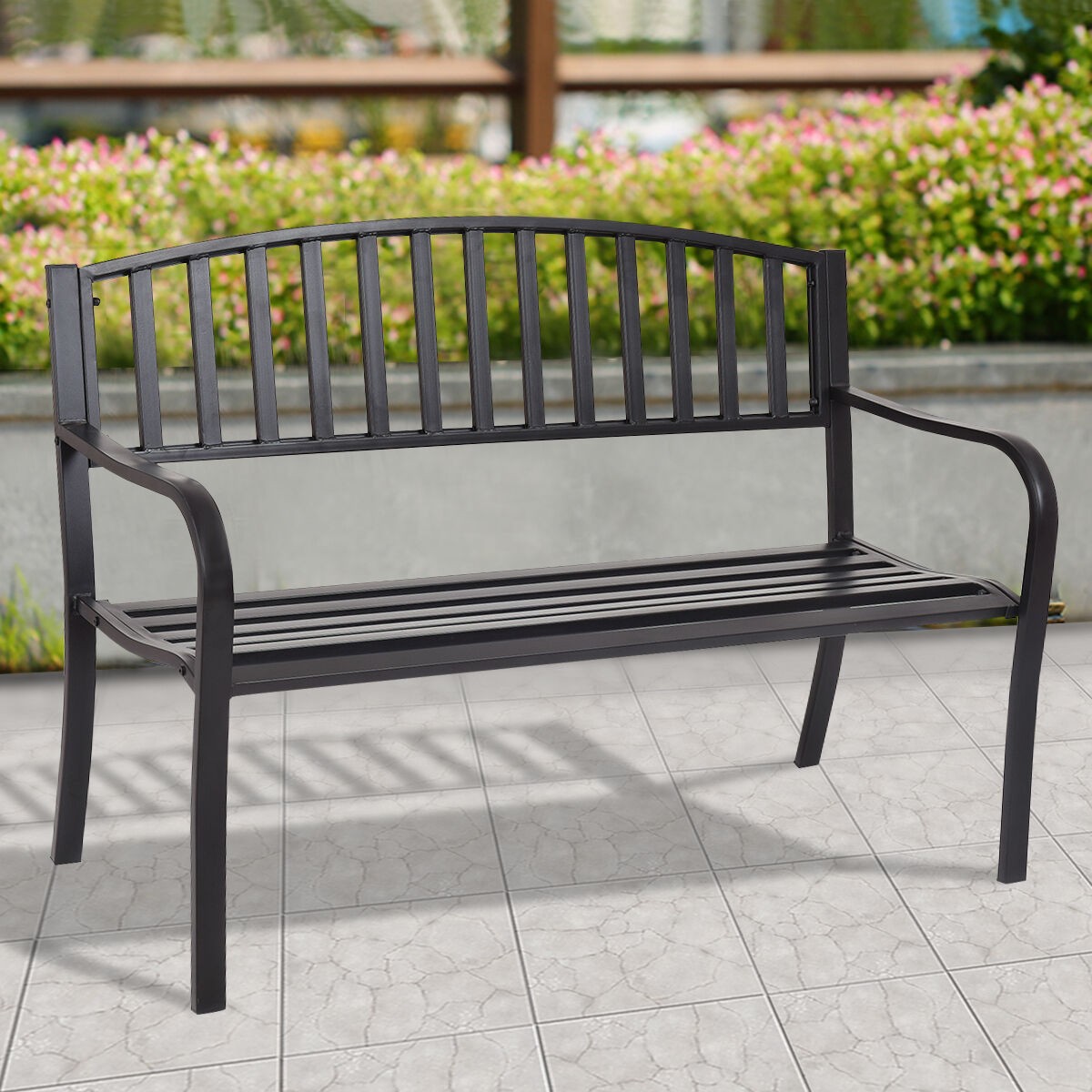 50" Patio Garden Bench Park Yard Outdoor Furniture Steel Slats Porch Chair Seat$89.99Last checked Nov 25, 2026View on eBay
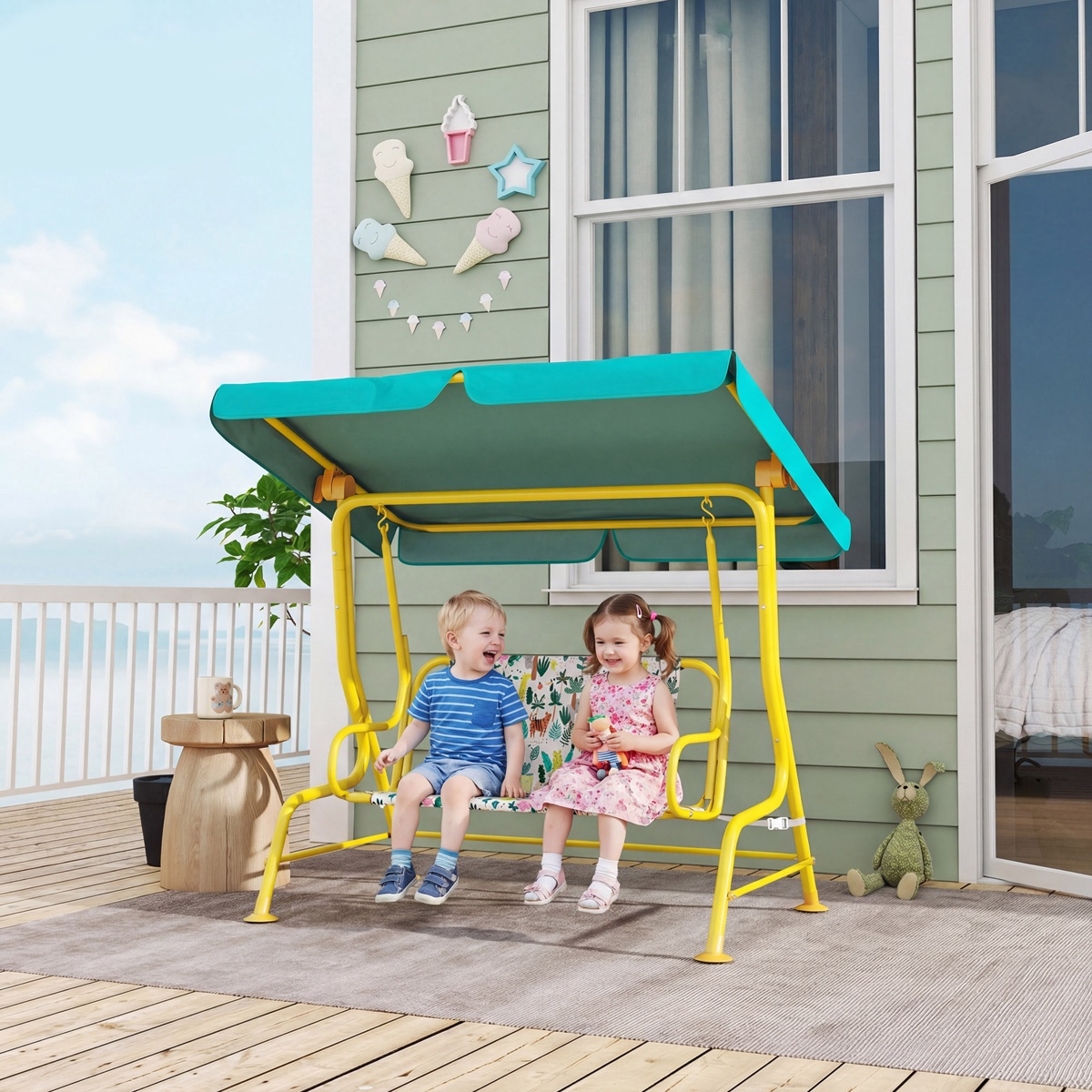 Kids Porch Swing, 2-Seater Patio Bench with Safety Belts, Adjustable Canopy for Backyard, Garden, Green$69.99View on Mallflare
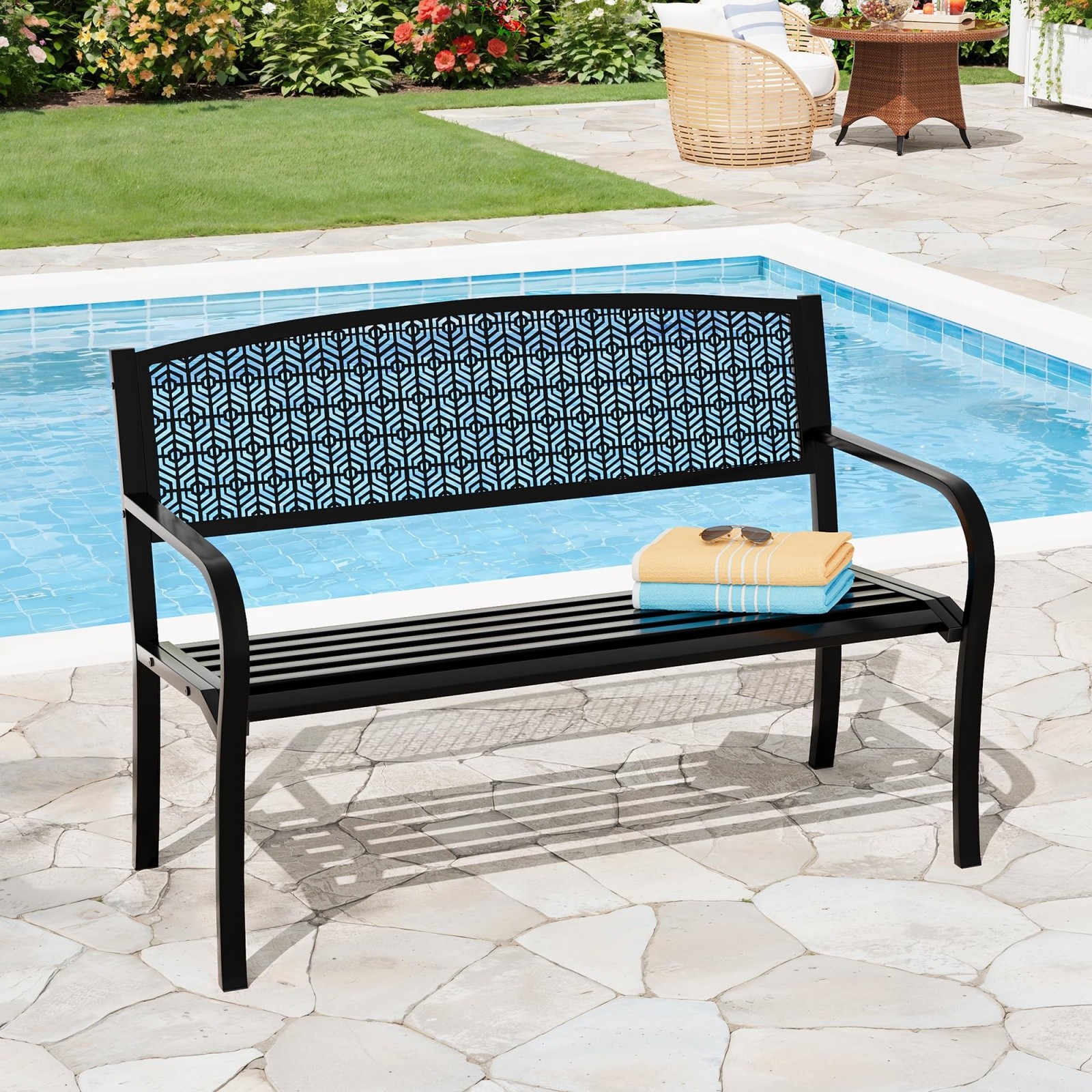 Patio Garden Bench Park Bench Outdoor Furniture Iron Metal Bench Porch Yard Deck$92.99Last checked Nov 24, 2026View on eBay
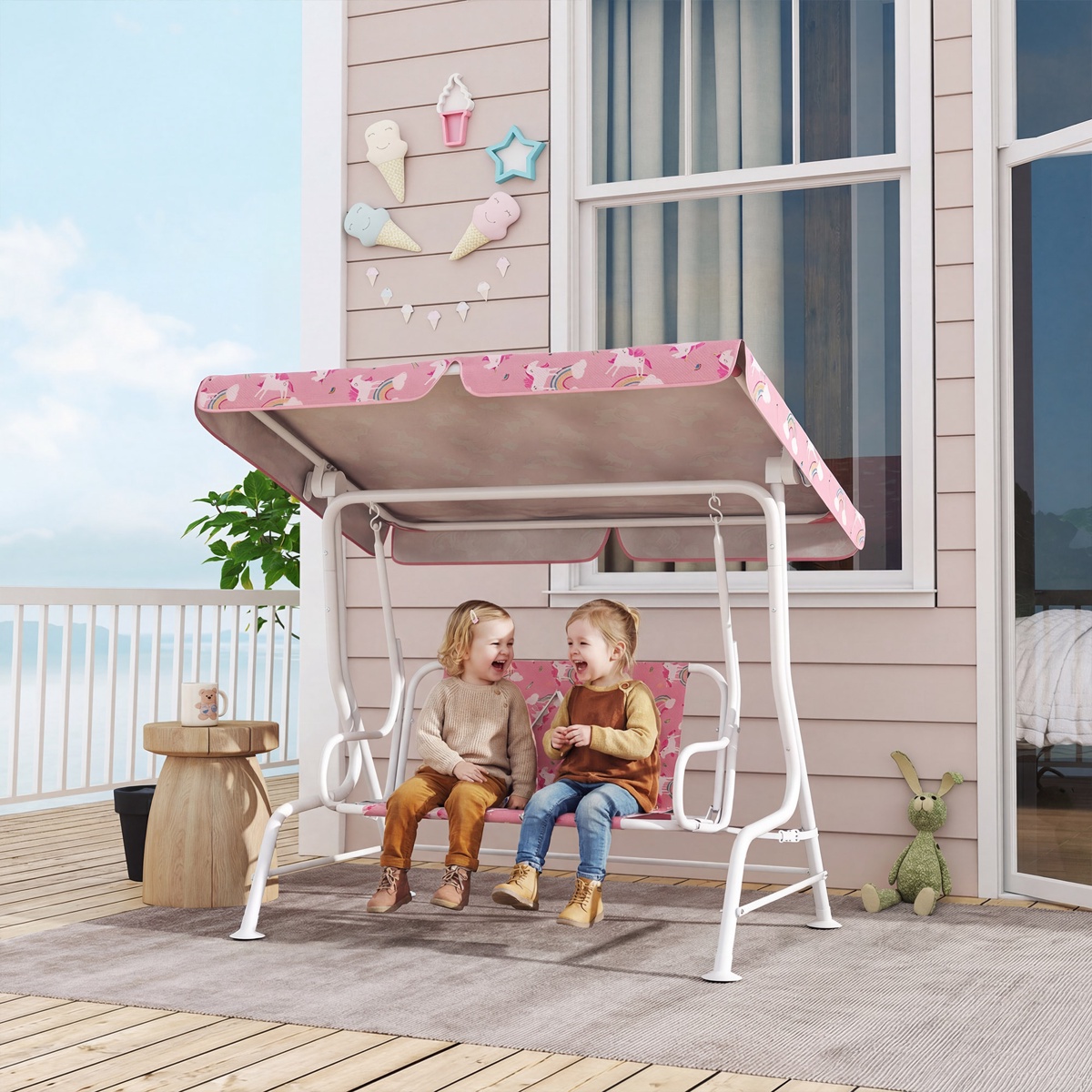 Kids Porch Swing, 2-Seater Patio Bench with Safety Belts, Adjustable Canopy for Backyard, Garden, Pink$72.99View on Mallflare
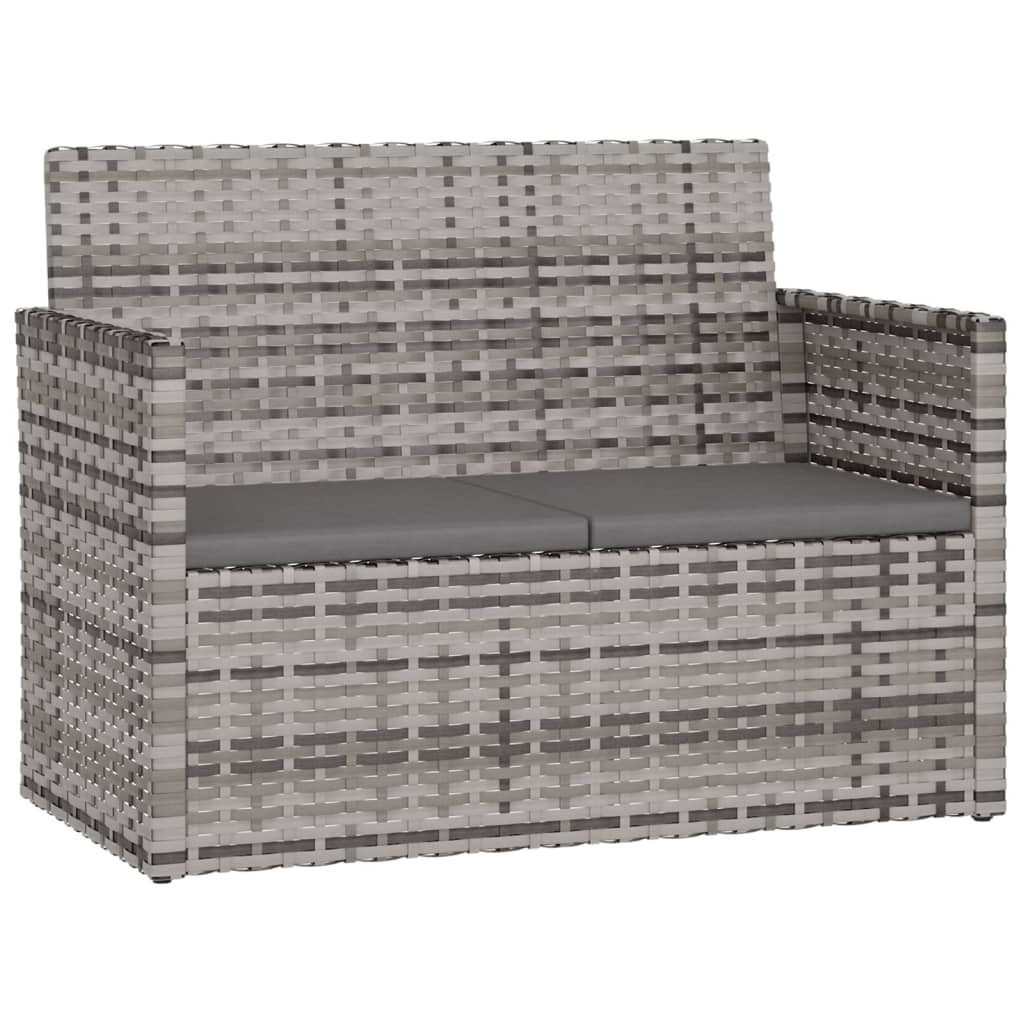 Outdoor Patio Bench Garden Park Porch Bench with Cushions Poly Rattan vidaXL$115.99Last checked Nov 22, 2026View on eBay
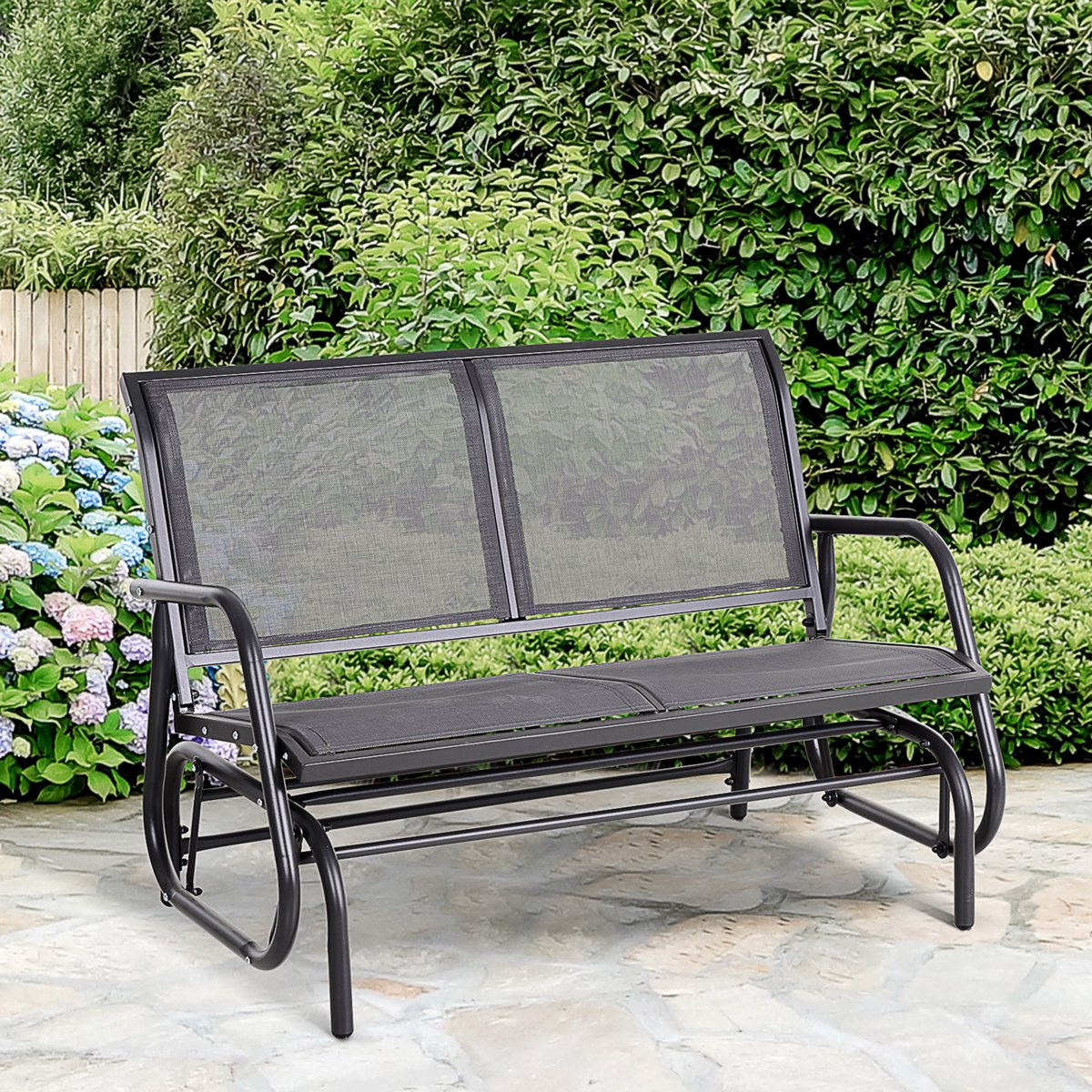 2-Person Outdoor Glider Bench Patio Double Swing Rocking Chair Loveseat w/Power Coated Steel Frame for Backyard Garden Porch, Grey$114.99View on Mallflare
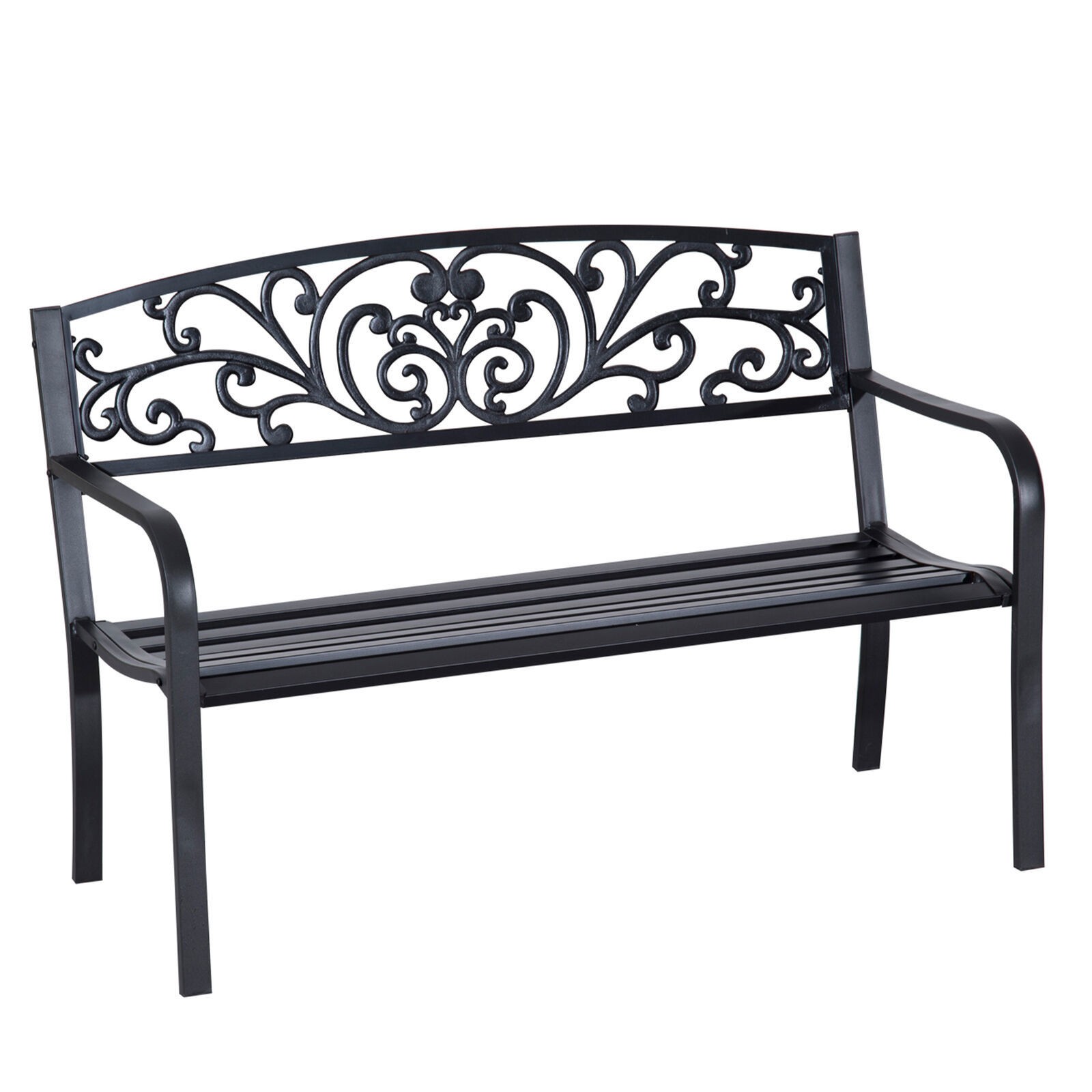 Metal Garden Bench Porch Furniture Outdoor Patio Seat for Park Path Lawn Yard$127.64Last checked Nov 24, 2026View on eBay
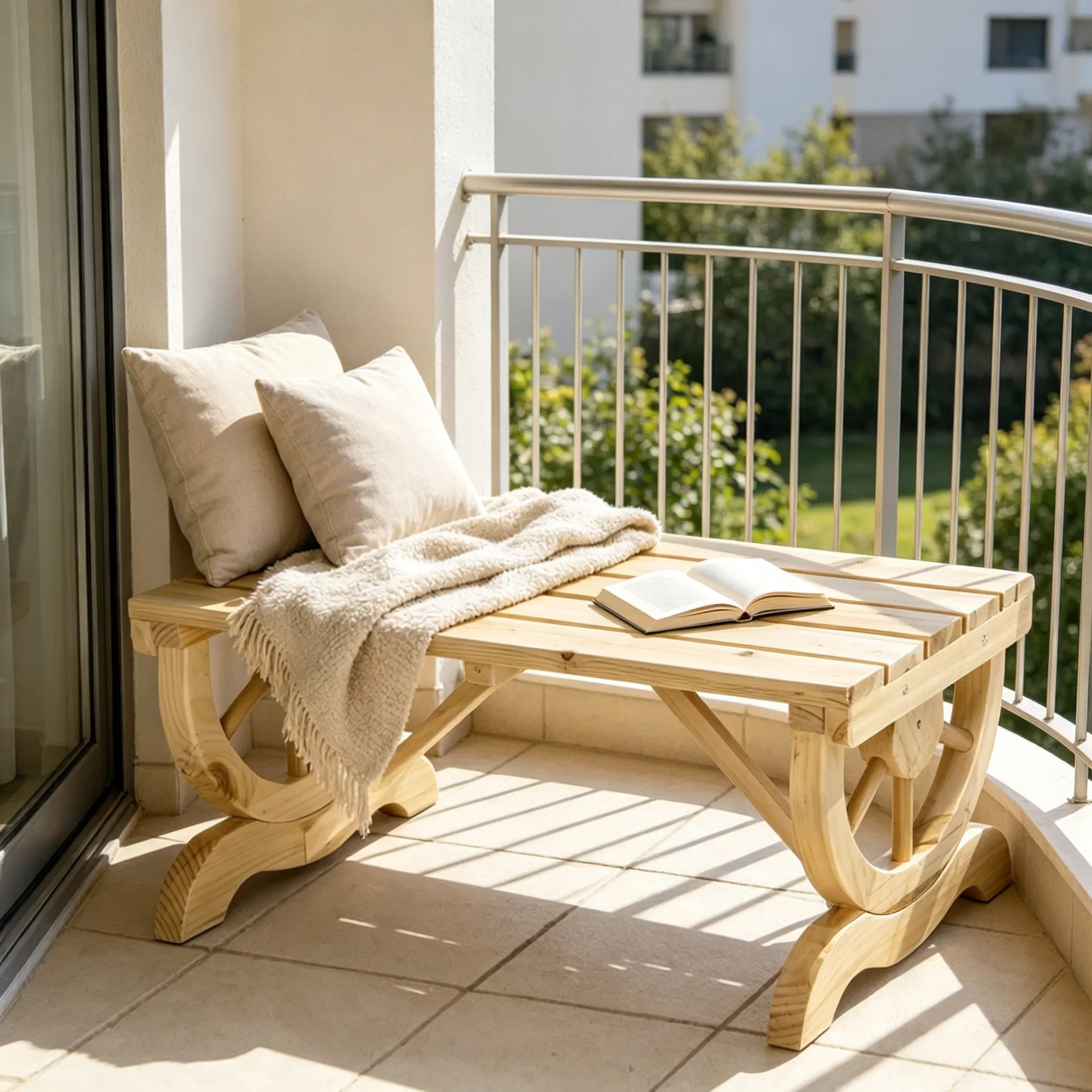 2-Person Outdoor Garden Bench Wagon Wheel Porch for Backyard Patio Natural Wood Furniture$117.99View on Mallflare
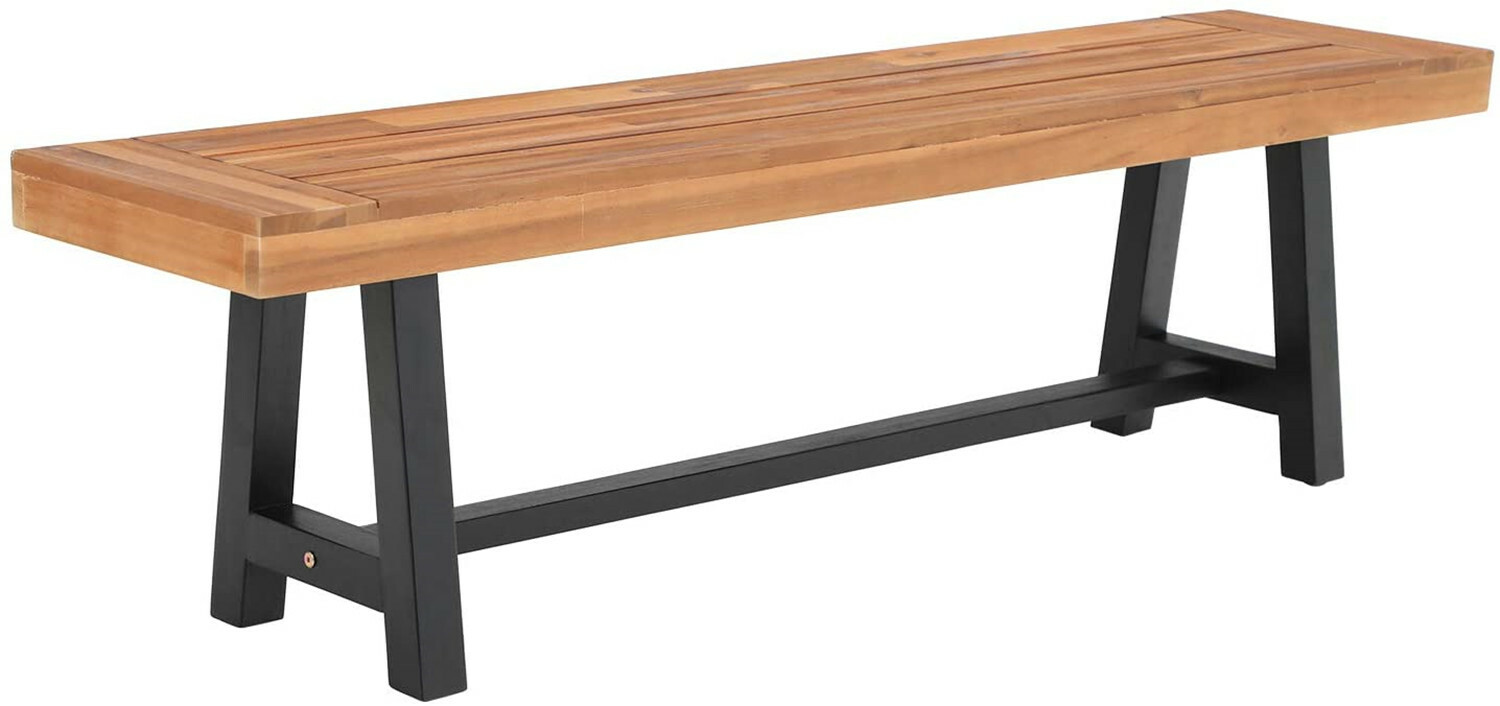 Outdoor Table Bench Set Wooden Patio Dining Tables Chair Garden Furniture Teak$132.99Last checked Nov 27, 2026View on eBay
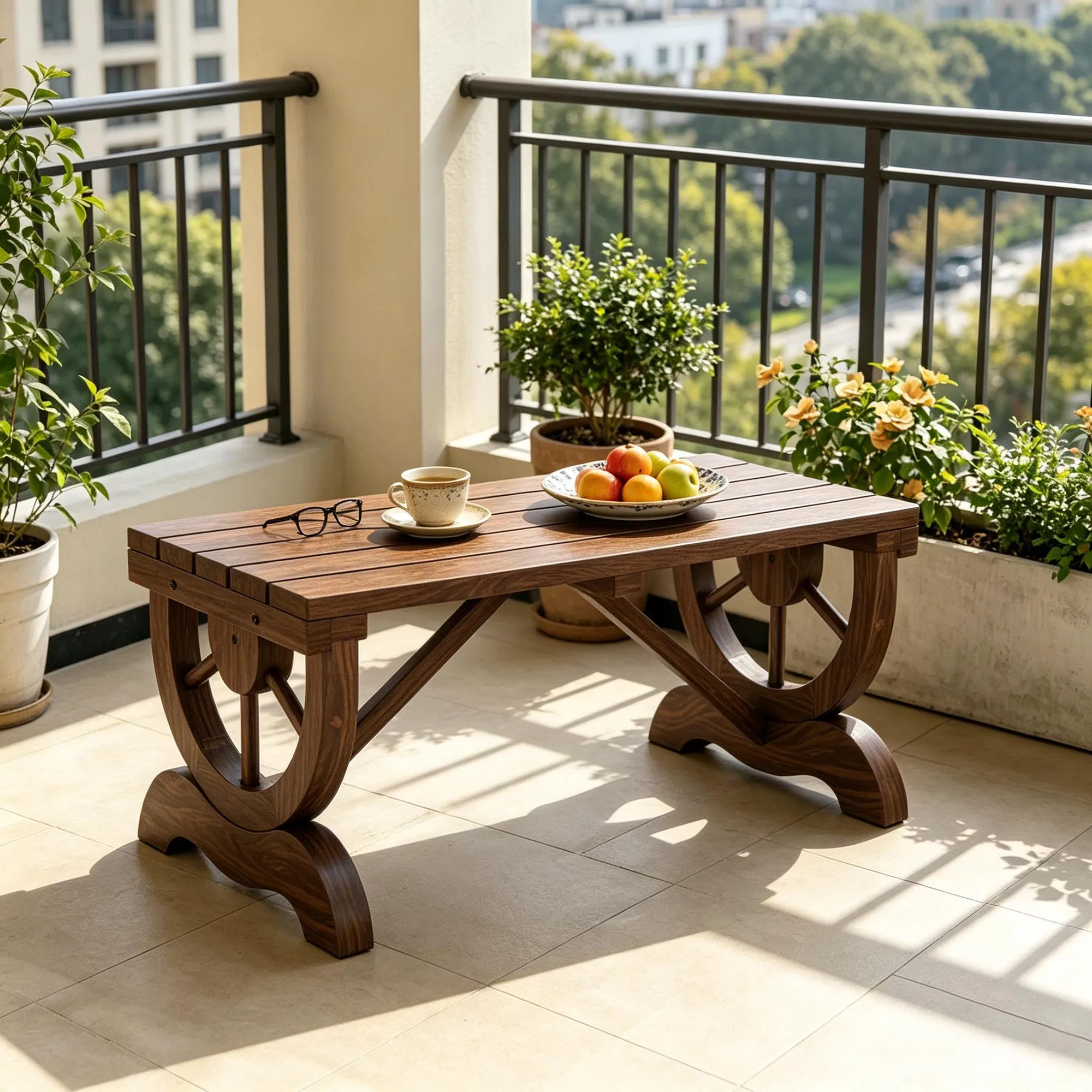 2-Person Bench Rustic Country Style Wooden Wagon Wheel Porch Supports up to 550 LBS Brown Patio Furniture$119.99View on Mallflare
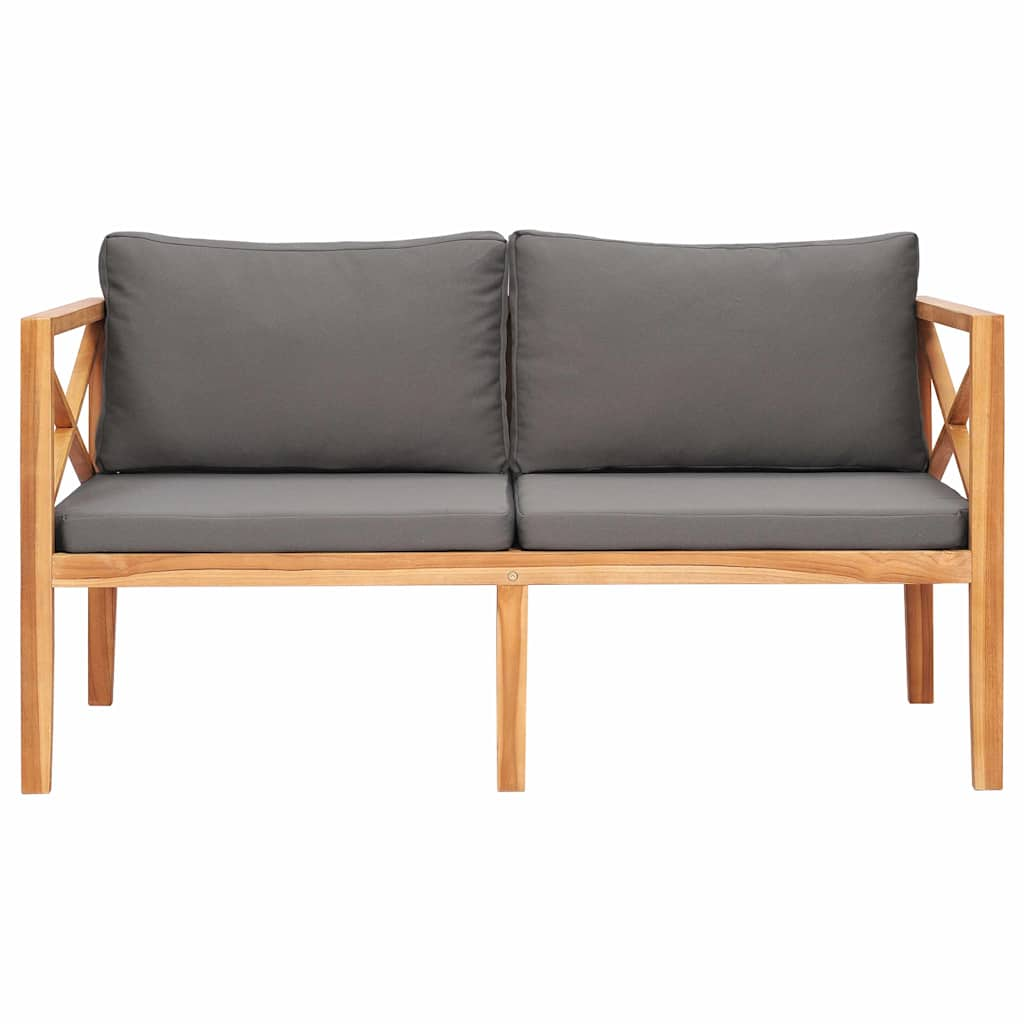 2-Seater Patio Bench Loveseat Chair Sofa with Cushions Solid Wood Teak vidaXL$216.99Last checked Nov 16, 2026View on eBay
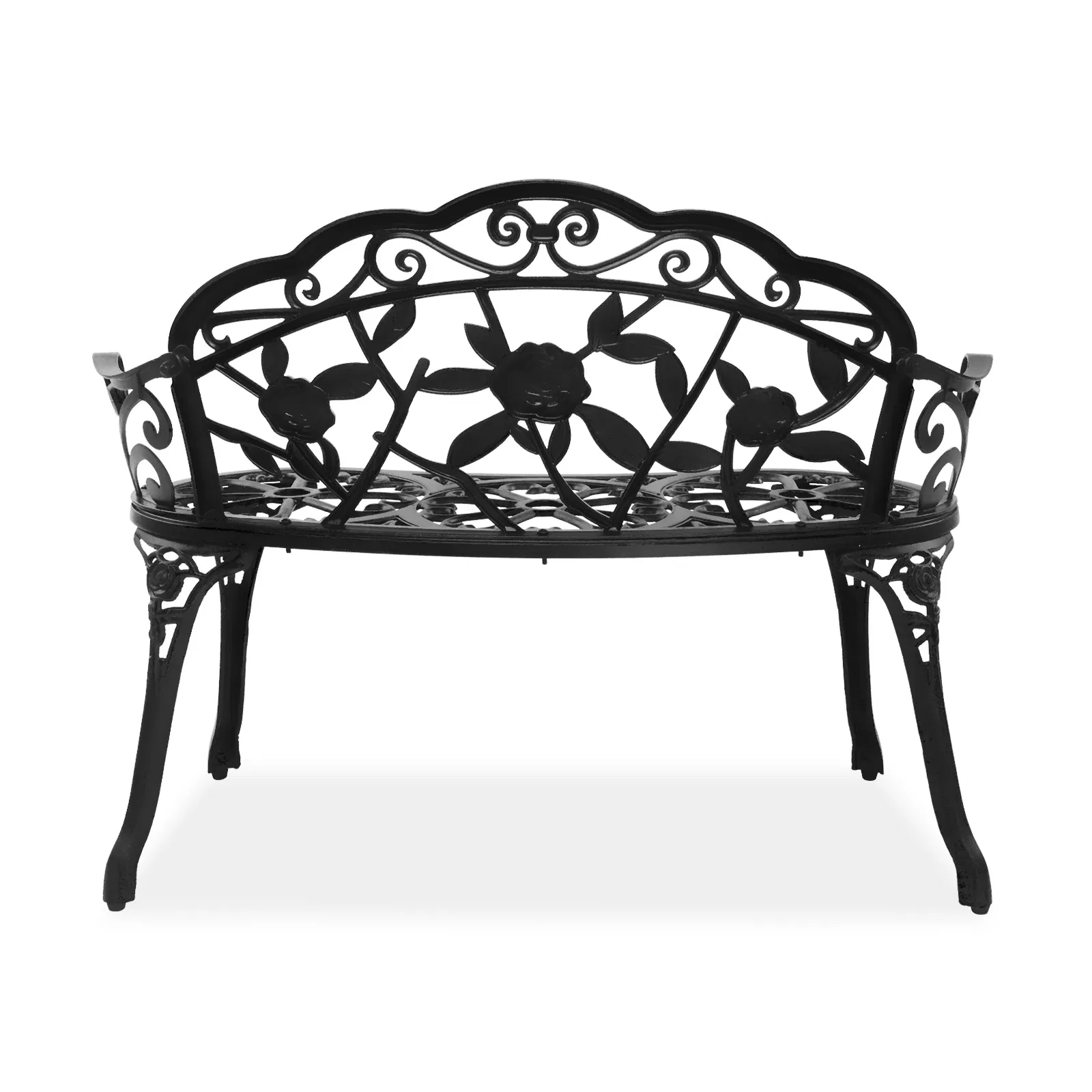 Outdoor Cast Aluminum Patio Bench, Porch Chair with Curved Legs Rose Pattern, Black$121.99View on Mallflare
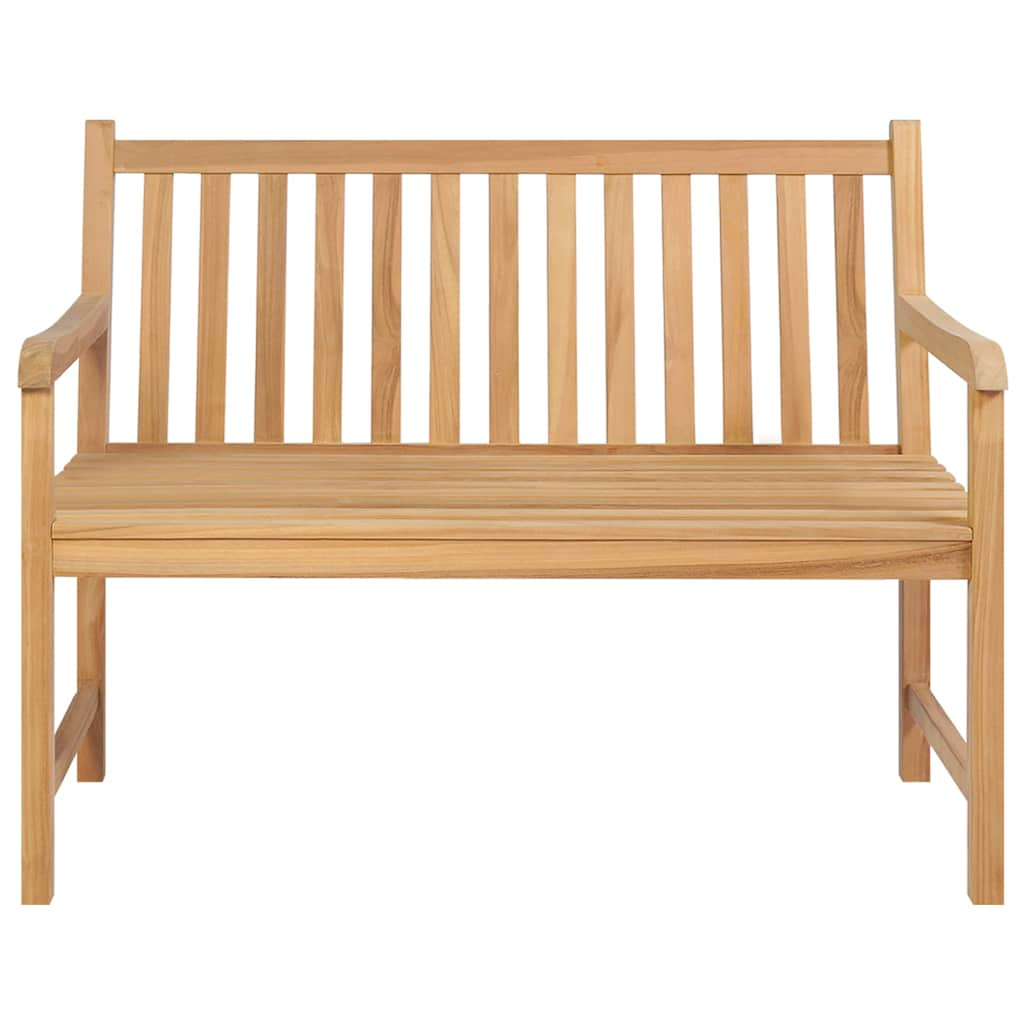 Outdoor Patio Bench Garden Front Porch Chair Bench Solid Wood Teak vidaXL$223.99Last checked Nov 16, 2026View on eBay
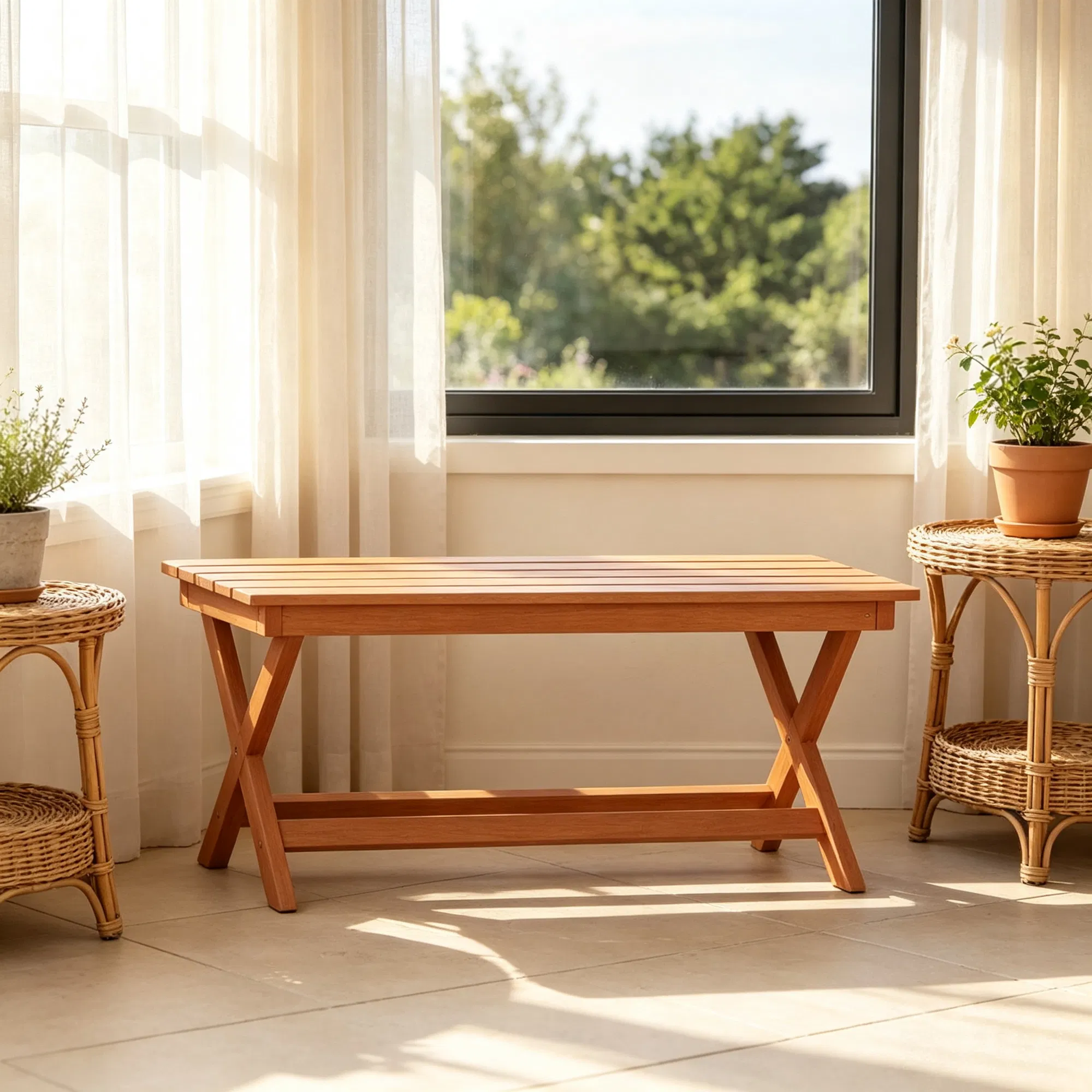 2-Seat Wooden Garden Patio Bench X-Shaped Legs Outdoor Furniture for$123.99View on Mallflare
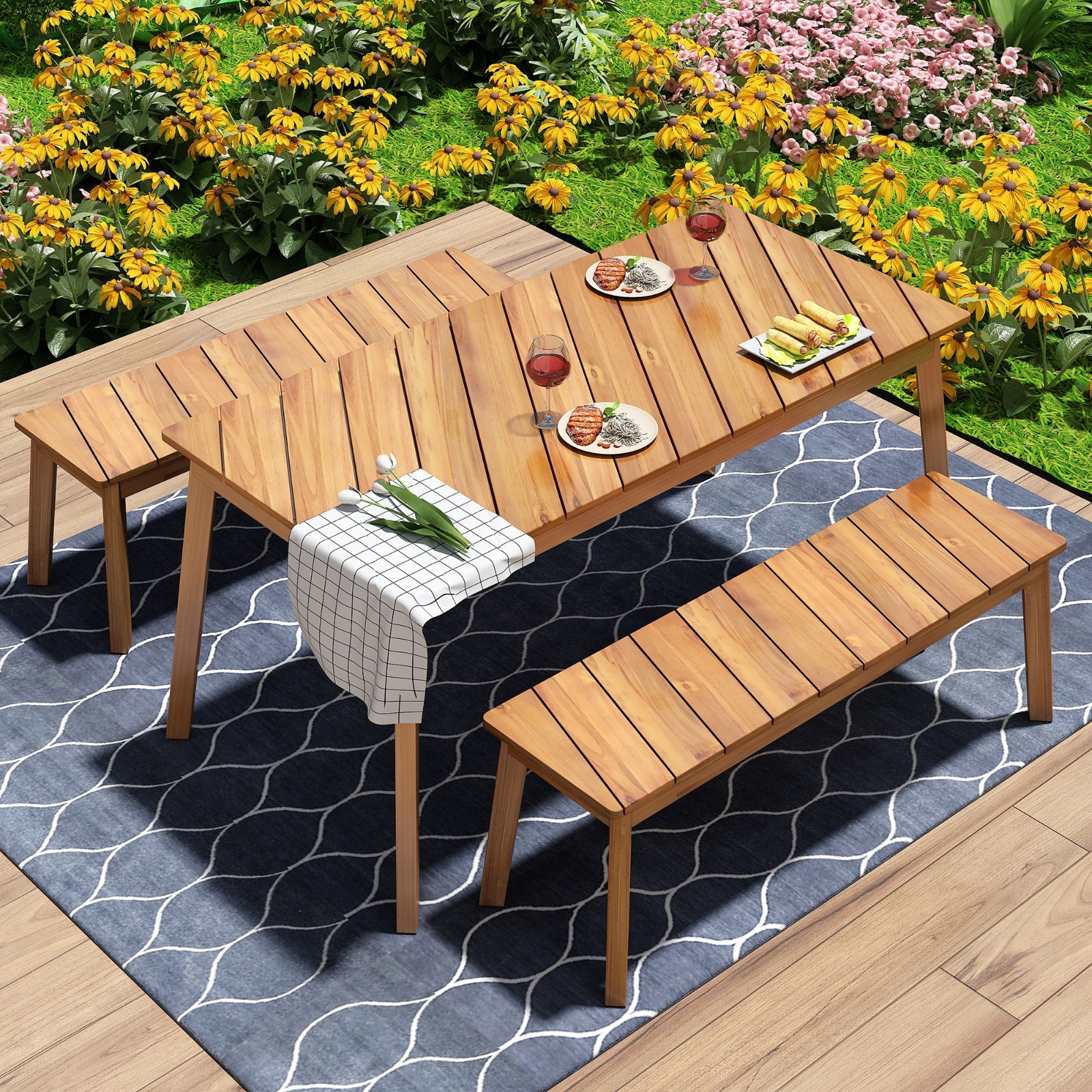 3 Pieces Outdoor Indoor Table Bench Dining Set Easy Assembly For Patio Garden$249.99Last checked Nov 14, 2026View on eBay
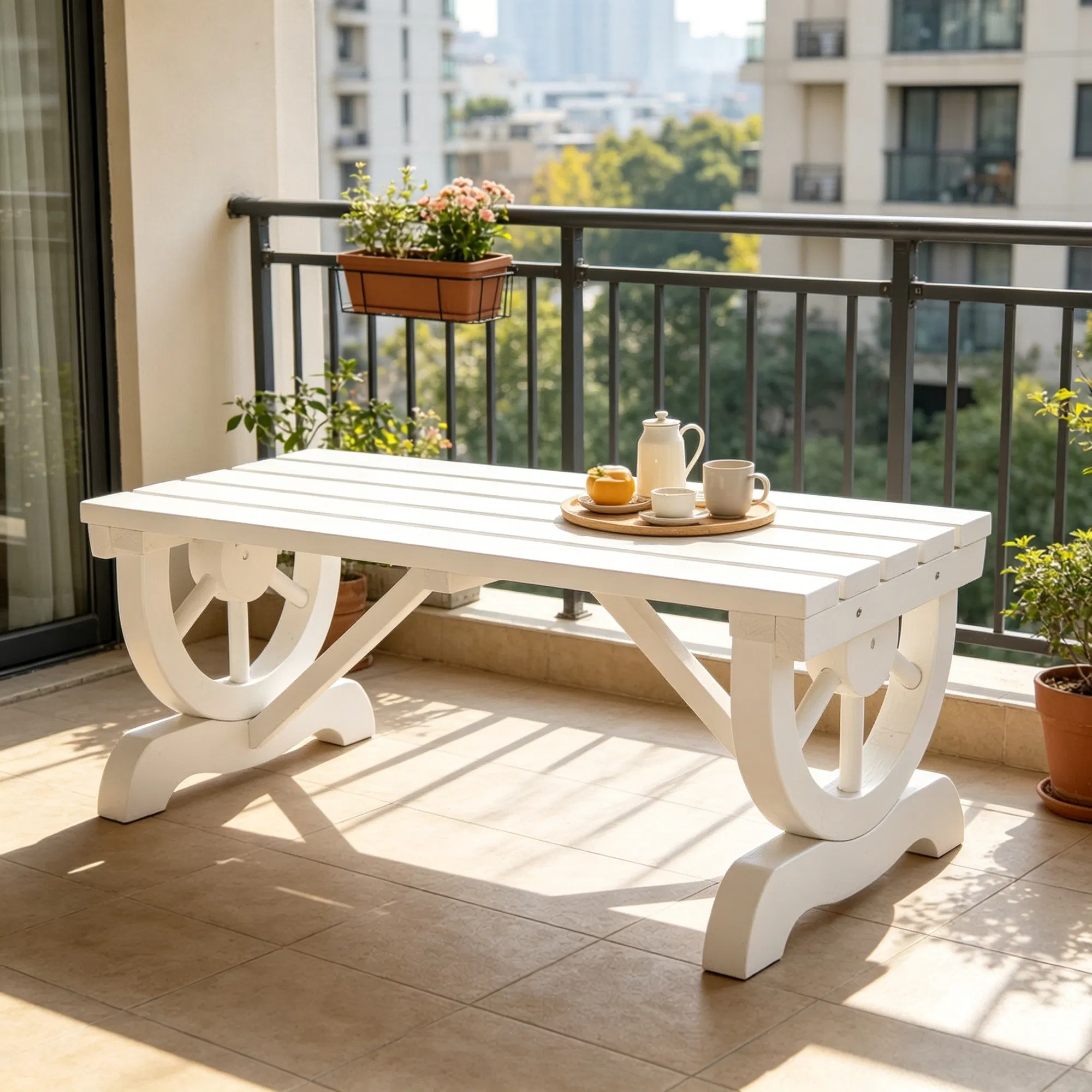 2-Person Outdoor Wagon Wheel Wooden Garden Bench Rustic Country Style Patio Furniture White Support up to 550 LBS for Backyard Porch$124.99View on Mallflare
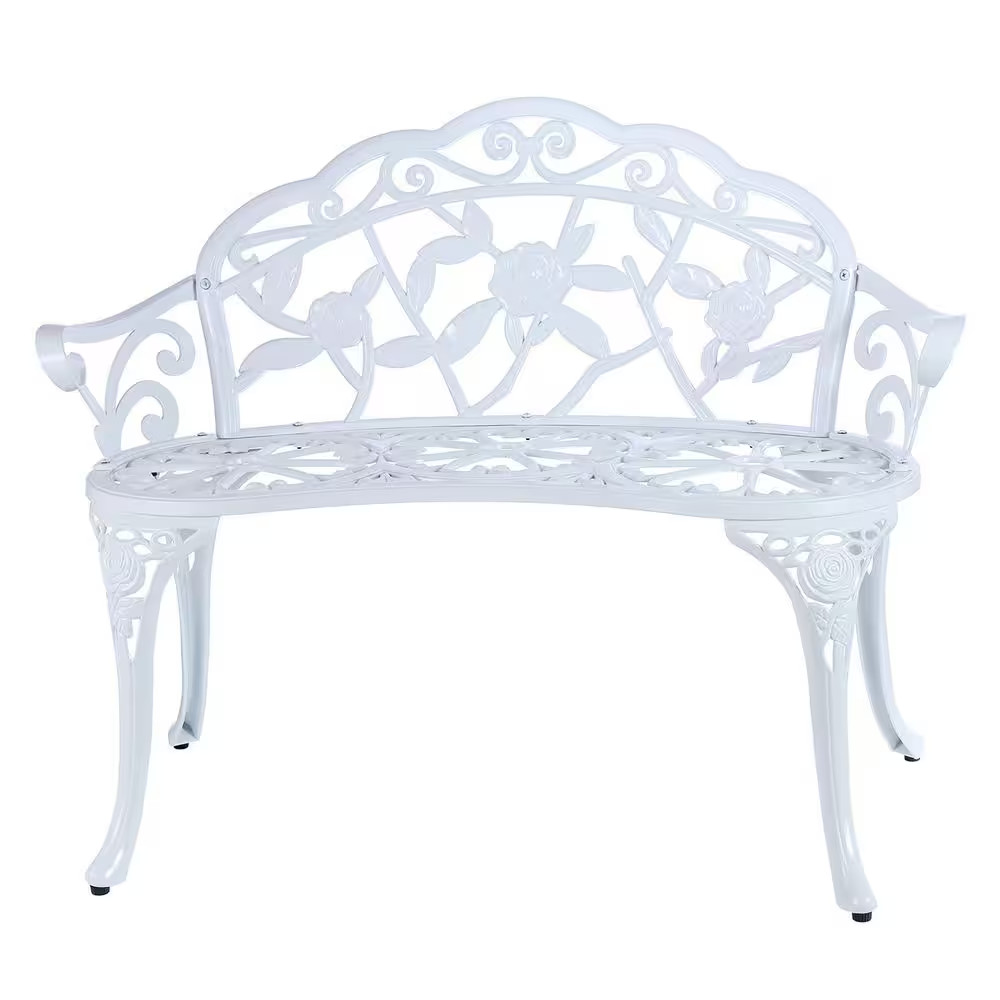 32.2 In. 2-Person White Aluminum Outdoor Bench for Patio, Garden, Park or Yard F$320.52Last checked Nov 14, 2026View on eBay
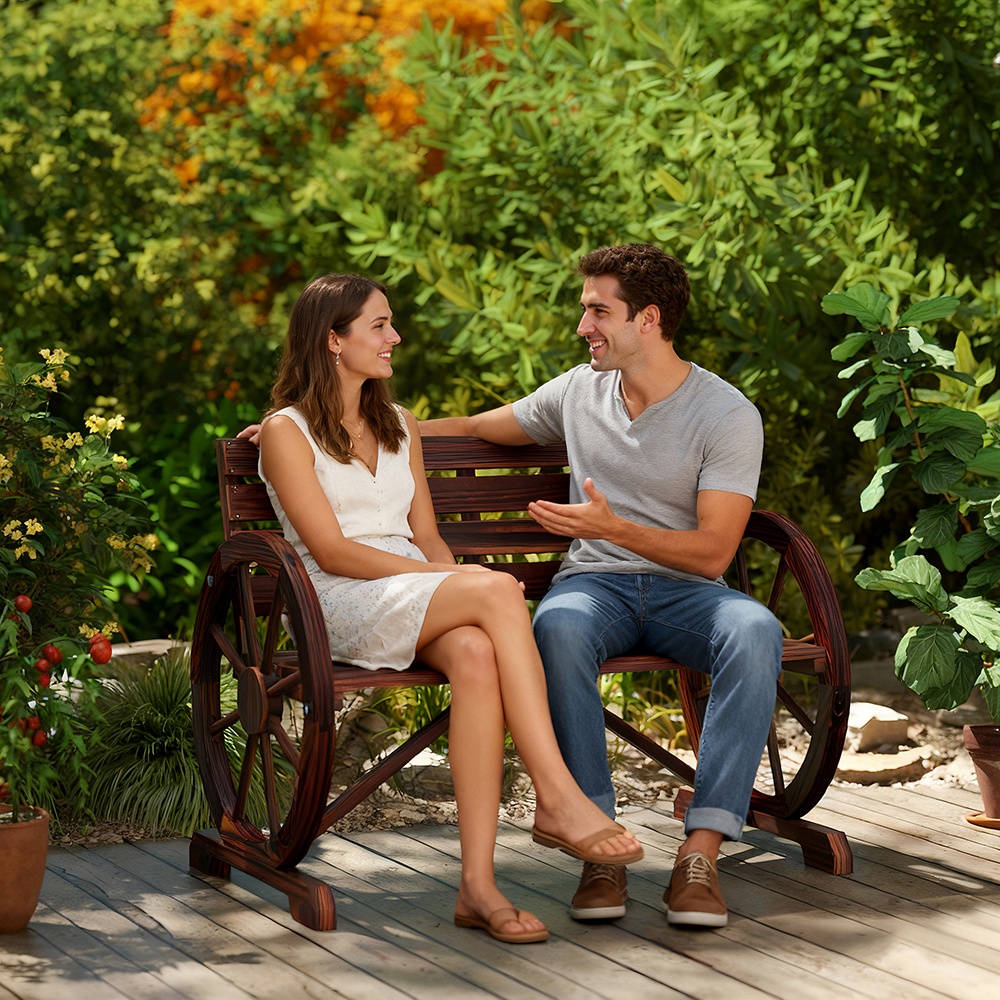 Wooden Wagon Wheel Bench, Rustic Outdoor Patio Weather Resistant Furniture, 2-Person Slatted Seat With Backrest Supports Up To 550 Lbs For Garden, Or Other Areas$134.99View on Mallflare
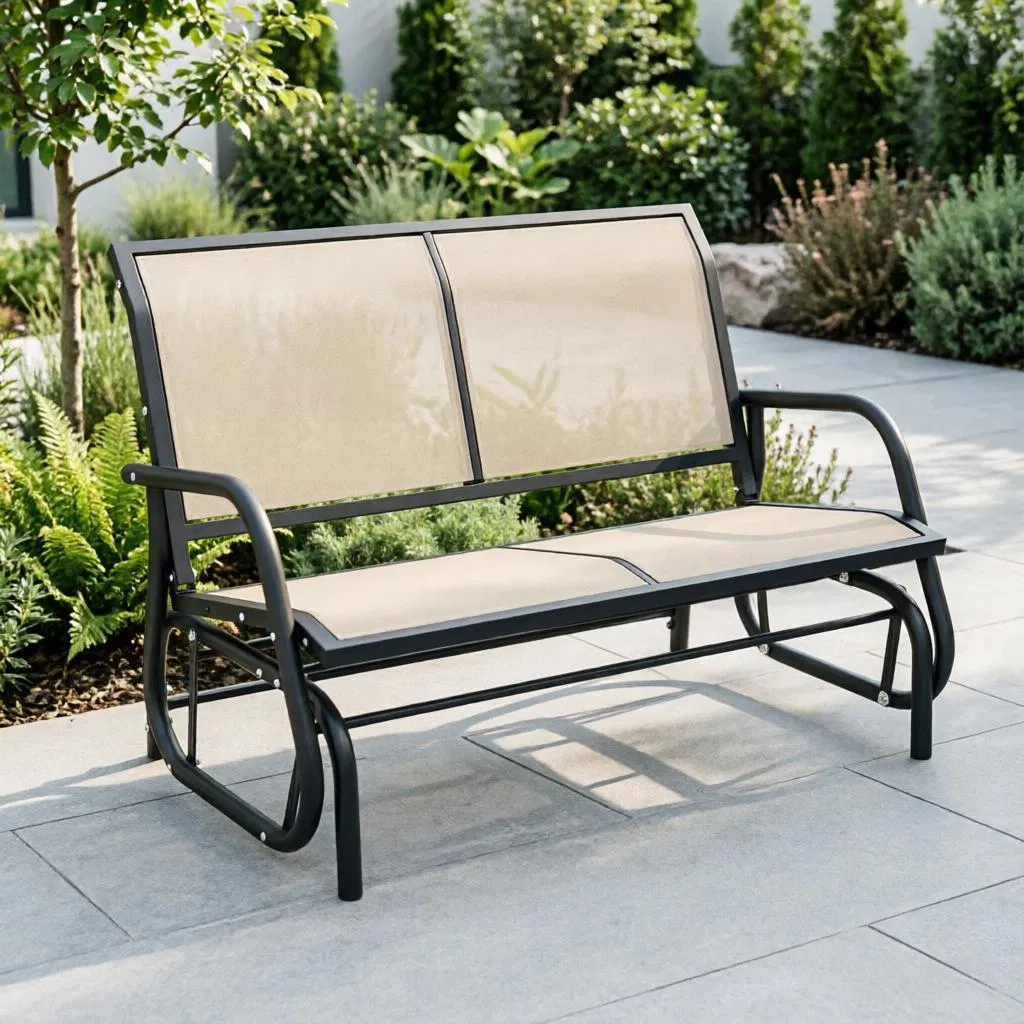 Beige 2-Person Outdoor Glider Bench Patio Double Swing Rocking Chair with Coated Steel Frame for Backyard Garden Porch$141.99View on Mallflare
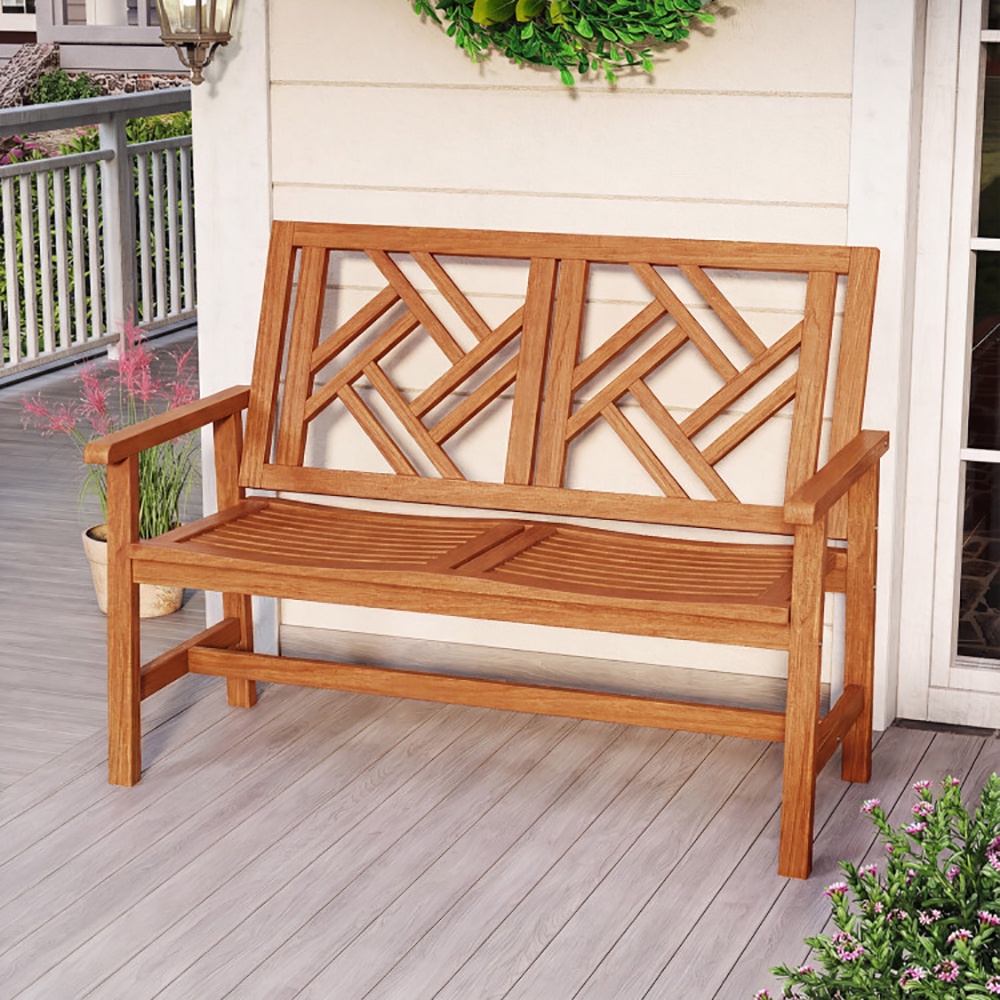 Outdoor Bench Wood 2-Person Patio Loveseat Chair With Geometric Backrest For Up To 660 Lbs For Porch, Backyard, Etc$142.99View on Mallflare
Highlights
- Solid teak resists rot and insects naturally; oil it annually to prevent silver-gray weathering and surface cracking.
- Poly rattan over a powder-coated steel frame handles sun and rain well, but cheap weaves can fray at stress points within a few seasons.
- Cast aluminum is lightweight and rust-proof; cast iron and steel are heavier and need repainting when chips expose bare metal.
- Two-seat benches typically run 48-52 inches wide, while three-seat models need 60 inches or more of clear span.
Best use cases
- Choose solid teak or powder-coated aluminum for uncovered patios with full sun and rain; skip unfinished softwoods that warp and split.
- Pick poly rattan or resin for poolside and humid coastal areas where metal fasteners corrode; avoid untreated steel frames near salt spray.
- Select a backless bench for entryway or foot-of-bed use where space is tight; choose a full-back bench with armrests for long sitting and reading.
Buying tips
- Prioritize frame joints: welded aluminum or mortise-and-tenon teak outlast screwed or stapled assemblies that loosen with seasonal expansion.
- Check seat height against your table or fire pit; standard dining height is about 18 inches, while lounge-height benches sit lower.
- Avoid benches with thin (under 1-inch) slats or hollow tubular legs, which flex, dent, and collect water.
- Compare weight ratings and frame thickness: heavy-gauge steel and cast iron handle adults better than thin-wall tubular frames.
Specs
| Frame Material | Teak / aluminum / steel / rattan |
|---|---|
| Seat Capacity | 2-seat (~48-52") / 3-seat (60"+) |
| Weather Rating | Rot-resistant vs rust-proof vs treated |
| Assembly | Flat-pack bolt-together vs preassembled |
What to check before buying
- Measure your patio or porch clear span and add 18-24 inches of walkway clearance in front of the bench.
- Confirm the surface: concrete and pavers suit any bench, but soft lawns need feet pads or a hard base to prevent sinking.
- Check climate exposure: full-sun and freeze-thaw areas favor teak, aluminum, or resin over painted steel.
- Verify assembly hardware is stainless steel, and that cushions or covers are included if you want all-weather seating out of the box.
FAQ
Data sources: eBay / Amazon listings and product attribute feeds. Updated Nov 28, 2026.
Some links on this page are affiliate links. If you buy after clicking one, we may earn a commission at no extra cost to you. This does not change which products appear here or their order. Affiliate disclosure.