GardenPulse Guide

GardenPulse Guide

Garden, Yard & Outdoor Living Reviews & Buying Guides

Compare garden, yard & outdoor living by use case, features, trade-offs, price, returns, and seller terms before you buy.

Buying guides

Buying guide image
Greenhouse & Hydroponics

Walk In Greenhouse

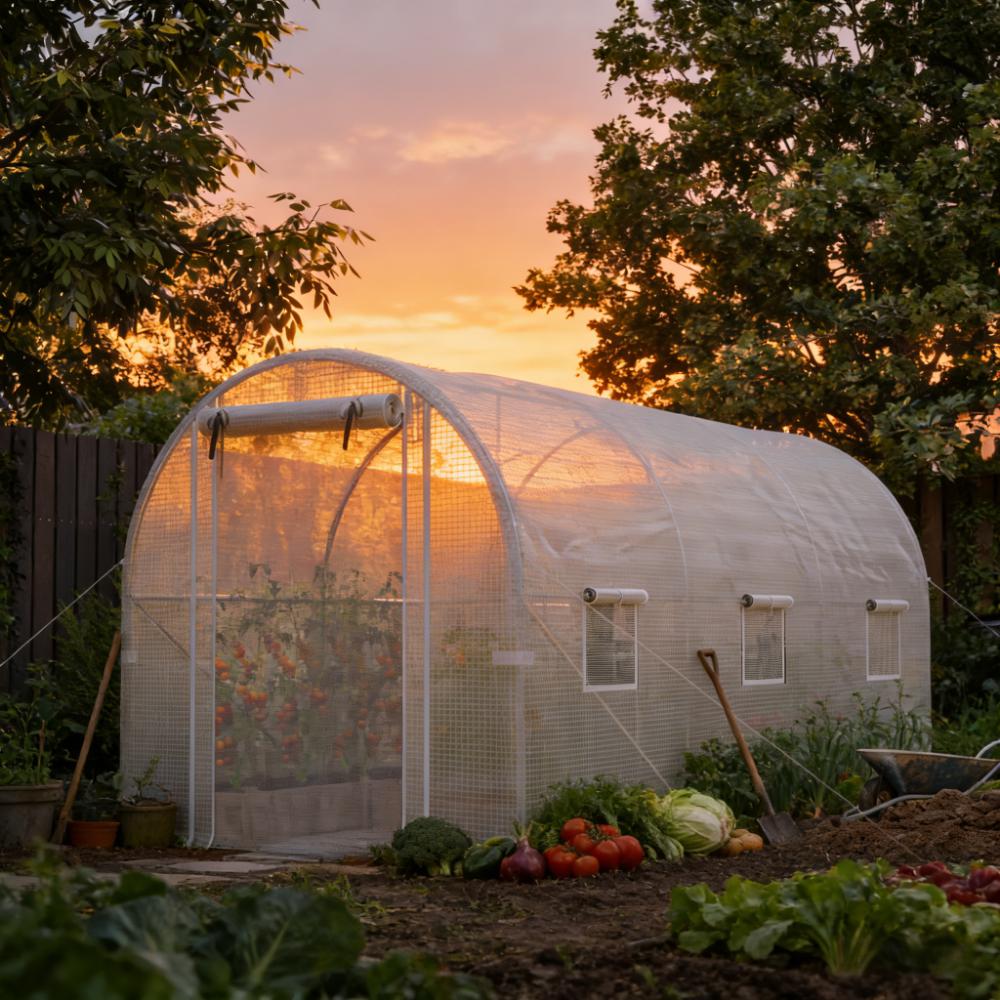
A walk-in greenhouse is a freestanding or pop-up structure tall enough to stand inside, distinguished by its frame material, cover fabric, and anchoring system. The primary trade-off is between lightweight PVC/PE film kits that need seasonal replacement and rigid polycarbonate or galvanized steel units built for multi-year wind and snow loads. Buy a film-and-tube kit only for sheltered patios and single-season starts; buy a rigid-frame unit with panel glazing if you need overwintering or high-wind durability.
Buying guide image
Outdoor Structures, Shade & Awnings

Tool Shed

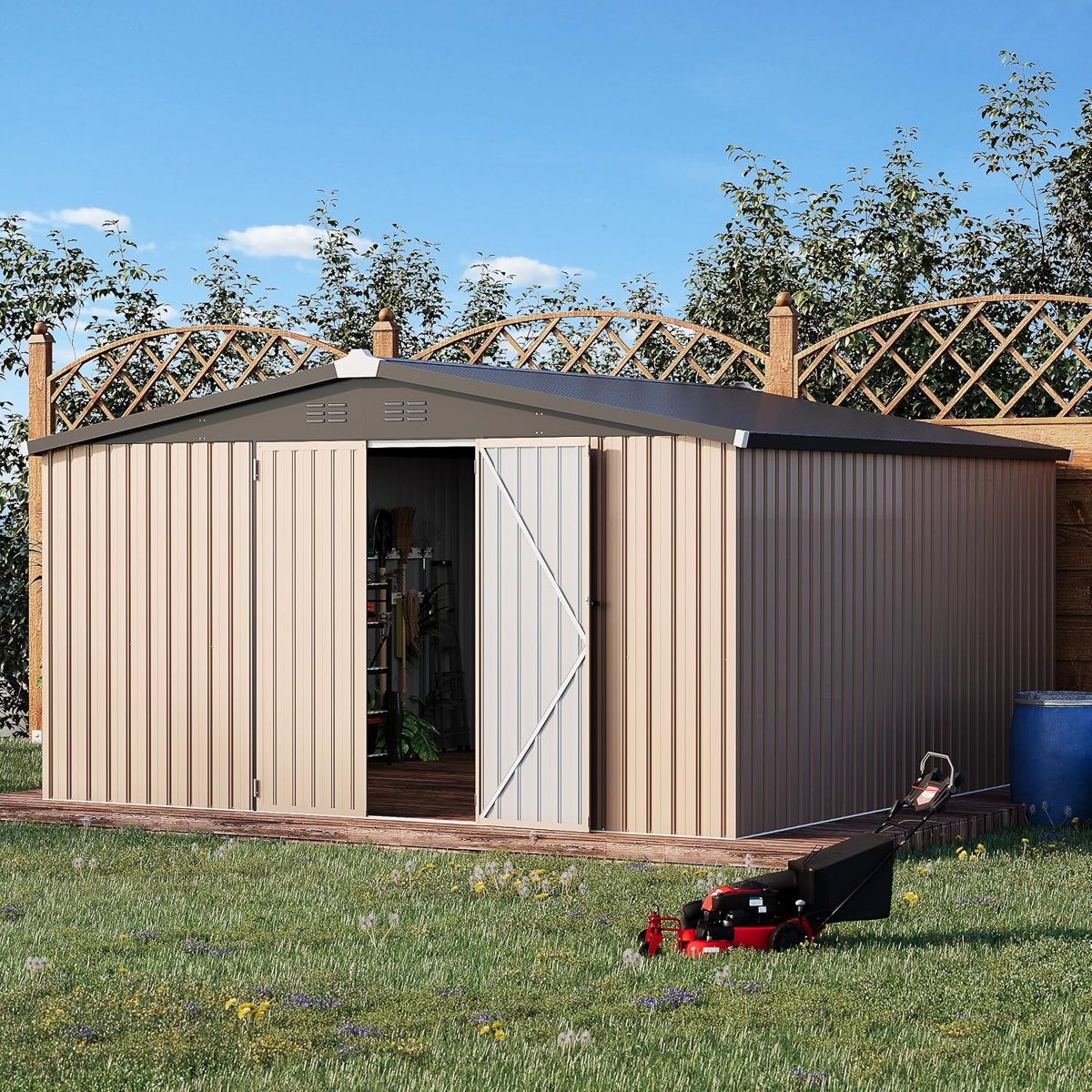
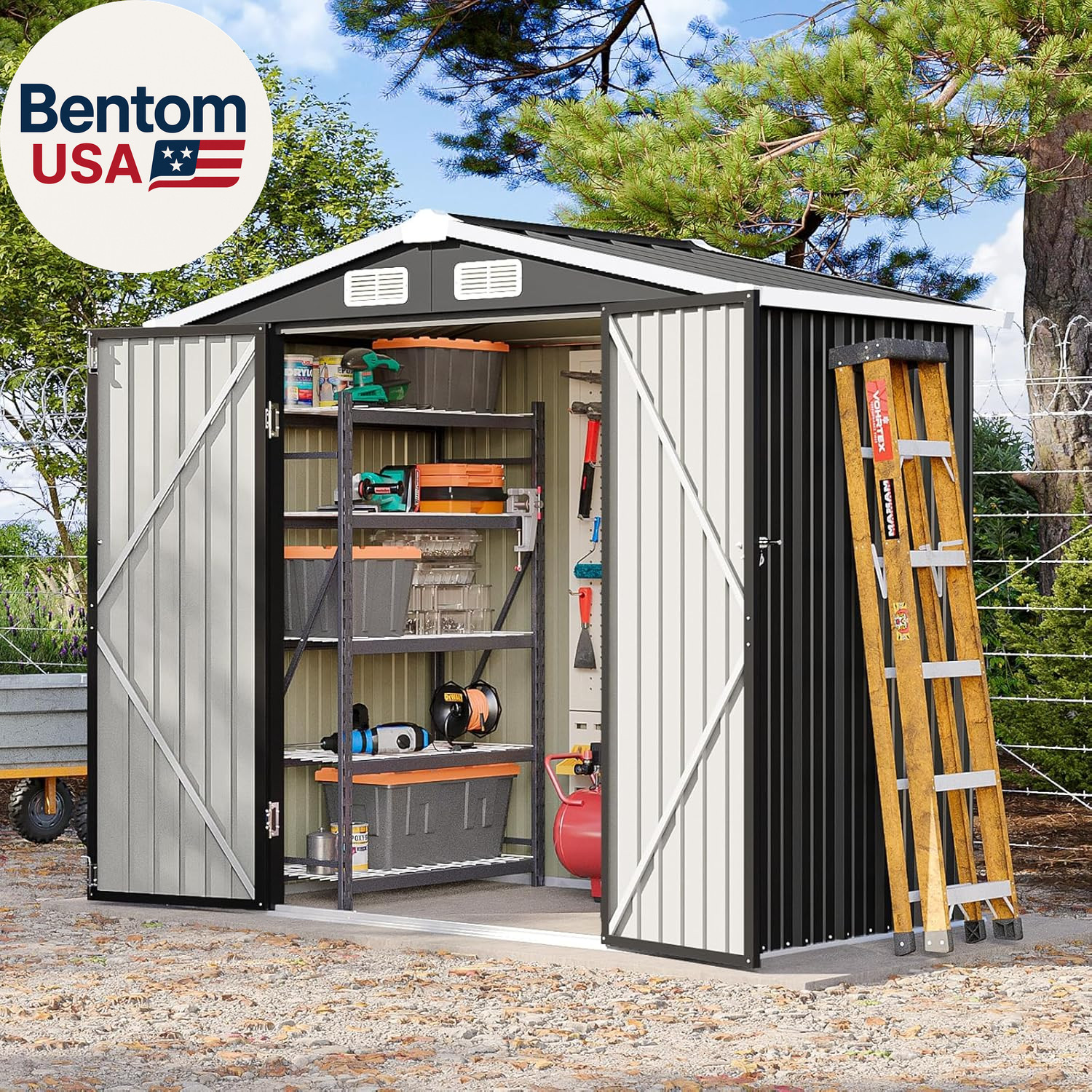
A tool shed must survive wind, rain, and seasonal temperature swings while keeping mowers, bikes, and long-handled tools dry and secure. Most buyers misjudge the foundation and panel gauge, then discover too late that a lightweight steel shed dents easily or that a fabric shelter fails in the first storm. Size the footprint to your largest item plus a walkway, then pick a structural material and anchoring method that match your climate.

Buying guide image
Patio Furniture

Outdoor Table Chair

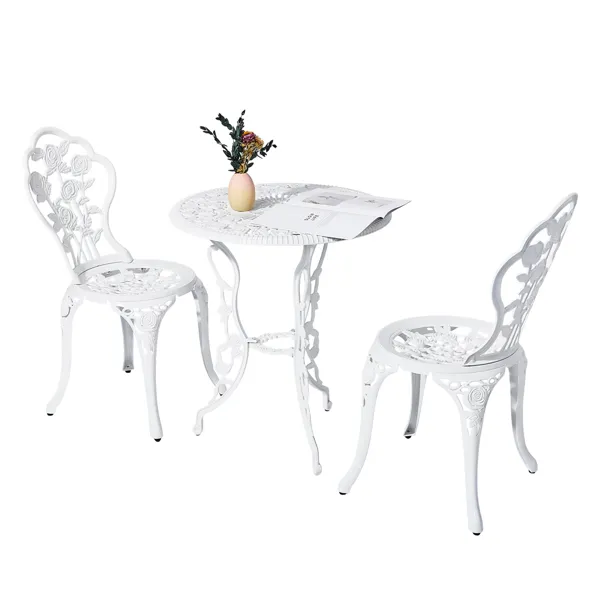
Outdoor table and chair sets span folding bistro trios to full dining groups, and the decisive trade-off is frame material and joint construction versus portability and cost. Cast aluminum and powder-coated steel with welded or bolted gussets resist rust and wobble for years, while thin tubular steel and plastic-bushed folding joints loosen within a season. Buy the smallest set that meets your seating count, then step up to cast aluminum or eucalyptus if the set stays outside year-round.

Buying guide image
Watering & Irrigation

Plant Drip Irrigation

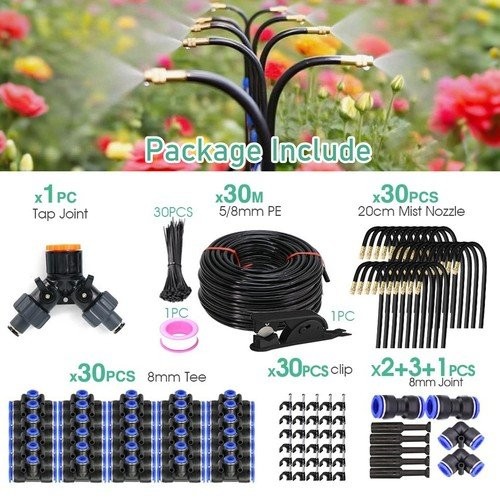
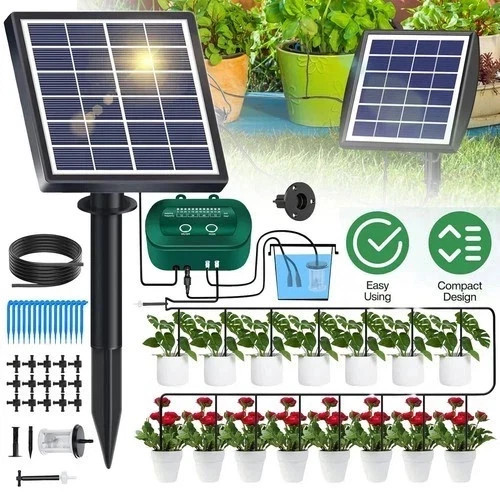
Plant drip irrigation covers two very different systems: passive ceramic or plastic spikes that wick water from a reservoir, and pump-driven kits with tubing, emitters, and timers. Buyers usually miscount emitter capacity against the number of plants, or choose a reservoir spike for a vacation week only to find it clogs or drains unevenly. Fit the architecture to your trip length, plant count, and whether you can reach a faucet.

Buying guide image
Patio Furniture

Sectional Patio Furniture

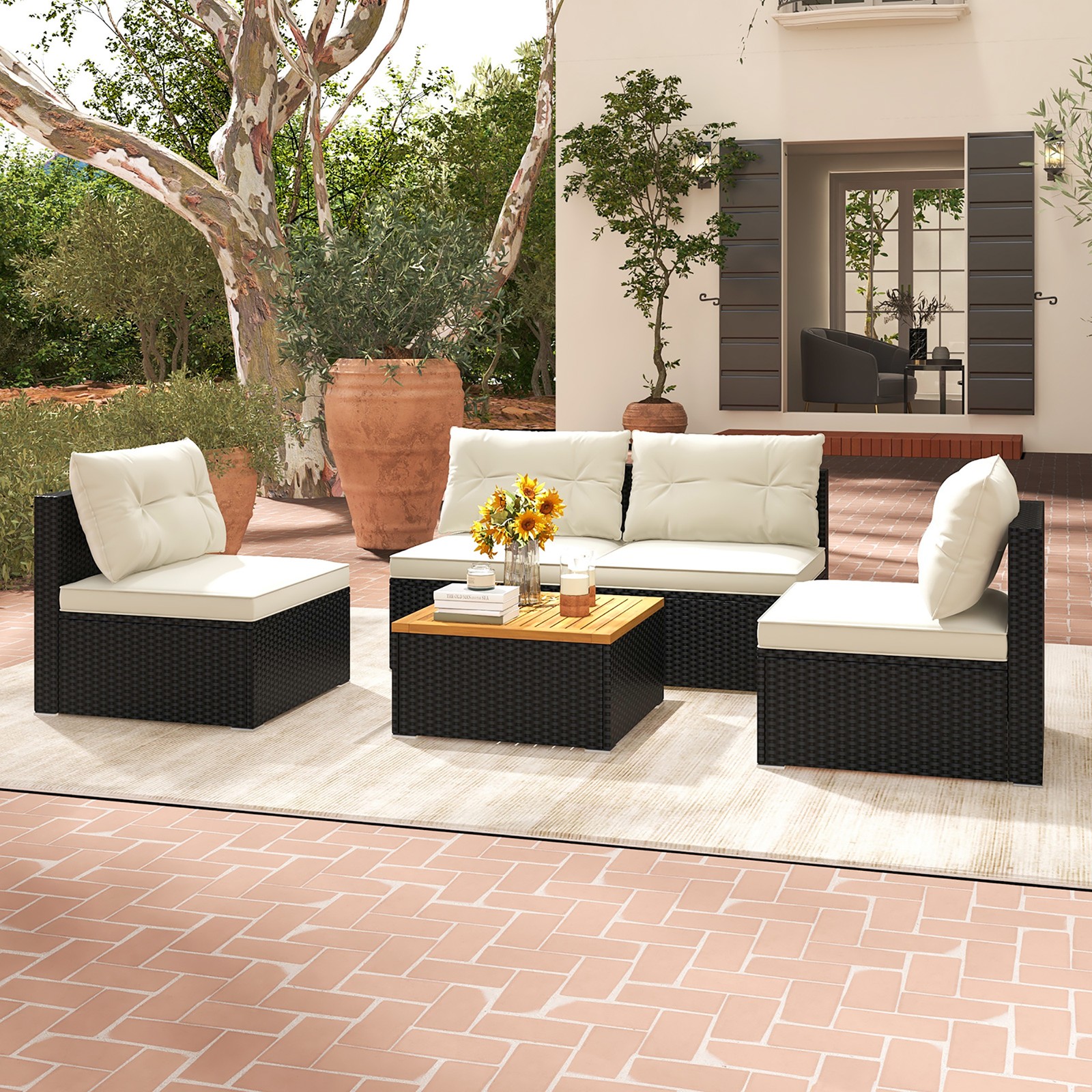
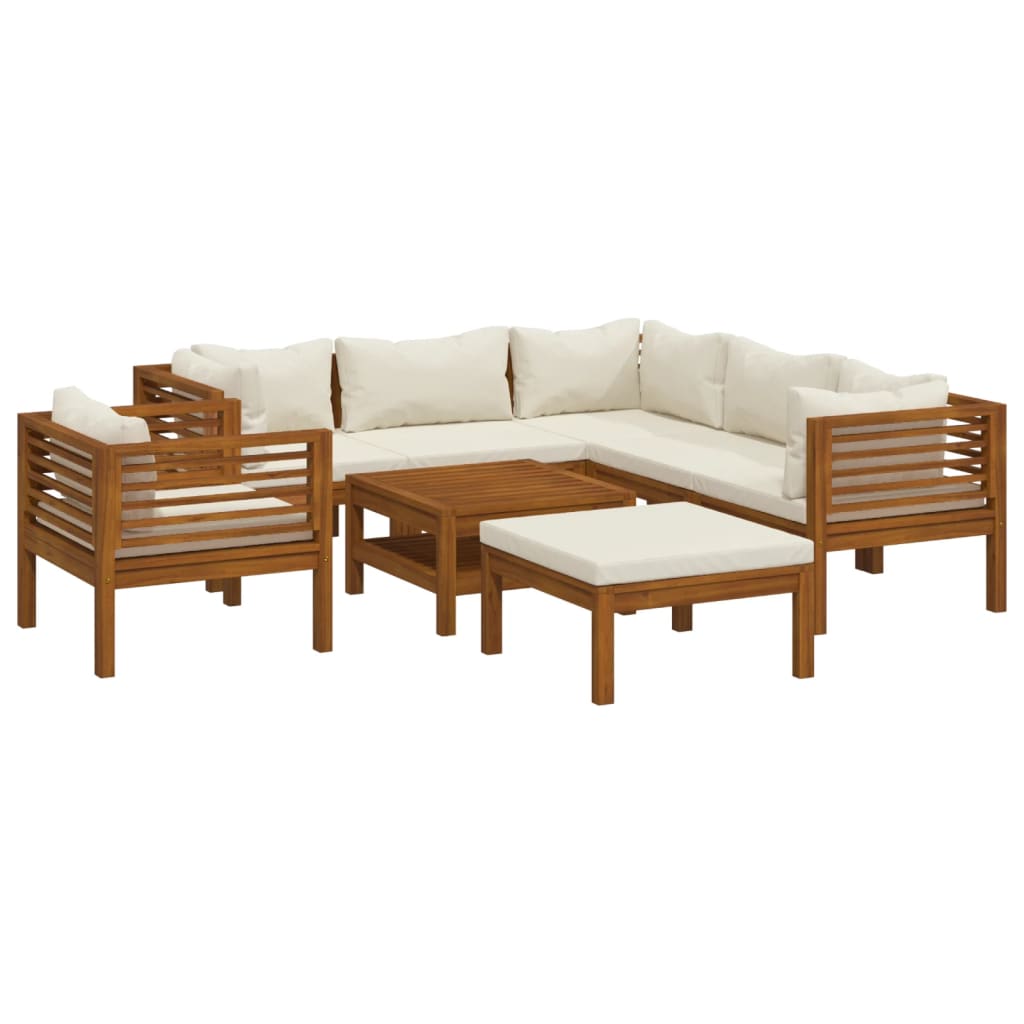
Sectional patio furniture is a modular seating system whose durability is determined by frame alloy, wicker/weave grade, and cushion foam density—not by piece count. The core trade-off is powder-coated aluminum (light, rust-proof, higher cost) versus steel (heavy, rust-prone at welds) versus solid wood (beautiful but requires oiling and shelter). Buy aluminum or high-DVH PE rattan for year-round exposure; treat steel and acacia as covered-patio-only tiers.

Buying guide image
Honey Extraction & Packaging

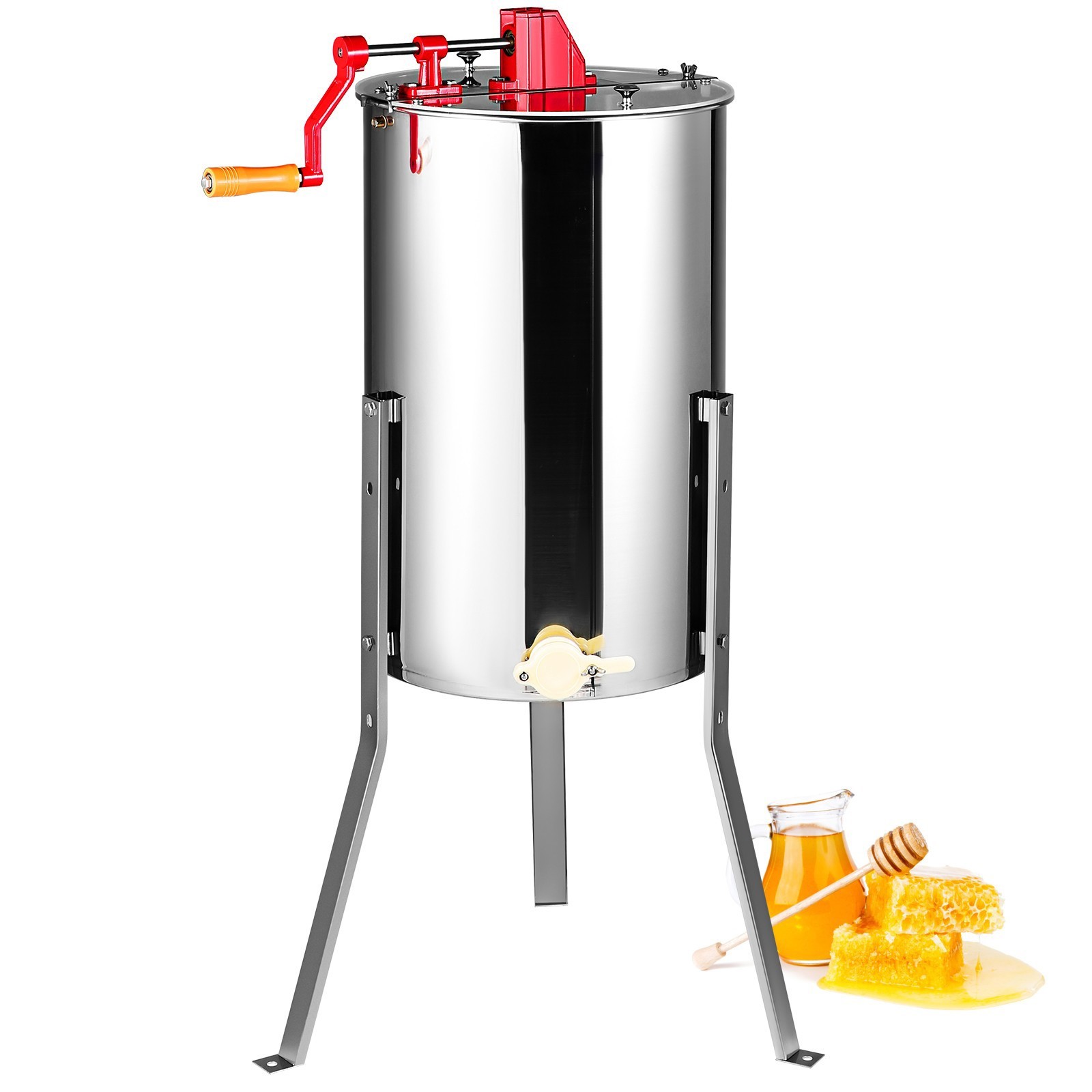
Stainless Steel Honey Extractor

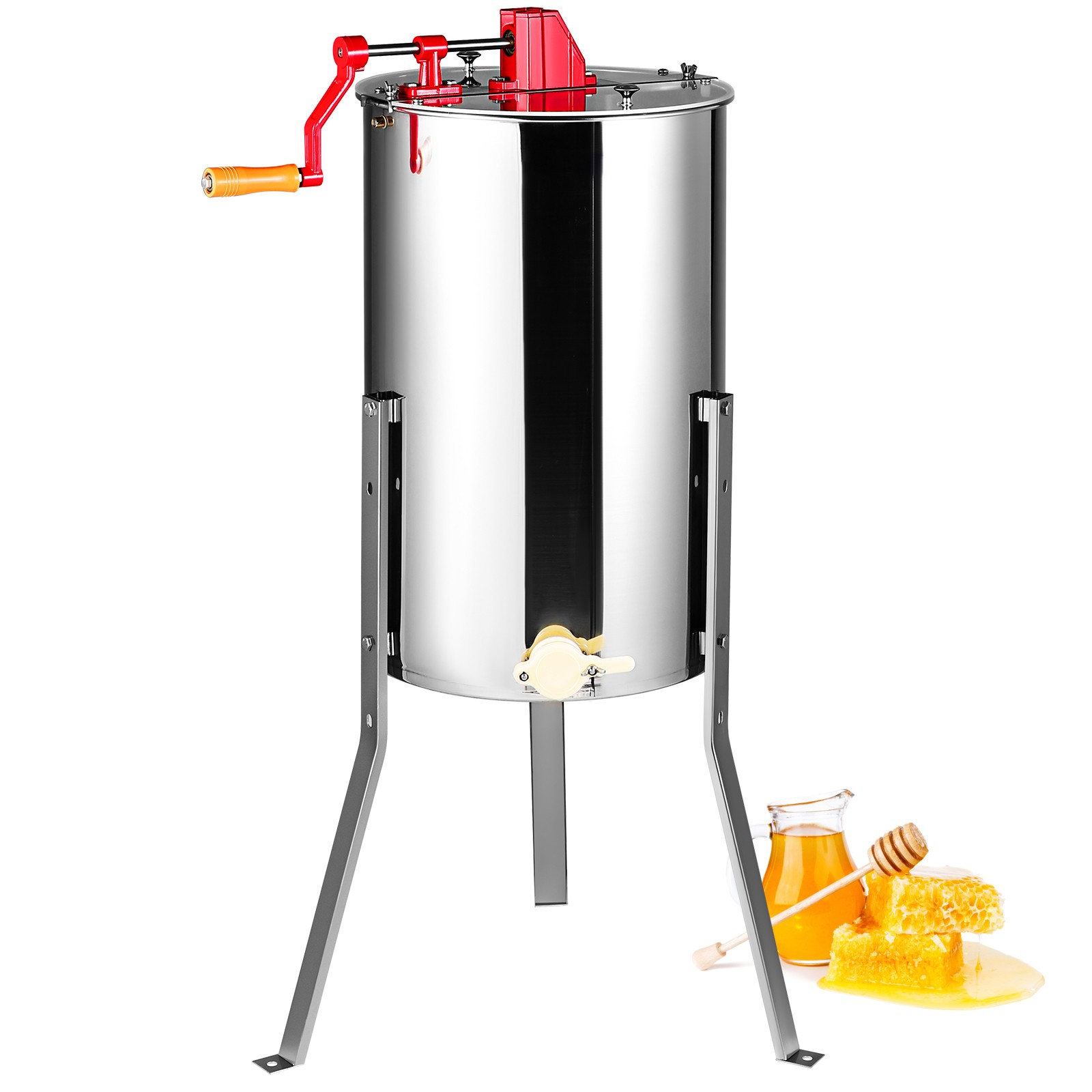
A stainless steel honey extractor is a centrifugal drum that spins uncapped frames to fling honey out without crushing comb, and the core trade-off is frame capacity and manual-vs-electric drive versus tank gauge and weld quality. Buy food-grade 304 stainless with seamless or tig-welded seams and a true frame count for your apiary; any drum with painted internals, pop-riveted seams, or vague 'metal' spec is a false economy that rusts and leaks.

Buying guide image
Patio Furniture

Conversation Set

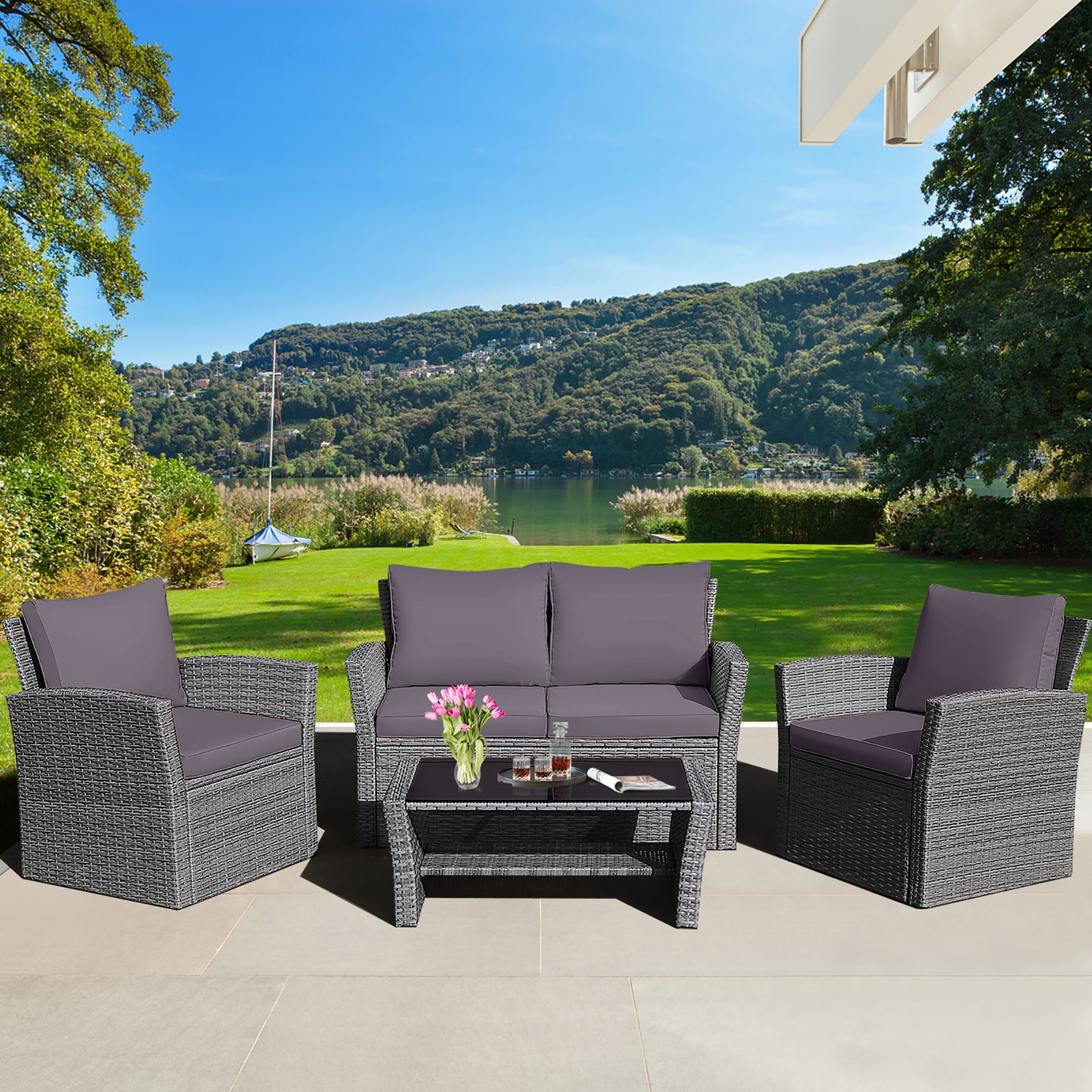
A conversation set is the anchor of an outdoor seating area, so the frame material and cushion construction matter more than the styling photos suggest. Most buyer mistakes happen before checkout: picking a loveseat that won't clear a railing, or choosing rattan that fades in direct sun. Decide the footprint and exposure first, then pick the frame and cushion tier that survives your climate.

Buying guide image
Patio Furniture

Patio Conversation Set

Conversation sets live or die on frame construction and cushion drainage, not on the styling photos. Most buyers underestimate how much seating footprint grows once chairs are pulled out for actual conversation, so measure the full pulled-apart layout, not the nested catalog dimensions. Pick the seat count and table material for how you host, then filter by frame metal and cushion fill.

Buying guide image
Chicken Coops & Runs

Large Walk Chicken Coop

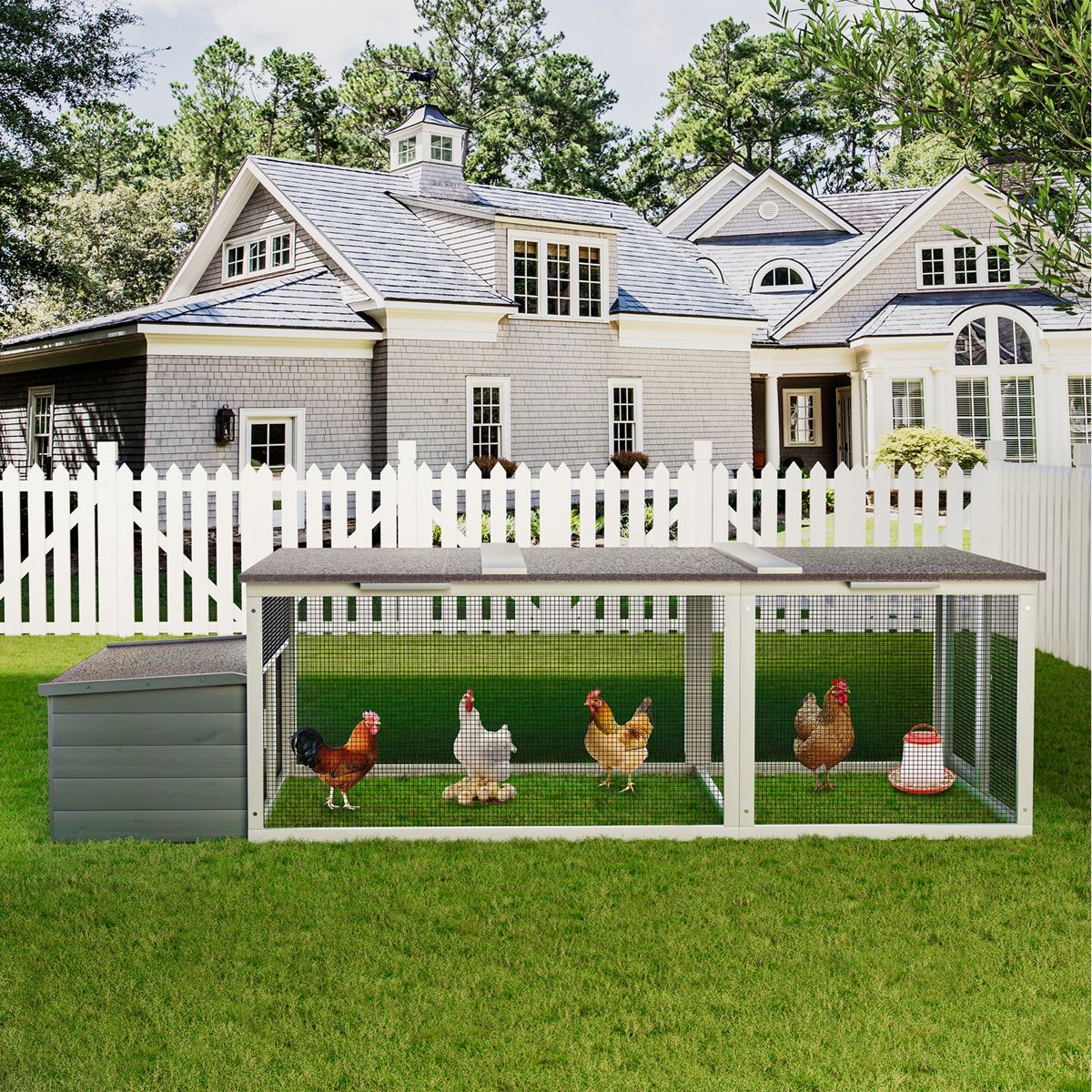
A large walk-in chicken coop is a height-accessible, floor-level enclosure—typically a galvanized steel tube frame with wire mesh walls and a tarp or polycarbonate cover—that lets you stand inside to clean, feed, and manage birds. The primary trade-off is frame gauge and mesh thickness versus footprint: thin 0.8 mm tubing and 1-inch hexagonal wire fail under predator load and wind, while 1.2 mm+ steel and 16-gauge welded mesh hold structural integrity. The decision rule: buy a walk-in coop only if you need standing access and a run footprint of at least 6.6 × 6.6 ft; for fewer than 3 hens or a patio, a smaller ground coop is the correct tier.

Buying guide image
Patio Furniture

Rocking Chair

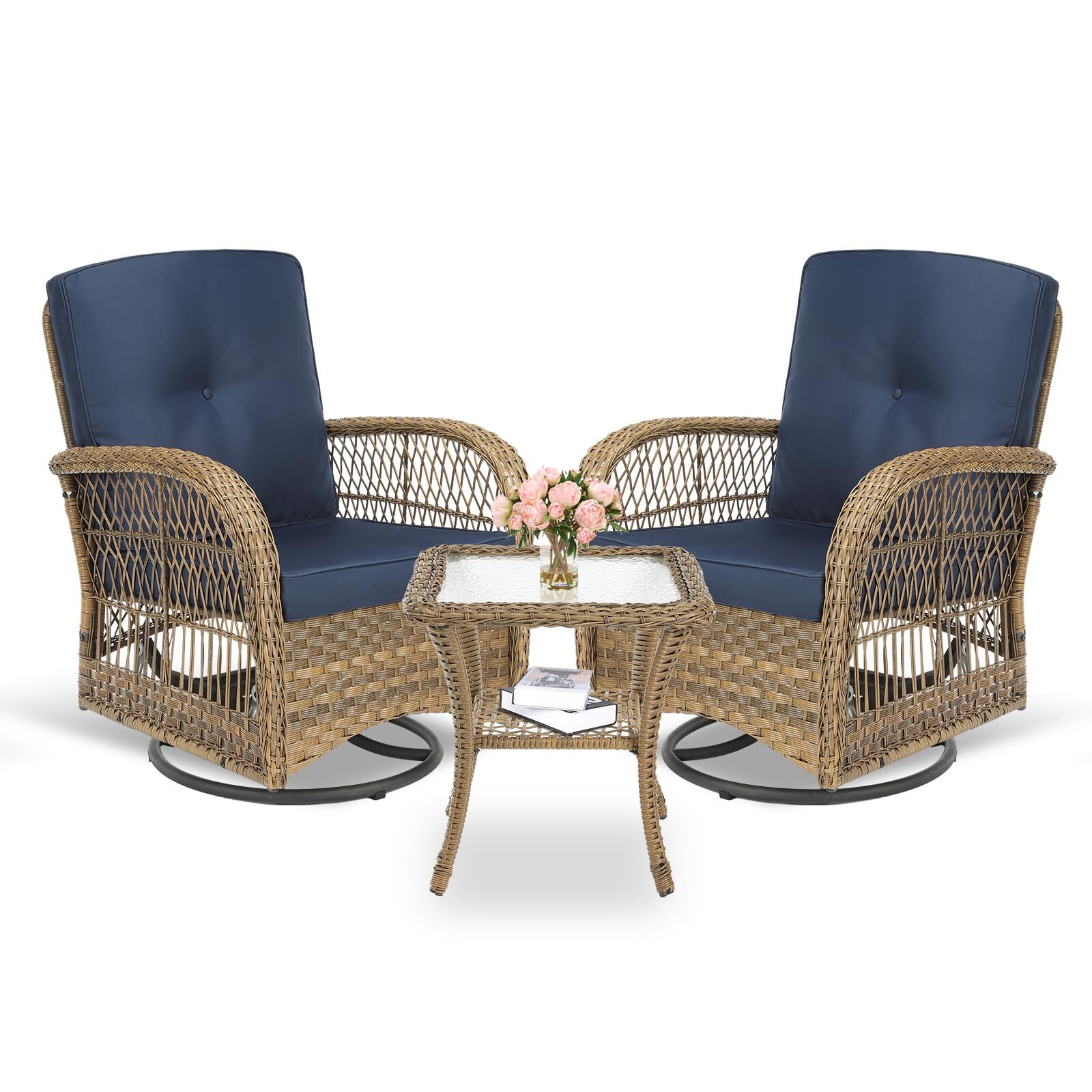
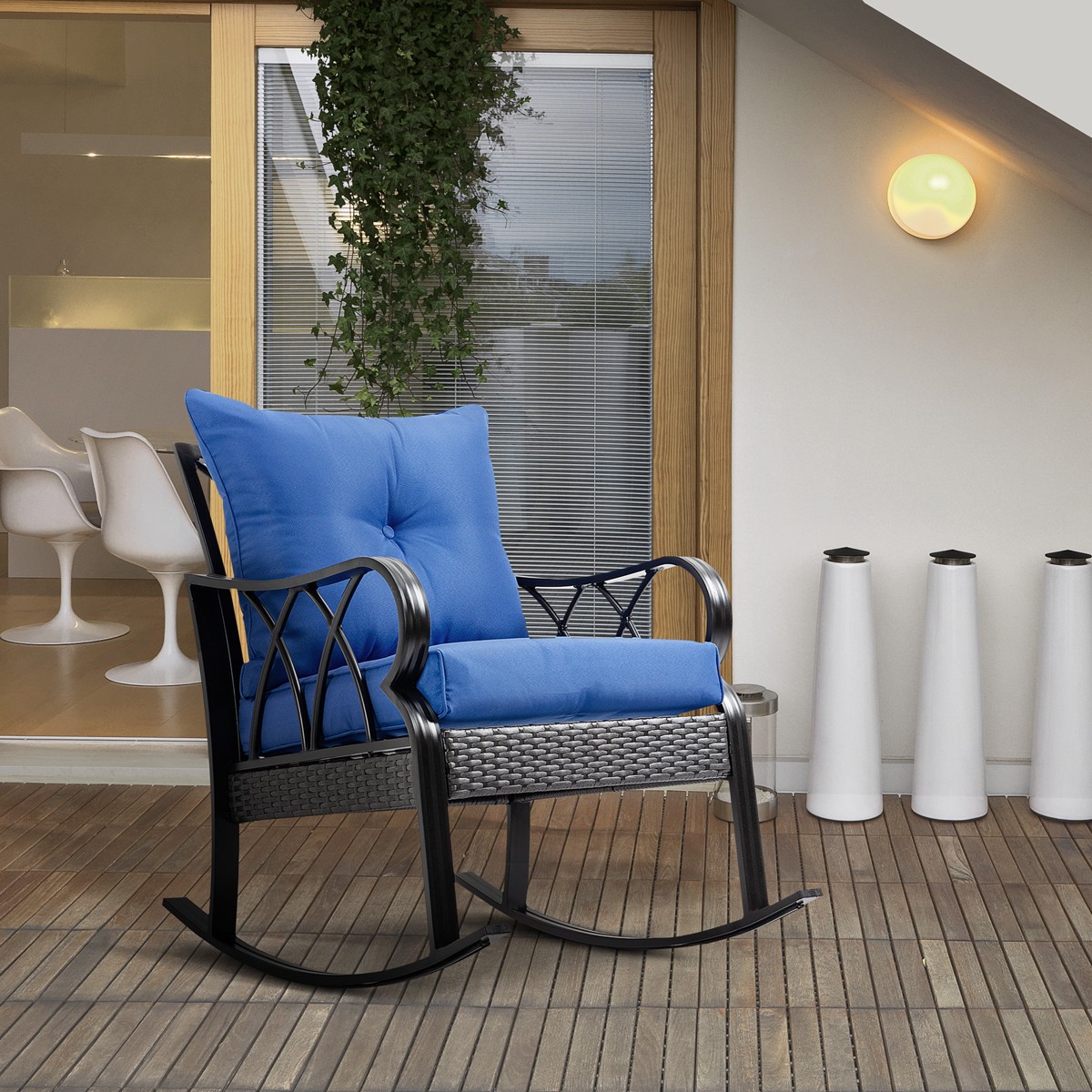
Rocking chairs blend motion comfort with patio durability, but frame material and rocker geometry decide whether a chair survives seasons or tips on uneven pavers. Buyers often mismatch slat depth to porch surface or choose fabric cushions that fade within months. This guide separates wood, metal, plastic, and glider architectures so you pick the right motion type for your space.

Buying guide image
Patio Furniture

Outdoor Dining Furniture

Outdoor dining furniture has to survive sun, rain, and repeated setup while still fitting your patio's exact footprint and seating count. Frame material, top surface, and umbrella-hole sizing decide whether a set lasts a decade or a season, so lock those in before you shop by style. Most buyer mistakes are undersizing the table for chair pull-out and skipping rust-proof hardware.

Buying guide image
Patio Furniture

Outdoor Conversation Set

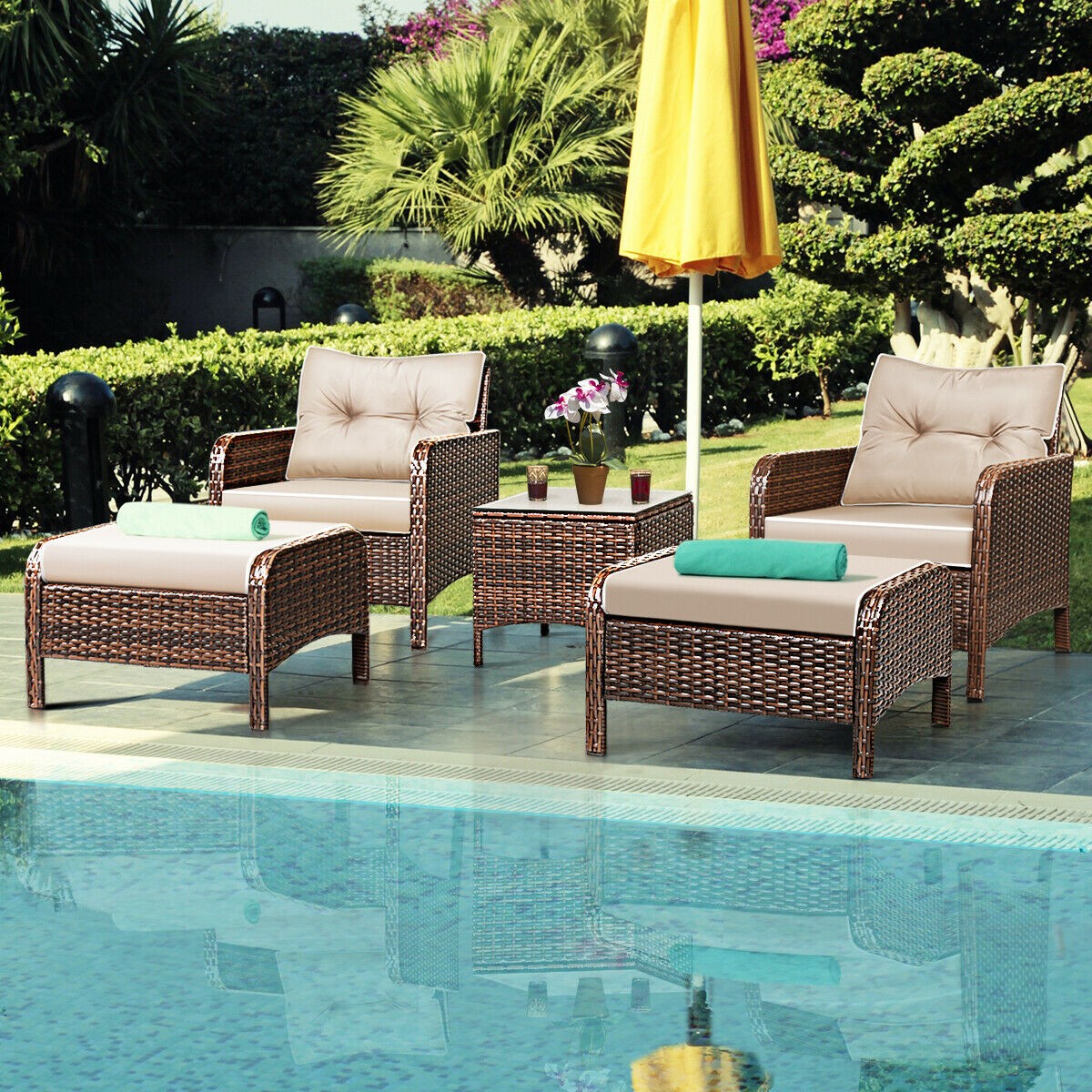
Outdoor conversation sets are the quickest way to turn a bare patio into a functional seating zone, but fit and material choices decide whether it lasts one season or ten. Most buyers misjudge seat counts against real clearance space and overlook frame-wall thickness, cushion drainage, and table glazing durability. Start with your hard footprint and seating need, then lock the frame and cushion spec that matches your climate.

Buying guide image
Outdoor Structures, Shade & Awnings

Outdoor Garden Storage

Outdoor garden storage covers rigid metal or resin sheds and soft-sided canopy/tent shelters used to protect tools, bikes, and equipment from weather and theft. The core trade-off is between rigid, lockable, anchored structures (steel or resin sheds) versus portable, low-cost fabric shelters that sacrifice security and wind resistance. Buy a rigid anchored shed for year-round tool and bike protection; choose a soft shelter only for seasonal, light-duty, or temporary overflow storage.

Buying guide image
Outdoor Structures, Shade & Awnings

Awning

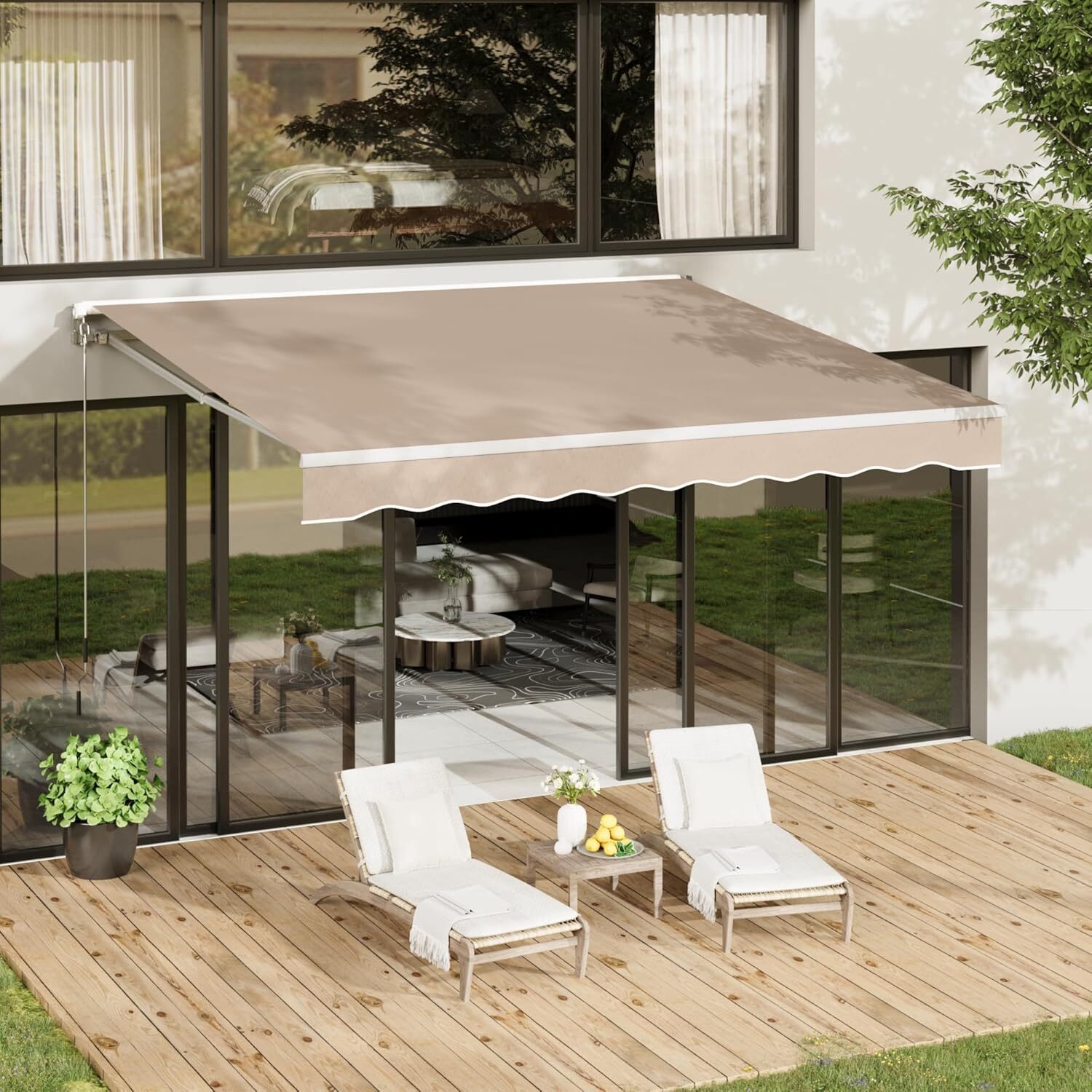
Awning shoppers are usually trying to solve one of two problems: block sun and rain over a door or window, or reclaim a patio or balcony as usable space. The biggest buying mistake is treating all awnings as one product—retractable patio units, fixed window hoods, and shade sails use completely different mounting, material, and wind-load rules. Get the mounting surface and arm/frame type right first, because fabric and color are easy to change but a wrong-size or wrong-mount awning is a permanent return.

Buying guide image
Watering & Irrigation

Plant Irrigation System

Plant irrigation systems range from passive ceramic spikes to timer-driven drip kits, and picking the wrong architecture for your container count and water source wastes both money and water. Focus on whether you need vacation triage for a few houseplants or a metered drip line for a garden bed, because passive spikes and programmable manifolds solve different problems. Sizing the emitter count to your actual container count and matching the kit to a gravity or pressurized source is where most buyers go wrong.

Buying guide image
Patio Furniture

Rattan Furniture

Rattan patio furniture spans natural cane, synthetic PE wicker, and hybrid frames, so picking the right construction matters more than the weave pattern. Buyers typically choose between a compact bistro set for balconies, a modular sectional for poolside lounging, or a storage bench for tight entryways. The most common mistake is buying natural rattan for full sun and rain exposure, where PE wicker over a powder-coated steel or aluminum frame holds up far longer.

Buying guide image
Honey Extraction & Packaging

Beekeeping Extractor

Frame capacity and drive type decide whether a beekeeping extractor saves labor or becomes a wrestling match with a cranky drum. The common mistake is buying a 2-frame manual spinner for a growing apiary, or ignoring frame-size compatibility and finding your deep frames won't fit the basket. Pick the capacity and power tier that matches your hive count and harvest rhythm, then invest the rest of the budget in stainless grade and bearing quality.

Buying guide image
Patio Furniture

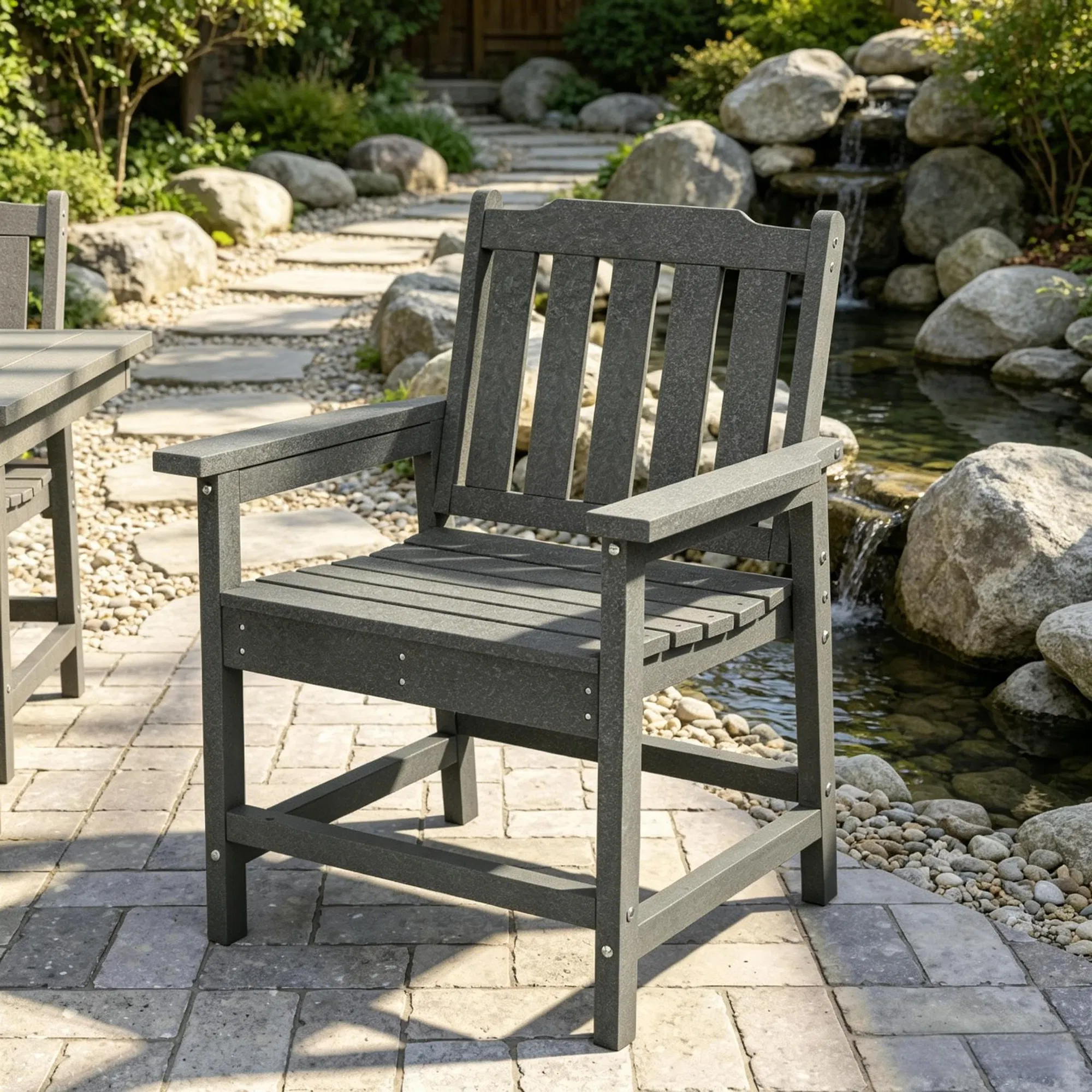
Garden Chair

Garden chairs span a wide durability spectrum, from powder-coated aluminum frames that last a decade to thin plastic shells that fade and crack within two seasons. The core trade-off is material mass and joint construction against portability and cost: heavier frames and welded joints outperform bolted tubular steel and glued plastic. Buy according to exposure — fully weather-exposed chairs need aluminum or teak-grade hardwood with marine-grade hardware, while covered patios can safely accept painted steel and fabric seats.

Buying guide image
Patio Furniture

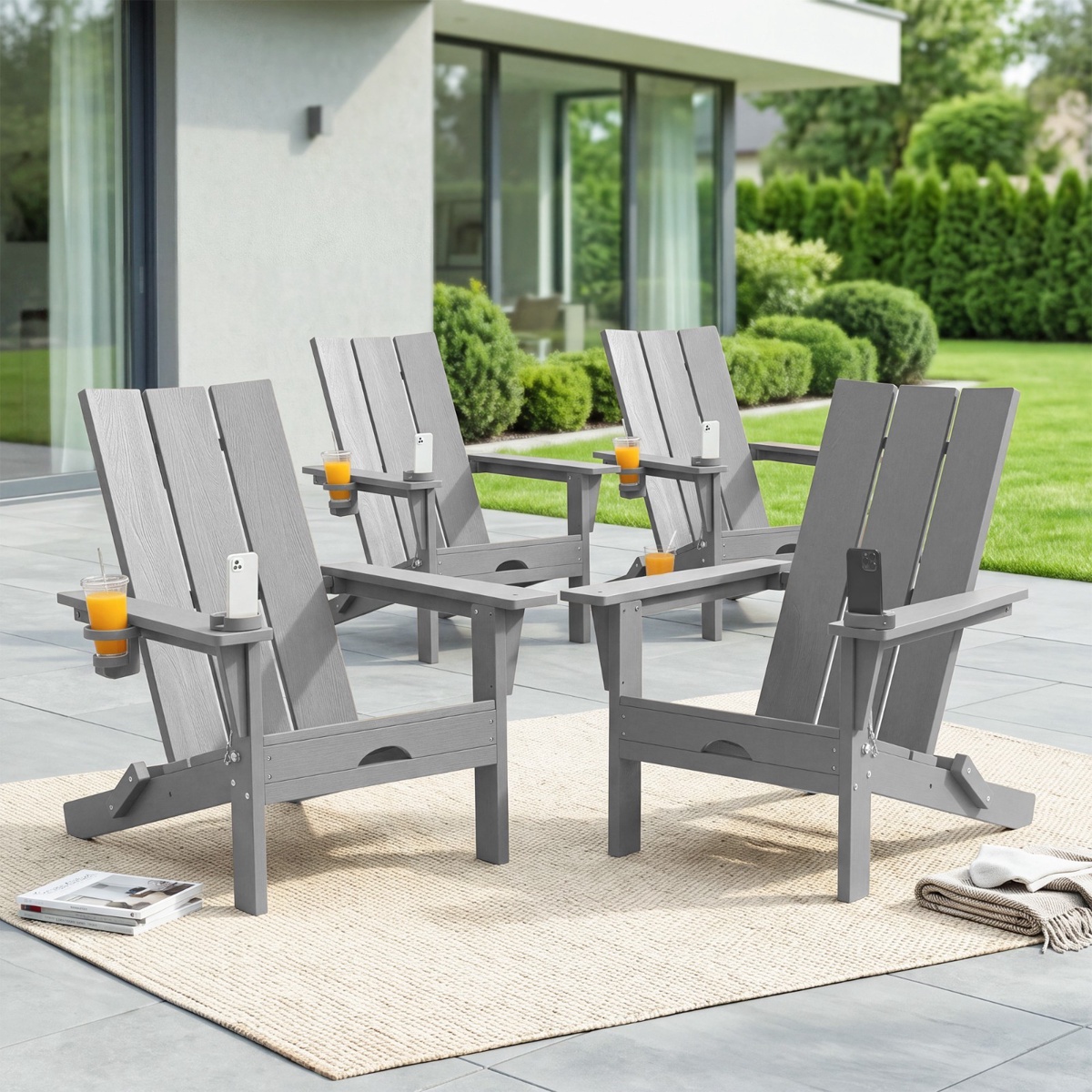
Patio Furniture Chair

A patio furniture chair is a single seating unit built for outdoor exposure, distinguished primarily by frame material (powder-coated steel, aluminum, PE rattan over alloy, or wood) and fabric grade (solution-dyed acrylic or polyester vs. commodity canvas). The key trade-off is corrosion resistance and UV fade life versus price: aluminum or fully welded steel with solution-dyed fabric lasts a decade, while thin tubular steel and commodity polyester need replacement cushions and repainting within two to three seasons. Buy aluminum or heavy-gauge steel frames with replaceable cushion covers for permanent exposure; choose PE rattan over aluminum or powder-coated steel only if you accept periodic tightening and frame inspection.

Buying guide image
Outdoor Structures, Shade & Awnings

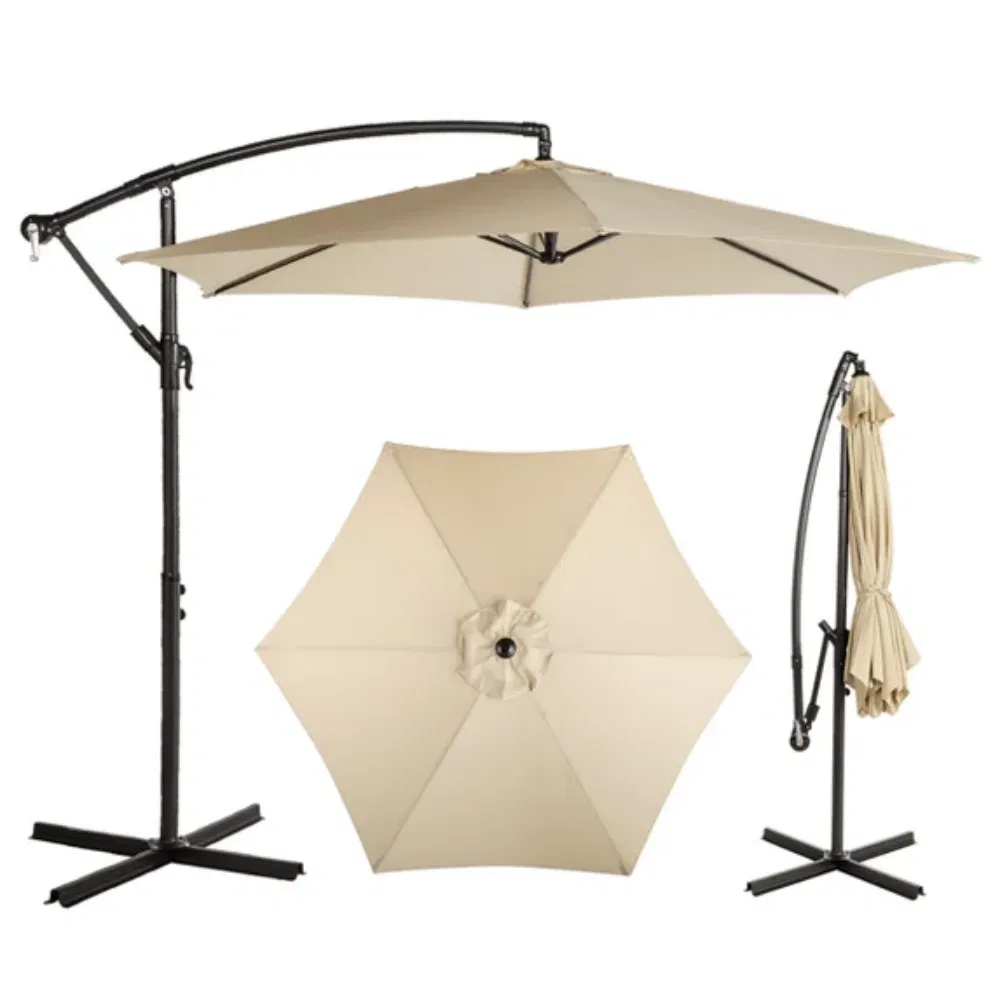
Patio Umbrella

A patio umbrella is a freestanding shade structure defined by its canopy span, frame material, and mechanism—the core trade-off is between light, budget-friendly aluminum/steel frames and heavier, corrosion-resistant wood or powder-coated steel. Durable options use at least 6-8 ribs and 180-220 GSM solution-dyed or UPF 50+ polyester, while compromises rely on thin 140 GSM fabric and 4-5 rib frames that invert in wind.

You may also like

Finding more guides for you…