
Photos from current listings. Actual item, color, and included accessories may vary.
Automatic Irrigation System Buying Guide
Automatic irrigation systems range from passive ceramic spikes to timer-driven drip and mist lines, and the core trade-off is water control versus clogging and pressure reliability. Timer-based drip systems with pressure regulation and filtration are the durable choice; unregulated spike kits are short-term compromises that silt up or overwater. The decision rule: buy a system with a programmable timer, a 25-psi regulator, and serviceable emitters for anything beyond a single vacation cycle.
Median $31.99
Key takeaways
- Timer valves are solenoid-driven and require 2 AA batteries or 24V AC; battery timers work at any hose tap, while AC valves need mains wiring at the valve box.
- Drip emitters rated 0.5–2 GPH (gallons per hour) with a 25-psi pressure regulator prevent blowouts; unregulated house pressure of 40–80 psi splits barbed fittings and tubing.
- Self-watering spikes rely on ceramic or plastic capillary wicks and gravity; they deliver uneven flow and clog with hard water minerals within weeks, making them vacation-only devices.
At a glance
- Category
- Watering & Irrigation
- Last updated
- Nov 28, 2026
Current offers
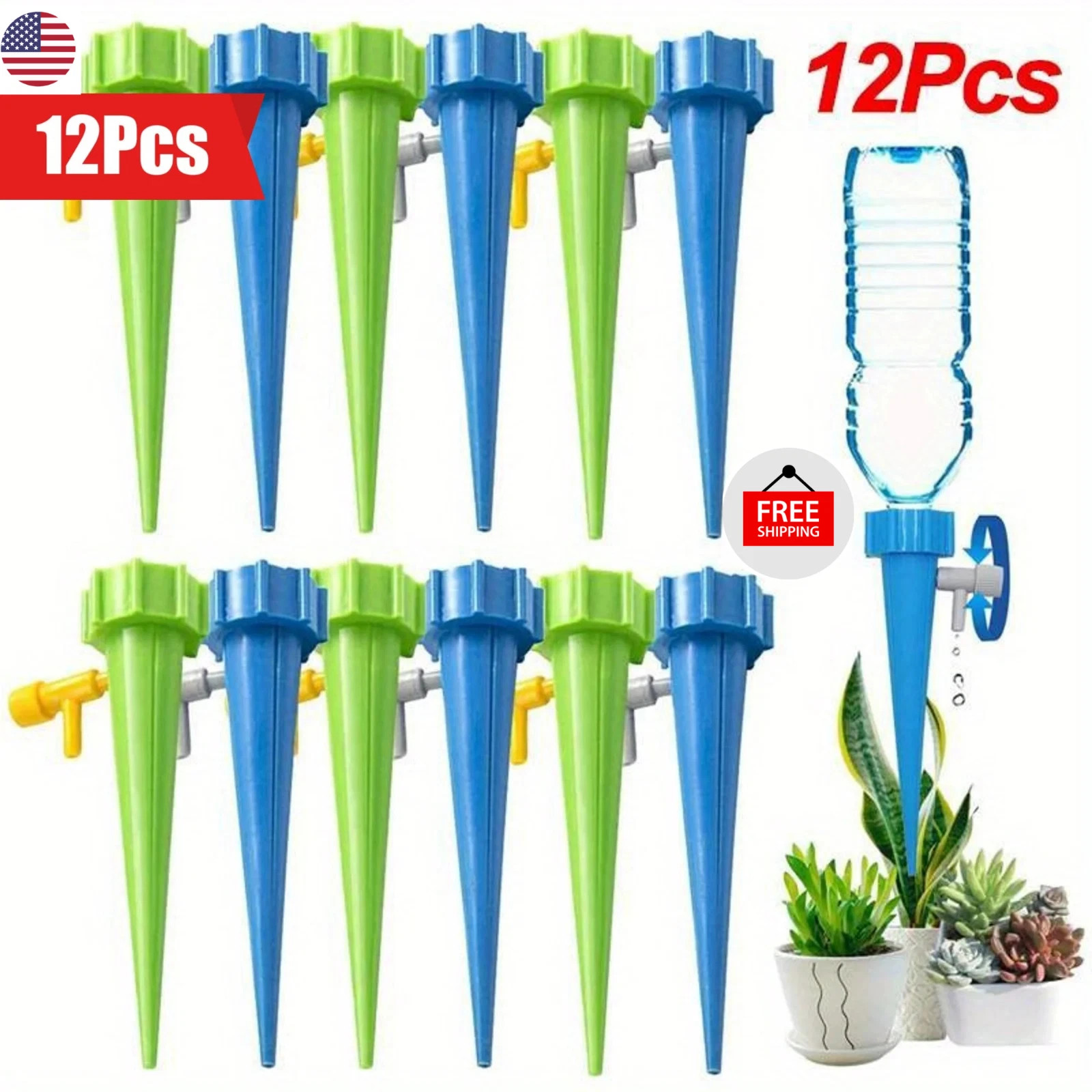 12Pcs Self Watering Spikes Automatic Irrigation Watering Drip System for Plants$5.45View on eBay
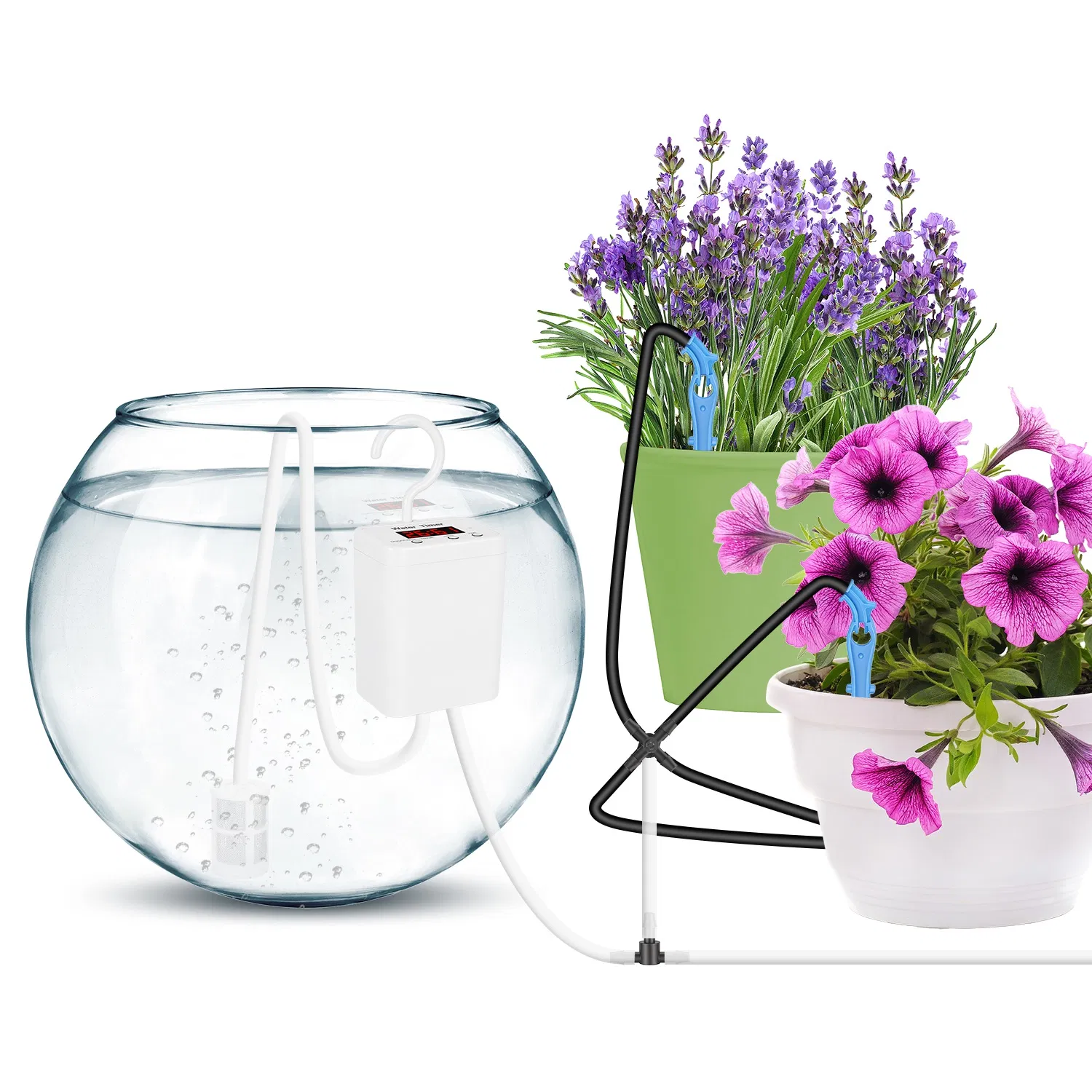 Automatic Plant Watering Device Indoor Drip Irrigation System with LCD Display Rechargeable Adjustable Timer for Up to 16 Arrows Vacation Self for Houseplant$35.99View on Mallflare
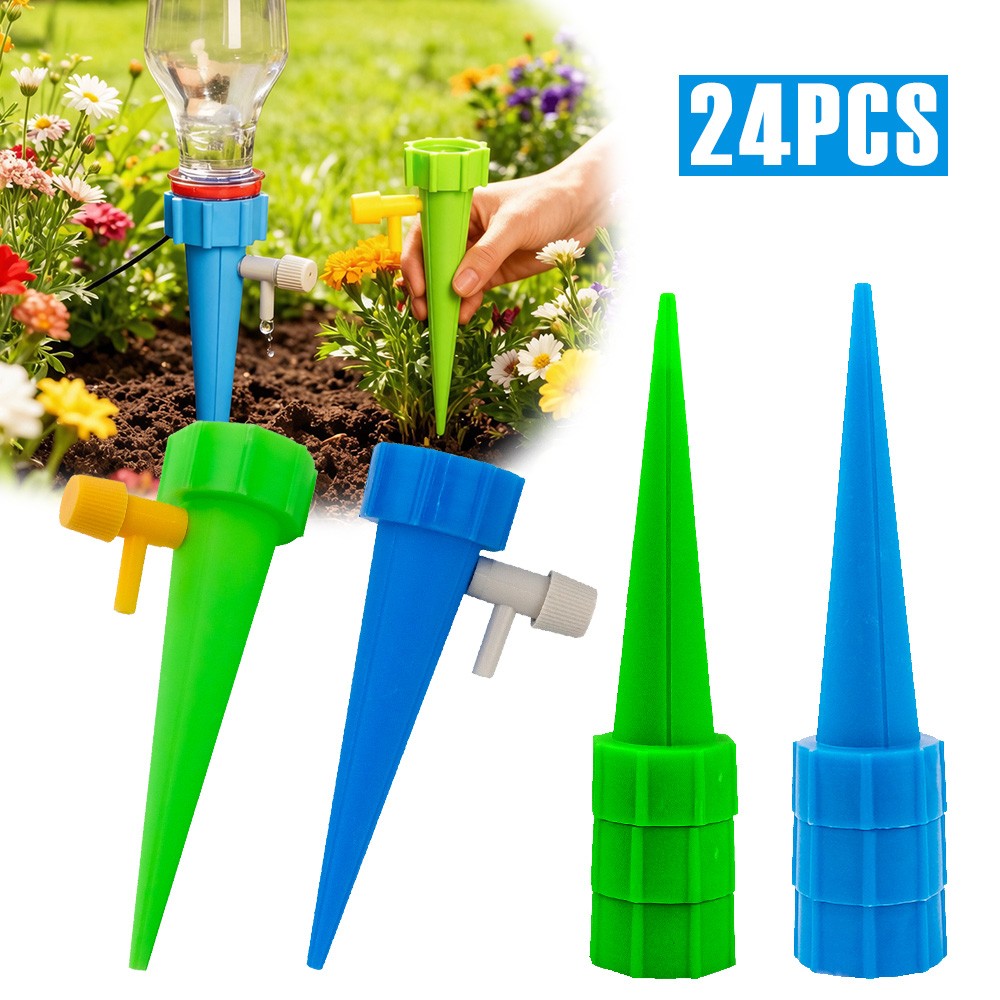 24PCS Self Watering Spikes Automatic Irrigation Watering Drip System for Plants$7.88View on eBay
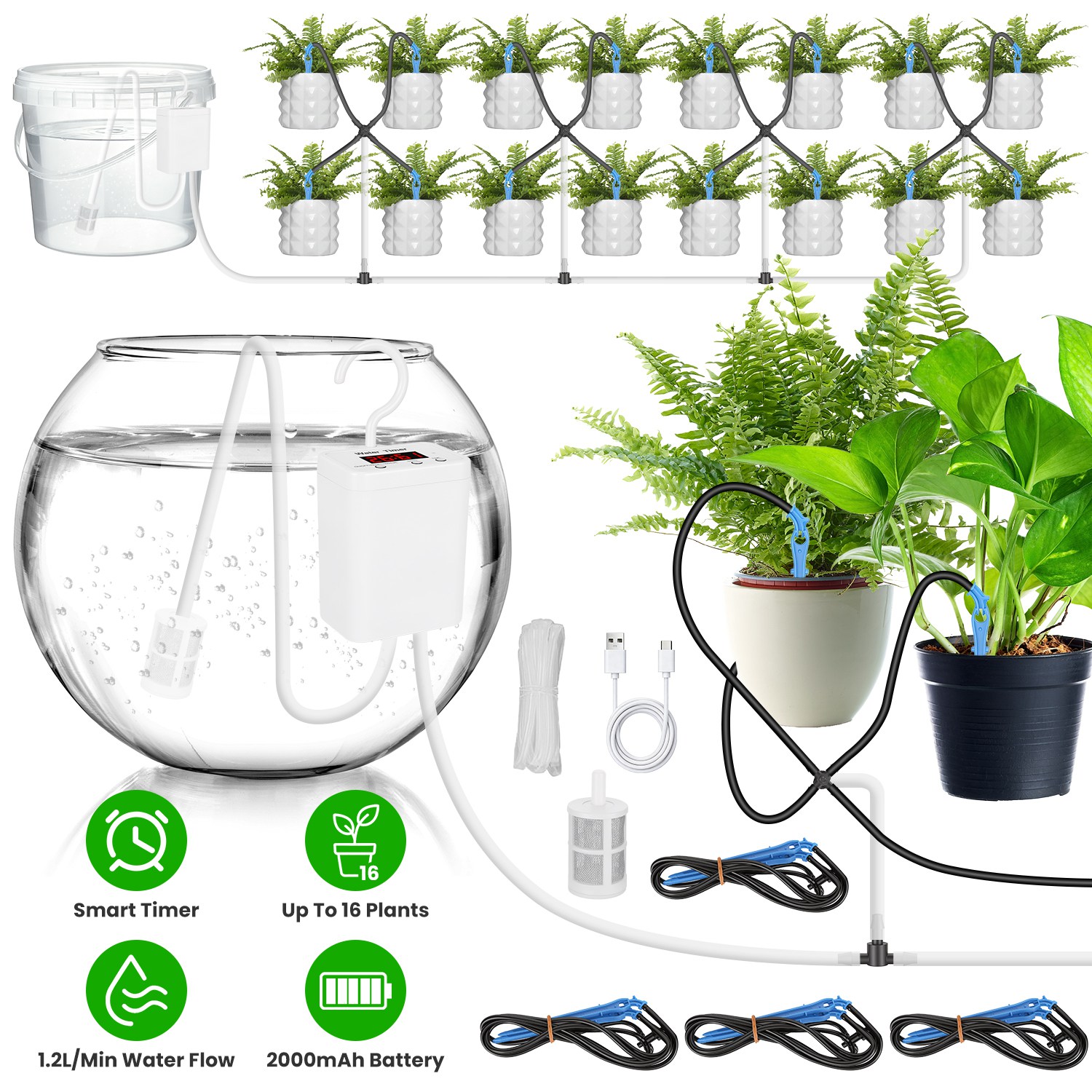 1Pc Automatic Plant Watering Device Indoor Drip Irrigation System With LCD Display Rechargeable Adjustable Timer For Up To 16 Arrows Vacation Self For House$37.99View on Mallflare
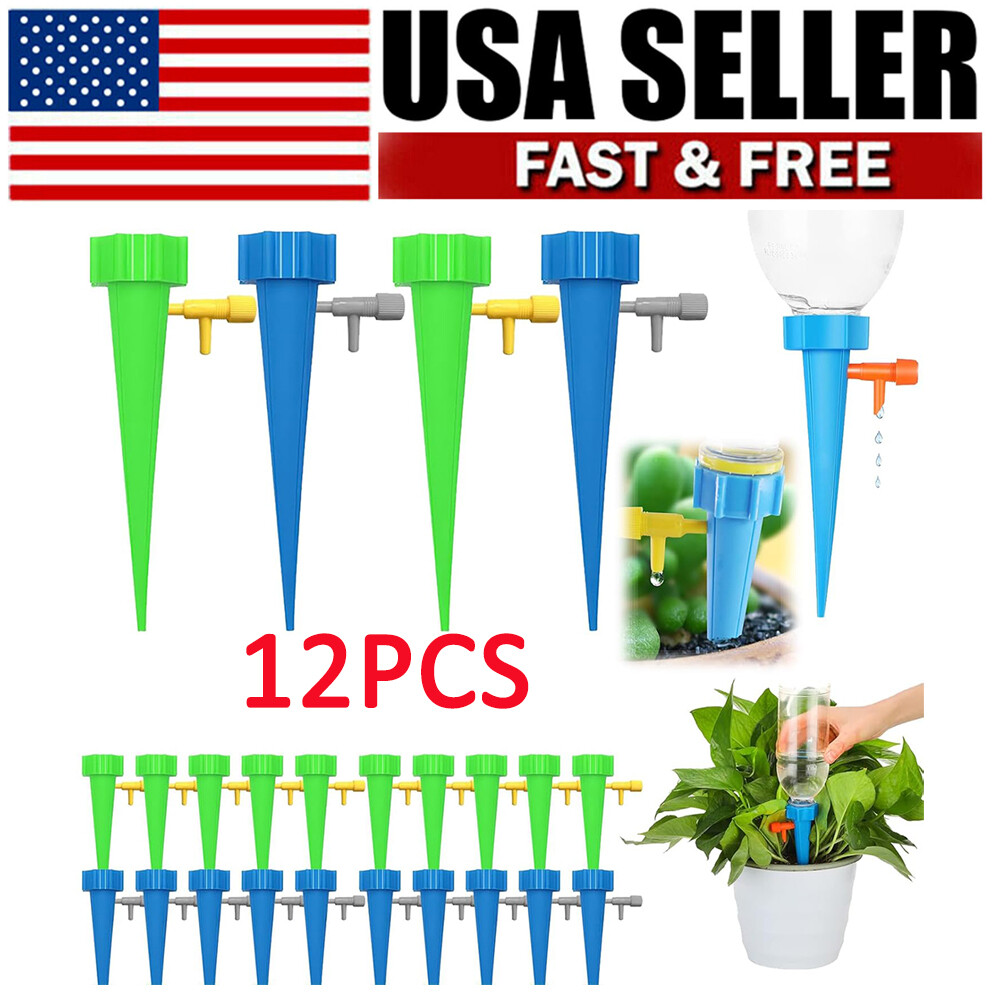 12Pcs Self Watering Spikes Automatic Irrigation Watering Drip System for Plants$8.79View on eBay
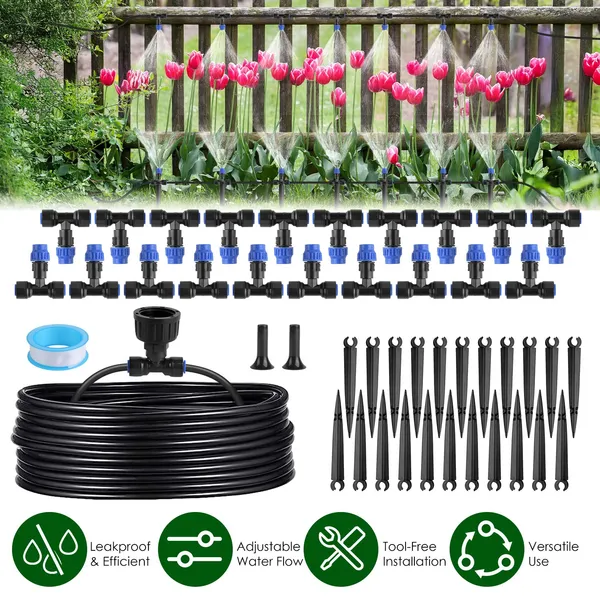 75FT Mist Drip Irrigation System With Adjustable Misting Nozzle Quick Connect Automatic Garden Watering For Lawn Patio Flower Bed$39.99View on Mallflare
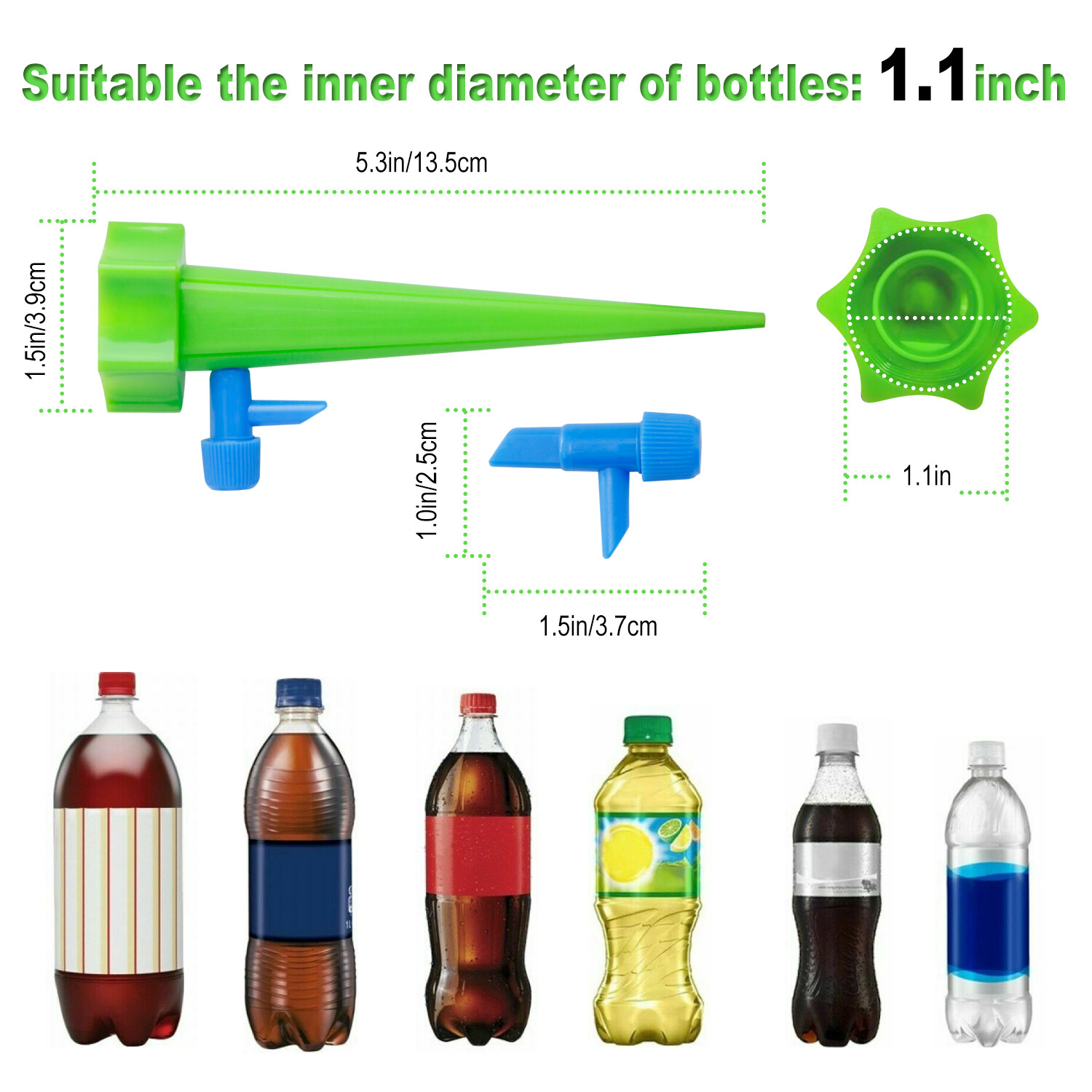 12/24PCS Garden Drip Irrigation Kit -Automatic Self Watering System for Vacation$9.95Last checked Nov 19, 2026View on eBay
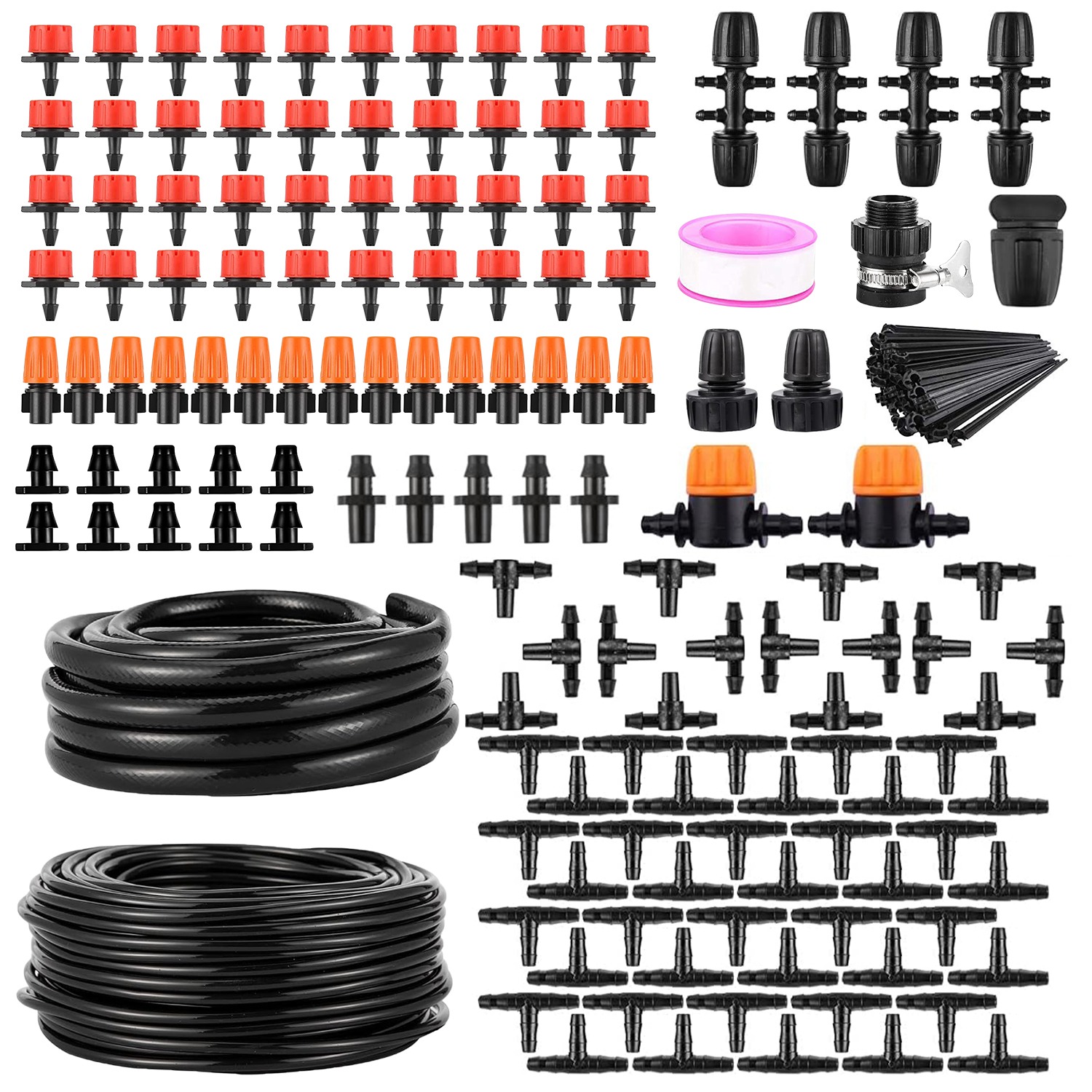 1Set Drip Irrigation Kit Automatic Garden System Misting Plant Watering Kit For Greenhouse Flower Bed Patio Lawn$43.99View on Mallflare
- 12/24PCS Garden Drip Irrigation Kit -Automatic Self Watering System for Vacation$10.45View on eBay
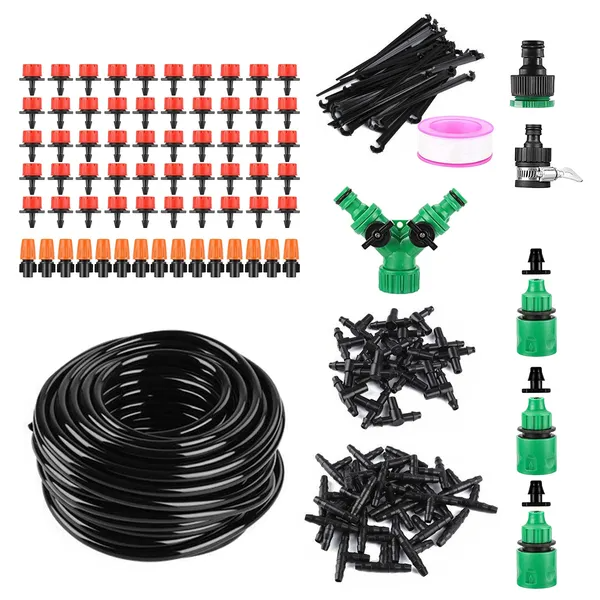 164FT Drip Irrigation Kit Automatic Garden System Misting Plant Watering Kit For Greenhouse Flower Bed Patio Lawn$44.99View on Mallflare
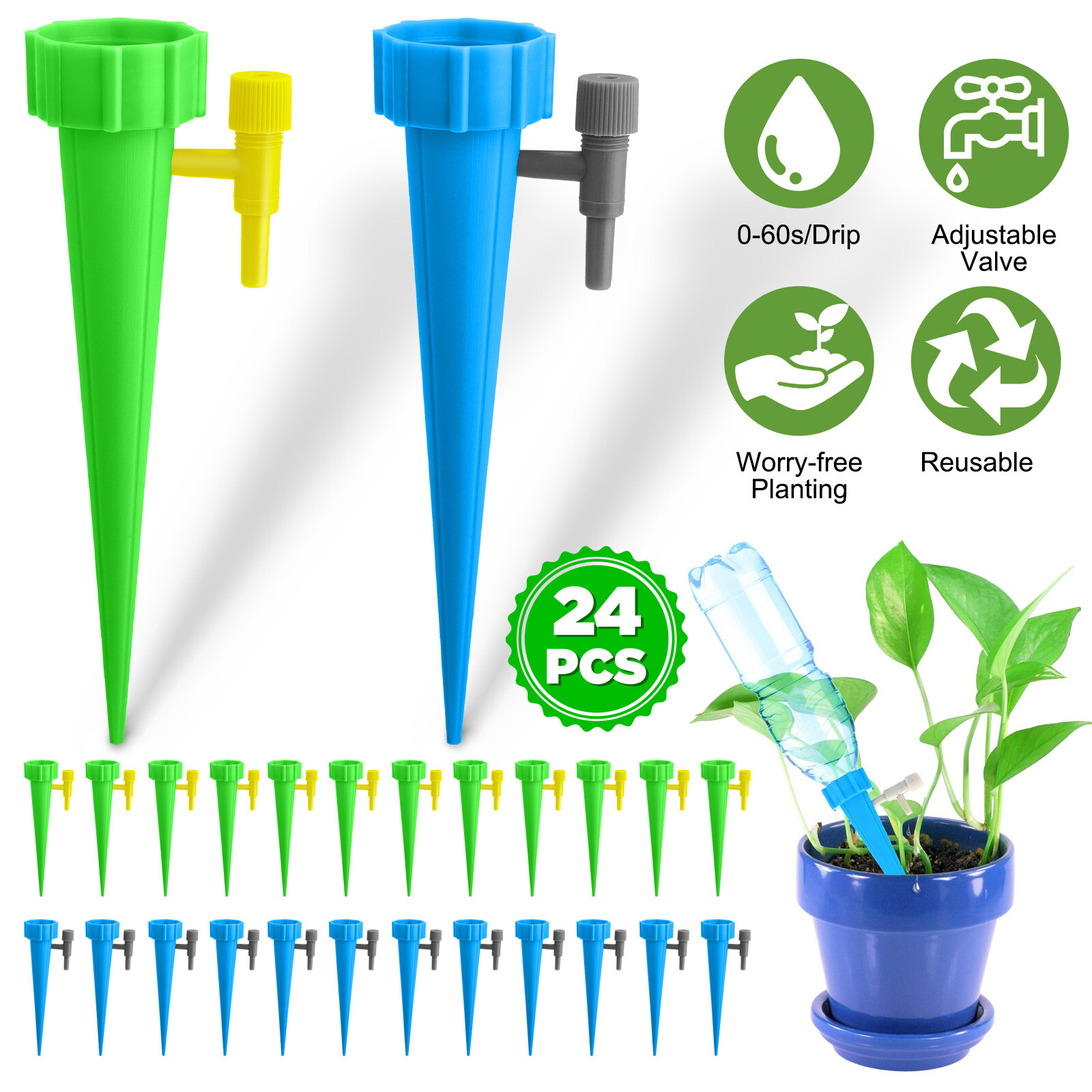 24PCS Self Watering Spikes Automatic Irrigation Watering Drip System for Plants$12.48Last checked Nov 19, 2026View on eBay
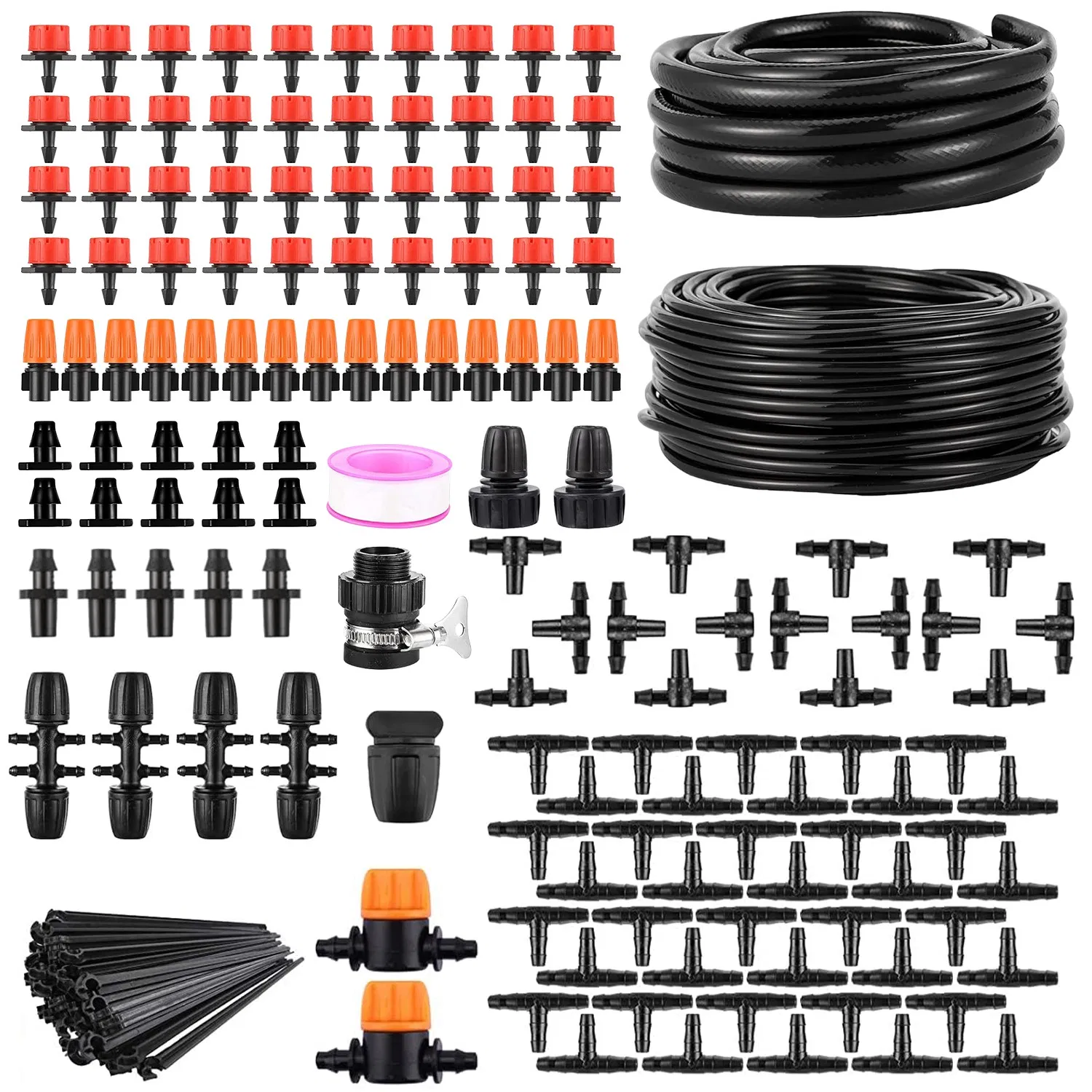 Drip Irrigation Kit Automatic Garden System Misting Plant Watering Kit for Greenhouse Flower Bed Patio Lawn$47.99View on Mallflare
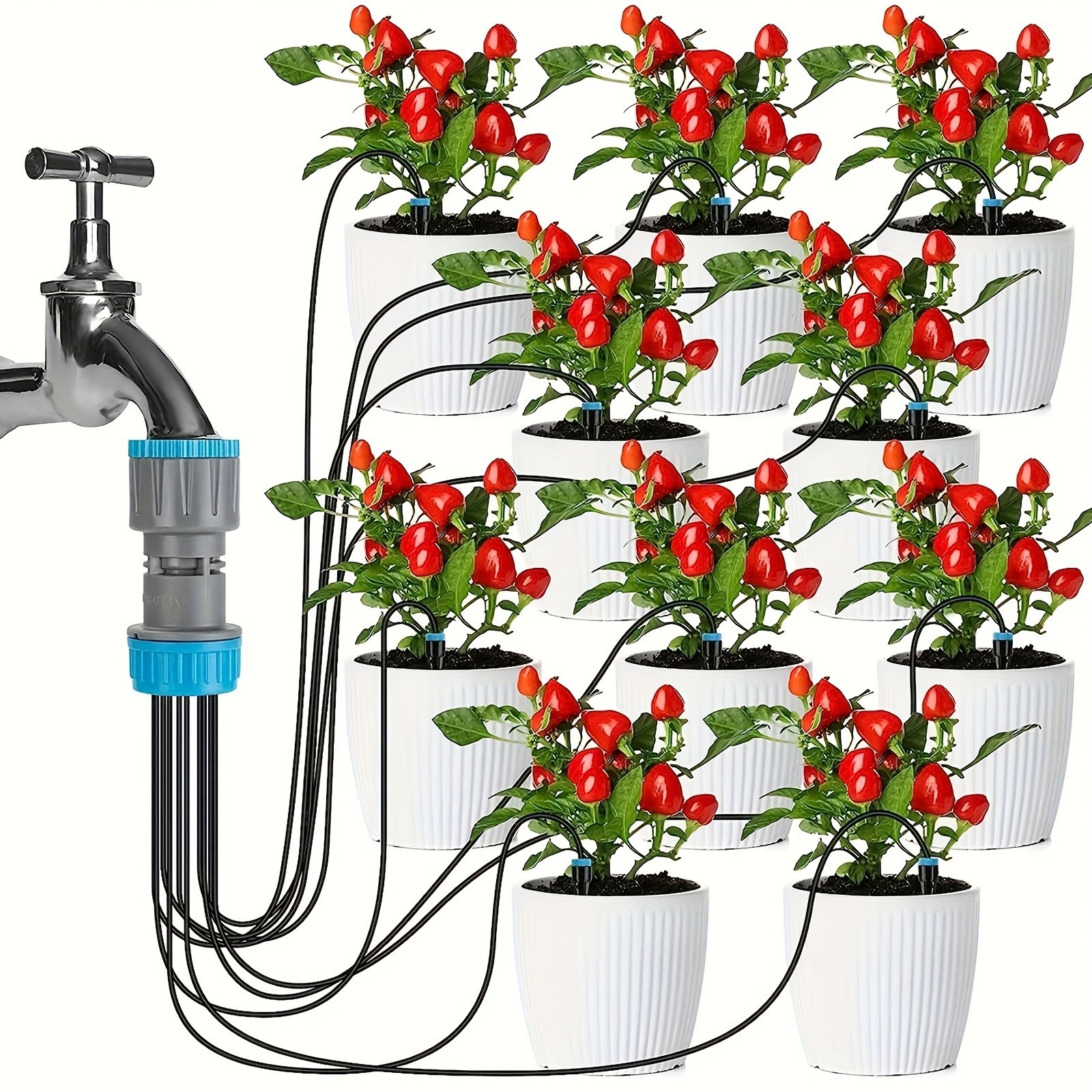 Garden Drip Irrigation Kit - Automatic Watering System for Potted Plants$12.49Last checked Nov 19, 2026View on eBay
- 12/24PCS Automatic Self Watering System Plant Water Drip Irrigation Garden Tools$14.95Last checked Nov 19, 2026View on eBay
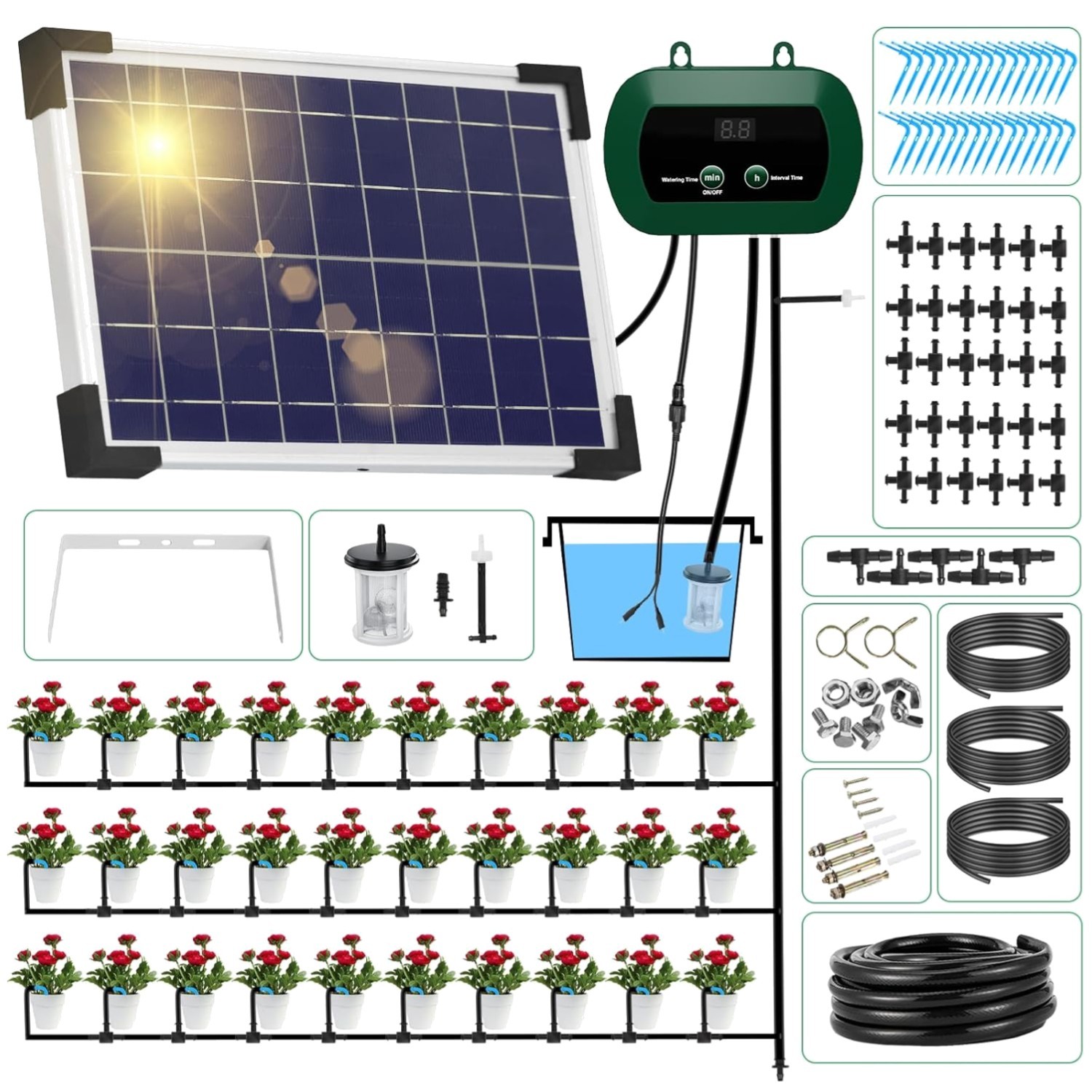 Solar Drip Irrigation System, Automatic Greenhouse Watering Kit With 15M Hose$19.99View on eBay
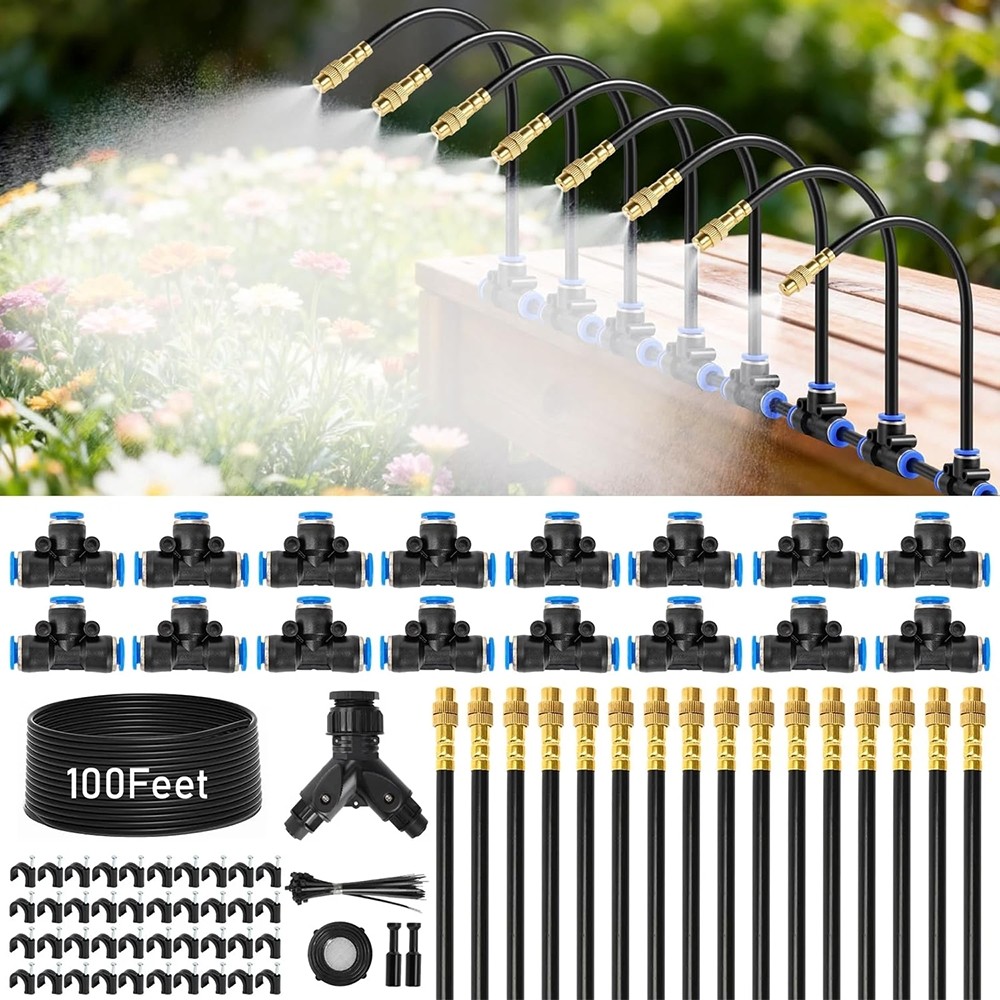 100ft Adjustable Drip Irrigation Kit Automatic Garden Watering System 360° Drip$20.99Last checked Nov 18, 2026View on eBay
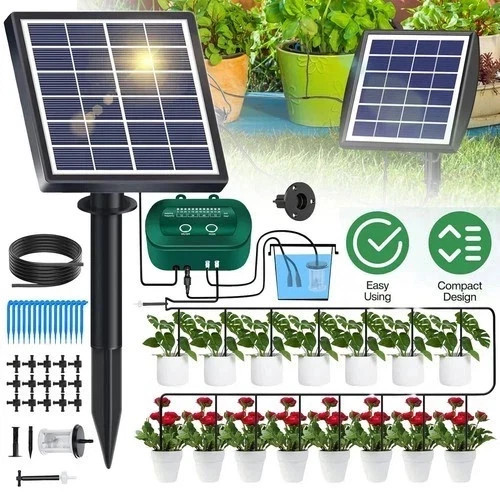 🌈50FT Solar Automatic Drip Irrigation System Kit Plant Watering Timer Garden$23.99Last checked Nov 19, 2026View on eBay
- Automatic 50FT Solar Drip Irrigation System Kit Plant Watering Timer Set Garden$23.99View on eBay
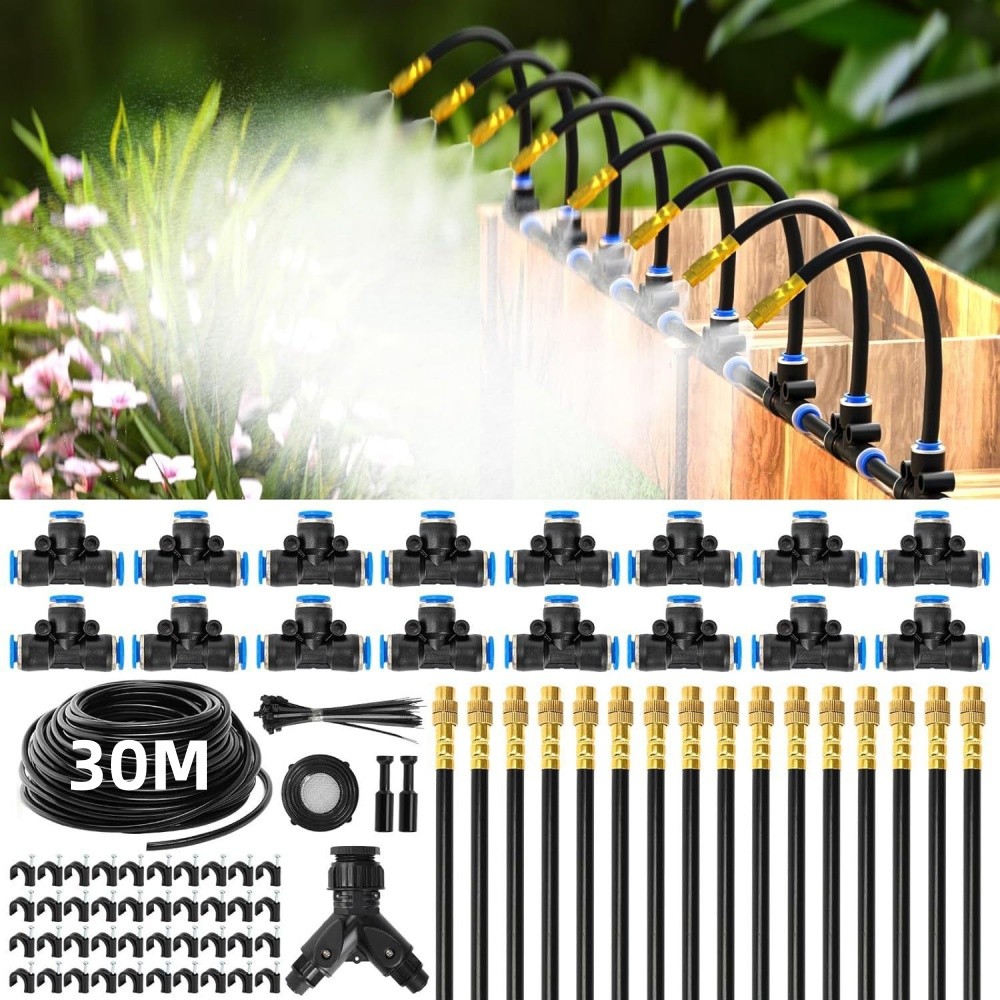 100ft Adjustable Drip Irrigation Kit Automatic Garden Watering System 360° Drip$24.59Last checked Nov 18, 2026View on eBay
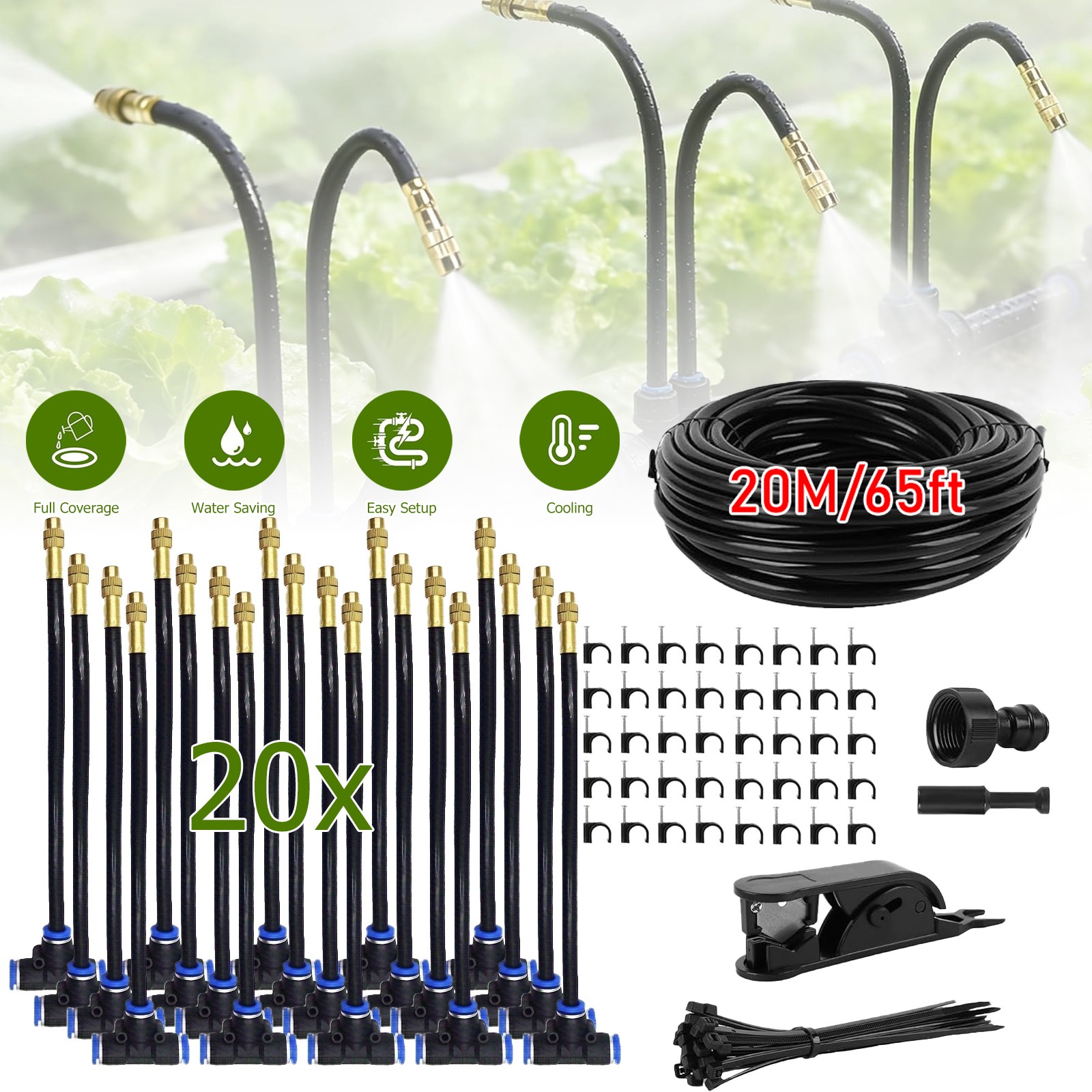 65ft Drip Irrigation System for Garden, Automatic Watering System Adjustable 360$24.84Last checked Nov 18, 2026View on eBay
Highlights
- Timer valves are solenoid-driven and require 2 AA batteries or 24V AC; battery timers work at any hose tap, while AC valves need mains wiring at the valve box.
- Drip emitters rated 0.5–2 GPH (gallons per hour) with a 25-psi pressure regulator prevent blowouts; unregulated house pressure of 40–80 psi splits barbed fittings and tubing.
- Self-watering spikes rely on ceramic or plastic capillary wicks and gravity; they deliver uneven flow and clog with hard water minerals within weeks, making them vacation-only devices.
- Mist and micro-spray nozzles need 30–50 micron filtration; unfiltered municipal or well water plugs 0.012-inch orifices, so a 200-mesh screen filter is mandatory on mist lines.
Best use cases
- Best fit: a programmable hose-tap timer feeding 1/4-inch drip tubing with 0.5–2 GPH emitters for raised beds and container rows — choose this for weekly unattended watering.
- Wrong fit: ceramic self-watering spikes for a two-week vacation — they work once but mineral clog and cannot be tuned; skip them for anything longer than 14 days or for hard water.
- Best fit: a rechargeable LCD pump timer with 16 arrow outlets for indoor houseplant collections — pick this when there is no hose tap and pots are within tubing reach of the reservoir.
- Wrong fit: a 75-ft mist kit for vegetable beds — mist cools leaves and wastes water; reserve mist lines for propagation, greenhouses, and patio cooling, and use drip for root-zone delivery.
Buying tips
- Size the timer to the zone: a single hose-tap timer handles one zone; for 3+ zones use a multi-station controller or multiple battery timers, since flow beyond 5 GPM drops pressure.
- Match tubing to emitter count: 1/4-inch tubing supports roughly 20–30 low-flow emitters per run; beyond that, step up to 1/2-inch mainline with 1/4-inch laterals to hold pressure.
- Choose ABS or UV-stabilized polyethylene for outdoor lines; plain plastic spikes and thin vinyl tubing embrittle within one season of sun exposure.
- For indoor pump kits, match reservoir capacity to pot count and days away: a 50 L reservoir with 16 arrows covers roughly two weeks for small houseplants, less in warm, bright rooms.
Specs
| Control Type | Battery timer / AC valve / passive spike |
|---|---|
| Emitter Flow | 0.5–2 GPH drip; mist 30–50 micron |
| Pressure Regulation | 25 psi regulator required |
| Tubing Standard | 1/4 in lateral / 1/2 in mainline |
Related searches
What to check before buying
- Measure your hose-tap thread: outdoor taps are 3/4-inch GHT in North America and 1/2-inch BSP elsewhere; confirm the timer's inlet matches before buying adapters.
- Count emitters and total run length: keep drip runs under 200 ft of 1/2-inch mainline and under 30 ft of 1/4-inch lateral per emitter group to avoid pressure loss.
- Check water hardness: above 180 ppm calcium carbonate, plan on a 200-mesh filter and annual vinegar flush of emitters and spike wicks.
- Verify power: battery timers need AA cells replaced each season; AC valves need a 24V transformer and outdoor-rated wiring at the tap.
FAQ
Data sources: eBay / Amazon listings and product attribute feeds. Updated Nov 28, 2026.
Some links on this page are affiliate links. If you buy after clicking one, we may earn a commission at no extra cost to you. This does not change which products appear here or their order. Affiliate disclosure.