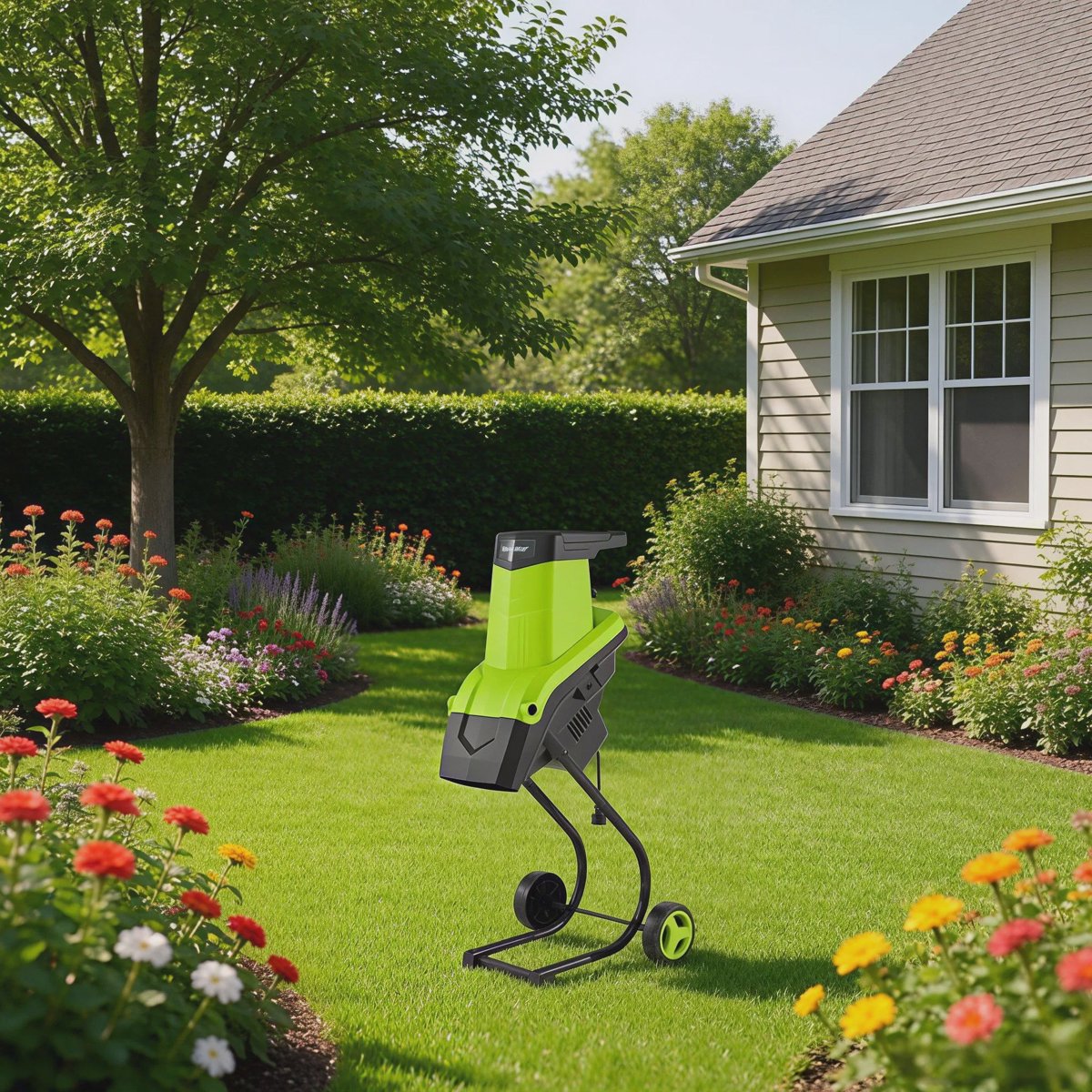

Photos from current listings. Actual item, color, and included accessories may vary.
Yard Shredder Buying Guide
A yard shredder turns branches, leaves, and garden debris into mulch or compost feedstock, but buyers often mismatch machine type and power source to the actual material they generate. Electric shredders suit light residential cleanup, while gas or PTO-driven units handle thicker limbs and larger volumes. Getting the feed opening, reduction ratio, and discharge system right matters more than horsepower claims alone.
Key takeaways
- Electric shredders typically cap at 1.5–1.8 inch cutting diameter, while gas chipper-shredders handle 3–4 inch limbs and PTO units scale higher.
- Reduction ratios of 10:1 to 20:1 determine how much volume a shredder can compact; higher ratios suit leaf-heavy yards, lower ratios suit branch-heavy cleanup.
- Cutting mechanisms split into flail/impact shredders for leaves and soft debris versus blade or chipper chutes for rigid branches.
At a glance
- Category
- Residential Outdoor Power Equipment
- Last updated
- Nov 28, 2026
Current offers
Highlights
- Electric shredders typically cap at 1.5–1.8 inch cutting diameter, while gas chipper-shredders handle 3–4 inch limbs and PTO units scale higher.
- Reduction ratios of 10:1 to 20:1 determine how much volume a shredder can compact; higher ratios suit leaf-heavy yards, lower ratios suit branch-heavy cleanup.
- Cutting mechanisms split into flail/impact shredders for leaves and soft debris versus blade or chipper chutes for rigid branches.
- Discharge options include top-feed gravity, side chute, and bagging; bagging kits reduce raking but clog with wet or fibrous material.
Best use cases
- Choose a 15-amp electric shredder with a 1.8-inch max diameter for suburban yards generating leaves, prunings, and small branches within reach of an outdoor outlet.
- Skip electric models if you routinely process limbs over 2 inches or work beyond cord length; a gas chipper-shredder with a 3-inch capacity is the correct tier.
- Pick a high-ratio impact shredder for oak or maple leaf cleanup and compost feedstock; pick a blade-style chipper chute for woody brush and storm debris.
- Avoid bagging discharge on wet, green material; use side-discharge or open pile discharge when shredding fresh clippings that clump.
Buying tips
- Check the feed opening and max cutting diameter against your thickest regular branch; a 1.8-inch electric unit stalls on 2-inch hardwood.
- Prioritize amperage and motor cooling for electric models; 15-amp units with thermal protection sustain longer runs than 12-amp budget models.
- Compare reduction ratio for leaf-heavy yards: 15:1 or higher compacts volume faster, while 10:1 units suit mixed branch and leaf debris.
- Inspect discharge and bagging design; a bagging kit with a rigid chute reduces raking but requires dry material to avoid clogging.
Specs
| Power Source | Electric 12-15A / Gas / PTO |
|---|---|
| Max Cutting Diameter | 1.5-1.8 in electric; 3-4 in gas |
| Reduction Ratio | 10:1 to 20:1 |
| Shredder Mechanism | Impact flail vs blade chipper |
Related searches
What to check before buying
- Measure your typical branch diameter and volume per cleanup session to confirm electric 1.8-inch capacity is sufficient.
- Verify an outdoor GFCI outlet within cord reach; electric shredders draw 12–15 amps and require a dedicated circuit.
- Check your compost or mulch plan and discharge space; bagging kits need clearance and dry debris to function.
- Confirm replacement blades or flails are available for the model, since cutting performance degrades with dull or nicked edges.
FAQ
Data sources: eBay / Amazon listings and product attribute feeds. Updated Nov 28, 2026.
Some links on this page are affiliate links. If you buy after clicking one, we may earn a commission at no extra cost to you. This does not change which products appear here or their order. Affiliate disclosure.