
Photos from current listings. Actual item, color, and included accessories may vary.
Metal Carport With Storage Buying Guide
A metal carport with storage solves two outdoor problems at once—covered vehicle parking and lockable space for tools, bikes, or lawn gear. Buyers who get it right start by measuring their tallest vehicle and confirming local snow and wind load requirements, because most failures come from undersized framing and missing permits rather than roof panels. The storage section can be a fully enclosed side shed, a back lean-to, or a sealed cabinet, and each layout imposes different clearance and foundation rules.
Median $566.99 · New listings
Key takeaways
- Carport frames are either 14-gauge or 12-gauge galvanized steel; 12-gauge handles heavier snow loads and wider clear spans, while 14-gauge suits mild climates and narrower bays.
- Roof panels are 29-gauge or 26-gauge corrugated steel—26-gauge resists hail and foot traffic better, and panels should be screwed to purlins at every ridge, not just the edges.
- Anchor type must match the surface: rebar stakes for gravel or dirt, concrete wedge anchors for existing slabs, and mobile home anchors for asphalt; wind ratings depend on correct anchoring.
At a glance
- Category
- Outdoor Structures, Shade & Awnings
- Last updated
- Nov 27, 2026
Current offers
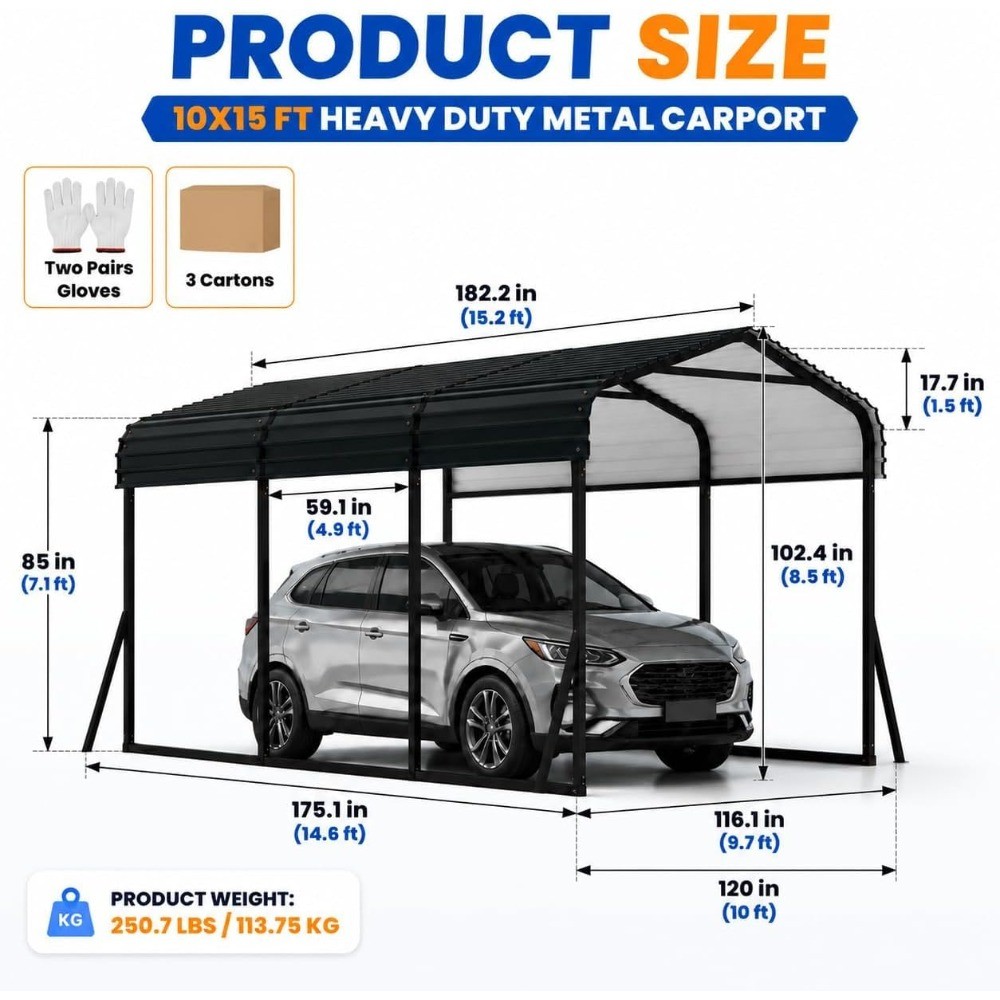 🔥Carport Garage Shelter 20x20/10x15FT HeavyDuty Metal Canopy Remote Solar Light$540.31Last checked Nov 17, 2026View on eBay
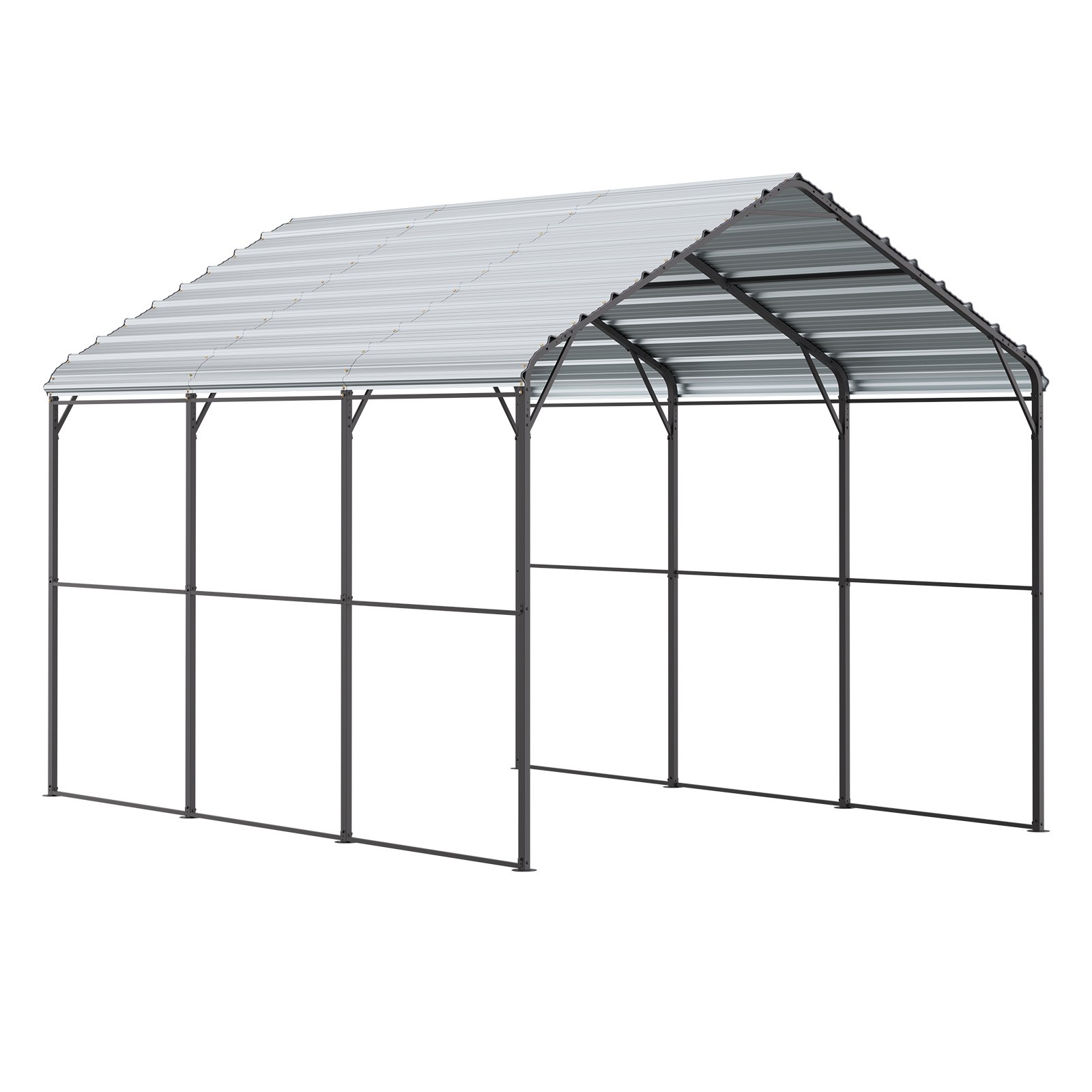 Heavy Duty Metal Carport, 10' X 15' Outdoor With Galvanized Steel Frame & Roof, Car Tent Garage Shade Removable Sidewalls, Multi-Use Car Shelter For Pickup, Boat, Car & Tractors$566.99View on Mallflare
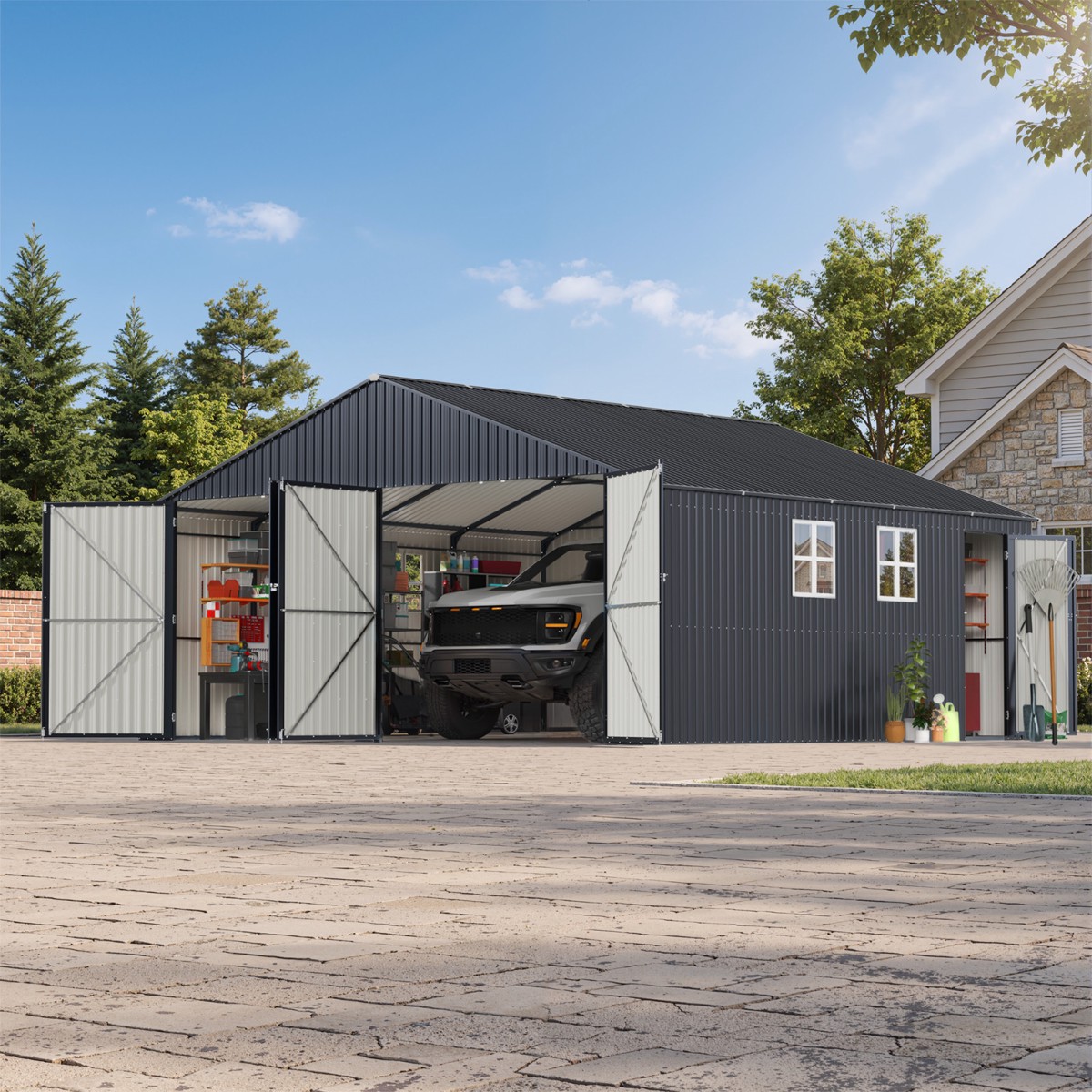 20x20FT Outdoor Storage Shed, Extra Large Metal Garage Carport with Double Doors$2,184.99New · Last checked Nov 23, 2026View on eBay
Highlights
- Carport frames are either 14-gauge or 12-gauge galvanized steel; 12-gauge handles heavier snow loads and wider clear spans, while 14-gauge suits mild climates and narrower bays.
- Roof panels are 29-gauge or 26-gauge corrugated steel—26-gauge resists hail and foot traffic better, and panels should be screwed to purlins at every ridge, not just the edges.
- Anchor type must match the surface: rebar stakes for gravel or dirt, concrete wedge anchors for existing slabs, and mobile home anchors for asphalt; wind ratings depend on correct anchoring.
- A 12×20 ft carport fits one full-size truck or SUV with door clearance, while 20×20 ft gives two bays or one bay plus a 6–8 ft enclosed storage room under the same roof line.
Best use cases
- Best fit: park a daily-driver truck or SUV under a 12×20 ft carport with a 4 ft side storage bay for mowers and tires; skip if your driveway slopes more than a few inches, because leveling adds cost.
- Best fit: a 20×20 ft two-car carport with a fully enclosed 8×20 ft rear storage room suits homeowners storing seasonal gear and a second vehicle; skip if your lot lacks clear rear access for the storage door.
- Best fit: a single-slope lean-to carport with a lockable cabinet suits renters or small yards needing bike and tool storage; skip if local code requires engineered drawings for attached or anchored structures.
- Wrong fit: buying a storage-heavy carport without confirming your vehicle height plus roof clearance—tall vans and lifted trucks need a 9–12 ft leg height, not the standard 7 ft.
Buying tips
- Measure your tallest vehicle including roof racks, then add at least 1 ft of clearance to the carport leg height—standard 7 ft legs are too low for many trucks and vans.
- Check the snow load rating against your local ground snow load; 12-gauge frames with closer purlin spacing (24 in vs 36 in) handle heavier loads, and some manufacturers offer certified engineering drawings for permits.
- Prioritize 26-gauge roof panels over 29-gauge if you expect hail or frequent tree debris, and confirm panels are fastened with self-tapping screws that include sealing washers.
- Choose anchor hardware based on your surface before ordering—concrete anchors, rebar stakes, and asphalt anchors are not interchangeable, and a carport rated for high wind needs every anchor point filled.
Specs
| Frame Gauge | 12-gauge vs 14-gauge galvanized steel |
|---|---|
| Roof Panel | 26-gauge vs 29-gauge corrugated steel |
| Typical Bay Size | 12×20 ft, 20×20 ft, 12×26 ft |
| Storage Layout | Side bay, rear room, or lockable cabinet |
Related searches
What to check before buying
- Parking pad dimensions: measure width, length, and diagonal squareness; a 12×20 ft carport needs at least a 12×20 ft level base, plus extra for the storage bay if it extends beyond the roof.
- Ground snow load and wind speed: confirm the carport is rated for your local building code values, and ask whether engineering drawings or permits are required in your municipality.
- Vehicle height and door swing: verify the carport leg height clears your tallest vehicle, and confirm the storage door location doesn't block vehicle doors or driveway traffic.
- Foundation type: concrete slab, gravel, or dirt determines anchor type and whether a storage floor is needed—gravel bases need edge restraint, and slabs should be cured before anchoring.
FAQ
Data sources: eBay / Amazon listings and product attribute feeds. Updated Nov 27, 2026.
Some links on this page are affiliate links. If you buy after clicking one, we may earn a commission at no extra cost to you. This does not change which products appear here or their order. Affiliate disclosure.