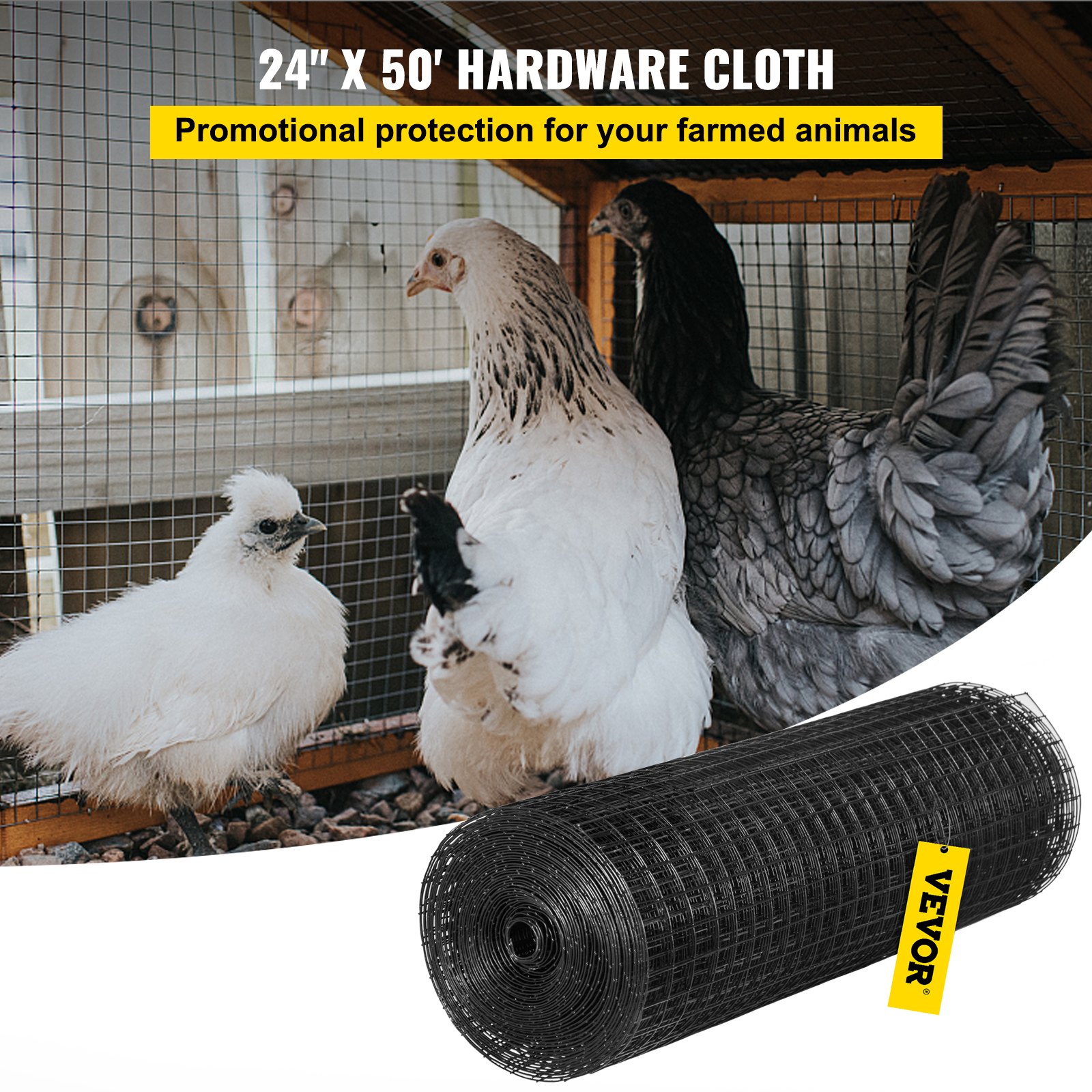

Photos from current listings. Actual item, color, and included accessories may vary.
Chicken Wire Mesh Buying Guide
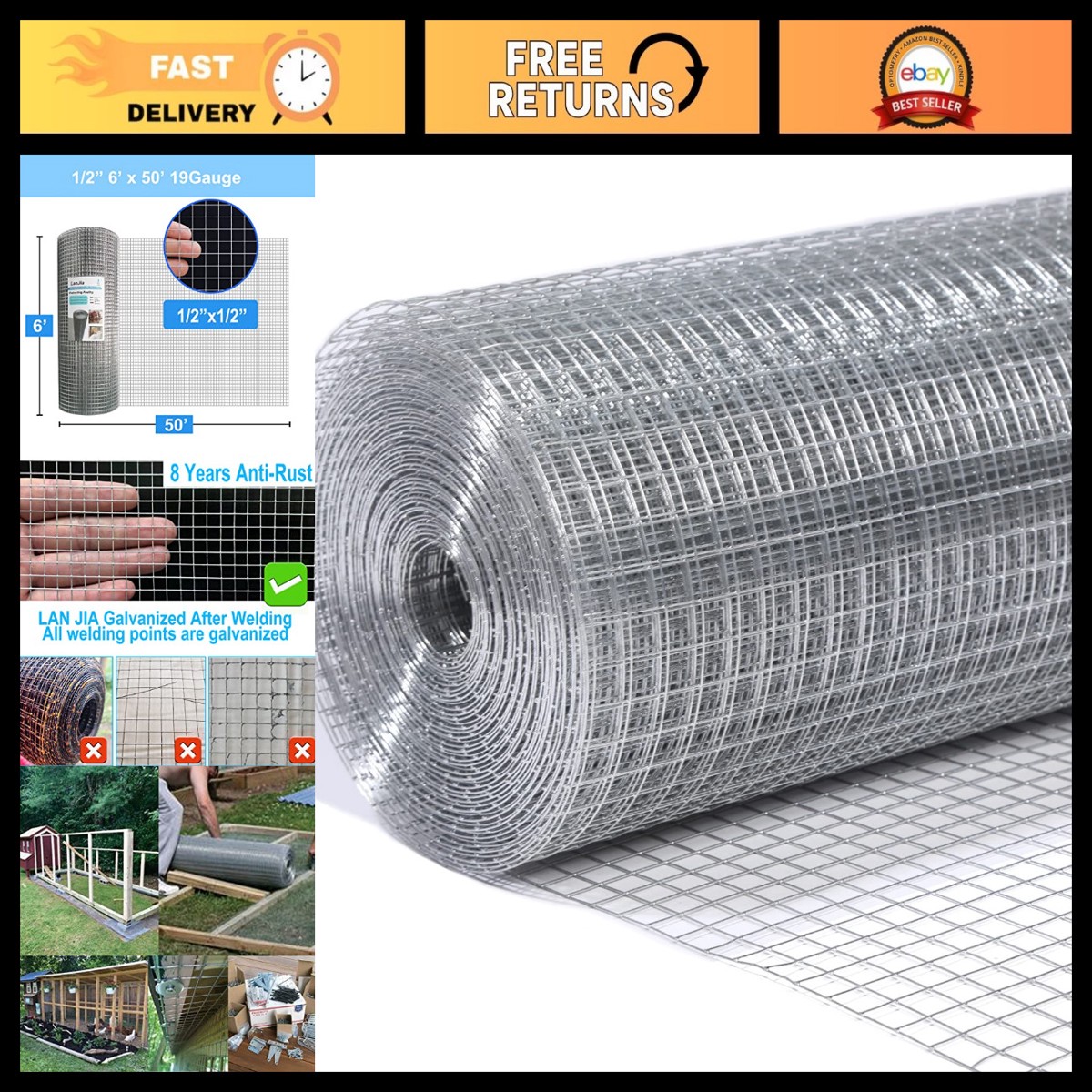
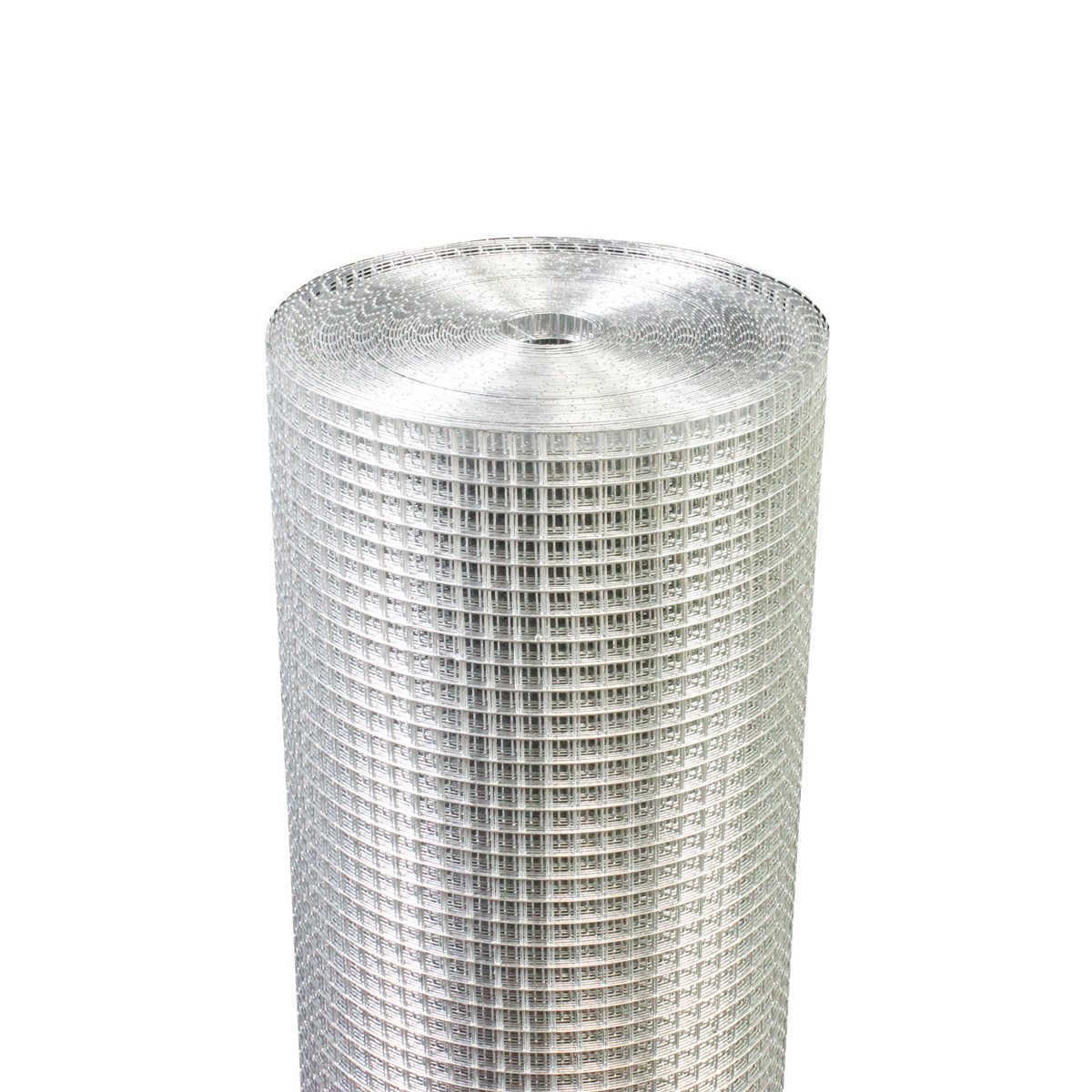
Chicken wire mesh spans two distinct product classes: true hexagonal woven poultry netting, which is light-duty and best for garden trellis or temporary containment, and welded hardware cloth, which is the only mesh that reliably excludes predators from a coop. The core trade-off is aperture size and wire gauge versus cost and weight: 1-inch hex netting stops chickens but not raccoons, while 1/2-inch 19-gauge welded cloth stops both. Buy welded hardware cloth for any permanent coop or run; reserve hex netting for plant support and non-security barriers.
Median $164.99 · New listings
Key takeaways
- Aperture is the primary security spec: 1/2-inch welded mesh excludes raccoons and weasels; 1-inch hex poultry netting only contains chickens and stops nothing with paws.
- Wire gauge controls bite-through and rust life: 19-gauge welded cloth is the predator-resistant baseline; 21–23-gauge mesh bends under clawing and is trellis-grade only.
- Hot-dip galvanized-after-welding mesh zinc-coats every weld and cut end, outlasting cheap pre-galvanized mesh in wet climates by years.
At a glance
- Category
- Chicken Fencing & Egg Handling
- Last updated
- Nov 27, 2026
Current offers
Highlights
- Aperture is the primary security spec: 1/2-inch welded mesh excludes raccoons and weasels; 1-inch hex poultry netting only contains chickens and stops nothing with paws.
- Wire gauge controls bite-through and rust life: 19-gauge welded cloth is the predator-resistant baseline; 21–23-gauge mesh bends under clawing and is trellis-grade only.
- Hot-dip galvanized-after-welding mesh zinc-coats every weld and cut end, outlasting cheap pre-galvanized mesh in wet climates by years.
- Vinyl/PVC-coated welded wire (commonly 1/4-inch, 21-gauge black) adds abrasion and moisture protection and blends into dark coops.
Best use cases
- Permanent coop walls and run panels: buy 1/2-inch 19-gauge hot-dip galvanized welded hardware cloth in 36–48-inch widths; skip hex poultry netting entirely.
- Buried predator apron and floor screening: use the same 1/2-inch 19-gauge welded cloth, 12–18 inches wide, bent into an L; 1/4-inch 23-gauge is too weak for digging pressure.
- Garden trellis, floral arrangements, and craft projects: 1-inch or larger hexagonal galvanized or green PVC netting is correct and far cheaper; do not use it on a coop.
- Temporary poultry containment or feather-light fencing: 1-inch hex netting over a lightweight frame works for calm flocks but fails against determined predators—wrong fit for overnight security.
Buying tips
- Match mesh to predator: 1/2-inch aperture for raccoon and weasel country; 1-inch hex only where the coop is already predator-proof and the mesh is secondary.
- Choose 19-gauge or heavier welded wire for any structural run; 21–23-gauge is for garden and craft use where no animal pressure exists.
- Specify hot-dip galvanized after welding for outdoor use; electro-galvanized or pre-galvanized mesh rusts at cut edges and welds within a season or two.
- Size rolls by actual coverage: a 24-inch x 50-foot roll covers 100 square feet; 48-inch x 50-foot covers 200 square feet—measure coop perimeter x height before choosing width and length.
Specs
| Mesh Architecture | Welded square vs woven hexagonal |
|---|---|
| Aperture | 1/4, 1/2, 1 inch hex |
| Wire Gauge | 19–23 ga (lower = heavier) |
| Coating | Hot-dip galvanized / PVC vinyl |
Related searches
What to check before buying
- Measure coop perimeter and wall height, then add 10–15% overlap for stapling and corner folds before selecting roll width and length.
- Confirm frame spacing: welded hardware cloth needs support every 24–36 inches; unsupported spans sag and pull staples under predator weight.
- Check ground contact: buried aprons need hot-dip galvanized or vinyl-coated mesh rated for soil contact; uncoated thin mesh fails within a season.
- Verify fasteners and edge protection: poultry staples every 6–8 inches plus washers at corners; raw cut ends on hex netting require capped or folded edges.
FAQ
Data sources: eBay / Amazon listings and product attribute feeds. Updated Nov 27, 2026.
Some links on this page are affiliate links. If you buy after clicking one, we may earn a commission at no extra cost to you. This does not change which products appear here or their order. Affiliate disclosure.