GardenPulse Guide

GardenPulse Guide

Garden, Yard & Outdoor Living Reviews & Buying Guides

Compare garden, yard & outdoor living by use case, features, trade-offs, price, returns, and seller terms before you buy.

Buying guides

Buying guide image
Patio Furniture

Outdoor Swivel Chair

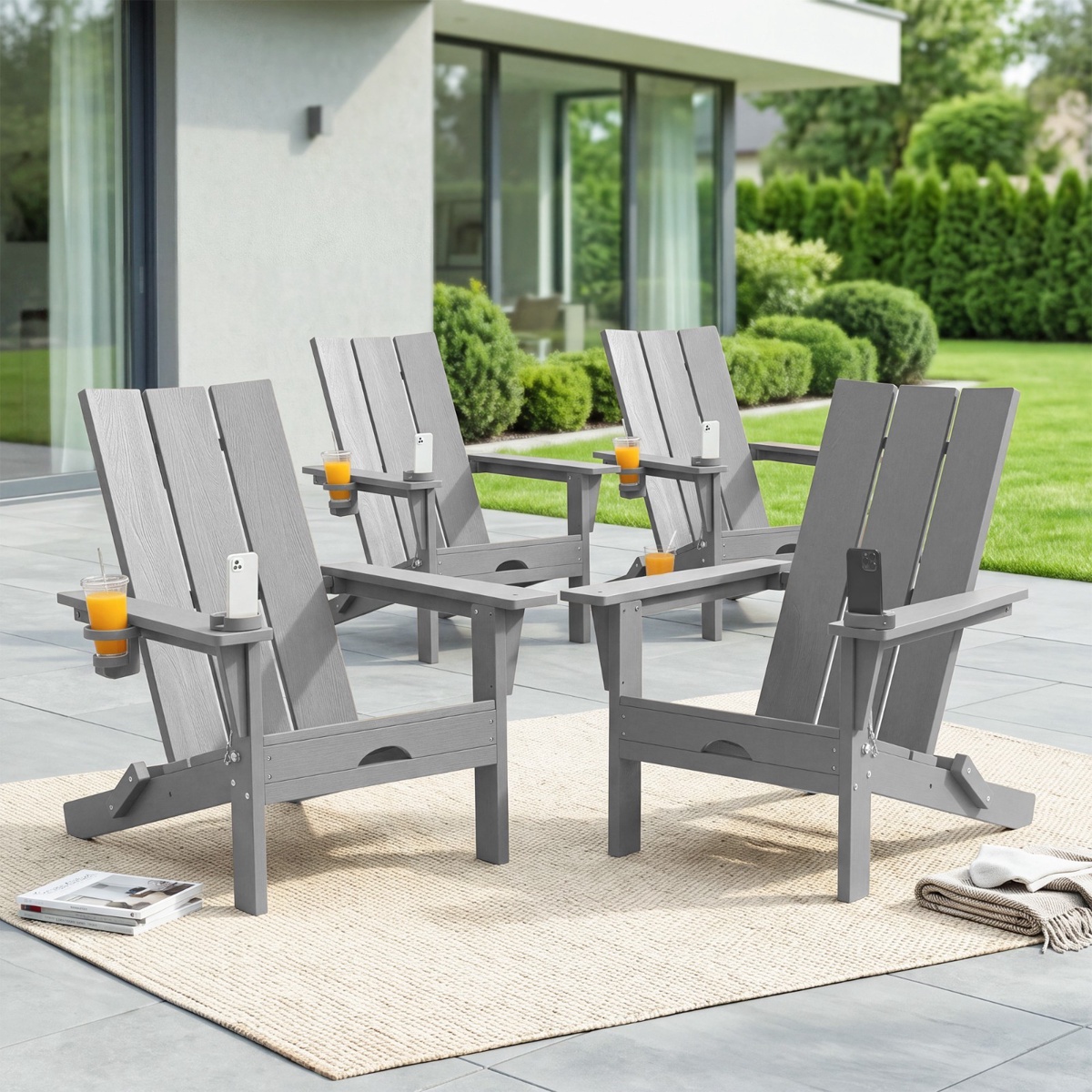
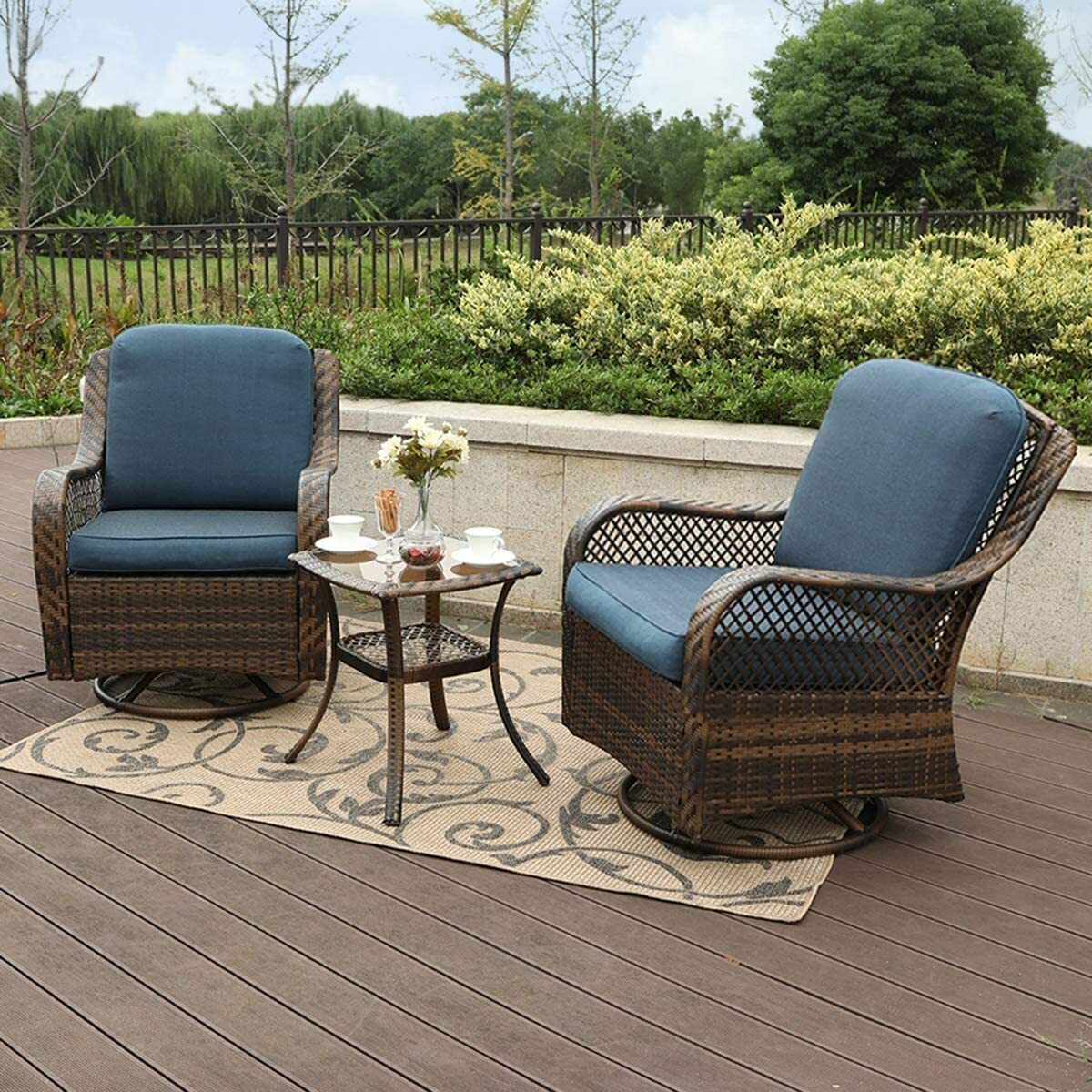
An outdoor swivel chair earns its keep only when the swivel mechanism, frame material, and cushion foam all survive sun, rain, and repeated turning. Most buyer disappointment comes from ignoring base diameter and frame gauge, not from style. Pick the swivel type and frame construction first, then size the chair to your table and deck.
Buying guide image
Beehives & Frames

Starter Beehive

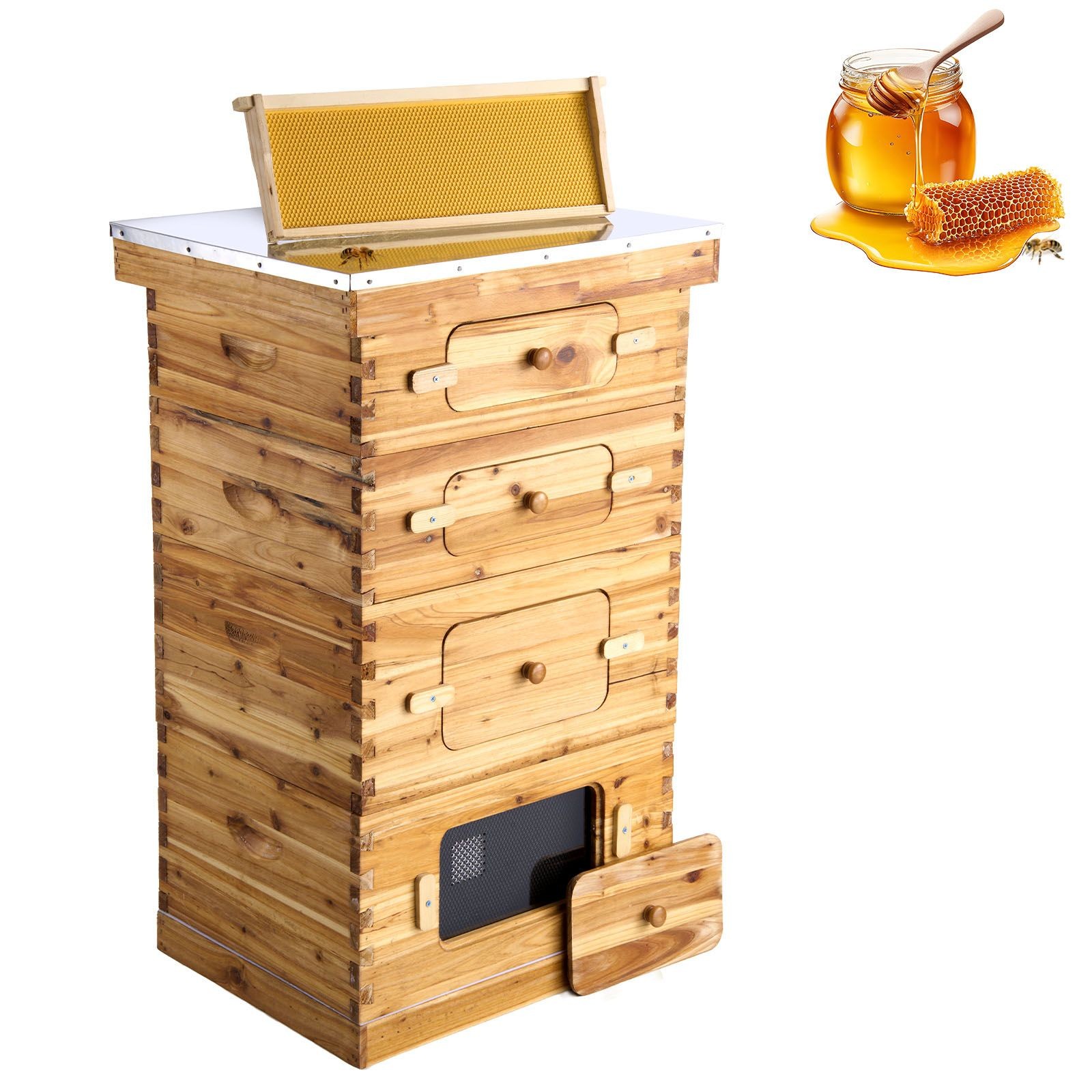
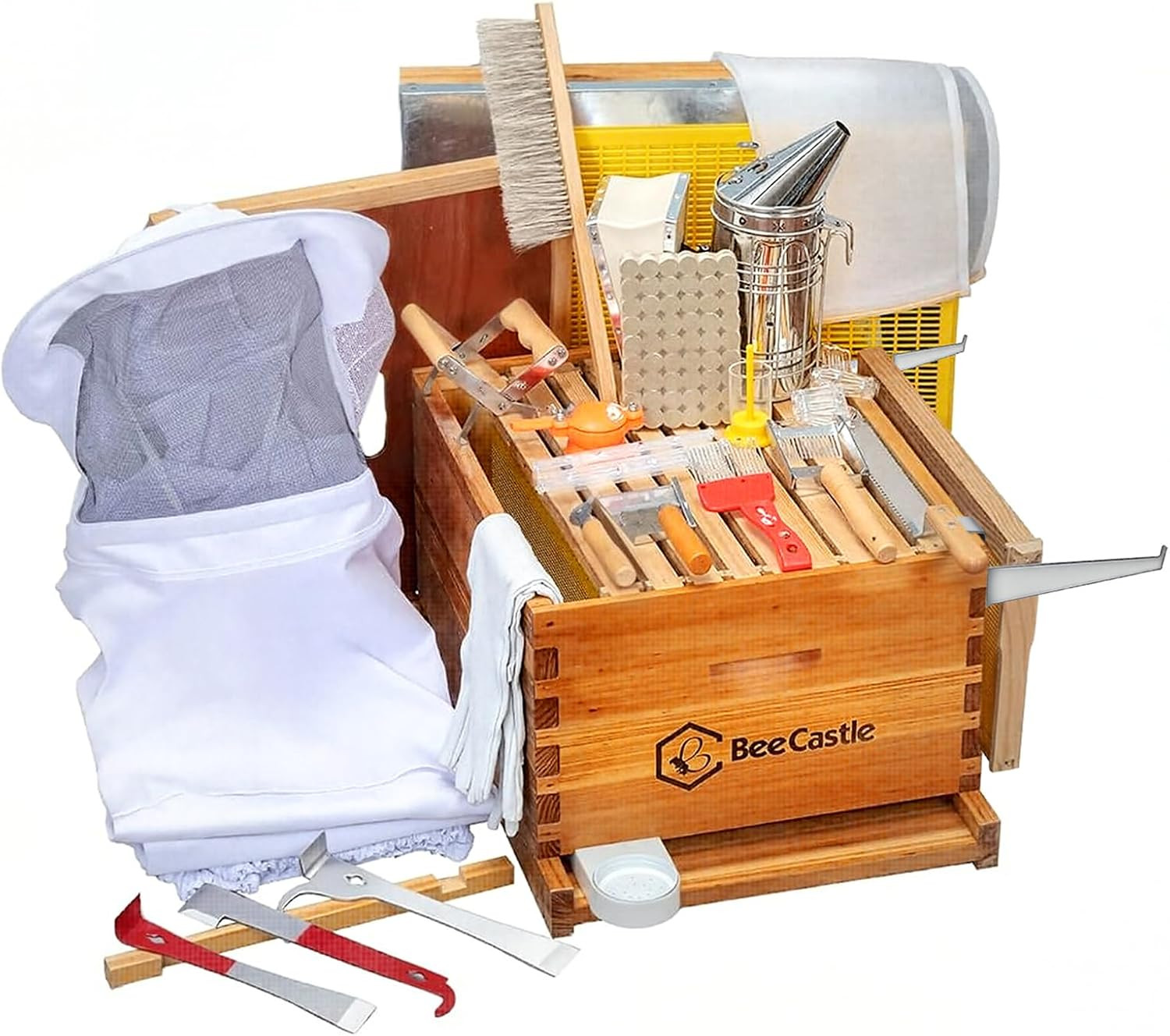
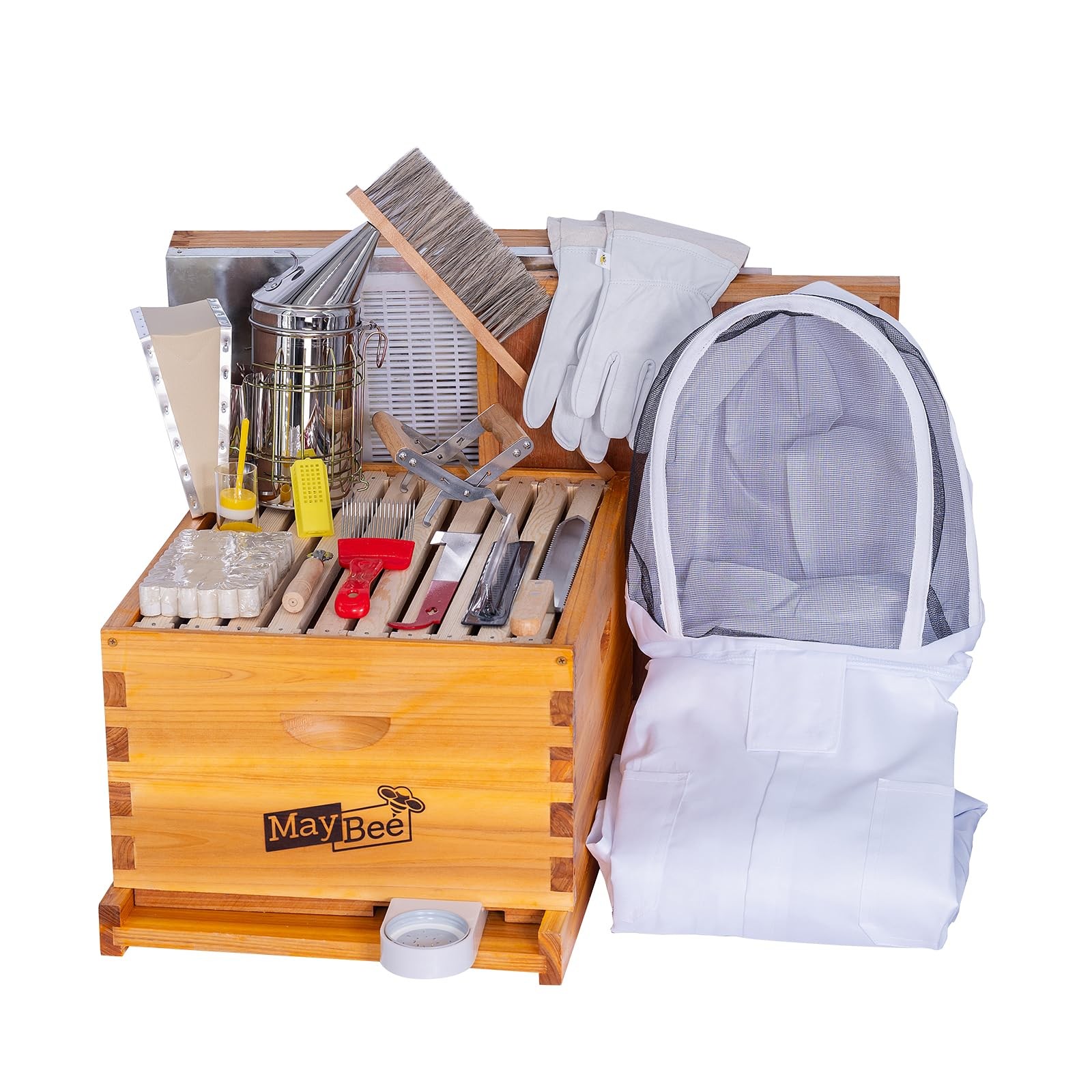
A starter beehive succeeds or fails on frame count, wax coating quality, and whether the kit includes the protective gear you actually need on day one. Most beginners buy a 10-frame Langstroth box without checking whether their apiary site, budget, or back can handle it. Choose by frame standard and included components, not by listing photos of tools you may never use.

Buying guide image
Patio Furniture

Swivel Outdoor Chair

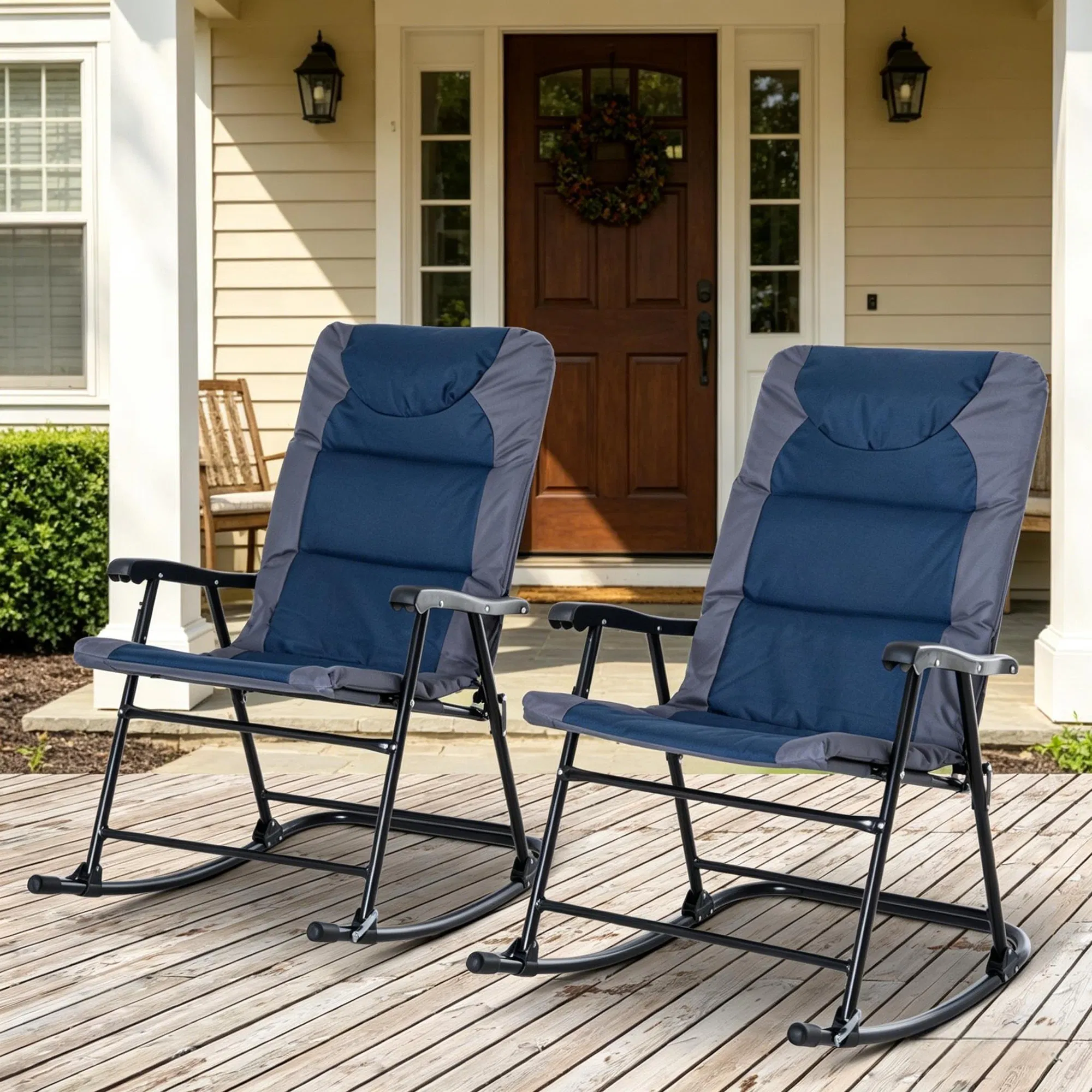
Swivel outdoor chairs combine a rotating base with weather-resistant seating, and the core trade-off is base mechanism quality versus frame and fabric durability. A smooth, sealed swivel or rocker mechanism paired with powder-coated aluminum or steel and solution-dyed acrylic or high-GSM textilene separates chairs that last seasons from ones that seize or fade. Buy by base architecture and material grade, not by cushion color.

Buying guide image
Beehives & Frames

10 Frame Langstroth Beehive

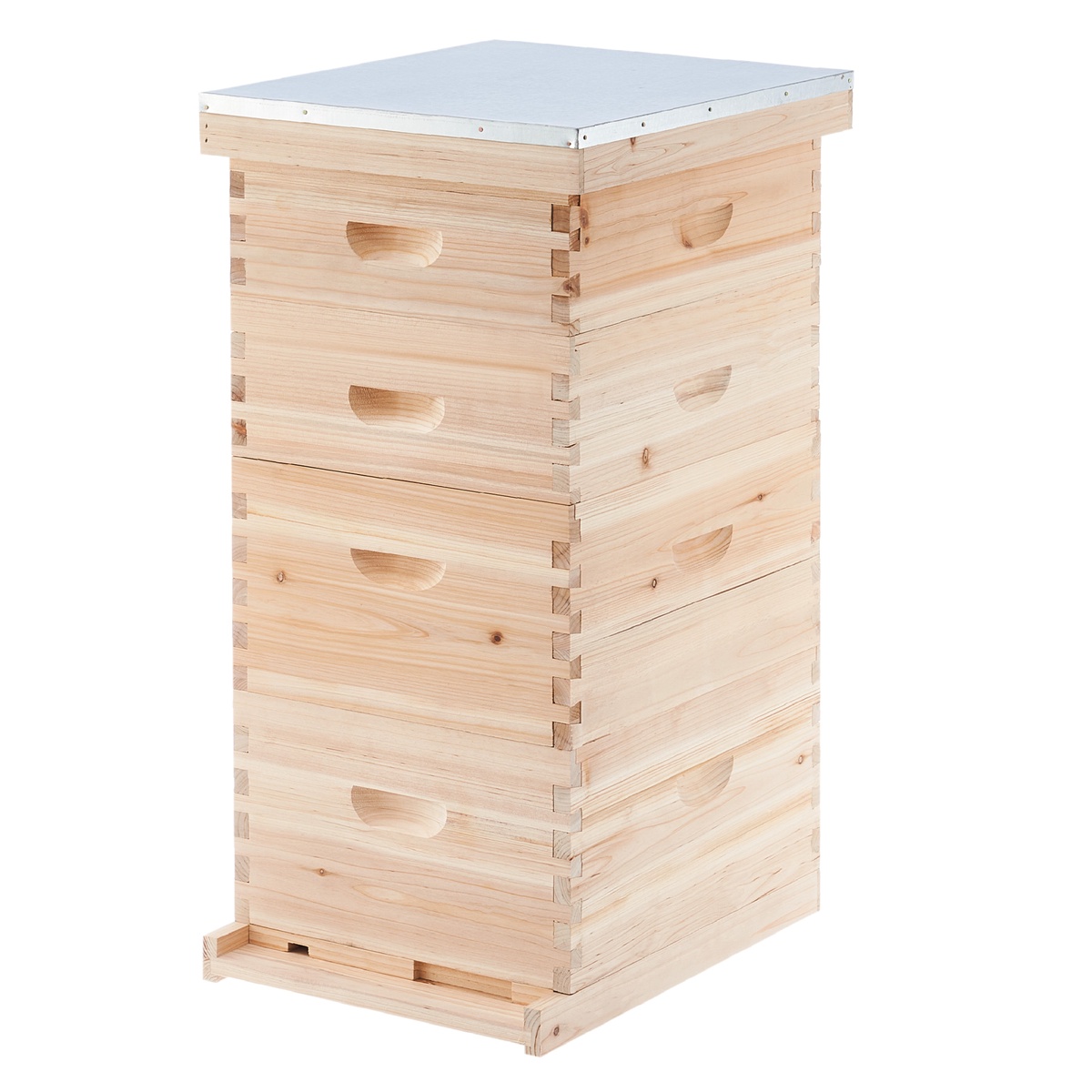
A 10-frame Langstroth beehive is the standard backyard and sideline beekeeping platform, sized to hold ten interchangeable deep, medium, or shallow frames per box. The core trade-off is lumber grade and coating versus box count and frame accessories: cedar or wax-dipped pine resists rot for years, while thin untreated pine or particle board swells and delaminates within a season or two. Buy a complete box kit with wax-coated frames and a screened bottom board if you want a durable hive; skip bare uncoated shells and mismatched frame counts.

Buying guide image
Beehives & Frames

10 Frame Langstroth Hive

A 10-frame Langstroth hive is the standard brood chamber size for backyard beekeepers because it maximizes brood space and reduces swarm pressure compared to 8-frame boxes. Buyers must choose between deep, medium, and shallow box depths—and decide whether to run all-deep or deep-brood-plus-medium-supers—since frame interchangeability breaks across sizes. Most first-hive mistakes come from mixing frame counts, skipping a queen excluder, or buying a box without matching frames and foundation.

Buying guide image
Patio Furniture

Fire Pit Set

A fire pit set pairs a heat source with seating and sometimes a table, and the primary trade-off is between the convenience and control of gas (propane or natural gas) versus the authentic ambiance of wood or wood-pellet burners. Durable sets use stainless steel or heavy-gauge steel fireboxes with proper drainage and heat shields, while compromises show thin metal, loose hardware, and missing safety clearances. The decision rule: pick a gas set for instant, low-smoke operation on a patio; pick wood only if you have a non-combustible base, overhead clearance, and tolerance for ash and spark management.

Buying guide image
Beehives & Frames

Starter Bee Hive

A starter beehive is the single largest equipment decision a new beekeeper makes, and the wrong frame count or box material locks you into a management style for years. Langstroth kits dominate because interchangeable boxes and frames let you scale from a nucleus colony to full honey production without replacing the hive body. Focus on frame size, wood treatment, and whether the kit includes foundation and windows—those details separate a turnkey first season from a box of loose lumber.

Buying guide image
Outdoor Structures, Shade & Awnings

Replacement Canopy

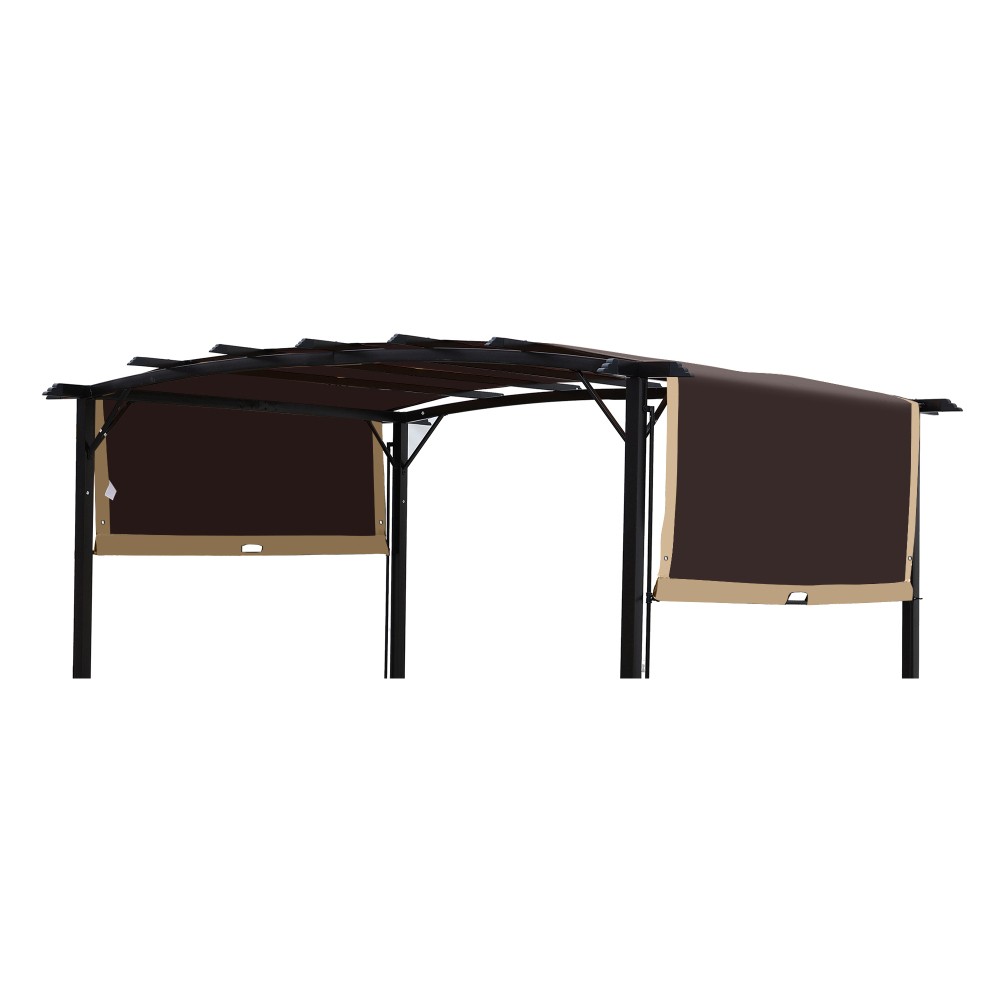
Replacement canopies only fit if the footprint, roof style, and frame attachment points match your existing structure—most returns happen because buyers order a top for the wrong frame. Measure the frame's outer dimensions and count the roof tiers and ribs before choosing a fabric grade. Fabric weight and coating determine UV life far more than color or pattern.

Buying guide image
Pools & Spas

Heavy Duty Pool Ladder

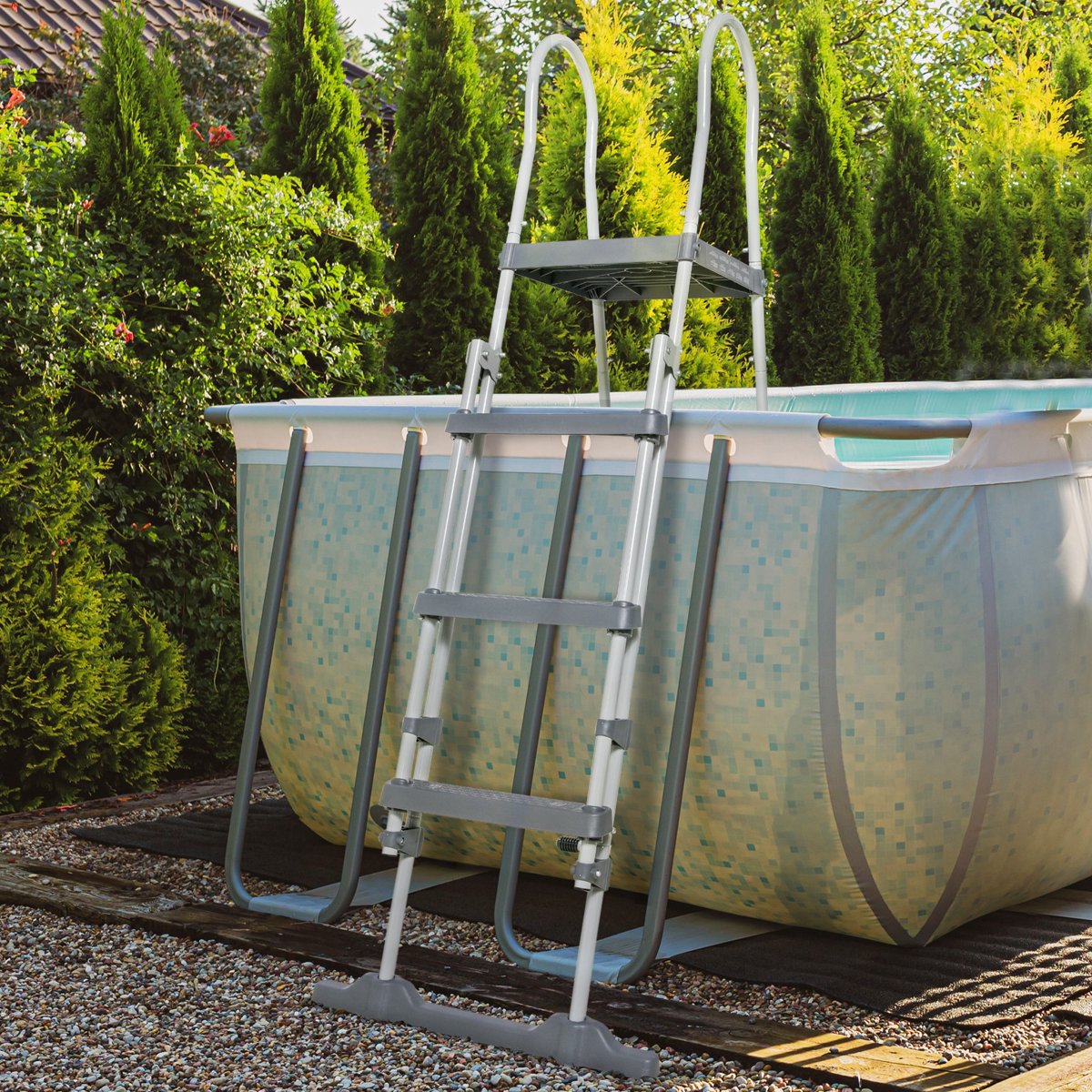
Heavy-duty pool ladders are above-ground and in-ground access systems engineered for higher user weight, corrosion resistance, and anti-wobble stability. The core trade-off is load-rated structural steel or resin construction versus thin tubular aluminum and hollow plastic steps that flex and corrode. The decision rule: buy a ladder explicitly rated at or above your heaviest user plus 50 lb, with stainless or resin hardware, wide treads, and through-bolted rails—skip anything sold only on step count.

Buying guide image
Beehives & Frames

10 Frame Bee Hive Kit

A 10-frame Langstroth hive kit is the standard brood-and-super system for beekeepers who want maximum colony space and easier frame swaps than 8-frame boxes. The core trade-off is lumber grade and coating versus acrylic/observation extras, so prioritize kiln-dried cedar or pine with real beeswax coating over novelty windows. Buy a 10-frame kit when you need deep brood capacity and standard Langstroth compatibility; skip it if you want lighter lifts or run exclusively 8-frame equipment.

Buying guide image
Chicken Fencing & Egg Handling

Heavy Duty Chicken Wire Fence

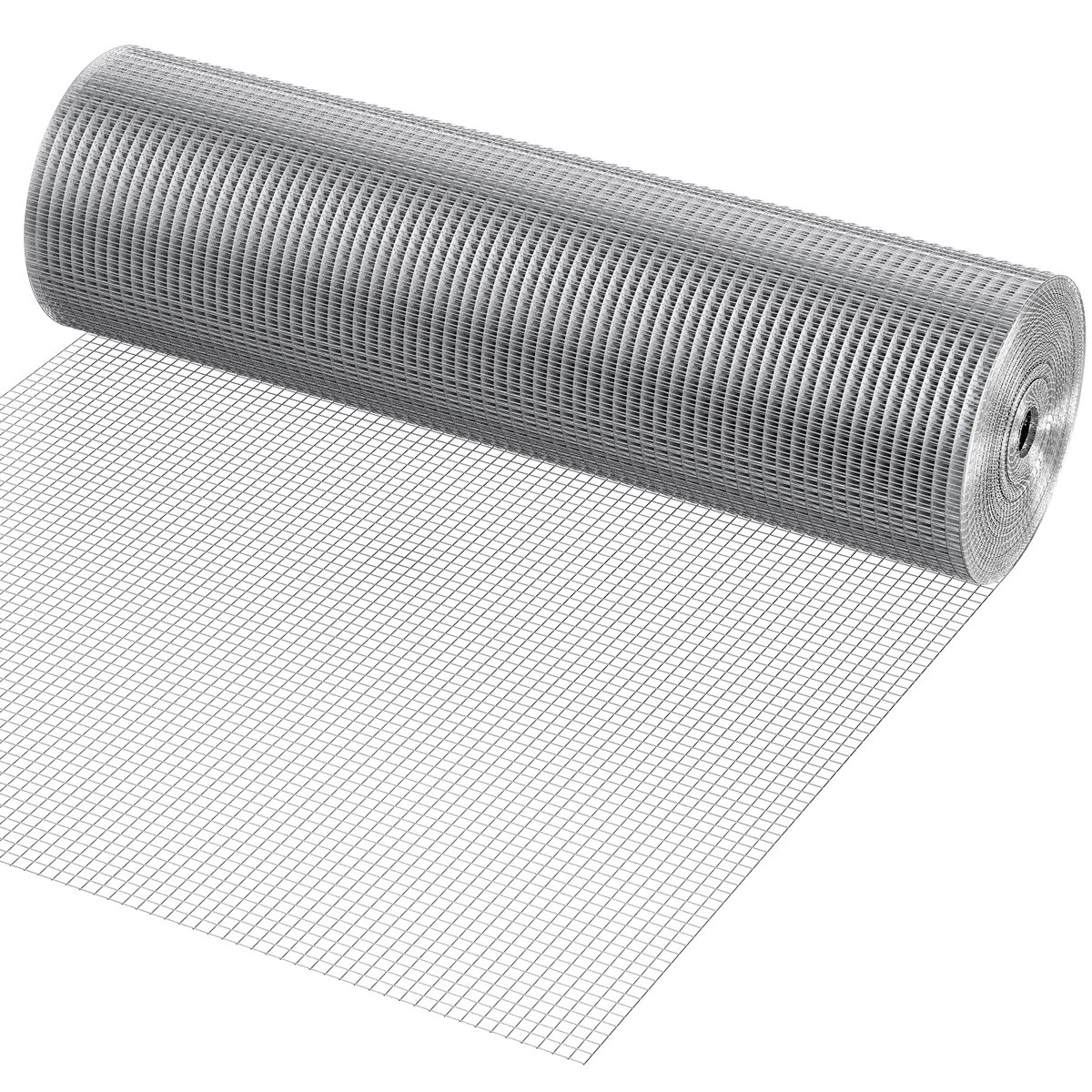
Heavy-duty chicken wire is a misleading retail term: true predator-proof containment requires welded hardware cloth, not twisted hexagonal poultry netting. The decisive trade-off is wire gauge and mesh aperture versus cost and weight—19-gauge welded mesh stops raccoons and snakes, while flimsy 20-22 gauge hex netting fails at the first dig-in. Buy welded galvanized hardware cloth at 1/2 in aperture or smaller for coops and runs, and reserve light hex netting for garden trellis or temporary poultry diversion only.

Buying guide image
Greenhouse & Hydroponics

Indoor Grow Kit With Light

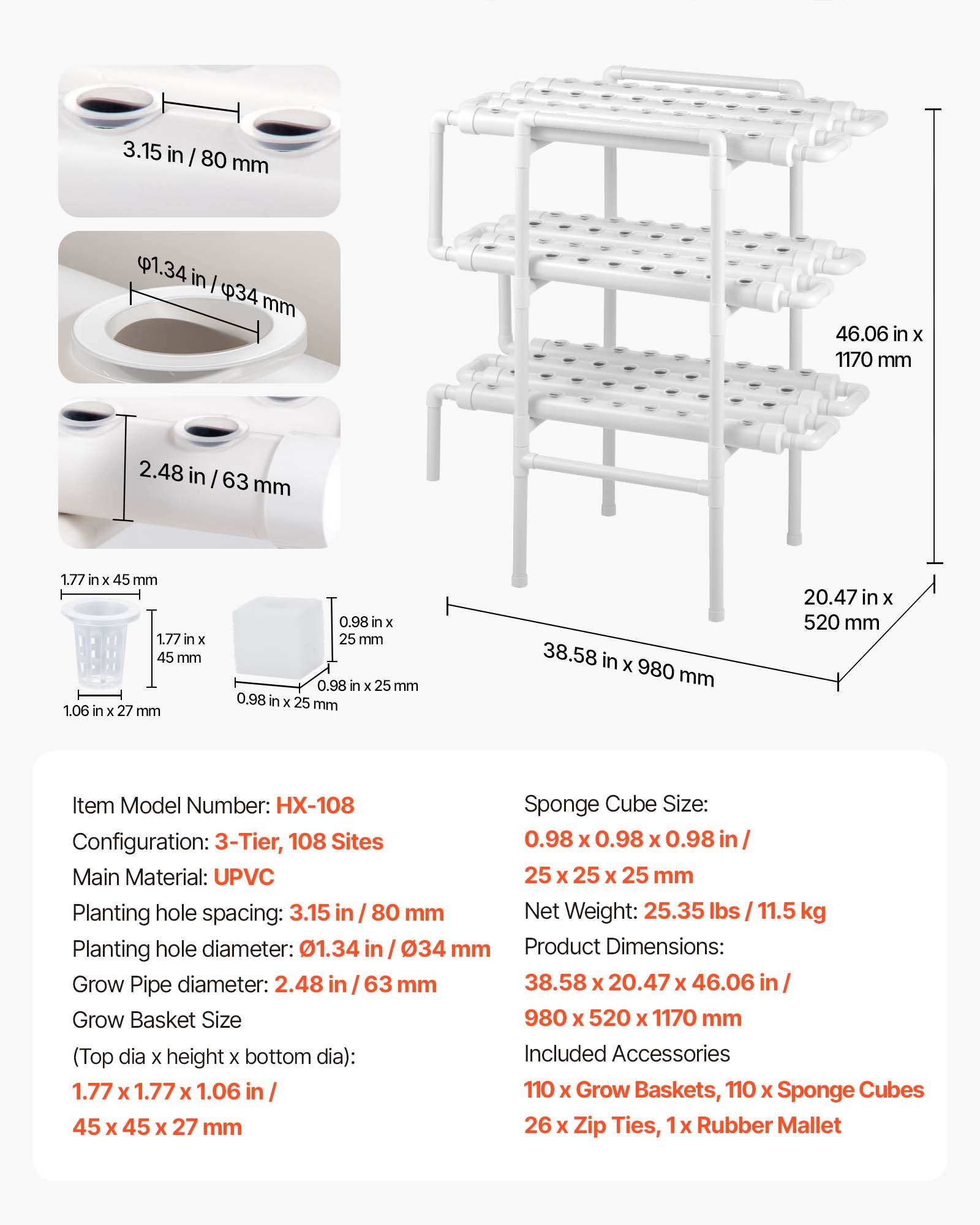
An indoor grow kit with light bundles a propagation or hydroponic growing system with dedicated LED lighting so seedlings and herbs can be started without natural sun. The core trade-off is LED quality and coverage versus tray/cell construction and self-watering capability — cheap kits use low-output diodes and thin plastic cells that crack, while durable kits specify full-spectrum LEDs, thick food-grade trays, and real reservoir capacity. The decision rule: buy only kits that state LED wattage or PPF, dome height, and tray material grade; skip any kit that omits light output and cell thickness.

Buying guide image
Beehives & Frames

Beekeeping Frame

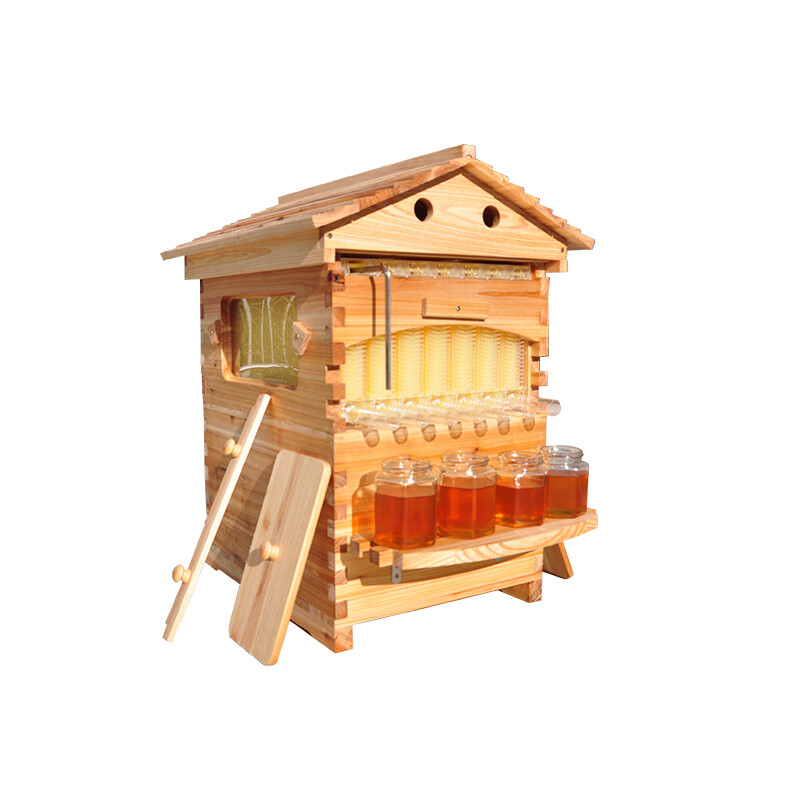
Beekeeping frames are the removable wooden or plastic inserts that hold beeswax foundation and slide into Langstroth hive boxes; the core trade-off is between traditional wax-coated wood, durable all-plastic frames, and auto-flow frames with built-in release mechanisms. Choose Langstroth-standard frames (195x415 mm deep or 232x415 mm medium) in food-grade plastic or tight-grained pine for durability, and treat auto-flow frames as a convenience niche rather than a beginner default.

Buying guide image
Beehives & Frames

Beehive Starter Kit With Bees

A bee hive starter kit with bees is a complete Langstroth or flow-style hive package plus a live nucleus colony or package, where the primary trade-off is frame count and box depth versus climate and colony growth speed. Durable kits use kiln-dried cedar or pine with beeswax coating and standard 10-frame Langstroth dimensions, while compromises use thin uncoated wood or non-standard frame spacing that warps and invites pests. The decision rule is simple: buy a kit sized to your overwintering climate with at least two deep brood boxes, and never accept a kit that ships without a mated queen or established nucleus.

Buying guide image
Garden Tools

Heavy Duty Weed Barrier

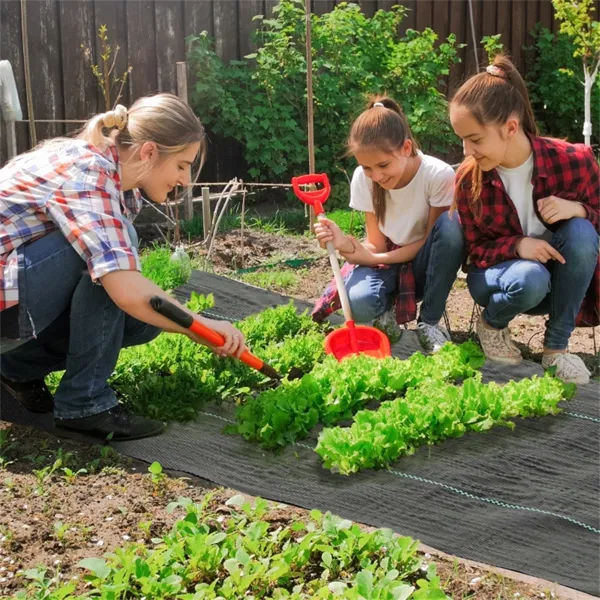
Heavy-duty weed barrier is a woven or non-woven geotextile fabric laid under mulch, gravel, or soil to block weed growth while passing water and air. The core trade-off is weight versus permeability: lighter 3.2 oz woven PP fabrics are affordable and water-friendly but tear and UV-degrade faster, while 5 oz and heavier or spun-bond non-woven fabrics resist punctures and last longer under harsh sun and foot traffic. The decision rule: buy the lowest weight that survives your site's UV exposure and traffic — 3.2 oz woven for annual beds and low-traffic borders, 5 oz+ woven or non-woven for permanent paths, driveways, and full-sun installations.

Buying guide image
Patio Furniture

Porch Furniture Set

A porch furniture set is a coordinated seating-and-table group sized for covered or semi-covered outdoor entries, where the core trade-off is frame material and weather exposure versus cushion drainage. Choose powder-coated aluminum or PE wicker on a steel subframe for year-round porches; skip MDF-backed acacia tops and untreated steel if the set stays outside through rain and freeze cycles.

Buying guide image
Greenhouse & Hydroponics

Full Spectrum Grow Light Indoor Plant

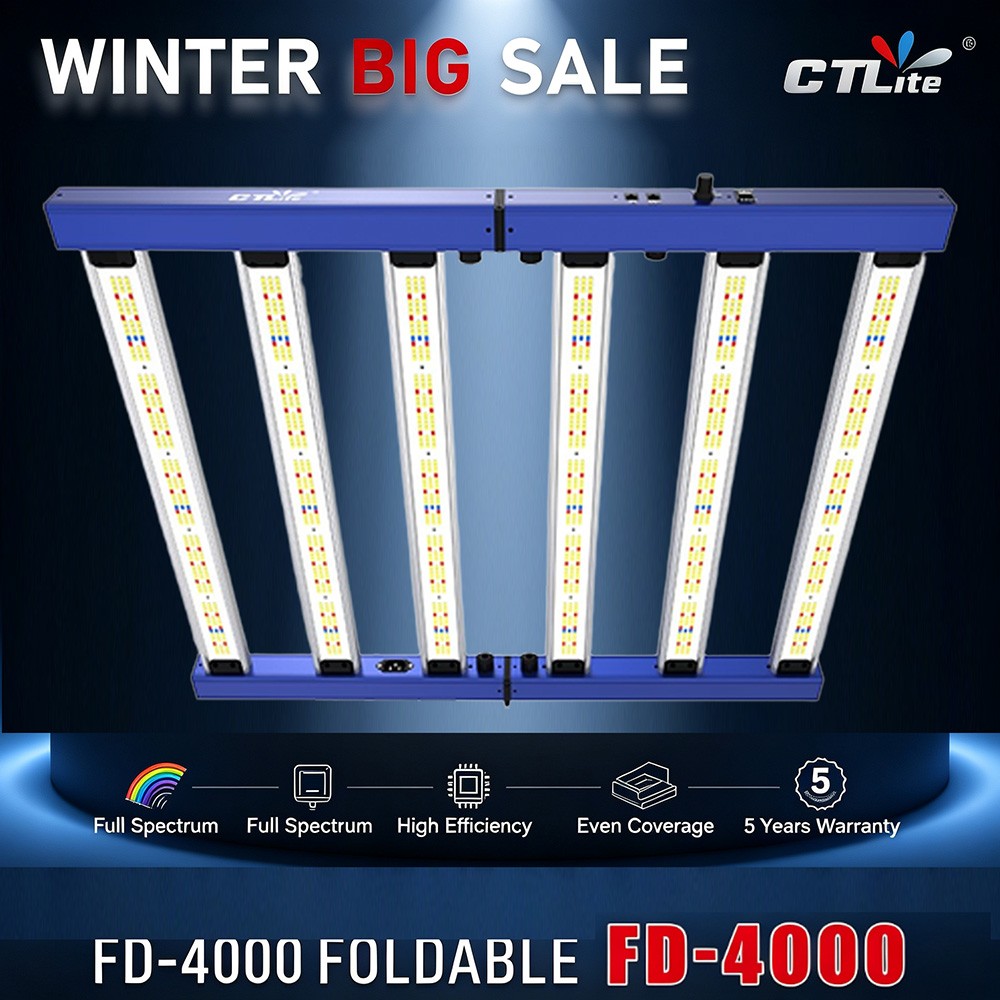
Full-spectrum grow lights for indoor plants deliver a white-like spectrum (typically 3500–4500K plus 660nm red) to support both vegetative and flowering stages without swapping bulbs. The core trade-off is between advertised 'equivalent wattage' marketing and actual wall-draw power density: quantum-board and bar-style LEDs with dimmable drivers and Samsung-class diodes outperform blurple or budget multi-head lamps for serious growth. The decision rule is simple: buy by true wall watts and PPFD at your canopy distance, not by inflated '5000W' labels.

Buying guide image
Chicken Coops & Runs

Chicken Tractor

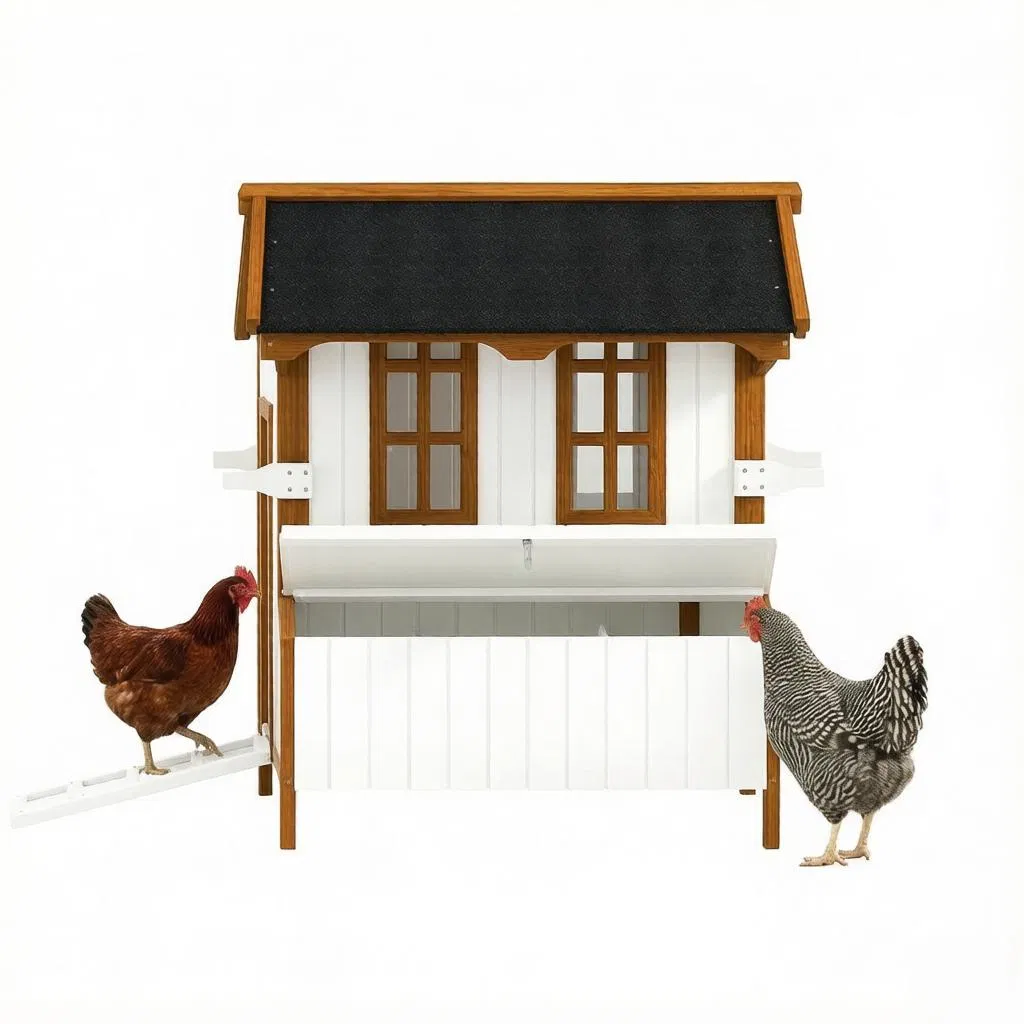
A chicken tractor is a movable coop-and-run combination that lets flocks rotate across fresh ground for foraging, pest control, and fertilizer distribution while confining birds safely. The core trade-off is weight versus predator resistance: light frames and fabric covers move easily but fail against digging predators, while heavy wood-and-wire builds protect birds but require wheels, handles, or a vehicle to relocate. The decision rule is simple: buy a wheeled or skid-mounted frame rated for your flock count with 1/2-inch hardware cloth, and skip any tractor relying on chicken wire or soft fabric mesh for overnight protection.

Buying guide image
Raised Garden Beds & Planters

Plastic Flower Pot

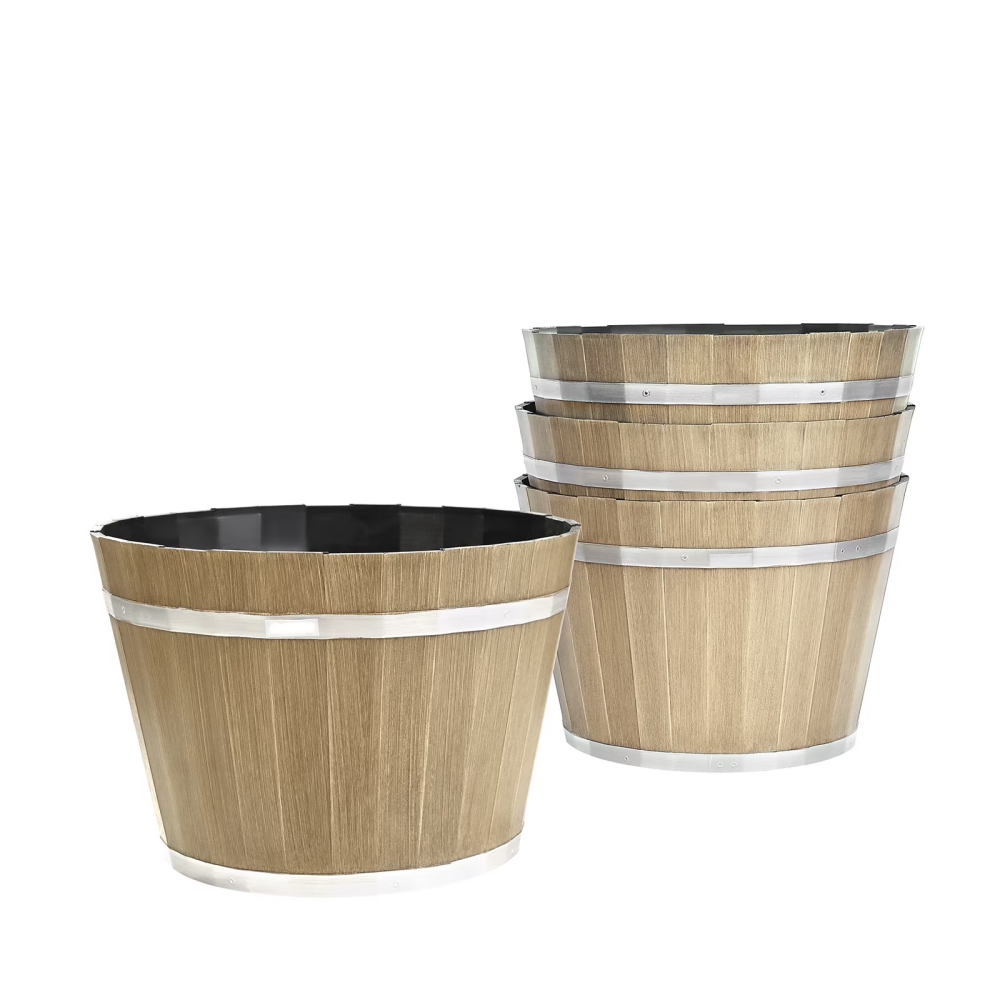
Plastic flower pots are rotationally molded or injection-molded planters made from polypropylene (PP), polyethylene (PE), or polystyrene (PS), with the primary trade-off being UV stability and wall thickness versus cost. Thin, brittle pots craze and fade within a season, while UV-stabilized PE/PP with 3–5 mm walls and molded drainage lasts a decade outdoors. The decision rule: buy pots rated UV-resistant with predrilled drainage and a wall thickness you can flex without cracking; skip any pot sold only as 'decorative' with no drainage or resin callout.

Buying guide image
Raised Garden Beds & Planters

Plastic Planter

Plastic planters range from lightweight nursery pots to large outdoor urn-style containers and elevated raised beds, where the core trade-off is between UV-stabilized, thick-walled PP or HDPE construction and thin, brittle, fade-prone plastic. Durable options use virgin resin with UV inhibitors, wall thickness of at least 2–3 mm, and molded drainage; compromises rely on regrind plastic that cracks within a season or two. Buyers should pick based on resin grade, wall thickness, drainage design, and frost/UV rating rather than decorative shape alone.

You may also like

Finding more guides for you…