
Photos from current listings. Actual item, color, and included accessories may vary.
Chicken Tractor Buying Guide
A chicken tractor is a movable coop-and-run combination that lets flocks rotate across fresh ground for foraging, pest control, and fertilizer distribution while confining birds safely. The core trade-off is weight versus predator resistance: light frames and fabric covers move easily but fail against digging predators, while heavy wood-and-wire builds protect birds but require wheels, handles, or a vehicle to relocate. The decision rule is simple: buy a wheeled or skid-mounted frame rated for your flock count with 1/2-inch hardware cloth, and skip any tractor relying on chicken wire or soft fabric mesh for overnight protection.
Median $279.99 · New listings
Key takeaways
- Predator security is determined by mesh gauge: 1/2-inch hardware cloth excludes raccoons and snakes, while 1-inch chicken wire stops only adult birds and fails against digging and reaching predators.
- Mobility architecture splits into three tiers: wheel-and-handle lift kits, skid-drag frames, and folding panel tunnels; wheeled wooden coops with 2-4 perches and nesting boxes suit 4-6 birds.
- Floorless tractors rely on ground contact and a wire skirt apron buried 8-12 inches to stop digging; raised floor models need a solid pan or tray system for cleaning.
At a glance
- Category
- Chicken Coops & Runs
- Last updated
- Nov 28, 2026
Current offers
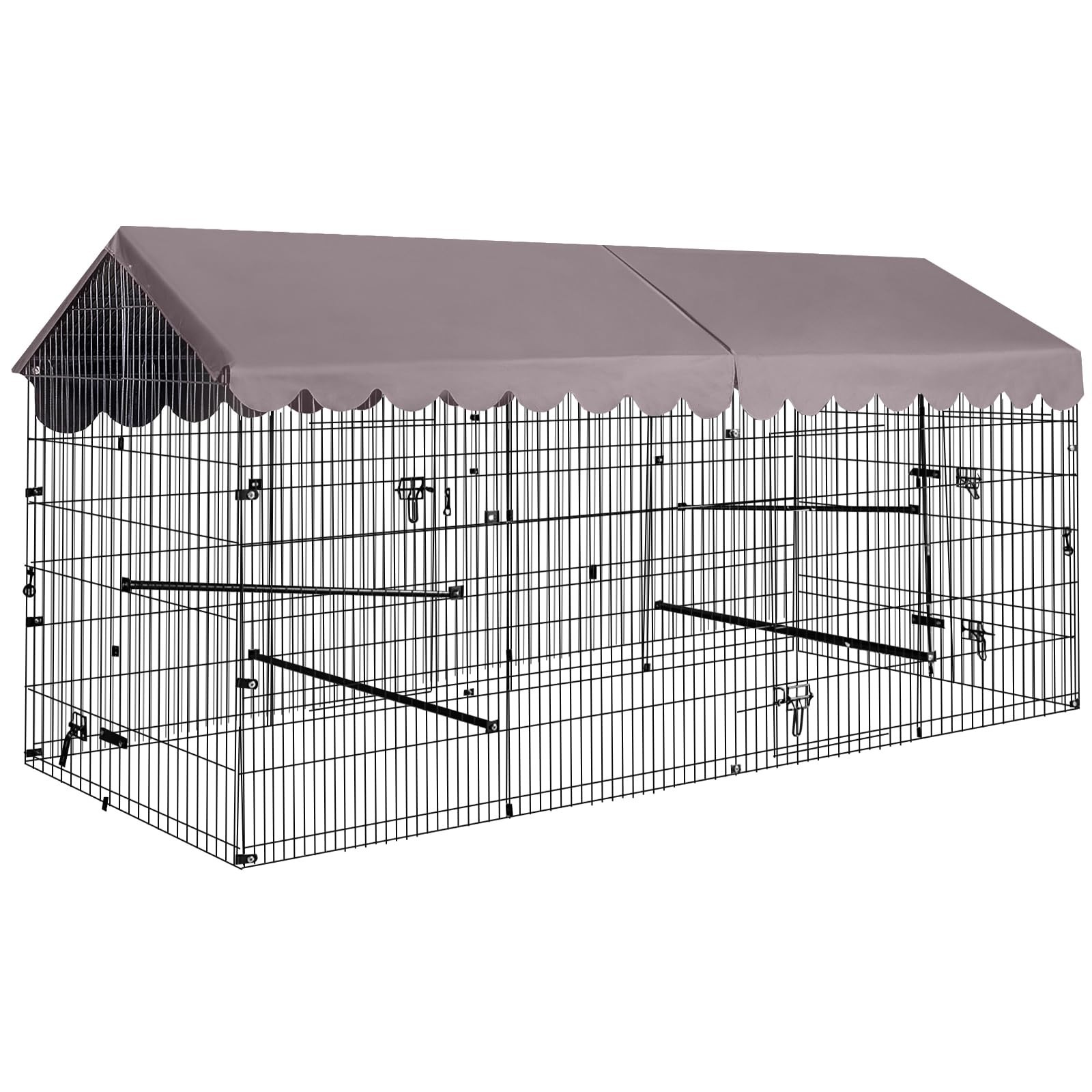 Super Large Metal Chicken Coop with Waterproof Cover Portable Poultry Cage$114.99View on eBay
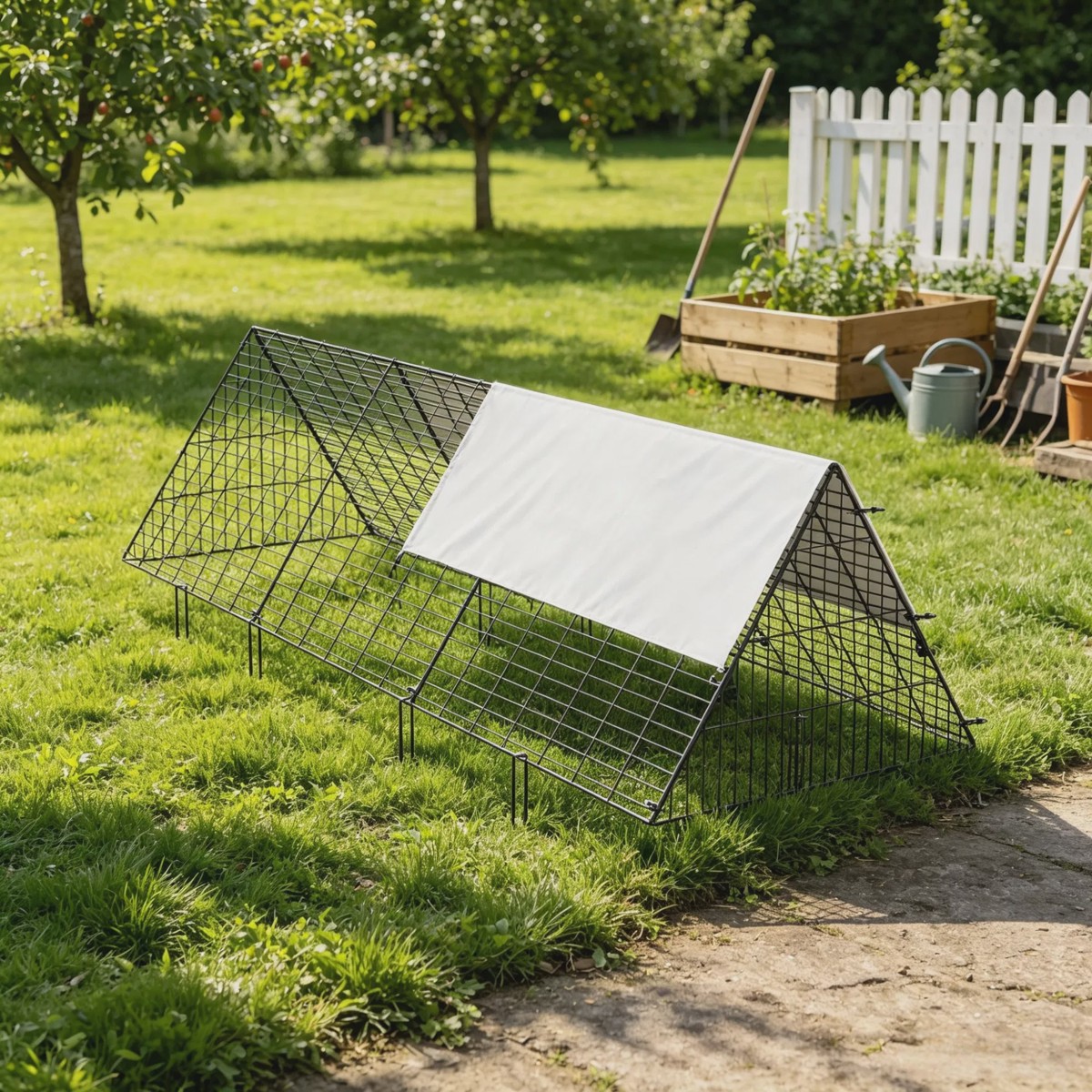 118.1 x 28 x 24.2 Inch Chicken Tunnels, Portable Coop Run for Yard, Easy Installation Outdoor Tunnel for Chickens, Ducks & Rabbits$146.99View on Mallflare
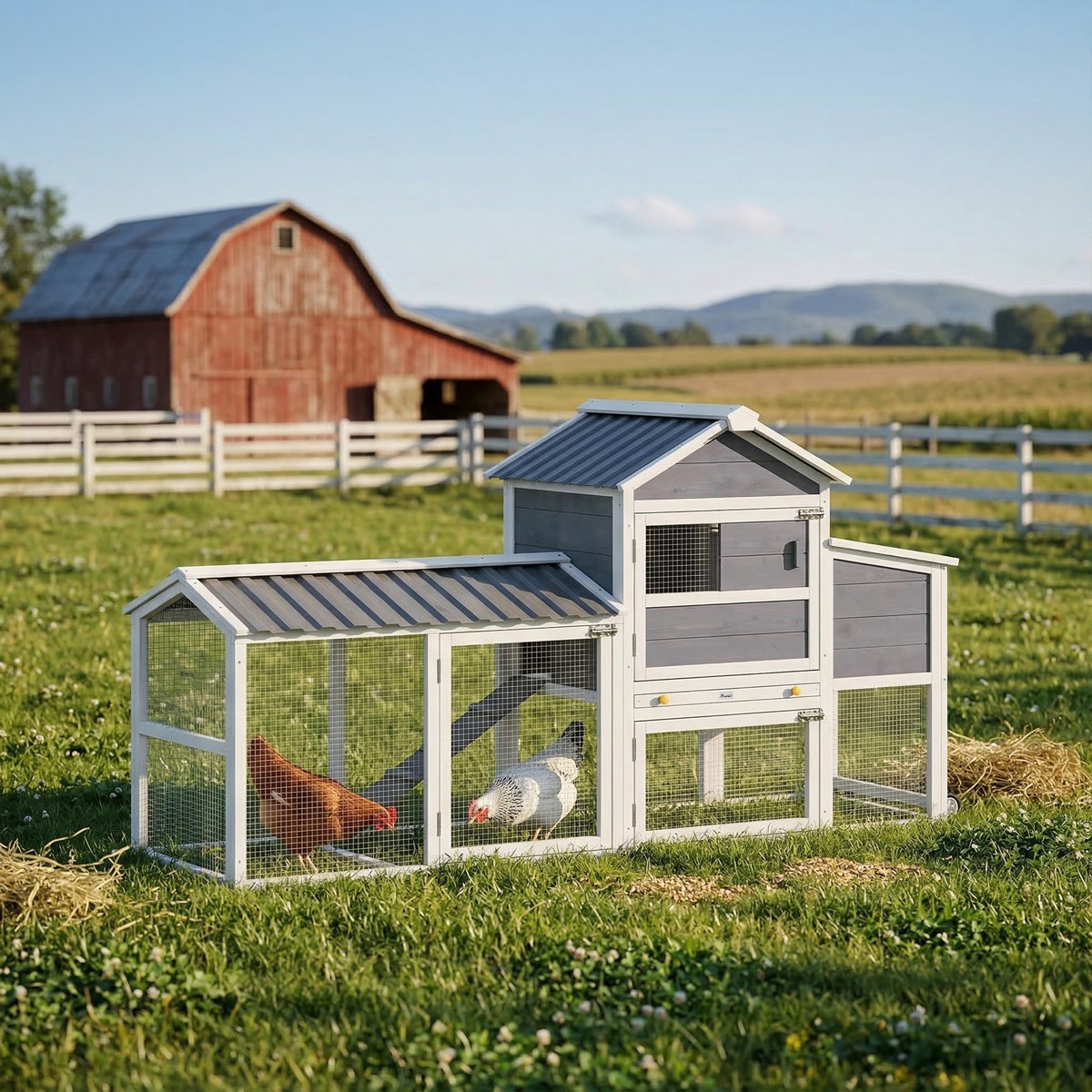
 Aivituvin Mobile Chicken Coop, Large Poultry Cage with Wheels for Backyard$164.99View on eBay
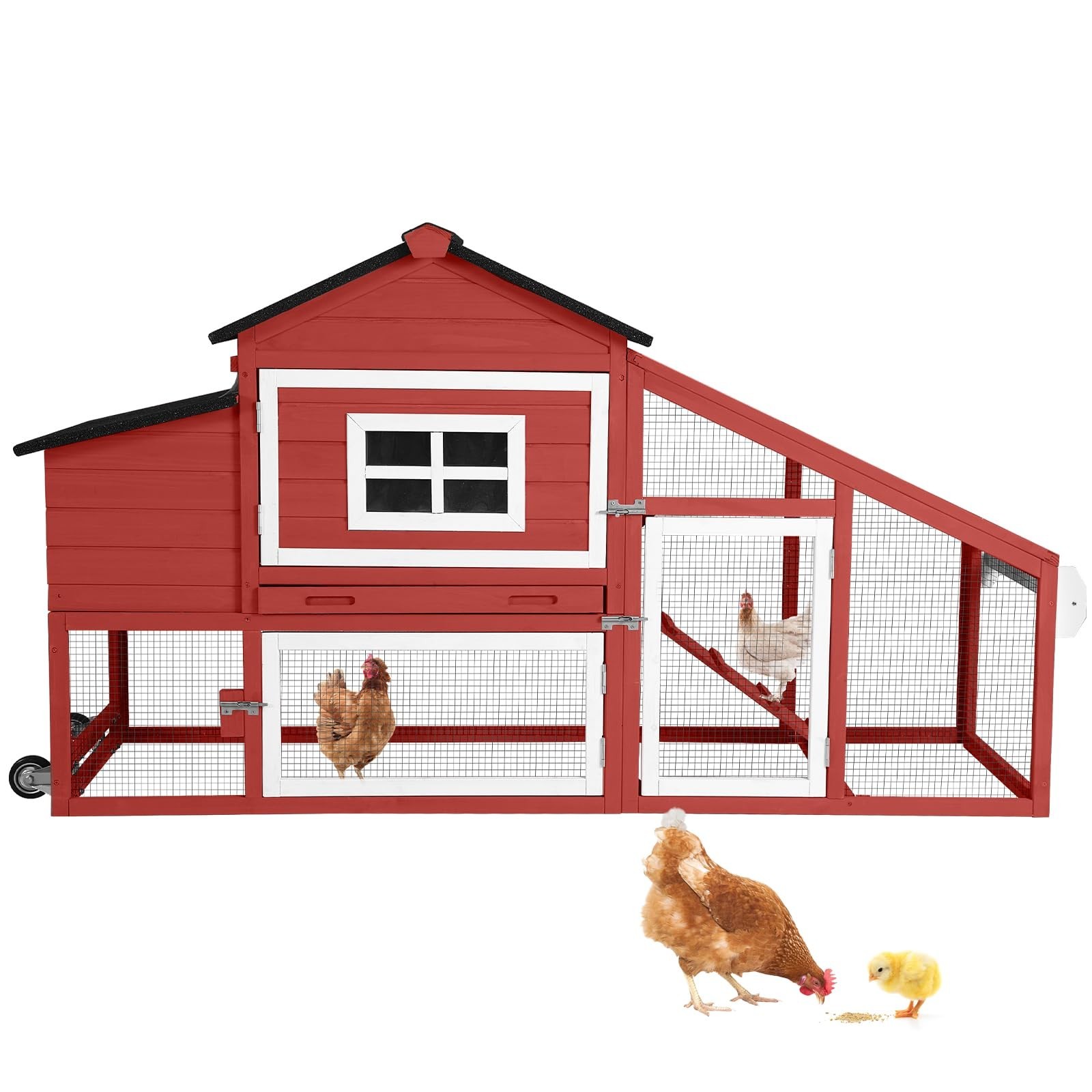
 Chicken Coop with Wheels, 80" L Mobile Hen House Run, Outdoor Wooden Nesting Box, Tray, Ramp$189.99View on Mallflare
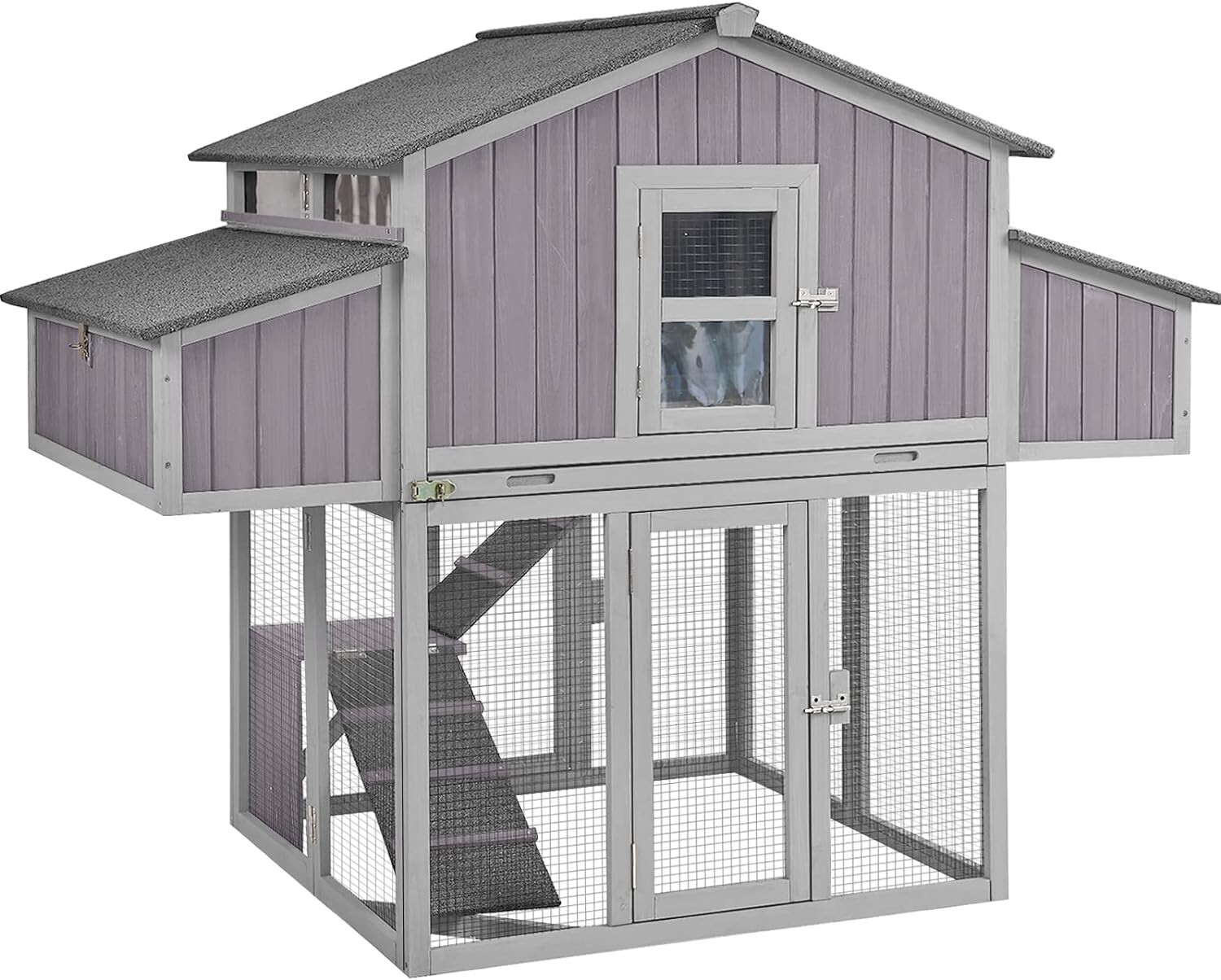 Aivituvin Chicken Coop Folding 26ft² Portable Chicken House Wooden Poultry Cage$319.99Last checked Nov 18, 2026View on eBay
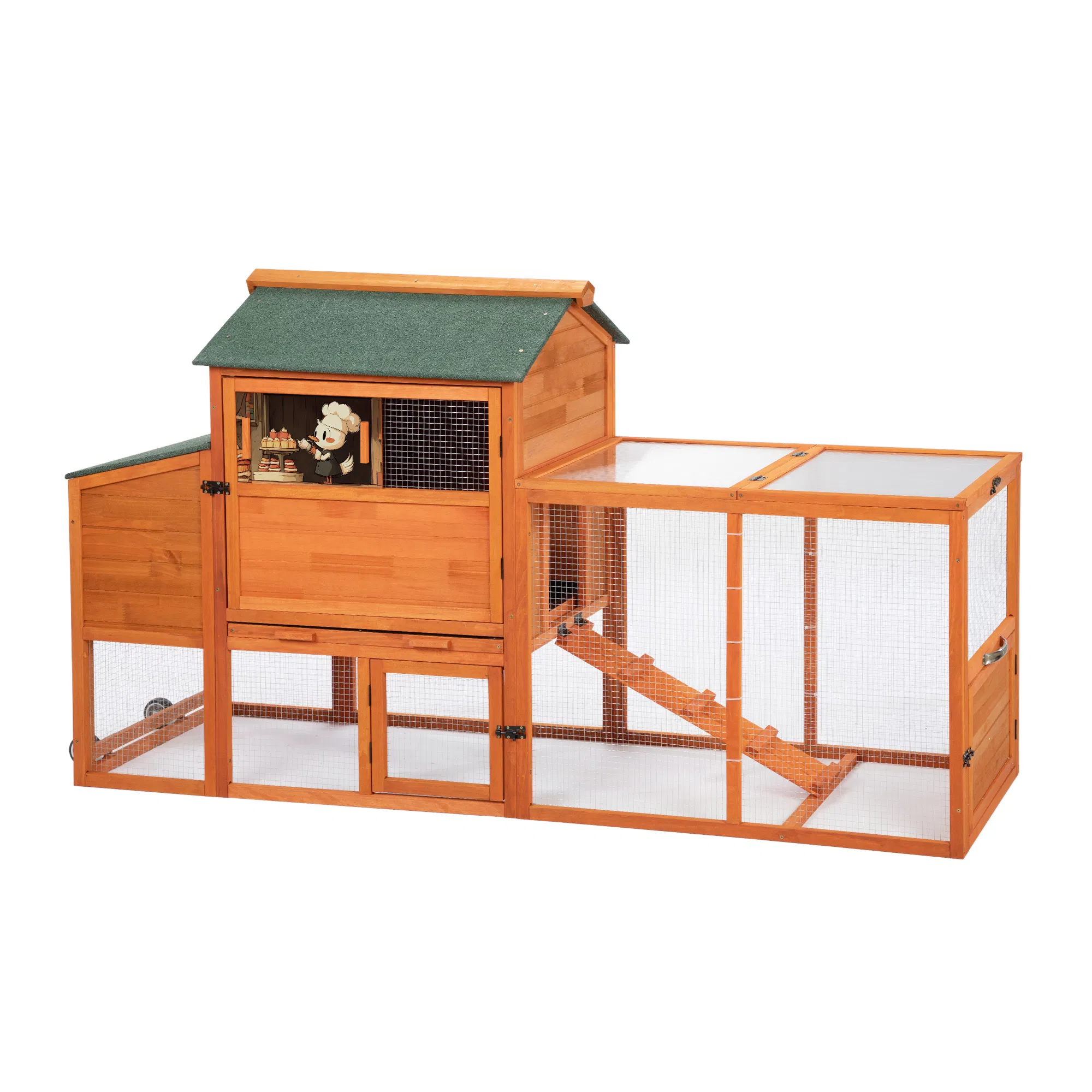 Portable Mobile Chicken Coop with Nesting Box, Sleeping Room, Run, Window, Sun Board, Doors, Pull-Out Tray, Wheels, Outdoor Backyard Pen for Small Animals, Orange Colorful Patterns$249.99View on Mallflare
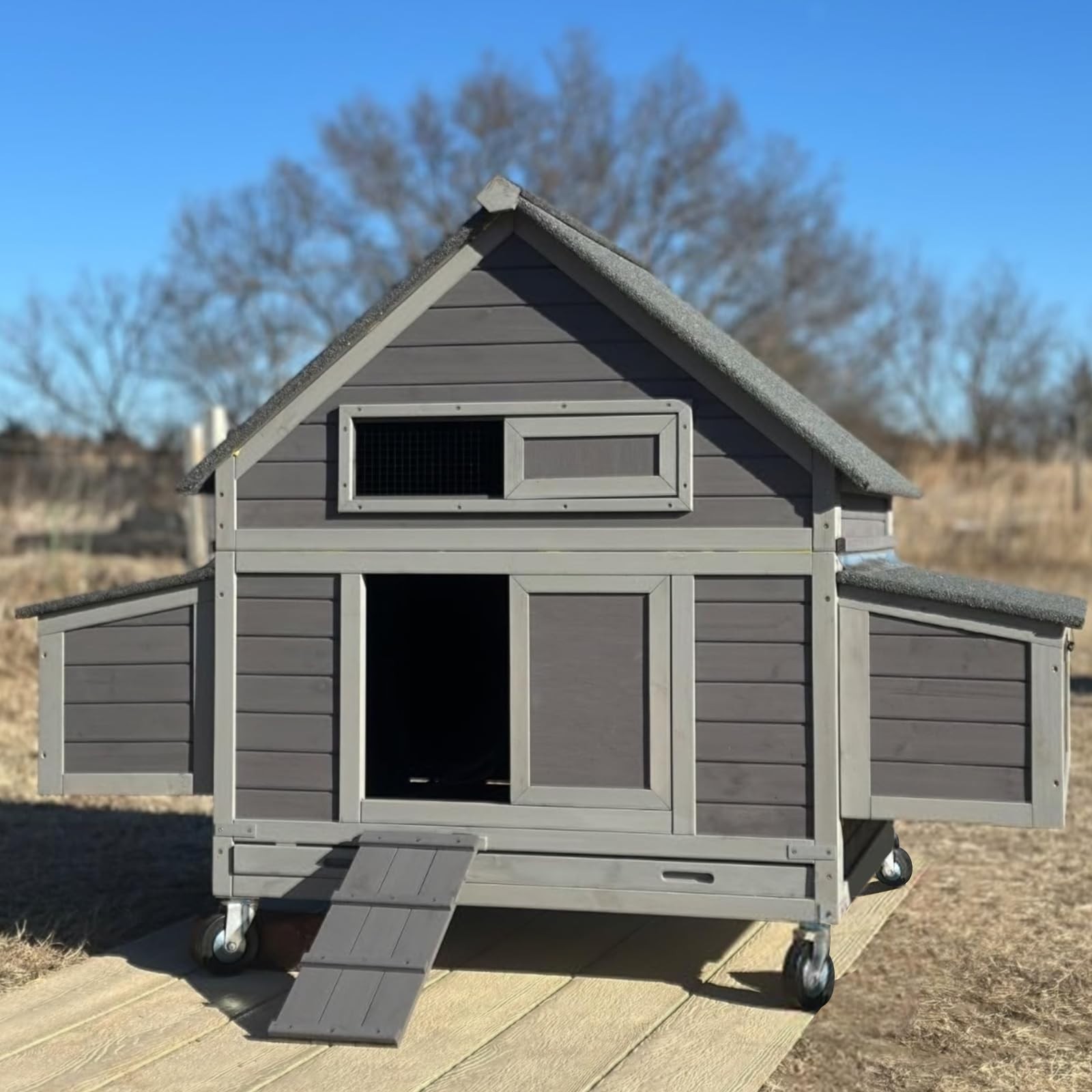 Large Chicken Coop on Wheels Mobile Wooden Weatherproof Hen House$329.99New · Last checked Nov 22, 2026View on eBay
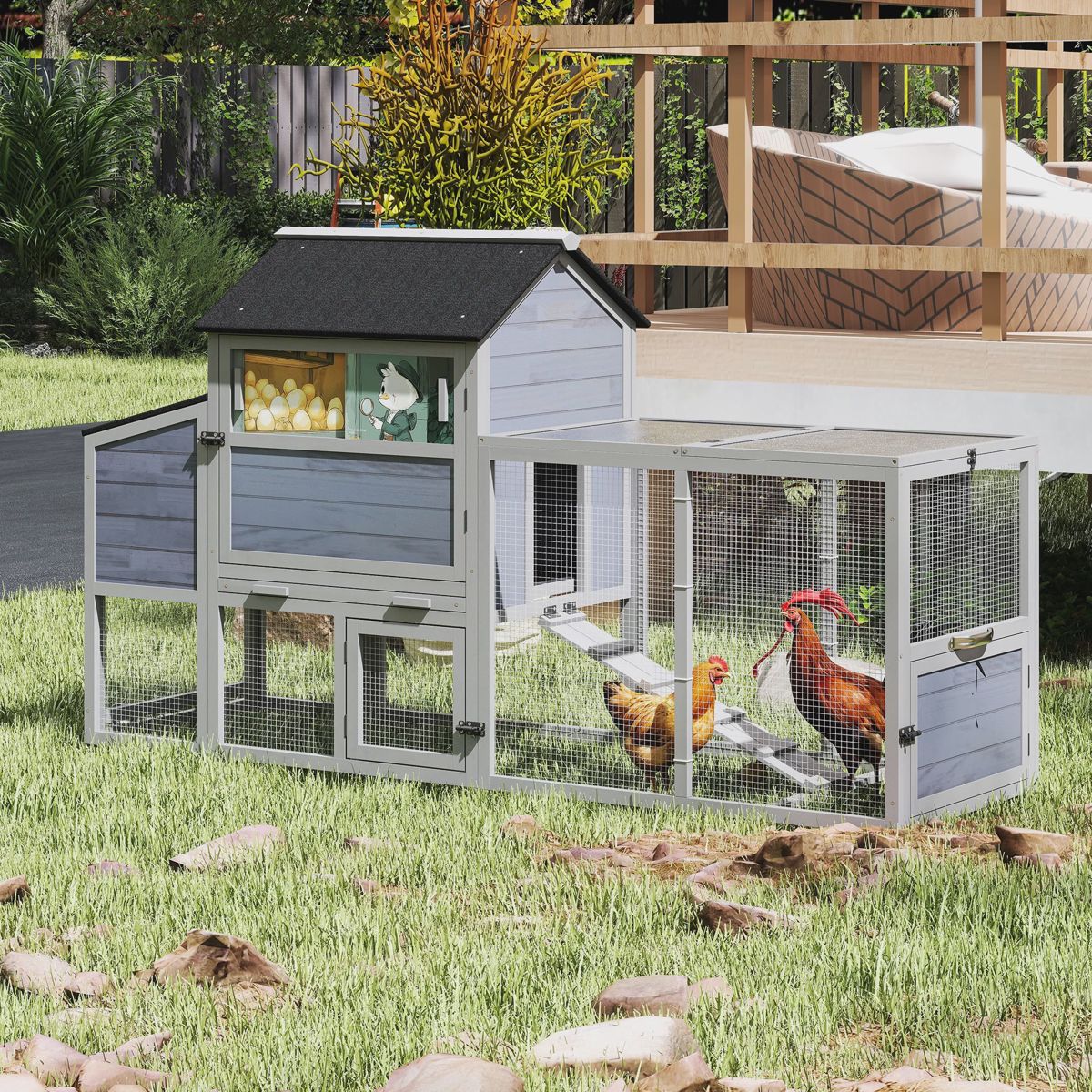 Portable Mobile Chicken Coop with Nesting Box, Sleeping Room, Run, Window, Sun Board, Doors, Pull-Out Tray, Wheels, Outdoor Backyard Pen for Small Animals, Gray Colorful Patterns$272.99View on Mallflare
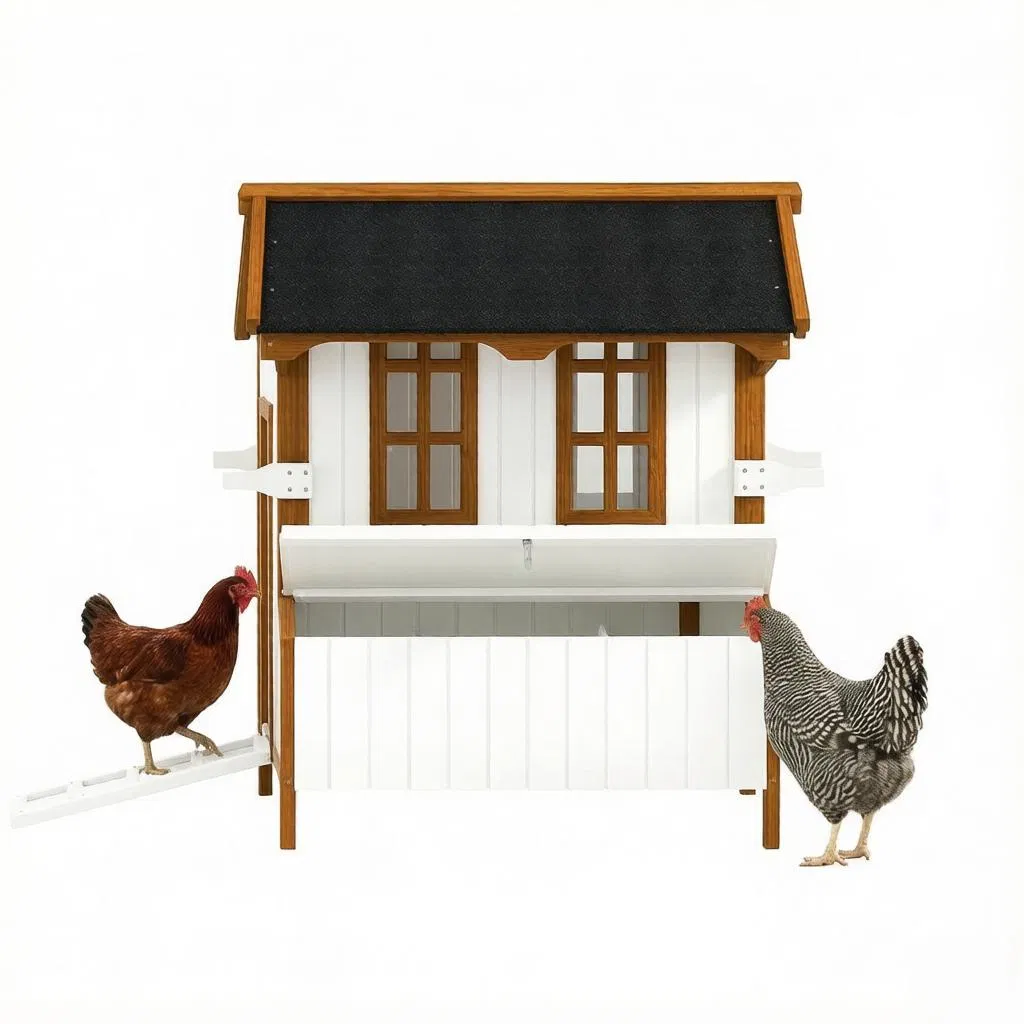 47" Wooden Chicken Coop House Portable Rabbit Hutch with Waterproof Roof Nesting Box And Handles for 3-5 Hens Poultry Cage for Backyard$279.99View on Mallflare
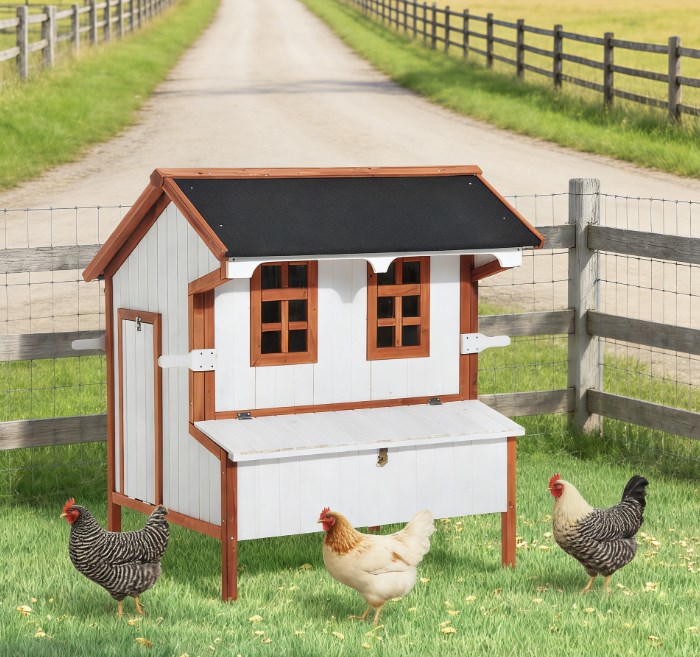 Portable Chicken House,Chicken Coop Wooden House,Rabbit Hutch Raised Poultry Cage$354.99View on Mallflare
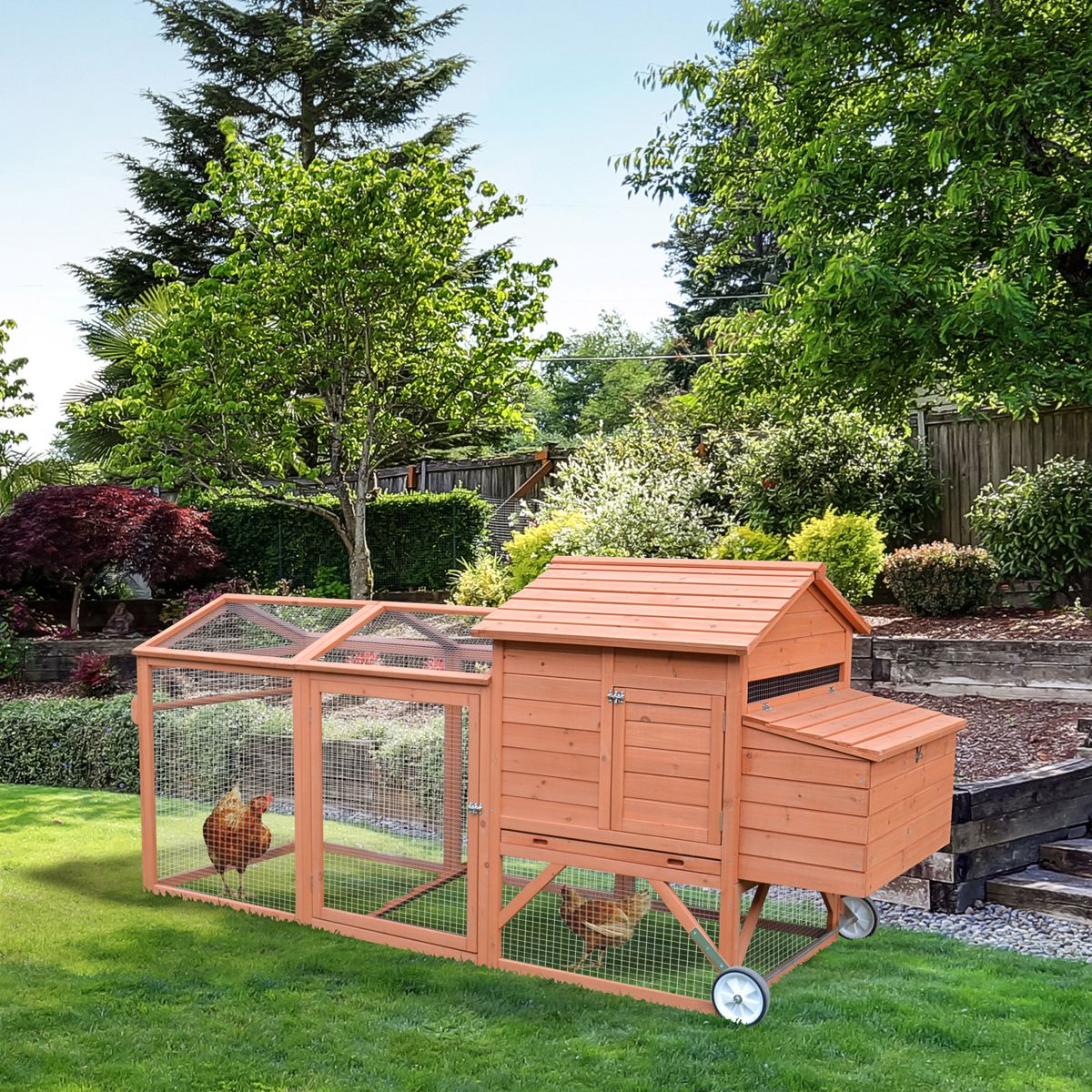 96.5" Chicken Coop Wooden Hen House Poultry Cage Pen Portable with Wheels and Nesting Box, for Backyard Outdoor, Natural$432.99View on Mallflare
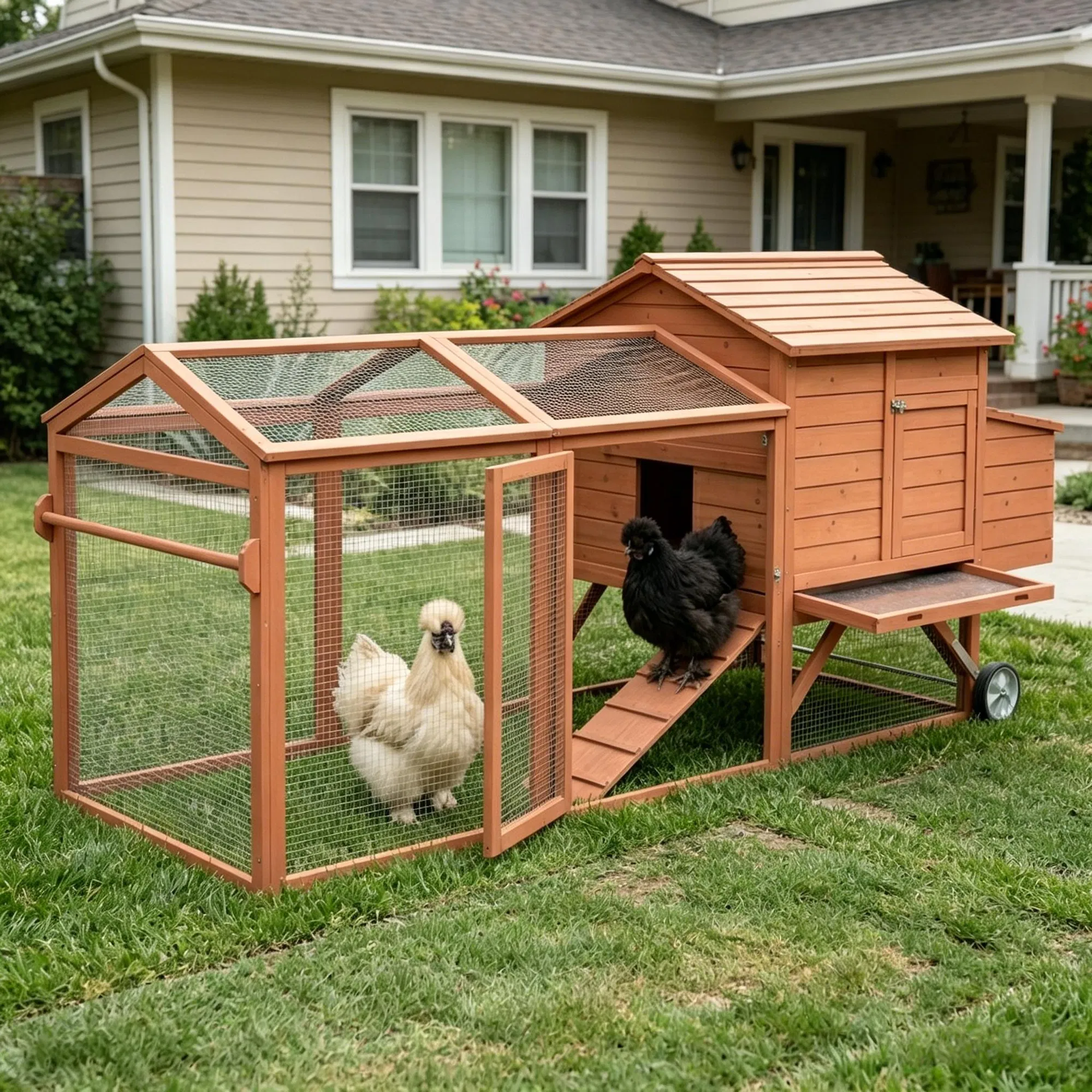 96.5 Inch Wooden Chicken Coop Portable Hen House with Nesting Box And Wheels Outdoor Backyard Poultry Cage Natural Color$496.99View on Mallflare
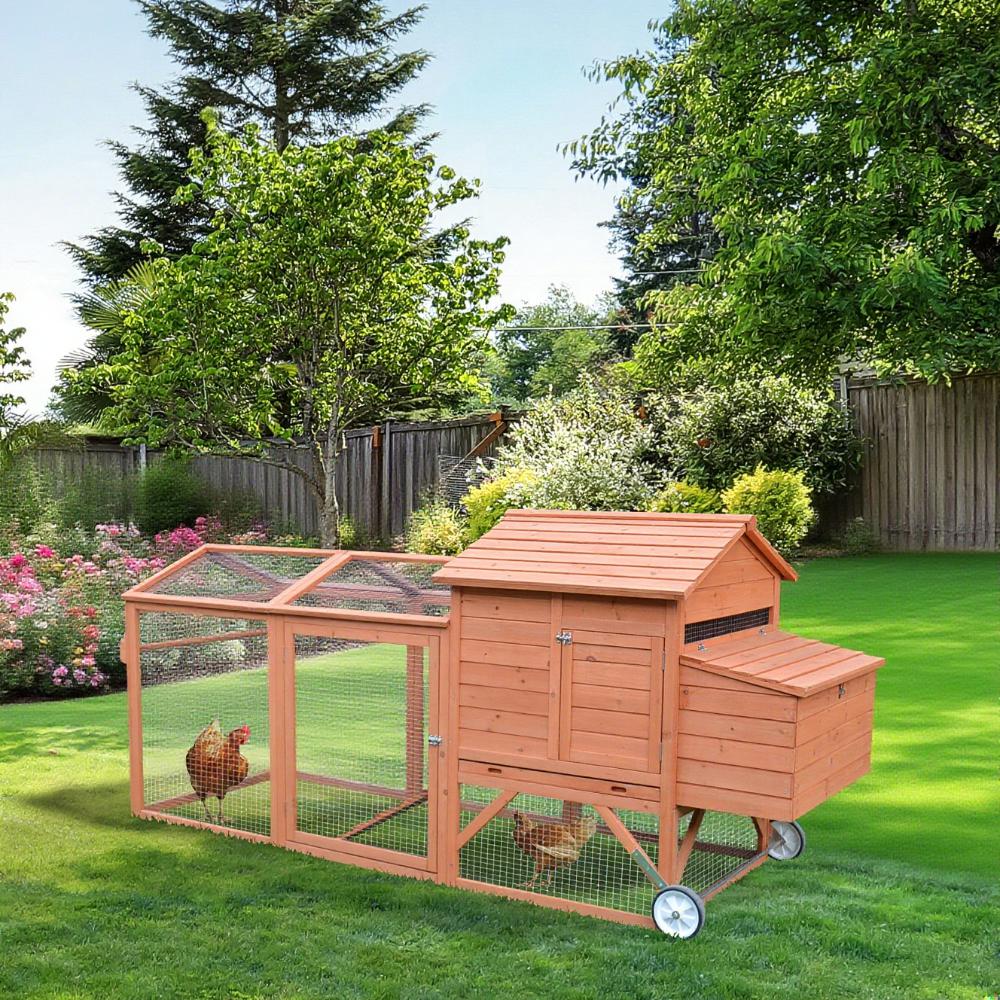 Chicken Coop Wooden Hen House Poultry Cage Pen Portable With Wheels And Nesting Box, For Backyard Outdoor, Natural$604.99View on Mallflare
Highlights
- Predator security is determined by mesh gauge: 1/2-inch hardware cloth excludes raccoons and snakes, while 1-inch chicken wire stops only adult birds and fails against digging and reaching predators.
- Mobility architecture splits into three tiers: wheel-and-handle lift kits, skid-drag frames, and folding panel tunnels; wheeled wooden coops with 2-4 perches and nesting boxes suit 4-6 birds.
- Floorless tractors rely on ground contact and a wire skirt apron buried 8-12 inches to stop digging; raised floor models need a solid pan or tray system for cleaning.
- Cover material decides weather life: UV-stabilized waterproof Oxford fabric covers last 1-3 seasons, while galvanized or PVC-coated welded wire over wood framing lasts a decade or more.
Best use cases
- Best fit: backyard flock of 4-6 hens on lawn or pasture — pick a wheeled wooden tractor with nesting boxes, perches, and 1/2-inch wire; skip fixed coops without wheels if you rotate ground weekly.
- Best fit: temporary seasonal grazing or garden cleanup — choose a folding panel tunnel or fabric-cover portable run for fast setup and light weight; skip it for permanent overnight housing in high-predator areas.
- Best fit: small suburban yard with HOA or noise constraints — select a compact 96-inch-class wooden tractor with handles for one-person moves; skip large metal cage runs that require two people and storage space.
- Wrong fit: open-range nighttime protection against coyotes or bears — no tractor replaces a hard-sided coop with a locking door and buried apron; use a tractor only as a daytime foraging pen.
Buying tips
- Size by floor area, not bird count claims: allow 8-10 square feet of run per hen and 2-3 square feet of sheltered coop space; a 26-square-foot tractor realistically houses 3-4 standard hens.
- Match mesh to predators: require 1/2-inch hardware cloth on all lower panels and a 12-inch buried or pinned apron; reject chicken wire or fabric-only walls for overnight use.
- Check wheel and handle geometry: lift-and-roll kits need pneumatic or large-diameter wheels for turf, while skid frames drag only on smooth ground; confirm the frame has a tow bar or handles at waist height.
- Prioritize treated or cedar wood and galvanized hardware: untreated pine rots within 2-3 seasons in wet climates, and zinc-plated staples or screws outlast bare steel in humid runs.
Specs
| Mobility Type | Wheels / Skid / Folding panels |
|---|---|
| Predator Mesh | 1/2-in hardware cloth vs 1-in wire |
| Flock Capacity | 4-6 hens (8-10 sq ft run each) |
| Frame & Cover | Treated wood+wire / Steel+fabric |
Related searches
What to check before buying
- Measure your gate and path width before buying: a 96.5-inch-long tractor needs a clear route at least 30 inches wide and a turning radius at the yard entrance.
- Confirm lawn or pasture access: wheeled tractors need flat, obstacle-free ground; rocky or sloped terrain requires a lighter folding tunnel or a fixed coop instead.
- Verify flock size against floor area and perch count: standard hens need 8-10 square feet of run each, and bantam or duck flocks need ground-level shelter and water access.
- Check climate fit: fabric covers shed rain but trap heat, so choose open-wire sides with a shaded roof in hot climates and add a windbreak panel for winter.
FAQ
Data sources: eBay / Amazon listings and product attribute feeds. Updated Nov 28, 2026.
Some links on this page are affiliate links. If you buy after clicking one, we may earn a commission at no extra cost to you. This does not change which products appear here or their order. Affiliate disclosure.