
Photos from current listings. Actual item, color, and included accessories may vary.
Plastic Planter Buying Guide
Plastic planters range from lightweight nursery pots to large outdoor urn-style containers and elevated raised beds, where the core trade-off is between UV-stabilized, thick-walled PP or HDPE construction and thin, brittle, fade-prone plastic. Durable options use virgin resin with UV inhibitors, wall thickness of at least 2–3 mm, and molded drainage; compromises rely on regrind plastic that cracks within a season or two. Buyers should pick based on resin grade, wall thickness, drainage design, and frost/UV rating rather than decorative shape alone.
Median $98.99
Key takeaways
- UV-stabilized polypropylene (PP) and high-density polyethylene (HDPE) resist fading and cracking; un-stabilized regrind plastic becomes brittle after one to two seasons of sun exposure.
- Wall thickness above 2–3 mm with reinforced rims and molded-in drainage holes determines impact resistance and root-zone aeration; thin-walled pots under 1.5 mm crack under soil load.
- Self-watering planters use a reservoir with a wicking column or mat; reservoir capacity of roughly 1–2 gallons per cubic foot of soil suits most indoor and patio plants.
At a glance
- Category
- Raised Garden Beds & Planters
- Last updated
- Nov 27, 2026
Current offers
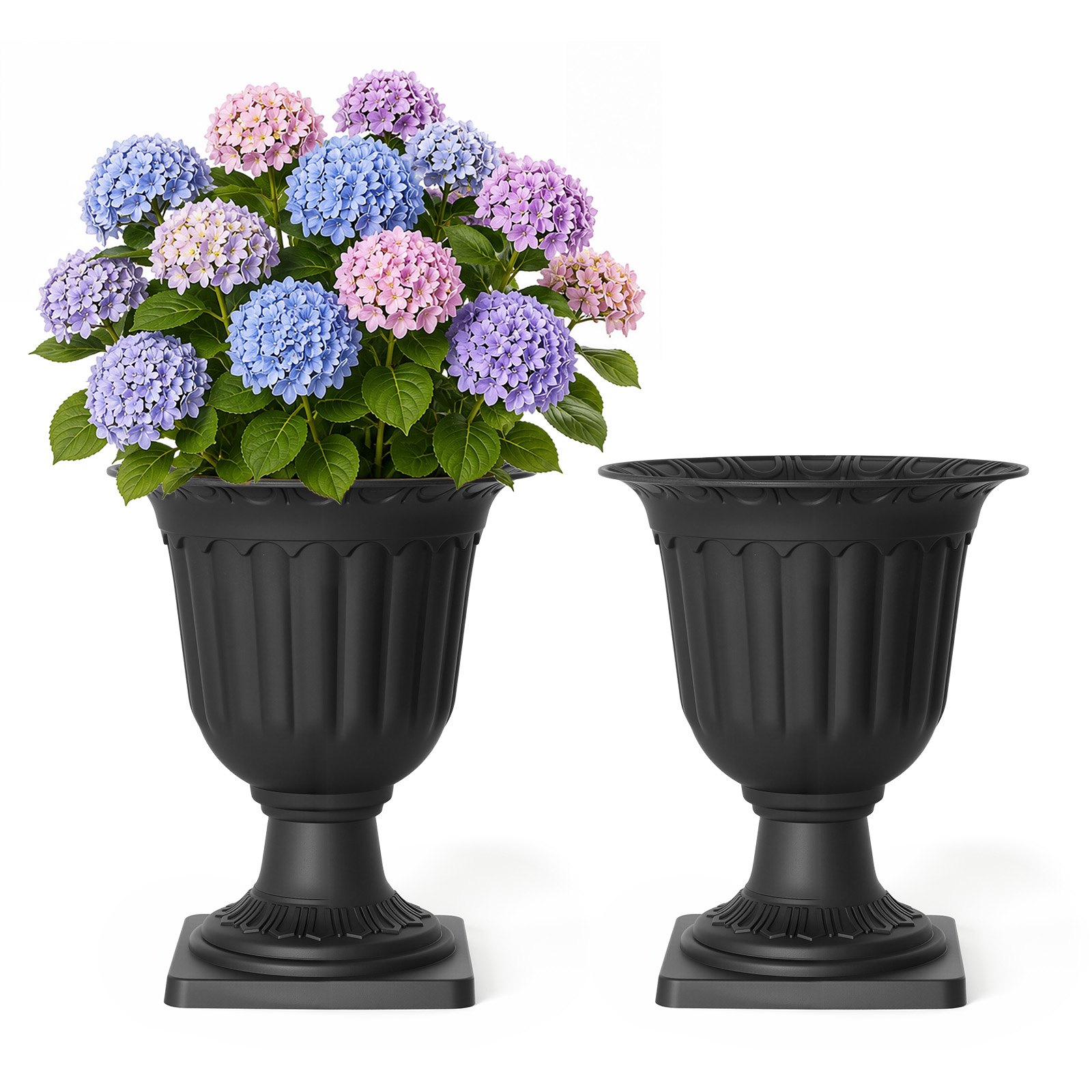 Plastic Urn Planters 15.75"x18.9" 2 PCS Black Classic Urn Flower Pot, for Wedding, Party, Event, Home, Stage, Garden, Balcony, and Patio Decoration, Front Porch Indoor & Outdoor Vase$46.99View on Mallflare
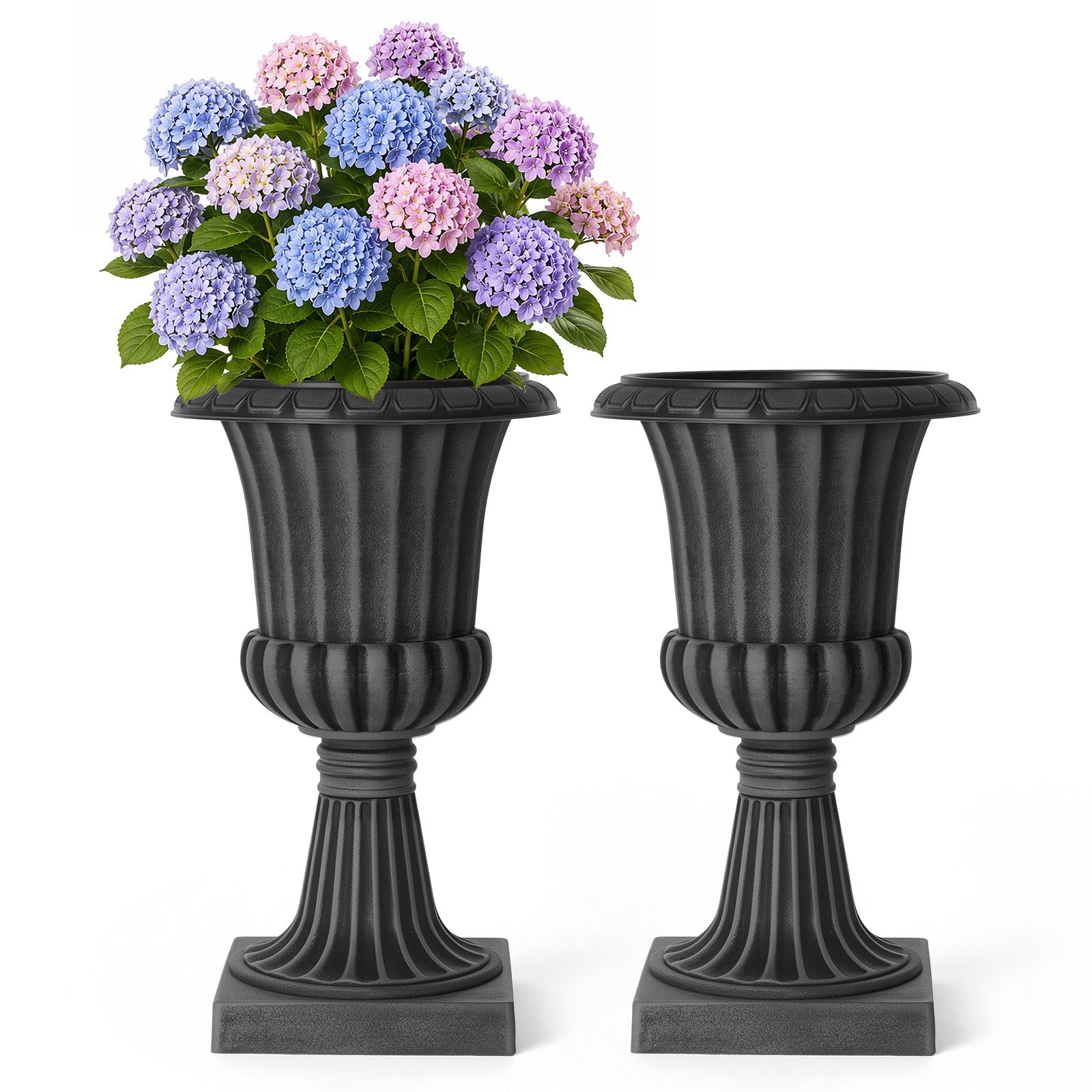 Plastic Urn Planters 13.78"x22.83" 2 PCS Gray Classic Urn Flower Pot, for Wedding, Party, Event, Home, Stage, Garden, Balcony, and Patio Decoration, Front Porch Indoor & Outdoor Vase$51.99View on Mallflare
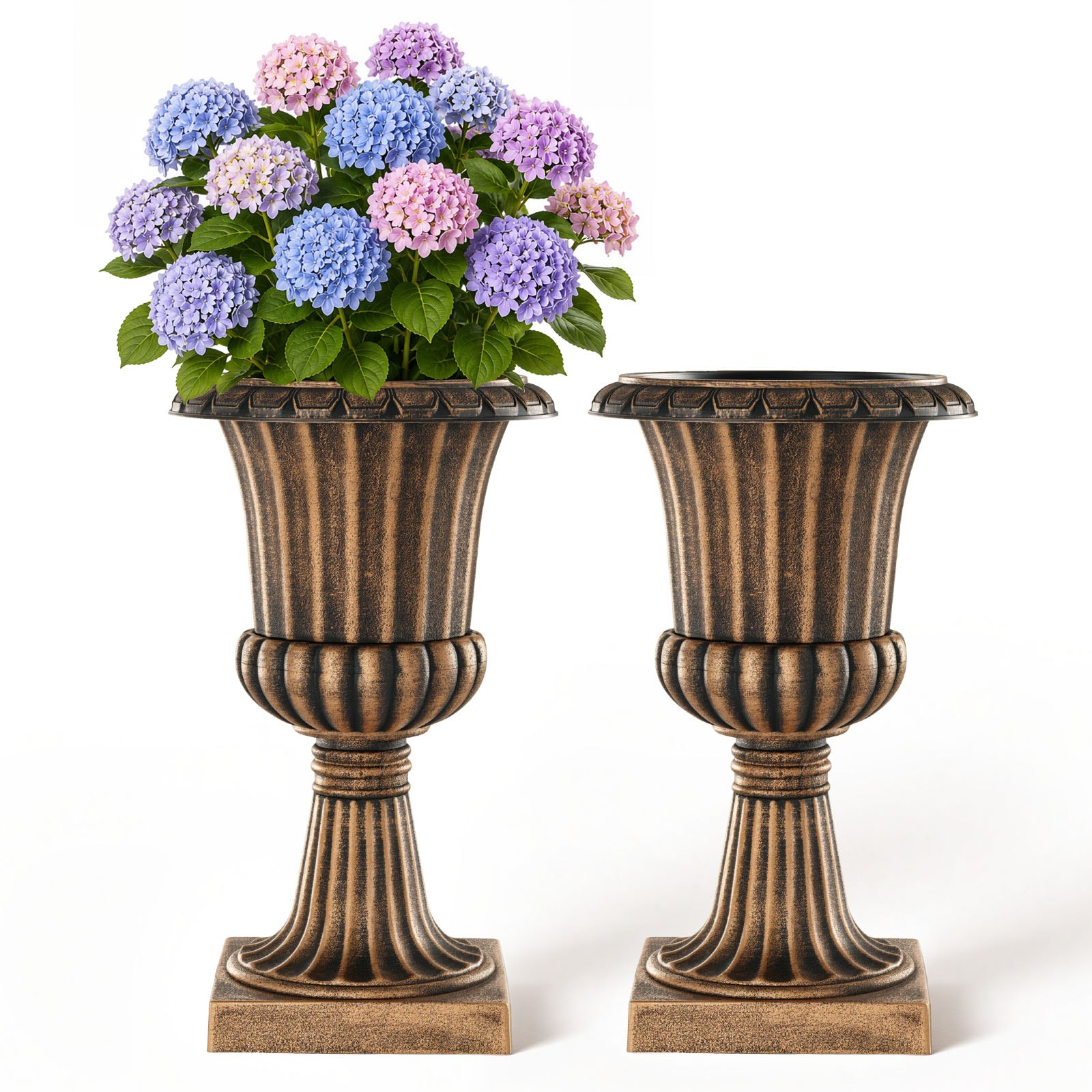 Plastic Urn Planters 13.78"x22.83" 2 PCS Brass Classic Urn Flower Pot, for Wedding, Party, Event, Home, Stage, Garden, Balcony, and Patio Decoration, Front Porch Indoor & Outdoor Vase$61.99View on Mallflare
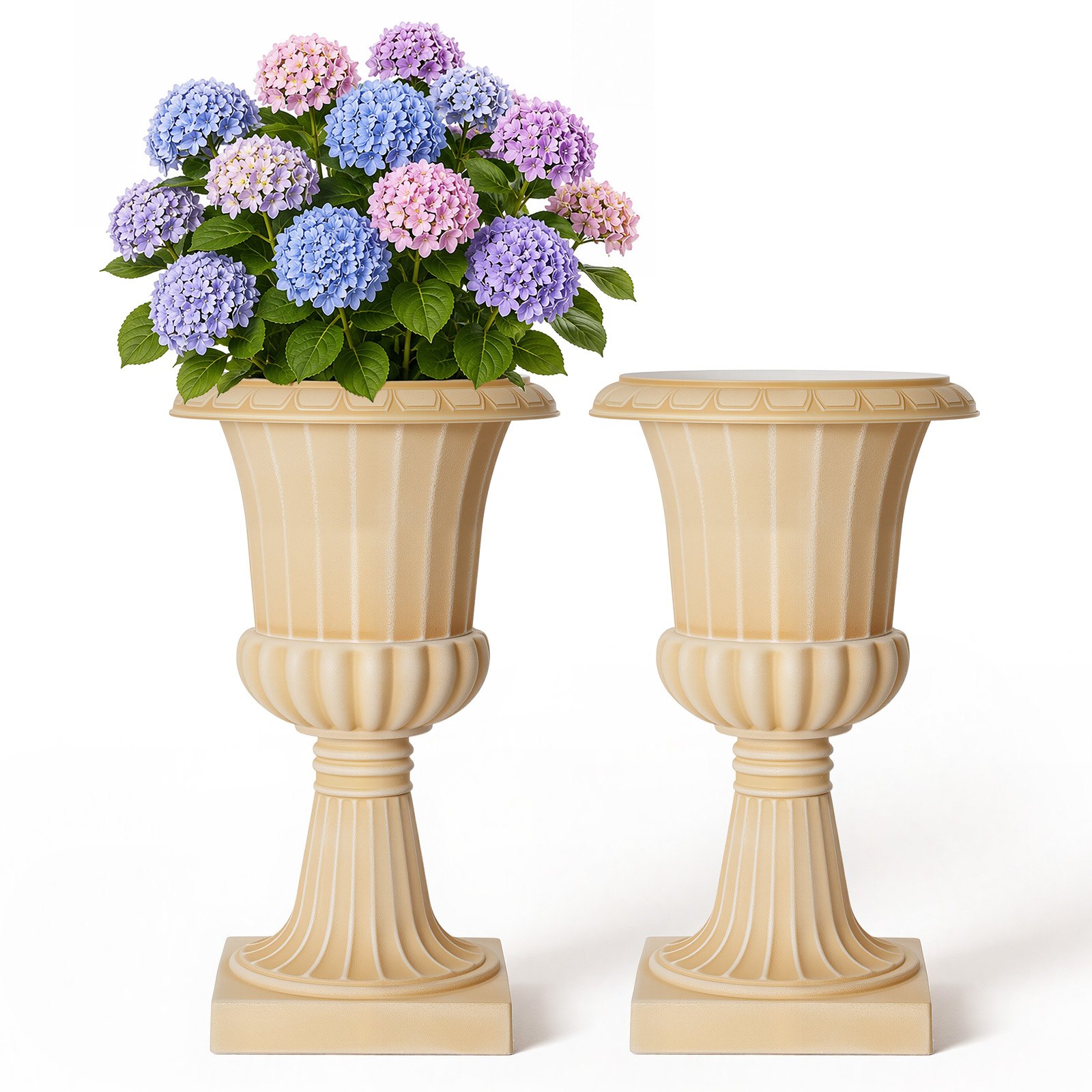 Plastic Urn Planters 13.78"x22.83" 2 PCS Beige Classic Urn Flower Pot, for Wedding, Party, Event, Home, Stage, Garden, Balcony, and Patio Decoration, Front Porch Indoor & Outdoor Vase$62.99View on Mallflare
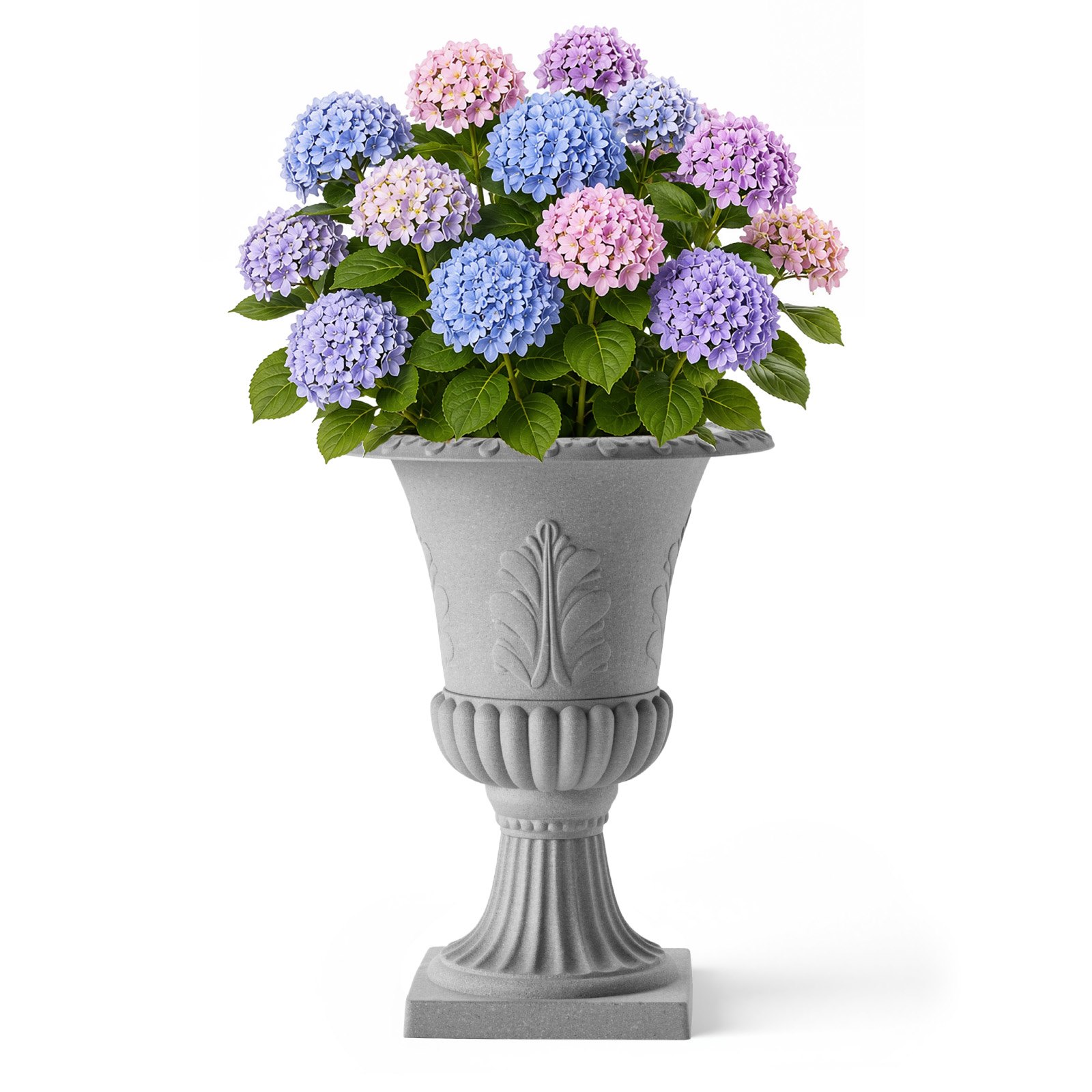 Plastic Urn Planter 15.75"x21.26" 1 Pack Gray Classic Urn Flower Pot, for Wedding, Party, Event, Home, Stage, Garden, Balcony, and Patio Decoration, Front Porch Indoor & Outdoor Vase$67.99View on Mallflare
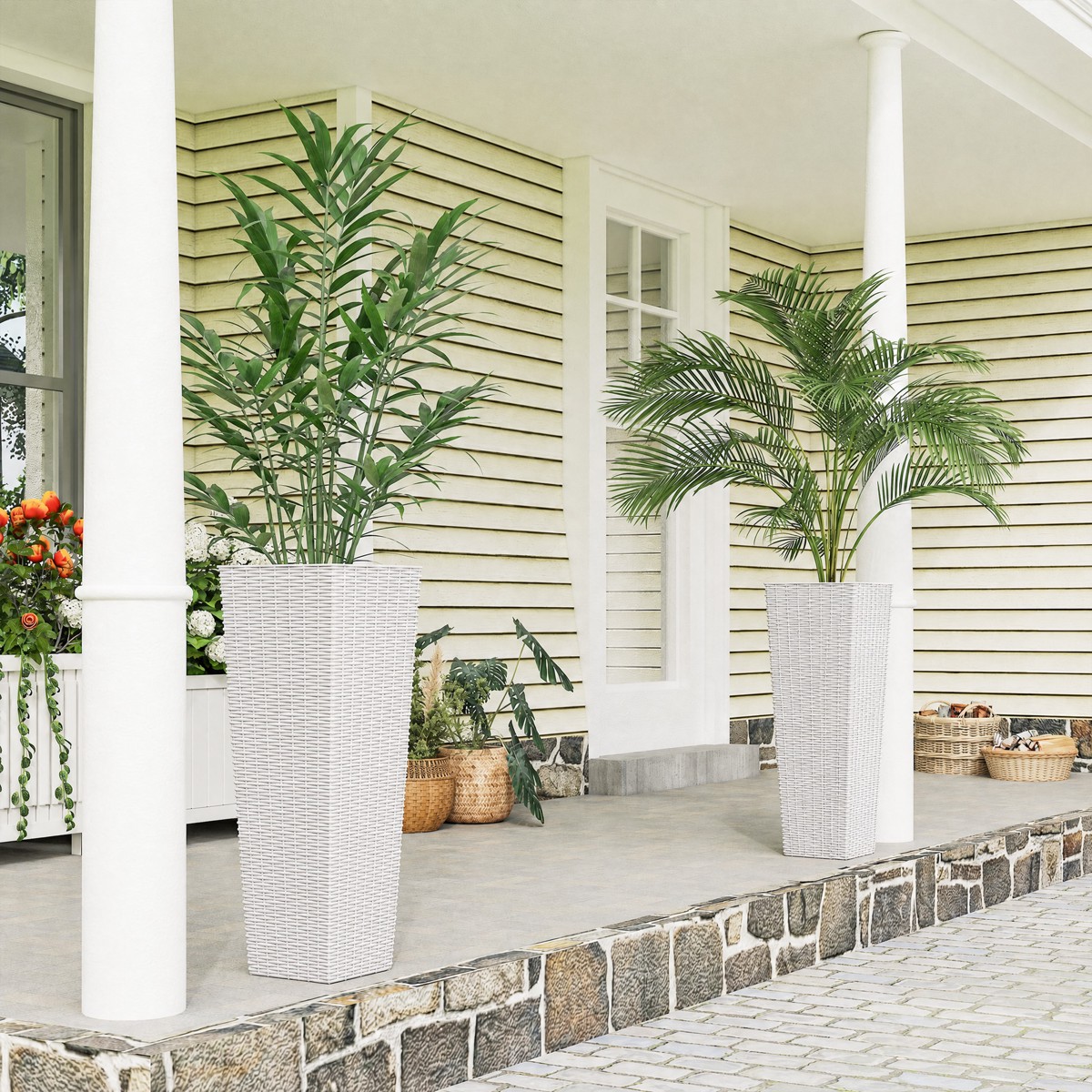 32 Inch Tall Planters for Outdoor Plants, Set of 2 Plastic Flower Pots with Drainage Holes, White$86.99View on Mallflare
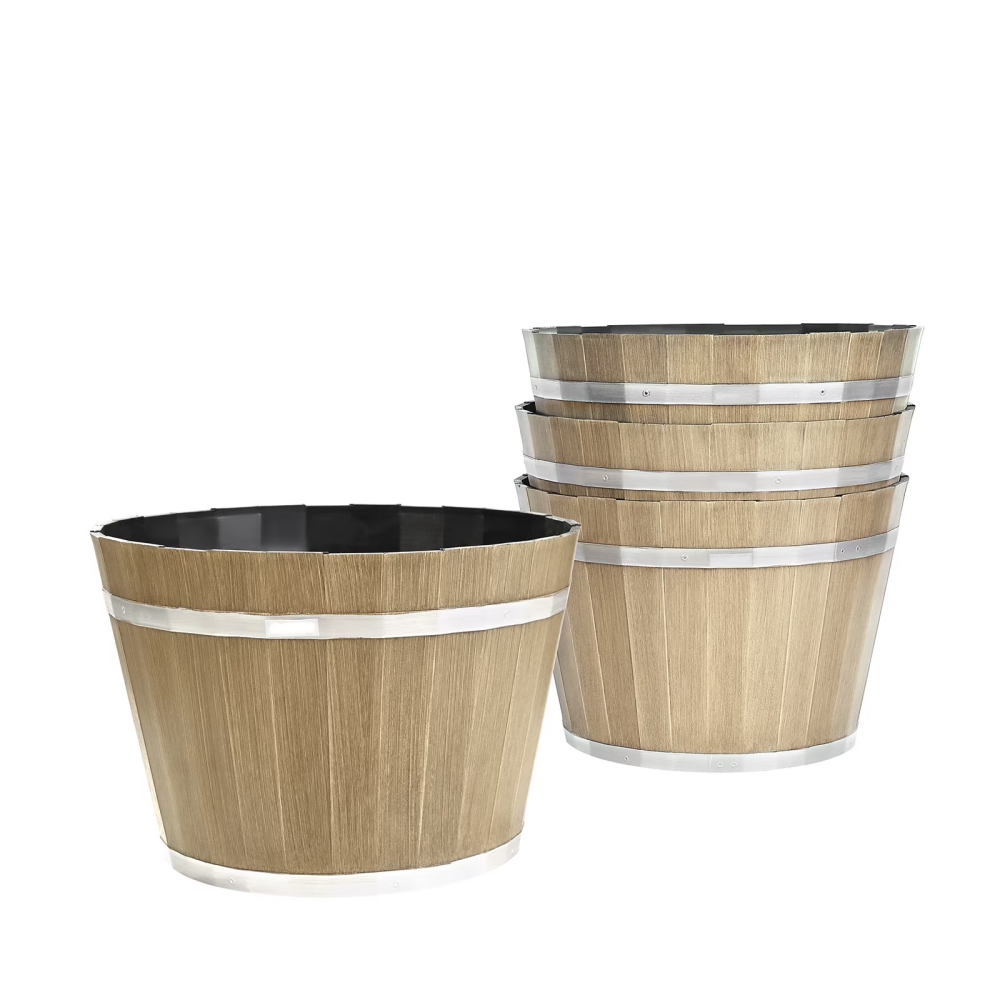 Set of 4 Large 11.81-inch Whiskey Barrel-Style Planters with Drainage Holes, Durable Plastic Flower Pots for Indoor and Outdoor Use, Rustic Brown Design for Gardens, Homes, and Plants$110.99View on Mallflare
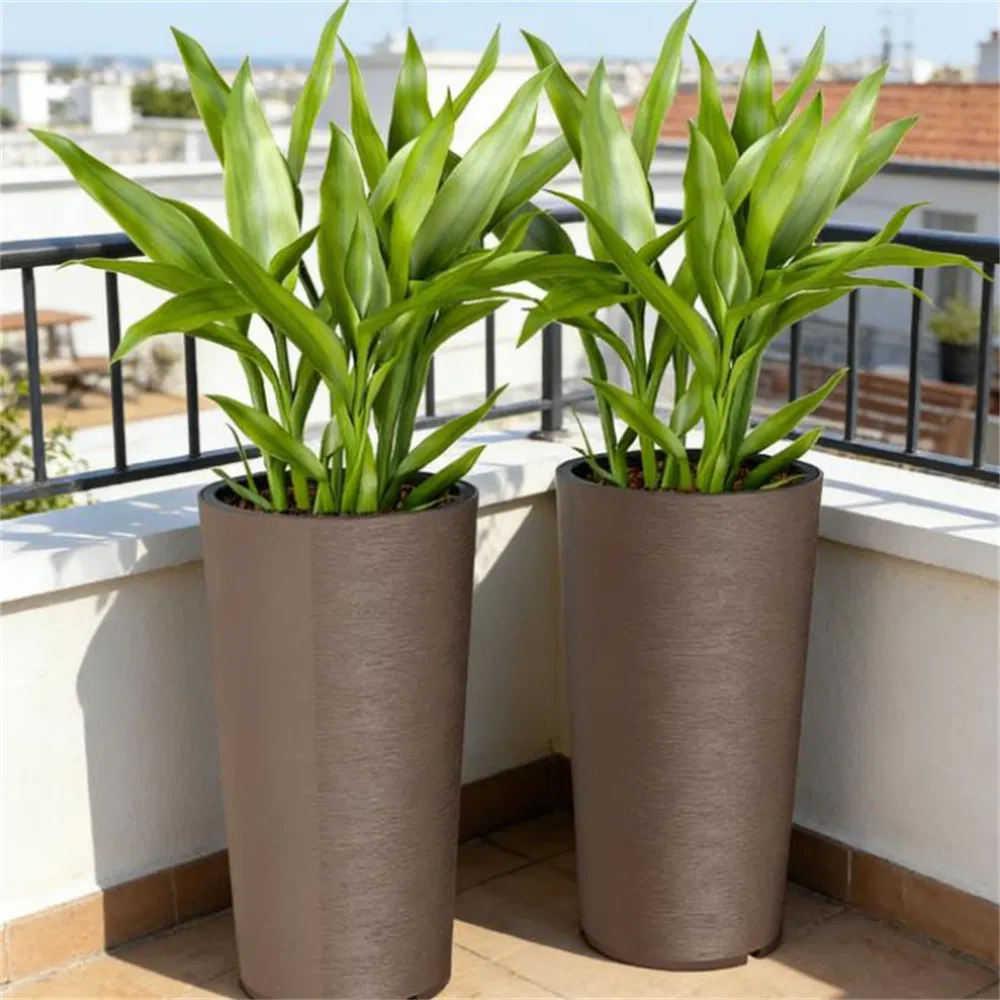 Outdoor flower pot, set of 2 plastic pots, space saving brown color$120.99View on Mallflare
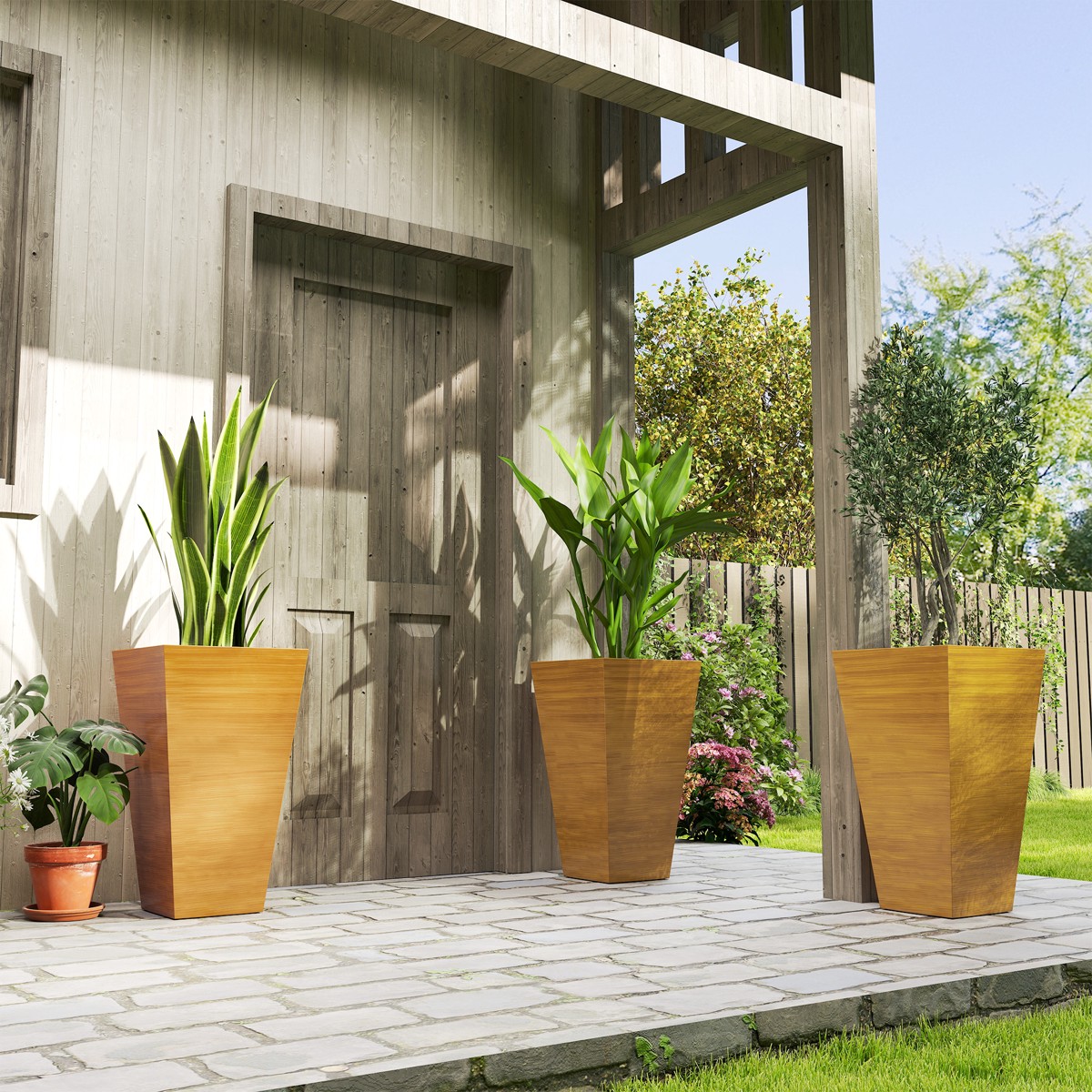 Set of 3 Tall Planters, 28" Outdoor Planter w/ Drainage Holes, Faux Wood Plastic Flower Pots, Light Brown$122.99View on Mallflare
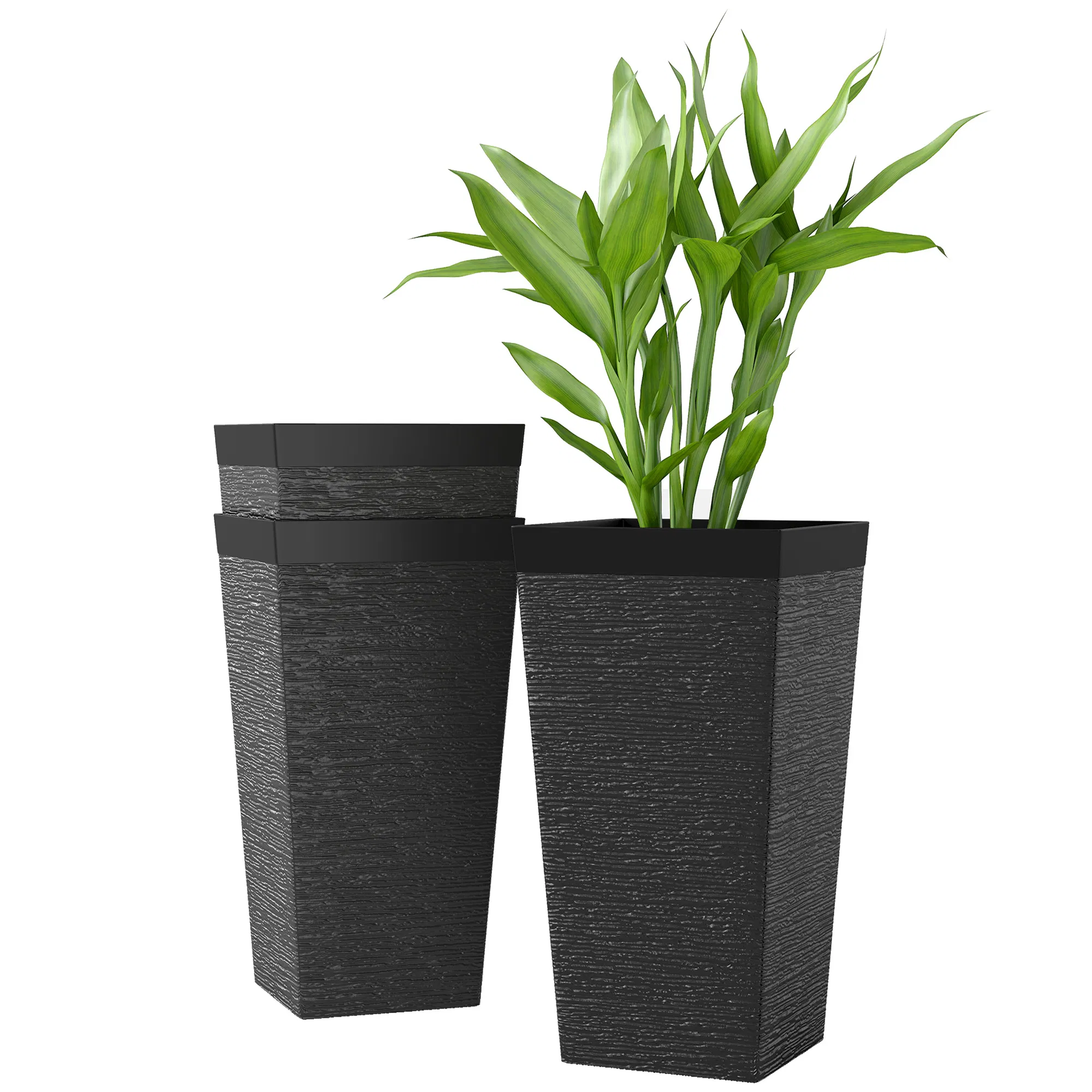 Set of 3 Plastic Flower Pots$142.99View on Mallflare
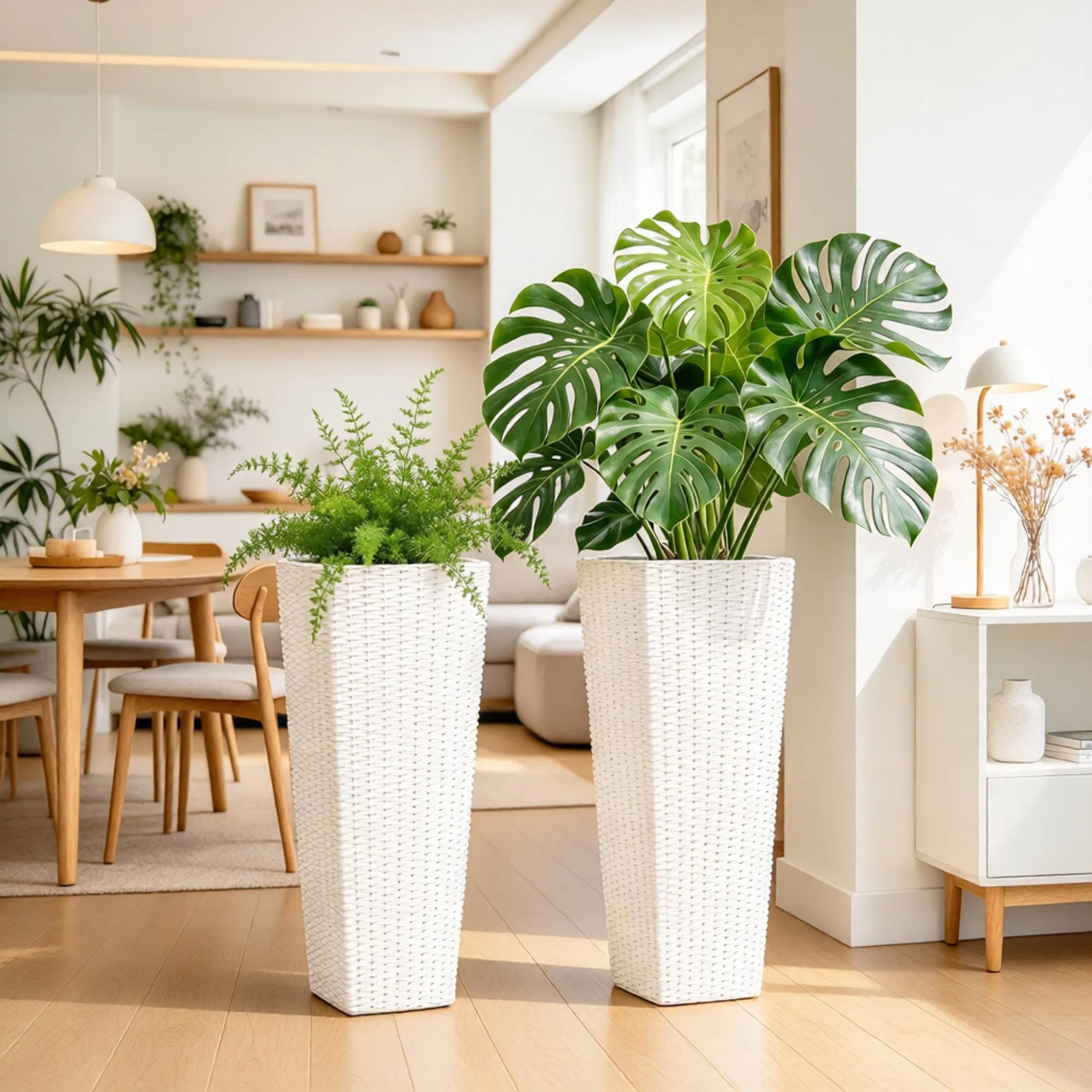 Set of 2 Tall Planters 32 Inch, Plastic Flower Pots for Outdoor Plants with Drainage Holes, White$144.99View on Mallflare
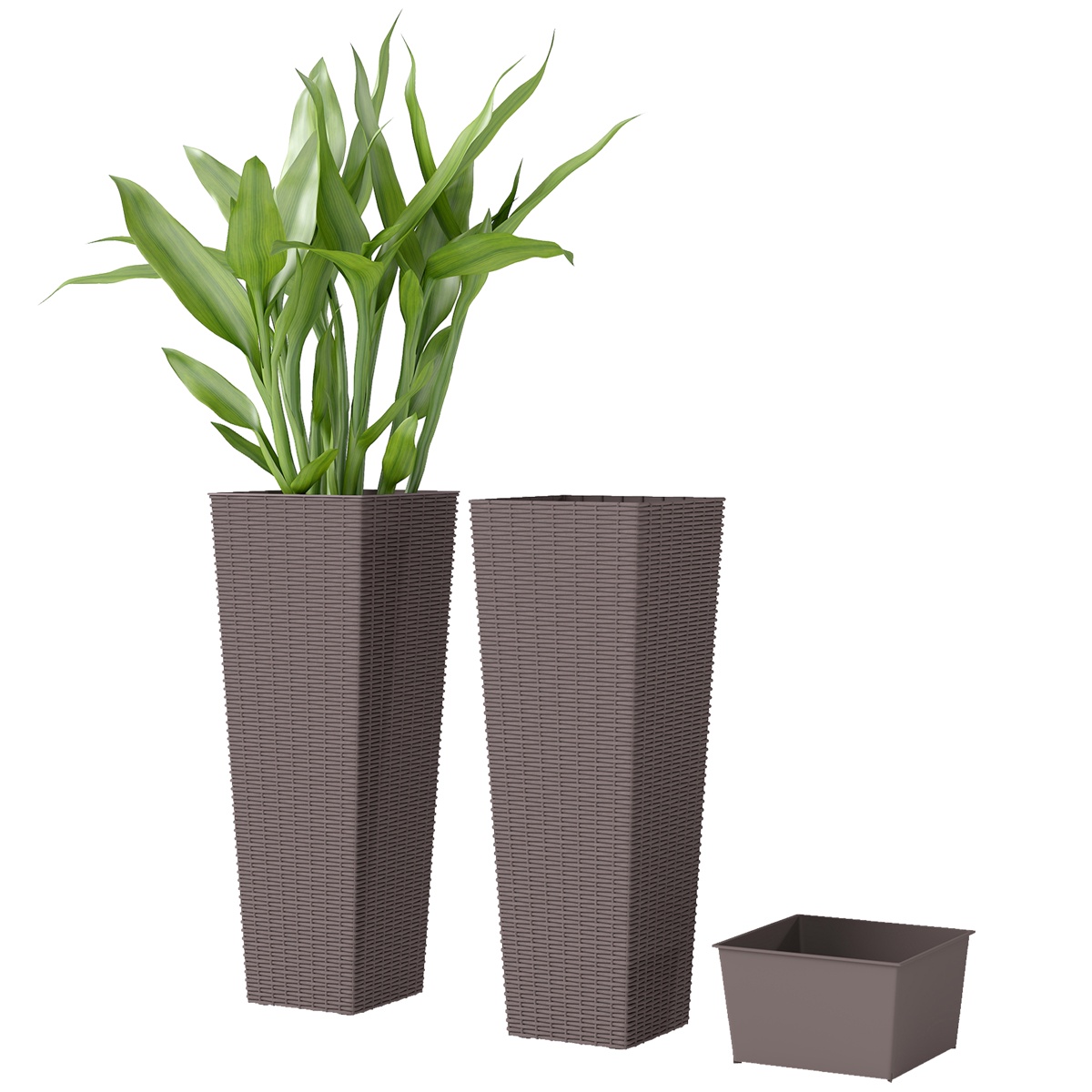 Set of 2 Plastic Flower Pots$176.99View on Mallflare
Highlights
- UV-stabilized polypropylene (PP) and high-density polyethylene (HDPE) resist fading and cracking; un-stabilized regrind plastic becomes brittle after one to two seasons of sun exposure.
- Wall thickness above 2–3 mm with reinforced rims and molded-in drainage holes determines impact resistance and root-zone aeration; thin-walled pots under 1.5 mm crack under soil load.
- Self-watering planters use a reservoir with a wicking column or mat; reservoir capacity of roughly 1–2 gallons per cubic foot of soil suits most indoor and patio plants.
- Elevated raised beds with legs and a liner suit patios and balconies, while urn-style planters with 15–19 inch diameters anchor porches and entryways.
Best use cases
- Large patio or porch statement planting: choose urn planters in the 15–19 inch diameter range with thick walls and drainage holes; skip thin decorative pots that crack under winter freeze-thaw.
- Balcony vegetable and herb growing: pick an elevated PP raised bed with a self-watering reservoir and legs rated for the load; skip fabric grow bags if you need rigid sides and moisture retention.
- Indoor orchids and succulents: use clear self-watering pots with a visible reservoir for root monitoring; skip opaque nursery pots if you tend to overwater.
- Formal event or wedding decor: select matching urn sets in a matte finish; skip glossy faux-ceramic styles for outdoor use where UV fading shows first.
Buying tips
- Match planter volume to plant size: allow roughly 2 gallons of soil per foot of mature plant height for shrubs, and 1–2 gallons per herb or succulent cluster.
- For outdoor use, confirm UV-stabilized resin and drainage holes; pots without drainage require a drilled hole or a self-watering reservoir design.
- Check frost resistance: thick-walled HDPE and PP survive freeze-thaw cycles; thin or regrind plastic cracks when wet soil expands in freezing temperatures.
- For elevated beds, verify leg load rating and a liner or drainage tray; soil weighs about 75–100 lb per cubic foot when wet, so a 4-cubic-foot bed needs 300–400 lb of support.
Specs
| Resin Grade | UV-stabilized PP / HDPE vs regrind |
|---|---|
| Wall Thickness | 2–3 mm durable / under 1.5 mm thin |
| Drainage Type | Molded holes / self-watering reservoir |
| Outdoor Rating | Frost-resistant / fade-resistant resin |
Related searches
What to check before buying
- Measure the intended footprint and doorway clearance; large urns 15–19 inches wide and elevated beds 45 inches long need space and a clear path to the final spot.
- Confirm the planter has drainage holes or a self-watering reservoir with overflow; sealed decorative pots need a nursery pot liner and a gravel drainage layer.
- For outdoor placement, check the resin is UV-stabilized and frost-resistant for your climate zone; bring thin-walled pots indoors below freezing.
- Verify the planter ships with a saucer, liner, or reservoir access port, and that the base fits your railing, step, or floor without tipping.
FAQ
Data sources: eBay / Amazon listings and product attribute feeds. Updated Nov 27, 2026.
Some links on this page are affiliate links. If you buy after clicking one, we may earn a commission at no extra cost to you. This does not change which products appear here or their order. Affiliate disclosure.