
Photos from current listings. Actual item, color, and included accessories may vary.
Heavy Duty Weed Barrier Buying Guide
Heavy-duty weed barrier is a woven or non-woven geotextile fabric laid under mulch, gravel, or soil to block weed growth while passing water and air. The core trade-off is weight versus permeability: lighter 3.2 oz woven PP fabrics are affordable and water-friendly but tear and UV-degrade faster, while 5 oz and heavier or spun-bond non-woven fabrics resist punctures and last longer under harsh sun and foot traffic. The decision rule: buy the lowest weight that survives your site's UV exposure and traffic — 3.2 oz woven for annual beds and low-traffic borders, 5 oz+ woven or non-woven for permanent paths, driveways, and full-sun installations.
Median $99.99
Key takeaways
- Fabric weight (oz/yd²) is the primary durability metric: 3.2 oz woven PP is light-duty, 5 oz+ woven PP handles foot traffic and coarse mulch, and non-woven geotextiles resist puncture best.
- Woven polypropylene is the dominant construction — high tensile strength, tear-resistant, and permeable, but UV-stabilized grades matter because untreated PP degrades within one to two seasons in direct sun.
- Permeability (flow rate) separates weed barrier from plastic sheeting: woven geotextiles pass water and air to roots, while solid plastic films starve soil and cause runoff.
At a glance
- Category
- Garden Tools
- Last updated
- Nov 28, 2026
Current offers
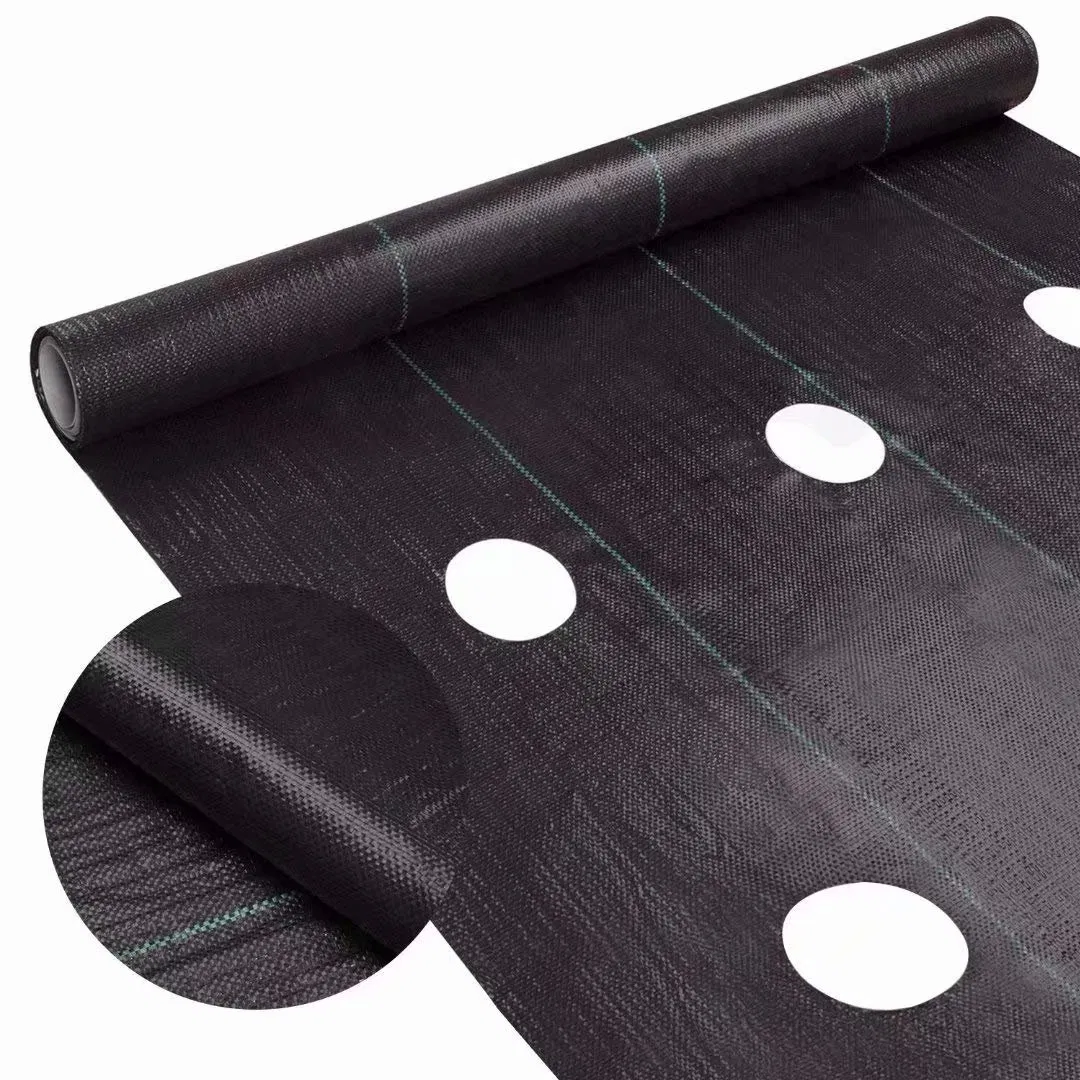 3 ft. x 12 ft. Easy-Plant Weed Block Mulch Barrier Fabric with Planting Hole 6 in. Dia, 2.9 oz.$18.99View on Mallflare
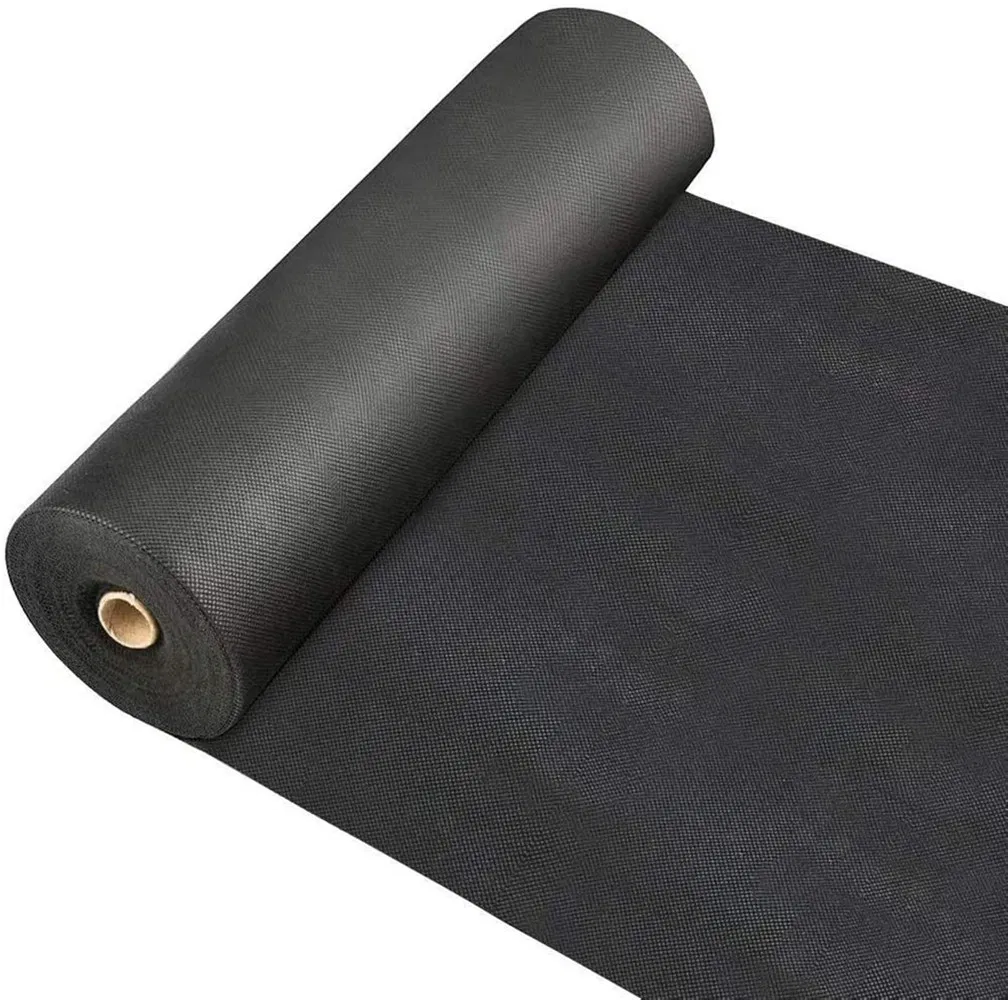 2.3 oz. Non-woven Fabric Weed Barrier Landscape$23.99View on Mallflare
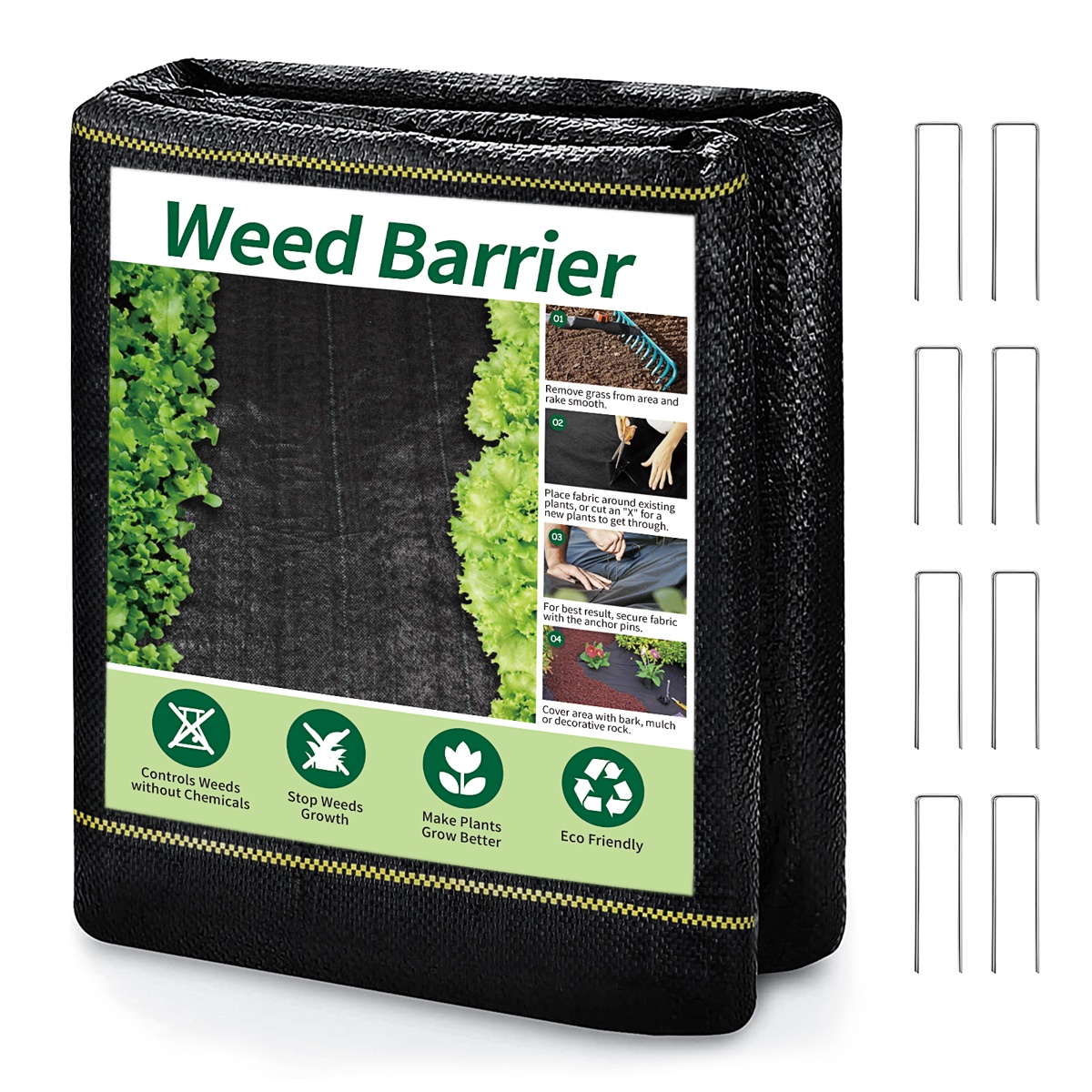 XISHAN 4'X50' Black HDPE 70 Gram Weed Barrier Fabric$50.99View on Mallflare
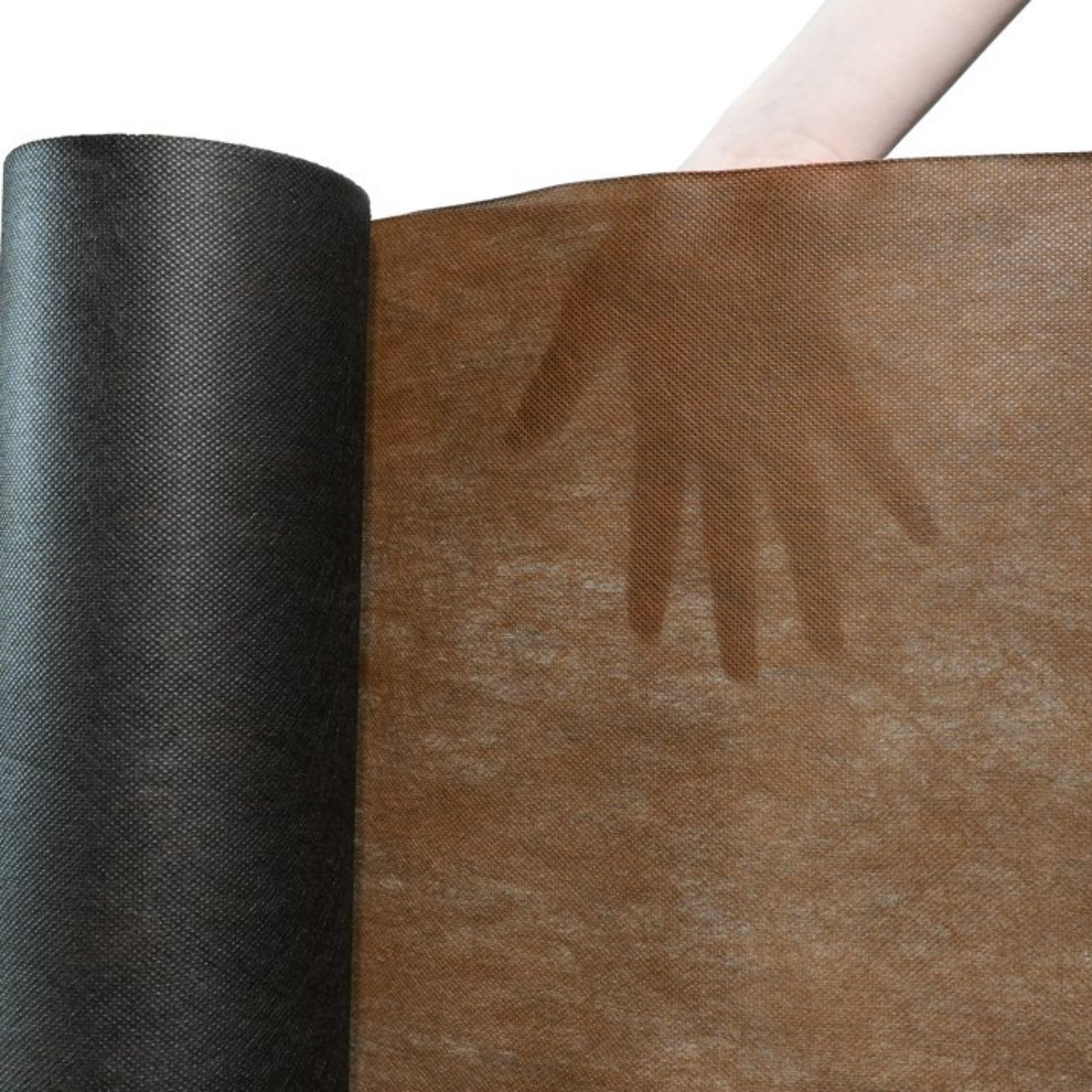 3' x 150' Professional Weed Barrier Fabric, Dual Color, Enhanced UV Protection$71.99View on Mallflare
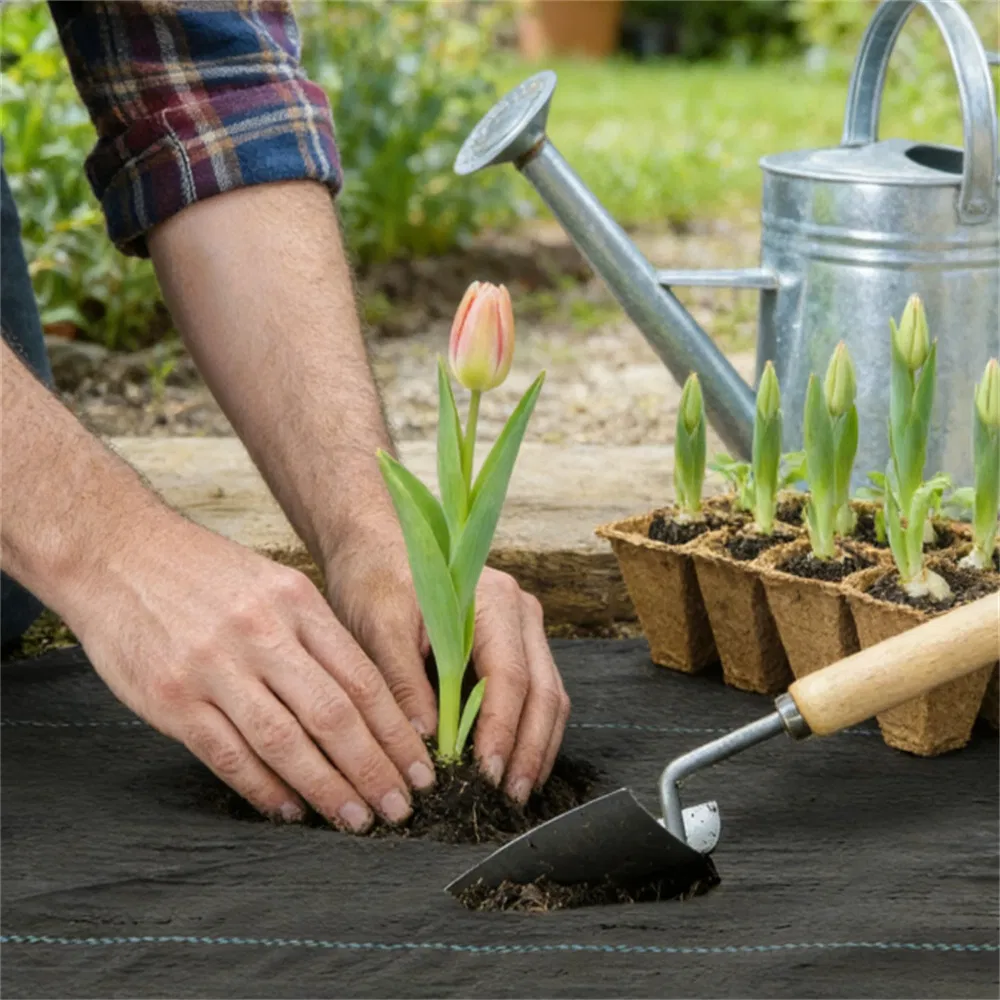 Weed Barrier Landscape Fabric$93.99View on Mallflare
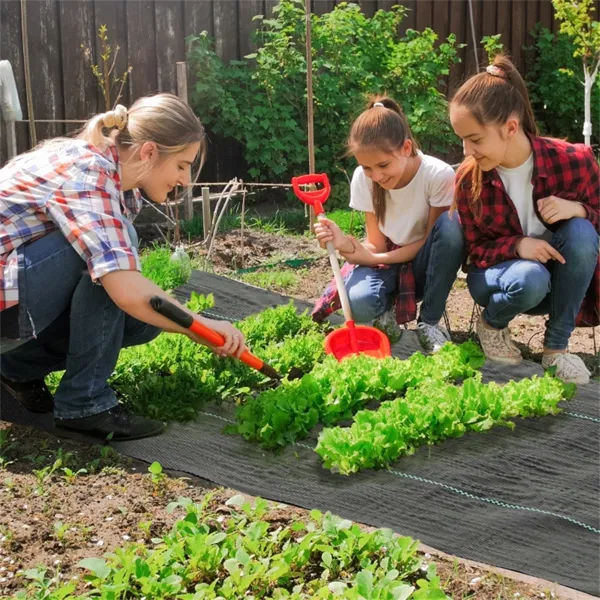 Weed Barrier$99.99View on Mallflare
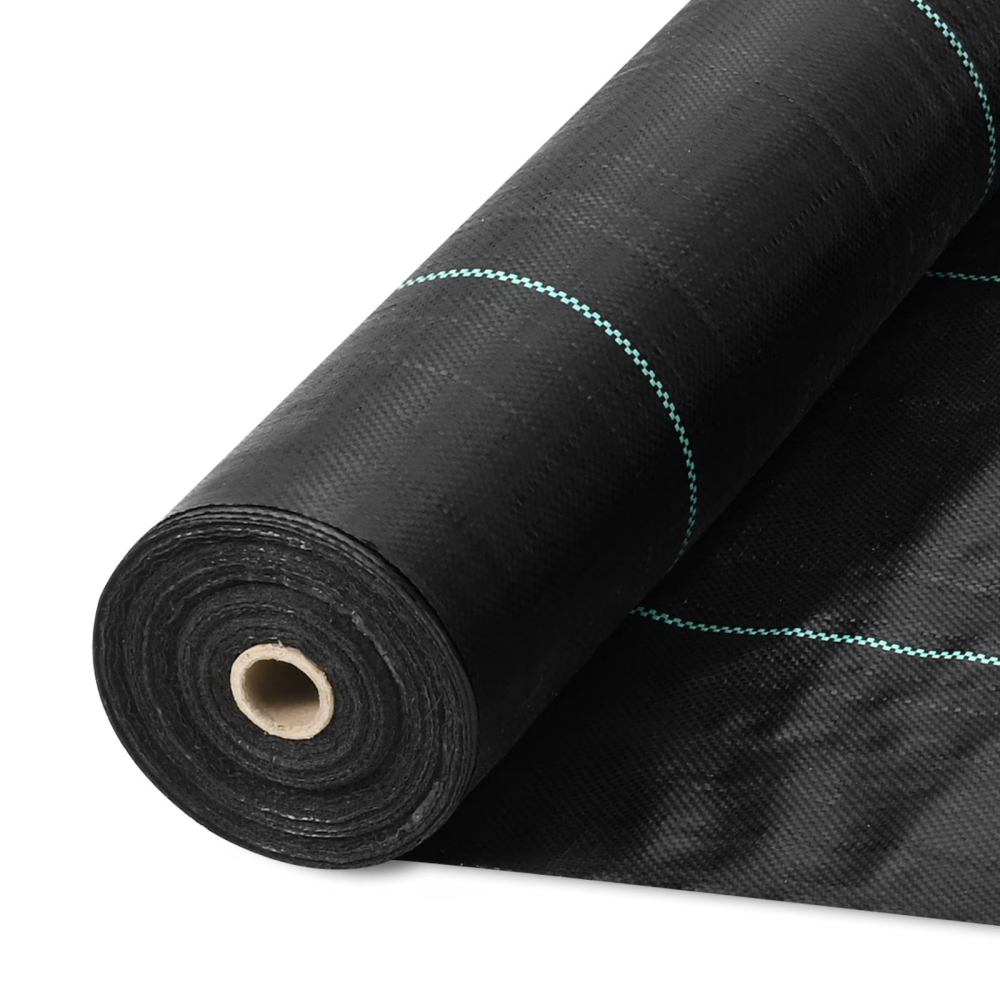 3.2OZ Woven Weed Barrier Landscape Fabric 6 x 100FT, High Permeability Control Mat with Green Guide Lines, Heavy Duty Garden Ground Cover for Flower Bed Driveway Agriculture$99.99View on Mallflare
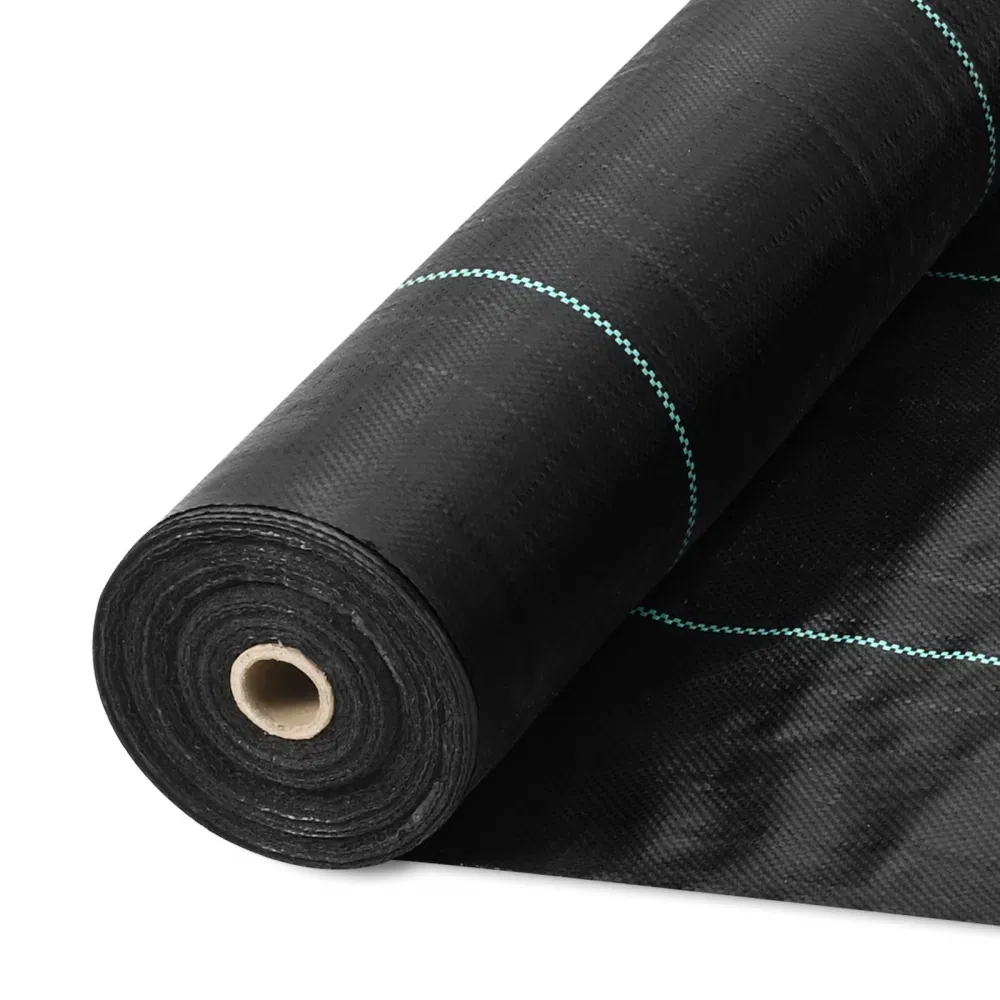 3.2OZ Woven Weed Barrier Landscape Fabric 6 x 100FT, High Permeability Control Mat with Green Guide Lines, Heavy DutyGardenGround Cover for Flower Bed Driveway Agriculture$104.99View on Mallflare
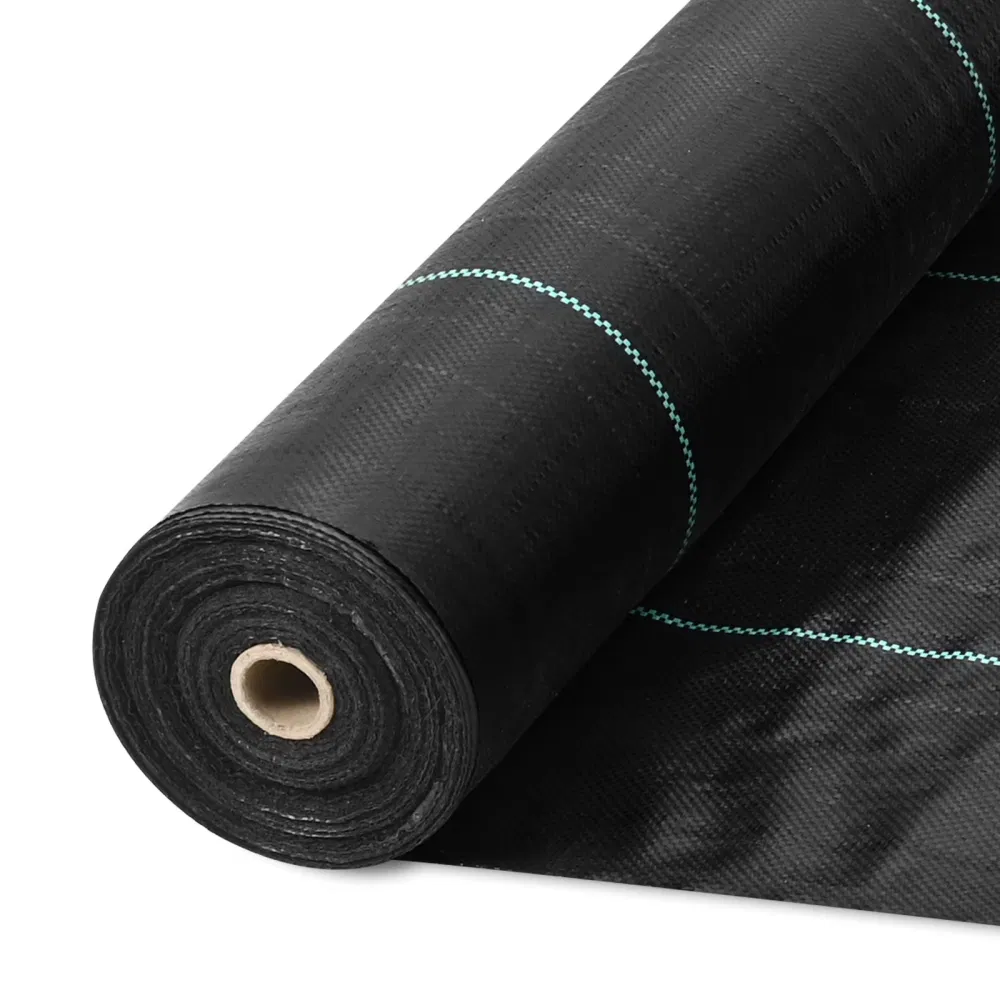 Weed Barrier Landscape Fabric 6x100ft, 3.2oz Heavy Duty Woven PP Geotextile Control Mat, High Permeability for Flower Beds and Gardens, Black$106.99View on Mallflare
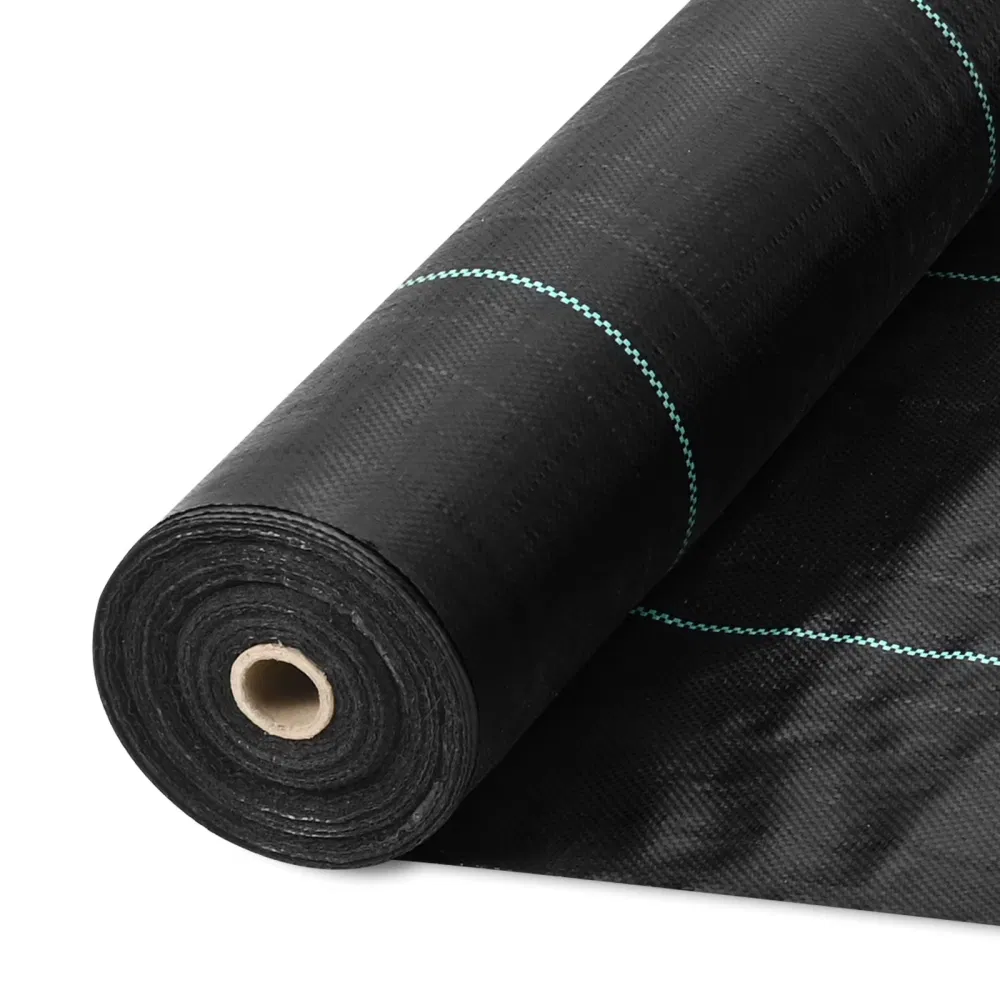 Weed Barrier Landscape Fabric 4x300ft, 3.2oz Heavy Duty Woven PP Geotextile Control Mat, High Permeability for Flower Beds and Gardens, Black$111.99View on Mallflare
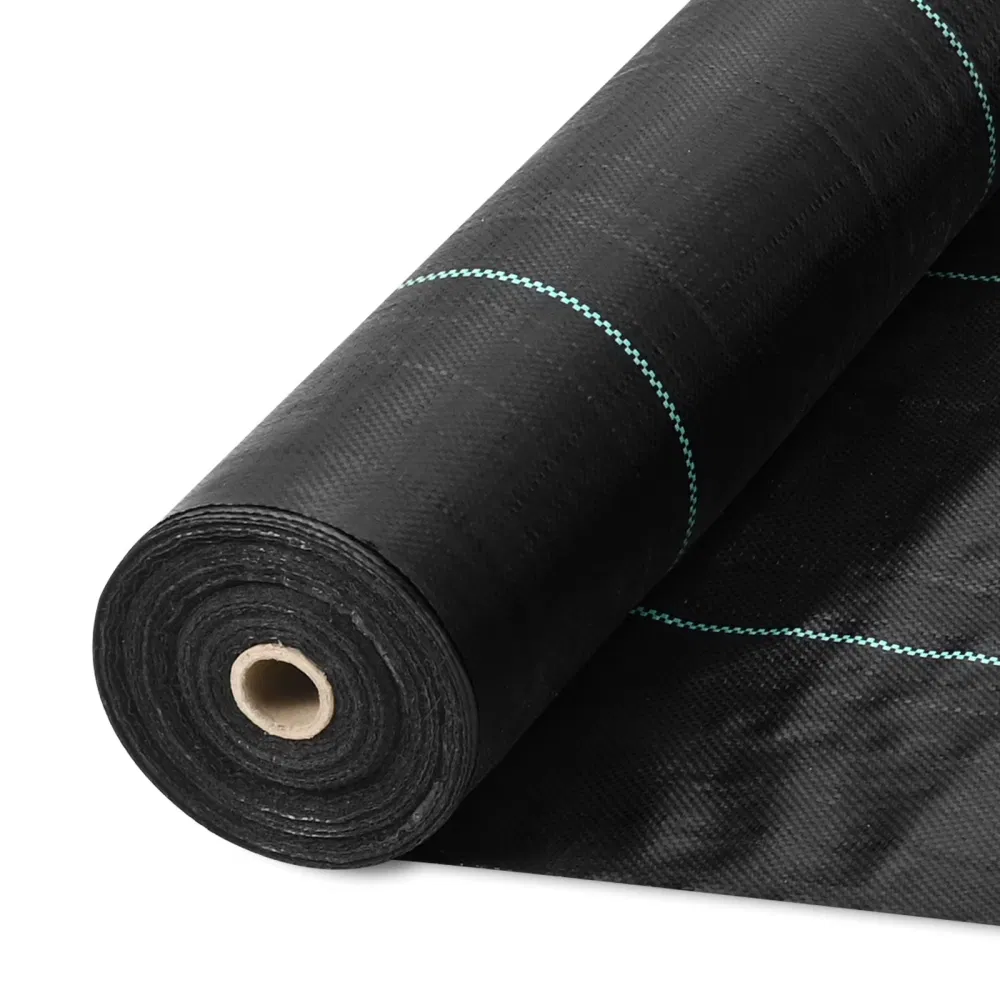 4 x 300 ft Weed Barrier Landscape Material, 3.2 oz Woven Geotextile Fabric Beneath Gravel, Garden Restriction Mat, Driveway$114.99View on Mallflare
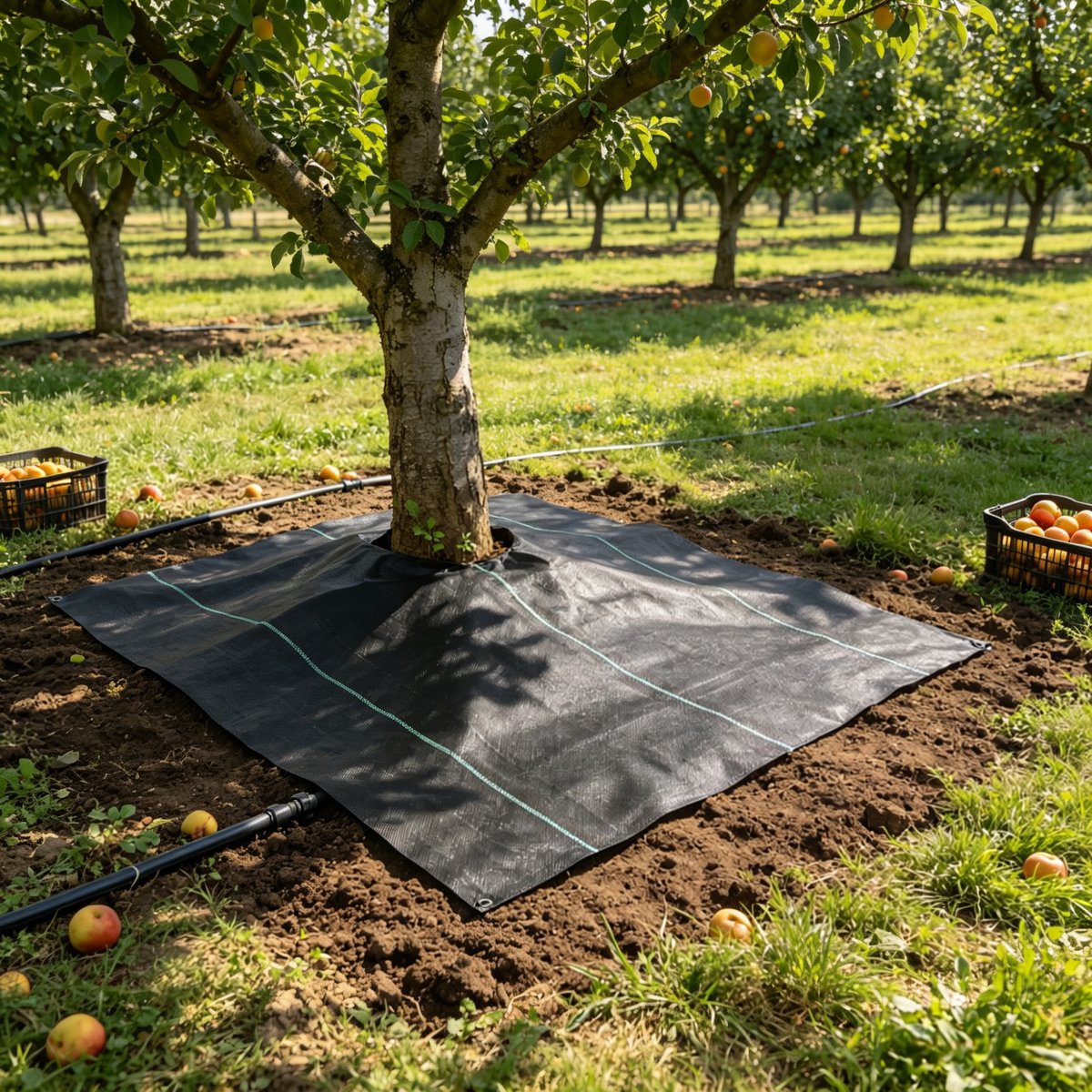 4FT x 300FT Weed Barrier Landscape Fabric, High Permeability Mat for Garden & Driveway$119.99View on Mallflare
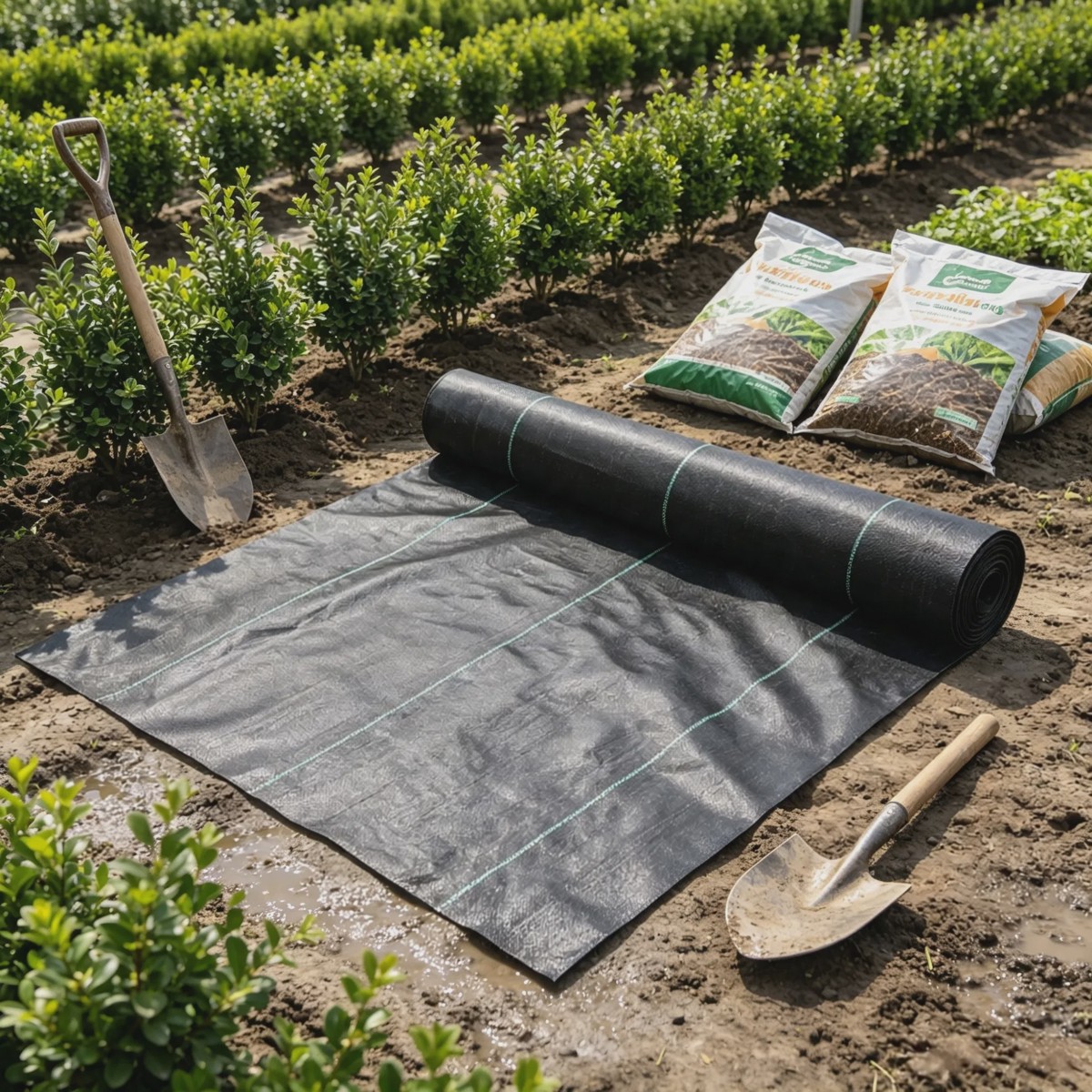 13FT x 108FT Heavy Duty Weed Barrier Fabric$170.99View on Mallflare
Highlights
- Fabric weight (oz/yd²) is the primary durability metric: 3.2 oz woven PP is light-duty, 5 oz+ woven PP handles foot traffic and coarse mulch, and non-woven geotextiles resist puncture best.
- Woven polypropylene is the dominant construction — high tensile strength, tear-resistant, and permeable, but UV-stabilized grades matter because untreated PP degrades within one to two seasons in direct sun.
- Permeability (flow rate) separates weed barrier from plastic sheeting: woven geotextiles pass water and air to roots, while solid plastic films starve soil and cause runoff.
- Roll dimensions (3, 4, or 6 ft wide; 100, 250, or 300 ft long) set coverage and seam count — wider rolls mean fewer overlaps, and overlaps must be 4-6 in and pinned to stop weed creep.
Best use cases
- Flower beds and annual borders: choose 3.2 oz woven PP in 3 or 4 ft widths — light, water-permeable, and easy to cut around plants; skip heavy 5 oz fabric where you replant yearly.
- Permanent walkways, driveways, and under gravel: choose 5 oz+ woven or non-woven geotextile in 6 ft width — it resists puncture from angular stone and foot traffic; skip 3.2 oz fabric that tears under load.
- Full-sun exposed installations: choose UV-stabilized heavier fabric and cover it with mulch or gravel within days — bare fabric degrades fast; skip untreated light fabric if it will sit exposed for months.
- Sloped or sandy sites: choose woven PP with 4-6 in overlaps and landscape staples — it grips soil and resists washout; skip loose-laid lightweight fabric on grades where water channels.
Buying tips
- Match weight to traffic: 3.2 oz woven PP for low-traffic beds, 5 oz+ woven or non-woven for paths, driveways, and areas under coarse gravel or bark.
- Calculate coverage using roll math: 3x100 ft = 300 ft²; 4x100 ft = 400 ft²; 6x100 ft = 600 ft² — add 10% for overlaps and cuts.
- Plan overlap and fastening: 4-6 in overlaps plus landscape staples every 2-3 ft prevent weed breakthrough and wind lift.
- Prioritize UV-stabilized polypropylene for sun-exposed sites; non-woven geotextiles offer superior puncture and tensile strength under stone.
Specs
| Fabric Weight | 3.2 oz light / 5 oz+ heavy |
|---|---|
| Material Type | Woven PP or non-woven geotextile |
| Roll Width | 3 / 4 / 6 ft |
| Roll Length | 100 / 250 / 300 ft |
Related searches
What to check before buying
- Measure the planting area's length and width; confirm roll width (3, 4, or 6 ft) reduces seams and total roll count.
- Confirm the site's sun exposure — full-sun installs need UV-stabilized fabric and prompt mulch or gravel cover.
- Check subgrade: remove sharp rocks and roots before laying fabric to avoid puncture, especially with lighter 3.2 oz material.
- Have landscape staples or pins on hand — 4-6 in overlaps must be anchored to prevent wind lift and weed creep.
FAQ
Data sources: eBay / Amazon listings and product attribute feeds. Updated Nov 28, 2026.
Some links on this page are affiliate links. If you buy after clicking one, we may earn a commission at no extra cost to you. This does not change which products appear here or their order. Affiliate disclosure.