GardenPulse Guide

GardenPulse Guide

Garden, Yard & Outdoor Living Reviews & Buying Guides

Compare garden, yard & outdoor living by use case, features, trade-offs, price, returns, and seller terms before you buy.

Buying guides

Buying guide image
Pools & Spas

Above Ground Pool With Deck

An above-ground pool with deck is a modular package combining a structural pool wall (steel, resin, or hybrid) with a custom or integrated deck platform that provides safe access and lounging space. The primary trade-off is wall corrosion resistance and deck load rating versus package cost and assembly complexity. The clear decision rule: choose resin or hybrid wall construction with a galvanized steel top rail and a deck rated for at least 90 psf live load; skip thin-gauge steel walls under 0.4 mm with plastic clip-together decks.
Buying guide image
Pools & Spas

Above Ground Swimming Pool

An above ground swimming pool is a self-supporting vessel—steel, resin, or inflatable—that delivers full swimming capability without excavation. The core trade-off is wall/frame gauge and liner mil thickness versus setup effort and site leveling: thinner walls and overlap liners suit seasonal use, while thicker steel/resin walls and beaded liners withstand multi-season freeze-thaw. Buy a pool whose wall height matches your realistic use (48–54 in for full swimming, 27.5–36 in for wading), and skip any kit whose frame or liner grade is unspecified.

Buying guide image
Pools & Spas

Pool Step Above Ground Pool

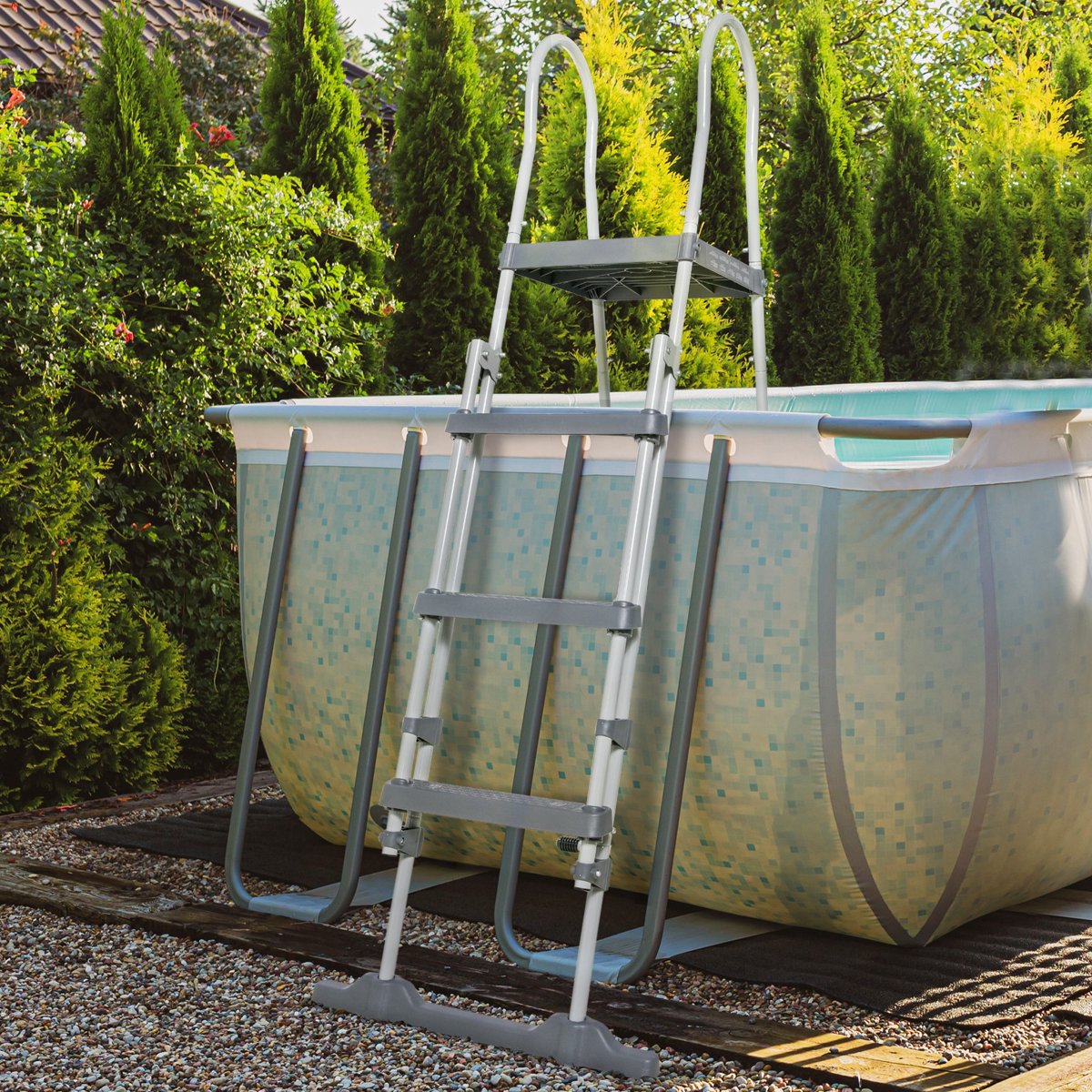
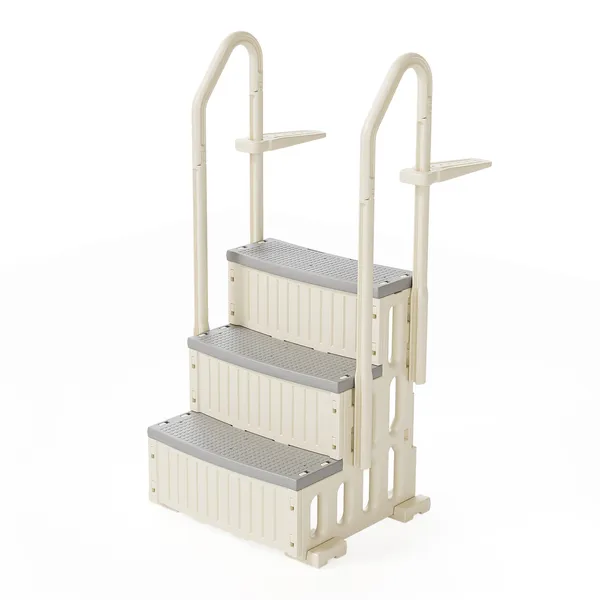
Above-ground pool steps are a safety and access upgrade over flimsy clip-on ladders, and the key trade-off is between a universal drop-in step system and a deck-mounted ladder that requires a fixed platform. Durable options use rust-proof resin or marine-grade stainless hardware with wide, slip-resistant treads and a weight rating that exceeds the heaviest user by 50 lb; compromise units use thin painted steel and narrow rungs that wobble and corrode within a season.

Buying guide image
Residential Outdoor Power Equipment

Lawn Mower Tire

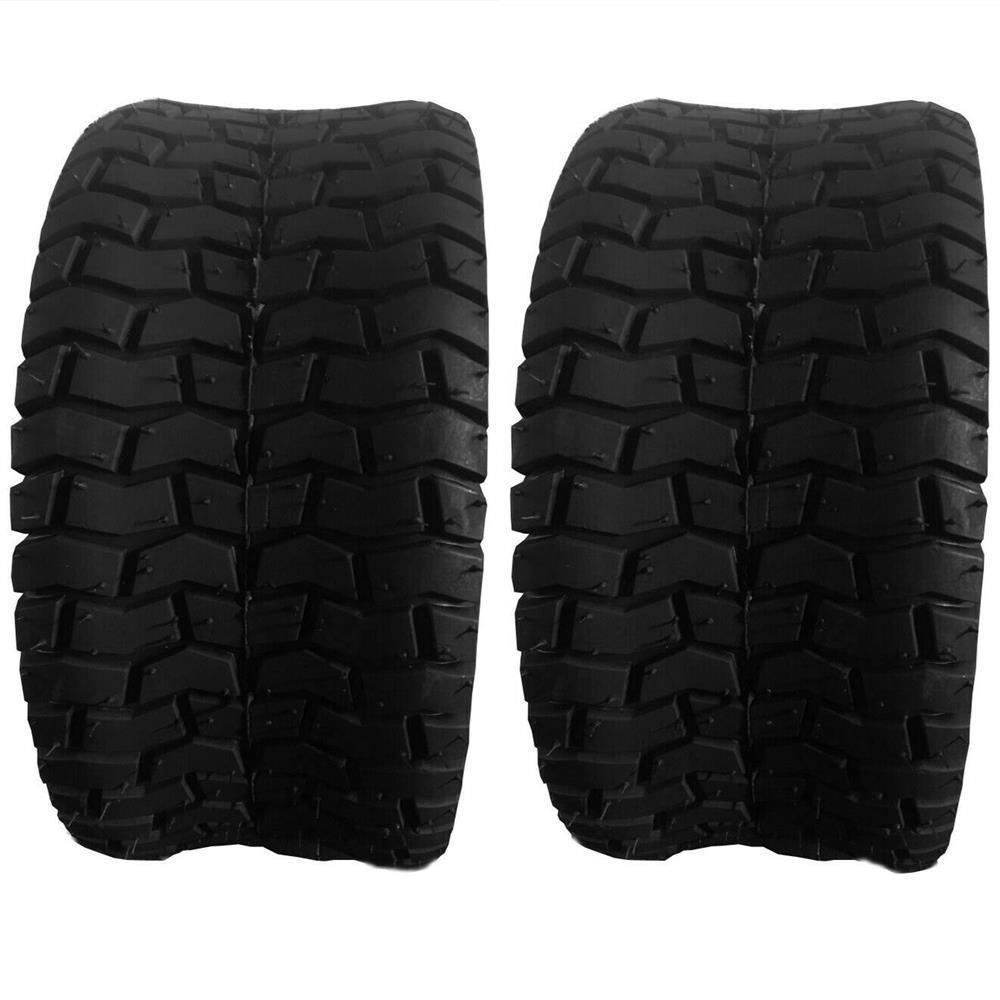
Lawn mower tires are the pneumatic or solid rubber contact points that transfer engine power to the ground, and the primary trade-off is ply rating versus ride softness: higher-ply turf tires resist punctures and sidewall damage but ride firmer, while low-ply tires cushion better but fail faster on rough terrain. The clear decision rule is to match the exact sidewall size code, then choose the lowest ply rating that survives your yard's worst obstacle—2-ply for smooth residential turf, 4-ply for occasional sticks and curb strikes, 8-ply only for steep or debris-heavy properties.

Buying guide image
Raised Garden Beds & Planters

Indoor Flower Pot

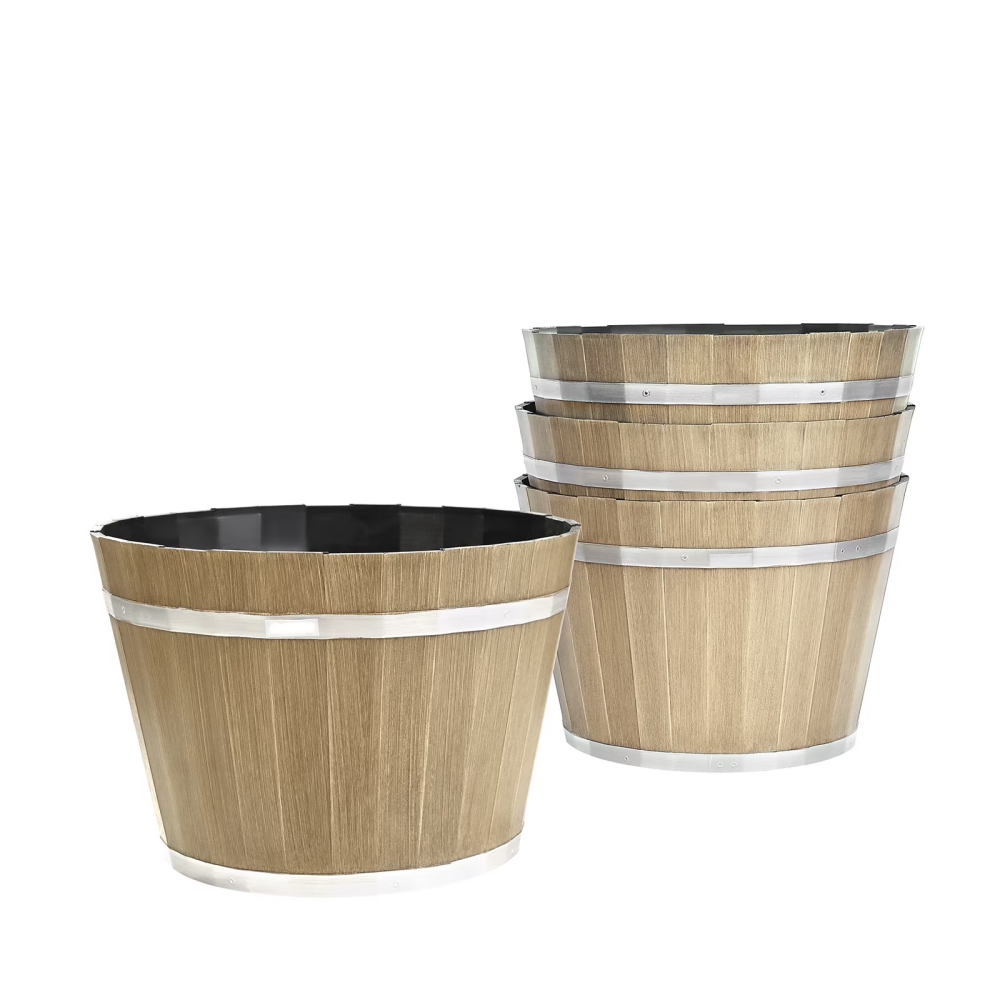
Indoor flower pots range from fabric grow bags to rigid ceramic, plastic, and self-watering planters, and the core trade-off is breathability and drainage versus moisture retention and floor protection. Durable choices match pot material and drainage to the plant's root needs and the room's humidity, while compromises lack drainage, use thin recycled plastic, or skip a saucer. The decision rule: pick fabric or unglazed clay for thirsty, fast-draining roots; glazed ceramic or sealed plastic with a saucer for moisture-sensitive plants on wood floors.

Buying guide image
Chicken Fencing & Egg Handling

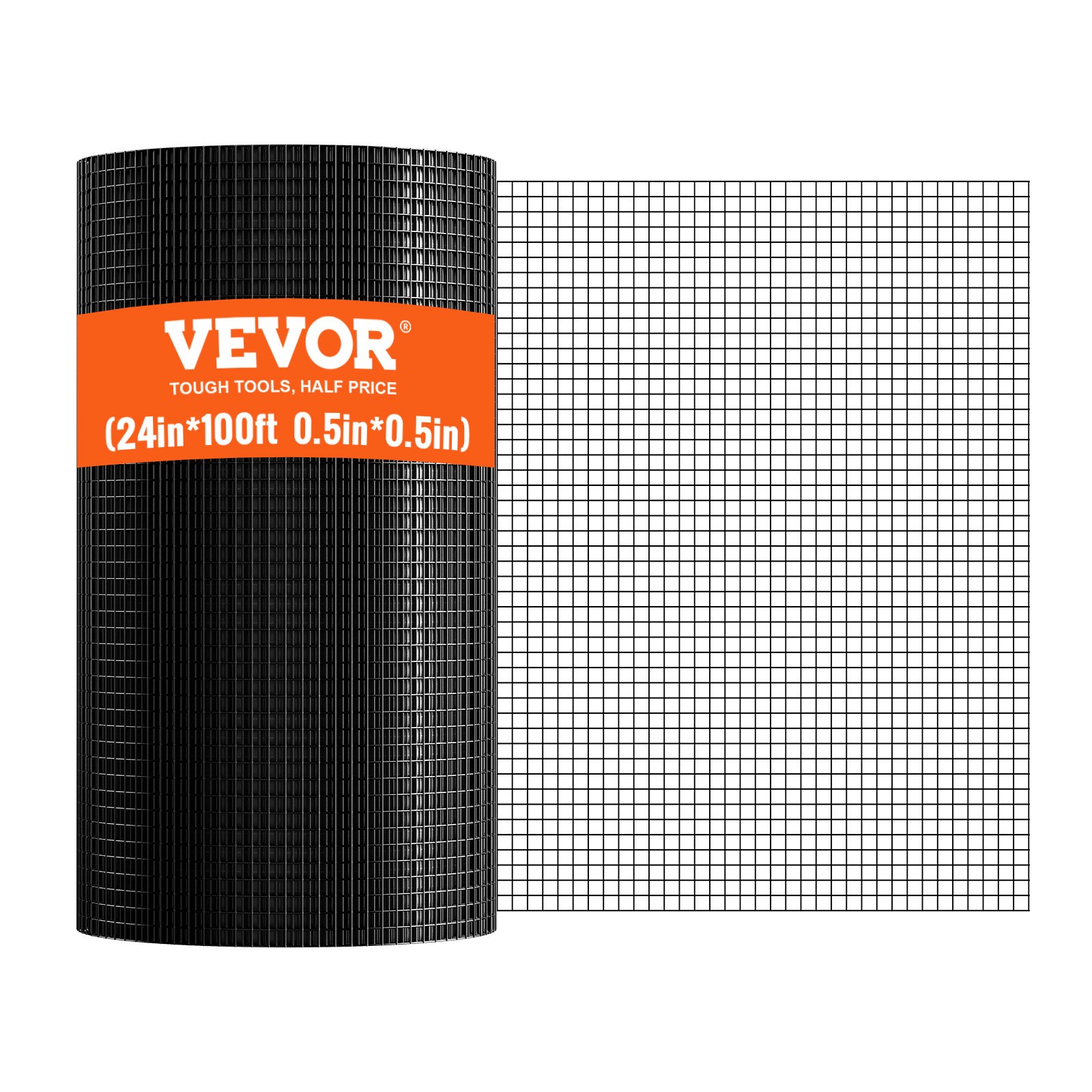
Hardware Cloth

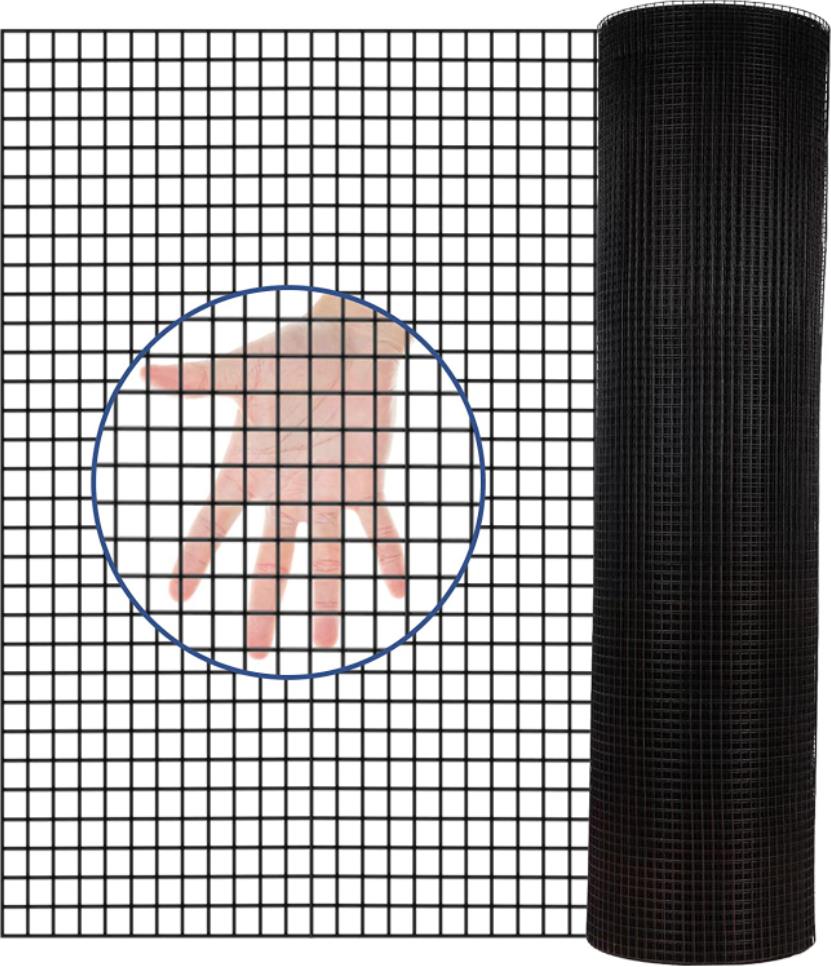
Hardware cloth is a welded wire mesh roll used as the primary predator barrier on chicken coops, rabbit hutches, and garden enclosures. The core trade-off is mesh aperture versus wire gauge: 1/2-inch openings block snakes and rodents but demand thicker wire to resist deformation, while 1-inch and larger mesh saves cost but only stops larger predators. Choose hot-dip galvanized after welding at 16-19 gauge for predator-proof coops; vinyl-coated light-gauge rolls serve garden trellis and light barrier duty only.

Buying guide image
Outdoor Structures, Shade & Awnings

Plastic Shed

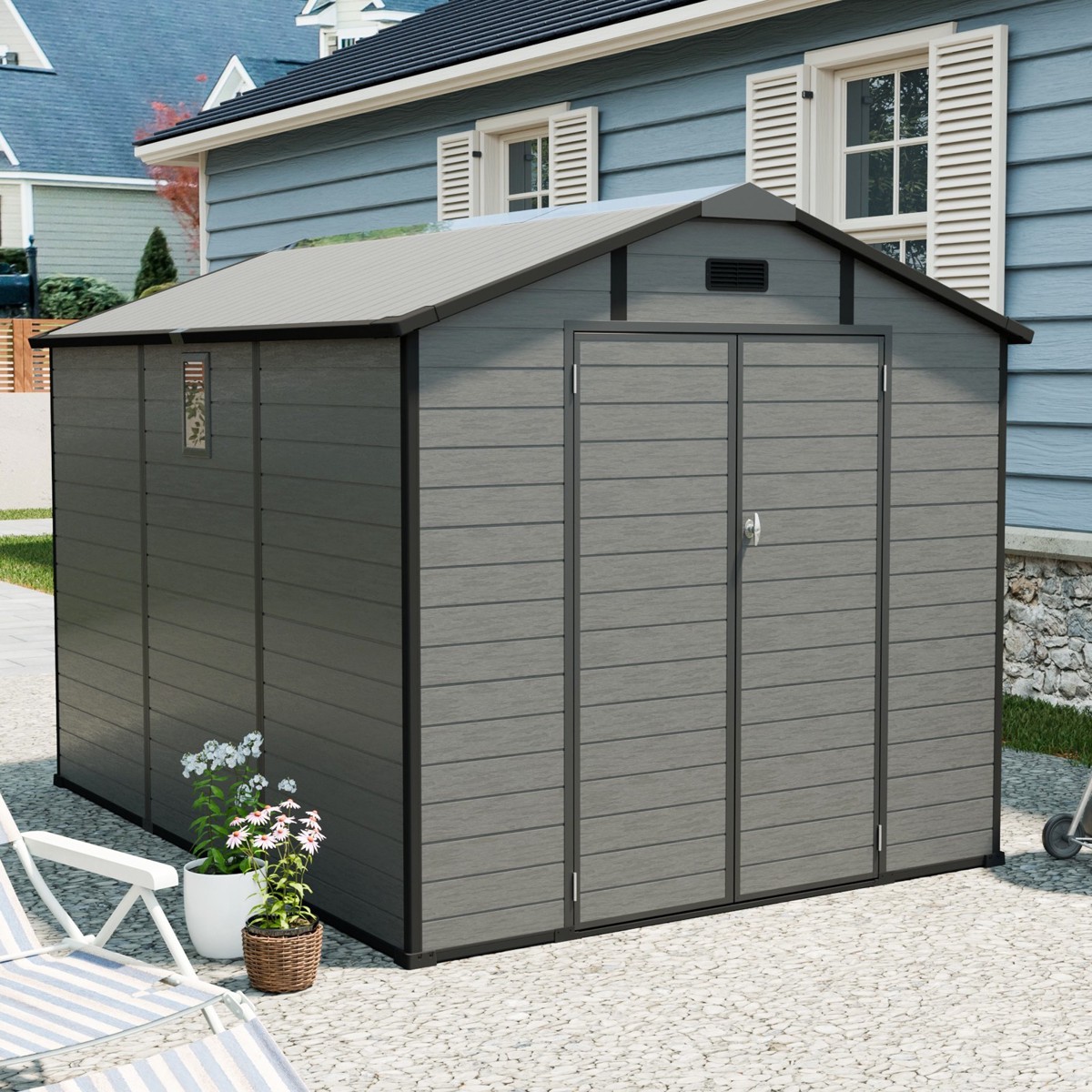
Plastic sheds are resin or high-density polyethylene structures used for garden tool and equipment storage, defined by panel wall thickness, UV stabilization, and steel-core reinforcement. The core trade-off is resin thickness versus price: thin hollow panels crack and fade, while double-wall steel-reinforced panels survive wind, snow, and sun for decades. The decision rule is simple—buy double-wall resin with a steel frame and anchored floor kit, skip single-wall hollow panels unless the shed sits in full shade with zero snow load.

Buying guide image
Patio Furniture

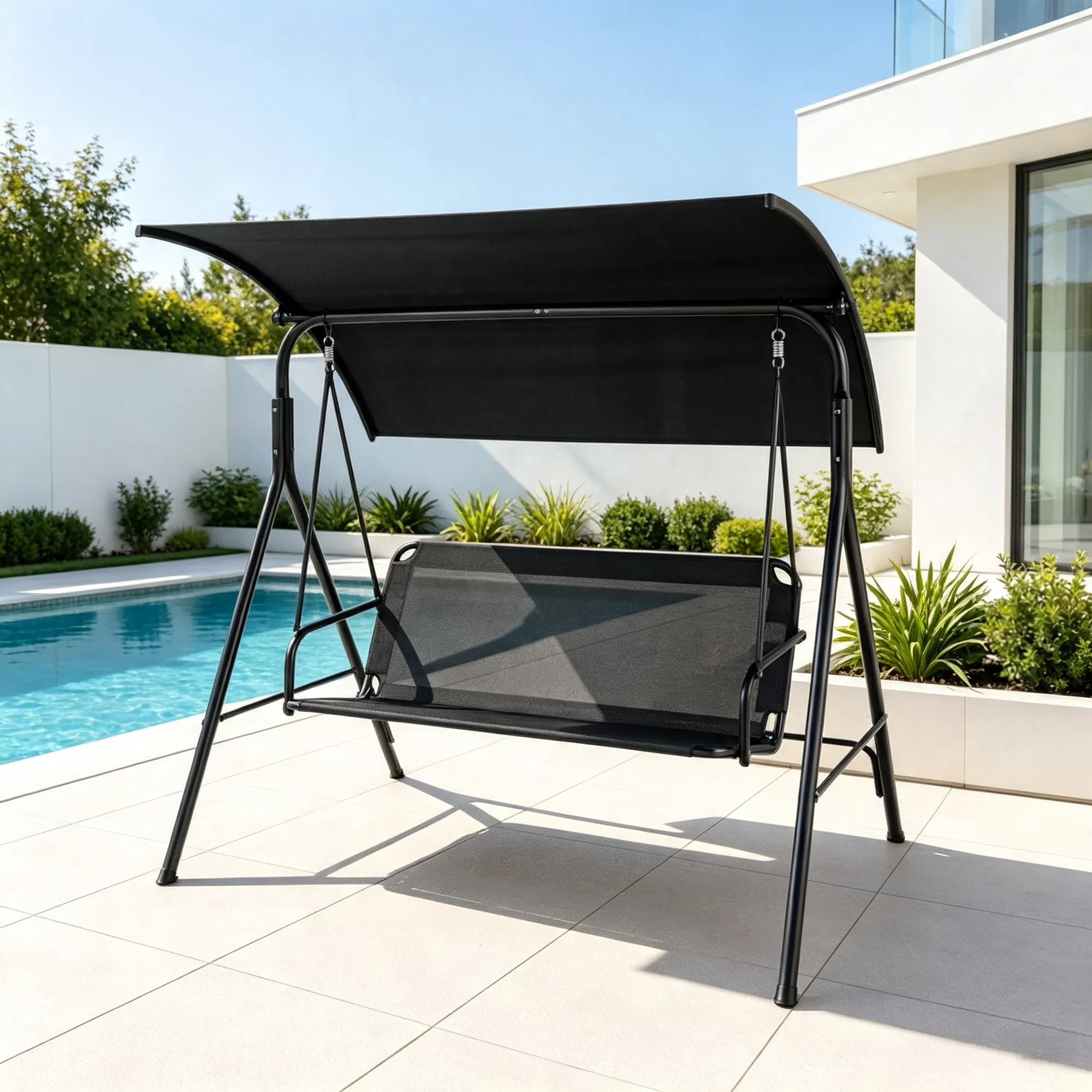
Porch Swing

A porch swing is a suspended or glider-style bench that converts a porch, deck, or pergola into a shaded lounging zone, and the decisive split is between hanging swings (need a beam or A-frame stand) and freestanding gliders (need only flat floor). The core trade-off is frame metallurgy and finish versus seat material breathability: powder-coated steel resists rust longest, while mesh or sling fabric sheds rain and dries faster than cushions. Buy a welded steel or solid-wood frame rated for the seat count you need; skip thin tubular frames and fabric-only seats if the swing stays outdoors year-round.

Buying guide image
Garden Tools

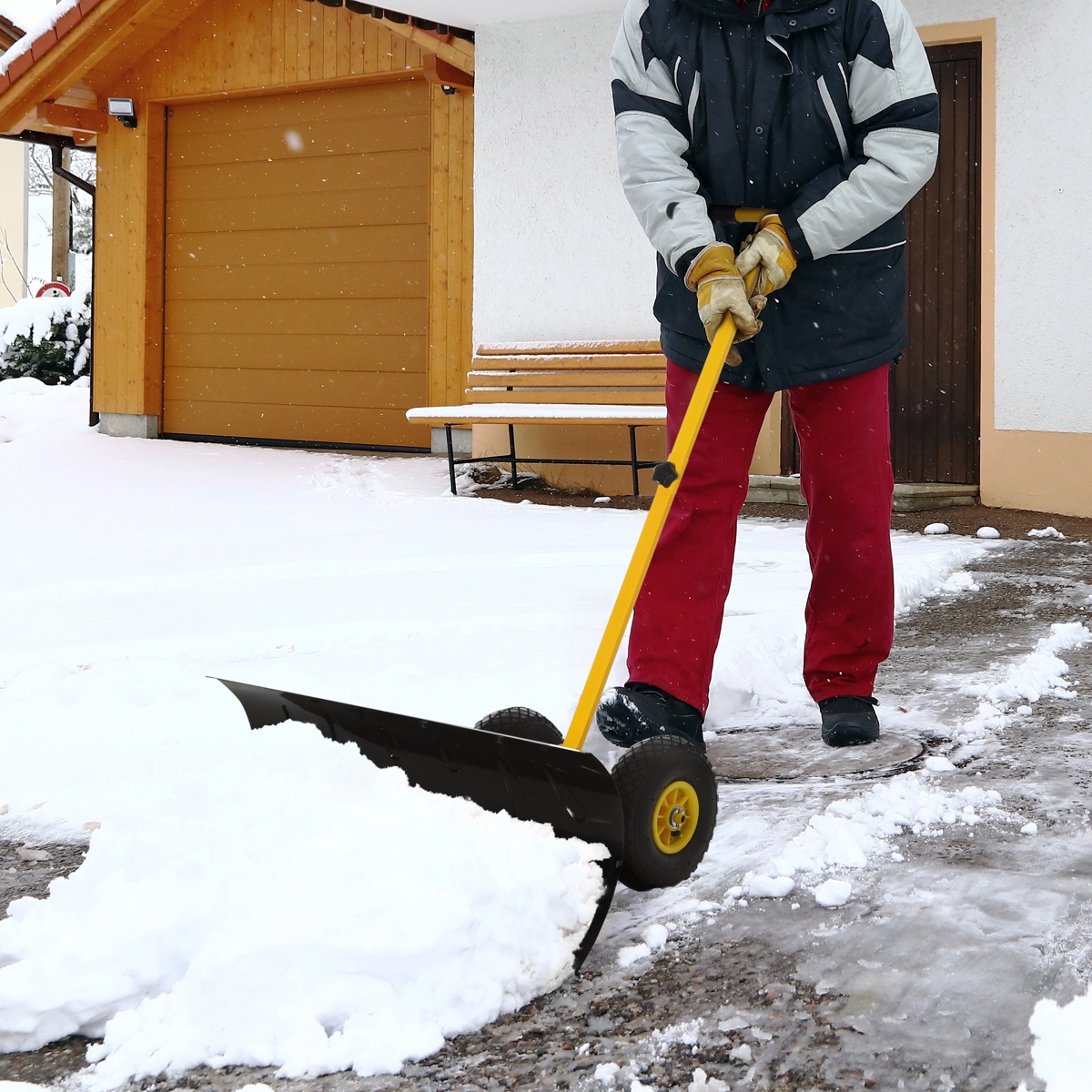
Snow Shovel

Snow shovels split into manual (grip-and-lift) and rolling pusher types, with blade material and handle design determining durability and effort. The key trade-off is weight versus clearing width: plastic blades are lighter but wear faster on rough surfaces, while metal edges last longer but add weight. Choose a pusher with wheels for large flat driveways, and a manual shovel with a metal wear strip for steps, decks, and tight spaces.

Buying guide image
Raised Garden Beds & Planters

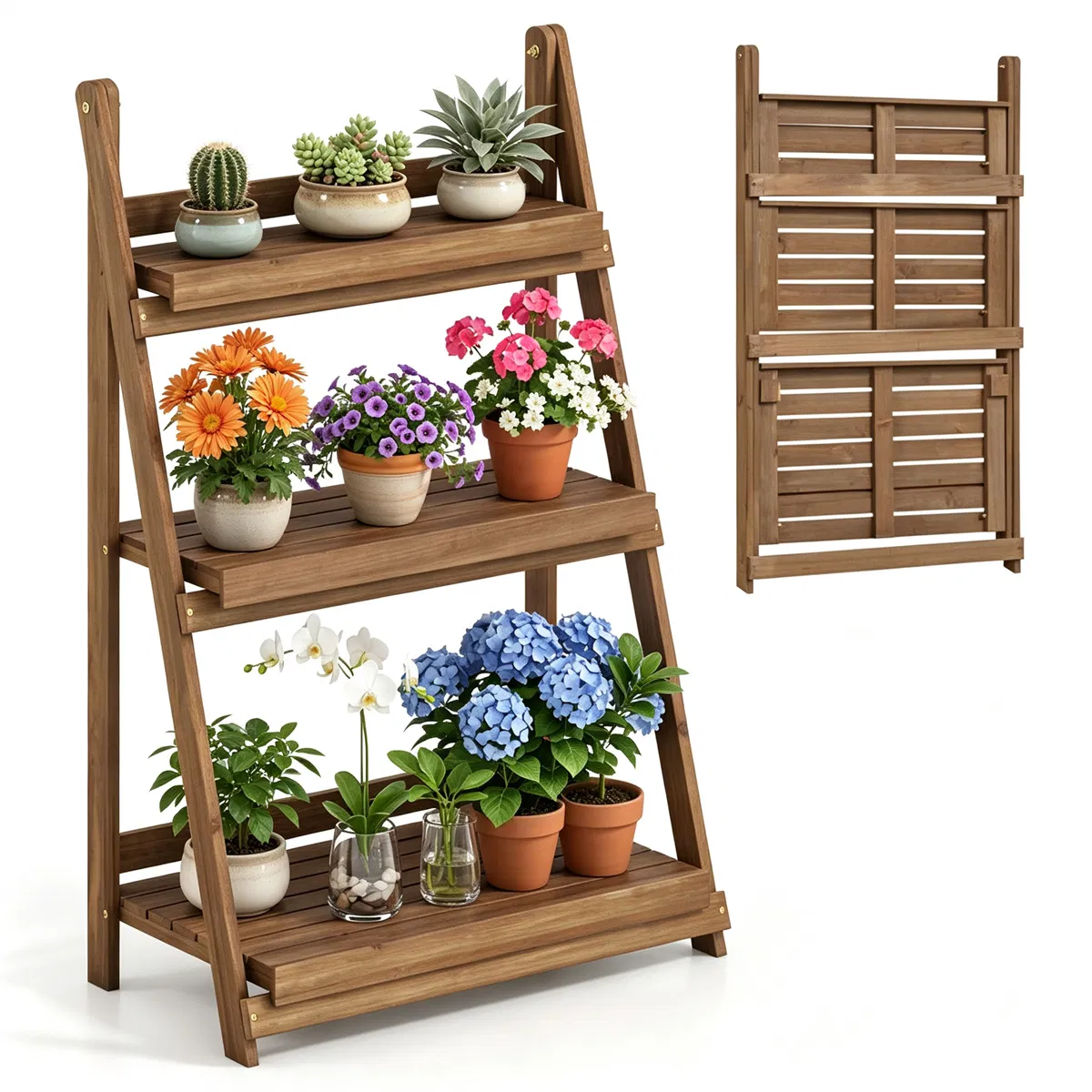
Plant Stand

A plant stand is a freestanding or rolling platform that elevates pots for light, drainage, and floor protection; the core trade-off is load-rated stability versus footprint and material weather resistance. Metal stands prioritize thin-profile strength, wood stands prioritize dampening and aesthetics, and tiered/vertical designs trade access convenience for plant density. The decisive rule: match the stand's load rating and footprint to the pot's saturated weight and the room's traffic pattern—anything else is a compromise.

Buying guide image
Chicken Fencing & Egg Handling

Chicken Wire Roll

Chicken wire roll is the hexagonal woven poultry netting used to contain chickens and exclude predators, and it is not the same product as welded hardware cloth despite frequent listing crossover. The core trade-off is mesh gauge and weave style: light 20-22 gauge hexagonal netting is cheap but predator-vulnerable, while 16-19 gauge welded or heavy hex mesh resists raccoons and snakes. Choose welded hardware cloth (1/2 to 1-inch mesh, 16-19 gauge) for coop walls and buried skirts, and reserve true hexagonal chicken wire for above-ground, low-risk containment only.

Buying guide image
Lawn Care

Lawn Spreader

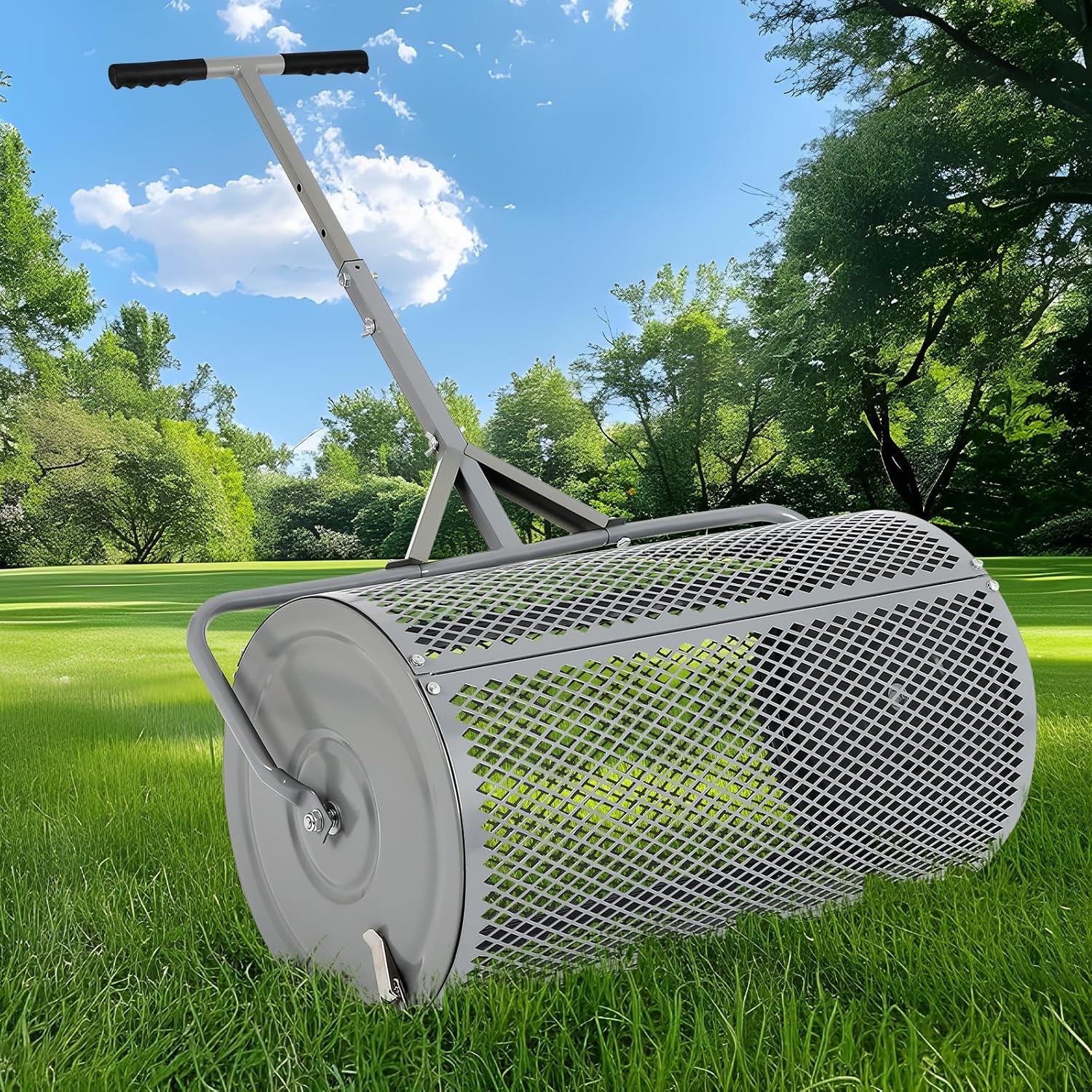
Lawn spreaders fall into three architectures—broadcast (rotary), drop, and tow-behind—each trading spread width and speed against edge accuracy and maneuverability. The decisive factor is hopper capacity and tire type matched to lawn size: small broadcast units with pneumatic tires for sub-quarter-acre lawns, larger tow-behind or high-capacity push units for acreage. Durable options use metal hoppers with rust-resistant coatings and pneumatic tires; compromises use thin plastic hoppers, solid wheels, and vague calibration.

Buying guide image
Garden Fencing & Privacy Screens

Metal Outdoor Privacy Screen

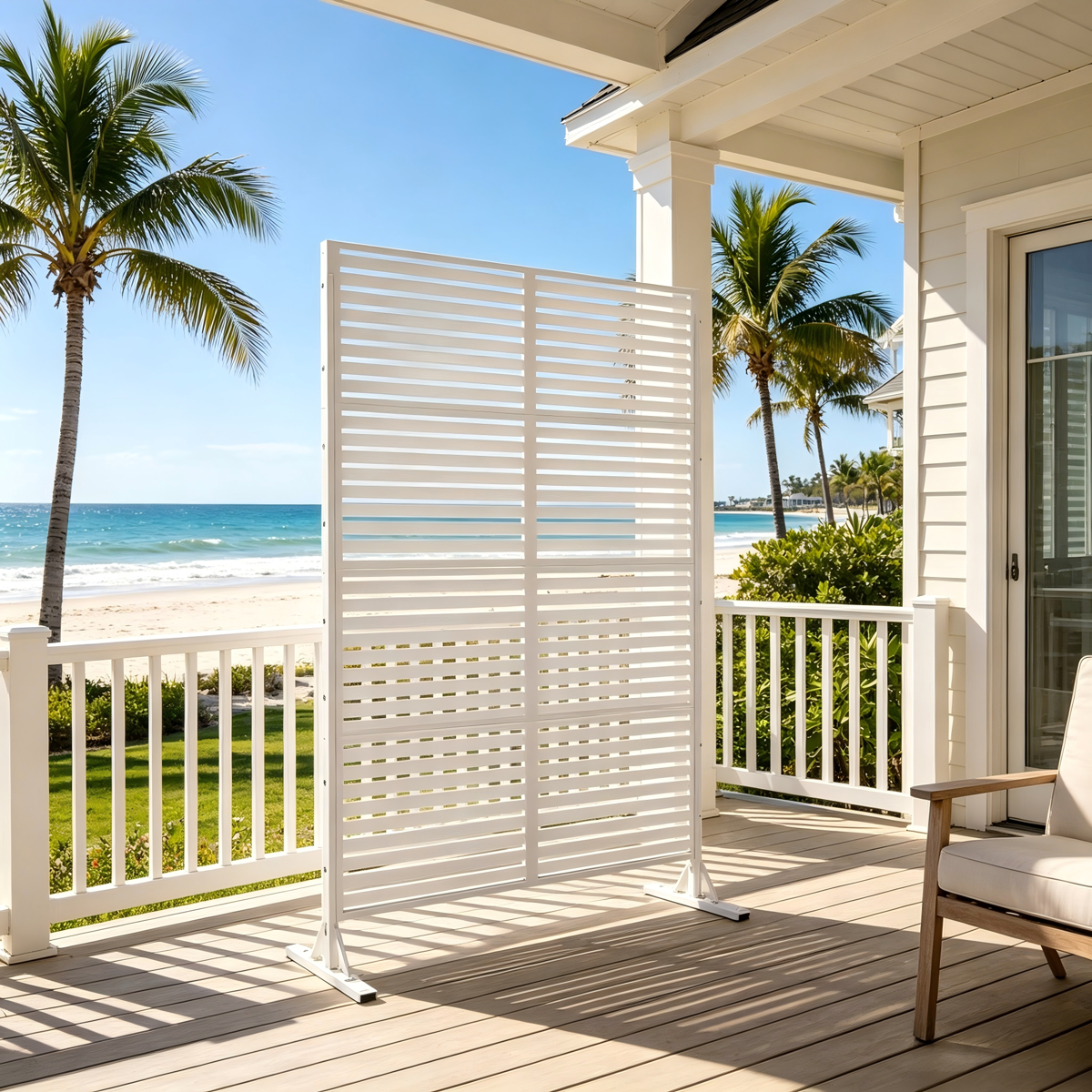
Metal outdoor privacy screens are freestanding or stake-mounted panels that block sightlines on patios, decks, and balconies using steel or aluminum frames and slatted, perforated, or laser-cut infill. The core trade-off is between lightweight decorative screens that tip in wind and heavier gauge, footed, or anchored builds that survive weather and pets. Choose a screen rated for your wind exposure and sized to your gap; skip thin decorative panels for exposed or high-traffic areas.

Buying guide image
Garden Fencing & Privacy Screens

Decorative Garden Fence

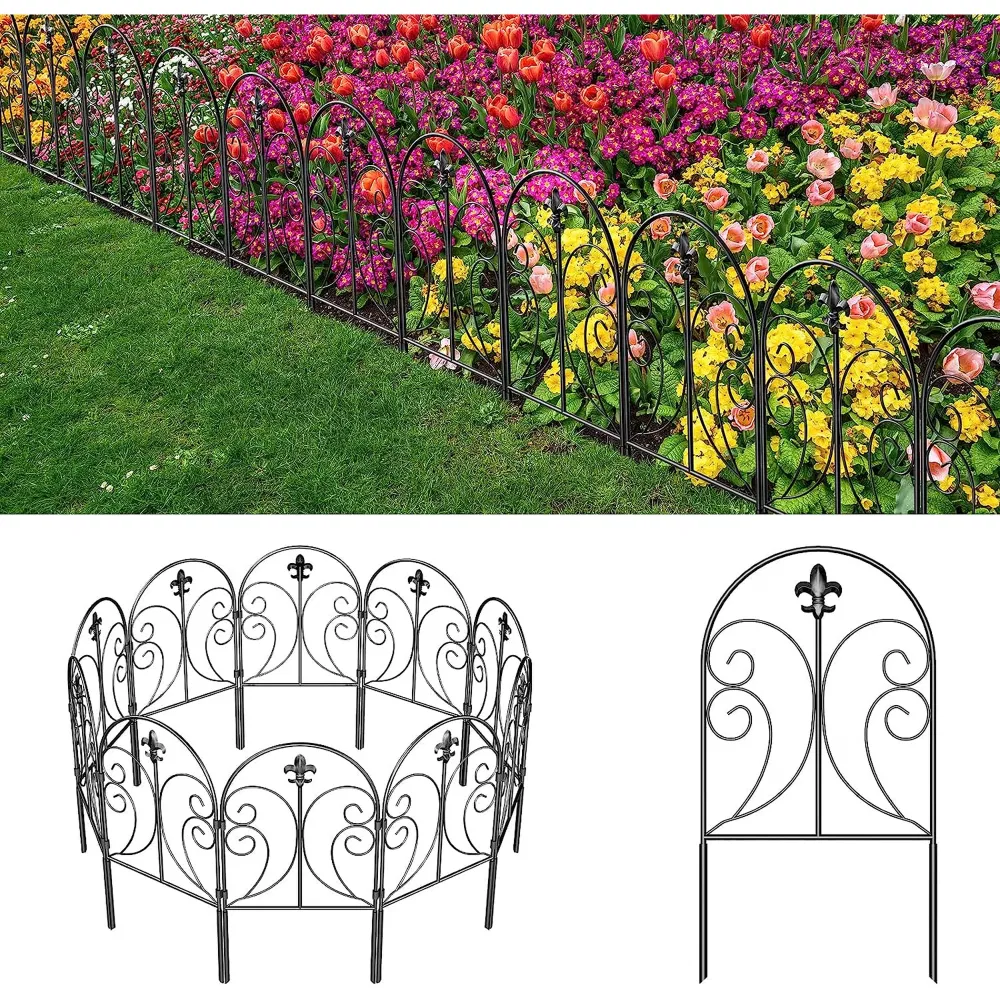
Decorative garden fence covers low-border and panel systems that define flower beds, pathways, and small yards while adding ornament—not security. The core trade-off is material and anchoring: powder-coated metal with driven stakes lasts years outdoors, while thin PP plastic and reed rolls are seasonal or semi-permanent at best. Choose metal arch/spear panels or interlocking plastic border kits for flower beds; skip reed rolls and faux boxwood for soil-contact beds where rot and UV fade matter.

Buying guide image
Outdoor Structures, Shade & Awnings

Garden Arbor With Gate

A garden arbor with gate combines a decorative plant-support arch with a hinged or latching entry, creating a threshold into a garden room or yard zone. The core trade-off is between thin tubular steel trellis arches that flex and rust at joints versus welded, powder-coated frames with proper footplates and gate hardware. Buyers should treat the gate as a structural component: only arches with reinforced corner welds, 14-gauge or thicker steel, and anchored footplates will survive wind load and daily swinging without sagging.

Buying guide image
Chicken Coops & Runs

Duck Coop With Pool

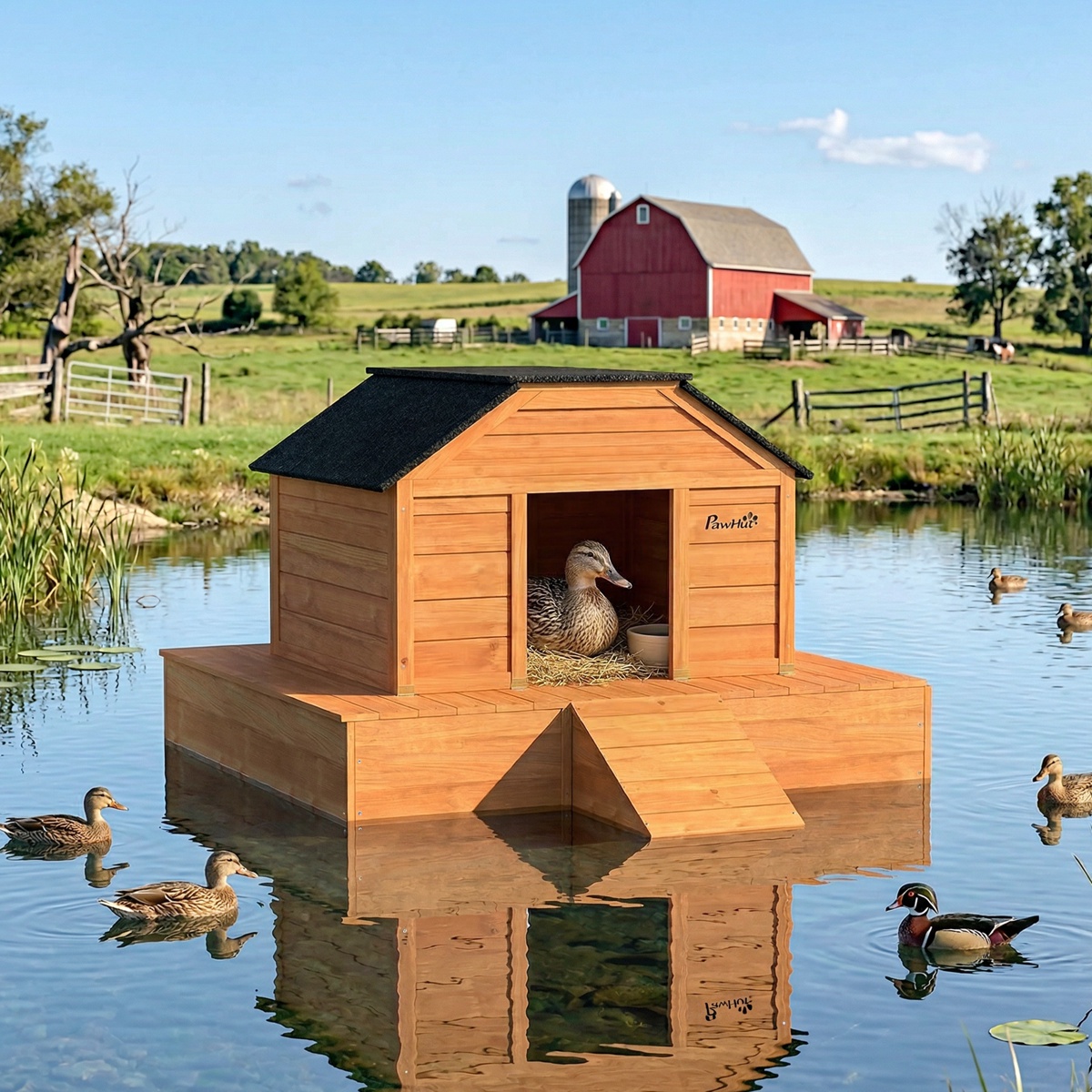
A duck coop with pool is an integrated waterfowl housing system that pairs a sheltered roost with a built-in or attachable bathing basin, trading off easy-clean drainage and non-slip exit geometry against simple dry-land coops that force you to add a separate pool. Buyers must decide between wooden houses with integrated pools (warmth, aesthetics, but heavy and rot-prone) and metal walk-in runs with external tubs (cheaper, airy, but no insulation). The rule: prioritize drain-and-refill plumbing, ramp traction, and bite-proof mesh over decorative styling.

Buying guide image
Outdoor Structures, Shade & Awnings

Plastic Resin Shed

Plastic resin sheds earn their keep when you need fast, low-maintenance storage without permits or rot worries—but flimsy wall panels and undersized doors ruin the experience. Size the footprint from your actual equipment (ride-on mower, bikes, patio cushions) and check door clearance before anything else, since many resin kits trade width for a narrow opening. Wall thickness and UV-stabilized resin separate a decade-long shed from a two-season eyesore.

Buying guide image
Residential Outdoor Power Equipment

Mower Tire

Mower tires are the primary interface between machine and turf, and the core trade-off is ply rating versus turf gentleness: higher-ply tires resist punctures and sidewall flex under load but ride firmer and can scuff delicate grass. The decision rule is simple—match the exact sidewall size code, buy 4-ply for zero-turn and loaded garden tractors, and stay 2-ply only for light walk-behind or utility cart duty.

Buying guide image
Outdoor Structures, Shade & Awnings

Deck Canopy Retractable

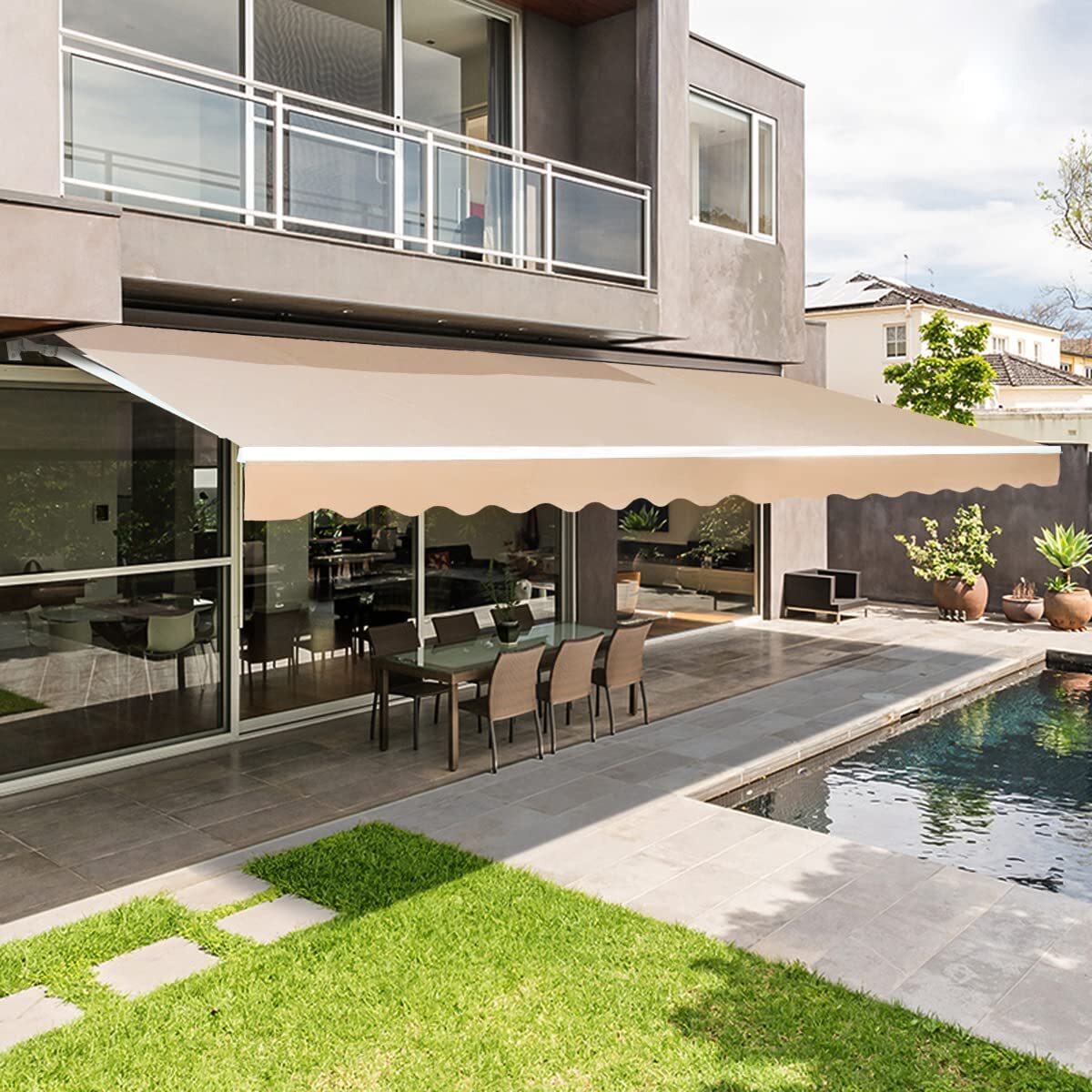
Retractable deck canopies split into two distinct build types: wall-mounted fabric awnings that crank out from the house, and freestanding metal pergolas with sliding fabric tops. Measure your mounting surface and projection depth first, because a 13x8 ft awning needs roughly 13 ft of clear wall and 8 ft of unobstructed projection, while a freestanding pergola must fit inside the deck footprint with footings. Most buyer mistakes are undersizing projection for afternoon sun angles and buying a manual crank unit for a span better served by a motorized or freestanding frame.

Buying guide image
Garden Fencing & Privacy Screens

Decorative Garden Fencing

Decorative garden fencing covers freestanding border panels, rolls, and trellis-style screens used for edging beds, marking paths, and adding visual structure without building a permanent barrier. The core trade-off is between cheap plastic/PVC panels that fade and crack under UV within a season or two, and powder-coated steel or iron panels that resist rust and hold their shape for years. The decision rule: buy metal with a stated coating and real spike depth if the fence must survive winters and pets; buy PP or reed rolls only for light, seasonal, or rental use.

You may also like

Finding more guides for you…