
Photos from current listings. Actual item, color, and included accessories may vary.
Indoor Grow Kit With Light Buying Guide
An indoor grow kit with light bundles a propagation or hydroponic growing system with dedicated LED lighting so seedlings and herbs can be started without natural sun. The core trade-off is LED quality and coverage versus tray/cell construction and self-watering capability — cheap kits use low-output diodes and thin plastic cells that crack, while durable kits specify full-spectrum LEDs, thick food-grade trays, and real reservoir capacity. The decision rule: buy only kits that state LED wattage or PPF, dome height, and tray material grade; skip any kit that omits light output and cell thickness.
Median $83.99 · New listings
Key takeaways
- LED output separates kits: entry units use 20-40W bar or clip LEDs, while mid-tier kits specify full-spectrum 50-100W panels with dimming and built-in timers — output determines whether seedlings stretch or stay stocky.
- Cell count and tray format drive capacity: 6/12-cell mini trays suit windowsill herbs, 72-cell self-watering trays handle full vegetable seed batches, and multi-tray 5-packs scale to nursery-level propagation.
- Self-watering bases with wicking mats or reservoir trays maintain moisture for 7-10 days; passive dome kits without reservoirs require misting every 1-2 days and are the main cause of damping-off.
At a glance
- Category
- Greenhouse & Hydroponics
- Last updated
- Nov 27, 2026
Current offers
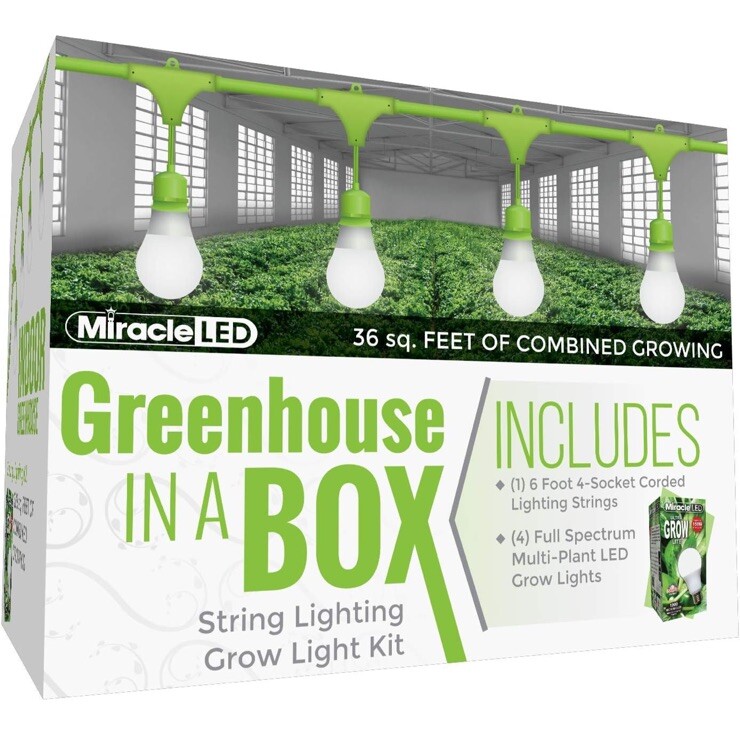 Miracle LED Greenhouse in a Box Grow Kit for Indoor Plants-Includes4 Ultra. R11$29.00View on eBay
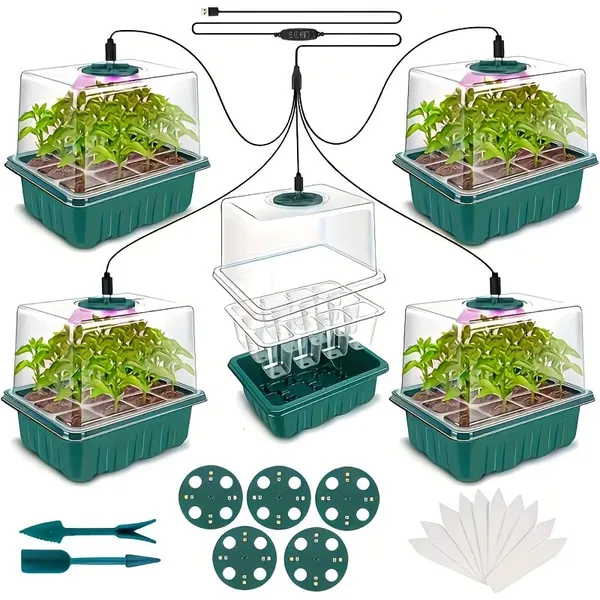 5-Pack Seed Starter Kit With LED Grow Lights – Indoor Propagation Trays Adjustable Humidity Dome & Clear Cell Seedling Mini Greenhouse Starting Set For Plants & Vegetables$62.99View on Mallflare
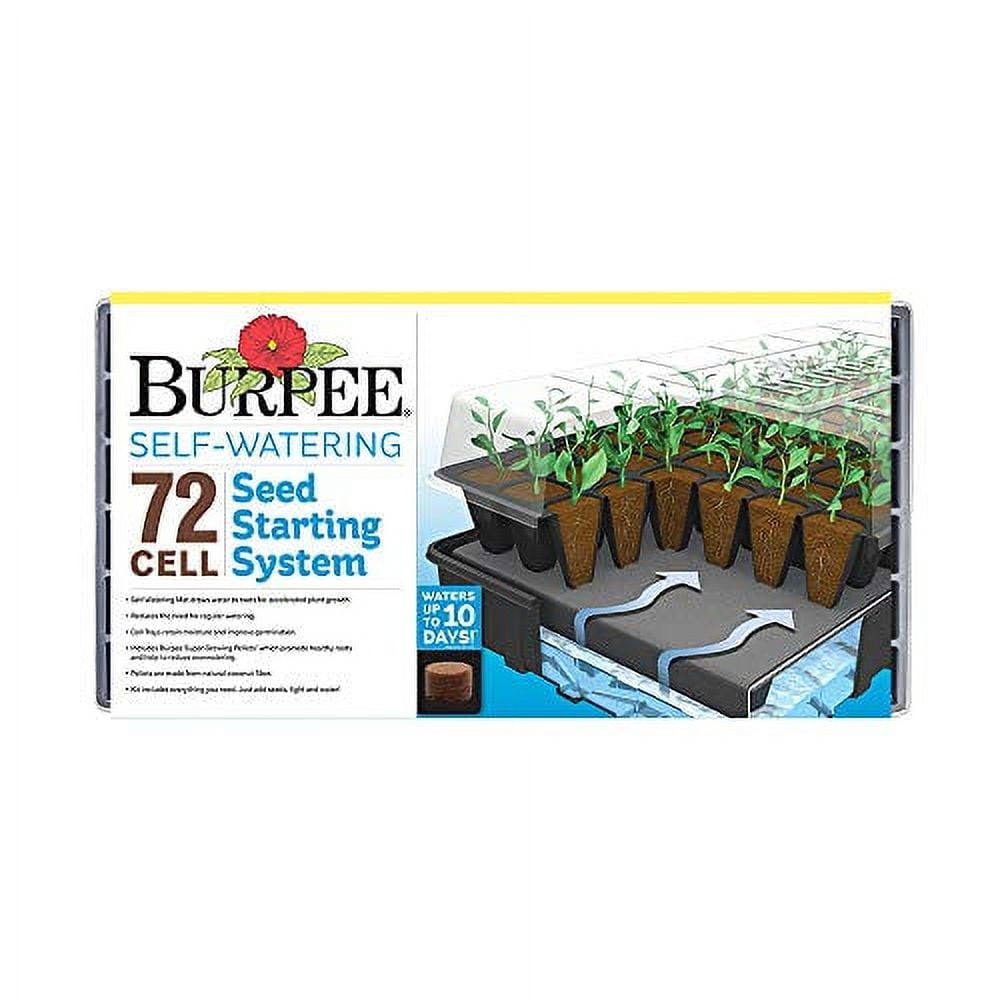 72-Cell Self-Watering Greenhouse Kit Indoor Growing System Comes W/ 72 pellets$35.95View on eBay
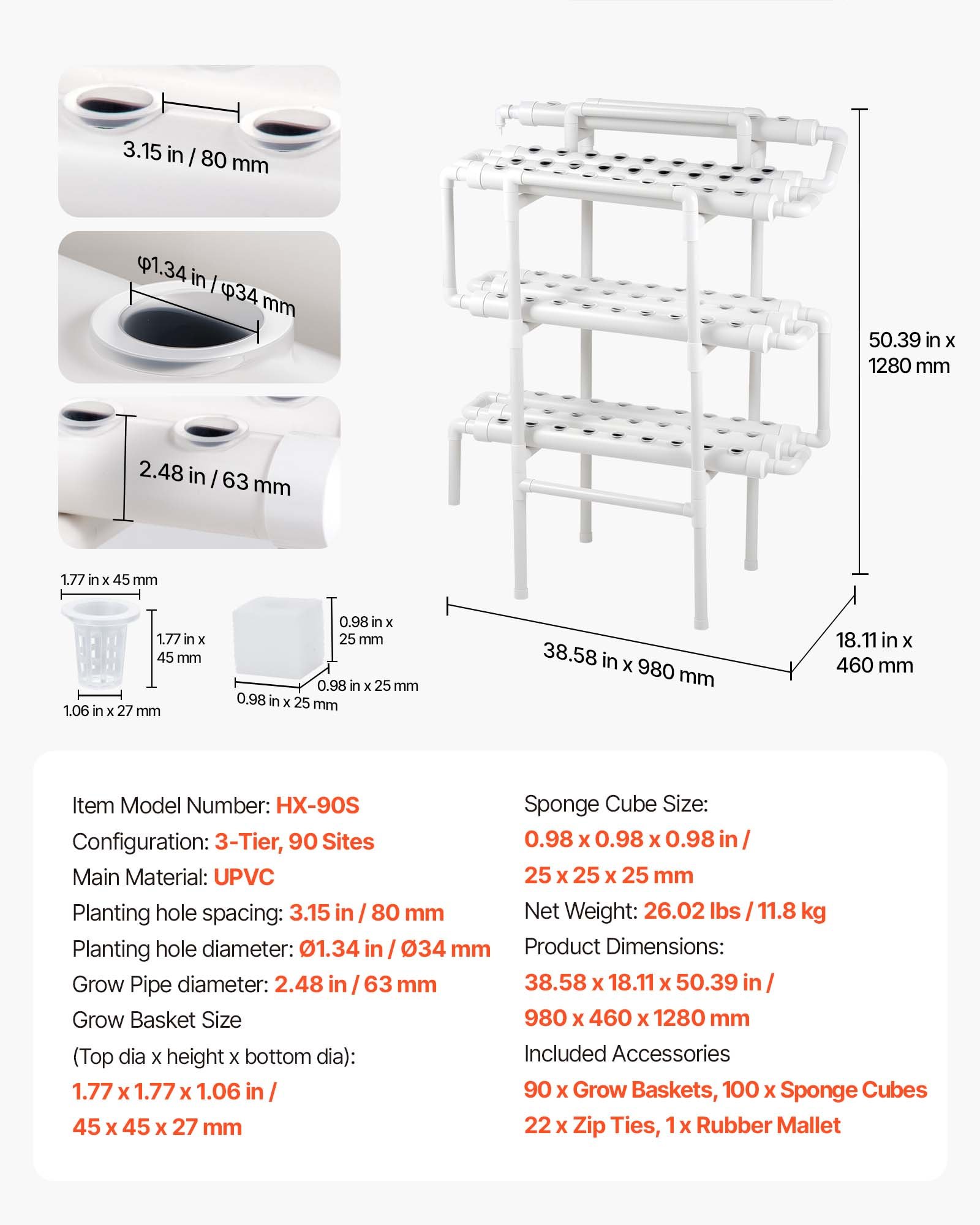 Hydroponics Growing System Kit, 3-Tier 90 Sites UPVC Pipe Hydroponic Grow Kit With Timed Irrigation, Sun & Light Blocking Pipes, Indoor Home Garden Vegetable Planting Kits For Fruit Herb$82.99View on Mallflare
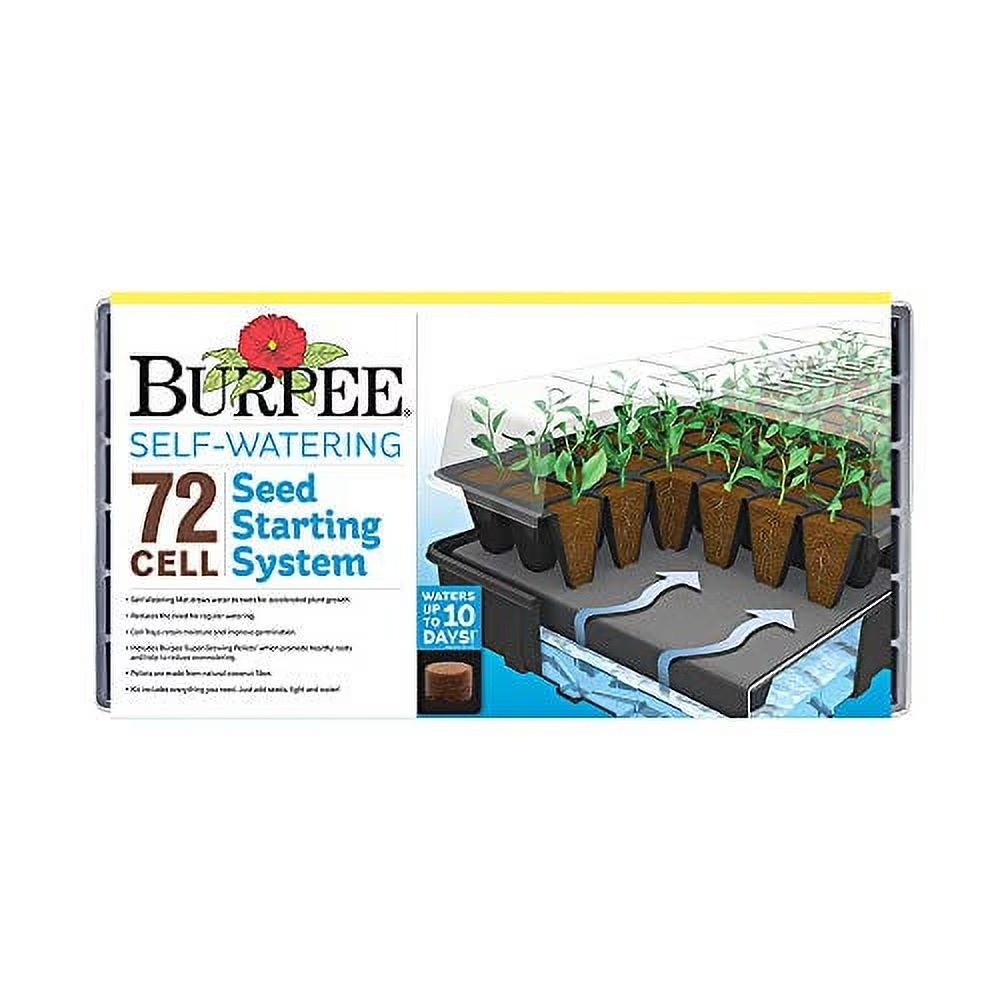 72-Cell Self-Watering Greenhouse Kit,Indoor Growing System,Comes with 72 pellets$39.94View on eBay
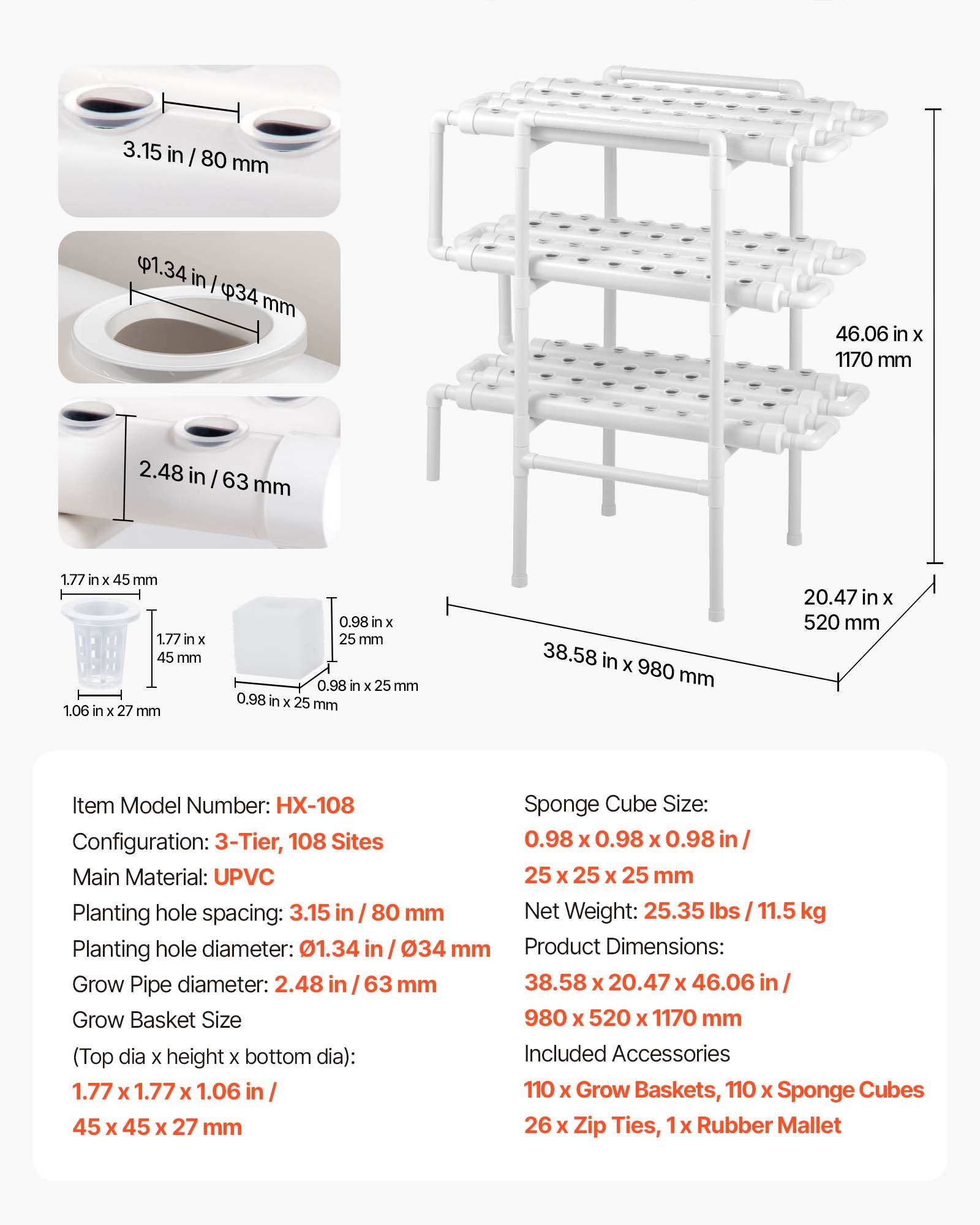 Hydroponics Growing System Kit, 3-Tier 108 Sites UPVC Pipe Hydroponic Grow Kit With Timed Irrigation, Thickened Pipes, Indoor Home Garden Vegetable Planting Kits For Fruit Herb$83.99View on Mallflare
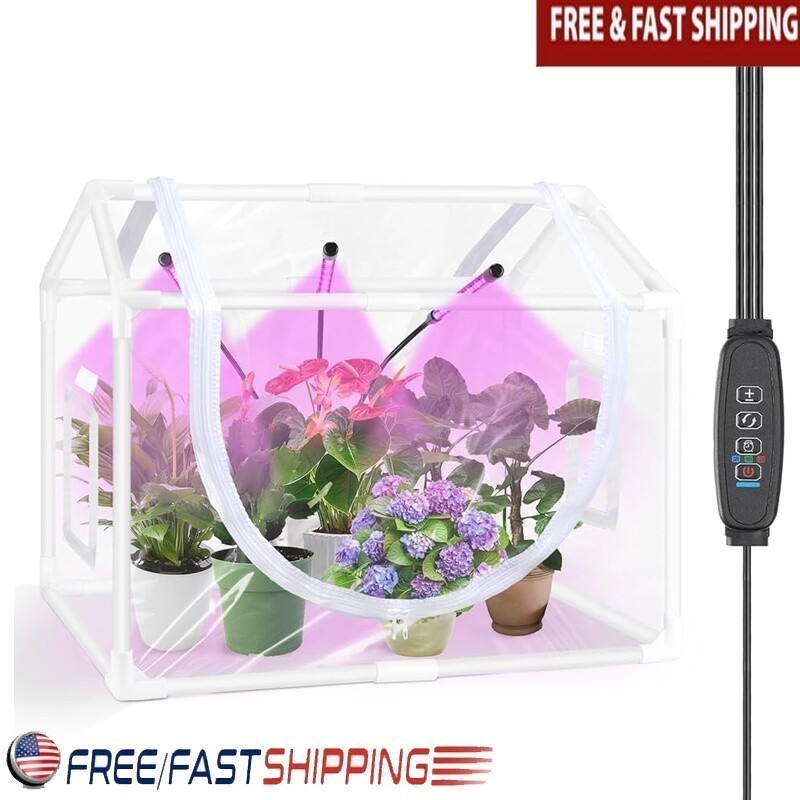 Indoor Mini Greenhouse Kit W/ Grow Light Timer PVC Cover Ventilation Plants New$44.48View on eBay
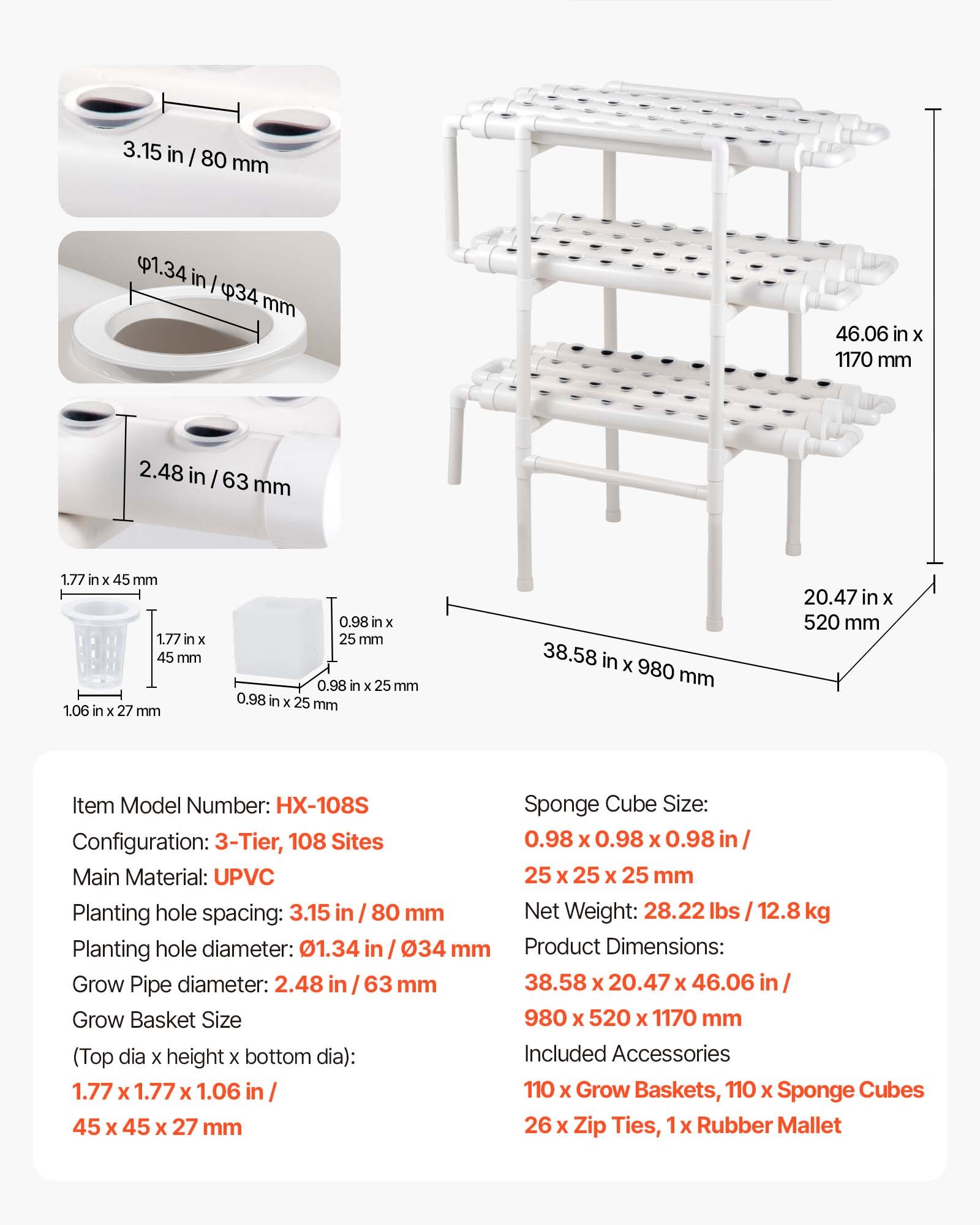 Hydroponics Growing System Kit, 3-Tier 108 Sites UPVC Pipe Hydroponic Grow Kit With Timed Irrigation, Sun & Light Blocking Pipes, Indoor Home Garden Vegetable Planting Kits For Fruit Herb$104.99View on Mallflare
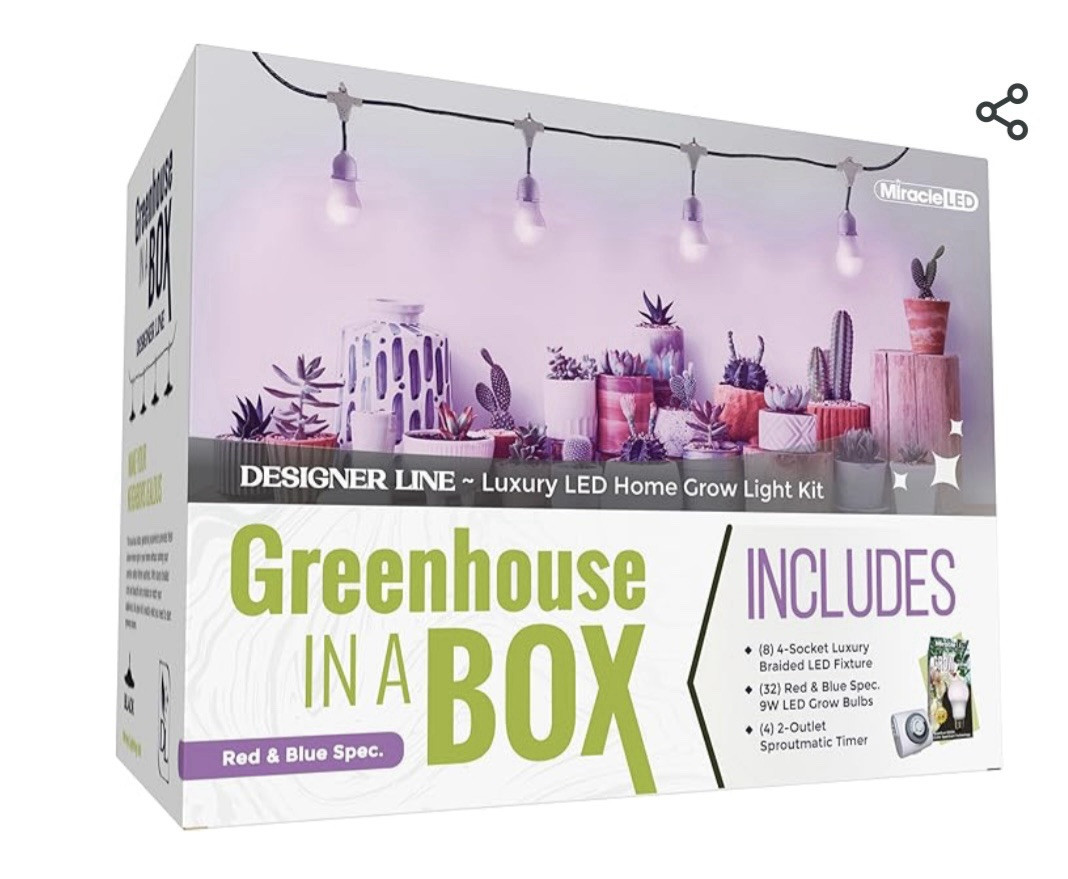 Miracle LED Greenhouse in a Box Designer Line Indoor Grow Kit$86.25View on eBay
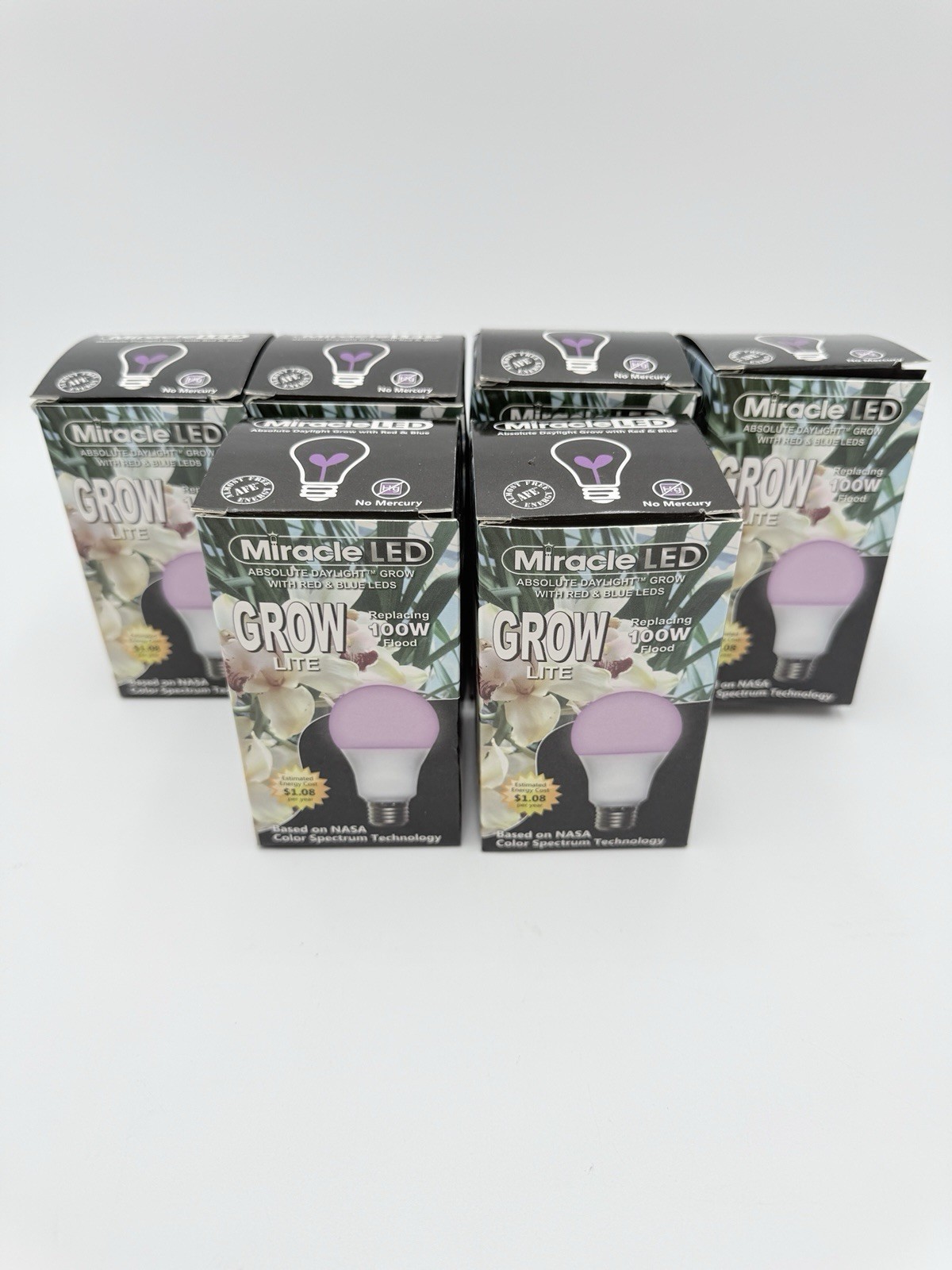 Miracle LED Greenhouse in a Box Designer Line Indoor Grow Kit (2-pack)$99.00View on eBay
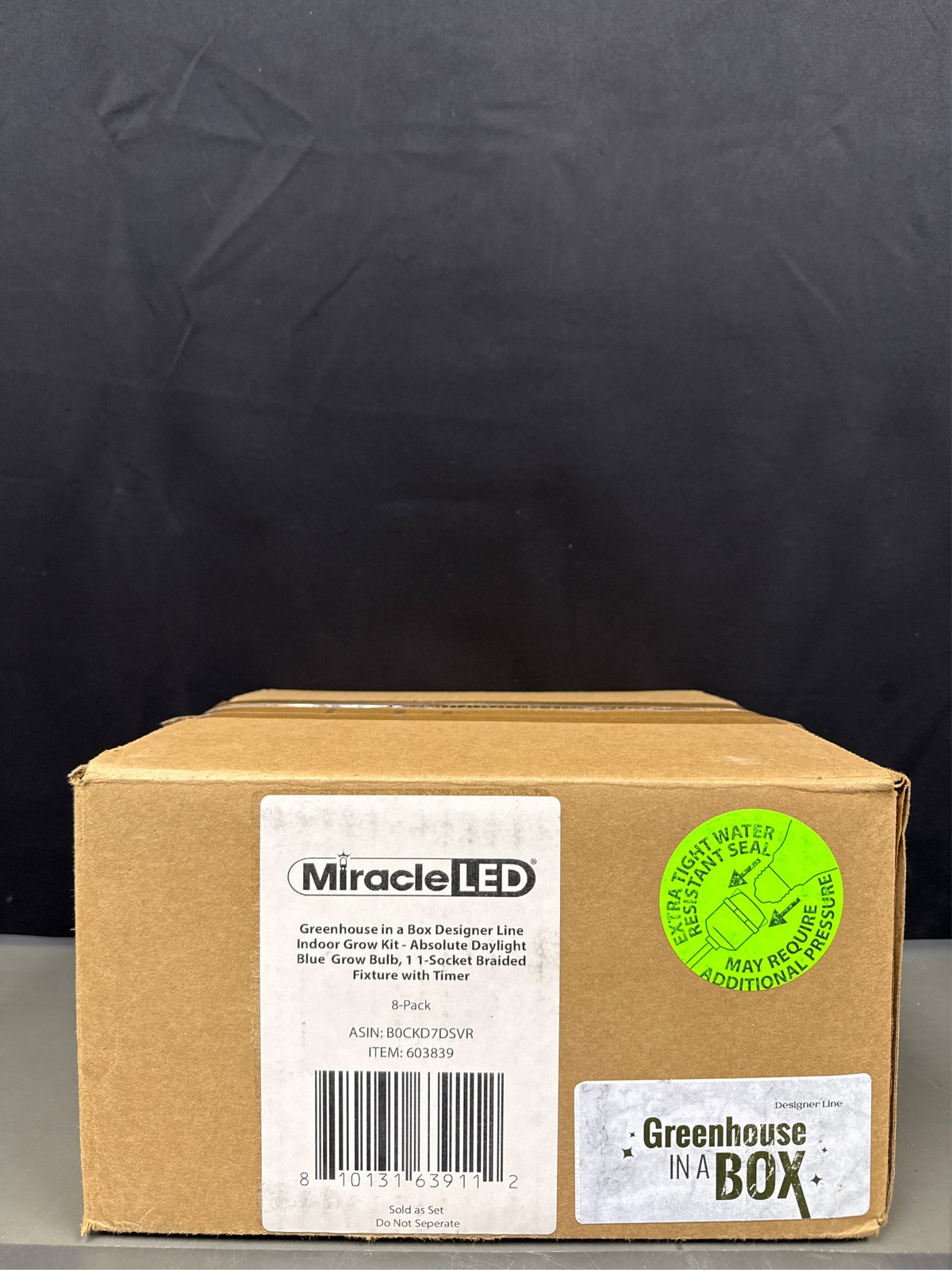 Miracle LED Greenhouse in a Box Designer Line Indoor Grow Kit - Includes Absolut$103.45View on eBay
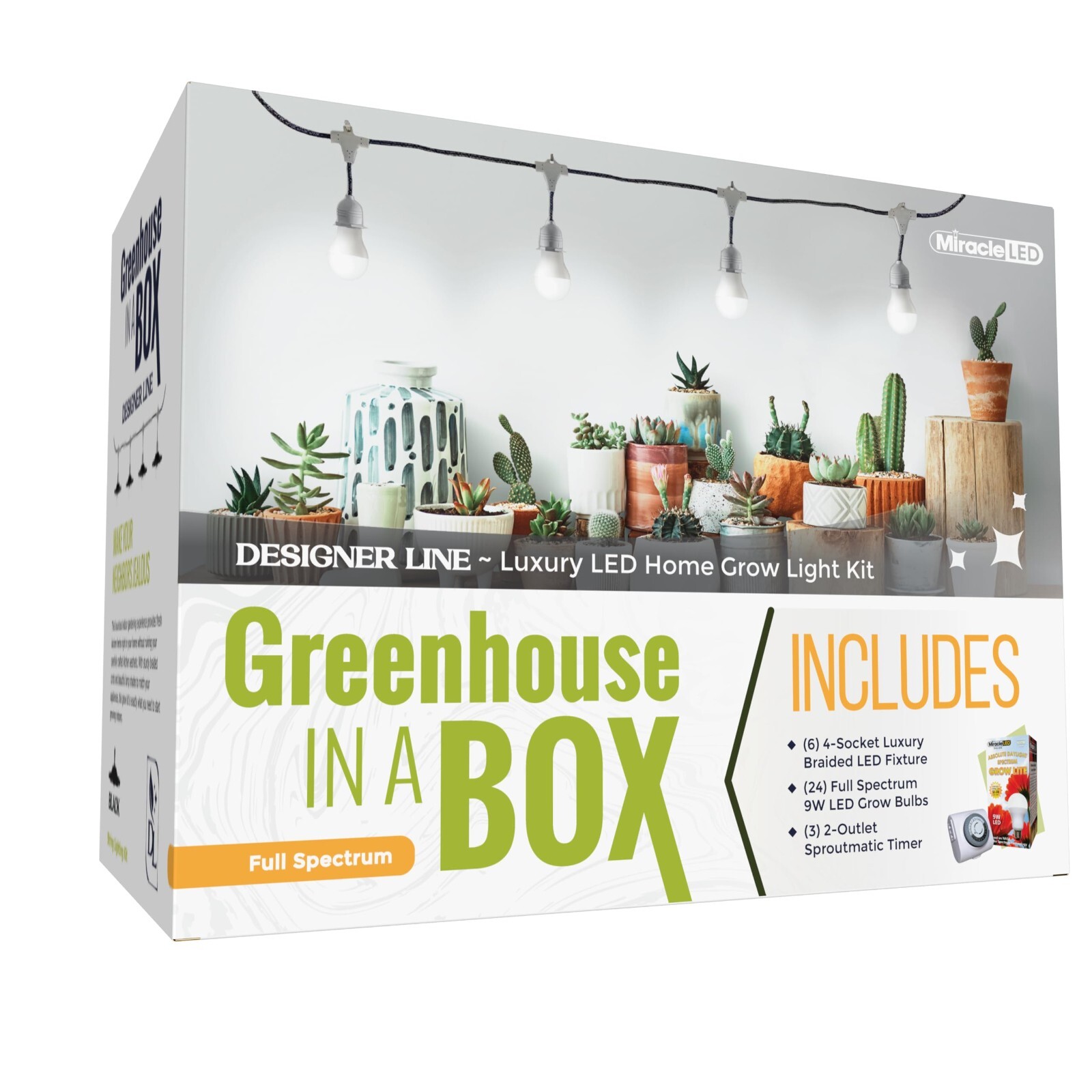 Miracle LED Greenhouse in a Box Designer Line Indoor Grow Kit - (6 PACK)$178.99View on eBay
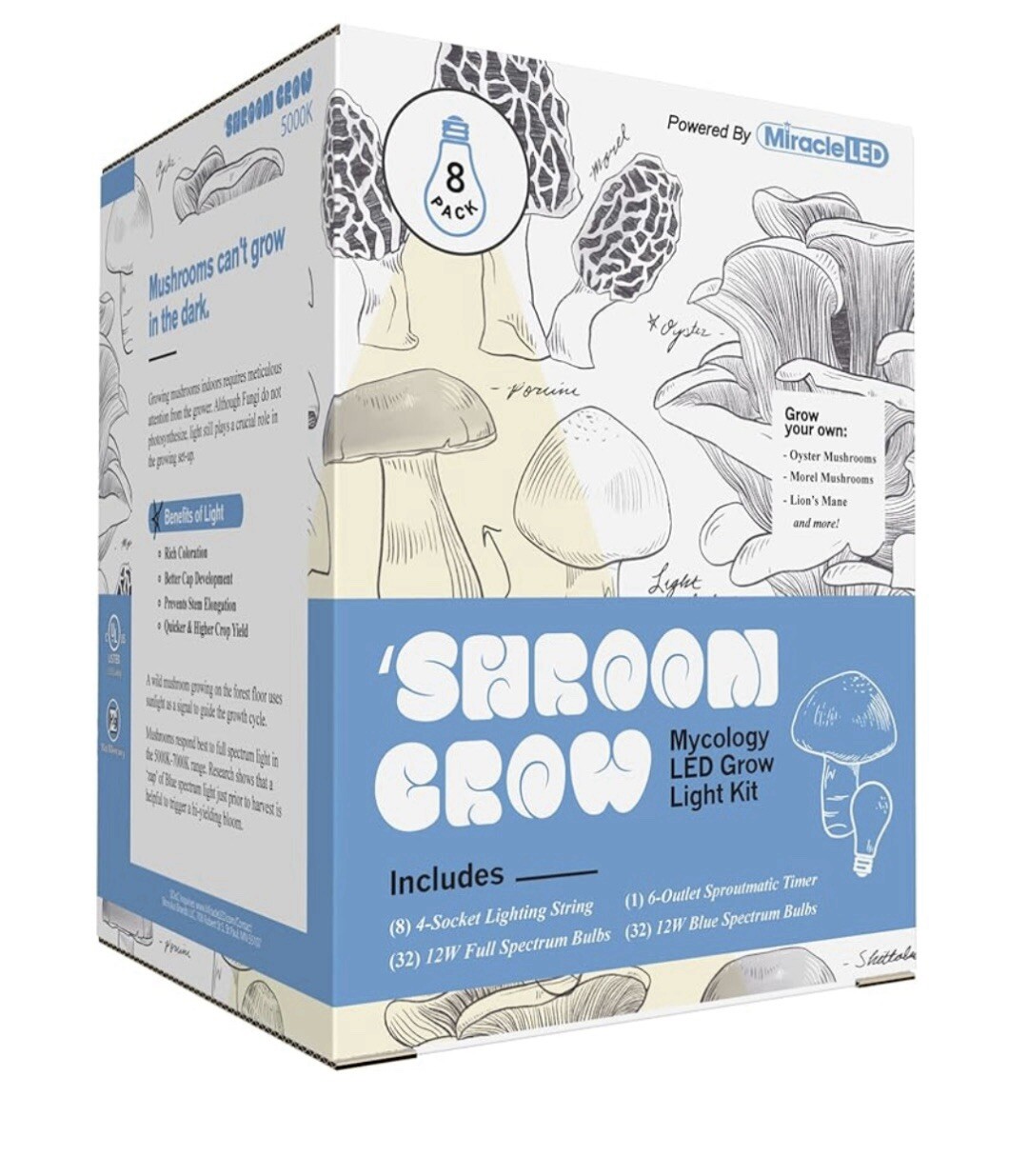 Miracle LED Shroom Indoor Grow Light Kit for Oyster, Shitake, Lions Mane 8 Packs$209.30New · Last checked Nov 20, 2026View on eBay
Highlights
- LED output separates kits: entry units use 20-40W bar or clip LEDs, while mid-tier kits specify full-spectrum 50-100W panels with dimming and built-in timers — output determines whether seedlings stretch or stay stocky.
- Cell count and tray format drive capacity: 6/12-cell mini trays suit windowsill herbs, 72-cell self-watering trays handle full vegetable seed batches, and multi-tray 5-packs scale to nursery-level propagation.
- Self-watering bases with wicking mats or reservoir trays maintain moisture for 7-10 days; passive dome kits without reservoirs require misting every 1-2 days and are the main cause of damping-off.
- Hydroponic tiers (3-tier 90/108-site UPVC pipe systems) with timed irrigation are a separate architecture from soil propagation trays — they grow plants to harvest, not just germination, and need light-bar coverage per tier.
Best use cases
- Best fit: 72-cell self-watering tray kits with a 40W+ full-spectrum bar for starting a full flat of tomatoes, peppers, and brassicas indoors — skip 6-cell novelty trays that run out of space in three weeks.
- Best fit: 3-tier 90- or 108-site UPVC hydroponic kits with timed irrigation and per-tier LED bars for continuous leafy-green and herb harvest — wrong fit for root vegetables or fruiting crops that outgrow pipe diameter.
- Best fit: 5-pack multi-tray LED seed starter sets with adjustable humidity domes and 5-level brightness/4-timer controllers for succession sowing and balcony microgreens — skip single-tray kits if you sow more than once per season.
- Wrong fit: cold-frame or PVC-cover mini greenhouse kits used outdoors in frost — they are unheated and offer no frost protection; indoor LED propagation kits are the correct choice for year-round starts.
Buying tips
- Match LED wattage to cell count: 20-30W covers a 12-cell tray, 40-60W covers a 72-cell tray, and 100W+ full-spectrum panels are needed for 3-tier hydroponic racks with 2-3 feet of light distance.
- Choose tray plastic by thickness: 0.8-1.2mm food-grade PET or PP trays survive repeated sterilization; sub-0.5mm PVC clamshell domes crack within one or two seasons and leak reservoir water.
- Confirm timer and dimming controls are integrated — 4-timer/5-brightness controllers let you run 12-16 hours of light and 8 hours dark without an external outlet timer; kits lacking timers need a separate plug-in timer.
- For self-watering kits, check reservoir volume and wicking method: bottom trays holding 0.5-1 gallon with cotton wicks last a week; shallow 1-2 cup trays dry out in 2-3 days and negate the self-watering claim.
Specs
| Light Type | Full-spectrum LED vs red/blue LED |
|---|---|
| System Type | Soil tray propagation vs hydroponic tier |
| Cell Capacity | 6/12-cell mini to 72-cell flat |
| Watering | Self-watering reservoir vs manual dome mist |
Related searches
What to check before buying
- Measure your shelf or windowsill footprint: 72-cell trays run roughly 14x9 inches, 5-tray sets need about 2x3 feet, and 3-tier hydroponic racks need 2-3 feet of width plus ceiling clearance for light hanging.
- Check ambient temperature and humidity: LED propagation kits work best at 65-75°F room temperature; unheated garages below 60°F stall germination regardless of light quality.
- Verify plug and voltage standard for your region (120V US NEMA 1-15 or 220-240V EU/UK) and confirm the LED driver is UL/ETL or CE listed — unlisted drivers are a fire risk on long 16-hour cycles.
- Plan companion parts: seed-starting mix or rockwool cubes, a heat mat for cold rooms, and a pH/EC meter if using the hydroponic tier kits — none are reliably included in tray-based kits.
FAQ
Data sources: eBay / Amazon listings and product attribute feeds. Updated Nov 27, 2026.
Some links on this page are affiliate links. If you buy after clicking one, we may earn a commission at no extra cost to you. This does not change which products appear here or their order. Affiliate disclosure.