
Photos from current listings. Actual item, color, and included accessories may vary.
Full Spectrum Grow Light Indoor Plant Buying Guide
Full-spectrum grow lights for indoor plants deliver a white-like spectrum (typically 3500–4500K plus 660nm red) to support both vegetative and flowering stages without swapping bulbs. The core trade-off is between advertised 'equivalent wattage' marketing and actual wall-draw power density: quantum-board and bar-style LEDs with dimmable drivers and Samsung-class diodes outperform blurple or budget multi-head lamps for serious growth. The decision rule is simple: buy by true wall watts and PPFD at your canopy distance, not by inflated '5000W' labels.
Median $146.49 · New listings
Key takeaways
- Quantum-board and bar fixtures use LM281B, LM301B, or Samsung 281B+ diodes; board density and diode bin determine PPFD uniformity, while cheap multi-head lamps use generic epistar-style LEDs with lower efficiency.
- True power draw is roughly 1/10th of marketing names: a '5000W' spider light typically draws 400–500W from the wall; a '200W' board often pulls 200W real, so always compare actual wattage and PPFD charts.
- Dimmable drivers (0–100%) and daisy-chain ports are the key upgrade over fixed-output lamps, allowing seedling-to-flower intensity control and multi-light expansion on one circuit.
At a glance
- Category
- Greenhouse & Hydroponics
- Last updated
- Nov 27, 2026
Current offers
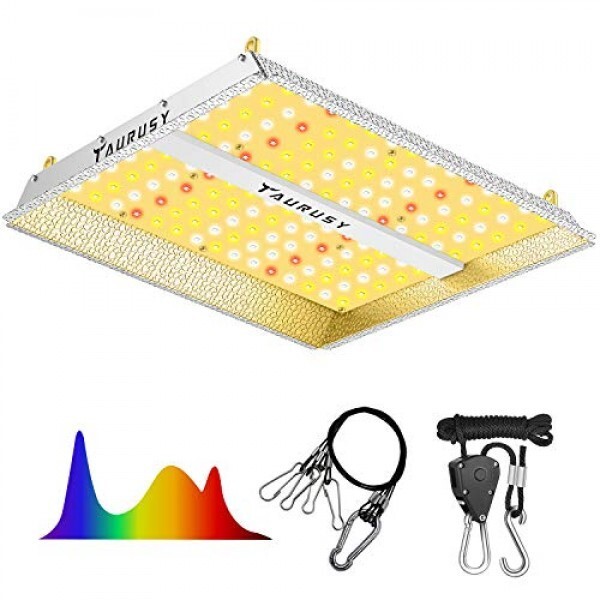 Full Spectrum Quantum Board LED Grow Light 2x2ft Coverage Green House Grow Light$19.99View on eBay
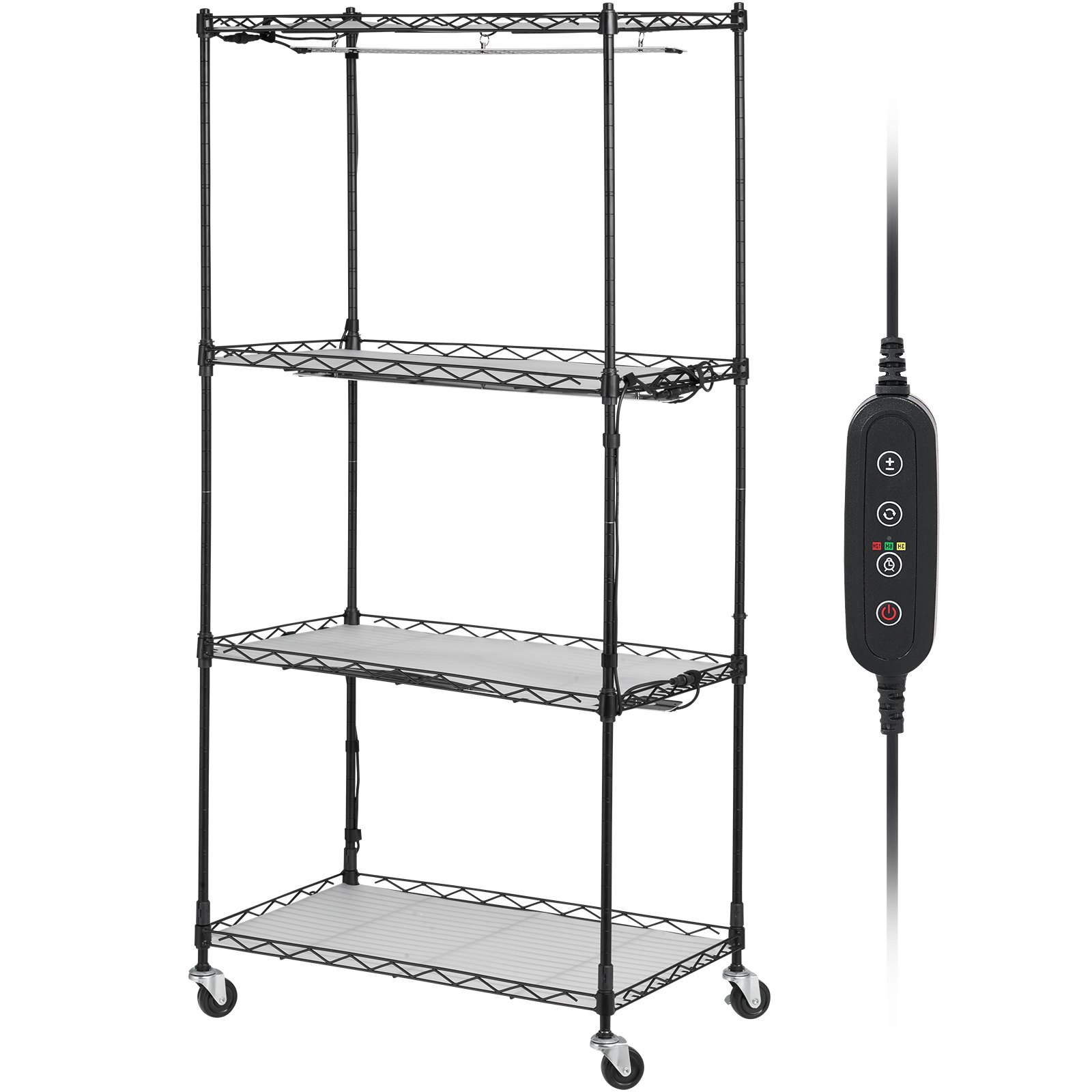 Plant Stand With Grow Light, 4-Tier Shelf 45W Full Spectrum 3 Mode Timer And Wheel For Seed Starting, Metal For Indoor Plants$93.99View on Mallflare
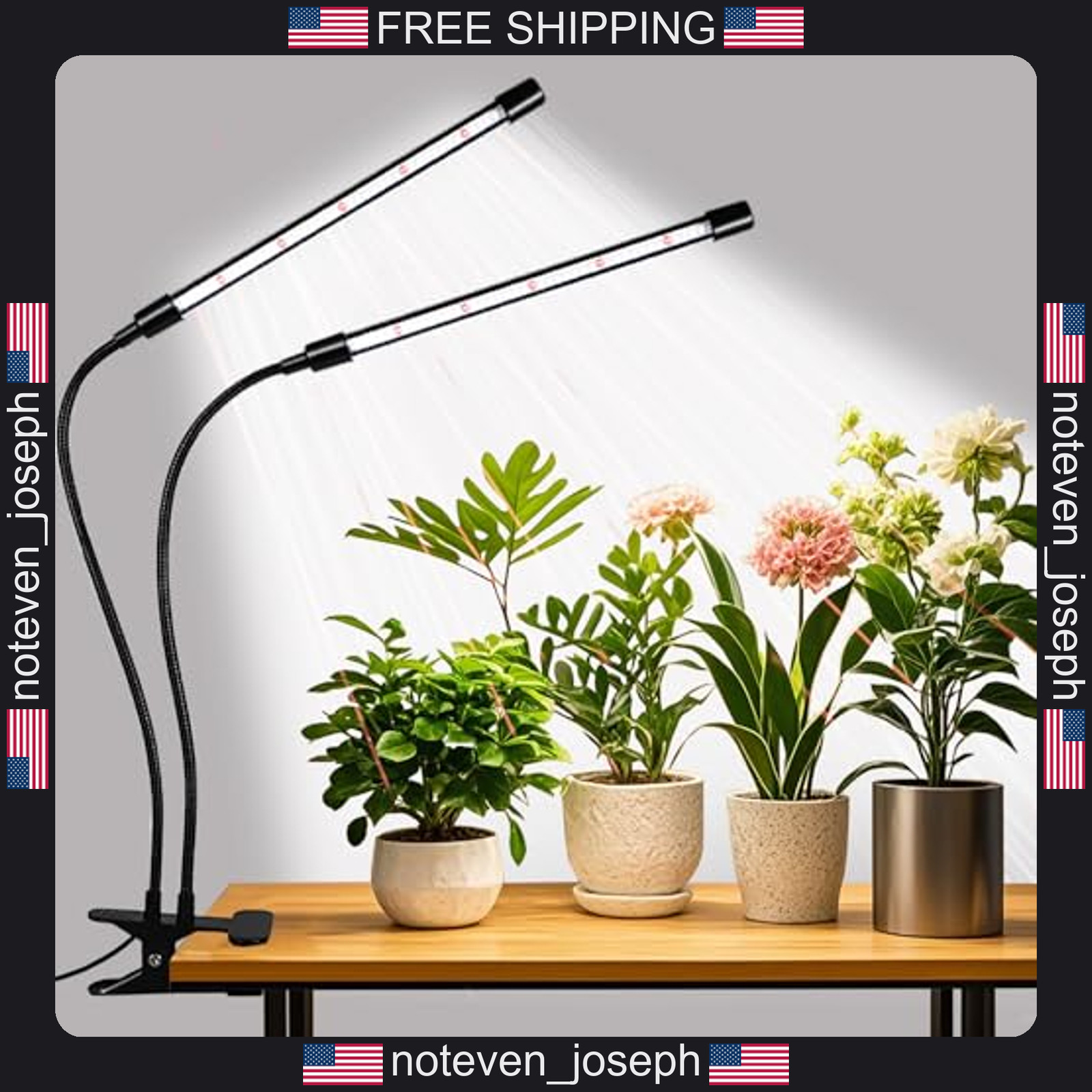 RWNTAO 4-Head LED Grow Light with Timer and Dimmable Full Spectrum Plant Lamp$32.18View on eBay
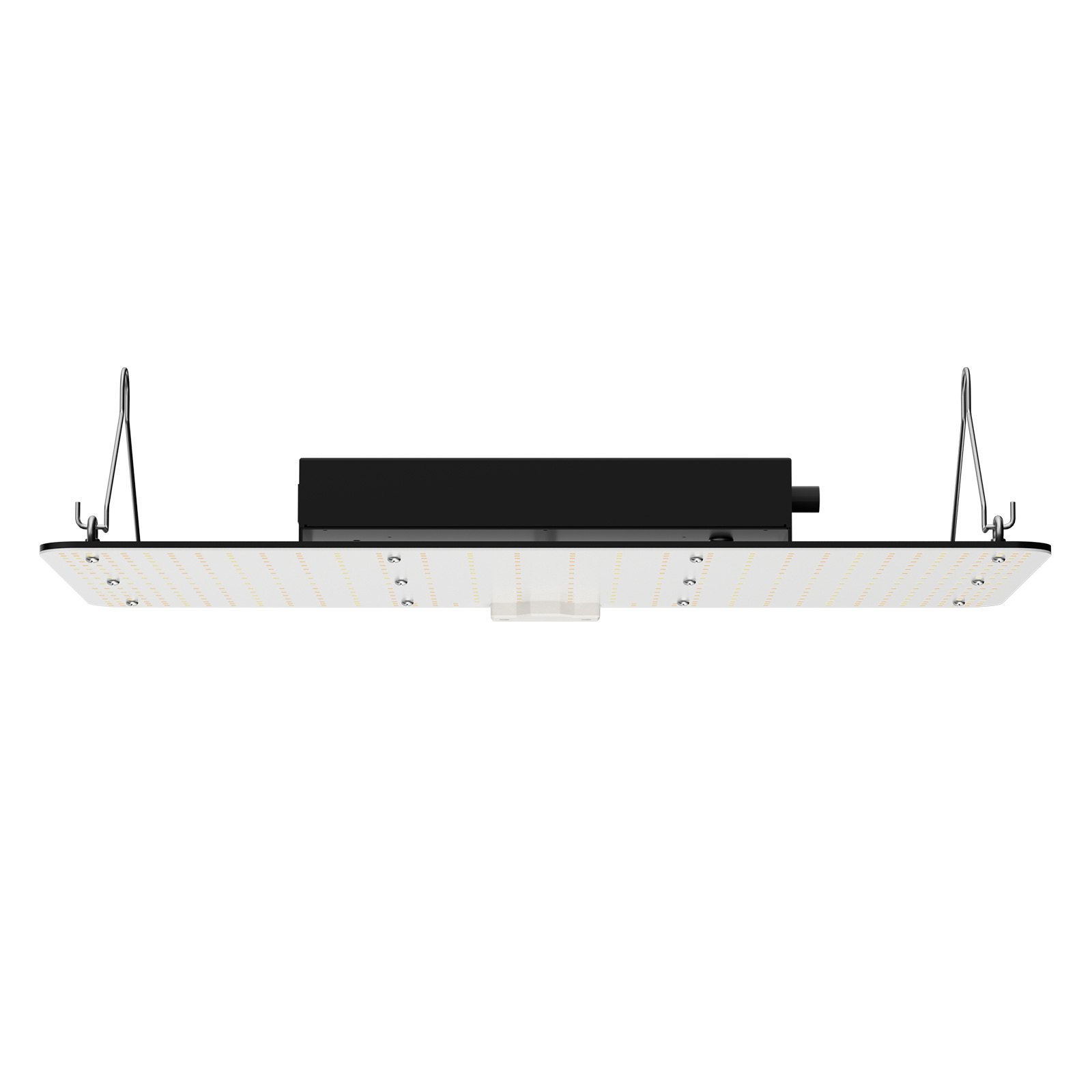 200W LED Grow Light, Samsung 281B+PRO Chips For Indoor Plants Growing, Full Spectrum Dimmable, High Yield Lamp, Daisy Chain Driver, 2x4/3x3 Ft Tent$122.99View on Mallflare
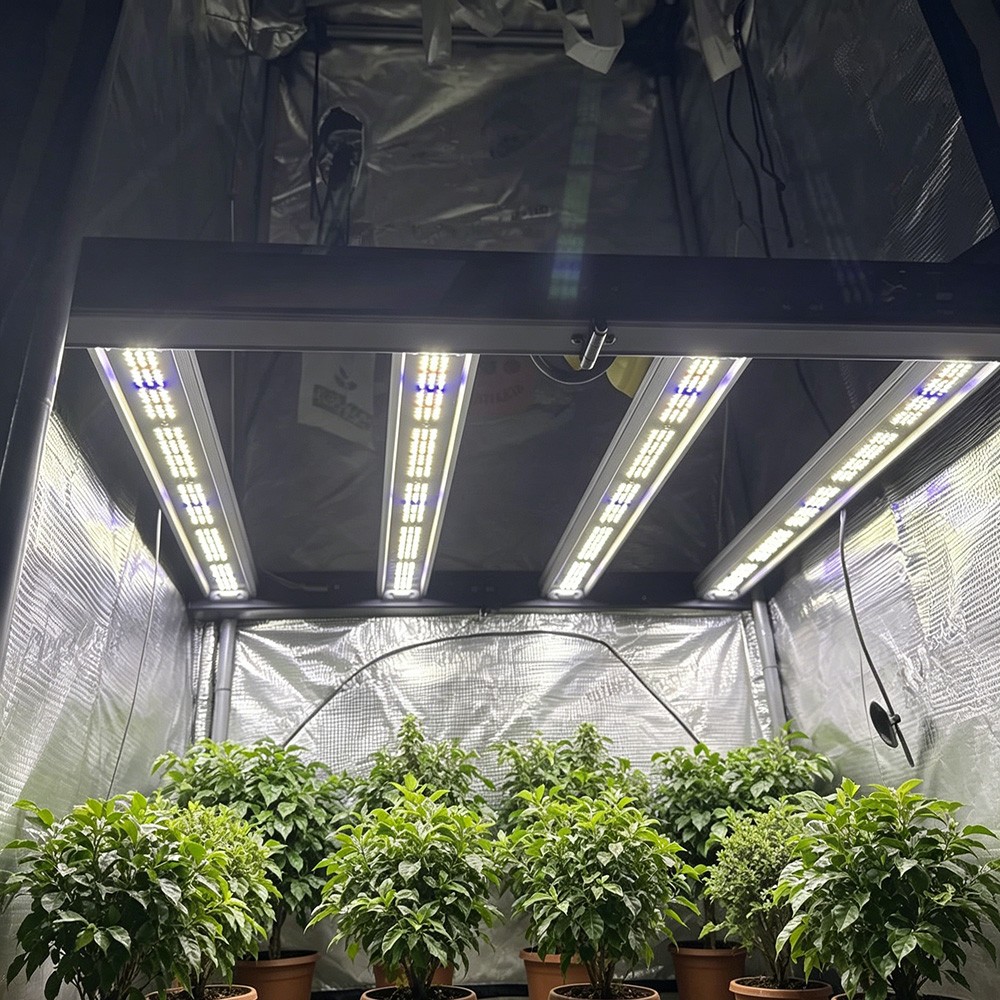 3000W Spider LED Greenhouse Grow Light Full Spectrum for Indoor Veg Bloom Plants$79.59Last checked Nov 28, 2026View on eBay
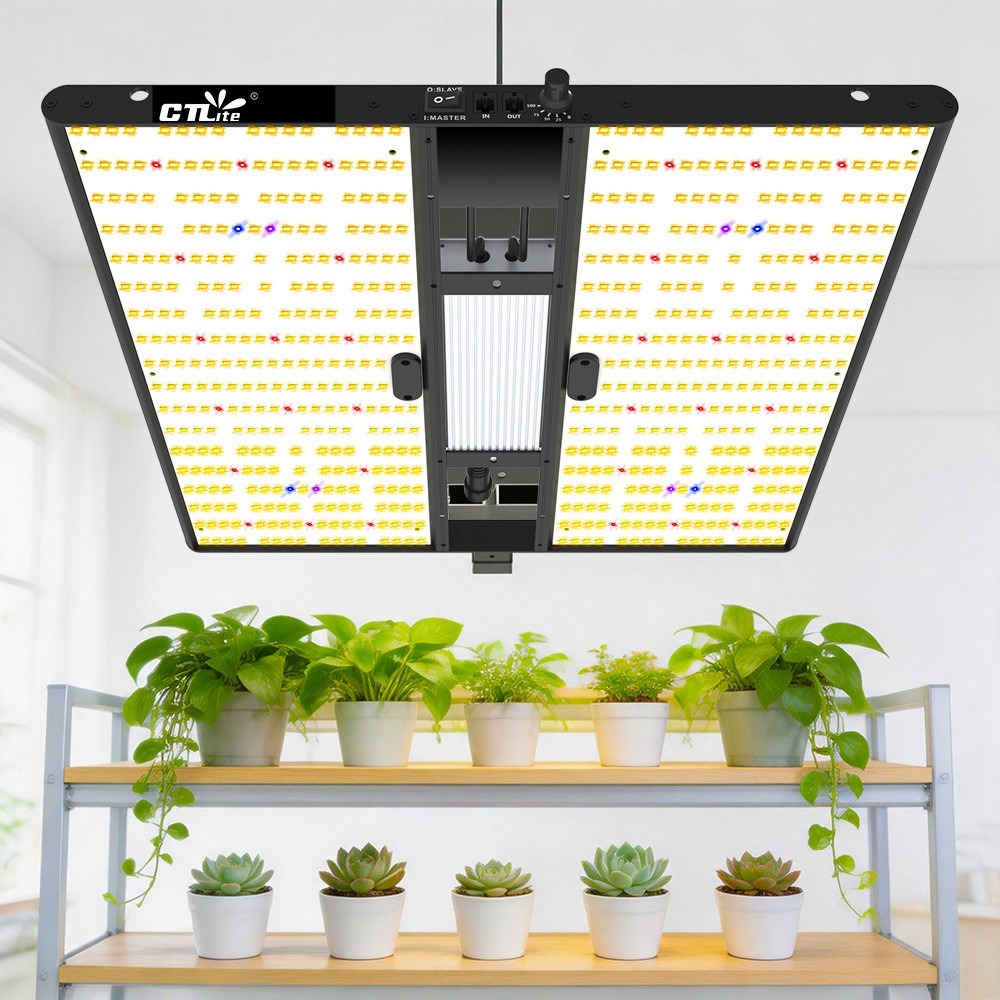 Spider 5000W LED Greenhouse Grow Light 5x5 4x4ft Veg Flower Full Spectrum Light$122.69View on eBay
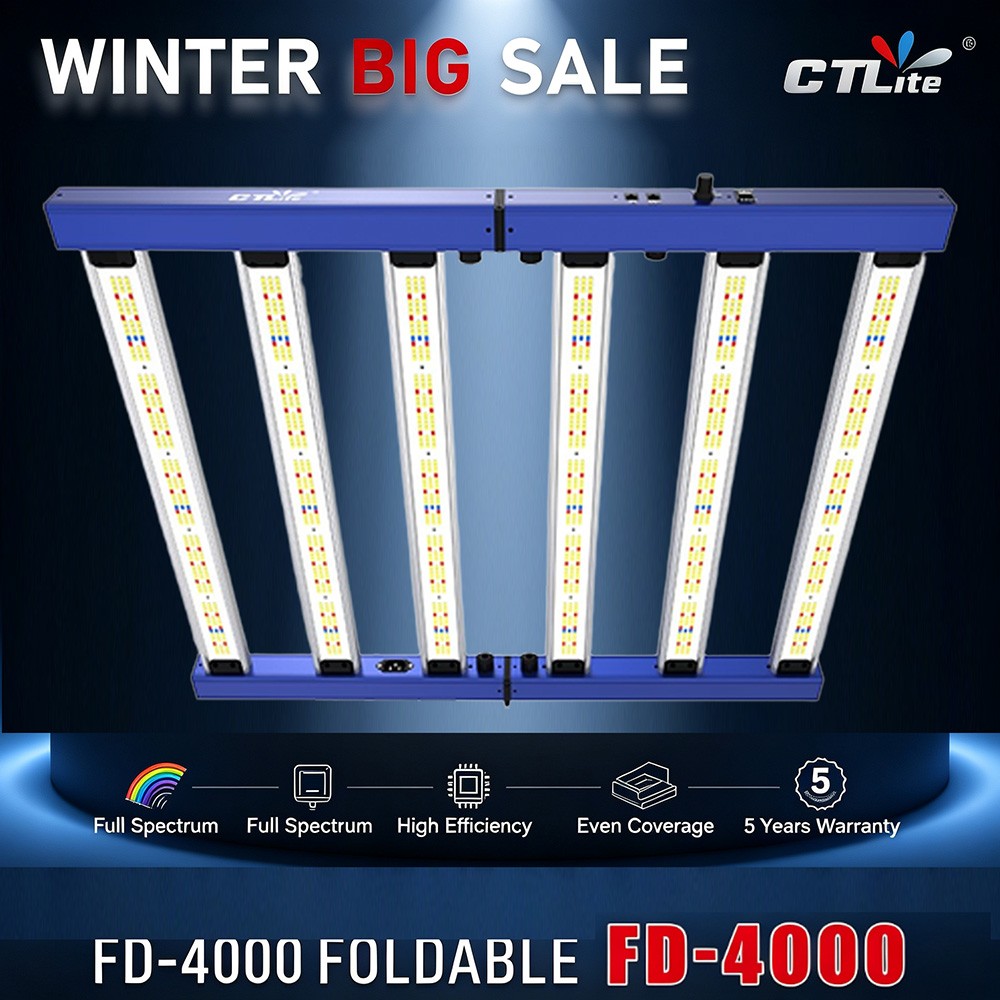 Dimmable Spider 4000W LED Greenhouse Grow Light Bar Full Spectrum for Indoor Use$169.99View on eBay
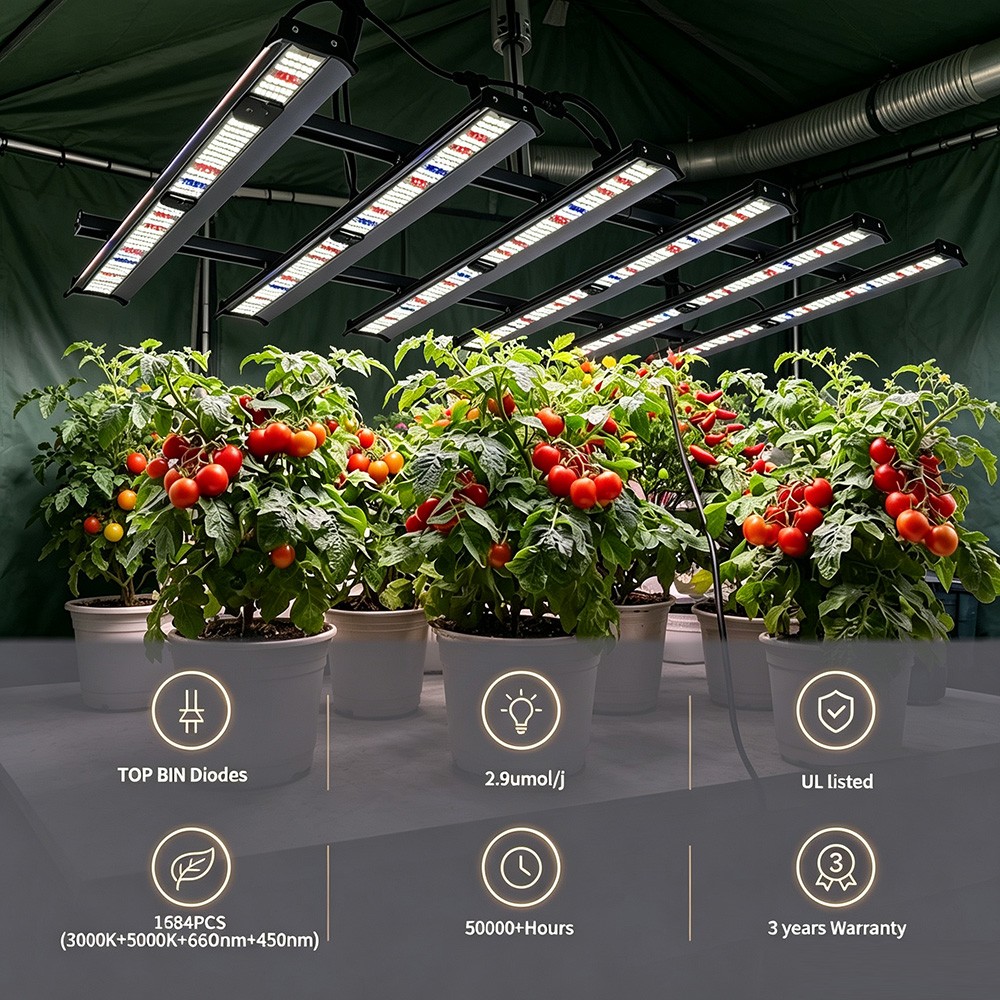 5000W Grow Light 4X4FT Full Spectrum LM281B LED Commercial Greenhouse Plant Lamp$175.55View on eBay
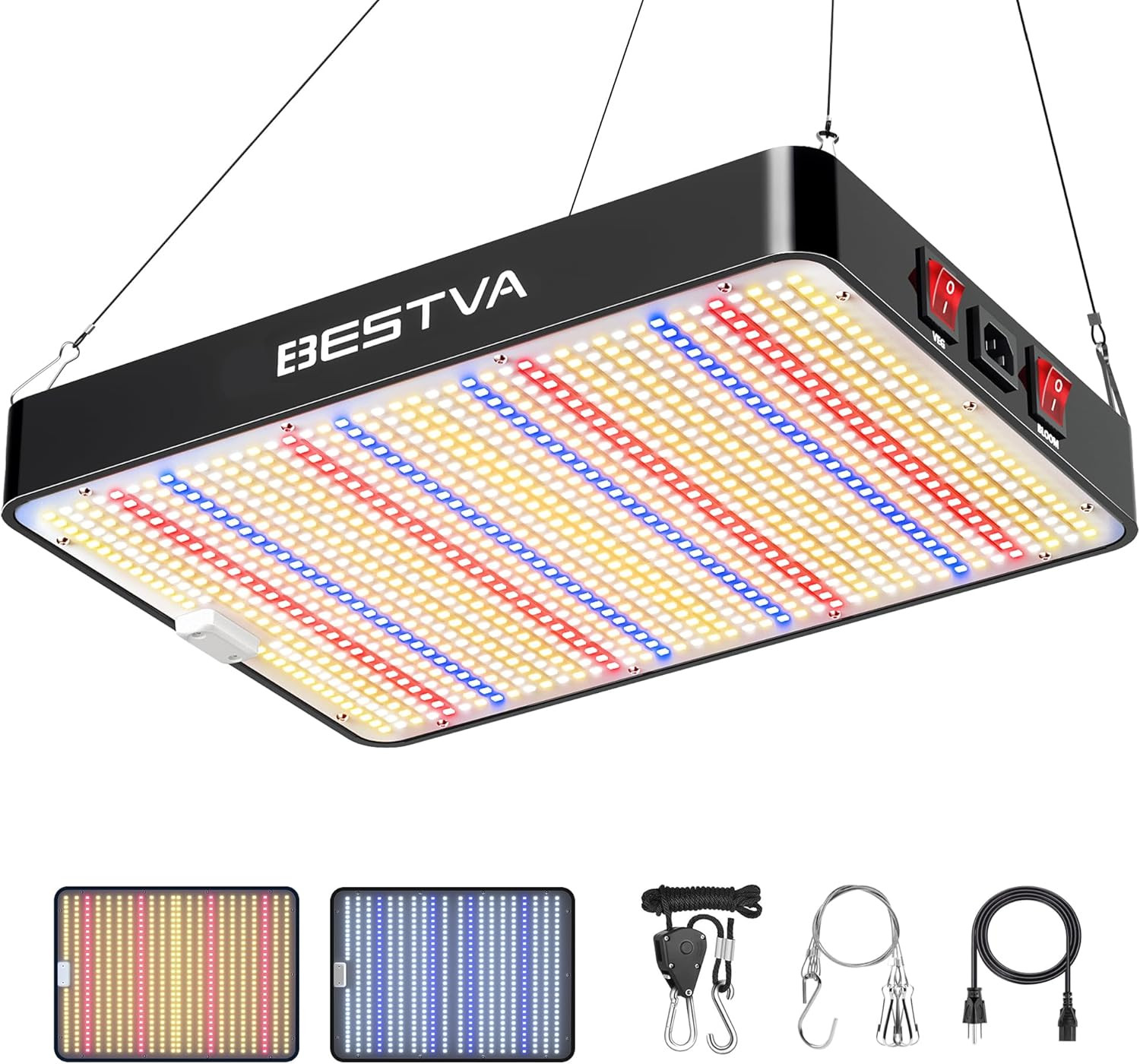 DC2000 Grow Light for Indoor Plants, Dimmable Full Spectrum LED Plant Light$207.93New · Last checked Nov 20, 2026View on eBay
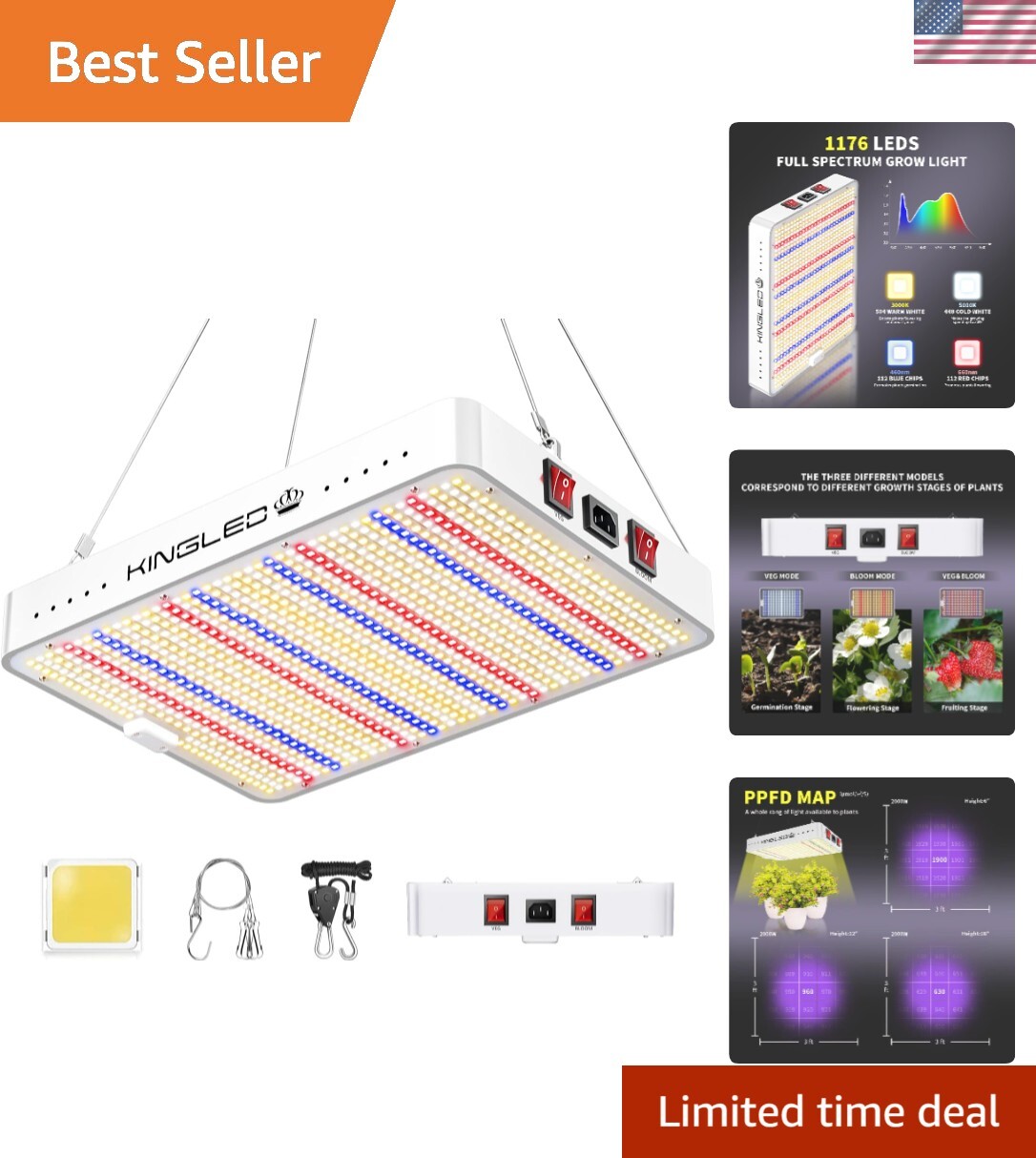 Grow Lights, KP2000 Full Spectrum Grow Lamp for Indoor Plant, Veg Bloom Dual ...$213.99New · Last checked Nov 20, 2026View on eBay
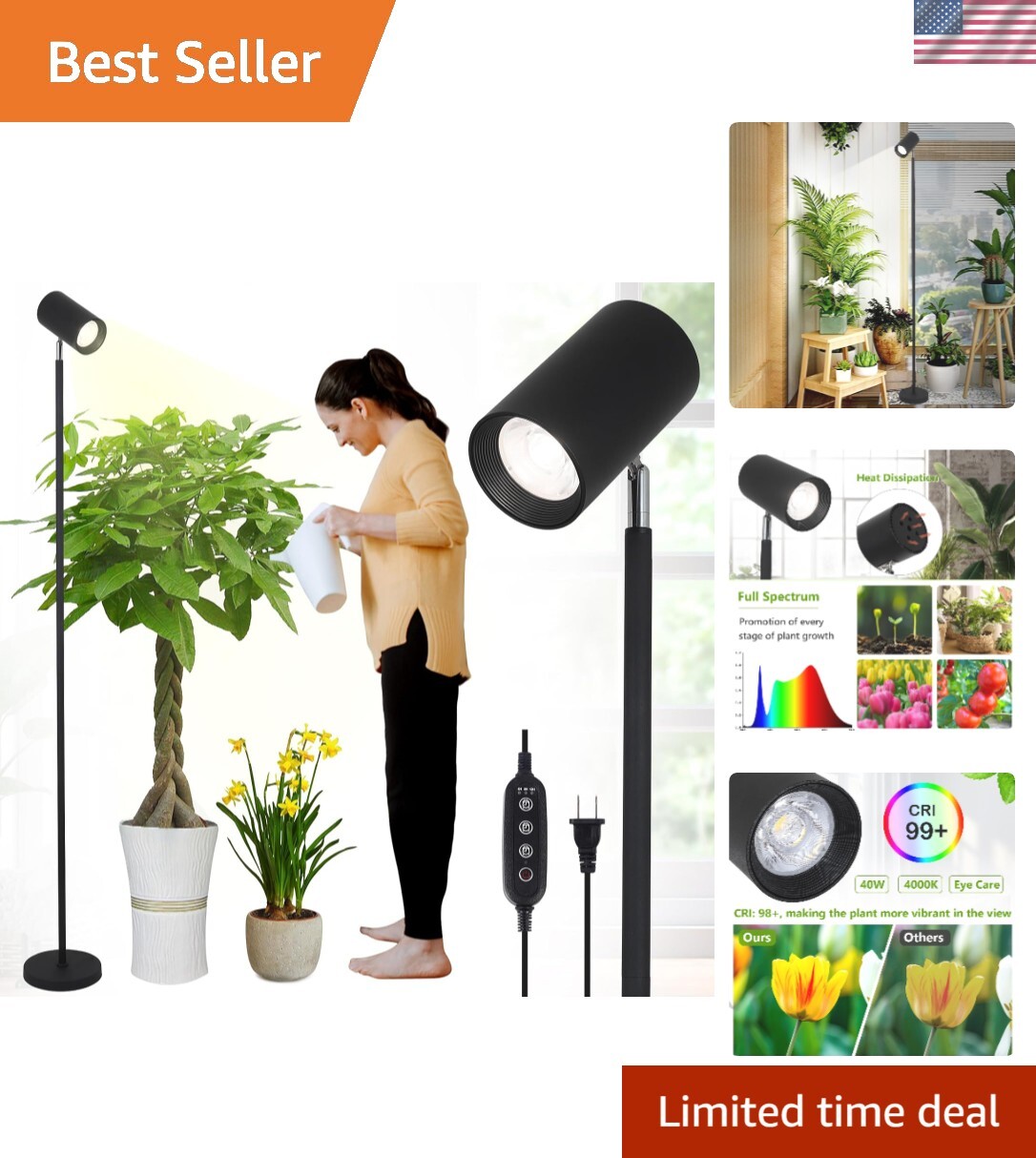 40W Grow Lights Stand for Indoor Plants Full Spectrum, Standing Plant Light f...$215.99New · Last checked Nov 20, 2026View on eBay
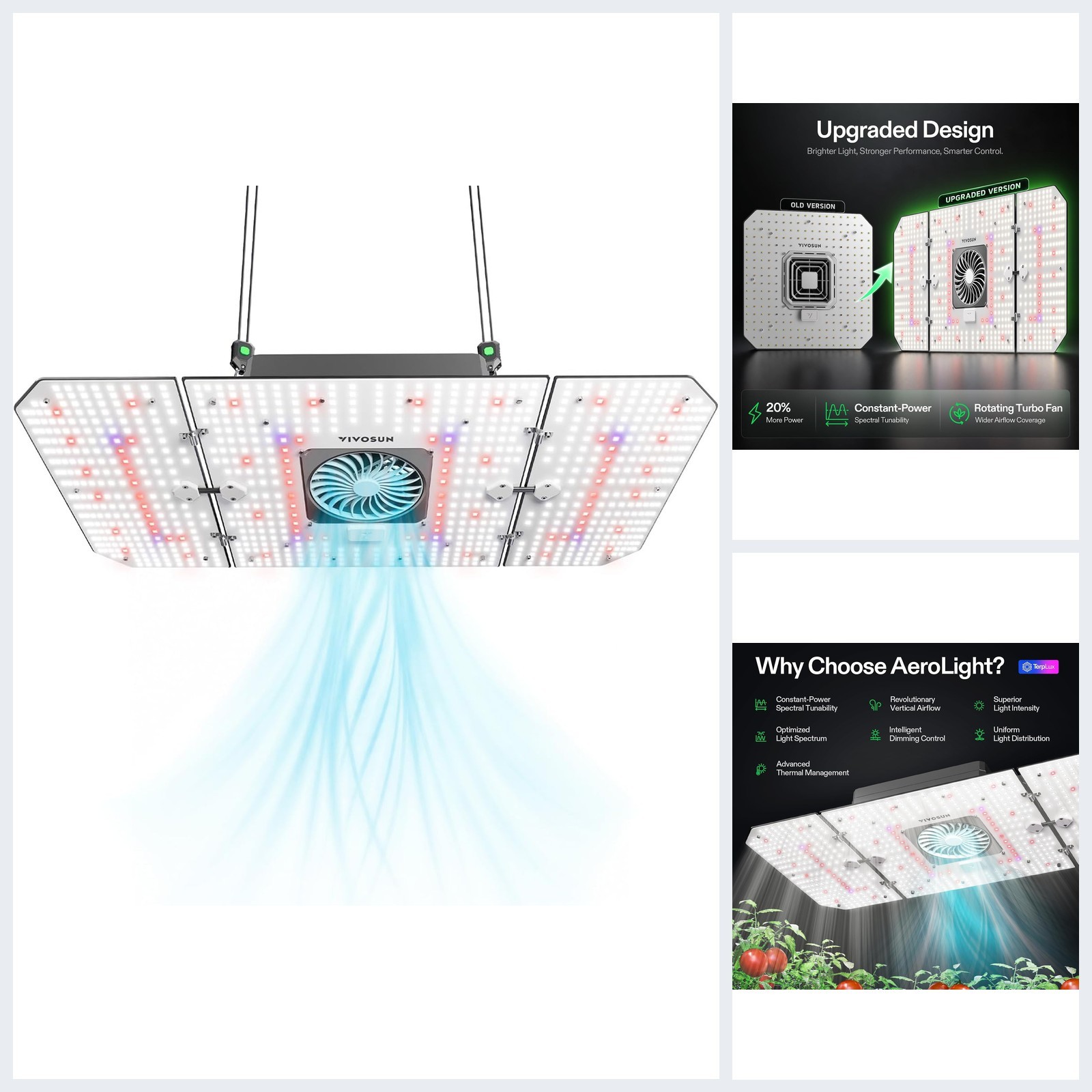 240W Full Spectrum LED Grow Light with Fan for Indoor Plants, Grow Tent, 2600$291.66New · Last checked Nov 20, 2026View on eBay
Highlights
- Quantum-board and bar fixtures use LM281B, LM301B, or Samsung 281B+ diodes; board density and diode bin determine PPFD uniformity, while cheap multi-head lamps use generic epistar-style LEDs with lower efficiency.
- True power draw is roughly 1/10th of marketing names: a '5000W' spider light typically draws 400–500W from the wall; a '200W' board often pulls 200W real, so always compare actual wattage and PPFD charts.
- Dimmable drivers (0–100%) and daisy-chain ports are the key upgrade over fixed-output lamps, allowing seedling-to-flower intensity control and multi-light expansion on one circuit.
- Spectrum composition matters less than intensity for most plants: full-spectrum white (3000–5000K + 660nm) covers veg and bloom, whereas 3-color-mode lamps add red/blue switches that sacrifice overall output for flexibility.
Best use cases
- Seed starting and small herb/lettuce shelves: pick a 2x2ft quantum board at 100–150W true draw or a 45W 4-tier plant-stand light; skip 5000W spider bars that overwhelm seedlings and waste power.
- 2x4 or 3x3 flowering tent: choose a 200–240W Samsung-diode board with dimming and daisy chain; avoid blurple multi-head lamps that underdeliver at canopy edges.
- 4x4 or 5x5 high-yield grow: use a 400–500W true-draw bar/spider fixture with uniform bar spread; skip single-board 200W units that cannot reach 4x4 corners at flowering PPFD.
- Decorative houseplant supplementation: a 4-head dimmable full-spectrum lamp with timer is sufficient for low-light tropicals; do not buy commercial bar lights for a single monstera.
Buying tips
- Size by canopy, not by name: 2x2ft needs ~150W true LED, 3x3ft ~240W, 4x4ft ~450W, 5x5ft ~600W; divide advertised 'equivalent watts' by 10 for a rough true-draw estimate.
- Prioritize Samsung LM281B/LM301B or Samsung 281B+PRO diodes and a Mean Well-style driver; generic '5000W' lamps without diode branding usually run lower bin efficiency and hotter.
- For multi-light setups, confirm daisy-chain support and total circuit load: two 240W boards on one 15A/120V circuit is safe, but four 450W bars require a dedicated 20A circuit.
- Prefer dimmable 0–100% drivers with a physical knob or remote over 3-color-mode switches; dimming extends usable height range and saves power during veg.
Specs
| Diode Brand | Samsung LM281B/LM301B vs generic |
|---|---|
| True Wall Draw | 100W / 240W / 450W / 600W tiers |
| Coverage Footprint | 2x2 to 5x5 ft flowering area |
| Dimming & Control | 0-100% knob vs 3-mode switch |
Related searches
What to check before buying
- Measure your grow space and tent footprint; match fixture coverage (2x2, 3x3, 4x4, 5x5) to the PPFD map at 18–24in hanging height rather than the marketing name.
- Confirm ceiling or tent height allows 12–24in clearance above canopy plus hanging hardware; bar-style spider lights need more headroom than low-profile boards.
- Check your electrical circuit: true wall draw of 450W+ fixtures plus fans and pumps should stay under 80% of breaker rating (15A/120V = 1440W max continuous).
- For plant-stand or greenhouse-kit lights, verify shelf/tier dimensions and timer compatibility; integrated 3-mode timers are convenient but less flexible than external controllers.
FAQ
Data sources: eBay / Amazon listings and product attribute feeds. Updated Nov 27, 2026.
Some links on this page are affiliate links. If you buy after clicking one, we may earn a commission at no extra cost to you. This does not change which products appear here or their order. Affiliate disclosure.