GardenPulse Guide

GardenPulse Guide

Garden, Yard & Outdoor Living Reviews & Buying Guides

Compare garden, yard & outdoor living by use case, features, trade-offs, price, returns, and seller terms before you buy.

Buying guides

Buying guide image
Beekeeping Suits & Protection

Beekeeping Outfit

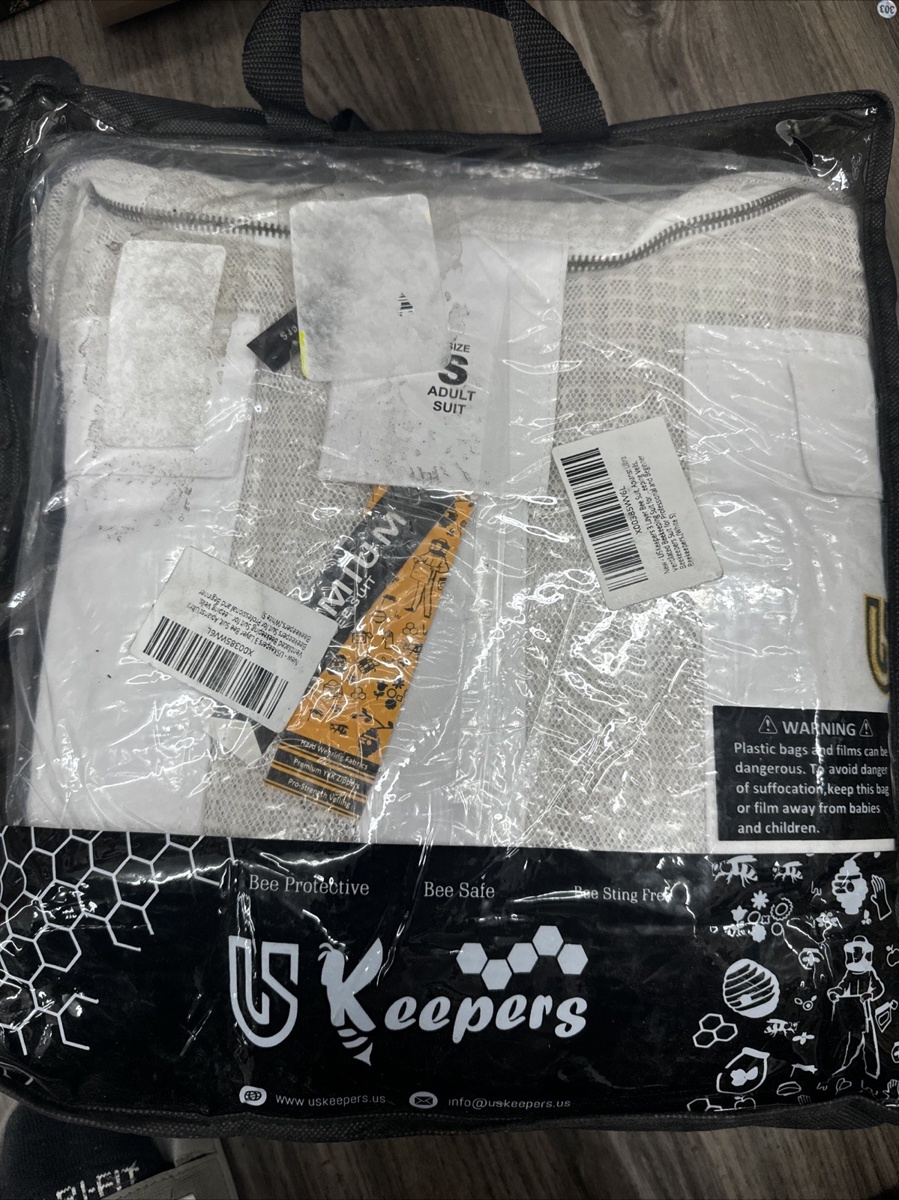
A beekeeping outfit is a safety system, not a costume: sting protection depends on fabric weight, ventilation, and how well the veil seals at the neck and wrists. Most first-time buyers choose too thin a suit or the wrong configuration (full coverall versus jacket) for their hive count and climate, then discover gaps at the ankles or a veil that collapses against the face. Size it for layering and confirm the zipper and seam construction before anything else.
Buying guide image
Chicken Coops & Runs

Nesting Box

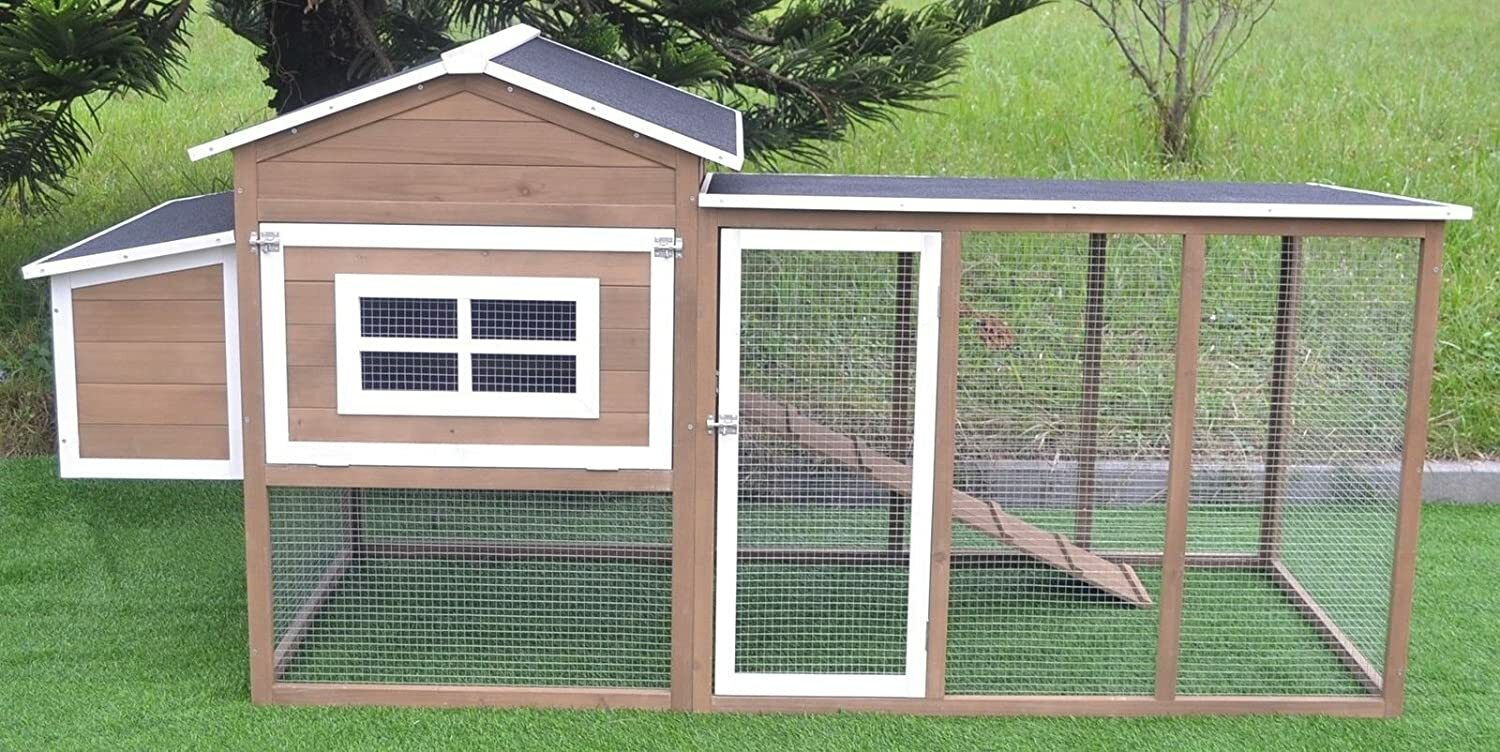
Nesting boxes are the single component that decides whether egg collection is a two-minute chore or a daily hunt through dirty bedding. Buyers most often get this wrong by sizing compartments too small for standard or heavy-breed hens, or by buying a roll-away plastic unit that flexes under a heavy layer's weight. Match compartment count to flock size, choose roll-out designs for easy cleaning, and confirm the mounting method before ordering.

Buying guide image
Patio Furniture

Outdoor Dining Table

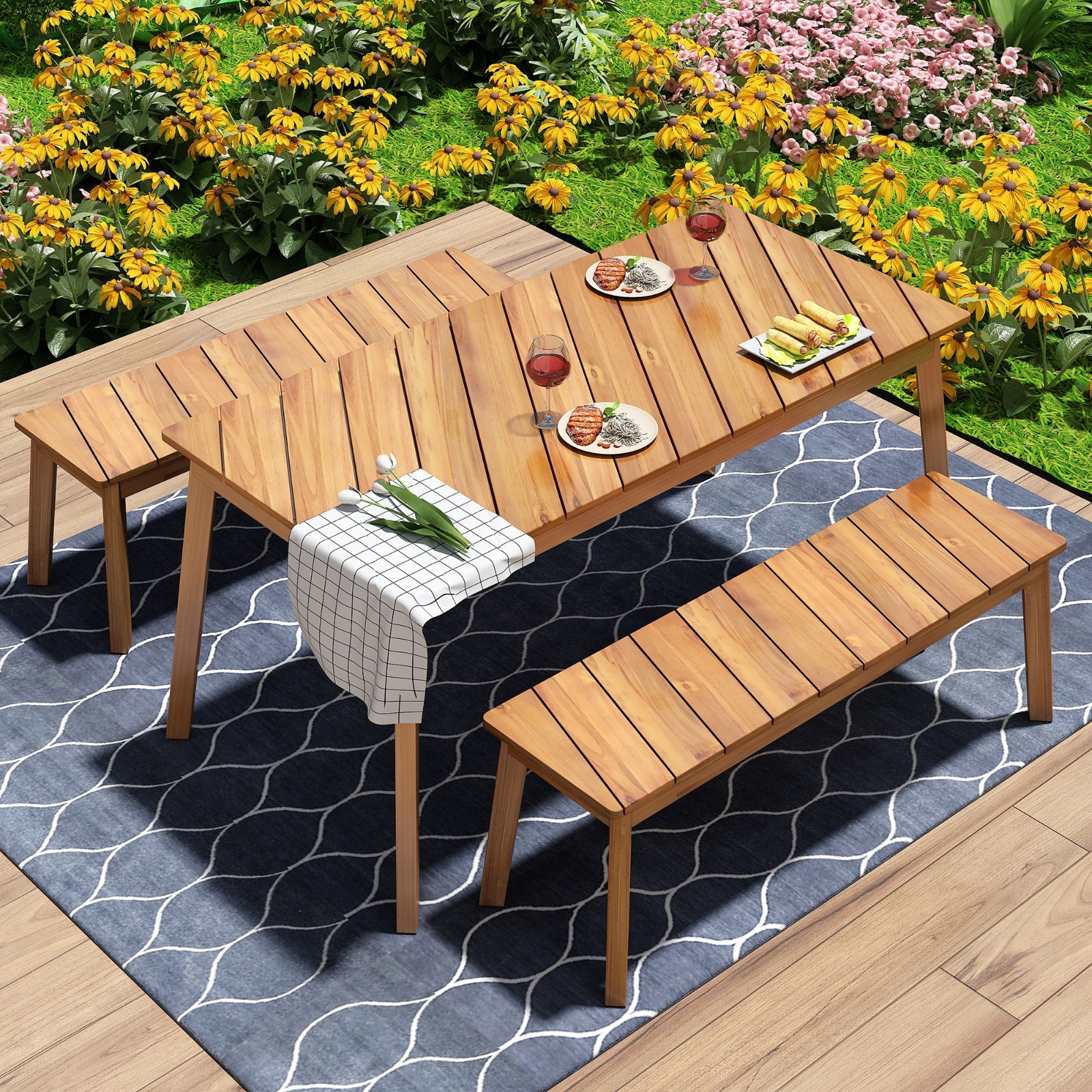
An outdoor dining table has to survive sun, rain, and seasonal storage while matching your seating count and patio footprint. Buyers often misjudge material maintenance, umbrella compatibility, and whether a folding or extendable design fits their actual space. This guide cuts through the specs that matter so you pick the right frame, top, and size the first time.

Buying guide image
Beekeeping Suits & Protection

Bee Suit

A bee suit is a full-body barrier garment that combines sting-resistant fabric, sealed seams, and a veil to keep bees, wasps, and hornets outside the suit. The core trade-off is ventilation versus fabric toughness: lightweight mesh suits breathe well in heat but snag and wear faster, while heavy cotton or three-layer mesh suits resist stings and abrasion but run hot. The decision rule is simple: buy a suit with a fencing-style veil, taped or double-stitched seams, and a full-length zipper, and skip any suit with an unsealed collar or single-stitch seams regardless of price.

Buying guide image
Garden Fencing & Privacy Screens

Garden Fence

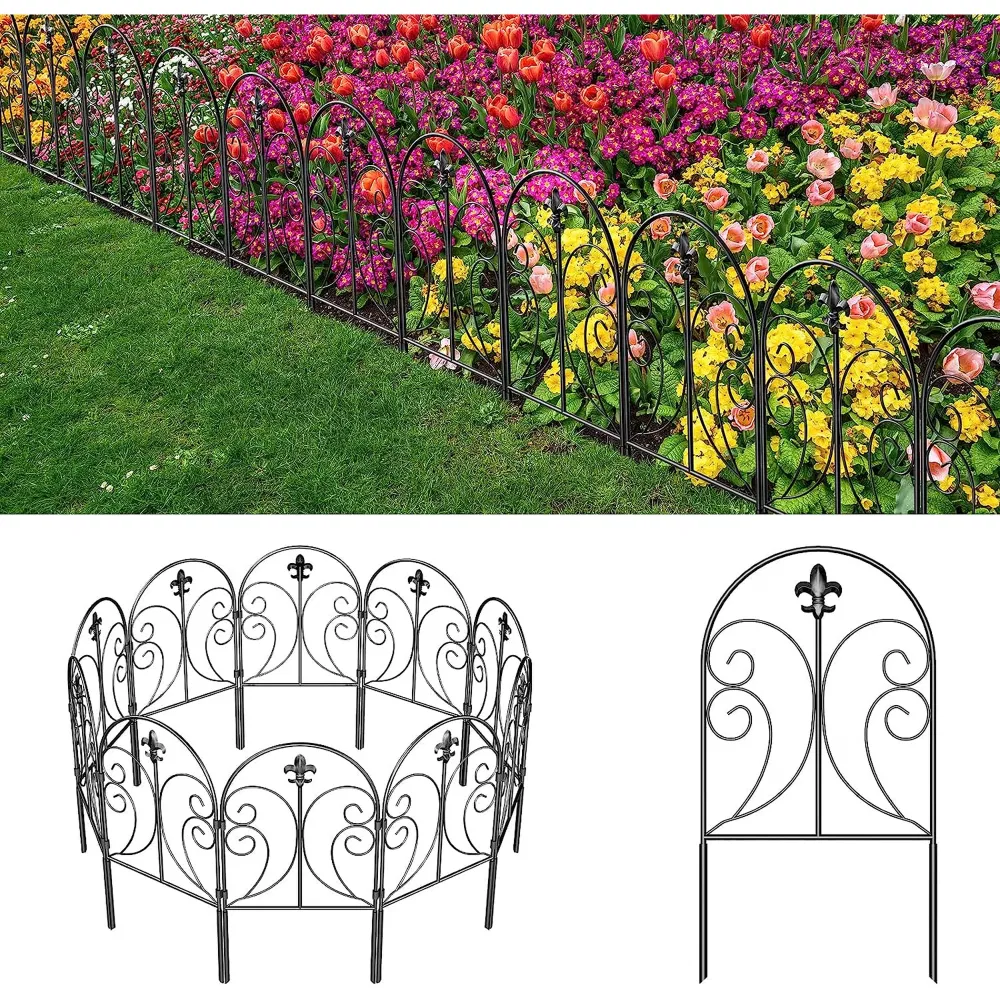
Garden fencing spans decorative borders, functional barriers, and privacy screens, with durability hinging on material grade and anchoring method. The key trade-off is thin, stake-only plastic edging versus rigid metal panels with driven posts or interlocking PP with ground spikes. Choose metal or thick PP for animal exclusion and long-term weather exposure; reserve hollow plastic or artificial hedge panels for light visual borders in sheltered beds.

Buying guide image
Patio Furniture

Swing Chair

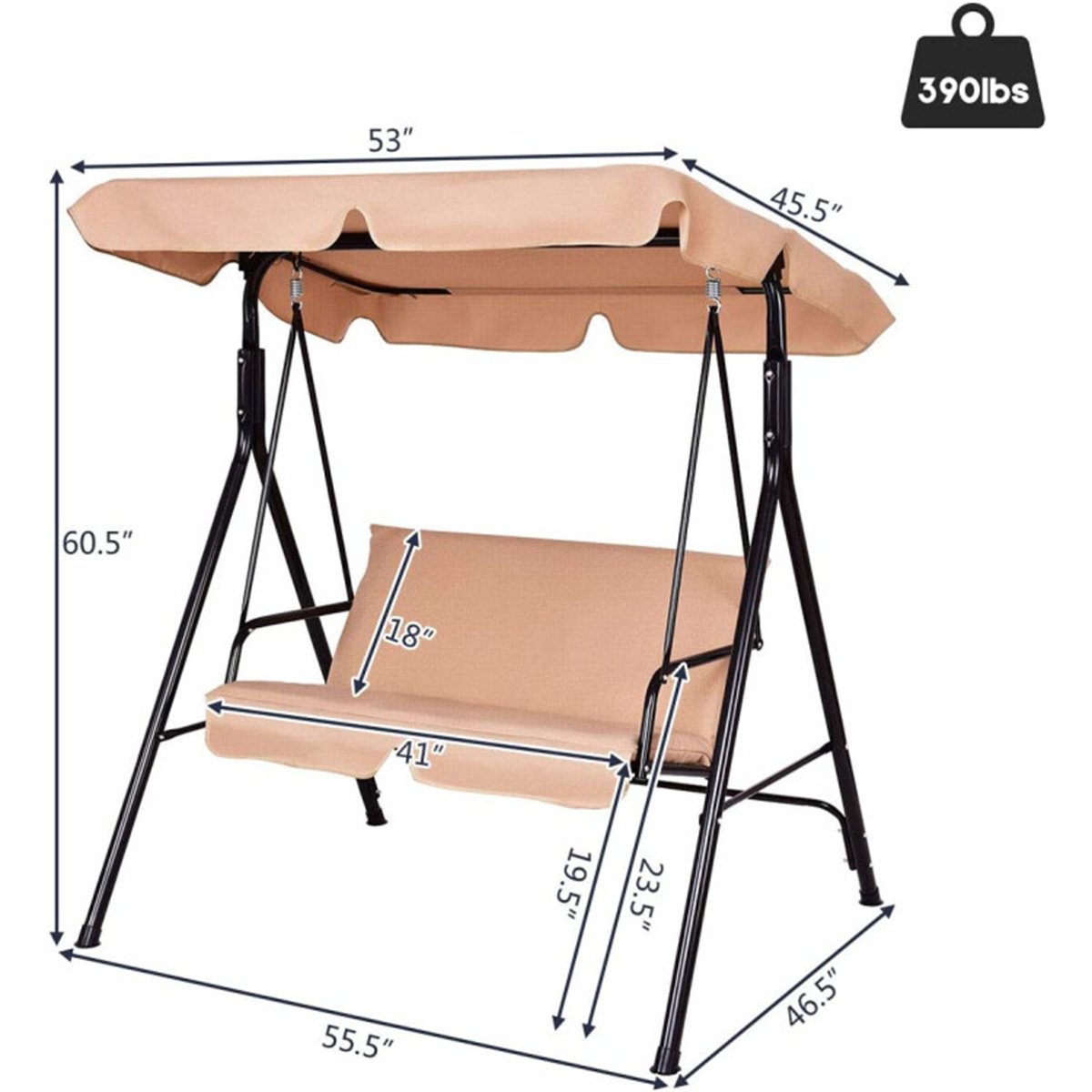
Swing chairs split into two distinct builds: a freestanding steel-frame canopy swing or a rope-hung seat that demands a load-rated anchor point. Buyers who skip the anchor check or misjudge seat width for the porch end up with a chair that wobbles, sags, or crowds the walkway.

Buying guide image
Greenhouse & Hydroponics

Outdoor Greenhouse

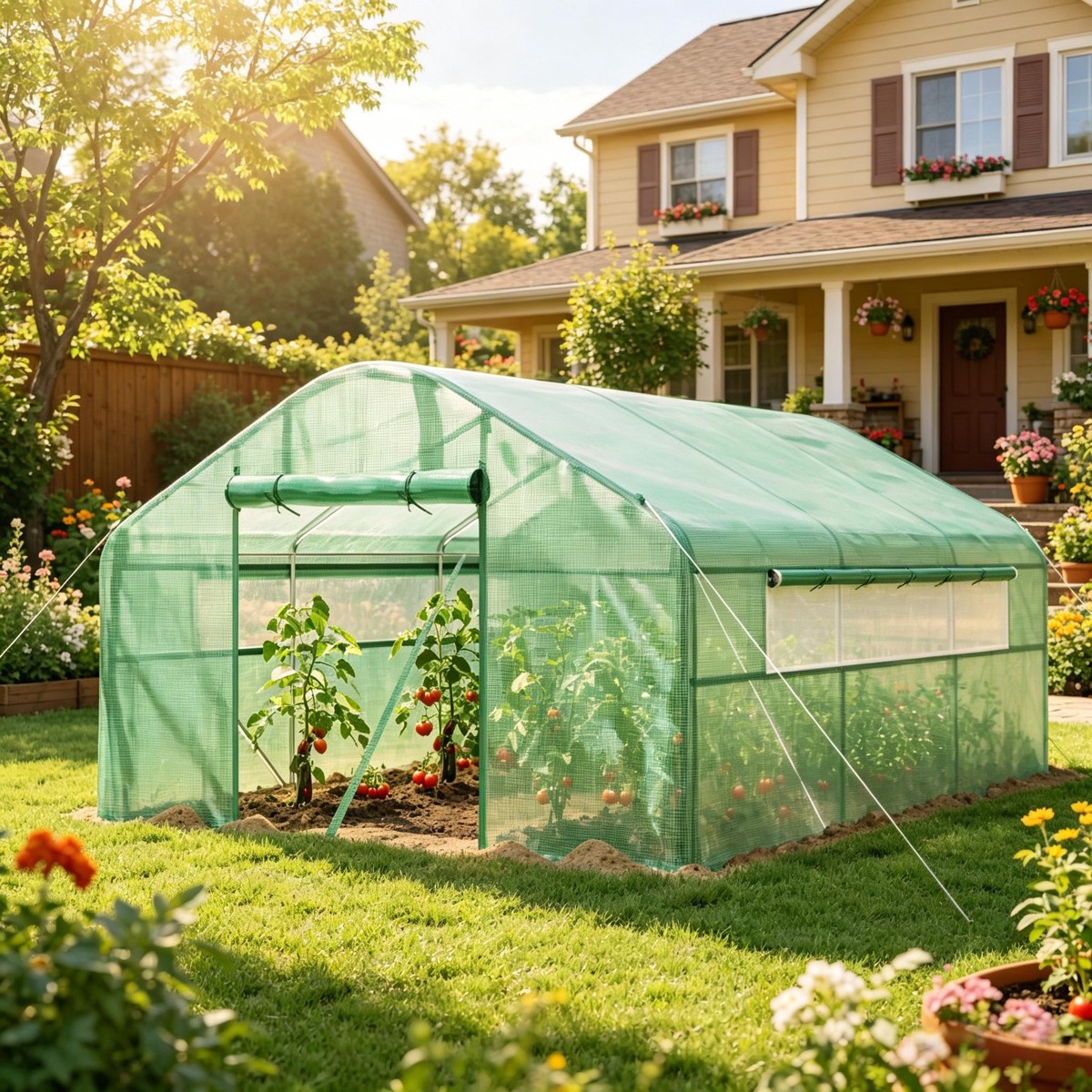
Outdoor greenhouses extend the growing season by trapping heat and blocking wind, frost, and pests, but the frame material and glazing type dictate whether the structure survives winter or fails after one storm. The core trade-off is upfront cost versus snow-load capacity, UV stability, and panel impact resistance — polycarbonate over aluminum is the durable baseline, while PE film over thin steel is a disposable seasonal tier. The decision rule: buy polycarbonate panels on a galvanized or powder-coated aluminum frame with a pitched roof if it must survive snow; buy a hoop or mini tent only as a single-season starter.

Buying guide image
Beekeeping Suits & Protection

Heavy Duty Bee Suit

Heavy duty bee suits are three-layer ventilated or reinforced-woven garments engineered for high-defense against aggressive honeybees, wasps, and apiary abrasion. The core trade-off is breathability versus sting-proofing: budget suits use thin cotton or single-mesh that snag and cling, while heavy duty suits use 280–320 GSM reinforced cotton blends or 3D ventilated mesh with overlapping zippers and leather or canvas reinforcement at stress points. The decision rule: choose a true heavy duty suit only if you keep defensive breeds (Africanized, Russian, Carniolan) or work hot hives in high heat—otherwise a mid-weight ventilated suit gives better comfort at lower physical load.

Buying guide image
Chicken Coops & Runs

Chicken Nesting Coop

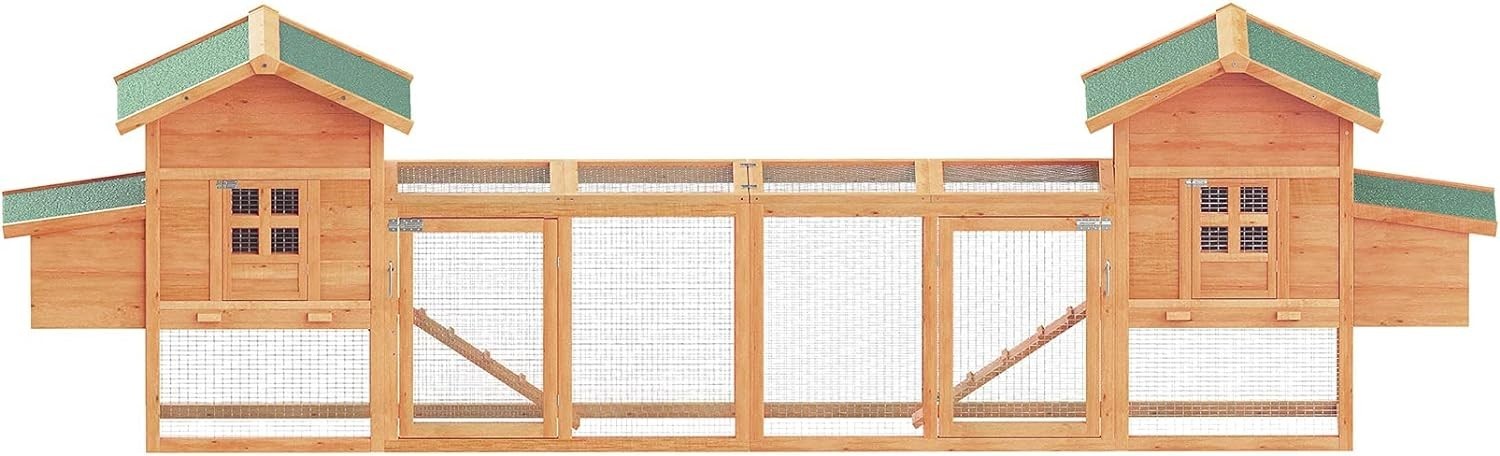
A chicken nesting coop is either an integrated hen house with built-in nest boxes or a standalone multi-compartment laying box that drops into an existing coop. The core trade-off is between all-in-one wooden hutches with thin 10–12 mm siding that fail in wet climates and separate roll-out metal or plastic nest boxes that outlast the structure they sit in. Buy an integrated hutch only if you need a starter flock shelter with a run; buy a standalone roll-out nest box if you already have a predator-safe coop and want clean, unbroken eggs.

Buying guide image
Outdoor Lighting & Decor

String Light

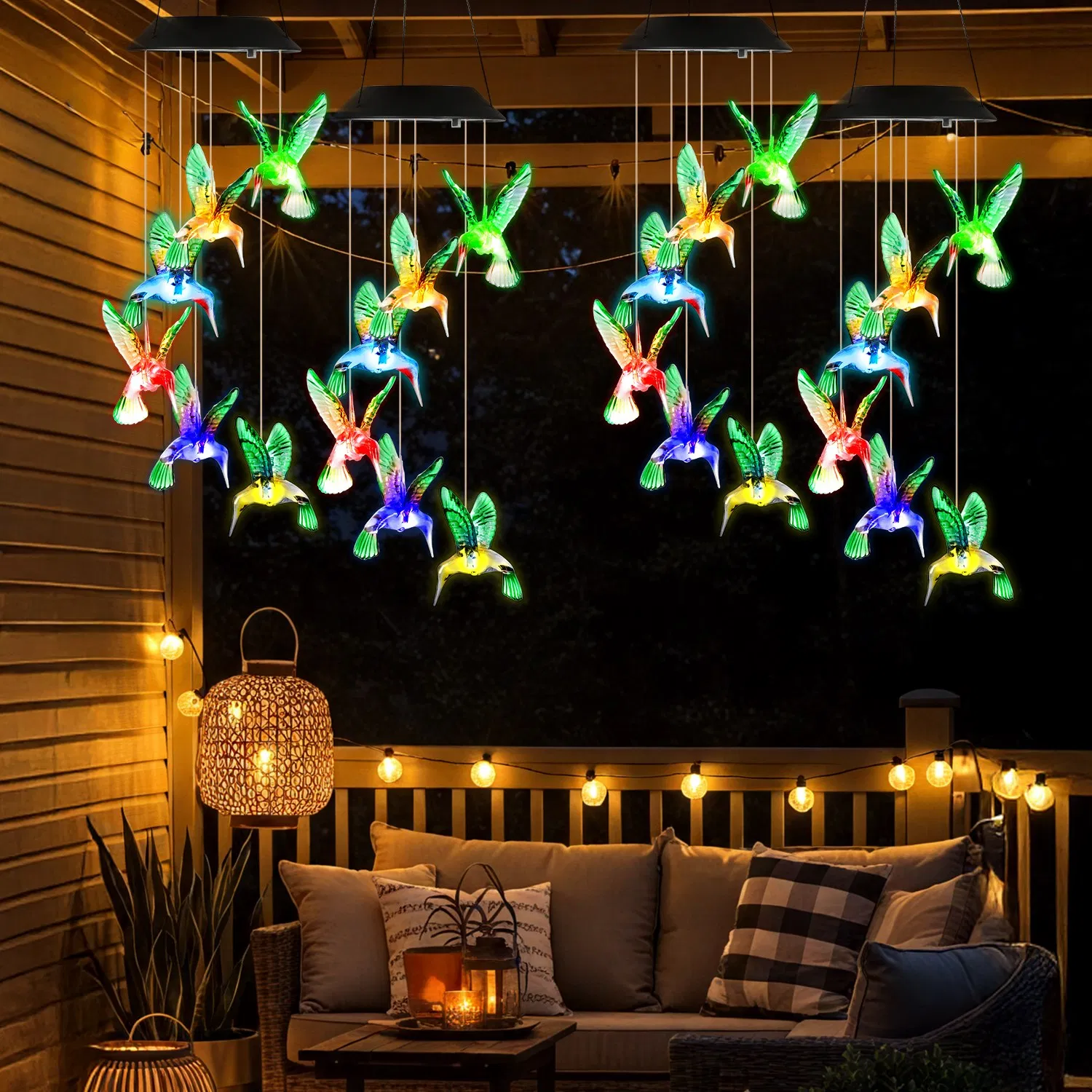
String lights span decorative fairy lights to architectural-grade festoon and commercial patio systems. The core trade-off is between low-voltage sealed decorative strings (solar, battery, USB) and line-voltage serviceable socket strings (E26/E27, G40, S14) that use replaceable bulbs and weatherproof connectors. Buy sealed units only for seasonal or accent use; choose replaceable-socket, IP65+, copper or heavy-gauge wire systems for permanent outdoor runs.

Buying guide image
Beehives & Frames

Langstroth Hive

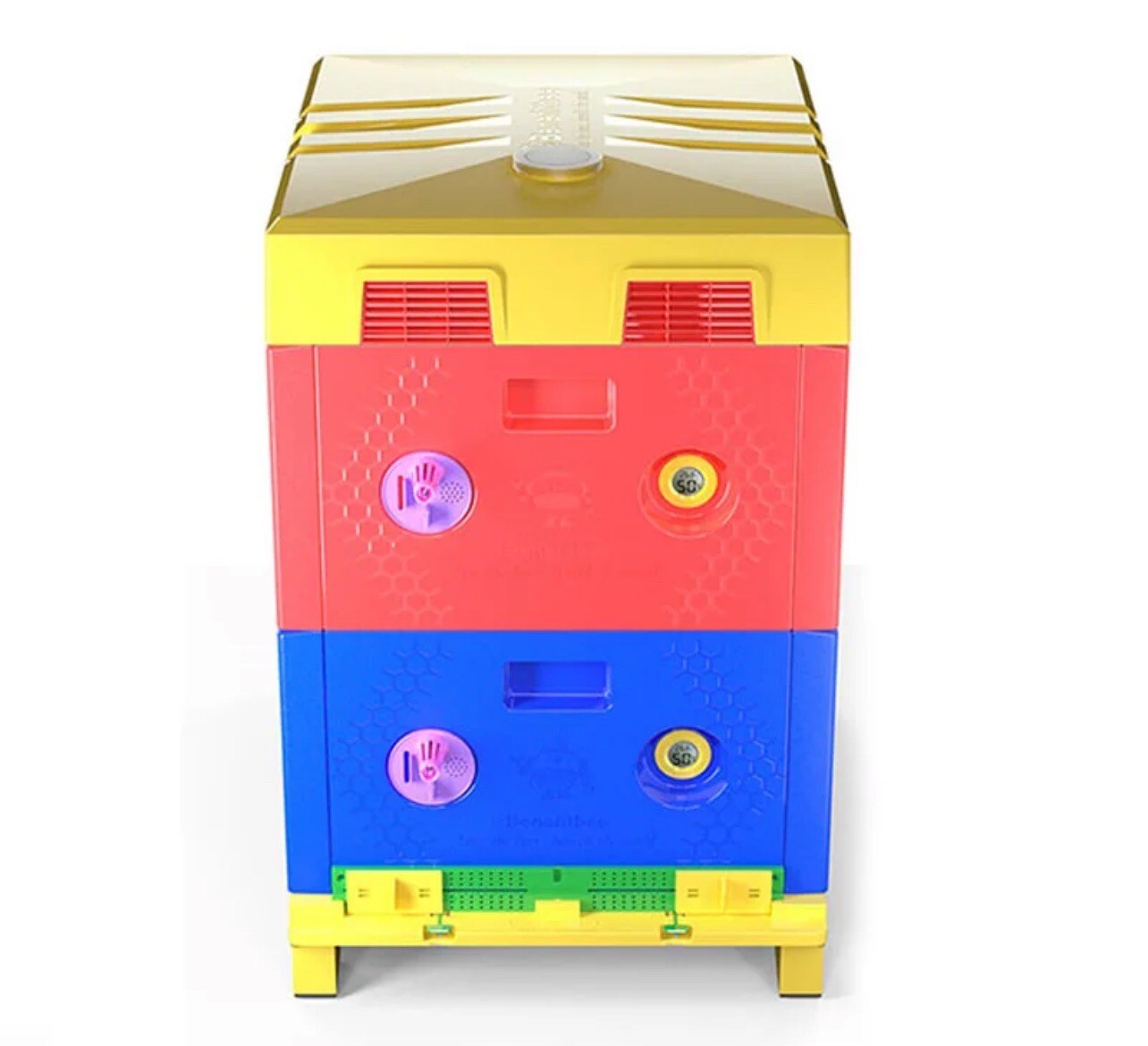
Langstroth hives are the modular, movable-frame standard for backyard and sideline beekeeping, defined by 10-frame or 8-frame boxes stacked on a universal bottom board and separated by queen excluders. The core trade-off is wood species and coating versus plastic insulation: cedar and wax-dipped pine shed moisture and last decades, while food-grade HDPE or polypropylene resists rot and woodpeckers but can overheat in full sun unless ventilated. A durable Langstroth setup uses full-depth interchangeable boxes, standard 19-inch frame lugs, and moisture-resistant joints; compromise kits use thin 3/8-inch plywood, mismatched frame counts, or uncoated pine that warps within two seasons.

Buying guide image
Beehives & Frames

Langstroth Beehive

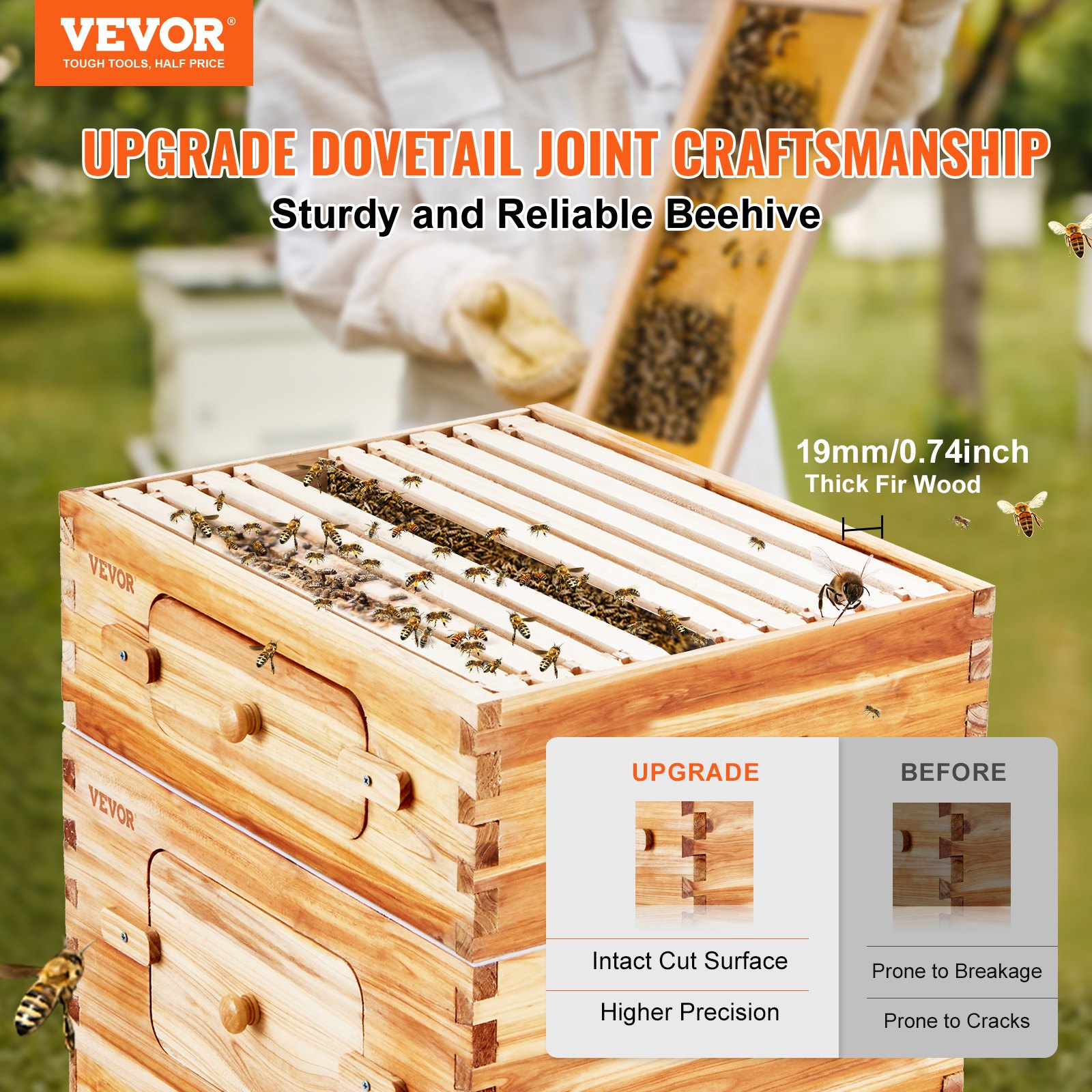
Langstroth hives are the modular, movable-frame standard for backyard and sideline beekeeping, built around stacked boxes with standardized 10-frame or 8-frame spacing. The core trade-off is wood species and coating versus structural rigidity and moisture resistance—cedar and beeswax-dipped pine survive seasons, while thin uncoated fir or plastic shells demand more maintenance or insulation. Buy a complete kit with matched boxes, frames, and foundations when starting; buy individual boxes and frames only when you already own compatible Langstroth components.

Buying guide image
Raised Garden Beds & Planters

Outdoor Planter

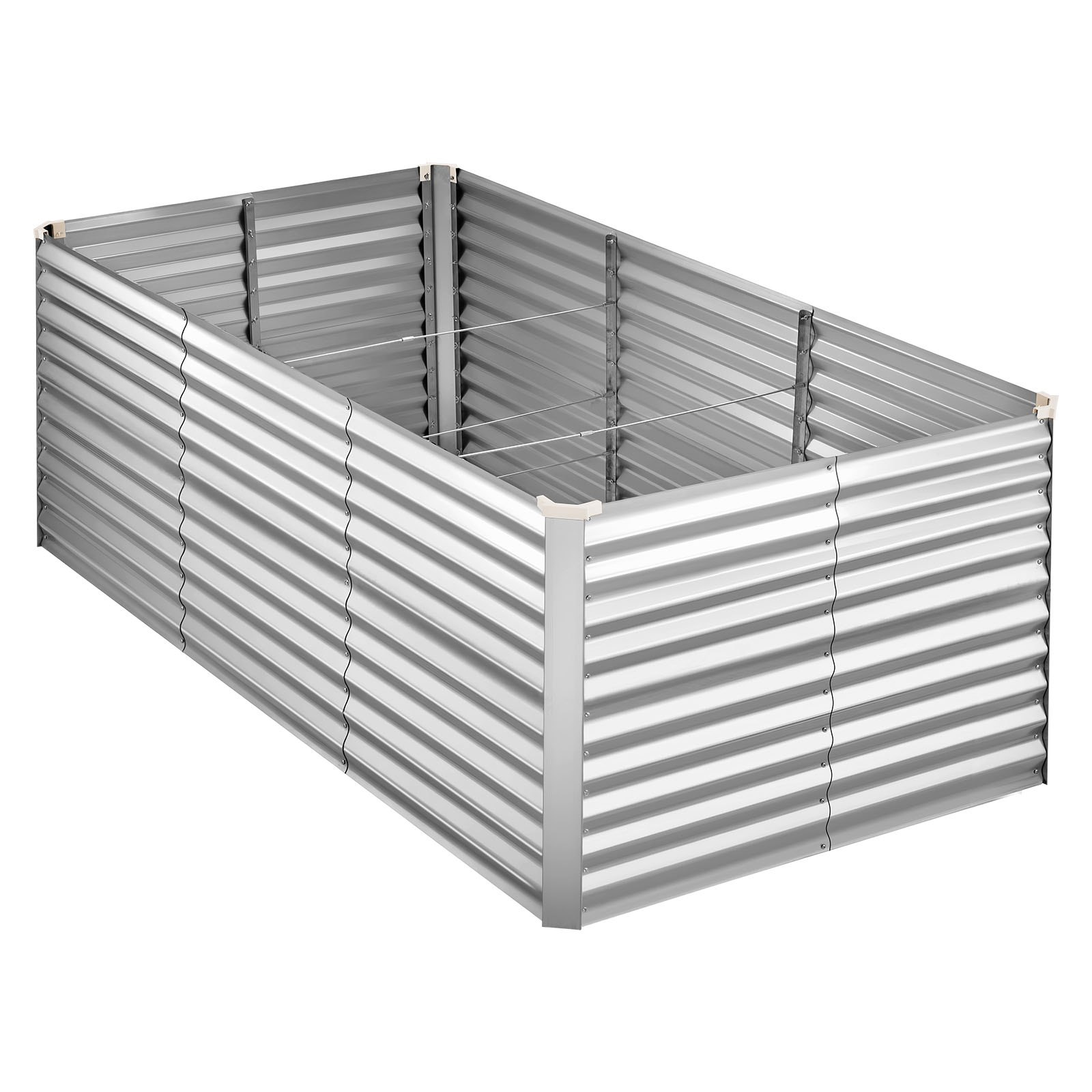
Outdoor planters range from seasonal display pots to permanent raised growing beds, and the primary trade-off is material durability versus weight and cost. Galvanized steel and rot-resistant wood resist weather and frost heave for years, while plastic and fabric are lighter and cheaper but degrade faster under UV. Choose metal or thick wood for multi-season structural planting; choose plastic or fabric only for lightweight seasonal color.

Buying guide image
Beehives & Frames

Langstroth Hive Kit

A Langstroth hive kit is a modular stacked-box system built around the movable-frame standard, where box depth, frame count, and material grade determine colony management flexibility and longevity. The core trade-off is capacity vs. cost: full-depth 10-frame kits demand more lifting and space, while 8-frame or medium-only kits trade brood capacity for ergonomics and lighter harvests. Decide by apiary scale and lifting tolerance: choose 10-frame deep brood for maximum colony size, or 8-frame all-medium for a lighter, more forgiving first hive.

Buying guide image
Patio Furniture

Bistro Table

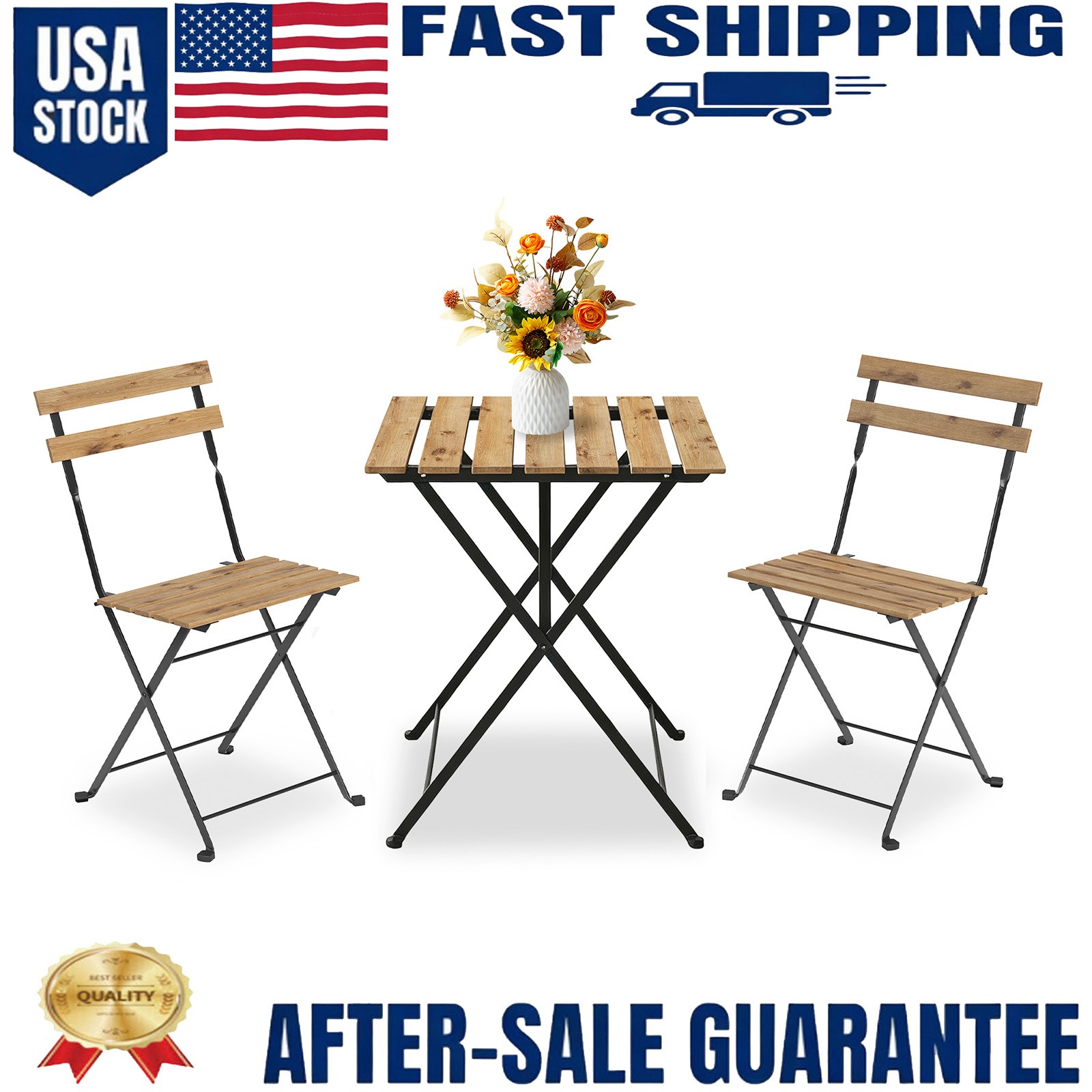
A bistro table is a compact outdoor dining or accent surface, typically 20–40 inches wide, defined by its frame material and top construction. The primary trade-off is between lightweight portability (folding steel, aluminum) and weather-durable mass (cast aluminum, acacia, PE rattan over powder-coated steel). Buyers should choose powder-coated steel or cast aluminum for year-round exposure, and reserve folding or MDF-topped units for covered balconies and seasonal use.

Buying guide image
Outdoor Structures, Shade & Awnings

Gazebo Canopy

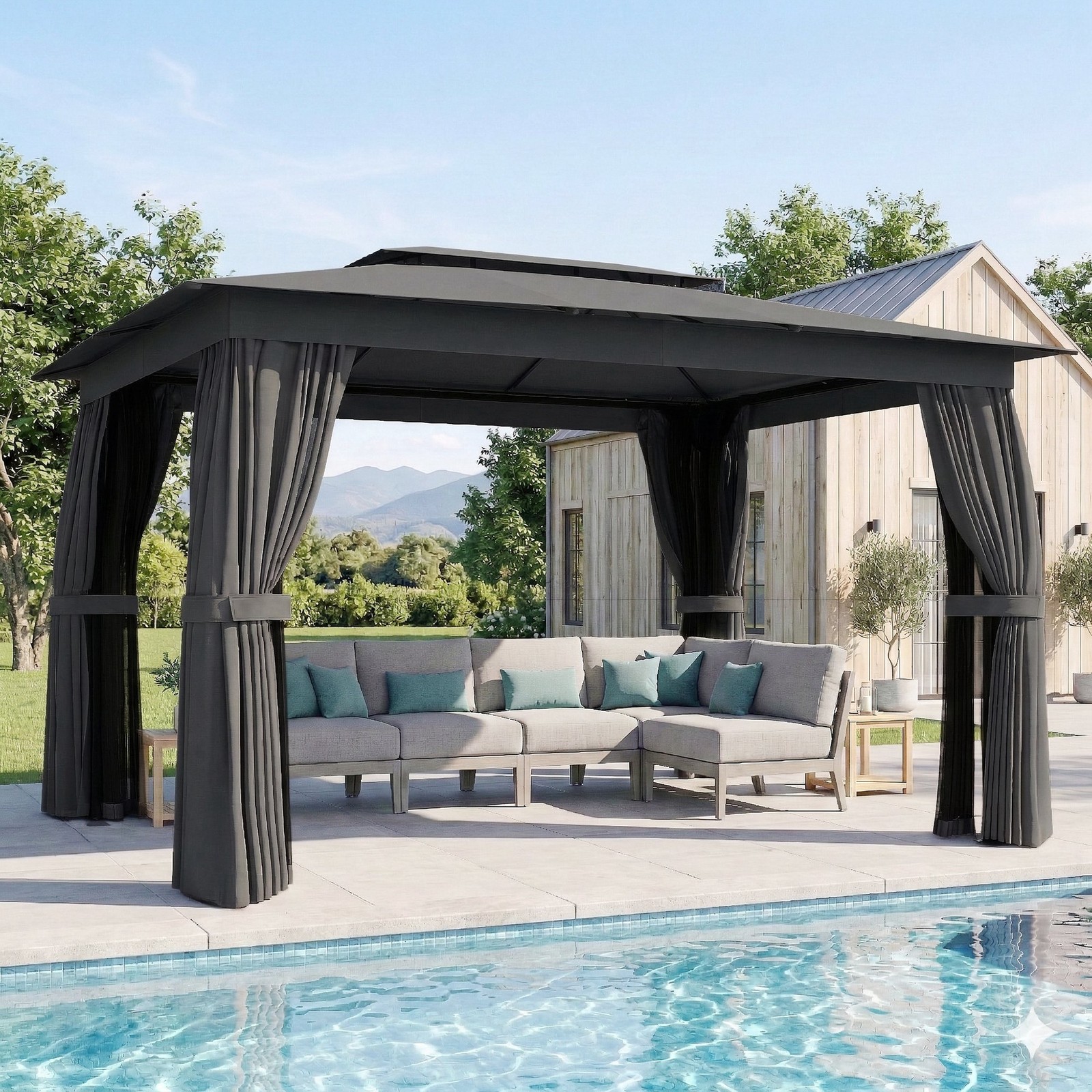
Gazebo canopies turn an open patio into a shaded, bug-free outdoor room, but the category splits sharply between soft-top fabric tents and hardtop polycarbonate or metal pavilions that demand different anchoring and care. Most buyer frustration comes from undersizing the footprint, skipping the weight plates or ground stakes, and expecting a seasonal fabric top to survive winter weather without removal.

Buying guide image
Patio Furniture

Folding Patio Set

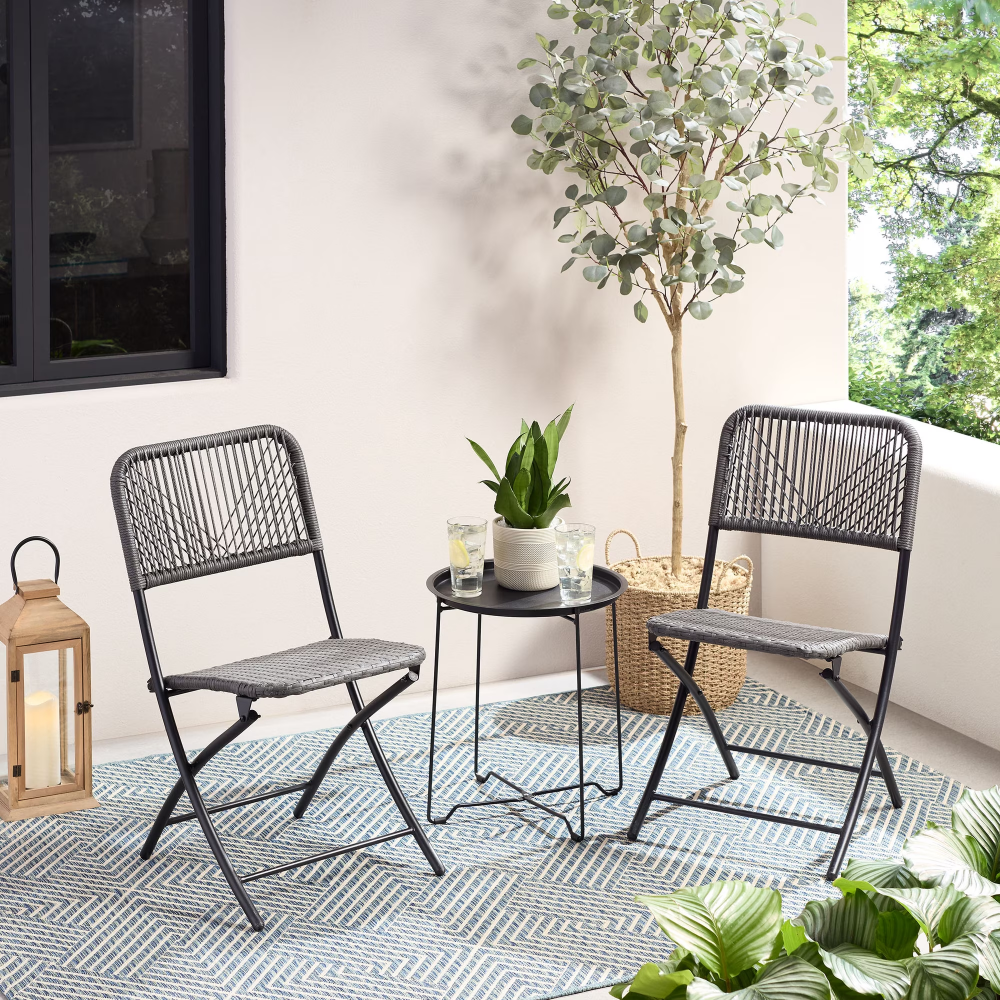
Folding patio sets live or die by how they fold, not how they look in photos. Buyers routinely misjudge seat height versus table height, then discover the set is too tall for a balcony railing or too wide to store in a closet. Pick the configuration around your actual floor space and storage gap first, then match frame material and slat construction to your climate.

Buying guide image
Patio Furniture

Patio Lounge Chair

Patio lounge chairs split into two distinct buying paths: folding/tanning loungers for portable sunbathing and cushioned stationary lounge chairs for permanent seating. Getting this architecture decision right matters more than fabric color, because frame material, recline mechanism, and cushion thickness dictate comfort, storage, and lifespan. Most buyer mistakes come from buying a beach-grade folder for year-round deck use, or a deep-seat cushioned chair that won't fit a small balcony.

Buying guide image
Chicken Coops & Runs

Walk In Chicken Run

A walk-in chicken run solves the daily chore of ducking through a low coop door, but the metal tubing gauge and mesh aperture decide whether it survives predators and raccoons. Most buyers underestimate wind uplift on a covered run and overestimate how many birds a given footprint legally supports. Get the tube diameter, mesh size, and anchor method right before you assemble.

Buying guide image
Greenhouse & Hydroponics

Greenhouse Frame

A greenhouse frame is the structural skeleton that supports glazing or fabric covers, and its primary trade-off is between lightweight pop-up portability and rigid all-season durability. Buyers must match frame material, diameter, and anchoring to wind and snow loads. The clear decision rule: choose powder-coated steel or aluminum with cross-bracing and ground anchors for permanent use; accept thin tubular steel or plastic joints only for seasonal, sheltered seedling protection.

You may also like

Finding more guides for you…