
Photos from current listings. Actual item, color, and included accessories may vary.
Outdoor Planter Buying Guide
Outdoor planters range from seasonal display pots to permanent raised growing beds, and the primary trade-off is material durability versus weight and cost. Galvanized steel and rot-resistant wood resist weather and frost heave for years, while plastic and fabric are lighter and cheaper but degrade faster under UV. Choose metal or thick wood for multi-season structural planting; choose plastic or fabric only for lightweight seasonal color.
Median $126.99
Key takeaways
- Galvanized steel planters resist rust via a zinc coating; thicker gauge (0.6–1.0 mm) and double-folded top edges prevent bowing and sharp edges.
- Wood planters should use rot-resistant species (cedar, larch, pressure-treated pine) or heat-treated timber; untreated softwood degrades within two to three seasons.
- Plastic and resin planters need UV stabilizers; without them, polypropylene becomes brittle and cracks after one to two summers of direct sun.
At a glance
- Category
- Raised Garden Beds & Planters
- Last updated
- Nov 28, 2026
Current offers
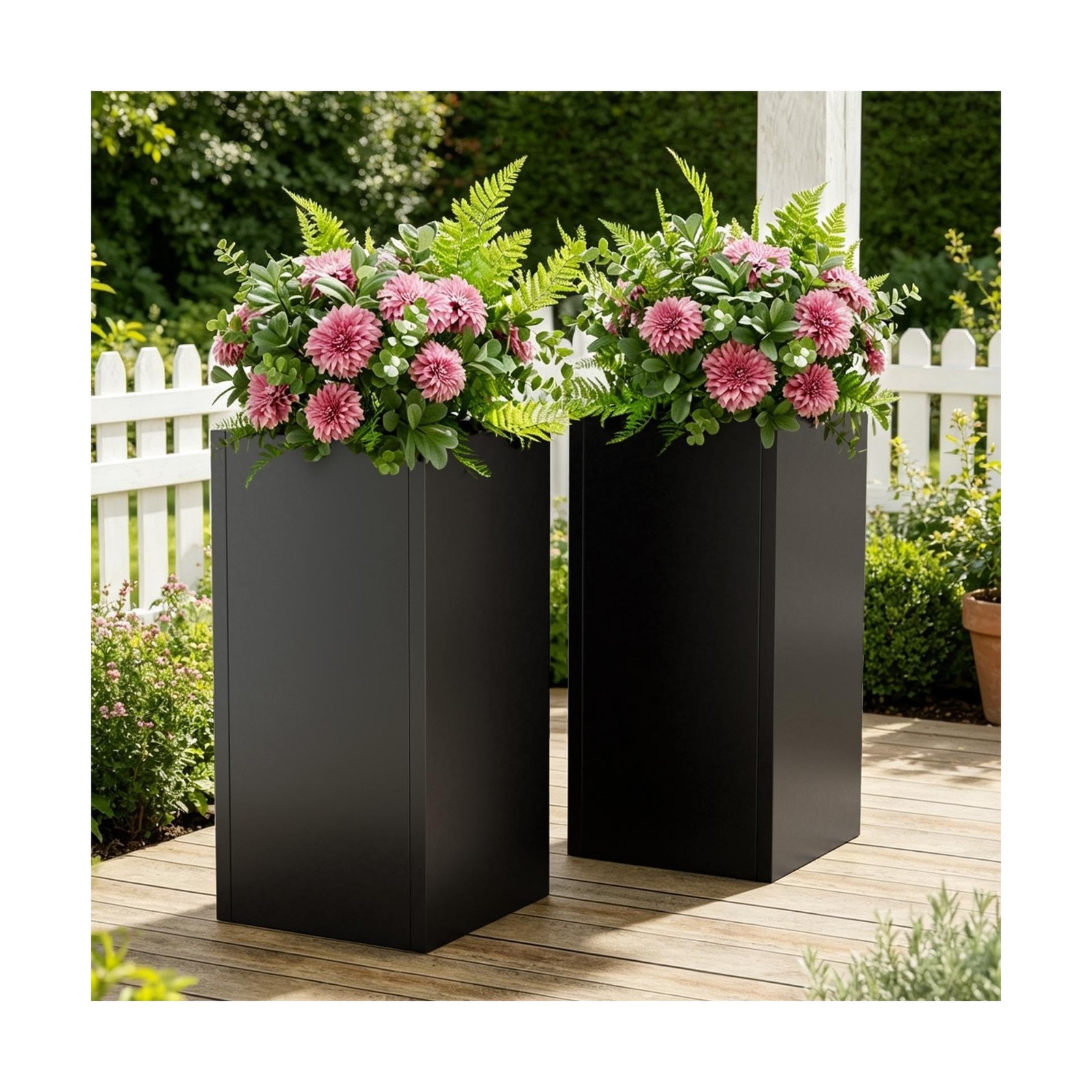 24" Metal Tall Planters Box for Outdoor Plants - Square Black 2Pack | Galvani...$139.25View on eBay
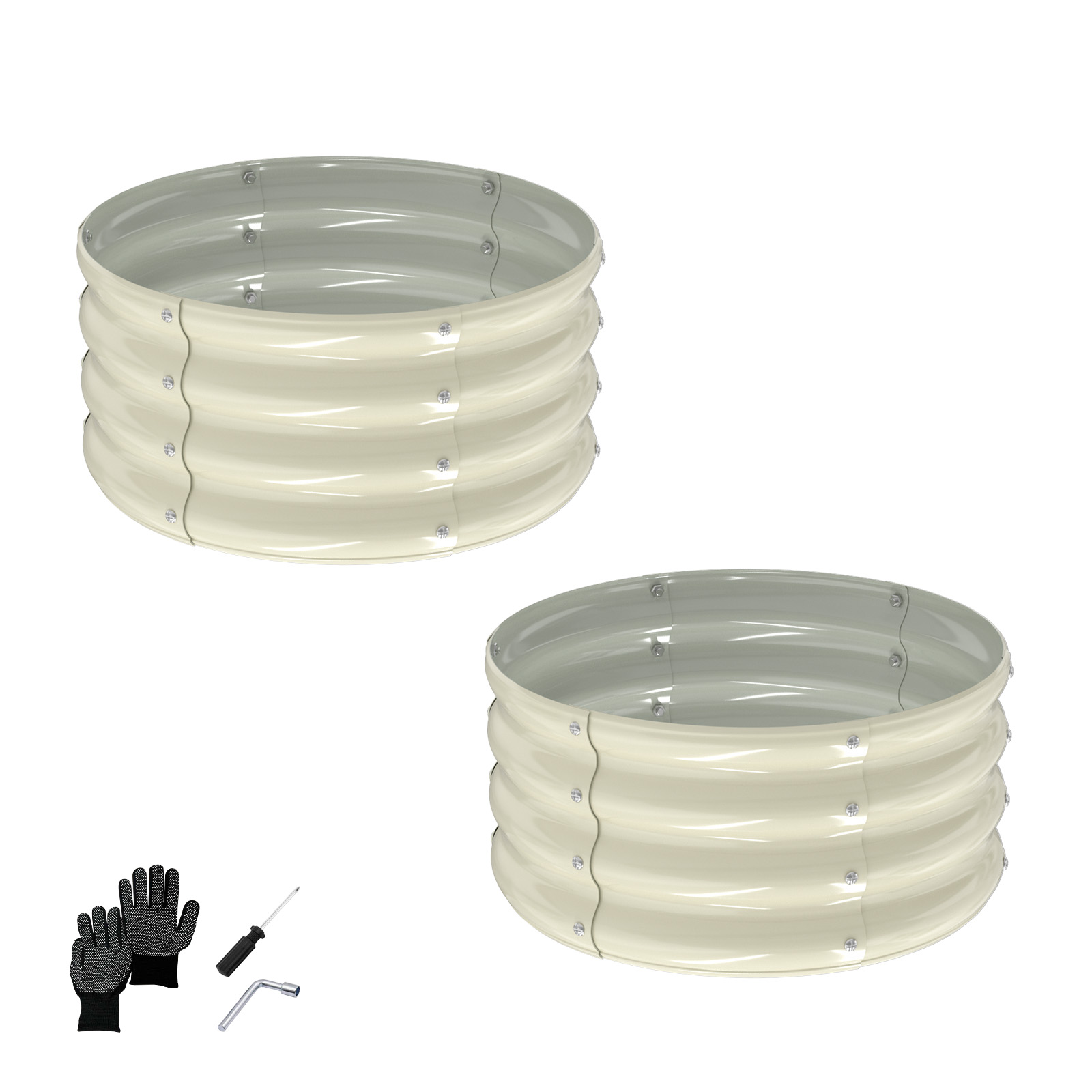 2 Pcs 2×2×1ft Raised Garden Bed, Round Galvanized Outdoor Planter Box, Metal Bed for Planting Vegetables Fruits Flowers, White$41.99View on Mallflare
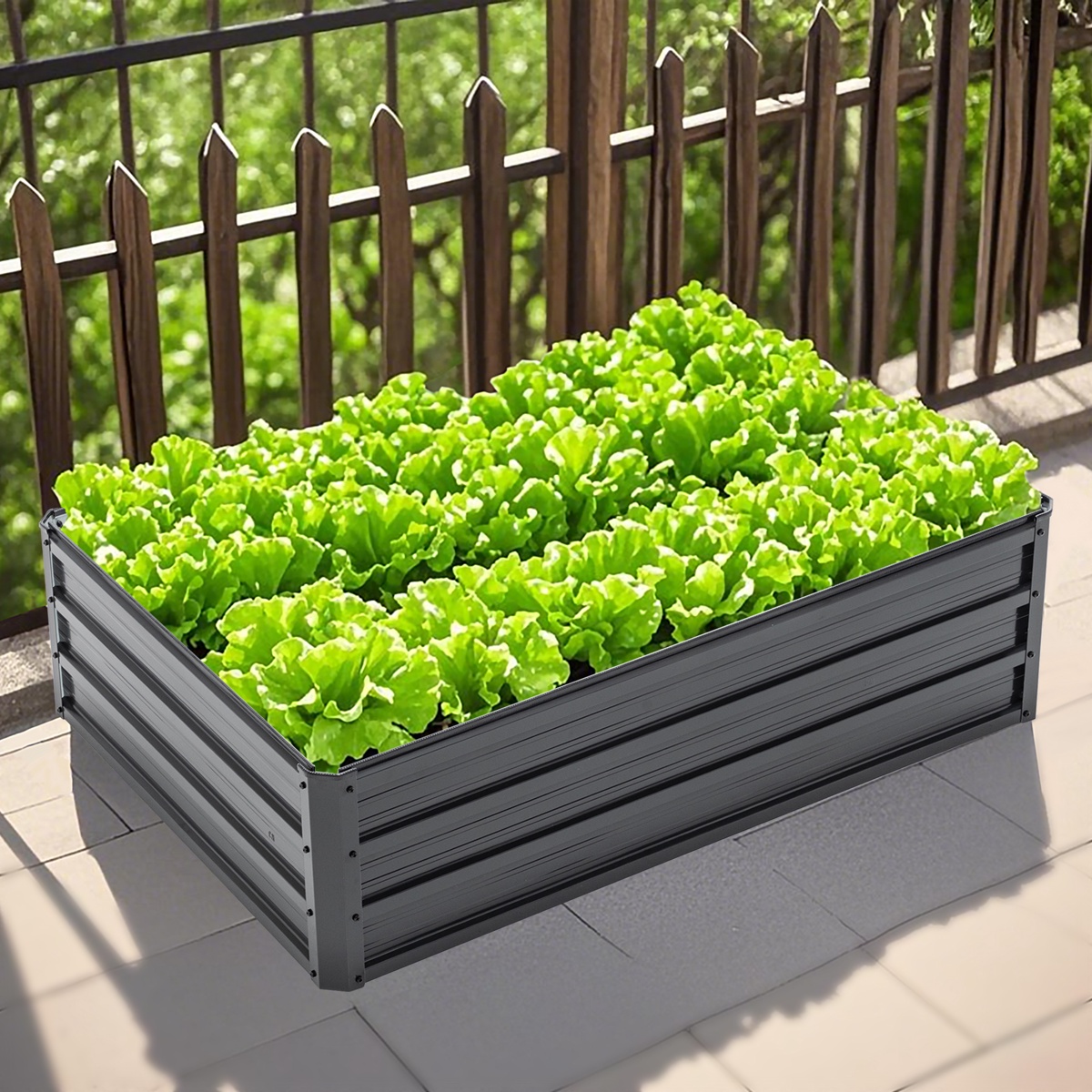 4x3x1ft Metal Raised Garden Bed,Deep Root Outdoor Galvanized Planter Box,Patio Kit Planting Beds for Vegetables Flowers Herb,Black$55.99View on Mallflare
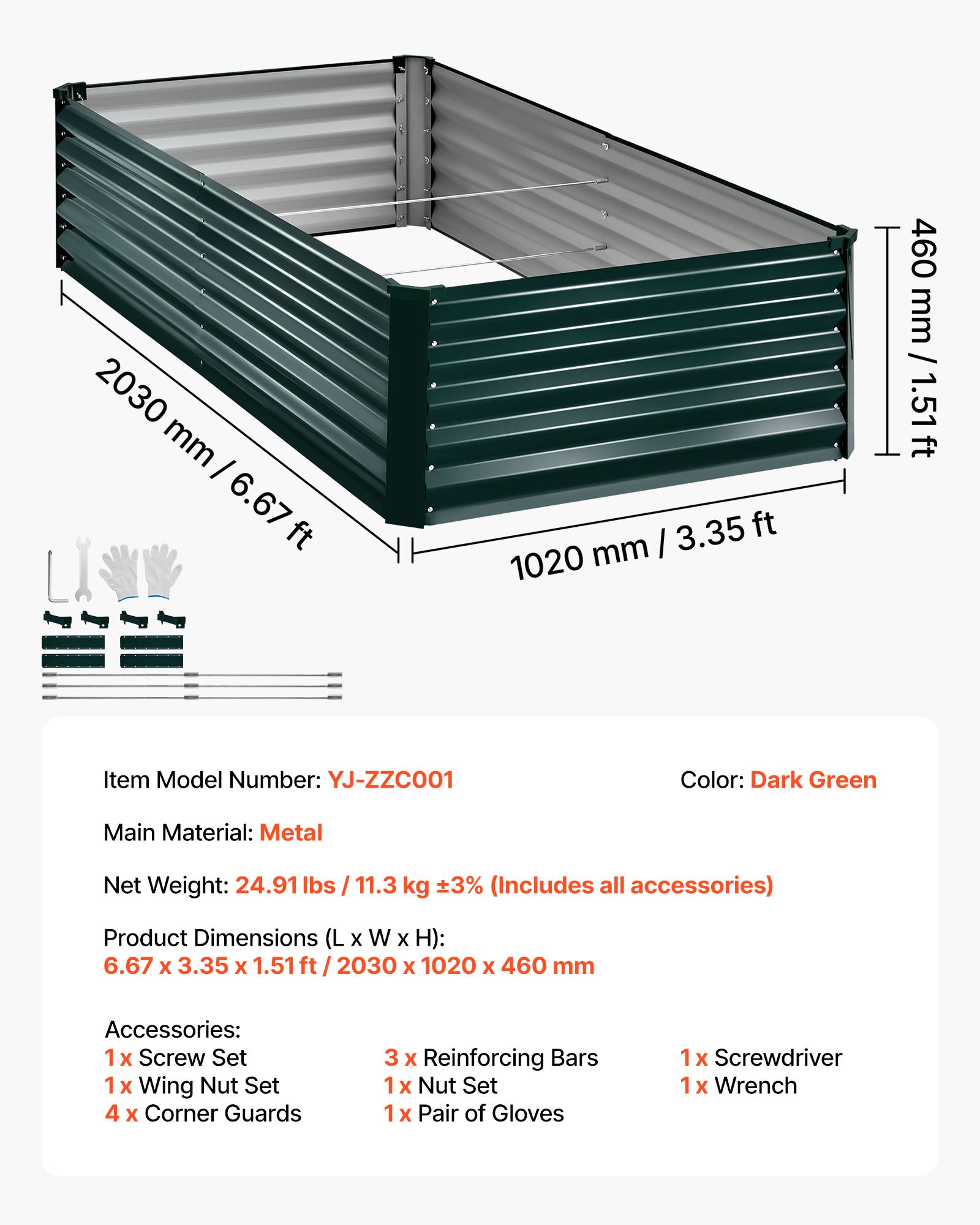 Galvanized Raised Garden Bed, 6.67 X 3.35 X 1.51 Ft, Rectangular Metal Planter Box Kit Outdoor, Rustproof Elevated Planting Box With Gloves, Alu-Zinc, For Growing Flowers Vegetables, Dark Green$72.99View on Mallflare
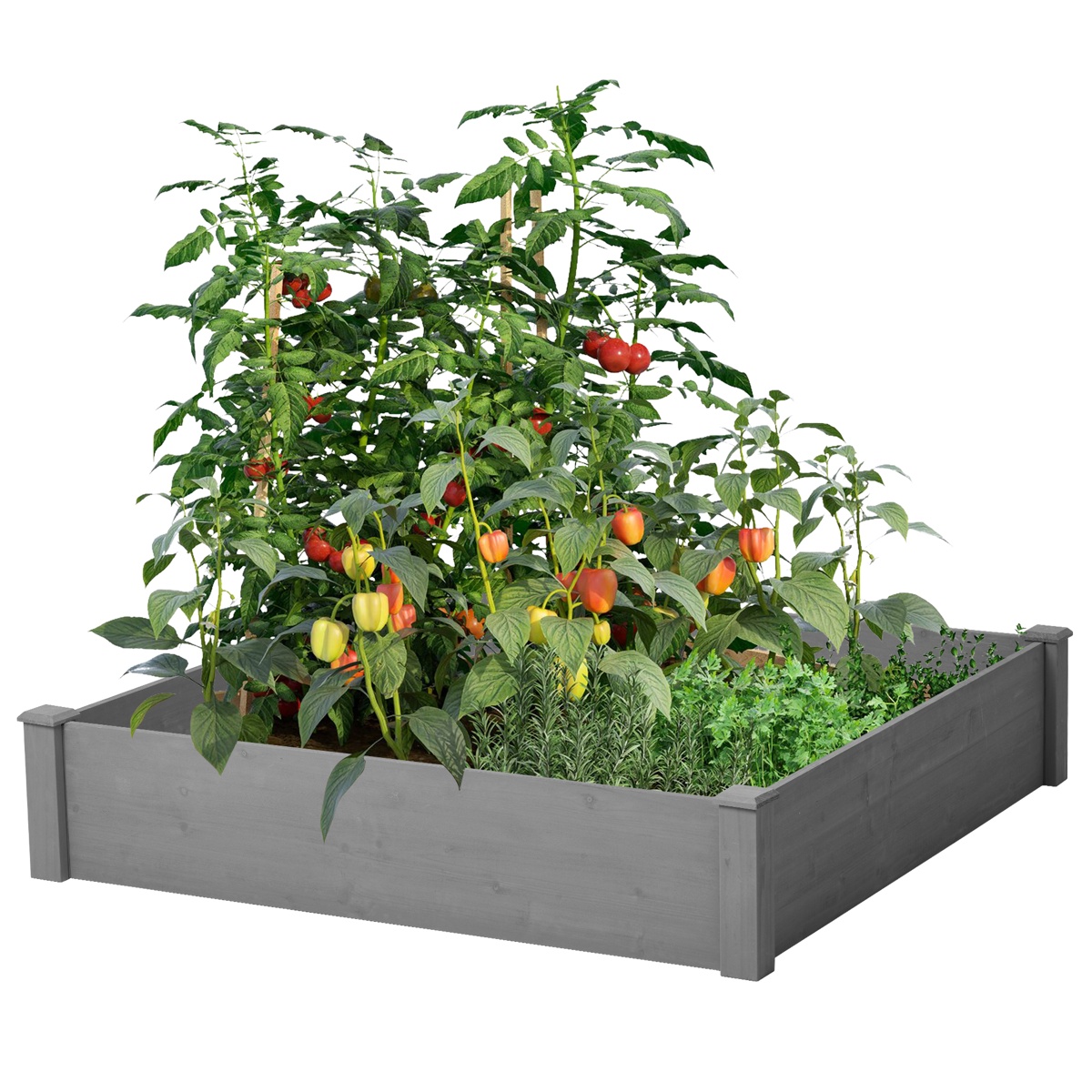 Raised Garden Bed 48x48x10'', Outdoor Wood Planter Box Over Floor, Tool-Free Assembly$75.99View on Mallflare
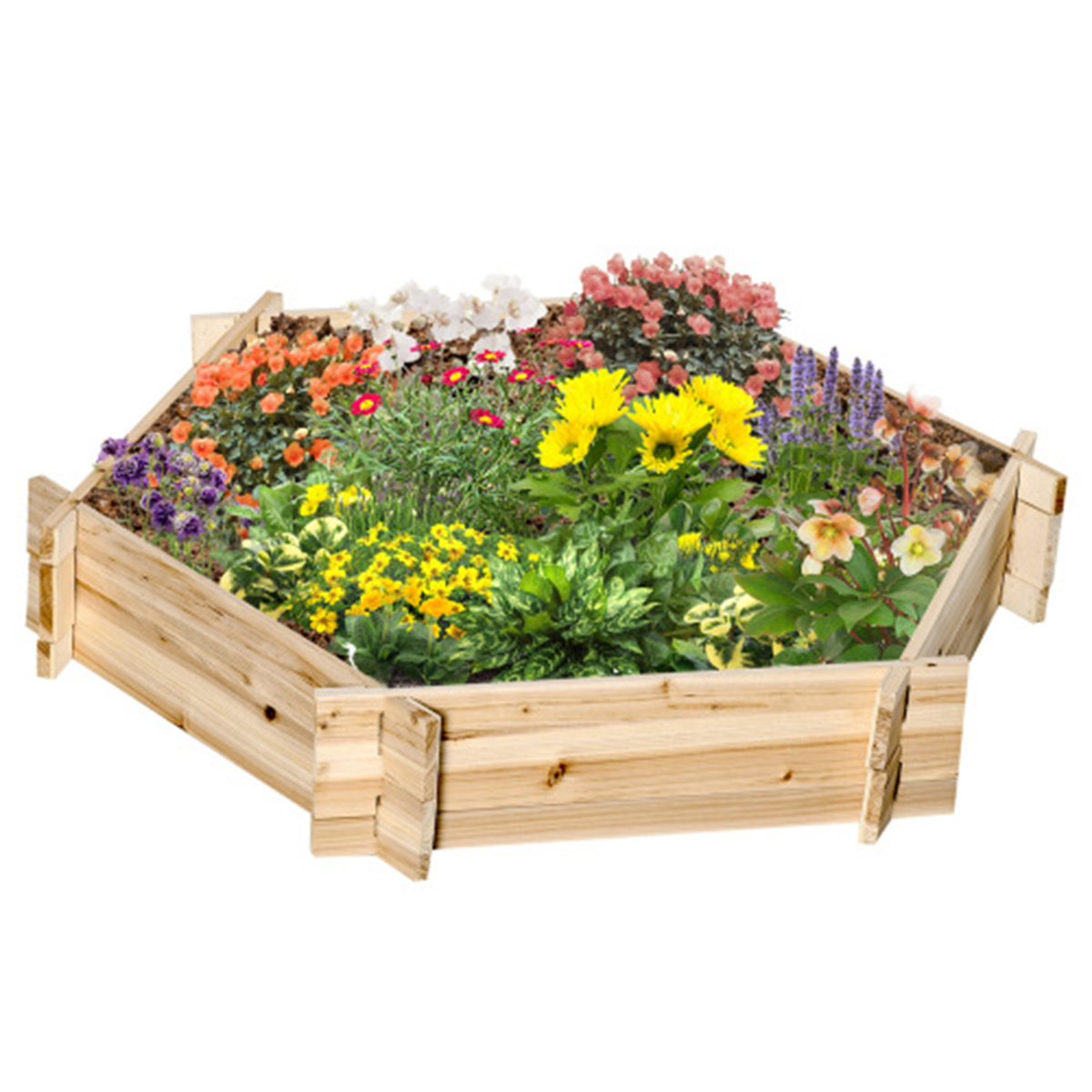 39" x 36" Screwless Hexagon Raised Garden Bed – DIY Herb Planter Box for Outdoor Gardening$82.99View on Mallflare
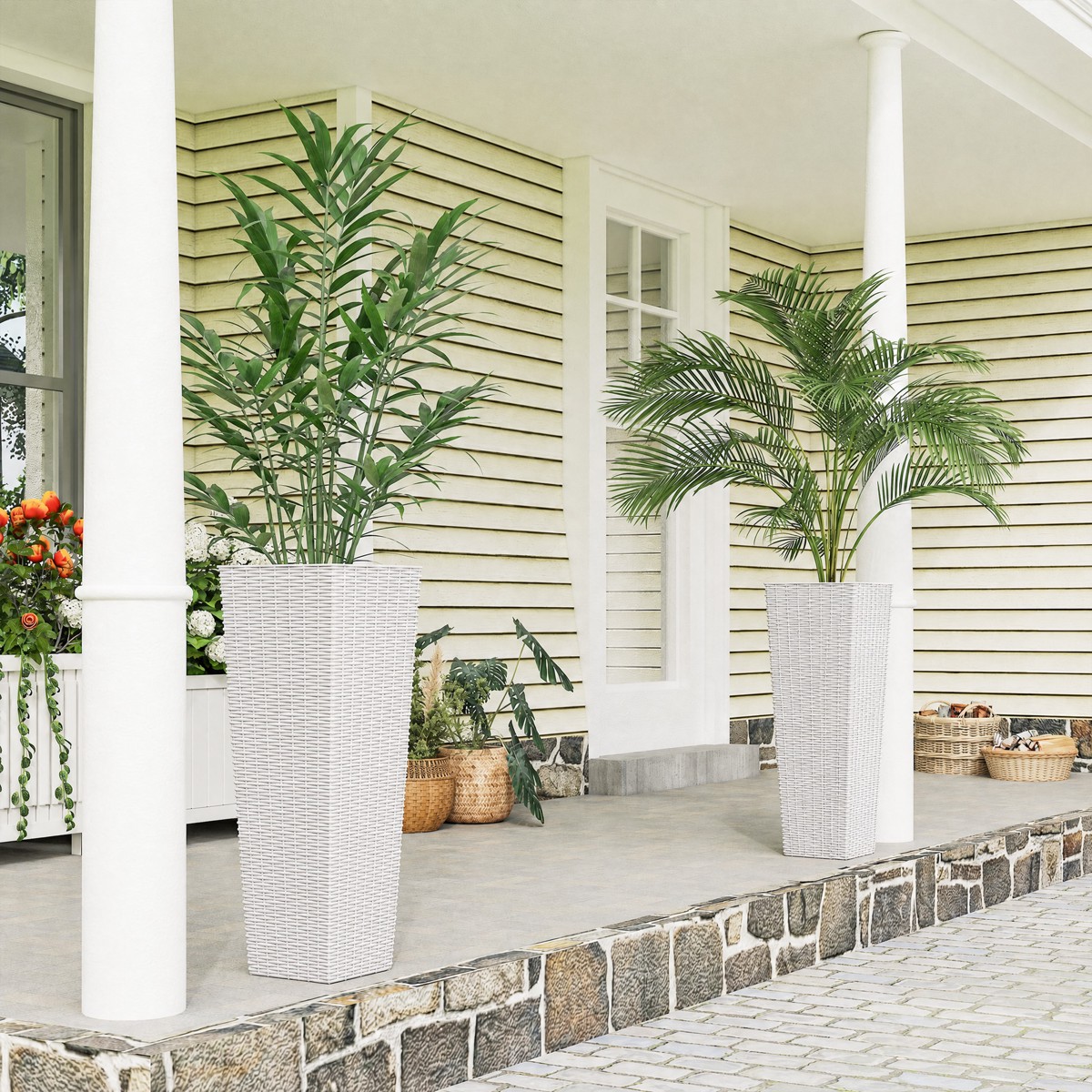 32 Inch Tall Planters for Outdoor Plants, Set of 2 Plastic Flower Pots with Drainage Holes, White$86.99View on Mallflare
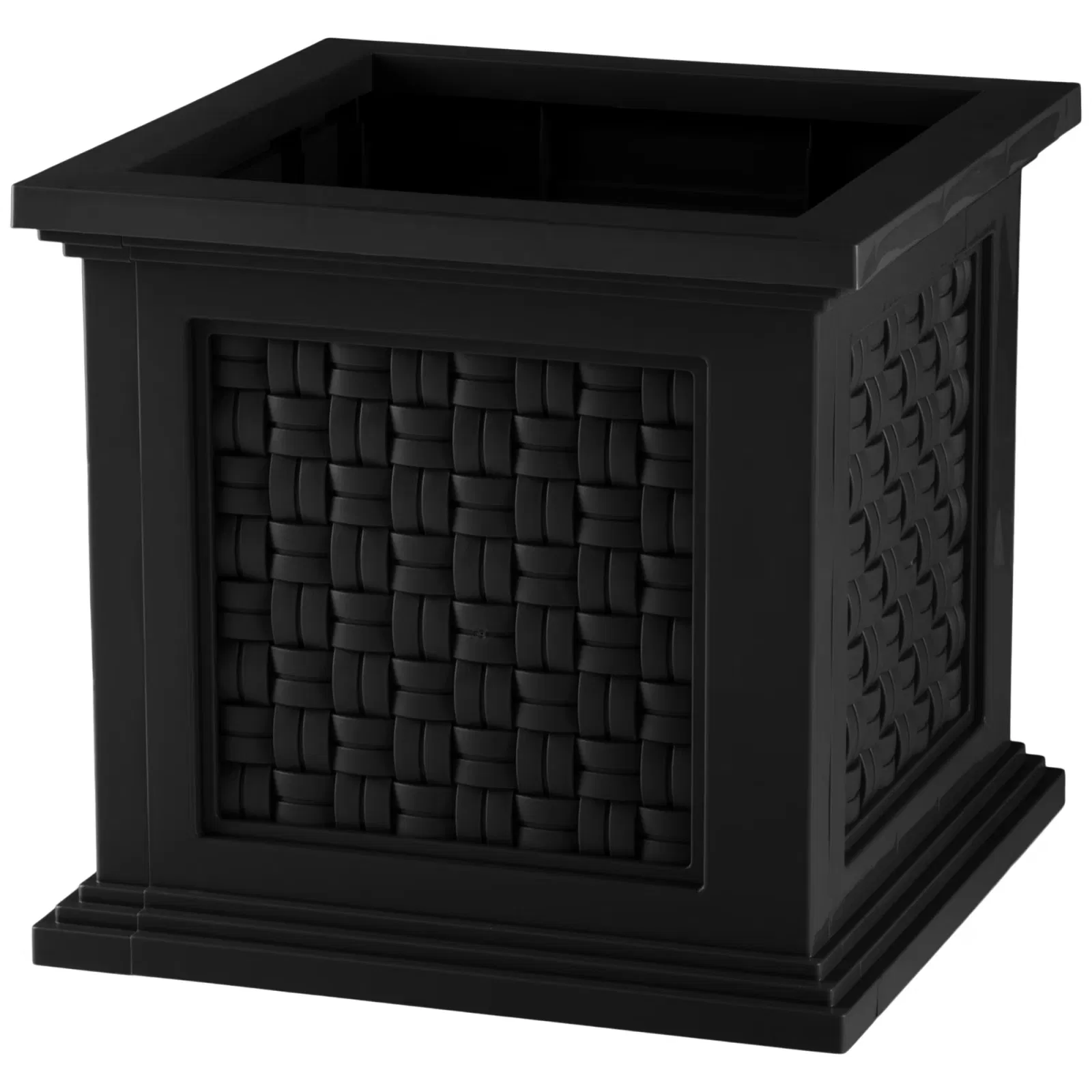 Outdoor Rattan Style Planter Box - 14.65-Inch Plant Pot, Black$87.99View on Mallflare
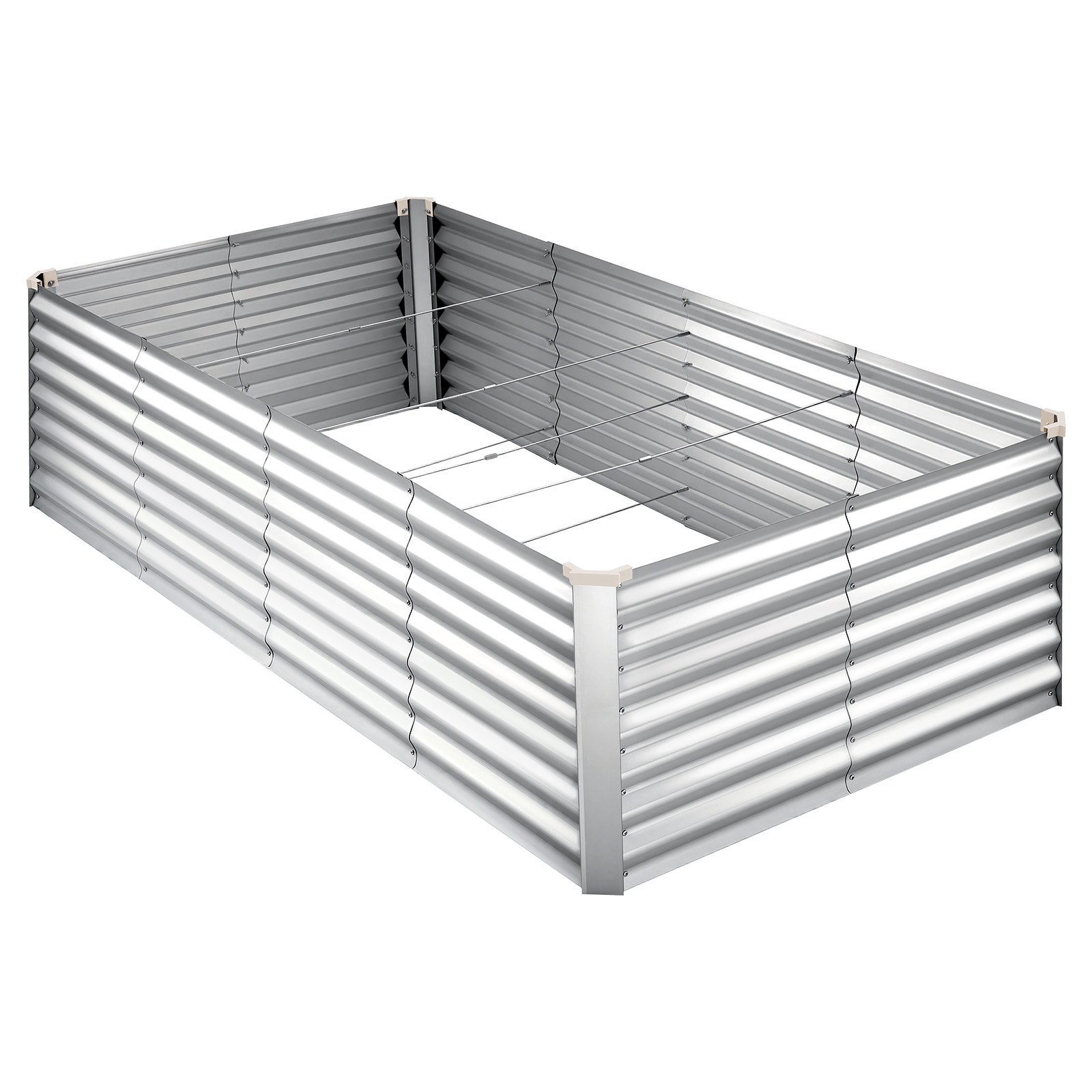 Galvanized Raised Garden Bed, 8 X 4 X 2 Ft, Rectangular Metal Planter Box Kit Outdoor, Bottomless Elevated Planting Box With Gloves, Rustproof Alu-Zinc, For Growing Flowers Vegetables, Silver$95.99View on Mallflare
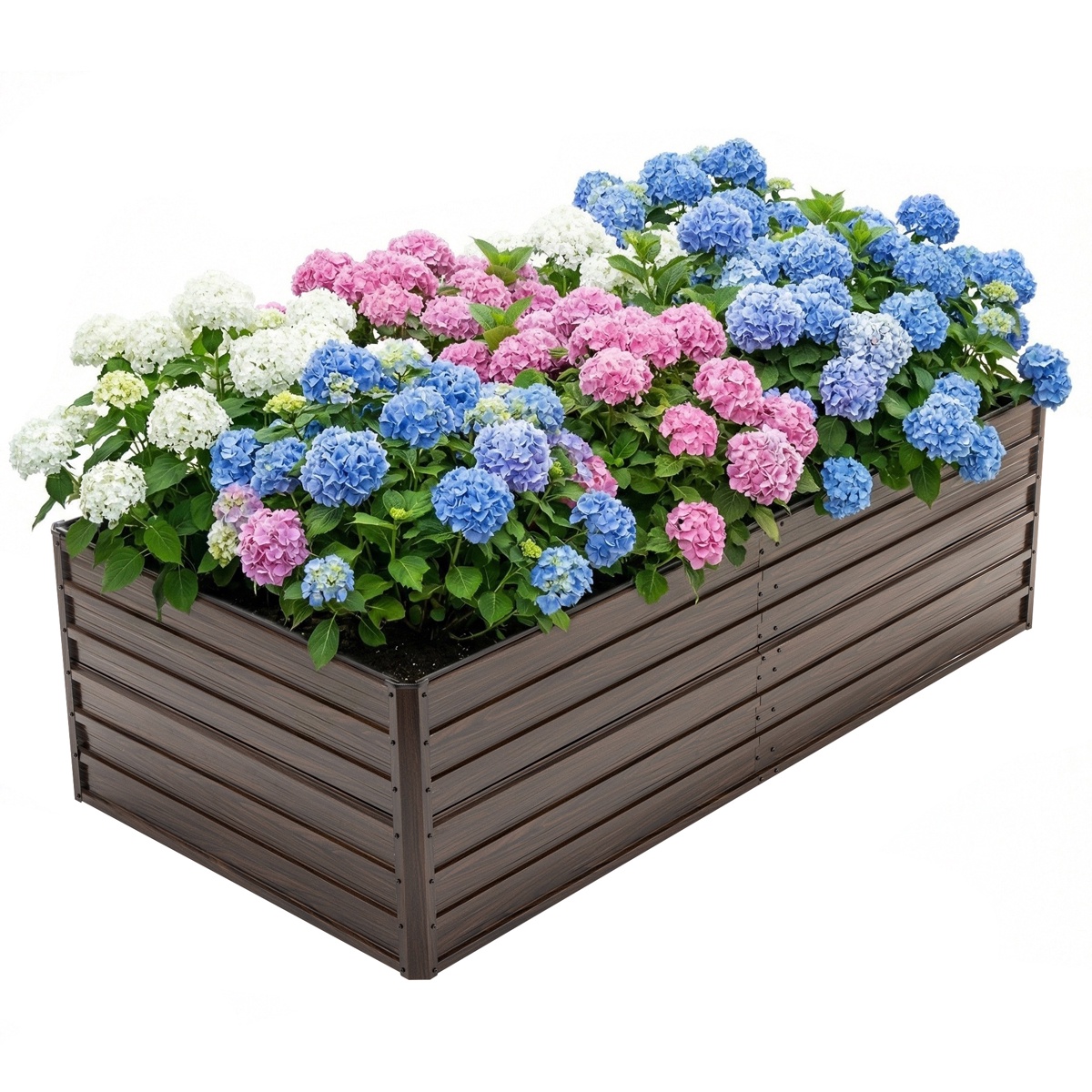 Woodgrain Aesthetic & Metal Strength: 8x4x2FT Galvanized Raised Garden Bed Kit - Large Outdoor Planter Box for Veggies, Fruits, Herbs$97.99View on Mallflare
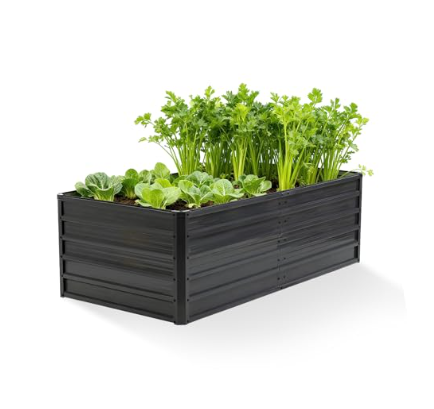 Metal Raised Garden Bed, 6x3x2ft Outdoor Planter Box, Beds For Planting Plants Vegetables, Flowers$98.99View on Mallflare
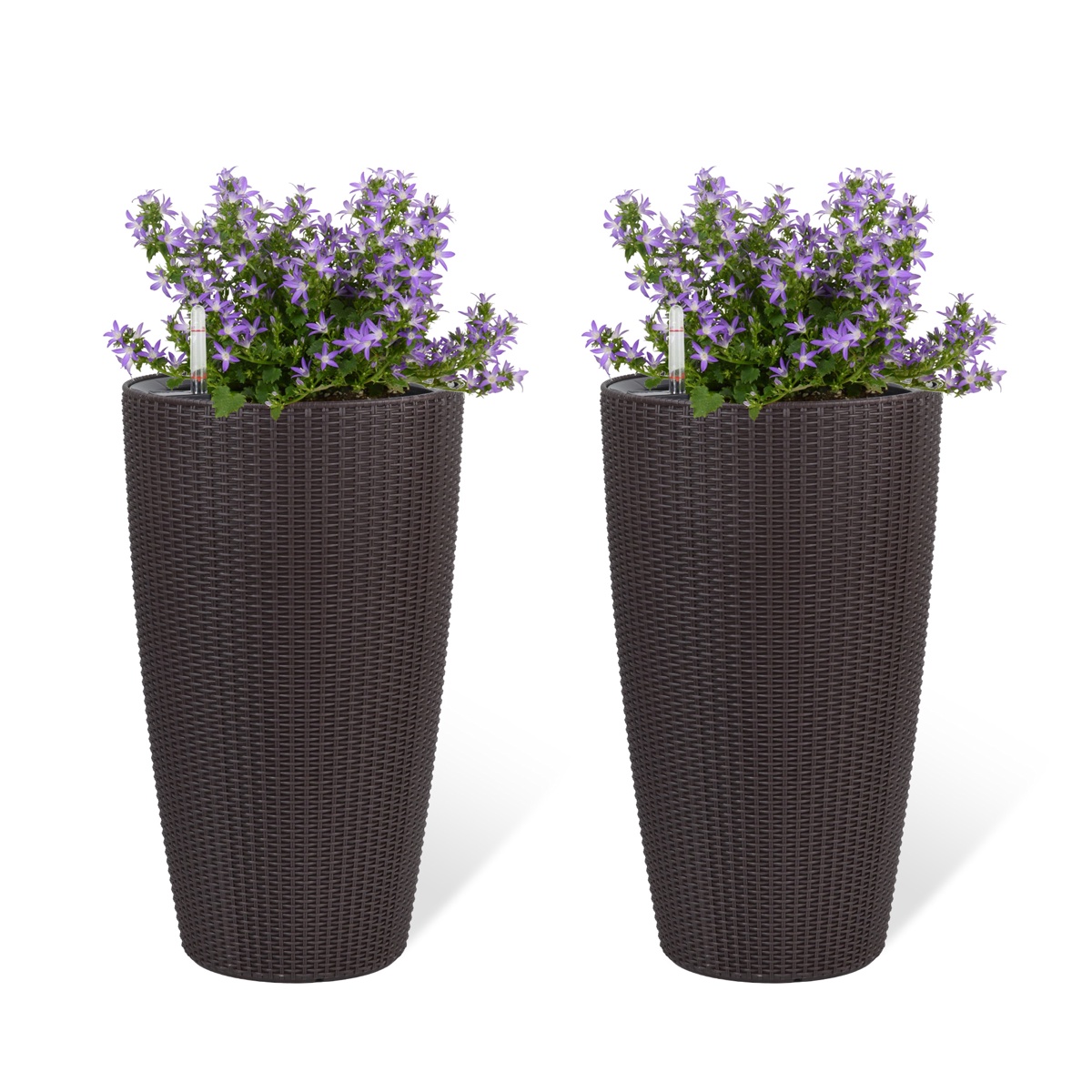 Set Of 2 Faux Rattan Tall Planters Outdoor Indoor Large With Water Level Monitor Inner Bucket, Automatic Watering, Flower Plant Pots For Garden, Patio, Porch, Brown, 22 Inch$112.99View on Mallflare
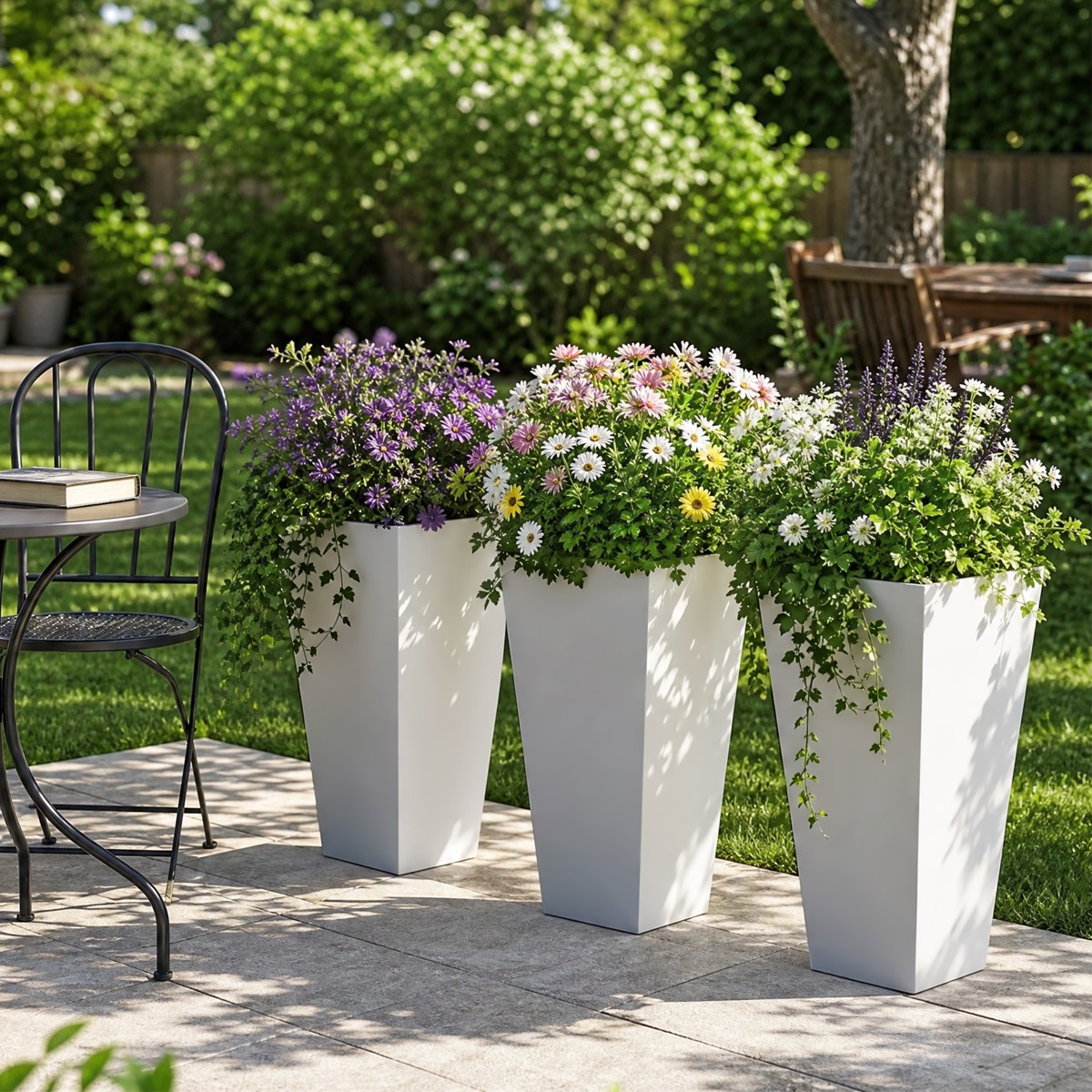 Tall Planters for Outdoor Plants Set of 3, 28 In Taper with Drainage Holes, Indoor Large Plant Pots, White$122.99View on Mallflare
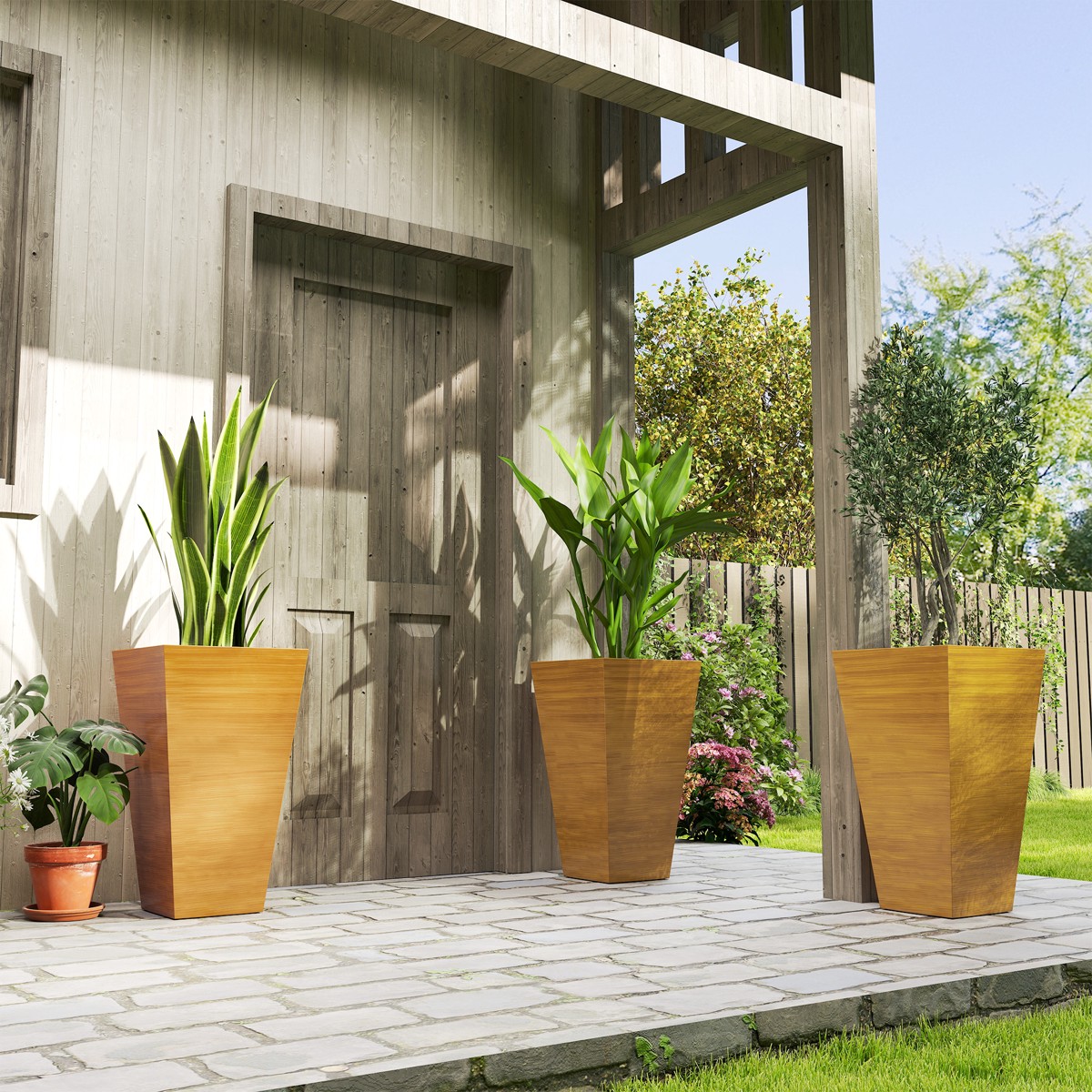 Set of 3 Tall Planters, 28" Outdoor Planter w/ Drainage Holes, Faux Wood Plastic Flower Pots, Light Brown$122.99View on Mallflare
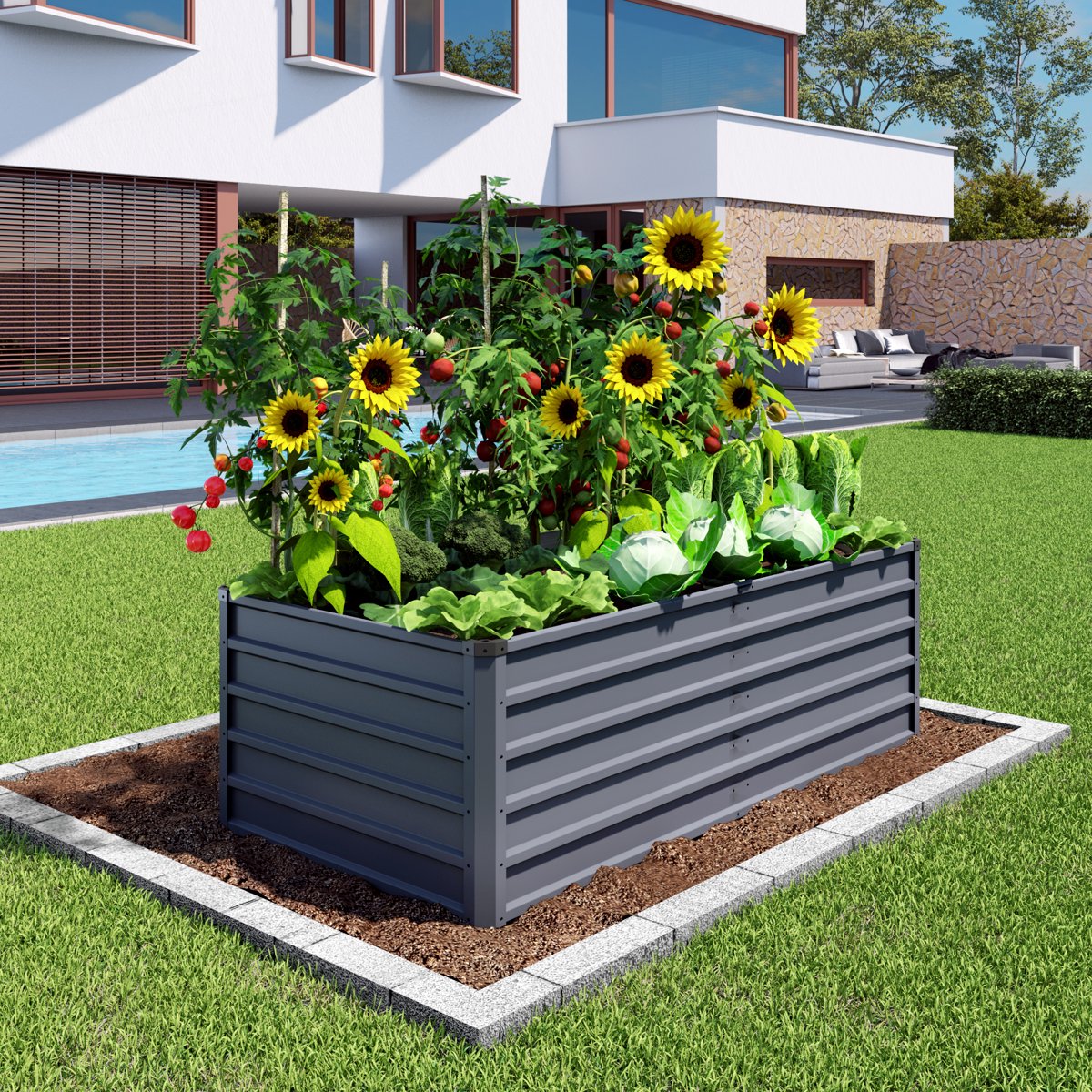 6x3x2ft 2pcs Large Raised Garden Bed Kit, Grey Rectangular Galvanized Metal Outdoor Bed, Planter Boxes Beds For Growing Plants, Vegetables And Flowers.$126.99View on Mallflare
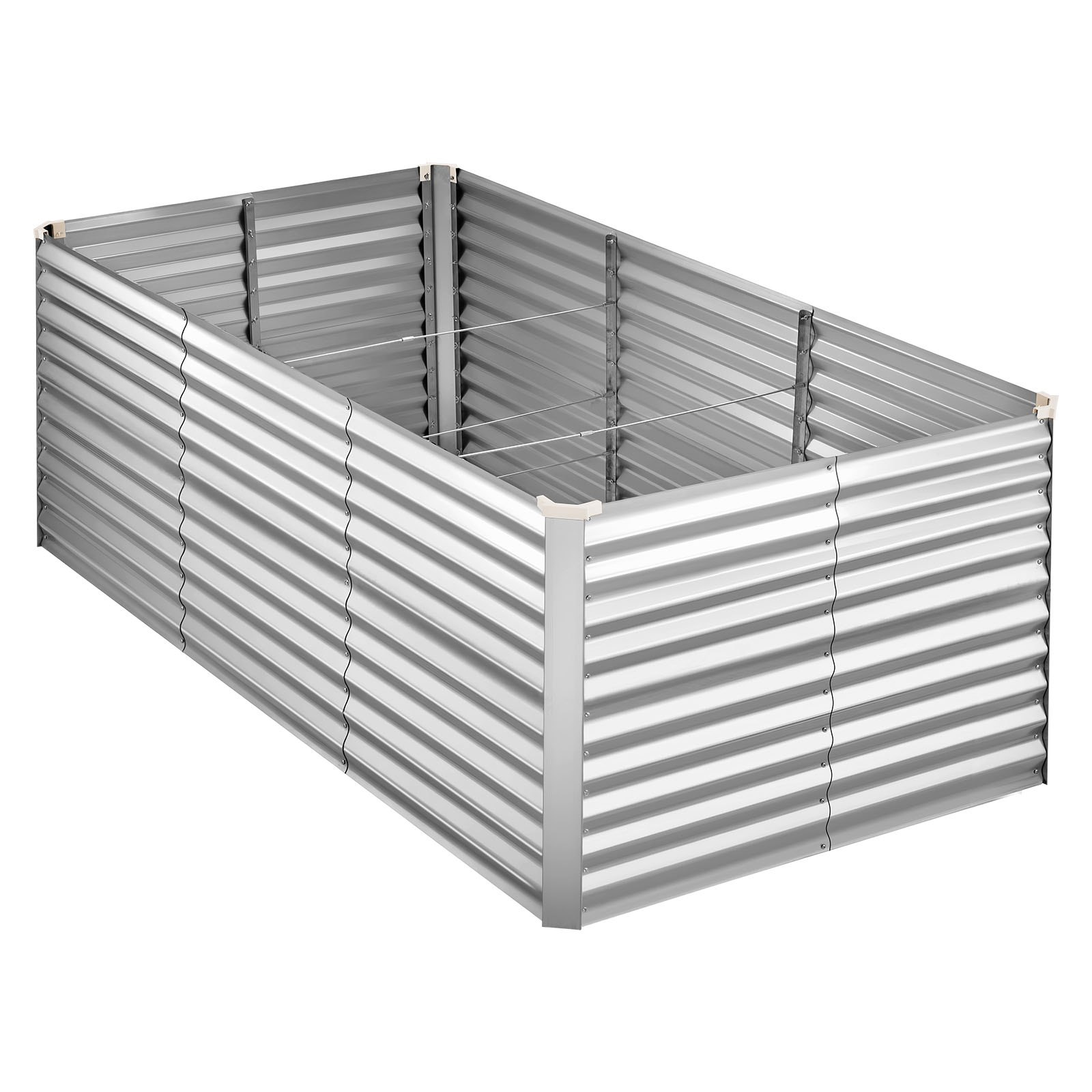 Galvanized Raised Garden Bed, 8 X 4 X 3 Ft, Rectangular Metal Planter Box Kit Outdoor, Bottomless Elevated Planting Box With Gloves, Rustproof Alu-Zinc, For Growing Flowers Vegetables, Silver$128.99View on Mallflare
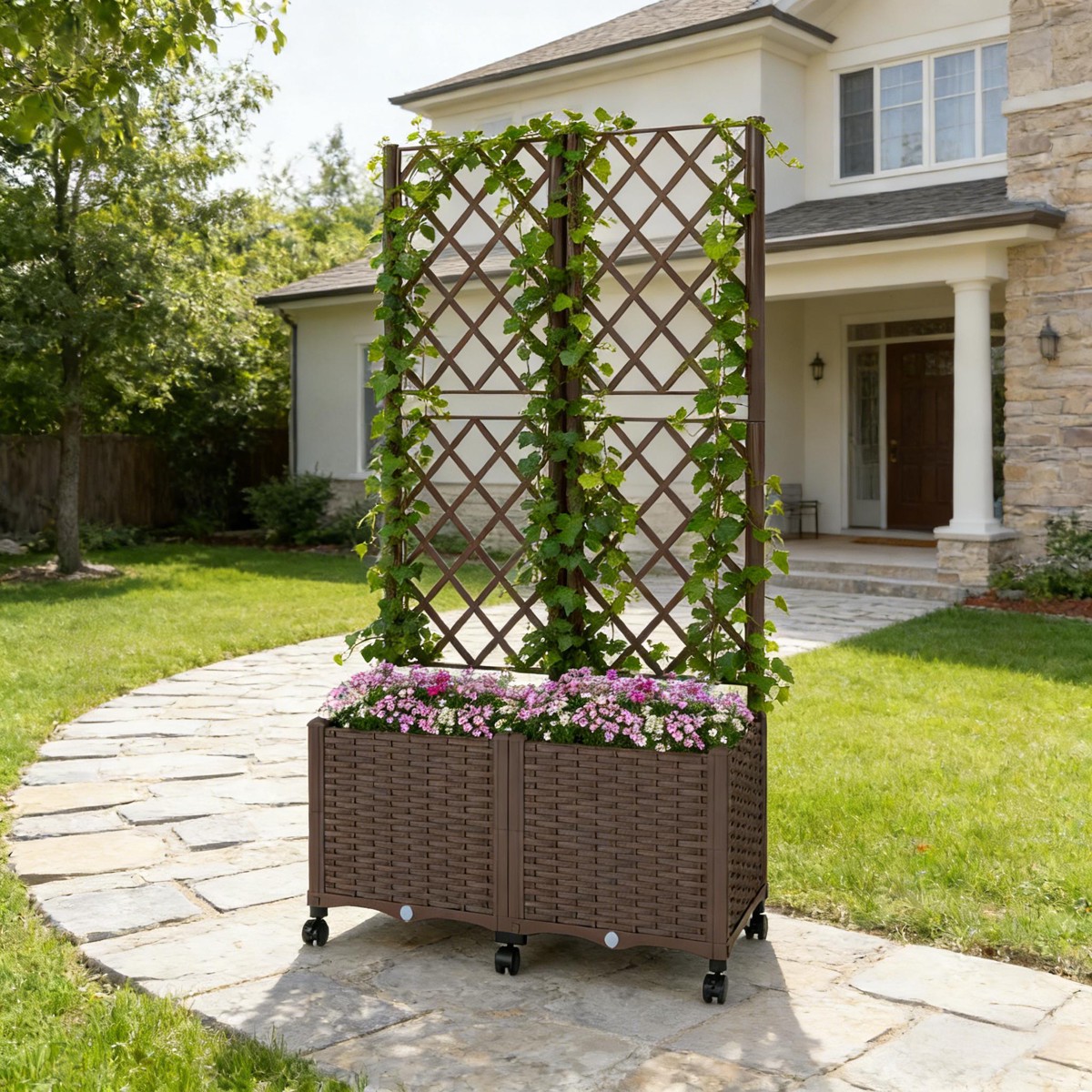 Outdoor Stylish Planter Box,Mobile Raised Garden Bed$134.99View on Mallflare
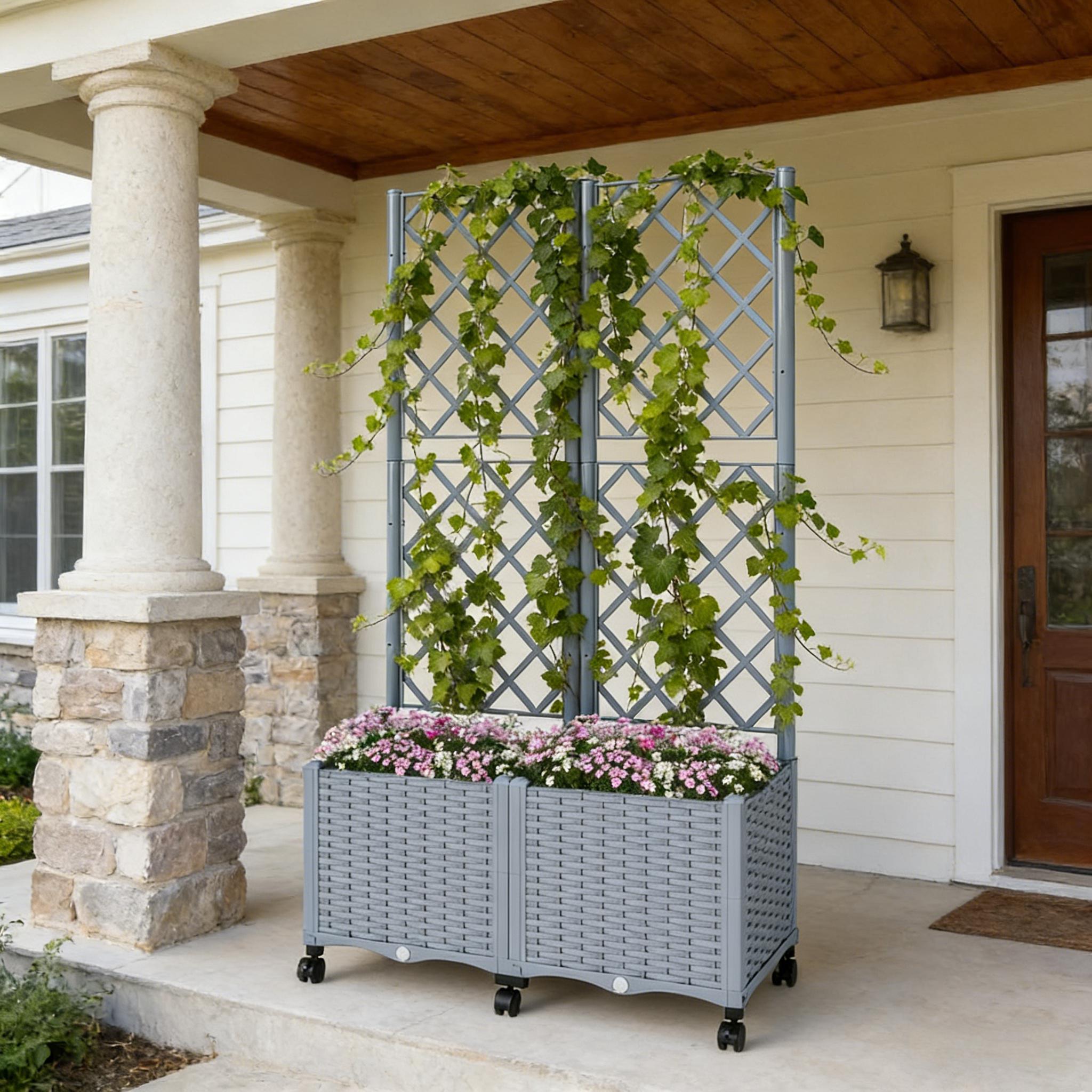 Mobile Raised Garden Bed,Outdoor Stylish Planter Box$134.99View on Mallflare
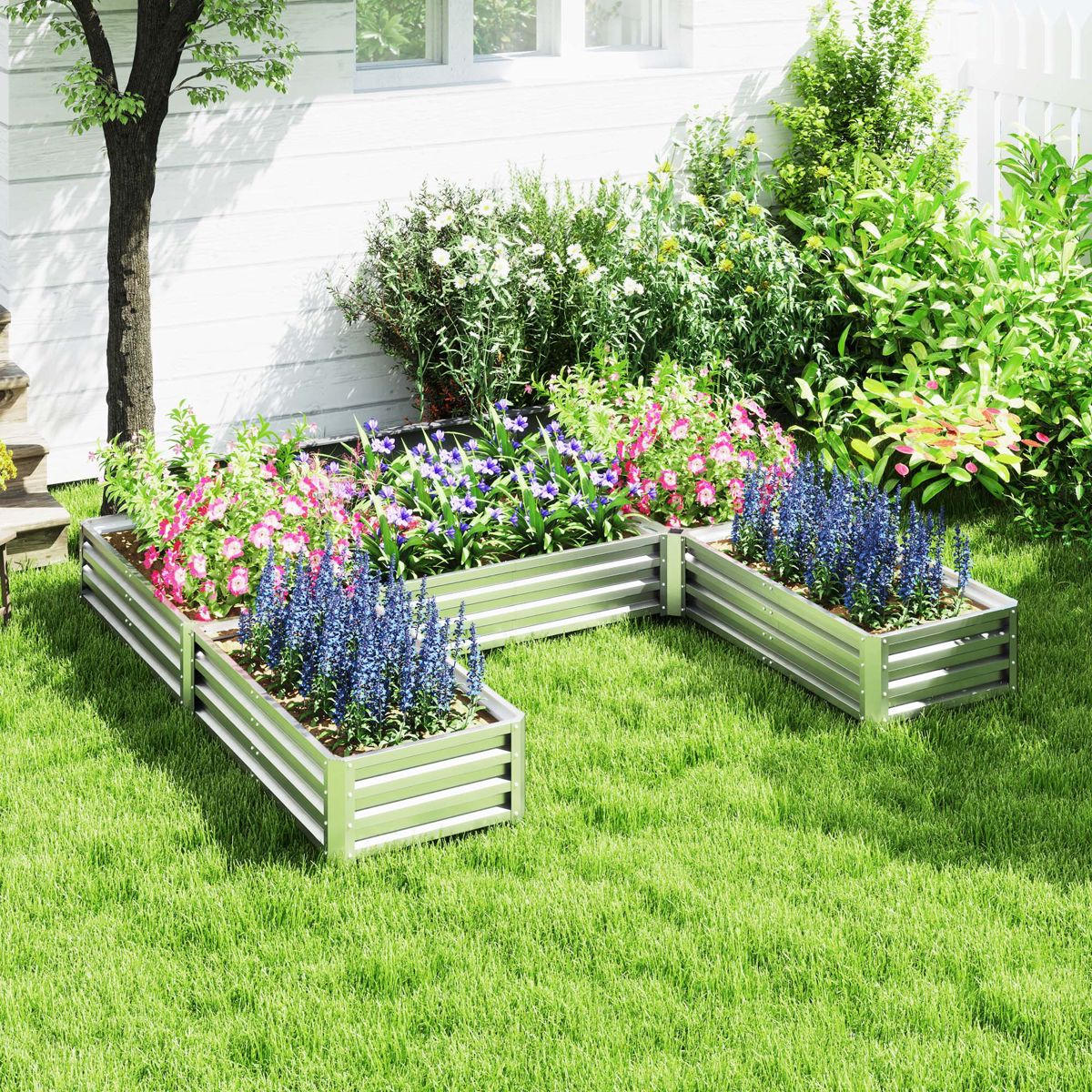 Steel Raised Garden Bed, Set of 5 Large Box Planters for Outdoor Plants Vegetables Flowers Herbs, 8x8x1ft, Silver$139.99View on Mallflare
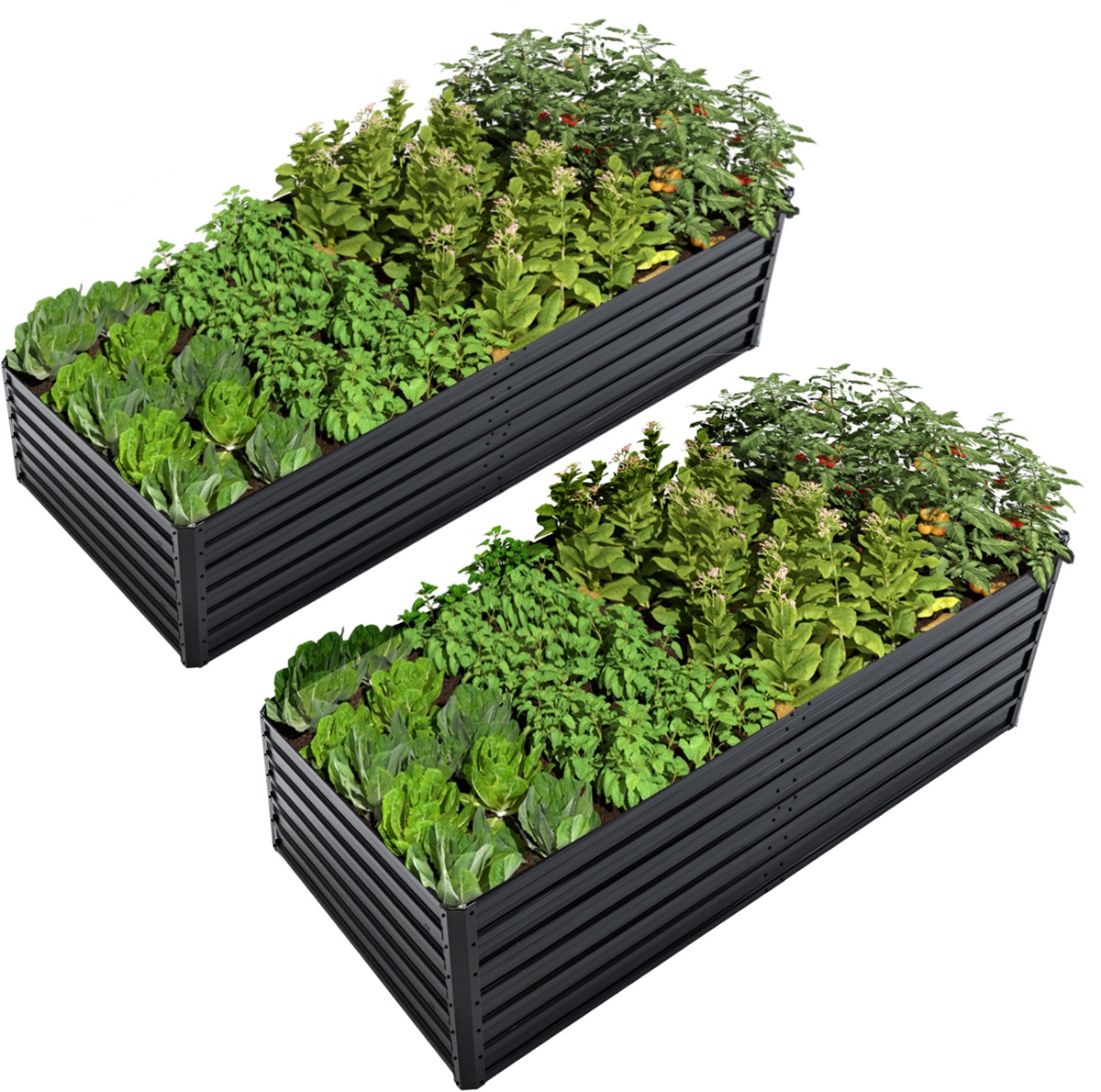 2 Pack Metal Raised Garden Bed Kit Outdoor - 8x4x2 FT Galvanized Planter Boxes Set, Rectangle Vegetable & Flower Beds for Herbs, Fruits, Planting (Black)$164.99View on Mallflare
Highlights
- Galvanized steel planters resist rust via a zinc coating; thicker gauge (0.6–1.0 mm) and double-folded top edges prevent bowing and sharp edges.
- Wood planters should use rot-resistant species (cedar, larch, pressure-treated pine) or heat-treated timber; untreated softwood degrades within two to three seasons.
- Plastic and resin planters need UV stabilizers; without them, polypropylene becomes brittle and cracks after one to two summers of direct sun.
- Fabric grow bags drain fast and air-prune roots but dry out quickly; they suit seasonal vegetables, not permanent specimen plants.
Best use cases
- Permanent vegetable or herb beds: pick a galvanized metal raised bed 12–24 inches deep with cross-bracing; skip thin plastic or fabric, which deform or dry out.
- Front-entry or porch display with winter interest: choose a frost-resistant metal or glazed ceramic planter with drainage holes; skip untreated wood, which splits in freeze-thaw cycles.
- Balcony or patio with weight limits: use fabric grow bags or lightweight resin pots; skip heavy galvanized beds unless the structure is rated for the saturated soil load.
- Climbing vines and privacy screening: select a planter with an integrated trellis and anchor it to a wall or railing; skip freestanding tall planters in windy, exposed sites.
Buying tips
- Match planter depth to root zone: 8–12 inches for lettuce and herbs, 12–18 inches for tomatoes and peppers, 18–24 inches for dwarf shrubs and small trees.
- Check drainage: outdoor planters need at least one 1-inch drain hole or a false bottom; sealed decorative pots require a nested plastic liner with drainage.
- For galvanized beds, confirm the steel gauge and edge fold; thinner than 0.5 mm dents easily, and exposed cut edges corrode first.
- Calculate soil volume before buying: 1 cubic foot fills about 7.5 gallons; a 2×2×1 ft bed holds roughly 4 cubic feet (30 gallons) of mix.
Specs
| Material | Galvanized metal / Wood / Plastic / Fabric |
|---|---|
| Drainage | Drain holes or false bottom |
| Depth Range | 8–24 in by crop type |
| Frost Resistance | Frost-proof vs seasonal |
Related searches
What to check before buying
- Measure the footprint and height of the intended spot, including clearance for the plant’s mature spread and access for watering.
- Confirm the surface: decks and balconies need weight-rated planters and saucers; soil-filled beds can exceed 100 lb per square foot when saturated.
- For winter use, verify the material is frost-proof and the pot has drainage; ceramic and thin plastic crack when water freezes inside.
- Check that the planter ships with or accepts a liner, saucer, or trellis as needed, and that replacement parts are available.
FAQ
Data sources: eBay / Amazon listings and product attribute feeds. Updated Nov 28, 2026.
Some links on this page are affiliate links. If you buy after clicking one, we may earn a commission at no extra cost to you. This does not change which products appear here or their order. Affiliate disclosure.