GardenPulse Guide

GardenPulse Guide

Garden, Yard & Outdoor Living Reviews & Buying Guides

Compare garden, yard & outdoor living by use case, features, trade-offs, price, returns, and seller terms before you buy.

Buying guides

Buying guide image
Outdoor Structures, Shade & Awnings

Garden Arch With Gate

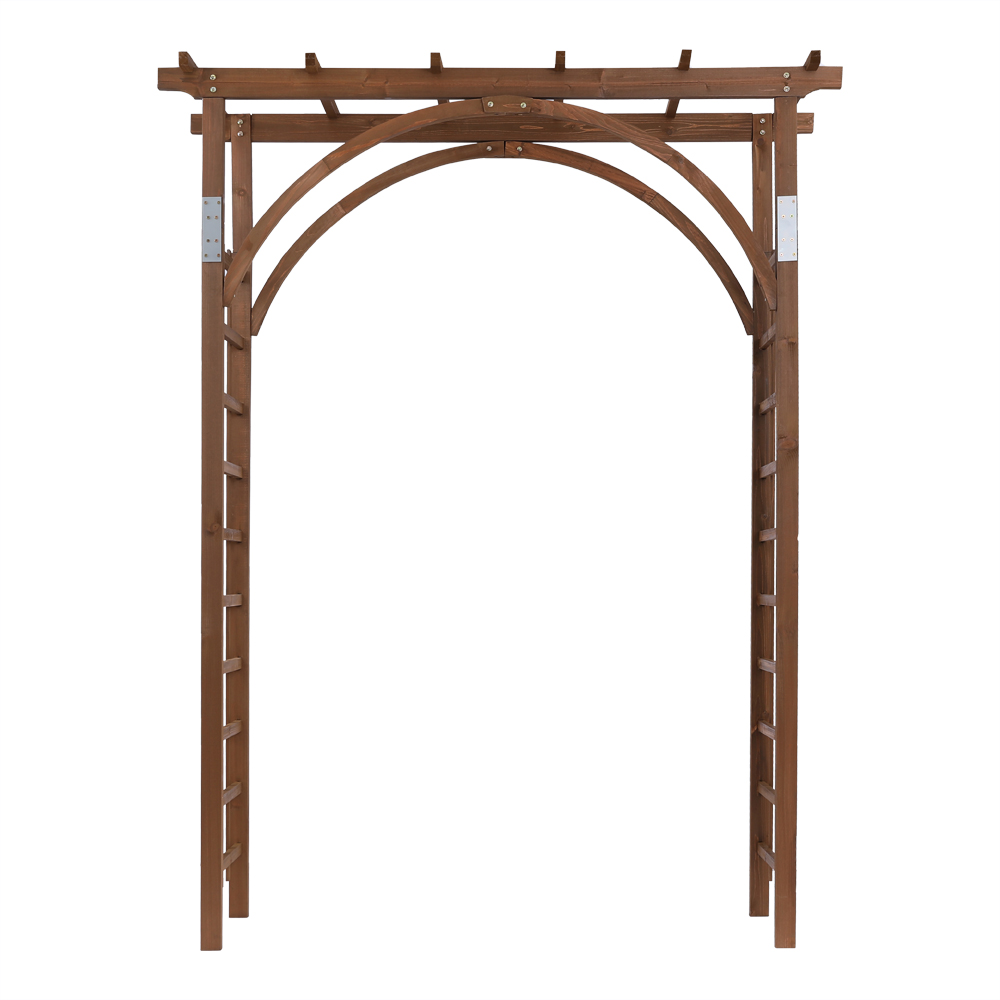
A garden arch with gate is a free-standing outdoor structure that frames a pathway or entrance while supporting climbing plants and often includes a swinging gate for access control. The primary trade-off is between light, powder-coated tubular steel for budget trellising and heavier square-section steel or wood for structural stability and load-bearing over time. Choose welded, ground-anchored frames with reinforced gate hinges for durability; skip thin snap-together tube kits if the arch spans more than 4.5 ft or faces wind exposure.
Buying guide image
Chicken Coops & Runs

Chicken Nesting Box

A chicken nesting box is a dedicated enclosed laying station sized to a hen's body, offering privacy, a sloped floor, and a lip to contain bedding and eggs. The core trade-off is between roll-away collection (sloped floor with an egg tray, usually galvanized steel or plastic) and simple open-front cavities (wood or plastic with a front lip). Choose roll-away when you want clean eggs and less daily reaching; choose fixed open cavities when you prioritize low cost, easy re-bedding, and natural hen behavior.

Buying guide image
Outdoor Storage

Storage Box With Lock And Key

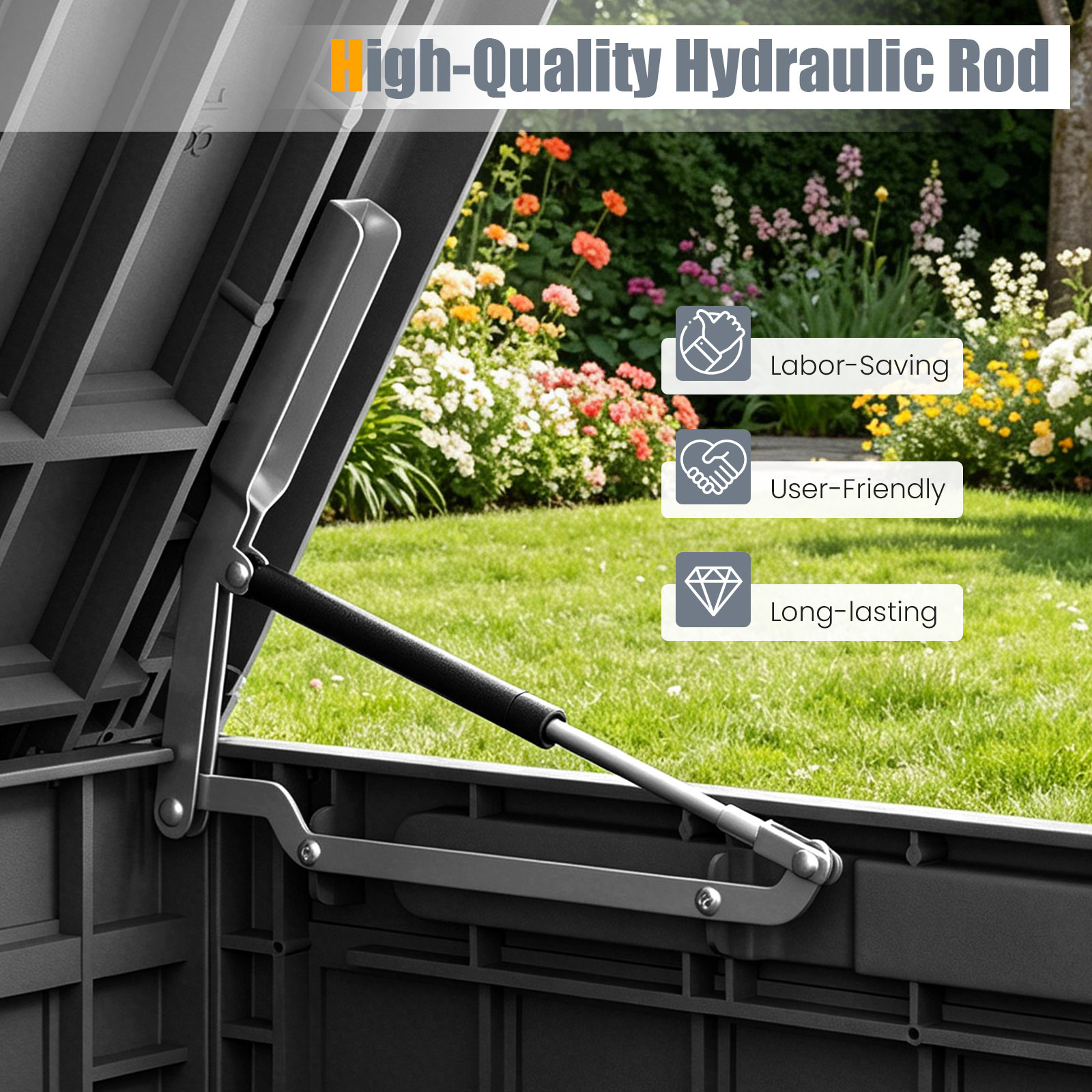
A storage box with lock and key is an outdoor-rated container whose latching or hasp system accepts a physical keyed lock, used to secure tools, cushions, deliveries, or chemicals against weather and casual theft. The core trade-off is resin vs. metal construction: resin boxes are rust-proof and light but crack under UV and cold, while metal boxes are stronger but require galvanized or powder-coated steel to resist rust. The decision rule: buy only if the lid and body meet at a reinforced locking point (hasp, cam lock, or padlock tab) and the material is UV-stabilized resin or galvanized steel — skip any box whose lock is a cosmetic latch on thin, unsupported plastic.

Buying guide image
Patio Furniture

Wicker Patio Chair

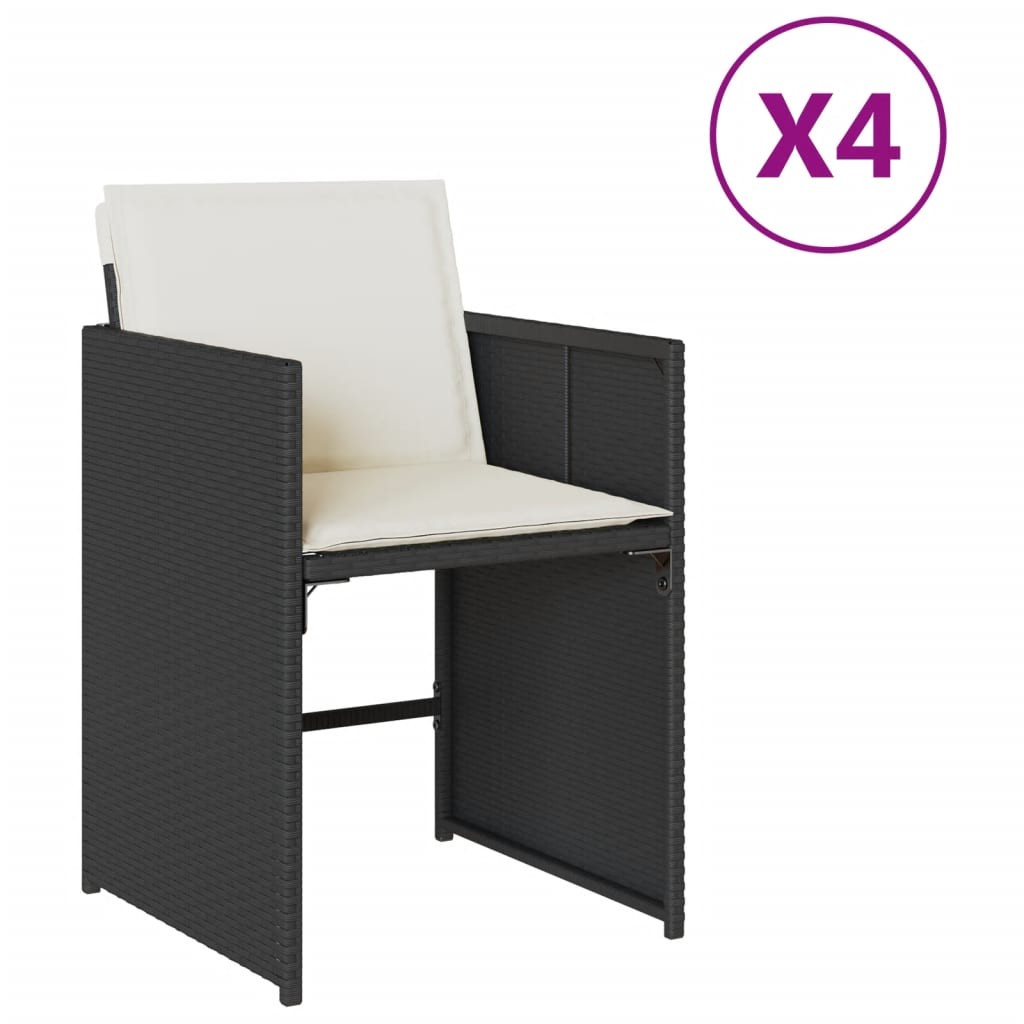
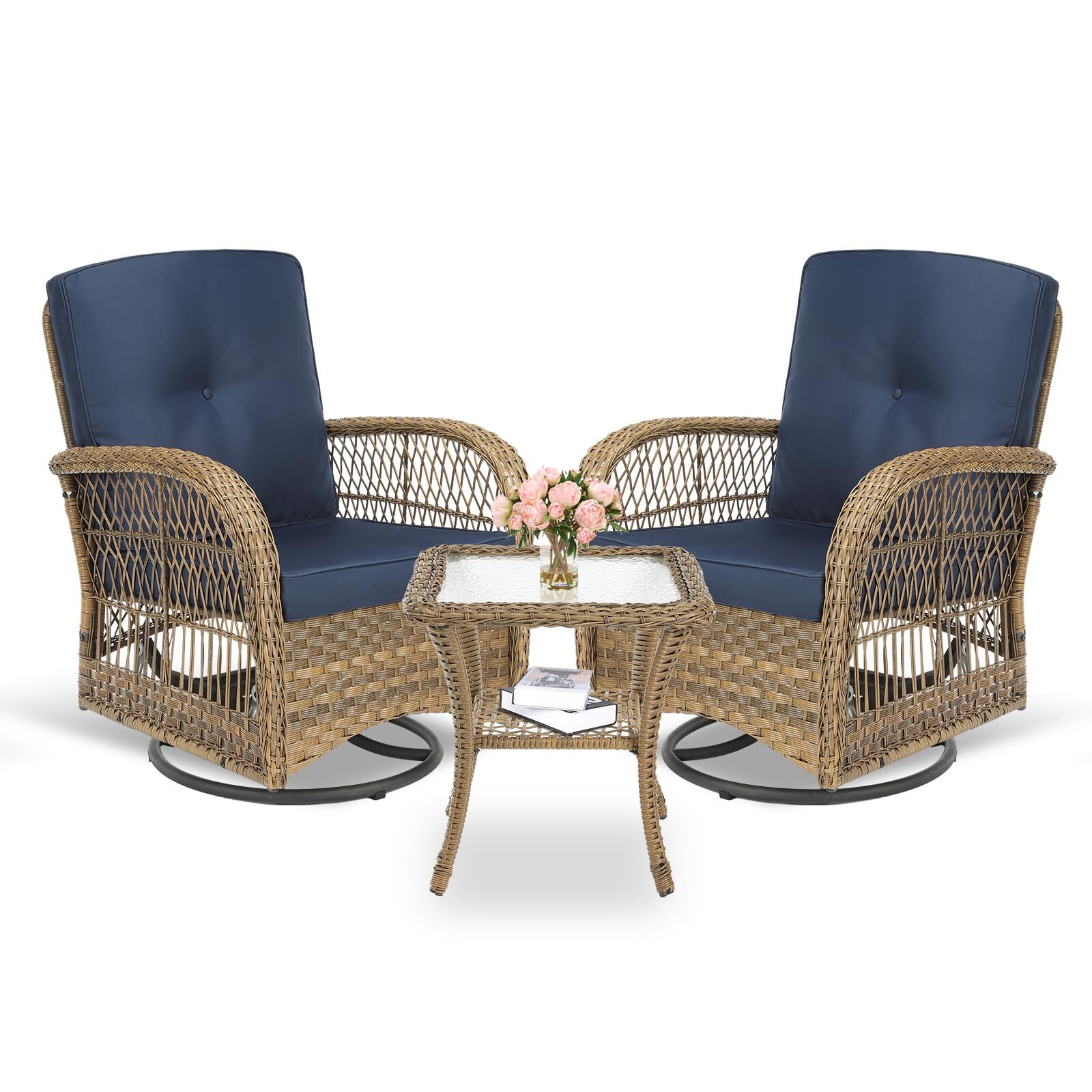
Wicker patio chairs are outdoor seats built on a metal frame wrapped in woven resin or natural rattan, where the core trade-off is weather-proof PE resin over a rust-treated steel or aluminum frame versus cheap PVC over thin tube. The decision rule: buy PE wicker on a powder-coated aluminum or steel frame with UV-stabilized resin and replaceable cushion covers—skip unbranded PVC wraps on untreated steel that fade, crack, and rust within two seasons.

Buying guide image
Outdoor Storage

Lockable Outdoor Storage Box

A lockable outdoor storage box is a weather-resistant deck box, trunk, or chest with a hasp or latch that accepts a padlock, used to secure patio cushions, tools, pool gear, or deliveries. The core trade-off is resin versus steel/metal: resin resists rust and UV but can warp or fade, while steel is stronger but needs rust-proof coating and weighs more. Choose resin for wet, coastal, or poolside decks and steel for high-theft or heavy-load sites; skip thin single-wall plastic and non-locking flip lids if security matters.

Buying guide image
Chicken Coops & Runs

Large Metal Chicken Coop Run

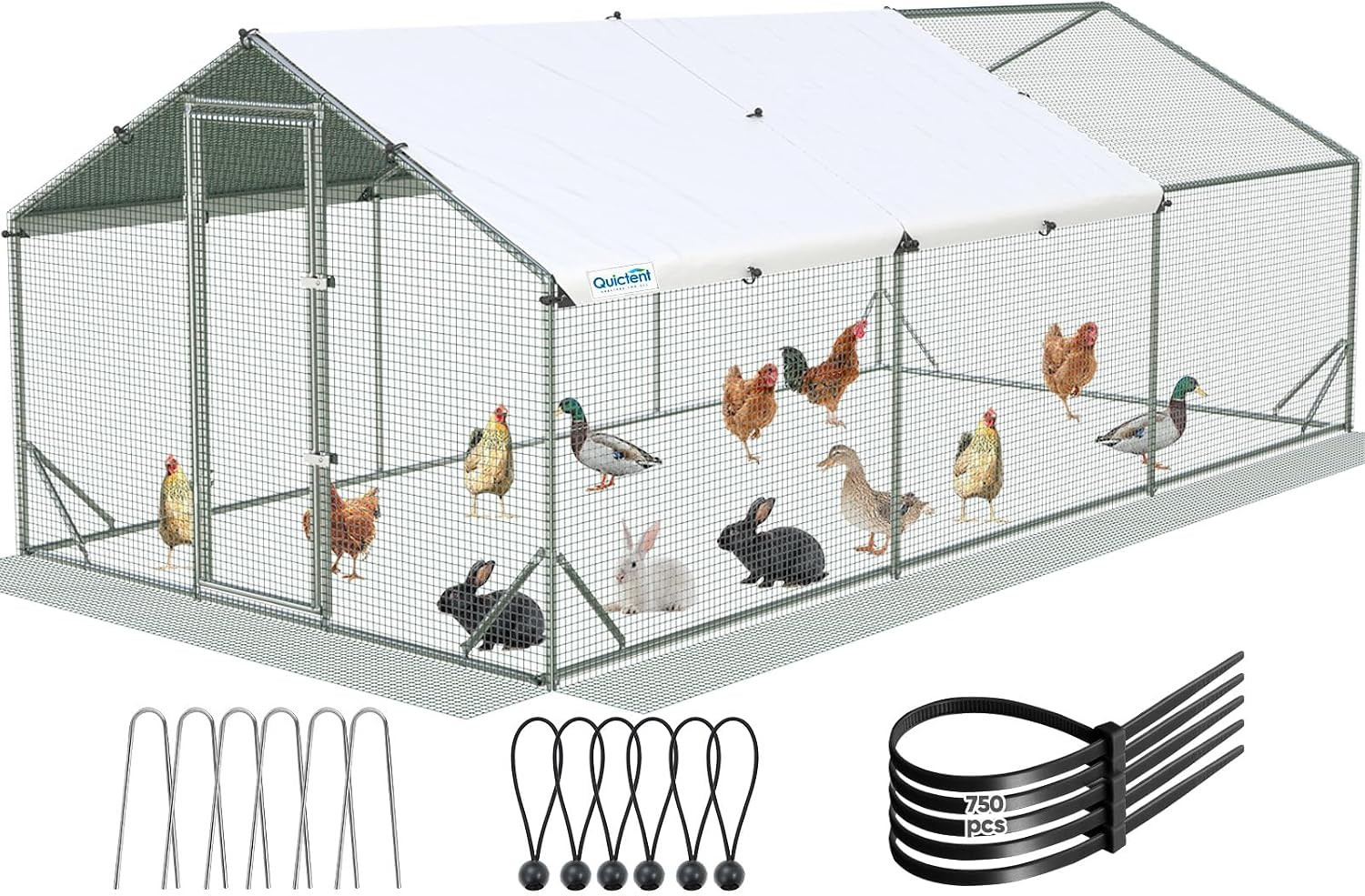
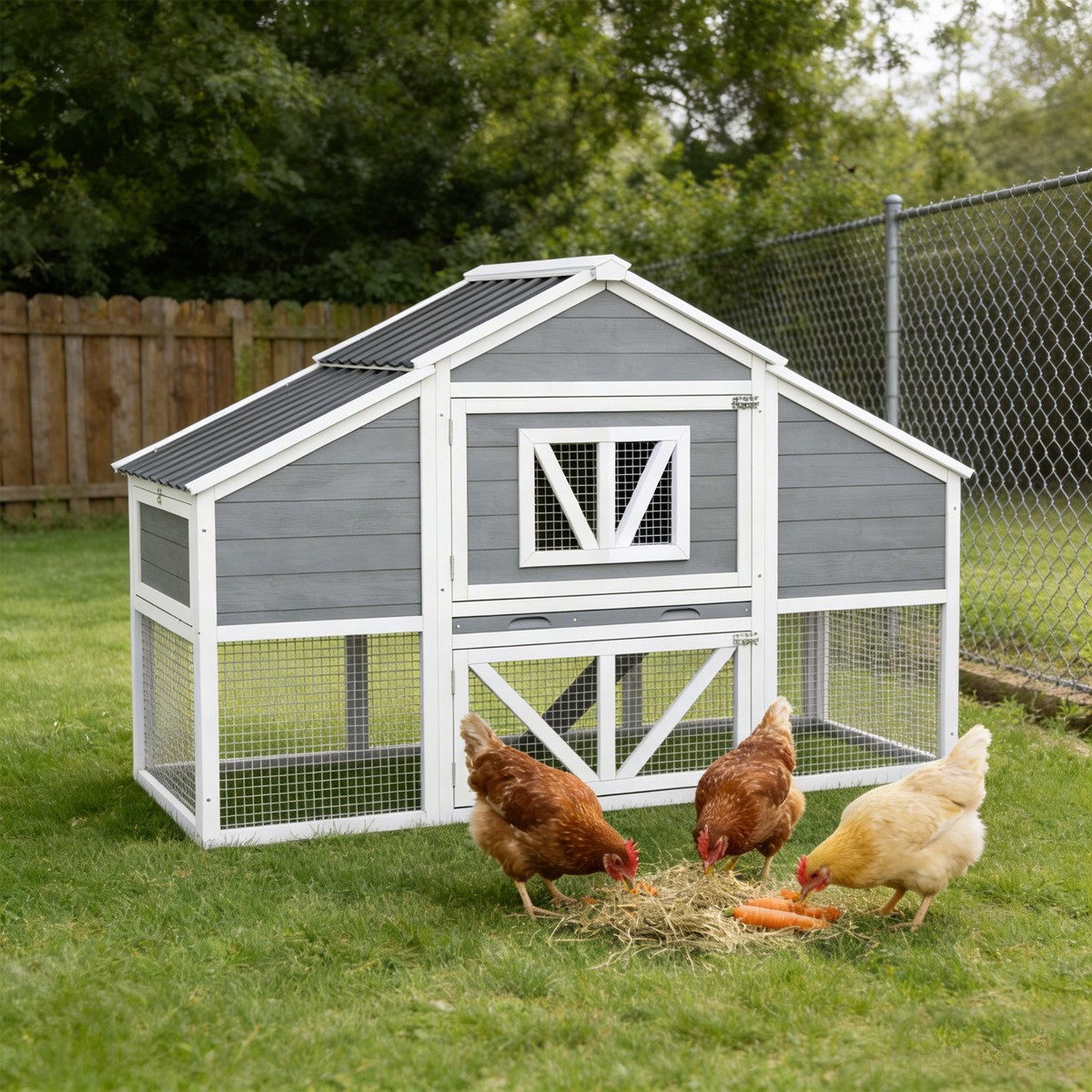
A large metal chicken coop run is a walk-in, steel-framed outdoor enclosure sized for flocks rather than single birds, and the core trade-off is mesh gauge and tube-wall thickness versus assembly complexity and wind load. Durable options use welded or bolted galvanized tubing with 19-gauge or thicker hardware cloth, while compromises rely on thin wall tubes and hex wire that predators can tear. The decision rule: buy by wire gauge and tube wall diameter first, floor area per bird second, and roof style only after those two are settled.

Buying guide image
Patio Furniture

Patio Table And Chair Set

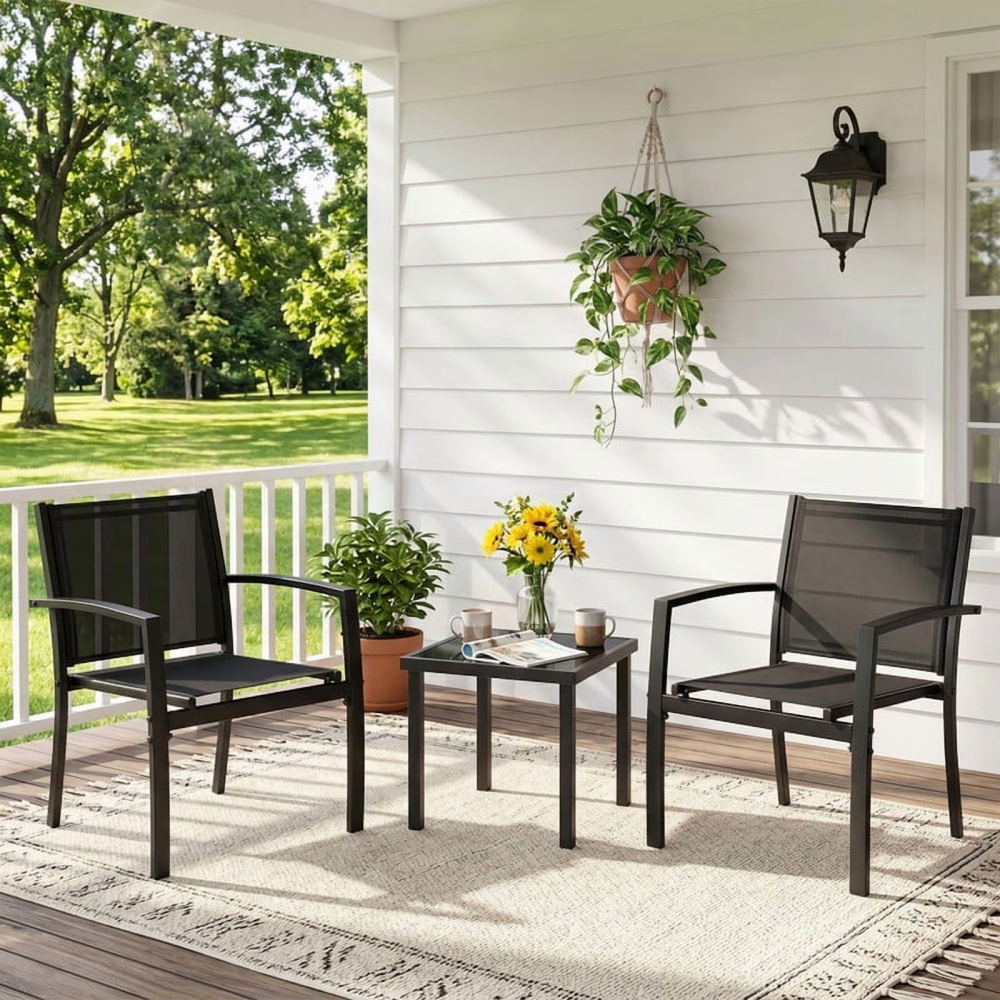
Patio table and chair sets span folding metal bistros to solid-wood dining groups, and the primary trade-off is weather durability versus weight and maintenance. Powder-coated aluminum or HDPE resists rust and rot with near-zero upkeep, while acacia, eucalyptus, and PE rattan need oiling or frame inspection to survive seasons. Buy metal or HDPE for uncovered exposure and wood or rattan only under cover or with a committed sealing routine.

Buying guide image
Outdoor Structures, Shade & Awnings

Retractable Awning With Sides

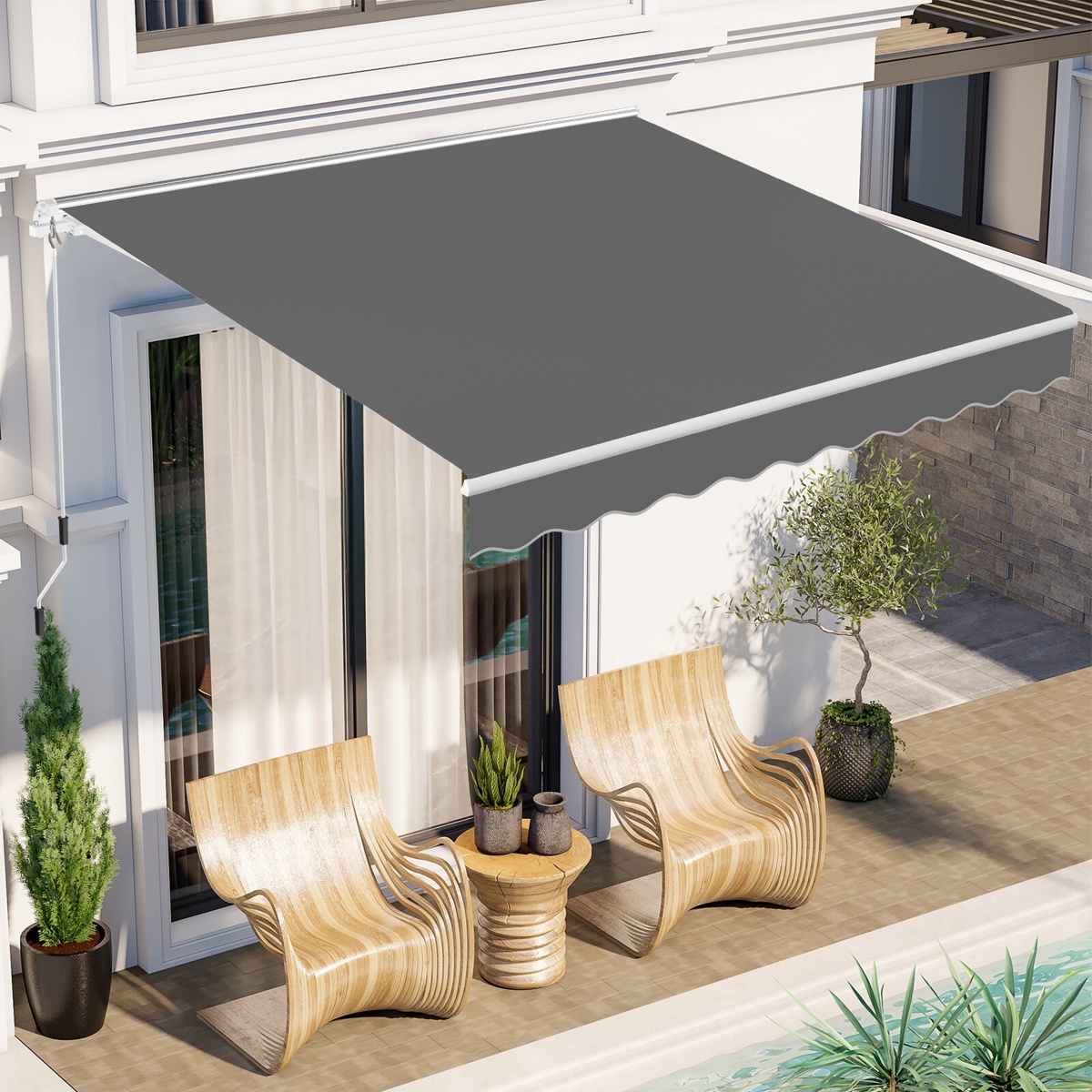
Retractable awnings with sides solve two distinct problems: overhead sun/rain cover for a patio and lateral privacy or wind blocking. Buyers often conflate full cassette patio awnings with freestanding side awnings, leading to sizing and mounting mismatches. Confirm whether you need a roof-mounted cassette awning with side screens or a standalone retractable side awning before comparing fabrics and frames.

Buying guide image
Outdoor Storage

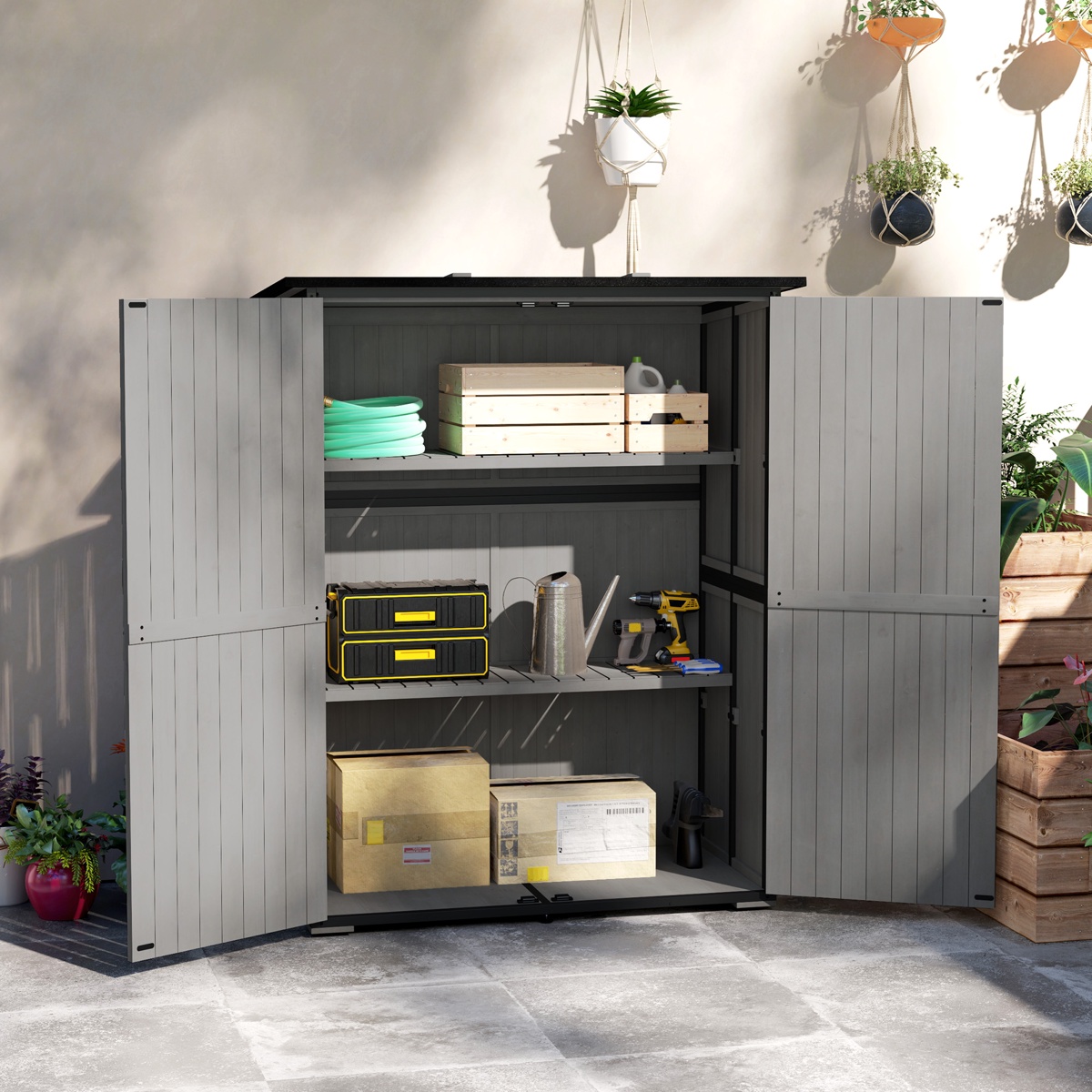
Garden Storage Shed

Garden storage sheds range from fabric pop-ups to galvanized steel lean-tos, and the deciding trade-off is weather durability versus assembly effort: thin steel and fabric fail in wind and frost, while rigid steel or wood panels demand anchoring and a level base. Buyers should choose a peaked-roof steel or wood shed rated for their snow and wind loads, and skip fabric or resin cabinets unless storing cushions or hand tools in mild climates.

Buying guide image
Outdoor Structures, Shade & Awnings

Retractable Porch Awning

A retractable porch awning extends your outdoor season by blocking high-angle sun and light rain, but the wrong mount or fabric grade fails within two seasons. Buyers often confuse side-screen privacy awnings with overhead porch awnings, or pick a 10x8 ft unit for a 13 ft span, causing sag and wall-stress. Focus on wall type, projection depth, and fabric weight before choosing manual versus motorized operation.

Buying guide image
Beehives & Frames

Bee Frame

Bee frames are the removable wooden or plastic inserts that hold honeycomb foundation inside a hive box, and the core trade-off is between standard Langstroth dimensions and cheap non-standard imports that will not interchange. Durable frames use tight-grain wood or food-grade plastic with wax-coated or wired foundation and precise 195 x 415 mm deep or 168 x 415 mm medium sizing, while compromises use loose joints, thin foundation, and odd dimensions. The decision rule: buy frames and foundation that match your box depth and your extractor's lug spacing exactly, and avoid any 'auto' or painted frame set that does not state its frame dimensions.

Buying guide image
Outdoor Structures, Shade & Awnings

Retractable Awning With Screens

Retractable awnings with screens solve two jobs at once: overhead sun/rain coverage plus vertical privacy and wind blocking. Most buyer mistakes come from mismatching the screen's cassette style (side-retractable vs. full cassette) to the mounting surface and from underestimating fabric weight and UV exposure at the install location. Get the cassette type, fabric GSM, and mounting width right before comparing colors or accessories.

Buying guide image
Beehives & Frames

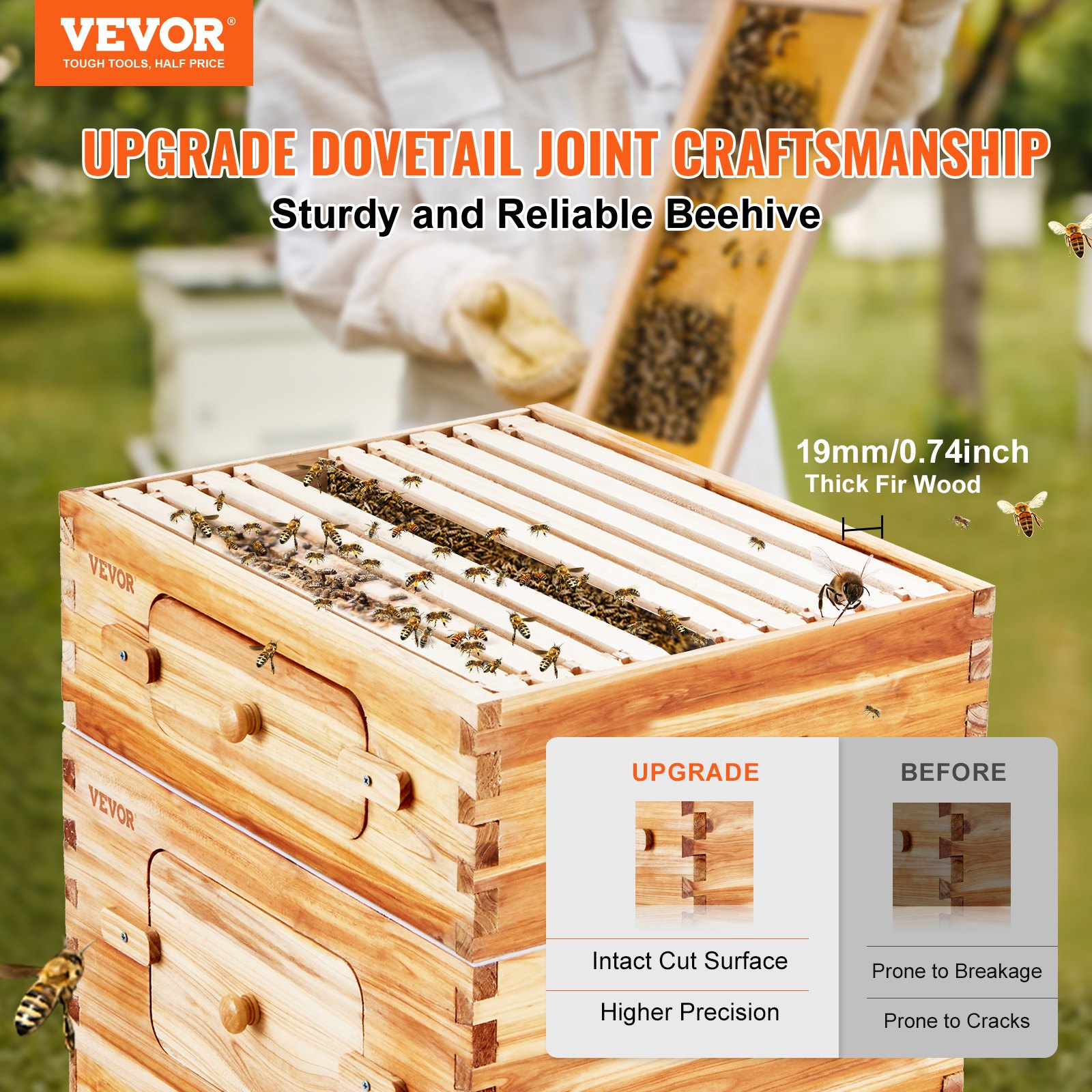
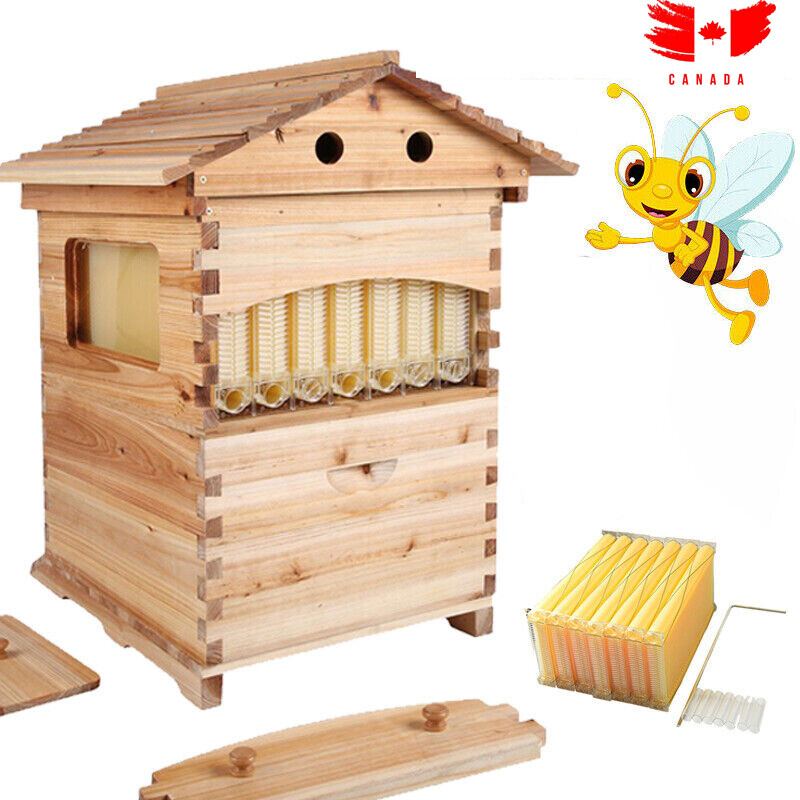
10 Frame Bee Hive

A 10-frame beehive is a Langstroth system sized for standard deep brood boxes, where frame count and box depth dictate colony space and honey yield. The core trade-off is wood grade and coating versus assembly labor: budget hives skimp on wax and joinery, while quality cedar with beeswax dipping lasts seasons. Buy cedar or pine with full beeswax coating and finger-jointed corners; skip thin uncoated boxes with plastic foundations.

Buying guide image
Beehives & Frames

8 Frame Bee Hive

An 8-frame beehive is a complete hive body sized for eight Langstroth frames, offering a lighter alternative to the standard 10-frame box while maintaining compatibility with standard deep and medium supers. The primary trade-off is weight versus capacity: 8-frame boxes are easier to lift when full of honey, but they hold 20% fewer frames, requiring more boxes or more frequent management. Choose 8-frame if back health and solo beekeeping are priorities; choose 10-frame if maximum honey yield per box and standard equipment interchangeability are non-negotiable.

Buying guide image
Beehives & Frames

Bee Frame With Foundation

Langstroth bee frames with foundation are the standardized wooden or plastic frames pre-fitted with a wax or plastic foundation sheet that guides bees to build straight, removable comb. The primary trade-off is between pure beeswax foundation (best acceptance, fragile, expensive) and plastic or wax-coated plastic (durable, reusable, slower acceptance in some climates), plus frame construction in cedar vs pine and deep vs medium sizing. The clear decision rule: buy frames sized exactly to your existing box depth (deep 9-1/8" or medium 6-5/8") and choose foundation material by whether you prioritize comb acceptance speed or long-term durability; skip any frame whose dimensions or foundation type is not explicitly stated.

Buying guide image
Outdoor Structures, Shade & Awnings

Retractable Garage Awning

Garage awnings must clear the door header and project far enough to shield the opening without blocking the roll-up path, so frame reach and fabric tension matter more than color. Buyers often pick a patio awning size without checking header height or wall substrate, then fight sag or crank binding. Use the door width plus clearance, not the slab, as your sizing baseline.

Buying guide image
Outdoor Structures, Shade & Awnings

Patio Awning

A patio awning is an exterior shade structure that mounts to a wall or fascia to extend usable outdoor space, and the core trade-off is between manual crank-retractable fabric units and fixed polycarbonate or aluminum canopies. Retractable fabric awnings demand correct wall anchoring and fabric grade, while fixed panels hinge on frame rigidity and UV-stable polycarbonate thickness. Choose retractable fabric for adjustable seasonal sun control on masonry or framed walls; choose fixed polycarbonate or aluminum for permanent, low-maintenance rain and snow shelter.

Buying guide image
Beekeeping Suits & Protection

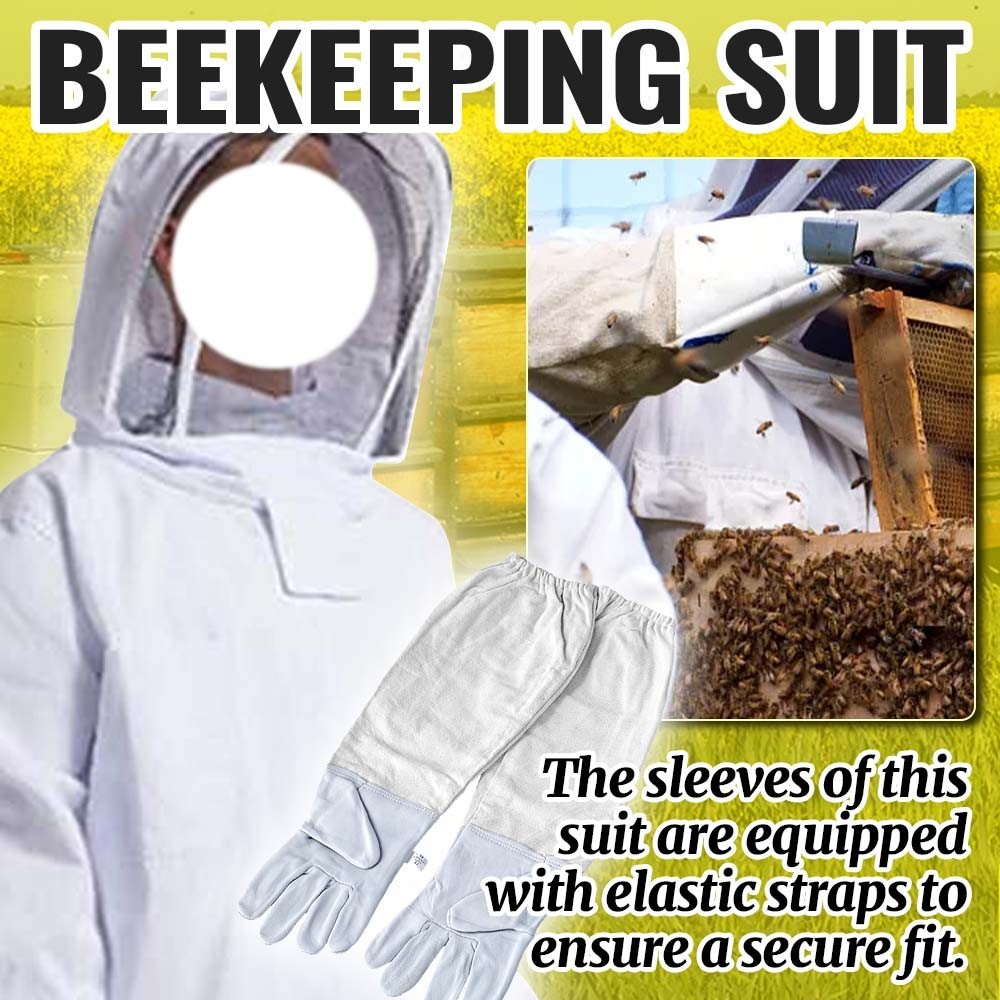
Beekeeping Suit

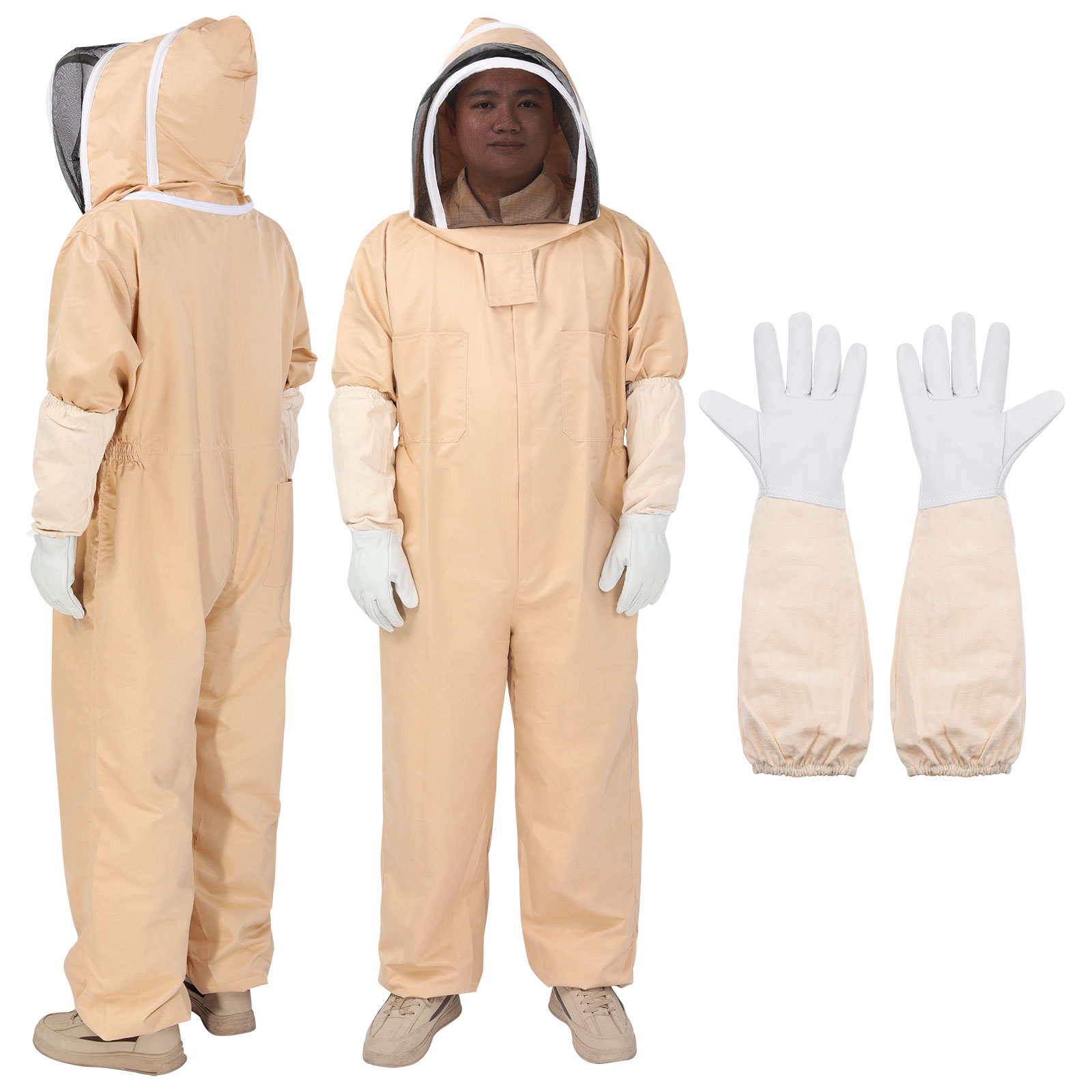
A beekeeping suit is a full-body barrier garment combining a sting-resistant shell, sealed closures, and an attached or separate veil. The core trade-off is ventilation versus sting protection: three-layer mesh suits breathe but cost more, while single-layer cotton or poly-cotton suits are cheap but hot and less durable. The clear decision rule: buy a suit with at least 2-3 layers of fabric at the body, a fully sealing veil with rigid hoops, and YKK or equivalent heavy-duty zippers — skip any suit with exposed skin gaps, flimsy plastic zippers, or a veil that rests on the face.

Buying guide image
Beekeeping Suits & Protection

Bee Keeping Suit

A bee keeping suit is full-body protective clothing engineered to stop honeybee and wasp stings while staying breathable enough for hot apiary work. The core trade-off is fabric protection versus ventilation: heavy cotton and multi-layer mesh block stings reliably but run hot, while lightweight ventilated mesh breathes but must be checked for sting-proof layering at seams and zips. The decision rule is simple: buy a suit with a rigid, self-supporting veil, sting-blocking cuffs and ankle closures, and a fabric weight or mesh layering rated for defensive colonies — skip thin costume-grade cotton that bees can sting through.

Buying guide image
Patio Furniture

Outdoor Wicker Furniture

Outdoor wicker furniture covers two very different products: all-weather PE (polyethylene) resin wicker built for year-round patios, and natural rattan or paper-cord wicker suited only to covered, dry spaces. Most buyer mistakes happen at the material level — paying for resin weave that thins out over a steel frame, or expecting natural rattan to survive rain and sun without cracking and fading.

You may also like

Finding more guides for you…