
Photos from current listings. Actual item, color, and included accessories may vary.
Walk In Chicken Run Buying Guide
A walk-in chicken run solves the daily chore of ducking through a low coop door, but the metal tubing gauge and mesh aperture decide whether it survives predators and raccoons. Most buyers underestimate wind uplift on a covered run and overestimate how many birds a given footprint legally supports. Get the tube diameter, mesh size, and anchor method right before you assemble.
Median $292.99 · New listings
Key takeaways
- Tube diameter is the load-bearing spec: 1-inch (25 mm) steel tube with spring-button or bolt connectors resists wind racking far better than thin 0.6-inch snap-fit poles.
- Mesh aperture matters more than mesh thickness: 1-inch hex or 2x3-inch welded wire keeps chickens in but lets raccoons reach through, so hardware cloth (1/2-inch) is required on the lower 3 feet in predator zones.
- Walk-in height is typically 6.5-6.6 ft at the ridge or eave; confirm the lowest clearance point because sloped and spire roofs drop to 6 ft or less at the sidewalls.
At a glance
- Category
- Chicken Coops & Runs
- Last updated
- Nov 28, 2026
Current offers
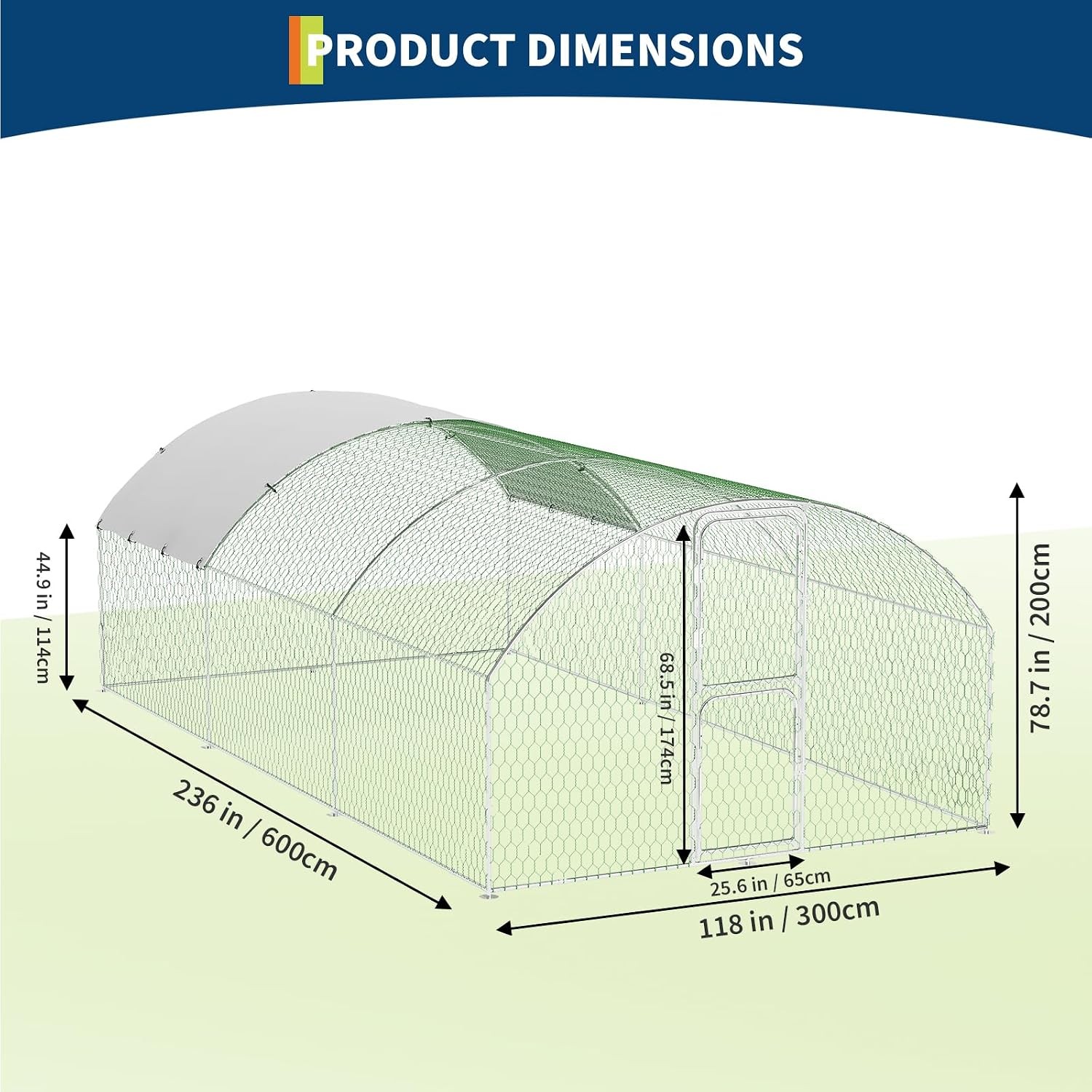 6.5/13/20 FT Metal Chicken Coop Poultry Cage Walk-in Chicken Run with Cover Roof$219.82New · Last checked Nov 22, 2026View on eBay
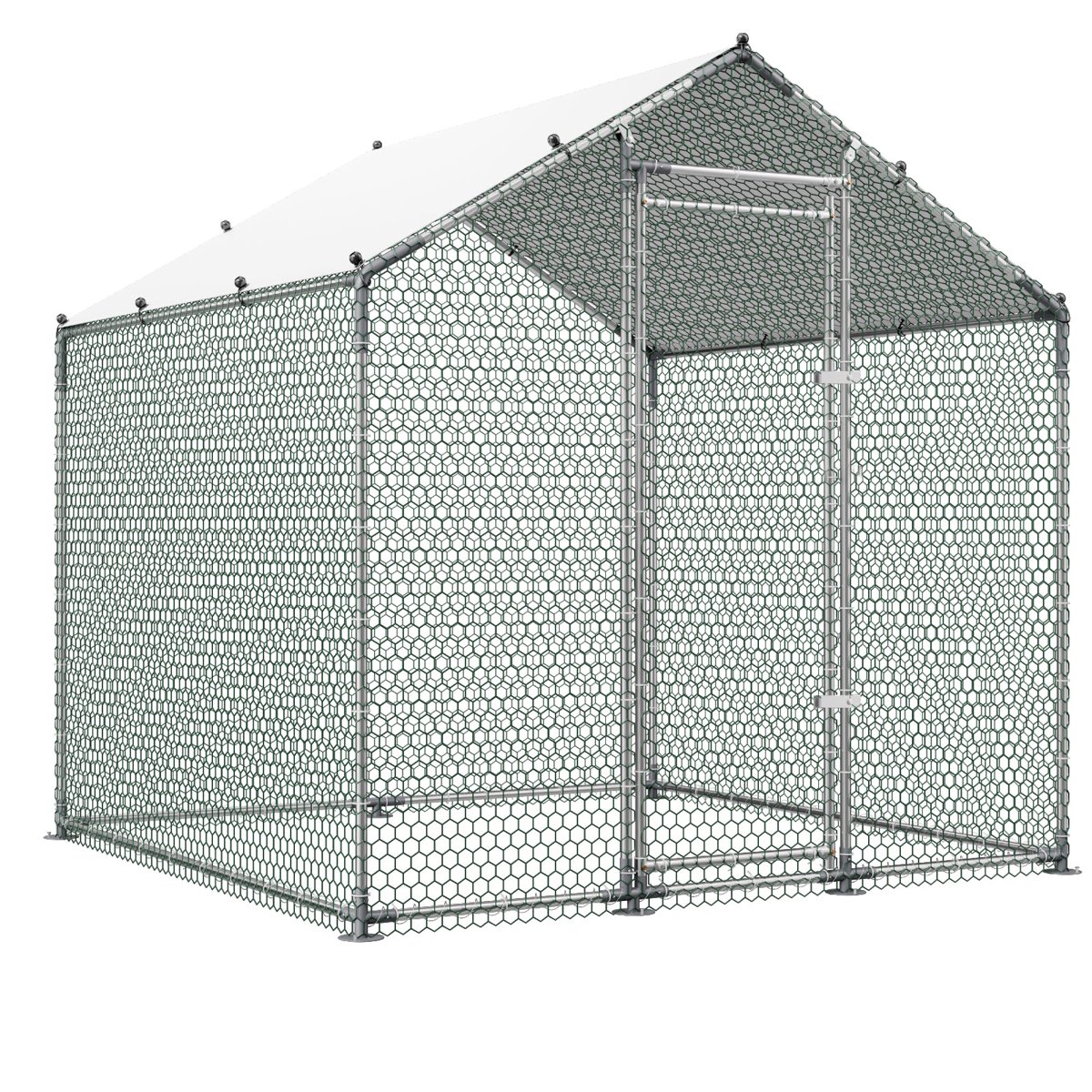 Large Metal Chicken Coop 6.6x6.6x6.6 Ft Walk-in Run House, Spire Roof Hen Enclosure With Cover And Security Lock, Outdoor Duck Rabbit Cage Poultry Pen For Backyard, Farm, Yard$115.99View on Mallflare
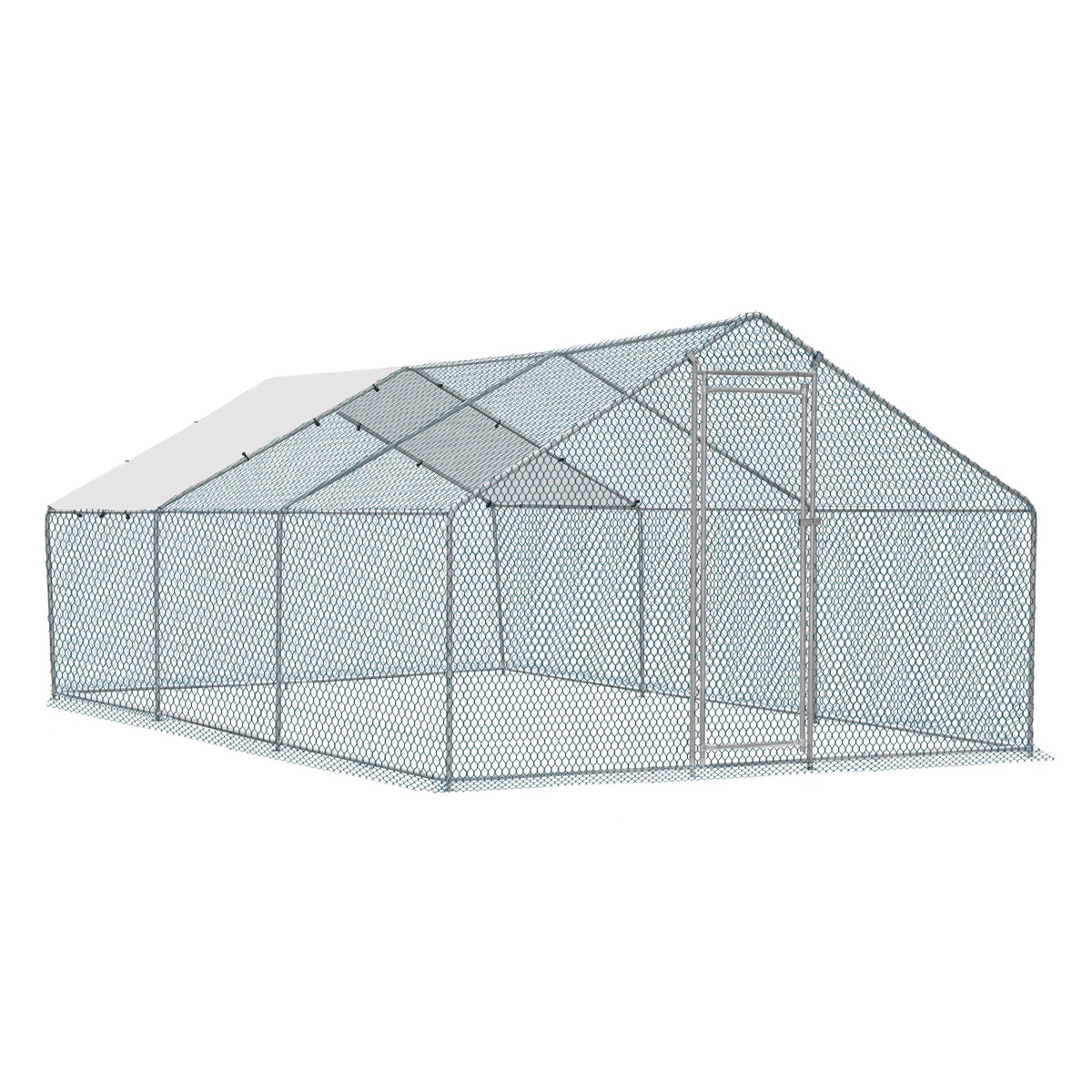 20 x 10FT Large Metal Chicken Coop Walk-in Poultry Cage Chicken Hen Run House$259.99New · Last checked Nov 22, 2026View on eBay
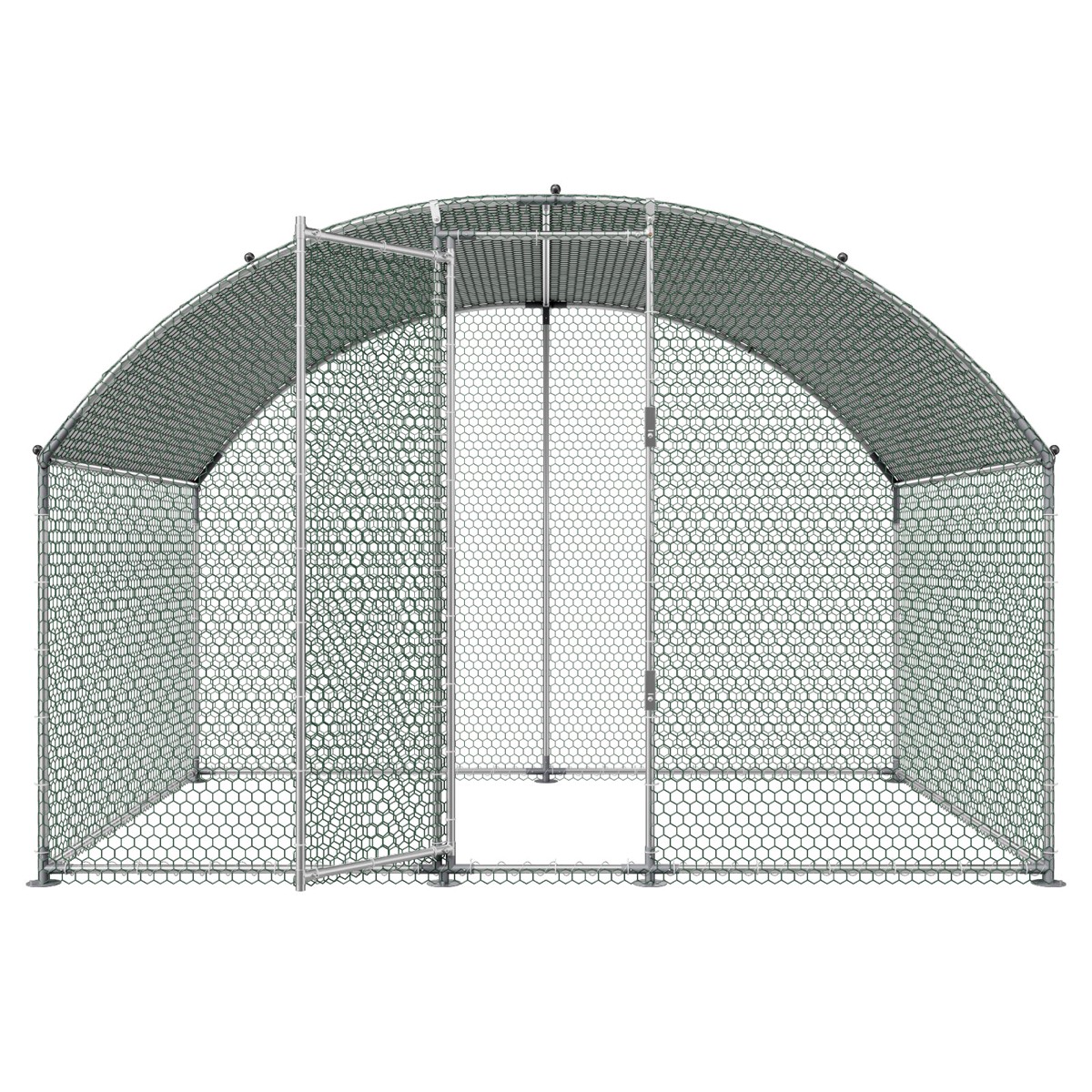 Large Metal Chicken Coop 9.8x6.6x6.6 Ft Walk-in Run House, Doom Roof Hen Enclosure With Cover And Security Lock, Outdoor Duck Rabbit Cage Poultry Pen For Backyard, Farm, Yard Use$156.99View on Mallflare
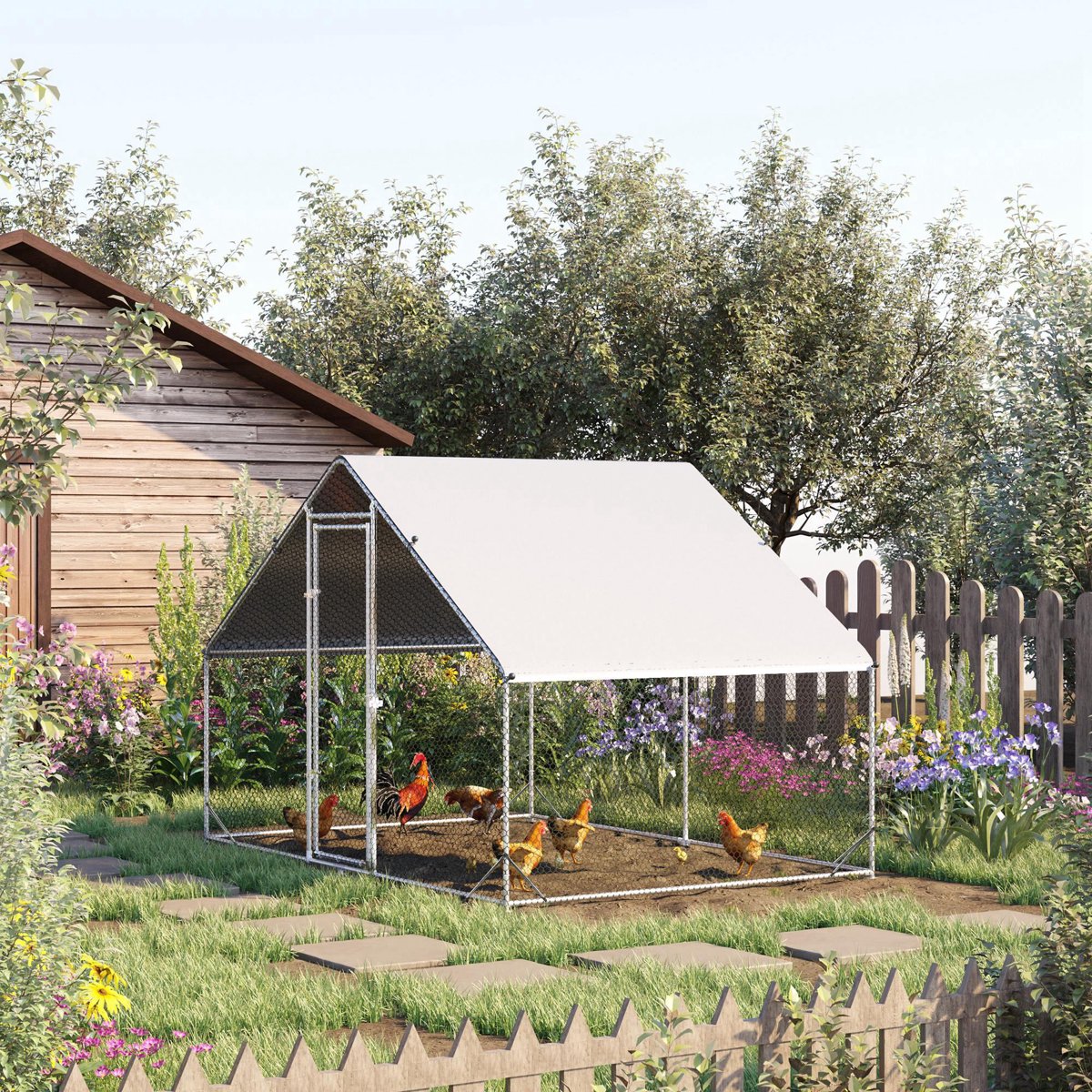 Large Chicken Coop Metal Run with Waterproof and Anti-UV Cover, Spire Shaped Walk in Fence Cage Hen House for Outdoor and Yard Farm Use, 1" Tube Diameter, 9.8 x 6.6 x 6.6$171.99View on Mallflare
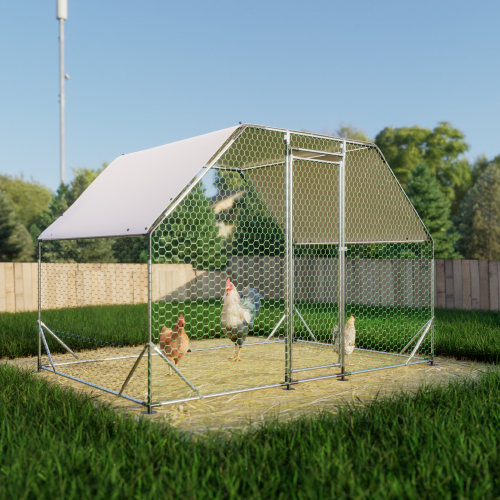 9.94 Ft. X 6.46 Ft. X 6.36 Ft. Metal Large Chicken Coop Walk-in Poultry Cage Run Flat Shaped With Waterproof Cover$194.99View on Mallflare
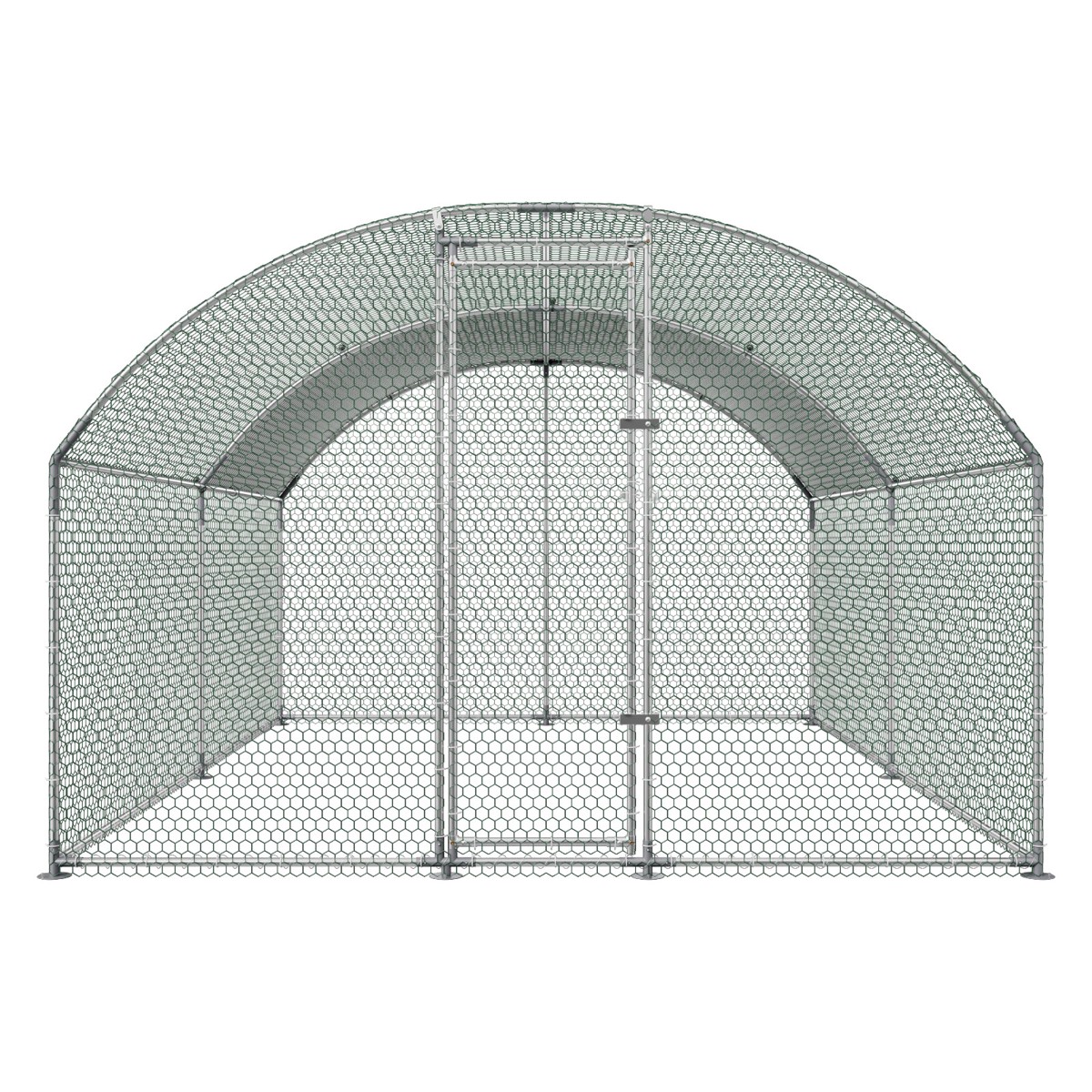 Large Metal Chicken Coop 9.8x13x6.6 Ft Walk-in Run House, Doom Roof Hen Enclosure With Cover And Security Lock, Outdoor Duck Rabbit Cage Poultry Pen For Backyard, Farm, Yard Use$207.99View on Mallflare
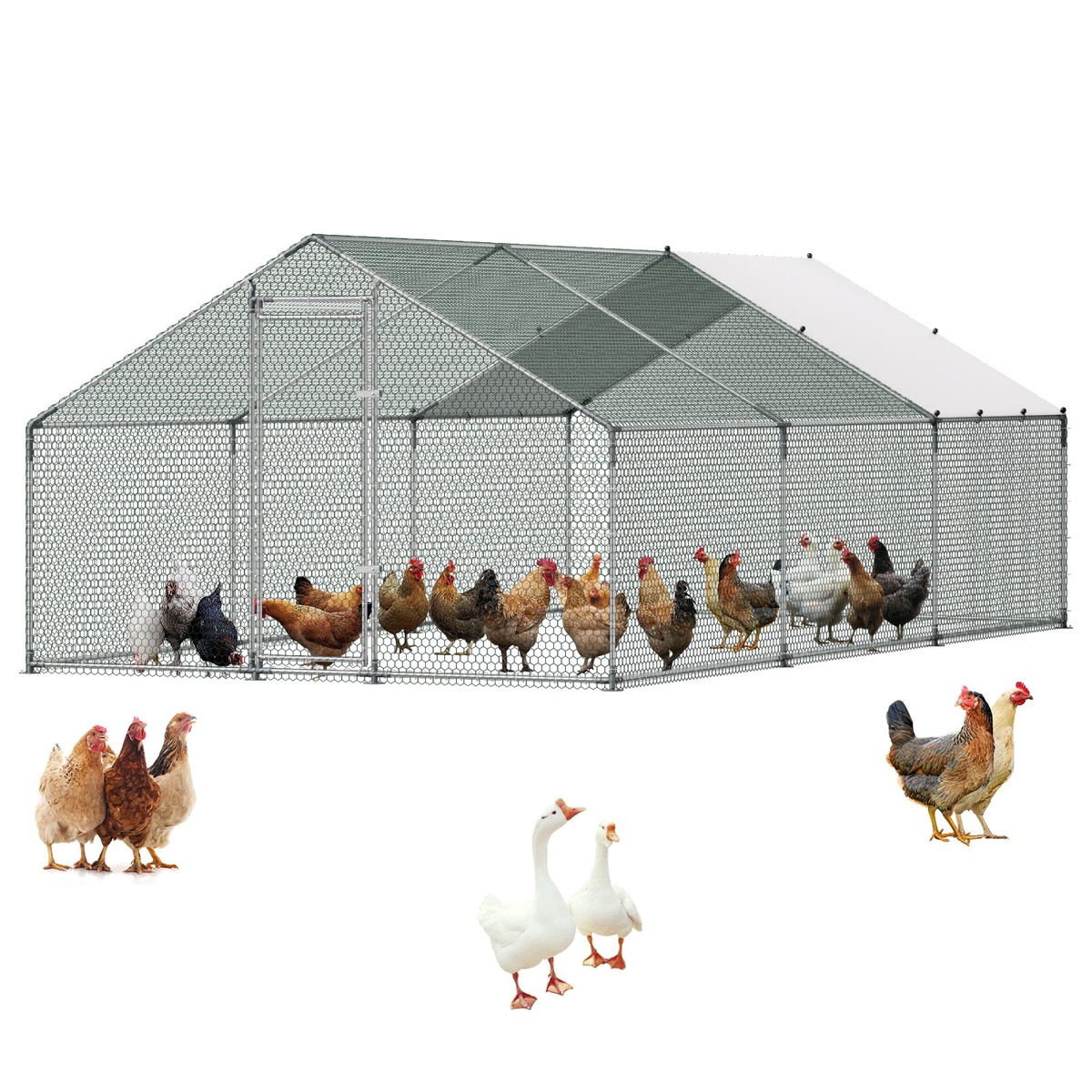 Large Metal Chicken Coop 9.8x19.5x6.6 ft Walk-in Run House, Spire Roof Hen Enclosure with Cover and Security Lock, Outdoor Duck Rabbit Cage Poultry Pen for Backyard, Farm, Yard$211.99View on Mallflare
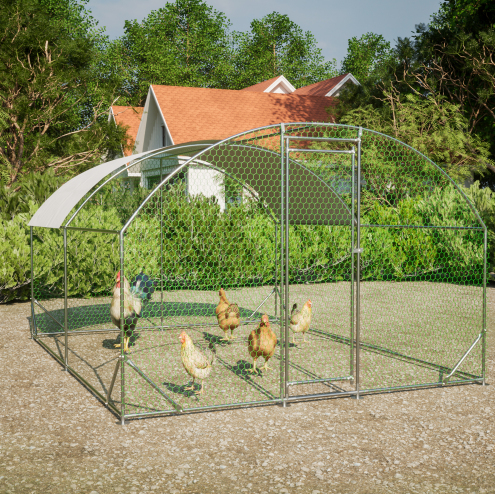 Large Chicken Coop Metal Run With Waterproof And Anti-UV Cover, Dome Shaped Walk-in Fence Cage Hen House For Outdoor And Yard Farm Use, 1 Tube Diameter, 9.84 X 13.12 X 6.56$223.99View on Mallflare
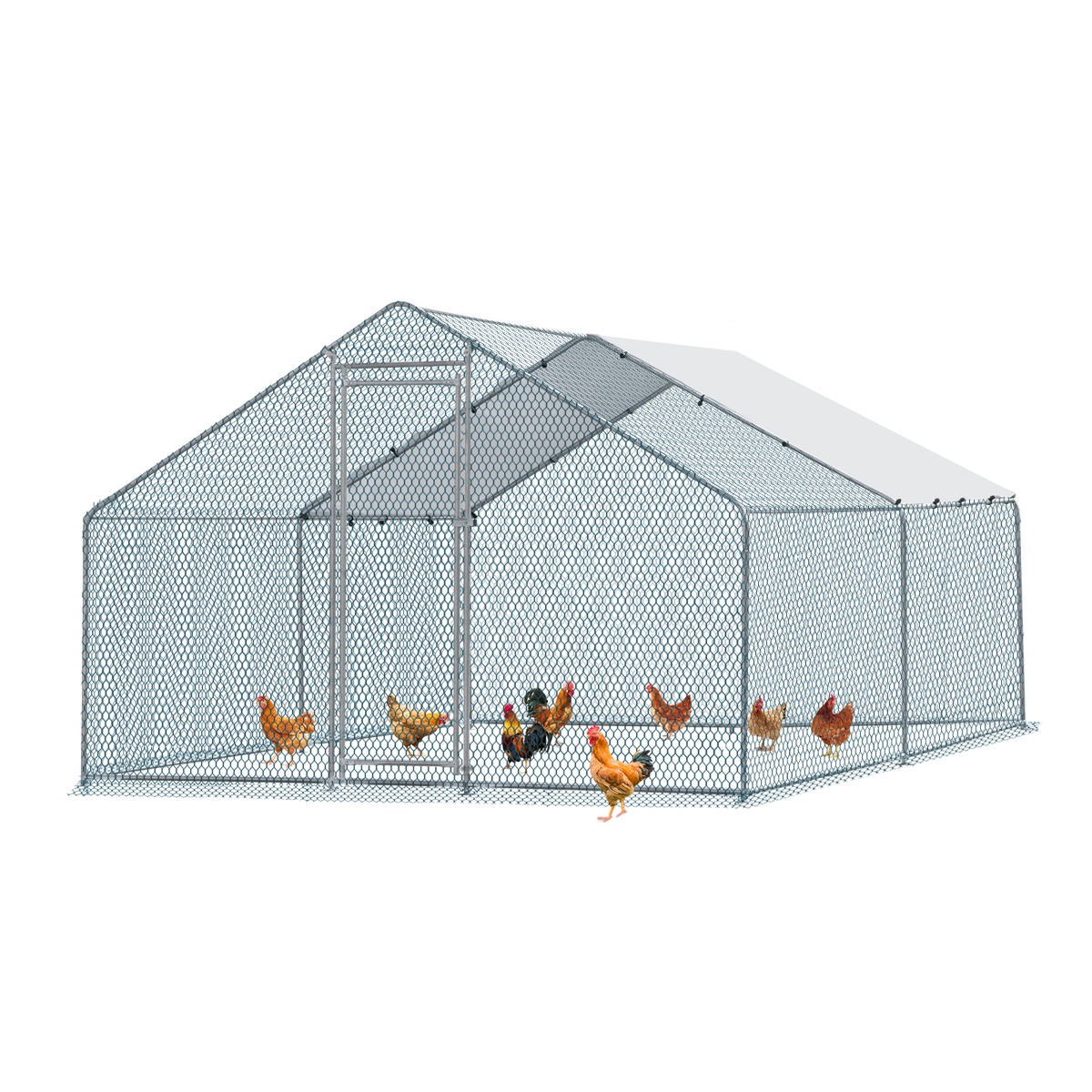 【Replace 2952922】13 x 10 ft Large Metal Chicken Coop, Walk-in Poultry Cage Hen Run House with Waterproof Cover, Rabbits Cats Dogs Farm Pen for Outdoor Backyard Garden$249.99View on Mallflare
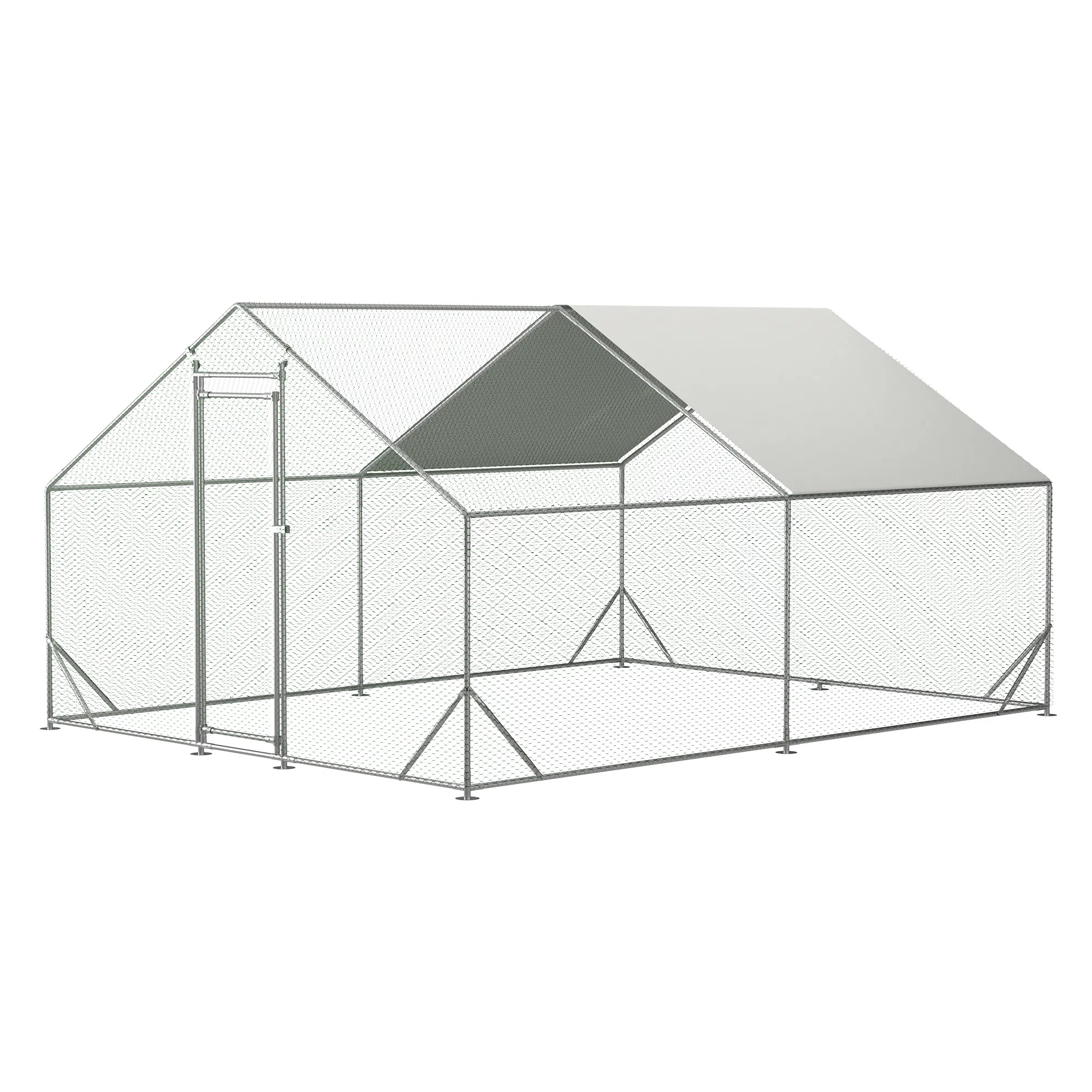 10 x 13ft Outdoor Large Metal Chicken Run Coop with 1 piece of Waterproof Cover, Garden Backyard Walk-in Hen Cage Poultry Pet Hutch for Farm Use$264.99View on Mallflare
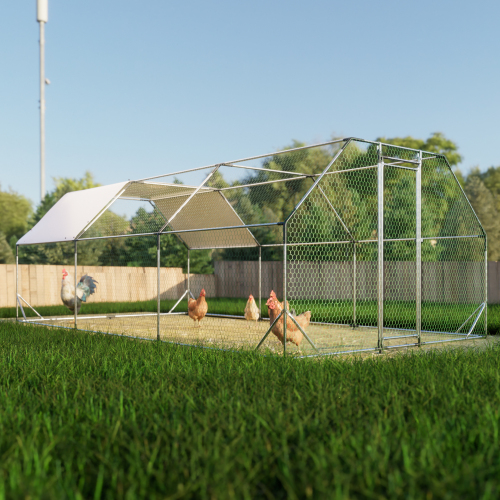 10 Ft. X 20 Ft. Galvanized Large Metal Walk In Chicken Coop Cage Farm Poultry Run Hutch Hen House$279.99View on Mallflare
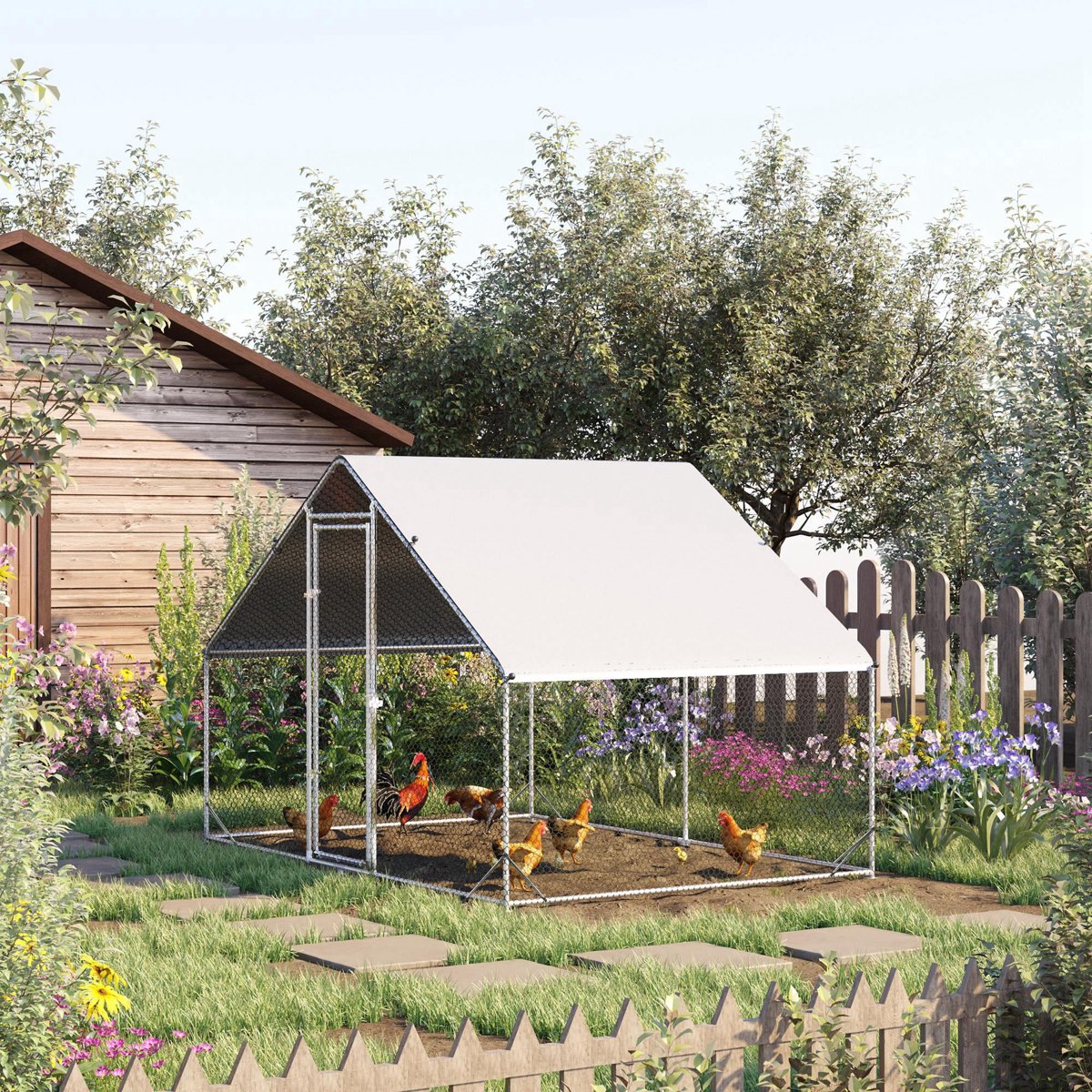 Large Chicken Coop Metal Run With Waterproof And Anti-UV Cover, Spire Shaped Walk In Fence Cage Hen House For Outdoor And Yard Farm Use, 1" Tube Diameter, 9.8' X 6.6' X 6.6'$284.99View on Mallflare
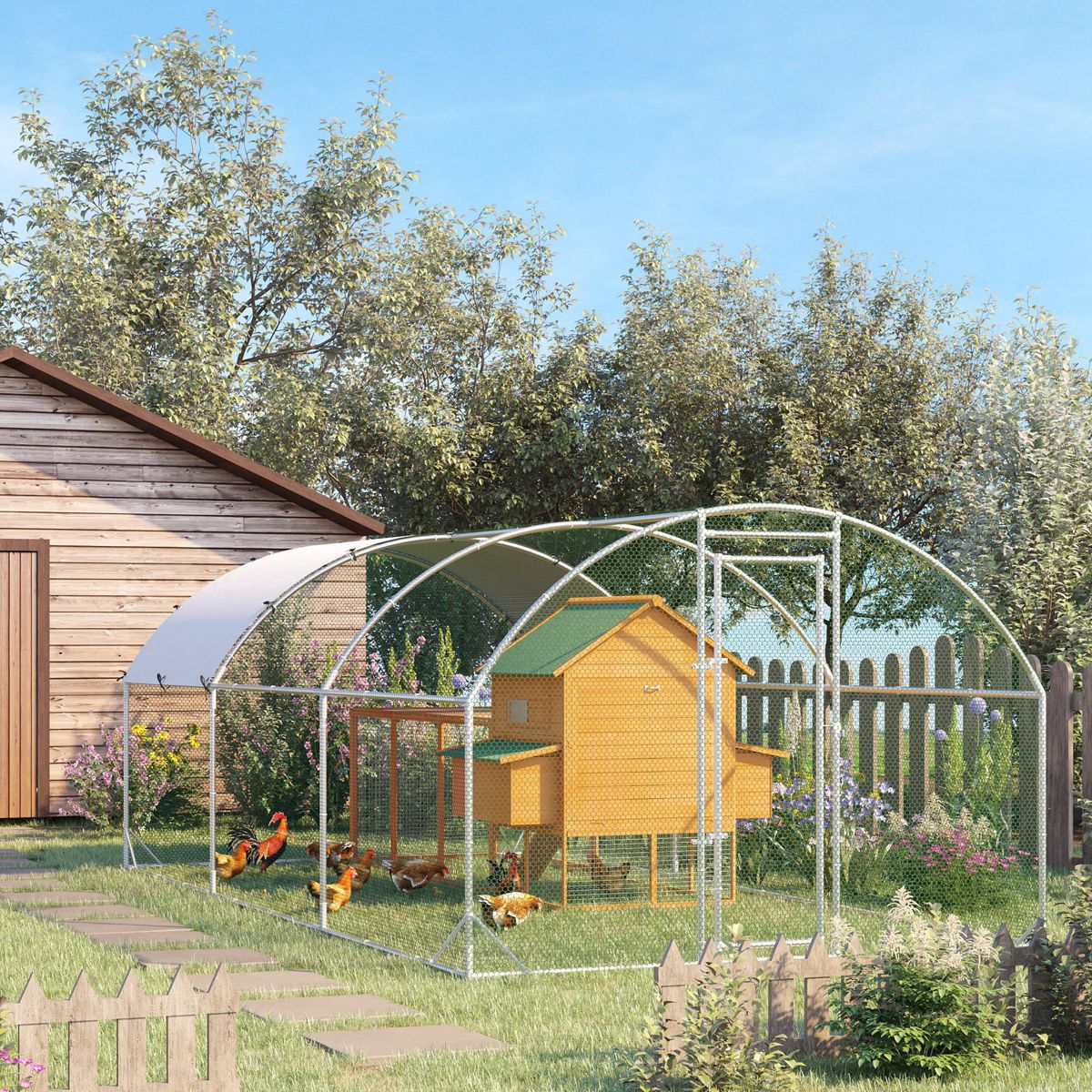 Large Chicken Coop Metal Run with Waterproof and Anti-UV Cover, Dome Shaped Walk-in Fence Cage Hen House for Outdoor and Yard Farm Use, 1" Tube Diameter, 9.2 x 18.7 x 6.5$292.99View on Mallflare
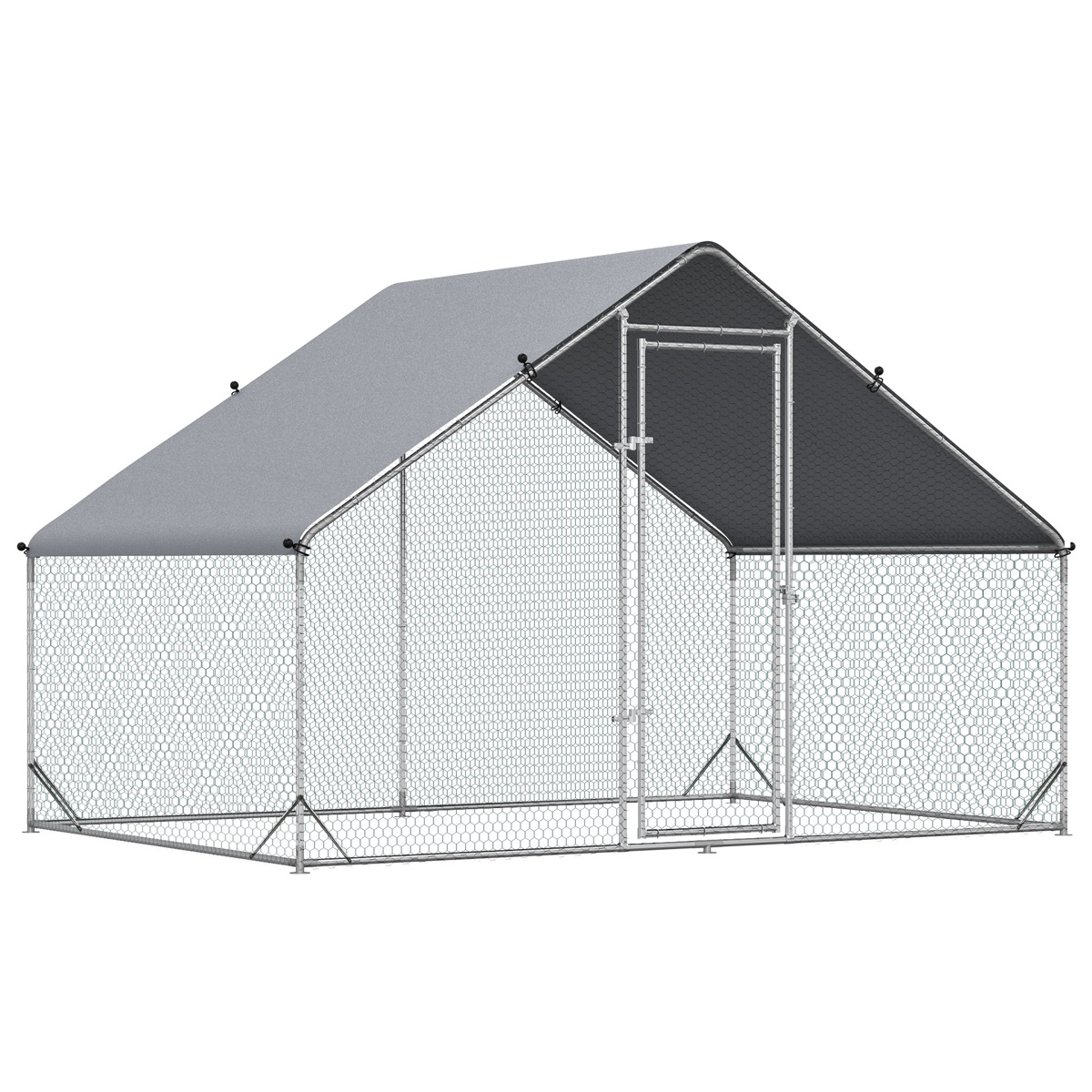 Metal Chicken Coop Run With Cover, Walk-In Outdoor Poultry Pen For Rabbits, Ducks, Large Hen House For Yard, 10' X 6.5' X 6.5', Silver$292.99View on Mallflare
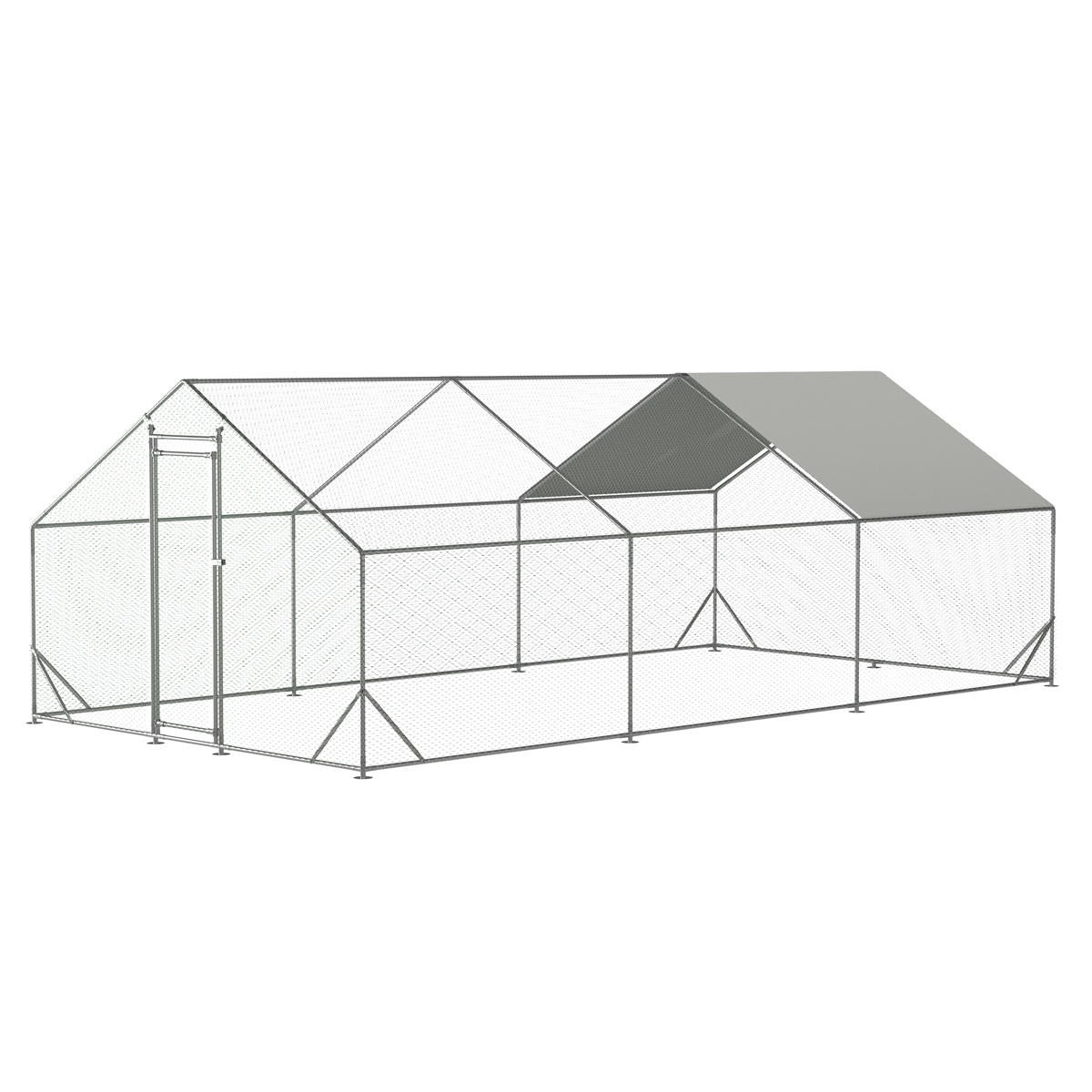 Large Metal Chicken Coop, Walk-in Run,Galvanized Wire Poultry Hen Pen Cage, Rabbits Duck Cages With Waterproof And Anti-Ultraviolet Cover For Outside 10L X 20W X 6.56'H$301.99View on Mallflare
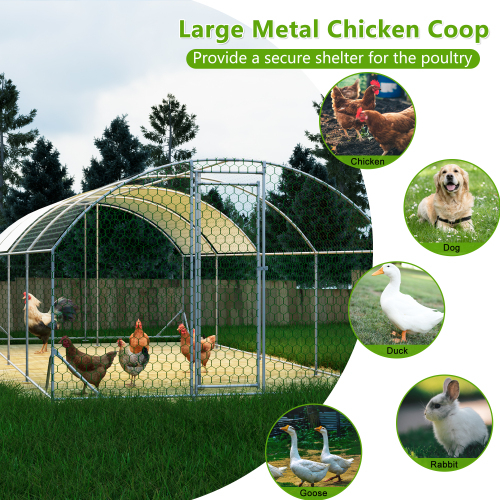 26x9x6Large Metal Chicken Coop,Walk-in Poultry Cage,Chicken Run With Waterproof Cover,Outdoor Backyard Farm,Chicken Rabbits Duck Run Pen,Easy To Assemble And Clean$328.99View on Mallflare
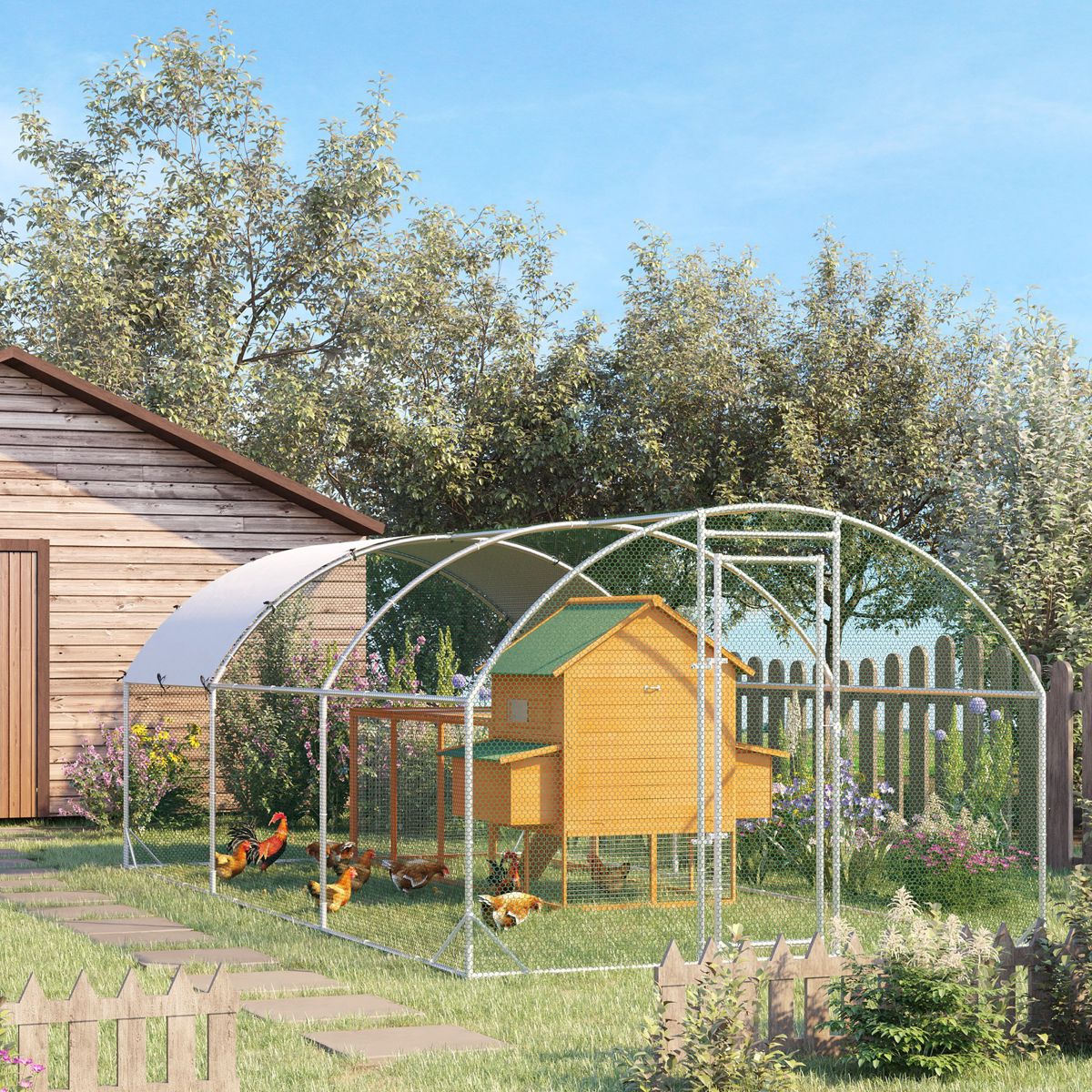 Large Chicken Coop Metal Run With Waterproof And Anti-UV Cover, Dome Shaped Walk-in Fence Cage Hen House For Outdoor And Yard Farm Use, 1" Tube Diameter, 9.2' X 18.7' X 6.5'$334.99View on Mallflare
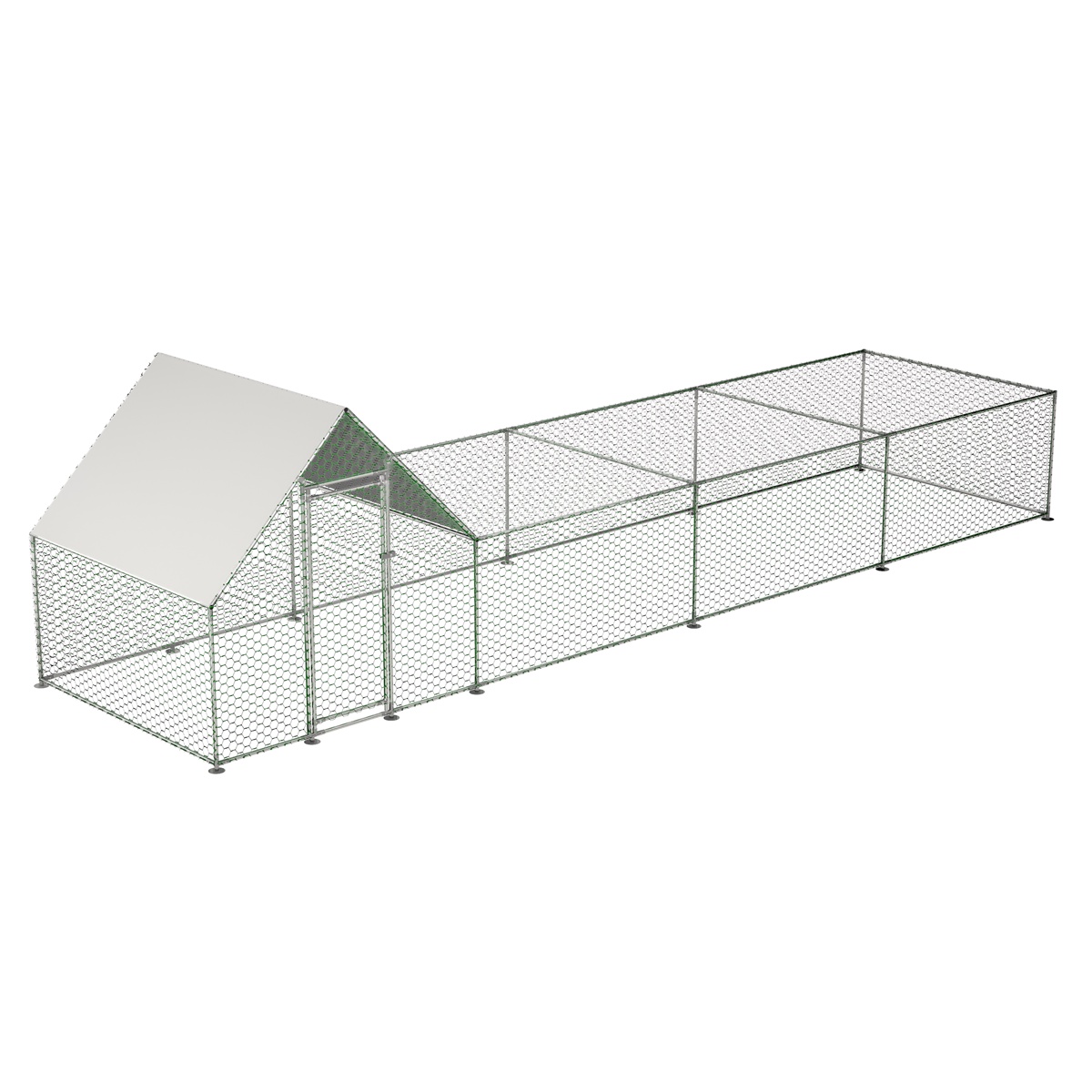 26'Lx6.7'Wx6.6' ft Large Metal Chicken Coop, Walk-in Run, Galvanized Wire Poultry Hen Pen Cage, Rabbits Duck Cages with Waterproof and Anti-Ultraviolet Cover for Outside$347.99View on Mallflare
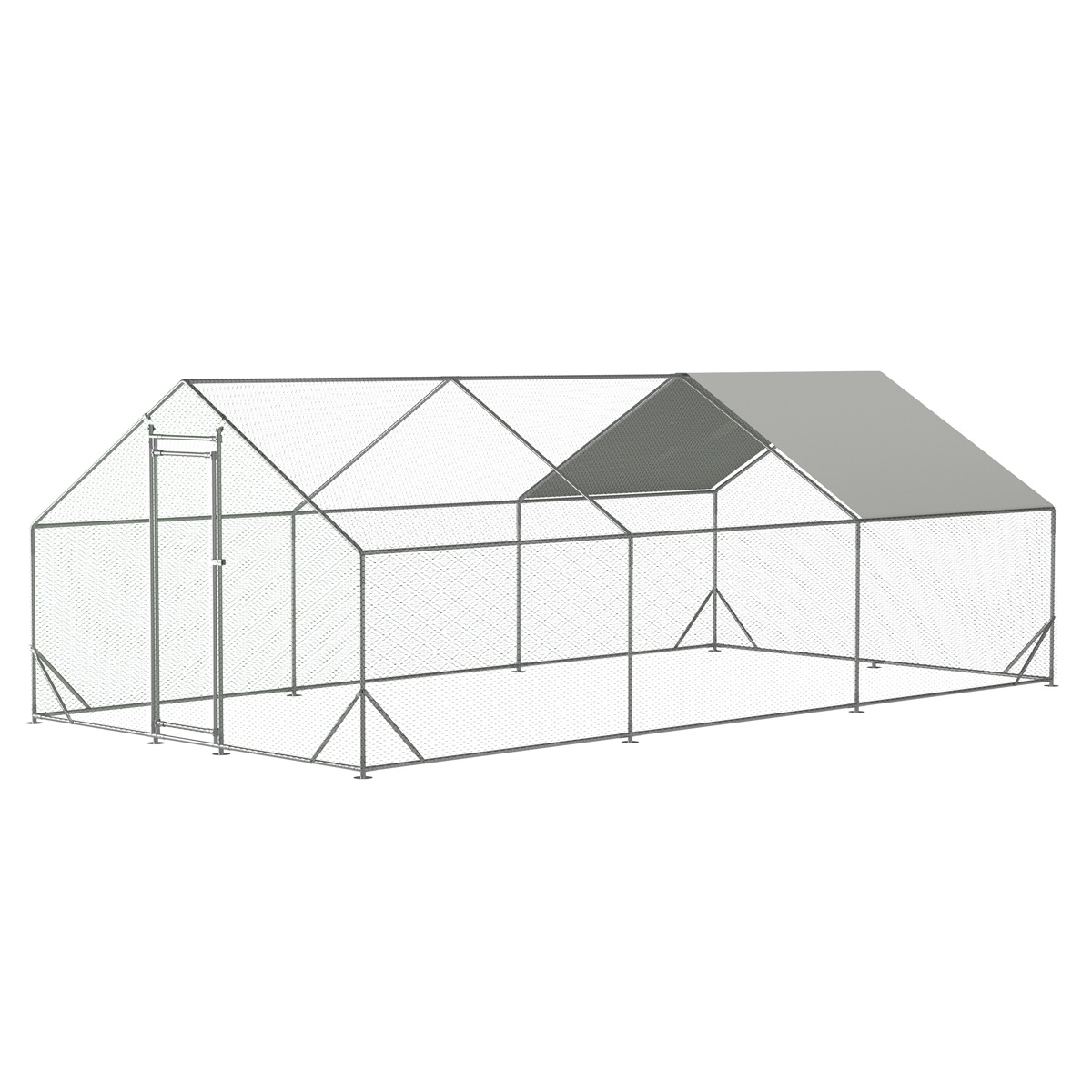 10 x 20 ftOutdoor Large Metal Chicken Run Coop with 1 piece of Waterproof Cover, Garden Backyard Walk-in Hen Cage Poultry Pet Hutch for Farm Use$372.99View on Mallflare
Highlights
- Tube diameter is the load-bearing spec: 1-inch (25 mm) steel tube with spring-button or bolt connectors resists wind racking far better than thin 0.6-inch snap-fit poles.
- Mesh aperture matters more than mesh thickness: 1-inch hex or 2x3-inch welded wire keeps chickens in but lets raccoons reach through, so hardware cloth (1/2-inch) is required on the lower 3 feet in predator zones.
- Walk-in height is typically 6.5-6.6 ft at the ridge or eave; confirm the lowest clearance point because sloped and spire roofs drop to 6 ft or less at the sidewalls.
- Covered runs use a waterproof anti-UV tarp or PE canopy; without a slope and tensioned grommets, water pools, sags, and tears the frame joints within one season.
Best use cases
- Best fit: a 6.6 x 6.6 x 6.6 ft square run with spire roof for 4-6 standard hens in a backyard where you need standing headroom and a covered dry zone; skip it if you keep more than 8 birds.
- Best fit: a 9.8 x 6.6 x 6.6 ft rectangular run with 1-inch tube and spring-button connectors for a small flock of 8-10 hens with room for a feeder and waterer; choose this over two small runs for easier cleaning.
- Wrong fit: a 20 x 10 ft run without a tensioned cover in an open, windy field; the large sail area requires ground anchors and cross-bracing, so pick a smaller covered run or a windbreak-sheltered site instead.
- Wrong fit: using a walk-in run as a primary coop in freezing climates; the open mesh offers no insulated roost, so pair it with a separate raised henhouse and use the run only as daytime exercise space.
Buying tips
- Prioritize 1-inch (25 mm) or thicker steel tubing with bolted or spring-button joints; thinner snap-together poles flex and pop apart under snow load or a dog pushing on the mesh.
- Choose 1/2-inch hardware cloth for the bottom 3 feet of any run in raccoon, fox, or mink territory; standard 1-inch hex wire is only a containment layer, not a predator barrier.
- Size the footprint at 8-10 sq ft per standard hen in the run and 4 sq ft in the coop; a 6.6 x 6.6 ft run gives about 43 sq ft, suitable for roughly 4-5 hens with no crowding.
- Inspect the roof type: a slanted or spire roof sheds rain and snow better than a flat tarp roof, and grommeted covers need slope plus tension to avoid water pooling and frame fatigue.
Specs
| Tube Diameter | 0.6-1.0 in steel (1 in preferred) |
|---|---|
| Mesh Aperture | 1 in hex; 1/2 in hardware cloth lower |
| Walk-In Height | 6.5-6.6 ft ridge; 5.5-6 ft eaves |
| Roof Cover | Waterproof anti-UV PE/PVC tarp |
Related searches
What to check before buying
- Measure your available footprint and gate access: a 10 x 6.6 ft run needs a clear path at least that wide, and assembled panels often cannot pass through a standard 3-ft garden gate.
- Confirm the lowest headroom at the sidewalls; a 6.6-ft ridge with a sloped roof may leave only 5.5-6 ft at the eaves, which matters if you are tall or plan to hang feeders.
- Check ground conditions: soft soil or lawn requires auger-style anchors, while hard clay or gravel needs pre-drilled base plates or concrete footings for the corner posts.
- Verify the cover material and attachment: waterproof PE or PVC tarps with reinforced grommets and bungee cords are serviceable, but UV-stabilized fabric lasts longer in full sun.
FAQ
Data sources: eBay / Amazon listings and product attribute feeds. Updated Nov 28, 2026.
Some links on this page are affiliate links. If you buy after clicking one, we may earn a commission at no extra cost to you. This does not change which products appear here or their order. Affiliate disclosure.