
Photos from current listings. Actual item, color, and included accessories may vary.
Langstroth Hive Kit Buying Guide
A Langstroth hive kit is a modular stacked-box system built around the movable-frame standard, where box depth, frame count, and material grade determine colony management flexibility and longevity. The core trade-off is capacity vs. cost: full-depth 10-frame kits demand more lifting and space, while 8-frame or medium-only kits trade brood capacity for ergonomics and lighter harvests. Decide by apiary scale and lifting tolerance: choose 10-frame deep brood for maximum colony size, or 8-frame all-medium for a lighter, more forgiving first hive.
Median $218.69 · New listings
Key takeaways
- Standard Langstroth frame spacing is 1-3/8 inches center-to-center, so 10-frame boxes stay compatible with standard foundation, extractors, and queen excluders; 8-frame kits use wider spacing and need matched parts.
- Deep brood boxes (9-5/8 in) hold larger brood nests and use deep frames; medium supers (6-5/8 in) weigh roughly 40 lb less full, which matters more than frame count for lifting safety.
- Beeswax-dipped cedar resists moisture and rot far better than painted pine; dipped joints seal end grain, while untreated pine swells, warps, and needs repainting within a couple of seasons.
At a glance
- Category
- Beehives & Frames
- Last updated
- Nov 27, 2026
Current offers
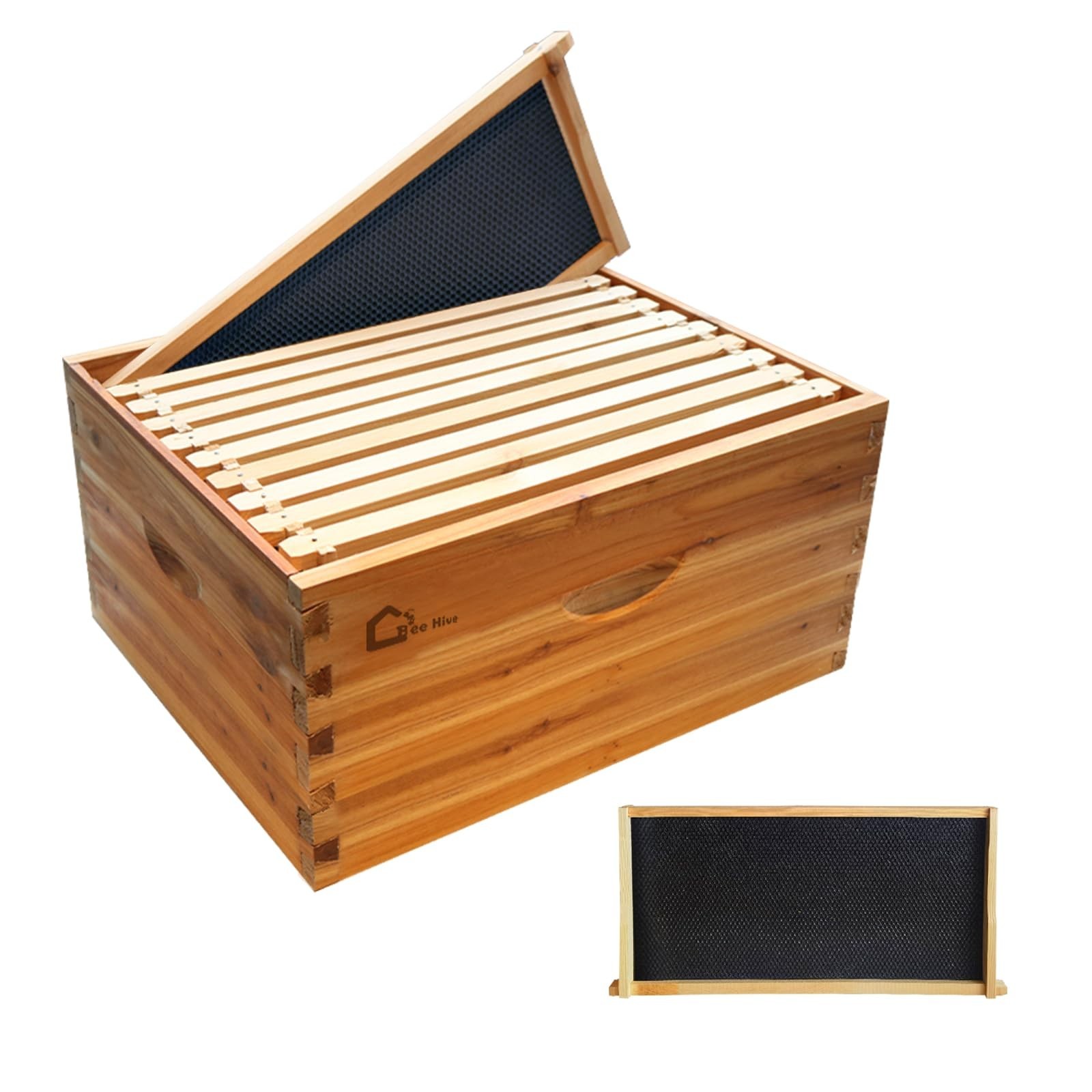 Beehive 10 Frame Complete Box Kit Langstroth Traditional Beekeeping Waterproof$55.10View on eBay
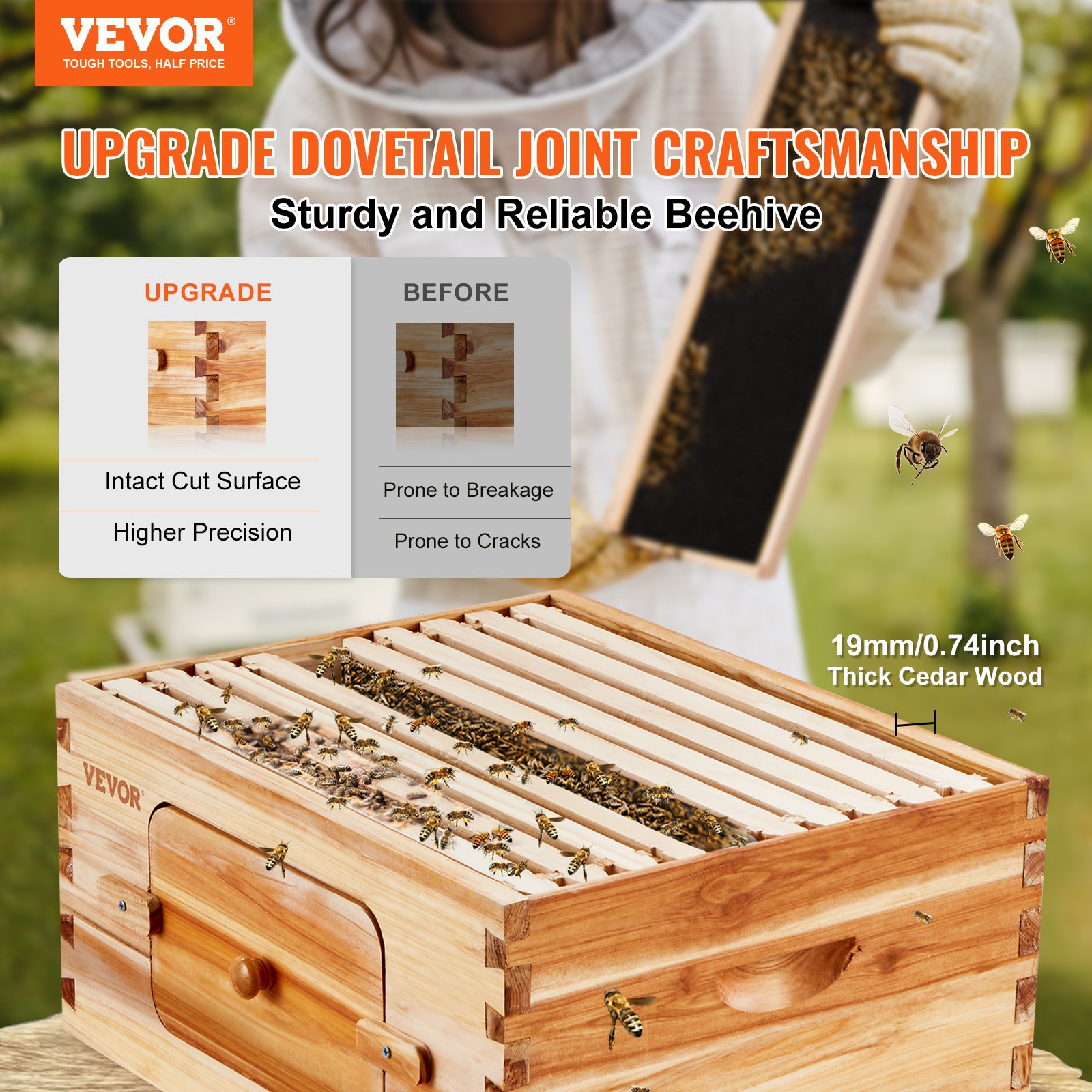 Bee Hive Deep Box Starter Kit, Beeswax Coated Natural Cedar Wood, Langstroth Beehive Kit With 10 Frames And Foundations, Transparent Acrylic Bee Windows For Beginners And Pro Beekeepers$49.99View on Mallflare
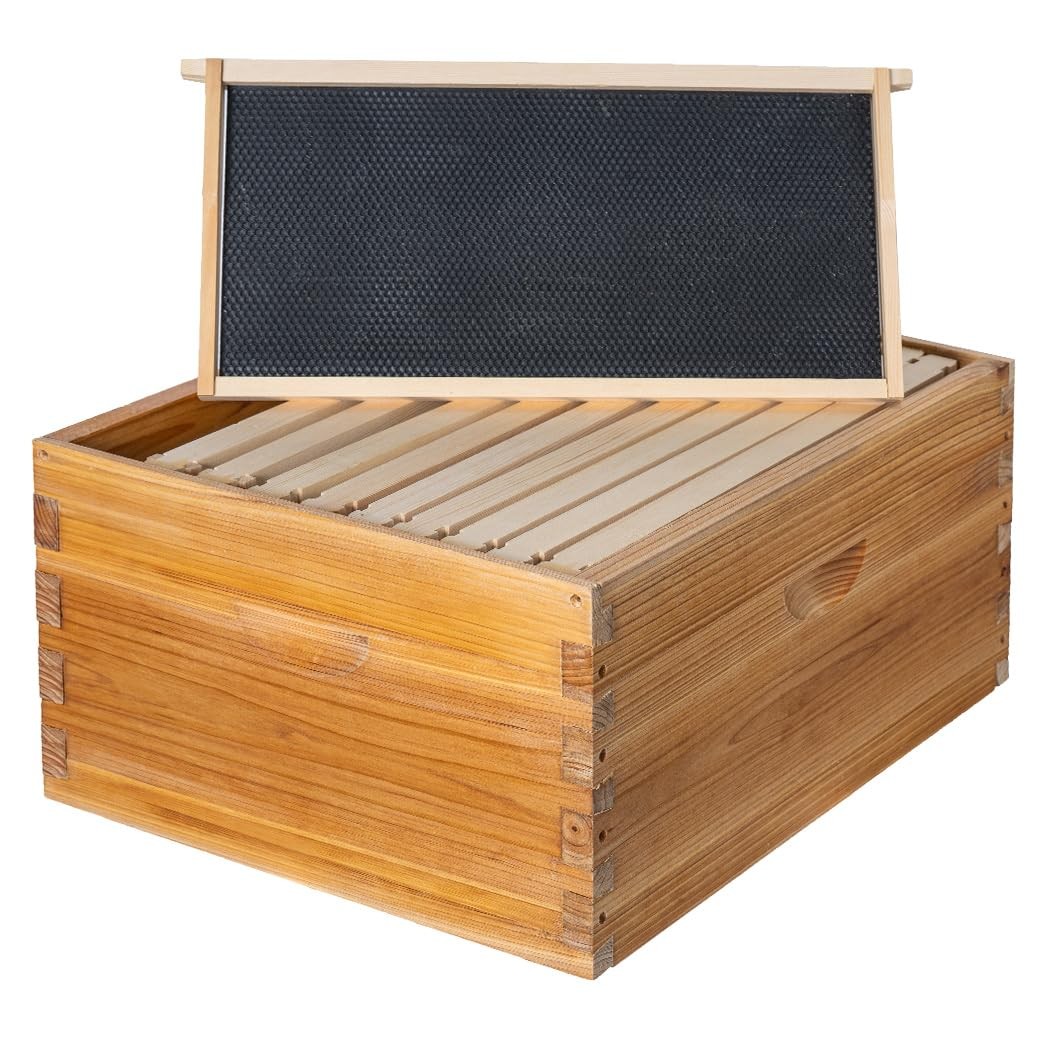 Beeswax Dipped Langstroth Bee Hive Box 10 Frame Deep Brood Beehive Equipment$75.56View on eBay
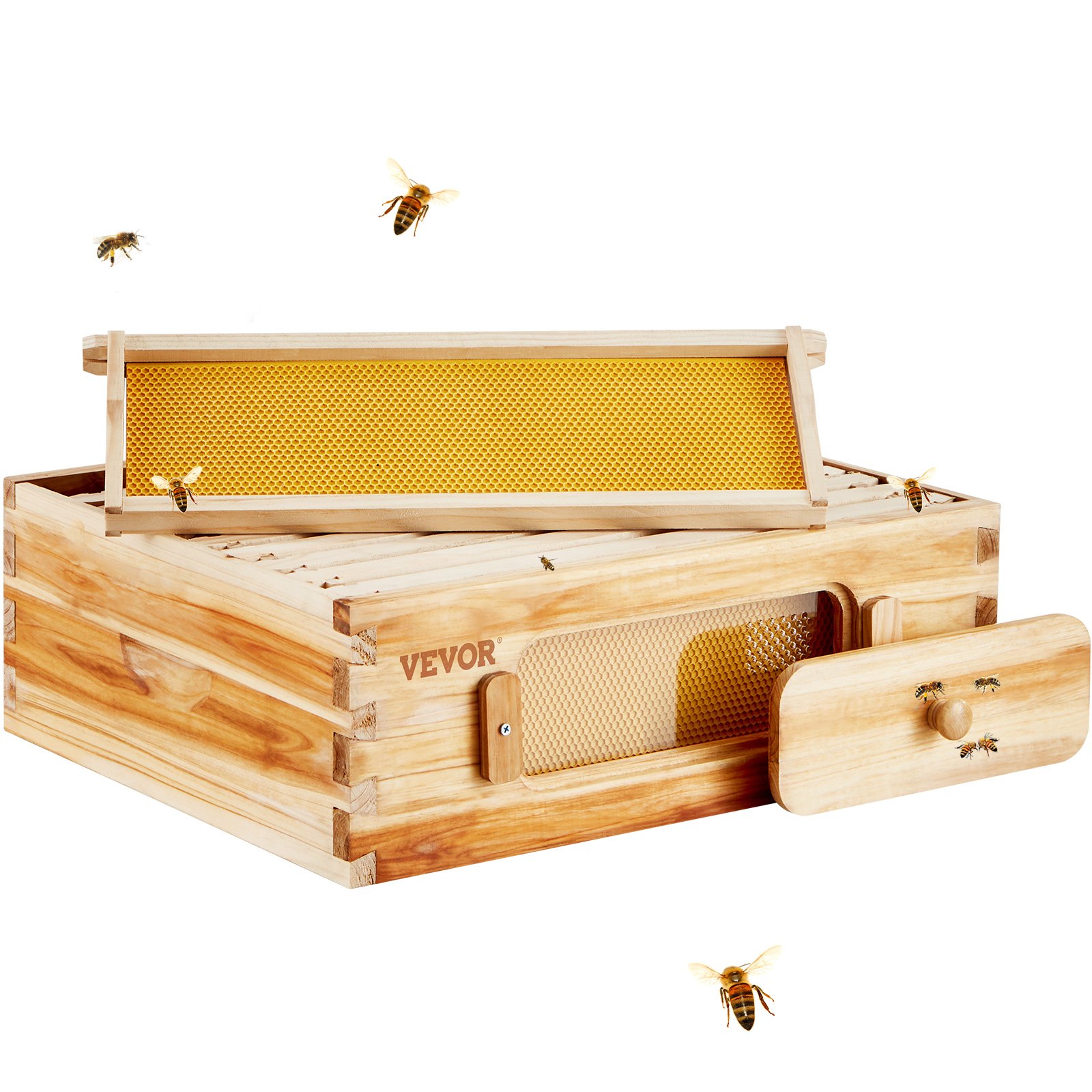 Bee Hive Medium Box Starter Kit, 100% Beeswax Coated Natural Cedar Wood, Langstroth Beehive Kit With 10 Frames And Foundations, Transparent Acrylic Bee Windows For Beginners And Pro Beekeepers$56.99View on Mallflare
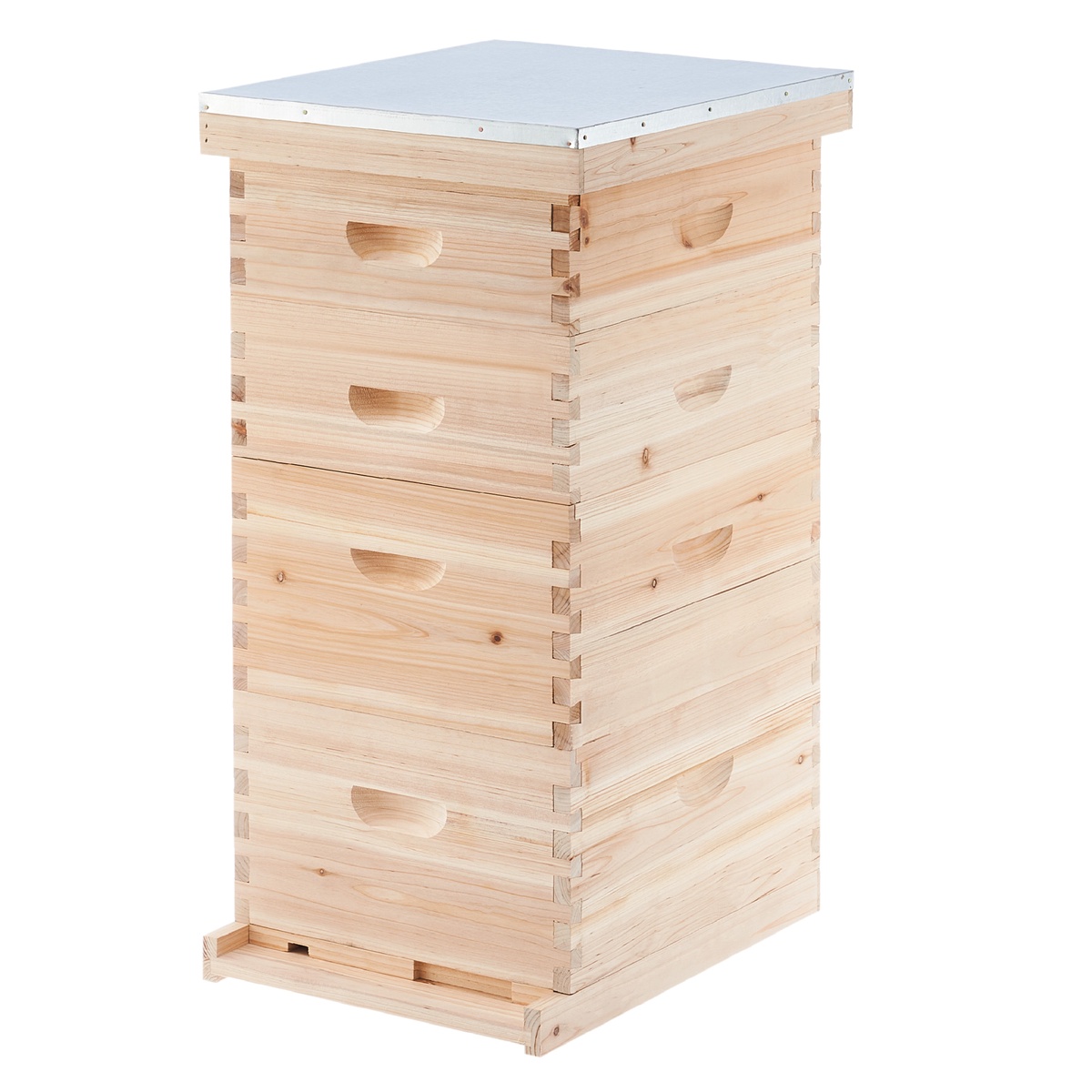 Langstroth Beehive Kit - 40 Frame Box with 20 Deep & 20 Medium Frames$177.99View on eBay
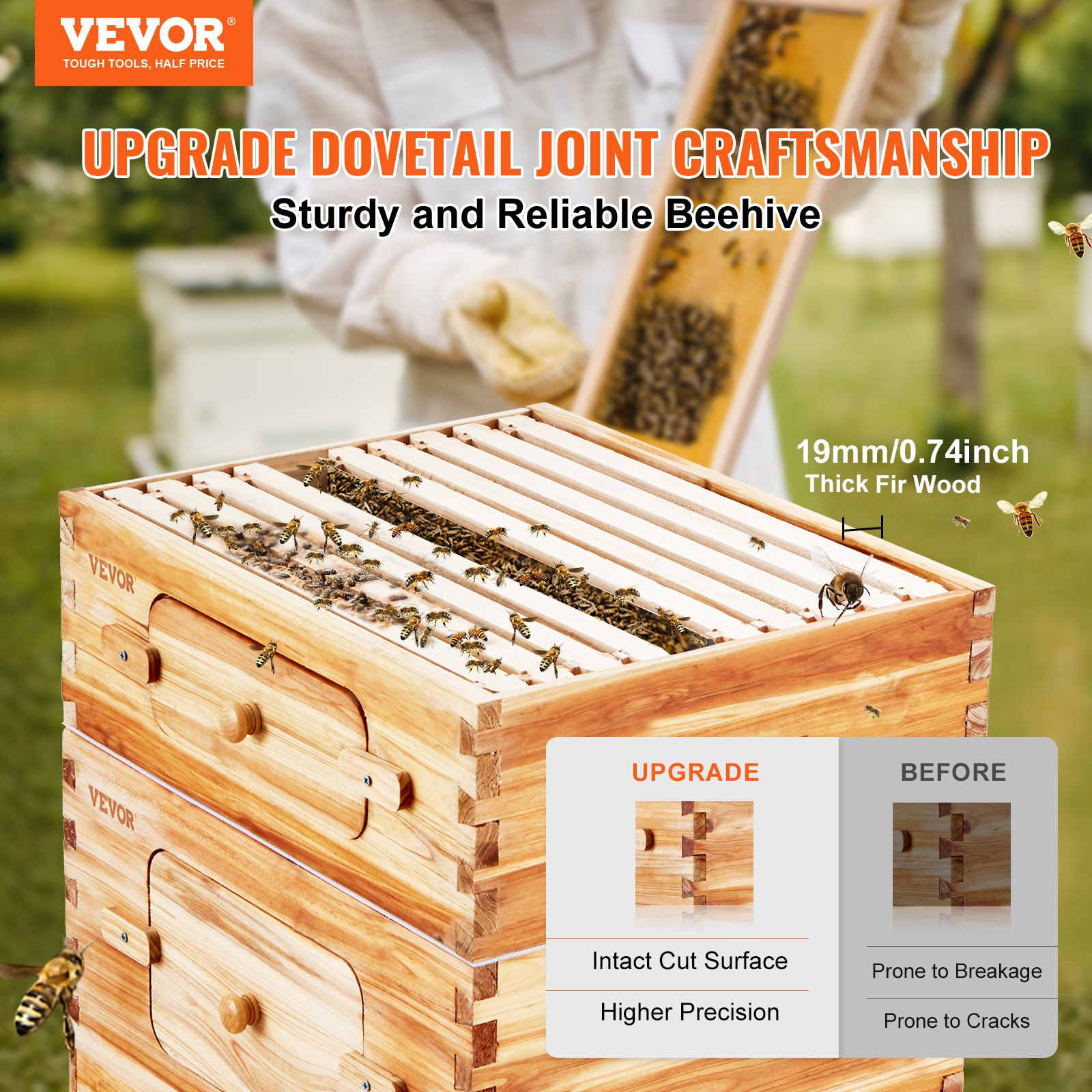 Bee Hive 20 Frame Bee Hives Starter Kit, Beeswax Coated Cedar Wood, Bee Boxes Langstroth Beehive Kit, Transparent Acrylic Windows With Foundations For Beginners Pro Beekeepers$144.99View on Mallflare
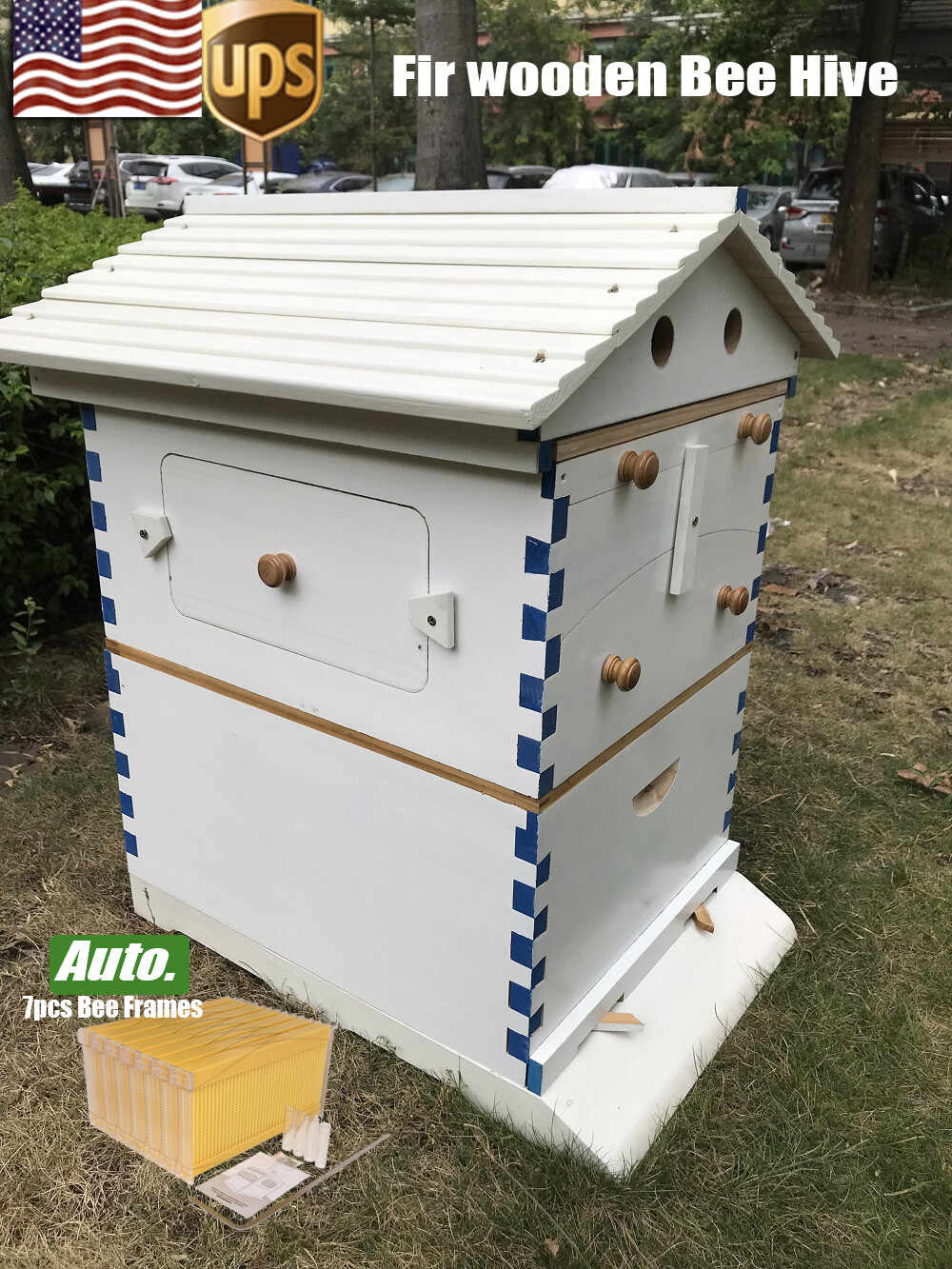 Painted Auto Langstroth Bee Hive Boxes Beekeeping Hives House 7x Bee Frames New$188.66Last checked Nov 18, 2026View on eBay
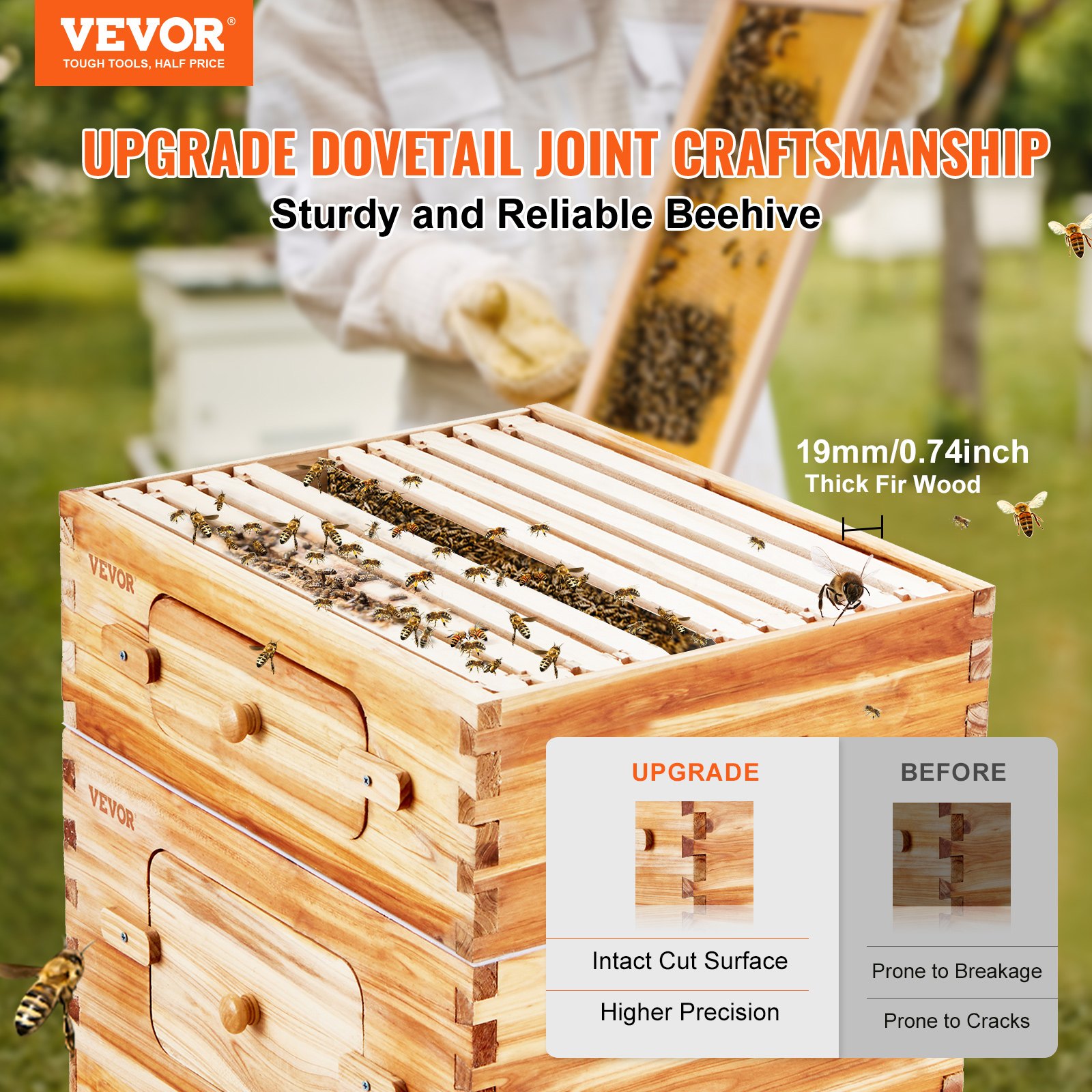 Bee Hive 30 Frame Bee Hives Starter Kit, Beeswax Coated Fir Wood, 2 Deep 1 Medium Bee Boxes Langstroth Beehive Kit, Transparent Acrylic Windows With Foundations For Beginners Pro Beekeepers$169.99View on Mallflare
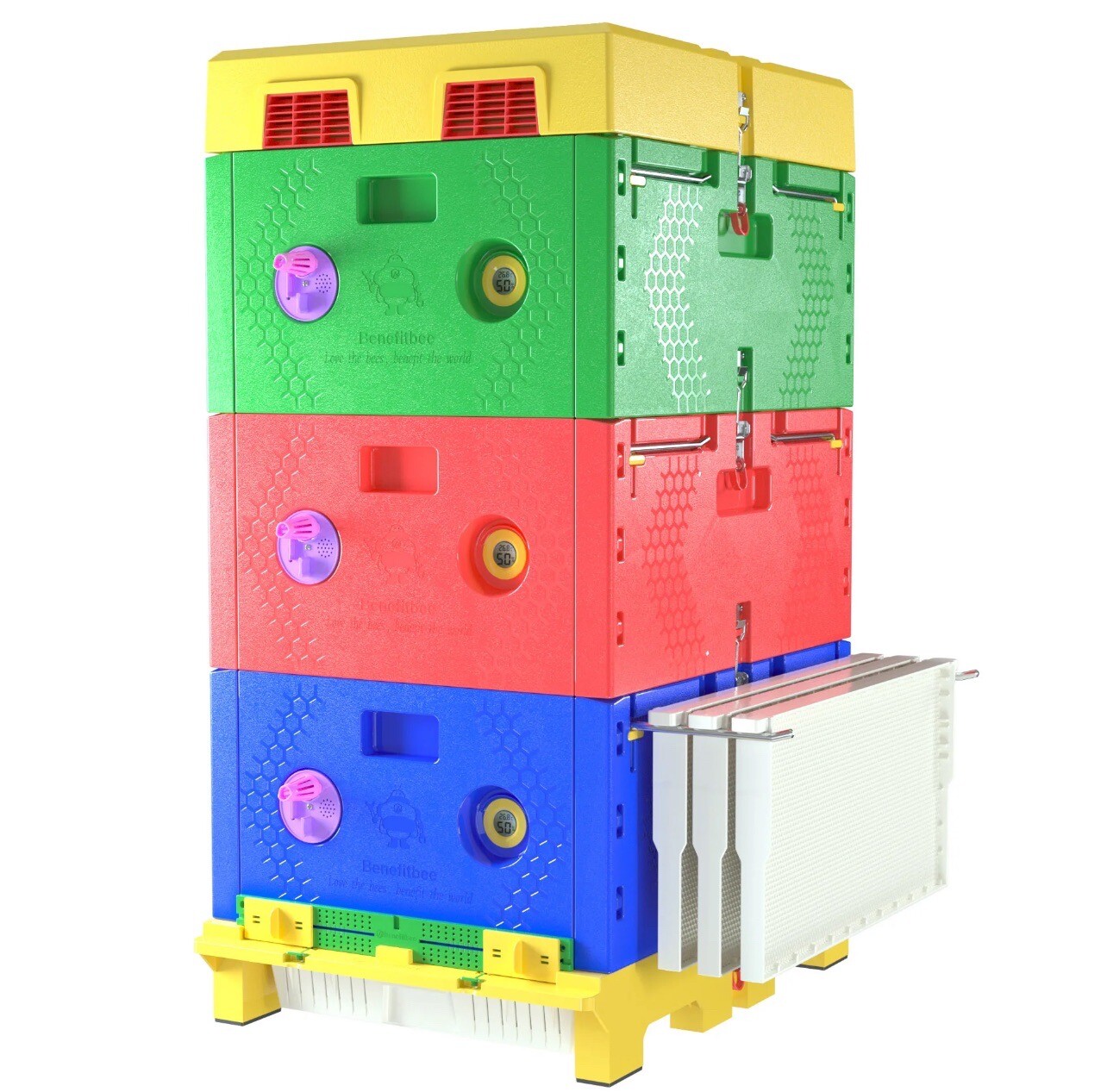 BeeHive Plastic Langstroth Size ,3 layers INSULATED Plastic Beehive (OPEN BOX)$189.00View on eBay
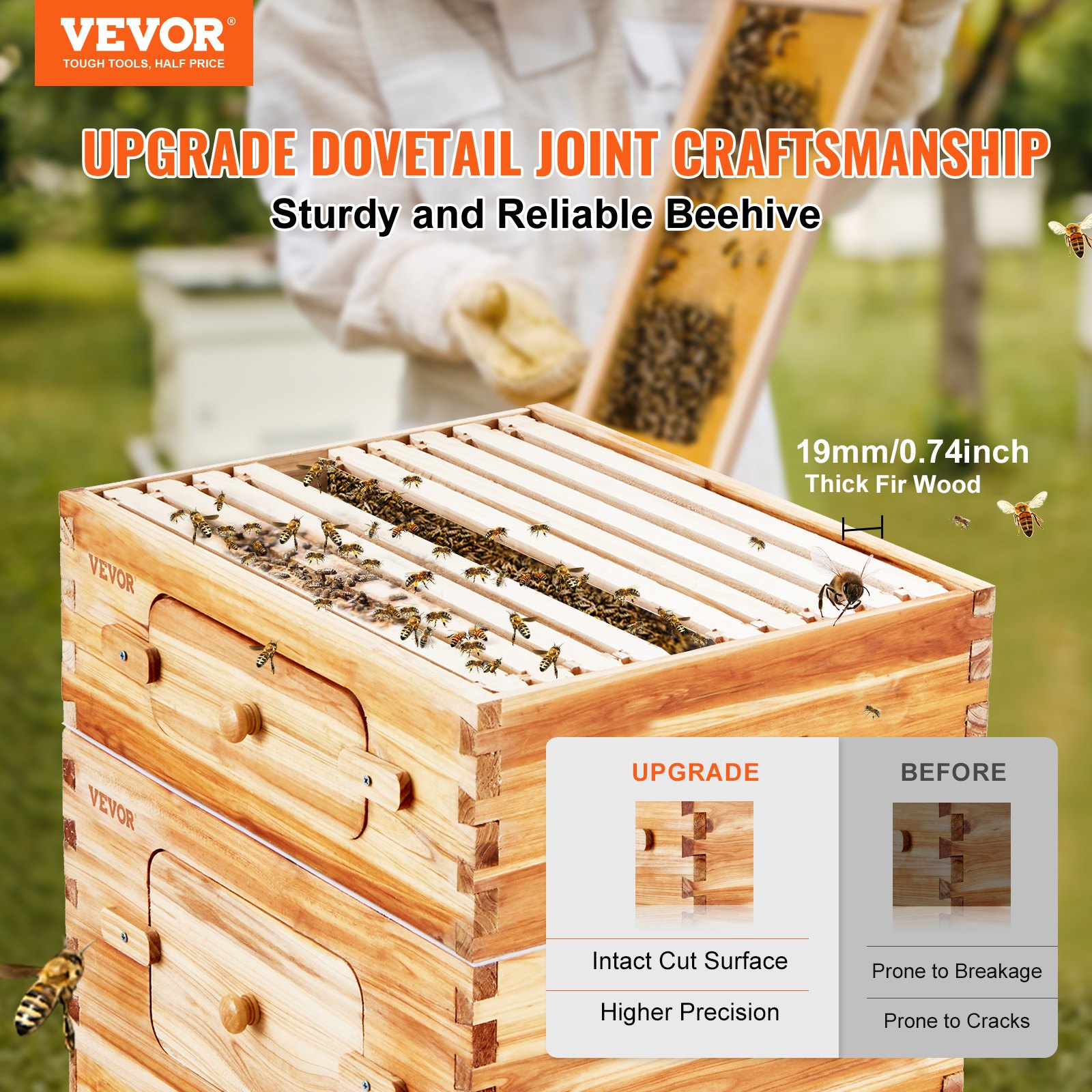 Bee Hive 40 Frame Bee Hives Starter Kit, Beeswax Coated Cedar Wood, 2 Deep 2 Medium Bee Boxes Langstroth Beehive Kit, Transparent Acrylic Windows With Foundations For Beginners Pro Beekeepers$207.99View on Mallflare
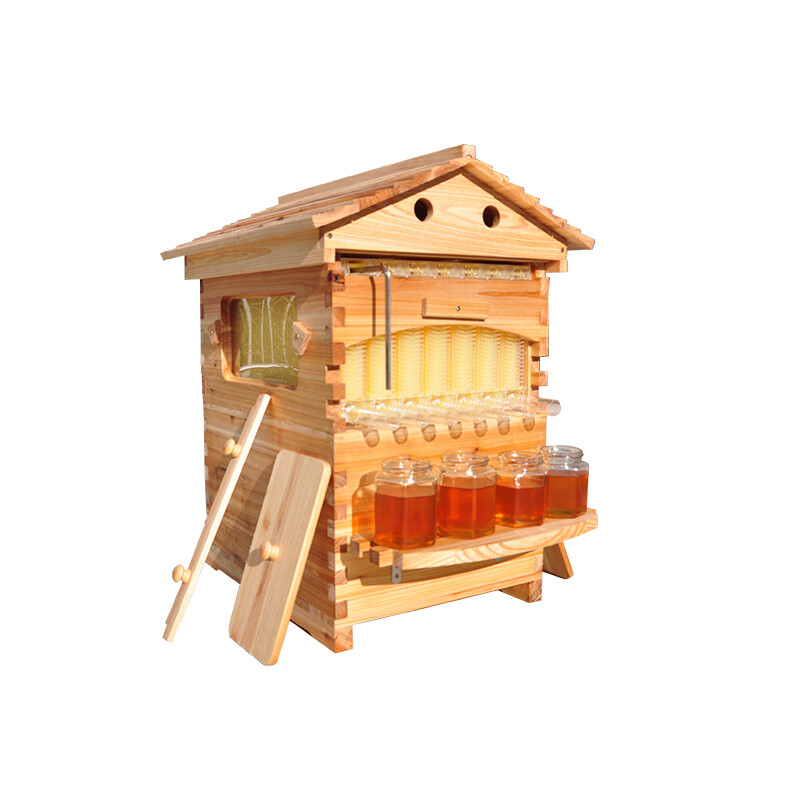 Auto Seep Bee Hives Boxes Langstroth Bee Hive HOUSE + 7x Bee Beekeeping Frames$190.95Last checked Nov 18, 2026View on eBay
- Auto Honey Bee Hives Boxes Langstroth Bee Hive HOUSE + 7x Bee Beekeeping Frames$199.59Last checked Nov 18, 2026View on eBay
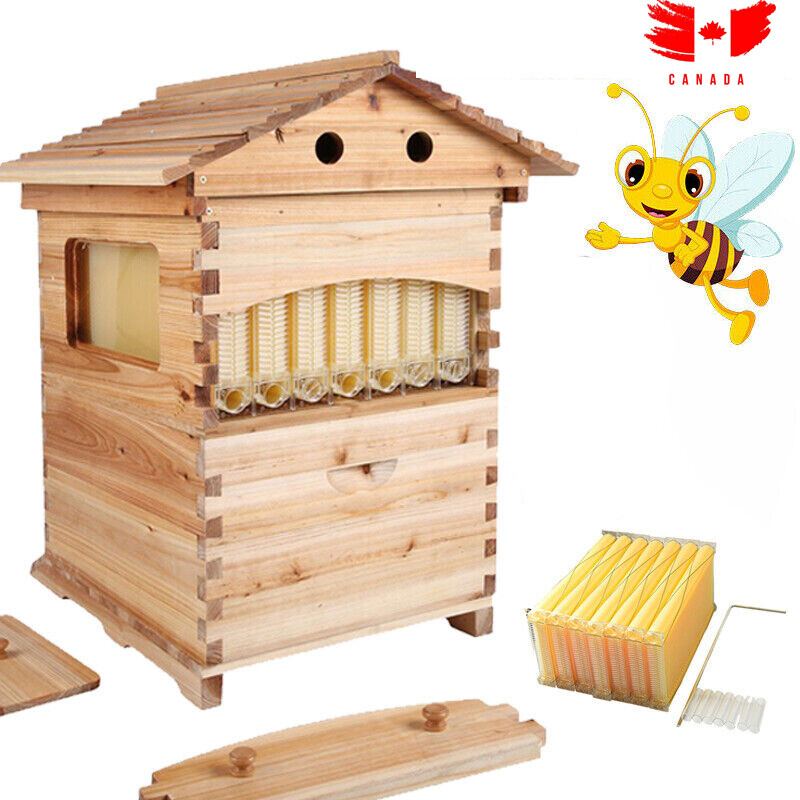 Wooden Auto Seep Bee Hives Boxes Langstroth Bee Hive+BPA free Beekeeping Frames$203.99New · Last checked Nov 23, 2026View on eBay
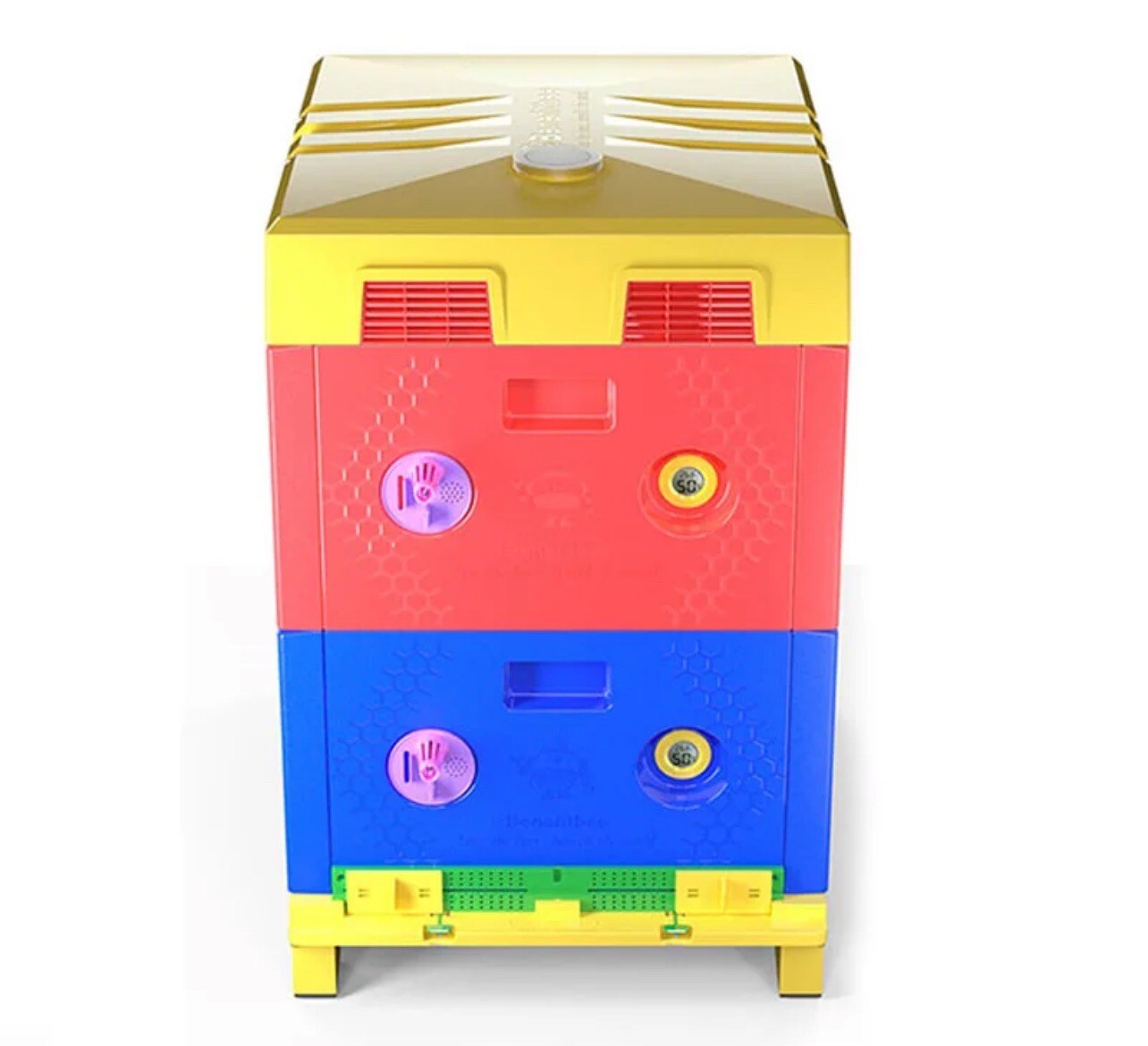 BeeHive Plastic Langstroth Size - 2 layers INSULATED Plastic$210.00New · Last checked Nov 18, 2026View on eBay
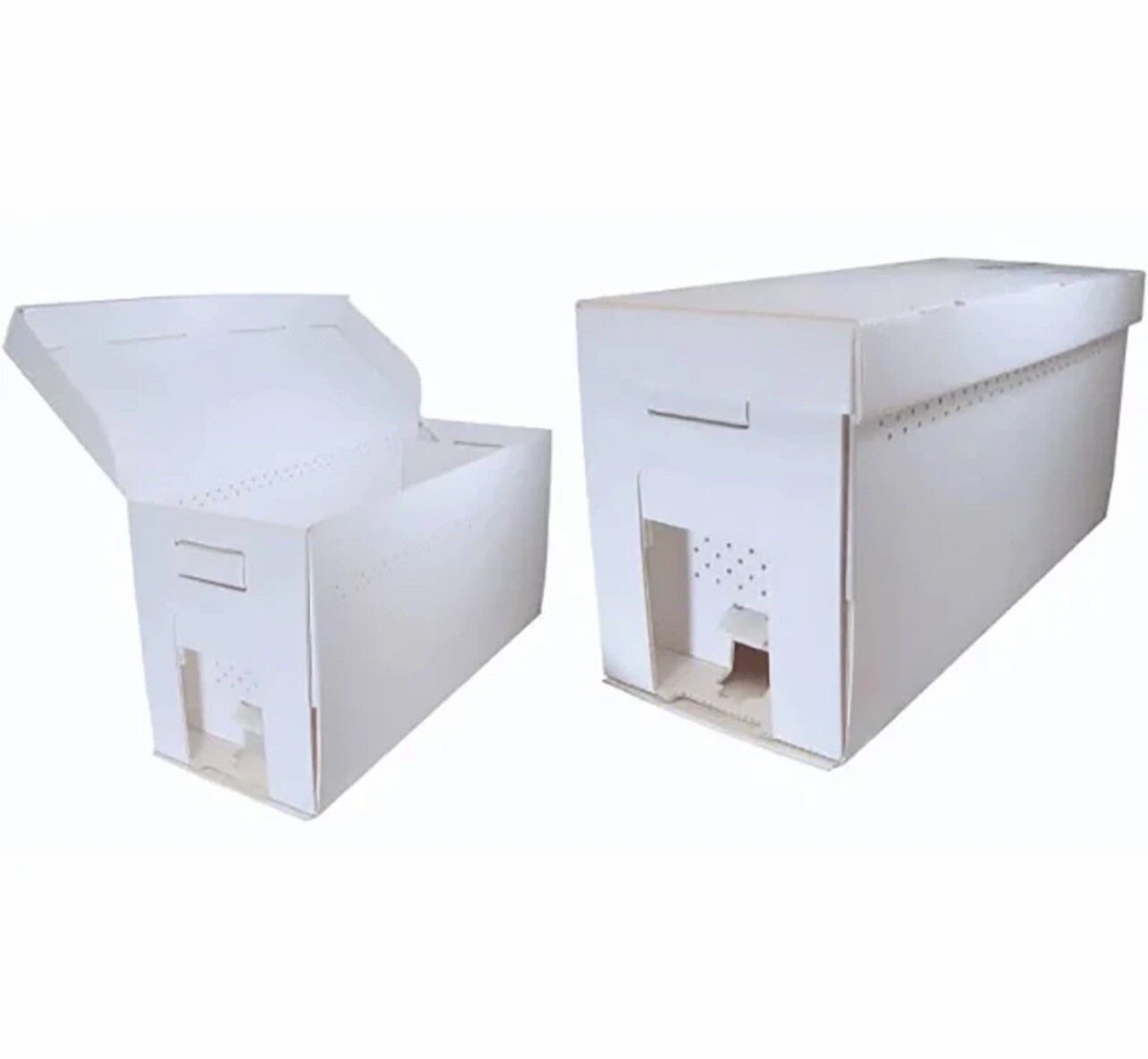 5 frame Nucs , Corrugated plastic Langstroth beehive deep frame box 12 PACK$218.69New · Last checked Nov 23, 2026View on eBay
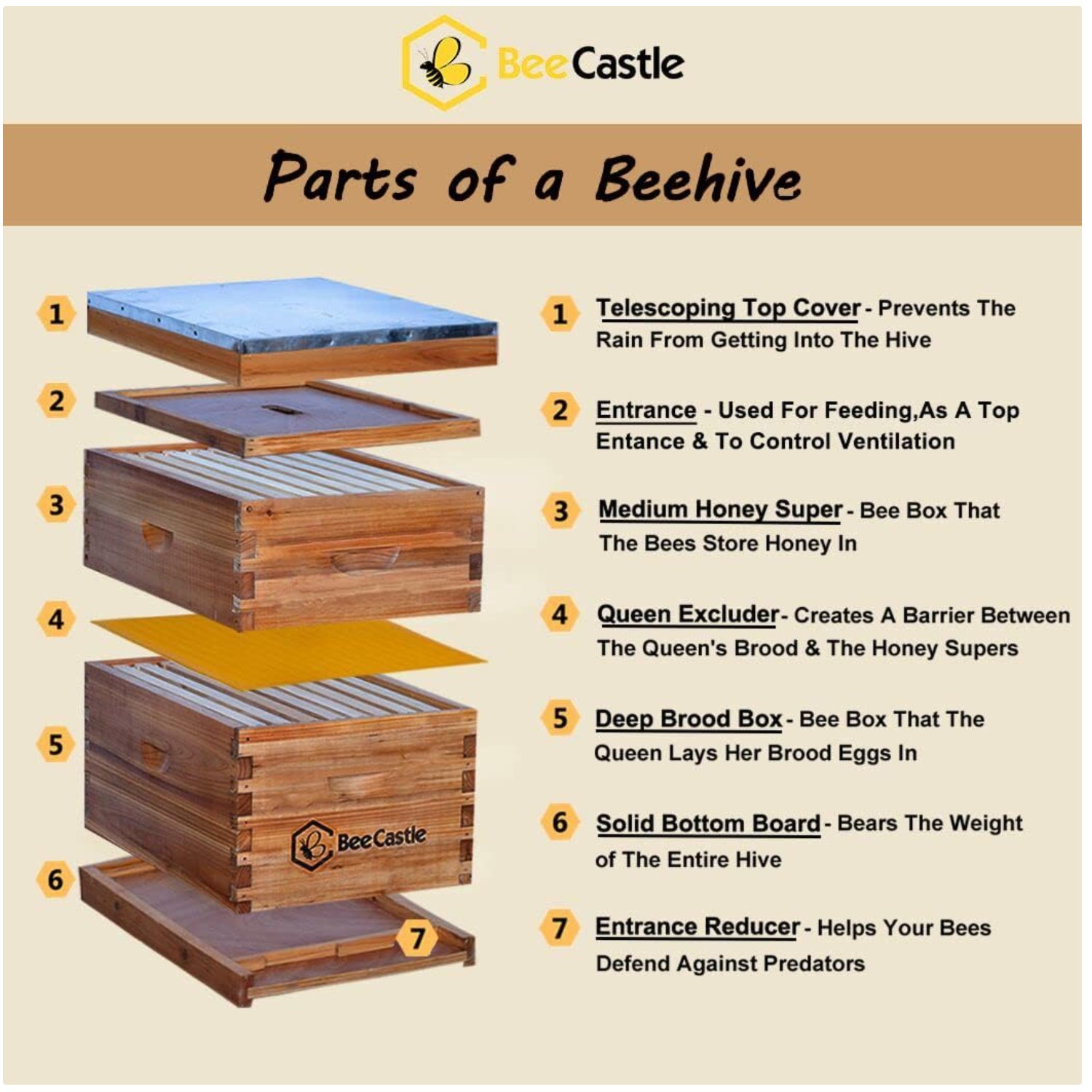 Langstroth Bee Hive with Deep & Medium Boxes$221.99New · Last checked Nov 23, 2026View on eBay
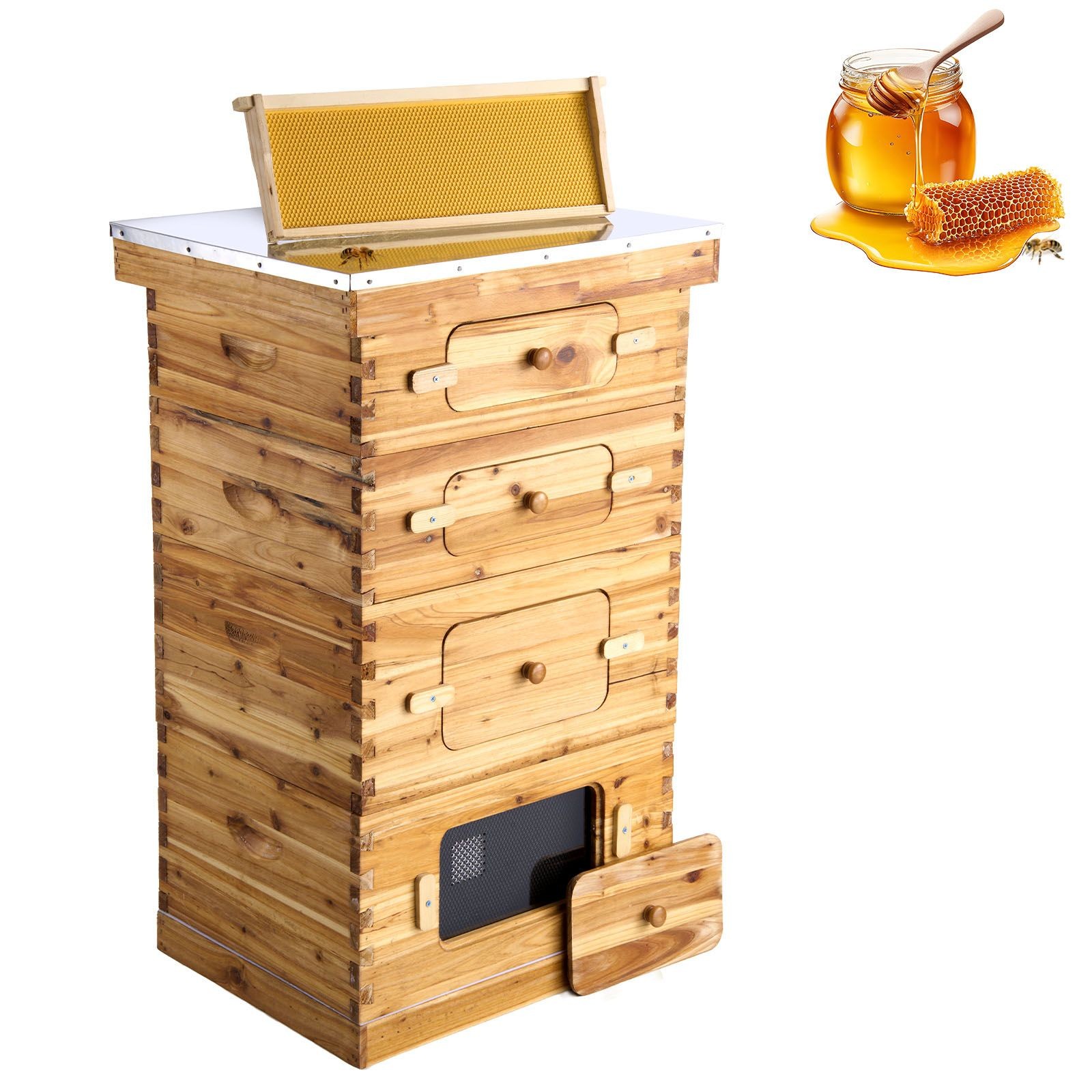 2 Medium Langstroth Bee Hive Kit with Frames$223.94New · Last checked Nov 23, 2026View on eBay
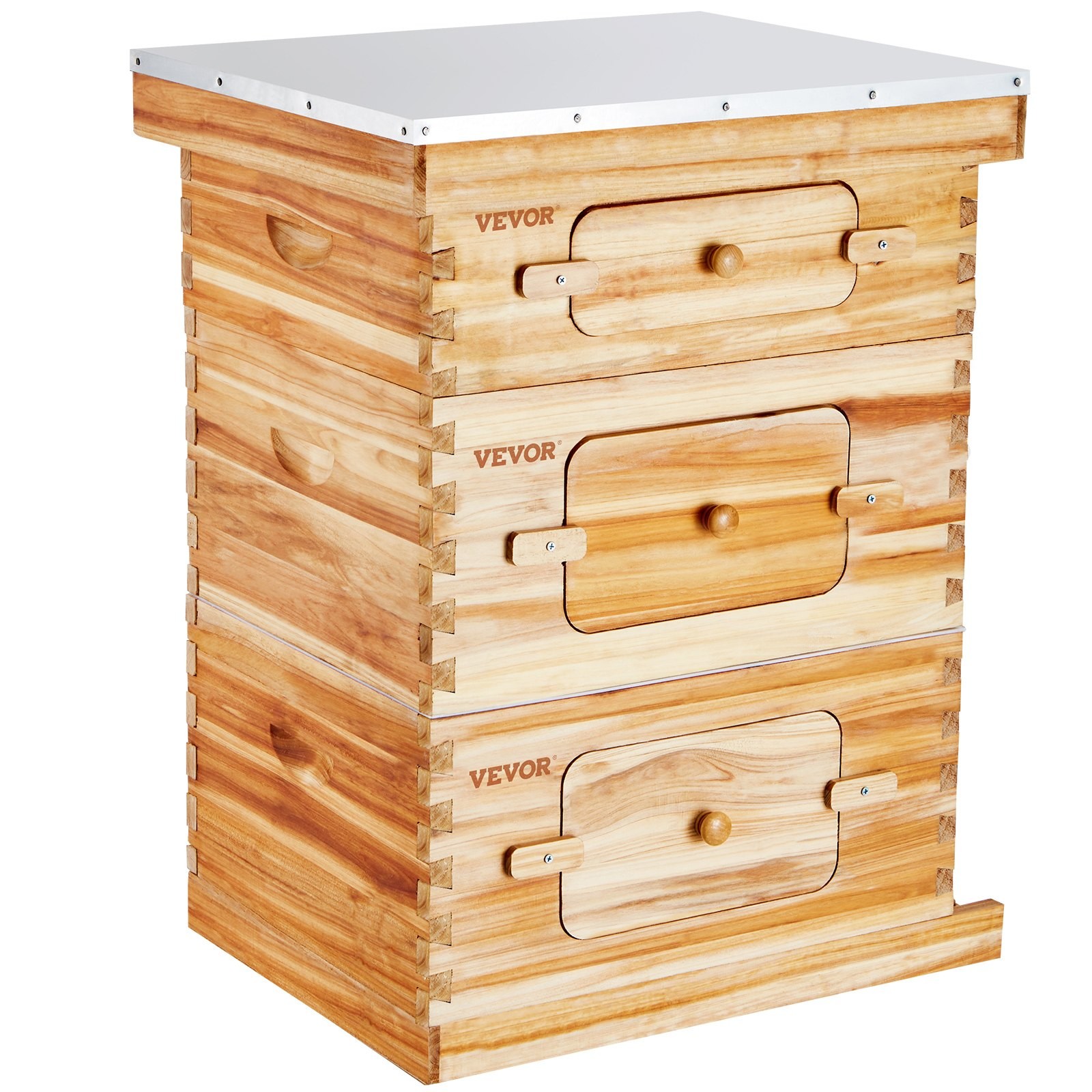 Langstroth Beehive Kit, 30 Frame Beeswax-Coated Fir Wood, 2 Deep 1 Medium Boxes$225.14New · Last checked Nov 23, 2026View on eBay
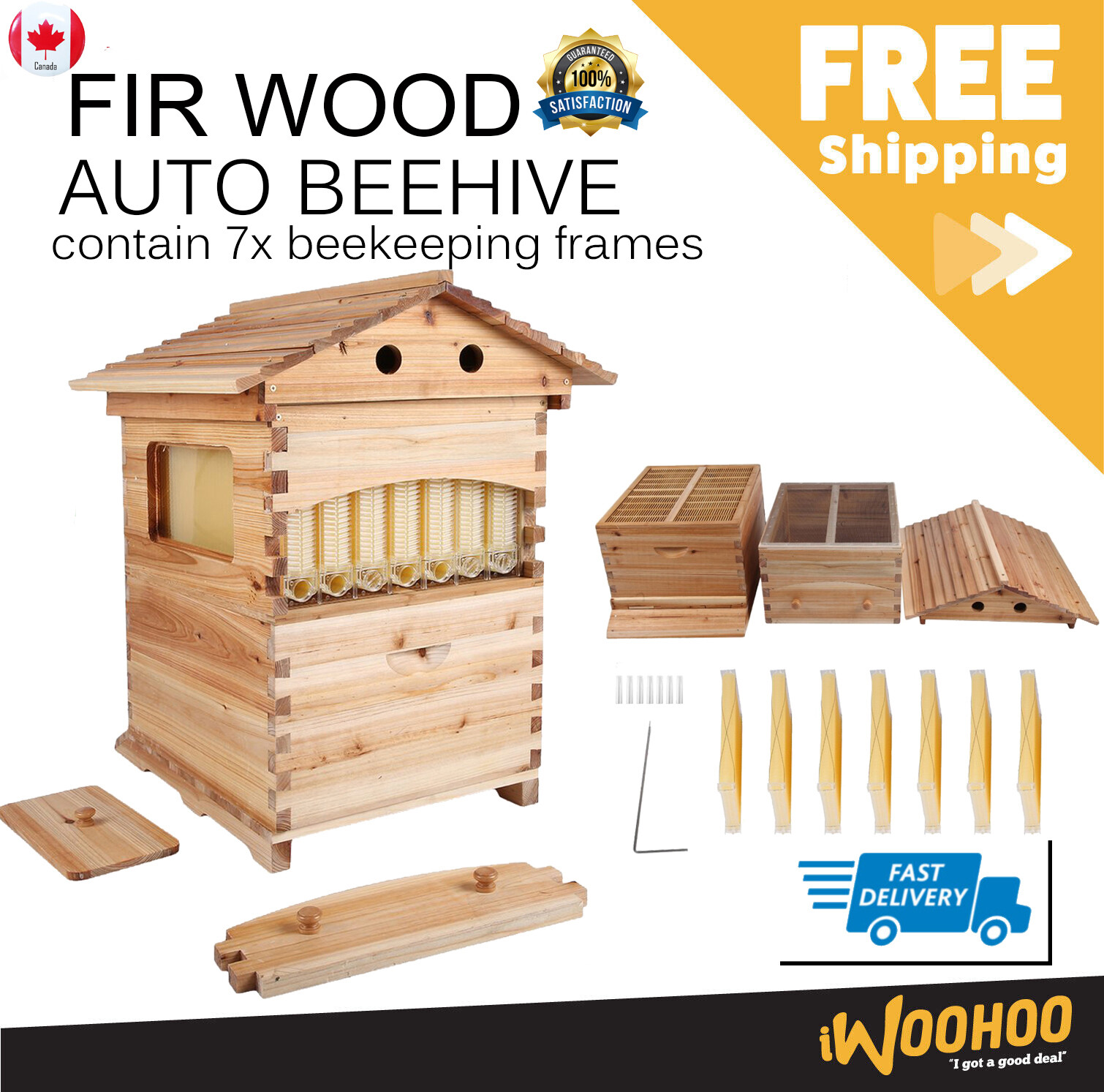 Auto Shed Bee Hives Langstroth Bee Hive Beekeeping Boxes with 7x Bee Hive Frames$228.99New · Last checked Nov 23, 2026View on eBay
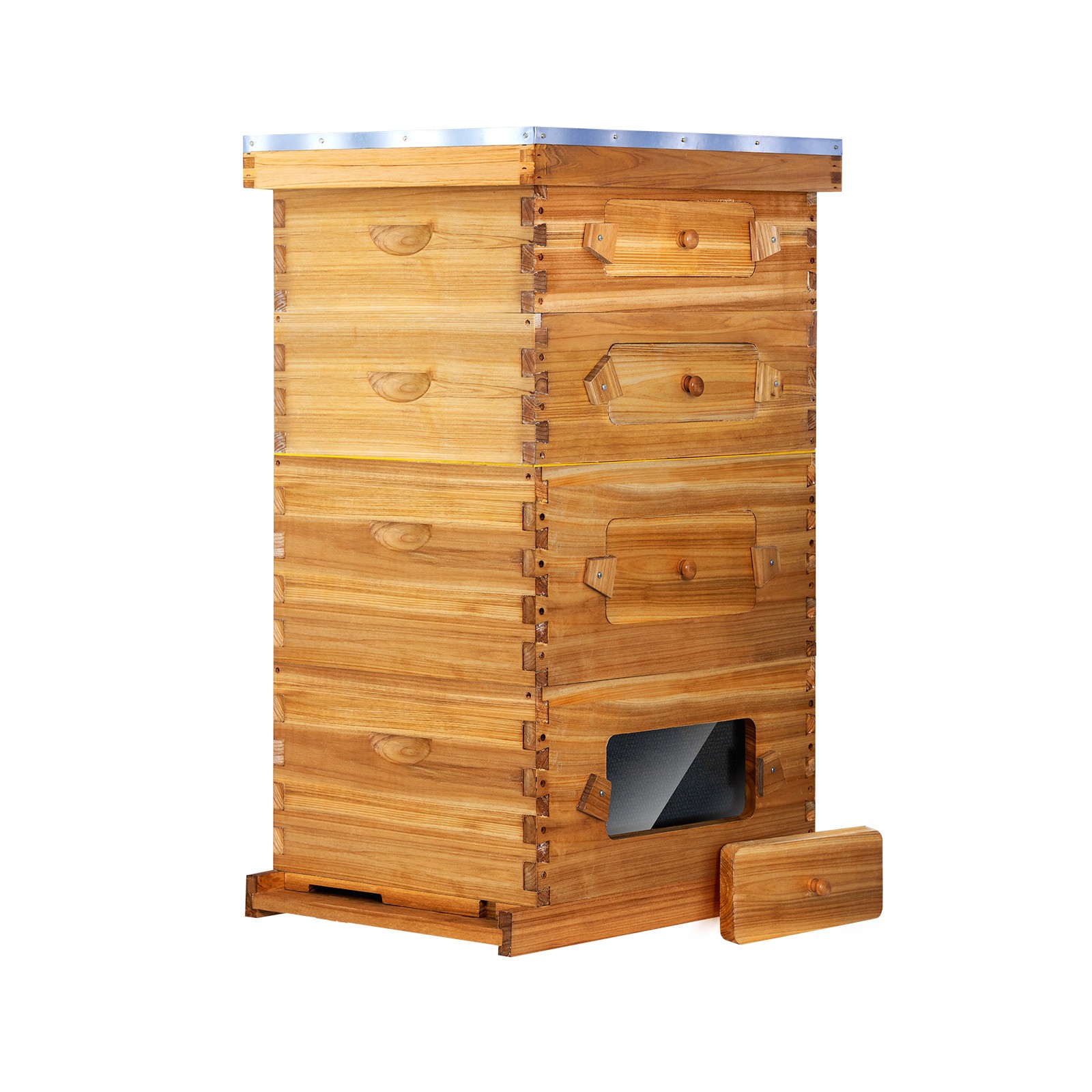 BeeCastle 10-Frame Langstroth Beeswax Coated Beehive with Windows( 4 Boxes)$229.99New · Last checked Nov 23, 2026View on eBay
Highlights
- Standard Langstroth frame spacing is 1-3/8 inches center-to-center, so 10-frame boxes stay compatible with standard foundation, extractors, and queen excluders; 8-frame kits use wider spacing and need matched parts.
- Deep brood boxes (9-5/8 in) hold larger brood nests and use deep frames; medium supers (6-5/8 in) weigh roughly 40 lb less full, which matters more than frame count for lifting safety.
- Beeswax-dipped cedar resists moisture and rot far better than painted pine; dipped joints seal end grain, while untreated pine swells, warps, and needs repainting within a couple of seasons.
- Insulated plastic hives (often 3-layer or double-wall) stabilize brood temperatures in cold or windy climates but must be sized to standard Langstroth frames or the boxes become incompatible with your existing gear.
Best use cases
- First-year beekeeper: pick a complete 10-frame deep brood plus 1-2 medium supers with frames and foundations included; skip 7-frame auto-flow gimmicks that limit standard frame swaps.
- Hot, dry climate: choose raw cedar or beeswax-dipped wood for breathability and moisture regulation; avoid fully sealed plastic shells that trap condensation and overheat unless well-vented.
- Cold climate or overwintering: pick double-wall insulated plastic or thick cedar with reduced entrance and top insulation; skip thin painted pine starter kits that crack under freeze-thaw cycles.
- Frequent lifting or back issues: choose 8-frame all-medium configuration or 10-frame medium supers; skip 10-frame deep honey supers that exceed 70 lb when full.
Buying tips
- Match frame count first: 10-frame boxes are standard for brood and honey production; 8-frame kits are lighter but require 8-frame foundation, extractor baskets, and excluders.
- Buy the same box depth for all supers where possible: all-medium setups keep one frame size, one extractor setting, and reduce gear duplication; deep brood plus medium supers is the common compromise.
- Check wax coating: beeswax-dipped cedar or pine outperforms paint in wet climates, but dipped boxes are heavier and can soften in extreme heat; painted pine needs annual recoating.
- Verify foundation type: pre-assembled frames with wax or plastic foundation save hours, while unassembled kits save cost but need a staple gun, glue, and frame-wiring tools.
Specs
| Frame Count | 8-frame vs 10-frame standard |
|---|---|
| Box Depth | Deep 9-5/8 in / Medium 6-5/8 in |
| Material Grade | Cedar, pine, beeswax-dipped, insulated plastic |
| Foundation Type | Wax, plastic, or foundationless frames |
Related searches
What to check before buying
- Measure your intended stand footprint: a 10-frame box is about 19-7/8 in long by 16-1/4 in wide, so a 2-hive stand needs roughly 40 in of length plus working space.
- Confirm the kit ships with frames, foundations, and hardware; bare box kits require separate frame purchases that often cost more than the savings.
- Check your climate and apiary wind exposure: exposed, windy sites favor insulated plastic or cedar, while sheltered, mild sites suit standard pine or cedar.
- Confirm standard Langstroth compatibility: frames must be 19 in top bars and boxes must accept 10 or 8 frames at 1-3/8 in spacing for extractor and excluder fit.
FAQ
Data sources: eBay / Amazon listings and product attribute feeds. Updated Nov 27, 2026.
Some links on this page are affiliate links. If you buy after clicking one, we may earn a commission at no extra cost to you. This does not change which products appear here or their order. Affiliate disclosure.