
Photos from current listings. Actual item, color, and included accessories may vary.
Nesting Box Buying Guide
Nesting boxes are the single component that decides whether egg collection is a two-minute chore or a daily hunt through dirty bedding. Buyers most often get this wrong by sizing compartments too small for standard or heavy-breed hens, or by buying a roll-away plastic unit that flexes under a heavy layer's weight. Match compartment count to flock size, choose roll-out designs for easy cleaning, and confirm the mounting method before ordering.
Median $178.99 · New listings
Key takeaways
- Roll-away (roll-out) designs use a sloped floor and rear egg tray so eggs collect outside the box, keeping them clean and uncracked; standard open-bottom boxes require daily hand collection.
- Compartment width matters more than overall size: 12 x 12 in is the working minimum per hen, and heavy breeds (Orpington, Brahma) need 14-16 in to turn around without stress.
- Steel roll-out boxes with plastic baskets resist moisture and mites better than bare wood, which wicks ammonia and harbors red mite in seams and joints.
At a glance
- Category
- Chicken Coops & Runs
- Last updated
- Nov 28, 2026
Current offers
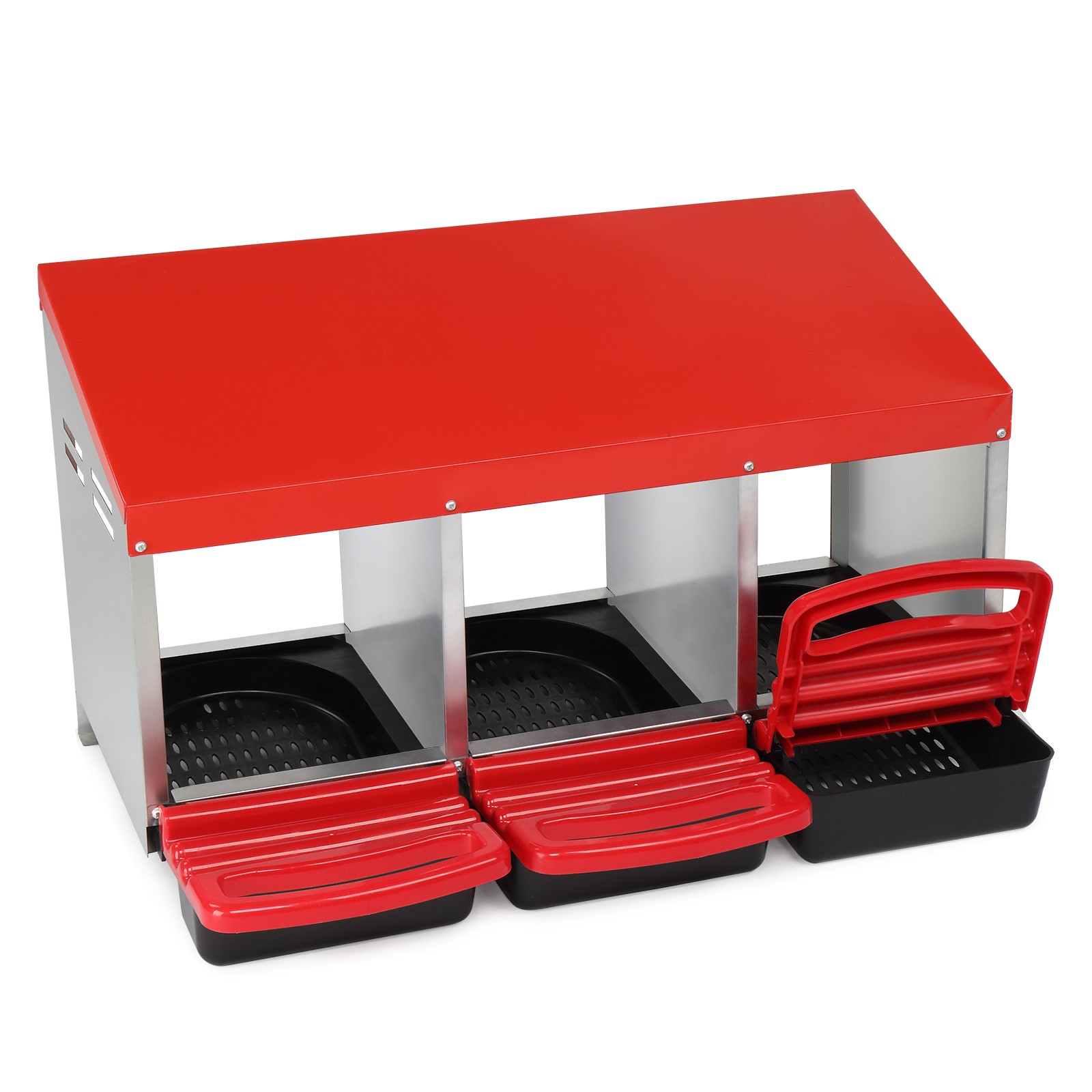 3 Compartment Roll Out Chicken Nesting Box with Plastic Basket, Egg Nest Box, US$88.99View on eBay
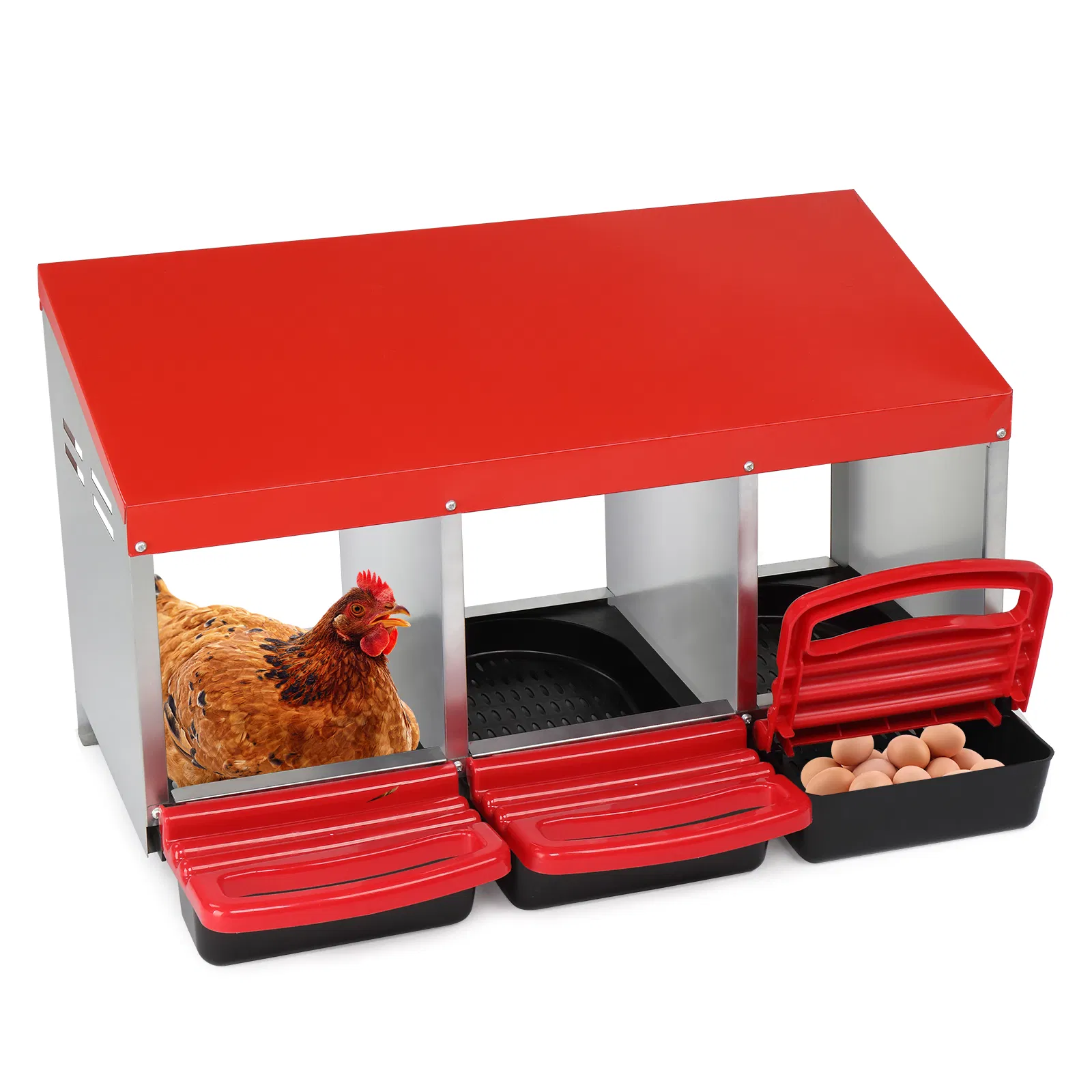 3 Compartment Roll Out Chicken Nesting Box with Plastic Basket, Egg Nest Box Laying Box Hens Coop Box, Red$73.99View on Mallflare
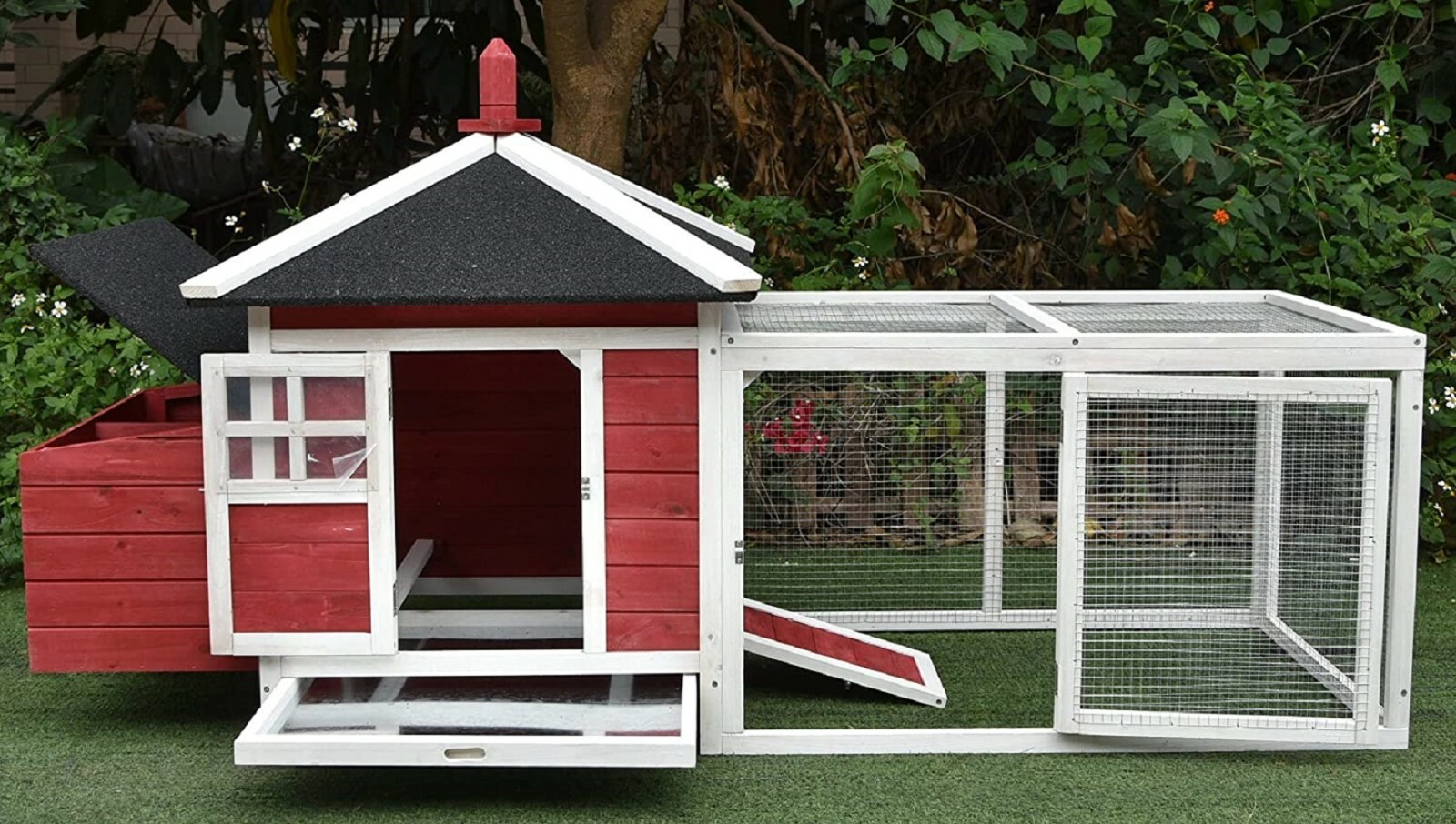 77" Wood Chicken Coop Backyard Hen House 2-4 Chickens with 2 Nesting Boxes New$137.37View on eBay
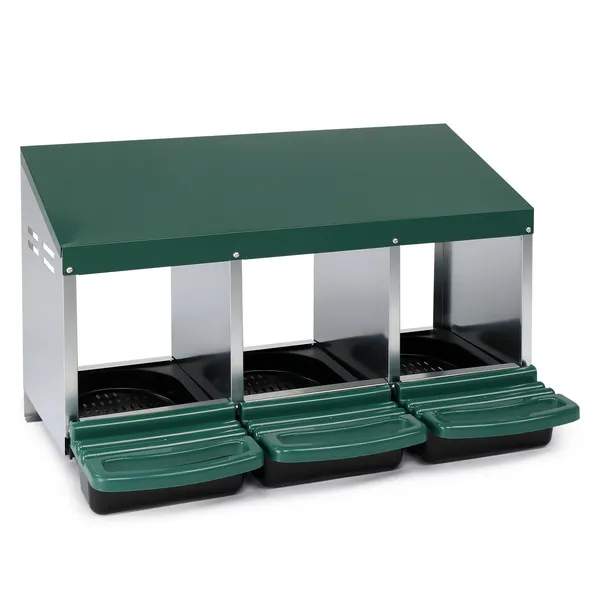 3 Compartment Roll Out Chicken Nesting Box With Plastic Basket, Egg Nest Box Laying Box Hens Coop Box, Green$73.99View on Mallflare
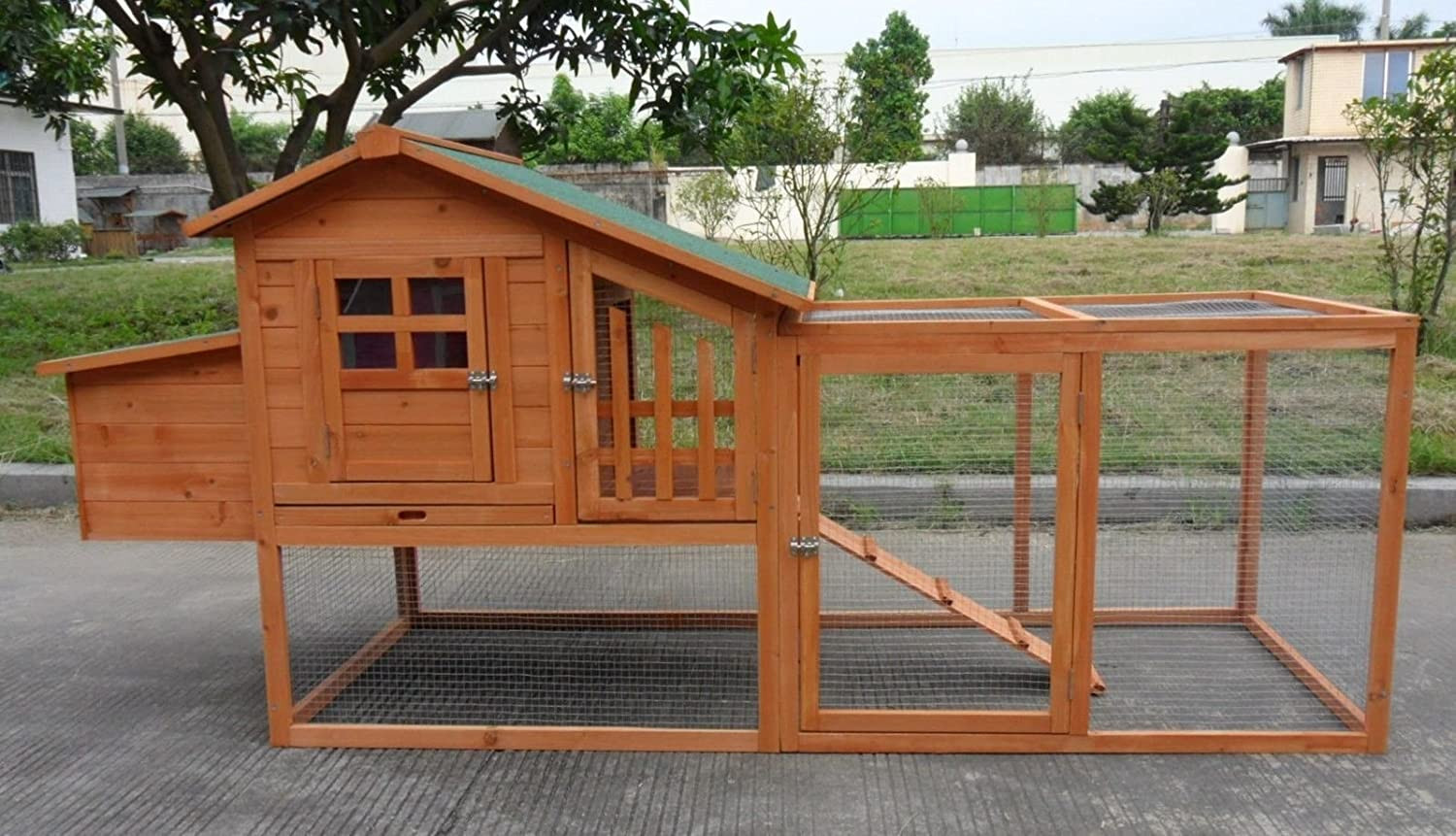 Deluxe Large Wood Chicken Coop Backyard Hen House 3-5 Chickens w Nesting Box Run$169.98View on eBay
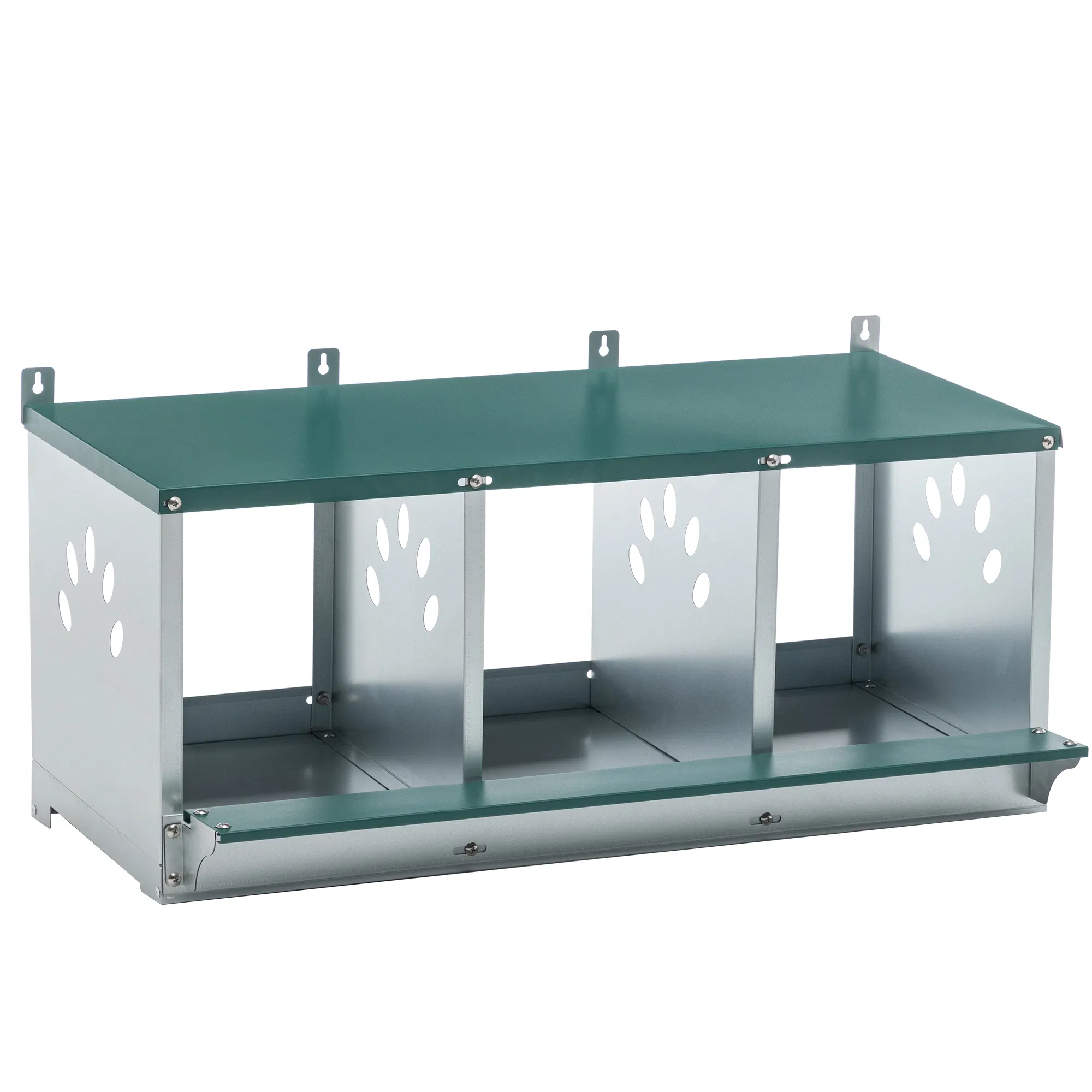 3 Room Metal Chicken Nesting Boxes 3 Compartment Egg Coop$76.99View on Mallflare
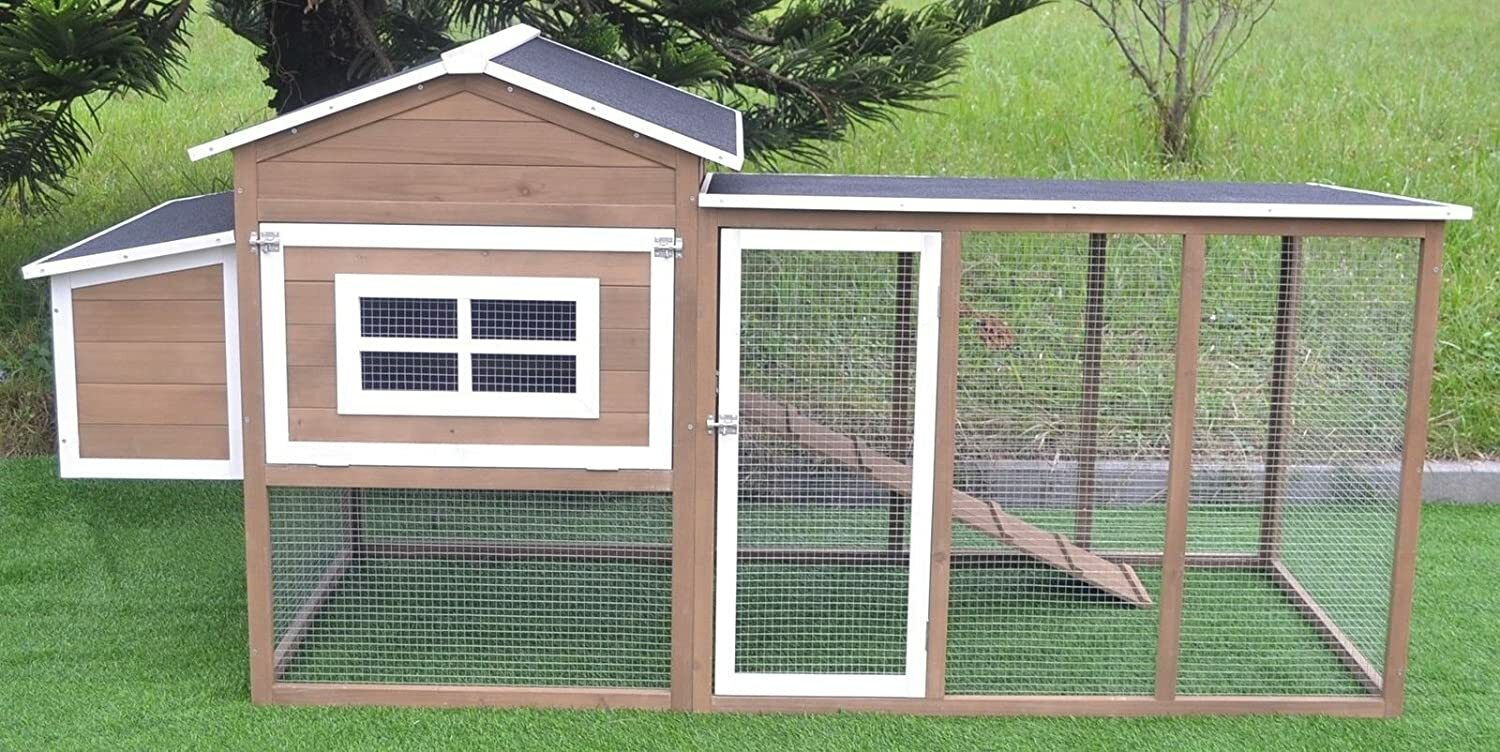 Large 87" Wood Chicken Coop Backyard Hen House 4-6 Chickens Nesting Box & Run$187.98View on eBay
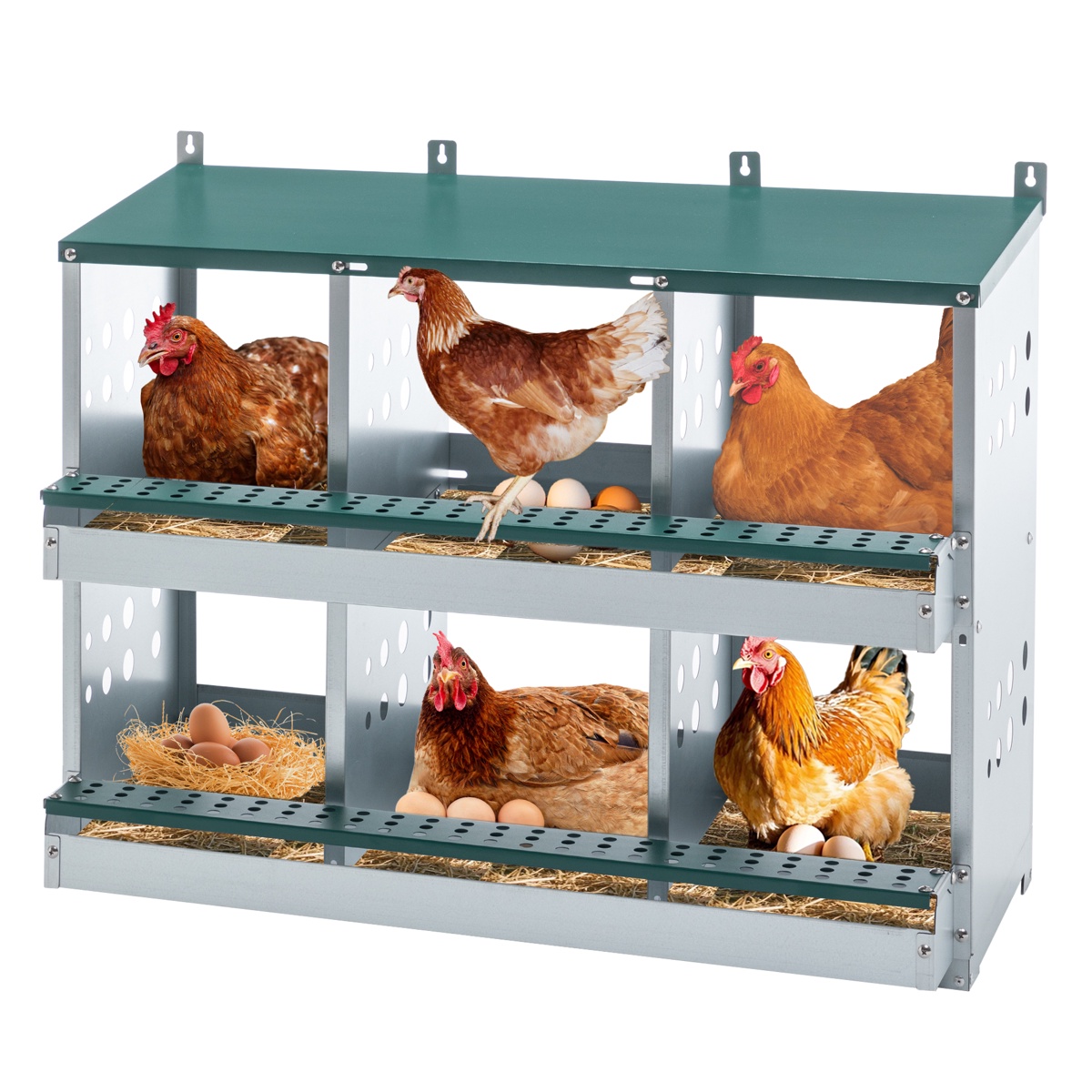 6 Compartments Chicken Nesting Box For Laying Eggs, Roll Away Boxes, Green$77.99View on Mallflare
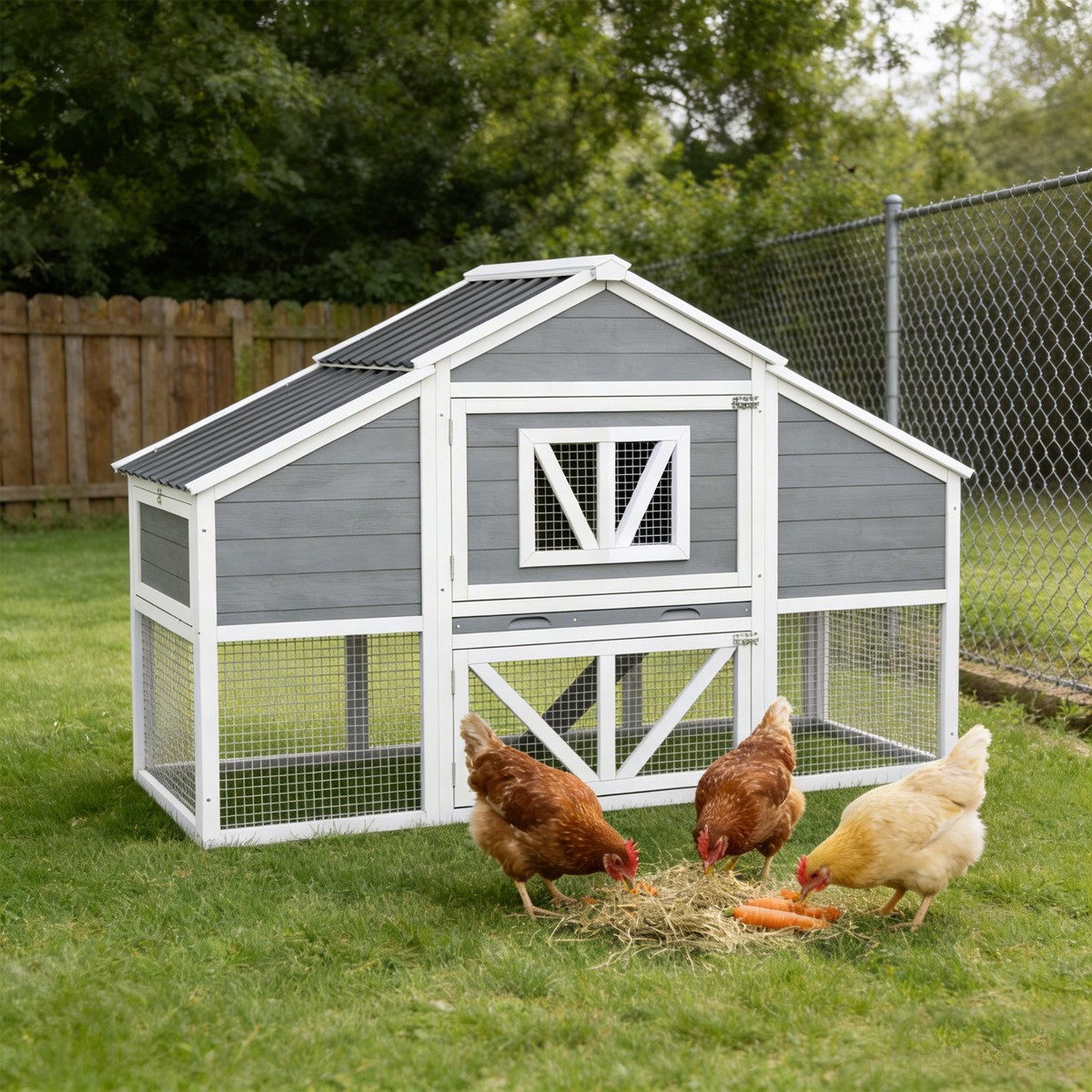 Backyard 2-Tier Wooden Chicken Coop with 4 Nesting Boxes for 6 Hens, Gray$198.00View on eBay
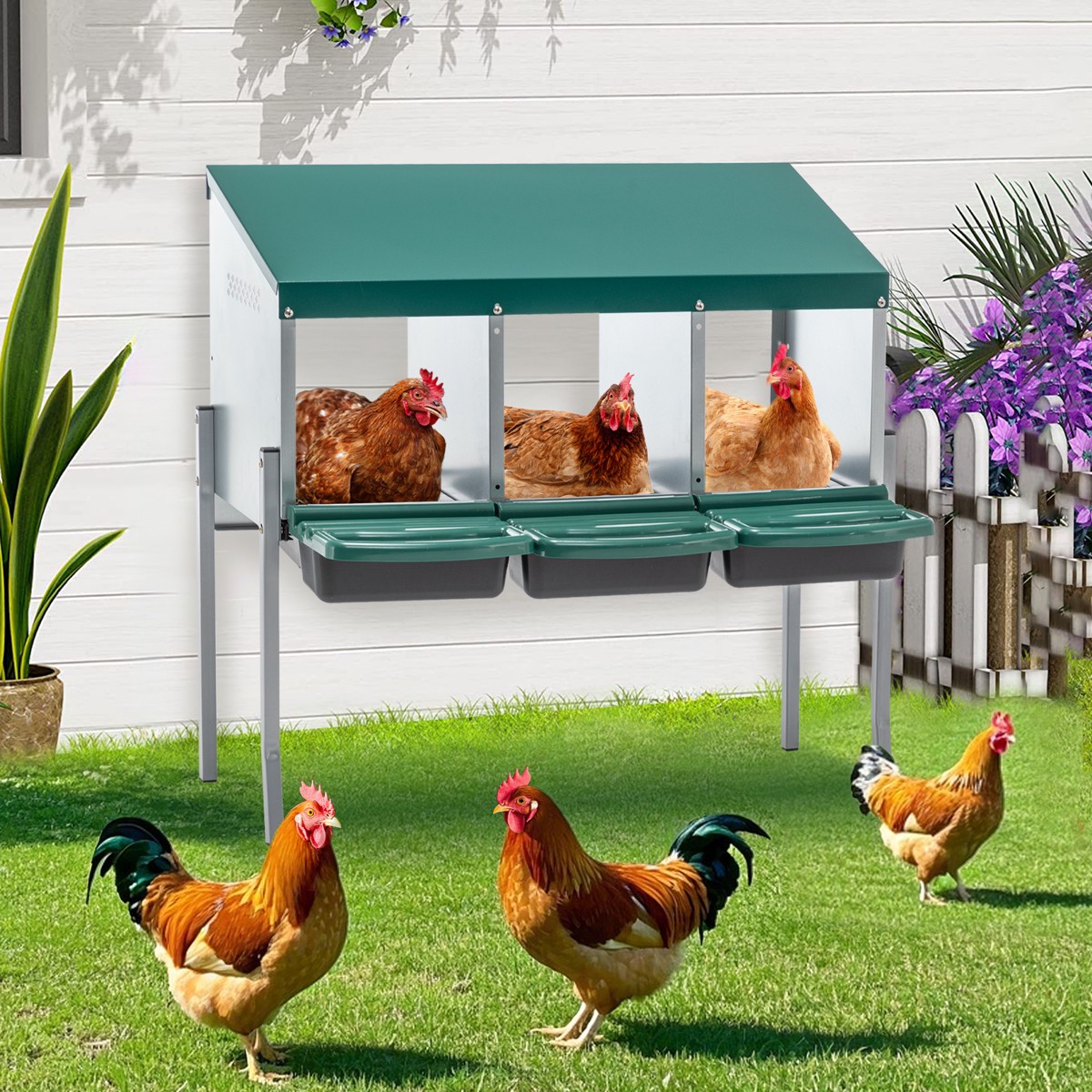 Nesting Boxes For Chickens, 3 Holes Chicken With Legs, Laying Box Lid Cover, For Outdoor Coop Farm Yard, Rreen$91.99View on Mallflare
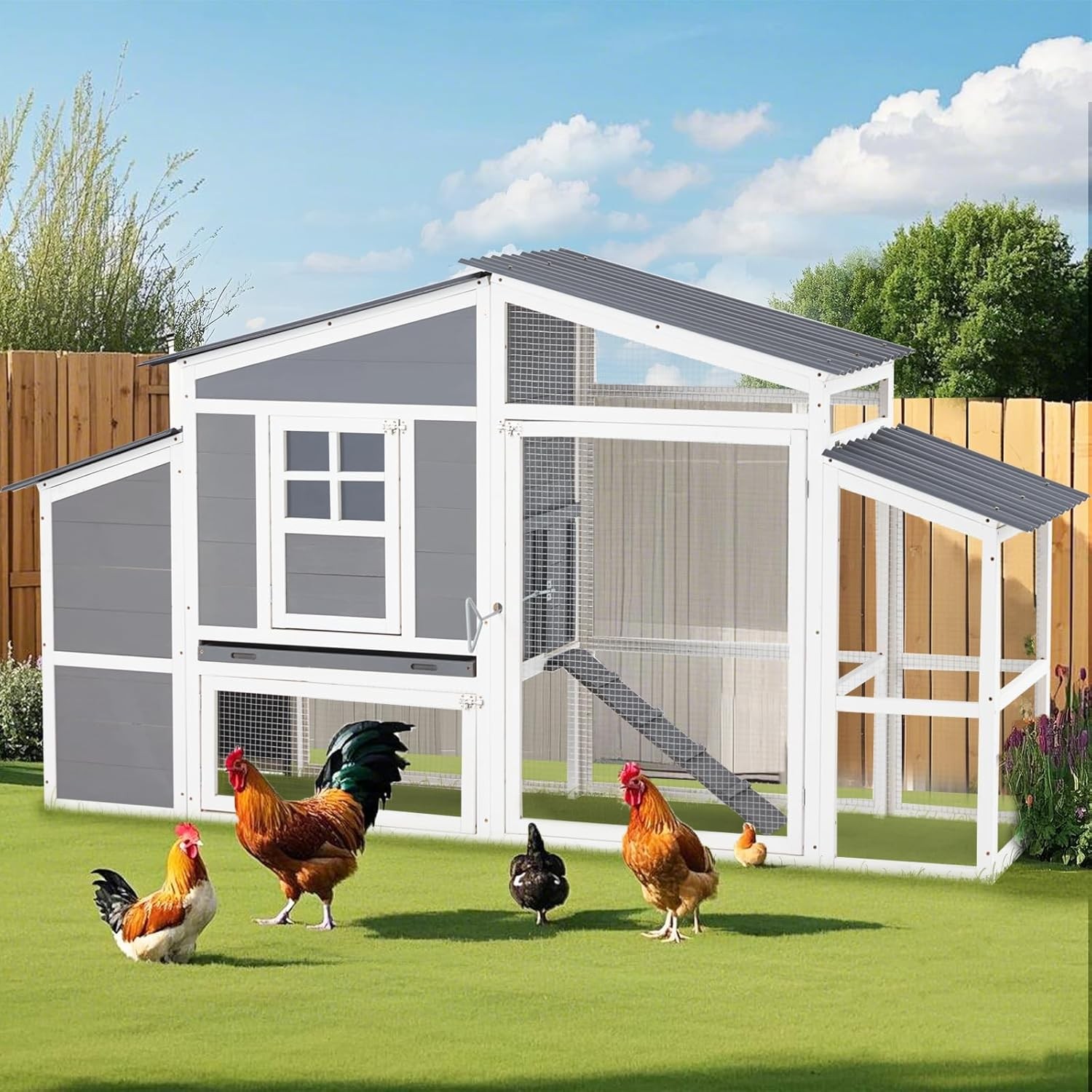 81” Large Chicken Coop Outdoor Wooden Hen House Poultry Cage w/ Nesting Boxes$209.99New · Last checked Nov 22, 2026View on eBay
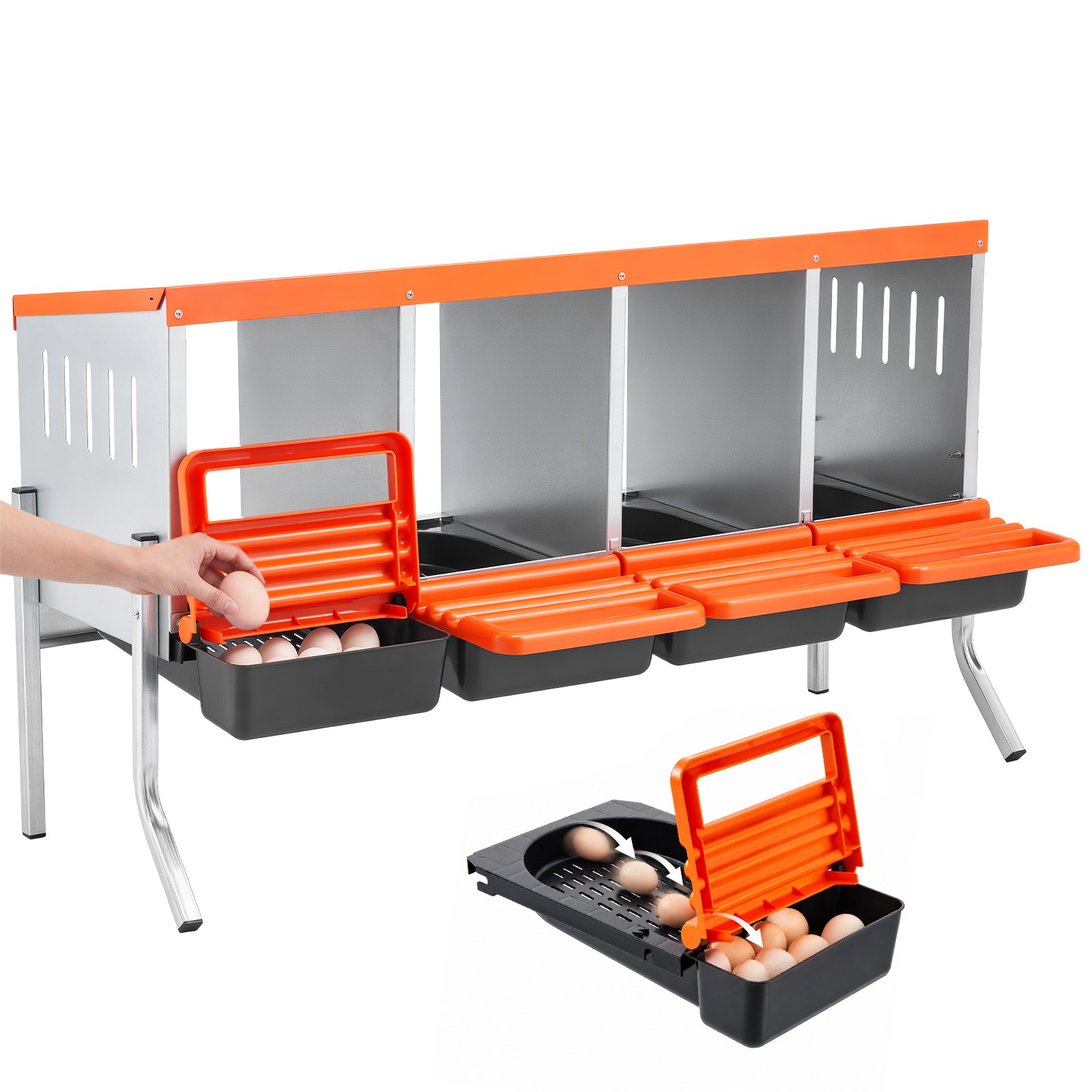 Chicken Nesting Boxes 4 Compartments with Support Legs Orange, for Chickens Hens Laying Eggs, Roll Away Easy Egg Collection, to Assemble, Galvanized Steel and High-Strength Plastic$106.99View on Mallflare
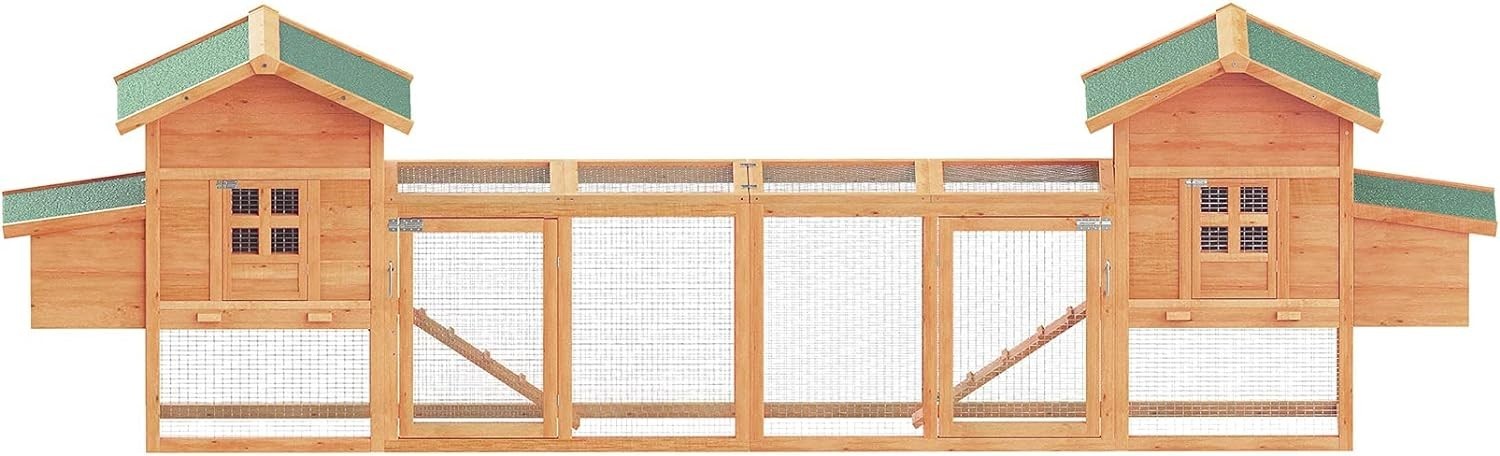 Large Chicken Coop Wooden Poultry Cage Hen House Hutch Nesting Box Chicken Run$279.99New · Last checked Nov 22, 2026View on eBay
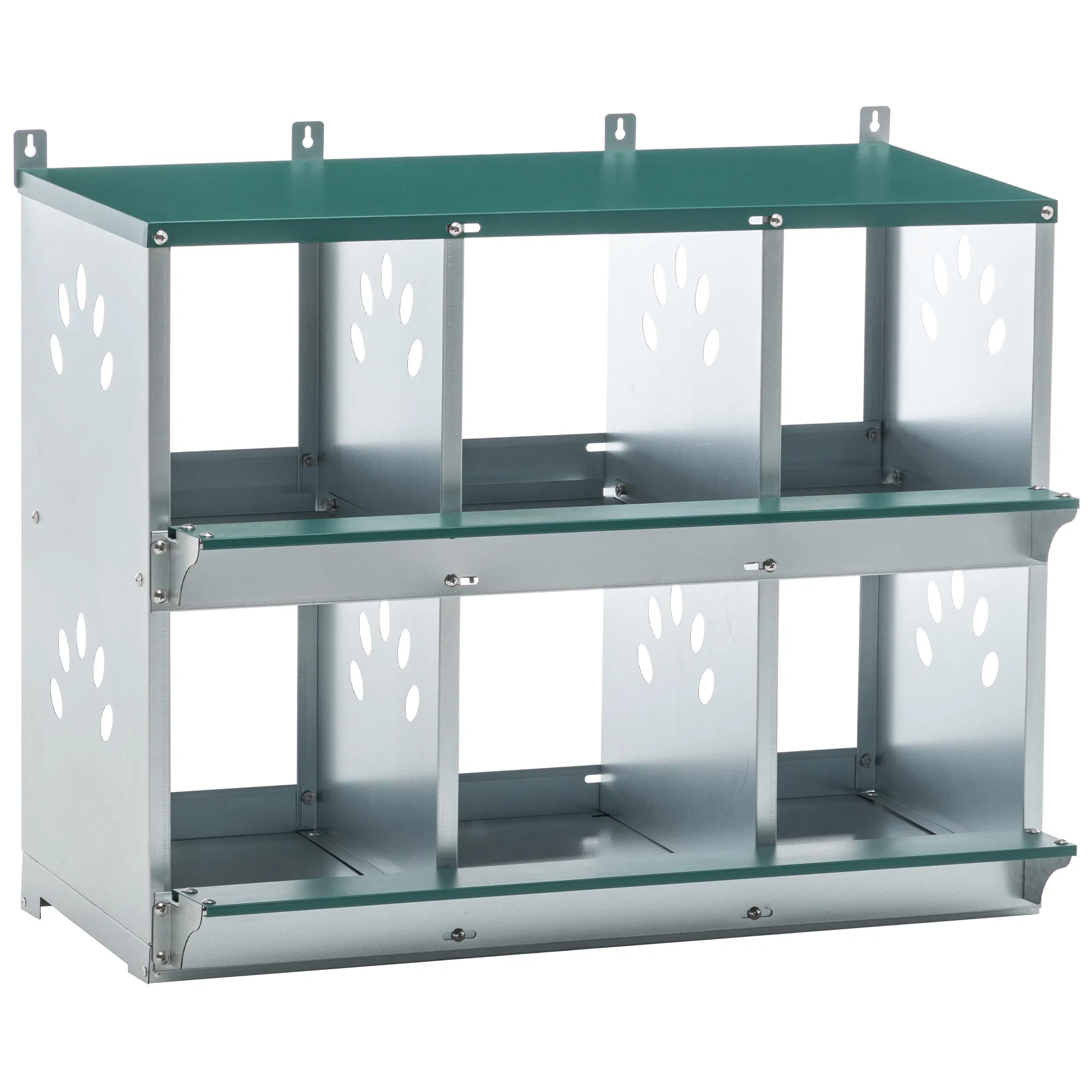 6 Room Metal Chicken Nesting Boxes 6 Compartment Egg Coop$107.99View on Mallflare
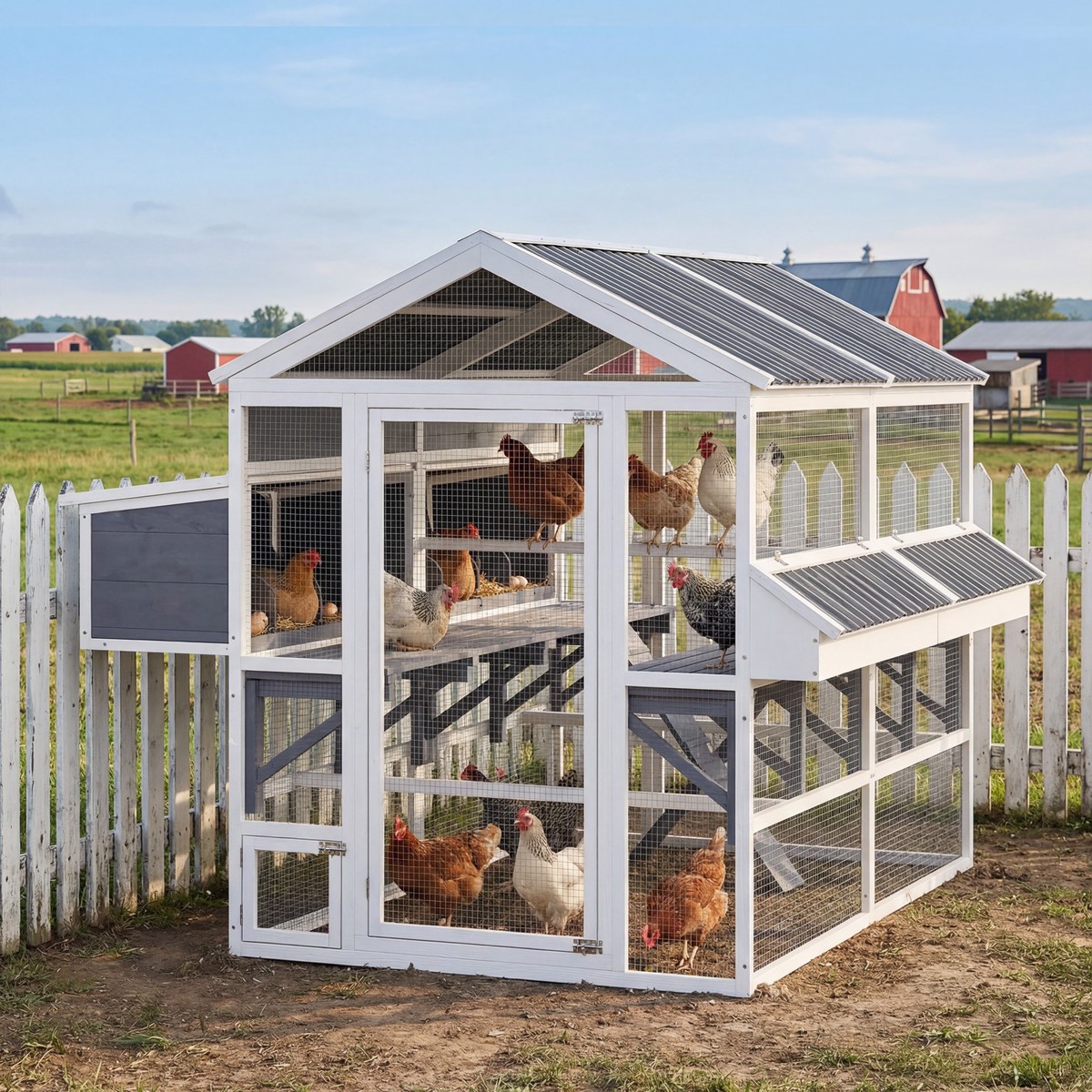 Chicken Coop, Wooden Hen House with Feeders and Nesting Boxes$341.99New · Last checked Nov 27, 2026View on eBay
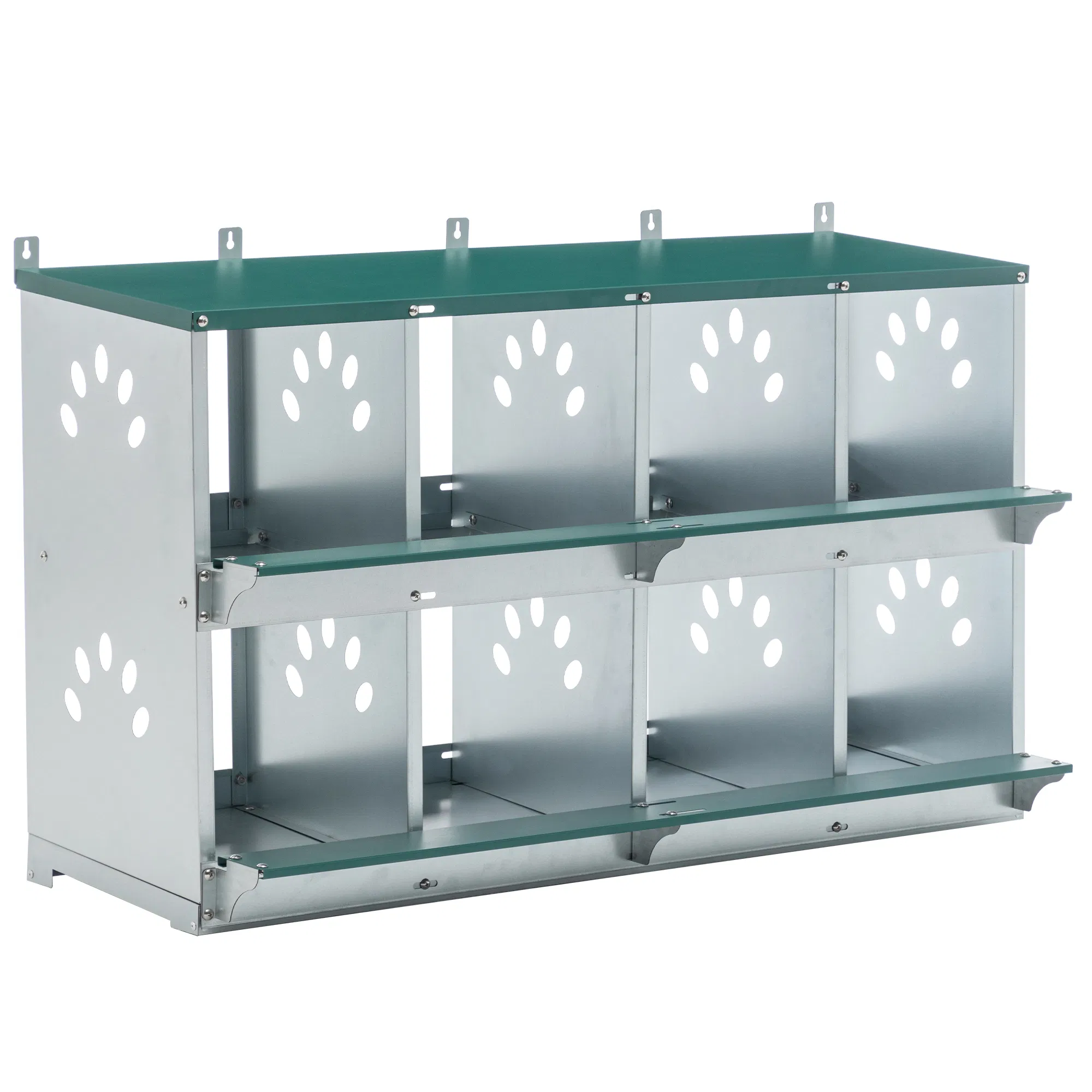 8 Room Metal Chicken Nesting Boxes 8 Compartment Egg Coop$135.99View on Mallflare
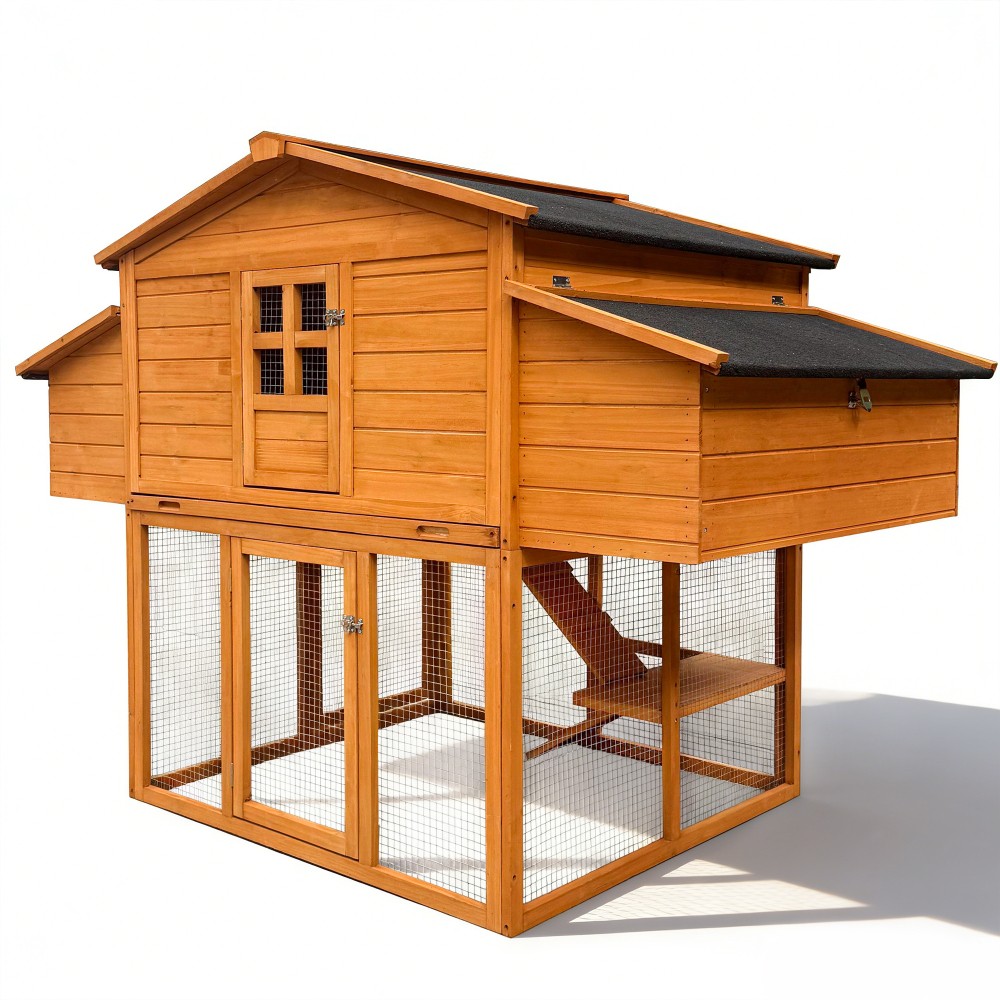 Chicken Coop Outdoor Two Nesting Box Leakproof Pull-out Tray UV Resistant Roof$358.40Last checked Nov 18, 2026View on eBay
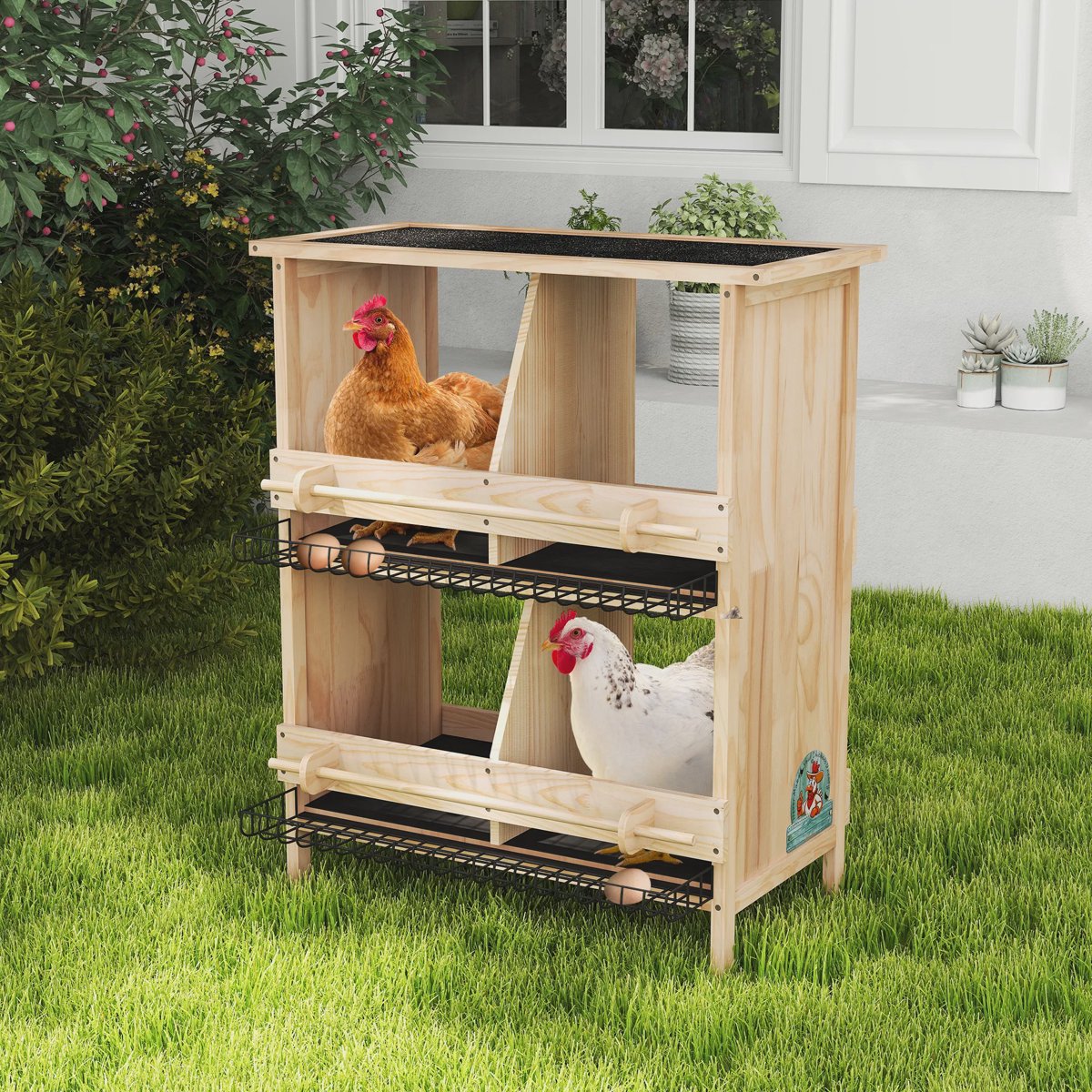 2-tier Chicken Coop with Nesting Boxes, Standing Poles, Waterproof Roof and Thermal Insulation Cotton$143.99View on Mallflare
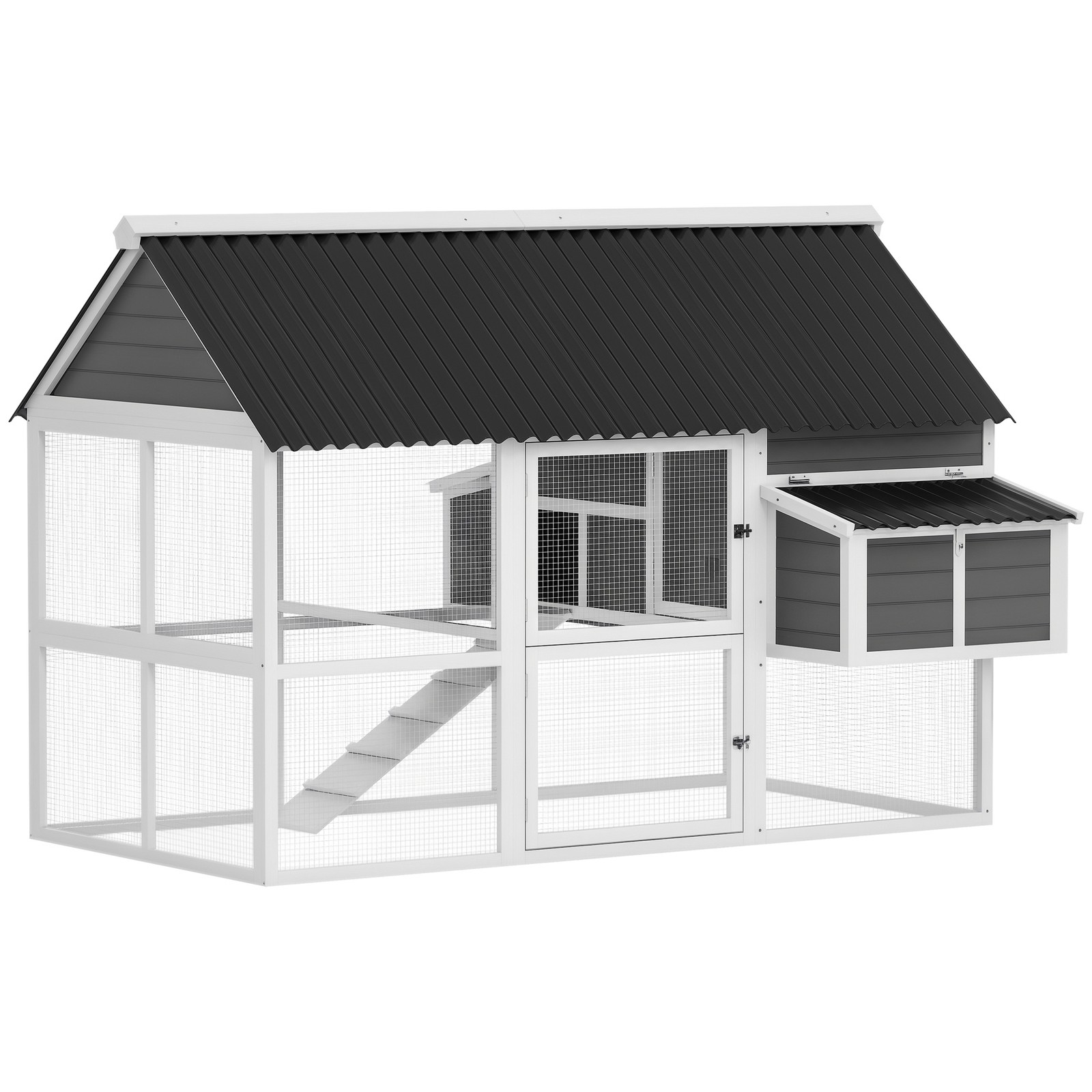 Chicken Coop, Wooden Chicken House with Run & Nesting Boxes, Gray$379.99New · Last checked Nov 22, 2026View on eBay
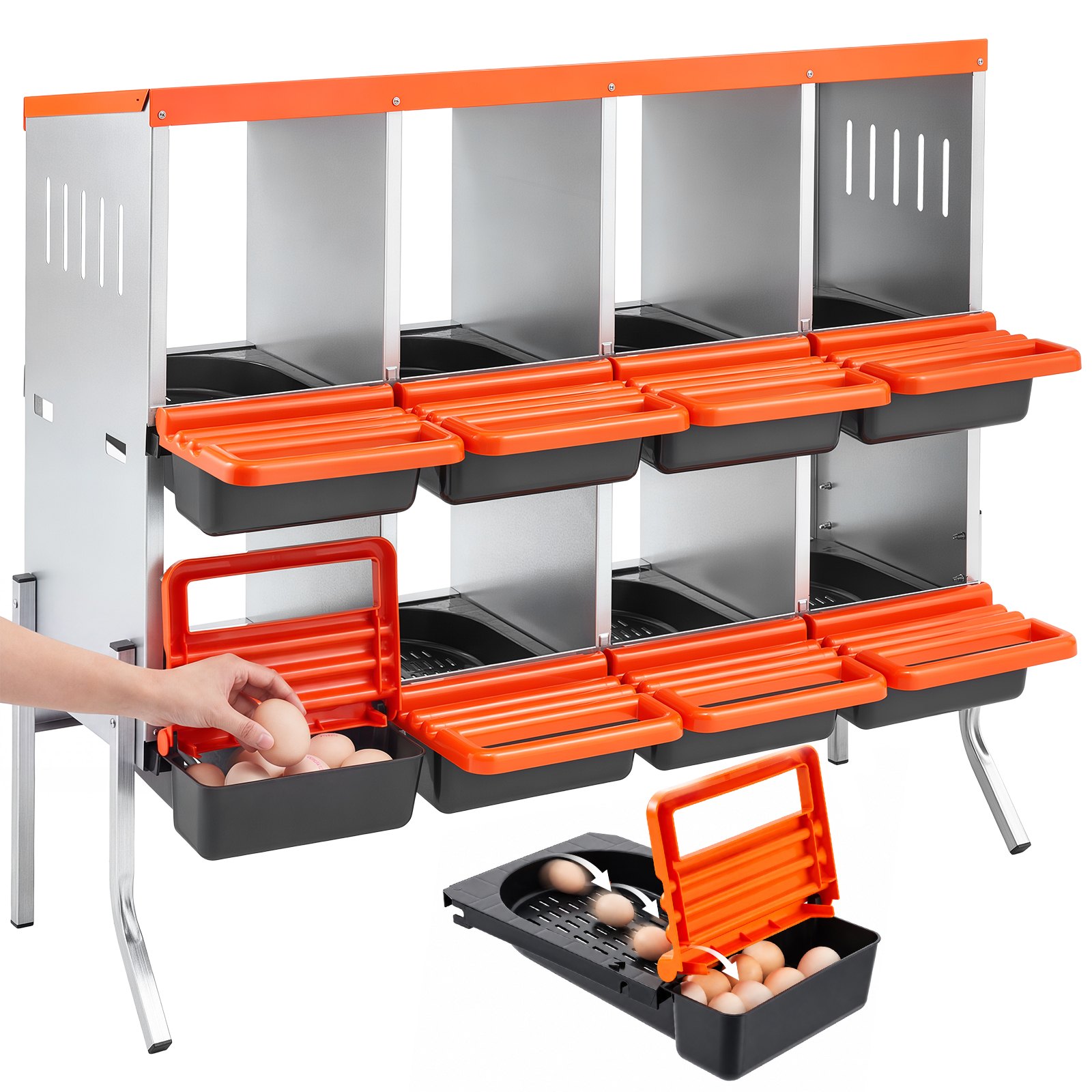 Chicken Nesting Boxes 8 Compartments with Support Legs Orange, for Chickens Hens Laying Eggs, Roll Away Easy Egg Collection, to Assemble, Galvanized Steel and High-Strength Plastic$150.99View on Mallflare
Highlights
- Roll-away (roll-out) designs use a sloped floor and rear egg tray so eggs collect outside the box, keeping them clean and uncracked; standard open-bottom boxes require daily hand collection.
- Compartment width matters more than overall size: 12 x 12 in is the working minimum per hen, and heavy breeds (Orpington, Brahma) need 14-16 in to turn around without stress.
- Steel roll-out boxes with plastic baskets resist moisture and mites better than bare wood, which wicks ammonia and harbors red mite in seams and joints.
- Compartment count should scale at roughly one box per 4-5 hens; fewer boxes drives floor-laying and egg eating, while excess boxes waste coop wall space.
Best use cases
- Best fit: a 6-10 hen backyard flock in a walk-in coop gets a 3-compartment roll-out steel box mounted at 18-24 in height — the rear tray makes daily collection fast and keeps eggs off bedding.
- Best fit: a large or heavy-breed flock (Orpingtons, Brahmas, Cochins) needs wider 14-16 in compartments and a box with legs or a reinforced mount, since flimsier units sag under a 9-10 lb hen.
- Wrong fit: buying a wooden hutch with an integrated nesting area for a humid climate — wood absorbs moisture and harbors mites; choose steel or sealed plastic instead.
- Wrong fit: a 6-compartment roll-away unit for a 4-hen flock — the extra wall footprint and cleaning load outweigh the benefit; a 2-3 compartment box is the right size.
Buying tips
- Size each compartment at 12 x 12 in minimum and 14-16 in for heavy breeds; measure the widest hen in the flock before choosing a tier.
- Choose roll-out trays with a rear egg catch for daily collection, and confirm the tray slides fully out for hosing down.
- Prioritize galvanized or powder-coated steel and food-grade plastic over untreated wood; wood seams trap moisture and mites.
- Count one compartment per 4-5 hens, then round up only if the coop wall has room — excess boxes invite broody hens to squat.
Specs
| Compartment Count | 1-6 boxes (1 per 4-5 hens) |
|---|---|
| Compartment Size | 12 x 12 in min; 14-16 in heavy breed |
| Egg Collection | Roll-away tray vs open hand-collect |
| Box Material | Steel / plastic / wood / fabric |
What to check before buying
- Measure coop wall height and depth to confirm the box fits at 18-24 in mounting height with the roll-out tray clearing the floor.
- Confirm flock size and heaviest hen weight to pick compartment count and width (12 in standard, 14-16 in heavy breed).
- Check the coop frame or wall material for secure screw attachment, or confirm ground space for a leg-mounted unit.
- Verify bedding depth and tray clearance: roll-out floors need 2-3 in of nesting material without blocking the egg roll path.
FAQ
Data sources: eBay / Amazon listings and product attribute feeds. Updated Nov 28, 2026.
Some links on this page are affiliate links. If you buy after clicking one, we may earn a commission at no extra cost to you. This does not change which products appear here or their order. Affiliate disclosure.