
Photos from current listings. Actual item, color, and included accessories may vary.
Indoor Privacy Screen Buying Guide
Indoor privacy screens are freestanding or mounted panels that partition open-plan rooms, soften sightlines, and add decorative structure without construction. The core trade-off is between lightweight decorative panels (thin metal, plastic, faux greenery) that look good but flex or tip, and rigid architectural panels (thicker steel frames, weighted bases, slatted or perforated designs) that stand stable and last. Decision rule: choose a weighted-base steel or solid-wood screen for daily room division; choose faux-greenery or thin stamped metal only for low-traffic decorative accenting.
Median $105.99
Key takeaways
- Freestanding metal screens rely on base weight and panel thickness: 0.8–1.2 mm stamped steel flexes; 1.5 mm+ welded frames with sand or water ballast bases stay rigid.
- Artificial boxwood panels are rated by face area and UV resistance: 24×16 in panels at 1.5 in thickness cover 32 sq ft per 12-pack; UV-treated polyethylene resists fading 3–5 years outdoors.
- Slatted and perforated metal screens trade privacy for airflow: 60–80% open area gives partial sightline blocking while preserving light and ventilation.
At a glance
- Category
- Garden Fencing & Privacy Screens
- Last updated
- Nov 27, 2026
Current offers
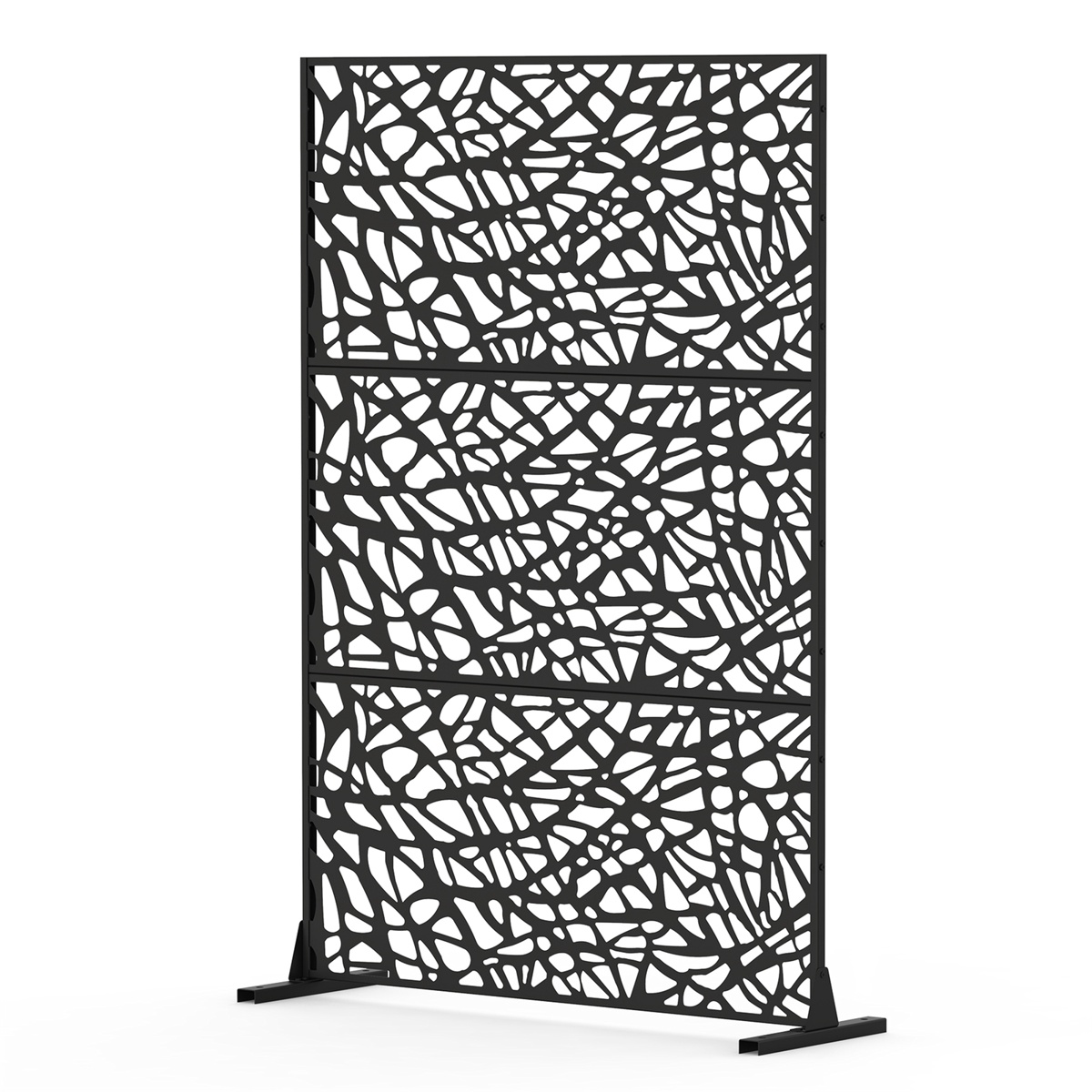 4'x6' Decorative Fence, Indoor &Outdoor Freestanding Metal Privacy Screen Panels$164.86Last checked Nov 24, 2026View on eBay
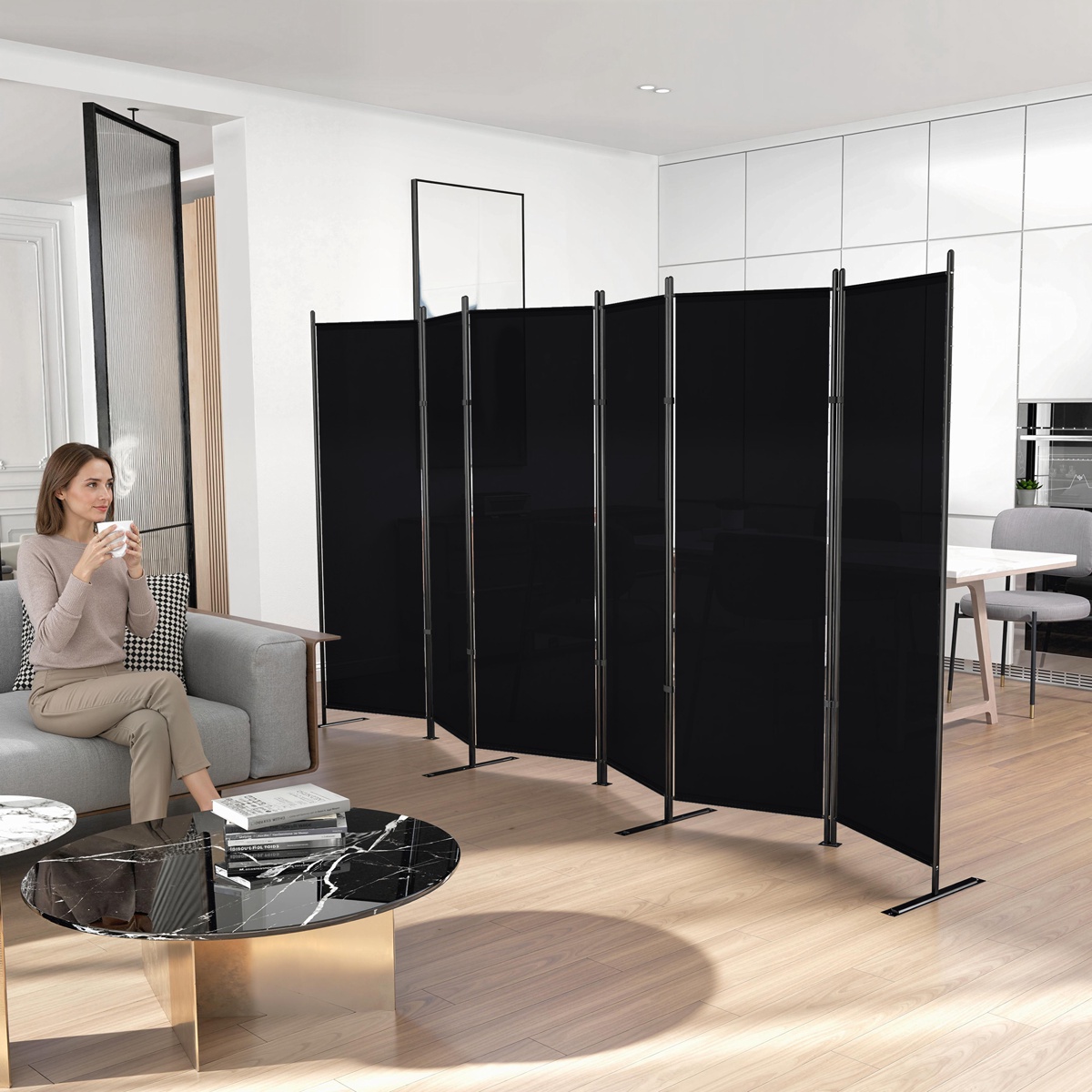 6-Panel Privacy Screen Folding Room Divider for Indoor Bedroom Office, Black$82.99View on Mallflare
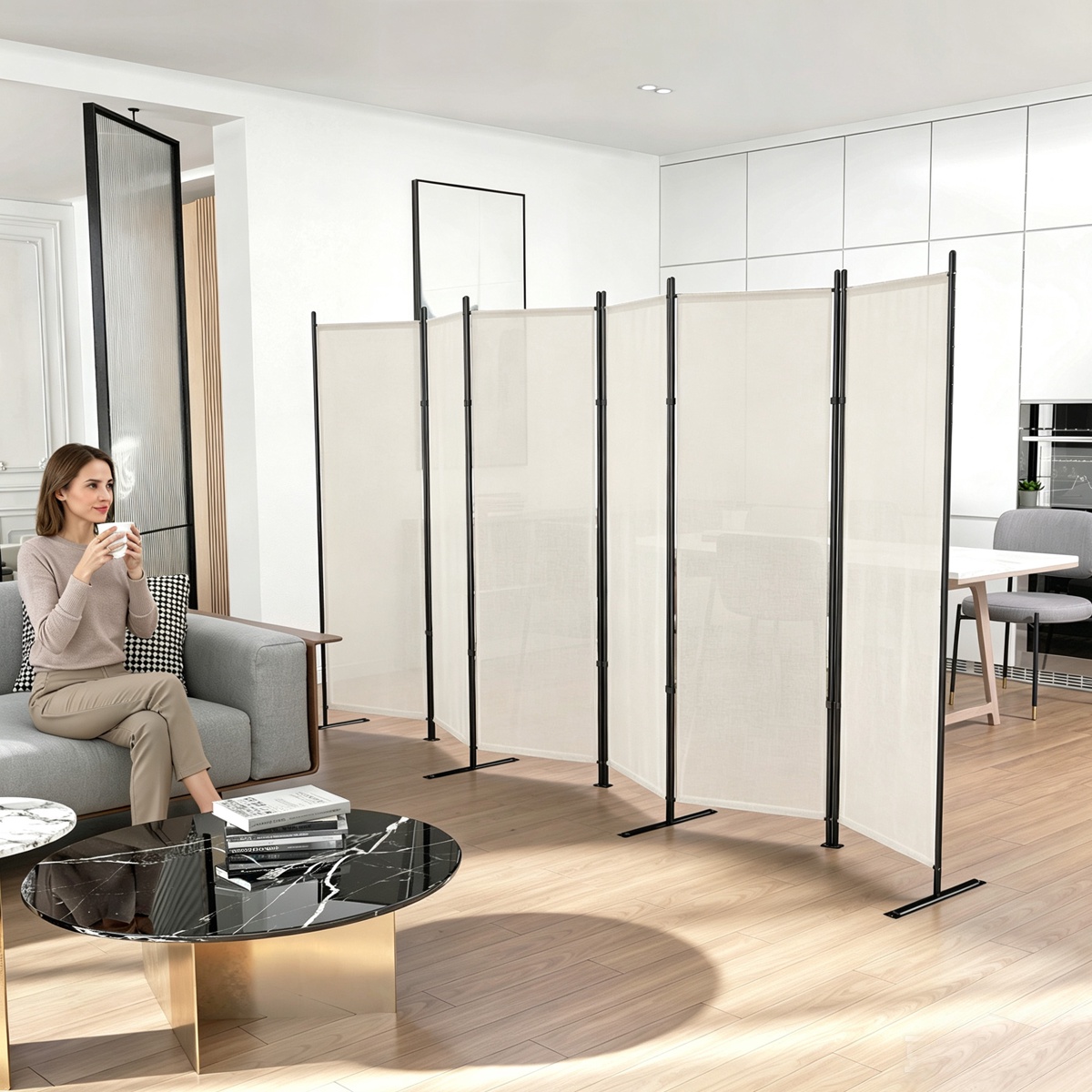 6-Panel Privacy Screen Folding Room Divider for Indoor Bedroom Office, Beige$82.99View on Mallflare
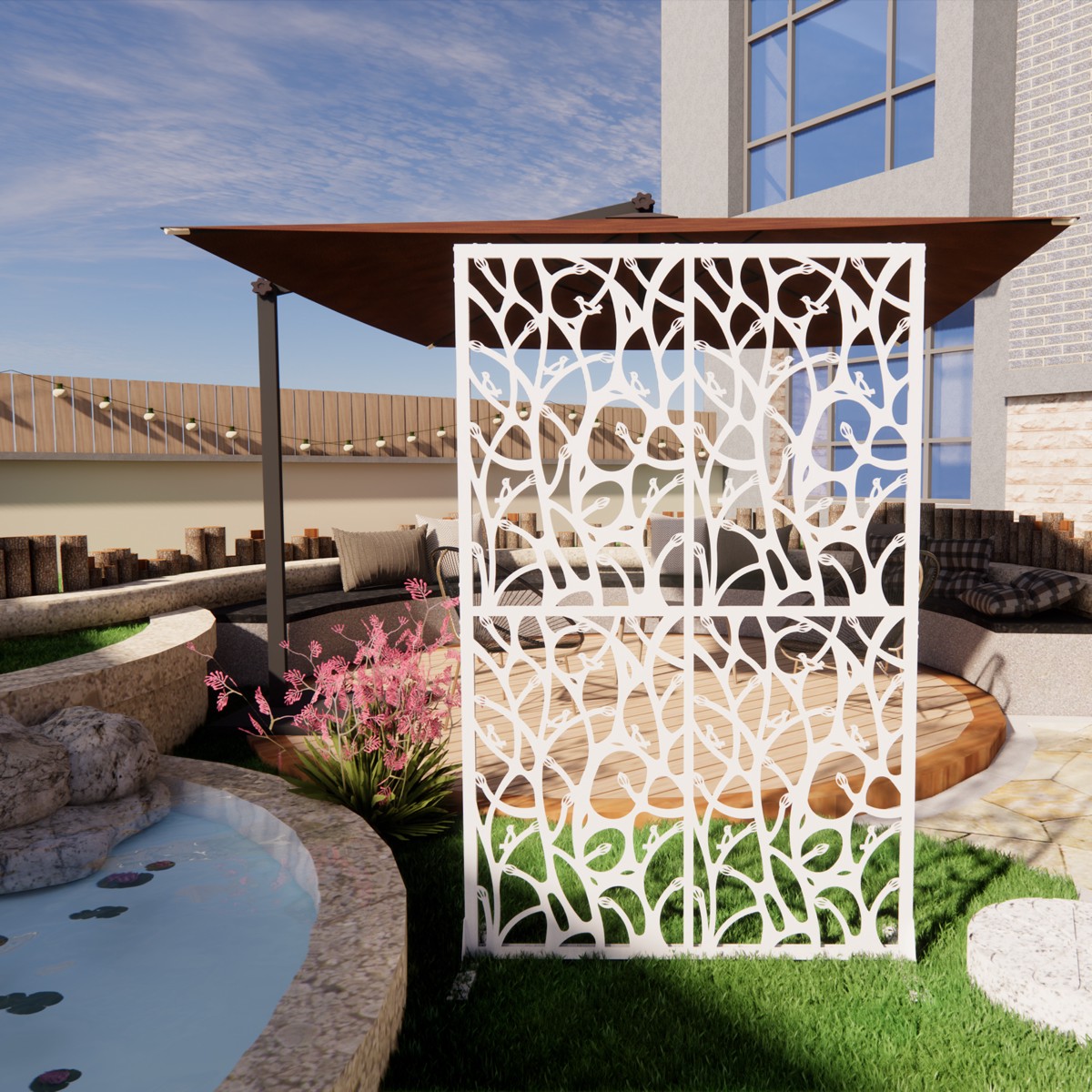 Metal Privacy Screens W3.8Ft X H6Ft Outdoor And Indoor Divider With Free Standing Decorative Screen For Balcony Patio Garden Room White Bird Shape$105.99View on Mallflare
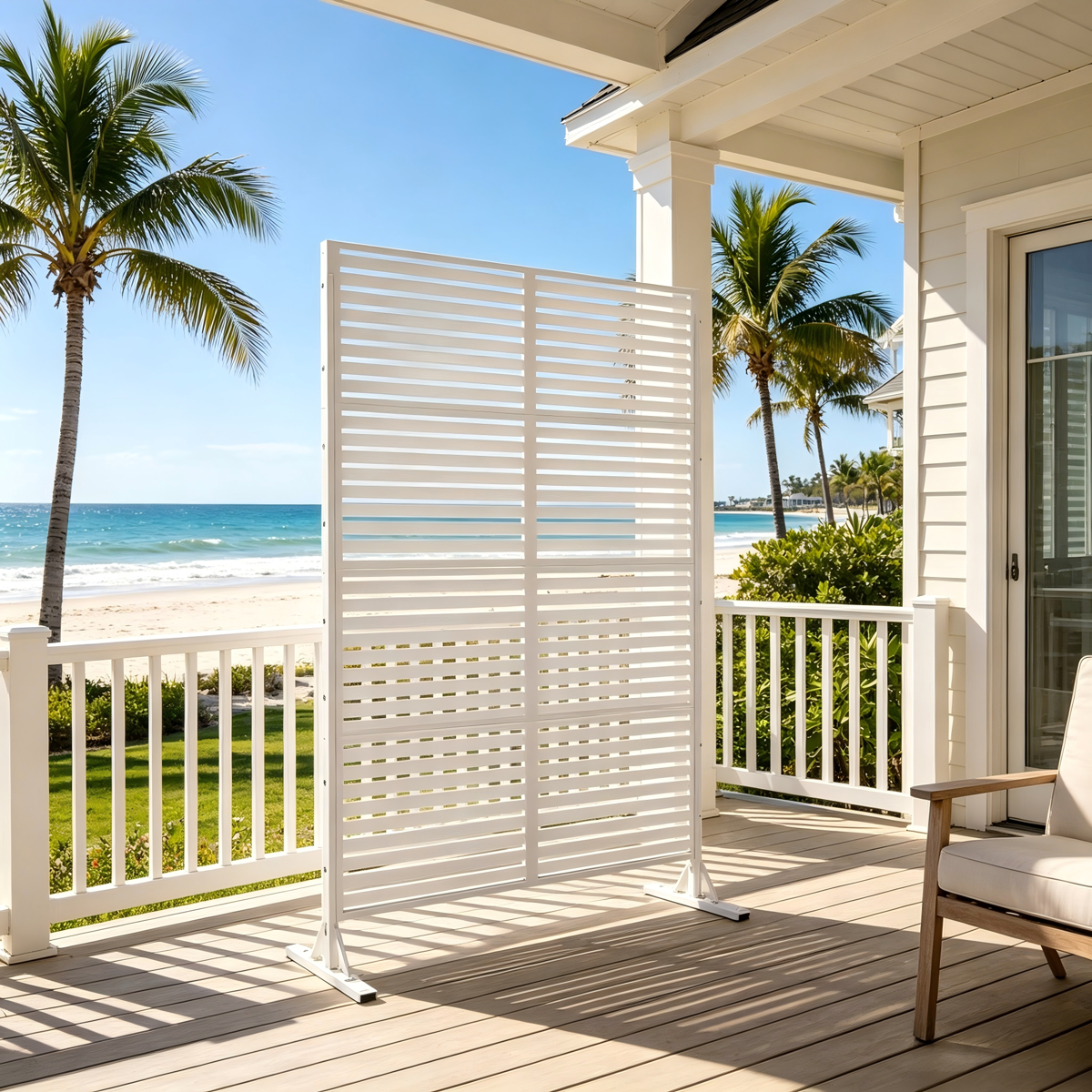 70.87" H × 46.06" W White Metal Privacy Screen, Freestanding Slatted Patio Divider Fence, Coastal & Beach House Decor, Indoor Room & Sunroom Partition, Kid Play Yard & Pet Safe Outdoor Deck Balcony Ba$146.99View on Mallflare
Highlights
- Freestanding metal screens rely on base weight and panel thickness: 0.8–1.2 mm stamped steel flexes; 1.5 mm+ welded frames with sand or water ballast bases stay rigid.
- Artificial boxwood panels are rated by face area and UV resistance: 24×16 in panels at 1.5 in thickness cover 32 sq ft per 12-pack; UV-treated polyethylene resists fading 3–5 years outdoors.
- Slatted and perforated metal screens trade privacy for airflow: 60–80% open area gives partial sightline blocking while preserving light and ventilation.
- Panel height drives perceived privacy: 6 ft (72 in) blocks standing eye-level sightlines; 4 ft (48 in) only screens seated or low furniture views.
Best use cases
- Best fit: renters partitioning a studio or open-plan apartment — pick a 6 ft freestanding steel slatted screen with weighted base; skip wall-mounted panels that require drilling.
- Best fit: softening a home-office corner or Zoom backdrop — choose a 4–6 ft decorative perforated or bird-shape metal panel; skip 1.5 in faux boxwood if acoustic dampening matters.
- Best fit: balcony or sunroom greenery accent — use UV-resistant artificial hedge panels at 24×16 in; skip them for primary room division where they tip in wind or foot traffic.
- Wrong fit: households with toddlers or large pets — thin stamped-metal or faux-greenery panels tip easily; choose a weighted-base welded frame or skip freestanding screens entirely.
Buying tips
- Match panel width to the gap: a 46 in wide panel screens a typical desk or loveseat; for a queen bed or sofa, use two 46–48 in panels or a 70 in+ wide unit.
- For stability, total base weight should be at least 15–20% of panel weight; sand-fillable bases outperform hollow plastic feet on carpet and hardwood.
- Check panel thickness in millimeters, not marketing terms: under 1 mm steel dents and racks; 1.2–1.5 mm welded tube frames hold shape through daily repositioning.
- Indoor faux-greenery panels need fire-retardant polyethylene; non-treated plastic greenery fails indoor flame-spread standards in commercial and rental spaces.
Specs
| Panel Height | 4 ft accent / 6 ft full privacy |
|---|---|
| Frame Material | Powder-coated steel / plastic / wood |
| Base Type | Weighted / sand-fill / hollow feet |
| Panel Openness | Slatted 60-80% / solid 0% |
Related searches
What to check before buying
- Measure the opening and ceiling: a 6 ft screen needs at least 78 in clearance for tip-safe placement and full sightline blocking.
- Confirm floor type: weighted or sand-fill bases grip carpet; felt or rubber foot pads protect hardwood and tile from scratches.
- Verify assembly footprint: freestanding screens need 12–18 in of base depth; account for door swings and walkway clearance.
- For balcony or sunroom use, confirm UV-rated materials and rust-coated steel (powder-coated or galvanized) for humid or sun-exposed spots.
FAQ
Data sources: eBay / Amazon listings and product attribute feeds. Updated Nov 27, 2026.
Some links on this page are affiliate links. If you buy after clicking one, we may earn a commission at no extra cost to you. This does not change which products appear here or their order. Affiliate disclosure.