
Photos from current listings. Actual item, color, and included accessories may vary.
Backyard Shed Buying Guide
A backyard shed is a long-term outdoor structure, so the material system, roof pitch, and base preparation matter far more than the size label on the box. Most buyer mistakes happen before assembly: choosing a footprint that violates local setback rules, skipping a level foundation, or picking a resin or steel panel that cannot handle your wind and snow loads. Fit the shed to your climate and storage contents first, then size the doors and floor for what you actually need to roll in and out.
Median $294.33
Key takeaways
- Galvanized steel panels with a baked-on coating resist rust and are the most common material for metal tool sheds; thinner gauge panels dent and oil-can more easily in wind.
- Resin and plastic sheds never rust and need no painting, but their wall panels can flex and they typically carry lower snow-load ratings than steel.
- Roof design drives water shedding: a sloped or lean-to roof needs a downhill slope of at least 1:12, while flat roofs rely on seams and seals that fail faster.
At a glance
- Category
- Outdoor Structures, Shade & Awnings
- Last updated
- Nov 27, 2026
Current offers
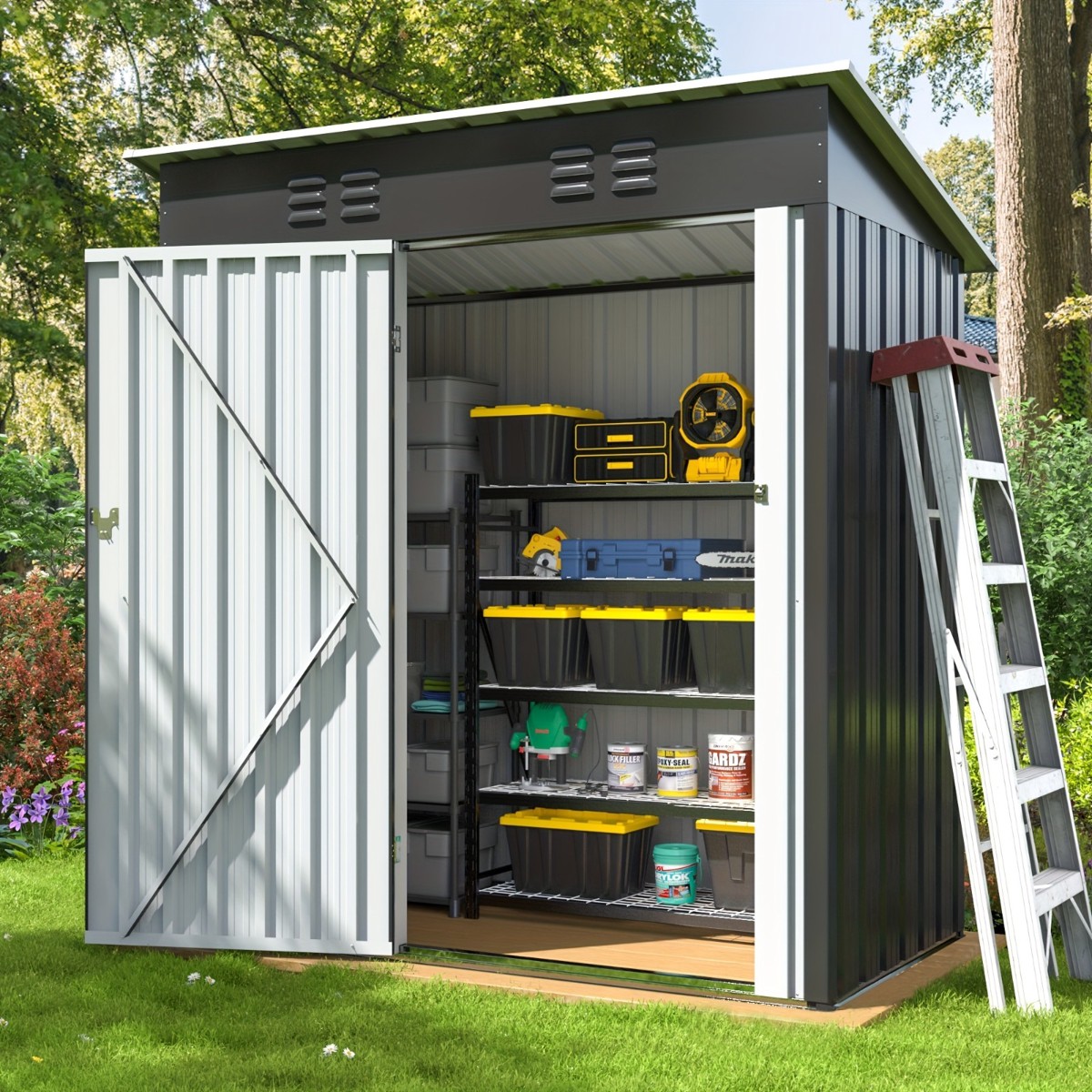 5x3 ft Metal Storage Shed Outdoor Lockable Tool Sheds for Backyard Garden, Black$149.99Last checked Nov 24, 2026View on eBay
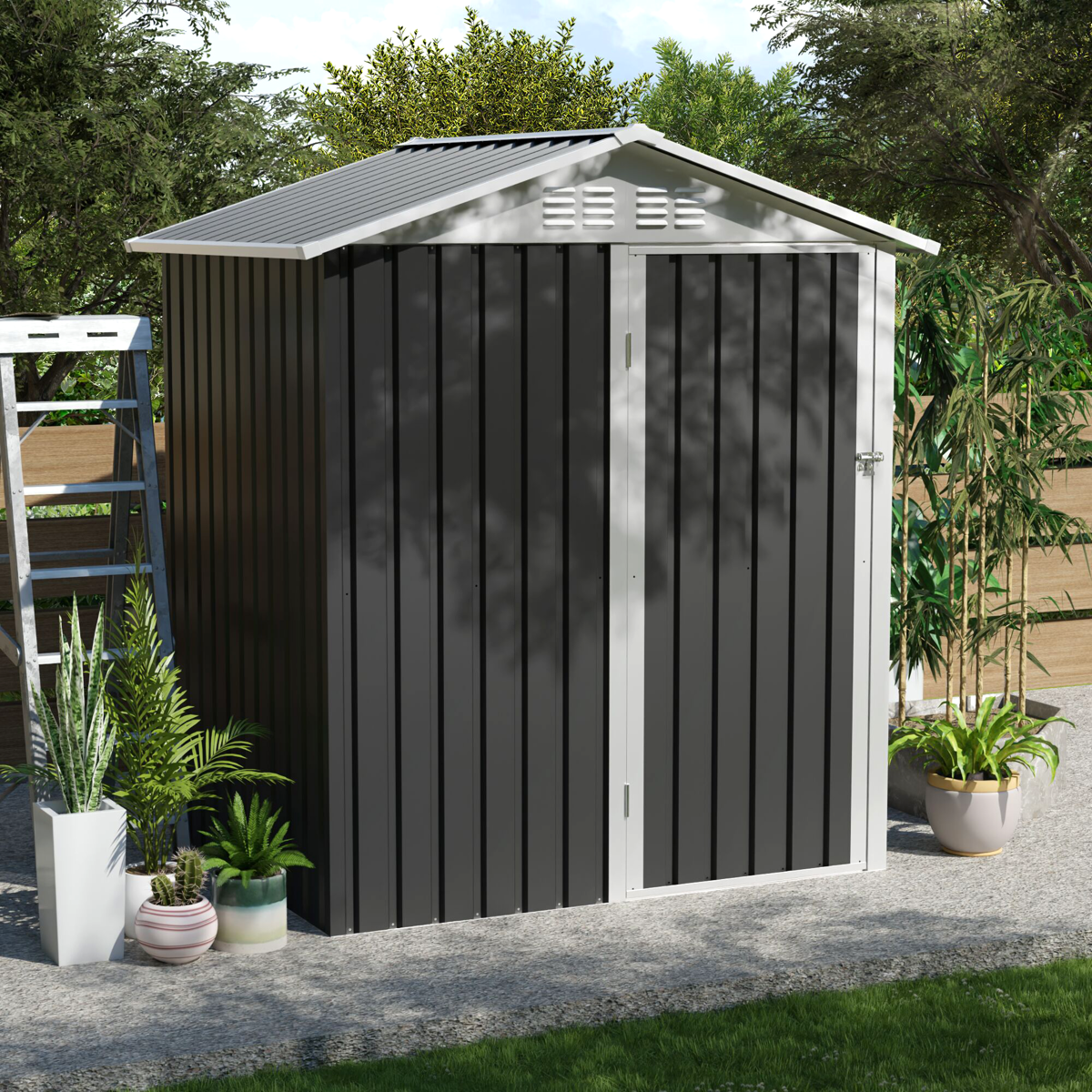 5.4x4.27 FT Outdoor Storage Shed With Hinge Door Metal Garden Sheds For Backyard, Patio,Lawn,Utility & Bike$204.99View on Mallflare
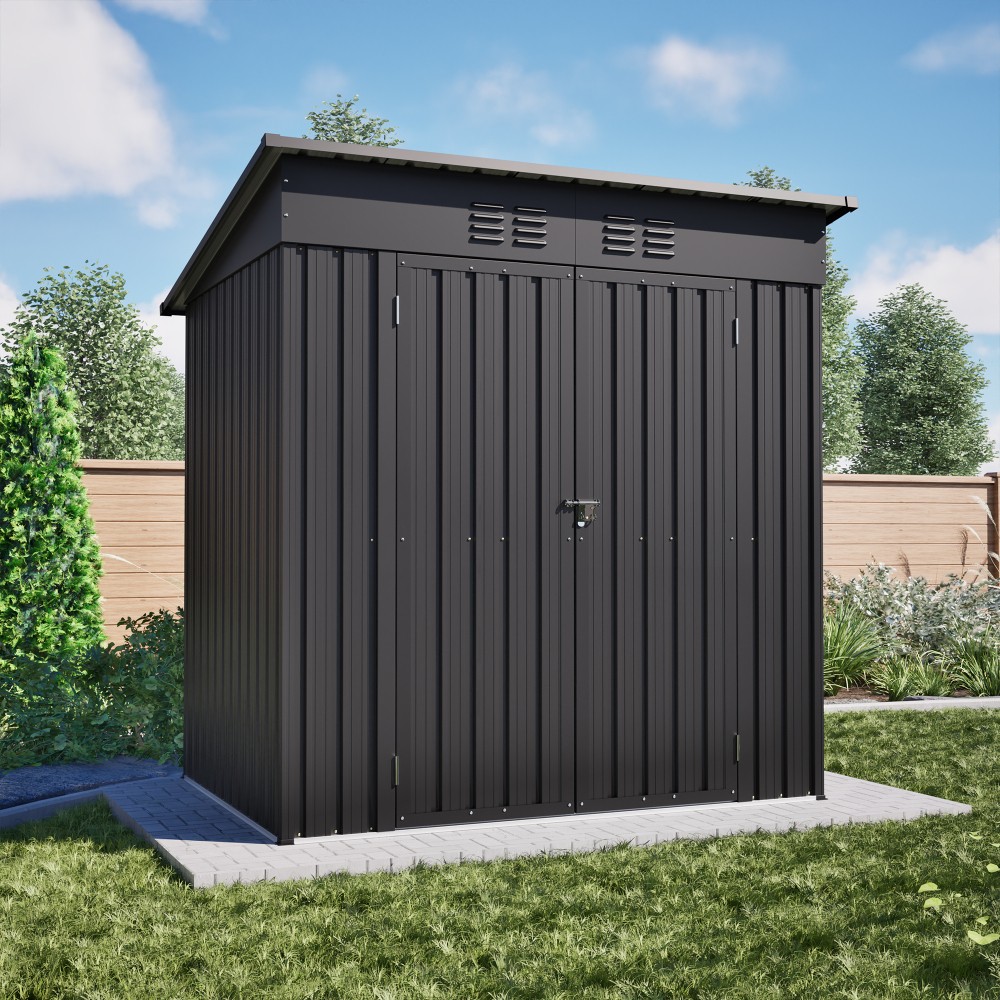 Metal Outdoor Storage Shed 6x4 Ft Garden Tool Shed Backyard Black$294.33Last checked Nov 14, 2026View on eBay
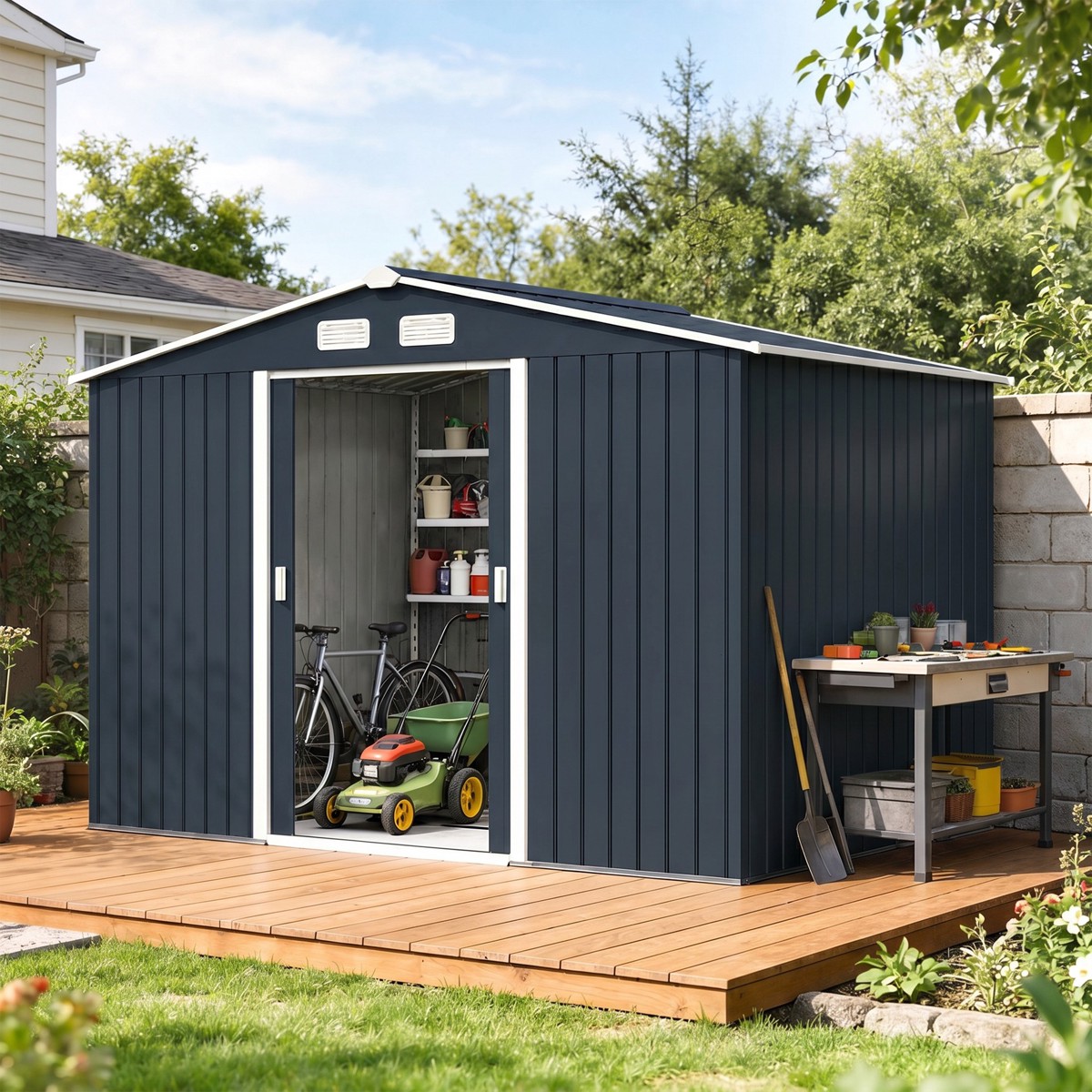 Outsunny Steel Outdoor Utility Storage Tool Shed Kit Backyard$314.99Last checked Nov 16, 2026View on eBay
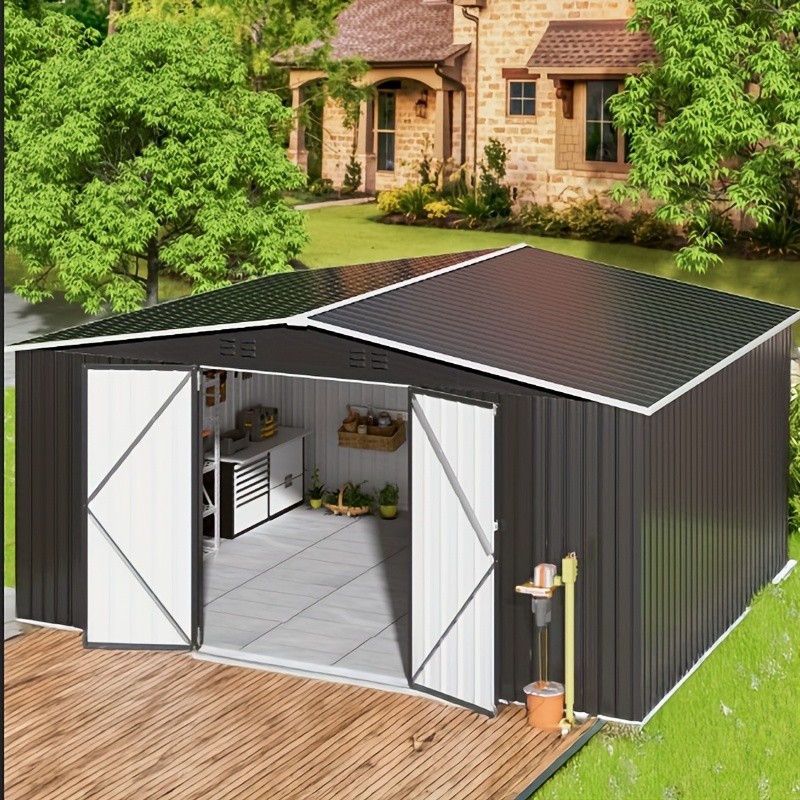 12x14FT Metal Storage Shed, Lockable Outdoor Tool Shed for Garden Patio Backyard$649.99Last checked Nov 16, 2026View on eBay
Highlights
- Galvanized steel panels with a baked-on coating resist rust and are the most common material for metal tool sheds; thinner gauge panels dent and oil-can more easily in wind.
- Resin and plastic sheds never rust and need no painting, but their wall panels can flex and they typically carry lower snow-load ratings than steel.
- Roof design drives water shedding: a sloped or lean-to roof needs a downhill slope of at least 1:12, while flat roofs rely on seams and seals that fail faster.
- Door style defines usable access: sliding doors save swing clearance on tight patios, while hinged doors need clear space but open wider for wheelbarrows and mowers.
Best use cases
- Pick a 5x3 or 6x4 ft metal tool shed for lawnmowers, bikes, and garden tools on a small patio or side yard where swing clearance is tight and a level gravel pad is realistic.
- Choose an 8x4 ft metal shed with sliding doors and a foundation kit if you need to store long items and wheel in a mower, but only after confirming your local setback and HOA rules.
- Skip resin sheds in high-wind or heavy-snow regions; steel panels with anchored corner posts and a steeper roof pitch hold up better where loads and gusts are real.
- Avoid open pergola-style or gazebo hybrids for tool storage; they have no walls or lockable enclosure, so use them only for shade and outdoor seating, not secure storage.
Buying tips
- Check local zoning setbacks and HOA rules before ordering; many jurisdictions limit shed footprint and height without a permit, and violations can force removal.
- Prioritize galvanized steel with a factory-applied coating for wet climates, and confirm panel thickness and screw count because thinner panels and fewer fasteners accelerate wind damage.
- Size the door opening first: measure your mower, bike, or wheelbarrow width and height, then choose a door style that clears it without removing handles or folding bars.
- Plan the foundation before assembly: compacted gravel works for small steel kits, but larger sheds need a level wood or concrete pad to prevent panel misalignment and door binding.
Specs
| Material | Galvanized steel / resin / plastic |
|---|---|
| Roof Type | Sloped, lean-to, or flat |
| Door Style | Sliding / hinged / lockable latch |
| Footprint | 5x3 to 8x4 ft typical |
What to check before buying
- Measure your intended footprint including roof overhang, door swing or slide clearance, and the path to move materials into the yard.
- Confirm your ground is level within a couple of inches and decide between gravel, wood, or concrete base before the shed arrives.
- Check your local wind and snow load expectations and compare them against the shed's rated panel and roof capacity.
- Verify anchors and fasteners match your base type, and confirm the kit includes a floor or foundation frame if the listing shows one.
FAQ
Data sources: eBay / Amazon listings and product attribute feeds. Updated Nov 27, 2026.
Some links on this page are affiliate links. If you buy after clicking one, we may earn a commission at no extra cost to you. This does not change which products appear here or their order. Affiliate disclosure.