GardenPulse Guide

GardenPulse Guide

Garden, Yard & Outdoor Living Reviews & Buying Guides

Compare garden, yard & outdoor living by use case, features, trade-offs, price, returns, and seller terms before you buy.

Buying guides

Buying guide image
Beehives & Frames

Deep Bee Frame

Deep bee frames are the foundational Langstroth brood-chamber components—typically 9-1/8 inch deep wooden frames with wax or plastic foundation—that hold the queen's egg-laying nest and must support 60-80 lb of honey and brood per box. The core trade-off is frame rigidity and foundation purity versus cost: thin unwired wax sags and blows out during extraction, while wired wax or plastic foundation in tight-jointed pine or cedar survives years of scraping and transport. The decision rule: buy wax-dipped or wired deep frames in rot-resistant cedar or kiln-dried pine, and skip bare unwired foundation unless you run foundationless top bars.
Buying guide image
Beehives & Frames

Deep Hive Frame

Deep hive frames are the standardized Langstroth brood-chamber frames (9-1/8″ deep) that hold the queen's egg-laying comb and must support 8-10 lb of honey and brood without bowing or collapsing. The core trade-off is frame rigidity and foundation format: thin wax-only sheets buckle under summer heat and extraction, while wired wax, plastic foundation, or self-spacing end bars hold comb true through inspections and honey pulls. The decision rule: buy deep frames with wired or plastic-reinforced foundation and self-spacing Hoffman end bars for brood boxes; choose unwired thin wax only when you plan cut-comb or comb-honey production and will never extract.

Buying guide image
Beekeeping Suits & Protection

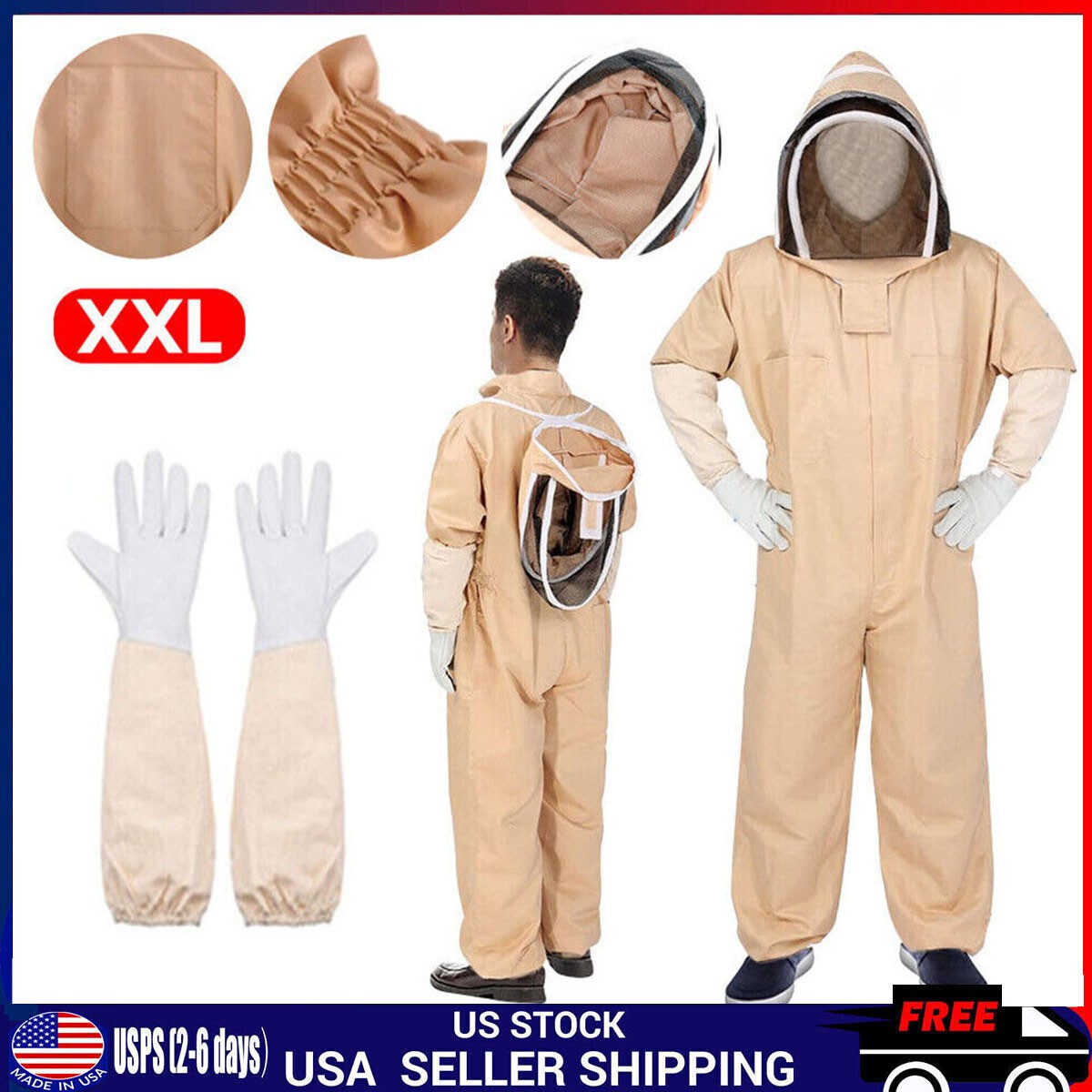
Full Bee Suit

A full bee suit is a head-to-ankle barrier garment that combines a veil, torso cover, and leg protection into one piece, eliminating gaps at the waist and wrists where stings most often occur. The core trade-off is fabric breathability vs. sting resistance: ventilated three-layer mesh suits run cooler but cost more and snag more easily, while cotton or poly-cotton suits are cheaper but hotter. Choose a ventilated suit with a fencing-style veil and sealed cuffs for long summer inspections; choose a cotton suit only for cool-climate or low-aggression hives.

Buying guide image
Chicken Coops & Runs

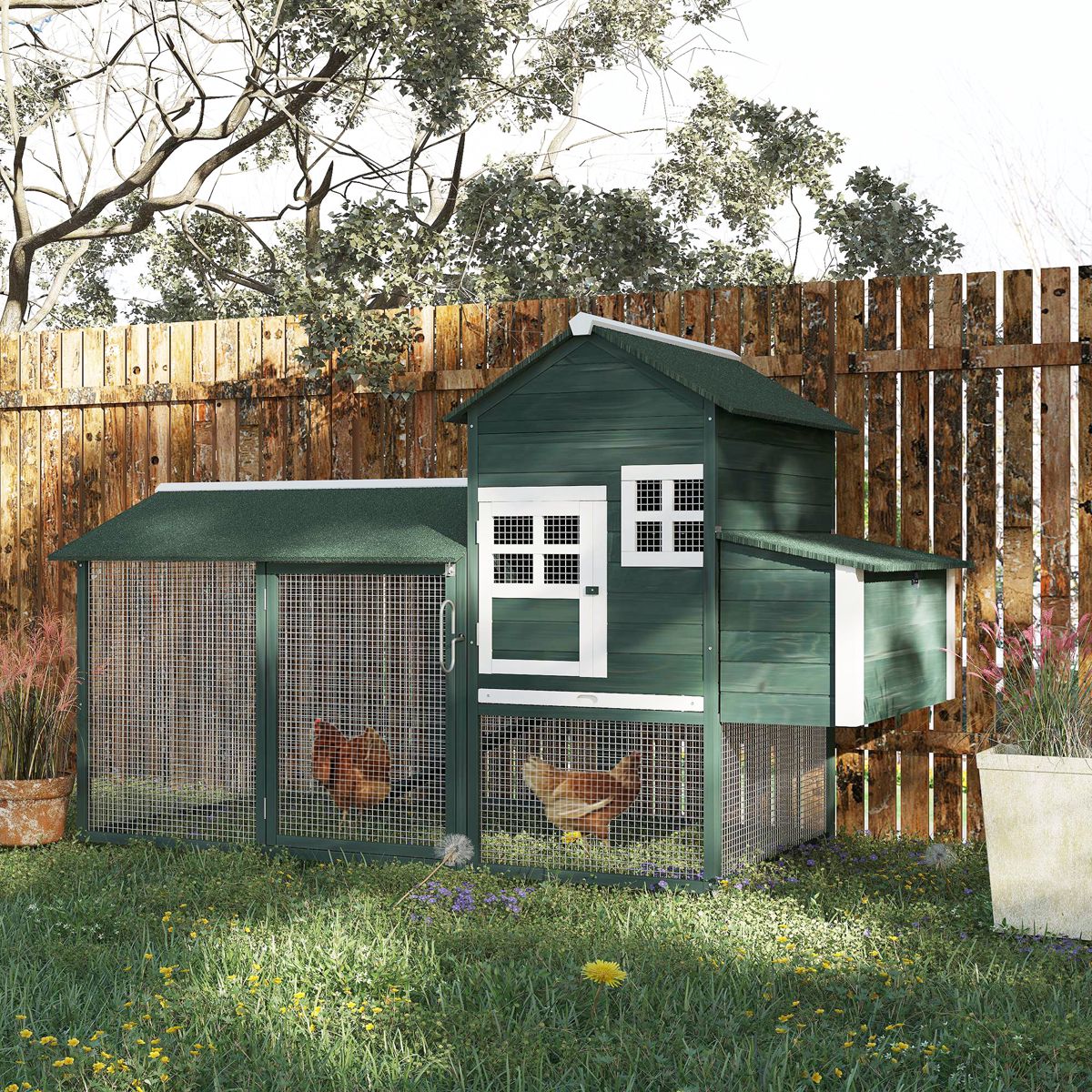
Poultry Pen

Poultry pens split into two distinct architectures: low wooden coops with attached runs and walk-in galvanized metal runs, and picking the wrong one for your flock size or climate wastes money. Buyers most often err by treating a hutch as a full-time coop or by buying a run without any sheltered roosting space. Match the pen to your bird count, predator pressure, and whether you need human walk-in access.

Buying guide image
Patio Furniture

Patio Umbrella Stand

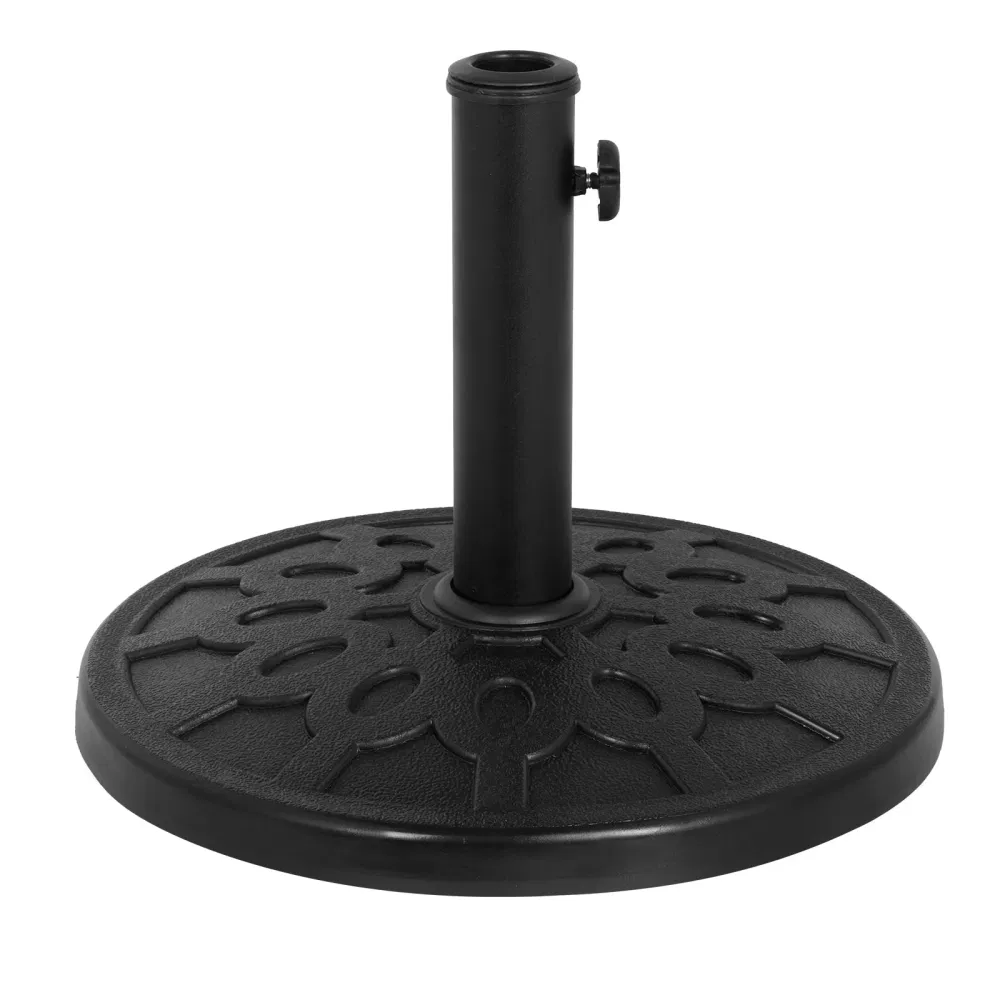
A patio umbrella stand is the stability anchor for any freestanding shade setup, and most failures trace to mismatched base weight, pole diameter, and wind exposure rather than canopy quality. Buyers must match the stand's collar and weight class to the umbrella's pole and span before considering aesthetics. Common mistakes include choosing a decorative base too light for a cantilever arm or ignoring the need for a weighted plate or sand/water fill.

Buying guide image
Beehives & Frames

Bee House Kit

A bee house kit is a cavity-nesting bee shelter (typically 6–10 mm drilled holes or bamboo/reeds) plus mounting hardware, intended to boost solitary bee pollination—not honey production. The core trade-off is between natural, cleanable nesting tubes (reeds, bamboo, grooved wood) that can be opened or replaced, and glued or drilled blocks that trap parasites and mold. Choose a kit with removable liners or split-block construction and a rain baffle; skip any sealed decorative box with holes under 6 mm or no cleaning access.

Buying guide image
Residential Outdoor Power Equipment

Lawn Tractor Tire

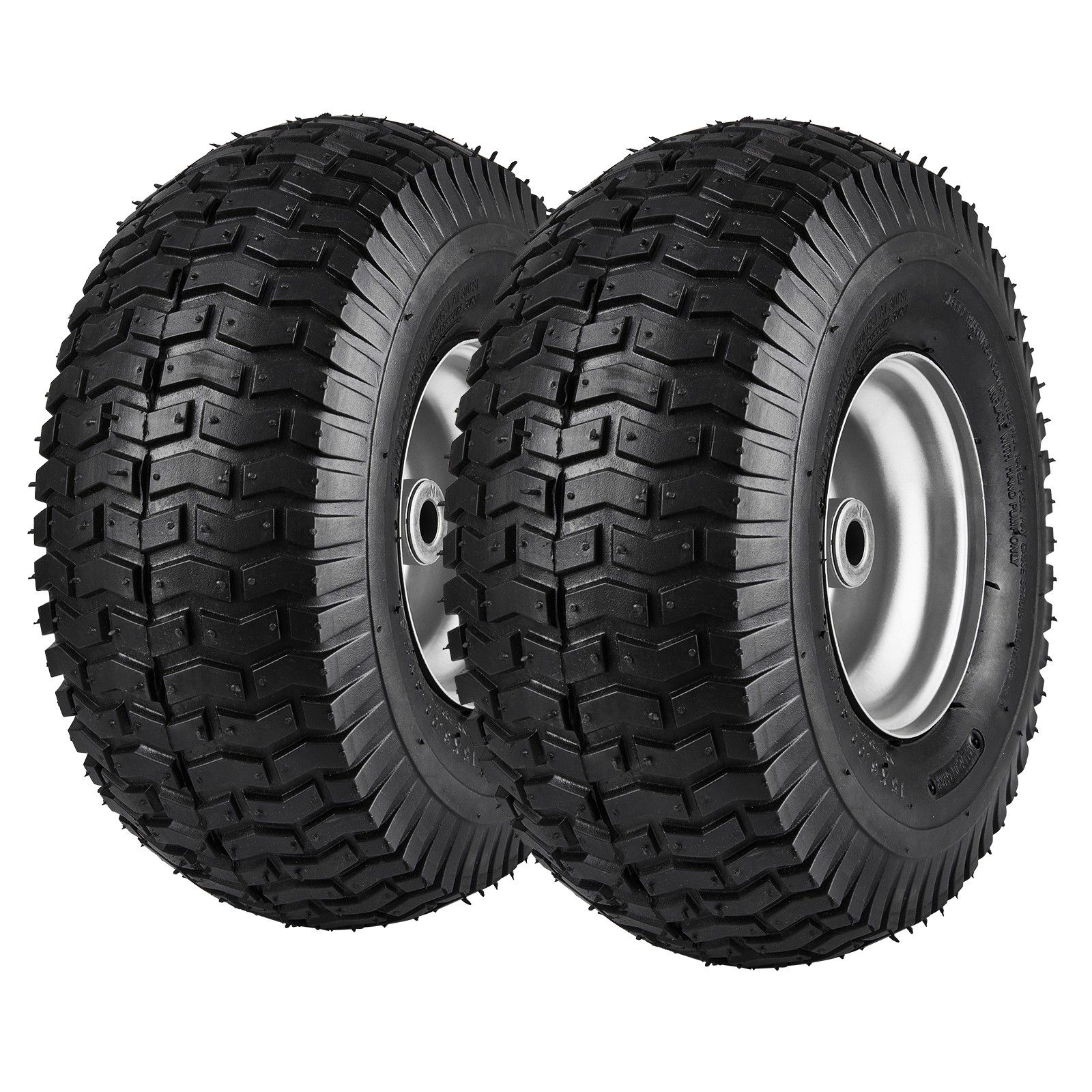
Lawn tractor tires are sized by a three-number code (width x aspect/profile - rim diameter) and rated by ply count, which together determine load capacity, traction type, and fit. The core trade-off is turf vs. lug tread and 2-ply vs. 4/6-ply construction: turf tread protects lawns and provides flotation, while aggressive lug tread grips loose or sloped ground but can scuff turf. Buy by exact sidewall size match first, then match ply rating and tread to your terrain and load.

Buying guide image
Chicken Coops & Runs

Large Chicken Nesting Box

A large chicken nesting box is a dedicated laying compartment sized for heavy breeds or multi-hen flocks, where the core trade-off is between flimsy fabric/light-gauge metal kits and rigid wood or welded-wire construction that actually holds a 12–14 inch nest. The decision rule is simple: pick a box with at least 12x12 inch interior floor space per 3–4 hens, hinged or lift-off access for egg collection, and a raised, ventilated, predator-secured floor — skip open-bottom fabric bins and thin pop-up pens.

Buying guide image
Chicken Coops & Runs

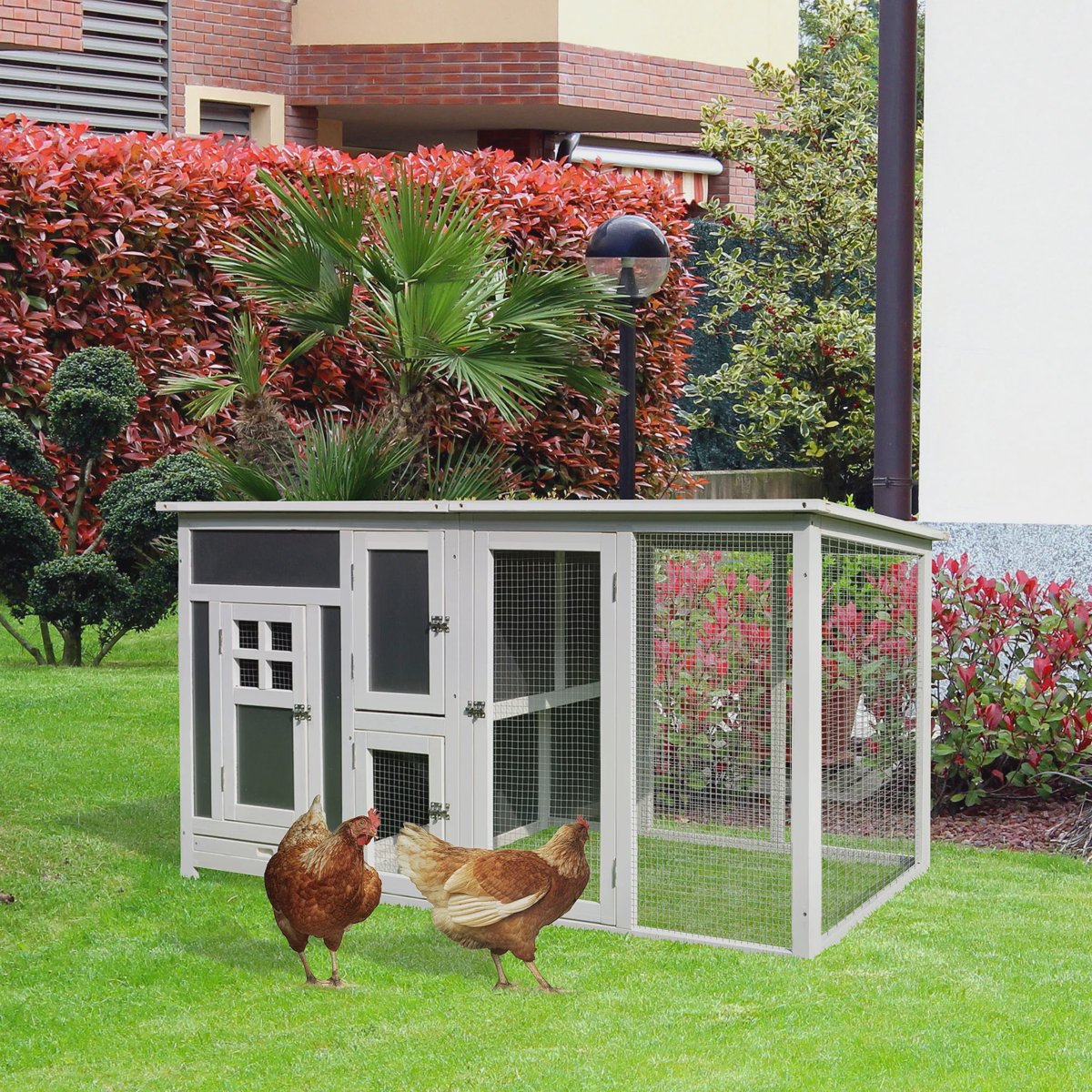
Hutch With Run

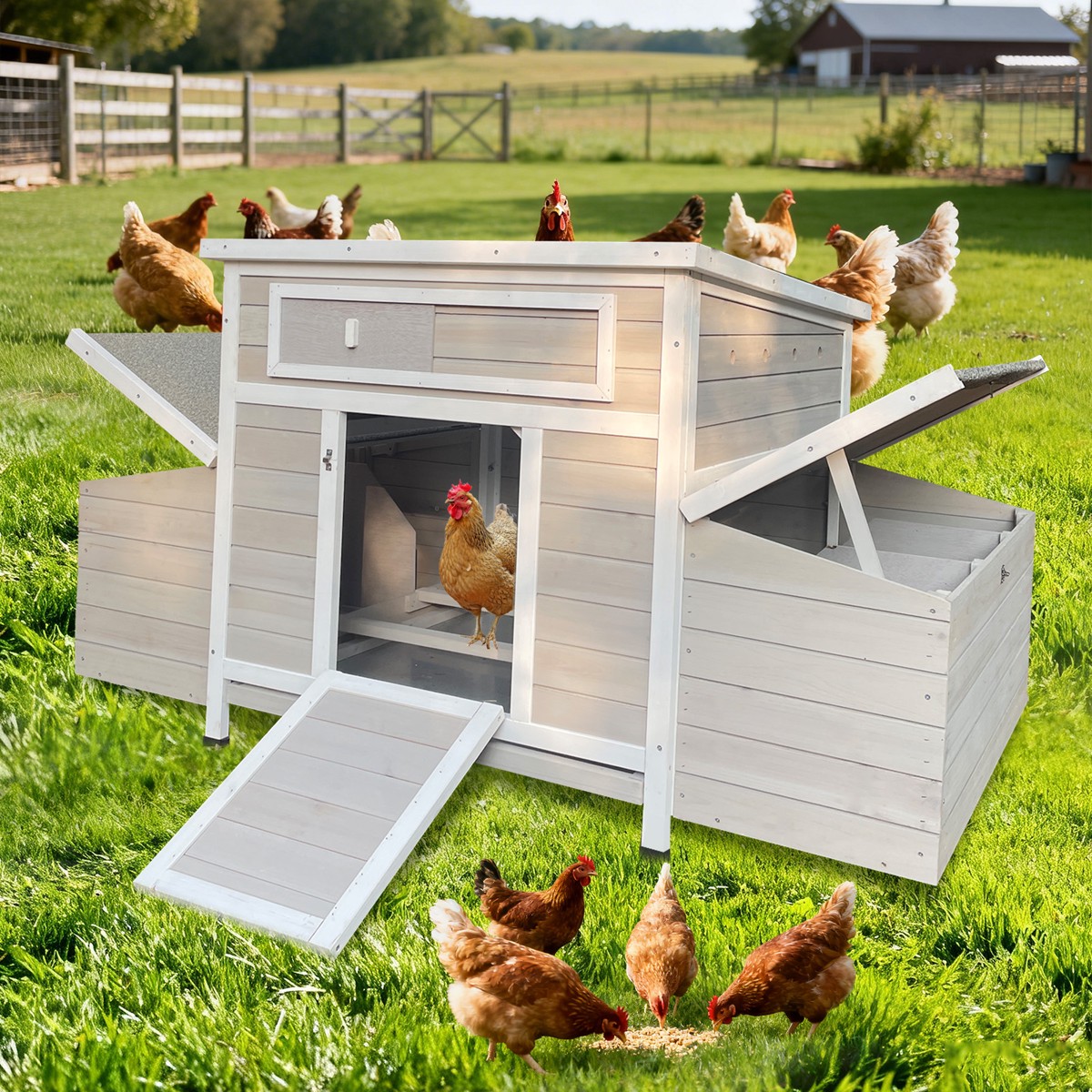
A hutch with run pairs a raised, enclosed sleeping/roosting box with a ground-level exercise run, and the primary trade-off is between wood (warmth, aesthetics, limited weather life) and galvanized metal (predator resistance, longevity, walk-in scale). Durable options use thick tongue-and-groove or 20-gauge+ galvanized panels with lockable latches and a covered roost; compromises use thin overlap boards, stapled 1/2-inch mesh, or fabric covers sold as structure. Choose wood for 2-6 birds in mild climates with a sheltered siting, and galvanized walk-in runs for flocks above 6, wet/windy climates, or any site with heavy predator pressure.

Buying guide image
Lawn Care

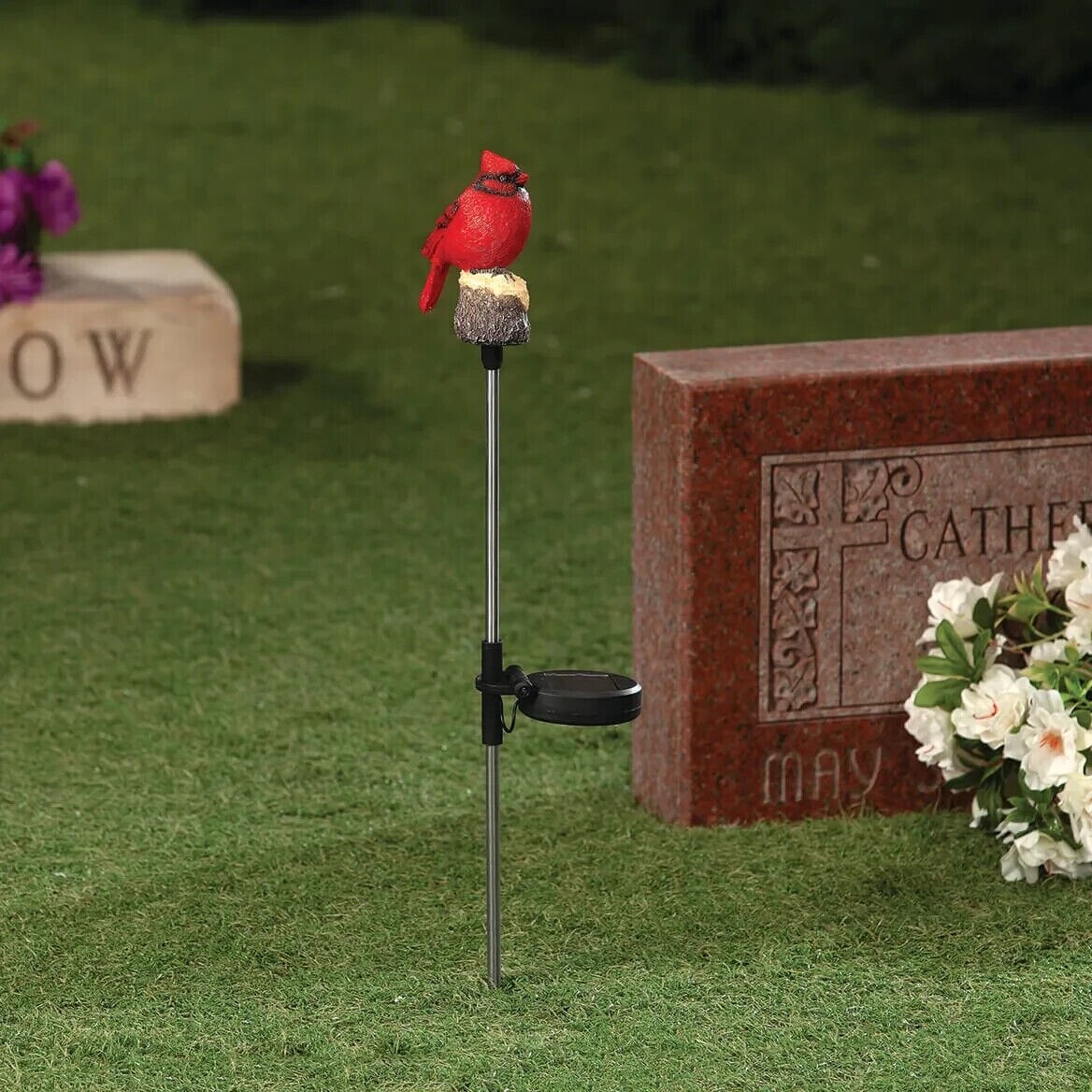
Garden Stake

Garden stakes are vertical supports or decorative accents driven into soil, ranging from plain metal plant supports to solar-lit and kinetic yard art. The core trade-off is stake steel gauge and anchor design versus ornament weight: thin hollow stakes bend under wind load, while heavy 2D/3D toppers need a wider ground anchor or dual-prong base. Buy structural steel for plant support and solar or powder-coated metal for decor; skip thin-gauge single-stake toppers in exposed windy sites.

Buying guide image
Pools & Spas

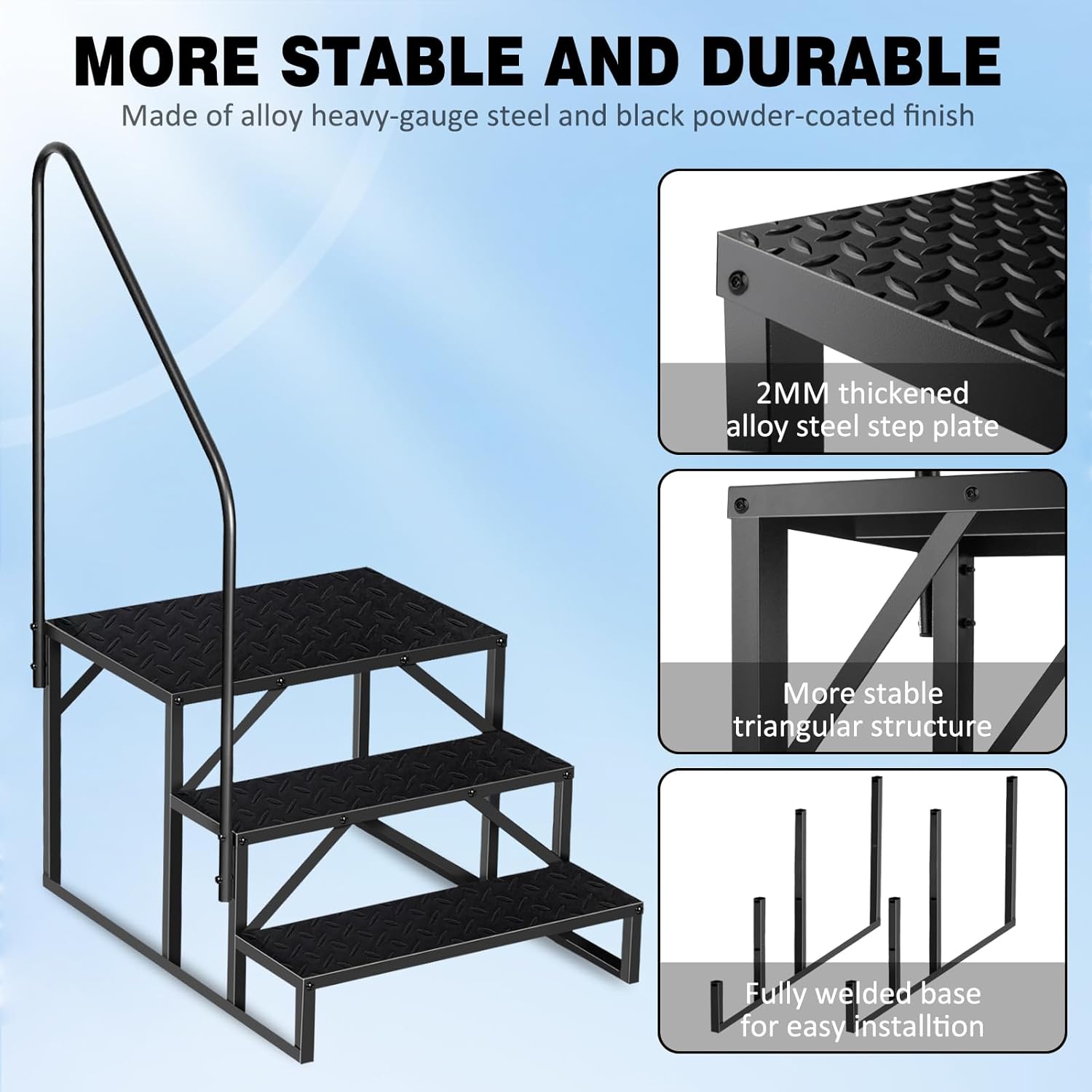
Pool Stair Above Ground Pool

Above-ground pool stairs are freestanding or deck-mounted entry systems that bridge the pool wall and water surface, and the decisive trade-off is load-rated construction versus corrosion resistance at the waterline. Choose powder-coated steel or resin with a published weight rating of at least 300 lb and a two-handrail design; skip bare-metal or unrated step stools that pit and flex within a season.

Buying guide image
Outdoor Lighting & Decor

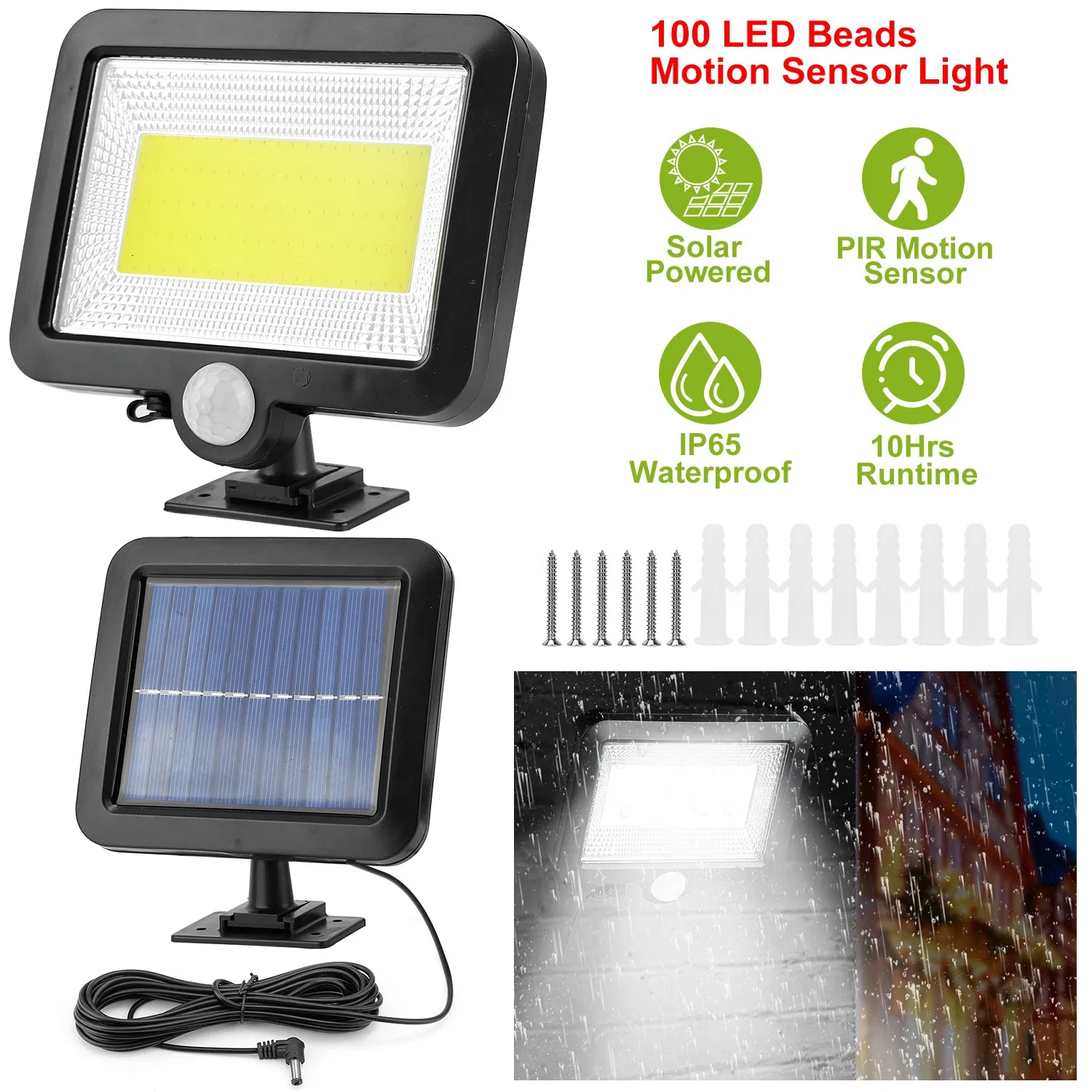
Motion Light

Motion lights are outdoor fixtures that combine a passive infrared (PIR) sensor with a light source, switching from standby to full brightness when movement is detected. The core trade-off is between solar-integrated units (easy install, but battery and panel quality dictate winter performance) and hardwired units (reliable power, but require an electrician and line voltage). The clear decision rule: choose solar only if the panel receives 4+ hours of direct sun and you accept 1–3 years of battery life; choose hardwired or line-voltage for permanent, all-season security lighting.

Buying guide image
Outdoor Storage

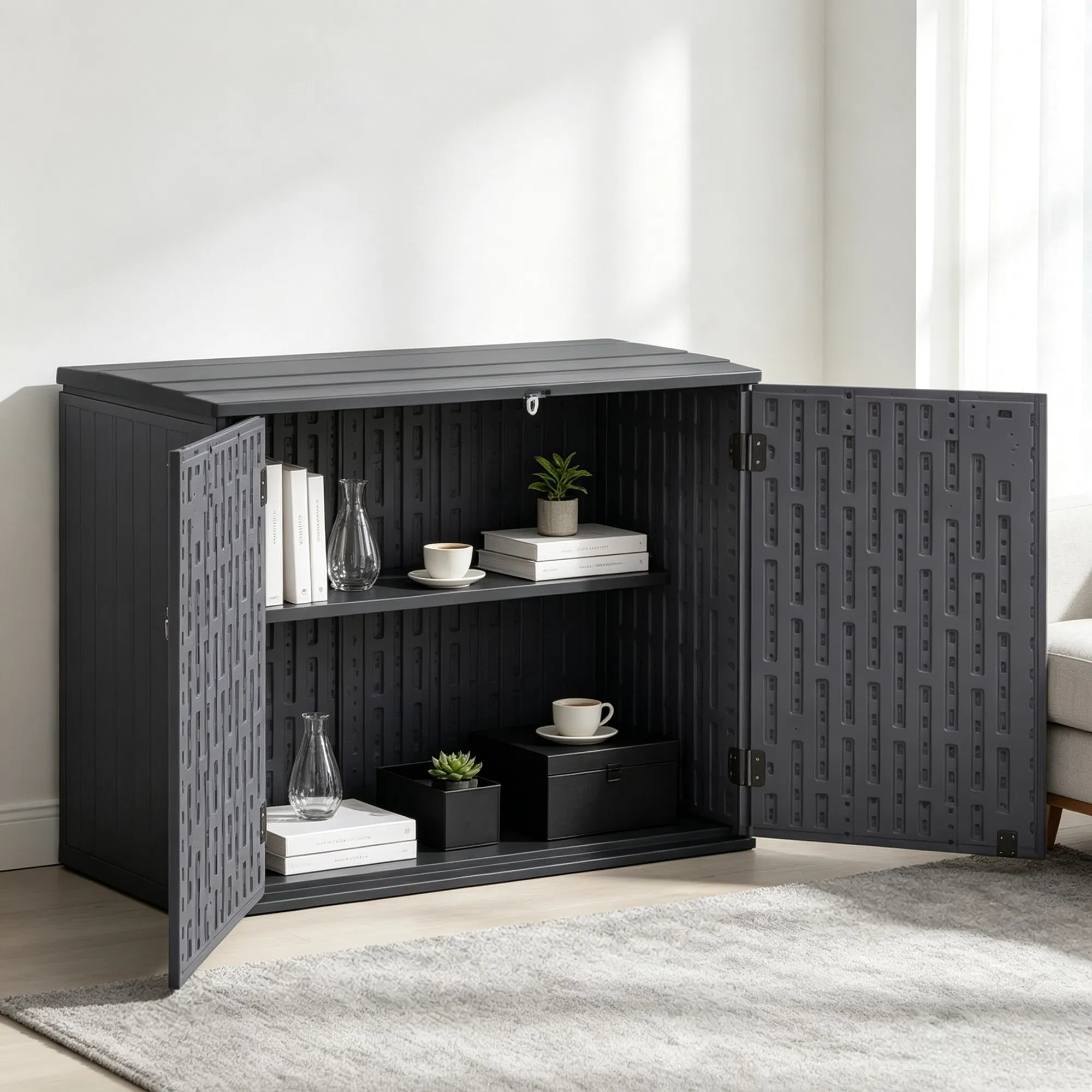
Resin Storage Shed

Resin storage sheds are modular outbuildings made from UV-stabilized plastic panels (usually blow-molded HDPE or injection-molded polypropylene) that snap or screw together over a steel or aluminum frame. The core trade-off is panel wall thickness and frame gauge versus cost: thin 0.8–1.0 mm walls with hollow ribs flex and fade, while 1.2 mm+ dual-wall panels on galvanized steel frames resist wind, snow, and impact for decades. The decision rule: buy only sheds rated for your local wind/snow load with a reinforced floor kit and metal door frame; skip any shed sold without a wind rating or floor.

Buying guide image
Beehives & Frames

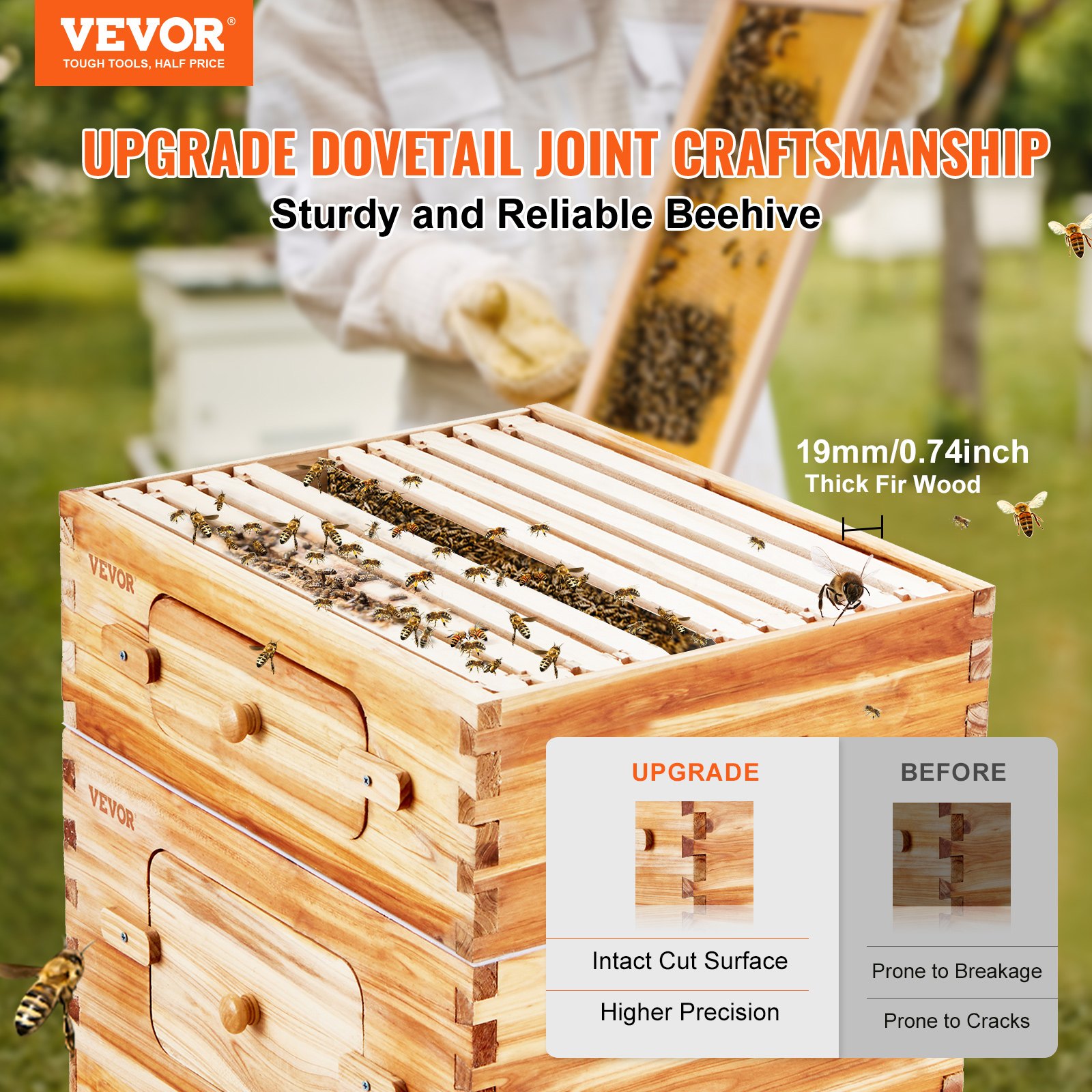
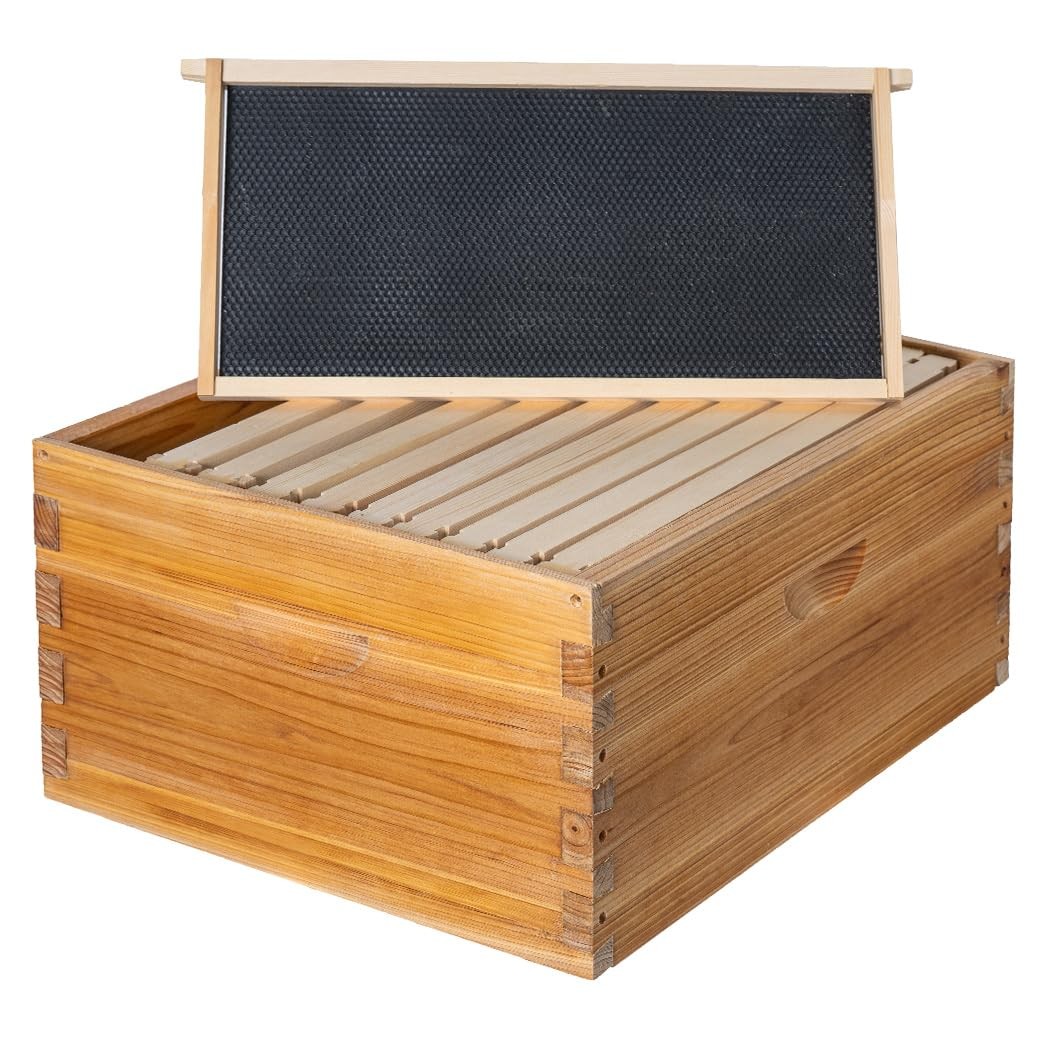
Bee Box Starter Kit

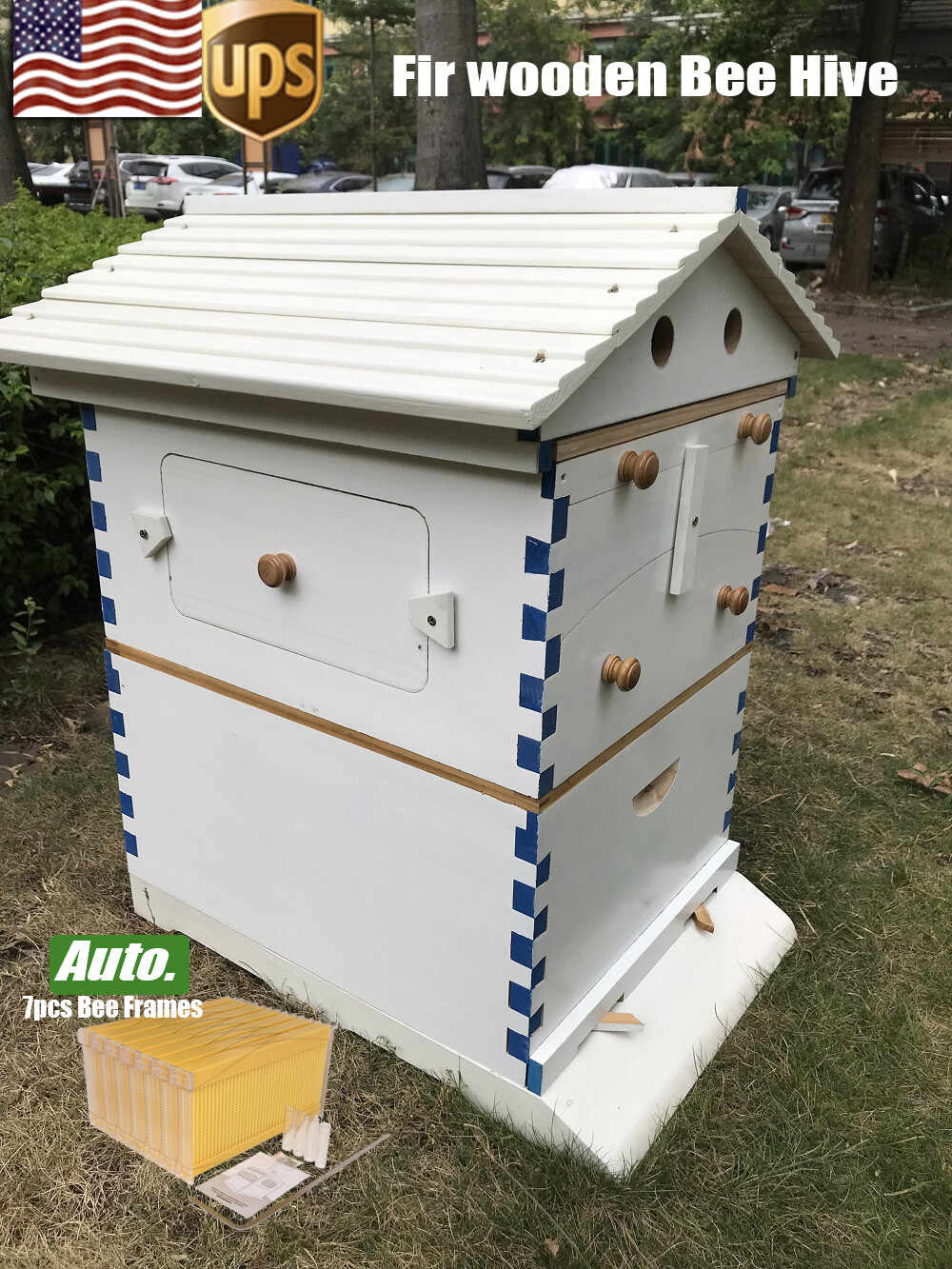
A bee box starter kit bundles the Langstroth hive bodies, frames, and foundations a new colony needs to move in, with the main trade-off being frame count and box depth versus wood species and coating durability. Durable kits use kiln-dried cedar or pine with full-frame counts (8 or 10 per box) and wax-coated foundations, while compromises skimp on frame counts, use thin softwood, or ship plastic-only foundations. The decision rule: match box depth and frame count to your climate and colony growth plan, and only accept kits with species-stated wood and beeswax-coated foundations.

Buying guide image
Patio Furniture

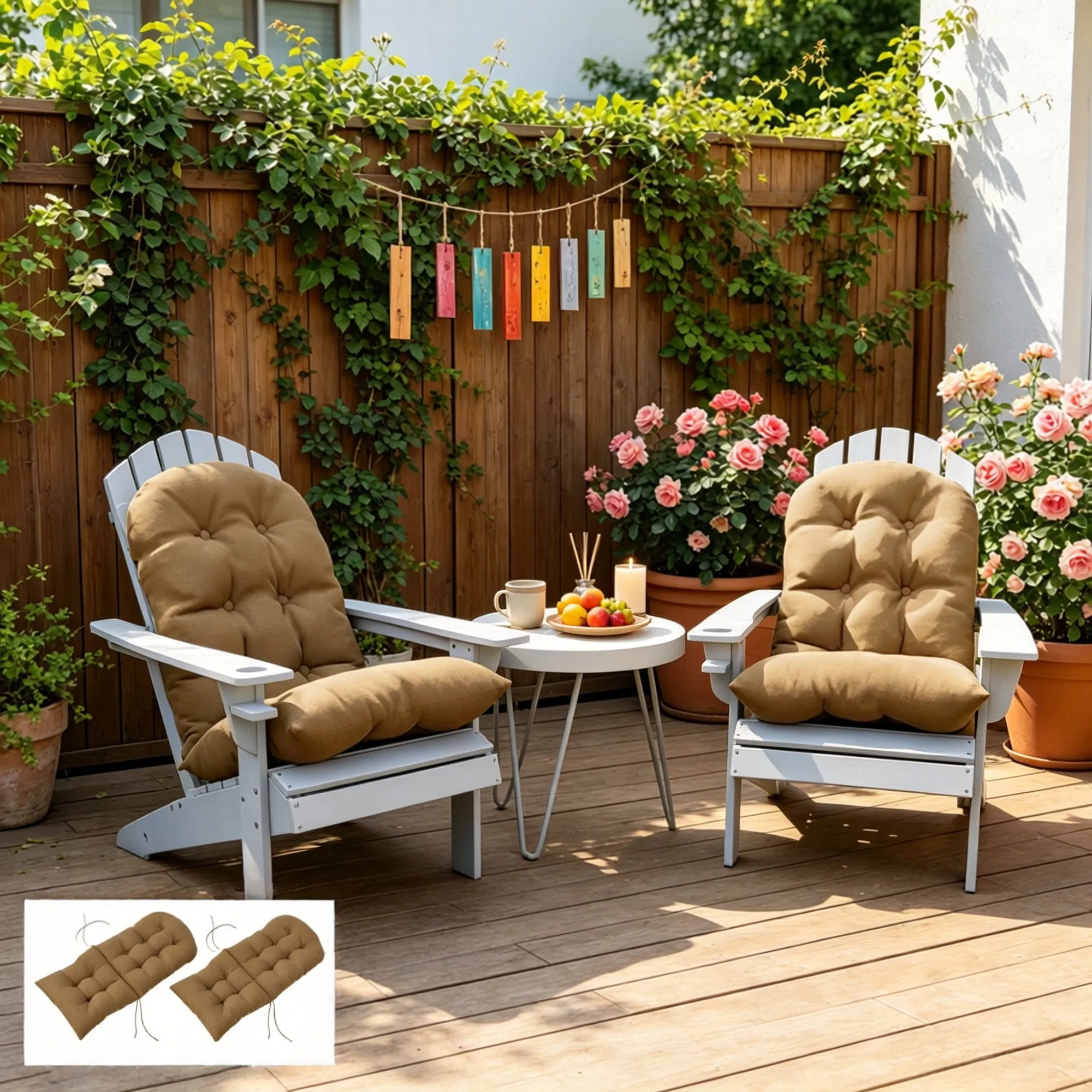
Patio Chair Cushion

Patio chair cushions are replacement or upgrade pads that restore comfort and appearance to outdoor seating, and the primary trade-off is between weather-resistant cover fabric (solution-dyed acrylic or high-denier polyester) and adequate open-cell foam density for support. Durable cushions use UV-stabilized, mold-resistant covers with zippered removable shells and denser foam that resists flattening; compromises use thin bonded foam, non-removable covers, and untreated fabric that fades or milks within a season.

Buying guide image
Raised Garden Beds & Planters

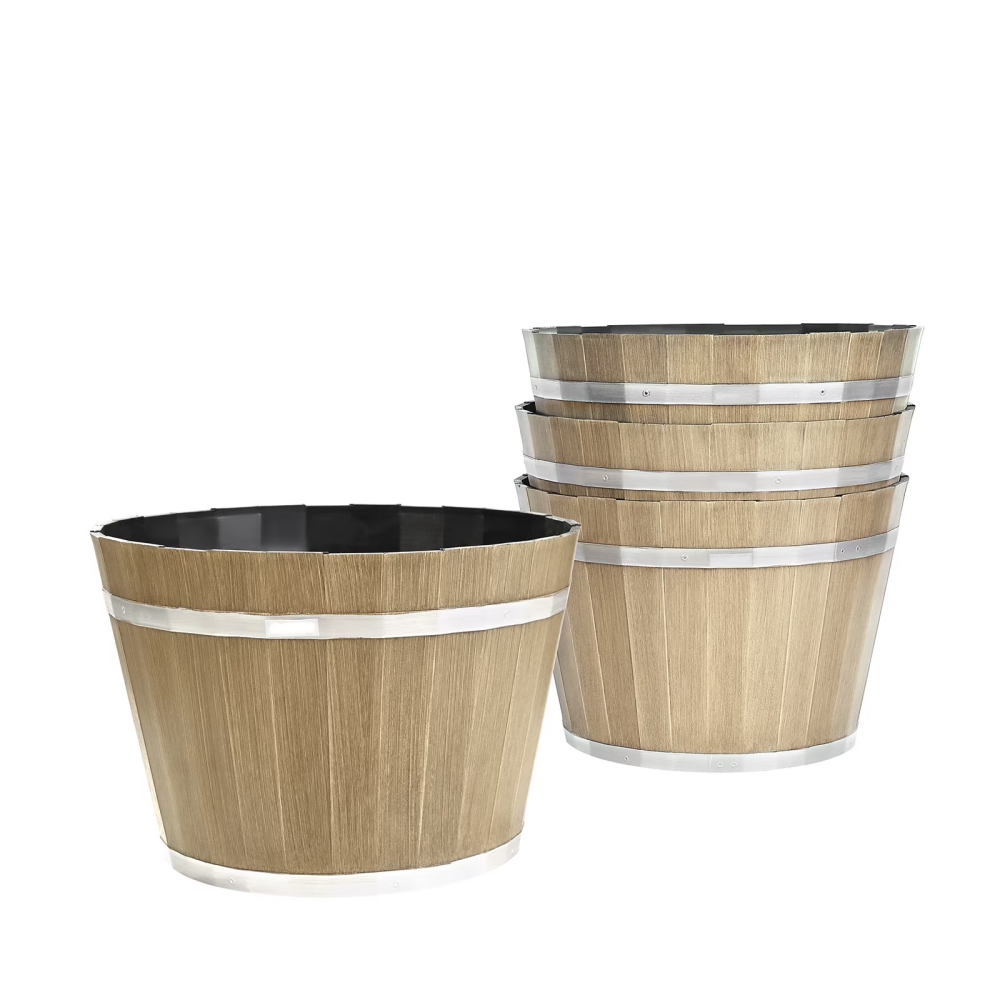
Large Planter Pot

Large planter pots are freestanding containers typically 18 inches or taller and 16 inches or wider, used for statement plants, privacy screens, and patio gardening where in-ground beds are impractical. The core trade-off is between lightweight, weather-resistant synthetic construction (fabric, resin, faux rattan) and heavy-gauge metal or timber that resists wind tipping and UV degradation. Durability separates on wall thickness, UV stabilization, drainage engineering, and base weight; thin single-wall plastic and untreated fabric are seasonal compromises, while powder-coated steel and UV-stabilized resin are multi-year fixtures.

Buying guide image
Chicken Coops & Runs

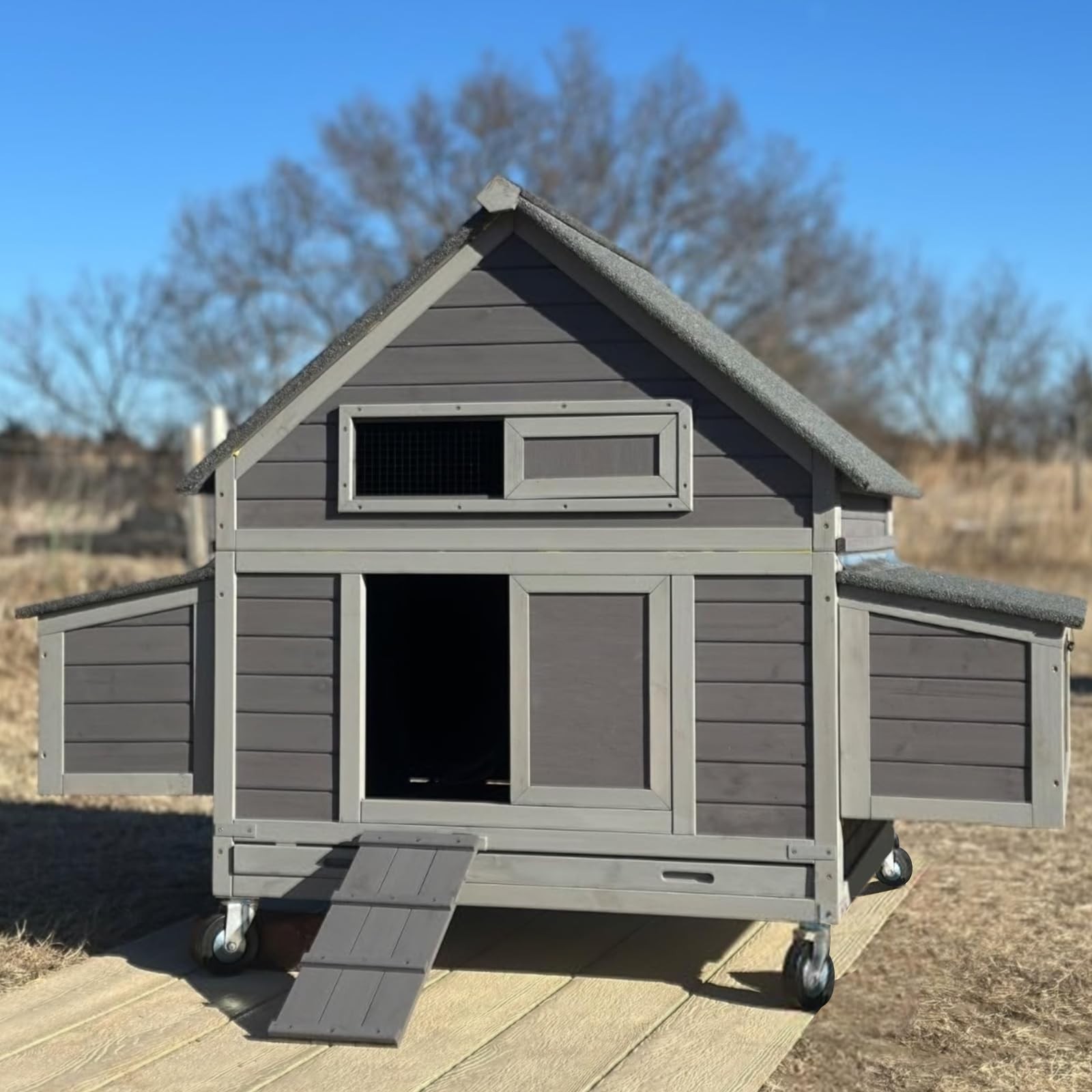
Chicken Tractor With Wheels

A wheeled chicken tractor solves a specific problem: moving birds to fresh ground without lifting a heavy ark. Buyers get tripped up by wheel designs that sink in mud, undersized nest boxes, and coops that are too heavy for one person to roll daily. Focus on tire type, frame material, and the bird count the roost actually fits.

Buying guide image
Patio Furniture

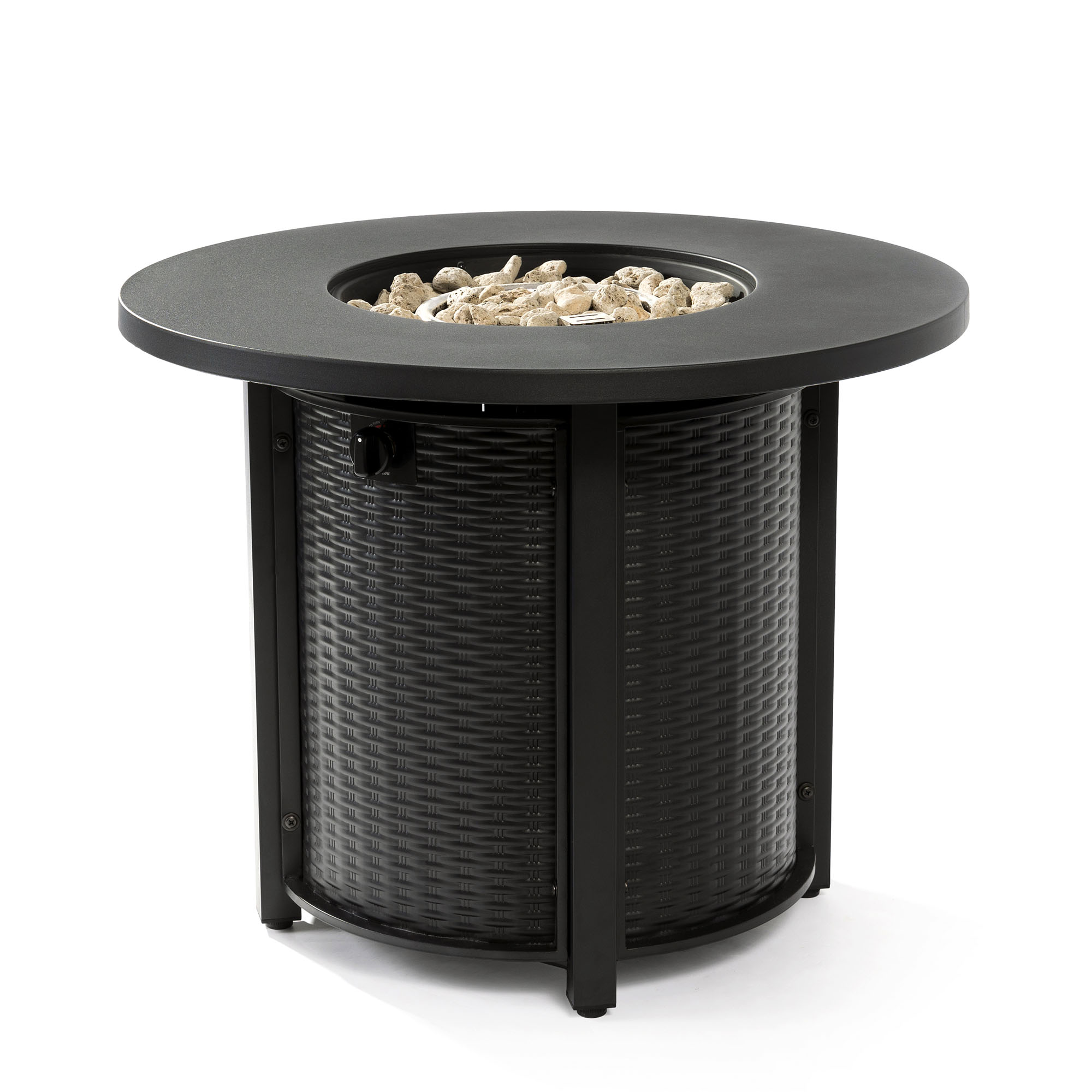
Propane Fire Pit

A propane fire pit is a gas-fueled outdoor heating and table unit that trades wood smoke and cleanup for instant, controllable flame—available as a fire pit table, column, or bowl. The core trade-off is burner and body construction: cold-rolled steel with a stainless burner and lava rock lasts, while thin painted mild steel and undersized regulators rust or underperform. Choose a unit with a 50,000 BTU burner, 20 lb tank compatibility, and a stainless or porcelain-coated burner for durable use; skip unlisted-BTU, thin-gauge painted bowls.

Buying guide image
Residential Outdoor Power Equipment

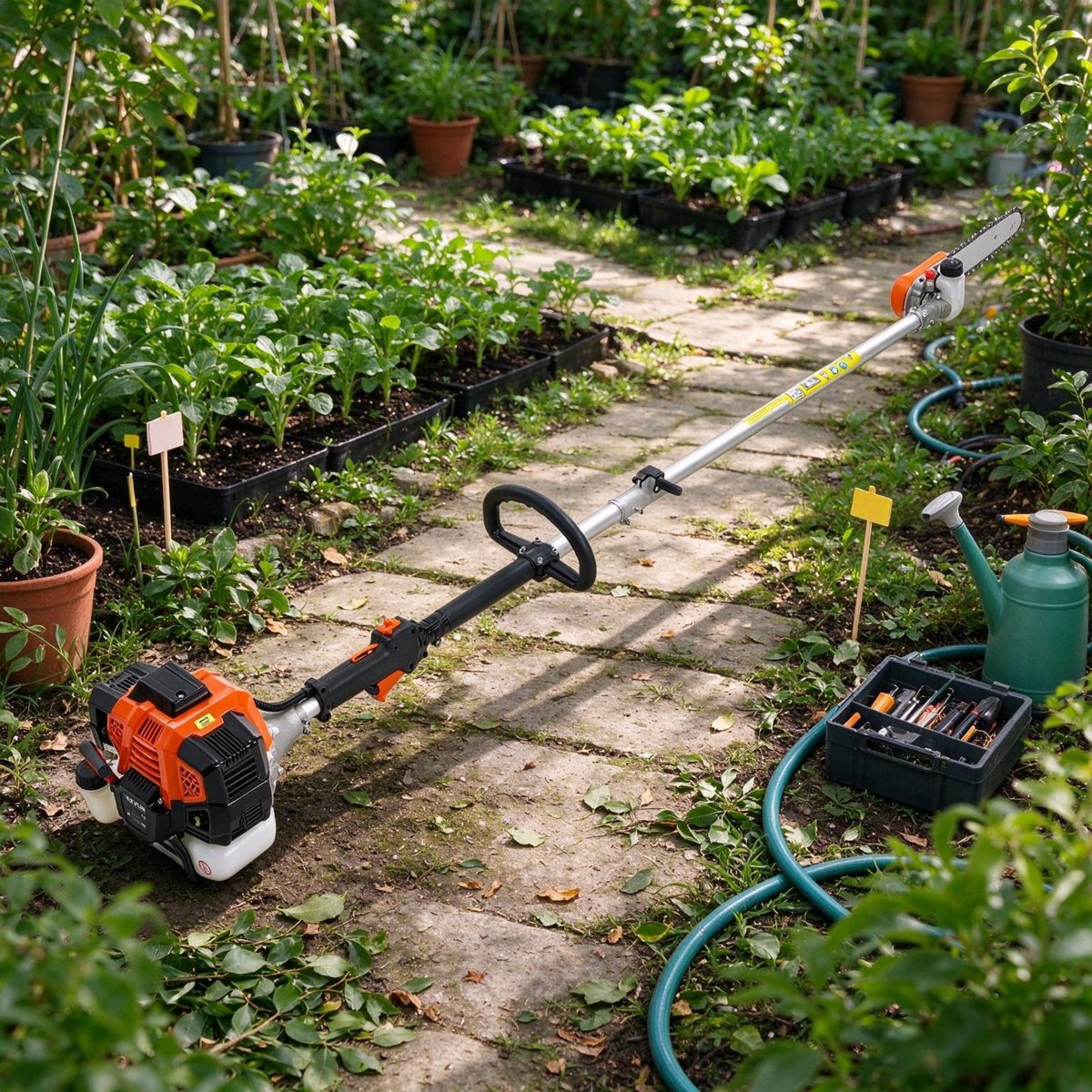
Pole Saw

Pole saws split into three real architectures: cordless electric (battery, 6-10 in bars, 8-13 ft reach), gas (2-cycle or 4-cycle, 8-12 ft reach, unlimited runtime), and manual pole pruners (bypass or saw-blade heads, 6-12 ft). The most common buying mistake is under-buying reach: a 6-inch bar on a 7.4-ft pole won't cleanly cut a 4-inch limb at 10 ft—choose bar length and reach from the branch diameter and height you actually face, not the headline wattage.

Buying guide image
Patio Furniture

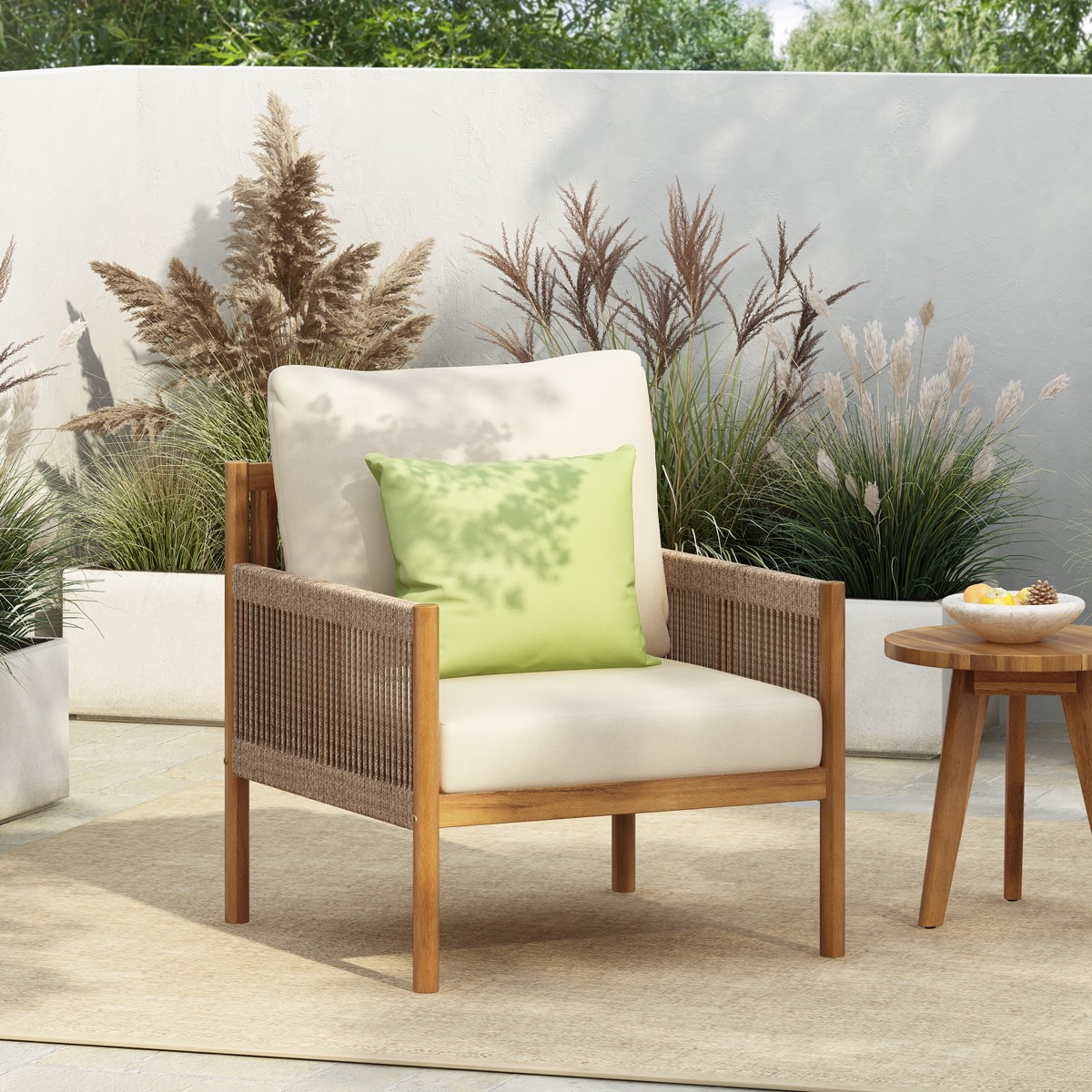
Comfortable Outdoor Chair

A comfortable outdoor chair is defined by weather-rated frame construction, a properly angled seat/back geometry, and cushioning that survives UV and rain rather than just feeling soft on day one. The core trade-off is comfort versus weather durability: deep padded cushions and woven seats feel best but need quick-dry foam and drainage, while sling, Adirondack, and hard-frame chairs trade plushness for all-weather longevity. The decision rule: buy a chair whose frame material and cushion foam are rated for full outdoor exposure, and skip any chair that relies on untreated wood, standard polyurethane foam, or thin spun-polyester covers.

You may also like

Finding more guides for you…