
Photos from current listings. Actual item, color, and included accessories may vary.
Full Bee Suit Buying Guide
A full bee suit is a head-to-ankle barrier garment that combines a veil, torso cover, and leg protection into one piece, eliminating gaps at the waist and wrists where stings most often occur. The core trade-off is fabric breathability vs. sting resistance: ventilated three-layer mesh suits run cooler but cost more and snag more easily, while cotton or poly-cotton suits are cheaper but hotter. Choose a ventilated suit with a fencing-style veil and sealed cuffs for long summer inspections; choose a cotton suit only for cool-climate or low-aggression hives.
Median $29.99
Key takeaways
- Ventilated suits use three-layer sandwich mesh: an outer bite-resistant weave, a spacer mesh core, and an inner smooth layer that keeps bees from reaching skin.
- Veil architecture matters most: fencing-style veils with rigid hoops and black screening give the best visibility and keep mesh off the face; round hat veils collapse and obscure vision.
- Cotton suits are typically 280-320 GSM; heavier weave resists sting penetration but traps heat, so cotton works best below 80°F / 27°C.
At a glance
- Category
- Beekeeping Suits & Protection
- Last updated
- Nov 25, 2026
Current offers
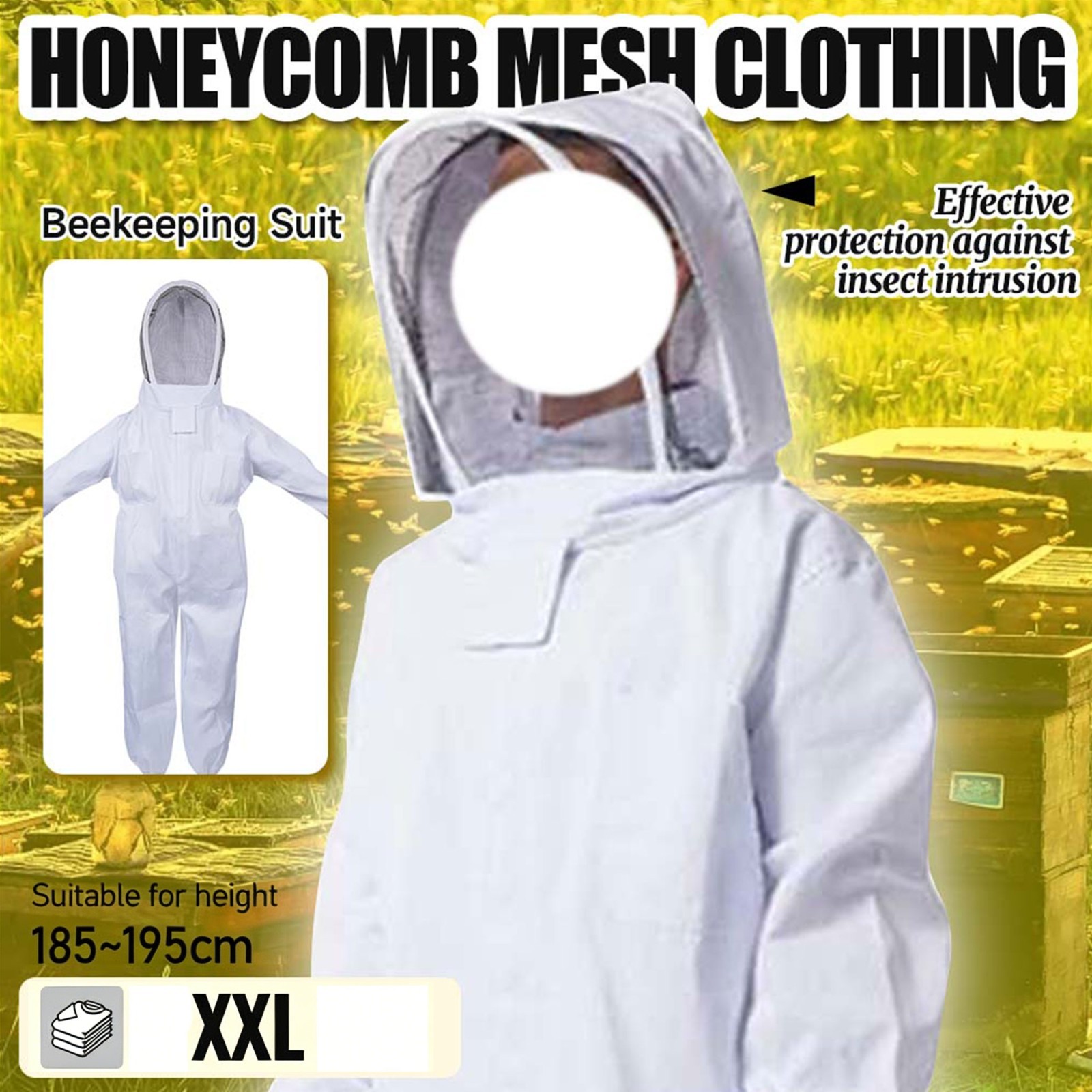 XXL White Anti-Bee Suit Full Body Ventilated Veil Beekeeping Hood Coat$25.99View on eBay
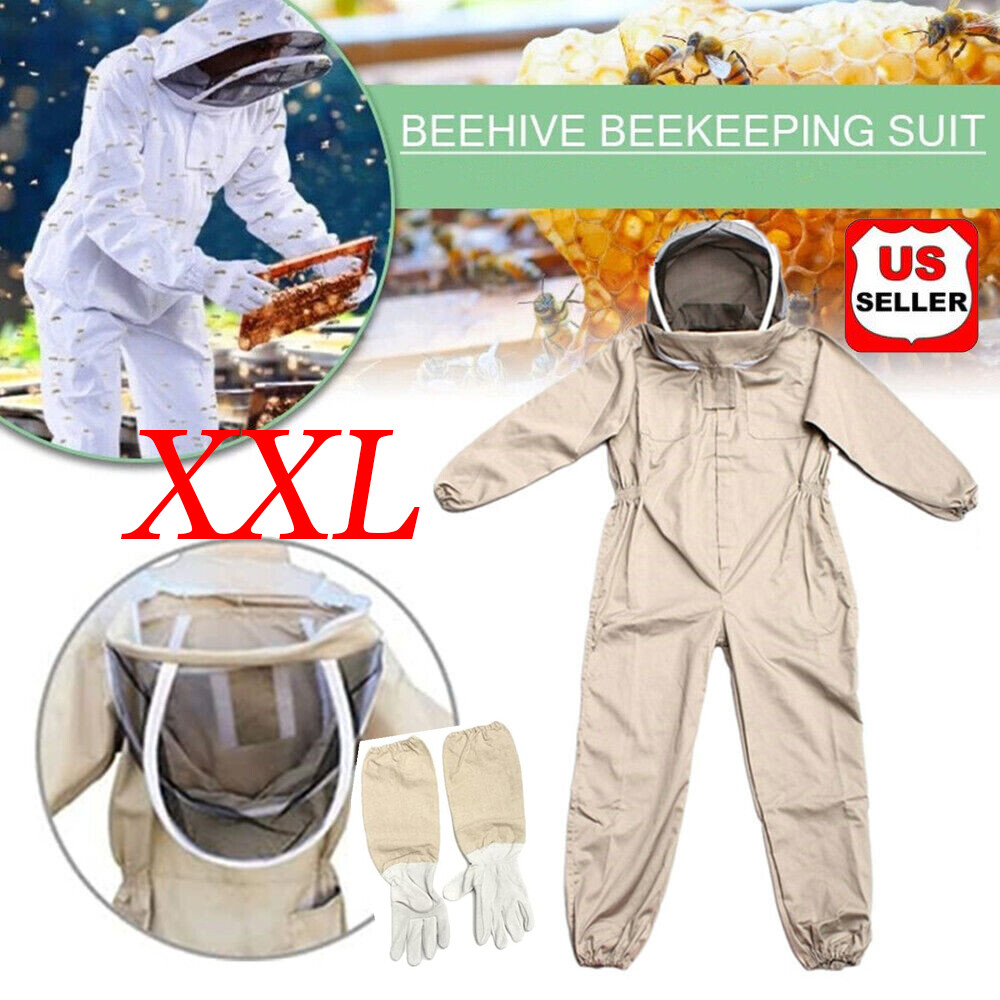 XXL-Unisex Professional Cotton Full Body Beekeeping Bee Keeping Suit W/Veil-Hood$29.00View on eBay
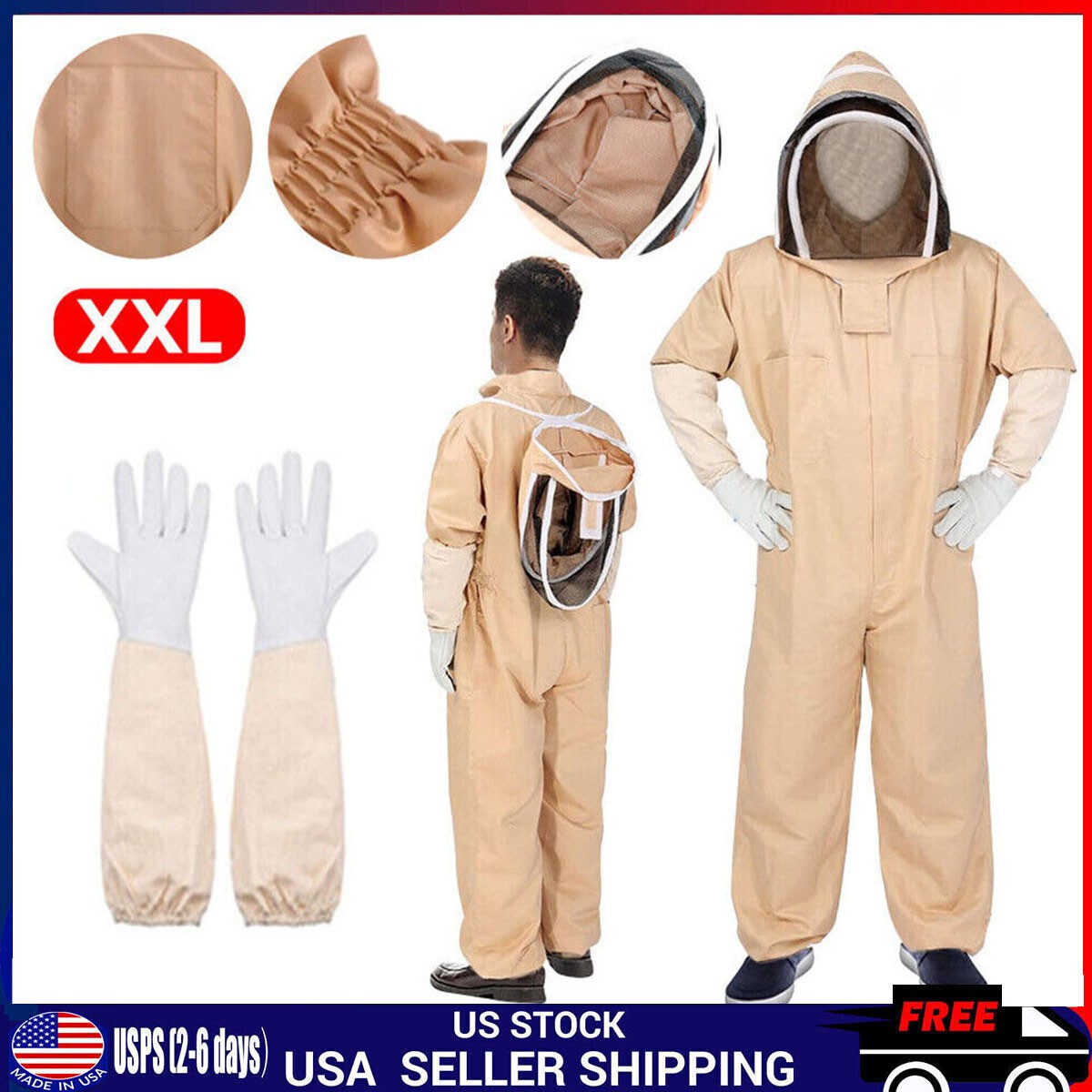 Professional Full Beekeeping Suit Protective Bee Heavy Duty with Gloves XXL NEW$29.99View on eBay
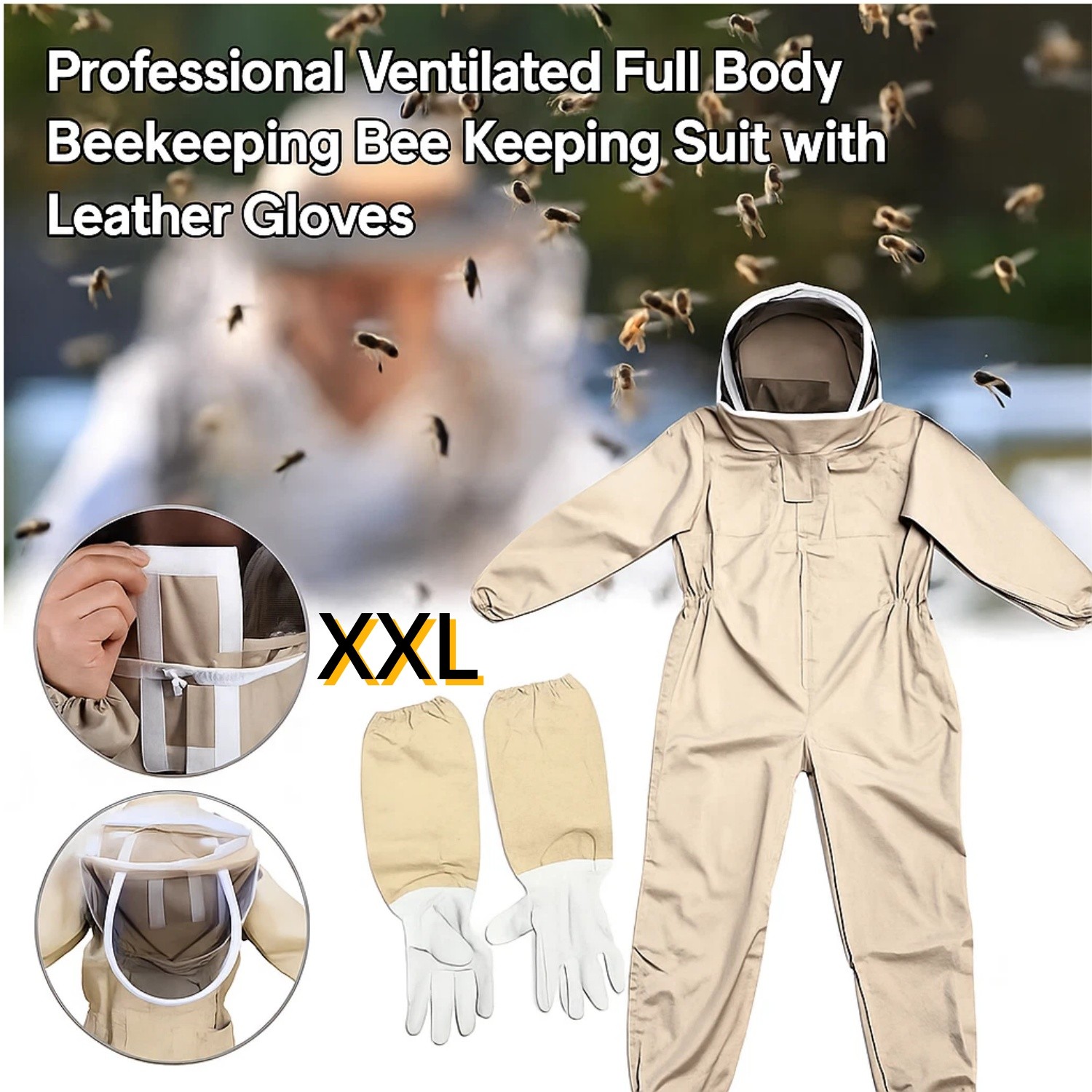 XXL-Unisex Professional Cotton Full Body Beekeeping Bee Keeping Suit W/Veil-Hood$29.99View on eBay
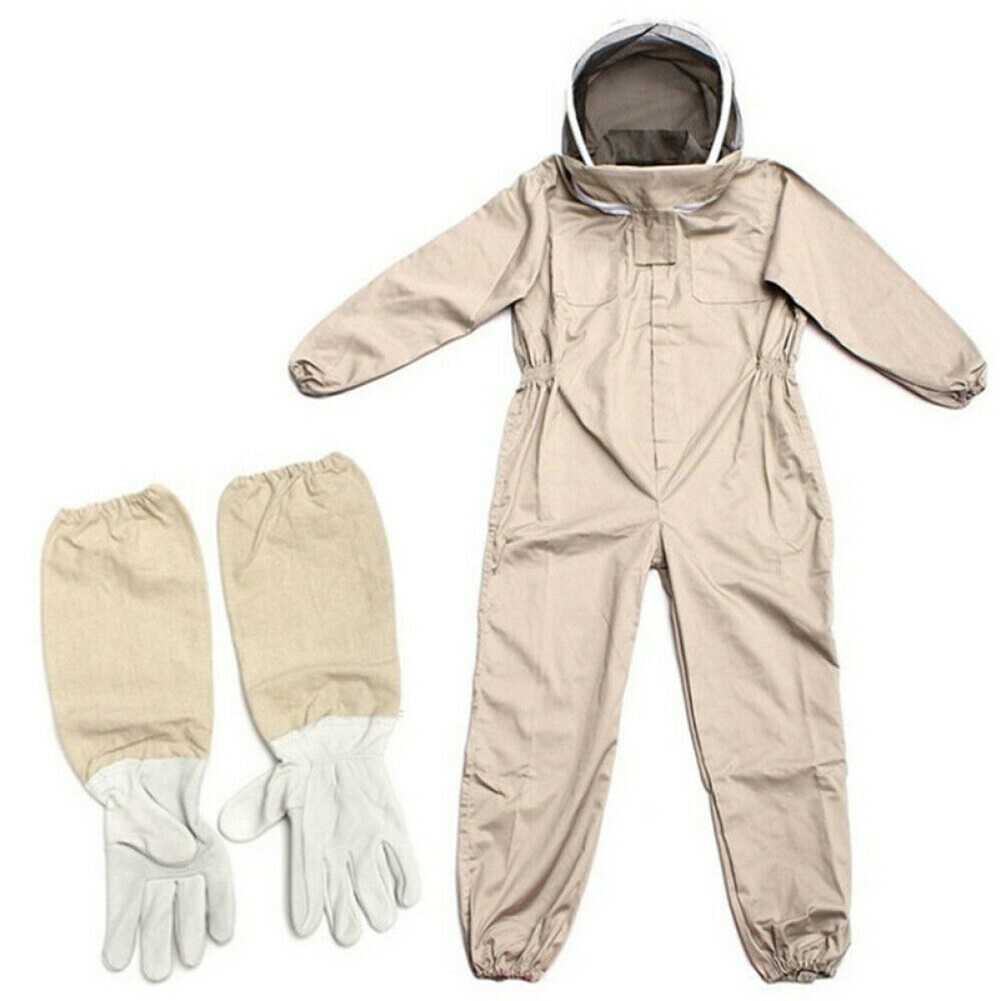 XXL-Unisex Professional Cotton Full Body Beekeeping Bee Keeping Suit W/Veil-Hood$29.99View on eBay
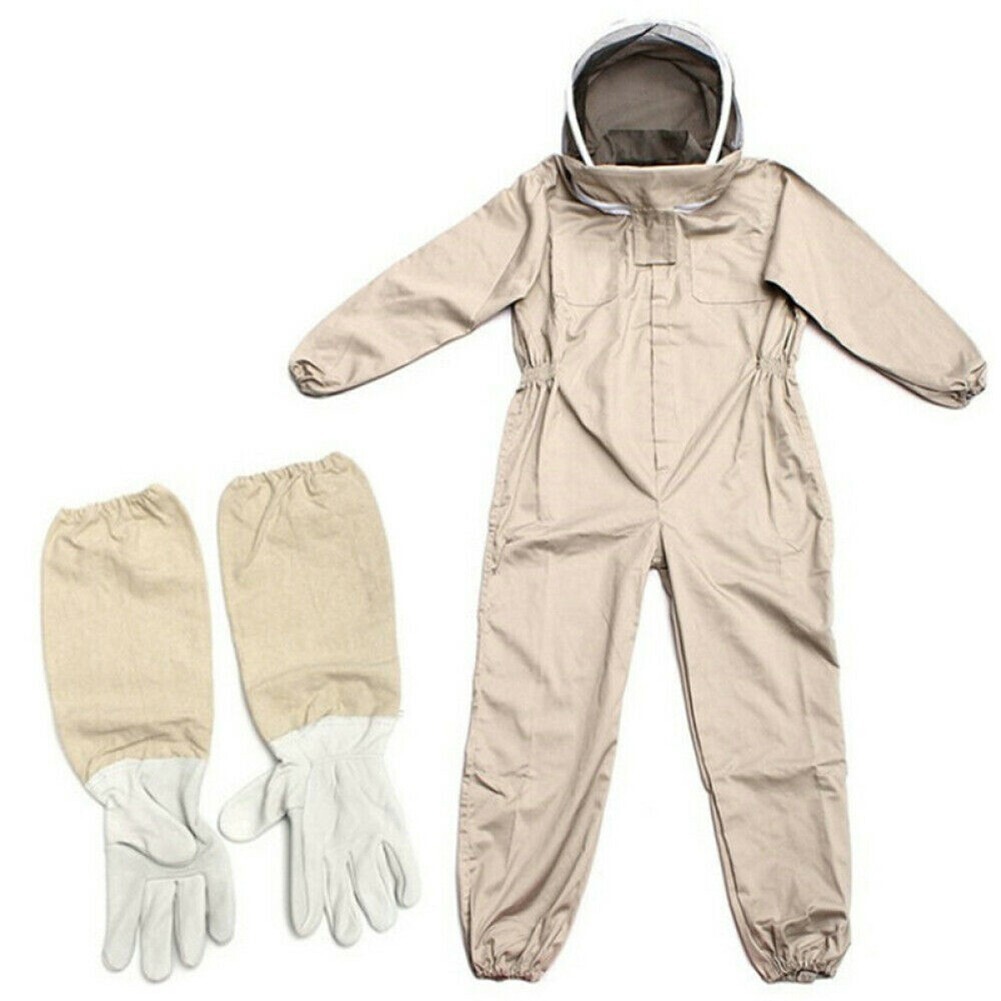 XXL-Unisex Cotton Full Body Beekeeping Bee Keeping Suit Professional W/Veil-Hood$29.99View on eBay
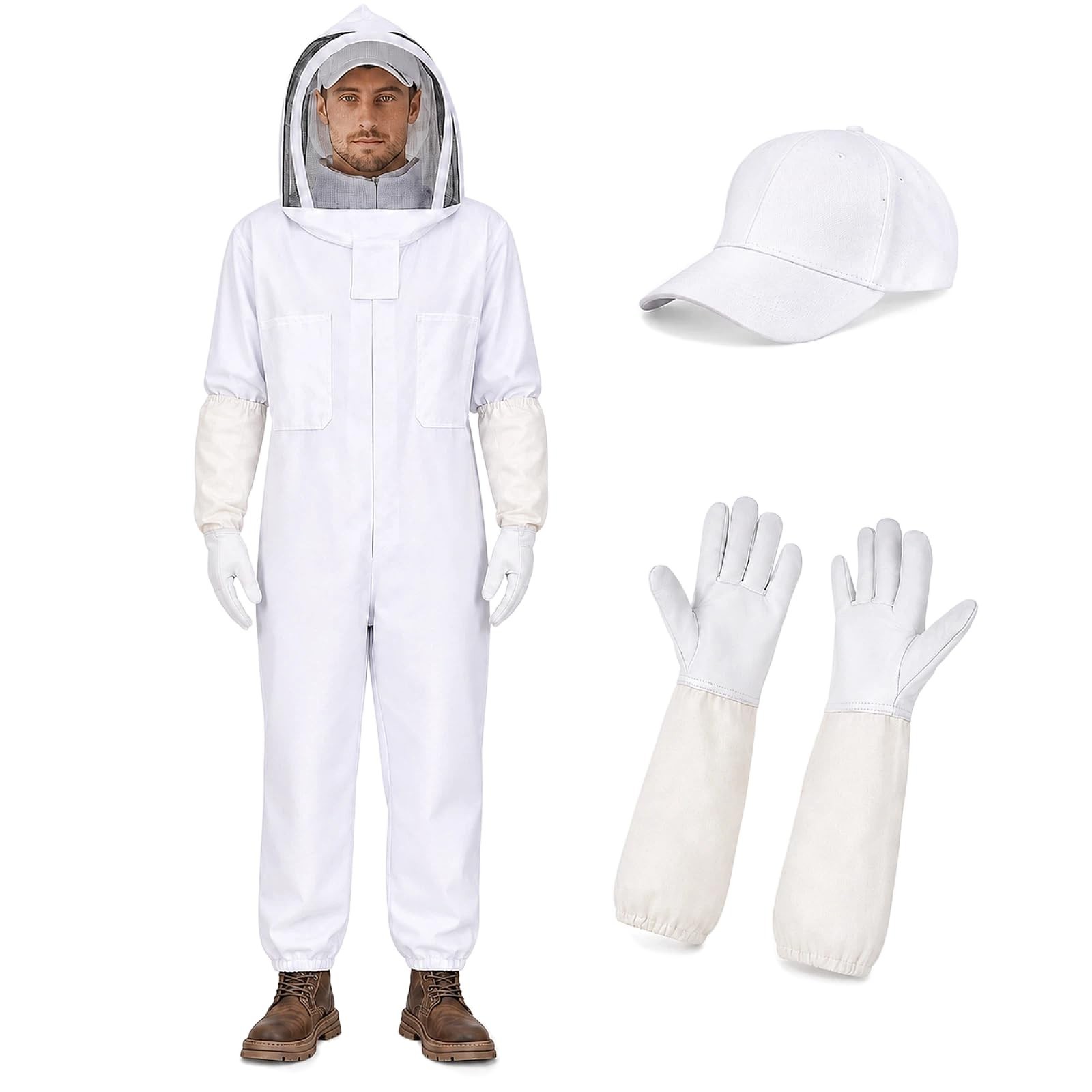 Bee Suit with Adjustable Cap and Gloves, Full Body Beekeeper Suit, XXXL | Pro...$45.99View on eBay
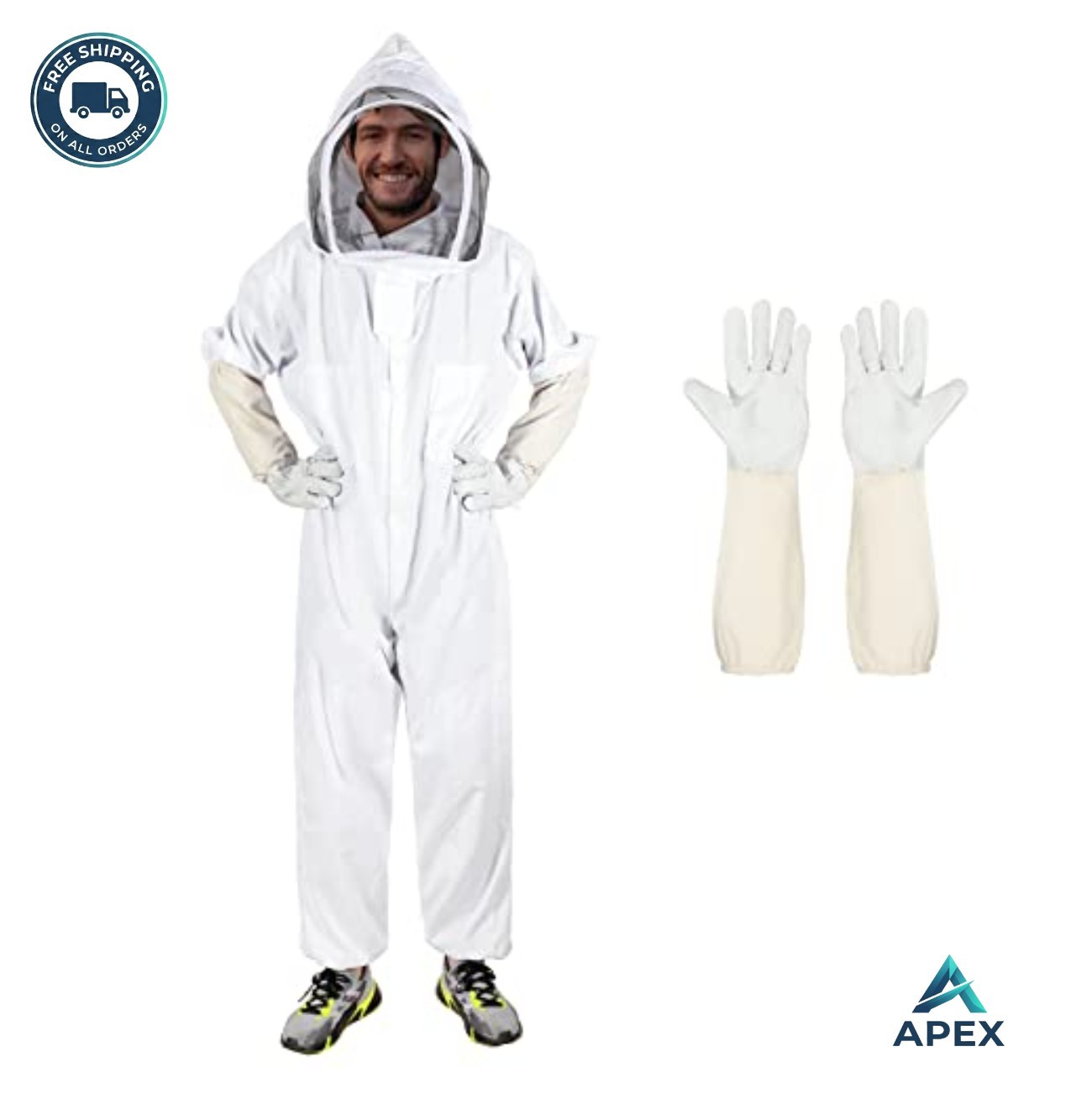 Bee Suit Beekeeper Coverall with Gloves Included XL Full Body Hooded Fence Veil$59.67View on eBay
Highlights
- Ventilated suits use three-layer sandwich mesh: an outer bite-resistant weave, a spacer mesh core, and an inner smooth layer that keeps bees from reaching skin.
- Veil architecture matters most: fencing-style veils with rigid hoops and black screening give the best visibility and keep mesh off the face; round hat veils collapse and obscure vision.
- Cotton suits are typically 280-320 GSM; heavier weave resists sting penetration but traps heat, so cotton works best below 80°F / 27°C.
- Zipper quality and seam construction decide suit lifespan: two-way YKK-style zippers, double-stitched seams, and ankle/wrist elastic cuffs prevent both bee entry and blowouts.
Best use cases
- Best fit: ventilated full suit with fencing veil for summer inspections in hot climates — pick this if you inspect more than a few hives per session or work in temperatures above 80°F.
- Best fit: poly-cotton full suit with round veil for hobbyists with 1-3 gentle hives in cool climates — cheaper, durable, and adequate for short inspections.
- Wrong fit: buying an oversized cotton suit as a 'breathability fix' — excess fabric traps heat and snags on frames; size to your measurements with room for base layers.
- Wrong fit: a jacket-and-veil combo for full defensive colonies — full suits are the right call when bees are Africanized, dearth-stressed, or you are requeening.
Buying tips
- Size by chest and height, not by T-shirt size: a suit should allow a base layer but not hang loose; check that the veil hoop clears your head with a hat on.
- Demand a fencing-style veil with black mesh for full suits; white mesh reflects light but reduces contrast and visibility against bees and frames.
- Look for sealed or double-zippered ankles and wrists plus a neck zipper that joins the veil to the suit — gaps at these points are the top sting entry route.
- Ventilated suits cost more and snag on branches and hive tools; cotton/poly-cotton suits last longer in rough apiary conditions but are hotter.
Specs
| Suit Coverage | Full body + veil + gloves |
|---|---|
| Fabric Type | Ventilated 3-layer mesh vs cotton |
| Veil Style | Fencing hoop vs round hat |
| Closure Type | Full zipper + elastic cuffs |
Related searches
What to check before buying
- Measure chest circumference, height, and inseam, and compare to the suit's size chart — sizing varies by manufacturer and Asian-to-US size conversion is common.
- Confirm the veil type and whether the suit includes gloves; many full suits ship with gloves, but glove size may not match your hands.
- Check cuff and ankle construction: elastic or zippered closures are required; open cuffs let bees crawl in.
- Verify the suit fabric is bee-tight at seams and that the zipper runs full-length or has a protective flap.
FAQ
Data sources: eBay / Amazon listings and product attribute feeds. Updated Nov 25, 2026.
Some links on this page are affiliate links. If you buy after clicking one, we may earn a commission at no extra cost to you. This does not change which products appear here or their order. Affiliate disclosure.