
Photos from current listings. Actual item, color, and included accessories may vary.
Motion Light Buying Guide
Motion lights are outdoor fixtures that combine a passive infrared (PIR) sensor with a light source, switching from standby to full brightness when movement is detected. The core trade-off is between solar-integrated units (easy install, but battery and panel quality dictate winter performance) and hardwired units (reliable power, but require an electrician and line voltage). The clear decision rule: choose solar only if the panel receives 4+ hours of direct sun and you accept 1–3 years of battery life; choose hardwired or line-voltage for permanent, all-season security lighting.
Median $35.99 · New listings
Key takeaways
- PIR detection range and angle are the primary performance specs: 120° coverage suits doorways, while 180–270° wide-angle sensors are needed for garage aprons and long walls.
- IP65 is the minimum outdoor rating for rain resistance; IP44 units are only splash-proof and will fail in exposed locations within a season.
- Solar units depend on panel wattage and battery chemistry: monocrystalline panels charge faster than polycrystalline, and LiFePO4 batteries outlast standard Li-ion in cold weather.
At a glance
- Category
- Outdoor Lighting & Decor
- Last updated
- Nov 29, 2026
Current offers
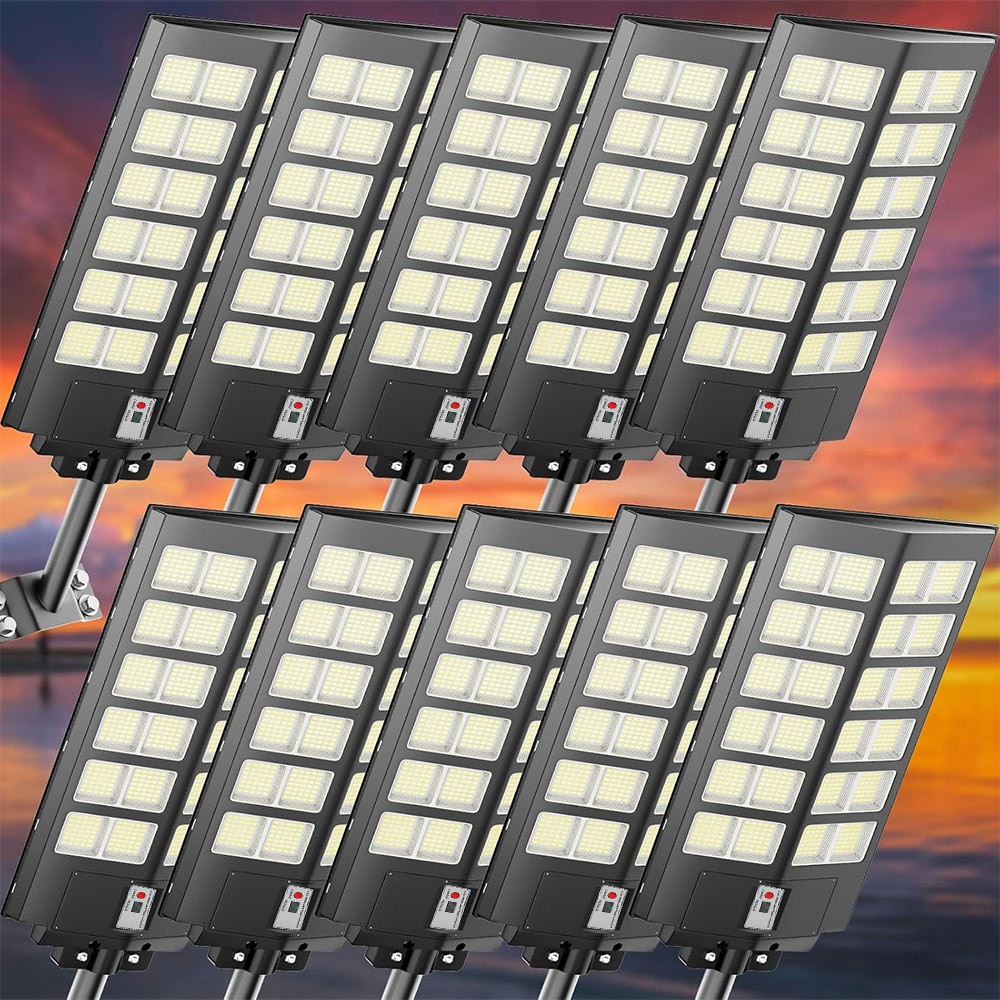 10Pack 9000W Solar Street Light Commercial Dusk to Dawn Motion Sensor Road Lamp$999.88New · Last checked Nov 21, 2026View on eBay
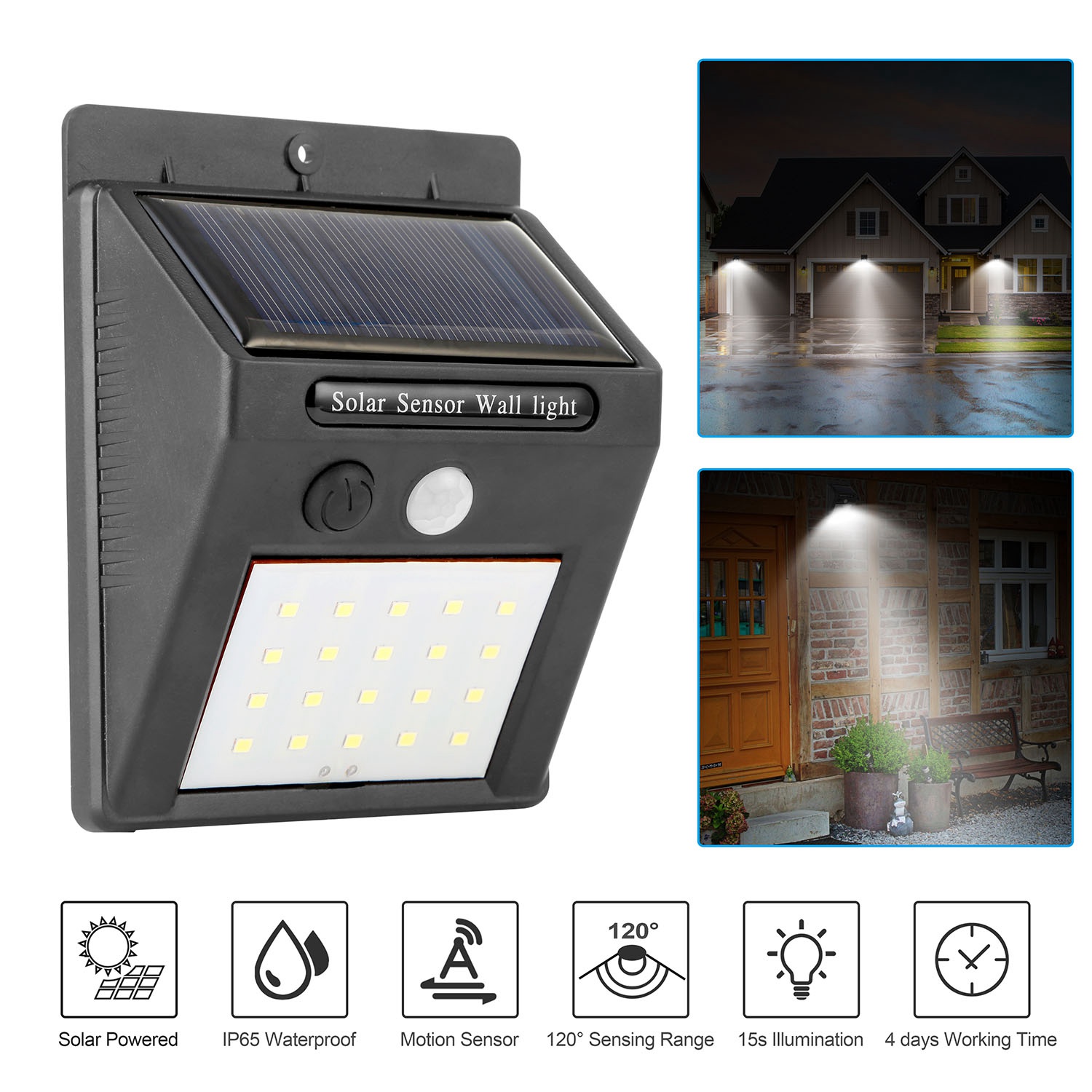 1Pc Solar Light 20 LEDs Outdoor PIR Motion Sensor Lights IP65 Waterproof 120 Degree Sensing Wide Angle Lighting For Garage Front Door Garden Pathway$20.99View on Mallflare
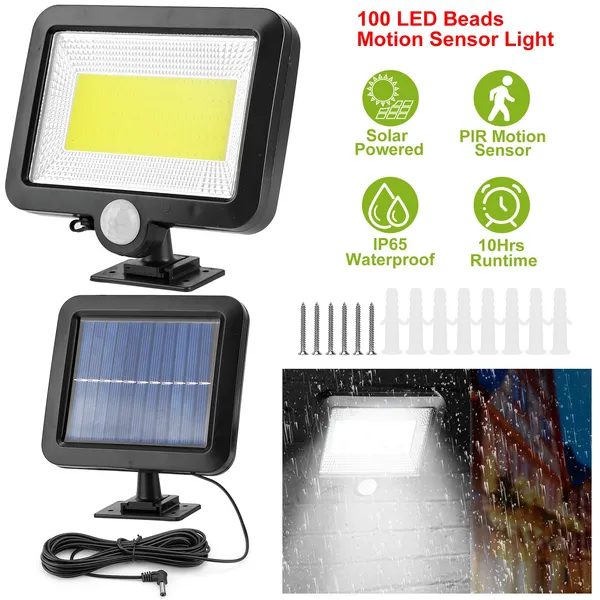 Solar Powered Wall Lights Outdoor 100 LED Beads Motion Sensor Lamp IP65 Waterproof Dusk To Dawn Light$27.99View on Mallflare
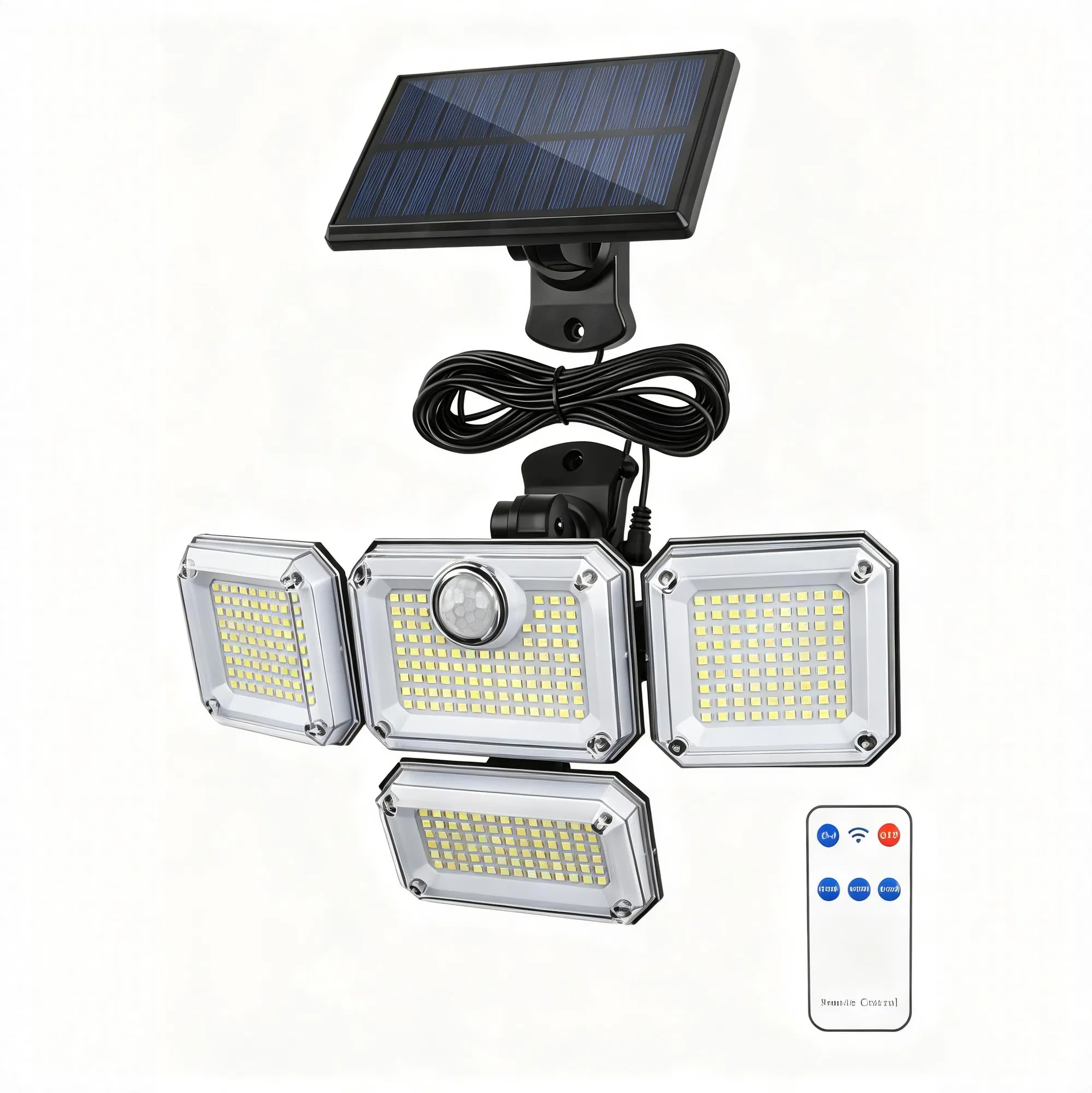 Solar Outdoor Lights with Motion Sensor, 333 LEDs Wide Angle Lights,3 Modes 270,Daylight White Remote Control Waterproof Wall Light for Garage, Yard,2026NEW$31.99View on Mallflare
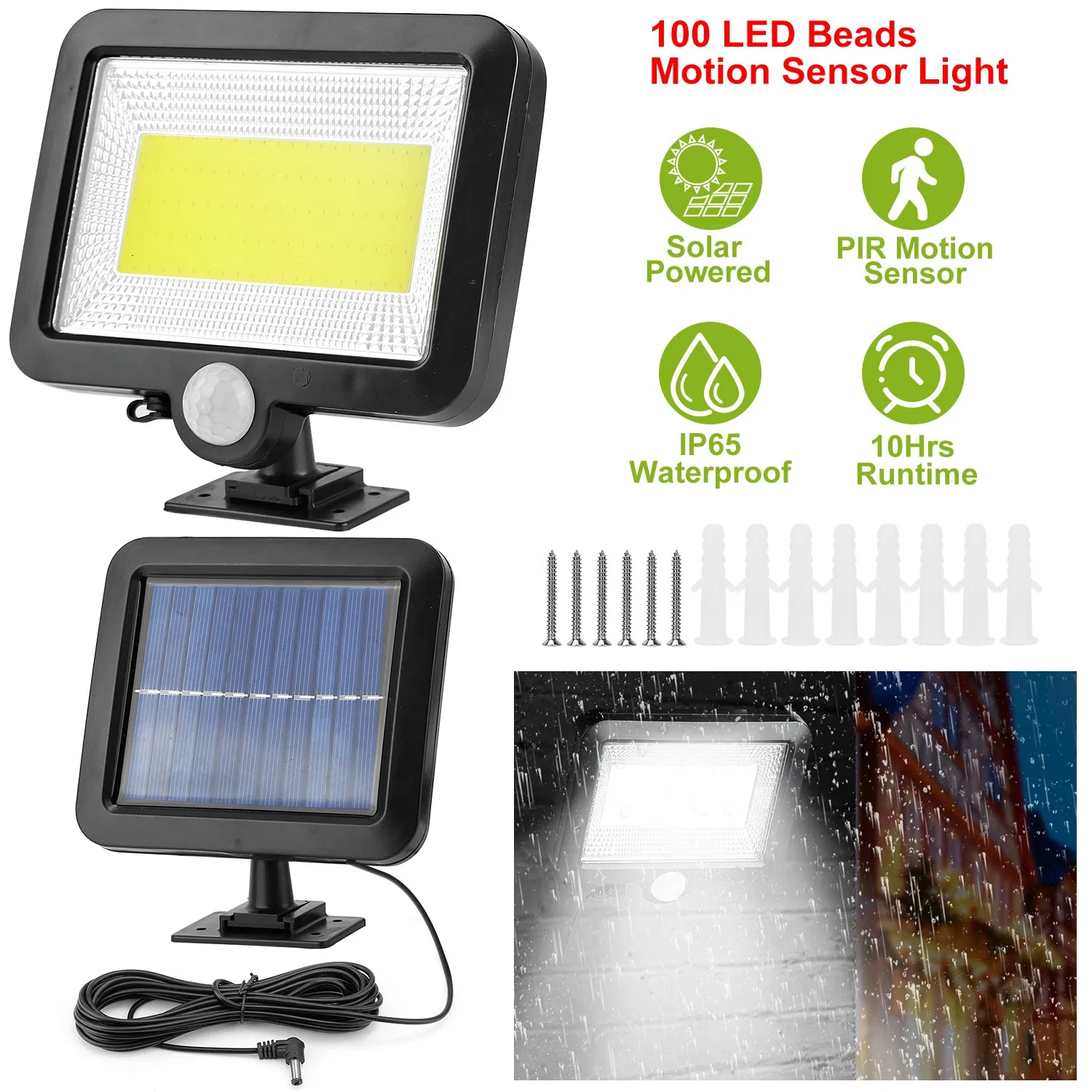 Outdoor Solar Wall Light,Motion & Light Sensor Activated,100 LED Beads,IP65 Waterproof,Rotatable Panel with 16.4ft Cable for Patio Garage Doorway$35.99View on Mallflare
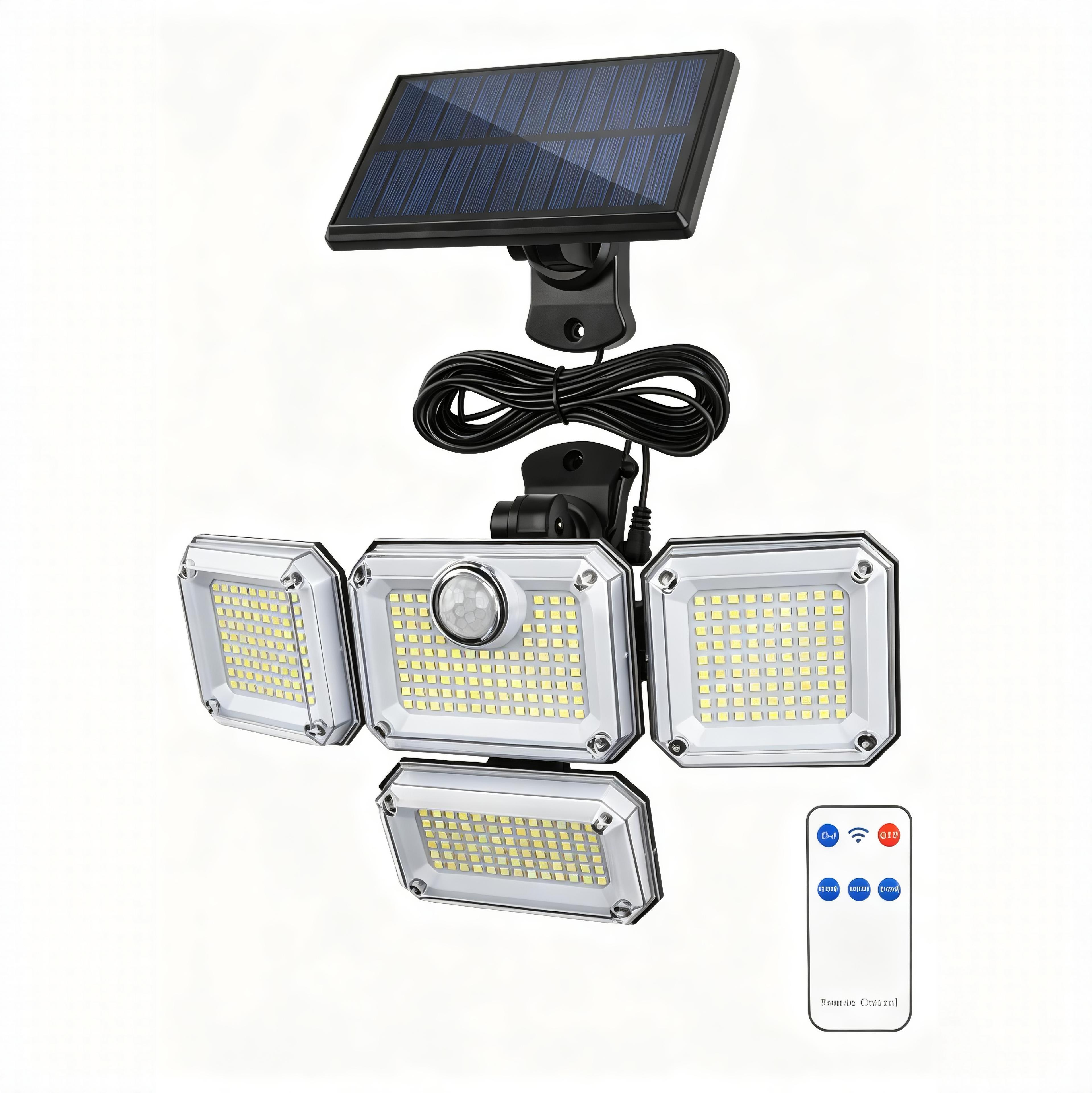 Solar Outdoor Lights with Motion Sensor, 333 LEDs Wide Angle Lights,3 Modes 270°,Daylight White Remote Control ,Waterproof Wall Light for Garage, Yard,2026NEW$45.99View on Mallflare
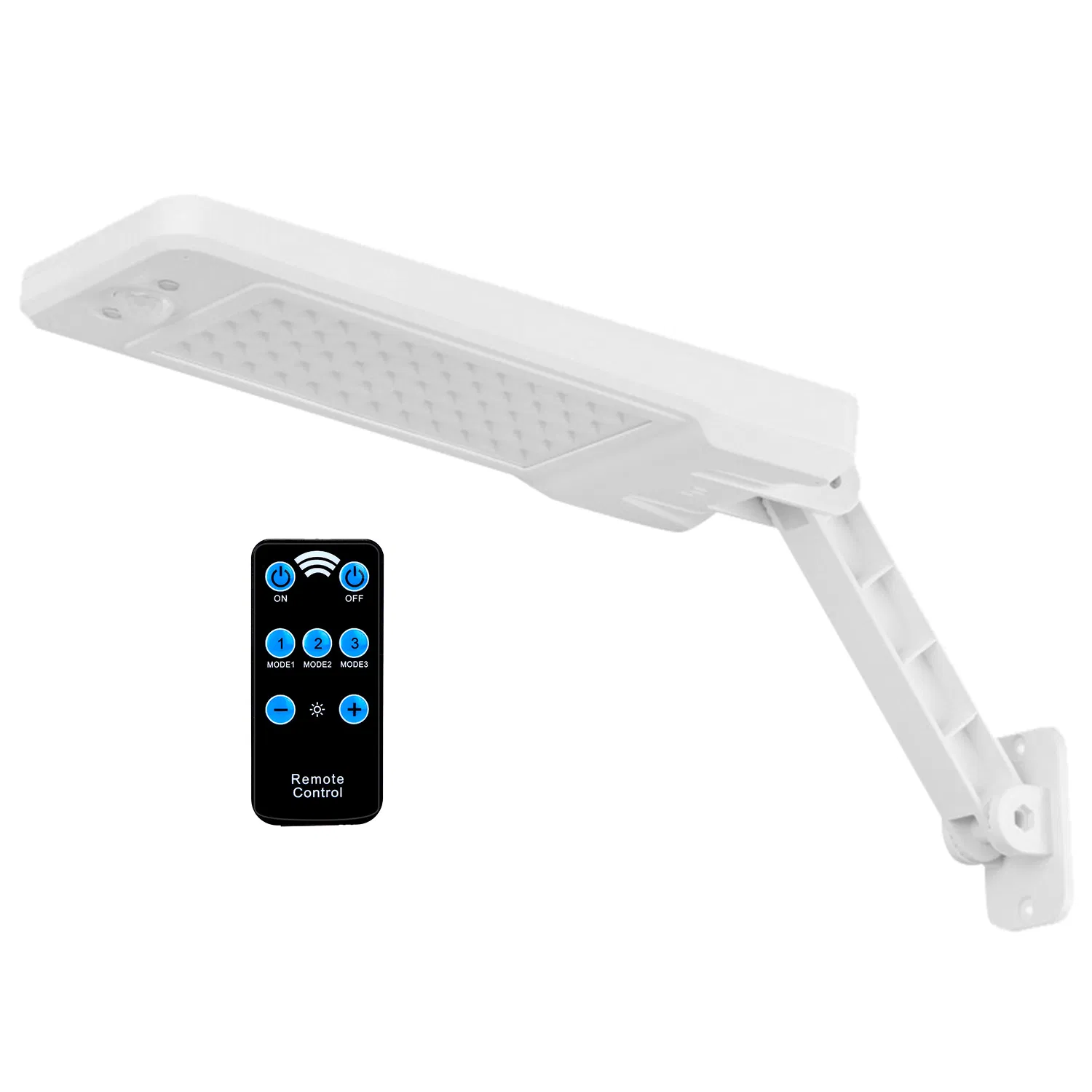 Solar Wall Light Outdoor 60LEDs PIR Motion Sensor Remote Control Wireless Lamps IP65 Waterproof Lighting for Garage Front Door Garden Pathway$46.99View on Mallflare
Highlights
- PIR detection range and angle are the primary performance specs: 120° coverage suits doorways, while 180–270° wide-angle sensors are needed for garage aprons and long walls.
- IP65 is the minimum outdoor rating for rain resistance; IP44 units are only splash-proof and will fail in exposed locations within a season.
- Solar units depend on panel wattage and battery chemistry: monocrystalline panels charge faster than polycrystalline, and LiFePO4 batteries outlast standard Li-ion in cold weather.
- LED count is a poor brightness metric; look for lumen output (300–1000 lm typical for security) and confirm the fixture offers separate motion and dusk-to-dawn modes.
Best use cases
- Best fit: a detached garage or shed with no wiring — pick a solar wall light with a separable panel on a 16 ft cable so the panel faces south while the light covers the door.
- Best fit: a front doorway under an eave with existing wiring — choose a hardwired 120V PIR fixture with 180° detection and adjustable sensitivity to avoid false triggers from passing cars.
- Wrong fit: a north-facing wall or deeply shaded porch — solar units will not recover charge; install a line-voltage fixture or a low-voltage landscape transformer system instead.
- Wrong fit: a large dark yard requiring continuous area lighting — motion floods are intermittent by design; pair with a dusk-to-dawn photocell fixture or switch to a wired floodlight for sustained output.
Buying tips
- Match sensor coverage to the zone: 120° for a single door, 180° for a driveway edge, 270° for a corner mount; wider angles increase false triggers in busy areas.
- For solar, size the panel to the load: a 100-LED fixture needs at least a 3–5W panel and a 1500–2000 mAh battery to sustain nightly motion activations through winter.
- Confirm the fixture supports both motion-only and dusk-to-dawn modes if you want standby dim light; many budget solar units default to motion-only with no override.
- Choose metal housings (aluminum or die-cast) over plastic for exposed coastal or high-UV locations; plastic housings yellow and crack, and metal heat-sinks extend LED life.
Specs
| Power Source | Solar vs Hardwired 120V |
|---|---|
| Sensor Coverage | 120° / 180° / 270° PIR |
| Weather Rating | IP65 minimum / IP44 splash |
| Housing Material | Die-cast aluminum vs plastic |
Related searches
What to check before buying
- Measure the mounting height and detection zone: PIR sensors are most accurate at 6–8 ft; mounting above 10 ft reduces sensitivity to people and pets.
- Verify sun exposure for solar models: the panel needs 4+ hours of unobstructed direct sun; a 16 ft extension cable lets you relocate the panel to a sunny spot.
- Check your existing wiring and voltage: hardwired motion lights in North America require a 120V junction box; low-voltage landscape systems use a 12V transformer.
- Confirm the fixture's operating temperature range and battery type if installing in freezing climates; LiFePO4 solar batteries retain capacity below -10°C, standard Li-ion does not.
FAQ
Data sources: eBay / Amazon listings and product attribute feeds. Updated Nov 29, 2026.
Some links on this page are affiliate links. If you buy after clicking one, we may earn a commission at no extra cost to you. This does not change which products appear here or their order. Affiliate disclosure.