
Photos from current listings. Actual item, color, and included accessories may vary.
Bee House Kit Buying Guide
A bee house kit is a cavity-nesting bee shelter (typically 6–10 mm drilled holes or bamboo/reeds) plus mounting hardware, intended to boost solitary bee pollination—not honey production. The core trade-off is between natural, cleanable nesting tubes (reeds, bamboo, grooved wood) that can be opened or replaced, and glued or drilled blocks that trap parasites and mold. Choose a kit with removable liners or split-block construction and a rain baffle; skip any sealed decorative box with holes under 6 mm or no cleaning access.
Median $149.69
Key takeaways
- Cavity diameter is the single performance variable: 6–8 mm holes attract mason and leafcutter bees; holes over 10 mm attract mud daubers and wasps, not pollinators.
- Nesting depth must be 10–15 cm (4–6 in) and closed at the back; shallow 5 cm holes produce male-biased broods and higher parasite loads.
- Split-block or stacked-tray designs let you open the nest to remove cocoons and scrape parasite cells; glued bamboo bundles cannot be cleaned and should be replaced every 1–2 years.
At a glance
- Category
- Beehives & Frames
- Last updated
- Nov 27, 2026
Current offers
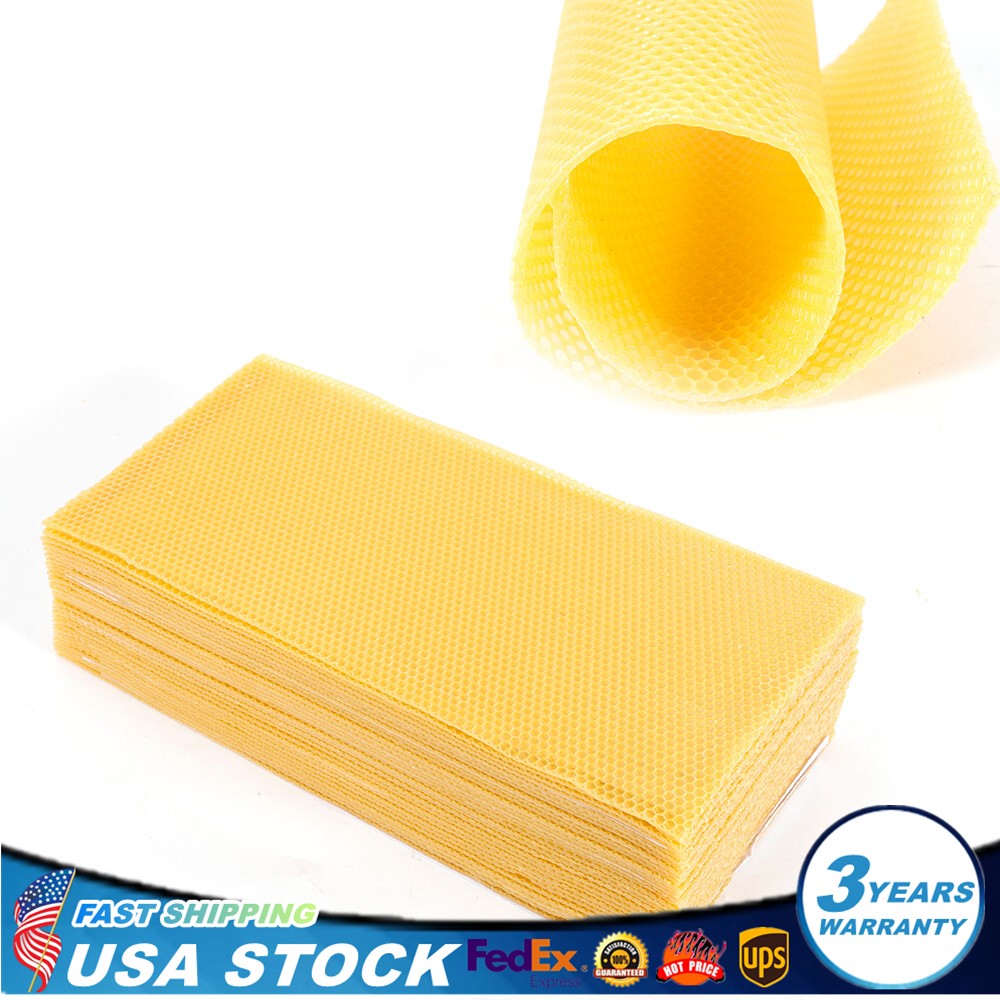 30x Bee Hive Foundation Honey Hive Equipment Deep House Nest Honeycomb Wax Frame$31.99View on eBay
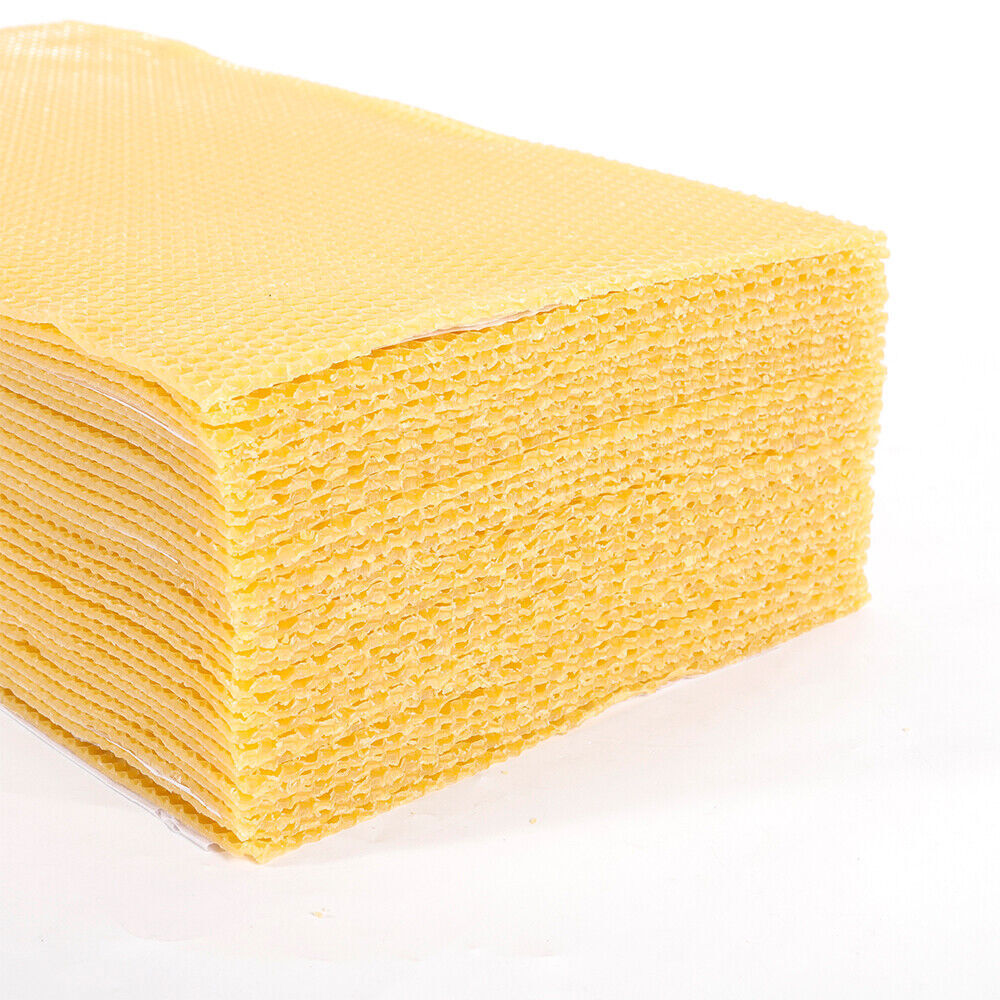 Bee Hive Foundation Honey Hive Equipment Deep House Nest Honeycomb Wax Frame$37.37View on eBay
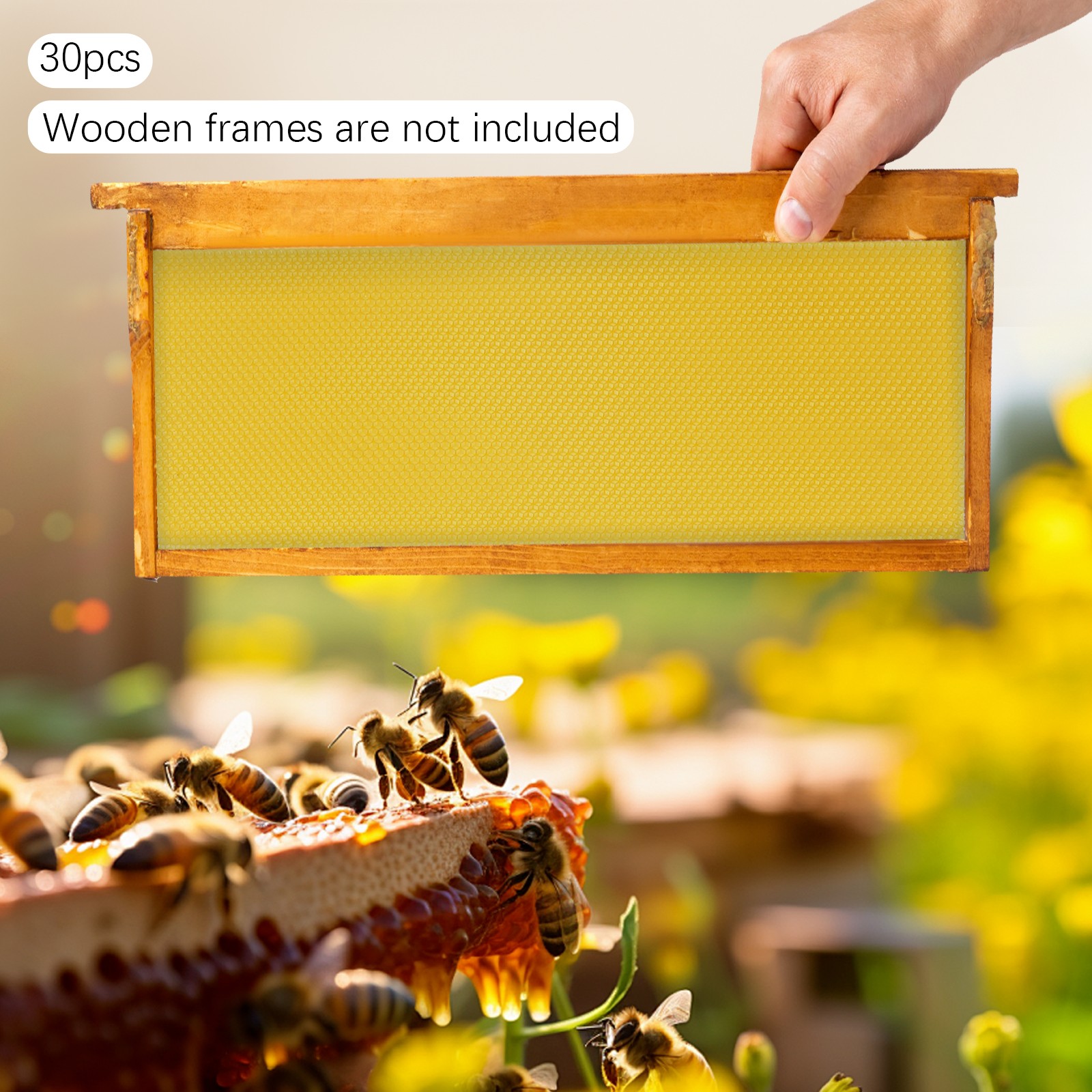 Bee Hive Foundation Honey Hive Equipment Deep House Nest Honeycomb Wax Frame$39.95View on eBay
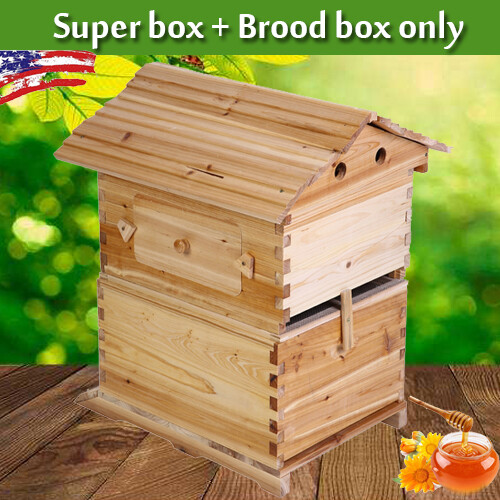 Auto Bee Hive Box Beekeeping Beehive House Beekeeping Equipment Tools Supplies$149.69View on eBay
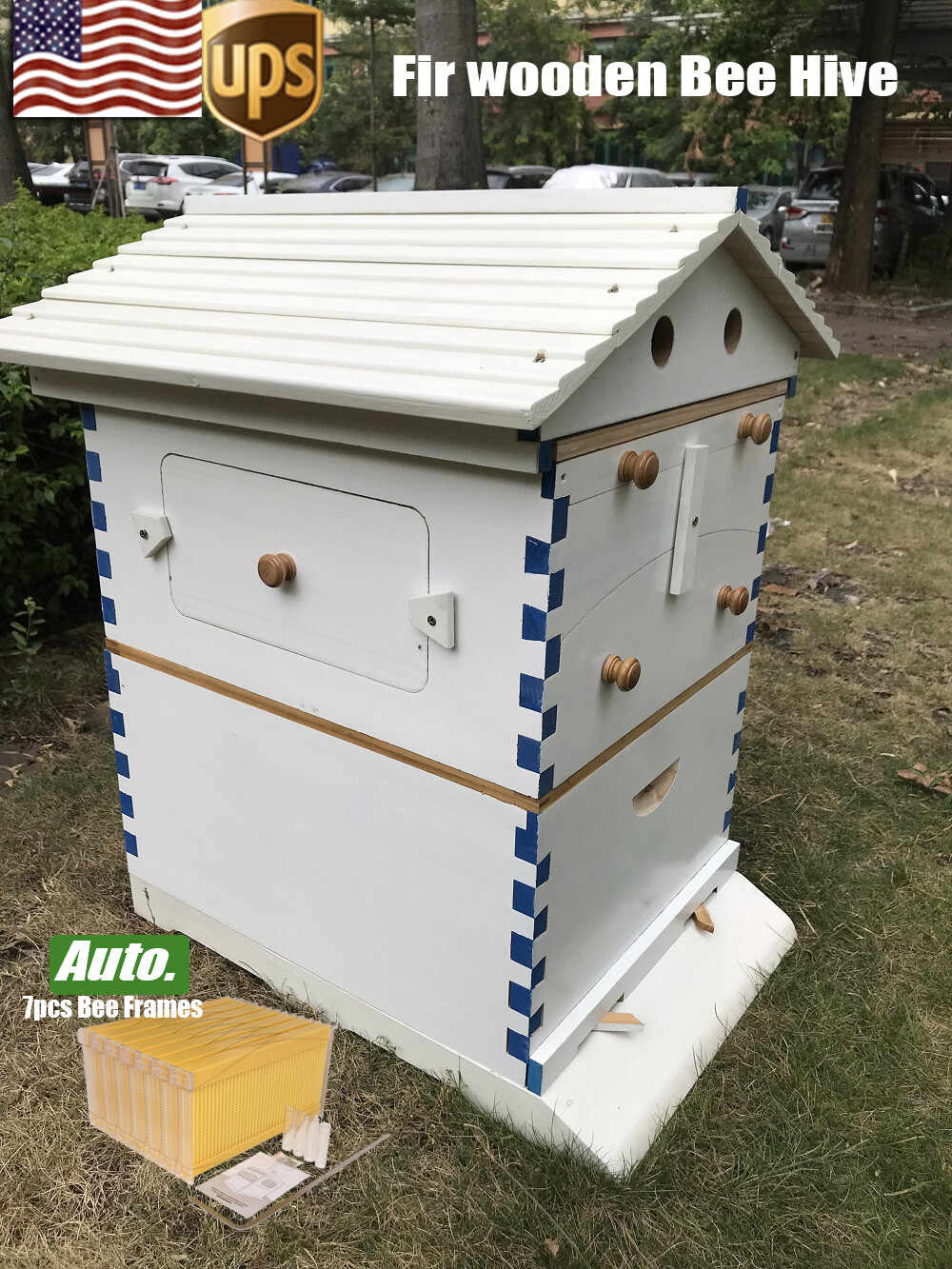 Painted Auto Langstroth Bee Hive Boxes Beekeeping Hives House 7x Bee Frames New$188.66Last checked Nov 18, 2026View on eBay
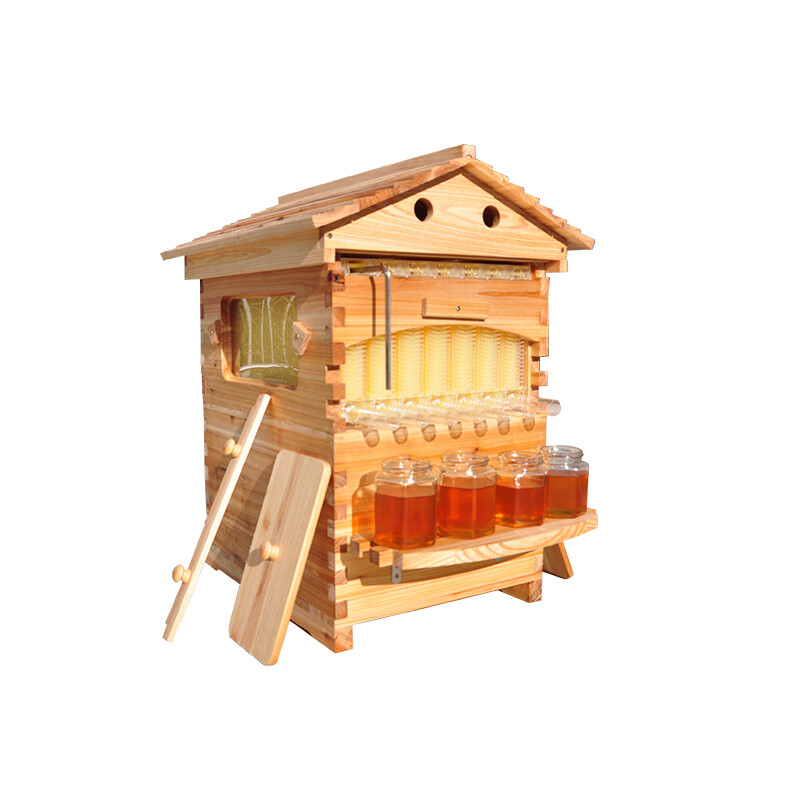 Auto Seep Bee Hives Boxes Langstroth Bee Hive HOUSE + 7x Bee Beekeeping Frames$190.95Last checked Nov 18, 2026View on eBay
- Auto Honey Bee Hives Boxes Langstroth Bee Hive HOUSE + 7x Bee Beekeeping Frames$199.59Last checked Nov 18, 2026View on eBay
Highlights
- Cavity diameter is the single performance variable: 6–8 mm holes attract mason and leafcutter bees; holes over 10 mm attract mud daubers and wasps, not pollinators.
- Nesting depth must be 10–15 cm (4–6 in) and closed at the back; shallow 5 cm holes produce male-biased broods and higher parasite loads.
- Split-block or stacked-tray designs let you open the nest to remove cocoons and scrape parasite cells; glued bamboo bundles cannot be cleaned and should be replaced every 1–2 years.
- A 2–4 cm rain overhang and a south/southeast facing mount at 1–2 m height are required; kits without a baffle flood in driving rain and mold.
Best use cases
- Best fit: a gardener wanting orchard or vegetable pollination—pick a 20–40 hole kit with 6–8 mm replaceable reeds and a mounting bracket, and face it southeast at chest height.
- Wrong fit: anyone expecting honey—solitary bees do not make harvestable honey; buy a honeybee hive (Langstroth or top-bar) instead.
- Best fit: a balcony or small yard—choose a compact 10–20 hole kit with a backboard and rain hood, mounted 1.5–2 m up on a wall sheltered from prevailing wind.
- Wrong fit: a shaded north wall or damp shed—mason bees need morning sun and dry conditions; relocate to a south-facing fence or skip the kit.
Buying tips
- Count holes per kit: 20–40 nesting cavities is the practical minimum for visible pollination; kits under 10 holes are decorative and rarely colonized.
- Insist on replaceable liners or a split block; bamboo bundles glued into a frame cannot be cleaned and Harbor parasite mites and chalkbrood.
- Check hole depth and rear closure: 10–15 cm deep, solid back, and no splinters inside—splintered interiors tear bee wings.
- Mounting hardware must include screws and a standoff; a flush-mounted box overheats and is hard to clean. Reject kits with no overhang or ventilation slots.
Specs
| Hole Diameter | 6–8 mm (mason/leafcutter) |
|---|---|
| Nesting Depth | 10–15 cm, closed back |
| Nest Type | Replaceable reeds / split block |
| Mounting | South-facing, 1–2 m, rain hood |
Related searches
What to check before buying
- Measure the intended wall or fence: you need 15–20 cm clearance behind and above the kit for the rain hood and mounting bracket.
- Confirm sun exposure: the mount spot must get morning sun and be sheltered from prevailing rain—north-facing walls are a no-go.
- Check hole diameter with a drill bit or caliper: 6–8 mm for mason/leafcutter bees; reject kits with mixed oversized holes over 10 mm.
- Verify the kit ships with a backboard, screws, and either loose reeds or a split block—kits missing liners are single-season disposable.
FAQ
Data sources: eBay / Amazon listings and product attribute feeds. Updated Nov 27, 2026.
Some links on this page are affiliate links. If you buy after clicking one, we may earn a commission at no extra cost to you. This does not change which products appear here or their order. Affiliate disclosure.