GardenPulse Guide

GardenPulse Guide

Garden, Yard & Outdoor Living Reviews & Buying Guides

Compare garden, yard & outdoor living by use case, features, trade-offs, price, returns, and seller terms before you buy.

Buying guides

Buying guide image
Raised Garden Beds & Planters

Self Watering Plant Pot

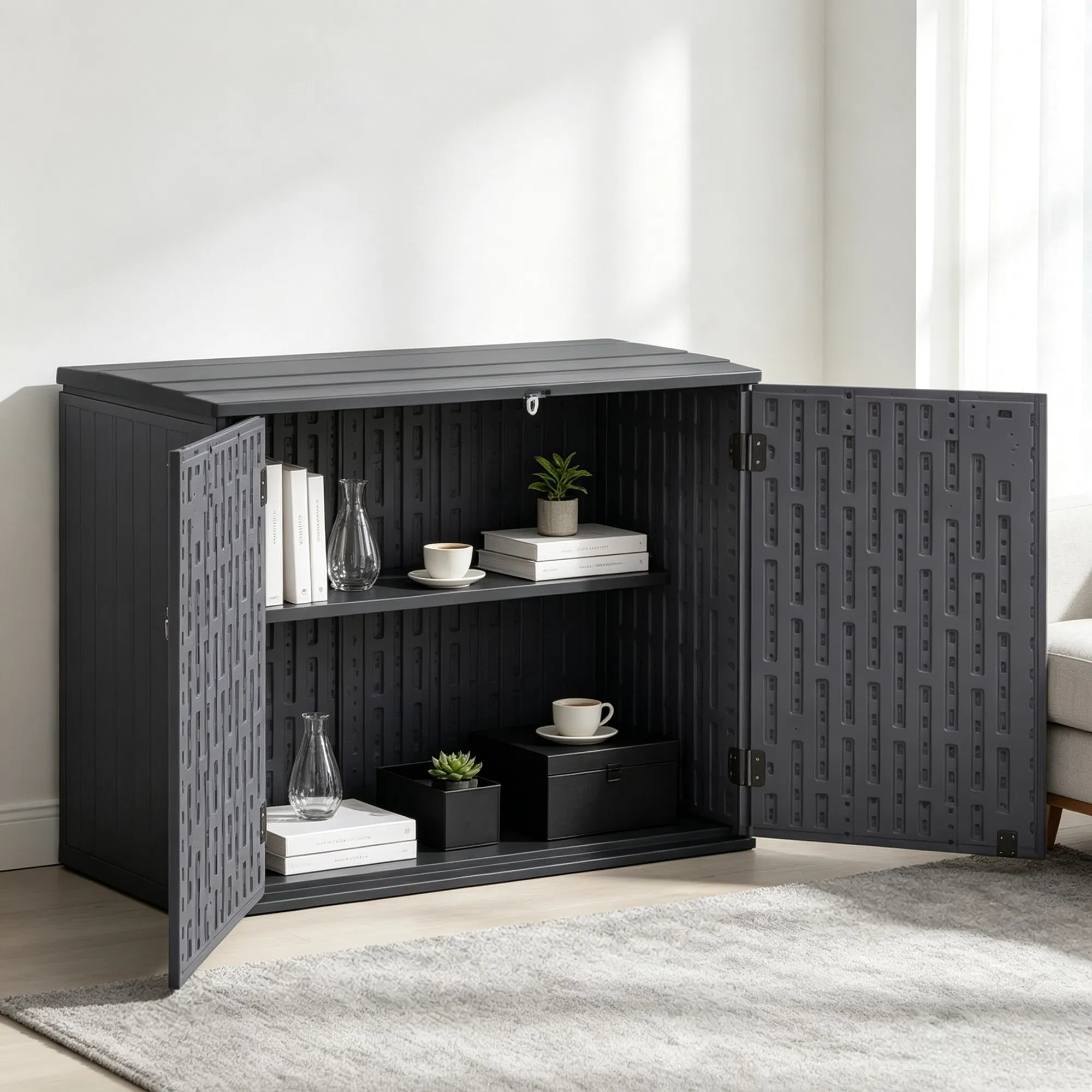
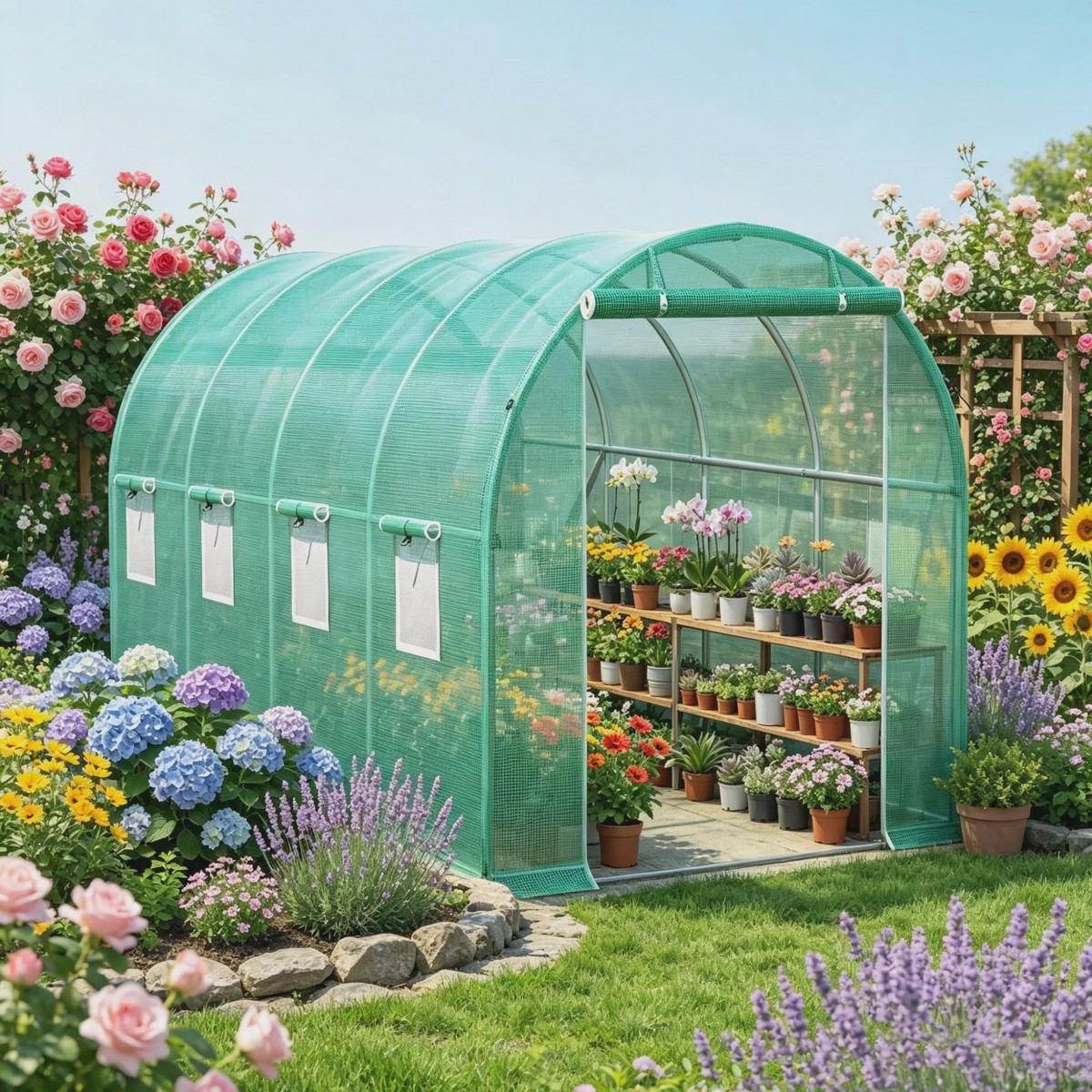
Self-watering plant pots use a reservoir and wicking system to deliver consistent moisture, eliminating guesswork from watering. The key trade-off is reservoir capacity versus soil volume: small decorative pots dry out fast, while large raised planters hold more water but require sturdy construction. Choose pots with a visible water-level indicator and a separate fill tube for durable, low-maintenance watering; skip sealed units without drainage or refill access.
Buying guide image
Outdoor Storage

Resin Outdoor Storage Shed

Resin outdoor storage sheds are modular plastic structures (usually blow-molded HDPE or resin-clad steel) that trade the rigidity of wood or metal for rust-proof, low-maintenance weather resistance. The core trade-off is wall thickness and panel modularity: thin blow-molded panels flex and fade, while thick double-wall resin or resin-clad steel panels hold shape and resist wind uplift. Buyers should pick double-wall resin with a full floor and steel reinforcement for anything larger than a small tool locker, and skip single-wall snap-together kits for year-round outdoor exposure.

Buying guide image
Greenhouse & Hydroponics

Hoop House Greenhouse

A hoop house greenhouse is a temporary or seasonal growing structure built from arched metal hoops covered with polyethylene film, offering a low-cost way to extend the growing season. The primary trade-off is between frame rigidity (galvanized steel vs. powder-coated steel, hoop spacing, and diagonal bracing) and cover durability (PE weave thickness, UV stabilization, and tear resistance). Choose a hoop house with at least 4mm-thick galvanized steel hoops spaced no more than 3 feet apart and a UV-treated 150gsm+ PE cover; anything lighter is a one-season compromise.

Buying guide image
Lawn Care

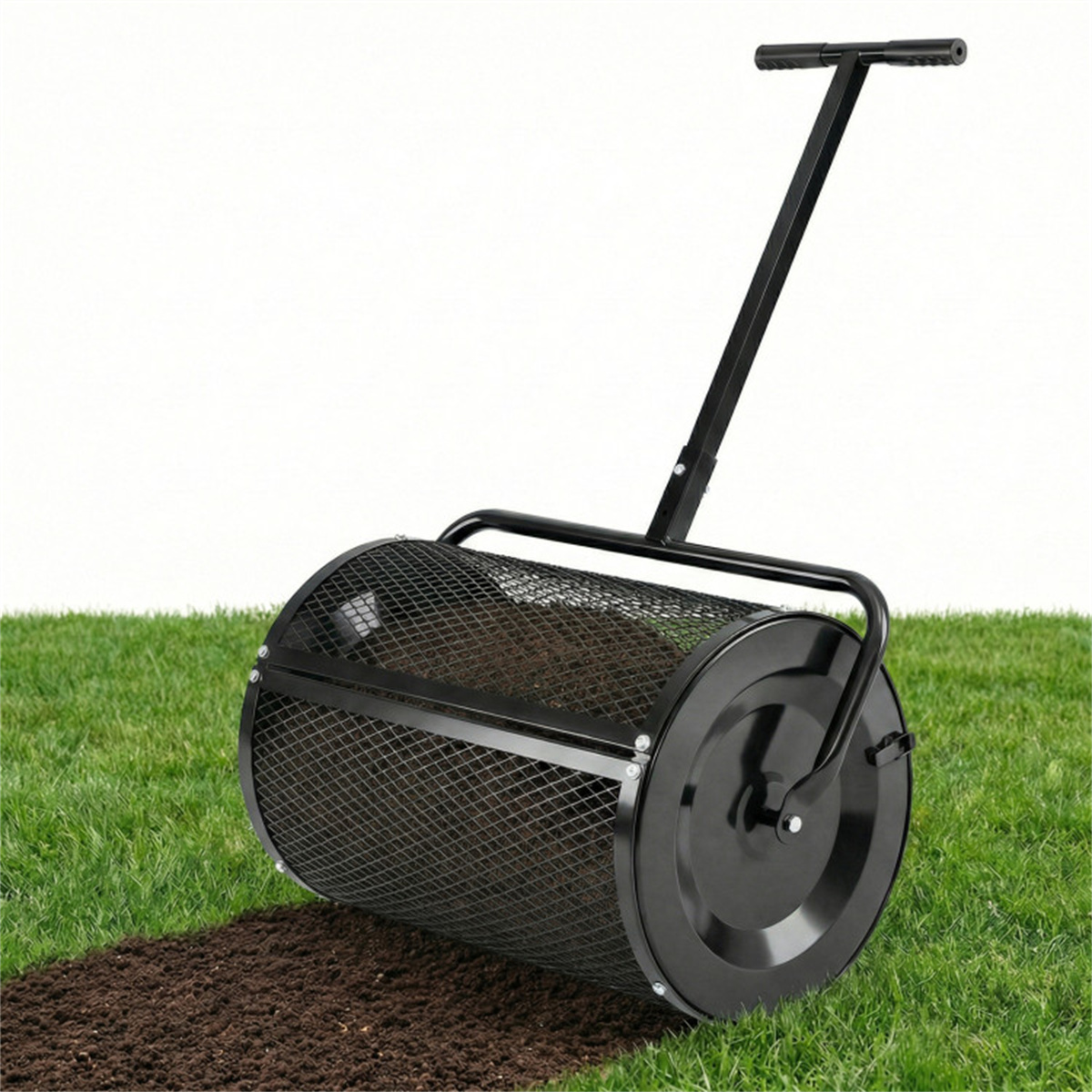
Lawn Fertilizer Spreader

A lawn fertilizer spreader is a metering device that converts granular product into an even broadcast or drop pattern; the core trade-off is hopper capacity and wheel/tire quality against pattern control and maneuverability. Durable walk-behind units use metal gearboxes, pneumatic tires, and a hopper grate, while budget units rely on plastic gears and narrow hard wheels that skip and strip. The decision rule: match hopper capacity in pounds to your lawn size, and reject any spreader without a calibrated flow gate and a rust-resistant hopper.

Buying guide image
Watering & Irrigation

DIY Irrigation

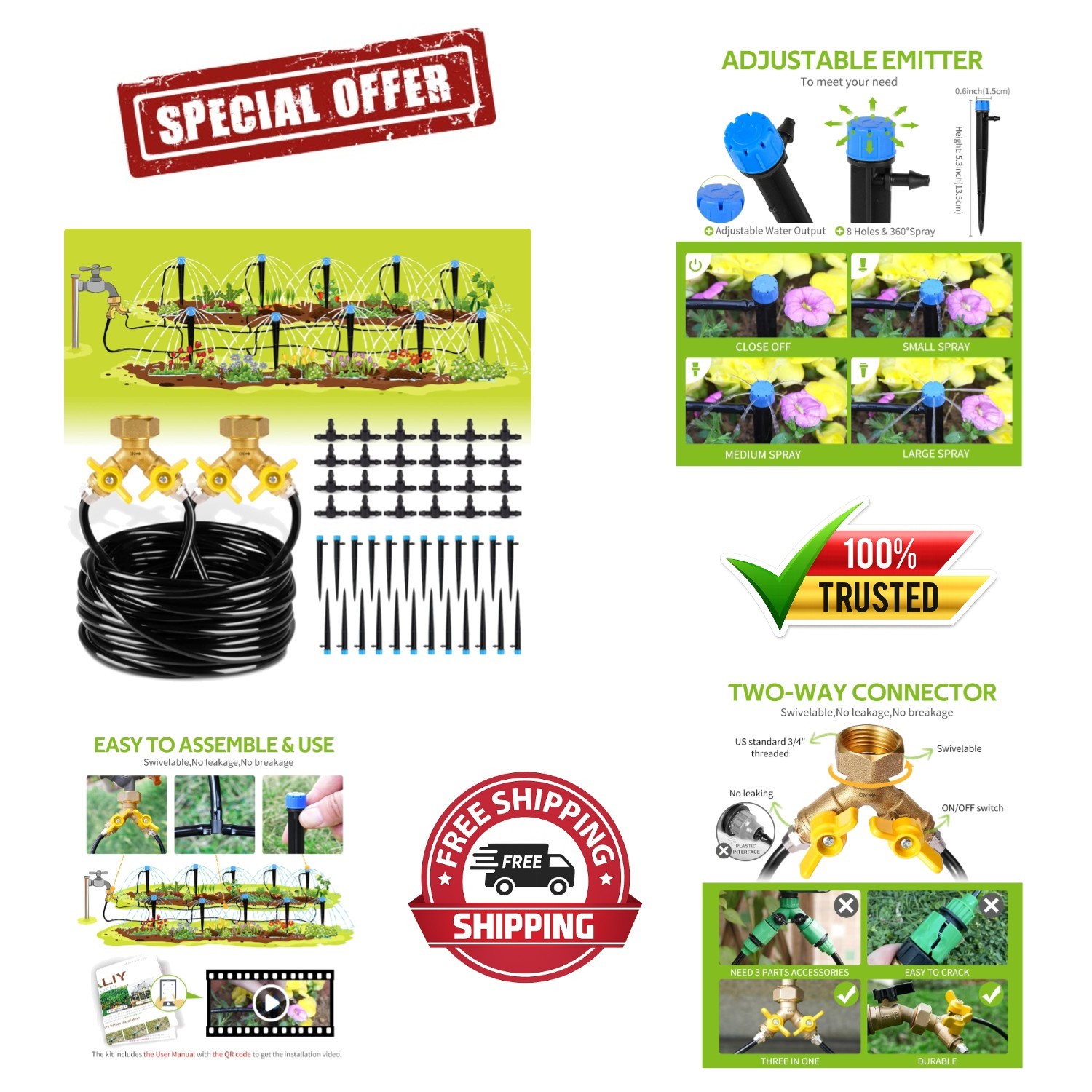
DIY irrigation kits let you automate watering without a plumber, but the wrong kit wastes water, clogs, or fails within a season. Focus on emitter type, tubing diameter, and pressure source to match your bed count and water access. Skipping a filter or pressure regulator is the most common install mistake.

Buying guide image
Lawn Care

Fertilizer Spreader

A fertilizer spreader is a hopper-and-impeller (broadcast) or gravity-drop (drop) machine that meters granular product onto turf; the core trade-off is hopper capacity and drive type versus spread pattern control and maneuverability. Durable options use corrosion-resistant hoppers, sealed metal gearboxes, and pneumatic tires, while compromises rely on exposed plastic gears, thin hoppers, and imprecise single-lever gates. The decision rule: match hopper capacity to lawn square footage, choose broadcast for speed and drop for edge precision, and reject any unit without a positive shut-off and rate calibration chart.

Buying guide image
Outdoor Storage

Plastic Storage Box With Lids

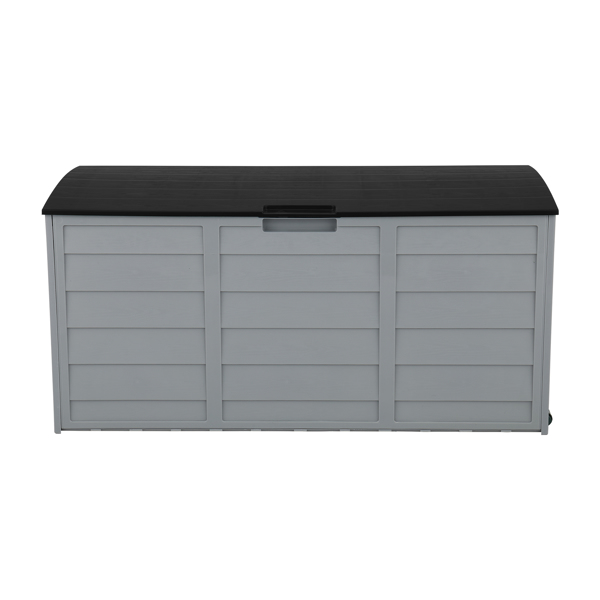
A plastic storage box with lid is a weather-resistant resin or polypropylene container for patios, decks, and sheds, spanning small 30-gallon deck boxes to 105-gallon benches. The core trade-off is resin grade and wall thickness versus UV stabilization and lid sealing — thin blow-molded shells crack in freeze-thaw cycles while thick HDPE/PP with double-wall lids hold form. Buy double-wall or roto-molded resin rated UV-stabilized if the box stays outdoors year-round; accept single-wall blow-molded only for covered porches or seasonal storage.

Buying guide image
Residential Outdoor Power Equipment

Electric Tiller

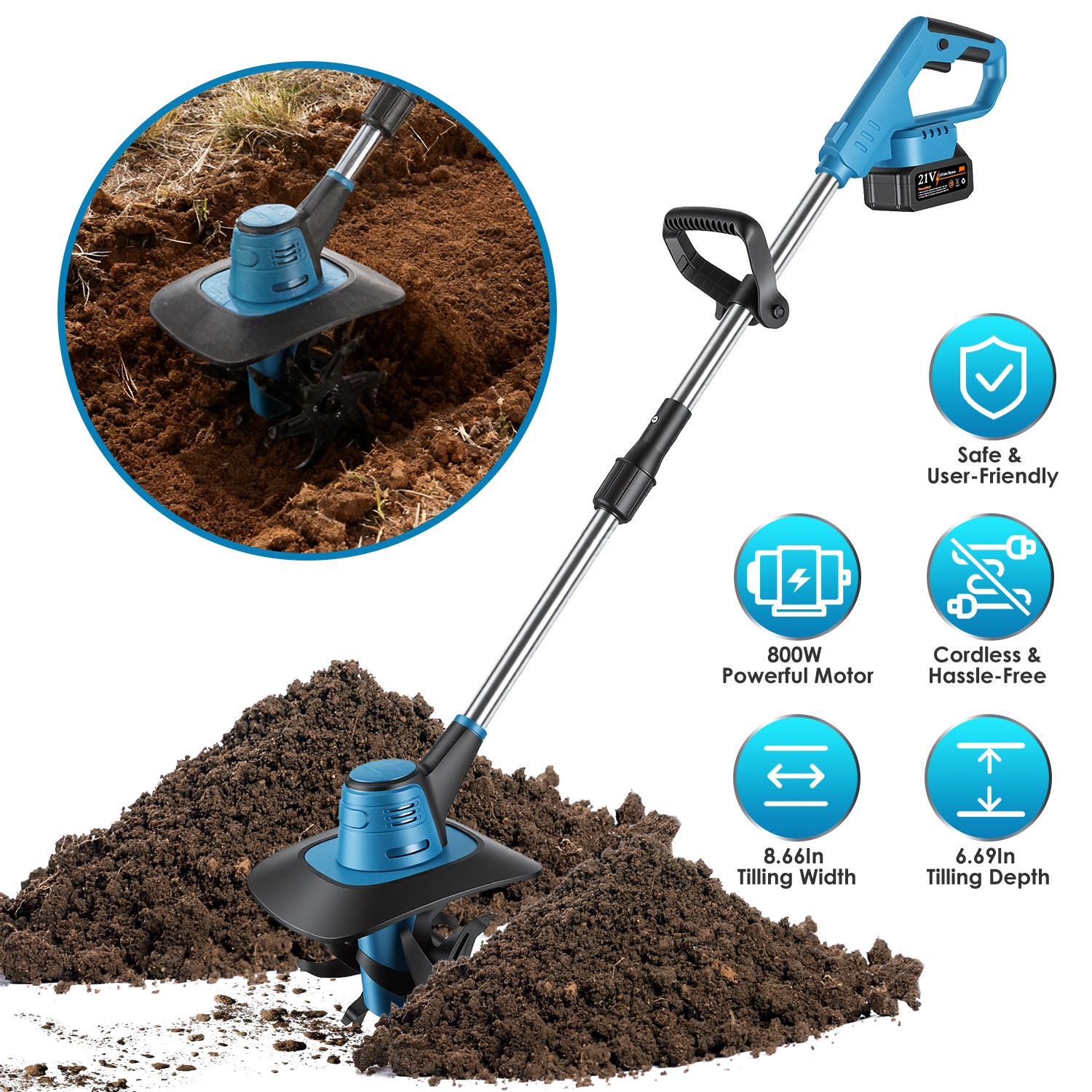
Electric tillers split into corded AC models for sustained breaking of new beds and battery-powered mini cultivators for light weeding between rows. The decisive trade-off is torque and runtime versus portability: corded units deliver constant amp-fed power but tether you to an outlet, while cordless units run 20V-class packs and cap out at shallow depths. Buy corded at 10A or higher for virgin soil and raised-bed turnover; buy cordless only for established beds, rows, and small plots under a few hundred square feet.

Buying guide image
Outdoor Structures, Shade & Awnings

Motorized Retractable Awning

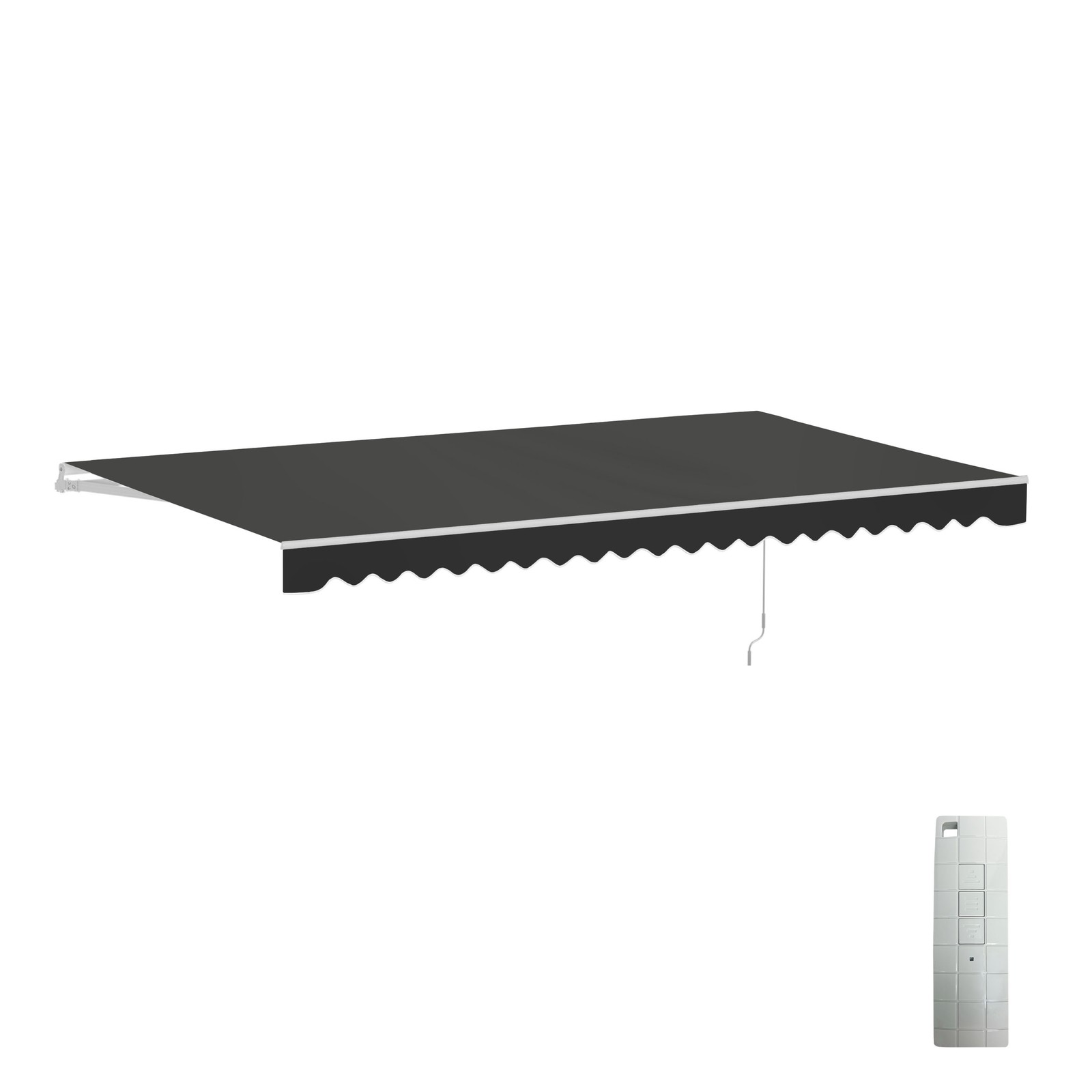
Motorized retractable awnings add push-button shade to patios and decks, but sizing, fabric grade, and motor quality determine whether the unit lasts seasons or sags after one storm. Buyers commonly misjudge the projection depth needed for afternoon sun or overlook wall structure and mounting height. Focus on cassette vs open-roll design, polyester vs acrylic fabric weight, and whether a manual crank backup is included for power outages.

Buying guide image
Patio Furniture

Heavy Umbrella Base

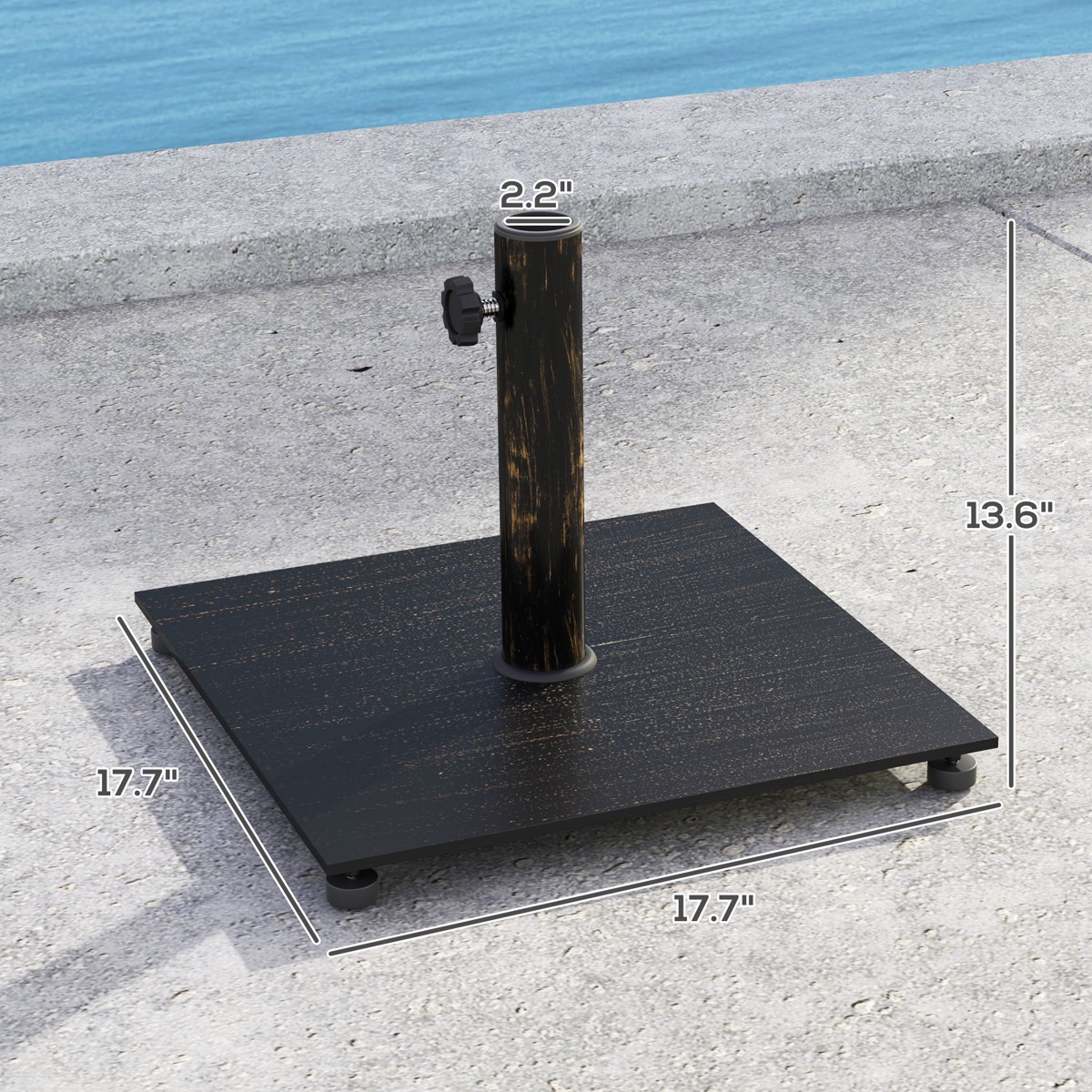
A heavy umbrella base is the ballast system that keeps a market or cantilever umbrella upright against wind uplift, and its performance is dictated by three variables: total mass (filled weight), base footprint/arm geometry, and pole-collar compatibility. The core trade-off is between dead weight (sand or water fill, stone/concrete) for pure stability and mobility systems (wheels, handles) for seasonal repositioning. The decision rule: match your filled weight and cantilever arm length to your umbrella's exposed sail area and local wind zone, not to the bare shell weight on the box.

Buying guide image
Watering & Irrigation

Hose Cart With Wheels

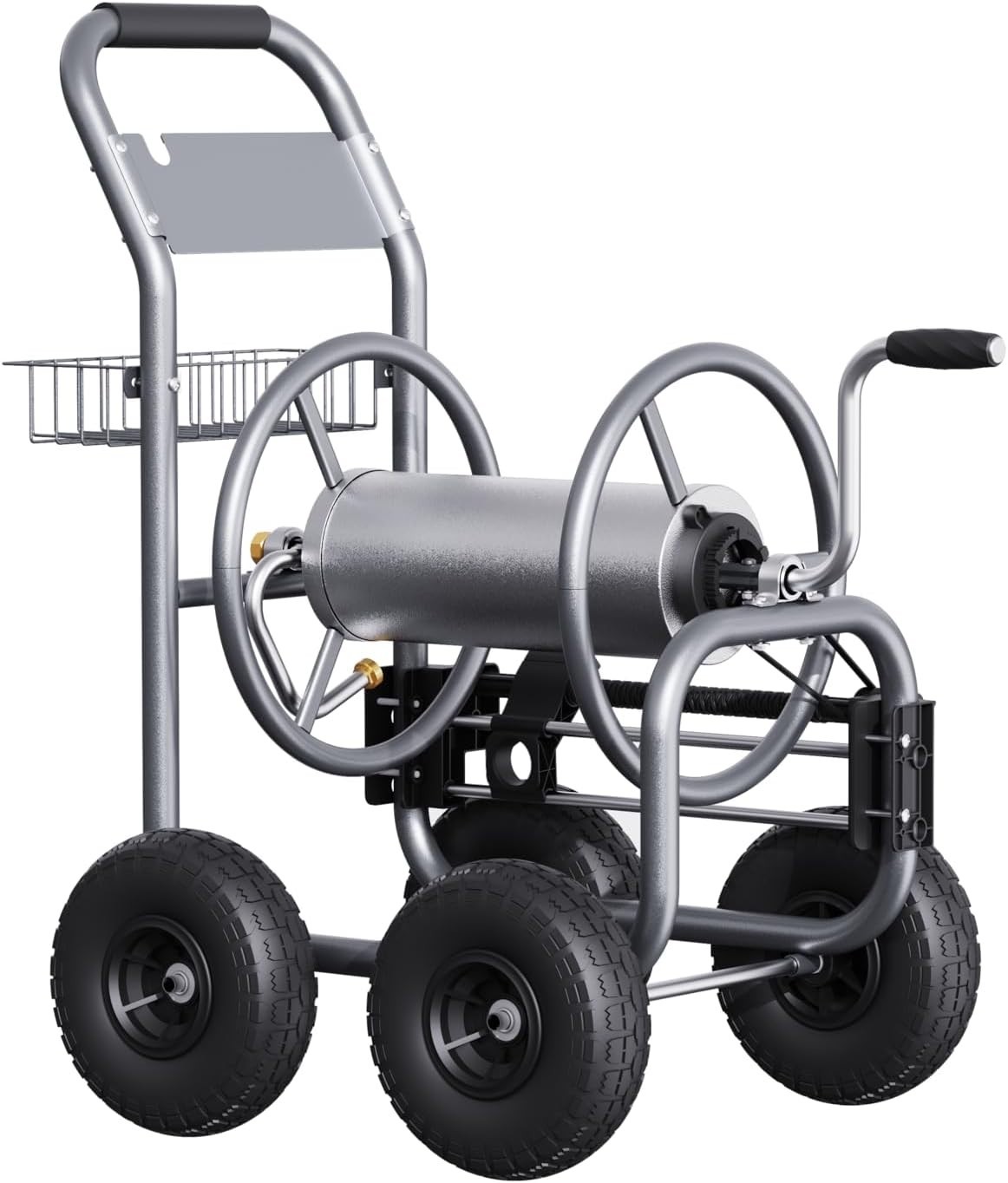
A wheeled hose cart turns a heavy drag into a controlled pull, but capacity, wheel type, and frame material decide whether it rolls smoothly for seasons or tips on turf. Shoppers often overbuy hose length capacity and underbuy wheel and fitting quality, then fight kinks and rust. Focus on real hose diameter, cart footprint, and terrain before choosing a tier.

Buying guide image
Pools & Spas

Hot Tub 6 Person Inflatable

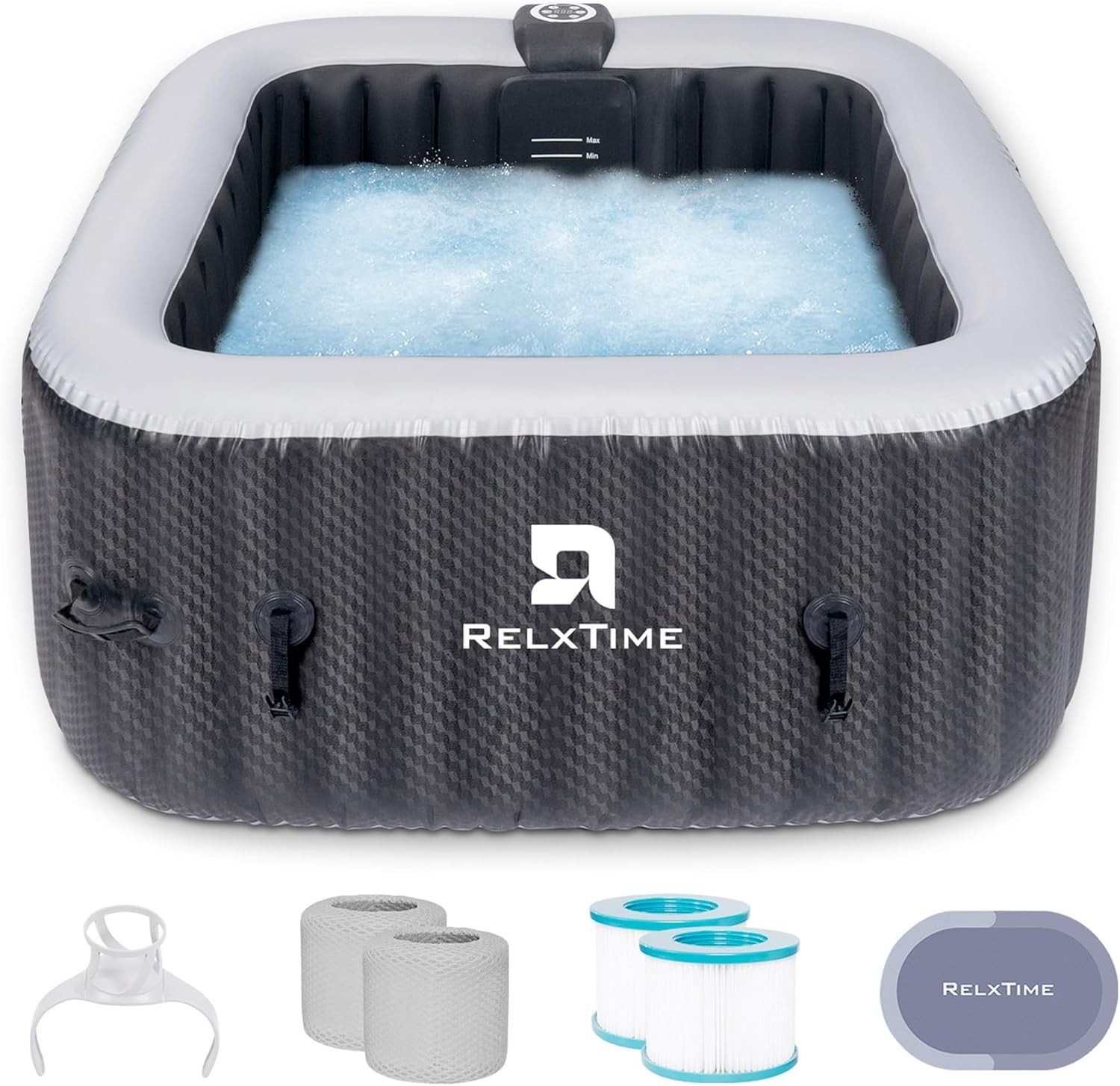
A six-person inflatable hot tub is a portable spa solution for buyers who want hydrotherapy without permanent installation, but actual seating comfort and jet performance vary widely by model. Focus on true interior dimensions, heater wattage, and pump architecture rather than advertised 'six-person' labels, which often assume tightly packed adults. Buyers commonly mistake inflated outer diameter for usable soak space and underestimate the electrical requirements of 120V versus 240V systems.

Buying guide image
Watering & Irrigation

Hose Reel Cart With Wheels

A hose reel cart with wheels solves the two biggest hose headaches: dragging a heavy coil across the lawn and leaving it to kink in the sun. Buyers usually get this wrong by sizing the reel to the hose length they own rather than the length they actually use, or by picking thin plastic wheels that bog down in wet grass. Match the cart's capacity, wheel type, and frame material to your yard's surface and your hose's diameter before choosing a tier.

Buying guide image
Outdoor Structures, Shade & Awnings

12 X 12 Gazebo

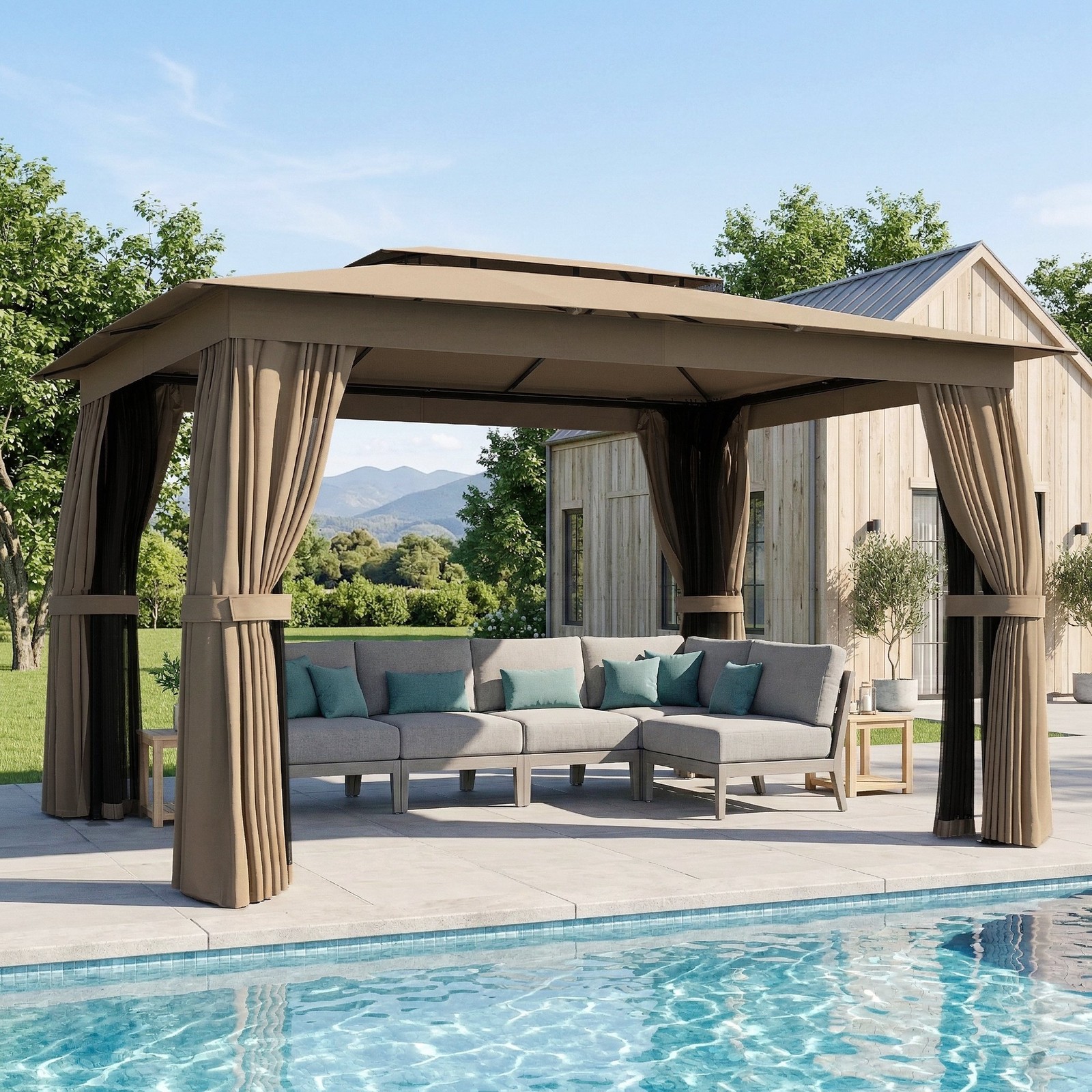
A 12x12 gazebo is a substantial footprint—roughly 144 square feet of covered shade—so the first decision is whether your patio or deck can actually host it. Most buyers underestimate how much clearance the roof overhang and anchor points demand, then discover the hard way that a soft-top unit is not a permanent structure. Focus on frame gauge, roof architecture, and anchoring before you look at sidewalls or curtains.

Buying guide image
Outdoor Structures, Shade & Awnings

Large Shed

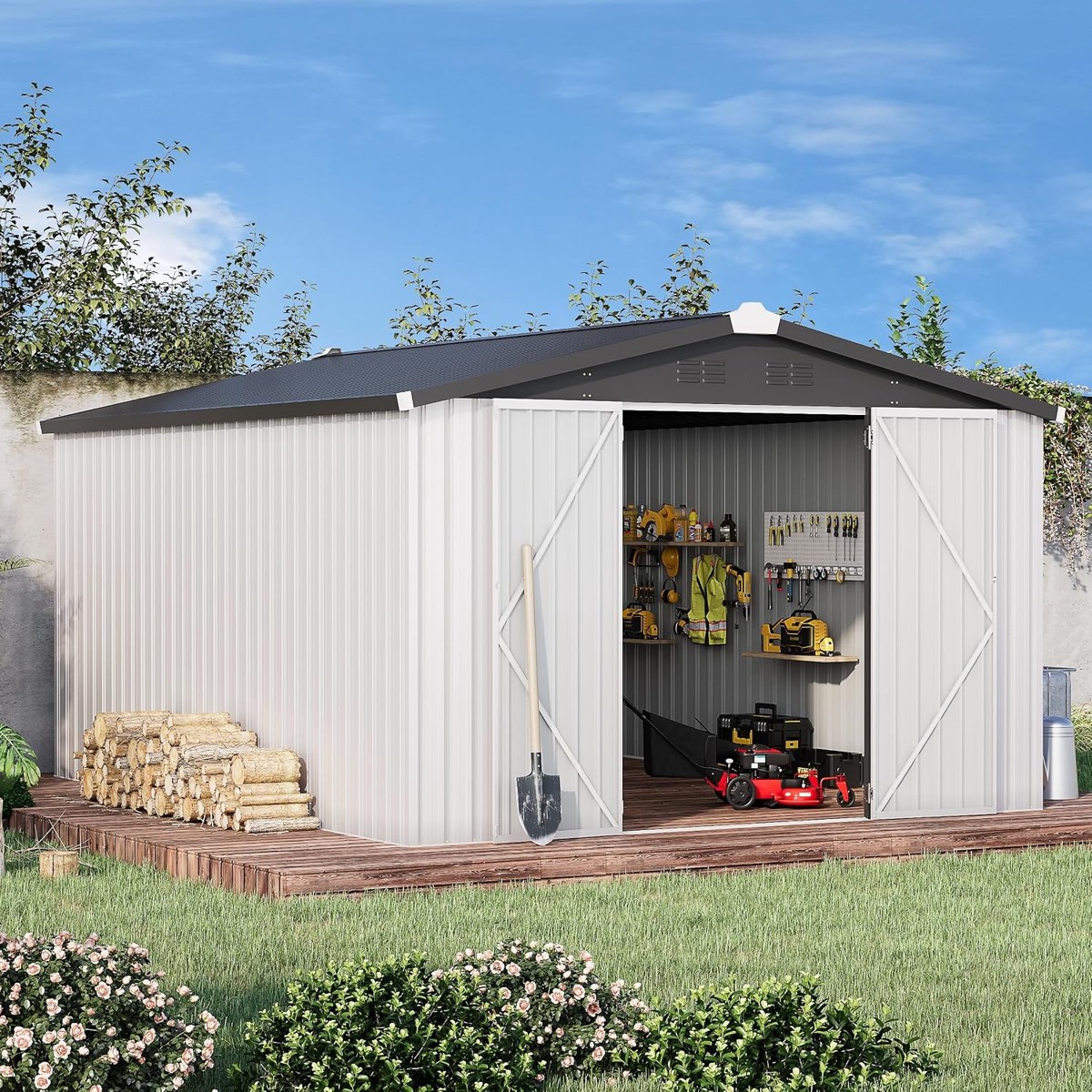
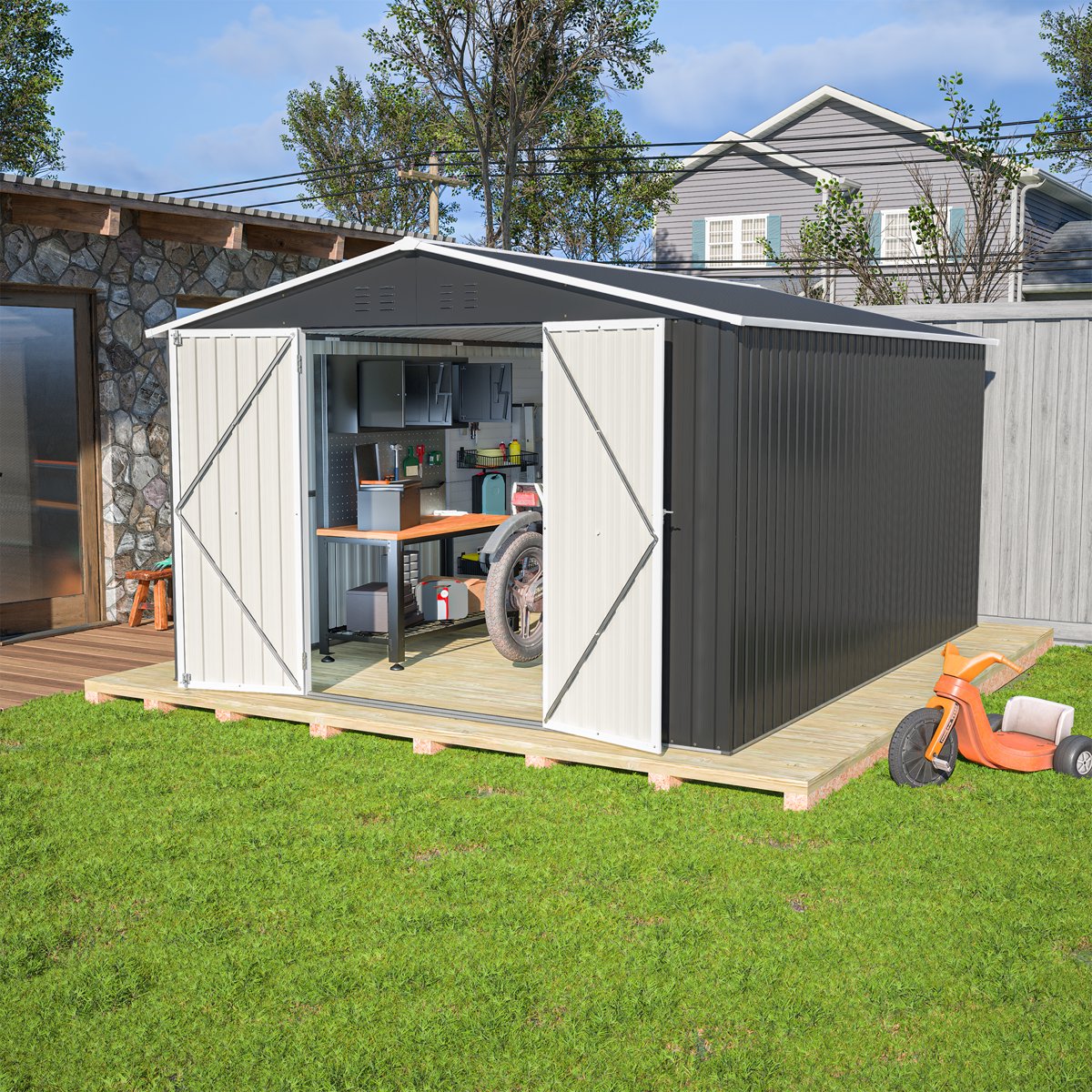
A large shed is a freestanding outdoor structure typically 8x10 ft or bigger, used for storing tools, bikes, garden equipment, or as a workspace. The primary trade-off is frame material and panel gauge: thin galvanized steel with light bracing is affordable but dents and rusts at cut edges, while heavier-gauge steel or timber-frame construction with proper foundation anchoring adds decades of durability. The decision rule: buy only if the shed ships with a full anchoring kit, a floor/foundation plan, and panels of at least 0.25 mm steel thickness or 12 mm timber cladding; skip any kit that lists no wind rating, no panel gauge, and no door-locking hardware.

Buying guide image
Outdoor Storage

Large Metal Storage Shed

Large metal storage sheds are steel or aluminum-framed outdoor buildings in the 8x8 to 12x14 ft range, used for garden equipment, bikes, and lawnmowers. The core trade-off is panel gauge and frame rigidity versus corrosion resistance and assembly complexity. Buyers should prioritize a galvanized steel panel of at least 0.25 mm (preferably 0.3 mm) with a reinforced ridge beam and anchored base; thin 0.18–0.2 mm panels with pop-rivet frames are the compromise tier that dents and leaks within a few seasons.

Buying guide image
Beehives & Frames

Honey Frame

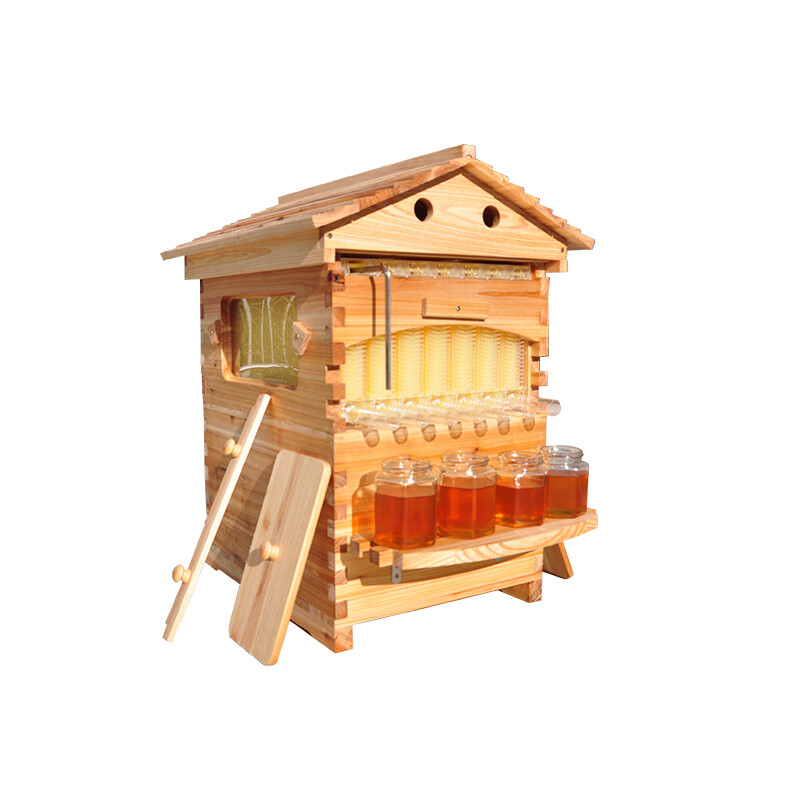
Honey frames are the removable combs where bees store surplus honey, and the frame's depth, foundation type, and material determine how much honey you harvest and how easily you extract it. Buyers often confuse brood frames with honey supers or pick frames that don't match their box depth, leading to crushing, cross-comb, or extraction failures. This guide covers the real differences among shallow, medium, and deep frames, wax vs. plastic foundation, and Langstroth compatibility.

Buying guide image
Garden Tools

Weed Mat

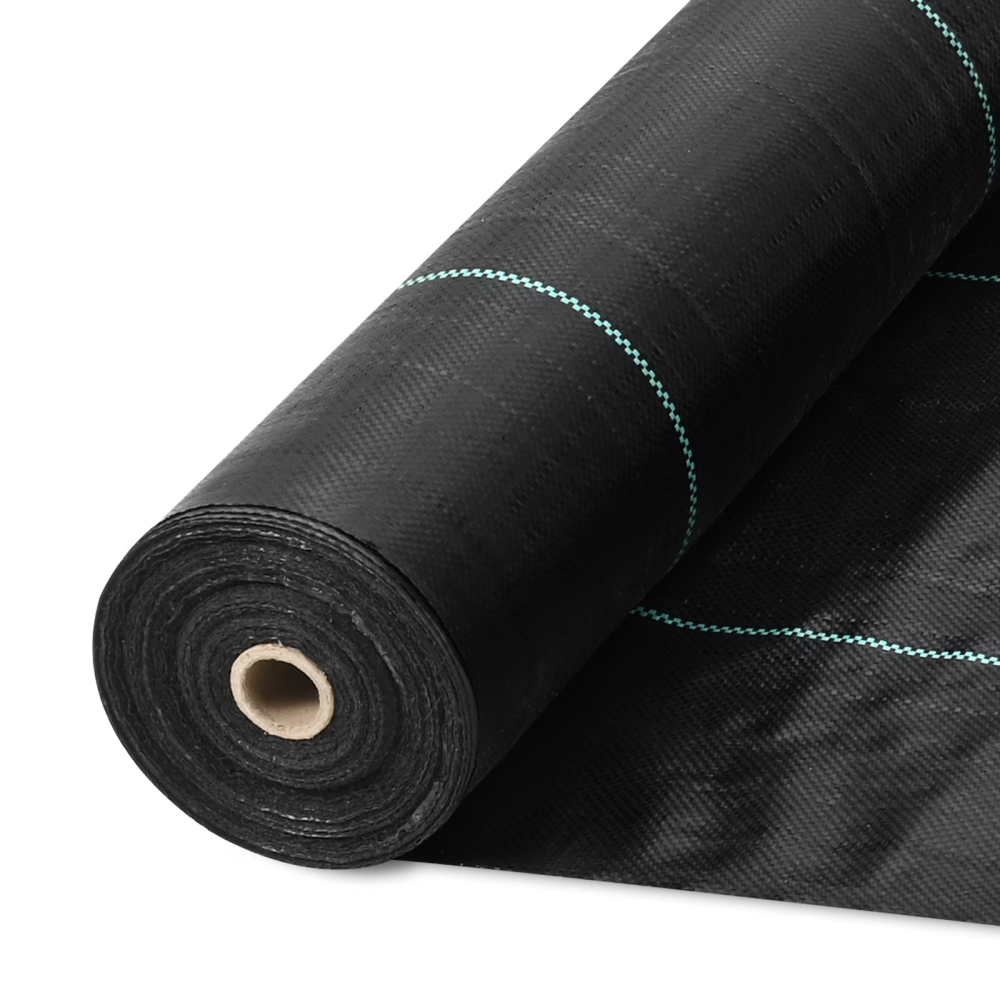
Weed mat (landscape fabric) is a geotextile barrier that blocks weed growth while allowing water and air to pass through, and the primary trade-off is between woven polypropylene (high strength and permeability) and non-woven fabric (better for drainage and French drains). The decisive rule: choose a woven PP fabric of at least 3.2 oz/yd² and 70 g/m² for garden beds, and reserve non-woven 4 oz fabric for drainage and driveway underlayment—skip any fabric below 70 g/m² or with unstated UV stabilization.

Buying guide image
Outdoor Storage

Outdoor Patio Storage Cabinet

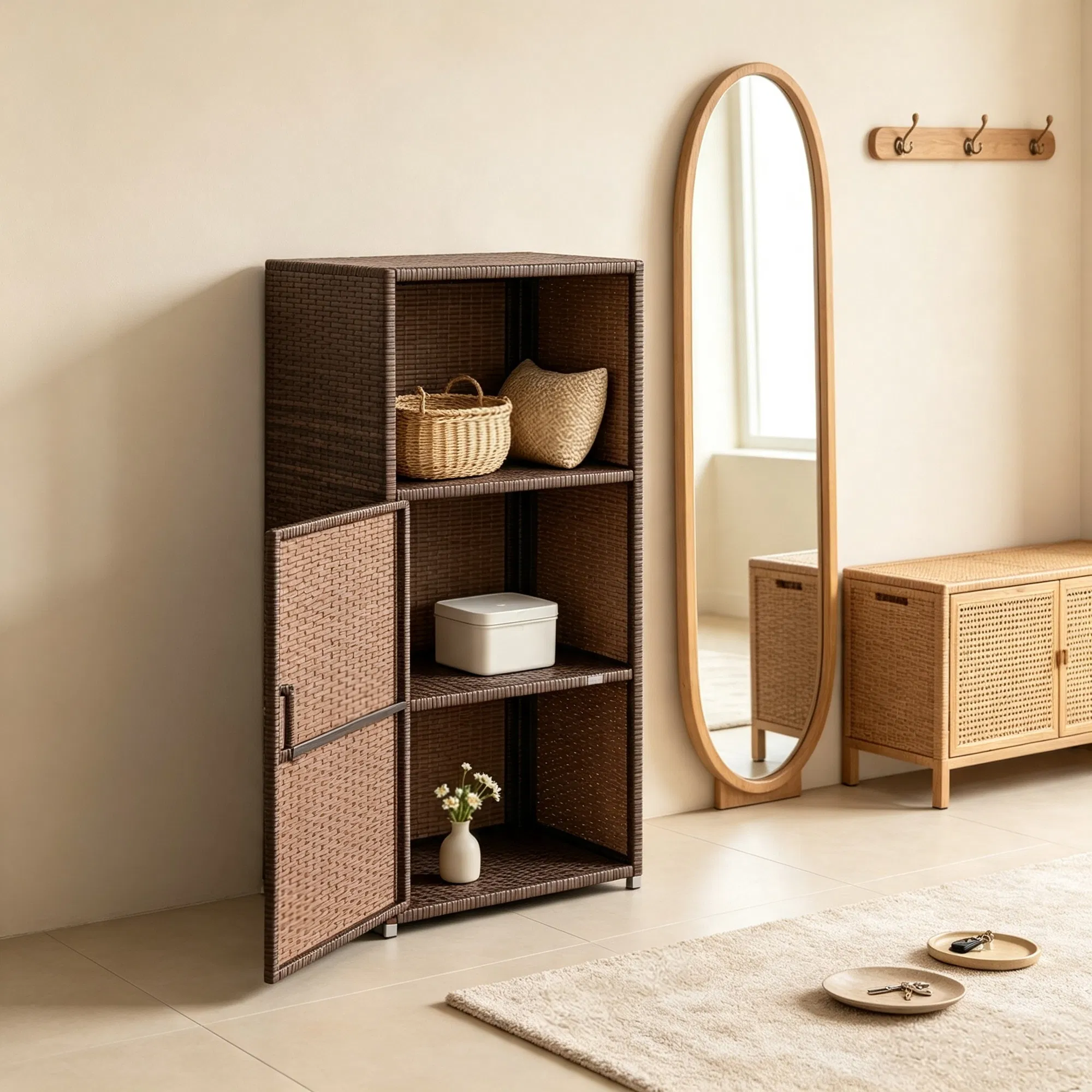
Outdoor patio storage cabinets are weather-rated enclosures that keep cushions, tools, pool chemicals, and grill gear dry and secure on decks, patios, and poolside. The core trade-off is enclosure architecture: rigid resin/HDPE panels and powder-coated steel resist rain and UV far better than PE rattan wraps over light frames, which crack and fade. Buy resin or steel with a rated waterproof seal, lockable latch, and anchored base; skip open wicker units and unsealed particleboard benches for exposed sites.

Buying guide image
Greenhouse & Hydroponics

Vertical Hydroponic Tower

A vertical hydroponic tower is a stacked, recirculating grow system that pumps nutrient solution to top-fed planting pockets, maximizing canopy per square foot. The core trade-off is between thin DIY pot stacks with weak pumps and rigid food-grade PP/ABS towers with integrated filtration and stable bases. Buy a complete tower with a UL-listed pump, UV-stable PP/ABS walls, and a footprint-matched reservoir; skip loose cup kits unless you already own a pump, timer, and reservoir.

You may also like

Finding more guides for you…