
Photos from current listings. Actual item, color, and included accessories may vary.
Solar Landscape Light Buying Guide
Solar landscape lights are self-contained, sun-charged fixtures that illuminate paths, beds, walls, and focal garden features without trenching or wiring. The core trade-off is between decorative novelty and durable architecture: monocrystalline panels with LiFePO4 or high-capacity Li-ion cells and die-cast aluminum or stainless housings outperform amorphous-panel plastic stakes that dim within months. Buy metal-bodied fixtures rated IP65 or higher with replaceable batteries for longevity; treat integrated-battery plastic sets as short-life seasonal décor.
Median $50.99
Key takeaways
- Panel type decides recharge speed: monocrystalline panels harvest 15–25% more low-light energy than amorphous panels, so choose mono for shaded or northern exposures.
- Battery chemistry governs lifespan: LiFePO4 delivers 2,000–5,000 cycles and handles heat best; sealed Li-ion is 500–1,000 cycles; old NiMH or NiCd cells are the first failure point in cheap sets.
- IP rating separates outdoor-real from outdoor-fake: IP65 survives rain jets and dust; IP44 or lower is decorative-only and will corrode at the battery door.
At a glance
- Category
- Outdoor Lighting & Decor
- Last updated
- Nov 29, 2026
Current offers
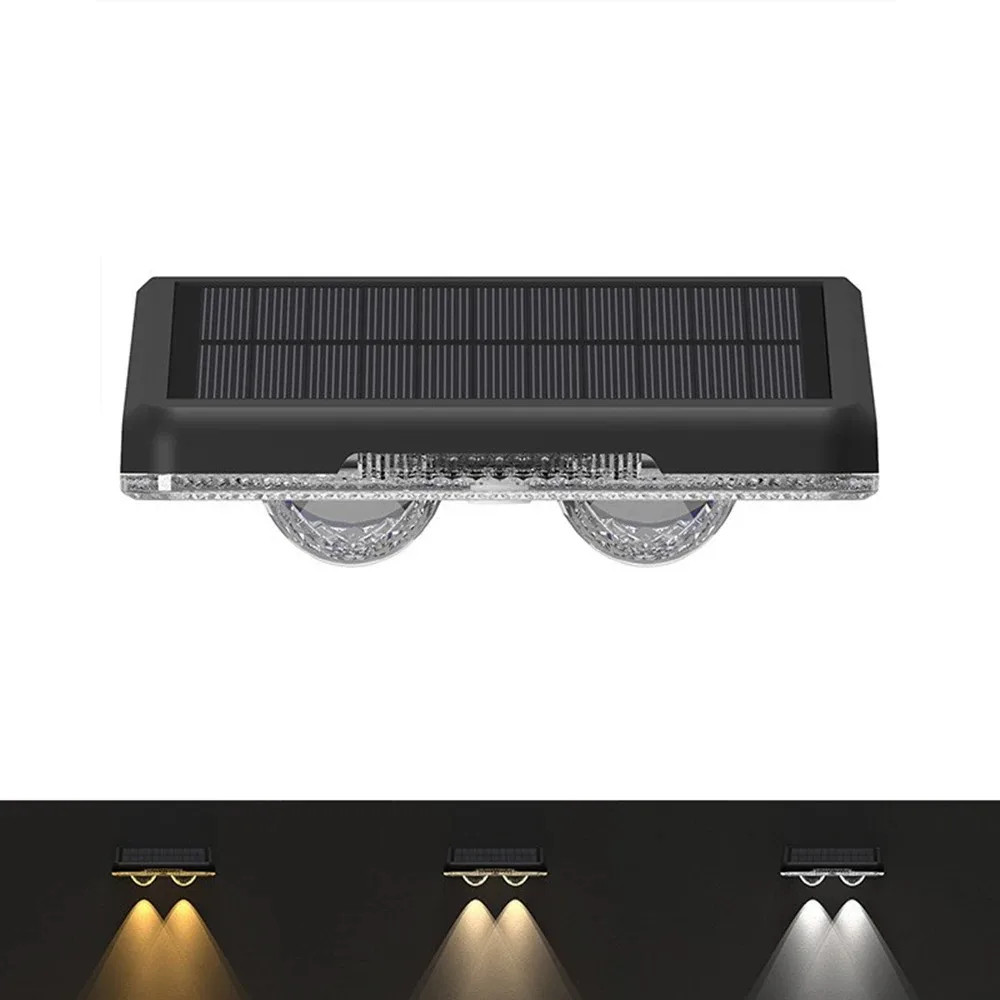 LED Solar Light Outdoor Waterproof Wall Lamp RGB 3Color Path Garden Landscape De$13.99View on eBay
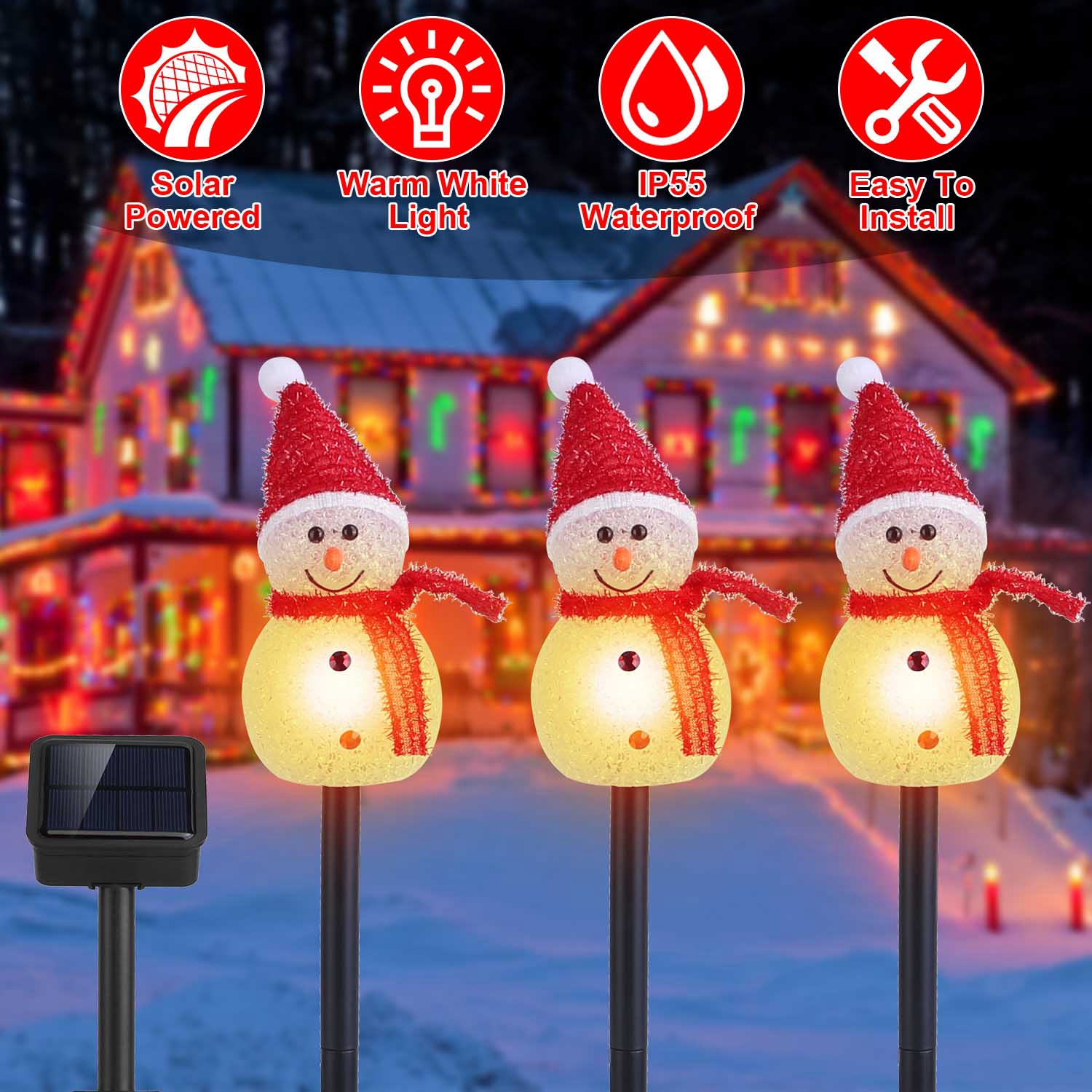 1Pc Solar Powered Lamp 3 Snowmen Outdoor Decorative Christmas Garden Stake Light IP55 Waterproof Santa Landscape Warm White LED Lighting Pathway Yard Patio$21.99View on Mallflare
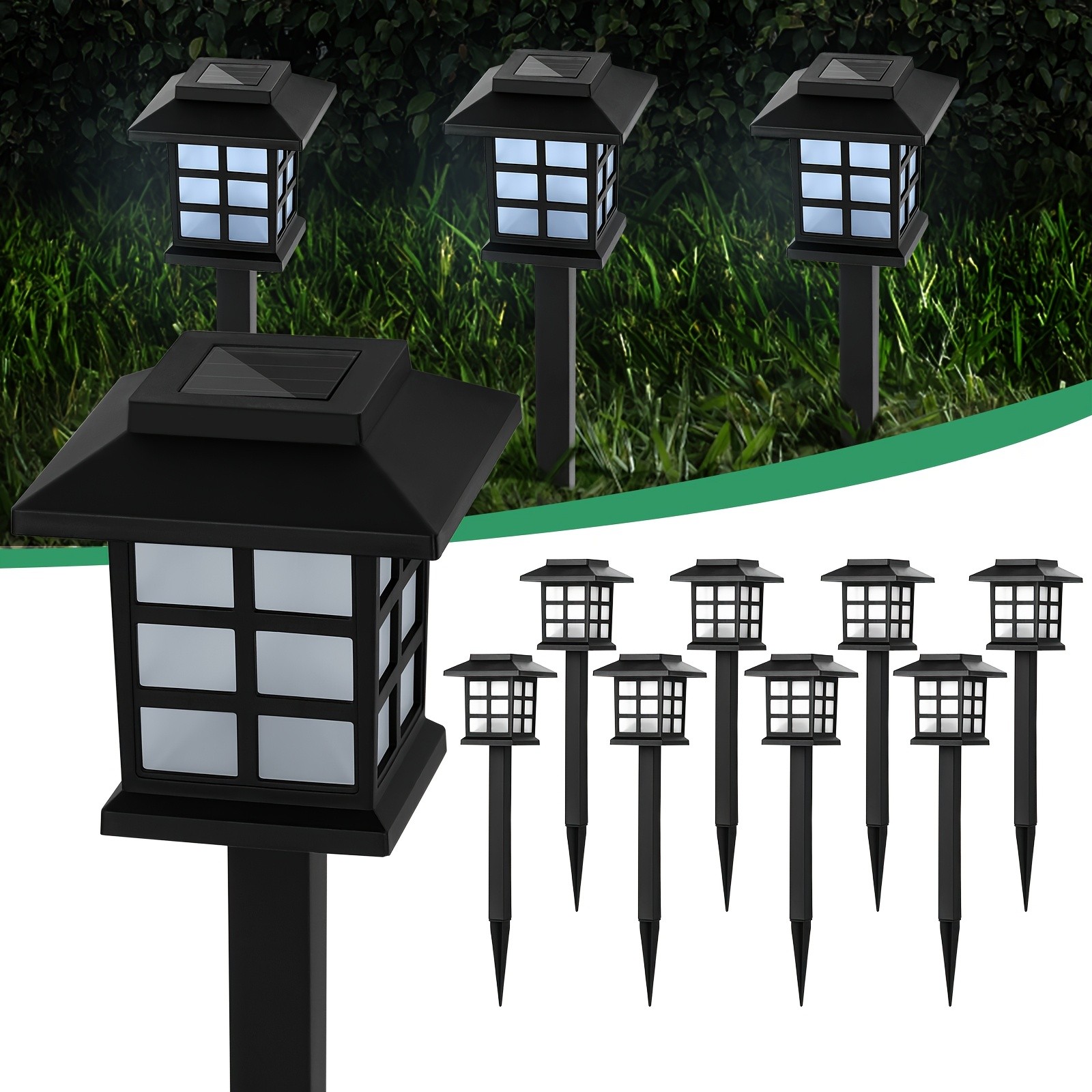 12Pack Solar Garden Lights, Waterproof LED Outdoor Landscape Decor, 8H Lighting$16.14View on eBay
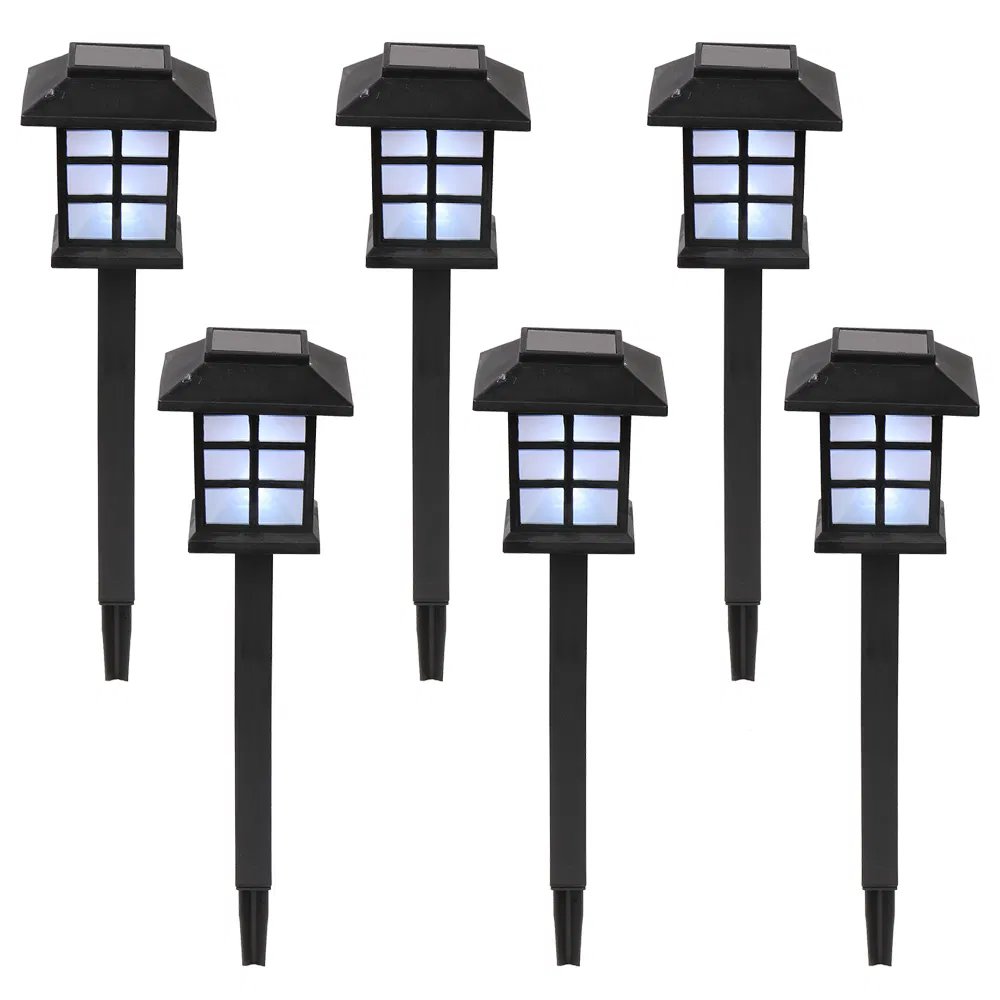 Free shipping 6pcs White LED Solar Lantern Torch Light Garden Landscape Lighting YJ$29.99View on Mallflare
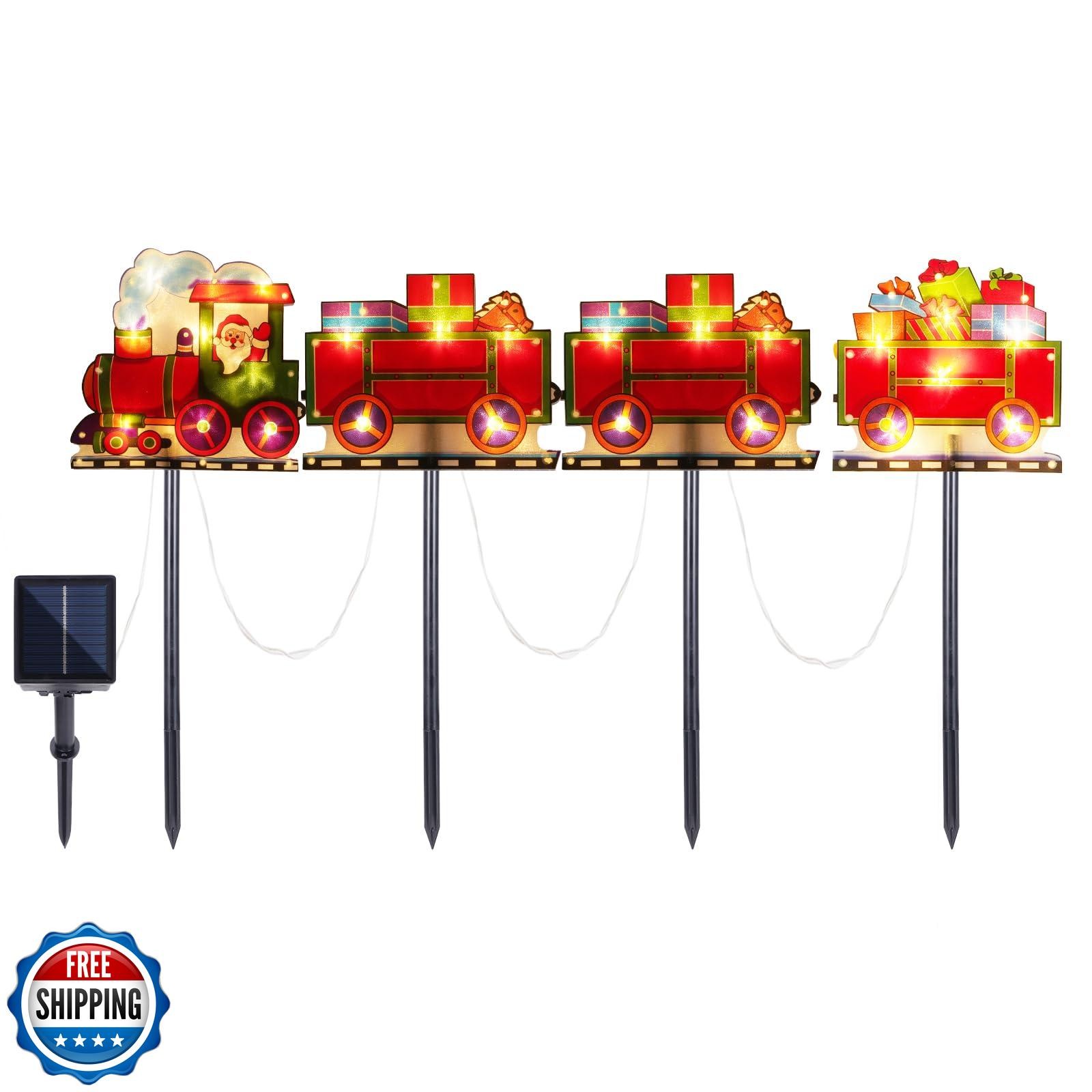 Solar Christmas Decorations with Led Lights, Solar Landscape Pathway Stakes L$34.99View on eBay
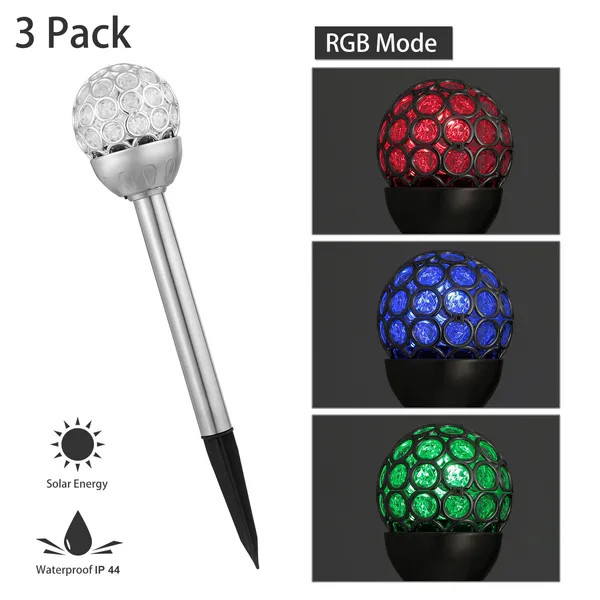 Solarek 3 Pcs Outdoor Solar Lights IP44 Waterproof Ball RGB Light Garden Decor Lamp Landscape Christmas$29.99View on Mallflare
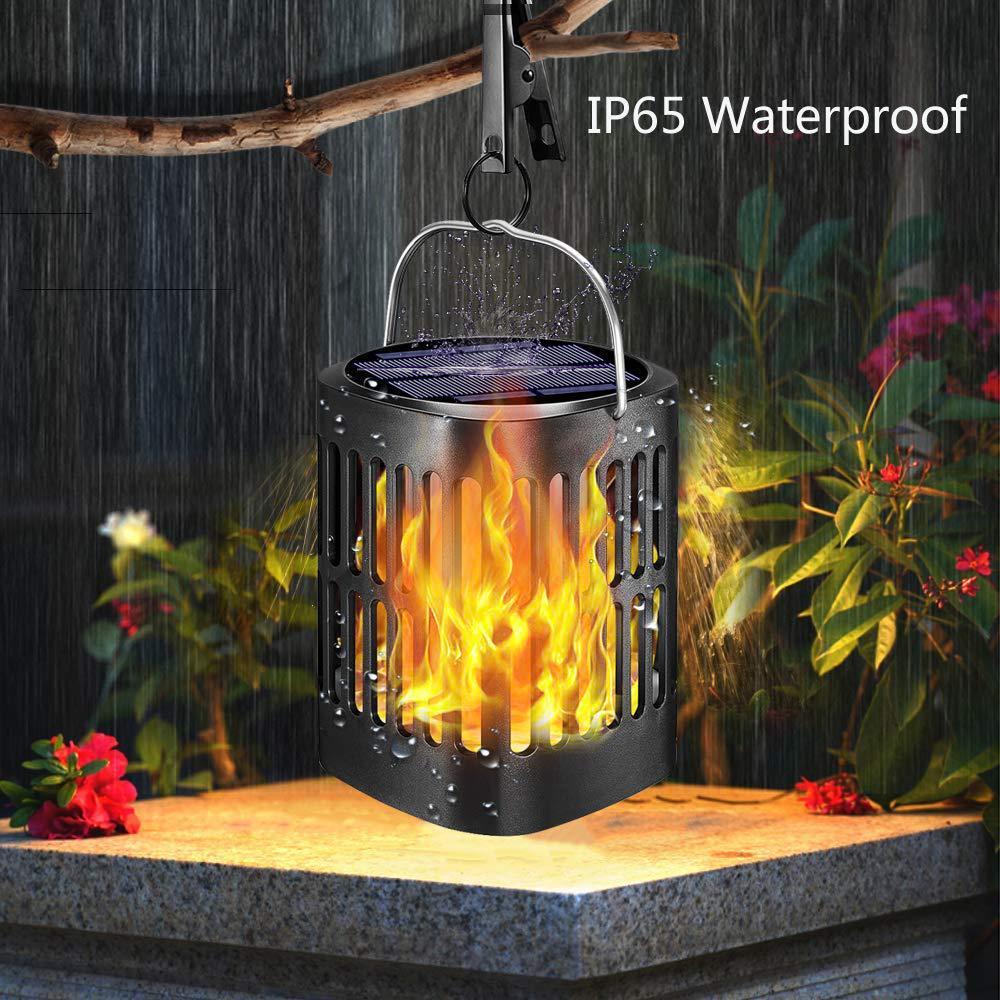 Solar Light Outdoor Lighting Landscape Decoration$110.00View on eBay
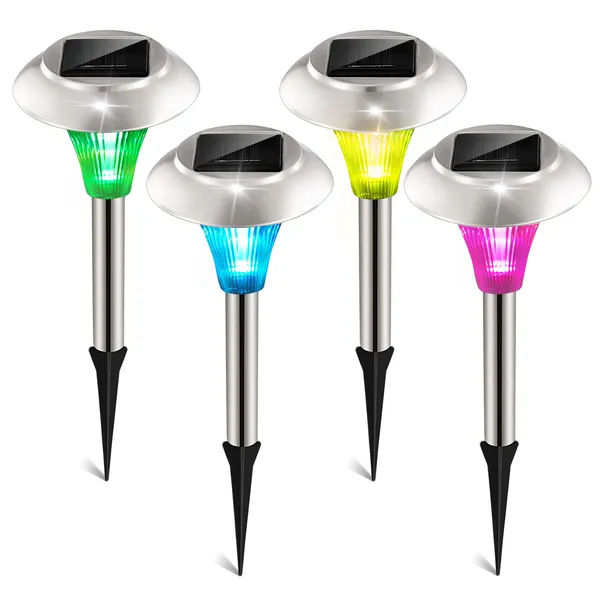 4Packs Solar Garden Lights Outdoor IP44 Waterproof Pathway Color Changing Landscape Lamps$37.99View on Mallflare
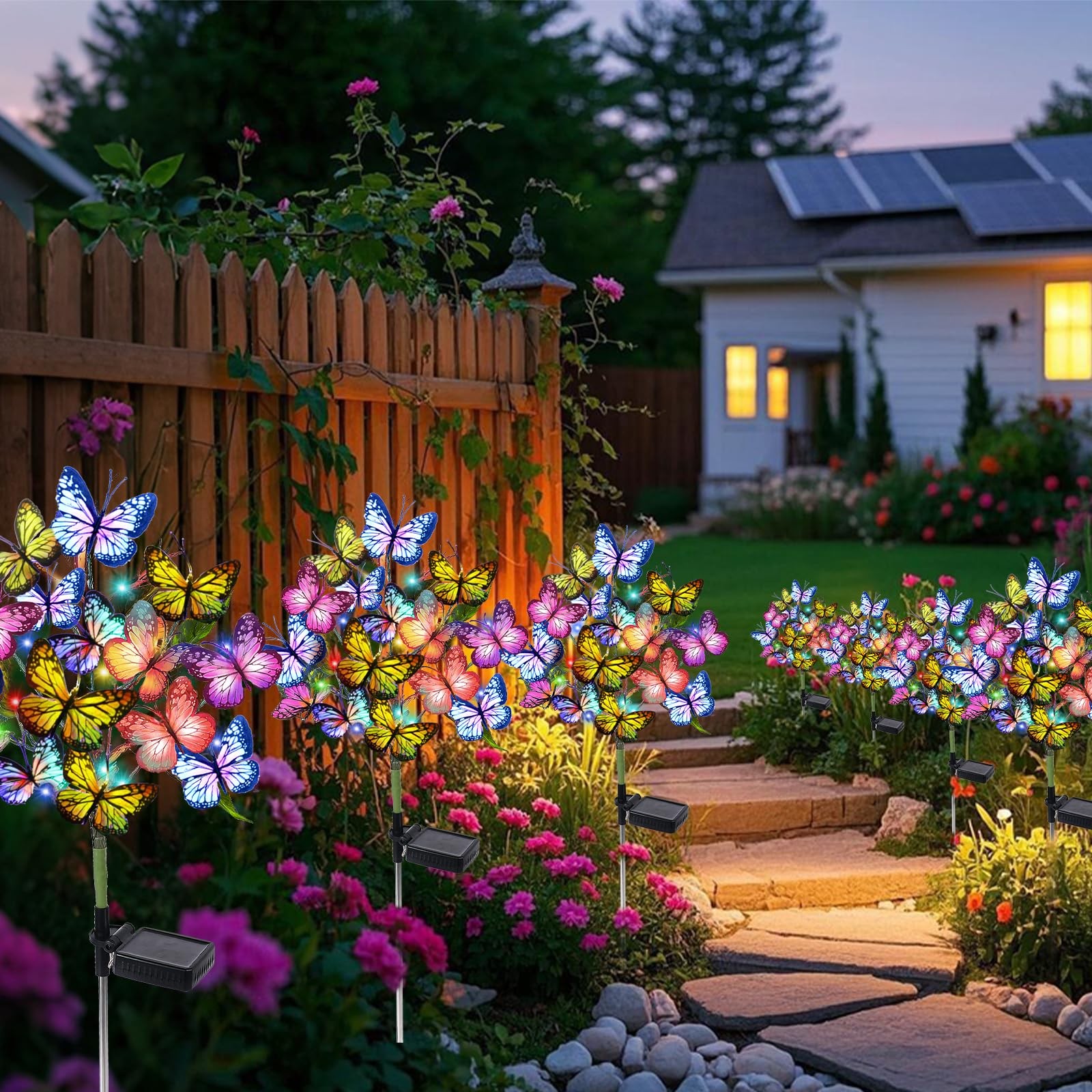 2 Pack Solar Garden Lights Outdoor Waterproof Butterfly Stake Landscape Decor$175.98View on eBay
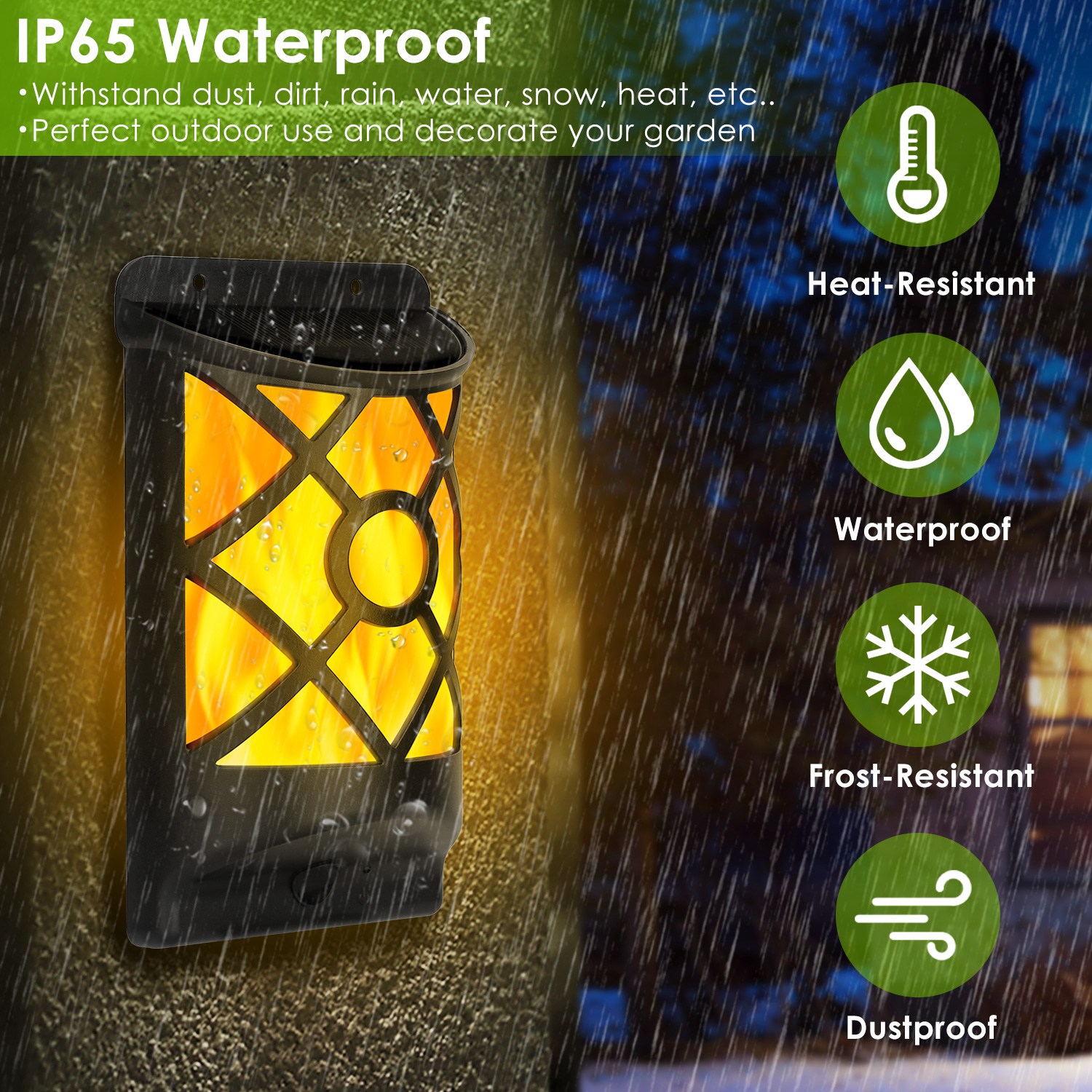 96 LED Dancing Flame Solar Stake Lights with Light Sensor Auto On Off, 1200mAh Battery Up To 12 Hours Working IP65 Waterproof ABS Landscape Lighting for Yard Patio Pathway Lawn$41.99View on Mallflare
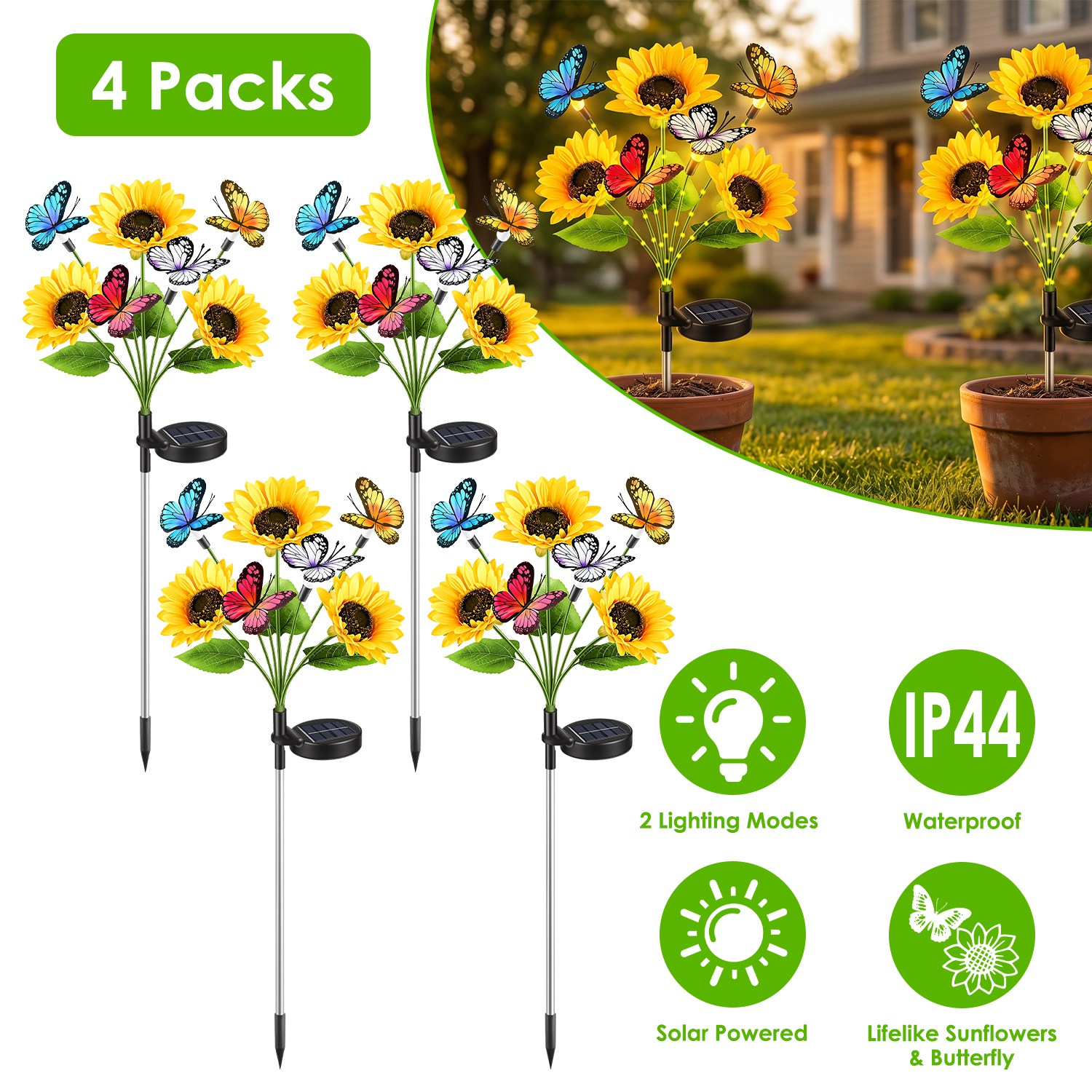 4Pcs Solar Sunflower Lights Outdoor Waterproof Warm White Landscape With 2 Lighting Modes IP44 Decorative Flower For Yard Patio Pathway Lawn$45.99View on Mallflare
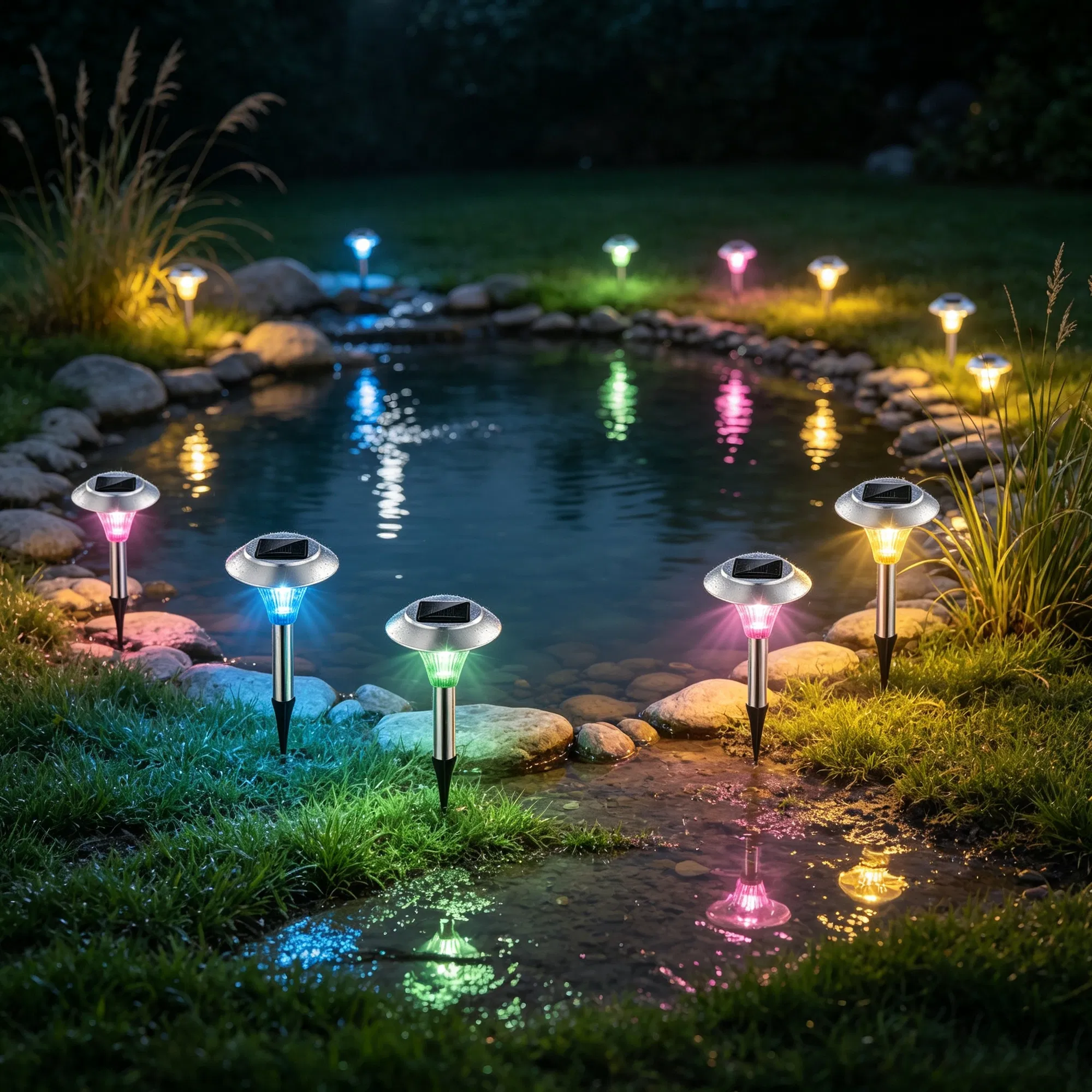 4 Packs Outdoor Solar Garden Pathway Lights, Color Changing LED Landscape Lighting, IP44 Weather-Resistant Stainless-Steel , PC for Backyard Walkway$47.99View on Mallflare
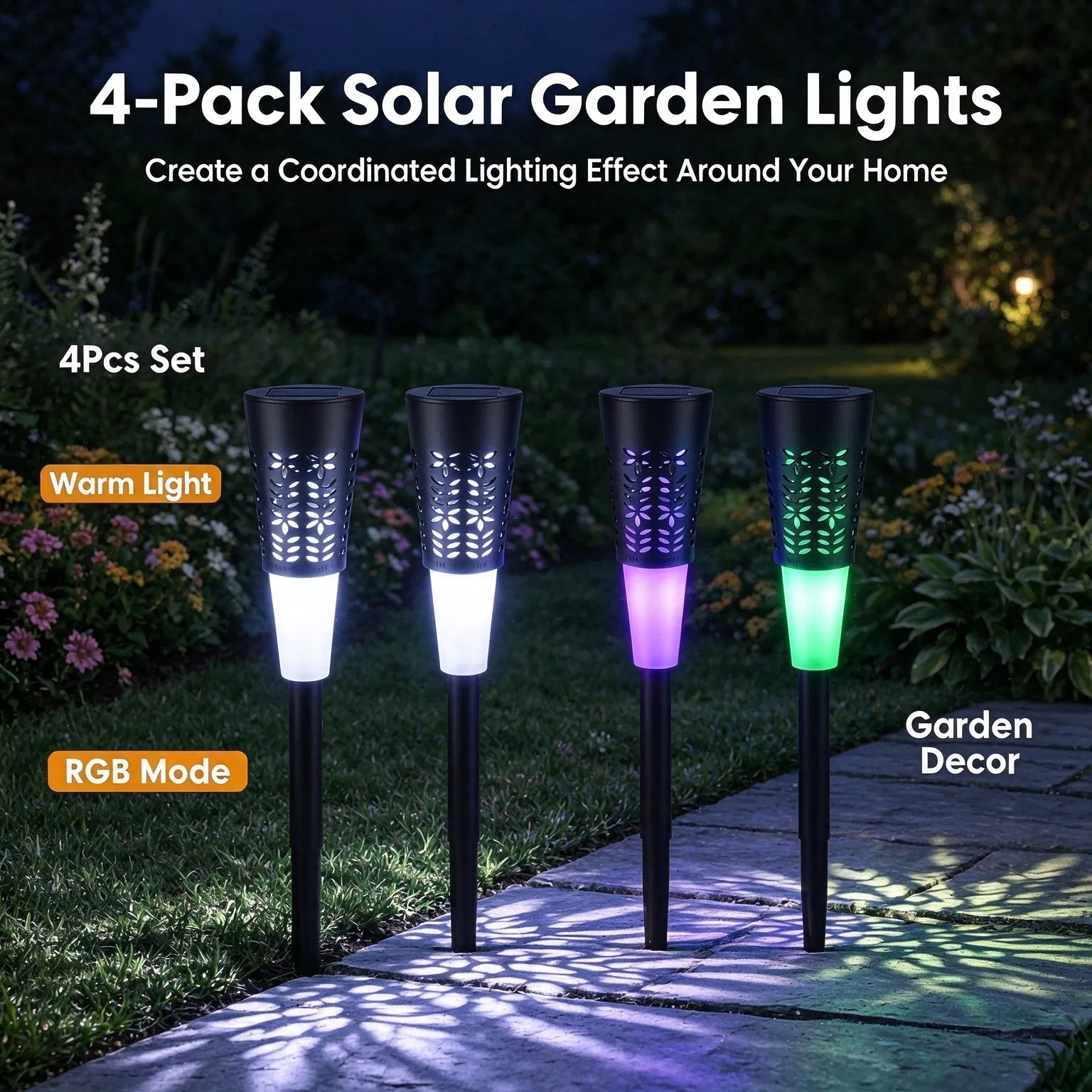 Solar Stake Lights 4 Pcs, 7 Color RGB Flashing and Steady White Modes, Auto On at Night, Hollow Pattern Projection, IP65 Waterproof Landscape for Garden Lawn Pathway$48.99View on Mallflare
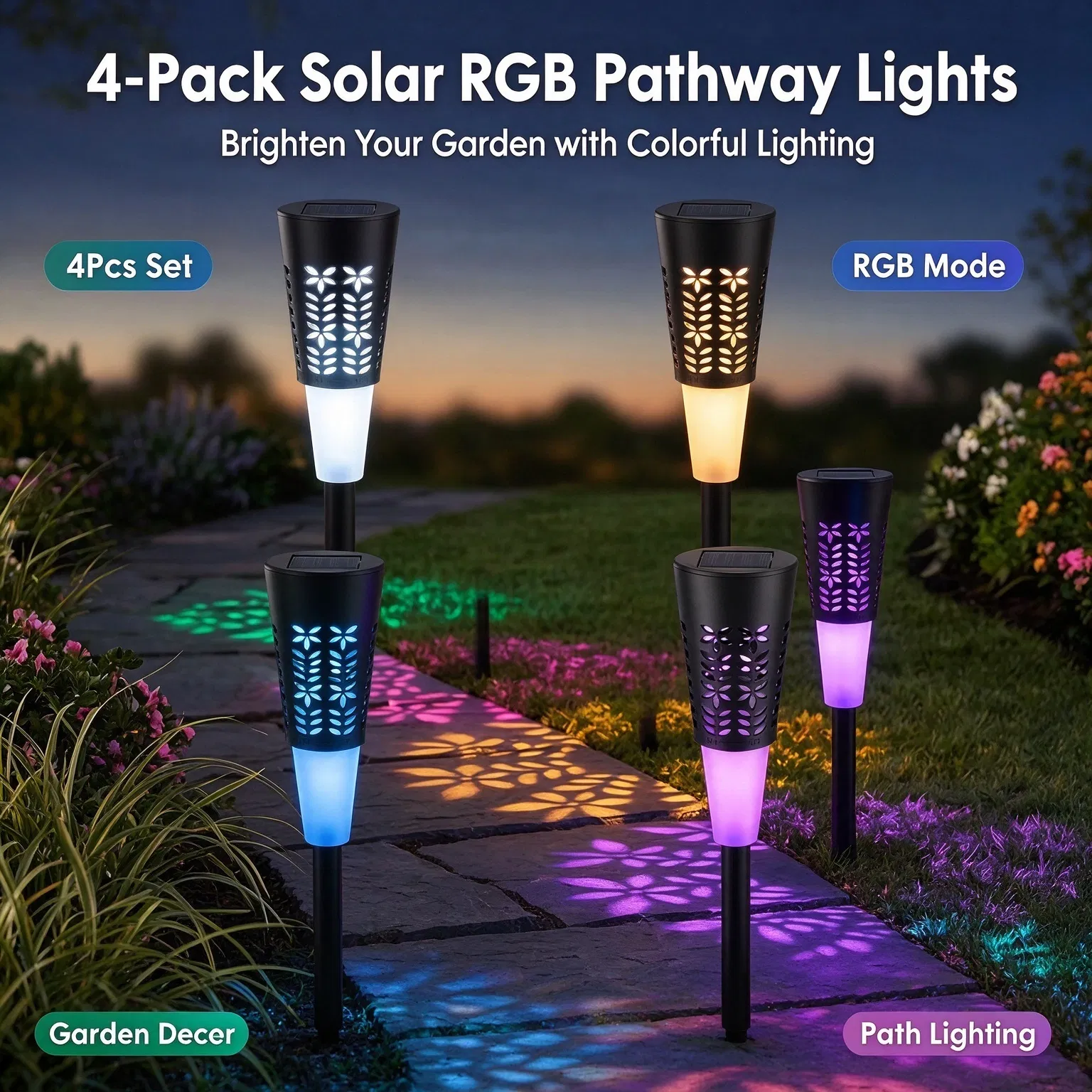 4 PCS Solar Garden Stake Lights, 7 Color RGB & Steady Warm Lighting Modes, Powered Decorative Pathway IP65 Waterproof Light Shadow Landscape for Lawn, Flower Bed, Patio--Warm$48.99View on Mallflare
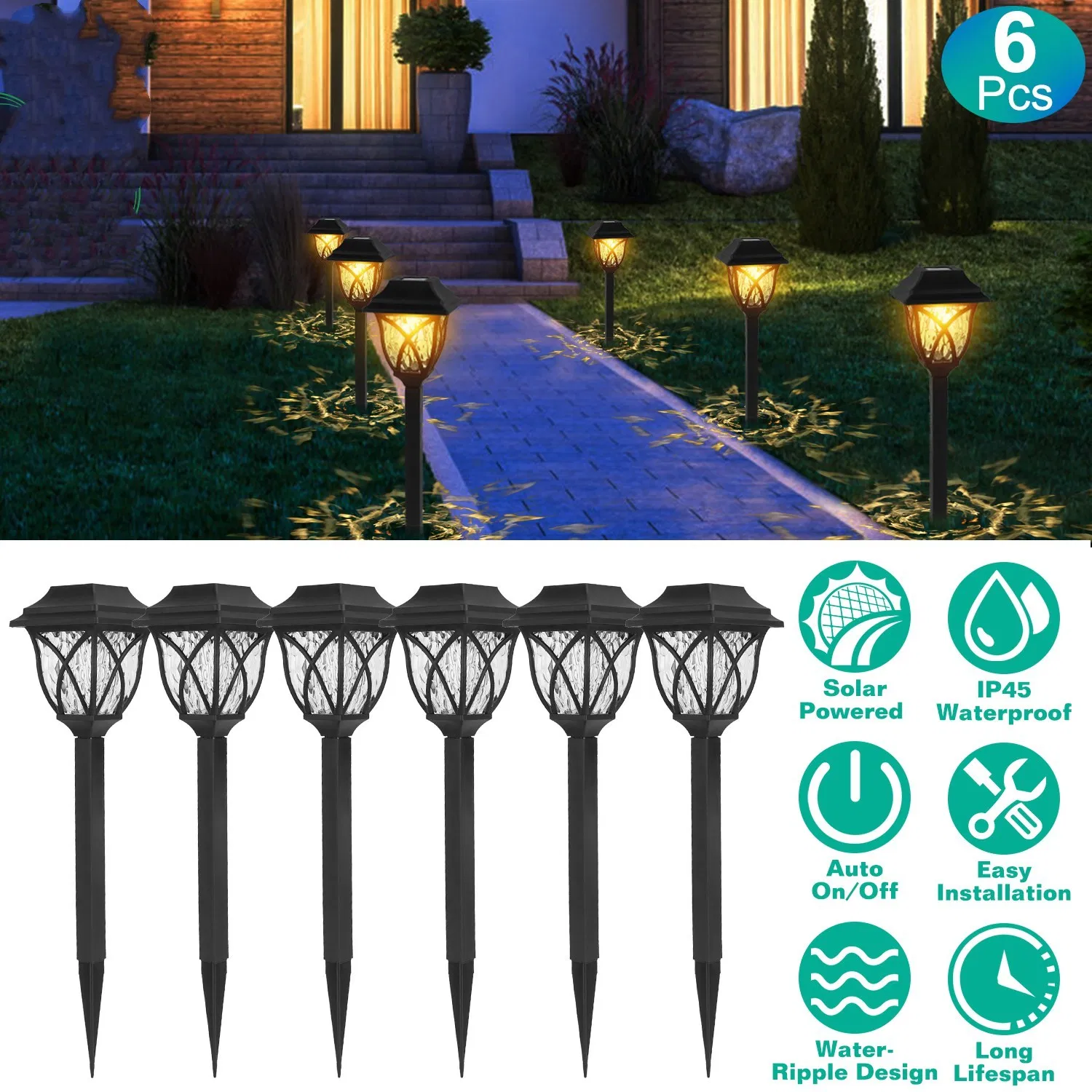 6Pack Solar Powered Stake Light Outdoor Decorative Landscape Lamp IP45 Waterproof Auto On Off for Pathway Garden Yard Patio$49.99View on Mallflare
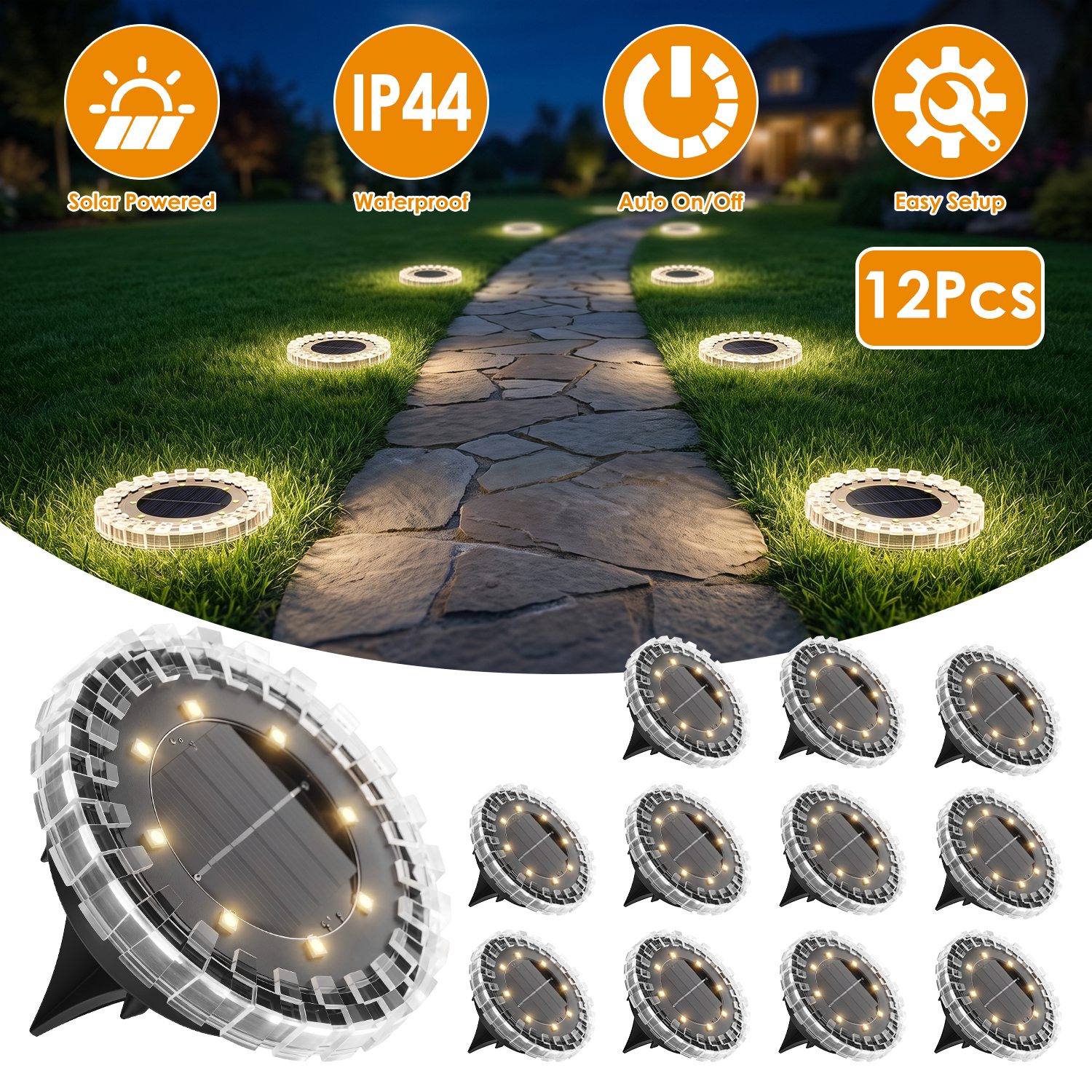 Solar Ground Lights Pathway With 8 LED Beads IP44 Waterproof Landscape Yard Stakes For Lawn Garden Walkway Driveway$49.99View on Mallflare
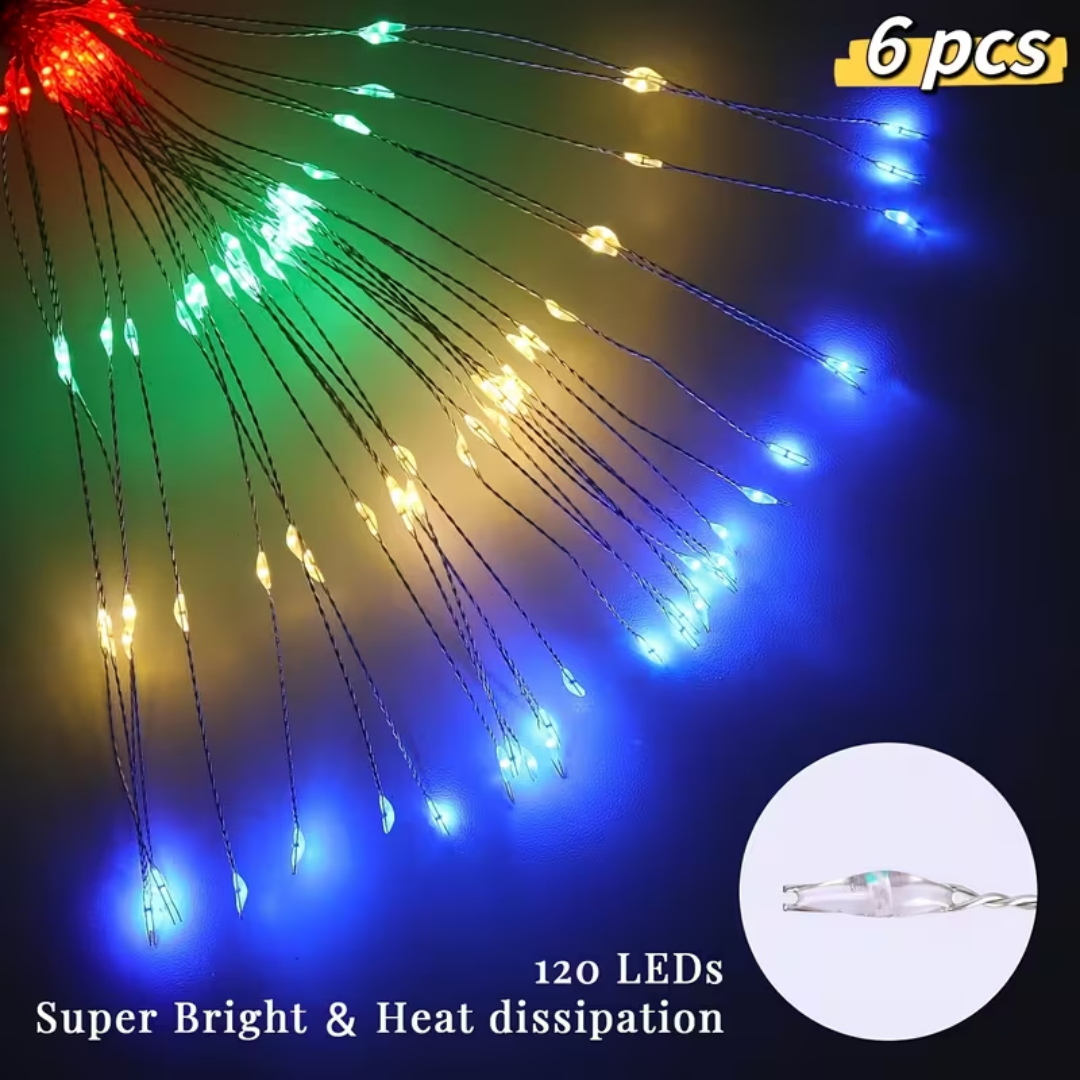 Multi colored 6-pack 120 LED 8-mode solar powered fireworks light, outdoor garden waterproof used for pedestrian walkways, backyard lawn landscapes, and vibrant tree decorations with$51.99View on Mallflare
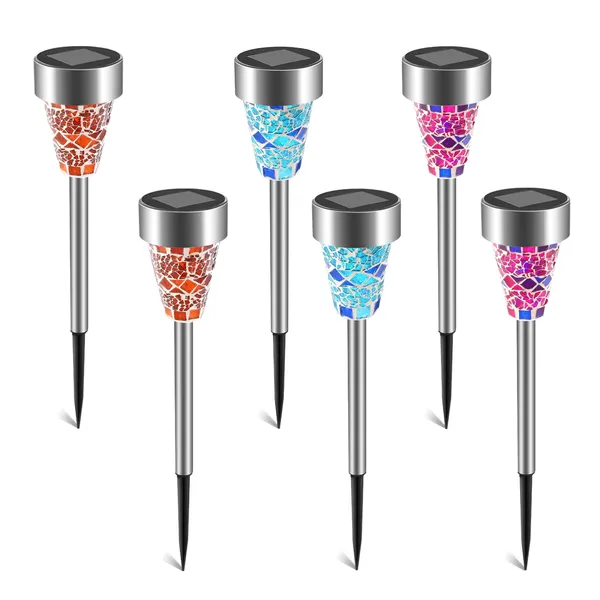 6Packs Solar Garden Lights Outdoor Pathway IP44 Water Resistant Landscape$51.99View on Mallflare
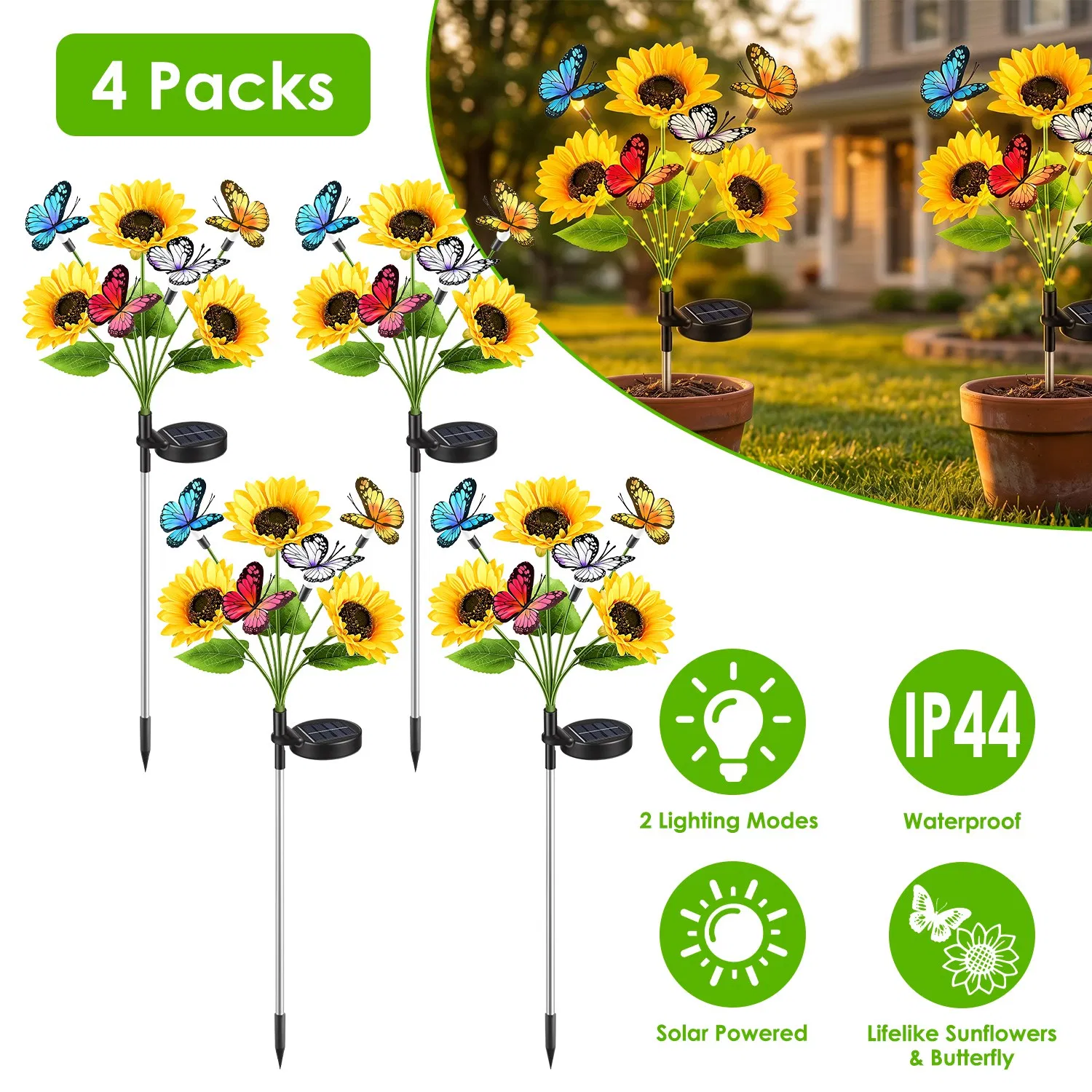 Solar Sunflower Lights Outdoor Waterproof Warm White Landscape with 2 Lighting Modes IP44 Decorative Flower for Yard Patio Pathway Lawn$51.99View on Mallflare
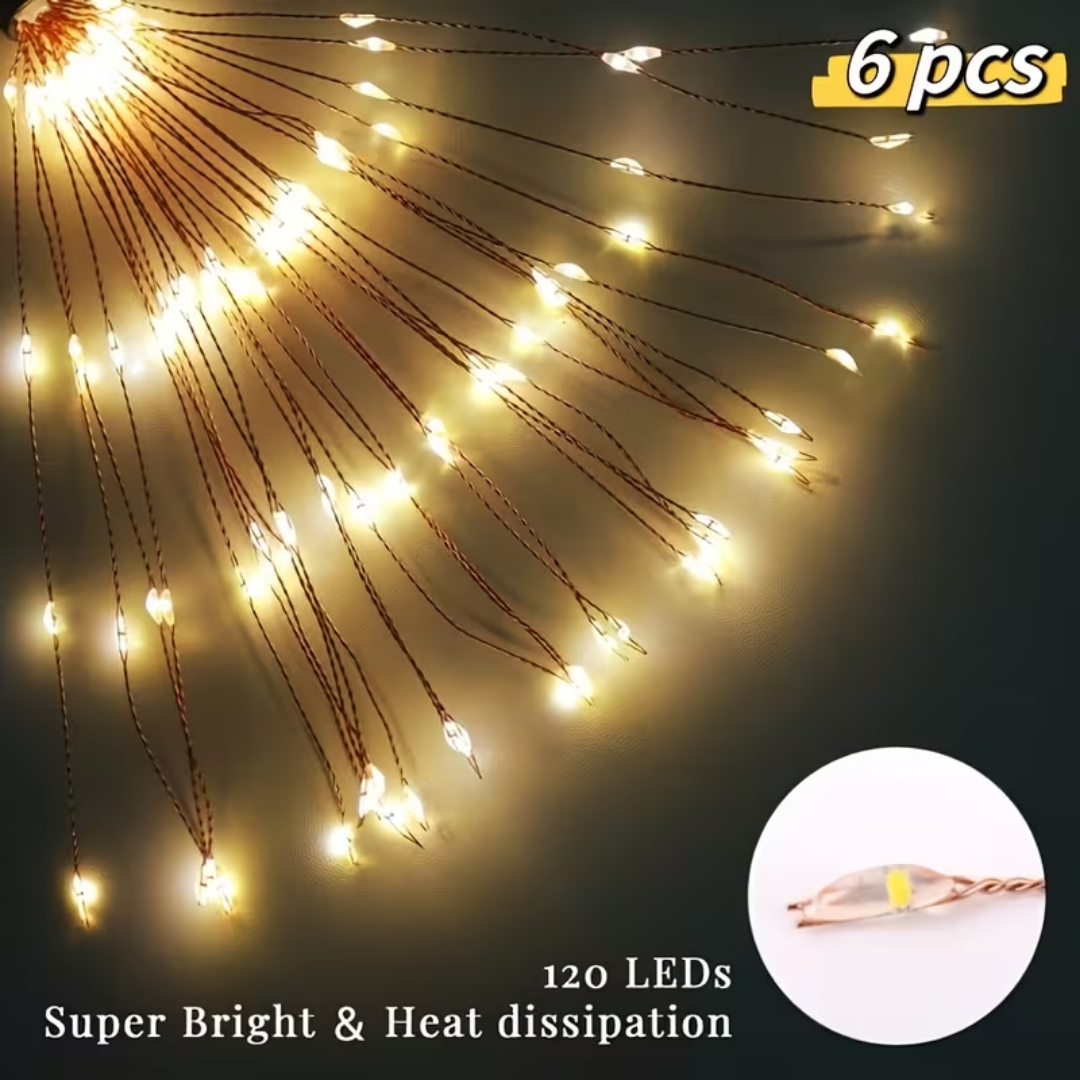 Warm white 6-pack 120 LED 8-mode solar fireworks light, outdoor garden waterproof used for sidewalk, backyard lawn landscape, vibrant tree decoration stick string lights$53.99View on Mallflare
Highlights
- Panel type decides recharge speed: monocrystalline panels harvest 15–25% more low-light energy than amorphous panels, so choose mono for shaded or northern exposures.
- Battery chemistry governs lifespan: LiFePO4 delivers 2,000–5,000 cycles and handles heat best; sealed Li-ion is 500–1,000 cycles; old NiMH or NiCd cells are the first failure point in cheap sets.
- IP rating separates outdoor-real from outdoor-fake: IP65 survives rain jets and dust; IP44 or lower is decorative-only and will corrode at the battery door.
- Housing material dictates corrosion life: die-cast aluminum or 304 stainless lasts a decade; painted plastic and thin stamped metal crack or fade within two to three seasons.
Best use cases
- Path and walkway edge lighting: choose 6–12 matching stakes at 100–200 lumen, warm white 2700–3000K, IP65, metal body — skip RGB novelty stakes for primary safety lighting.
- Garden bed and shrub uplighting: pick directional spot or flood heads with adjustable aim and 200–400 lumen output; skip omnidirectional lantern stakes, which waste light sideways.
- Wall, fence, and deck mounting: use dedicated wall-mount fixtures with separate panel or high-efficiency mono panel; skip ground stakes zip-tied to walls, which misalign panels and trap water.
- Holiday and accent décor (flame, snowman, butterfly): buy as seasonal accents only; skip them as year-round security or pathway lighting because themed housings and small panels limit output.
Buying tips
- Sizing rule: space path lights 6–8 feet apart for continuous pools of light; for accent uplights, one fixture per shrub or architectural feature is enough.
- Battery replacement is the durability test: choose fixtures with a user-accessible AA/AAA or 18650 compartment; sealed integrated cells make the whole light disposable.
- Match panel wattage to LED load: a 1–2W mono panel supports 100–200 lumen for 8 hours; RGB, flame, and motion-sensor modes need a larger panel or they dim by midnight.
- Buy one spare unit or a pack with matched color temperature: mixing 3000K and 6000K in one bed reads as mismatched, and a spare covers early electronic failures.
Specs
| Panel Type | Monocrystalline vs Amorphous |
|---|---|
| Battery Chemistry | LiFePO4 / Li-ion / NiMH |
| Weather Rating | IP65+ vs IP44 decorative |
| Housing Material | Die-cast aluminum / stainless vs plastic |
Related searches
What to check before buying
- Measure the run: count fixtures at 6–8 ft spacing for paths, then confirm each stake's ground spike length (typically 6–10 in) suits soil depth and avoids irrigation lines.
- Check sun exposure: the panel needs 4–6 hours of direct sun; for shaded beds, pick monocrystalline panels and plan to move the panel head, not the whole fixture.
- Confirm mounting surface and hardware: wall and fence models need screw anchors suited to masonry, wood, or vinyl; stake models need firm soil, not loose mulch or gravel.
- Verify climate and rating: coastal or humid areas demand IP65 plus stainless or aluminum; freezing climates need battery doors that seal and panels that shed snow.
FAQ
Data sources: eBay / Amazon listings and product attribute feeds. Updated Nov 29, 2026.
Some links on this page are affiliate links. If you buy after clicking one, we may earn a commission at no extra cost to you. This does not change which products appear here or their order. Affiliate disclosure.