
Photos from current listings. Actual item, color, and included accessories may vary.
High Tunnel Greenhouse Buying Guide
High tunnels are unheated, walk-in seasonal growing structures defined by a steel hoop frame and a single-layer polyethylene film cover, balancing low cost against limited climate control. The core trade-off is film lifespan versus frame steel gauge: budget kits use thin 4-year film and 1.5-inch tubing, while durable tunnels use 6-mil 4-season film and 2-inch galvanized steel. The decision rule: buy a tunnel whose frame wind rating and film UV warranty match your snow load and sun exposure, not the cheapest hoop kit.
Median $182.99
Key takeaways
- Frame steel: 1.5-inch 17-gauge tubing flexes under snow; 2-inch 14-gauge galvanized steel carries 10-15 psf snow loads and resists 70-90 mph wind when anchored.
- Film grades: 4-year 6-mil polyethylene transmits 85-90% light; 4-season 6-mil with UV stabilizers lasts 4-6 years and costs roughly 30% more per square foot.
- Width determines ventilation: 12-14 ft tunnels rely on roll-up sidewalls alone, while 20-30 ft spans need ridge vents or gable fans to avoid heat buildup.
At a glance
- Category
- Greenhouse & Hydroponics
- Last updated
- Nov 28, 2026
Current offers
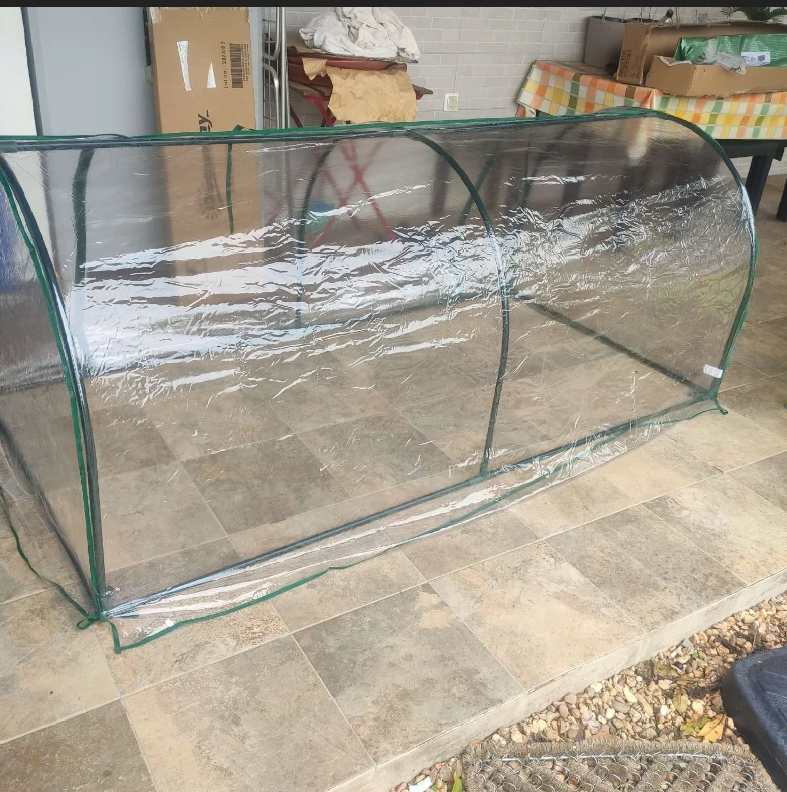 Portable Tunnel Greenhouse For Outdoor Garden Hot House$71.99View on Mallflare
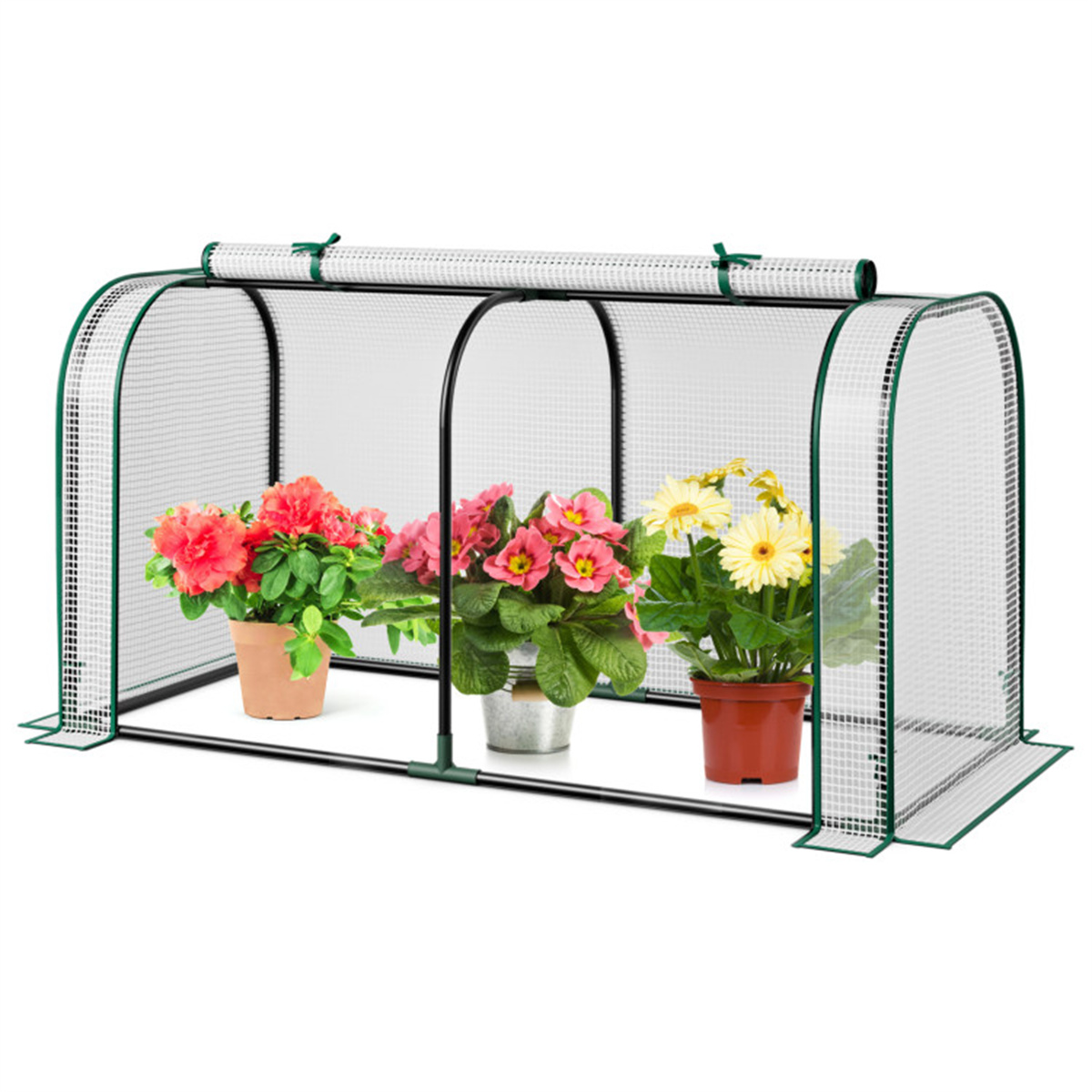 4-foot Mini Tunnel Greenhouse - White$77.99View on Mallflare
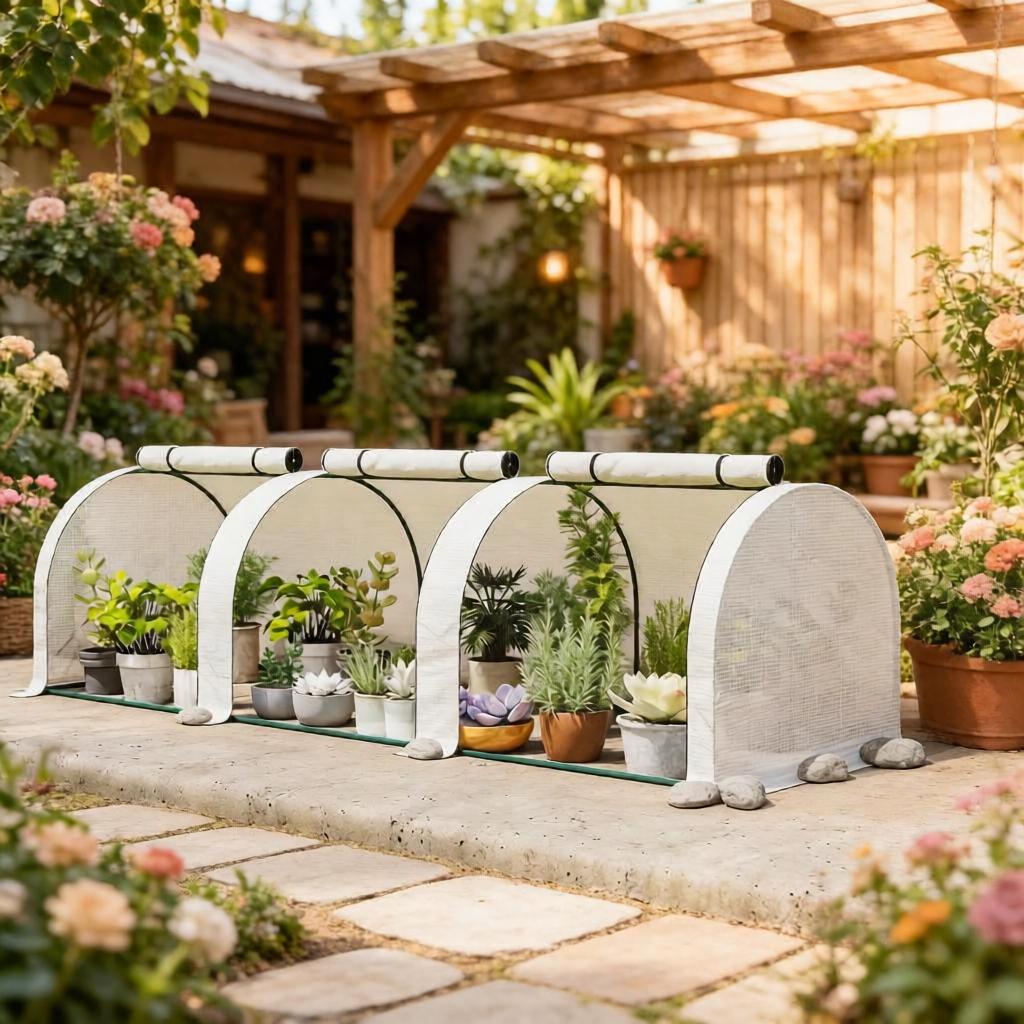 Portable Tunnel Greenhouse for Outdoor Garden, Walk-in Plant Shelter with 3 Zippered Access Doors, Waterproof UV Protection PE Cover$84.99View on Mallflare
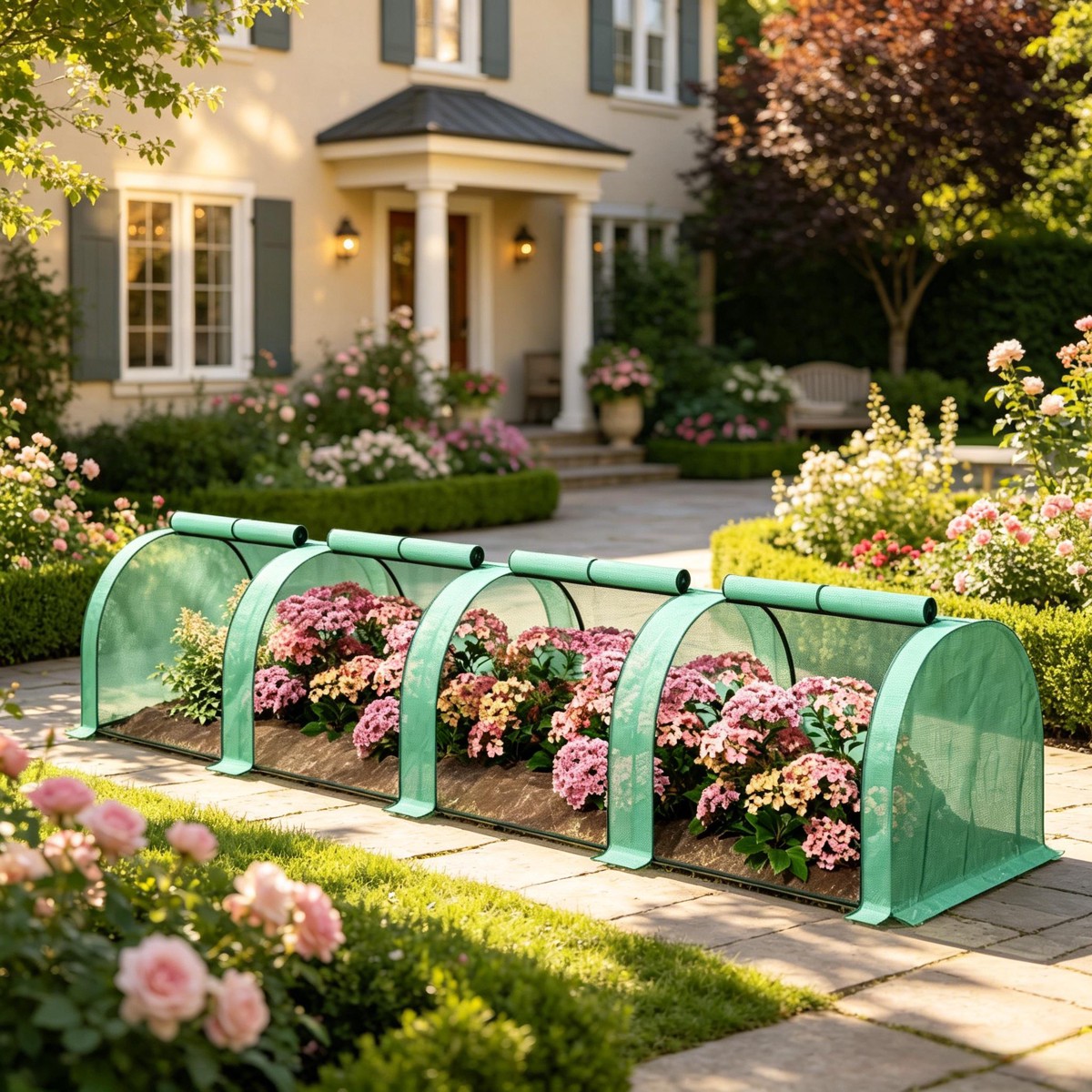 Portable Tunnel Greenhouse with 4 Zippered Doors, 13'L×3'W×2.5'H Heavy Duty Water UV Resistant PE Cover, Green$84.99View on Mallflare
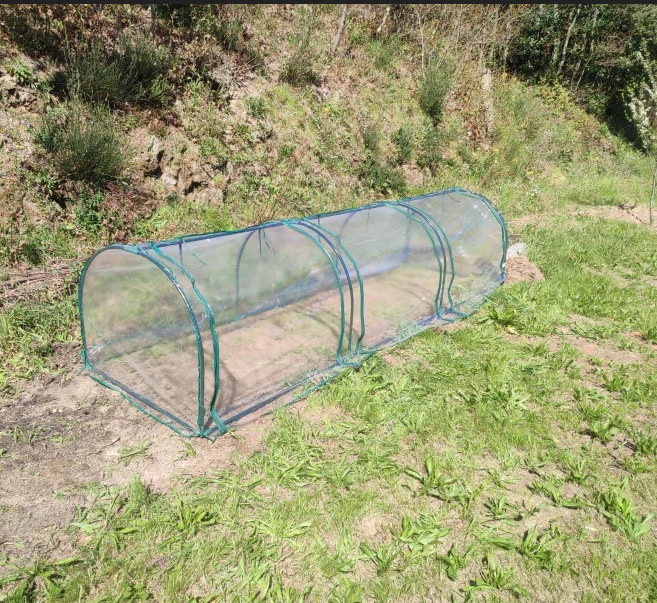 PVC Metal Tunnel Garden Greenhouse Kit$85.99View on Mallflare
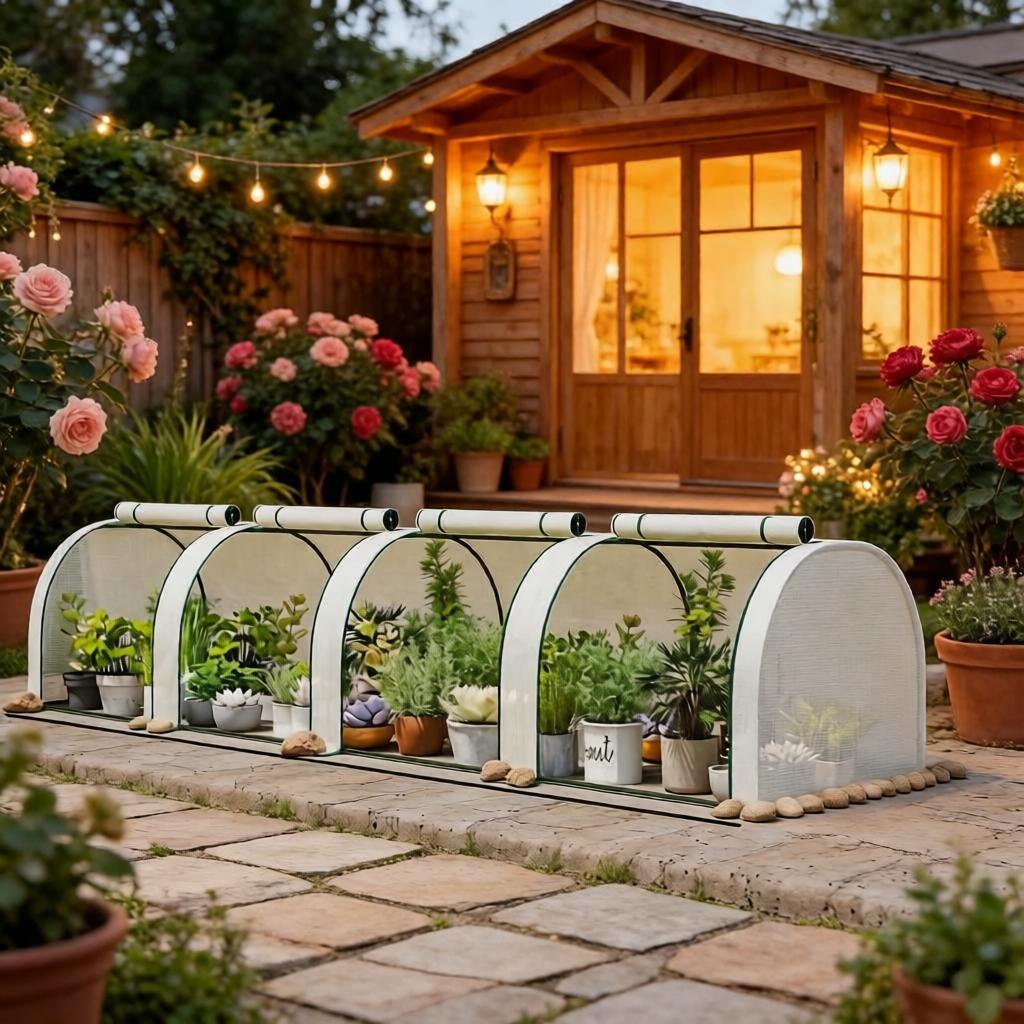 Portable Tunnel Greenhouse for Outdoor Garden, Walk-in Plant Shelter with 4 Zippered Access Doors, Waterproof UV Protection PE Cover$91.99View on Mallflare
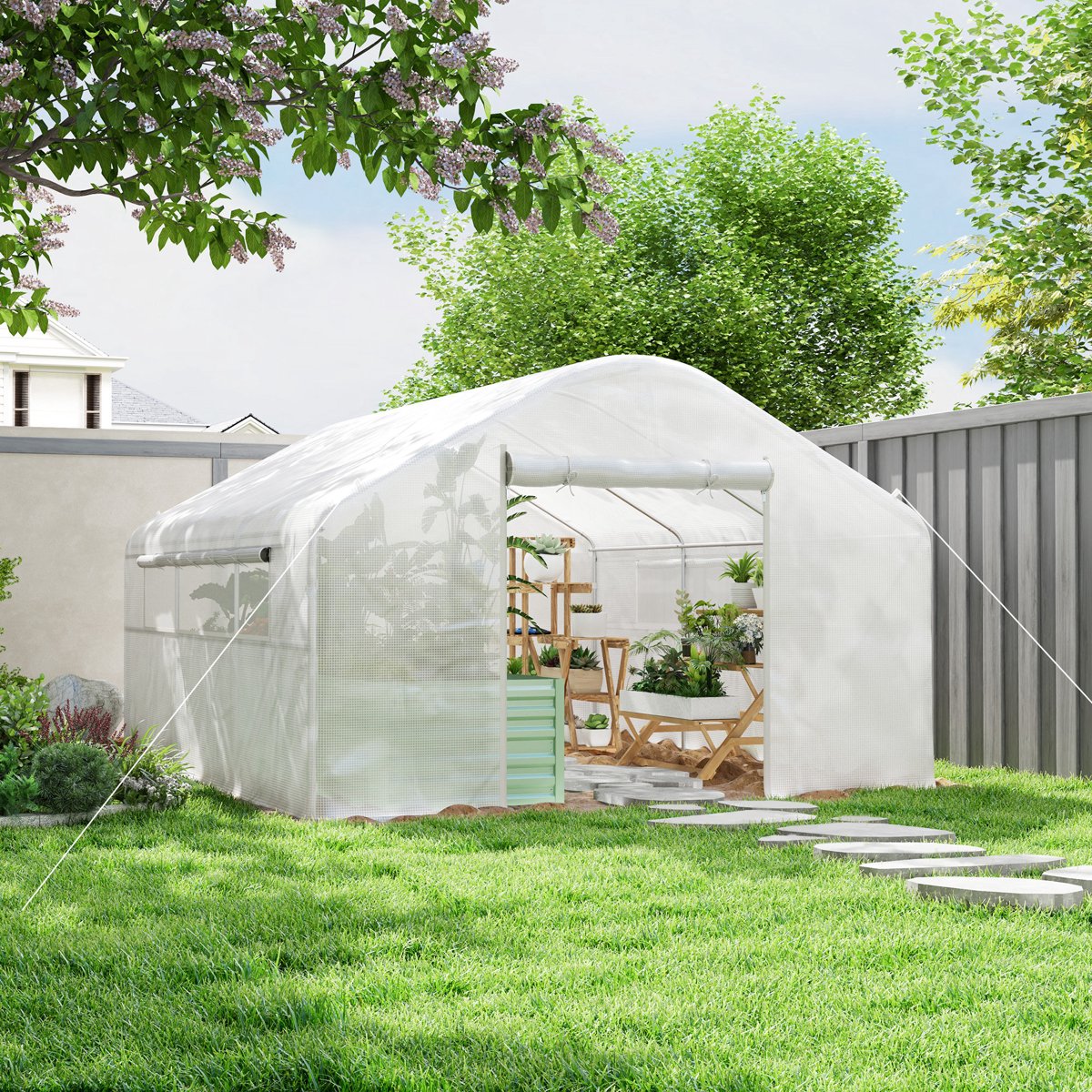 13 x 10 x 6.5 Tunnel Greenhouse Hoop House with Upgraded Galvanized Steel Frame and Large Windows, White$102.99View on Mallflare
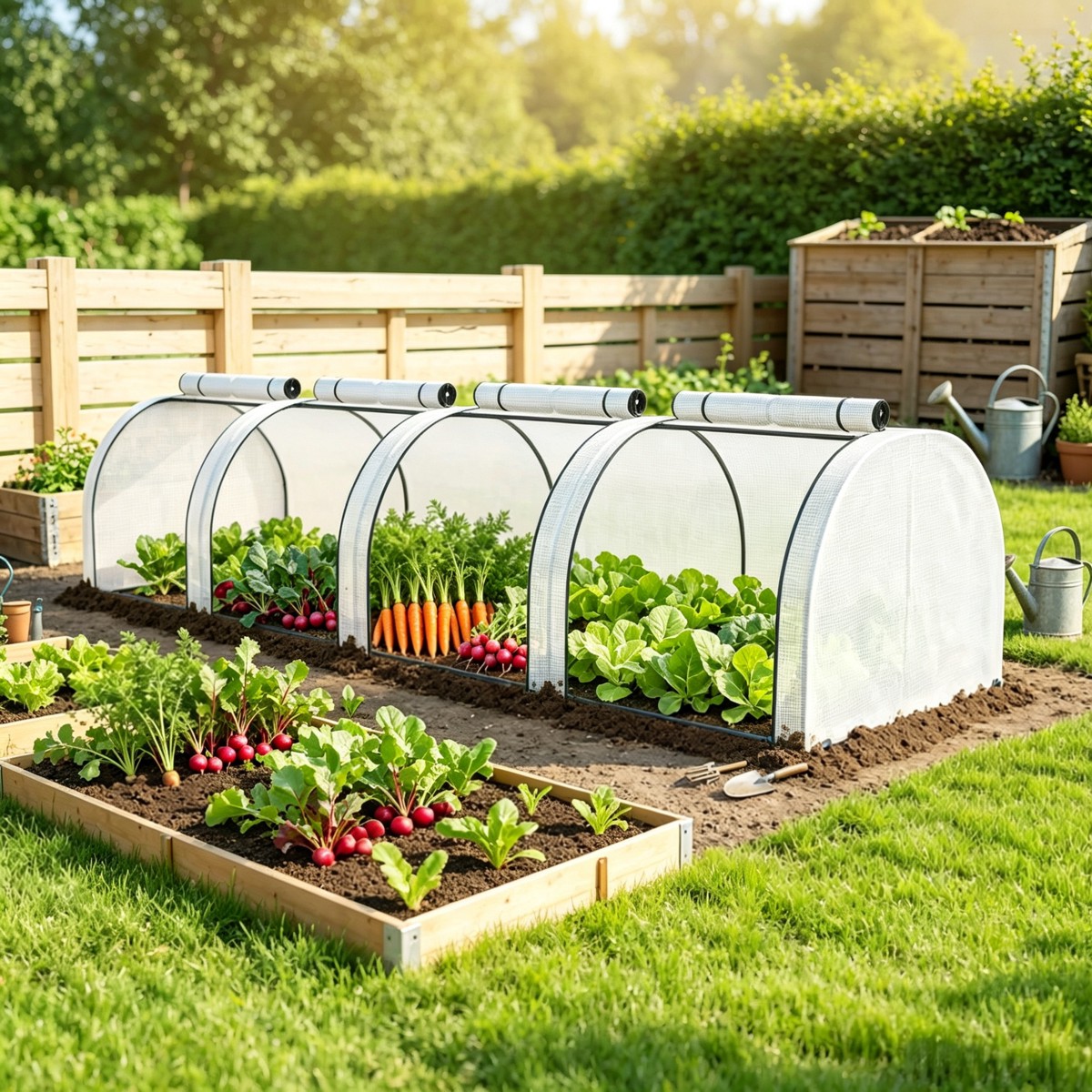 White Portable 13' L x 3' W x 2.5' H Tunnel Greenhouse – Garden Grow Tent with 4 Zipper Doors, Water/UV Protected PE Cover$174.99View on Mallflare
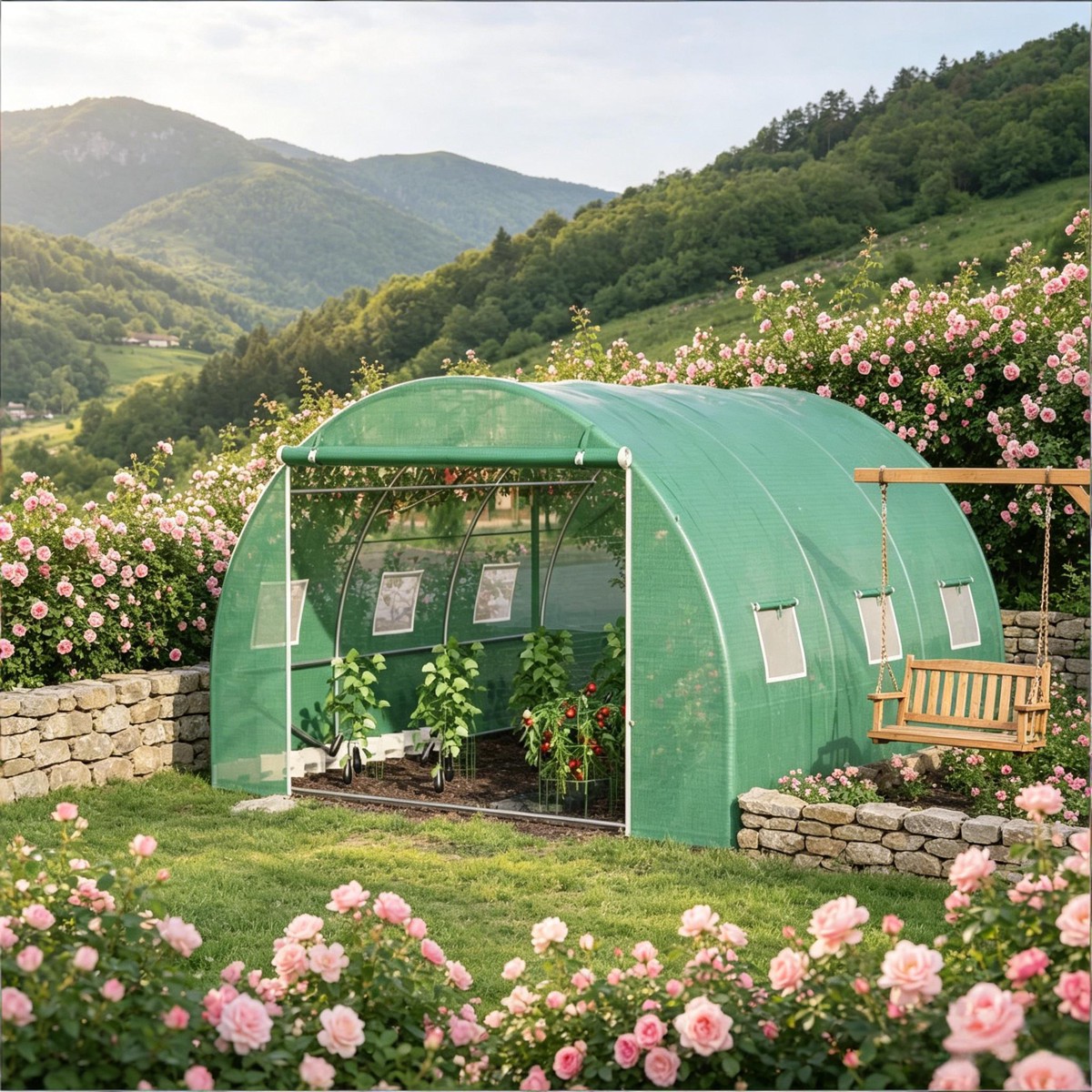 Garden Greenhouse,Walk-in Tunnel Greenhouse,Greenhouse with Roll-Up Windows$177.99View on Mallflare
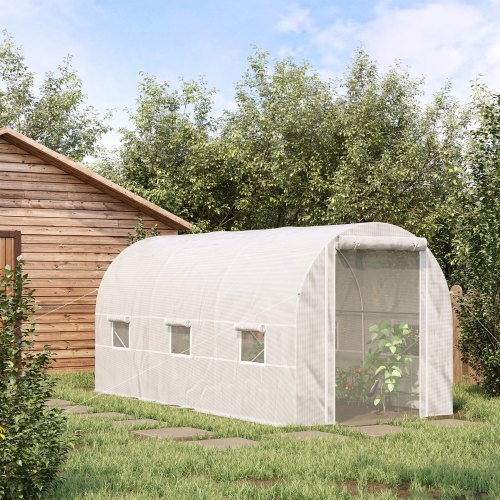 Outsunny 15 X 7 X 7 Walk-In Tunnel Greenhouse, Large Garden Hot House Kit With 6 Roll-up Windows & Roll Up Door, Steel Frame, White$181.99View on Mallflare
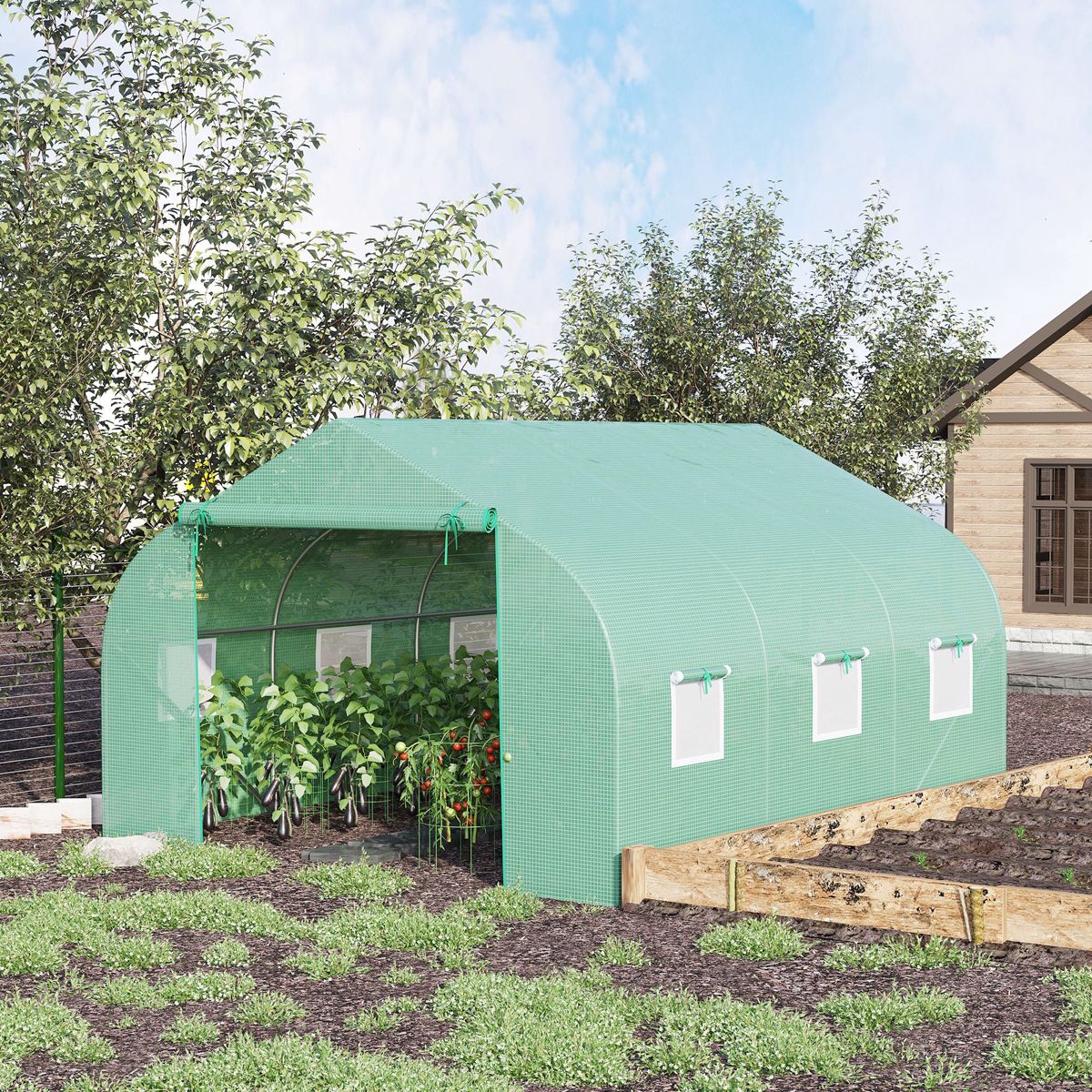 Outdoor Walk-In Tunnel Greenhouse 11.5 X 10 X 6.5 With Roll-up Windows Zippered Door PE Cover Green$182.99View on Mallflare
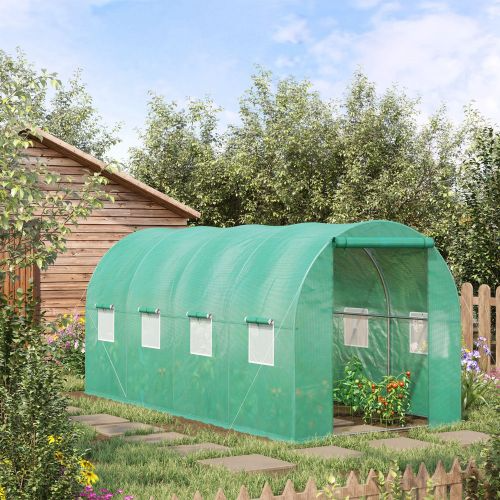 Outsunny 15x 7x 6.5 Walk-in Tunnel Hoop Greenhouse, Green House With Polyethylene PE Cover, Steel Frame, Roll-Up Zipper Door & Windows For Flowers, Vegetables, Tropical Plants$182.99View on Mallflare
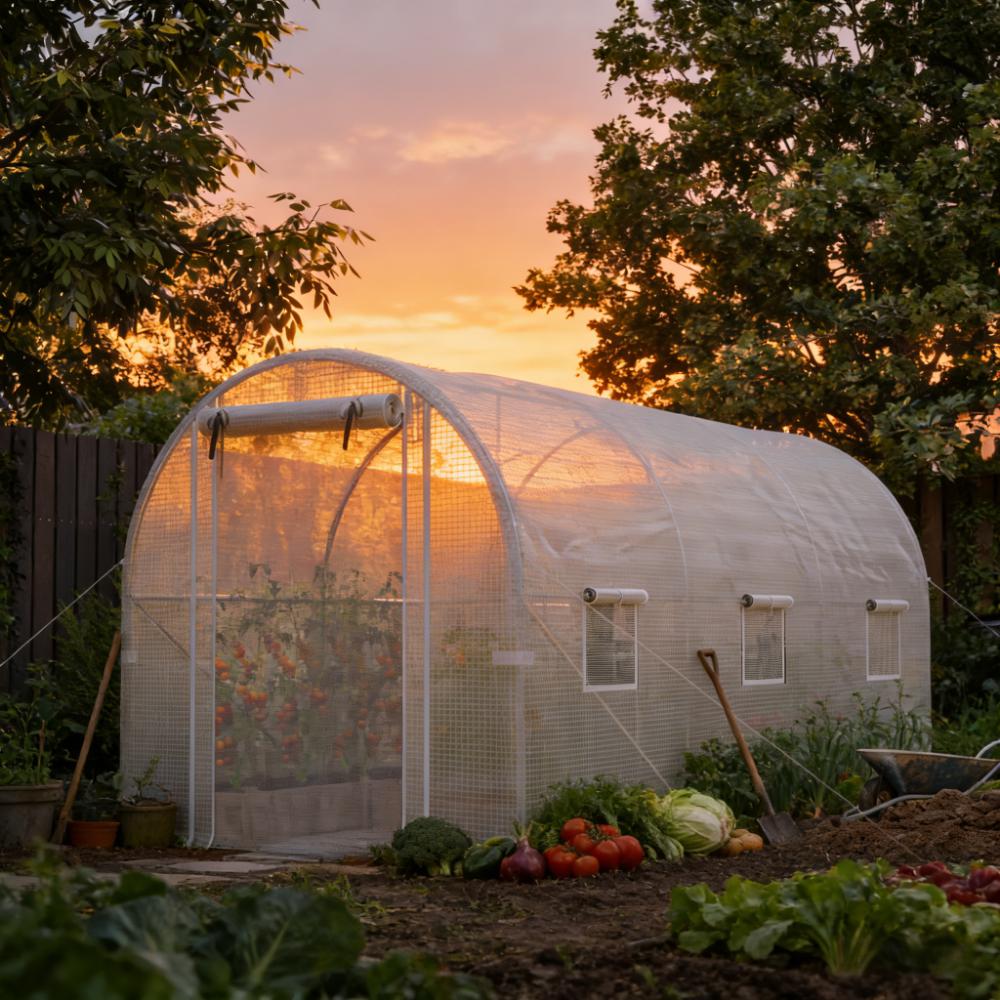 Walk-in Tunnel Greenhouse,Hoop House Greenhouse$220.99View on Mallflare
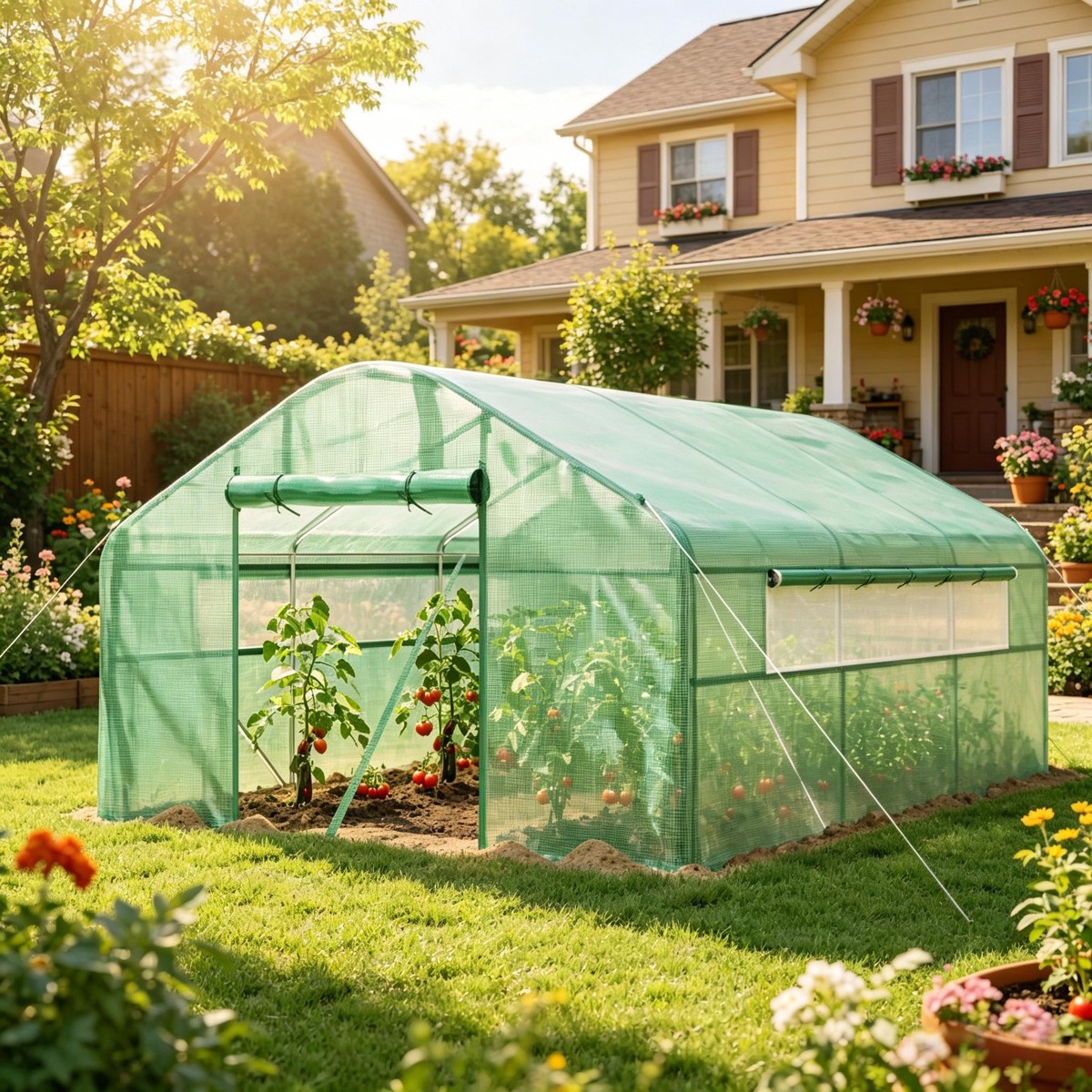 Outdoor Greenhouse,Hoop House with Large Windows,Spacious Design Tunnel Greenhouse$226.99View on Mallflare
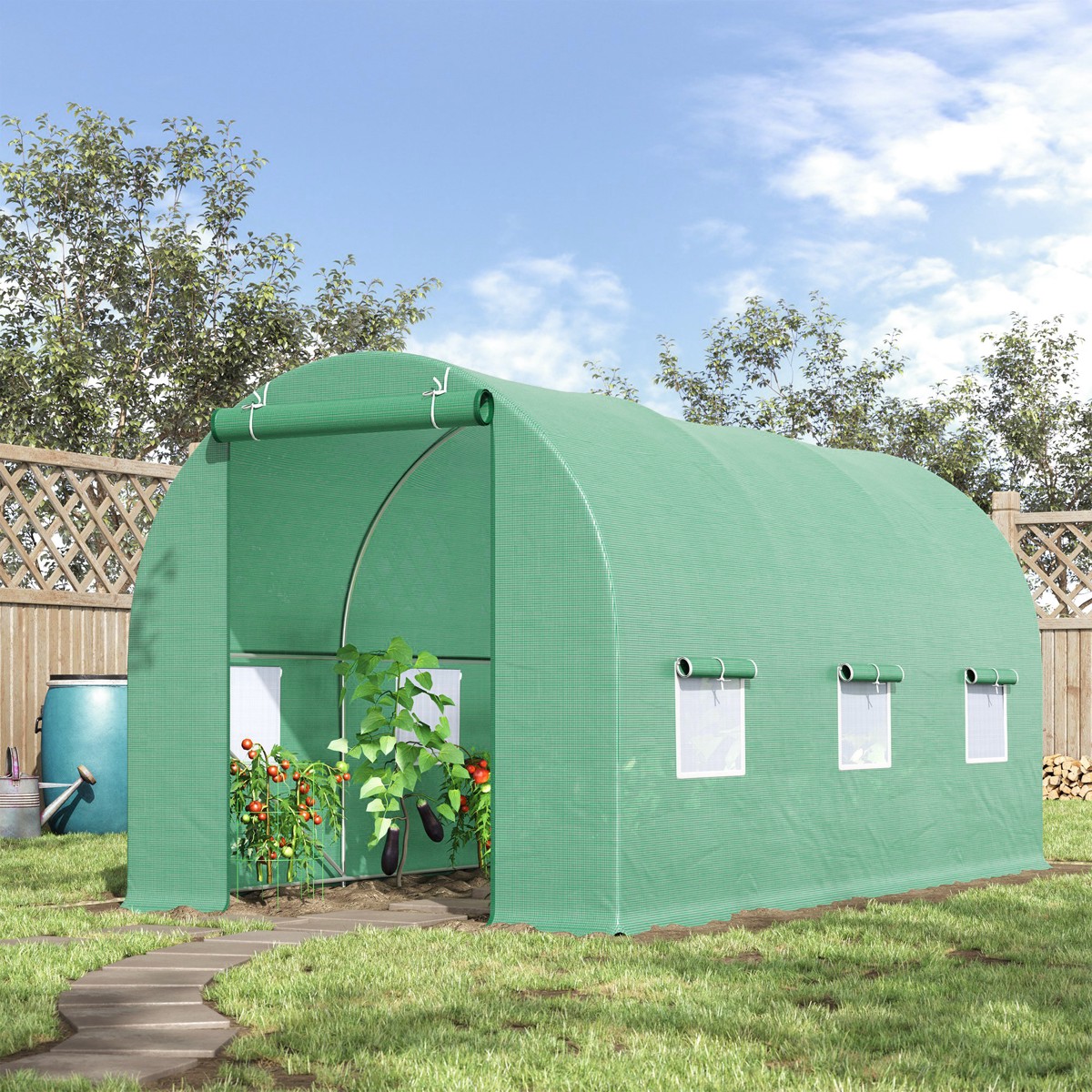 15' x 7' x 7' Walk-in Tunnel Hoop Greenhouse, Steel Frame with PE Cover & Roll-up Zipper Door$246.99View on Mallflare
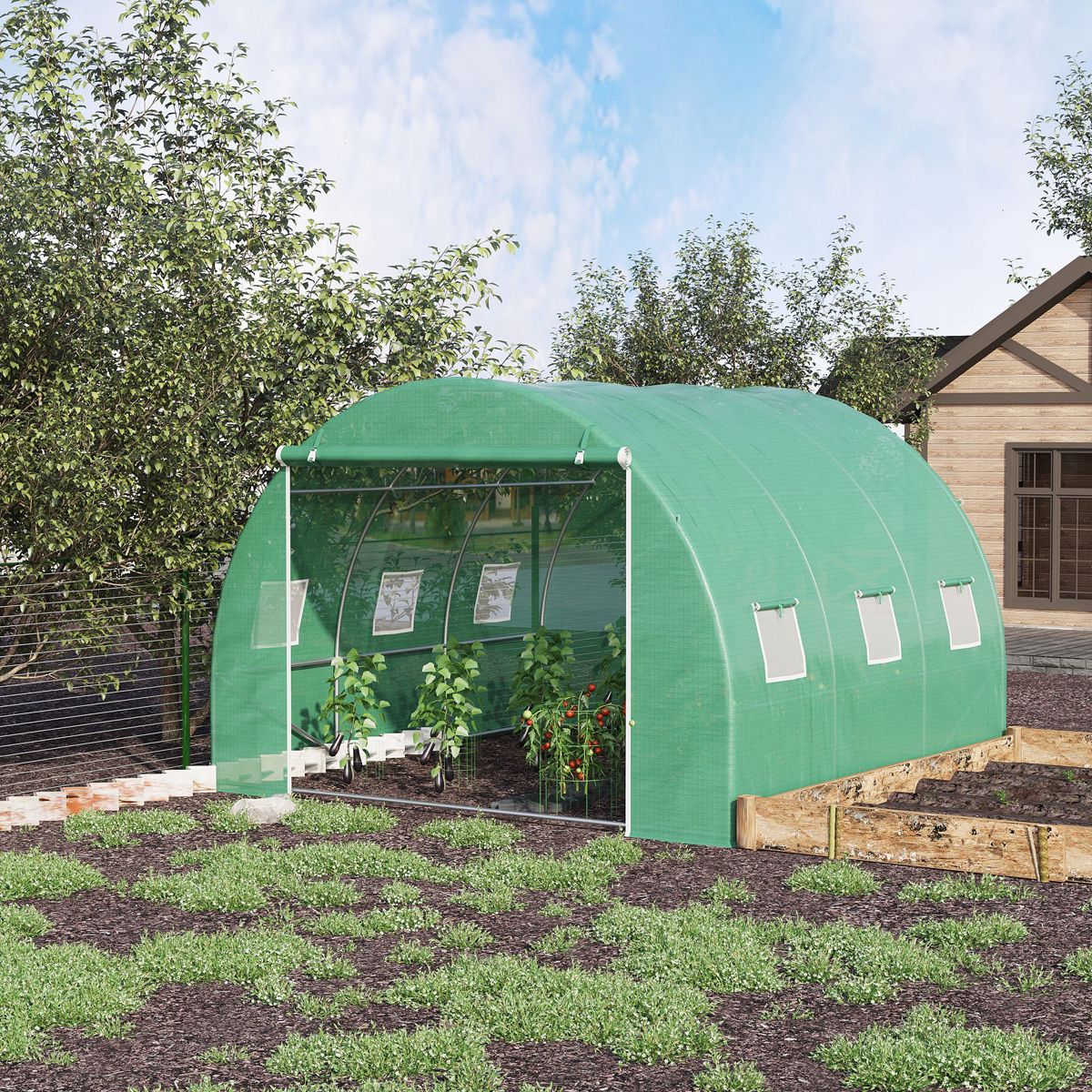 10' x 10' x 7' Tunnel Greenhouse – Walk-in Plant Shelter with Transparent PE Cover & Zippers$252.99View on Mallflare
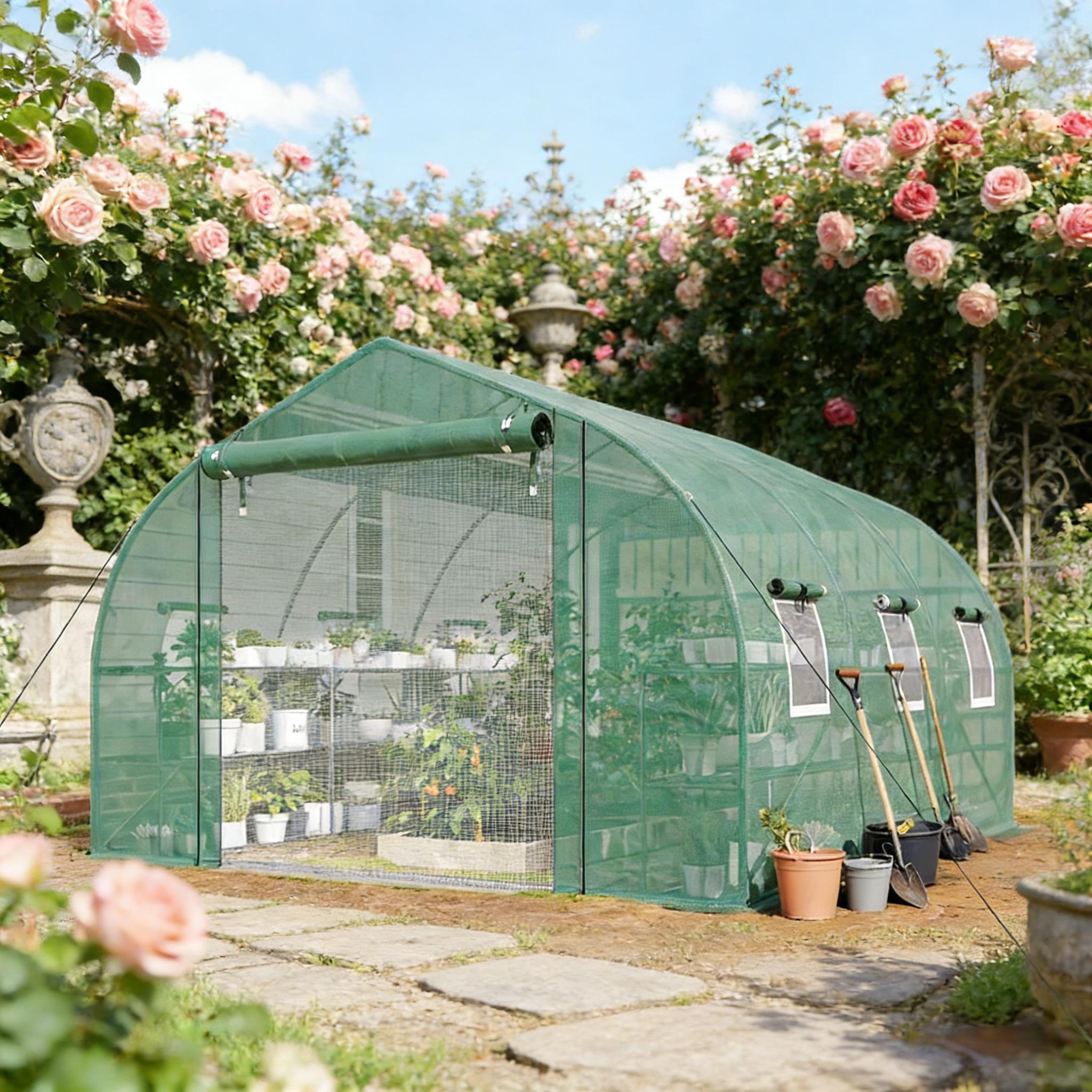 Outdoor Plant Hot House,Walk-in Tunnel Greenhouse$263.99View on Mallflare
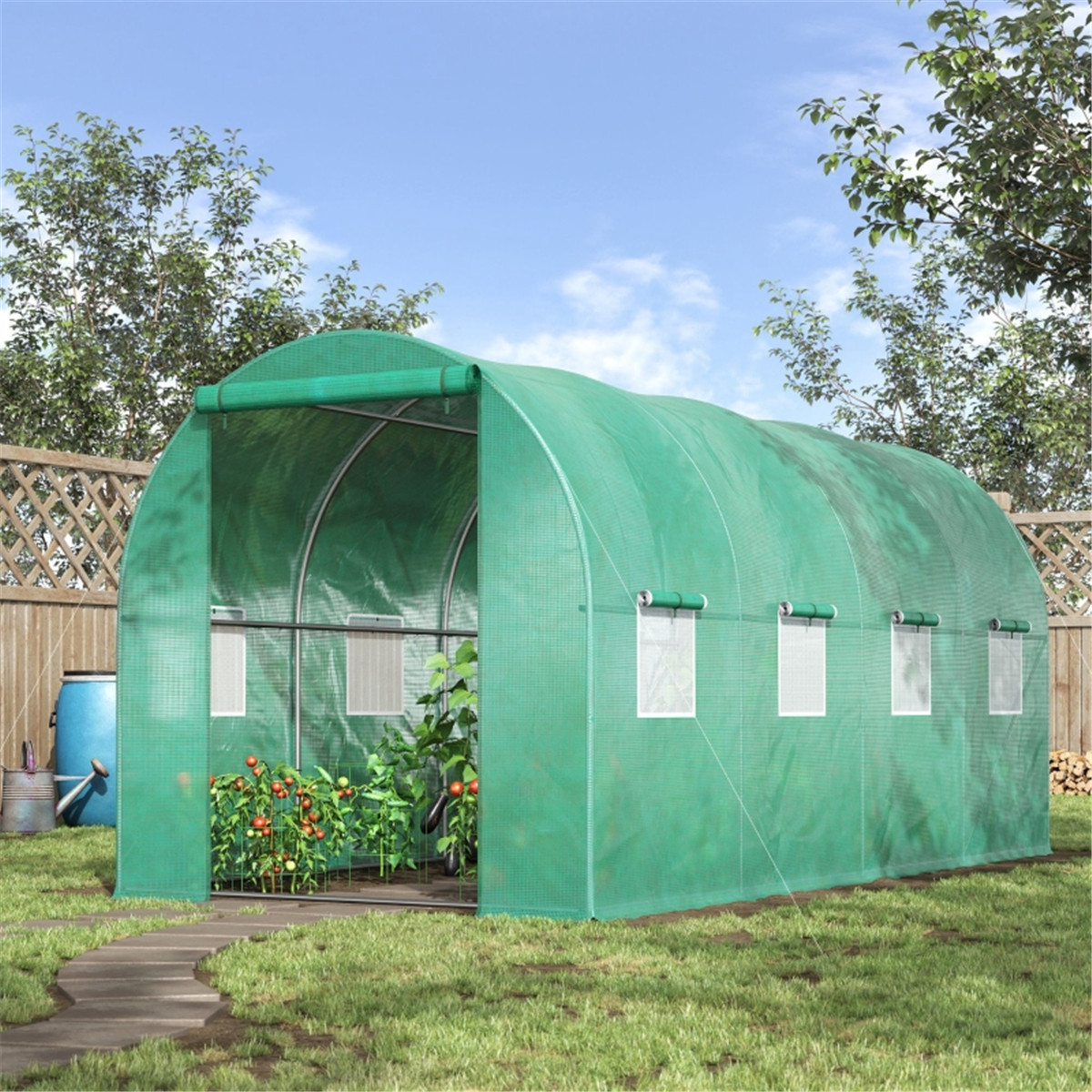 15' x 7' x 6.5' Walk-in Tunnel Greenhouse, Outdoor Green House with Durable Steel Frame & PE Cover$276.99View on Mallflare
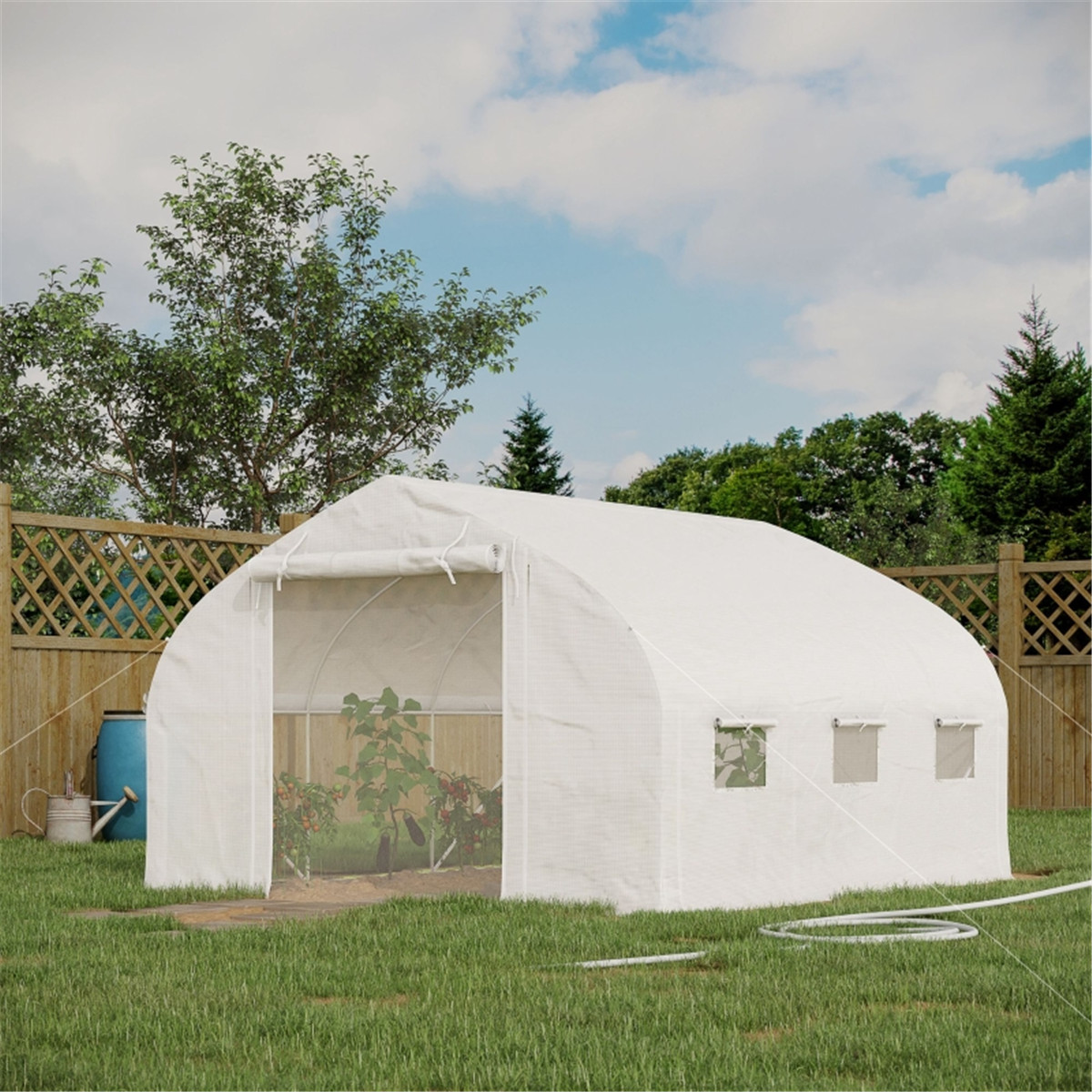 11.5' x 10' x 6.5' Walk-in Tunnel Greenhouse, Zippered Mesh Door, 7 Windows & Roll-up Sidewalls, White$301.99View on Mallflare
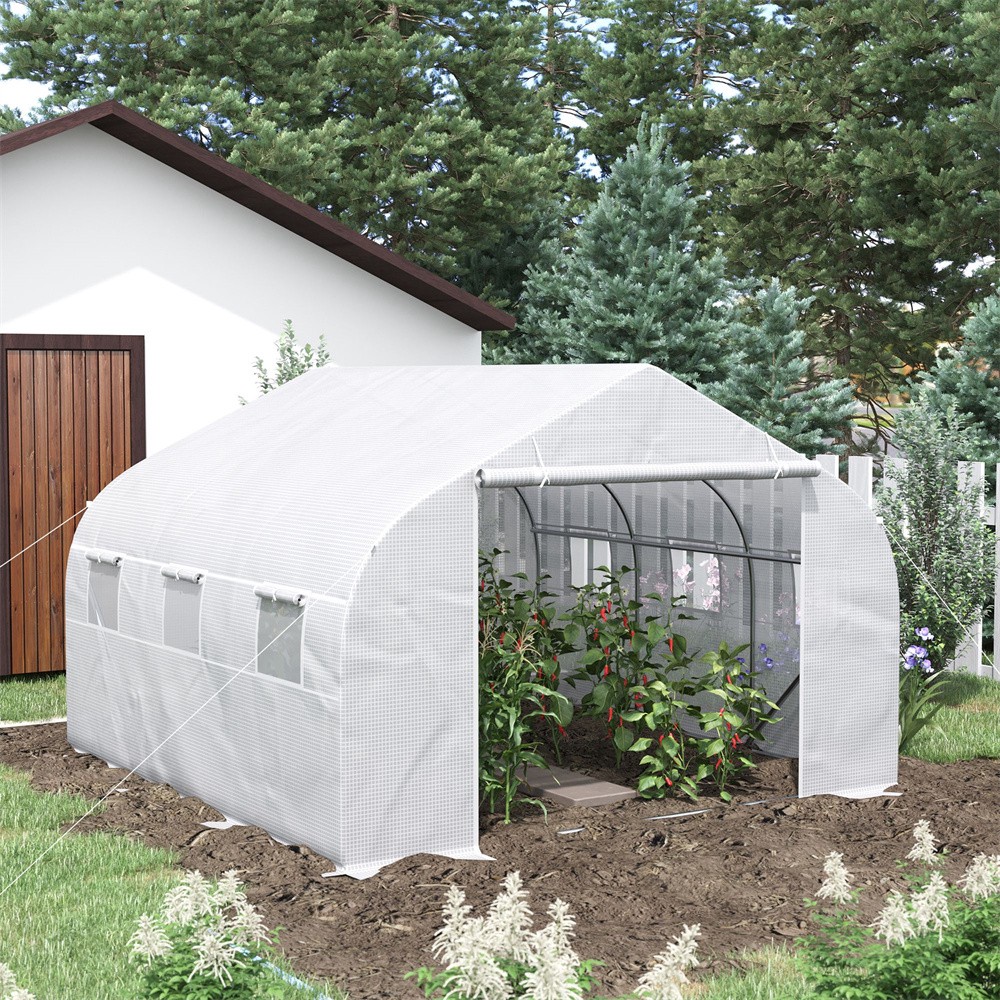 Outdoor Walk-In Tunnel Greenhouse Hot House with Roll-up Windows, Zippered Door, PE Cover 11.5' x 9.8' x 6.5' AS$319.99View on Mallflare
Highlights
- Frame steel: 1.5-inch 17-gauge tubing flexes under snow; 2-inch 14-gauge galvanized steel carries 10-15 psf snow loads and resists 70-90 mph wind when anchored.
- Film grades: 4-year 6-mil polyethylene transmits 85-90% light; 4-season 6-mil with UV stabilizers lasts 4-6 years and costs roughly 30% more per square foot.
- Width determines ventilation: 12-14 ft tunnels rely on roll-up sidewalls alone, while 20-30 ft spans need ridge vents or gable fans to avoid heat buildup.
- Purlin count scales with span: 12-ft tunnels use 3 purlins, 20-ft use 5, and 30-ft use 7 to prevent film sag and wind flap damage.
Best use cases
- Best fit: 12-ft x 24-ft tunnel with roll-up sides and 4-year film for a backyard grower extending tomato and leafy-green season by 6-8 weeks. Skip 30-ft kits that need engineered anchors.
- Best fit: 20-ft x 48-ft tunnel with 2-inch 14-gauge frame, 5 purlins, and ridge vent for a market farmer in a 90-mph wind zone. Skip 1.5-inch tubing kits above 30-ft length.
- Best fit: portable 8-ft x 12-ft high tunnel with 4-mil film for a community garden that must relocate seasonally. Skip permanent 6-mil film if the tunnel moves every year.
- Wrong fit: snowy climates above 30 psf ground snow load without a double-layer inflated film and 2-inch frame. Use a heated greenhouse instead.
Buying tips
- Calculate film replacement cost: a 14-ft x 30-ft tunnel needs about 1,000 sq ft of 6-mil film, so 4-year film adds roughly 30% to total cost versus 4-season film over a decade.
- Match hoop spacing to snow load: 4-ft on-center hoops suit 10 psf, 2-ft on-center suits 20 psf, and add interior truss bracing above 25 psf.
- Anchor every leg with 2-ft ground stakes or concrete footings; a 20-ft tunnel with 10 hoops needs 20 anchors rated for local wind speed.
- Choose roll-up sidewalls on 12-14 ft tunnels and ridge vents on 20-ft-plus tunnels; passive vents alone cannot drop interior temps more than 10-15°F.
Specs
| Frame Steel | 1.5-in 17-ga vs 2-in 14-ga galv. |
|---|---|
| Film Life | 4-yr 6-mil vs 4-season 6-mil |
| Snow Load | 10-15 psf vs 20-30 psf rated |
| Ventilation | Roll-up sides vs ridge vent |
Related searches
What to check before buying
- Measure your plot for tunnel footprint plus 3 ft clearance on all sides for film tie-downs, vents, and airflow.
- Confirm local ground snow load and wind speed from your building department before choosing frame gauge and hoop spacing.
- Check site sun exposure: high tunnels need 6+ hours of direct light; shade from trees or buildings cuts winter production.
- Plan for water access and electricity within 50 ft if you add fans, vents, or irrigation; unheated tunnels still need power for ventilation.
FAQ
Data sources: eBay / Amazon listings and product attribute feeds. Updated Nov 28, 2026.
Some links on this page are affiliate links. If you buy after clicking one, we may earn a commission at no extra cost to you. This does not change which products appear here or their order. Affiliate disclosure.