GardenPulse Guide

GardenPulse Guide

Garden, Yard & Outdoor Living Reviews & Buying Guides

Compare garden, yard & outdoor living by use case, features, trade-offs, price, returns, and seller terms before you buy.

Buying guides

Buying guide image
Raised Garden Beds & Planters

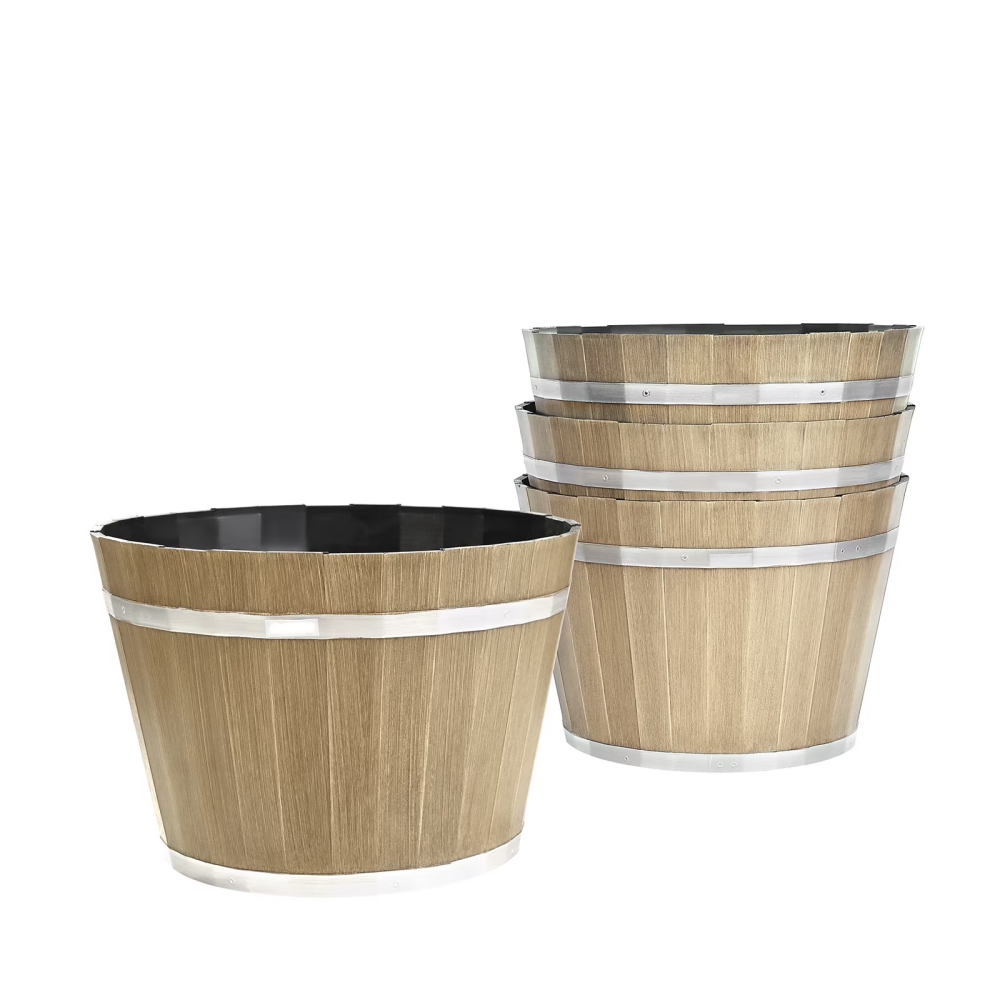
Large Outdoor Flower Pot

Large outdoor flower pots are self-contained growing systems defined by volume, drainage, and weather resistance, not just diameter. The primary trade-off is between lightweight resin or faux-rattan shells that need inner-bucket drainage management and heavy ceramic, concrete, or metal planters that anchor wind loads but demand proper frost-rated construction. Choose a pot rated for your climate zone with a true drainage path and a volume that matches the plant's mature root mass; skip decorative shells without UV stabilization or freeze-thaw tolerance.
Buying guide image
Residential Outdoor Power Equipment

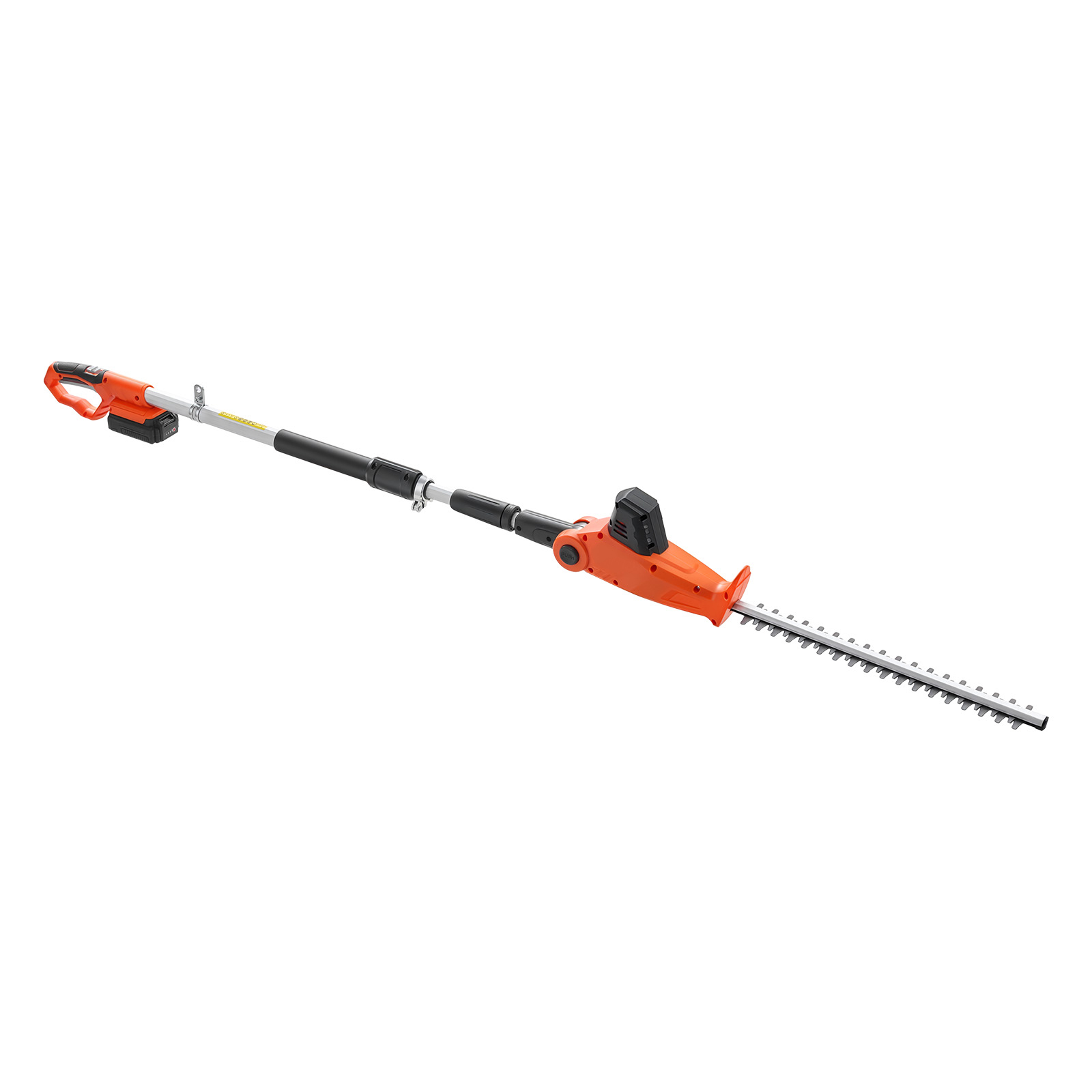
Electric Bush Trimmer

Electric bush trimmers are handheld or pole-mounted cutting tools that replace manual shears and gas trimmers for maintaining shrubs, hedges, and light brush. The core trade-off is between battery platform voltage (18V/20V/21V vs 40V/60V) and blade length/type: lower voltage units are lighter but stall in thick branches, while higher voltage and longer dual-action blades cut faster but add weight. Choose a dual-action steel blade with a cutting diameter of at least 0.6 inches and a voltage matched to your existing battery ecosystem; skip single-action or plastic-blade units if you have dense or woody growth.

Buying guide image
Garden Fencing & Privacy Screens

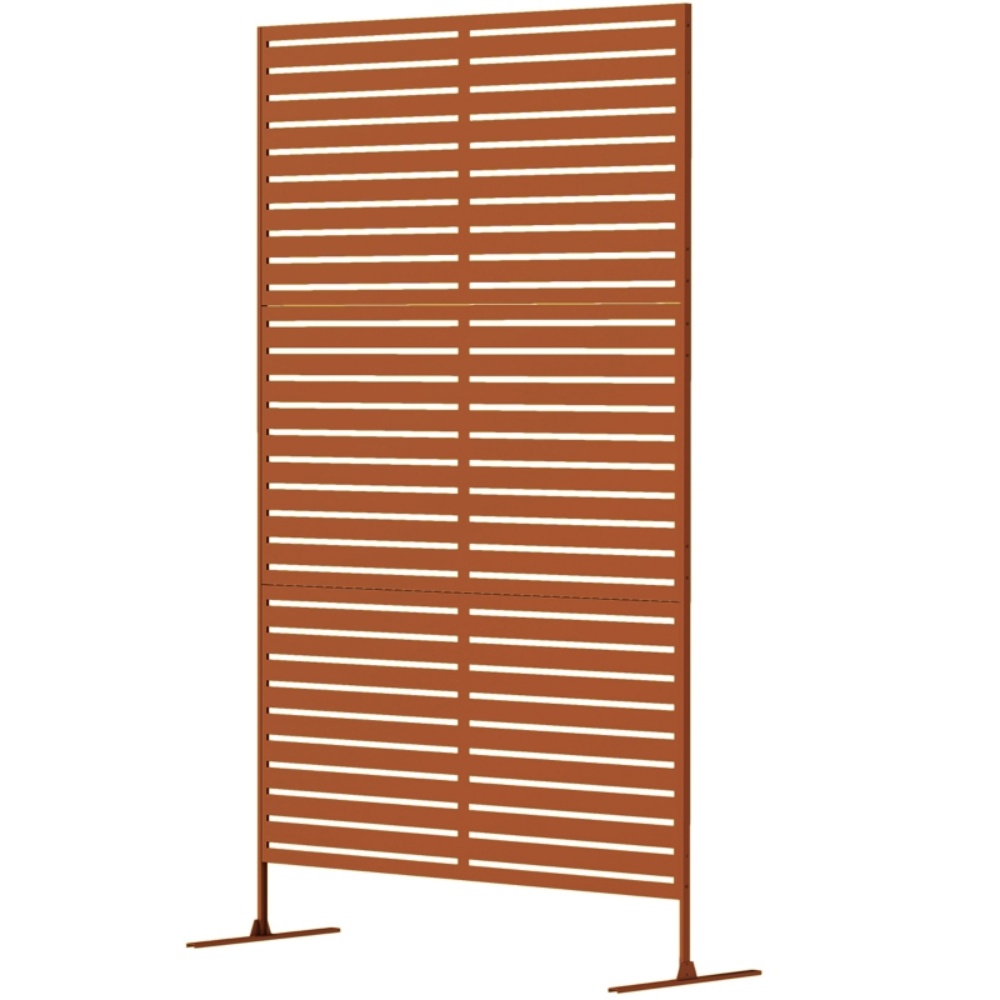
Decorative Garden Fence Panel

Decorative garden fence panels are short, freestanding or stake-mounted borders that define beds, paths, and small barriers without a full fence build. The core trade-off is material rigidity versus flexibility: powder-coated steel panels hold a crisp shape and resist animal pressure, while PP or artificial-topiary panels flex, interlock, and tolerate ground movement. Choose steel for structural definition and animal deterrence; choose flexible polymer or grass-wall panels for curved edging, rental-friendly no-dig installs, and dense green backdrops.

Buying guide image
Outdoor Storage

Outdoor Potting Table

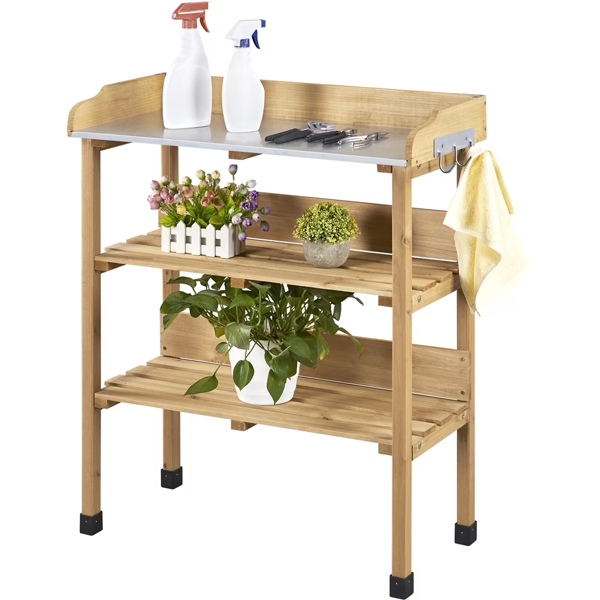
An outdoor potting table is a weather-exposed workbench with storage, differentiated by wood species/joinery versus metal gauge and powder-coat versus rot-resistant HDPE construction. The core trade-off is repairable solid-wood durability against zero-maintenance metal or composite, with hardware and finish quality deciding whether it survives two seasons or ten. Buy solid wood or galvanized/powder-coated steel if the frame joints and fasteners are specified; skip thin fir panel kits with stapled joints.

Buying guide image
Outdoor Structures, Shade & Awnings

Pergola Awning

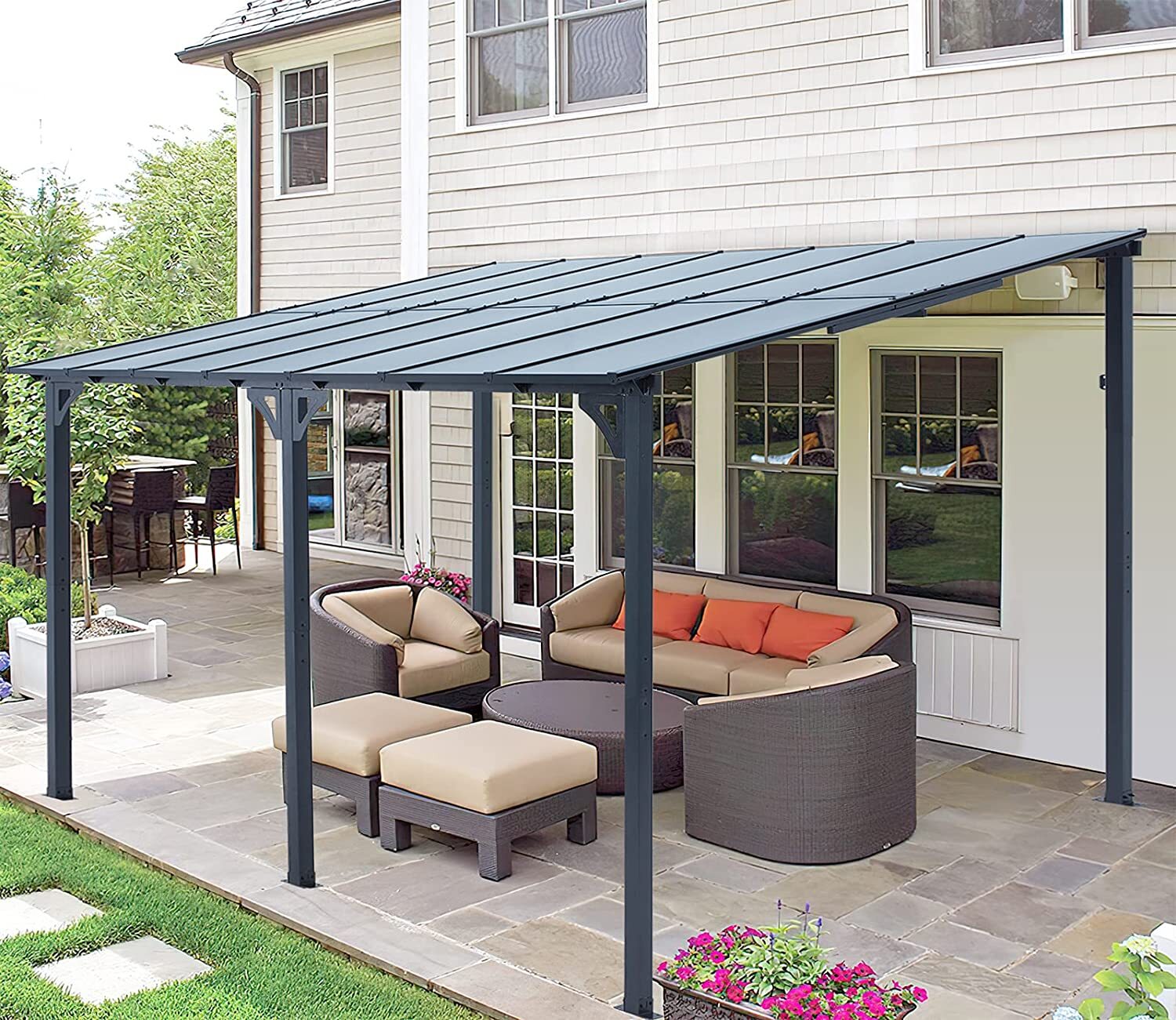
Pergola awnings solve a specific problem: adding weather protection to an open pergola or a wall without a full gazebo footprint. The biggest buying mistakes are confusing a fabric retractable shade with a rigid hardtop, and ordering a wall-mounted unit without accounting for wind exposure and mounting substrate. Size the awning to the actual span you need covered, then choose frame material and roof type based on snow load, sun angle, and whether the structure must stay up year-round.

Buying guide image
Chicken Coops & Runs

Raised Chicken Coop

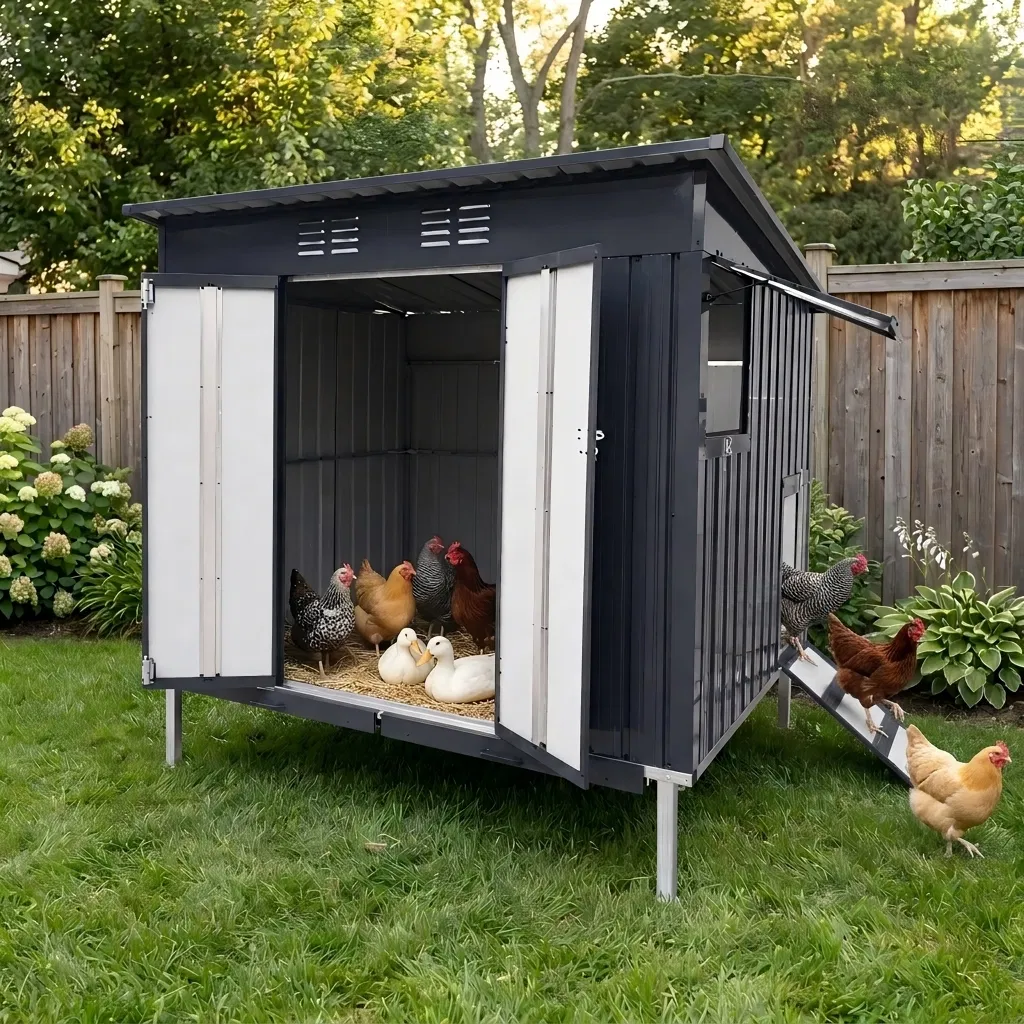
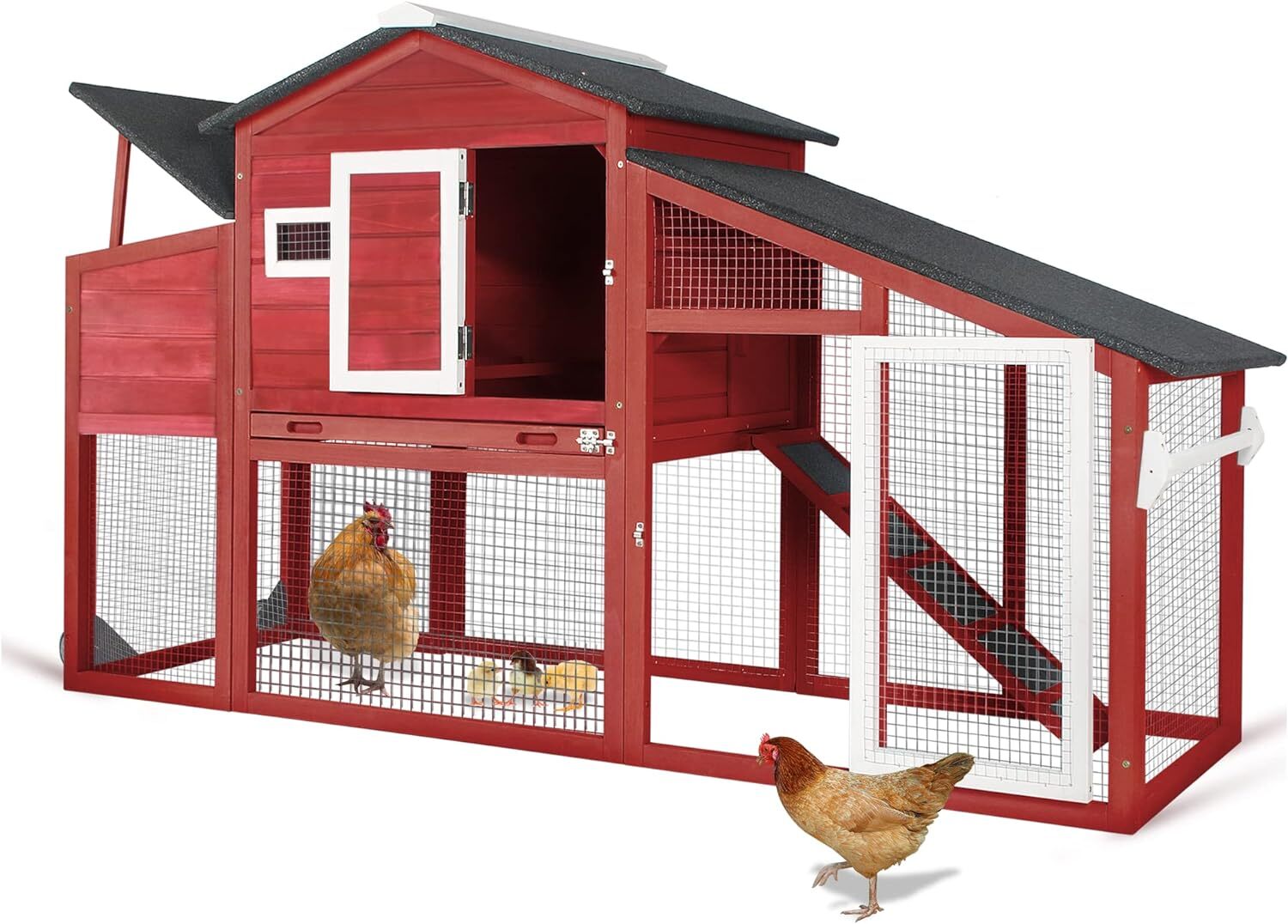
A raised chicken coop is an elevated enclosure that lifts the henhouse floor off the ground, protecting birds from damp, predators, and soil-borne disease while creating usable space underneath. The primary trade-off is between thin, softwood builds that warp and rot within a few seasons and thicker, treated or cedar frames with proper ventilation and secure hardware cloth. The decision rule: prioritize structural thickness, predator-grade mesh (1/2-inch hardware cloth, not chicken wire), and a raised floor height that clears ground moisture; skip any unit that uses staples, untreated pine under 10mm, or mesh larger than 1 inch.

Buying guide image
Residential Outdoor Power Equipment

Battery Powered Snow Shovel

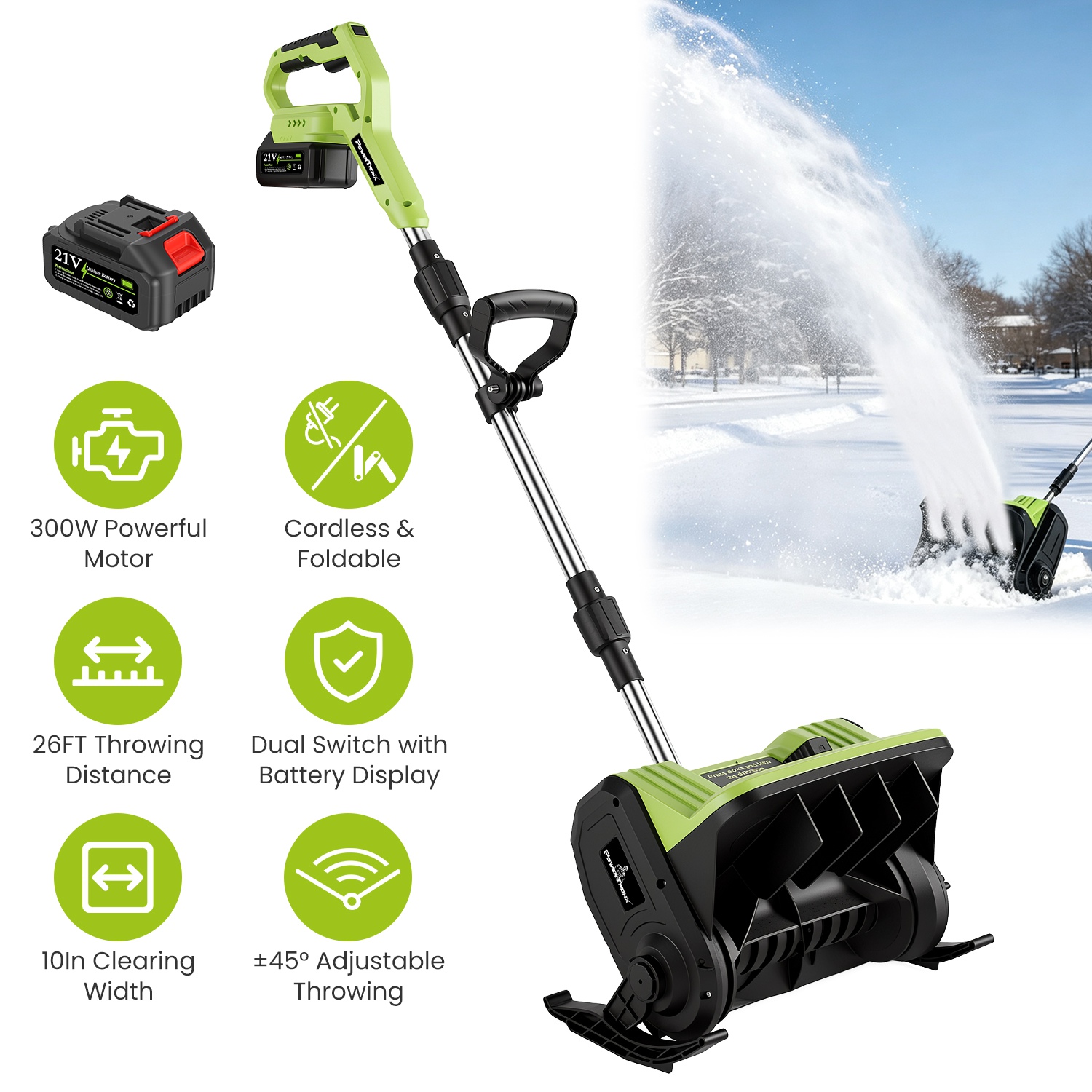
Battery-powered snow shovels are compact, cordless machines that clear light-to-moderate snow from decks, walkways, and small driveways without the weight or fuel of a snow blower. The core trade-off is between 18–21V single-battery kits (lighter, cheaper, best for 2–4 inches) and 40–60V or dual-battery systems (more torque and throw distance for wet snow and 6–8 inch depths). The decision rule: buy a 20V-class unit only if your typical snowfall is under 5 inches and your clearing area is under 300 sq ft; step up to 40V+ or dual-battery for wet snow, gravel surfaces, or anything deeper.

Buying guide image
Watering & Irrigation

Garden Watering Hose

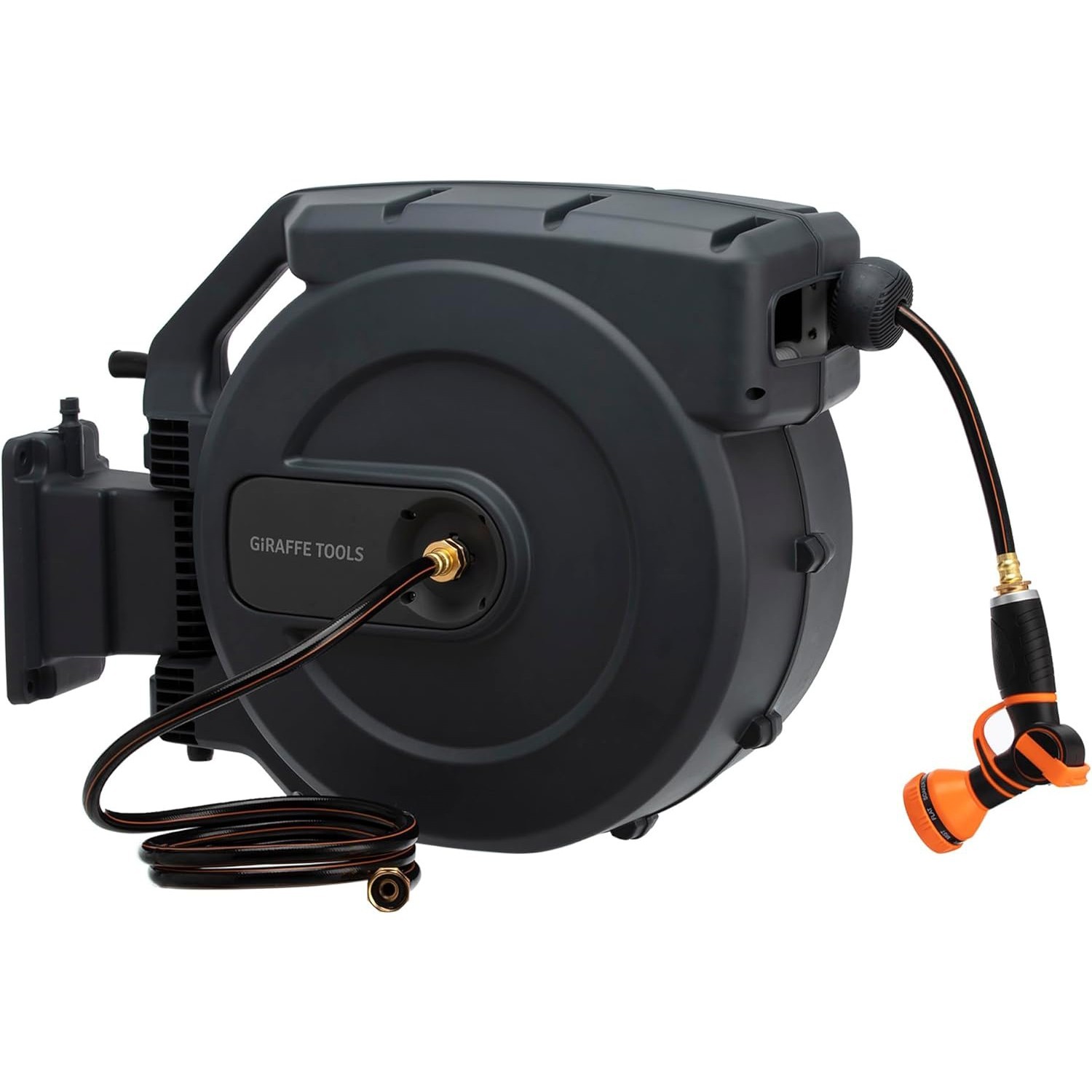
Garden watering hoses divide into three real architectures: standard 5/8-inch garden hoses, 1/2-inch drip/soaker tubing, and 1/4-inch micro-drip capillary lines — each with different pressure, flow, and durability rules. The core trade-off is wall thickness and coupling grade versus flexibility: thin 2-ply vinyl kinks and bursts, while 3-ply or rubber hoses with machined brass fittings last seasons. Buy the architecture that matches your emitter plan; never substitute a garden hose for drip tubing or vice versa.

Buying guide image
Patio Furniture

DIY Picnic Table

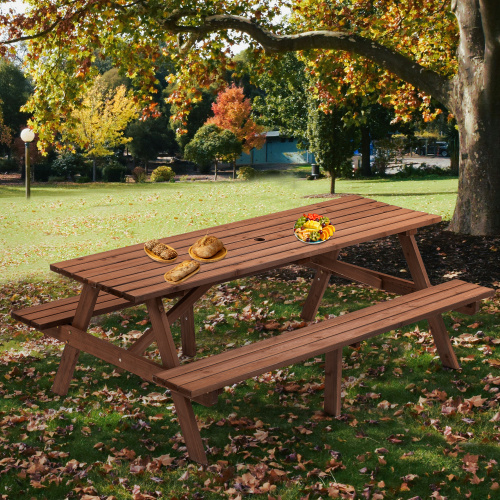
A DIY picnic table kit lives or dies on lumber grade, hardware corrosion resistance, and whether the frame geometry actually fits your patio or deck footprint. Most buyers underestimate how much a 6- or 8-person table moves and flexes under load, so bracing and fastener spec matter more than the marketing photo. Sizing the table to your real seating count and surface — not the listed capacities — is the first decision to lock in.

Buying guide image
Patio Furniture

Indoor Wicker Furniture

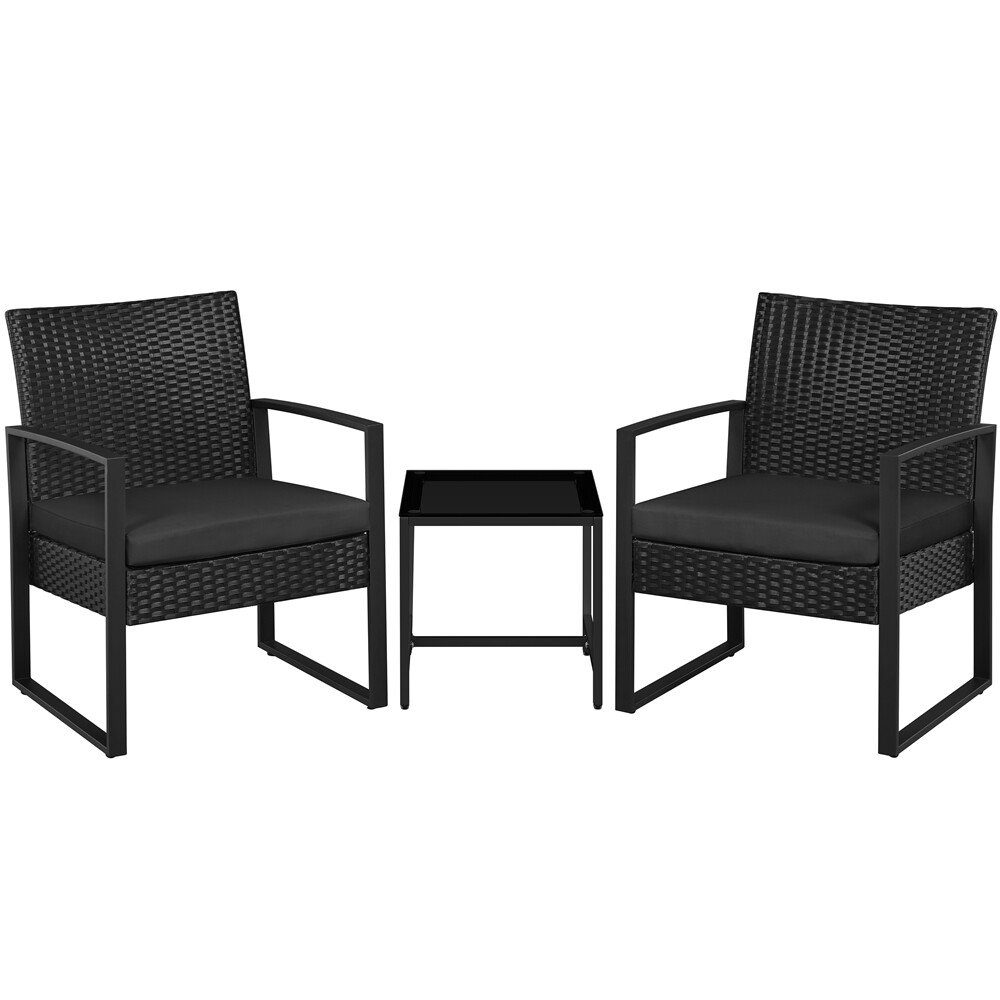
Indoor wicker furniture spans natural rattan, synthetic PE resin wicker, and paper-cord weaves over frames that range from kiln-dried hardwood to powder-coated aluminum or steel. The core trade-off is weave durability and frame corrosion resistance versus indoor air quality and seating comfort, since outdoor-rated PE wicker can off-gas and feel stiff indoors while natural rattan cracks in dry heated rooms. The decision rule: buy synthetic PE wicker only with a fully welded aluminum frame and UV-stabilized weave for sunrooms, and choose natural rattan or paper-cord over hardwood for climate-controlled living rooms.

Buying guide image
Bee Feeders & Mite Treatment

Mite Treatment

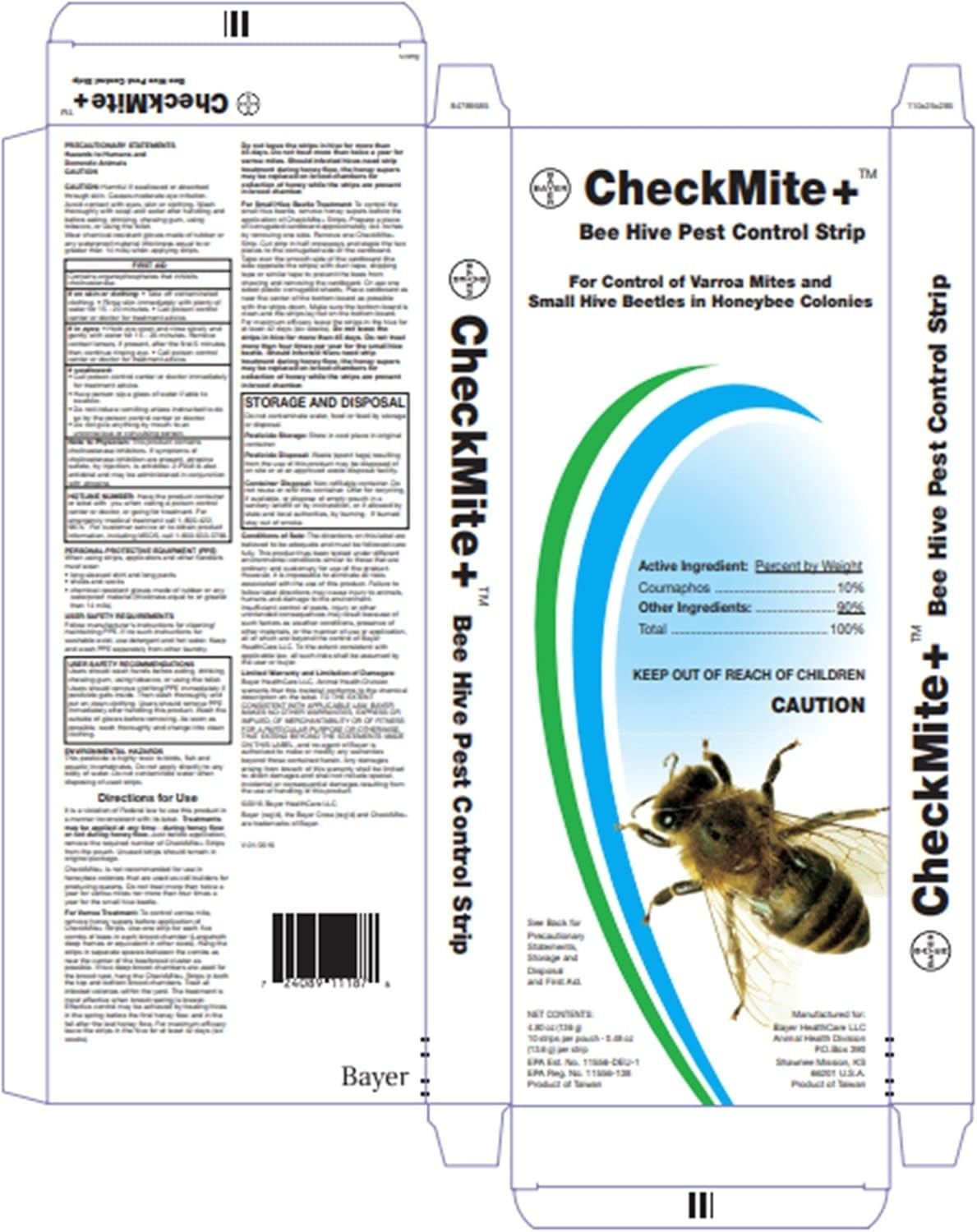
Mite treatment for beehives centers on two regulated in-hive chemistries—formic acid (vapor) and oxalic acid (contact)—plus older pesticide strips, each with distinct temperature windows and residue rules. The core trade-off is efficacy against Varroa versus bee/honey safety, and the decision rule is simple: match the active ingredient to your brood status, ambient temperature, and local legality, never stacking treatments or exceeding label doses.

Buying guide image
Outdoor Lighting & Decor

Fire Pit With Spark Screen

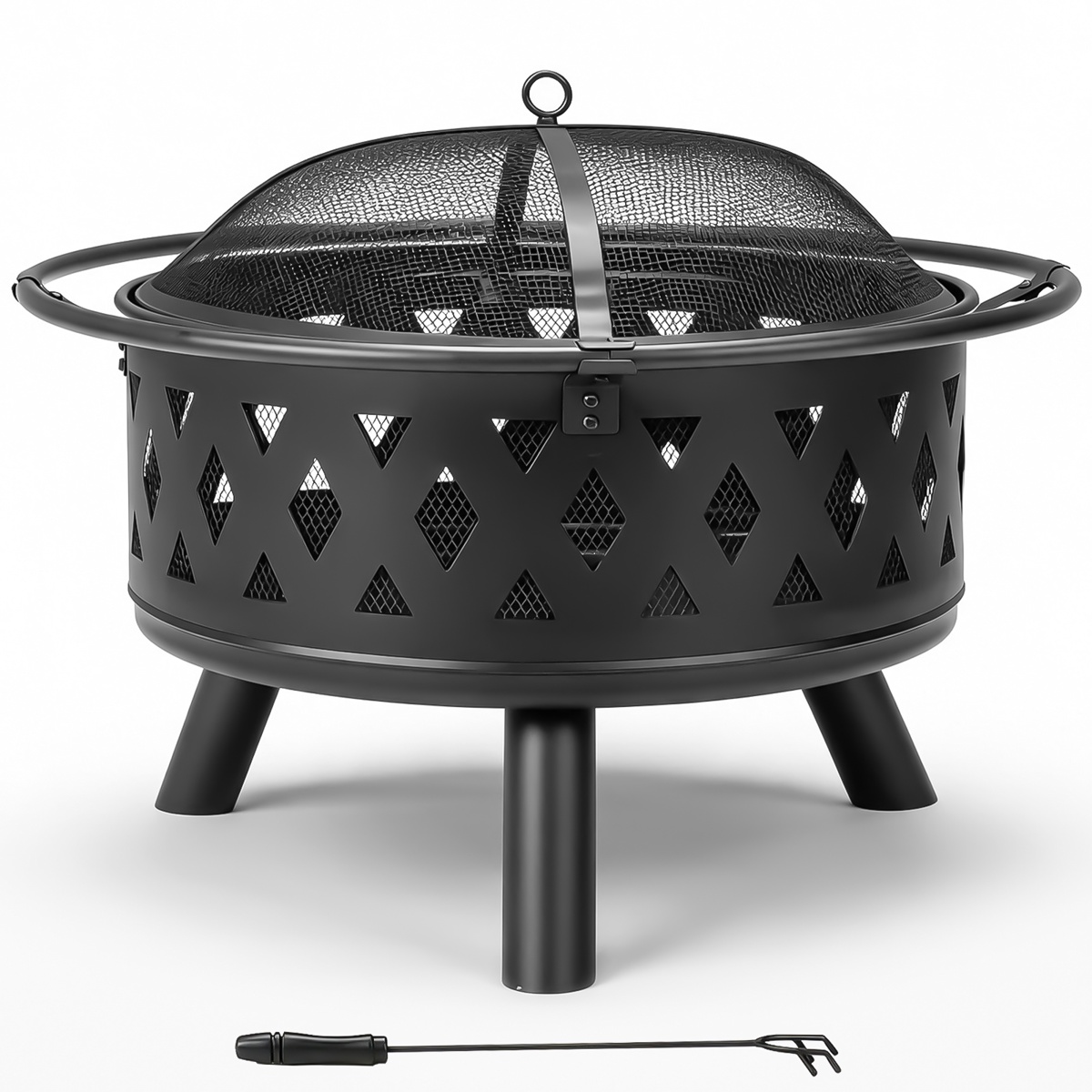
A fire pit with spark screen is a wood-burning outdoor hearth where the mesh lid is the primary safety and burn-control component, not a decorative add-on. The core trade-off is between thin stamped steel with loose mesh and heavy-gauge steel or cast iron with a tight-fitting, hinged screen that resists warping and contains embers. Buy heavy-gauge steel or cast iron with a hinged or tethered screen and a lift tool; skip thin sheet-metal bowls with friction-fit lids.

Buying guide image
Lawn Care

Landscape Fabric

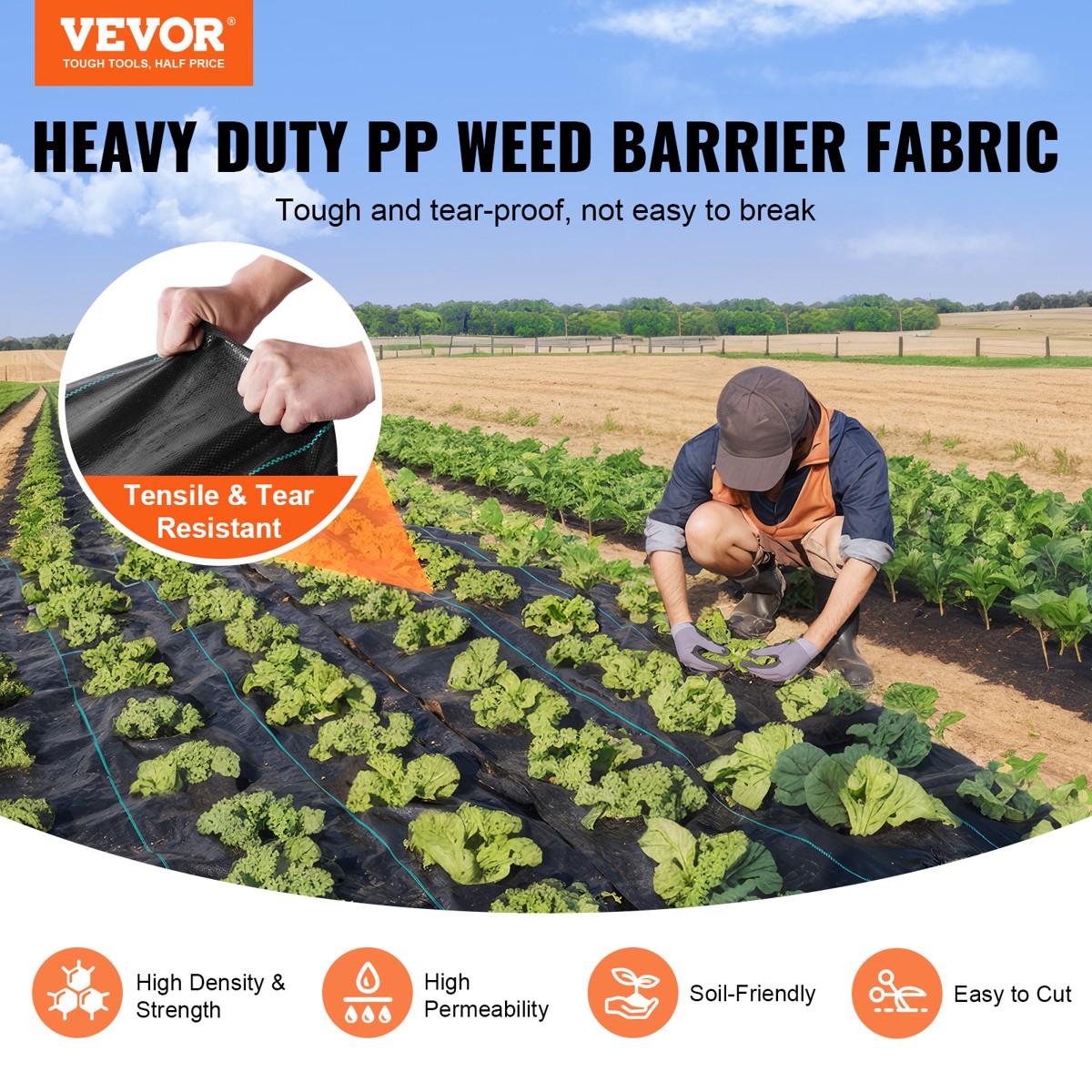
Landscape fabric is a woven or non-woven geotextile installed under mulch, gravel, or soil to suppress weeds while passing water and air. The core trade-off is weight versus permeability: lighter 1–2 oz fabrics tear and UV-degrade quickly, while 3.2–5 oz woven polypropylene delivers the puncture resistance and flow rate needed for gravel drives and permanent beds. The decision rule is simple: buy woven PP at 3.2 oz or heavier for any load-bearing or long-term application, and skip spun-bonded or 1 oz weed barriers that fail within two seasons.

Buying guide image
Residential Outdoor Power Equipment

Heavy Duty Wood Chipper

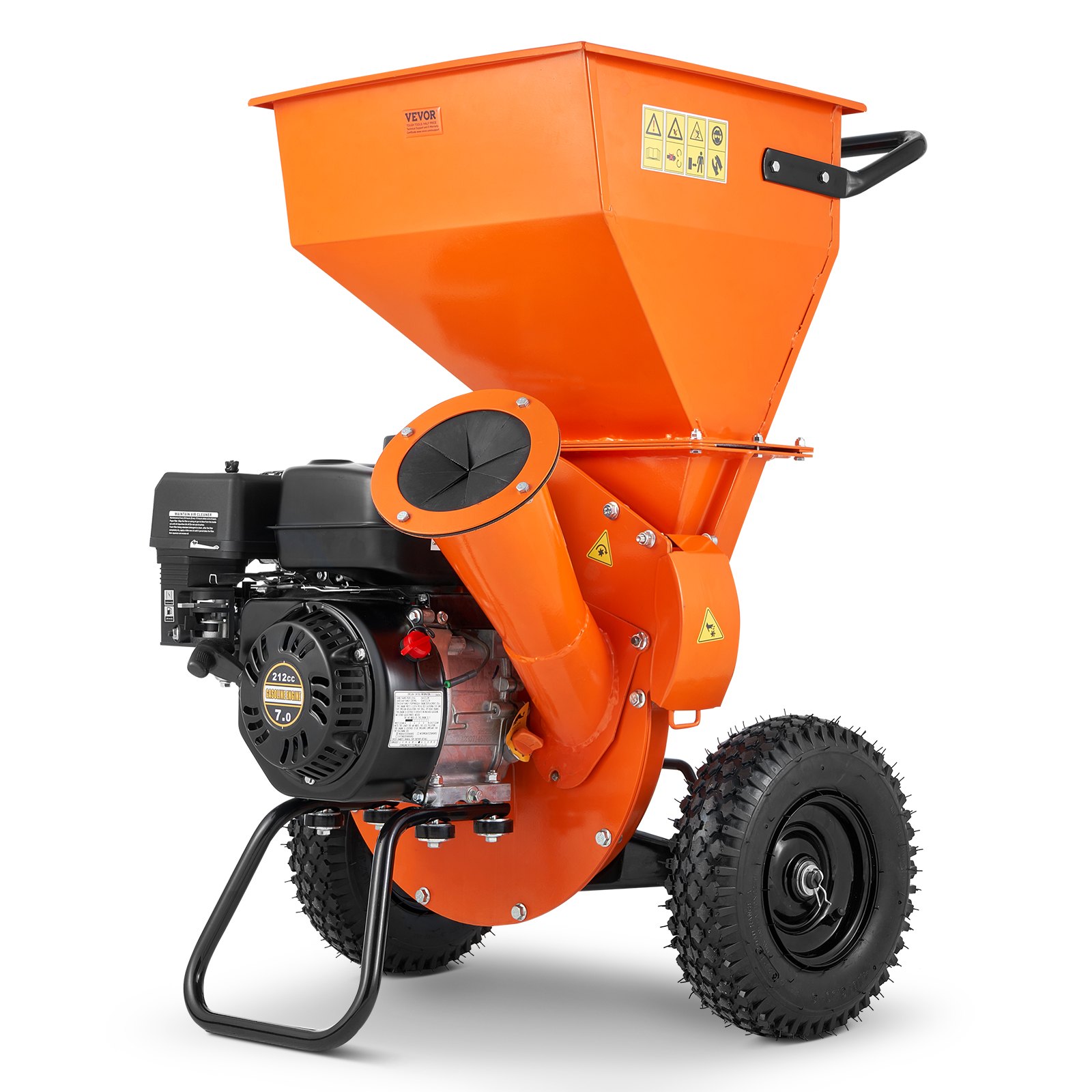
A heavy-duty wood chipper earns its keep when branch diameter, feed system, and engine torque match your real clearing volume—not the marketing label. Most buyers underestimate how much 3-inch versus 4-inch capacity and gravity-feed versus self-feeding intakes change effort and throughput. Focus on discharge height, blade access, and towability before chasing horsepower.

Buying guide image
Residential Outdoor Power Equipment

Portable Stump Grinder

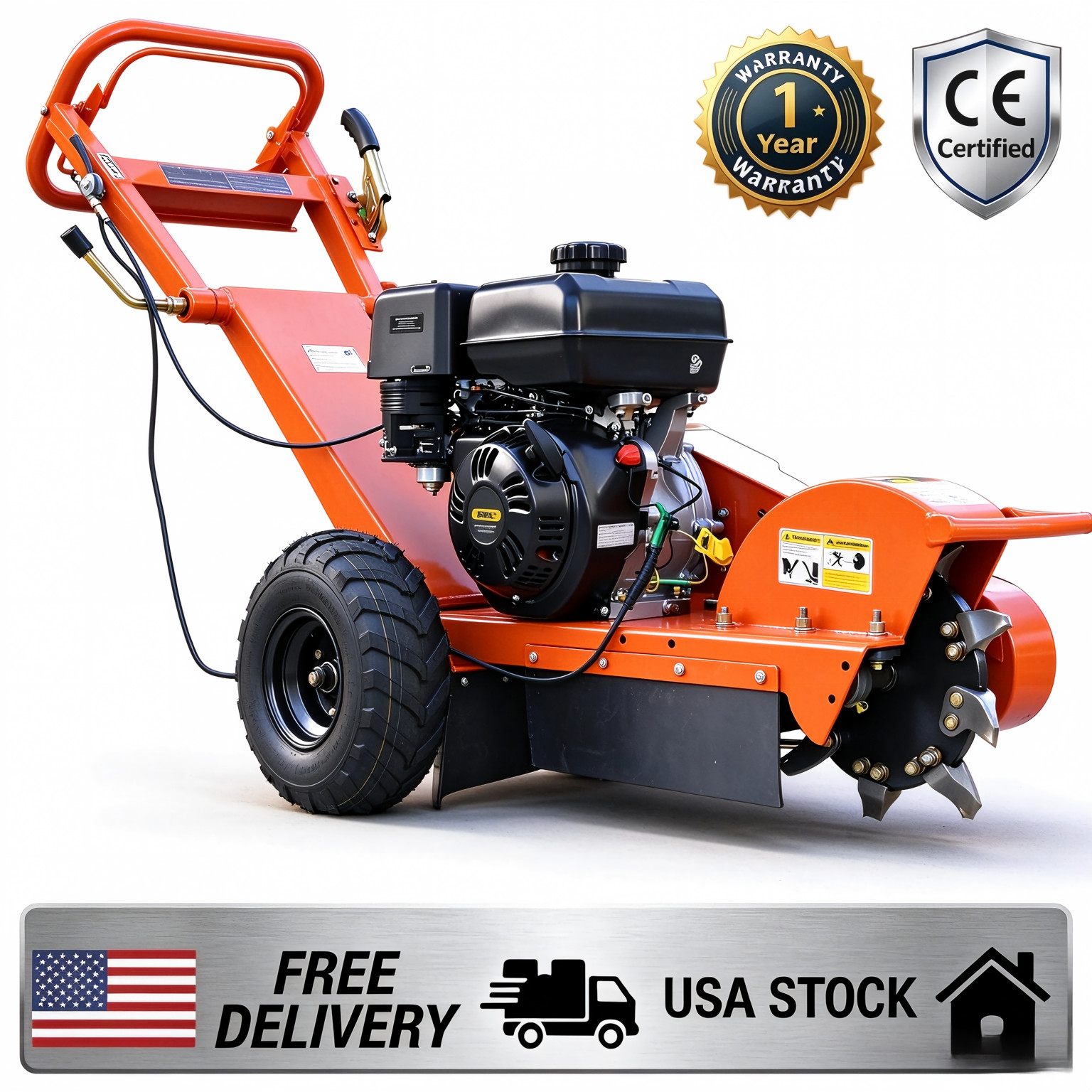
Portable stump grinders let homeowners and small crews eliminate tree stumps without hauling in a tow-behind commercial unit. The real decision hinges on engine power, cutting-wheel reach, and whether the machine must fit through a gate or be carried by two people. Most buyers underestimate stump diameter and root flare, then pick a grinder that stalls out or cannot reach the soil line.

Buying guide image
Residential Outdoor Power Equipment

Portable Wood Chipper

Portable wood chippers let homeowners clear brush and storm debris without hauling it to a dump, but the wrong engine or feed system turns yard work into a chore. Focus on real throughput and discharge control rather than inflated horsepower claims, and ignore single-listing specs that do not reflect standard designs. This guide covers gas and electric classes, feed mechanisms, and the fit checks that matter before you commit.

Buying guide image
Garden Fencing & Privacy Screens

Temporary Fence

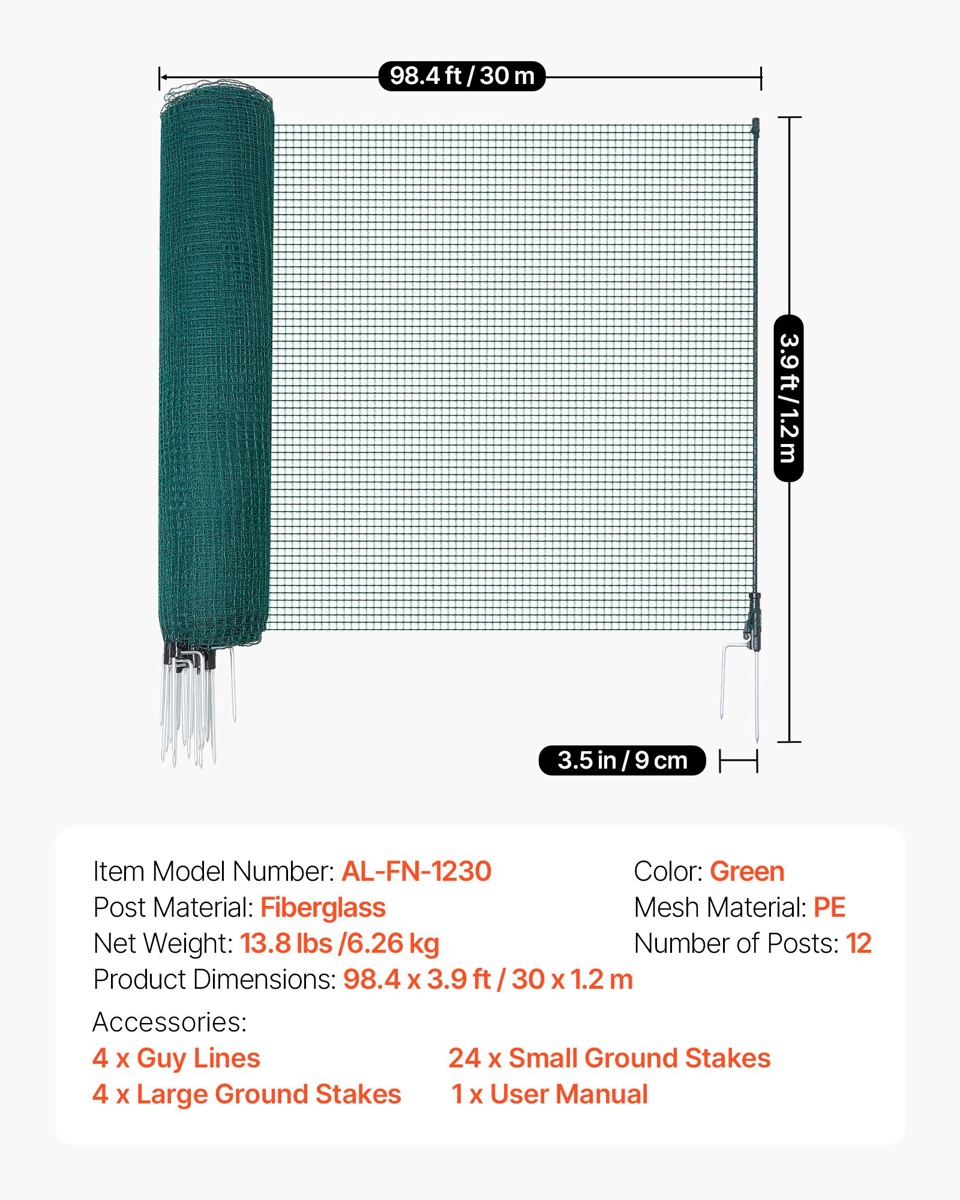
Temporary fencing is a removable barrier for renters, pet containment, and seasonal garden protection, where the core trade-off is between lightweight plastic mesh (portable, low-cost, short-lived) and rigid metal panels (heavy, modular, reusable for years). Durable options use UV-stabilized HDPE mesh or galvanized welded-wire panels with driven or weighted feet; compromises use thin non-stabilized mesh, undersized stakes, or uncoated wire that rusts and sags within a season.

Buying guide image
Outdoor Storage

Steel Storage Shed

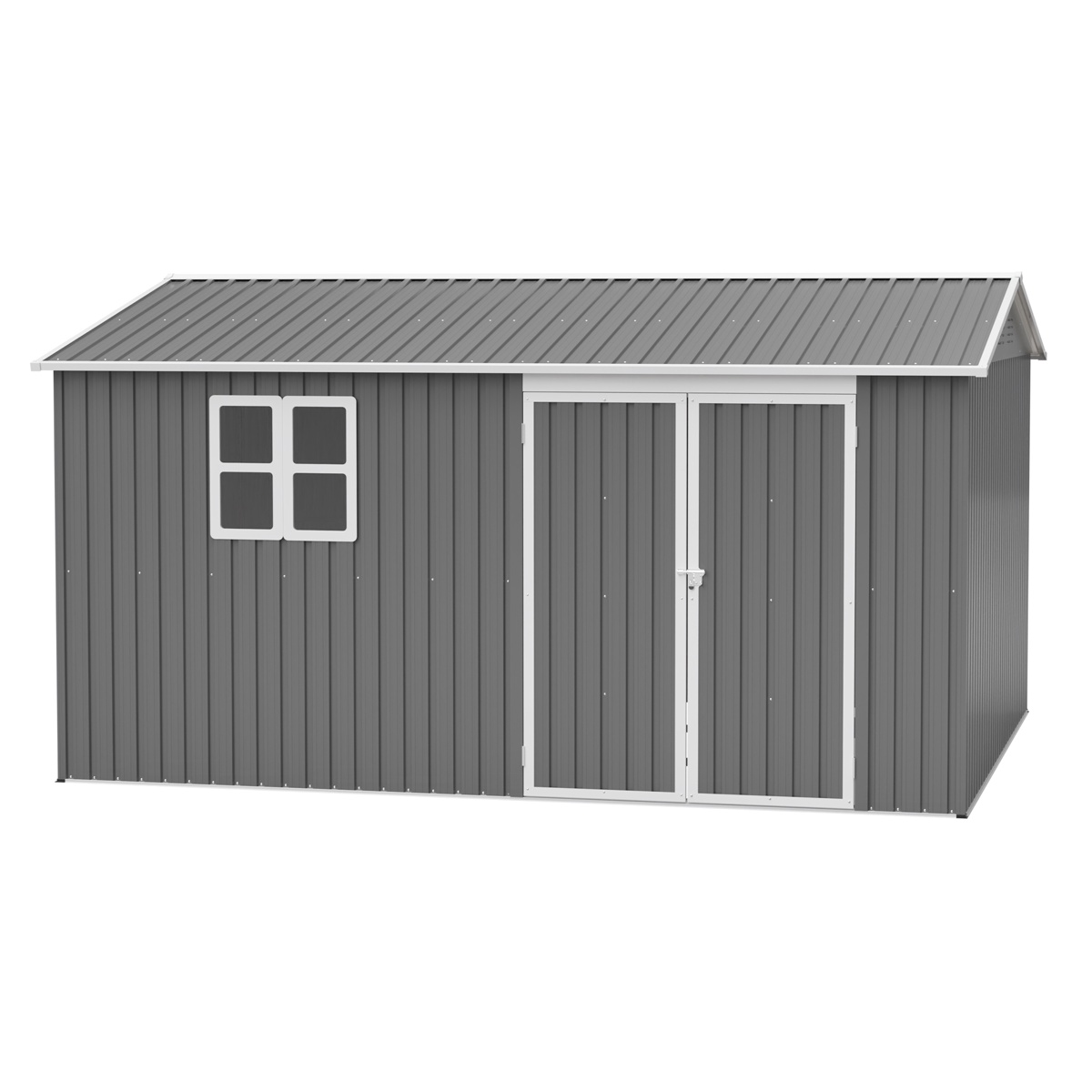
Steel storage sheds are weatherproof outbuildings made from galvanized or zinc-coated steel panels over a tubular frame, available in lean-to, gable, and pent roof styles. The core trade-off is gauge thickness and coating quality versus panel count and assembly complexity: thinner 0.25–0.32 mm panels dent and rust at cut edges, while 0.4–0.6 mm hot-dip galvanized panels with overlapping seams last decades. The decision rule: buy the thickest hot-dip galvanized or zinc-aluminum coated steel your budget allows, and skip any shed whose panels flex visibly under thumb pressure or lack edge hemming.

Buying guide image
Greenhouse & Hydroponics

PVC Greenhouse

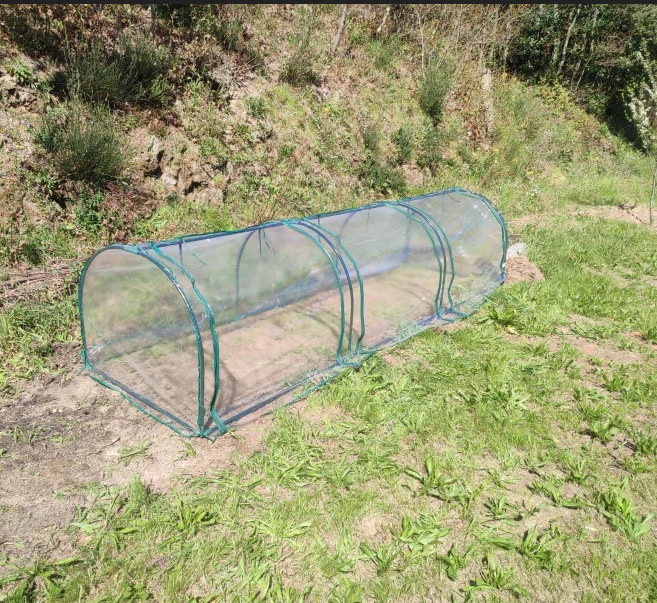
PVC greenhouses split into two distinct build types: lightweight mini grow tents with clear PVC covers over tubular metal frames, and larger tunnel kits using thicker PVC or polyethylene films. Buyers typically get burned by undersized covers that shred in wind, unclear film thickness, or frames that cannot handle snow load. Match the cover grade and frame diameter to your wind and snow exposure before choosing a size.

Buying guide image
Chicken Coops & Runs

Portable Chicken Coop Wheel

A portable chicken coop wheel is the mobility hardware—fixed casters, swivel casters, or wheel-and-axle kits—that converts a static wooden or metal coop into a movable unit for rotational grazing and yard cleanup. The core trade-off is load capacity versus ground clearance: small hard-plastic casters roll easily on patios but sink in mud and grass, while larger pneumatic or solid-rubber wheels float over turf but need reinforced mounting plates and a level path. The decision rule: match wheel diameter and caster rating to your coop's loaded weight and your dominant ground surface; skip tiny furniture-grade casters on anything larger than a small nesting box coop.

You may also like

Finding more guides for you…