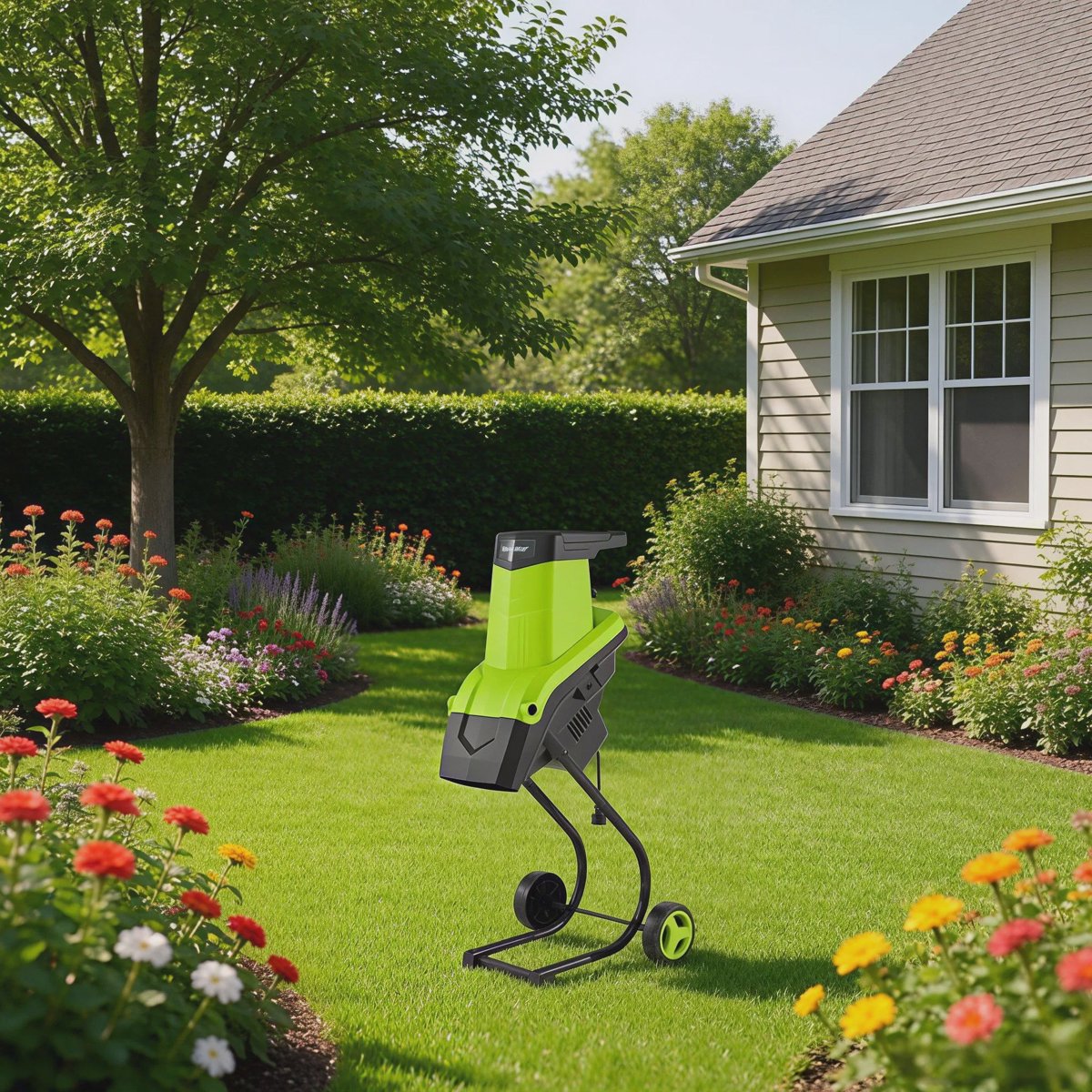

Photos from current listings. Actual item, color, and included accessories may vary.
Portable Wood Chipper Buying Guide
Portable wood chippers let homeowners clear brush and storm debris without hauling it to a dump, but the wrong engine or feed system turns yard work into a chore. Focus on real throughput and discharge control rather than inflated horsepower claims, and ignore single-listing specs that do not reflect standard designs. This guide covers gas and electric classes, feed mechanisms, and the fit checks that matter before you commit.
Median $404.49
Key takeaways
- Gas chippers typically use 6.5–14 HP engines with 1.5–4 inch feed capacity; electric models run 12–15 A and top out near 1.75 inches.
- Gravity-feed units demand pre-cut branches; self-feeding roller chippers pull limbs in and handle Y-branches with far less kickback.
- The chipper-shredder-vacuum class uses a flail or hammer mill for leaves and soft debris plus a separate chipper chute for limbs.
At a glance
- Category
- Residential Outdoor Power Equipment
- Last updated
- Nov 28, 2026
Current offers
Highlights
- Gas chippers typically use 6.5–14 HP engines with 1.5–4 inch feed capacity; electric models run 12–15 A and top out near 1.75 inches.
- Gravity-feed units demand pre-cut branches; self-feeding roller chippers pull limbs in and handle Y-branches with far less kickback.
- The chipper-shredder-vacuum class uses a flail or hammer mill for leaves and soft debris plus a separate chipper chute for limbs.
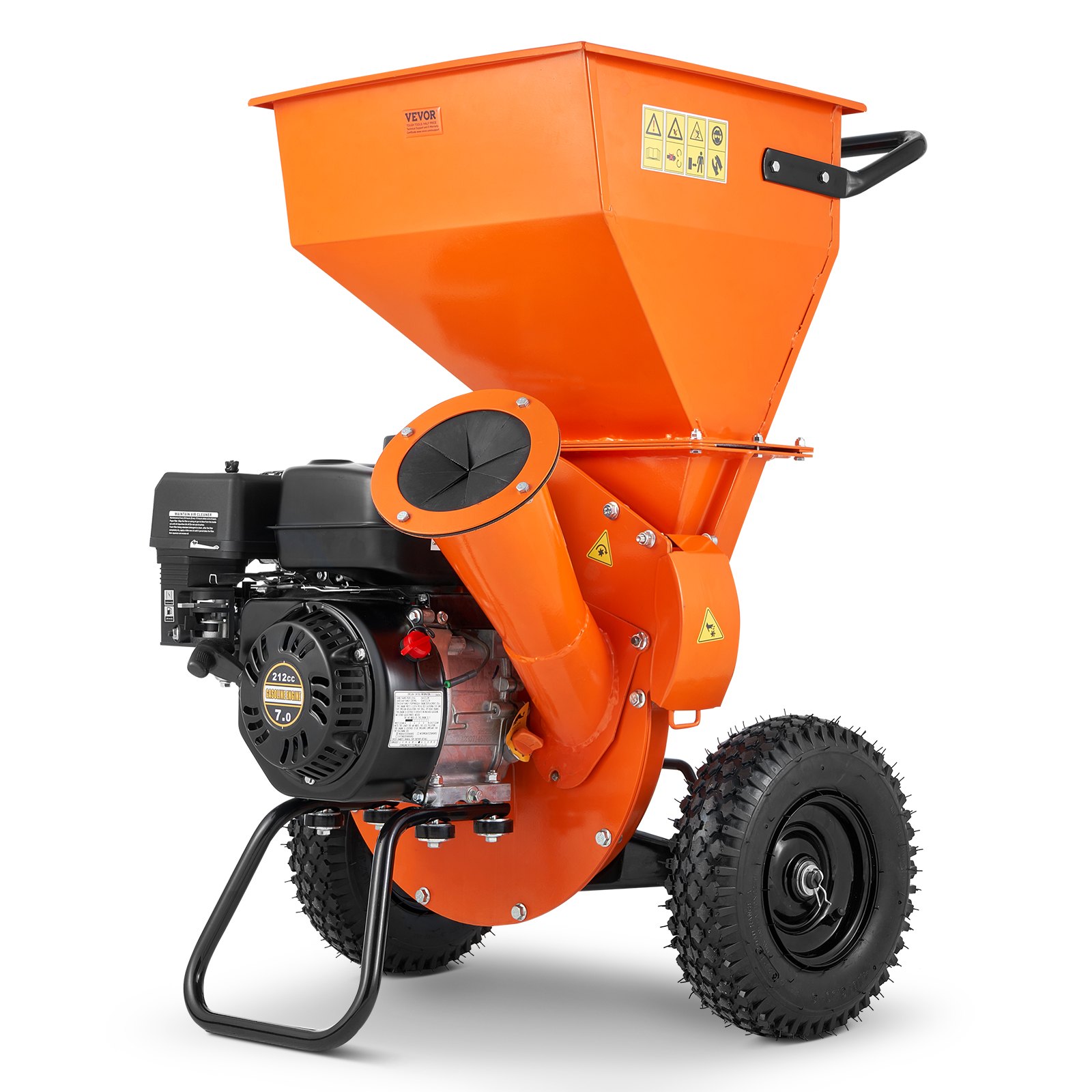
- Discharge systems range from fixed side chutes to 180° adjustable and vacuum-assisted ports; 2-inch or smaller chips compost faster and blow farther.
Best use cases
- Best fit: half-acre lots with fallen limbs up to 3 inches and minimal leaf volume — a 200–212 cc gravity-feed gas chipper covers it; skip if you routinely process green branches thicker than 3 inches.
- Best fit: suburban yards with small pruning and leaf piles — a 12–15 A electric chipper-shredder suffices for 1.5-inch limbs; skip if you have no outdoor GFCI outlet near the work area.
- Best fit: properties with storm cleanup and heavy leaf fall — a 3-inch self-feeding roller chipper or a dedicated chipper-shredder-vac; skip tow-behind units if you lack a hitch-rated vehicle or flat storage.
Buying tips
- Choose self-feeding roller intakes for branches with side limbs; gravity-feed chutes are cheaper but need straight, pre-trimmed stock and feed faster with practice.
- Check the reduction ratio on roller chippers — 12:1 to 20:1 — and confirm the flywheel or drum material; cast steel outlasts stamped assemblies under repeated 3-inch loads.
- Size feed capacity to your thickest routine limb, not the maximum branch you might encounter once; a 3-inch rated unit handles most homeowner storm debris without stalling.
- Inspect discharge direction and chip deflection before buying; fixed side chutes pile debris against walls, while adjustable or vacuum ports let you direct chips into beds or bags.
Specs
| Power Source | Gas 200–420 cc / Electric 12–15 A |
|---|---|
| Feed System | Gravity-feed vs self-feeding roller |
| Max Feed Capacity | Electric 1.5–2 in / Gas 2–4 in |
| Discharge Type | Fixed side, adjustable 180°, vacuum |
Related searches
What to check before buying
- Measure your thickest routine branch diameter and compare it to the rated feed capacity, not the engine displacement alone.
- Confirm outdoor power access: electric chippers need a GFCI-protected outlet within cord reach, while gas units need fuel storage and ventilation.
- Check storage footprint and wheel type — pneumatic tires roll over turf and gravel, while small hard wheels suit flat pavement only.
- Verify tow-behind models have a hitch height and ball size matching your vehicle, and that the unit fits your trailer or truck bed.
FAQ
Data sources: eBay / Amazon listings and product attribute feeds. Updated Nov 28, 2026.
Some links on this page are affiliate links. If you buy after clicking one, we may earn a commission at no extra cost to you. This does not change which products appear here or their order. Affiliate disclosure.