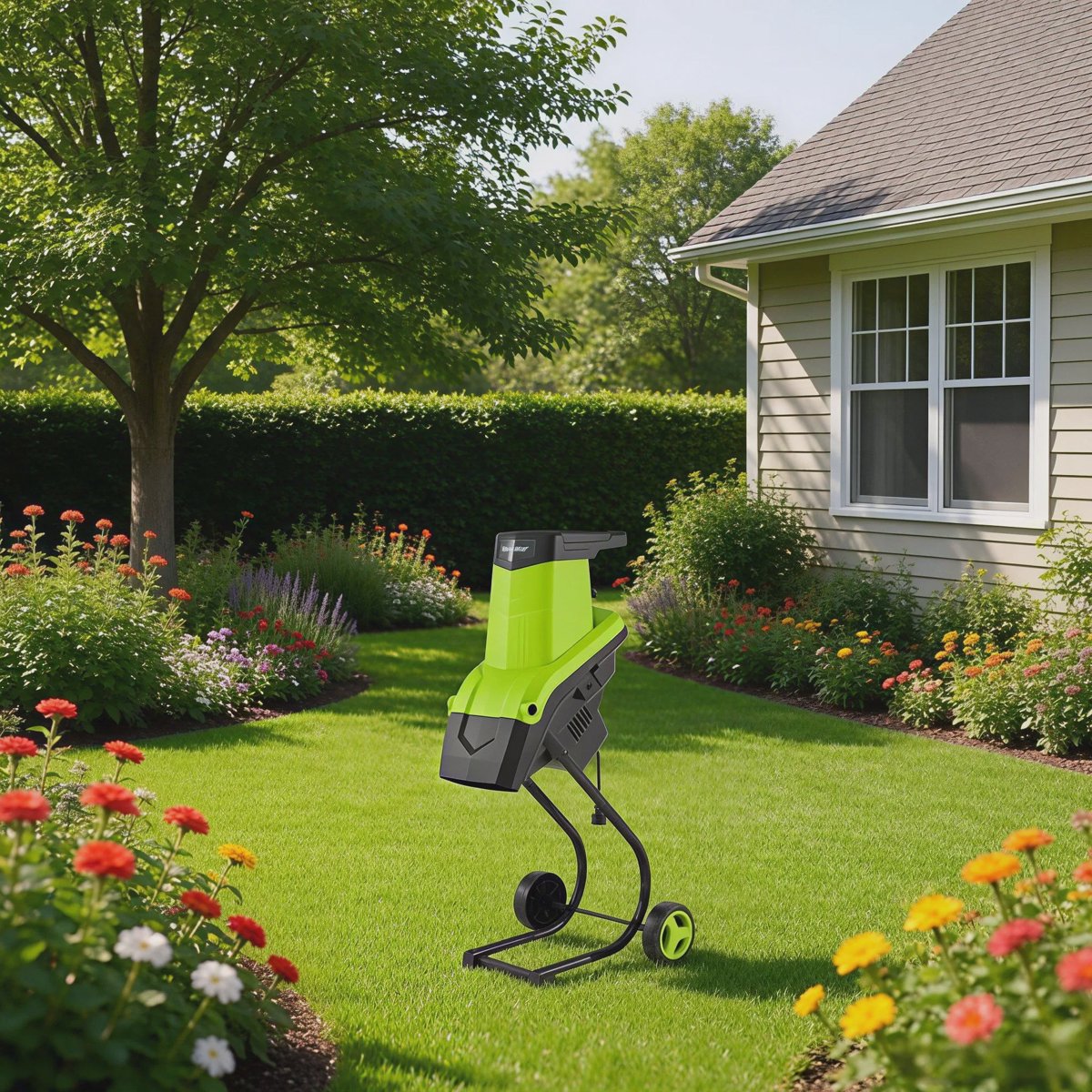

Photos from current listings. Actual item, color, and included accessories may vary.
Heavy Duty Wood Chipper Buying Guide
A heavy-duty wood chipper earns its keep when branch diameter, feed system, and engine torque match your real clearing volume—not the marketing label. Most buyers underestimate how much 3-inch versus 4-inch capacity and gravity-feed versus self-feeding intakes change effort and throughput. Focus on discharge height, blade access, and towability before chasing horsepower.
Median $404.49
Key takeaways
- Chip capacity is set by throat opening and flywheel mass, not engine HP alone; 3-inch units typically use 212cc engines while 4-inch models need 250cc+ and heavier rotors.
- Self-feeding feed rollers pull limbs in and reduce kickback, whereas gravity-feed chutes demand you push branches and slow output on stringy wood.
- Triple-blade hardened-steel flywheels with reversible edges last longer than single-blade designs; check blade bolt access before buying.
At a glance
- Category
- Residential Outdoor Power Equipment
- Last updated
- Nov 28, 2026
Current offers
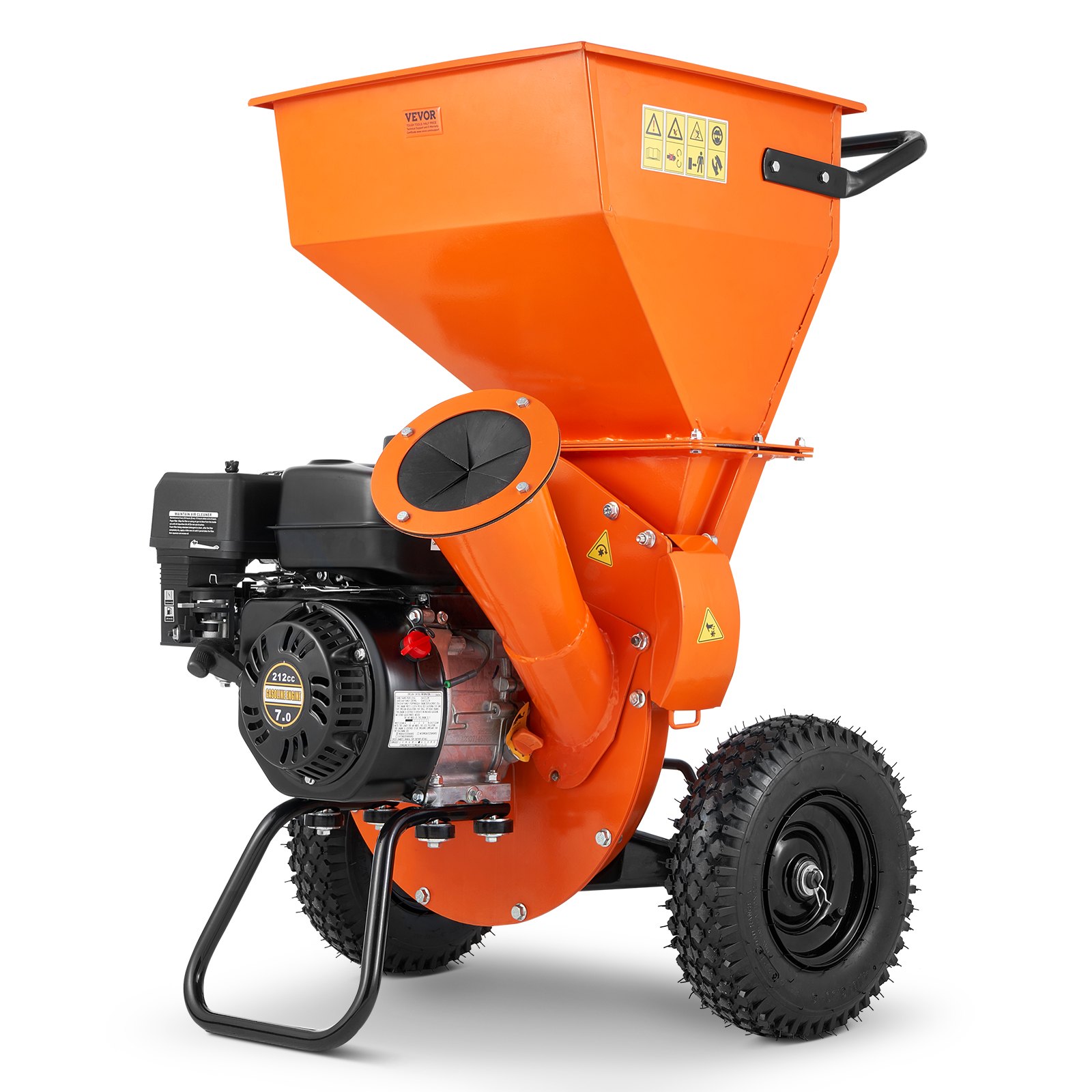
Highlights
- Chip capacity is set by throat opening and flywheel mass, not engine HP alone; 3-inch units typically use 212cc engines while 4-inch models need 250cc+ and heavier rotors.
- Self-feeding feed rollers pull limbs in and reduce kickback, whereas gravity-feed chutes demand you push branches and slow output on stringy wood.
- Triple-blade hardened-steel flywheels with reversible edges last longer than single-blade designs; check blade bolt access before buying.
- Towability hinges on DOT-rated tires, a pivoting hitch, and a discharge chute that rotates 180° to direct mulch away from the operator.
Best use cases
- Pick a 3-inch, 212cc gravity-feed gas chipper for occasional storm cleanup and shrub trimmings on a half-acre lot—skip 4-inch units that add weight without matching branch volume.
- Choose a 4-inch self-feeding chipper with a 250cc+ engine if you routinely process hardwood limbs and want continuous feed without manually shoving each branch.
- Avoid PTO-driven or walk-behind commercial chippers for suburban yards; they demand tractor hydraulics or wide gate access and are overkill for residential debris.
Buying tips
- Size the throat to your thickest regular branch plus 1/2 inch; a 3-inch chipper handles most residential limbs, while 4-inch units suit orchard and property-line work.
- Prioritize a self-feeding roller intake if you process more than a few cubic yards per session—it cuts fatigue and speeds up leafy, stringy material.
- Inspect flywheel blade count and reversibility: two or three hardened edges extend service intervals and reduce sharpening downtime.
- Compare discharge chute rotation and height; a 180° rotating chute lets you blow mulch into a bed or trailer without repositioning the machine.
Specs
| Chip Capacity | 3-inch vs 4-inch throat |
|---|---|
| Feed System | Gravity-feed vs self-feeding roller |
| Engine Displacement | 200–212cc (3-inch) / 250cc+ (4-inch) |
| Flywheel Blades | 2–3 reversible hardened steel |
Related searches
What to check before buying
- Measure your gate and storage footprint—most 3-inch gas chippers run about 30 inches wide, but 4-inch towable models exceed 40 inches.
- Confirm you have a flat, ventilated area for gas storage and engine break-in; chippers should not run in enclosed garages.
- Check tire type and hitch: pneumatic DOT tires and a 2-inch ball coupler are needed for road-adjacent towing, while lawn tires suit yard-only movement.
- Verify blade and belt replacement parts are stocked domestically for the specific engine brand (e.g., Predator, Briggs & Stratton) before committing.
FAQ
Data sources: eBay / Amazon listings and product attribute feeds. Updated Nov 28, 2026.
Some links on this page are affiliate links. If you buy after clicking one, we may earn a commission at no extra cost to you. This does not change which products appear here or their order. Affiliate disclosure.