
Photos from current listings. Actual item, color, and included accessories may vary.
Mite Treatment Buying Guide
Mite treatment for beehives centers on two regulated in-hive chemistries—formic acid (vapor) and oxalic acid (contact)—plus older pesticide strips, each with distinct temperature windows and residue rules. The core trade-off is efficacy against Varroa versus bee/honey safety, and the decision rule is simple: match the active ingredient to your brood status, ambient temperature, and local legality, never stacking treatments or exceeding label doses.
Median $37.93
Key takeaways
- Formic acid (e.g., 65% pads/gels) penetrates brood cappings and kills mites under capped cells; oxalic acid only contacts phoretic mites and is brood-dependent.
- Oxalic acid dribble or vaporization is most effective when colonies are broodless (late fall/winter), hitting nearly 95% of phoretic mites but far fewer when brood is present.
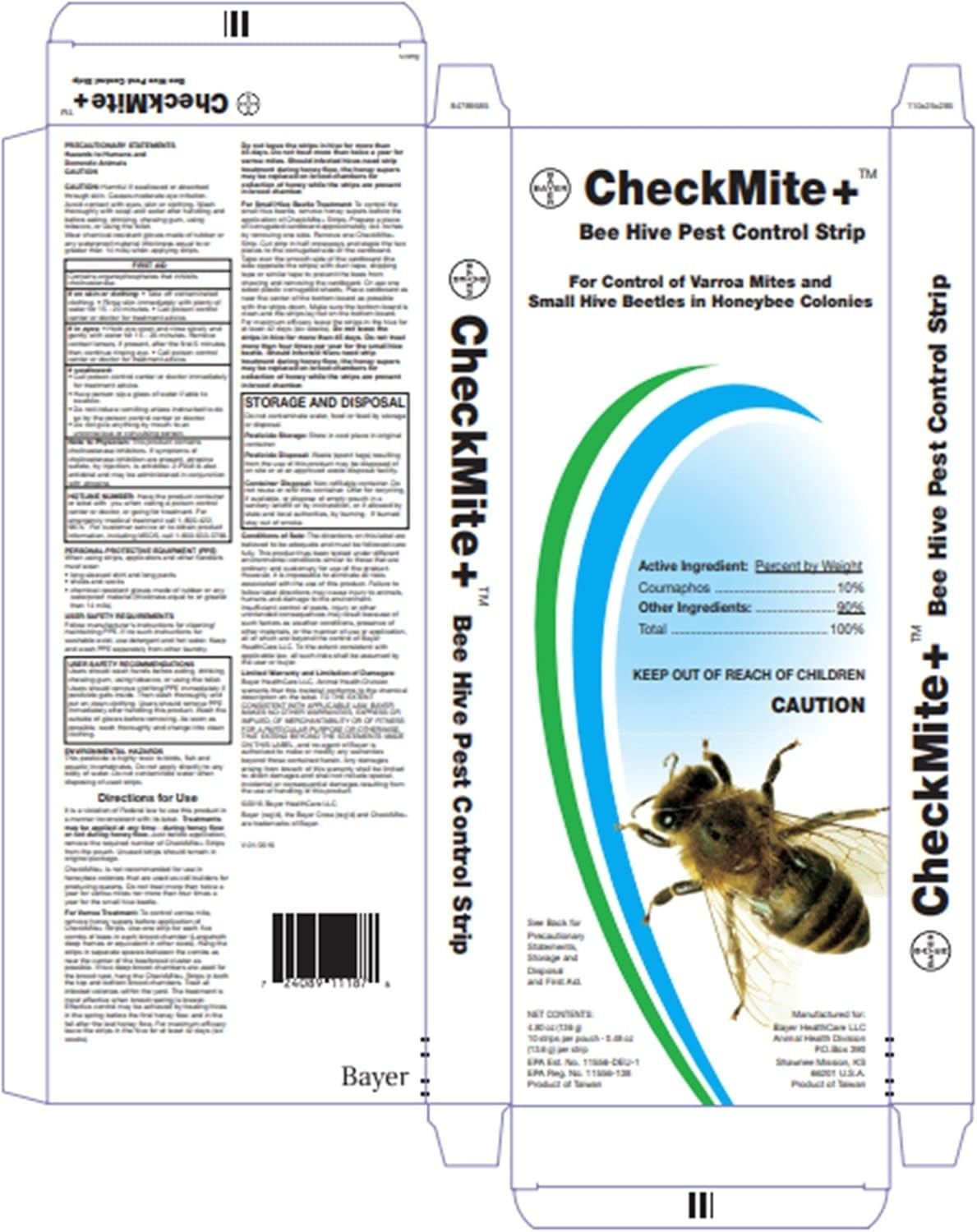
- CheckMite strips use coumaphos, an organophosphate with strict resistance and residue limits; rotating active ingredients is mandatory to prevent mite resistance.
At a glance
- Category
- Bee Feeders & Mite Treatment
- Last updated
- Nov 23, 2026
Current offers
Highlights
- Formic acid (e.g., 65% pads/gels) penetrates brood cappings and kills mites under capped cells; oxalic acid only contacts phoretic mites and is brood-dependent.
- Oxalic acid dribble or vaporization is most effective when colonies are broodless (late fall/winter), hitting nearly 95% of phoretic mites but far fewer when brood is present.
- CheckMite strips use coumaphos, an organophosphate with strict resistance and residue limits; rotating active ingredients is mandatory to prevent mite resistance.
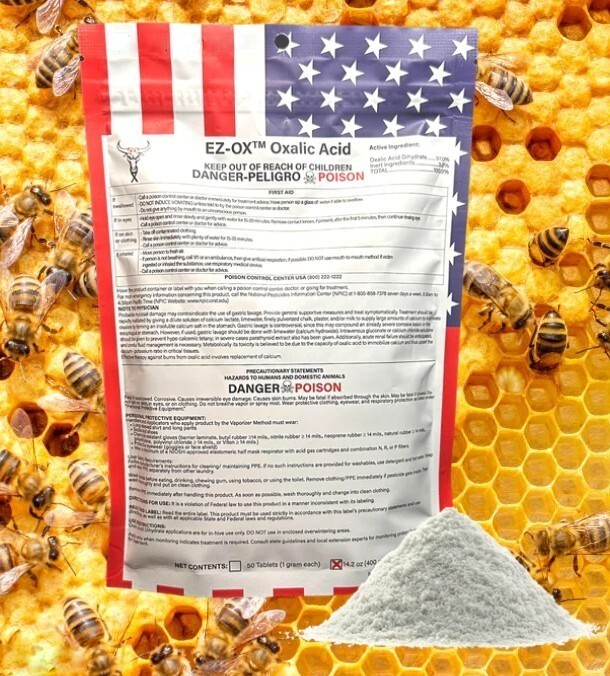
- EZ-OX-style oxalic products are contact acaricides requiring a vaporizer or dribble setup; temperature and dosage are label-critical, and supers must be removed per label.
Best use cases
- Choose formic acid pads/gels when daytime temps stay in the labeled 50–85°F window and you need brood-penetrating knockdown during active season; skip if temps exceed label limits.
- Choose oxalic acid vaporization or dribble for broodless late-fall/winter clusters; skip in summer with heavy brood because contact efficacy drops sharply.
- Use CheckMite-style strips only as a rotational tool where legal and where resistance is not documented; skip as a first-line or repeated treatment.
- Skip all chemical treatments during honey flow if the label requires supers removed; use screened bottom boards and drone-brood trapping as non-chemical adjuncts.
Buying tips
- Verify the active ingredient concentration: formic products are typically 65–70% acid; oxalic products are 99%+ pure oxalic dihydrate for mixing or pre-mixed dribble solutions.
- Match treatment form to your equipment: vaporizers need 99%+ oxalic crystals and a 12V/120V power source; dribble needs pre-mixed solution and a syringe.
- Confirm local registration: coumaphos strips are restricted in many jurisdictions; formic and oxalic have different registration statuses, so check your state/province apiary rules.
- Calculate dose by colony strength: oxalic dribble is typically 5 mL per bee-covered frame seam; formic pads are dosed per hive body volume per label.
Specs
| Active Ingredient | Formic acid / Oxalic acid / Coumaphos |
|---|---|
| Brood Efficacy | Formic penetrates caps; oxalic phoretic only |
| Temperature Window | Formic 50–85°F; oxalic best <50°F |
| Application Method | Pads / Vaporizer / Dribble / Strips |
Related searches
What to check before buying
- Measure ambient temperature range for the next 10 days; formic requires 50–85°F, oxalic vaporization is best below 50°F in broodless clusters.
- Confirm hive configuration (single vs double deep, number of seams) to calculate oxalic dribble volume and formic pad count.
- Check for honey supers: remove them before any treatment whose label prohibits contact with honey meant for human consumption.
- Verify PPE and application gear: acid-resistant gloves, goggles, and a vaporizer or syringe sized to your apiary.
FAQ
Data sources: eBay / Amazon listings and product attribute feeds. Updated Nov 23, 2026.
Some links on this page are affiliate links. If you buy after clicking one, we may earn a commission at no extra cost to you. This does not change which products appear here or their order. Affiliate disclosure.