
Photos from current listings. Actual item, color, and included accessories may vary.
Lawn Fertilizer Spreader Buying Guide
A lawn fertilizer spreader is a metering device that converts granular product into an even broadcast or drop pattern; the core trade-off is hopper capacity and wheel/tire quality against pattern control and maneuverability. Durable walk-behind units use metal gearboxes, pneumatic tires, and a hopper grate, while budget units rely on plastic gears and narrow hard wheels that skip and strip. The decision rule: match hopper capacity in pounds to your lawn size, and reject any spreader without a calibrated flow gate and a rust-resistant hopper.
Median $141.99
Key takeaways
- Broadcast (rotary) spreaders throw a 9.8-12 ft swath and cover ground fast but overlap edges; drop spreaders meter an 18-inch band with zero drift for tight property lines and beds.
- Hopper capacity tiers scale with lawn size: 15-20 lb hand-held for under 2,500 sq ft, 50-80 lb push for 5,000-15,000 sq ft, and 100-130 lb push or tow for acreage.
- Pneumatic 10-13 inch all-terrain tires roll over uneven turf without bouncing the gate open; hard plastic wheels on small units cause uneven dump and rutting on soft ground.
At a glance
- Category
- Lawn Care
- Last updated
- Nov 27, 2026
Current offers
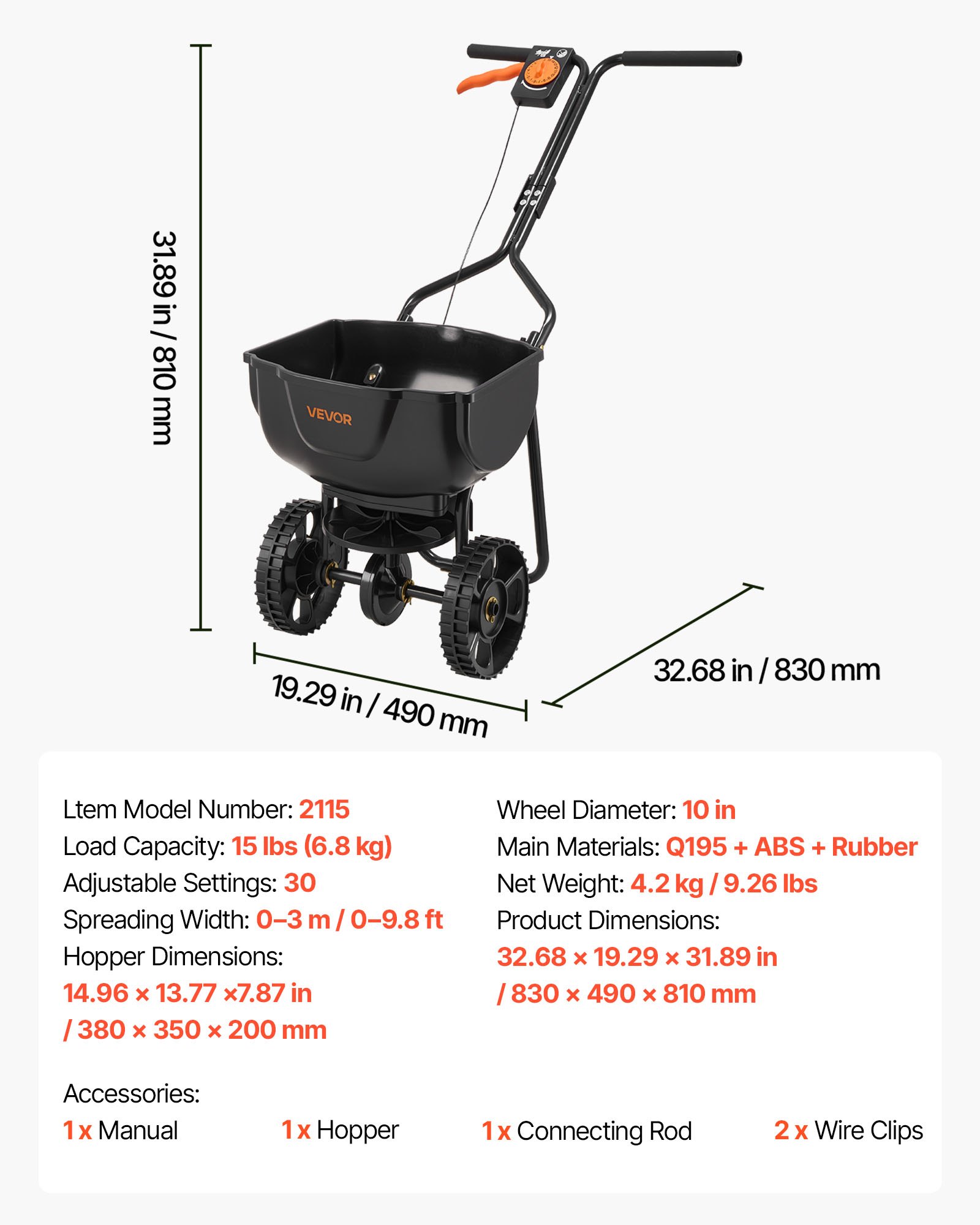 Walk-Behind Spreader, 9.8ft Spreading Width, Push Broadcast With 10" All-Terrain Tires, Adjustable Flow Control, 15lbs Capacity Hopper, Lawn Spreaders For Fertilizer Seed Small Home Use$79.99View on Mallflare
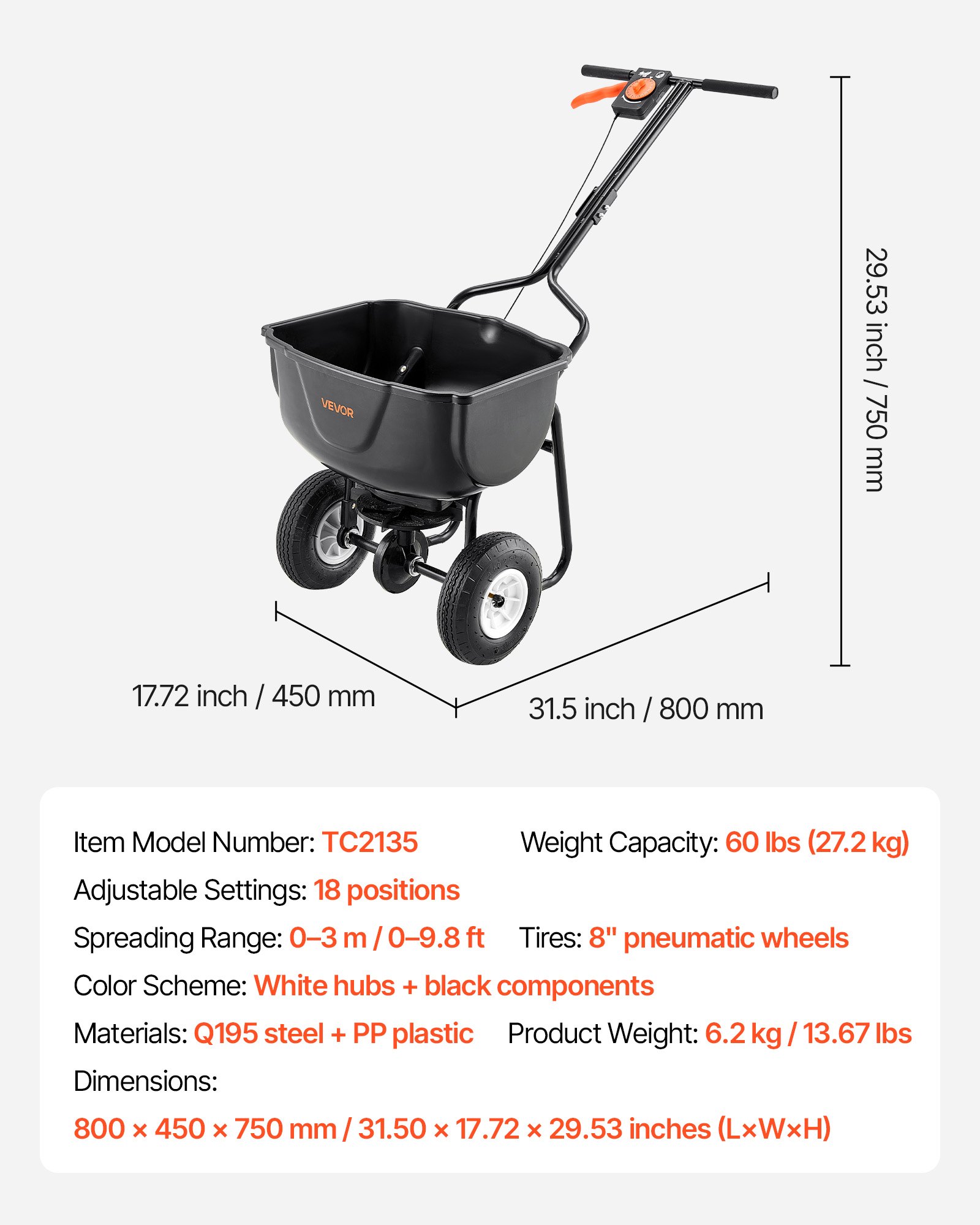 Walk Behind Spreader, 60LBS Capacity, Push With Hopper Grate, 0-9.8 Ft Spreading Width, 8 In All Terrain Pneumatic Tires, Garden & Lawn Broadcast Spreaders, For Seed, Fertilizer$90.99View on Mallflare
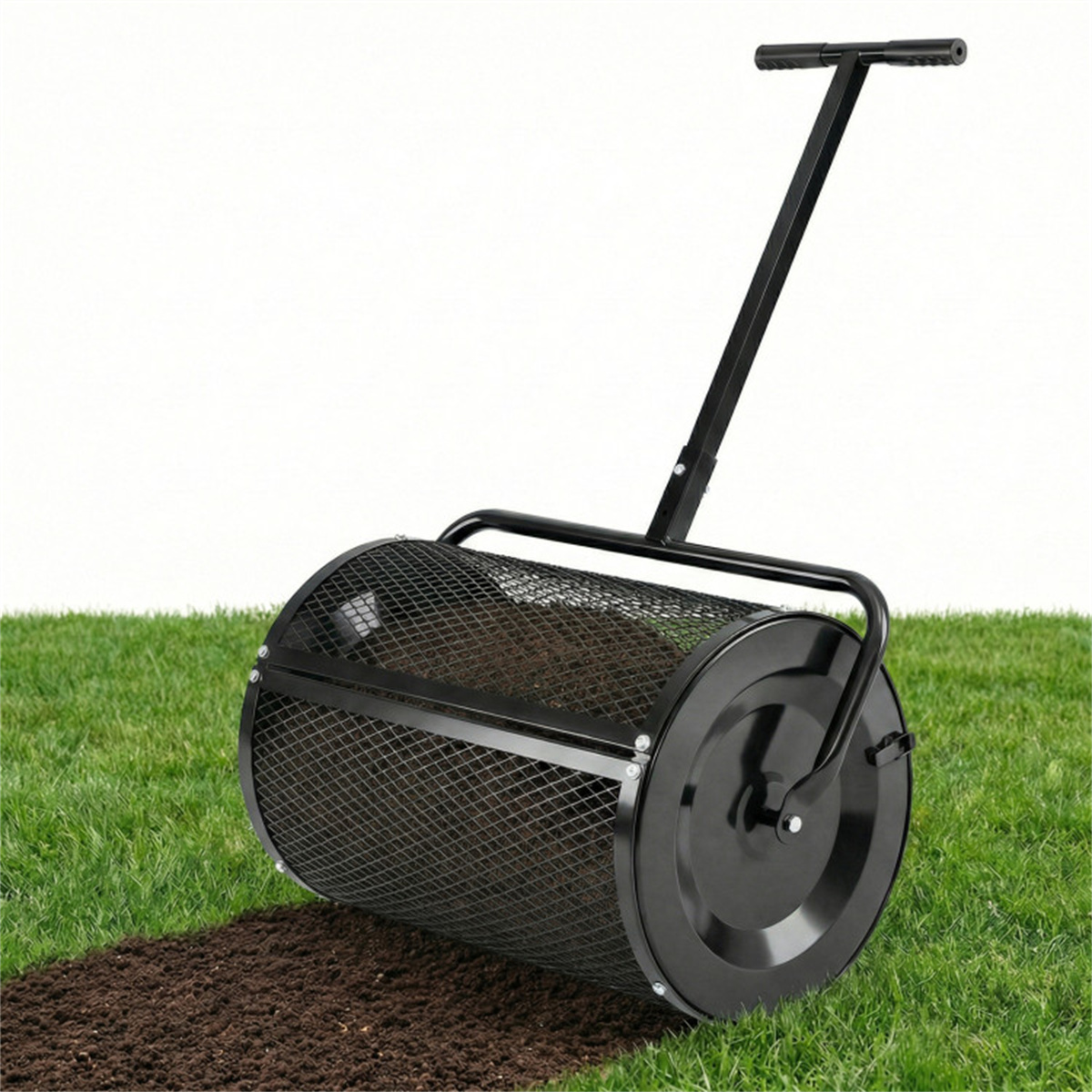 27"×16" Lawn Fertilizer Spreader with Diamond Mesh Clump-Free Garden Compost - Black$141.99View on Mallflare
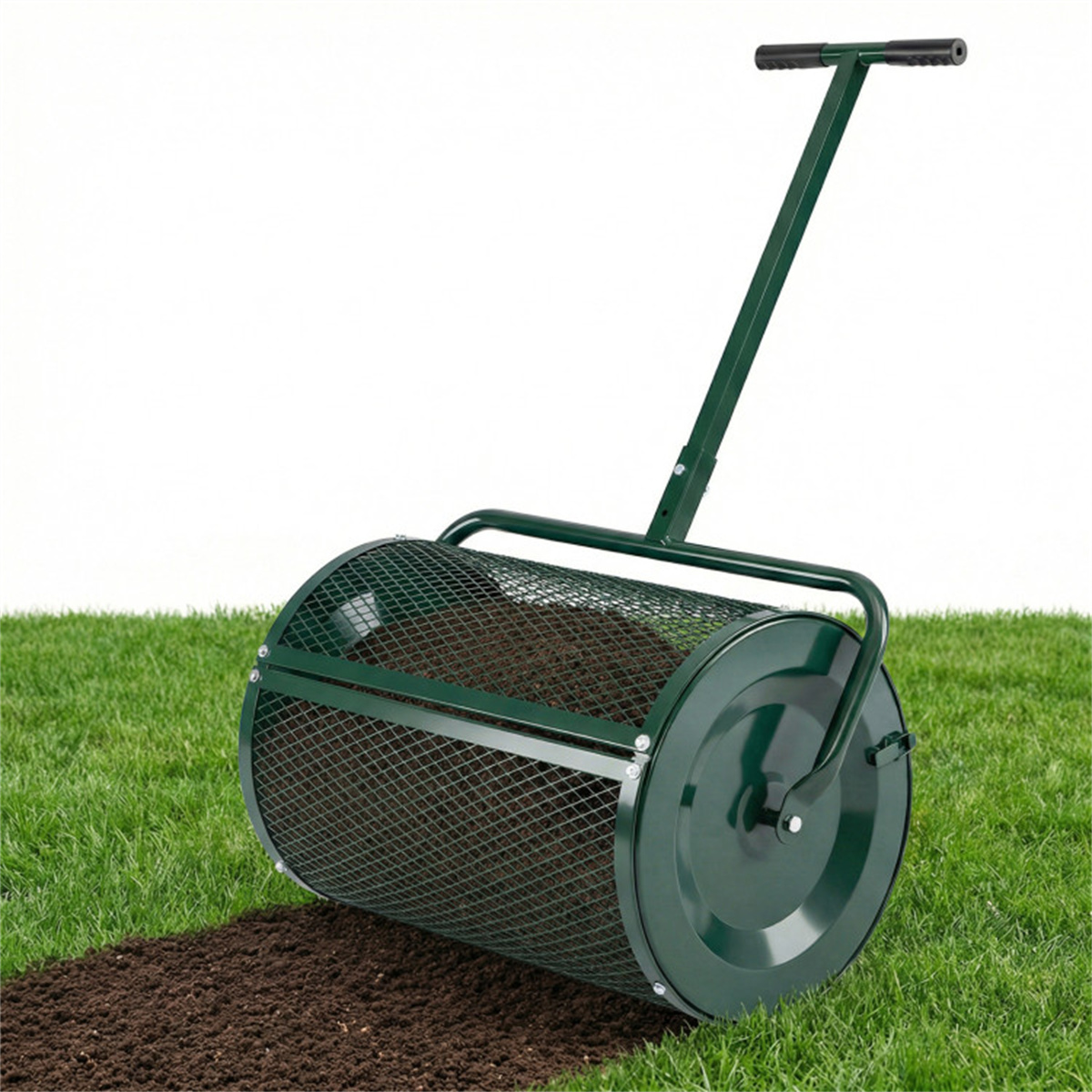 27"×16" Lawn Fertilizer Spreader with Diamond Mesh Clump-Free Garden Compost$141.99View on Mallflare
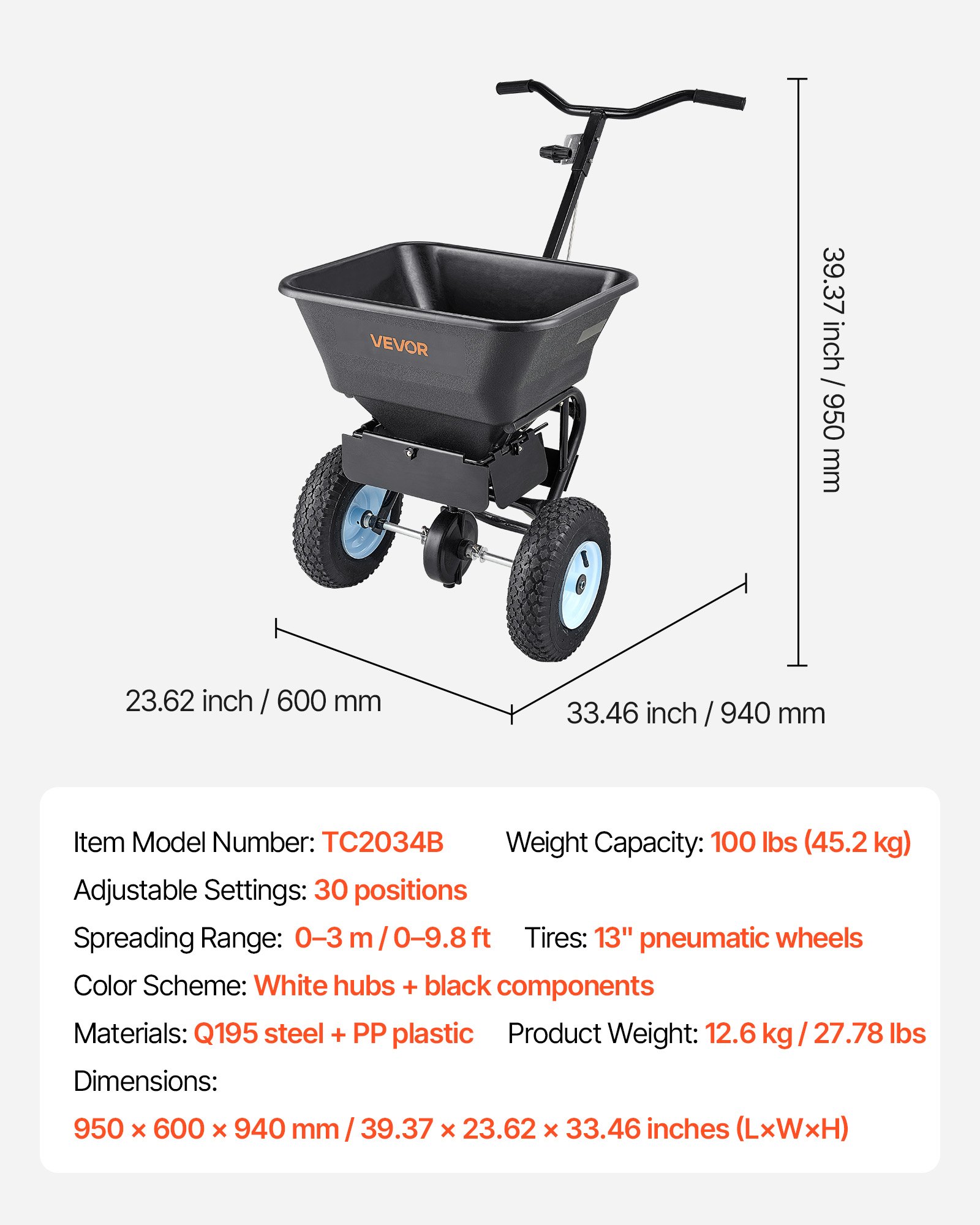 Lawn Spreader, 100LBS Capacity, Walk-Behind Push 0-9.8ft Spreading Width, 13 In All Terrain Pneumatic Tires, Fertilizer Spreaders With Hopper Grate, For Seed Salt Ice Melt$144.99View on Mallflare
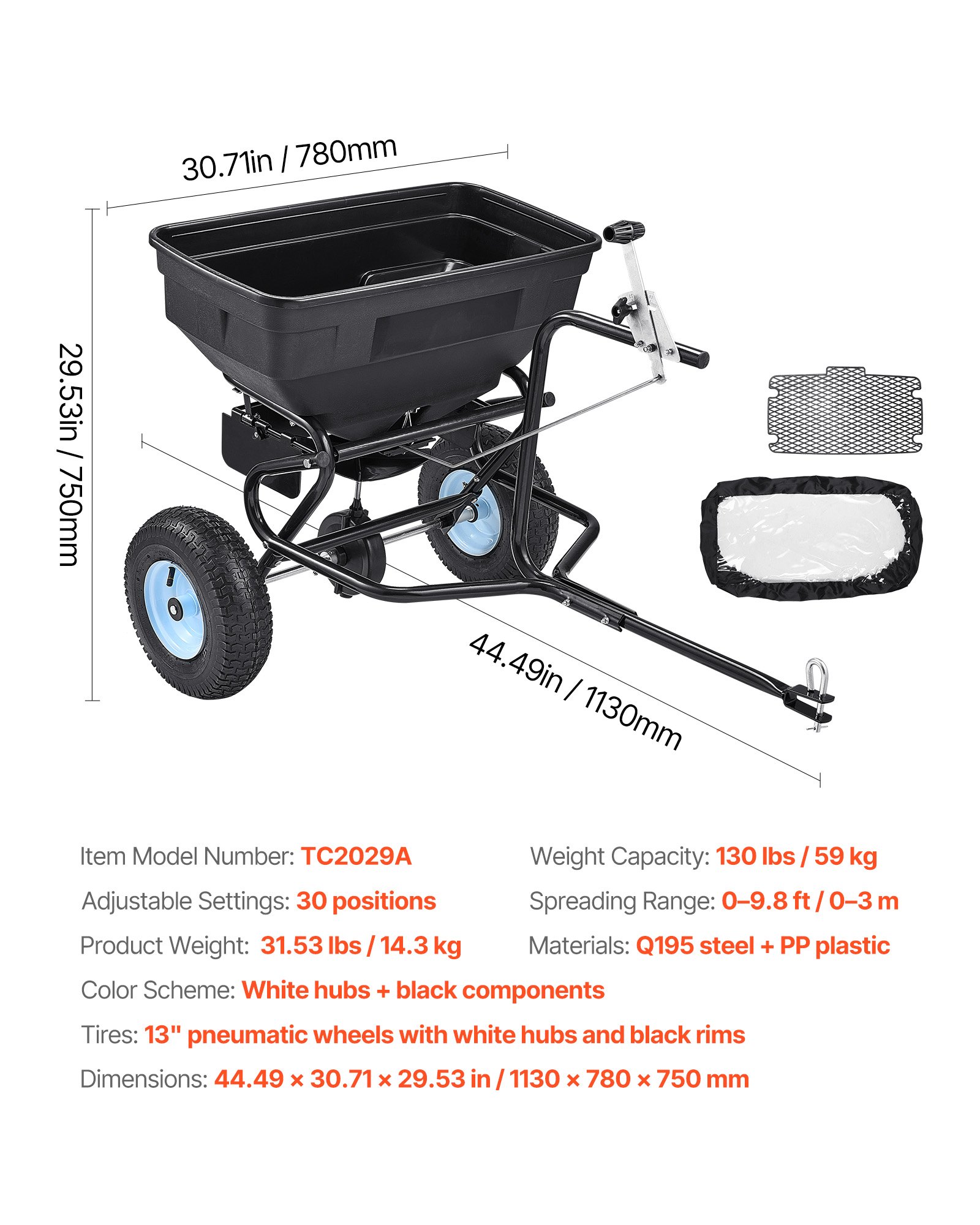 Tow Behind Broadcast Spreader, 130LBS Capacity, Tow/Push Garden With 13 In Tires, 30 Adjustable Setting & 9.8 Ft Spreading Width, Lawn Spreaders For Seed, Fertilizer, Salt, Ice Melt$164.99View on Mallflare
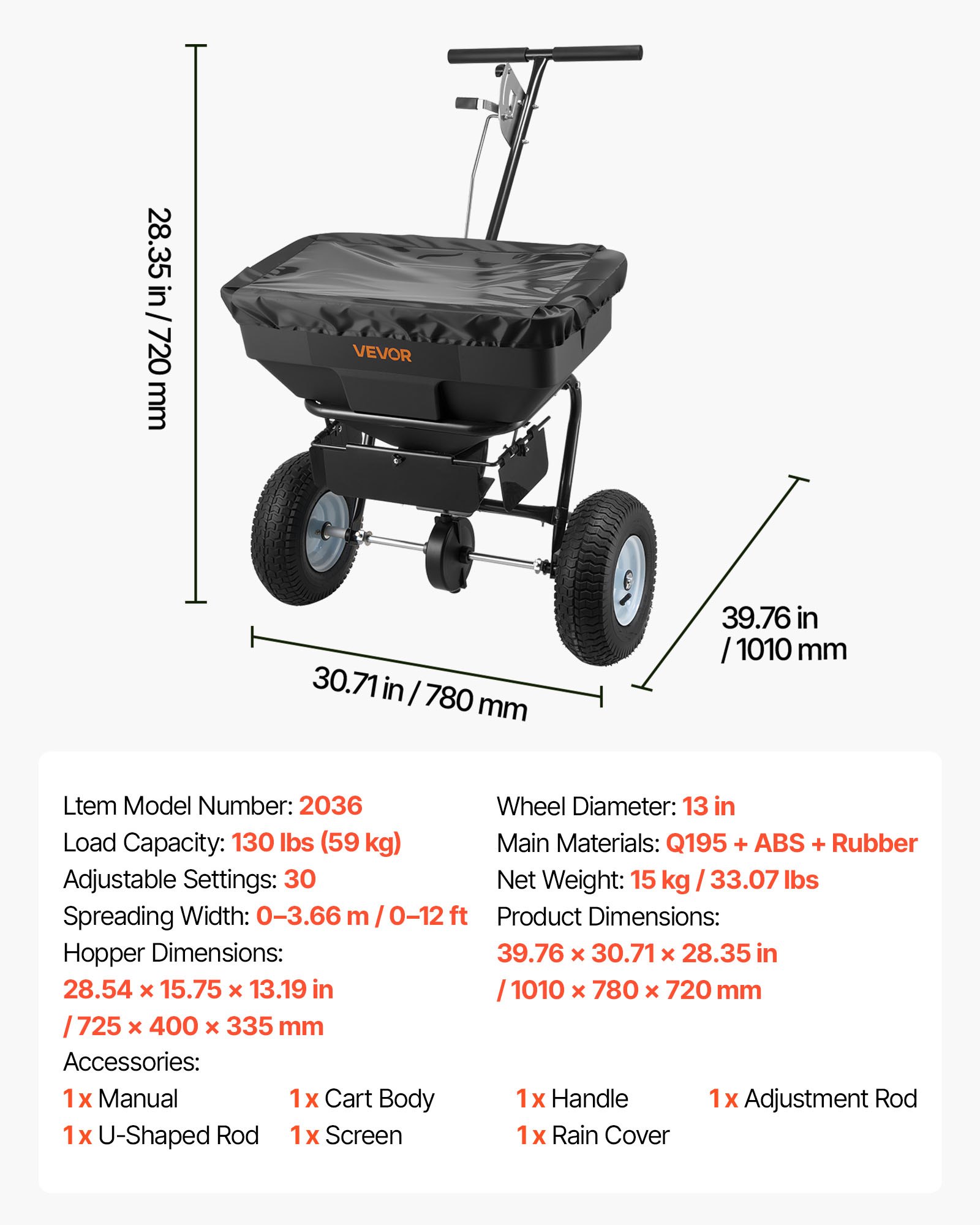 Walk-Behind Spreader, 12ft Spreading Width, Push Broadcast With 13" All-Terrain Tires, Adjustable Flow Control, 130lbs Capacity Hopper, Lawn Spreaders For Fertilizer Seed Ice Melt$164.99View on Mallflare
Highlights
- Broadcast (rotary) spreaders throw a 9.8-12 ft swath and cover ground fast but overlap edges; drop spreaders meter an 18-inch band with zero drift for tight property lines and beds.
- Hopper capacity tiers scale with lawn size: 15-20 lb hand-held for under 2,500 sq ft, 50-80 lb push for 5,000-15,000 sq ft, and 100-130 lb push or tow for acreage.
- Pneumatic 10-13 inch all-terrain tires roll over uneven turf without bouncing the gate open; hard plastic wheels on small units cause uneven dump and rutting on soft ground.
- A hopper grate and adjustable flow gate with numbered settings are the two features that prevent clumps, clogging, and over-application that burns turf.
Best use cases
- Best fit: a 50-80 lb push broadcast spreader with pneumatic tires for a quarter-acre to third-acre suburban lawn—fast coverage and stable metering. Skip 15 lb hand spreaders at this size; refilling every few passes ruins uniformity.
- Best fit: a drop spreader with an 18-inch swath for narrow strips, property-line accuracy, and seeding beside flower beds. Wrong fit: open-lawn acreage, where the narrow pass count doubles your time.
- Best fit: a 100-130 lb push or tow-behind broadcast spreader for half-acre-plus lots and ice-melt/salt duty. Skip tow-behind if your lawn has tight gates, trees, or slopes a tractor cannot safely traverse.
- Best fit: a hand-powered whirl spreader for touch-ups, small townhome lawns, and salt on walkways. Wrong fit: full-lawn fertilizer programs, where inconsistent throw and small hopper capacity cause striping.
Buying tips
- Size the hopper by application math: most granular fertilizers apply at 3-4 lb per 1,000 sq ft, so a 50 lb hopper covers roughly 12,000-16,000 sq ft per fill—enough for most suburban front-and-back lawns.
- Choose pneumatic tires of 10 inches or more for anything beyond flat turf; they absorb bumps and keep the flow gate steady, which is the difference between an even feed and burn streaks.
- Insist on a metal axle and metal gearbox on 80 lb-plus spreaders; plastic gears strip under the torque of a full hopper on slopes and are the top failure point on budget units.
- Match the spreader type to the product: use broadcast for turf fertilizer and seed, drop for edge control and beds, and reserve tow-behind for straight runs and large open acreage.
Specs
| Spreader Type | Broadcast rotary vs drop band |
|---|---|
| Hopper Capacity | 15-20 lb hand / 50-130 lb push-tow |
| Spread Width | Drop 18 in / Broadcast 9.8-12 ft |
| Tire Type | Pneumatic 10-13 in vs solid plastic |
Related searches
What to check before buying
- Measure your lawn's square footage (length x width, minus house and beds) to select the hopper tier—50-80 lb push covers most quarter- to third-acre lots.
- Check gate width: a standard 36-inch garden gate clears most push spreaders, but tow-behind units need a 48-inch-plus opening and a clear tractor path.
- Confirm your fertilizer's recommended setting chart matches the spreader's numbered flow gate; generic 0-9 or 0-30 settings vary by brand and must be calibrated with a test pass.
- Verify tire type against your terrain: pneumatic for bumpy or soft ground, solid rubber for pavement and salt duty, and check that the hopper grate is included to break up clumps.
FAQ
Data sources: eBay / Amazon listings and product attribute feeds. Updated Nov 27, 2026.
Some links on this page are affiliate links. If you buy after clicking one, we may earn a commission at no extra cost to you. This does not change which products appear here or their order. Affiliate disclosure.