
Photos from current listings. Actual item, color, and included accessories may vary.
Self Watering Plant Pot Buying Guide
Self-watering plant pots use a reservoir and wicking system to deliver consistent moisture, eliminating guesswork from watering. The key trade-off is reservoir capacity versus soil volume: small decorative pots dry out fast, while large raised planters hold more water but require sturdy construction. Choose pots with a visible water-level indicator and a separate fill tube for durable, low-maintenance watering; skip sealed units without drainage or refill access.
Median $75.99
Key takeaways
- Sub-irrigation design: a false floor separates a water reservoir from soil, with wicks or capillary matting drawing moisture upward to the root zone.
- Reservoir capacity scales with pot size: small 6–8 inch pots hold 0.3–0.8 quarts, while large raised planters hold 2–5 gallons or more.
- Material matters: UV-stabilized polypropylene resists cracking outdoors; powder-coated metal adds rigidity; untreated wood requires a liner to prevent rot.
At a glance
- Category
- Raised Garden Beds & Planters
- Last updated
- Nov 27, 2026
Current offers
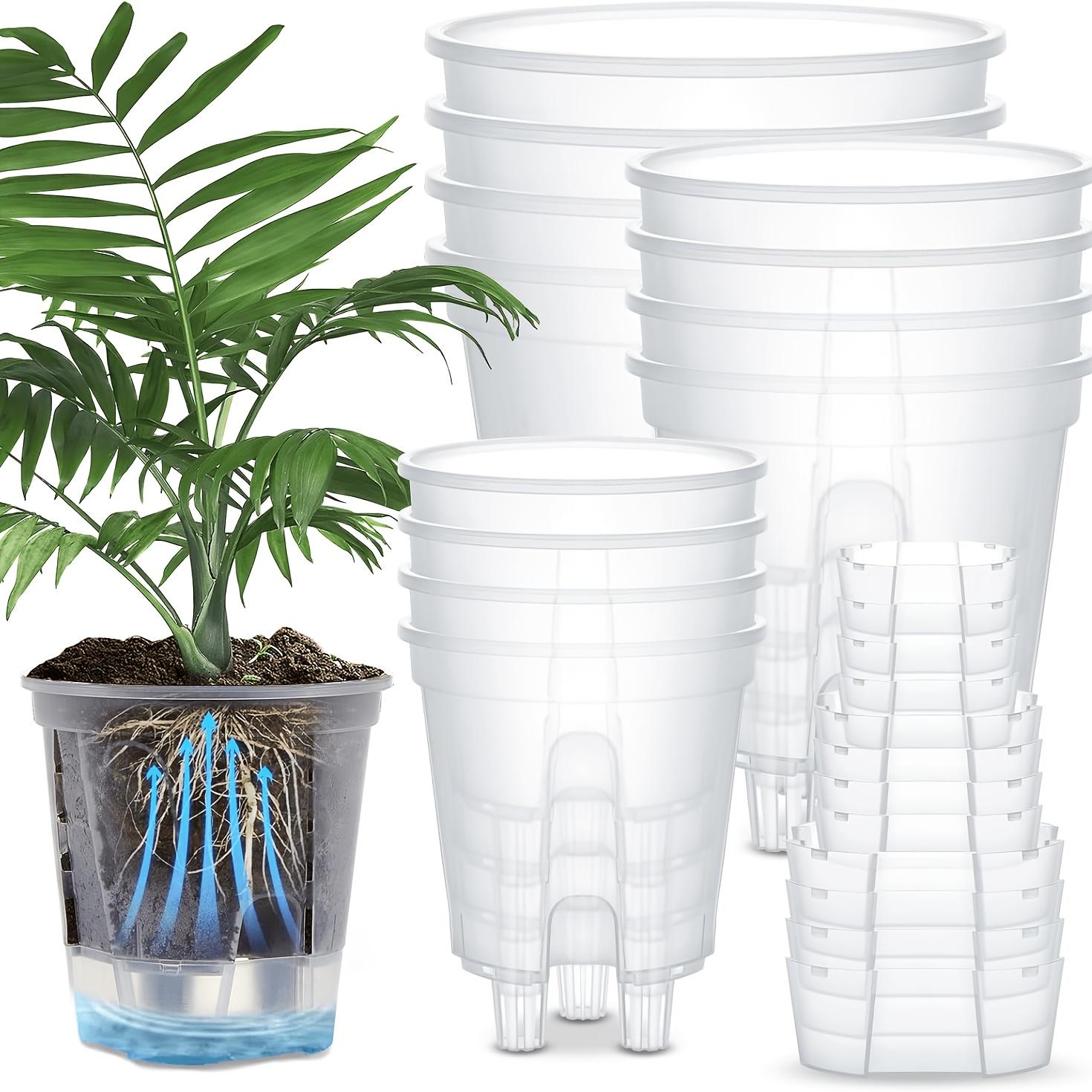 12 Pack Clear Self Watering Plant Pots, Transparent Root Viewing Planters With Water Storage Reservoir, Indoor Plastic Nursery For Orchid, Succulent$37.99View on Mallflare
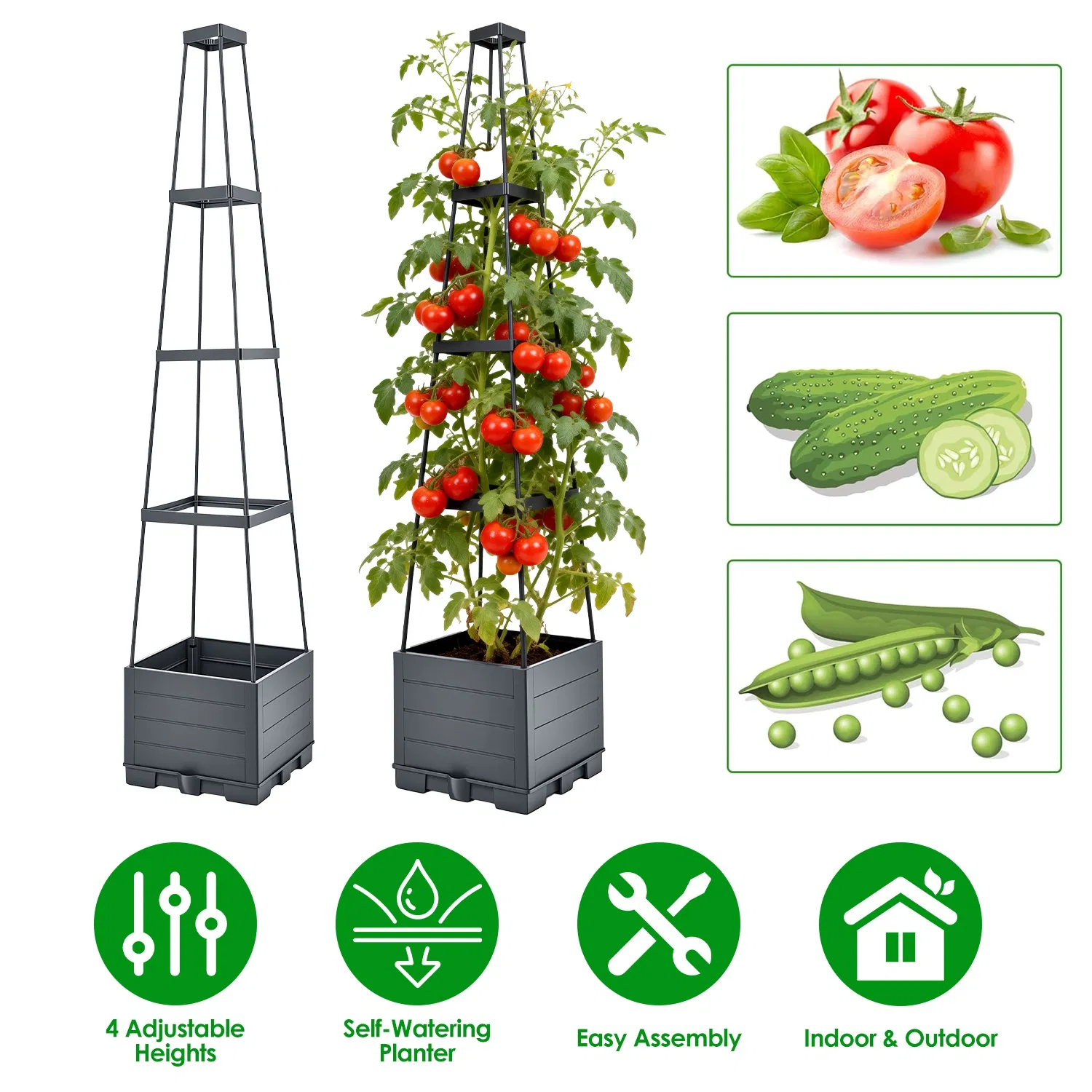 4-Size Height Adjustable Trellis Planter with 2L Self-Watering Tank, Heavy Duty PP Climbing Vegetable Growing Box Bonus 10 Clips & 65FT Plant Ties$61.99View on Mallflare
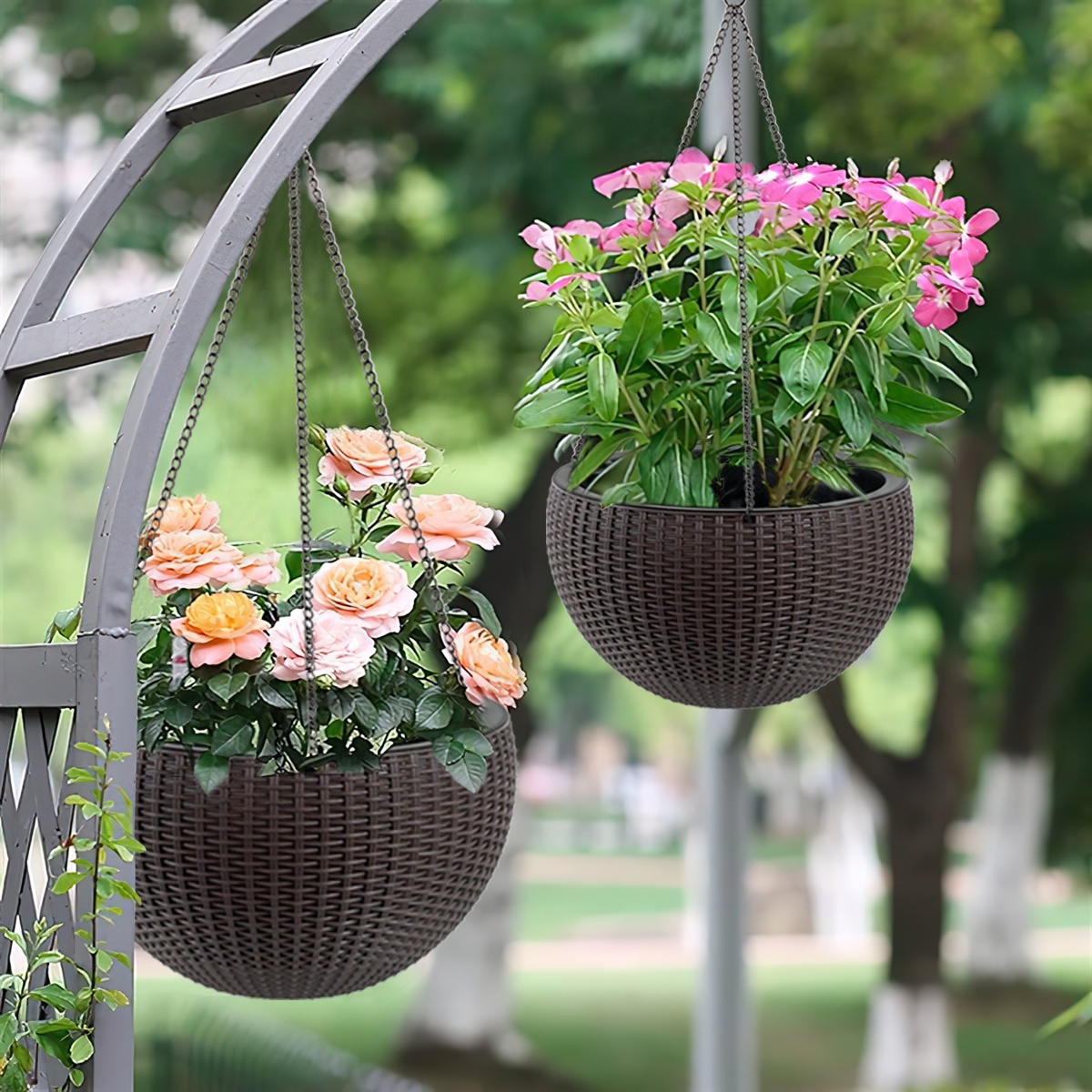 13.4 Inch Self-Watering Hanging Rattan-Inspired Planter Large Capacity, Root-Rot Resistant Water Storage With Level Indicator, Dual-Use For Indoor & Balcony Decoration Pack Of 2, Brown$63.99View on Mallflare
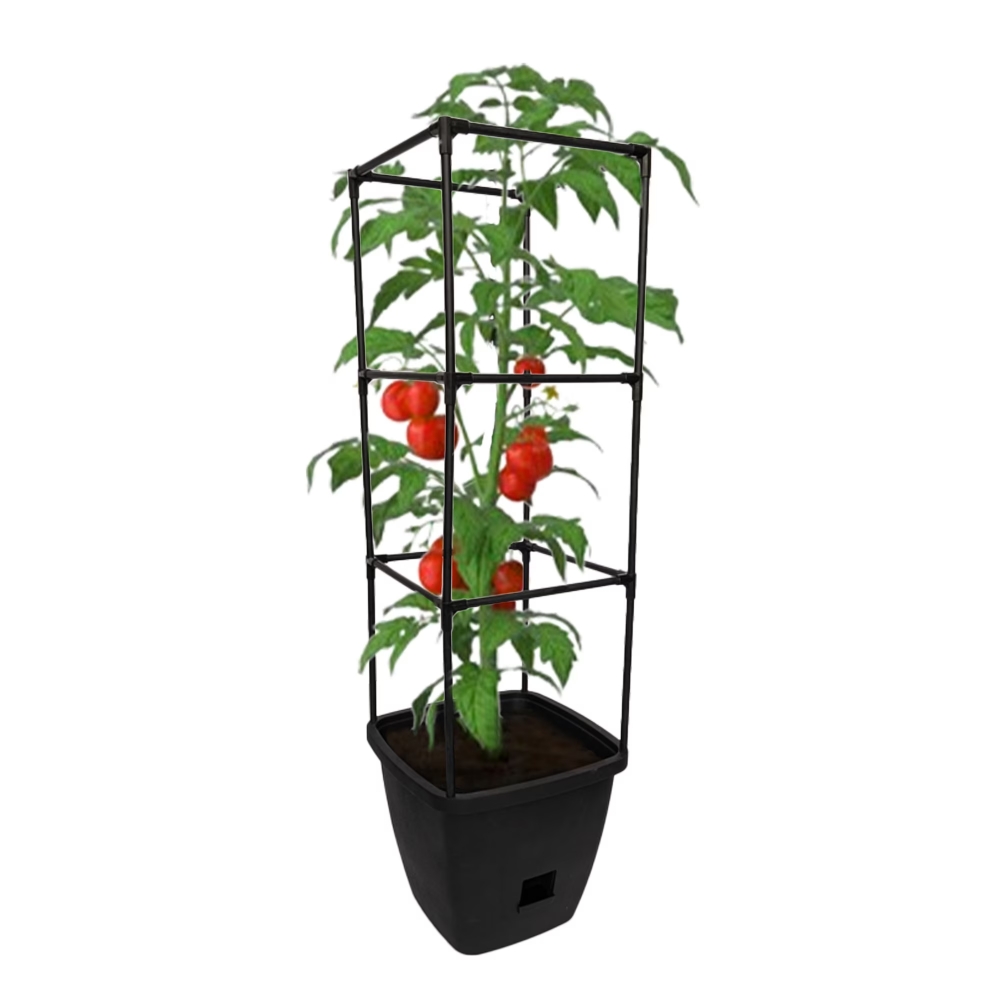 Harvest Bloom Garden Planter with Self-Watering System and Adjustable Trellis for Your Outdoor Balcony, Patio, or Backyard$75.99View on Mallflare
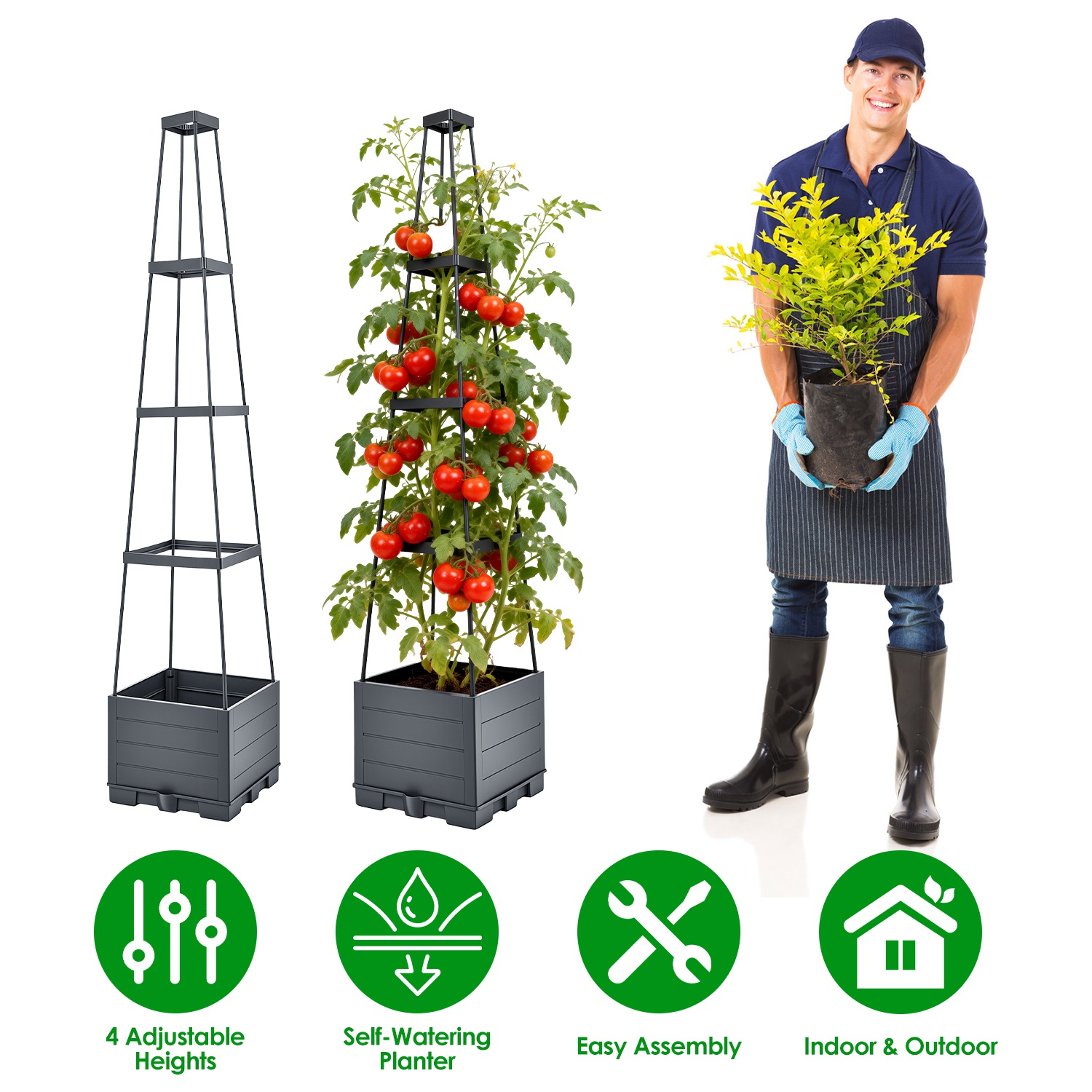 4 Adjustable Height Self-Watering Raised Planter Box with Trellis, Built-in 2L Water Reservoir PP Climbing Plant Container Clips & Garden Ties for Tomato Cucumber Vine$77.99View on Mallflare
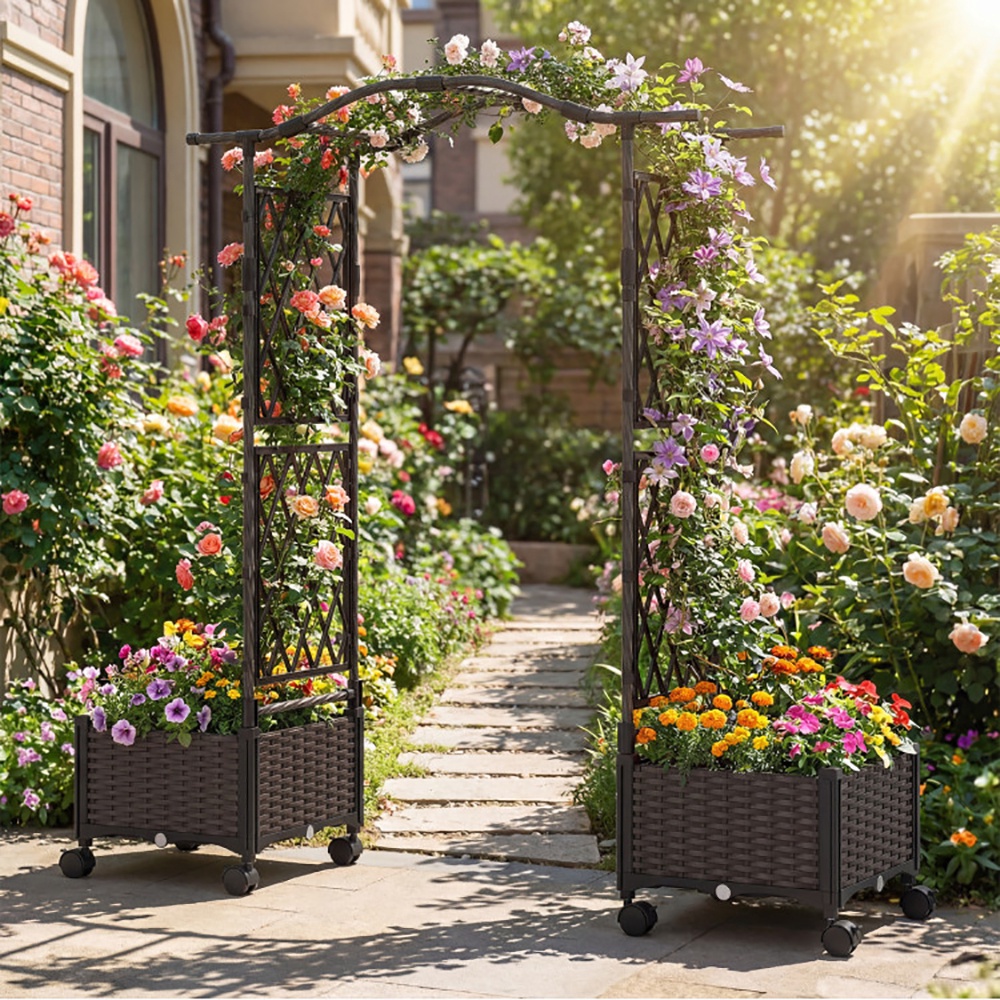 5 FT Self-Watering Planter Boxes With Lattice Trellis And Roof For Outdoor Application, Such As Balcony, Deck, Patio, And Garden$96.99View on Mallflare
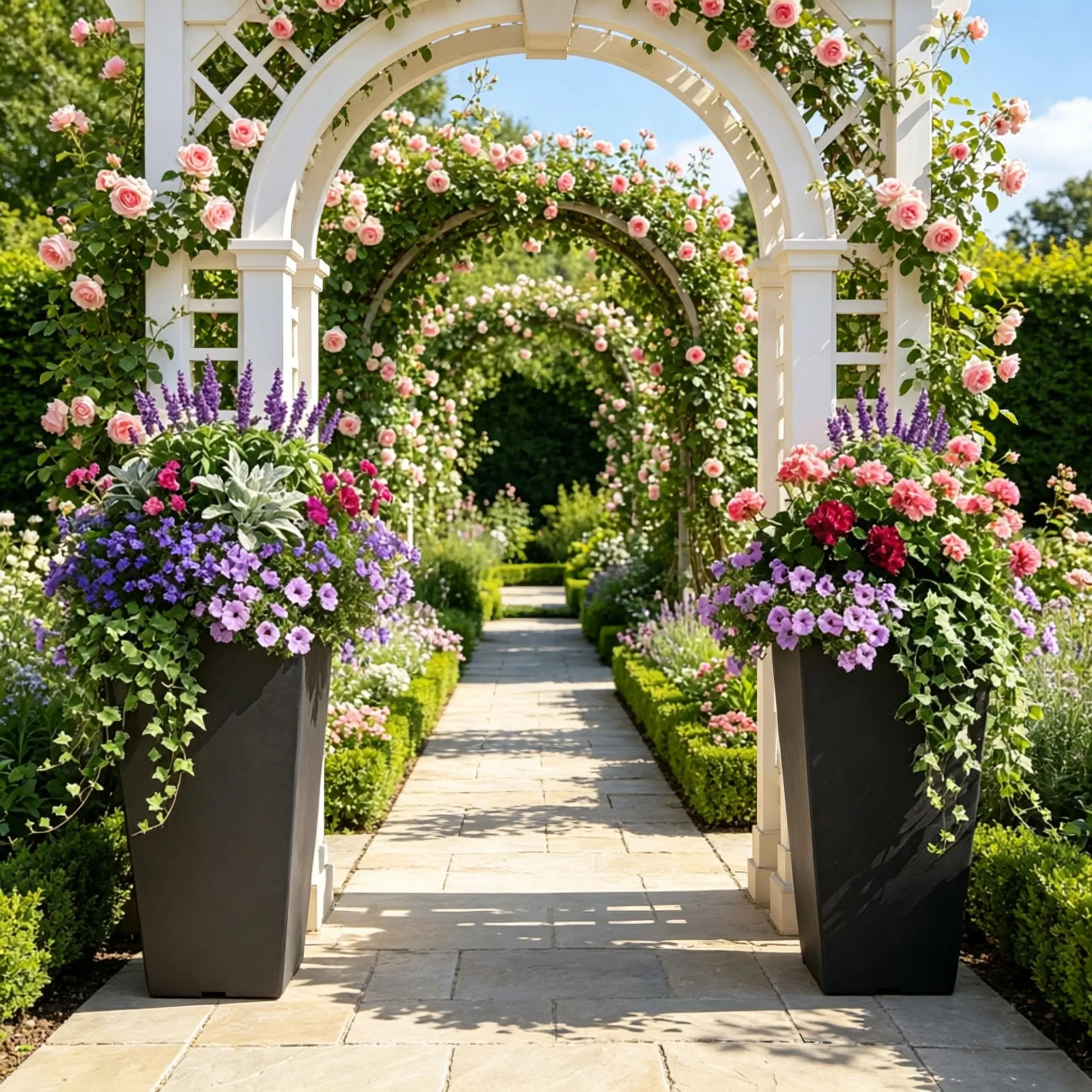 22.5 Inch Tall Square Planter Set of 2 Self-Watering Flower Pots with Removable Inner Bucket for Home Garden Decoration$160.99View on Mallflare
Highlights
- Sub-irrigation design: a false floor separates a water reservoir from soil, with wicks or capillary matting drawing moisture upward to the root zone.
- Reservoir capacity scales with pot size: small 6–8 inch pots hold 0.3–0.8 quarts, while large raised planters hold 2–5 gallons or more.
- Material matters: UV-stabilized polypropylene resists cracking outdoors; powder-coated metal adds rigidity; untreated wood requires a liner to prevent rot.
- Water-level indicators and fill tubes are critical: without them, you cannot gauge remaining water or refill without lifting the soil tray.
Best use cases
- Best for indoor herbs and succulents: pick a compact 6–8 inch pot with a 0.5-quart reservoir and clear or translucent body to monitor water and roots.
- Best for patio vegetables and flowers: choose a raised planter with legs and a 2–5 gallon reservoir, plus a trellis for vining crops like tomatoes and cucumbers.
- Wrong fit for outdoor rainy climates: exposed self-watering pots can overflow; select models with an overflow drain or use them under cover.
- Wrong fit for large shrubs or trees: standard self-watering pots lack the soil volume and stability; use a conventional large planter with drainage instead.
Buying tips
- Match reservoir to plant thirst: high-water-use vegetables need 2+ gallons; drought-tolerant succulents do fine with under 1 quart.
- Check pot depth: wicking works best when the reservoir is at least 2–3 inches deep and the soil column is no more than 12 inches tall for reliable capillary action.
- For outdoor use, confirm UV stabilization in the plastic or a powder-coated finish on metal; untreated plastic becomes brittle within two seasons.
- Ensure a separate fill tube and overflow hole: combined fill/overflow designs are harder to manage and can waterlog soil.
Specs
| Reservoir Capacity | 0.3 qt (small pots) to 5 gal (raised) |
|---|---|
| Material | UV-stabilized PP, powder-coated metal, wood |
| Water Level Indicator | Yes / No (critical for refill timing) |
| Drainage Overflow | Required for outdoor use; prevents waterlogging |
Related searches
What to check before buying
- Measure your available space: raised planters with legs need footprint clearance and a level surface; hanging pots require a rated bracket and ceiling height.
- Check your climate: outdoor reservoirs can freeze and crack in winter—drain and store indoors if temperatures drop below freezing.
- Confirm drainage: even self-watering pots need an overflow to prevent root rot during heavy rain; avoid sealed decorative cachepots without drainage.
- Plan for companion parts: trellises, clips, and ties are often included with raised models; for hanging pots, verify the included hardware matches your mounting surface.
FAQ
Data sources: eBay / Amazon listings and product attribute feeds. Updated Nov 27, 2026.
Some links on this page are affiliate links. If you buy after clicking one, we may earn a commission at no extra cost to you. This does not change which products appear here or their order. Affiliate disclosure.