
Photos from current listings. Actual item, color, and included accessories may vary.
Electric Tiller Buying Guide
Electric tillers split into corded AC models for sustained breaking of new beds and battery-powered mini cultivators for light weeding between rows. The decisive trade-off is torque and runtime versus portability: corded units deliver constant amp-fed power but tether you to an outlet, while cordless units run 20V-class packs and cap out at shallow depths. Buy corded at 10A or higher for virgin soil and raised-bed turnover; buy cordless only for established beds, rows, and small plots under a few hundred square feet.
Median $158.99
Key takeaways
- Corded tillers scale by motor amperage: 10A units turn 14-inch widths, 13.5-15A units drive 18-inch widths with enough torque for compacted loam and repeated passes.
- Cordless tillers are 20V-class (18V nominal) battery tools; 550W-800W ratings reflect peak draw, so expect 6-8 inch depths and 4-9 inch widths, not full-bed turnover.
- Tine construction separates durable from disposable: steel tines on a metal gearbox survive rocky soil, while plastic housings and tine mounts crack under root and stone shock loads.
At a glance
- Category
- Residential Outdoor Power Equipment
- Last updated
- Nov 28, 2026
Current offers
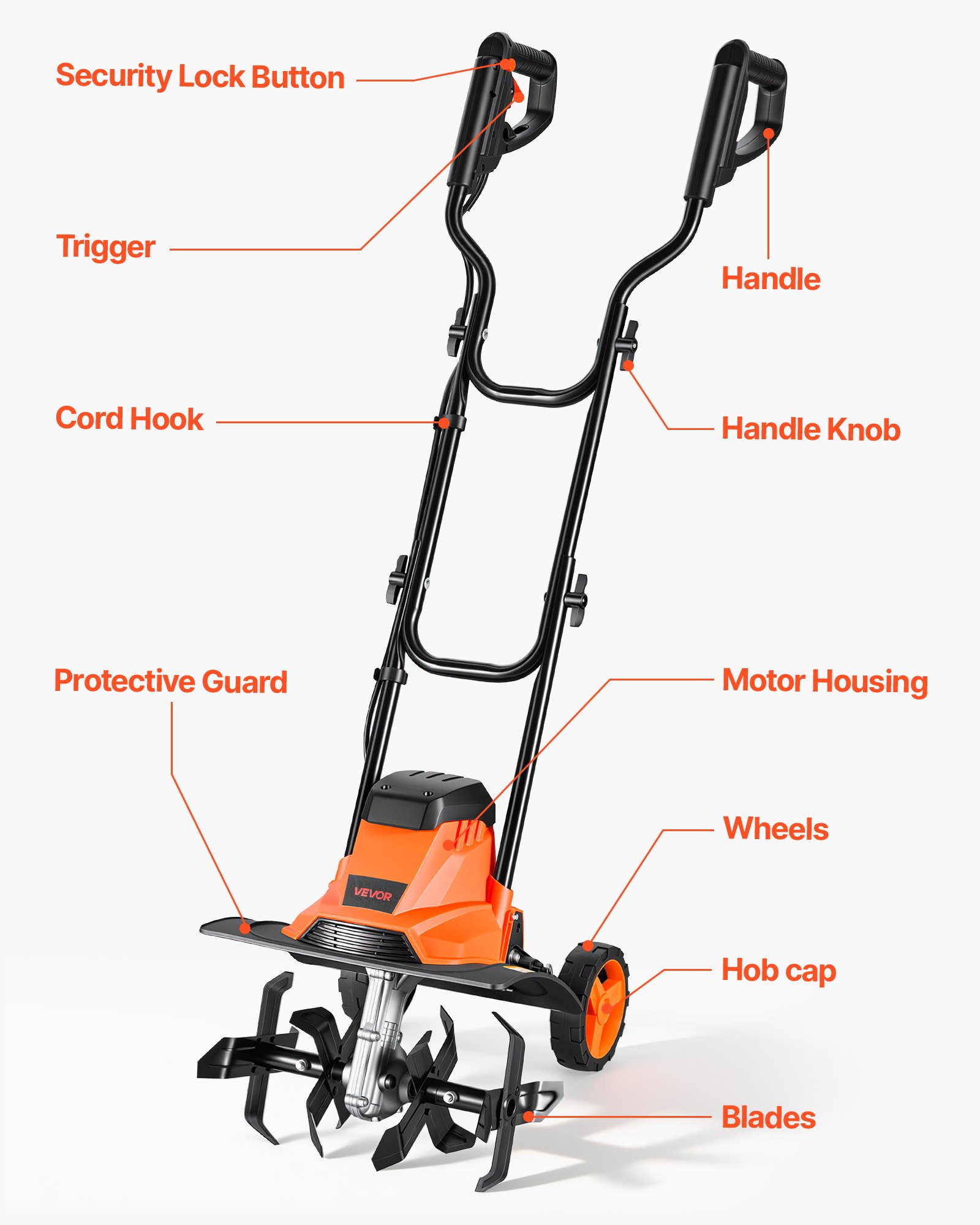 Corded Electric Tiller, 14 Inch Tilling Width Garden Rototiller, 10-Amp Motor Heavy-Duty Machine, Cultivator With Steel Tines And Foldable Handle, For Lawn, Yard, And Gardening Care$113.99View on Mallflare
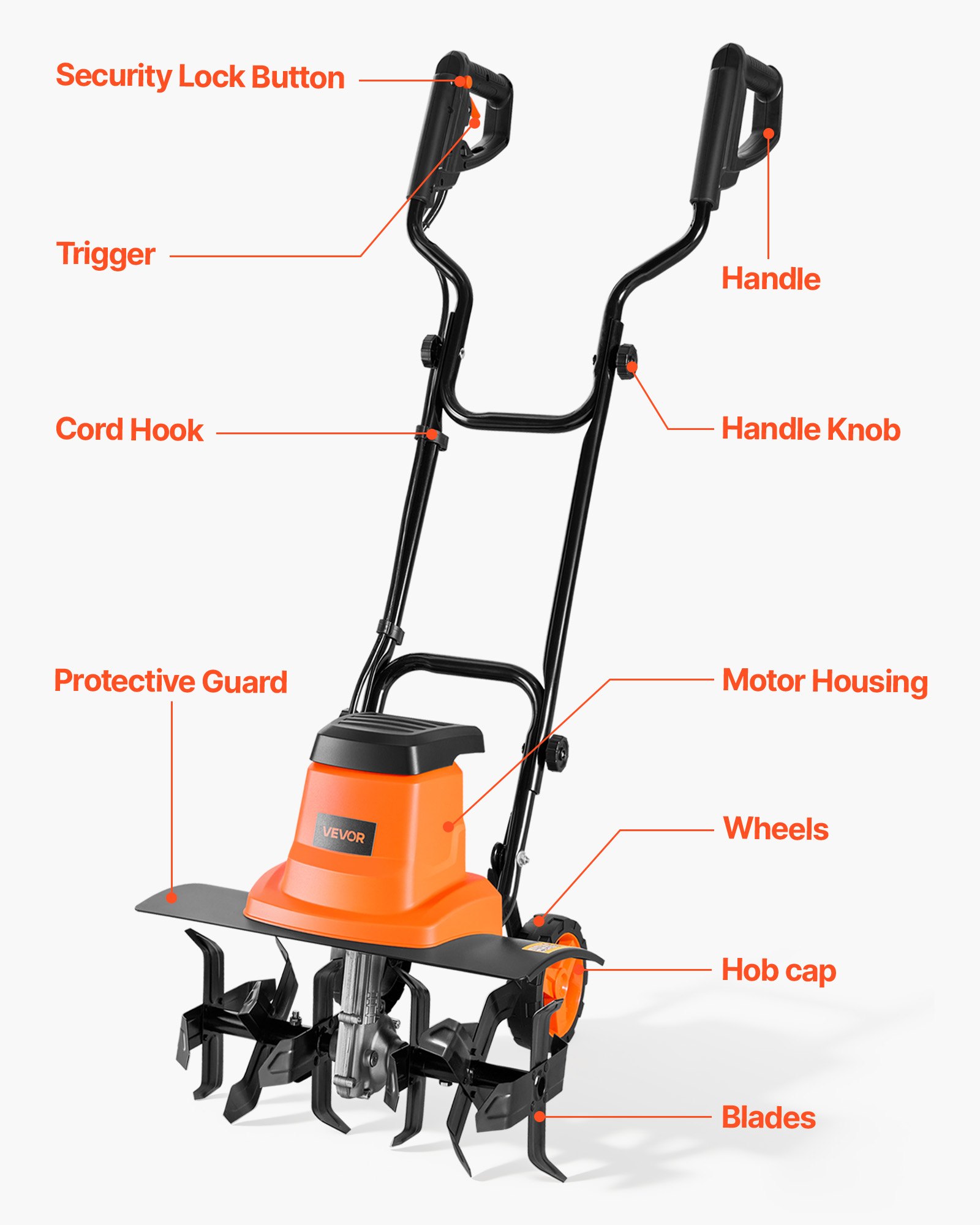 Corded Electric Tiller, 18 Inch Tilling Width Garden Rototiller, 13.5-Amp Motor Heavy-Duty Machine, Cultivator With Steel Tines And Foldable Handle, For Lawn, Yard, And Gardening Care$127.99View on Mallflare
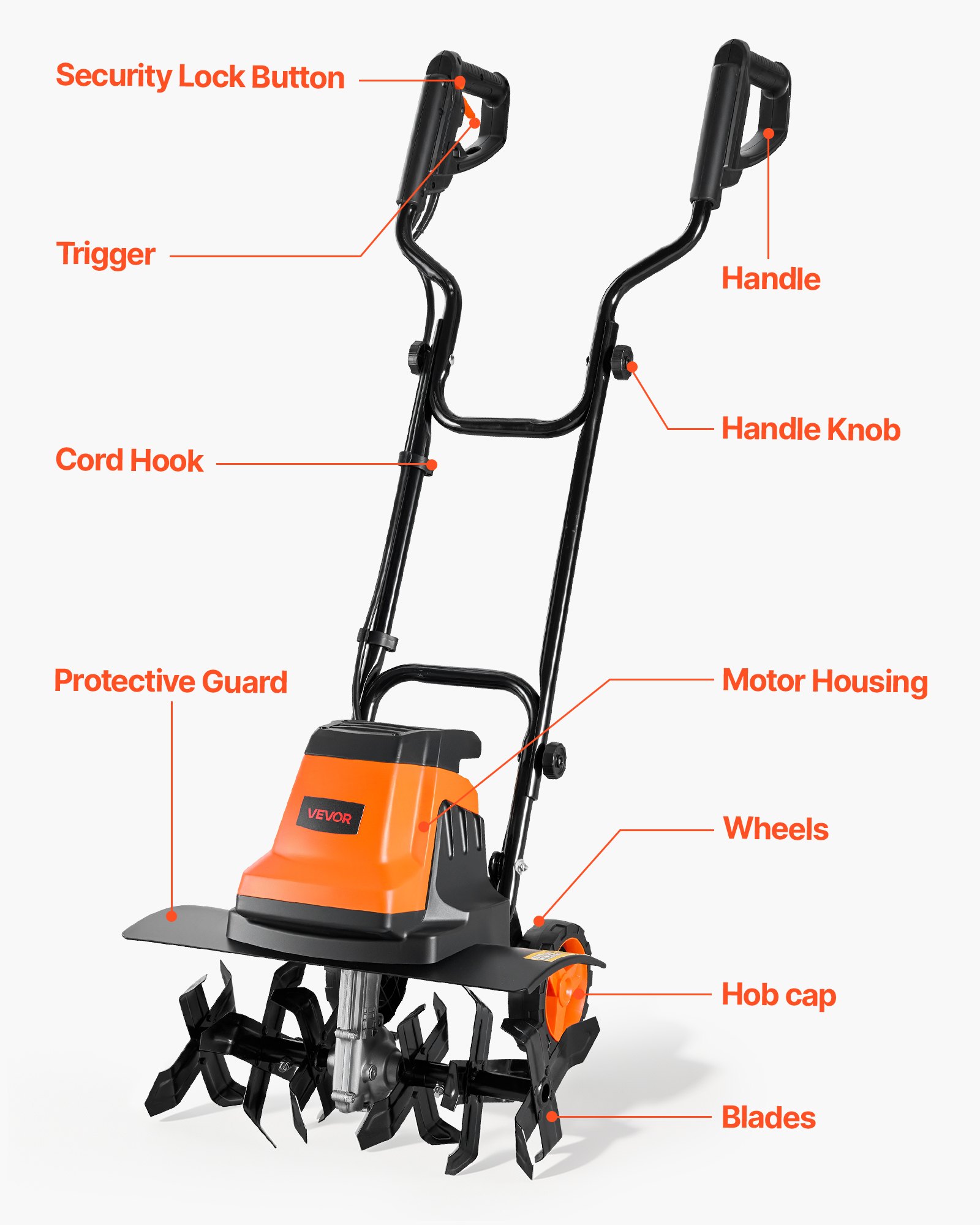 Corded Electric Tiller, 18 Inch Tilling Width Garden Rototiller, 15-Amp Motor Heavy-Duty Machine, Cultivator With Steel Tines And Foldable Handle, For Lawn, Yard, And Gardening Care$155.99View on Mallflare
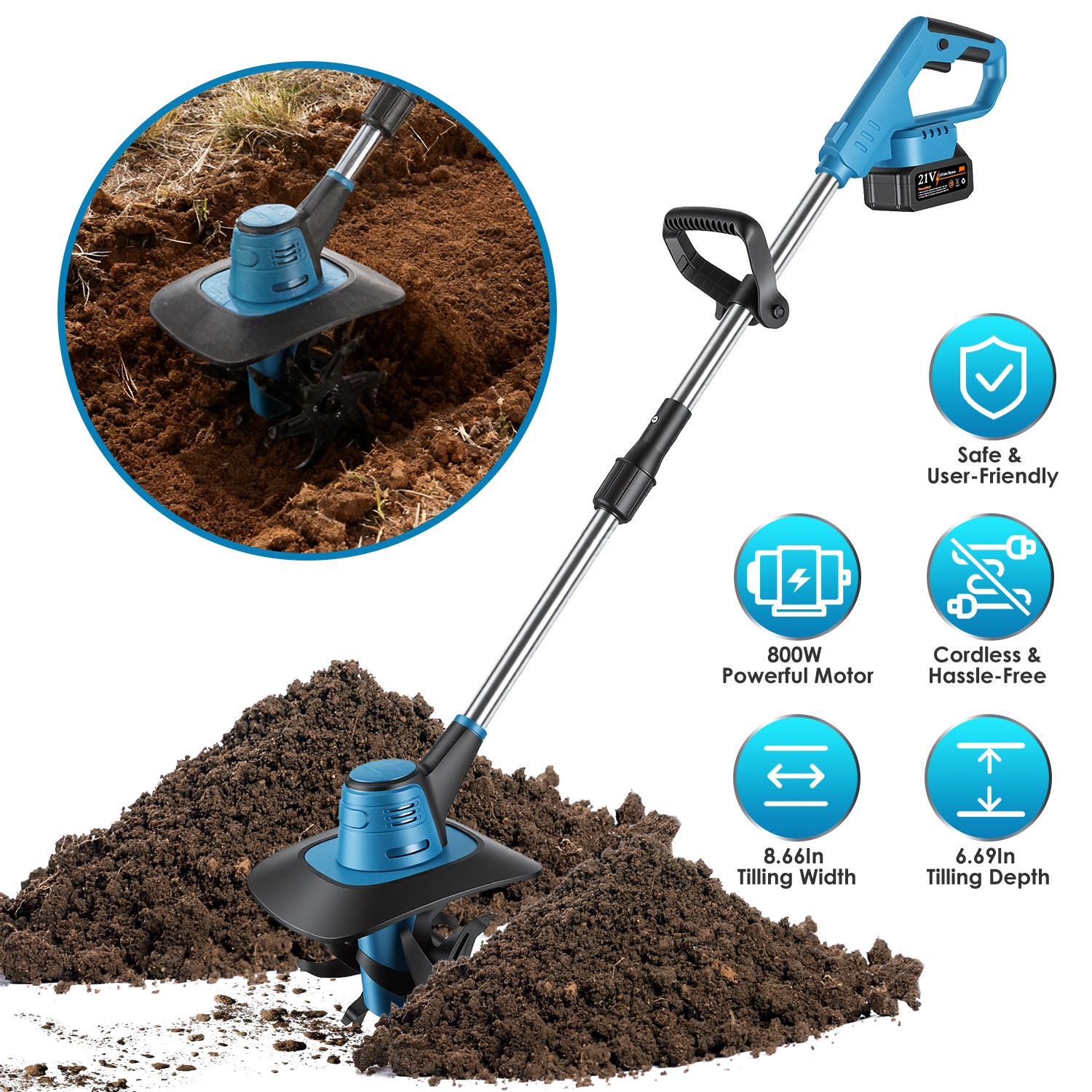 Cordless Tiller Cultivator,800W Electric Cultivator, 21V Battery Powered Soil with 6.69" Depth 8.66" Width, Handheld Garden for Yard Planting$158.99View on Mallflare
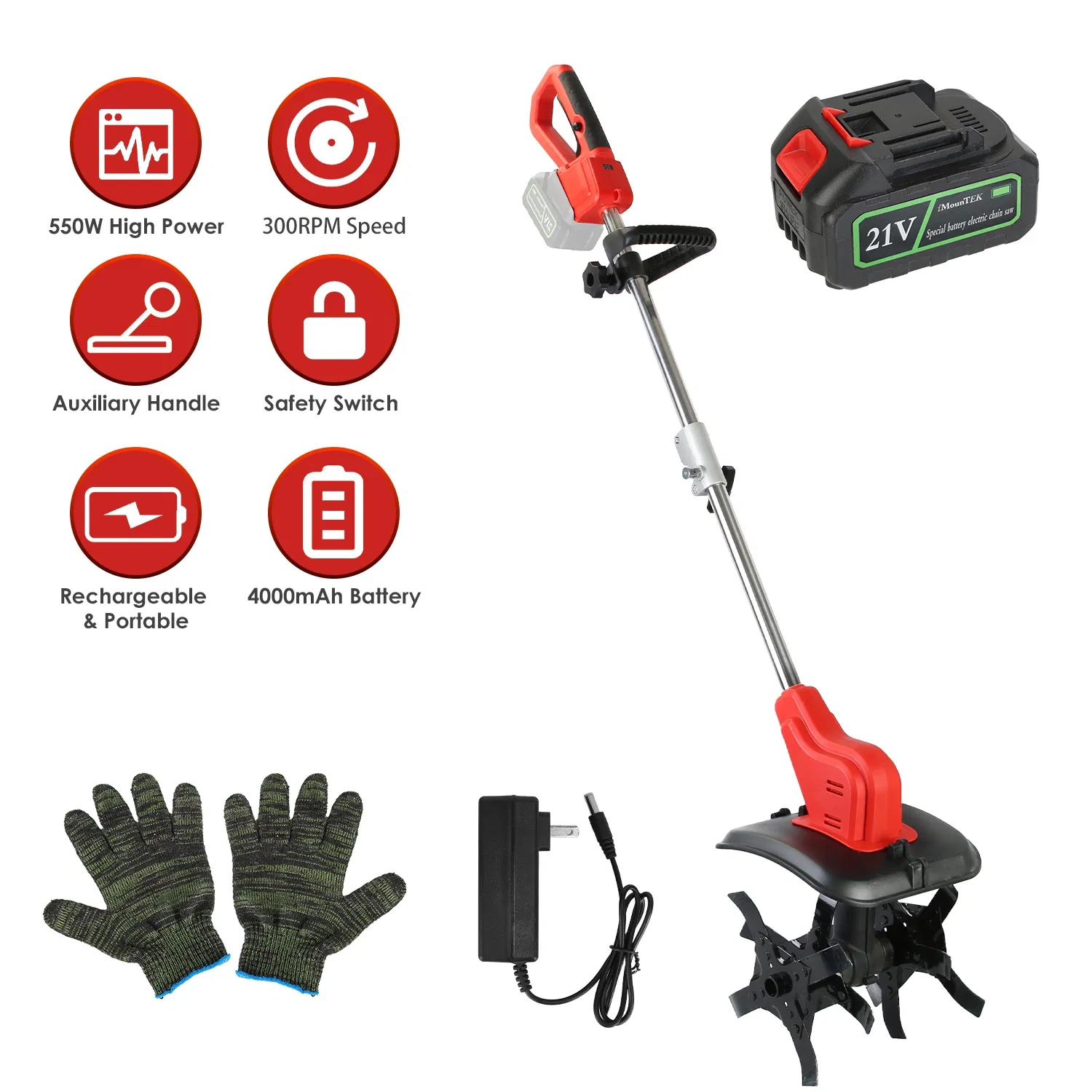 Portable Cordless Electric Tiller - 550W 300RPM Power, 16 Steel Tines, 4000mAh Battery , Safety Protection + Auxiliary Handle, Ideal for Lawn/Soil Preparation/Gardening$167.99View on Mallflare
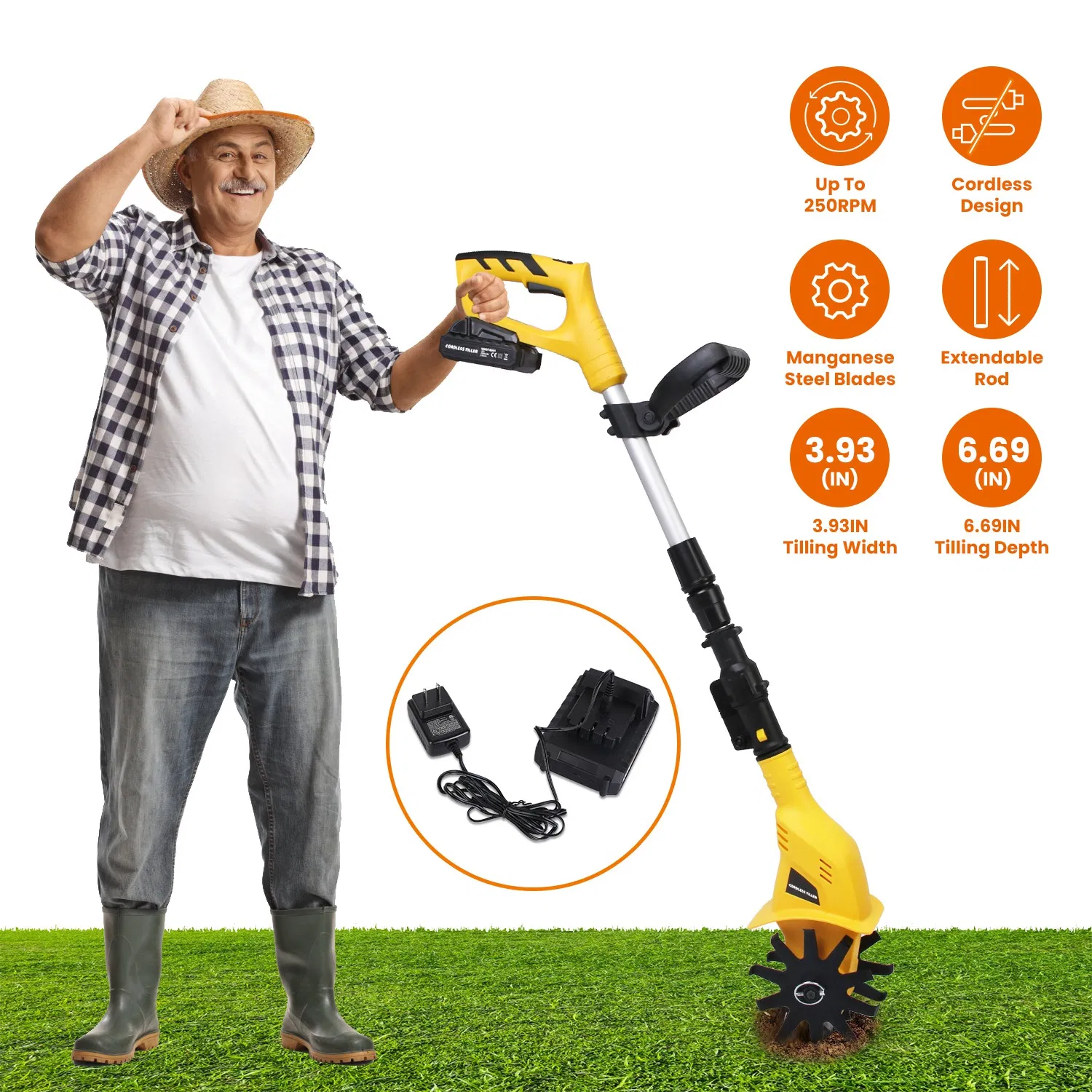 20V Cordless Tiller Cultivator, 250RPM Electric Garden Depth Rototiller for Lawn/Gardening/Soil Cultivation$181.99View on Mallflare
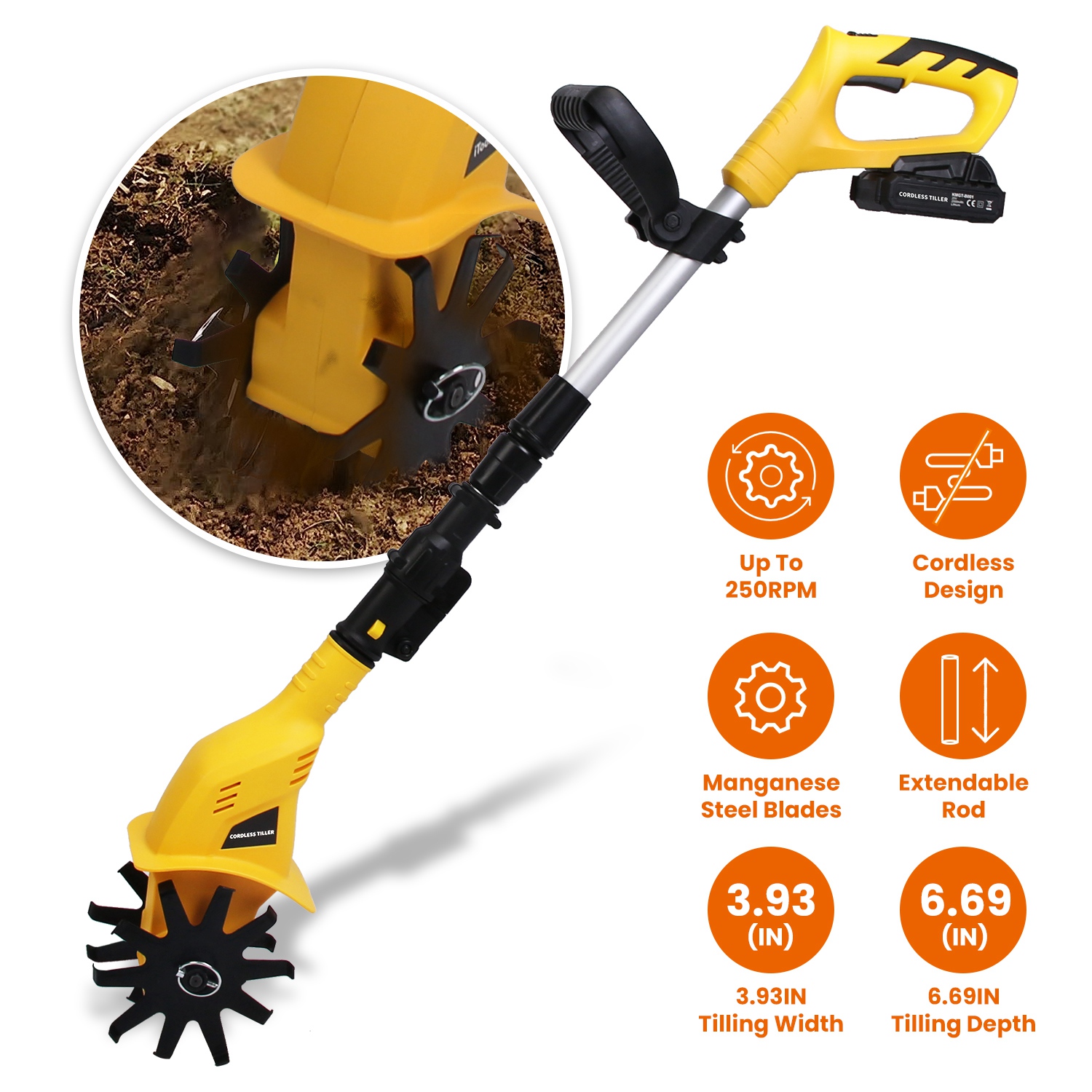 Cordless Electric Garden Tiller Cultivator With 20V Rechargeable Battery 3.93In Width 6.69In Depth 250RPM Max For Yard Farm Lawn$188.99View on Mallflare
Highlights
- Corded tillers scale by motor amperage: 10A units turn 14-inch widths, 13.5-15A units drive 18-inch widths with enough torque for compacted loam and repeated passes.
- Cordless tillers are 20V-class (18V nominal) battery tools; 550W-800W ratings reflect peak draw, so expect 6-8 inch depths and 4-9 inch widths, not full-bed turnover.
- Tine construction separates durable from disposable: steel tines on a metal gearbox survive rocky soil, while plastic housings and tine mounts crack under root and stone shock loads.
- Cordless runtime scales with pack capacity (typically 2.0-4.0Ah); a 4.0Ah pack yields roughly 20-30 minutes of intermittent cultivation, so spare batteries matter more than motor wattage claims.
Best use cases
- New vegetable beds and spring turnover of compacted soil: pick a corded 13.5-15A, 18-inch model with steel tines; skip any battery unit, which stalls in unbroken ground.
- Weeding and aerating between established rows and raised beds: a 20V cordless cultivator with 6-8 inch width is the right tool; skip 18-inch corded units that can't maneuver between plants.
- Small yard plots within cord reach (roughly 50-100 ft of outdoor outlet): a 10A, 14-inch corded tiller balances width and portability; skip cordless if the plot is larger than a few hundred square feet.
- Remote garden plots or allotments without power: cordless with two or more batteries is the only option; accept shallow depth and plan multiple passes rather than expecting rototiller performance.
Buying tips
- Match tilling width to bed geometry: 14-inch units fit 3-4 ft raised beds with one pass per side, while 18-inch units need 4 ft or wider rows to avoid overrunning edges.
- Buy amperage, not marketing wattage, on corded models: 10A suits loose, amended soil; 13.5A and up are required for clay, sod, and first-year beds. Cordless watt figures are peak, not sustained.
- Confirm the battery platform before buying cordless: 20V max packs are not cross-compatible between brands, and bare-tool listings ship without a charger or battery, adding a hidden second purchase.
- Check tine configuration: four-tine steel assemblies on a metal drive shaft handle rocky soil; two-tine or plastic-hub designs are for loose, screened loam only and wear quickly.
Specs
| Power Source | Corded AC vs 20V cordless |
|---|---|
| Corded Amperage | 10A / 13.5A / 15A tiers |
| Tilling Width | 14 in / 18 in corded; 4-9 in cordless |
| Tine Material | Steel vs plastic-hub assemblies |
Related searches
What to check before buying
- Measure bed width and row spacing: 14-inch tillers need 3 ft beds, 18-inch tillers need 4 ft, and cordless mini units need only 12-18 inch row gaps.
- Verify outdoor outlet distance and cord gauge: runs beyond 50 ft require a 12-gauge extension cord to avoid voltage drop and motor overheating on 13.5-15A models.
- Confirm soil and site conditions: rocky or clay ground demands steel tines and a metal gearbox; loose, previously worked loam tolerates lighter builds.
- For cordless, confirm pack voltage, Ah capacity, and whether the listing includes charger and battery; budget for a second pack for runtime beyond 20-30 minutes.
FAQ
Data sources: eBay / Amazon listings and product attribute feeds. Updated Nov 28, 2026.
Some links on this page are affiliate links. If you buy after clicking one, we may earn a commission at no extra cost to you. This does not change which products appear here or their order. Affiliate disclosure.