
Photos from current listings. Actual item, color, and included accessories may vary.
Lawn Mower Tire Buying Guide
Lawn mower tires are the pneumatic or solid rubber contact points that transfer engine power to the ground, and the primary trade-off is ply rating versus ride softness: higher-ply turf tires resist punctures and sidewall damage but ride firmer, while low-ply tires cushion better but fail faster on rough terrain. The clear decision rule is to match the exact sidewall size code, then choose the lowest ply rating that survives your yard's worst obstacle—2-ply for smooth residential turf, 4-ply for occasional sticks and curb strikes, 8-ply only for steep or debris-heavy properties.
Median $70.49
Key takeaways
- Size codes like 15x6.00-6 read as diameter x width - rim diameter in inches; the final number must match your wheel's rim diameter exactly or the tire will not seat.
- Ply rating (2, 4, or 8 PR) is the load and puncture-resistance tier: 2-ply suits lighter tractors on manicured lawns, 4-ply handles routine garden debris, 8-ply is for heavy loads and rough ground.
- Turf tread patterns use rounded, low-profile ribs that minimize grass tearing during turns; aggressive lug or ATV-style treads grip better on slopes but scalp turf and are wrong for finish mowing.
At a glance
- Category
- Residential Outdoor Power Equipment
- Last updated
- Nov 28, 2026
Current offers
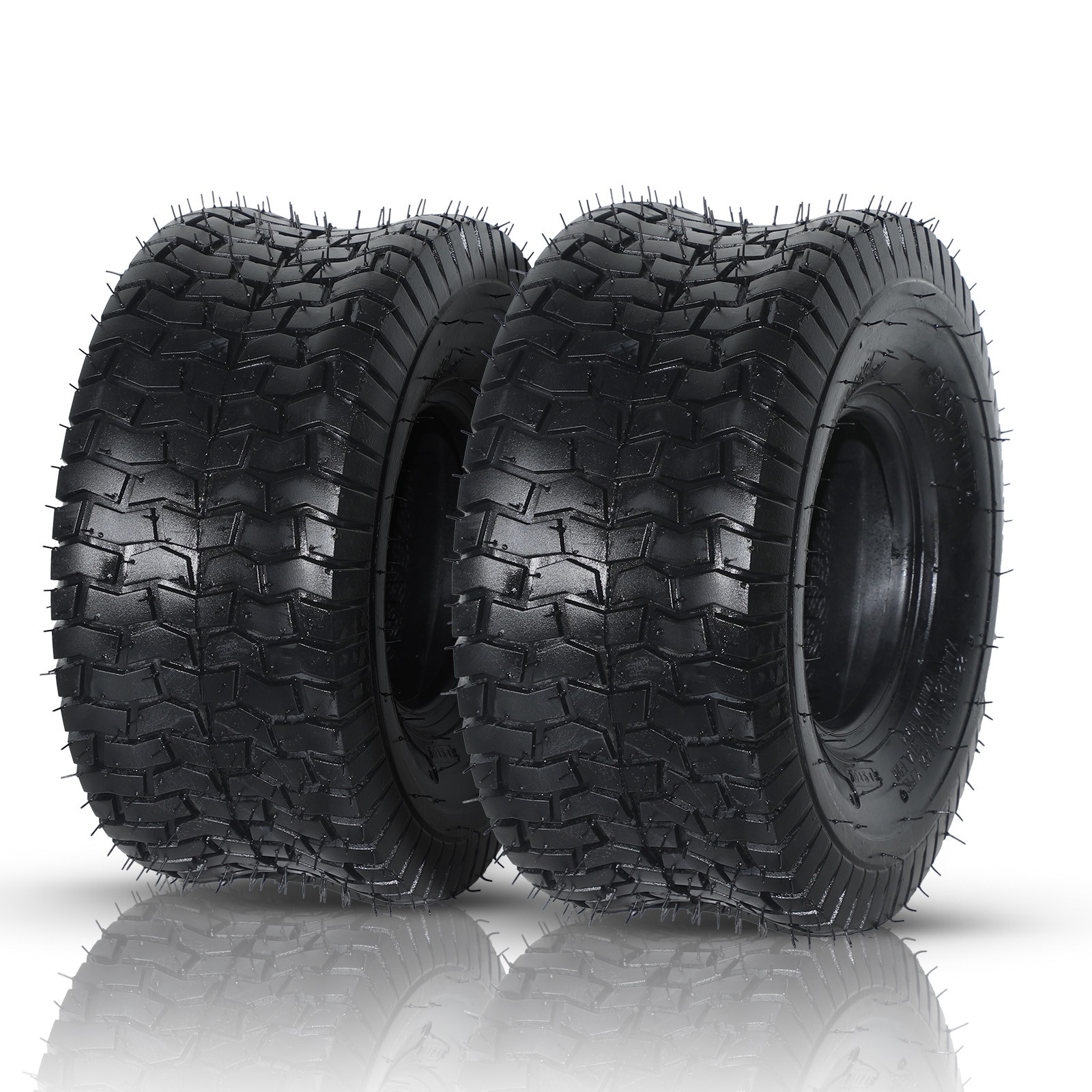 Two 15x6.00-6 15x6-6 15x6x6 Lawn Mower Garden Tractor Turf Tires 2 Ply Rated$43.99Last checked Nov 19, 2026View on eBay
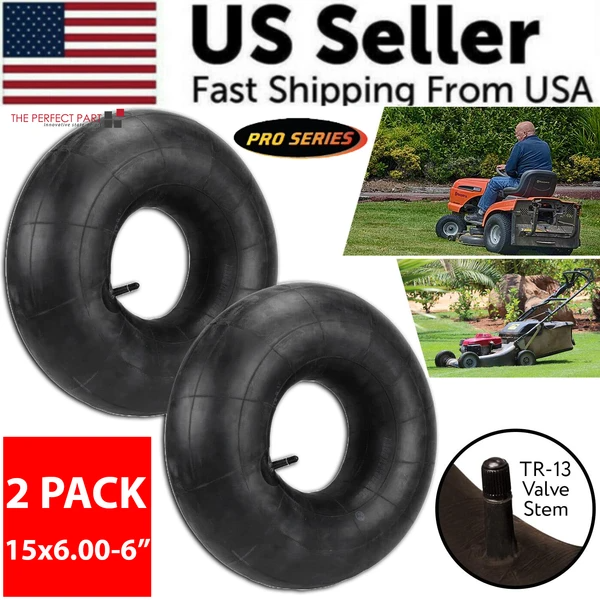 2PCS 15x6.00-6 Lawn Mower Tire Inner Tubes 15X6-6, 15X6x6, 15 6x6 TR13 Valve ATV$29.99View on Mallflare
- Set of 2 15x6.00-6 Lawn & Garden Mower Tractor Turf Tires 2 Ply 15x6-6 15x6x6$43.99Last checked Nov 19, 2026View on eBay
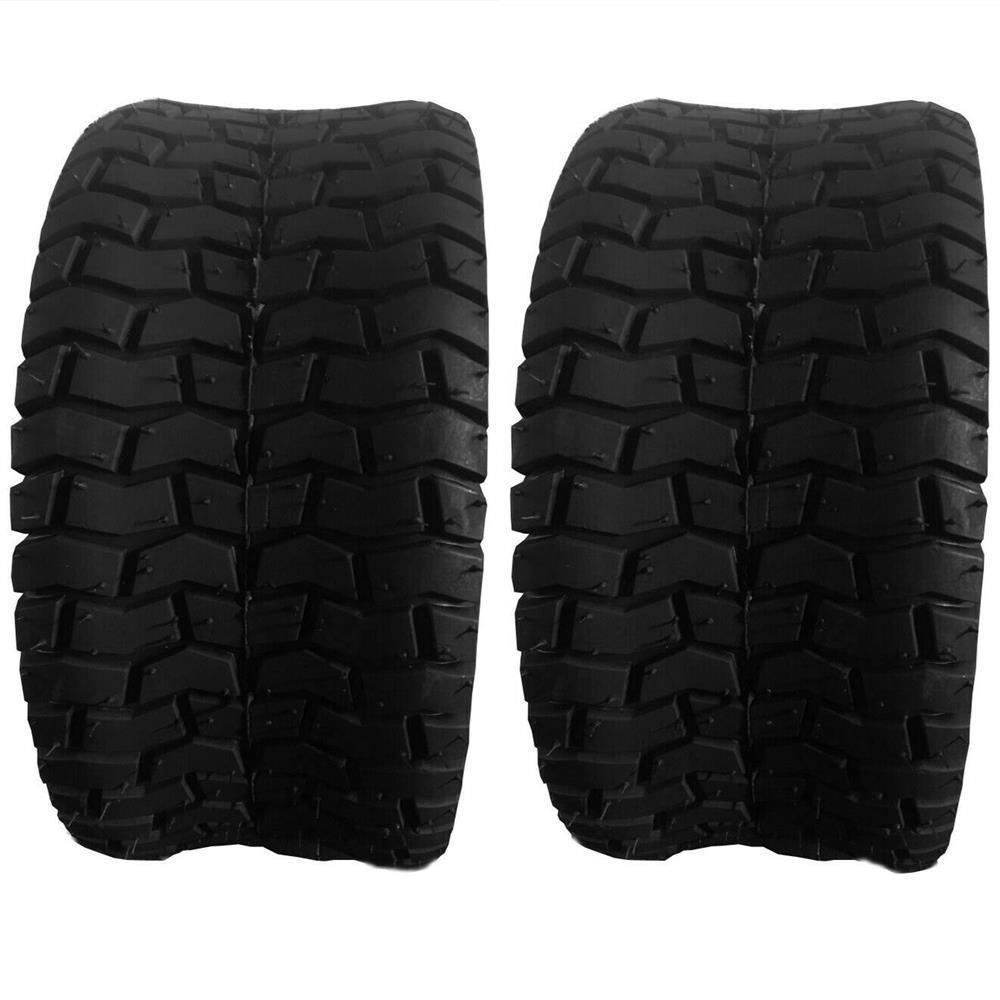 SET Of TWO 13x5.00-6 Turf Tires for Garden Tractor Lawn Mower Riding$64.99View on Mallflare
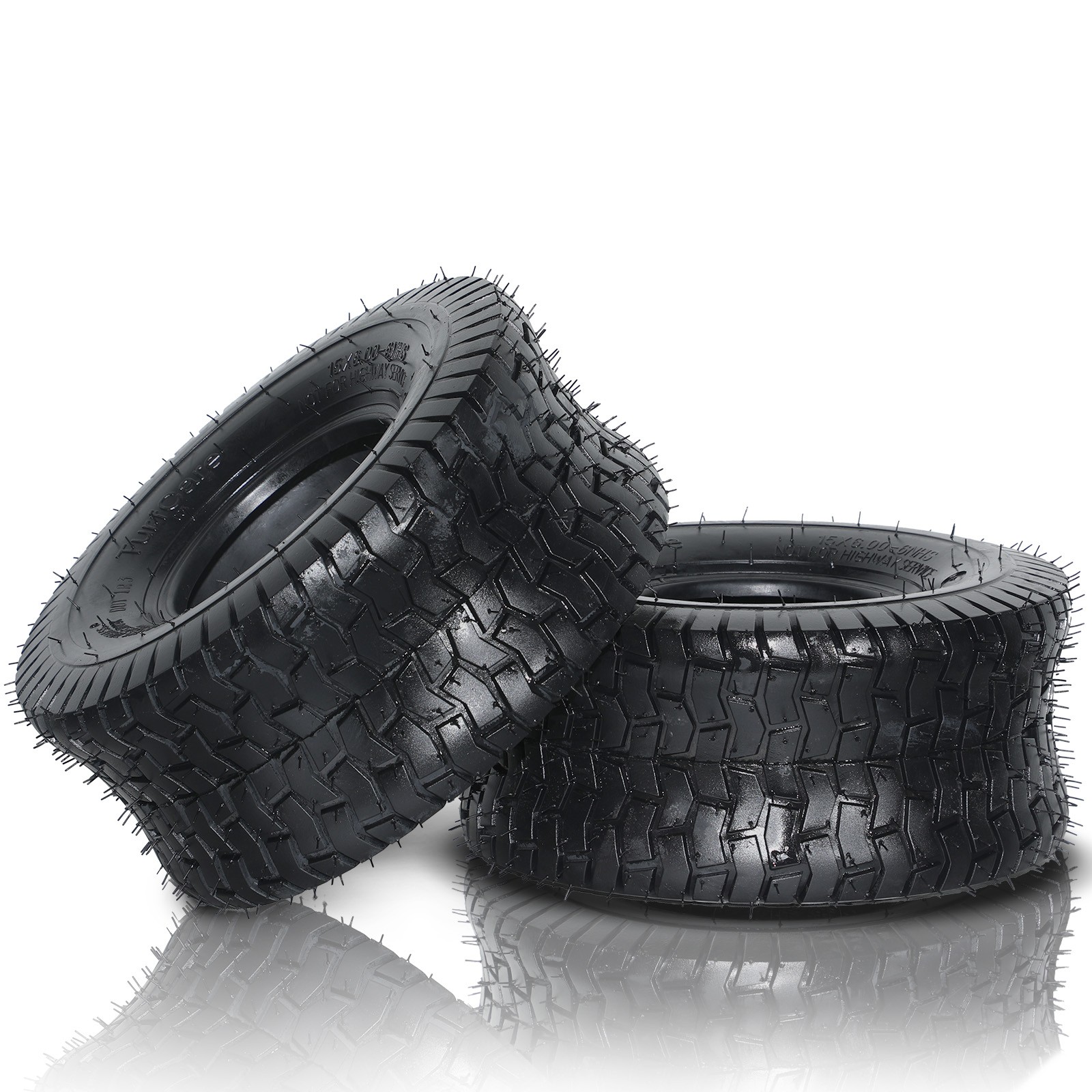 Two 15x6.00-6 Lawn & Garden Mower Tractor Turf Tires 2 Ply 15x6-6 Black Rubber$44.19Last checked Nov 19, 2026View on eBay
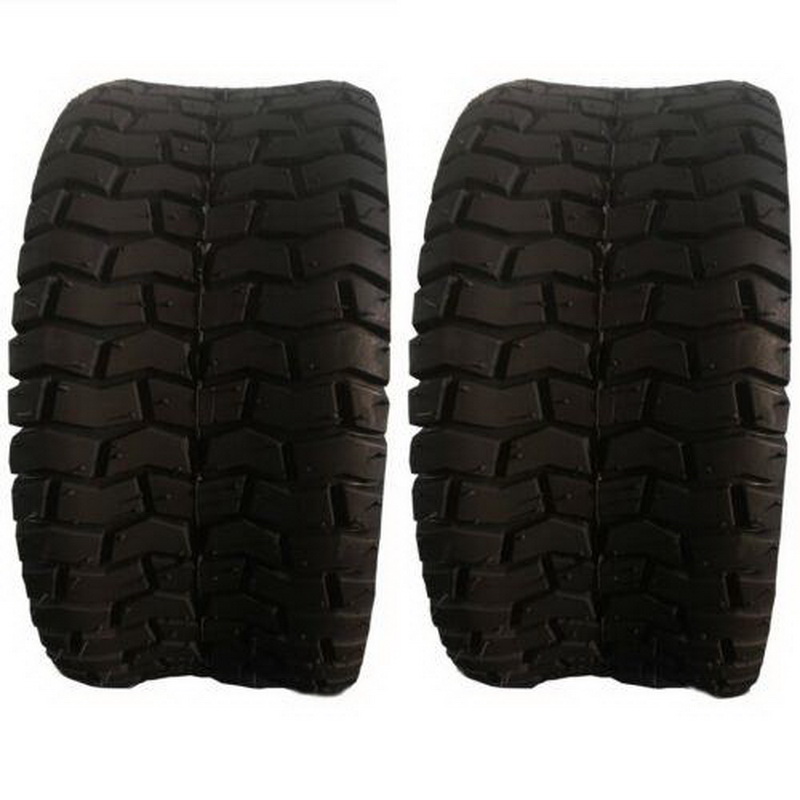 2PK 15x6.00-6 15-6.00-6 4PLY Turf Lawn Mower Go Kart Tires$75.99View on Mallflare
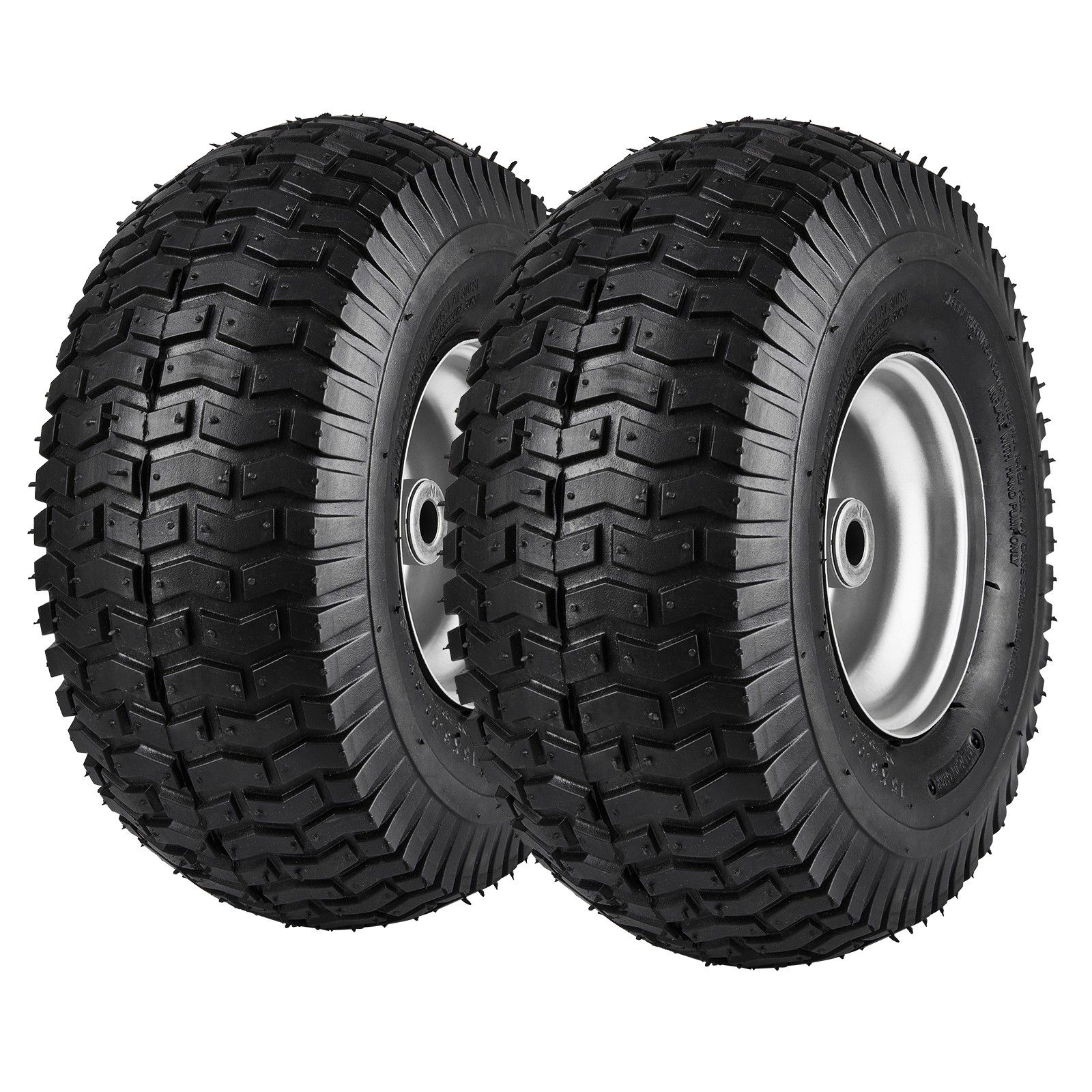 Lawn Mower Tires 15x6-6" Lawn Tractor Tires 2-Pack Turf Pneumatic Tires$54.99Last checked Nov 28, 2026View on eBay
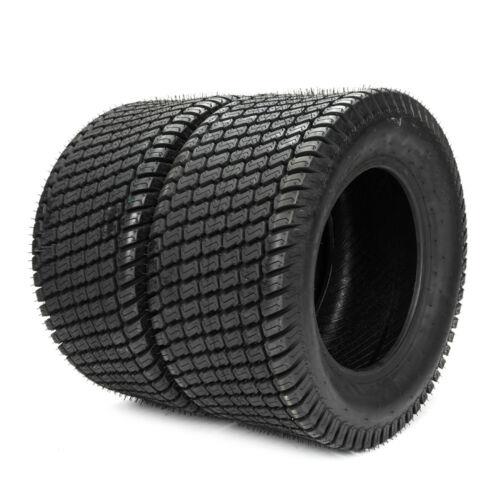 Set of 2 * New 18x9.50-8 Lawn Mower Golf Cart Turf Tires P322 /4PR - 13032$124.99View on Mallflare
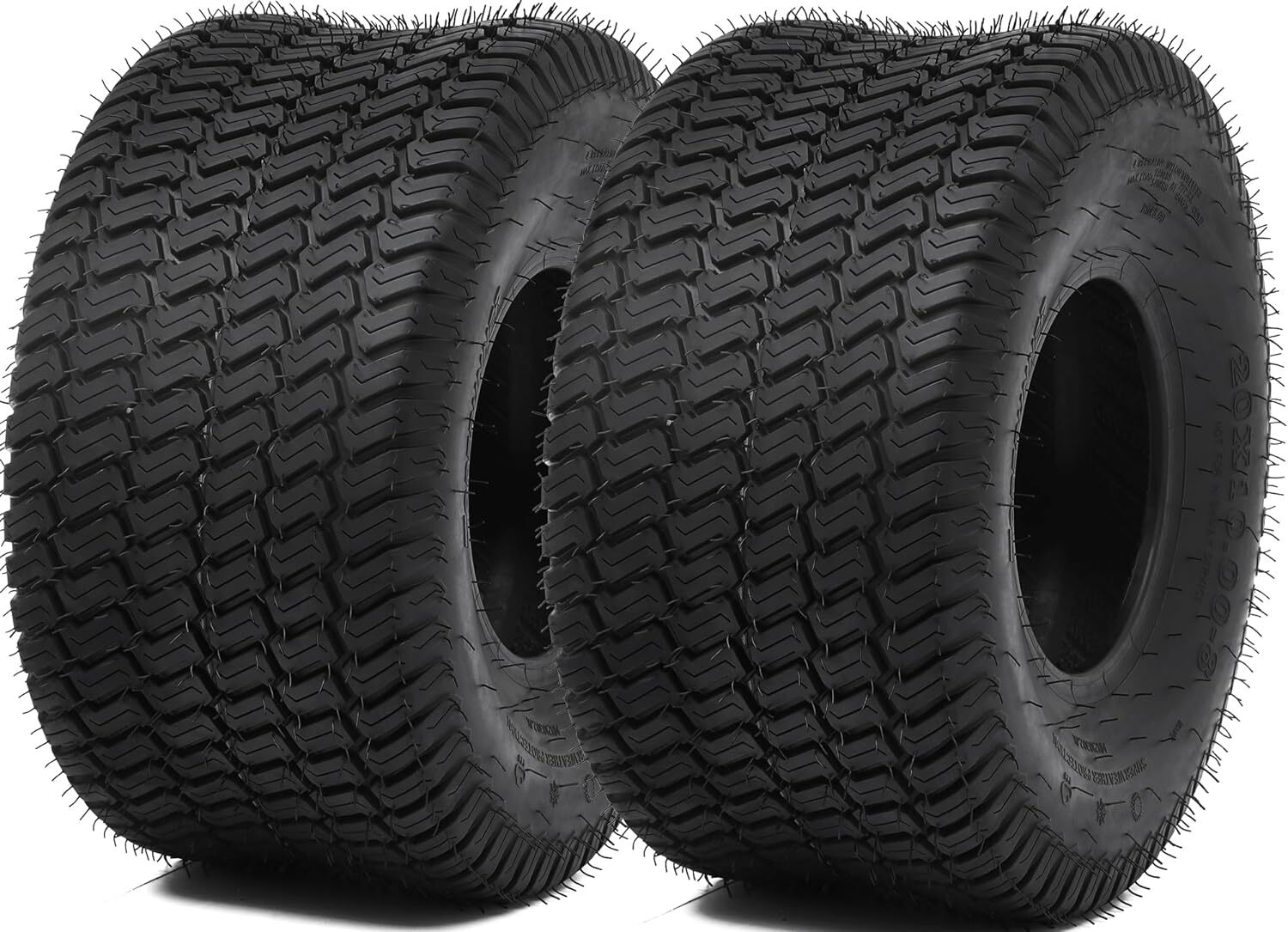 4Ply 20x10.00-8"/ 20x8.00-8"/18x8.50-8" Lawn Mower Tire for Lawn & Garden Mower$76.99Last checked Nov 19, 2026View on eBay
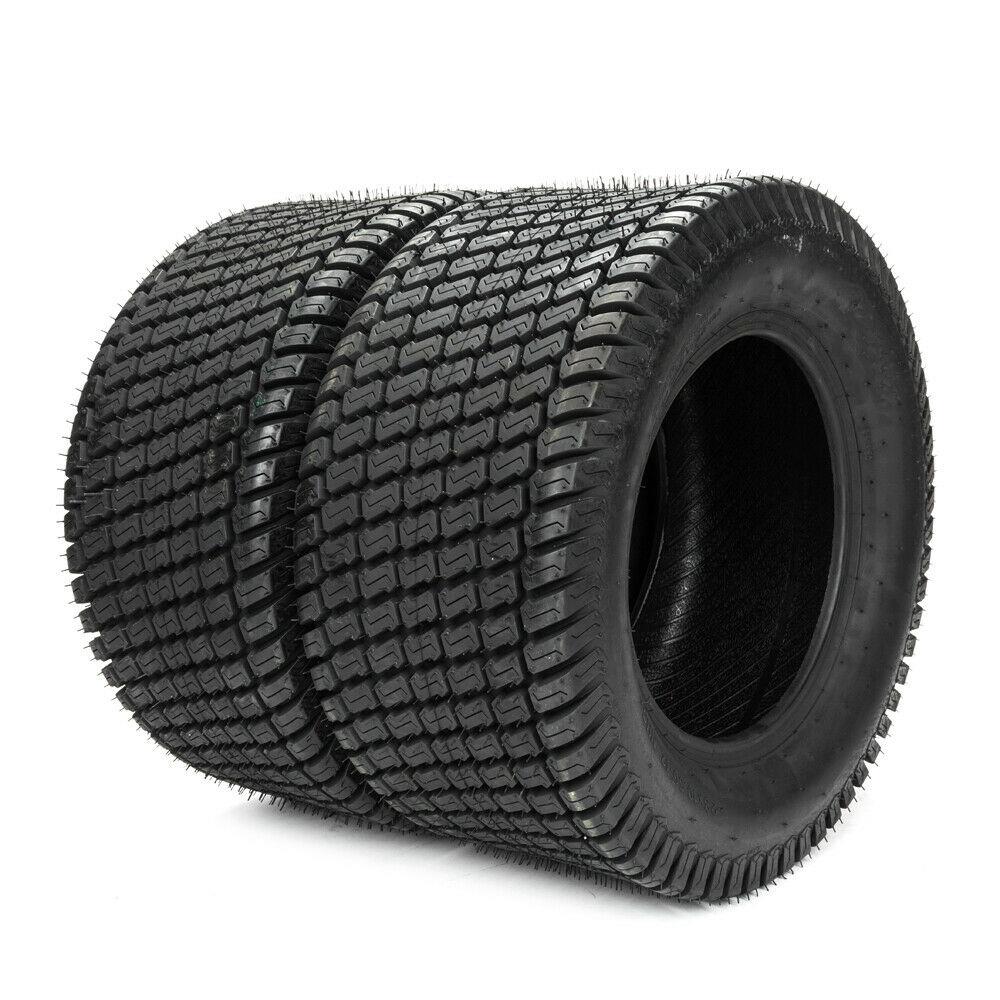 wheels 2qty 20x8.00-8 millionparts 950Lbs P332 Garden Lawn Mowers Turf Tires$127.99View on Mallflare
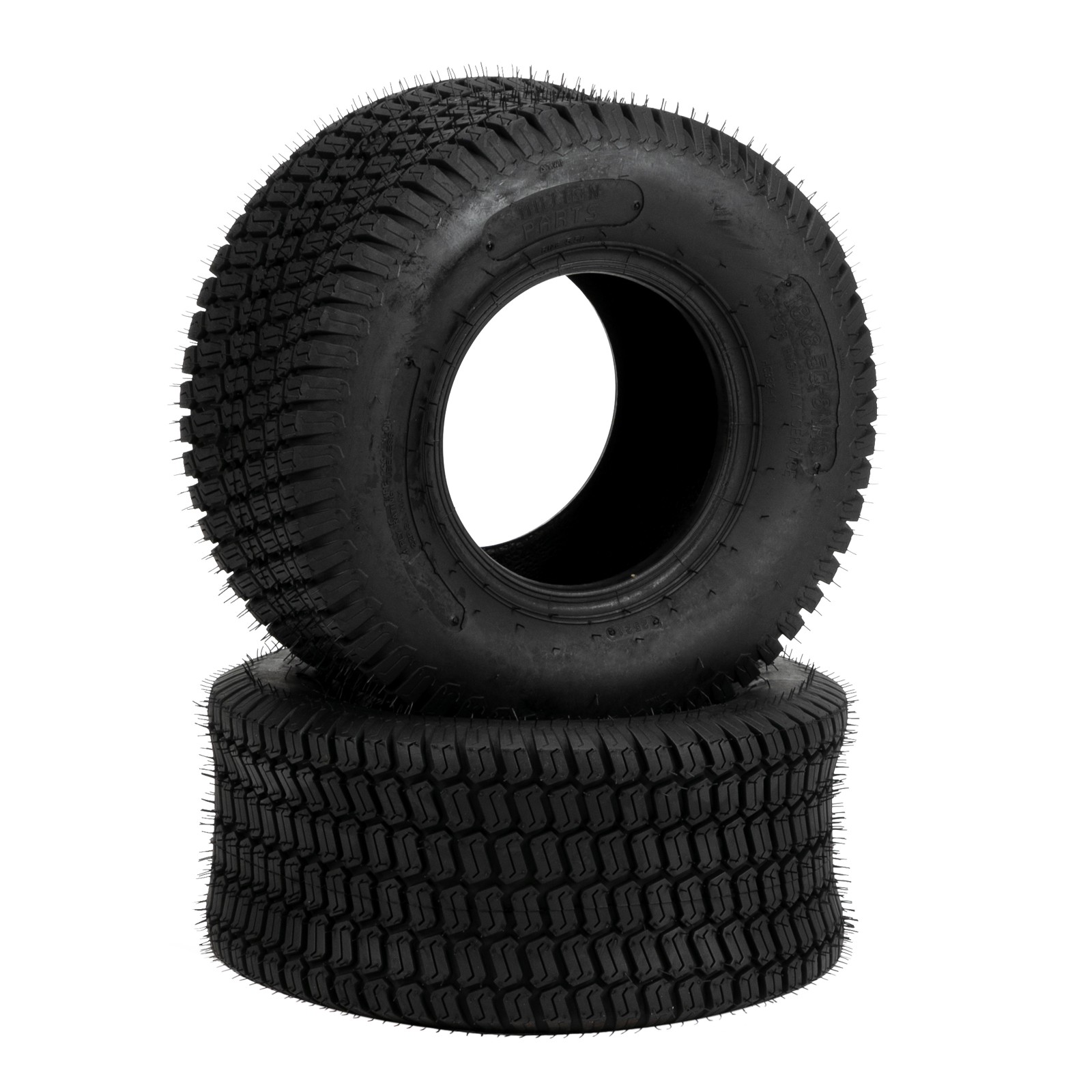 2pcs 18x8.50-8 Lawn & Garden Mower Tractor Turf Tires 4 Ply 18x8.5x8 18x8.5-8$77.99Last checked Nov 18, 2026View on eBay
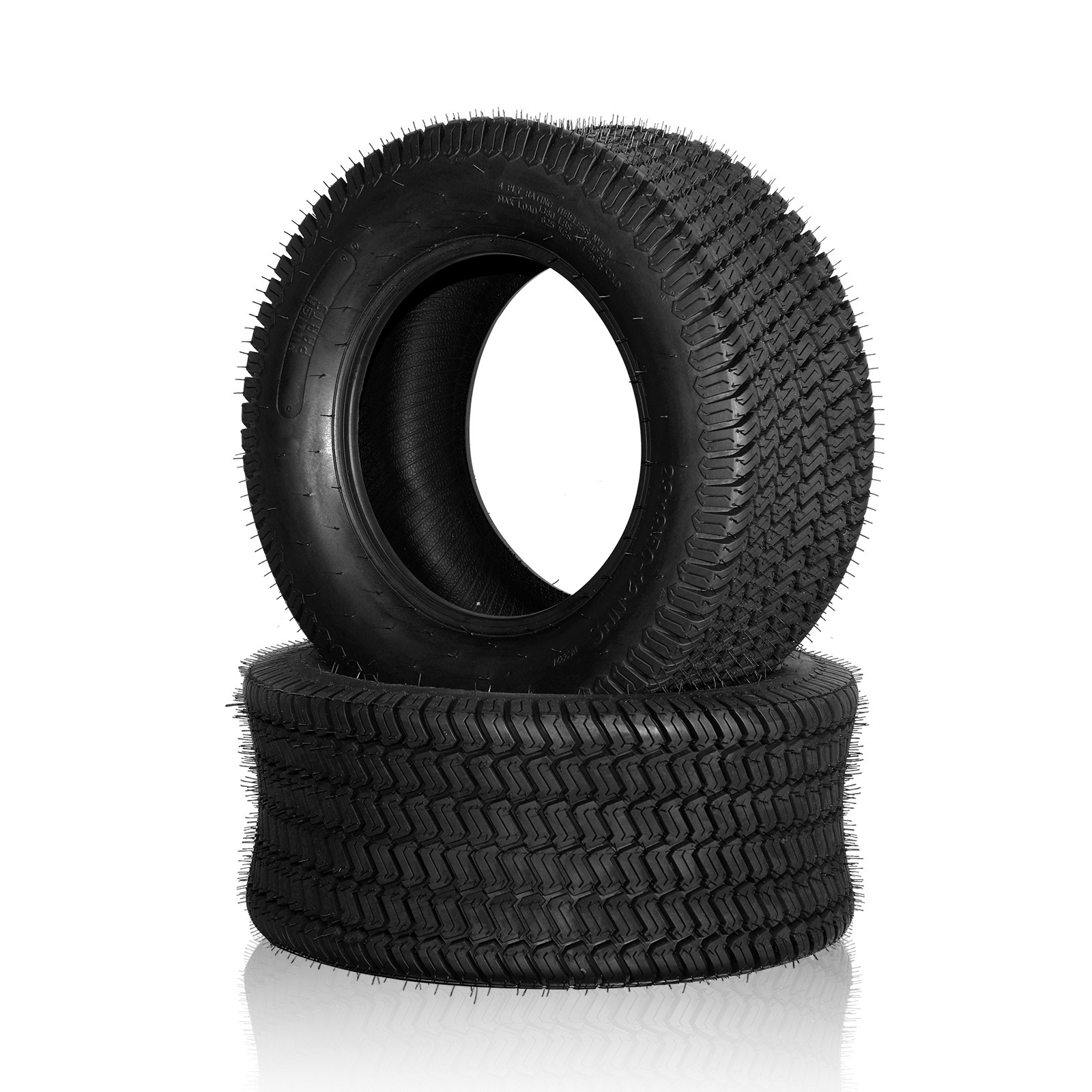 2pcs 23x9.50-12 Lawn & Garden Mower Tractor Cart Turf Tires 4 Ply 23x9.5-12$111.99Last checked Nov 19, 2026View on eBay
Highlights
- Size codes like 15x6.00-6 read as diameter x width - rim diameter in inches; the final number must match your wheel's rim diameter exactly or the tire will not seat.
- Ply rating (2, 4, or 8 PR) is the load and puncture-resistance tier: 2-ply suits lighter tractors on manicured lawns, 4-ply handles routine garden debris, 8-ply is for heavy loads and rough ground.
- Turf tread patterns use rounded, low-profile ribs that minimize grass tearing during turns; aggressive lug or ATV-style treads grip better on slopes but scalp turf and are wrong for finish mowing.
- Tubeless tires rely on a sealed bead against the rim, while tube-type setups use an inner tube with a TR13 valve; converting between them requires the correct rim profile and valve hole.
Best use cases
- Best fit: standard residential lawn tractor with smooth turf and light loads—choose 2-ply turf tires in your exact sidewall size (e.g., 15x6.00-6 or 16x6.50-8) and skip 4-ply or 8-ply unless you routinely hit debris.
- Best fit: larger garden tractor or zero-turn with rear sizes like 20x10.00-8 or 24x12.00-12 carrying bags or trailers—step up to 4-ply or 8-ply for sidewall durability, and skip 2-ply which flexes and punctures under load.
- Wrong fit: using ATV or go-kart tires on a finish mower—aggressive tread tears turf and changes rolling diameter; instead pick a dedicated turf pattern in the correct size code.
- Wrong fit: buying tires without checking rim diameter—a 15x6.00-6 tire will not fit a 15x6.00-8 wheel; measure the rim's bead seat diameter and match the last number exactly.
Buying tips
- Read the sidewall code as diameter x width - rim diameter in inches; for example, 18x8.50-8 means 18-inch outer diameter, 8.5-inch width, and an 8-inch rim—all three must match your wheel and clearance.
- Choose 2-ply for smooth lawns and light tractors, 4-ply for mixed yards with sticks and curb strikes, and 8-ply only for steep slopes, heavy hauling, or thorny debris where sidewall punctures are common.
- Match tube vs tubeless to your rim: tubeless tires need a clean, sealed bead seat; tube-type tires require an inner tube with the correct TR13 valve and a rim with the matching valve hole.
- Replace tires in axle pairs: mismatched diameters or tread depths cause uneven traction, differential strain, and uneven cutting height on hydrostatic and gear-drive mowers.
Specs
| Size Code Format | Diameter x Width - Rim (in) |
|---|---|
| Ply Rating | 2-ply / 4-ply / 8-ply turf |
| Tread Type | Turf rib vs lug/ATV |
| Tube Setup | Tubeless or tube-type TR13 |
Related searches
What to check before buying
- Measure the old tire's sidewall code or the rim's bead-seat diameter, width, and offset before ordering—never rely on the mower model alone, as the same model can ship with different wheel sizes.
- Verify fender and deck clearance for the full inflated diameter and width, especially when upsizing width or ply rating, since a taller or wider tire can rub the deck or frame.
- Confirm your rim type and valve hole: tubeless rims need a sealed bead seat, while tube-type rims need a TR13 valve hole and an inner tube; check for bent flanges or rust before mounting.
- Match ply rating and tread to your terrain and load: 2-ply turf for smooth lawns, 4-ply for debris, 8-ply for steep or heavy-duty use; avoid aggressive lug treads on finish lawns.
FAQ
Data sources: eBay / Amazon listings and product attribute feeds. Updated Nov 28, 2026.
Some links on this page are affiliate links. If you buy after clicking one, we may earn a commission at no extra cost to you. This does not change which products appear here or their order. Affiliate disclosure.