GardenPulse Guide

GardenPulse Guide

Garden, Yard & Outdoor Living Reviews & Buying Guides

Compare garden, yard & outdoor living by use case, features, trade-offs, price, returns, and seller terms before you buy.

Buying guides

Buying guide image
Pools & Spas

Pool Ladder

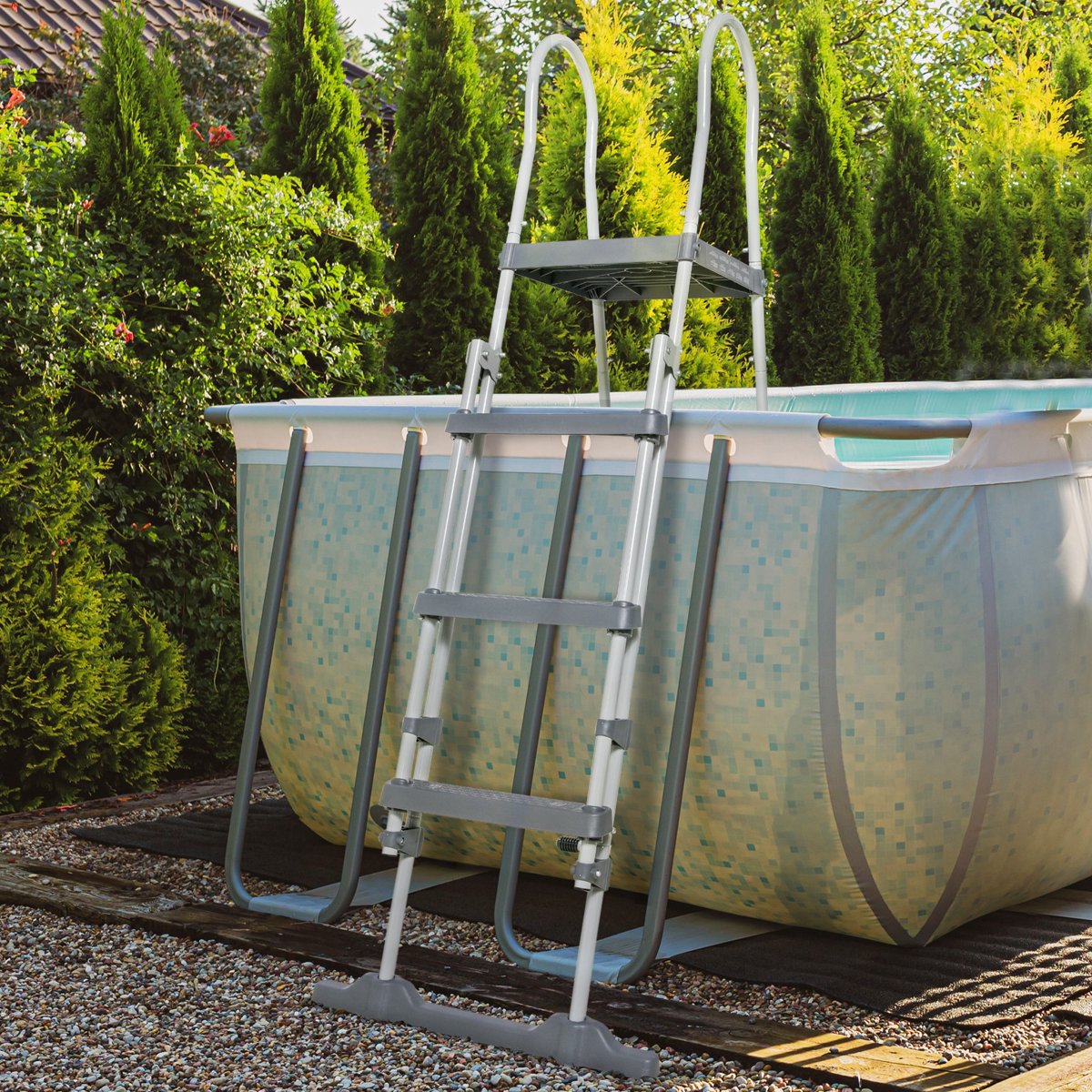
Pool ladders are the access structure that must match your pool wall height, deck configuration, and load rating while resisting corrosion and UV degradation. The core trade-off is between universal A-frame ladders for above-ground pools and fixed-rail or deck-mounted ladders for inground pools, with material grade and step geometry determining safety and lifespan. Choose by exact wall height and mounting type; avoid generic 'fits all' ladders that compromise stability.
Buying guide image
Outdoor Lighting & Decor

Solar Street Light

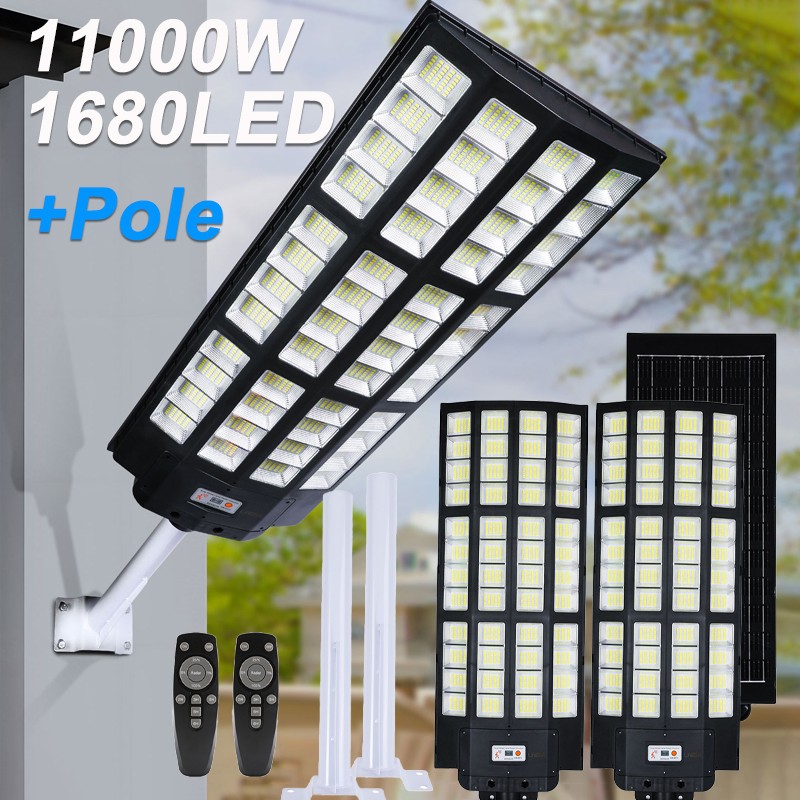
Solar street lights are self-contained outdoor fixtures combining a PV panel, battery, LED array, and motion sensor to light driveways, pathways, and rural roads without trenching. The core trade-off is integrated all-in-one vs split-panel architecture: integrated units simplify install but cap panel size, while split systems allow larger panels and higher lumen output. Buyers should match IP rating, battery chemistry, and lumen-to-area math to their site; anything below IP65 or with a lead-acid battery is a compromise.

Buying guide image
Beehives & Frames

Langstroth Box

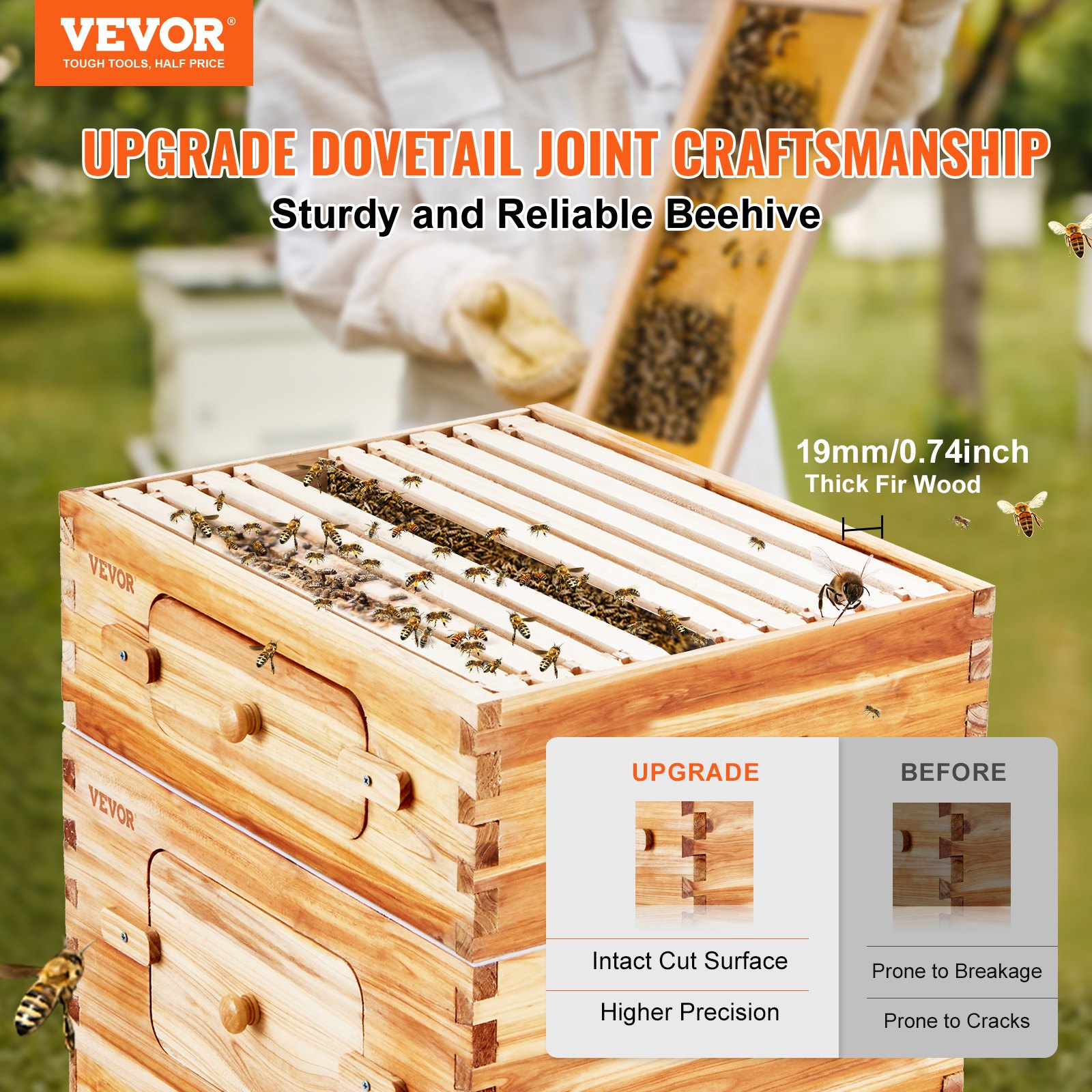
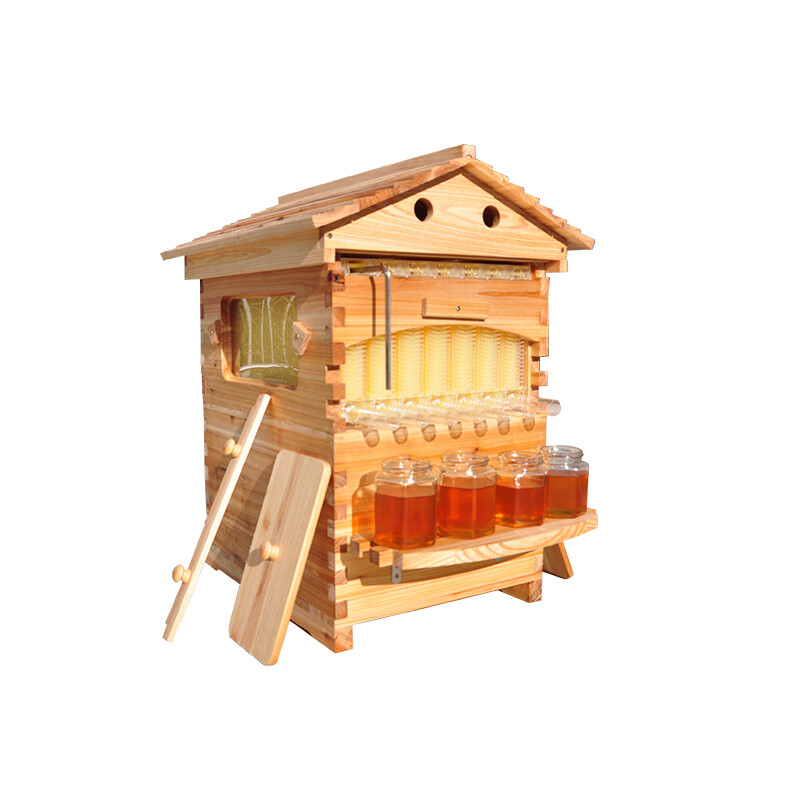
Langstroth boxes are the modular backbone of modern beekeeping, and picking the right box depth and material dictates how you manage brood, honey, and colony growth. Shoppers often buy a full kit without confirming frame count, box depth, or whether the wood is kiln-dried—mistakes that show up as warped boxes or mismatched frames in season two. Focus on depth, frame count, and construction grade before comparing starter kits.

Buying guide image
Beehives & Frames

Langstroth Hive Frame

Langstroth hive frames are the removable rectangular inserts that hold beeswax foundation and give bees a straight-comb guide inside standard 10-frame or 8-frame hive boxes. The decisive trade-off is frame stiffness and foundation authenticity versus cost: pine frames with plastic foundation are cheap and serviceable, while beeswax-coated cedar frames with wax foundation resist warping and encourage natural comb drawing. Buy frames sized to your box depth and matched to your foundation type; mismatched depth or foundation material is the most common cause of burr comb and cross-combing.

Buying guide image
Outdoor Structures, Shade & Awnings

Manual Awning

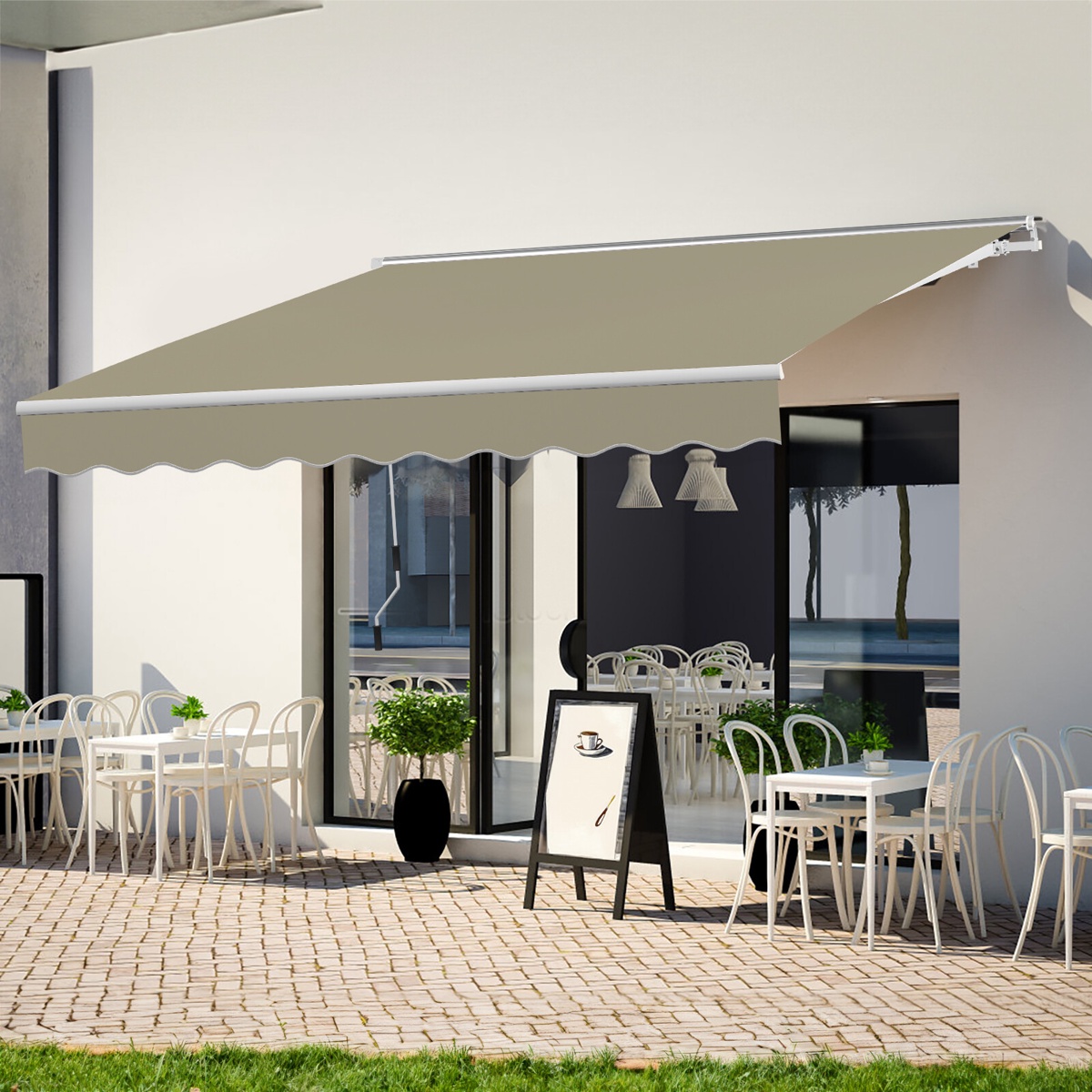
Manual retractable awnings deliver crank-operated sun control without wiring or motors, so getting the projection depth, fabric grade, and wall-fixing hardware right matters more than brand names. Most buyer regret comes from ordering a projection that shades too little of the patio or mounting into siding that cannot hold wind load. Width and projection are listed separately: a 10x8 ft awning is 10 ft wide along the wall with an 8 ft projection.

Buying guide image
Beehives & Frames

Langstroth 10 Frame Hive

A Langstroth 10-frame hive is the standard backyard and sideline setup, but box depth, frame count per box, and wood grade decide whether it lasts a decade or warps in two seasons. Buying mistakes cluster around mixing 8-frame and 10-frame components, choosing shallow boxes that force extra supers, and forgetting that deep brood boxes get extremely heavy when full of honey. Match box depth and material to your climate and lifting ability before you compare finishes.

Buying guide image
Greenhouse & Hydroponics

Hydroponic Tower With Lights

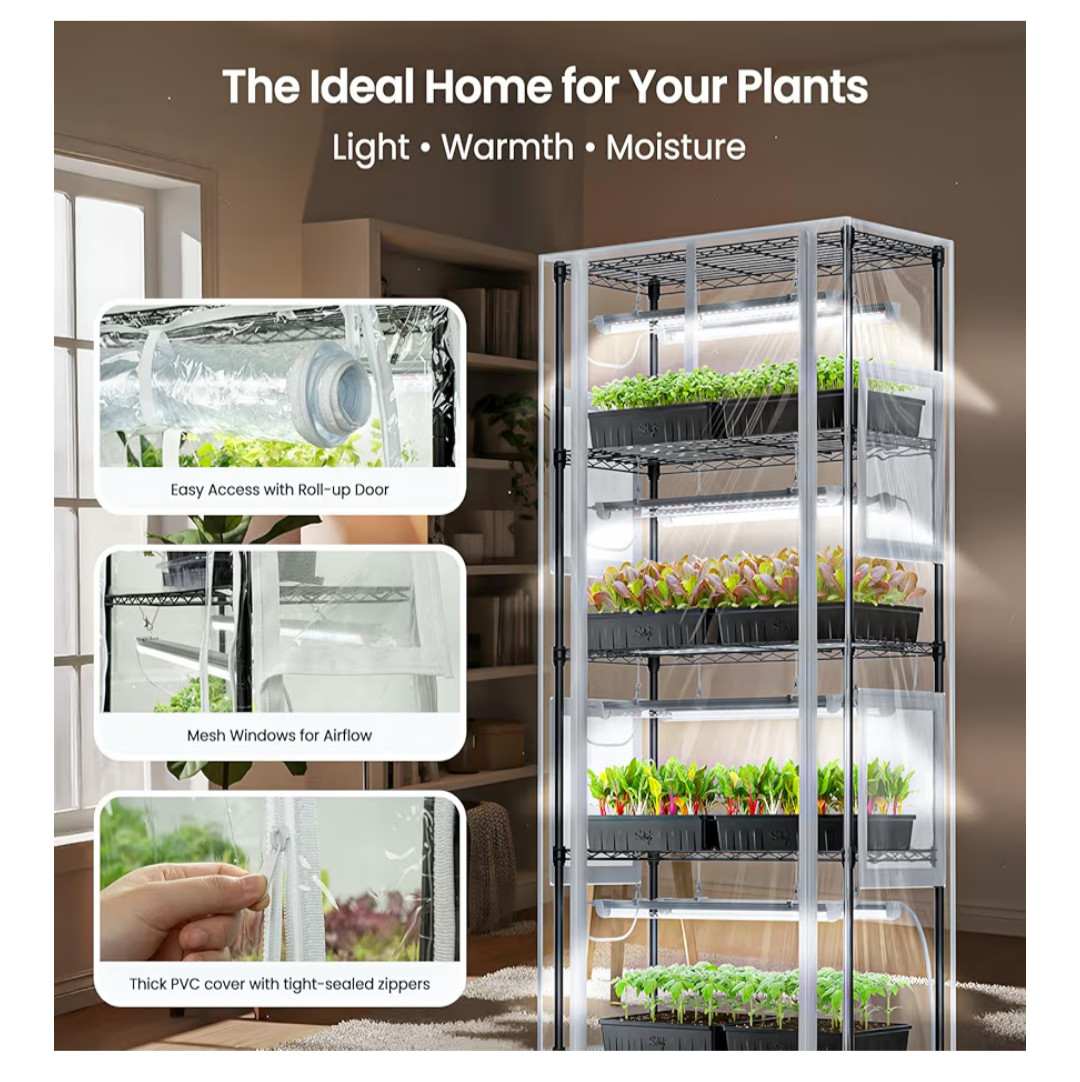
Hydroponic towers with lights combine a vertical growing column with integrated LED grow lighting, letting you stack many plants in a small footprint without relying on window light. The core trade-off is between cheap thin-walled PP columns with low-output fixed LEDs and thicker PP/ABS towers with higher PPFD lights, adequate reservoir volume, and a pump rated for the tower height. Buy durable when the pump head height and light PPFD match your crop's light demand; skip units where the light is decorative or the reservoir is undersized for the site count.

Buying guide image
Beehives & Frames

Hive Box

A hive box is the modular wooden or plastic brood/super chamber that forms the stackable core of a Langstroth, flow-style, or auto-harvest beehive. The primary trade-off is frame capacity and box depth (deep brood vs medium super) against wood grade, coating durability, and harvest mechanism, which together determine colony management flexibility. Buy standard 8- or 10-frame Langstroth boxes in cedar or pine with beeswax coating for durability; treat thin painted boxes and novelty auto-harvest frames as seasonal compromises.

Buying guide image
Raised Garden Beds & Planters

Raised Flower Bed

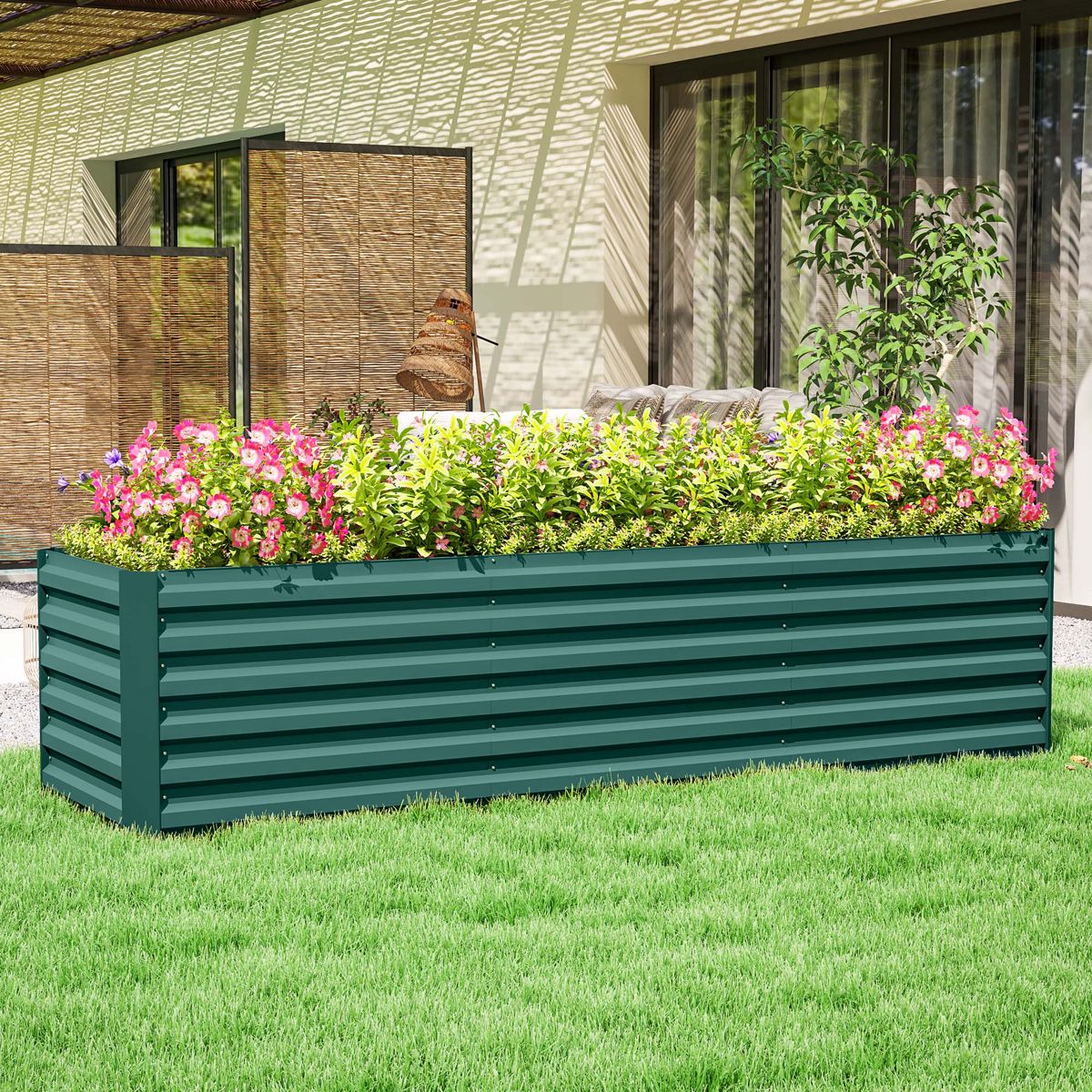
Raised flower beds are freestanding planting containers that lift soil above ground level, and the core trade-off is material durability versus weight and cost. Wood rots and needs lining, metal overheats in full sun and dents, plastic/PP UV-degrades unless stabilized, and fabric fails within a few seasons. Choose by climate and permanence: galvanized or powder-coated steel for long-term full-sun sites, thick cedar or heat-treated pine for moderate climates, and PP plastic only for balconies or renter setups.

Buying guide image
Bee Smokers & Hive Tools

Bee Smoker

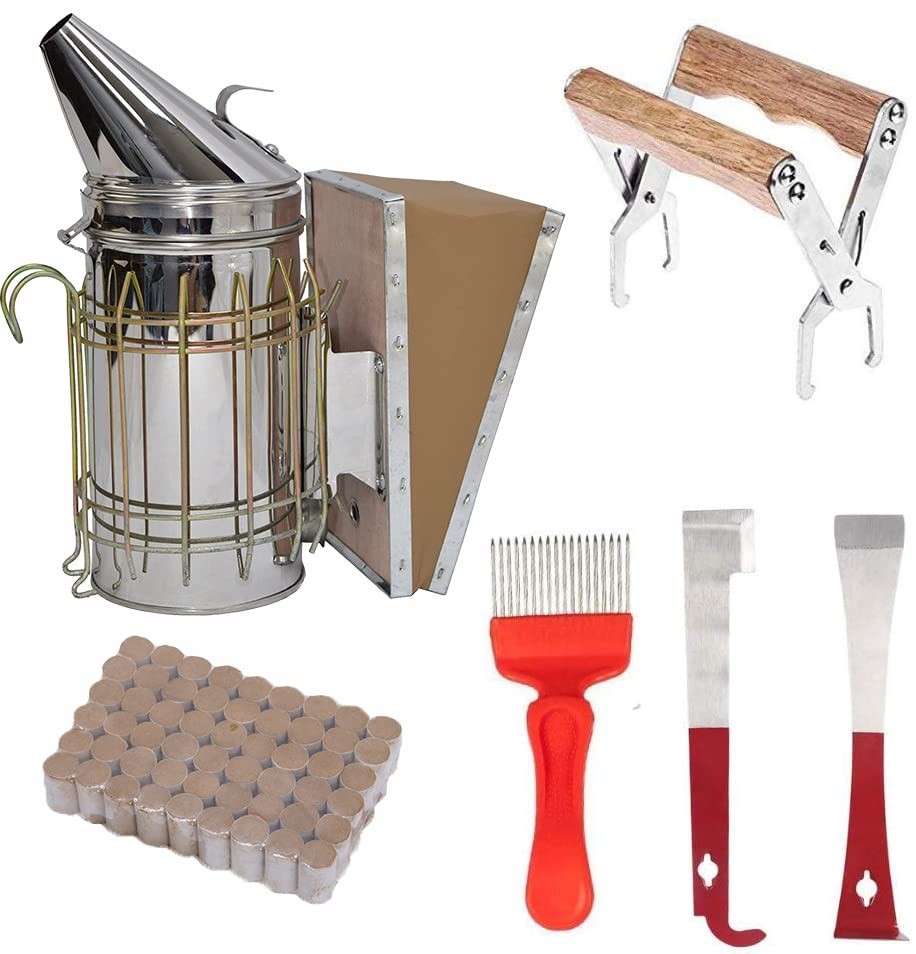
A bee smoker is a controlled-combustion tool that delivers cool, visible smoke to calm honeybees during hive inspections, built around a heat-resistant canister, an internal grate, and a flexible bellows. The primary trade-off is canister gauge and bellow material: thin stainless or painted steel warps and burns through, while genuine leather or high-temp synthetic bellows resist cracking. Buy a stainless canister with a perforated bottom grate and a heat shield for durability; skip unlined painted cans and PVC bellows for anything beyond occasional hobby use.

Buying guide image
Greenhouse & Hydroponics

Indoor Grow Light

Indoor grow lights range from LED seed-starter strips to full-spectrum fixtures for vegetables and flowering plants. The core trade-off is photon efficiency versus heat and upfront complexity: modern LEDs deliver high PPF per watt with low heat, while older fluorescent or blurple LEDs waste energy and distort plant inspection. Choose a fixture with published PPFD, a true full-spectrum white or tunable output, and dimming/timer control; avoid unbranded blurple panels with no photometric data.

Buying guide image
Chicken Feeders & Waterers

Automatic Chicken Feeder

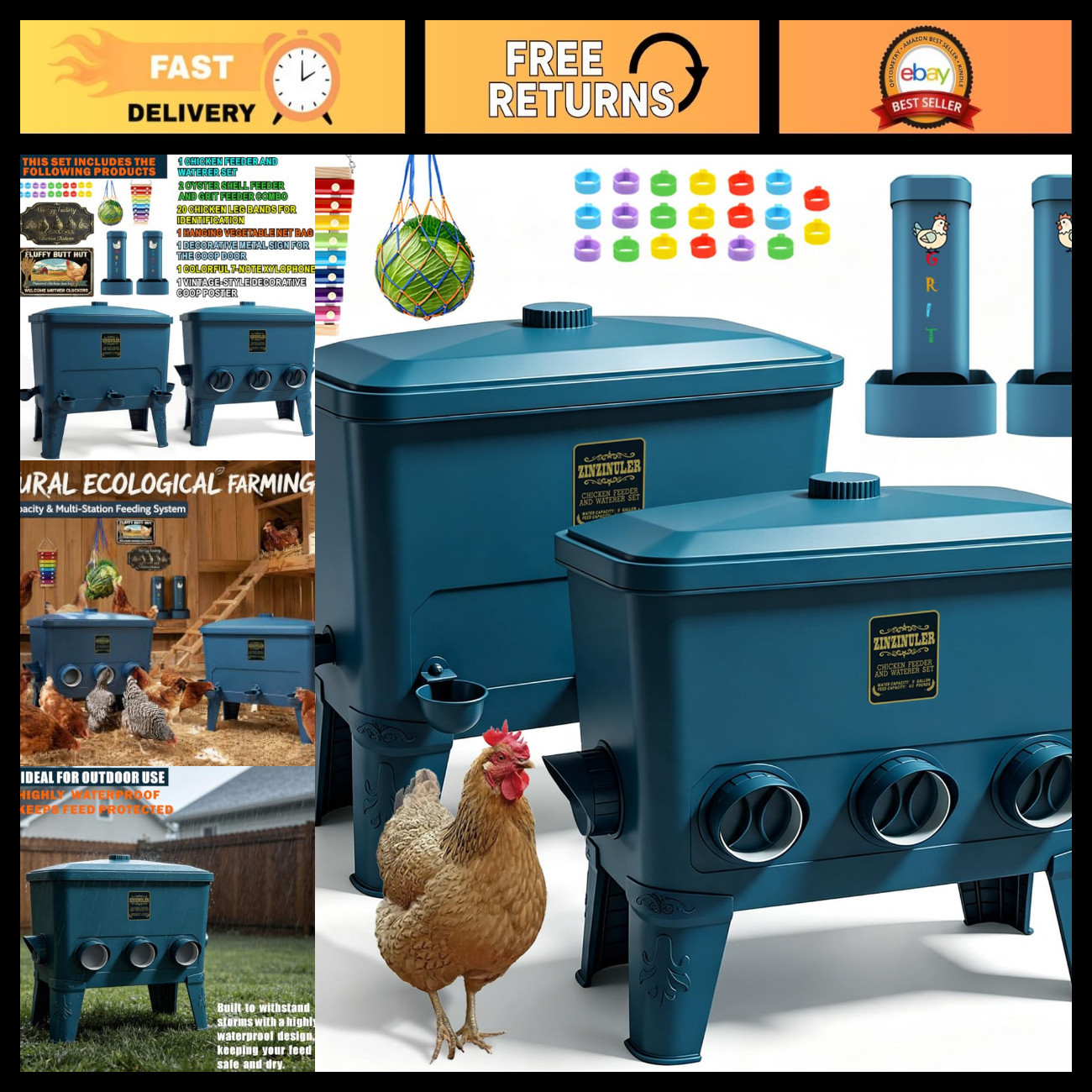
Automatic chicken feeders range from gravity bin-and-trough designs to ported treadle boxes that dispense feed on demand. The core trade-off is feed capacity and weather sealing versus rodent and pest resistance: simple gravity feeders are cheaper but invite rats and moisture, while treadle-lid and ported units cost more yet cut waste and contamination. Buy a treadle or covered gravity unit in galvanized steel or thick UV-stable plastic for flock-scale durability; skip thin open-bin plastic units for outdoor, rodent-prone setups.

Buying guide image
Raised Garden Beds & Planters

Outdoor Pot Planter

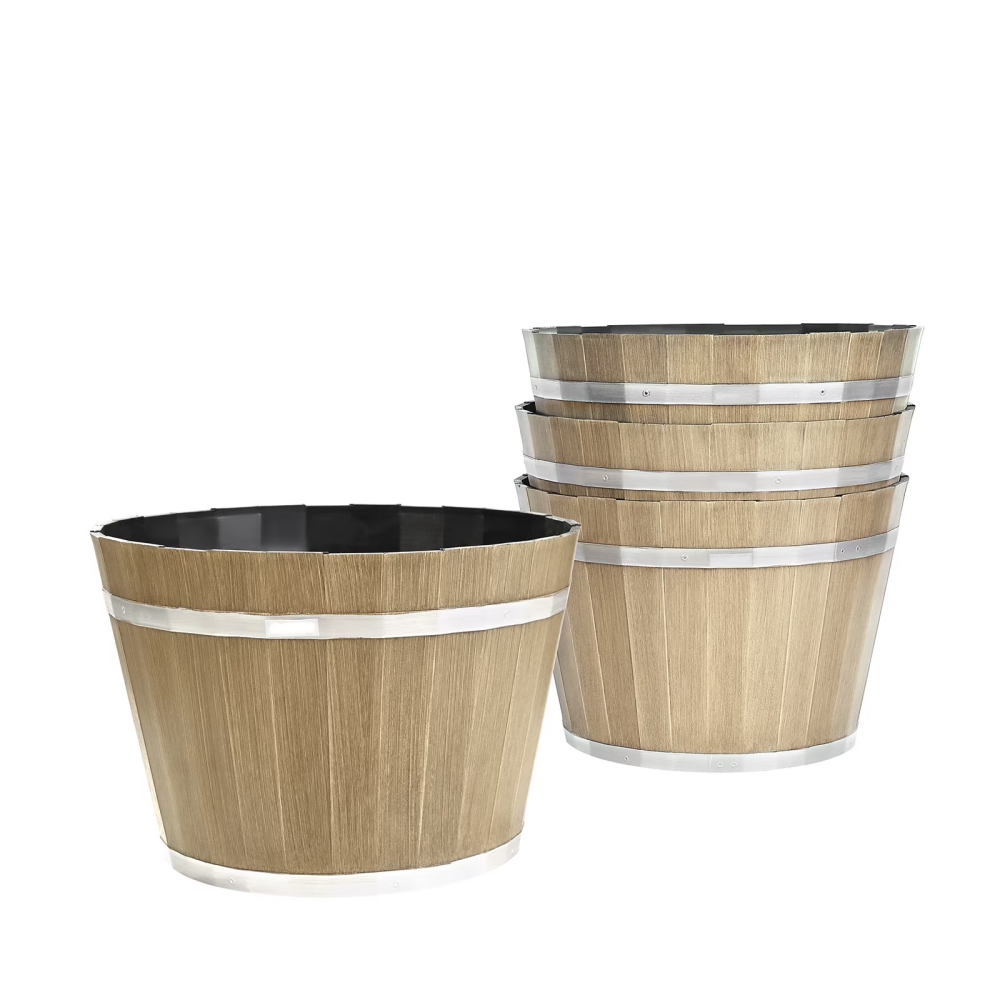
Outdoor pot planters are freestanding containers that hold soil and plants on porches, patios, decks, and balconies, distinct from in-ground raised beds. The core trade-off is weather durability versus weight and cost: plastic and resin resist rot and UV but can crack in hard freezes, while metal, fabric, and composite tiers trade lifespan and moisture control differently. The decision rule is simple: match material to your climate's freeze-thaw cycle and sun exposure, then size the pot to the plant's mature root volume with at least 1.5 inches of drainage clearance.

Buying guide image
Garden Tools

Weed Barrier

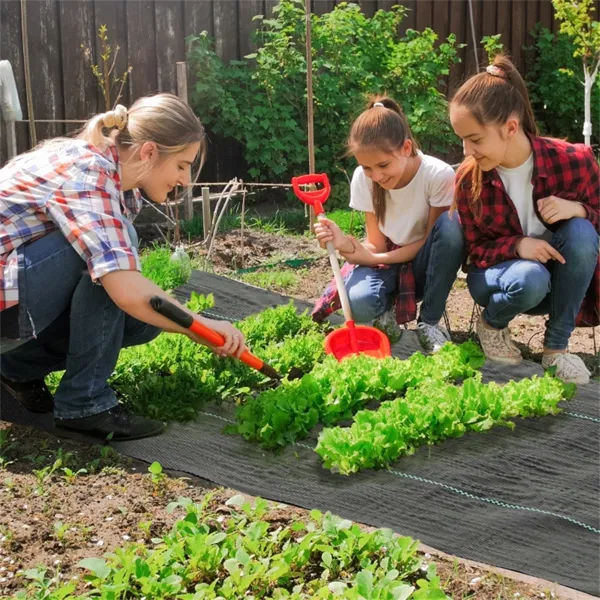
Weed barrier fabric is a geotextile ground cover that blocks sunlight to suppress weeds while allowing water and air to pass through, preventing soil erosion and reducing maintenance. The primary trade-off is between woven polypropylene (high strength, moderate permeability) and non-woven polypropylene or polyester (higher permeability, lower tensile strength), with weight (GSM/oz) and UV stabilization determining lifespan. Choose woven fabric at 3.2 oz or heavier for driveways and under gravel, and non-woven 4 oz or heavier for garden beds and drainage applications where water flow is critical.

Buying guide image
Outdoor Lighting & Decor

Outdoor Stake Light

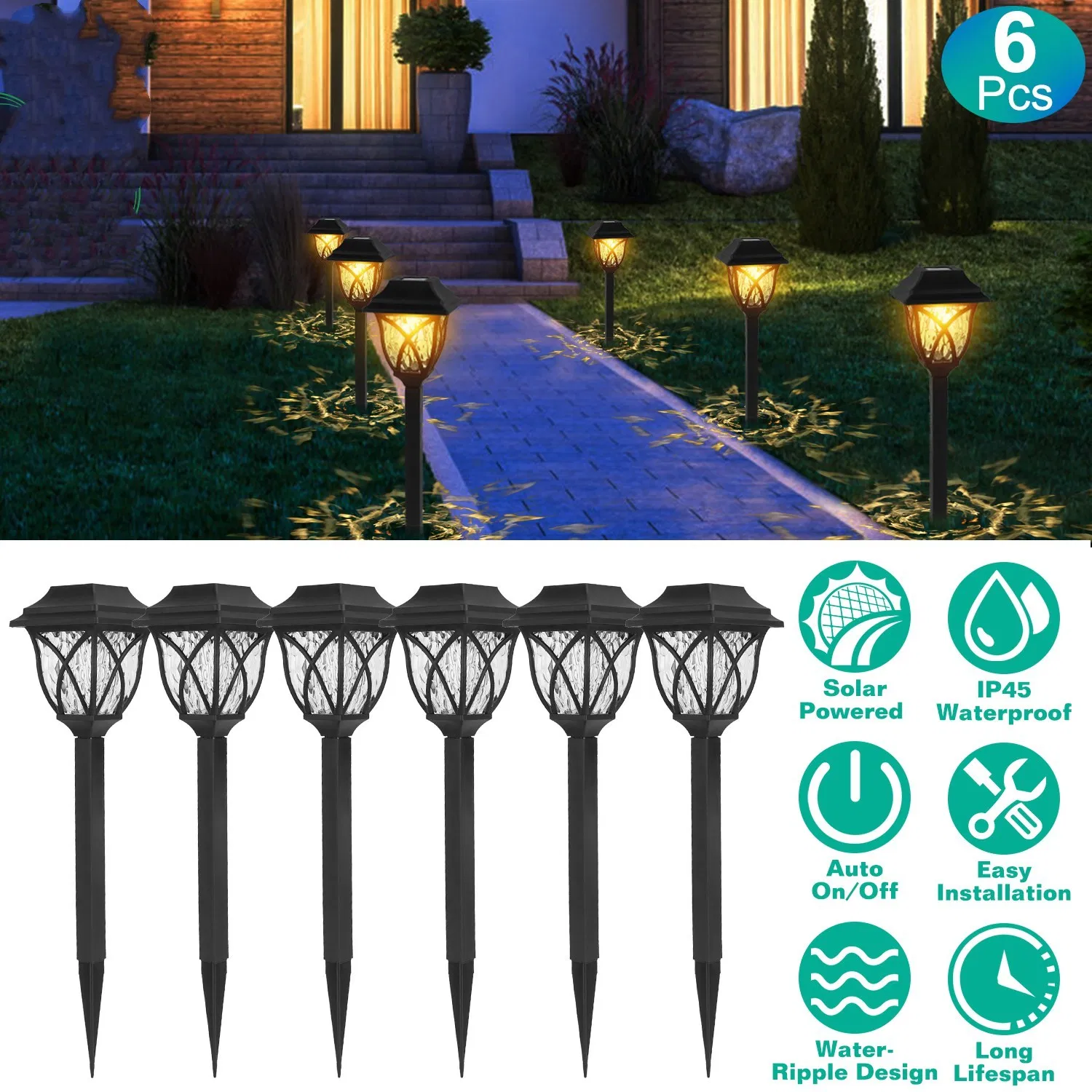
Outdoor stake lights are ground-inserted decorative or functional fixtures—solar, low-voltage, or battery—that line paths, beds, and yards. The core trade-off is waterproof rating and stake/material durability versus decorative novelty: IP65+ metal-staked fixtures survive seasons, while IP44 plastic novelties fade or crack within a year. Buy IP65 or higher with metal or thick ABS stakes for permanent landscaping; accept IP44 plastic only for seasonal holiday displays.

Buying guide image
Watering & Irrigation

Micro Sprinkler

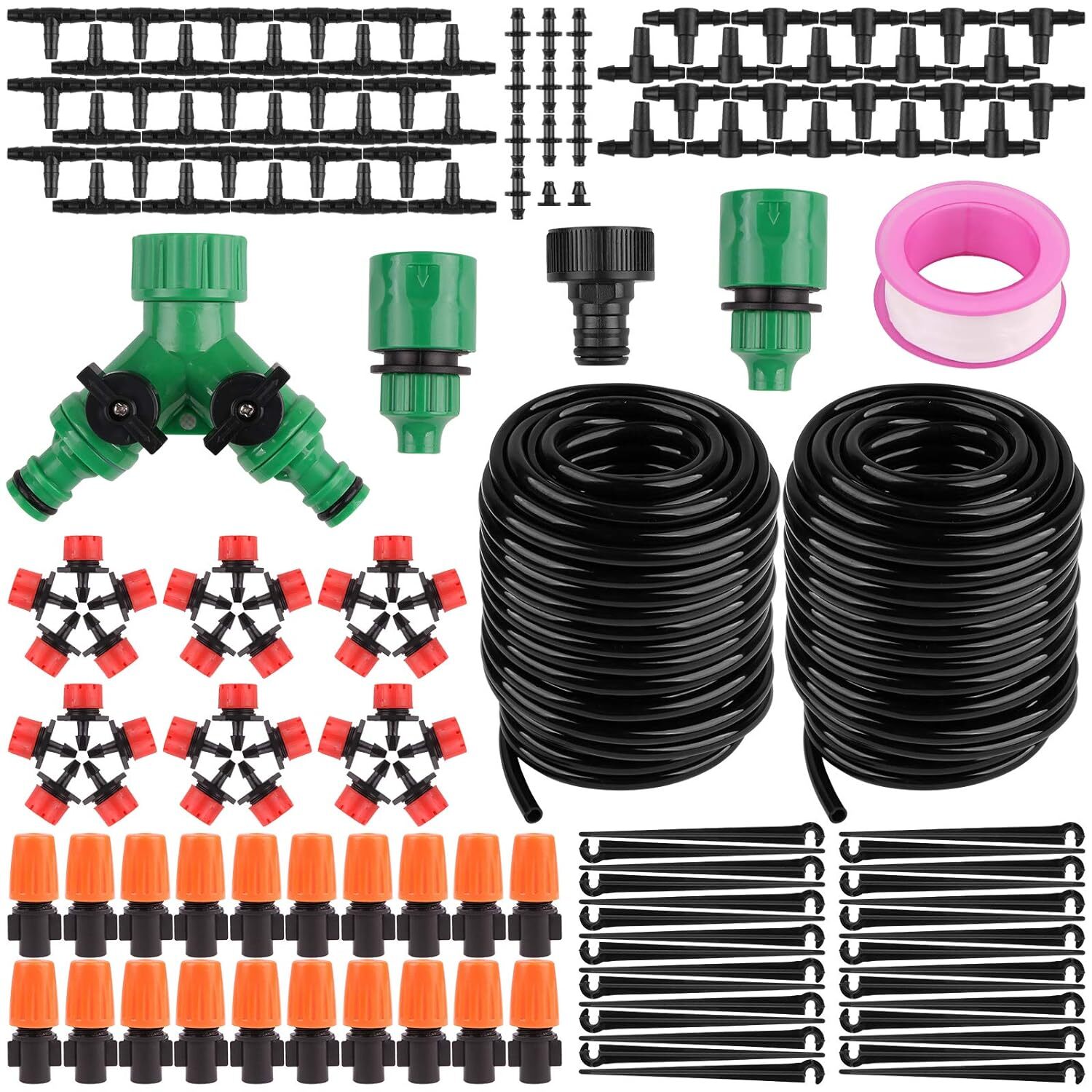
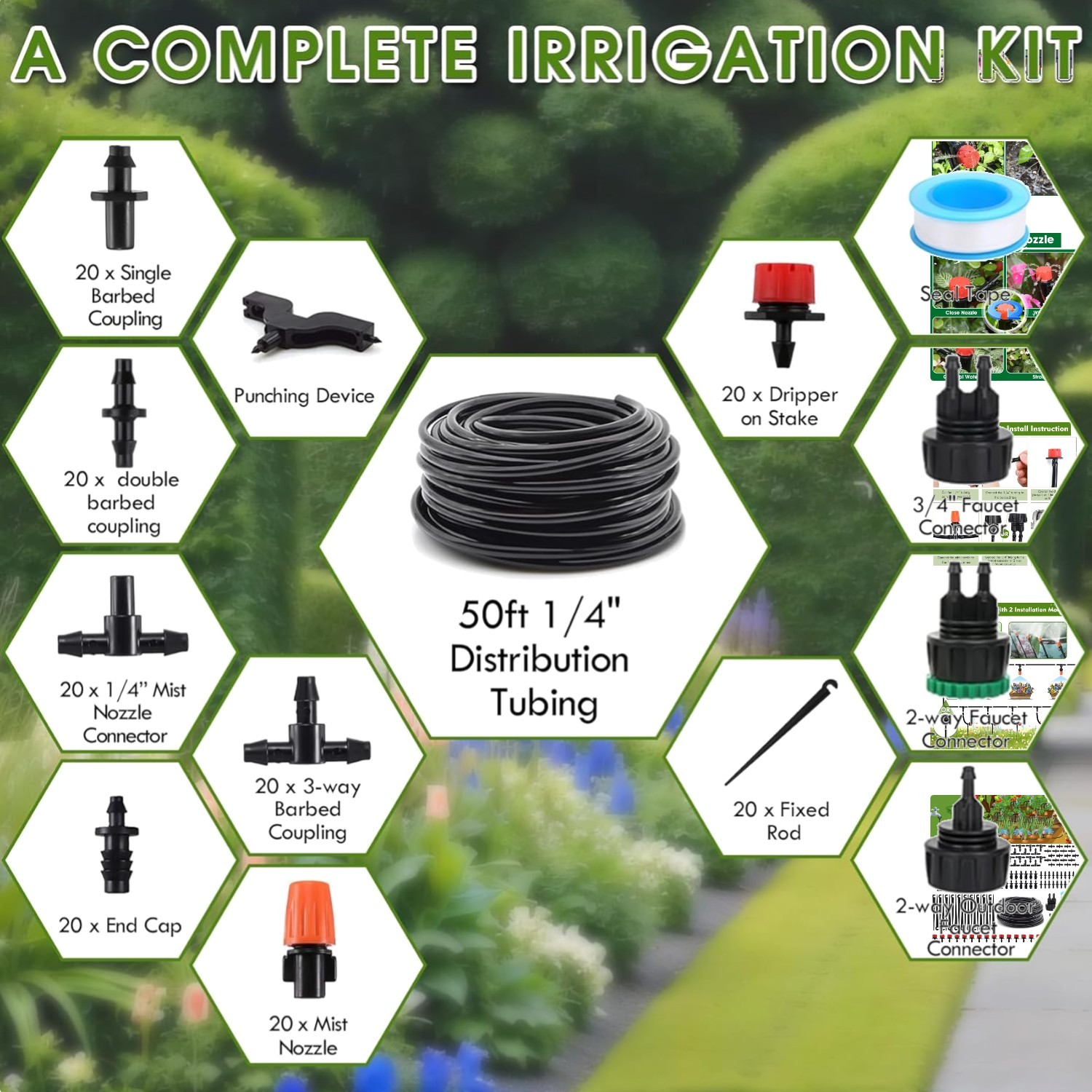
Micro sprinklers bridge the gap between drip emitters and full lawn sprinklers, delivering gentle, low-volume coverage for garden beds, greenhouses, and nursery rows. Most failures trace to mismatched tubing diameter, inadequate filtration, or a timer that cannot handle the pressure zone. Focus on emitter architecture, barb/thread standards, and pressure regulation rather than kit length alone.

Buying guide image
Outdoor Structures, Shade & Awnings

Heavy Duty Umbrella Base

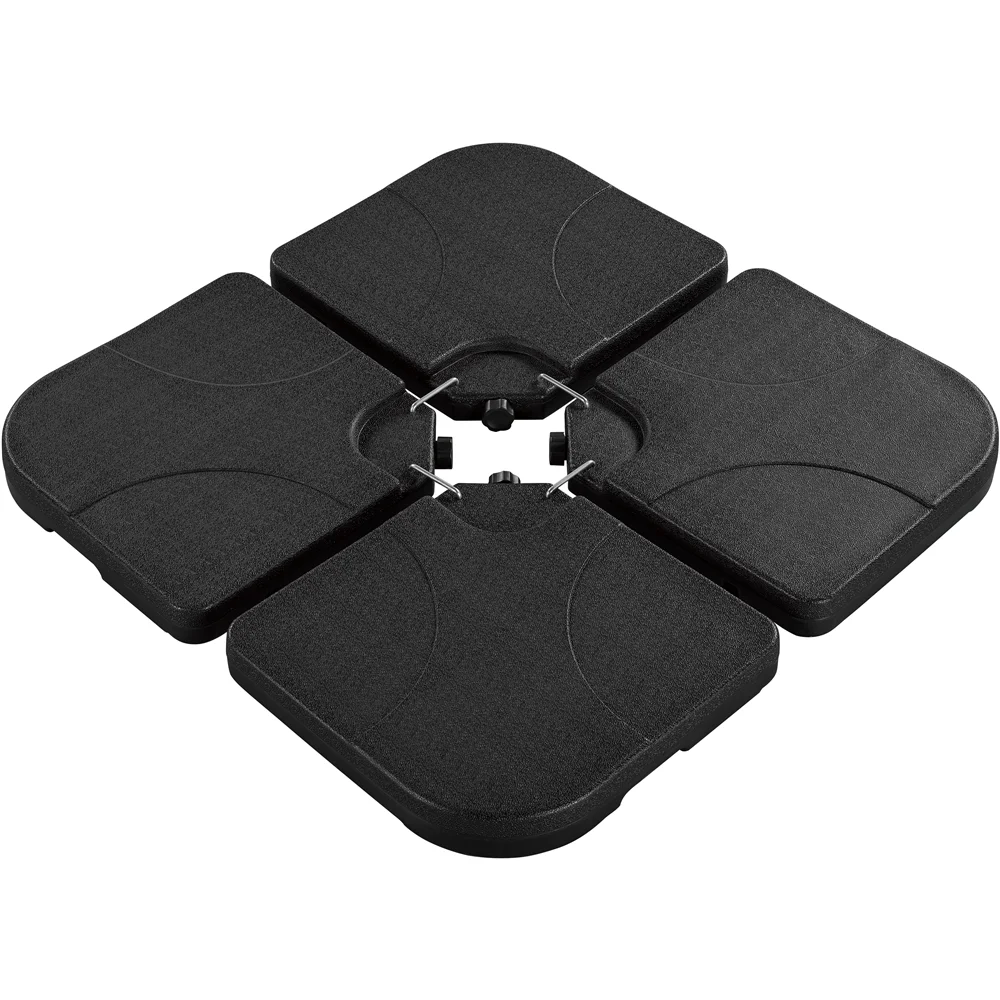
A heavy-duty umbrella base is the ballast system that keeps a patio umbrella upright against wind uplift, and the core trade-off is dead weight versus portability: cast-iron and steel plates are dense and stable but immovable, while fillable HDPE and fabric-wrap sand bags are light to ship and reposition but depend on correct fill volume. The decision rule is simple: match the base type to the umbrella architecture—cantilever/offset umbrellas need plate or cross-plate ballast at the arm's required weight, while center-pole market umbrellas use a single sleeve plate or a rolling fillable stand.

Buying guide image
Watering & Irrigation

Lawn Drip Irrigation

Lawn drip irrigation succeeds or fails on emitter spacing, pressure regulation, and tubing diameter—not on kit footage alone. Most buyers overestimate how far 1/4" micro-tubing can carry water and underestimate how much a pressure regulator and filter matter for even coverage. Size the kit to your zone count and row length first, then choose emitter type and timer tier.

Buying guide image
Watering & Irrigation

Micro Irrigation

Micro irrigation delivers water directly to root zones through 1/4-inch tubing, emitters, and micro-sprinklers, cutting waste versus overhead watering. Buyers commonly mismatch kit tubing length to bed layout or pick emitters without checking pressure and flow requirements. Getting the tube diameter, emitter type, and timer connection right matters more than kit piece count.

Buying guide image
Chicken Feeders & Waterers

Automatic Chicken Feeder With Timer

Automatic chicken feeders with timers range from simple battery-powered auger or port-door units to gravity hoppers retrofitted with timed release gates; the core trade-off is clock reliability and feed-throughput accuracy versus capacity and weather sealing. Buyers should separate true timed-release mechanisms (motorized auger, solenoid port gate, or programmable hopper gate) from basic gravity feeders marketed as 'automatic' because they only refill by gravity and have no timer. The decision rule: a real timer feeder must specify a battery-backed clock, a feed-rate or run-time setting, and a motor/actuator rated for outdoor duty — anything less is a gravity feeder with a lid.

You may also like

Finding more guides for you…