
Photos from current listings. Actual item, color, and included accessories may vary.
Weed Barrier Buying Guide
Weed barrier fabric is a geotextile ground cover that blocks sunlight to suppress weeds while allowing water and air to pass through, preventing soil erosion and reducing maintenance. The primary trade-off is between woven polypropylene (high strength, moderate permeability) and non-woven polypropylene or polyester (higher permeability, lower tensile strength), with weight (GSM/oz) and UV stabilization determining lifespan. Choose woven fabric at 3.2 oz or heavier for driveways and under gravel, and non-woven 4 oz or heavier for garden beds and drainage applications where water flow is critical.
Median $99.99
Key takeaways
- Woven PP fabric at 3.2 oz (approx 110 GSM) offers tensile strength around 100-150 lb/in, suitable for under gravel and driveway stabilization.
- Non-woven geotextile at 4 oz (approx 140 GSM) provides higher water flow rates (50-100 gpm/ft²) and is preferred for French drains and garden beds.
- UV stabilization rating determines lifespan: standard fabric lasts 1-3 years in direct sun, UV-treated versions last 5-10 years when covered by mulch or gravel.
At a glance
- Category
- Garden Tools
- Last updated
- Nov 28, 2026
Current offers
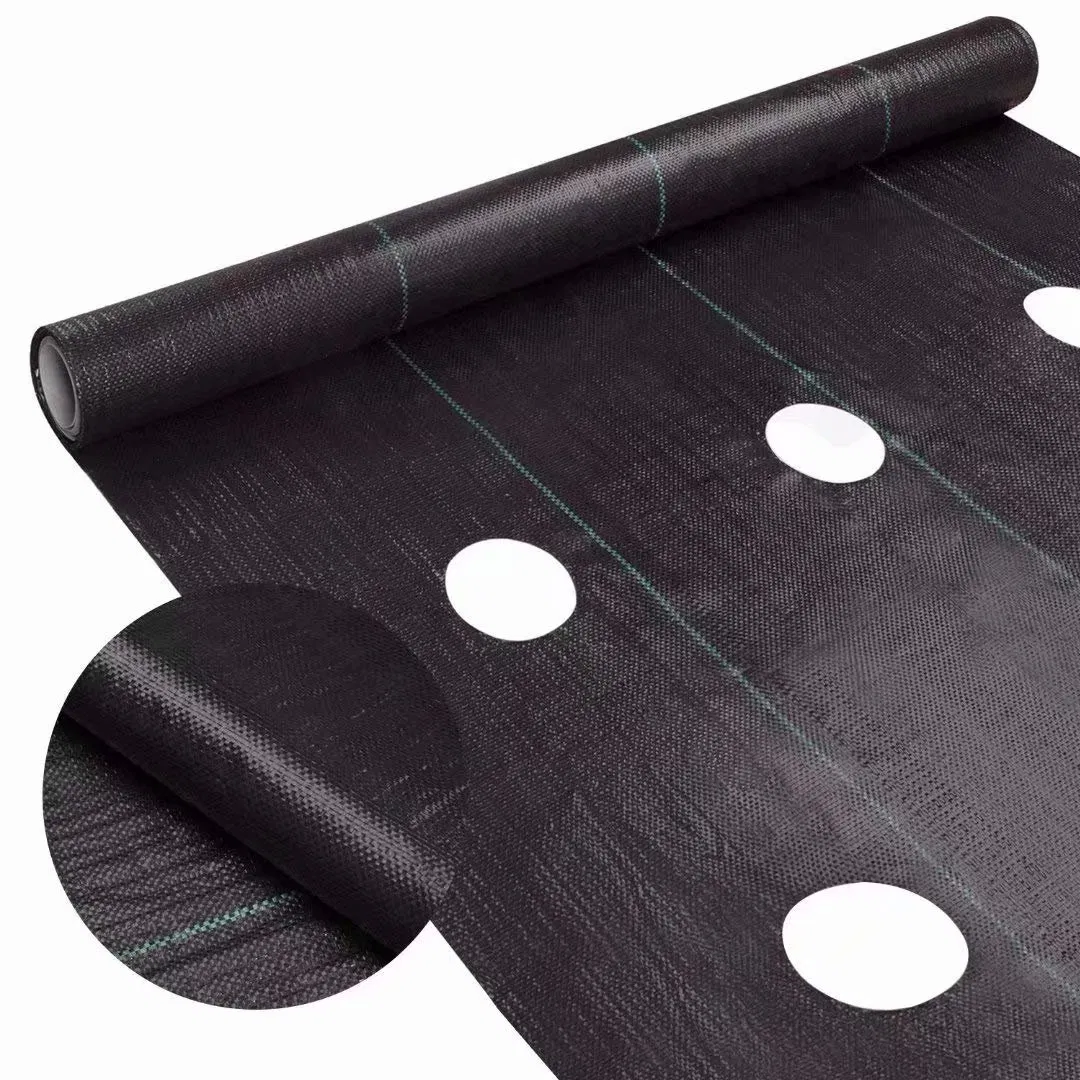 3 ft. x 12 ft. Easy-Plant Weed Block Mulch Barrier Fabric with Planting Hole 6 in. Dia, 2.9 oz.$18.99View on Mallflare
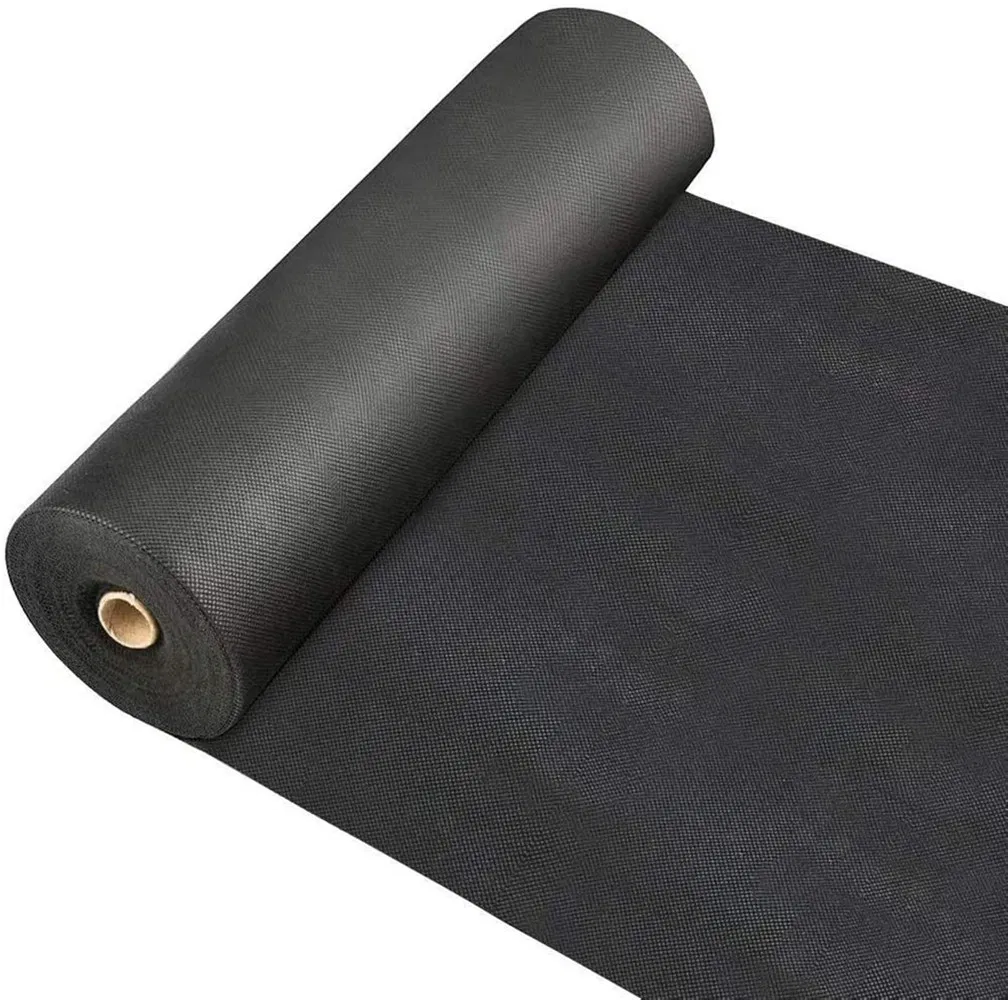 2.3 oz. Non-woven Fabric Weed Barrier Landscape$23.99View on Mallflare
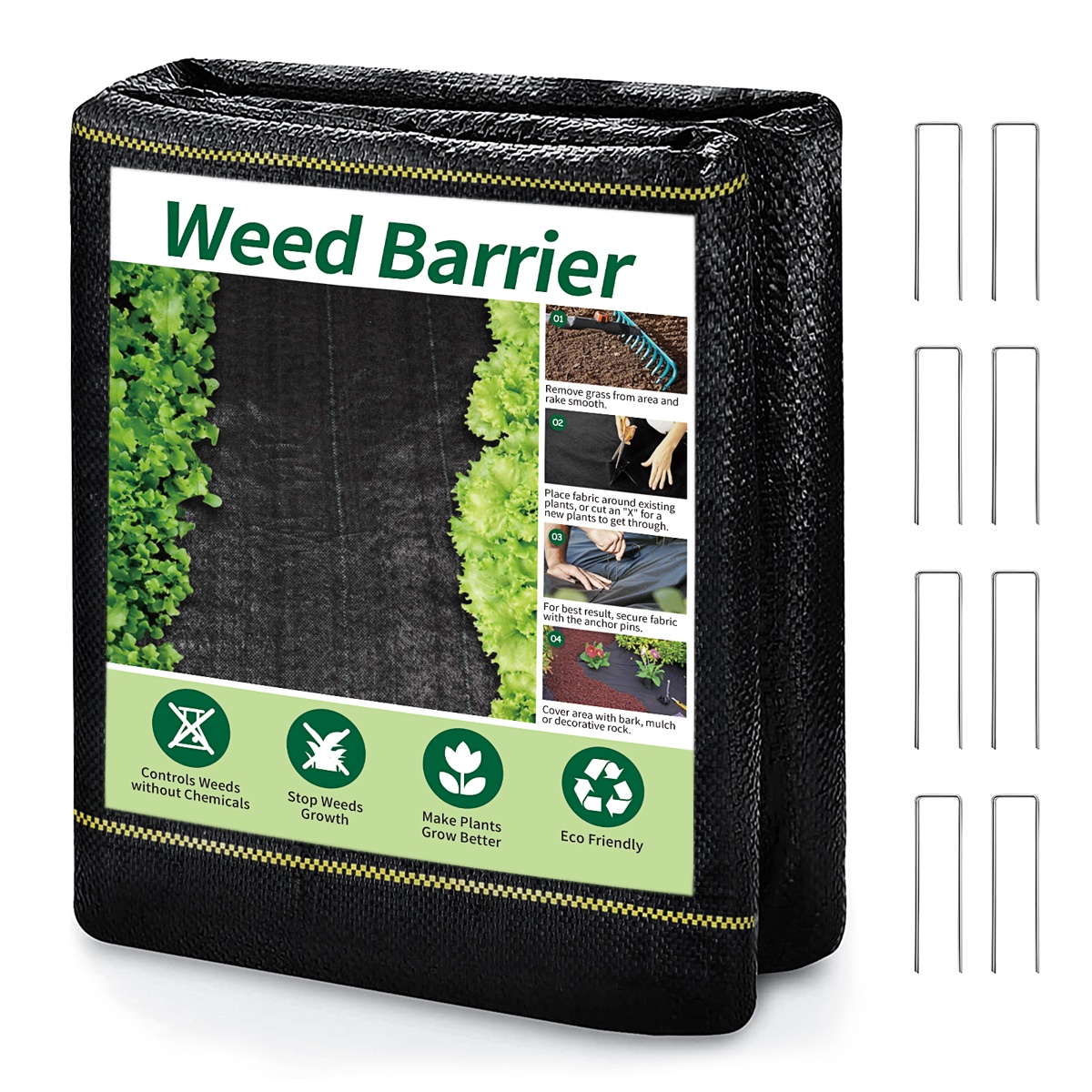 XISHAN 4'X50' Black HDPE 70 Gram Weed Barrier Fabric$50.99View on Mallflare
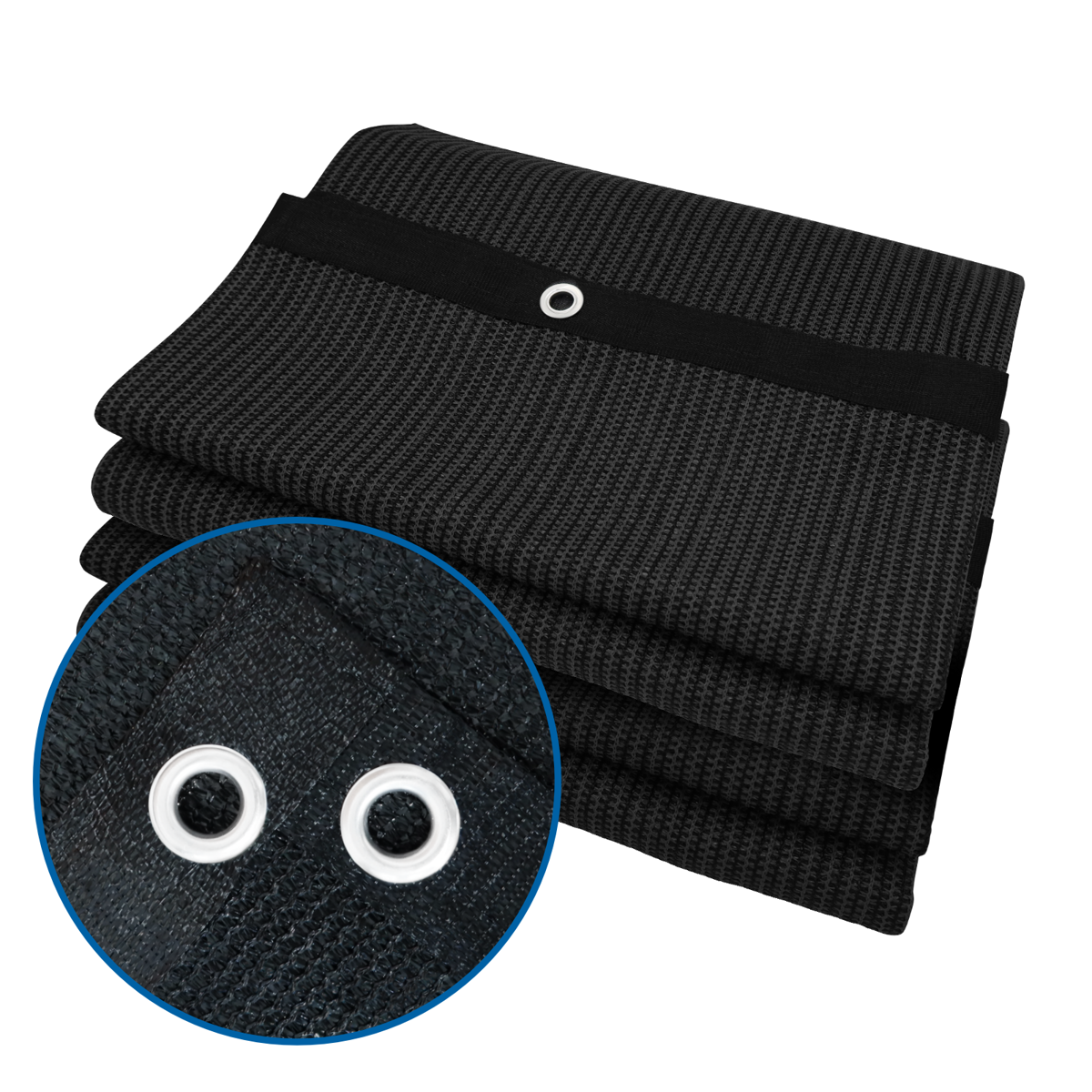 XISHAN Black Weed Control Fabric, HDPE$52.99View on Mallflare
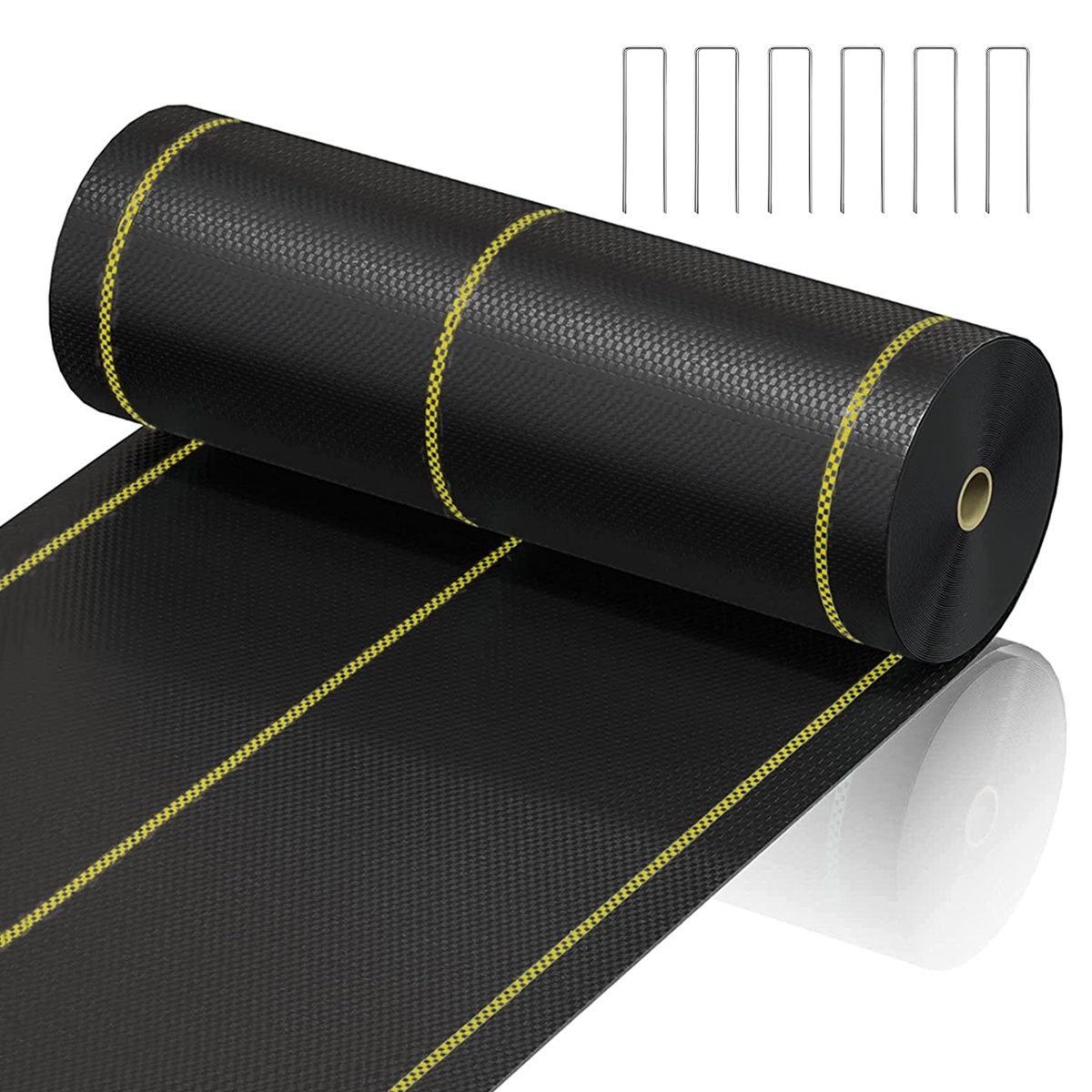 XISHAN Black Weed Control Fabric,70g HDPE$58.99View on Mallflare
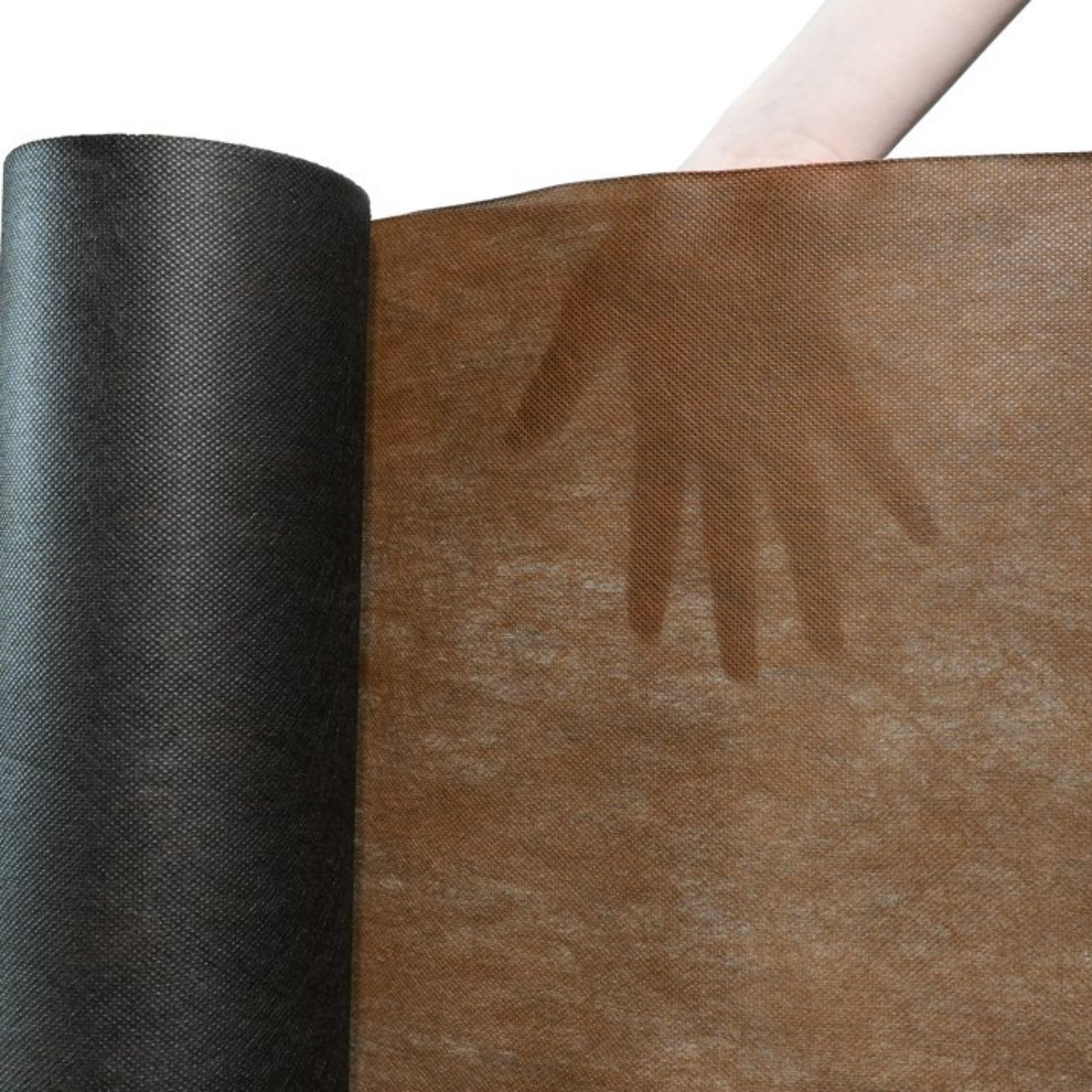 3' x 150' Professional Weed Barrier Fabric, Dual Color, Enhanced UV Protection$71.99View on Mallflare
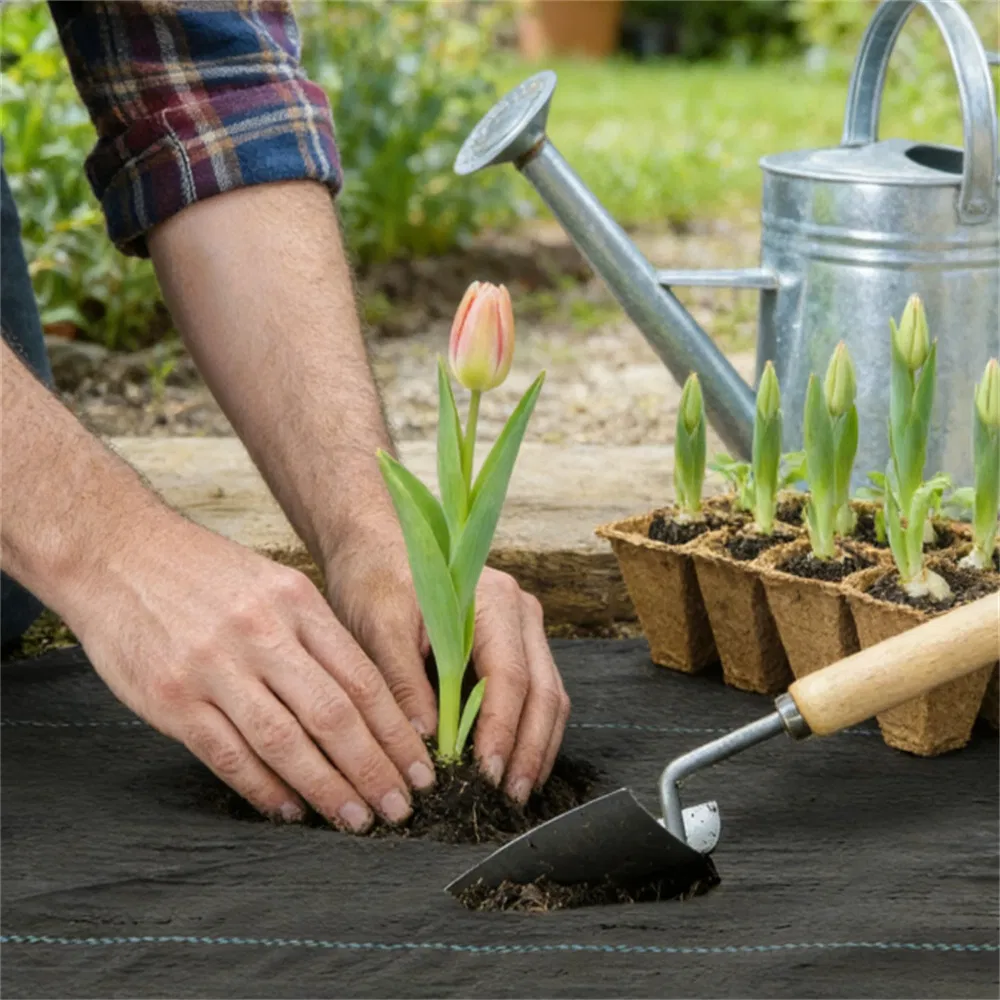 Weed Barrier Landscape Fabric$93.99View on Mallflare
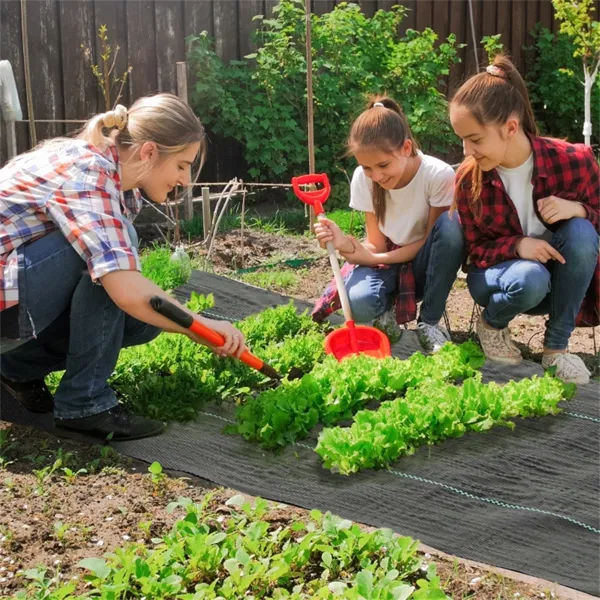 Weed Barrier$99.99View on Mallflare
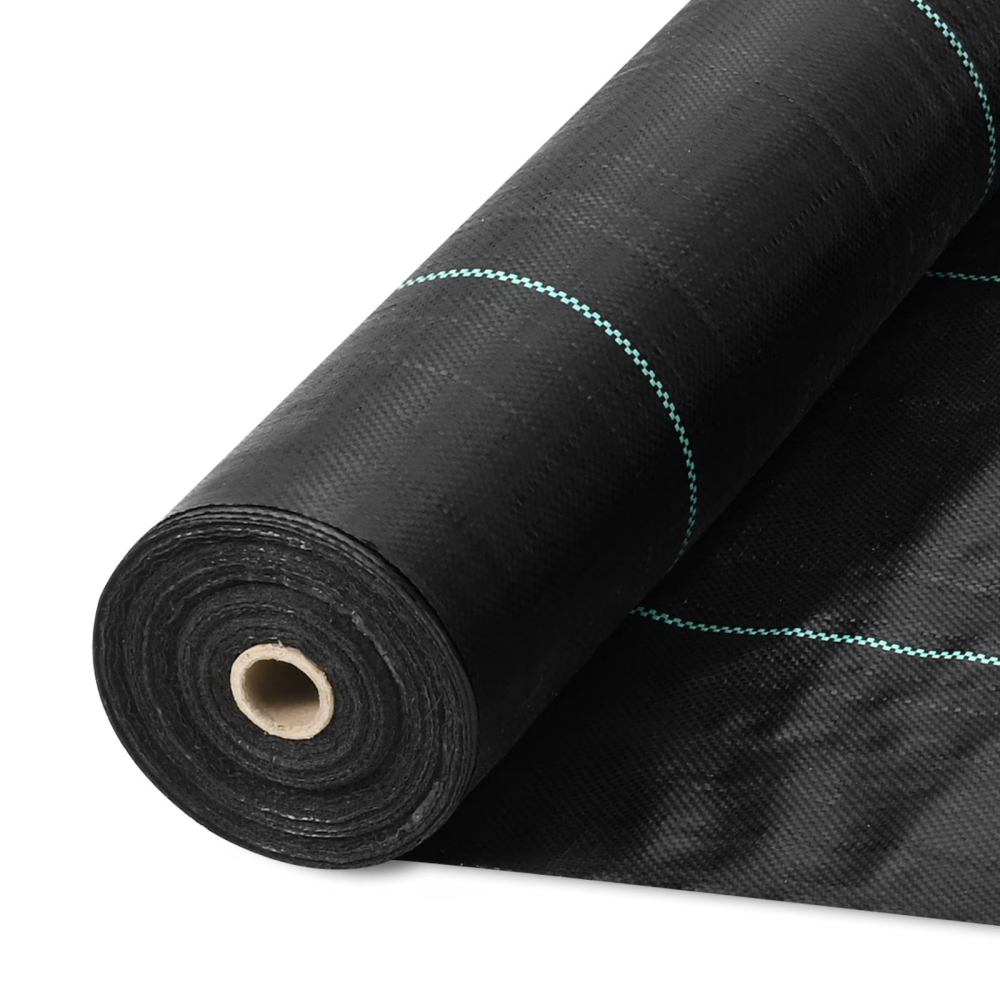 3.2OZ Woven Weed Barrier Landscape Fabric 6 x 100FT, High Permeability Control Mat with Green Guide Lines, Heavy Duty Garden Ground Cover for Flower Bed Driveway Agriculture$99.99View on Mallflare
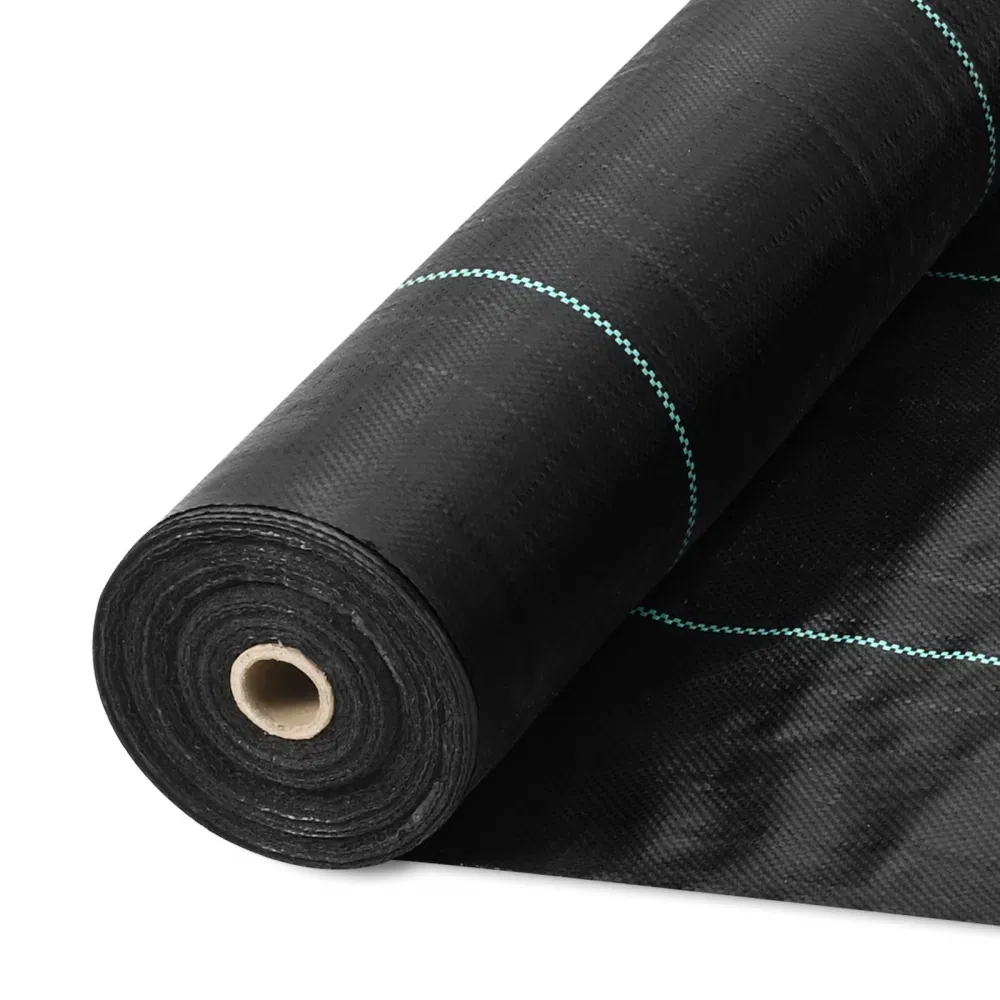 3.2OZ Woven Weed Barrier Landscape Fabric 6 x 100FT, High Permeability Control Mat with Green Guide Lines, Heavy DutyGardenGround Cover for Flower Bed Driveway Agriculture$104.99View on Mallflare
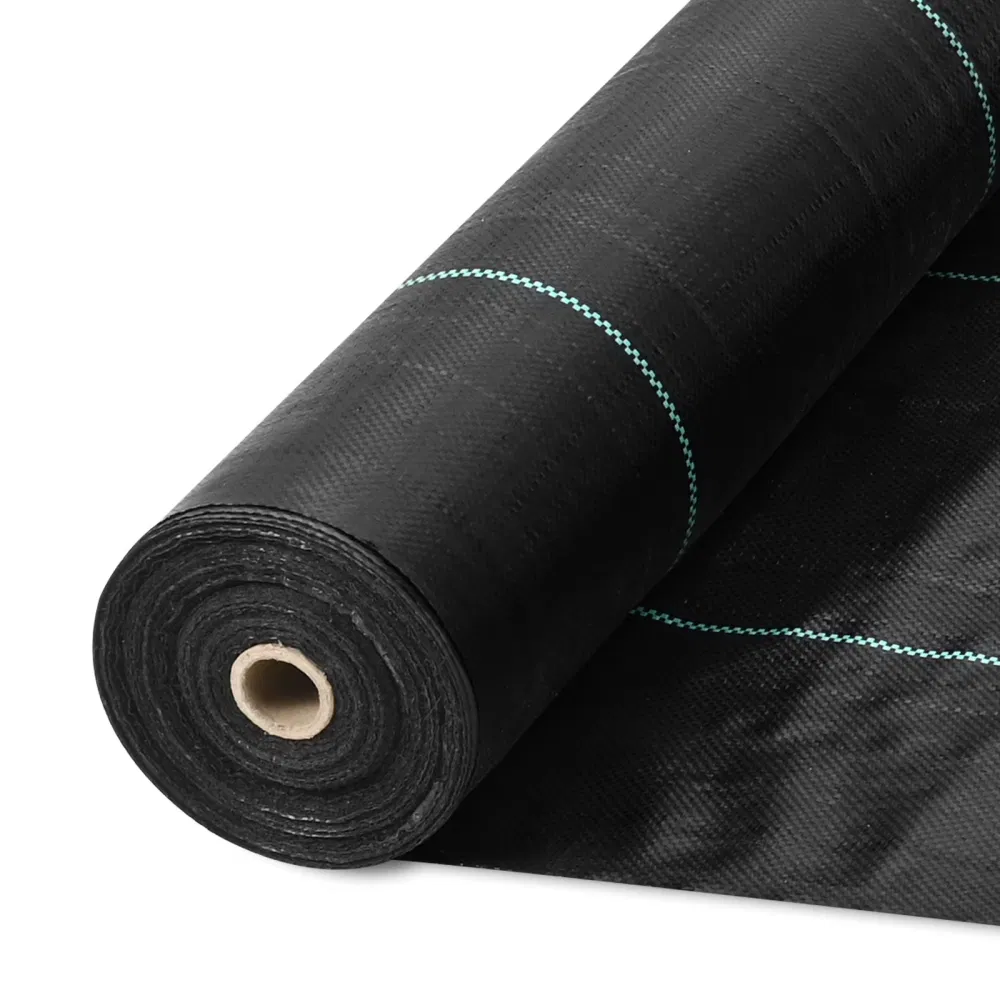 Weed Barrier Landscape Fabric 6x100ft, 3.2oz Heavy Duty Woven PP Geotextile Control Mat, High Permeability for Flower Beds and Gardens, Black$106.99View on Mallflare
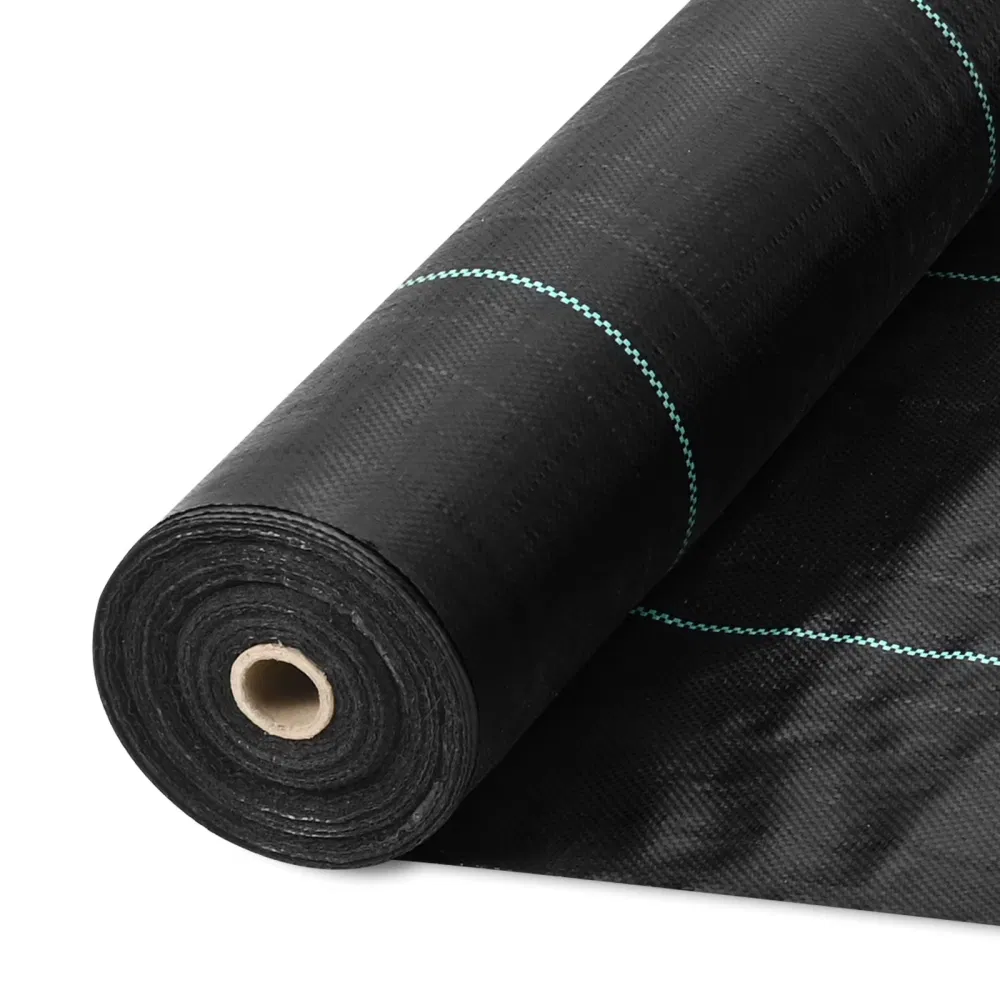 Weed Barrier Landscape Fabric 4x300ft, 3.2oz Heavy Duty Woven PP Geotextile Control Mat, High Permeability for Flower Beds and Gardens, Black$111.99View on Mallflare
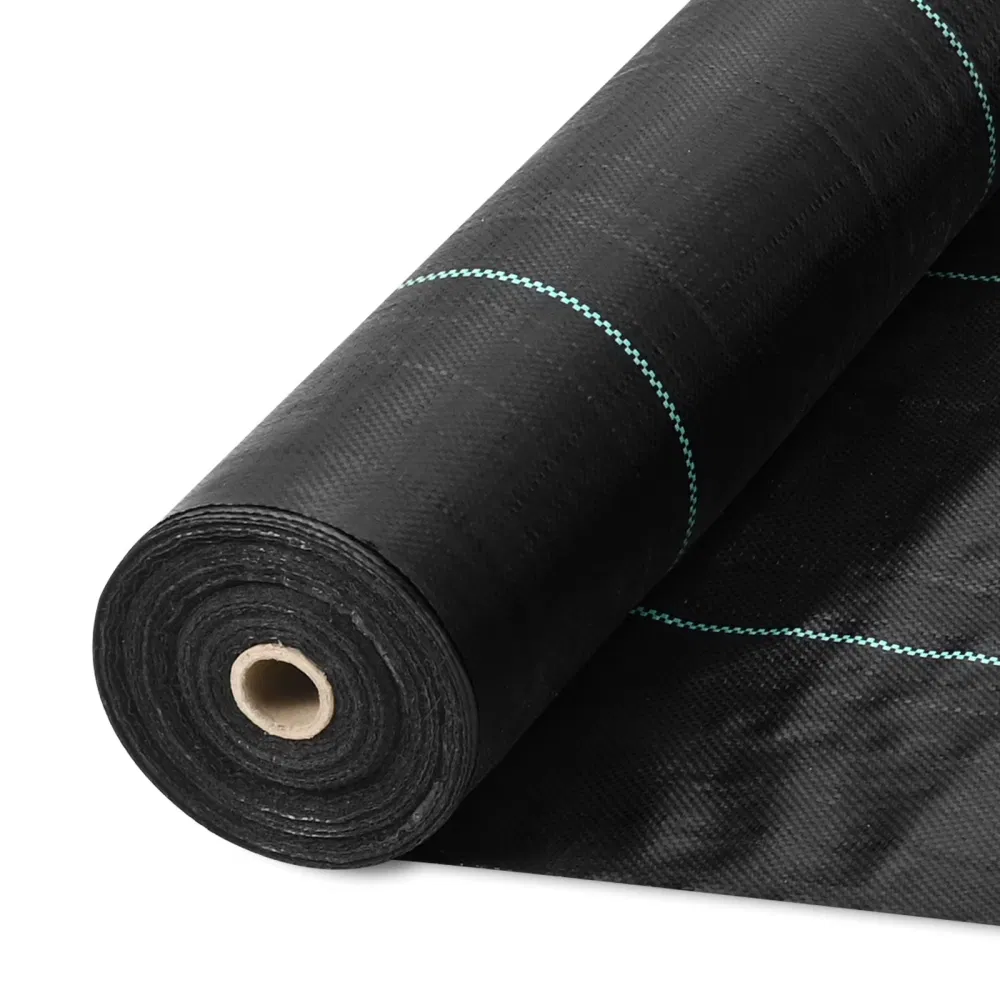 4 x 300 ft Weed Barrier Landscape Material, 3.2 oz Woven Geotextile Fabric Beneath Gravel, Garden Restriction Mat, Driveway$114.99View on Mallflare
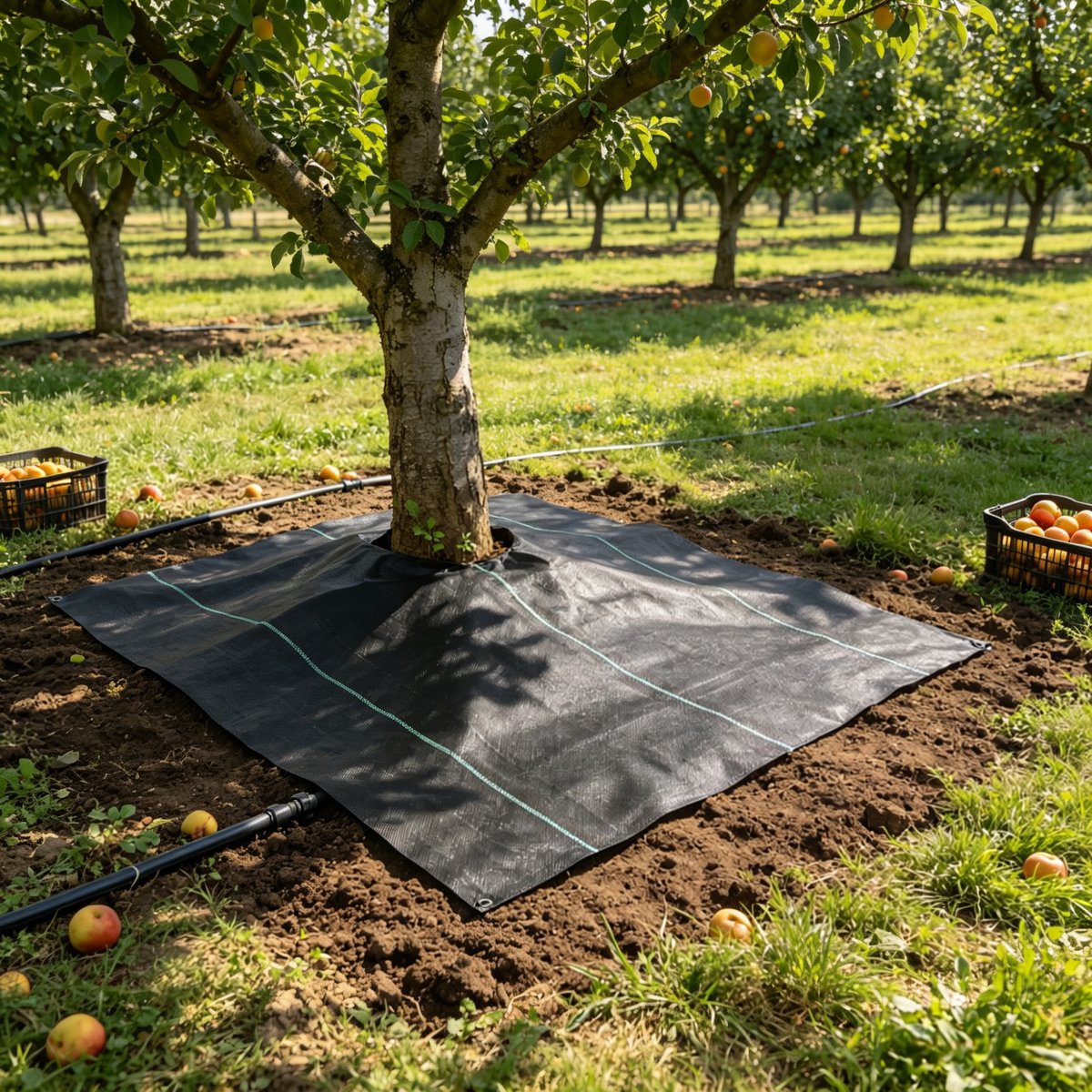 4FT x 300FT Weed Barrier Landscape Fabric, High Permeability Mat for Garden & Driveway$119.99View on Mallflare
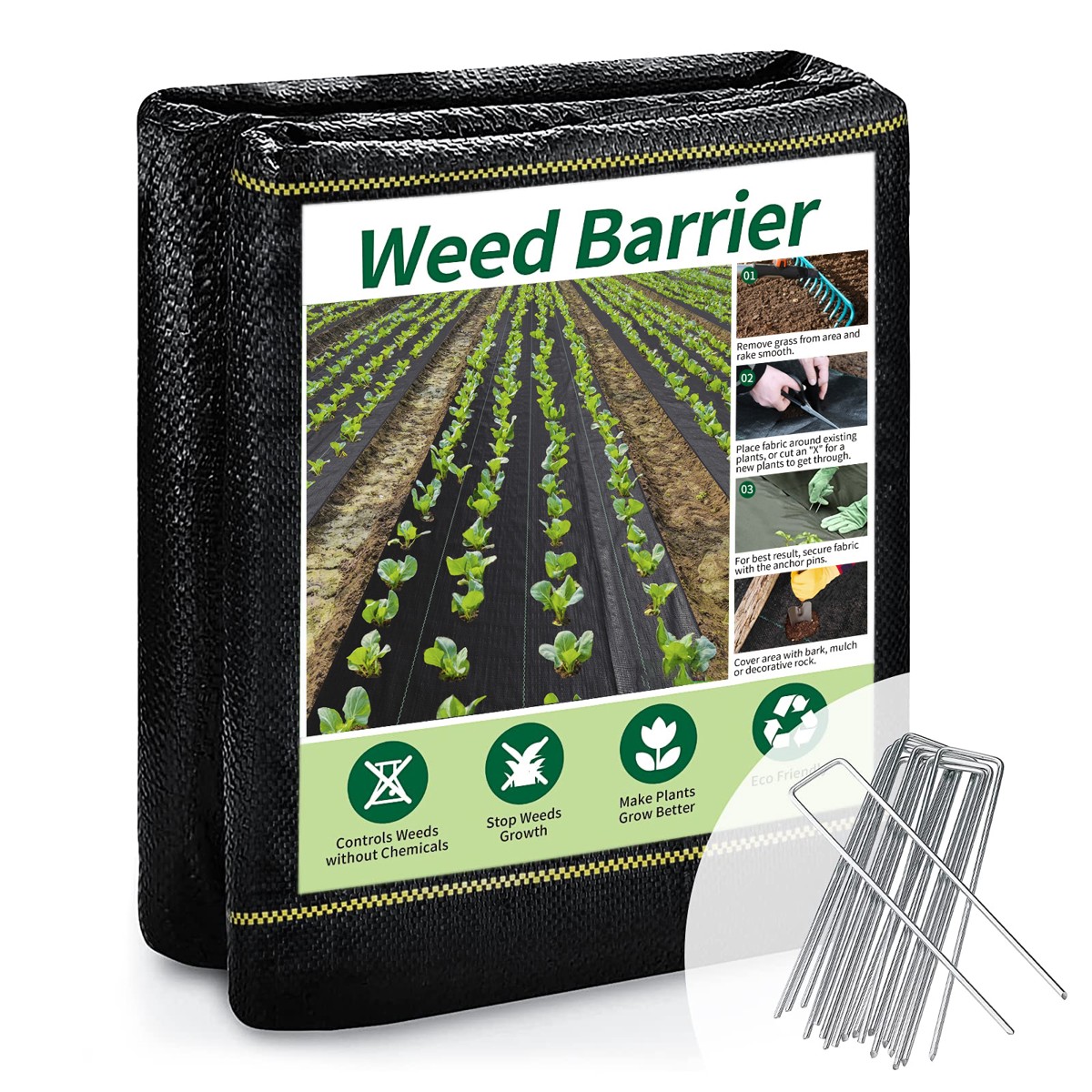 XISHAN Black Weed Control Fabric, 90g HDPE$126.99View on Mallflare
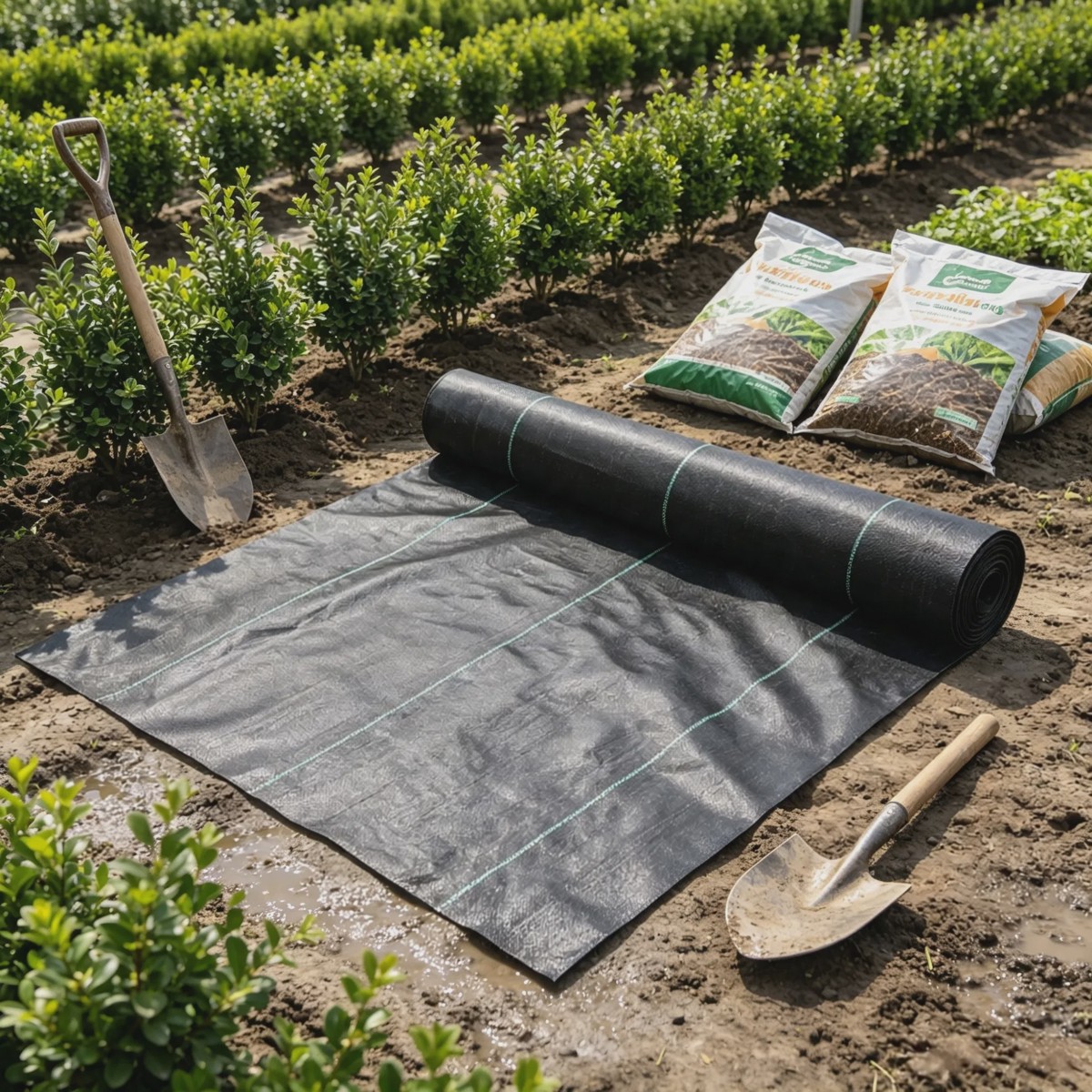 13FT x 108FT Heavy Duty Weed Barrier Fabric$170.99View on Mallflare
Highlights
- Woven PP fabric at 3.2 oz (approx 110 GSM) offers tensile strength around 100-150 lb/in, suitable for under gravel and driveway stabilization.
- Non-woven geotextile at 4 oz (approx 140 GSM) provides higher water flow rates (50-100 gpm/ft²) and is preferred for French drains and garden beds.
- UV stabilization rating determines lifespan: standard fabric lasts 1-3 years in direct sun, UV-treated versions last 5-10 years when covered by mulch or gravel.
- Fabric width (3 ft, 4 ft, 6 ft) and roll length (100 ft, 300 ft) dictate coverage; overlap seams by 6-12 inches to prevent weed breakthrough.
Best use cases
- For vegetable gardens: choose non-woven 4 oz or heavier fabric to allow water and nutrient penetration; avoid woven fabric that can restrict air exchange and damage soil biology.
- For driveways and under gravel: select woven 3.2 oz or heavier with high tensile strength to resist puncturing and shifting under vehicle loads.
- For flower beds and landscaping: use 3.2 oz woven or 4 oz non-woven with UV treatment, covered by 2-3 inches of mulch for long-term weed control.
- Skip thin 1-2 oz fabrics for any permanent application; they tear easily and degrade within one season, leading to weed regrowth.
Buying tips
- Calculate coverage: multiply bed length by width in feet, then add 10% for overlaps and seams. A 3x100 ft roll covers 300 sq ft, enough for a 10x30 ft bed.
- Match fabric weight to use: 3.2 oz woven for high-traffic areas, 4 oz non-woven for drainage and garden beds, and avoid anything below 2.5 oz for permanent installations.
- Ensure UV stabilization is specified for exposed edges or areas not fully covered; untreated fabric degrades within 12-18 months in sunlight.
- For French drains, use non-woven 4 oz or heavier with a flow rate above 50 gpm/ft² to prevent clogging while filtering soil.
Specs
| Material | Woven PP / Non-woven PP or polyester |
|---|---|
| Fabric Weight | 3.2 oz woven / 4 oz non-woven |
| UV Resistance | UV-treated (5-10 yr) vs untreated (1-3 yr) |
| Roll Dimensions | 3-6 ft wide x 100-300 ft long |
Related searches
What to check before buying
- Measure the total area length and width in feet, including overlaps; confirm roll dimensions provide at least 10% extra material.
- Check soil type and drainage: clay soils benefit from non-woven fabric with higher permeability; sandy soils can use woven fabric.
- Verify UV resistance rating if fabric will be exposed to sunlight for more than 6 months; choose UV-treated fabric with a lifespan of 5+ years.
- Plan for anchoring: landscape staples every 12-18 inches along edges and seams are required to prevent wind uplift and shifting.
FAQ
Data sources: eBay / Amazon listings and product attribute feeds. Updated Nov 28, 2026.
Some links on this page are affiliate links. If you buy after clicking one, we may earn a commission at no extra cost to you. This does not change which products appear here or their order. Affiliate disclosure.