
Photos from current listings. Actual item, color, and included accessories may vary.
Hive Box Buying Guide
A hive box is the modular wooden or plastic brood/super chamber that forms the stackable core of a Langstroth, flow-style, or auto-harvest beehive. The primary trade-off is frame capacity and box depth (deep brood vs medium super) against wood grade, coating durability, and harvest mechanism, which together determine colony management flexibility. Buy standard 8- or 10-frame Langstroth boxes in cedar or pine with beeswax coating for durability; treat thin painted boxes and novelty auto-harvest frames as seasonal compromises.
Median $201.79 · New listings
Key takeaways
- Standard Langstroth boxes come in 8-frame and 10-frame widths; 10-frame boxes dominate US apiaries for brood capacity, while 8-frame boxes suit smaller yards and easier lifting.
- Box depth determines frame size: deep (9-5/8 in) for brood, medium (6-5/8 in) and shallow (5-11/16 in) for honey supers; frames and foundations are not interchangeable between depths.
- Cedar and beeswax-coated pine resist rot and moisture; thin painted or uncoated softwood boxes degrade faster in humid climates and require re-coating every few seasons.
At a glance
- Category
- Beehives & Frames
- Last updated
- Nov 27, 2026
Current offers
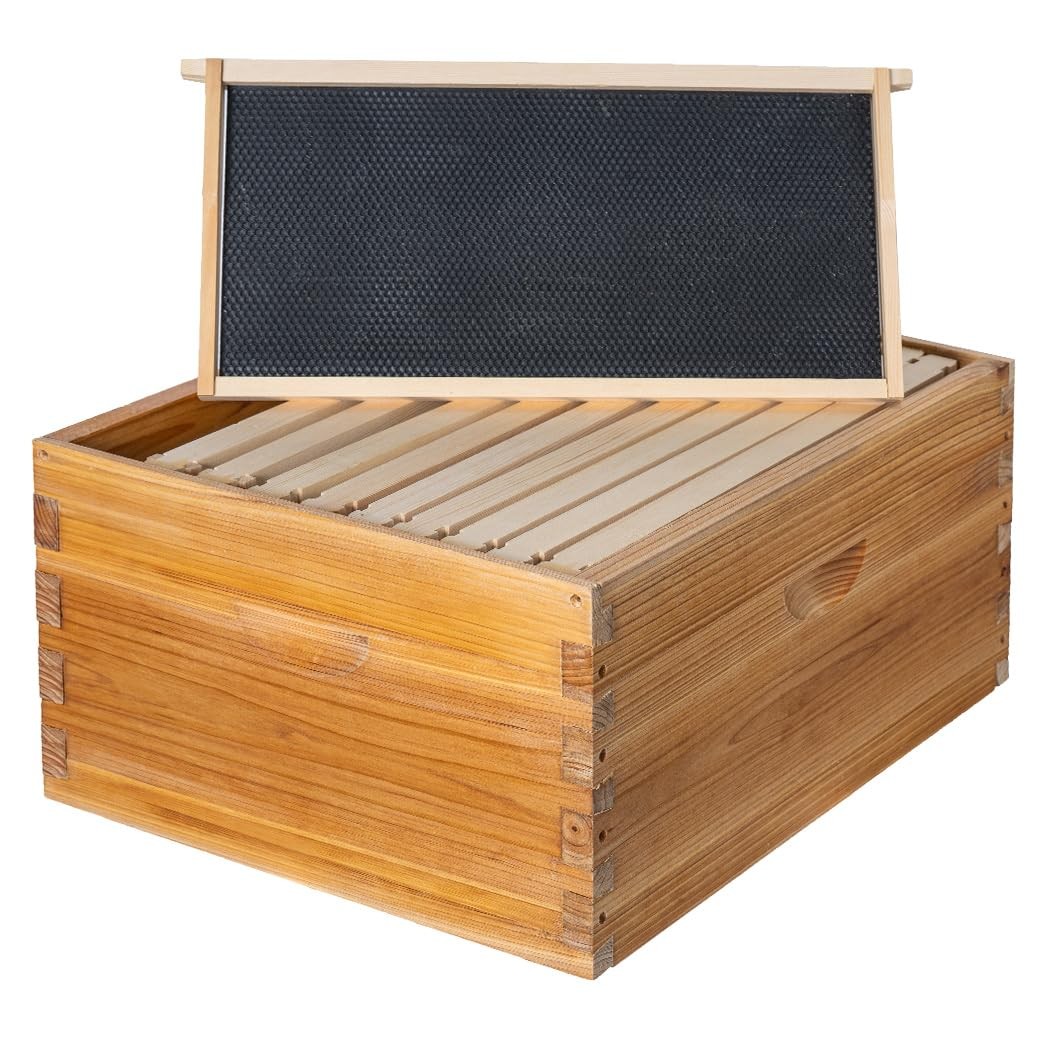 Beeswax Dipped Langstroth Bee Hive Box 10 Frame Deep Brood Beehive Equipment$75.56View on eBay
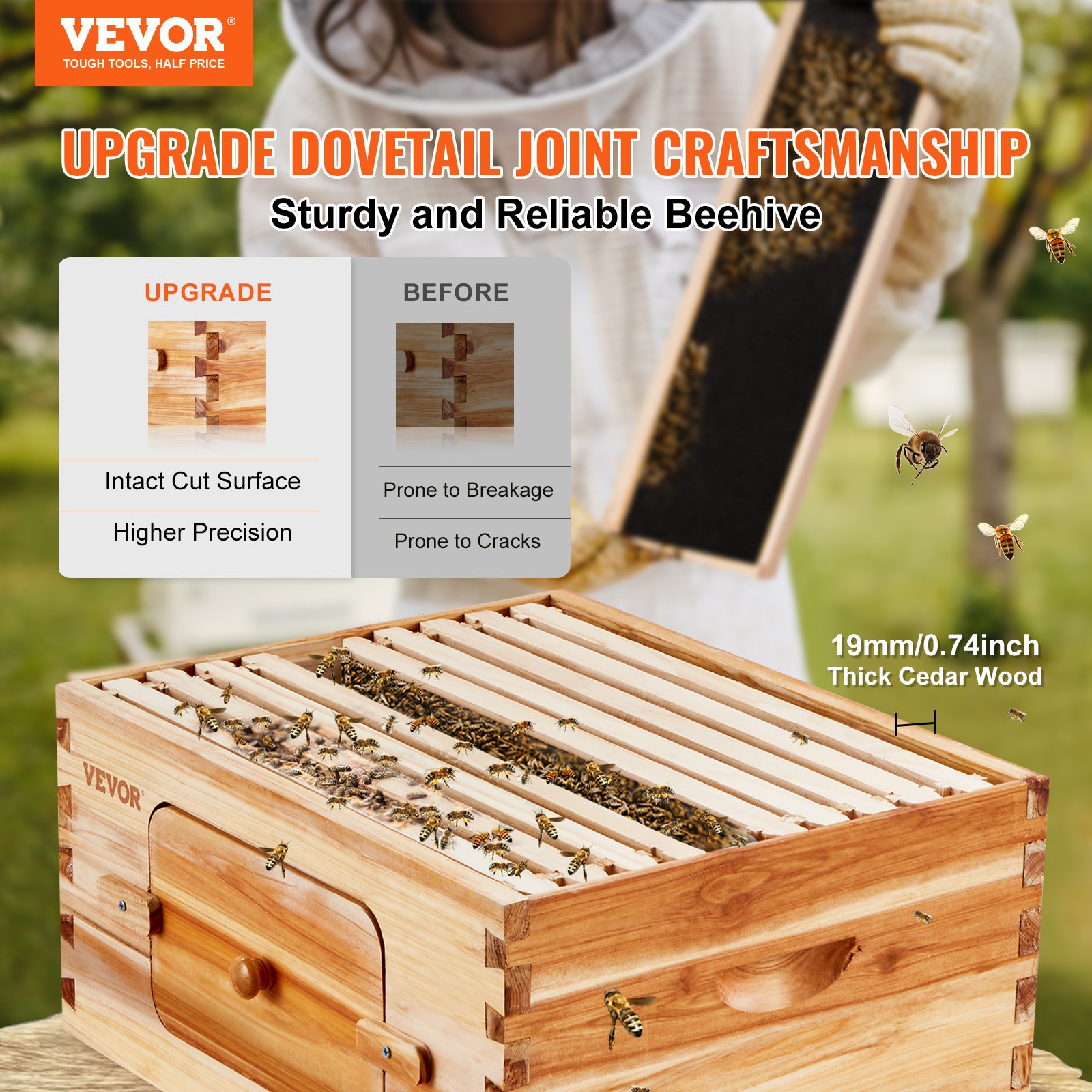 Bee Hive Deep Box Starter Kit, Beeswax Coated Natural Cedar Wood, Langstroth Beehive Kit With 10 Frames And Foundations, Transparent Acrylic Bee Windows For Beginners And Pro Beekeepers$49.99View on Mallflare
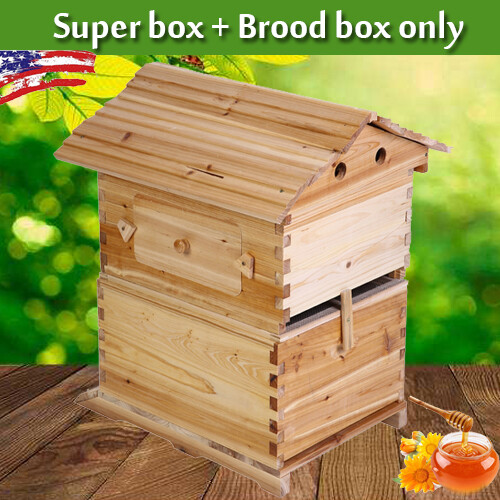 Auto Bee Hive Box Beekeeping Beehive House Beekeeping Equipment Tools Supplies$149.69View on eBay
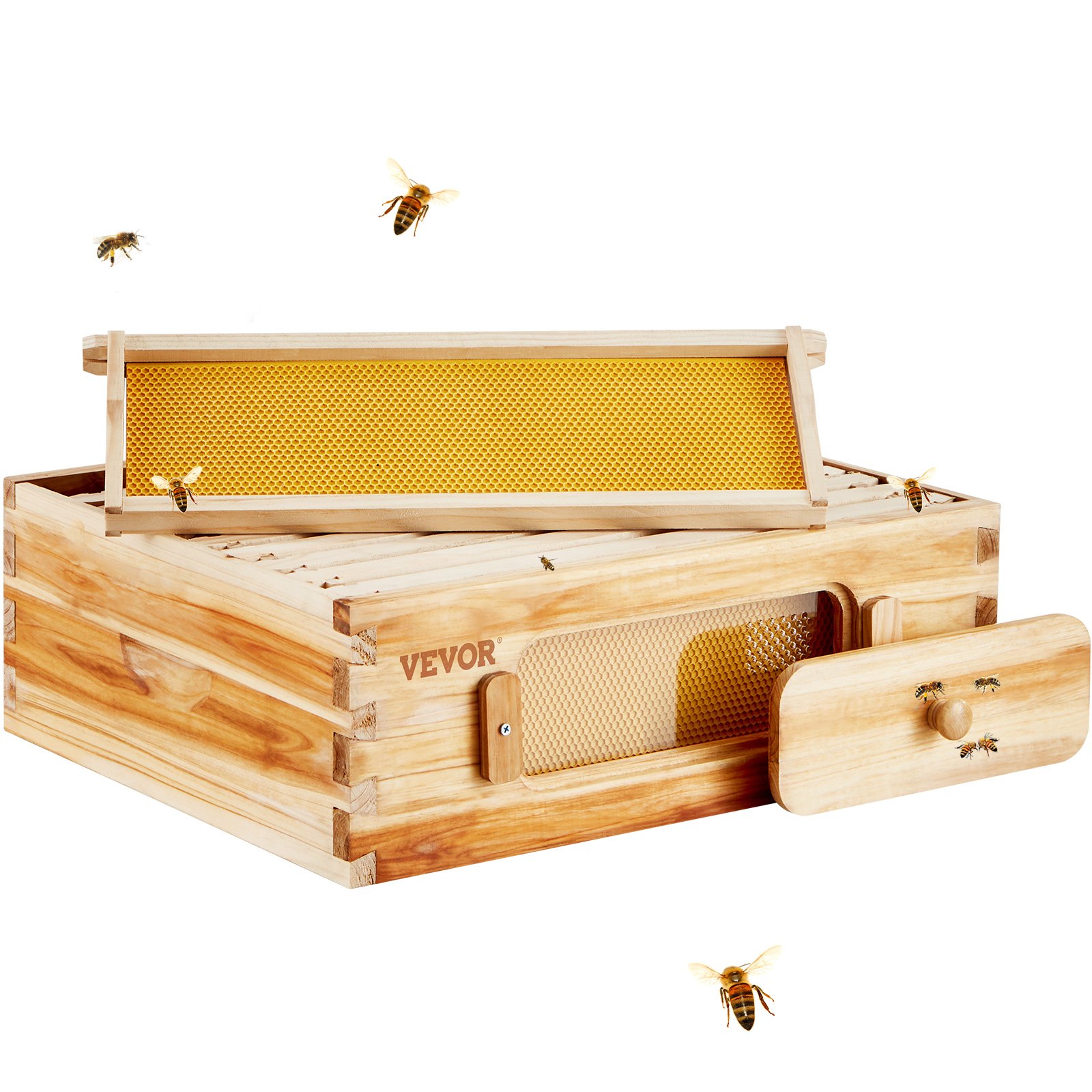 Bee Hive Medium Box Starter Kit, 100% Beeswax Coated Natural Cedar Wood, Langstroth Beehive Kit With 10 Frames And Foundations, Transparent Acrylic Bee Windows For Beginners And Pro Beekeepers$56.99View on Mallflare
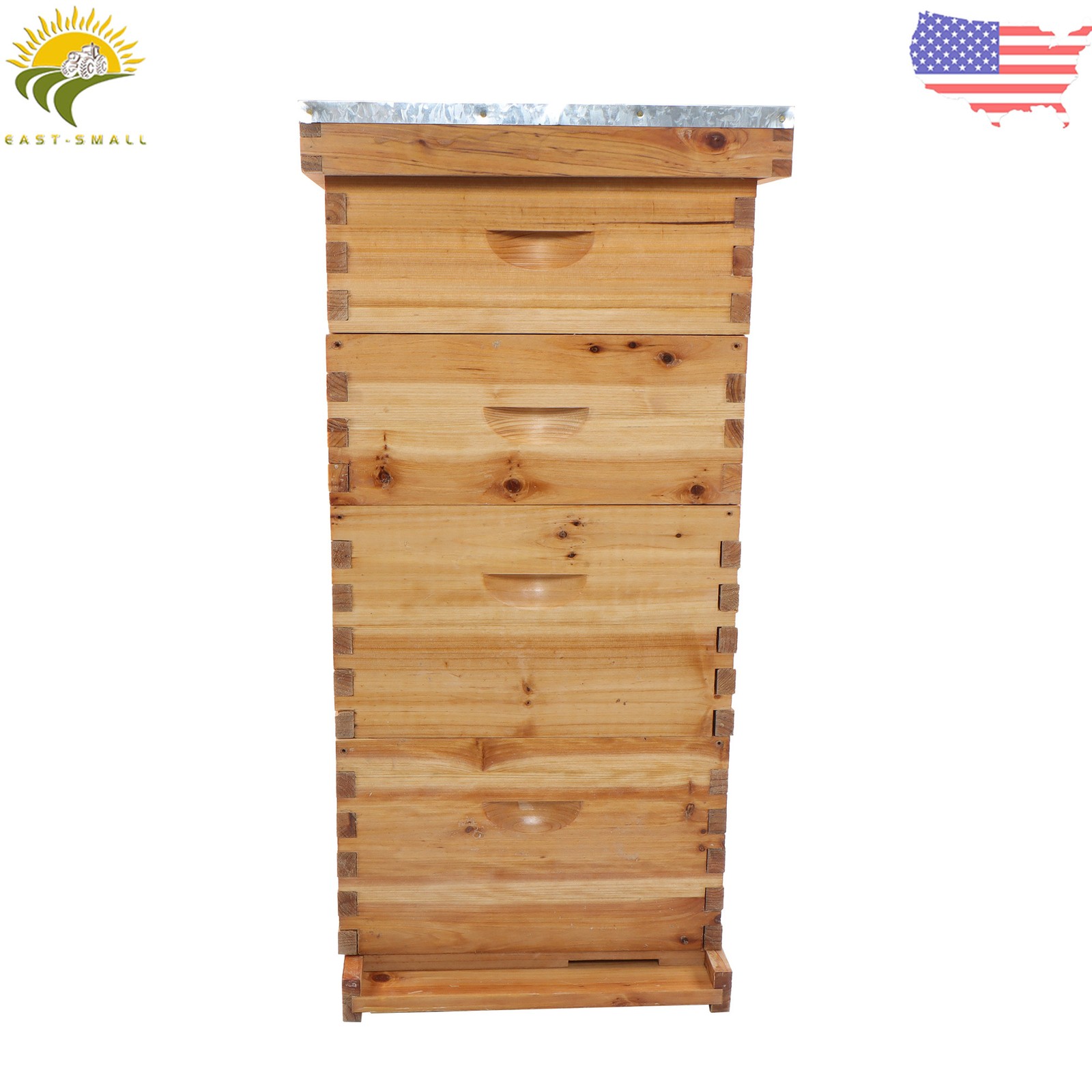 4 Layer Beehive Box 10 Frame Beeswax Coated Bee Hive With Frames For Bee Keeping$167.46View on eBay
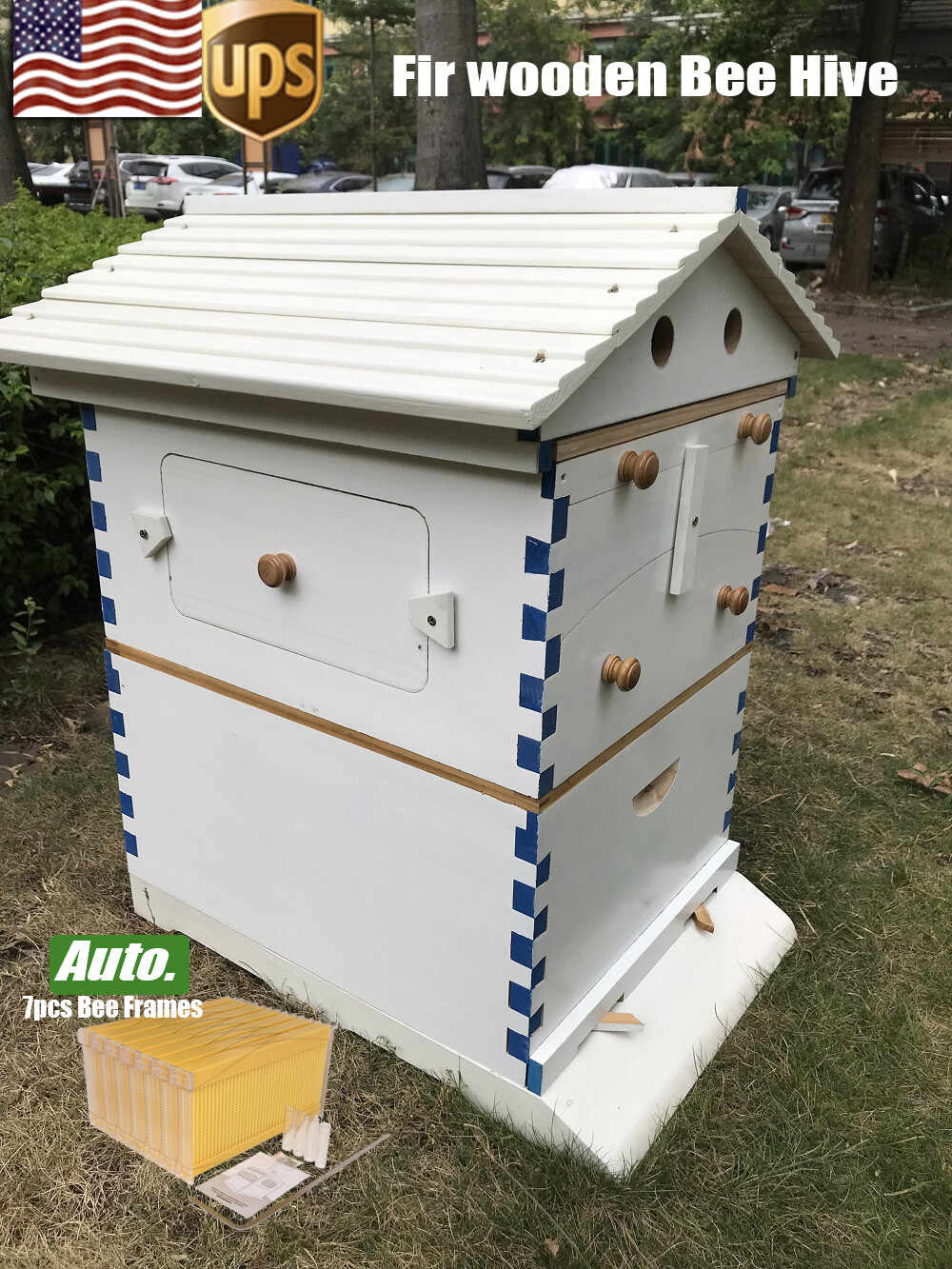 Painted Auto Langstroth Bee Hive Boxes Beekeeping Hives House 7x Bee Frames New$188.66Last checked Nov 18, 2026View on eBay
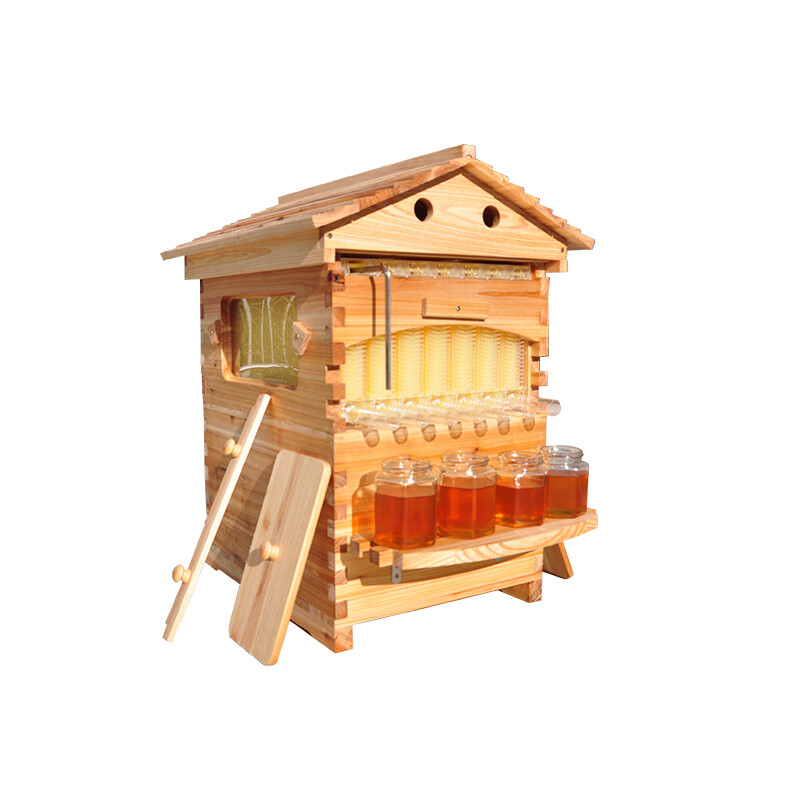 Auto Seep Bee Hives Boxes Langstroth Bee Hive HOUSE + 7x Bee Beekeeping Frames$190.95Last checked Nov 18, 2026View on eBay
- Auto Honey Bee Hives Boxes Langstroth Bee Hive HOUSE + 7x Bee Beekeeping Frames$199.59Last checked Nov 18, 2026View on eBay
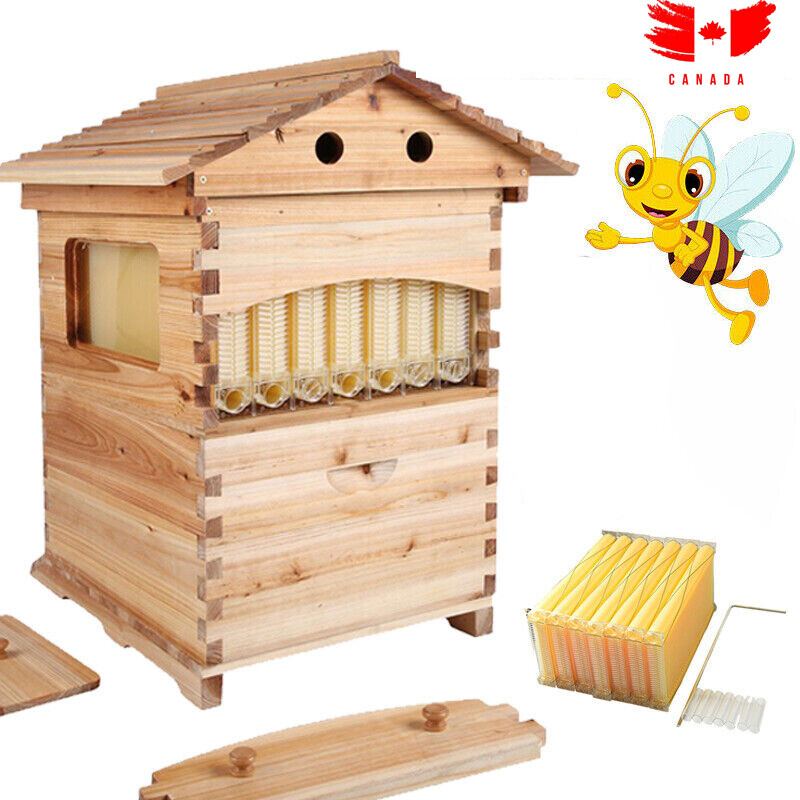 Wooden Auto Seep Bee Hives Boxes Langstroth Bee Hive+BPA free Beekeeping Frames$203.99New · Last checked Nov 23, 2026View on eBay
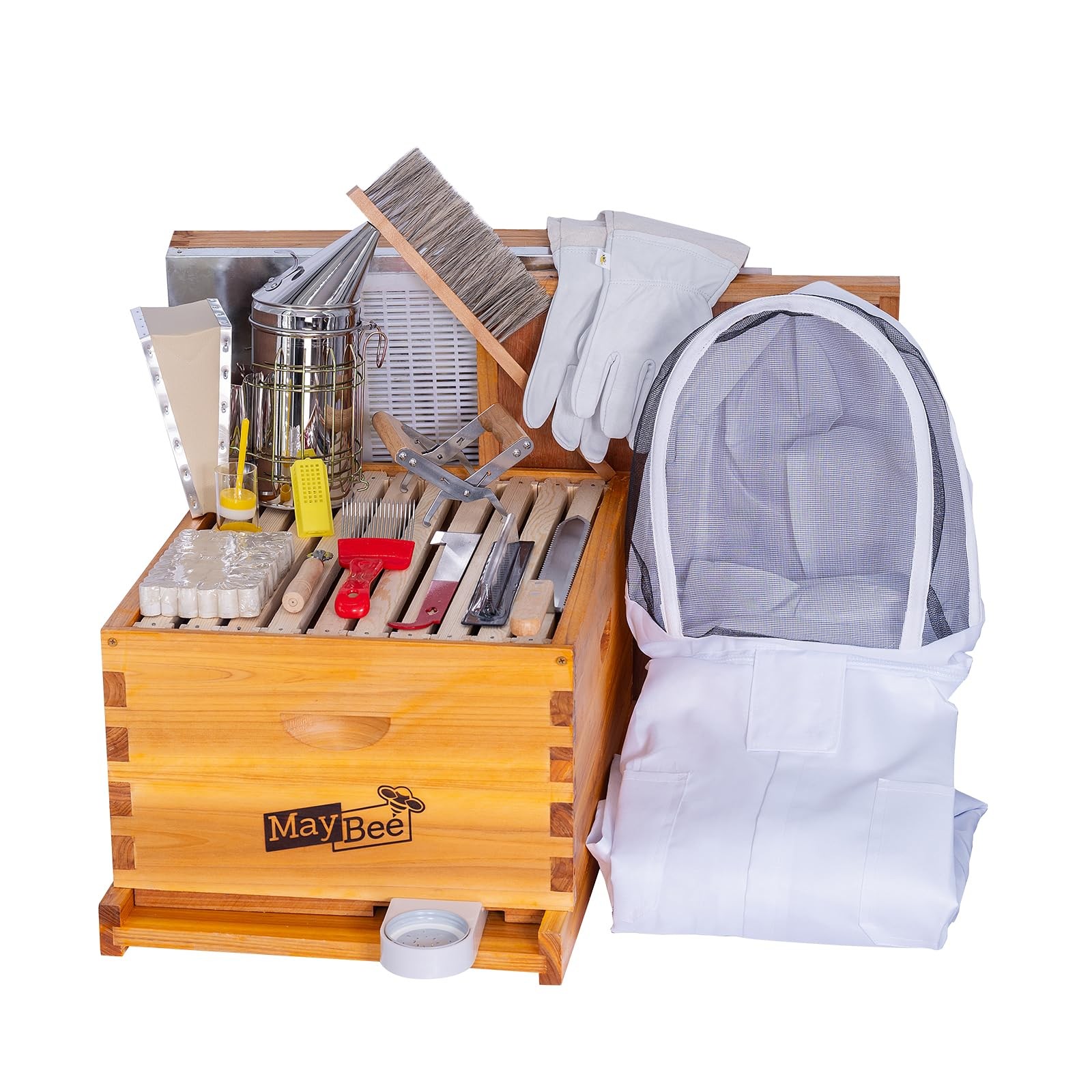 10-Frame Beehive Starter Kit, Bee Hive Kit Dipped in Beeswax, Bee Hives Boxes...$219.86New · Last checked Nov 18, 2026View on eBay
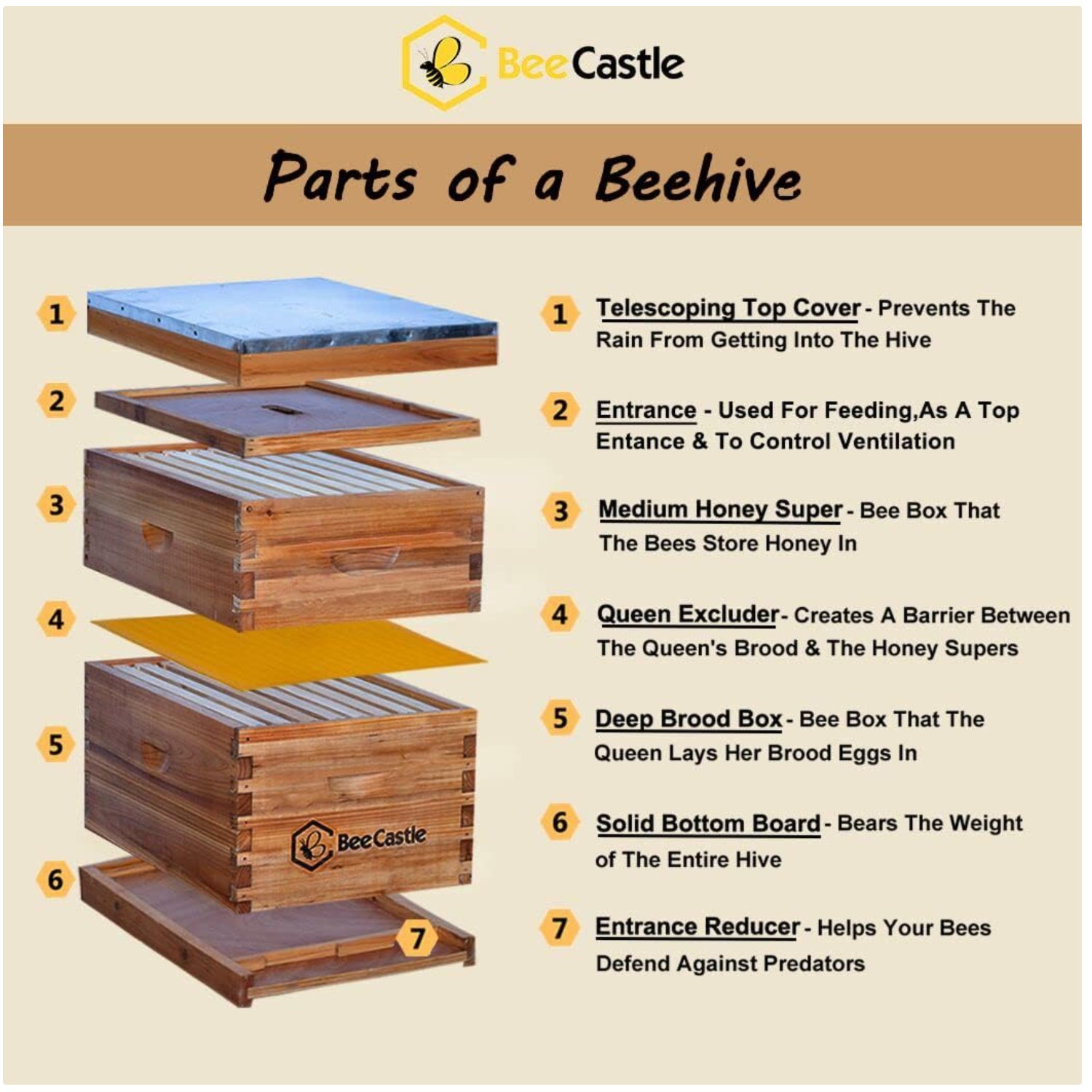 Langstroth Bee Hive with Deep & Medium Boxes$221.99New · Last checked Nov 23, 2026View on eBay
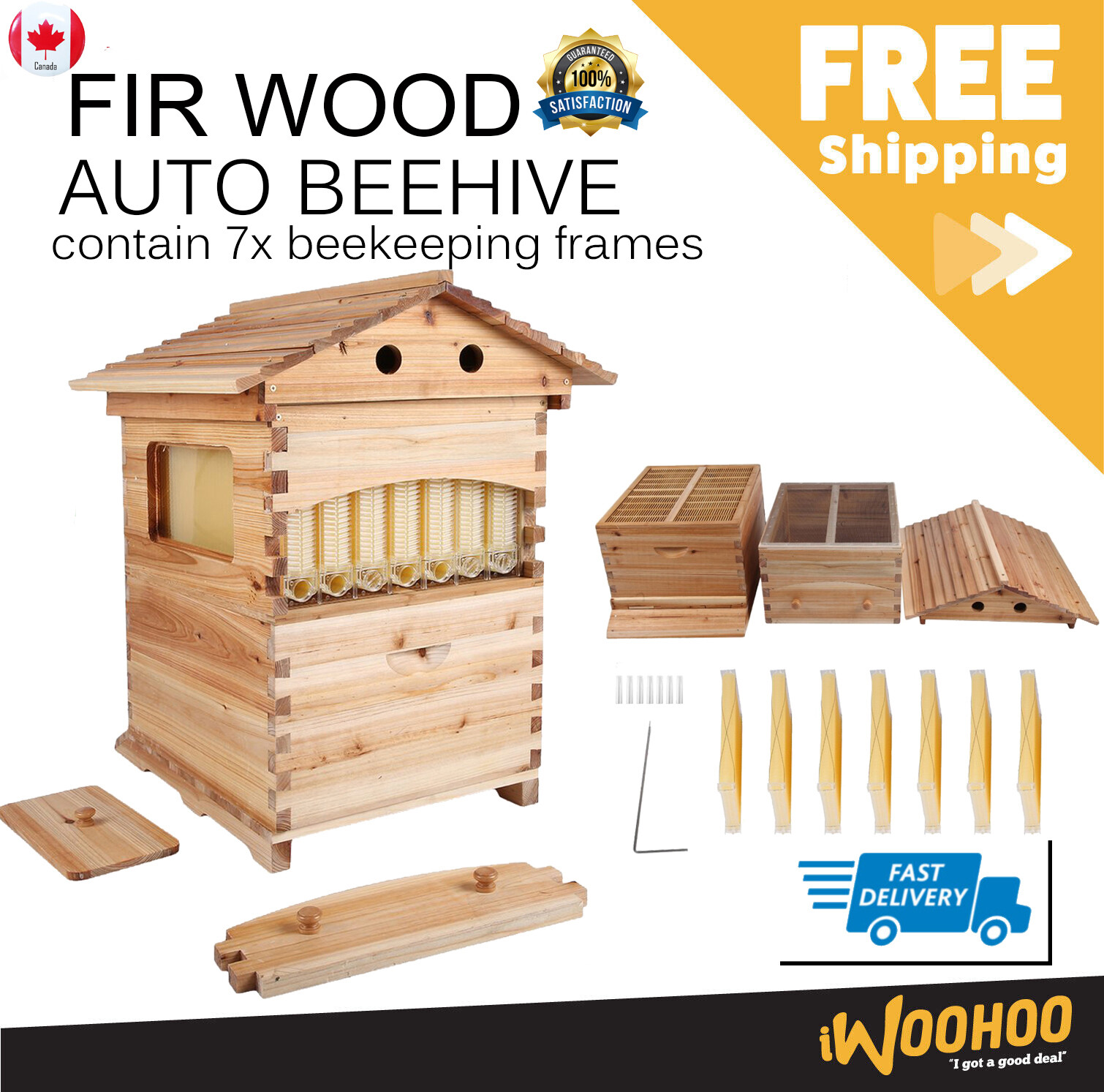 Auto Shed Bee Hives Langstroth Bee Hive Beekeeping Boxes with 7x Bee Hive Frames$228.99New · Last checked Nov 23, 2026View on eBay
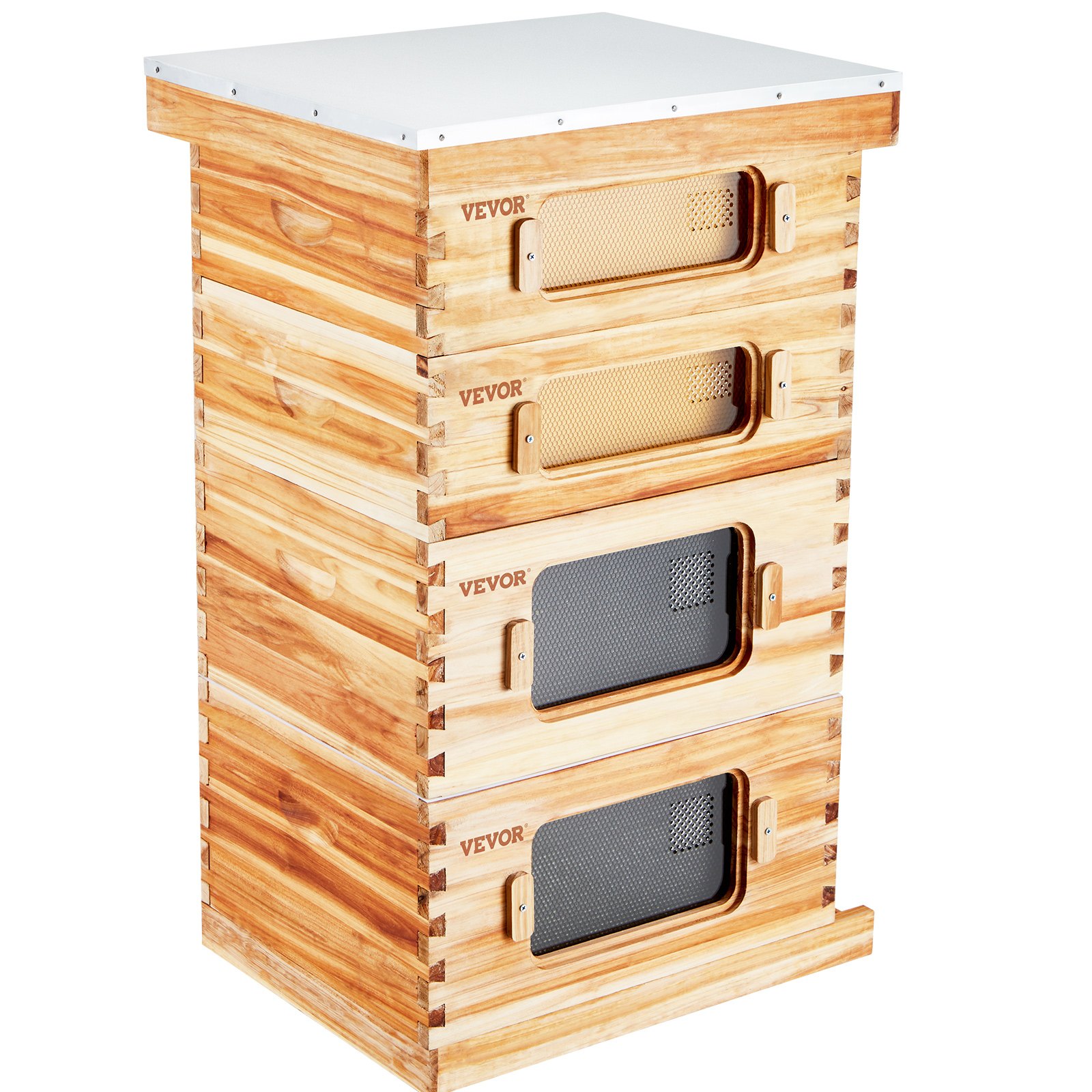 Langstroth Bee Hive Kit 40 Frames 2 Deep 2 Medium Boxes Beeswax Coated Cedar$235.99New · Last checked Nov 23, 2026View on eBay
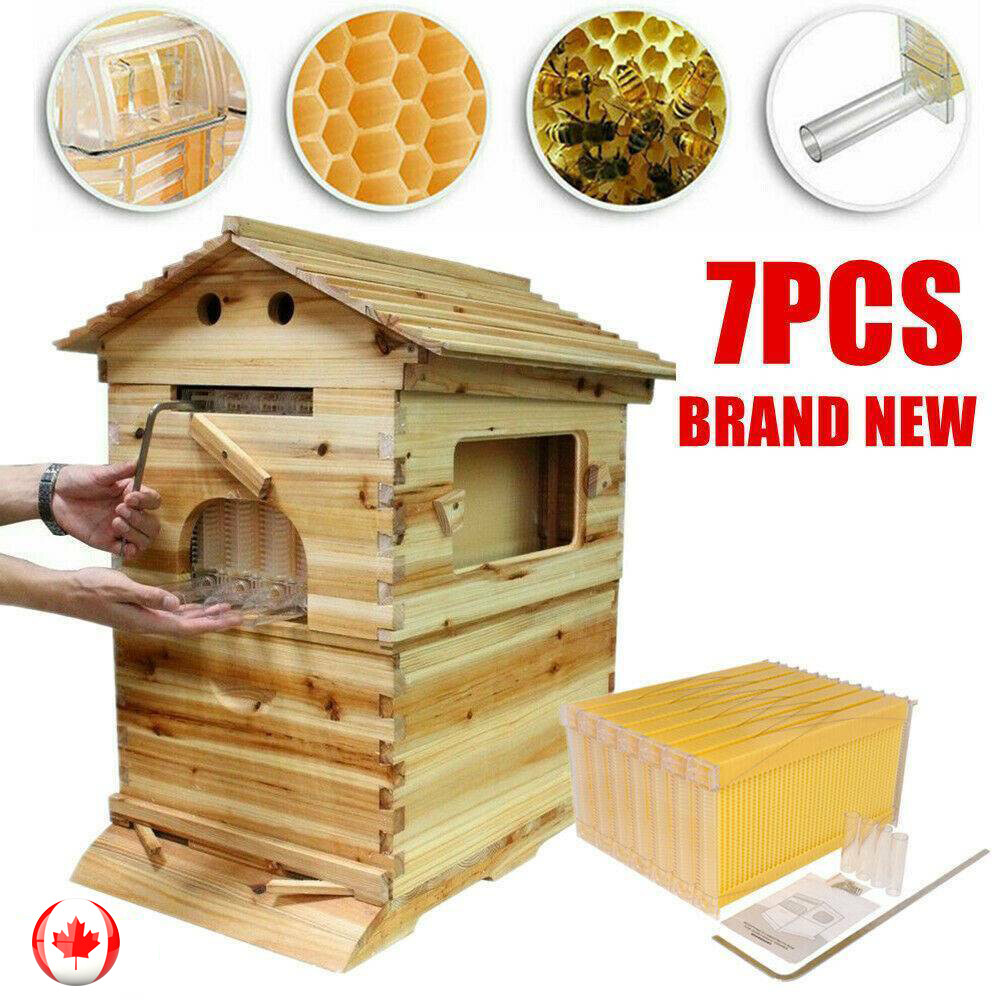 7 Auto Reap Bee Hive Beehive Starter Kit Beekeeping Frames Wooden Bee Boxes$239.99Last checked Nov 18, 2026View on eBay
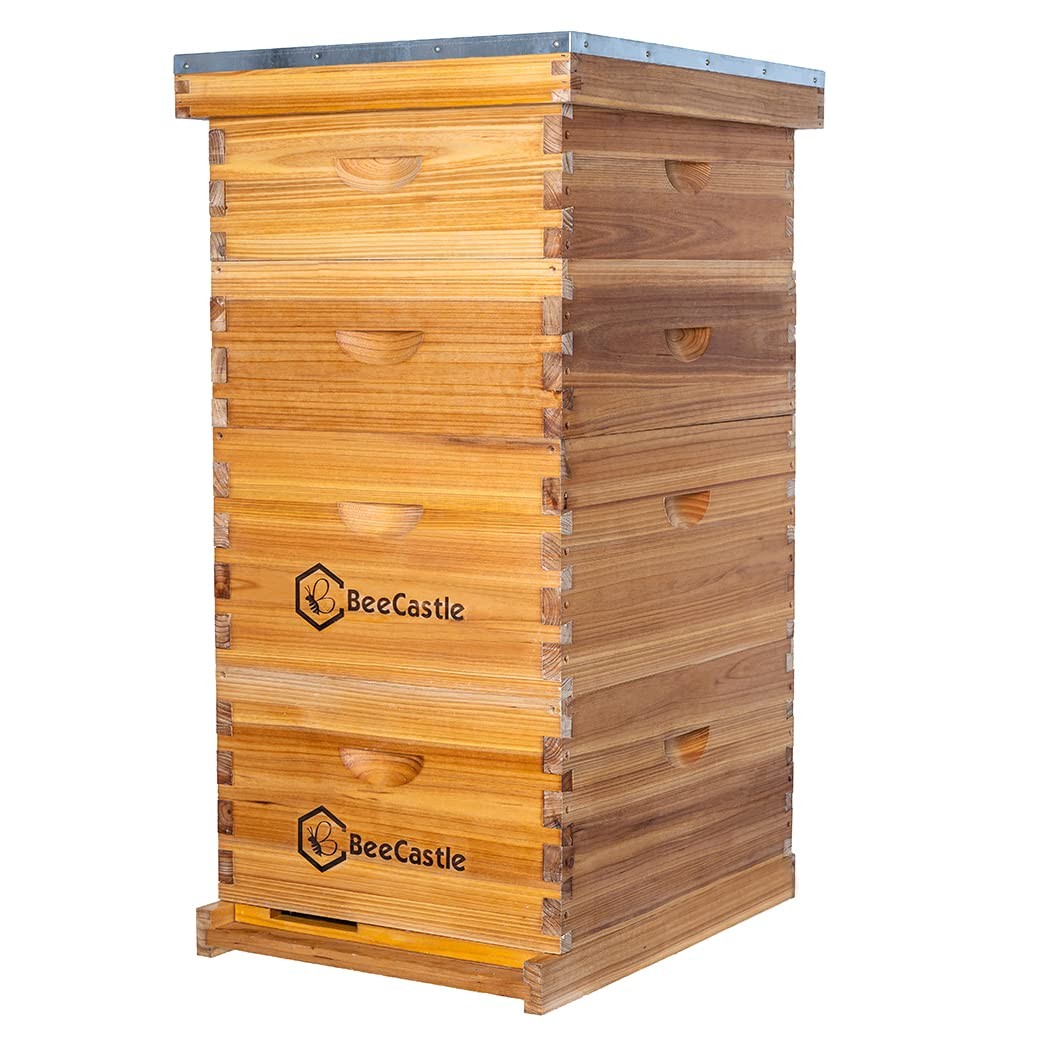 BeeCastle 10 Frame Langstroth Bee Hive Boxes Coated with Beeswax (4 Boxes)$285.99New · Last checked Nov 23, 2026View on eBay
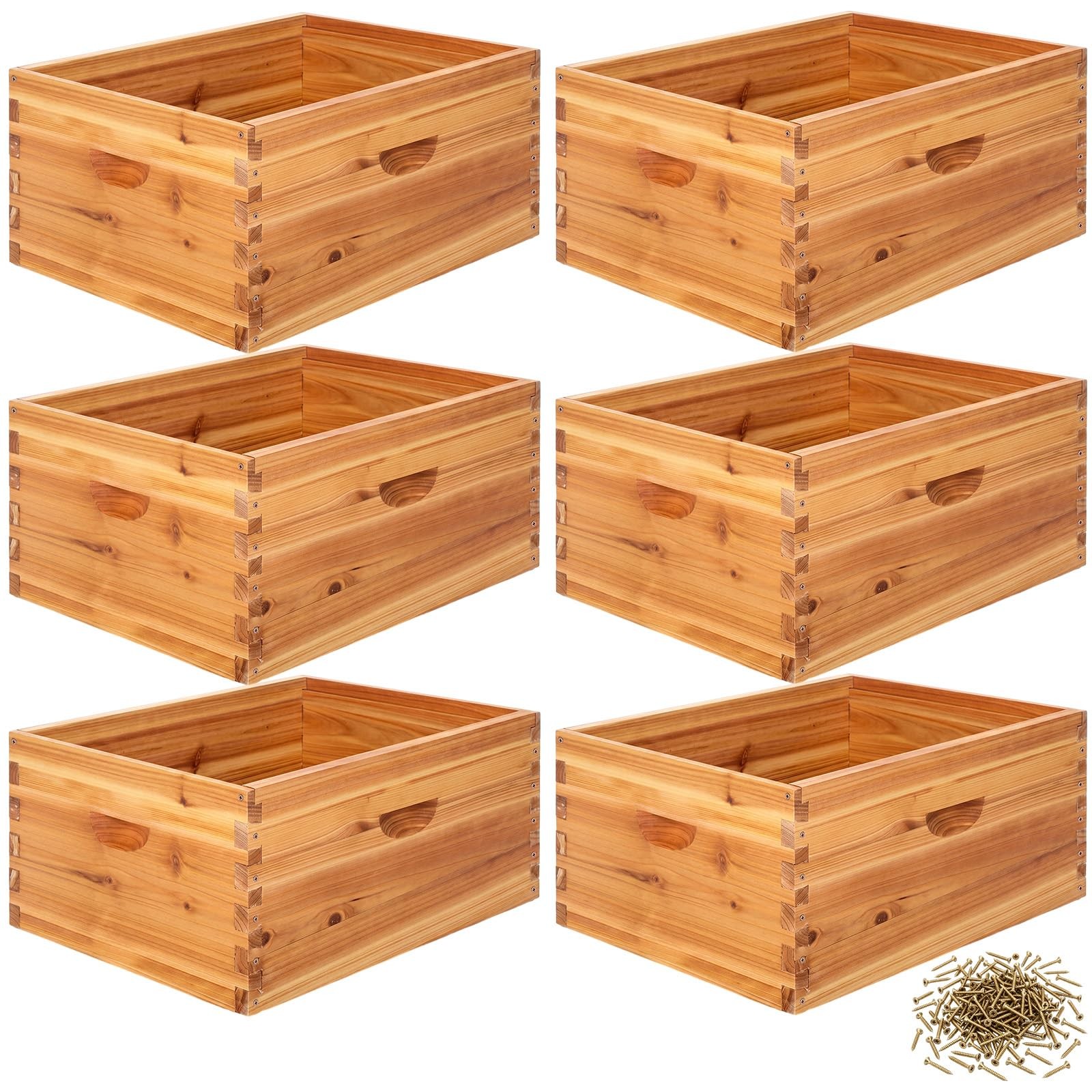 Marsui 6 Pcs Bee 10 Frame Deep Bee Hive Box, Langstroth Beehive Boxes Natural...$307.11New · Last checked Nov 23, 2026View on eBay
Highlights
- Standard Langstroth boxes come in 8-frame and 10-frame widths; 10-frame boxes dominate US apiaries for brood capacity, while 8-frame boxes suit smaller yards and easier lifting.
- Box depth determines frame size: deep (9-5/8 in) for brood, medium (6-5/8 in) and shallow (5-11/16 in) for honey supers; frames and foundations are not interchangeable between depths.
- Cedar and beeswax-coated pine resist rot and moisture; thin painted or uncoated softwood boxes degrade faster in humid climates and require re-coating every few seasons.
- Auto-harvest frames (flow-style) replace traditional foundation with split cells that drain honey via a key; they add cost and complexity but reduce extraction equipment needs for hobbyists.
Best use cases
- Best fit: Buy a 10-frame deep brood box plus medium supers in cedar or beeswax-coated pine for a standard Langstroth apiary that uses conventional extraction; skip auto-harvest frames if you already own an extractor.
- Best fit: Choose an 8-frame cedar starter kit with acrylic windows for backyard hobbyists lifting boxes solo; skip 10-frame deeps if back strain or small space is a concern.
- Best fit: Pick auto-harvest frame kits for small-scale honey production where avoiding an extractor matters; skip them if you plan to expand beyond a few hives, since conventional frames scale cheaper.
- Wrong fit: Thin painted softwood boxes or single-layer novelty hives for wet climates or high-volume apiaries; these need frequent re-coating and fail under heavy stacked loads.
Buying tips
- Match frame count to your lifting ability: a full 10-frame deep box can exceed 60-70 lb, so choose 8-frame deeps or medium supers if you need to move boxes regularly.
- Confirm frame depth before ordering: deep boxes take 9-1/8 in frames, medium boxes take 6-1/4 in frames; mismatched frames leave bee space gaps and invite burr comb.
- Prioritize dovetail or box-joint corners over stapled butt joints; glued and nailed joints with exterior-grade fasteners last far longer when boxes are stacked and exposed to weather.
- Select cedar or beeswax-dipped pine over thin painted softwood; coating thickness and wood species determine how many seasons pass before rot or warping forces replacement.
Specs
| Frame Count | 8-frame vs 10-frame Langstroth |
|---|---|
| Box Depth | Deep 9-5/8 in / Medium 6-5/8 in / Shallow |
| Wood & Coating | Cedar, beeswax-dipped pine, painted softwood |
| Harvest Type | Conventional frames vs auto-harvest flow frames |
Related searches
What to check before buying
- Measure your hive stand footprint and confirm 8-frame vs 10-frame box width clears surrounding space for inspections and lid removal.
- Check your climate: humid or rainy regions favor cedar or beeswax-coated boxes with raised bottoms; arid climates tolerate pine with annual re-coating.
- Verify frame and foundation compatibility: deep boxes need deep frames and foundations, medium boxes need medium, and auto-harvest frames require matching box depths.
- Plan companion parts: boxes need a bottom board, inner cover, telescoping lid, and entrance reducer; starter kits should include frames and foundations to avoid mismatched orders.
FAQ
Data sources: eBay / Amazon listings and product attribute feeds. Updated Nov 27, 2026.
Some links on this page are affiliate links. If you buy after clicking one, we may earn a commission at no extra cost to you. This does not change which products appear here or their order. Affiliate disclosure.