
Photos from current listings. Actual item, color, and included accessories may vary.
Heavy Duty Chicken Coop Buying Guide
Heavy-duty chicken coops and runs are walk-in metal structures built for permanent outdoor use, where the primary trade-off is tube-wall thickness and mesh gauge versus powder-coat and roof design. The clear decision rule: specify a galvanized or powder-coated steel tube frame (never aluminum or plastic connectors) with at least 1-inch hexagonal mesh welded or clipped to the frame, and compare tube diameter, wall thickness, and mesh gauge rather than square footage alone.
Median $123.99
Key takeaways
- Frame tube diameter separates tiers: 25mm (1in) tubes flex under snow and wind load, while 32mm (1.25in) or larger thick-wall steel is required for permanent heavy-duty claims.
- Mesh gauge matters more than mesh pattern: 19-20 gauge welded wire resists predator bite and push-through; 23-gauge hexagonal chicken wire is a predator failure point and should be treated as a secondary layer only.
- Spring-button and pin connectors enable tool-free assembly but loosen over seasons; bolted or clamped reinforced corners hold tension and square far better under wind and snow.
At a glance
- Category
- Chicken Coops & Runs
- Last updated
- Nov 28, 2026
Current offers
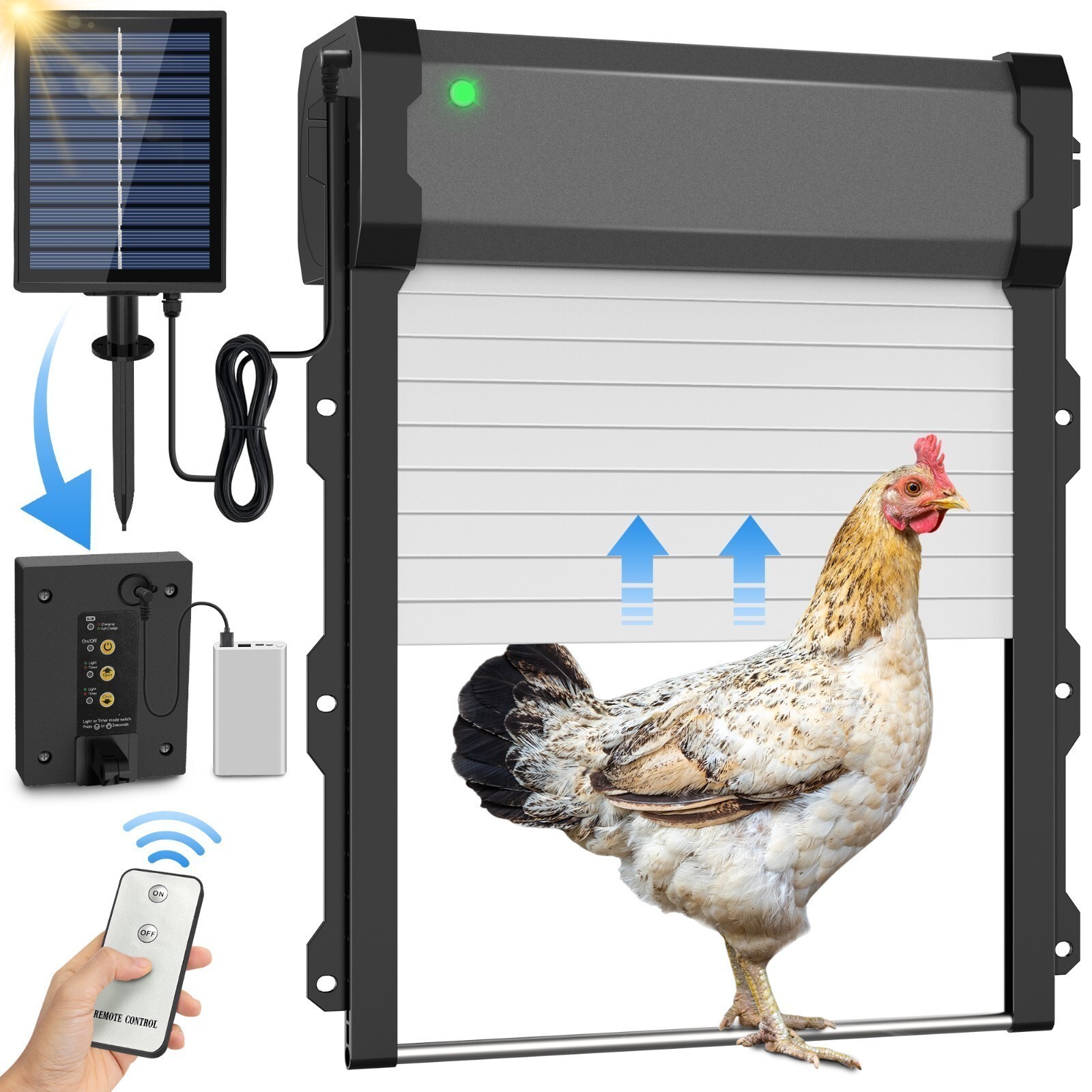 Solar Powered Chicken Coop Door Opener Timer & Light Sensor Auto Door Waterproof$65.99View on eBay
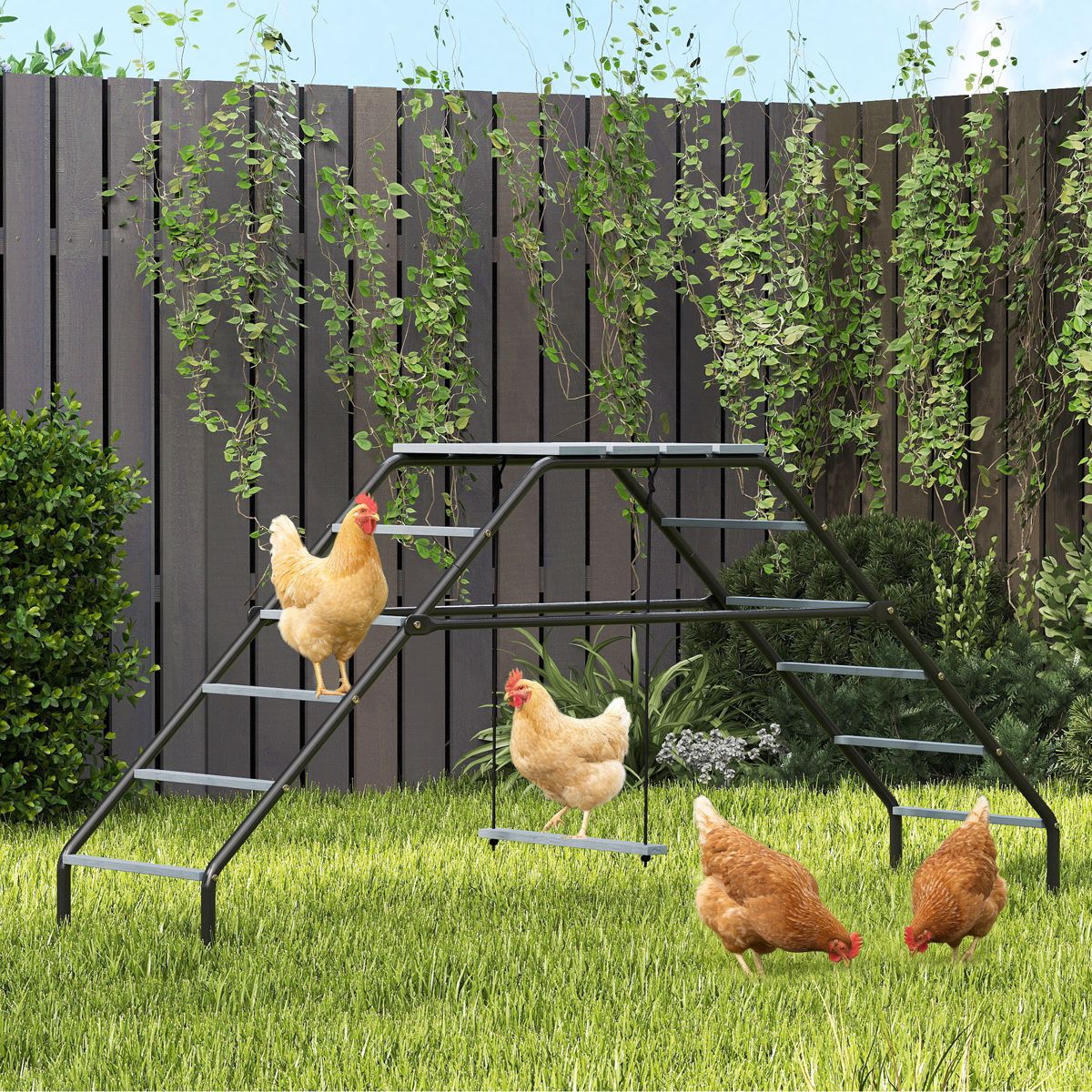 Chicken Coop Perches with Adjustable Swing, 10 Roosting Bars, for Backyard, Farm$40.99View on Mallflare
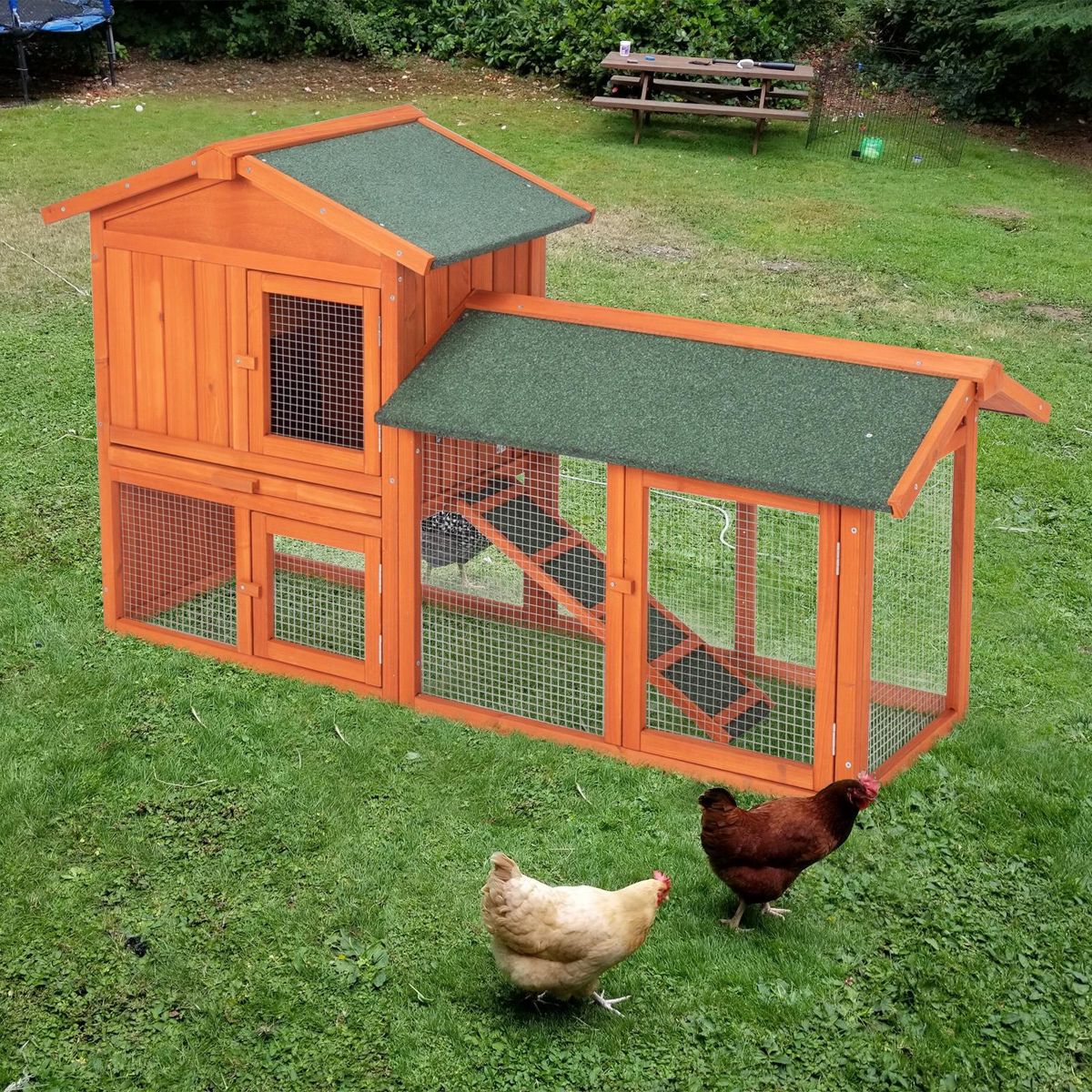 Wooden Chicken Coop Hen House Poultry Hutch Pet Cage with Nesting Box, Backyard$102.99View on eBay
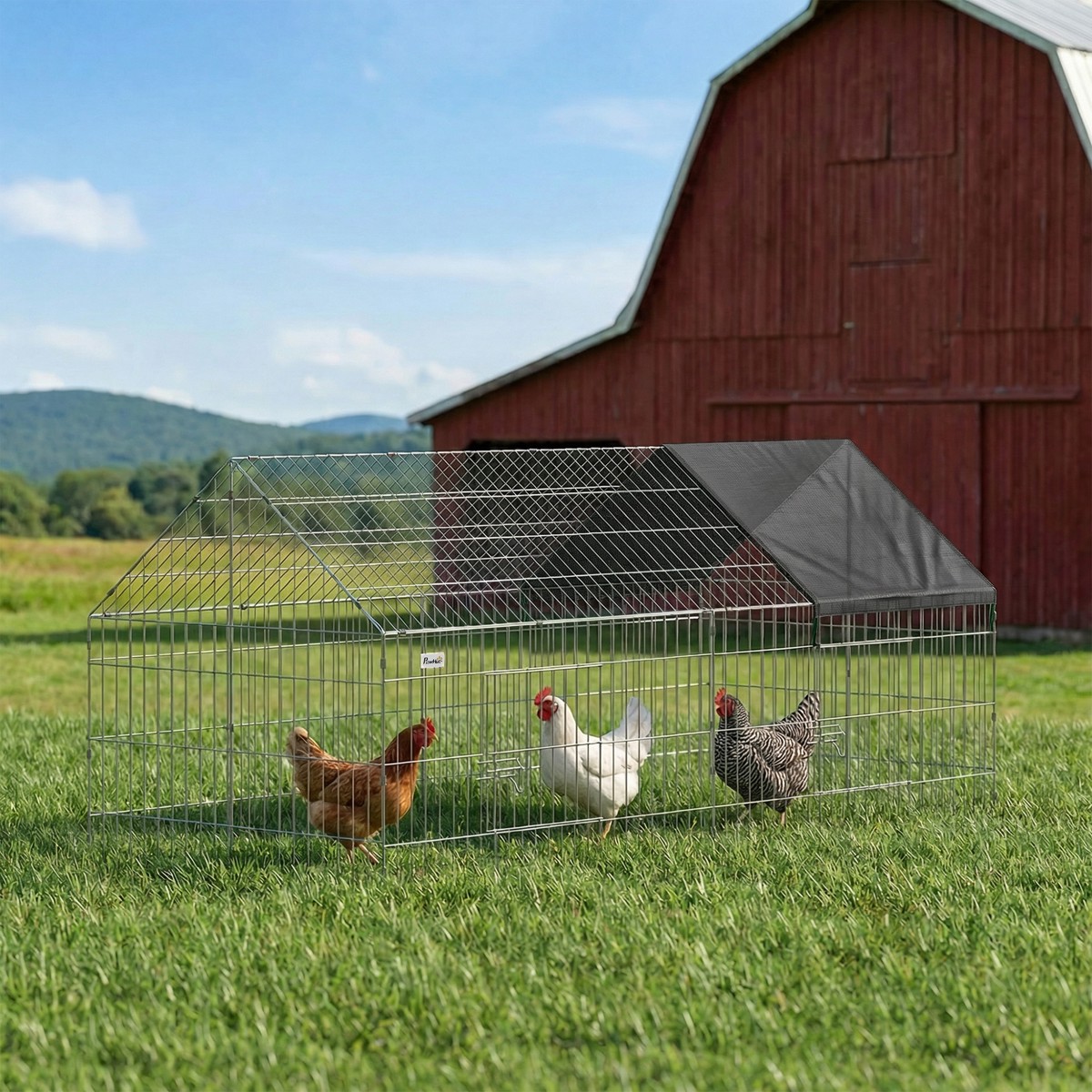 Metal Chicken Coop with Cover for Backyard Small Animals Duck Rabbit, 71" x 29.5" x Black$51.99View on Mallflare
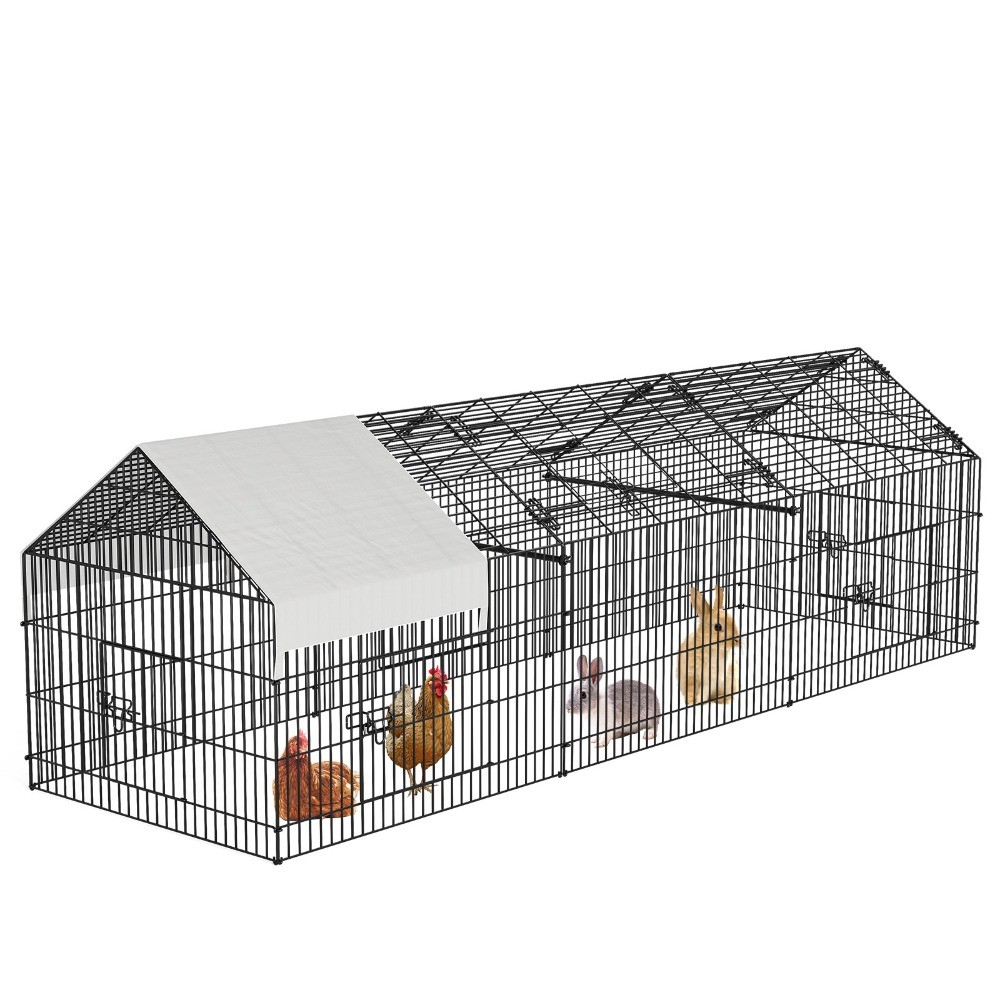 130"*40"Metal Chicken Coop Chicken Run Backyard Hen House Poultry Habitat Cage$105.99View on eBay
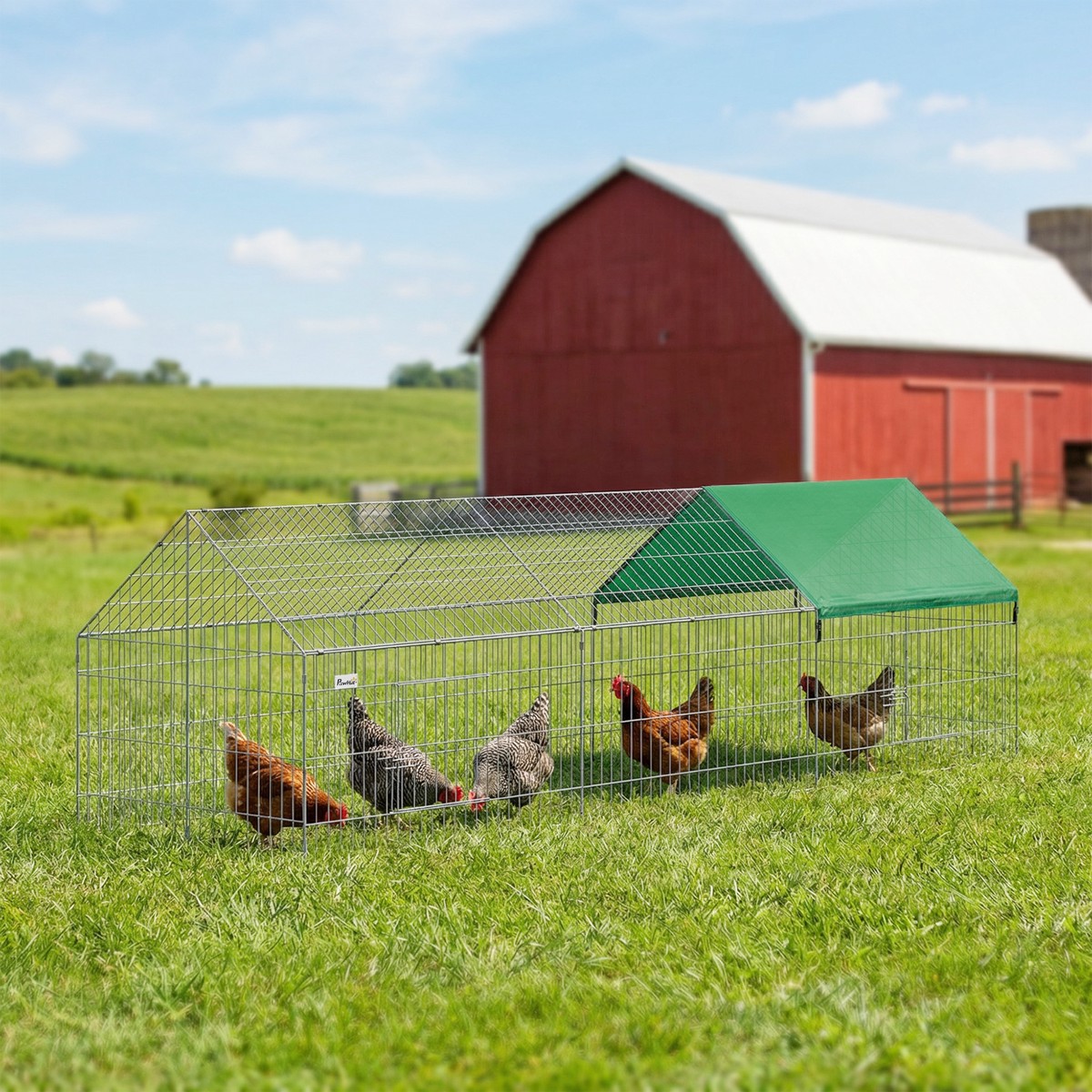 Metal Chicken Coop with Cover for Backyard Small Animals Duck Rabbit, 106" x 29.5" x Green$61.99View on Mallflare
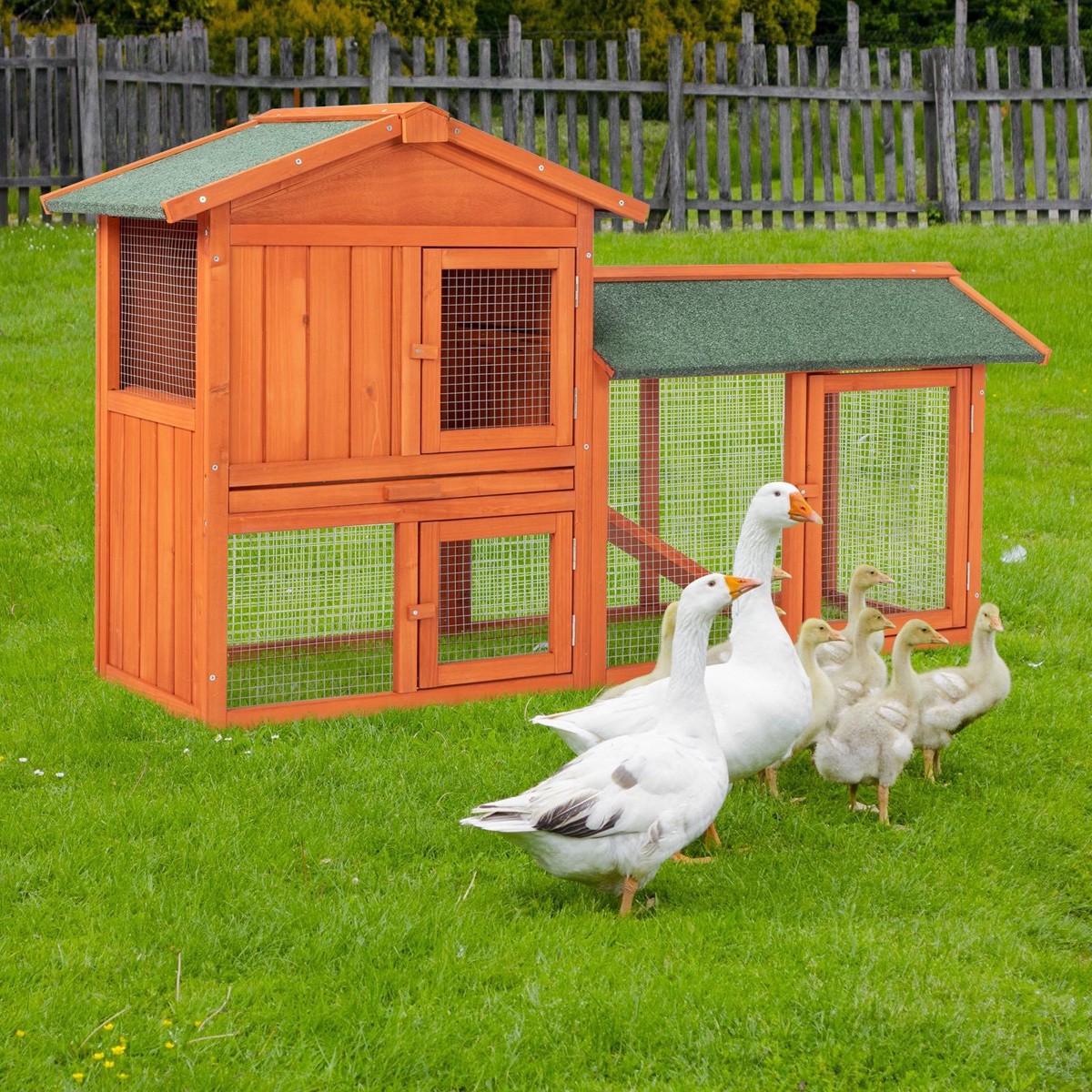 Wooden Chicken Coop Hen House Poultry Hutch Pet Cage w/ Nesting Box Backyard$106.79View on eBay
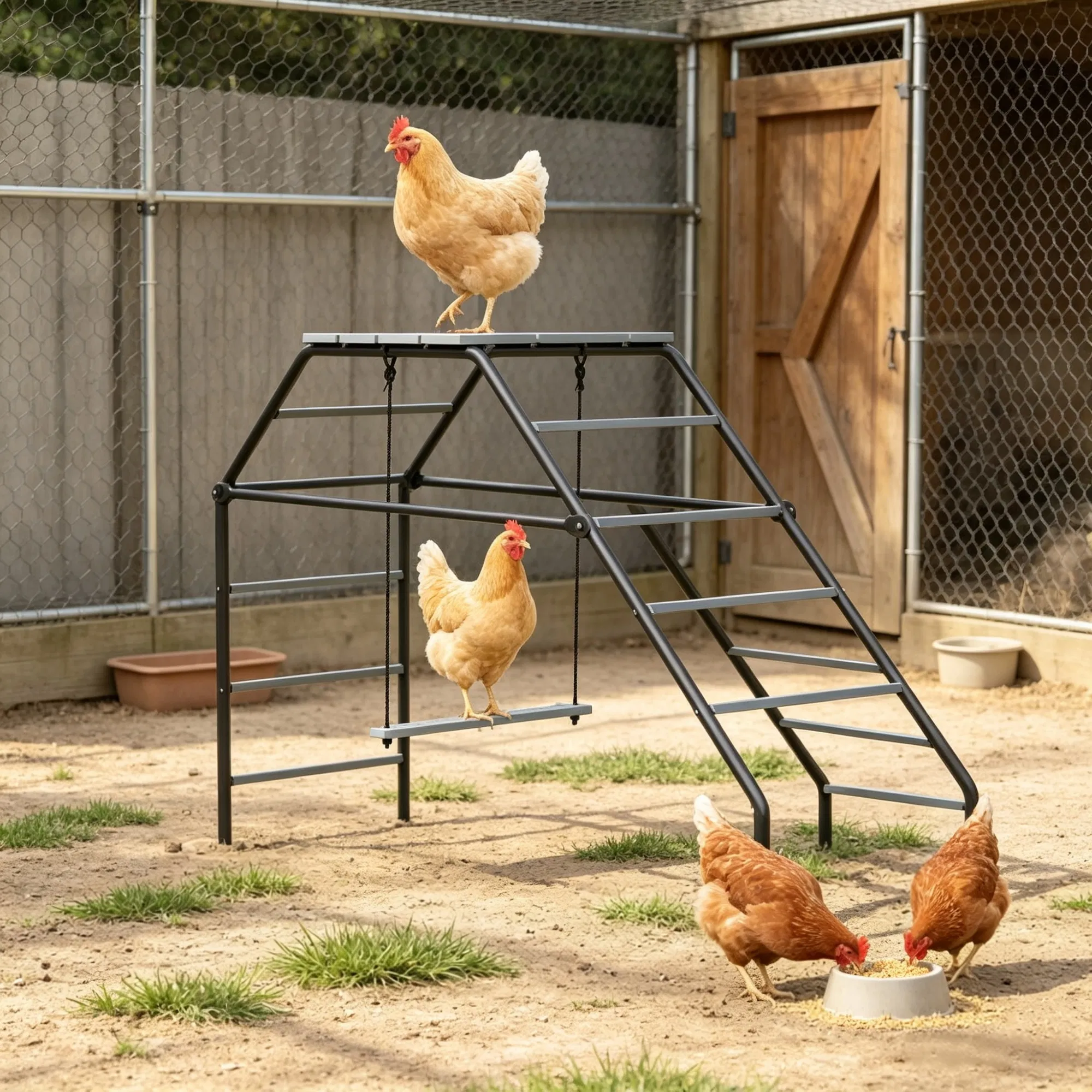 10 Pcs Chicken Coop Perches - with Adjustable Swing, Roosting Bars for Backyard Brooder & Farm Upgrade$73.99View on Mallflare
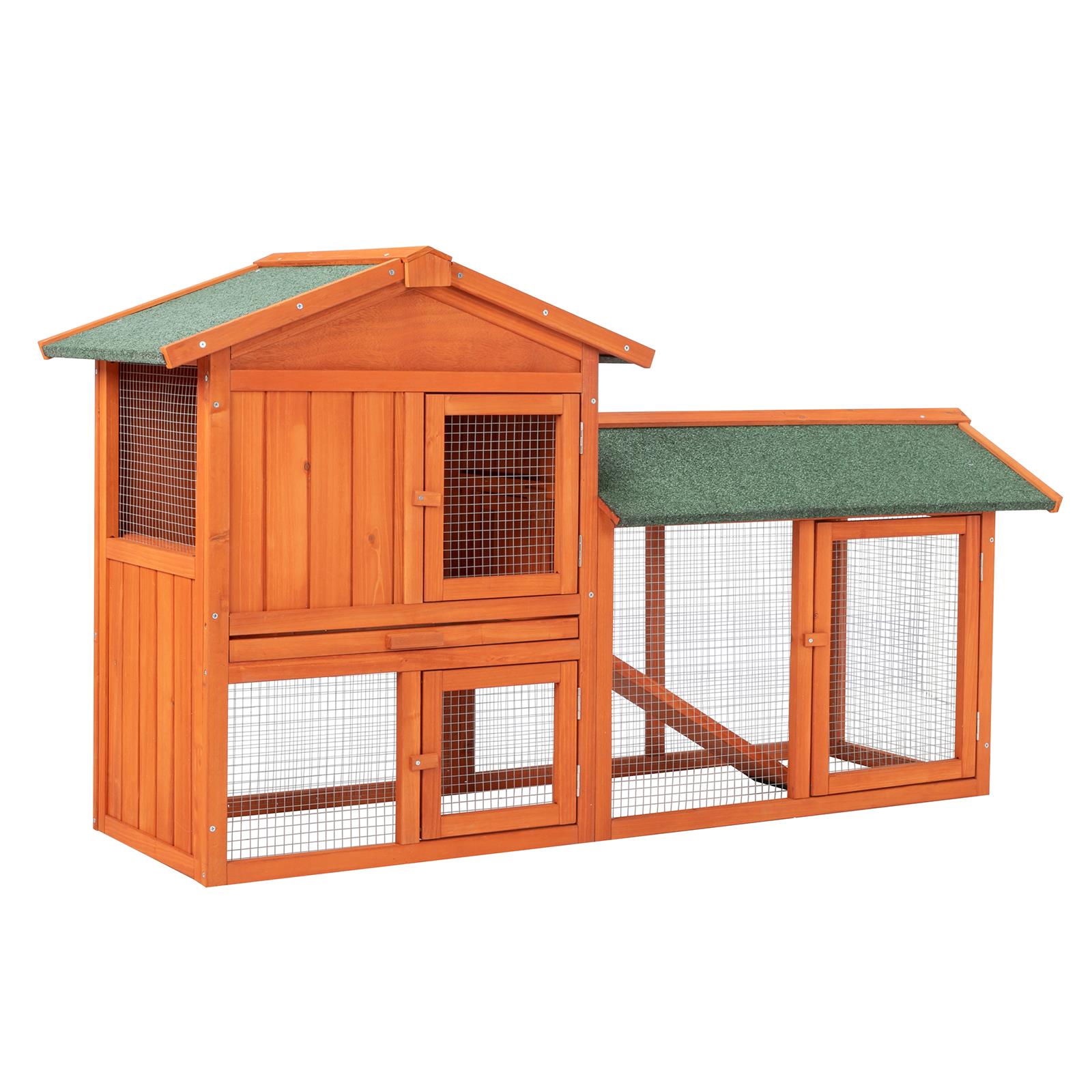 Garden Wood Chicken Coop House Poultry Hutch Pet Cage w/ Nesting Box Backyard$107.99View on eBay
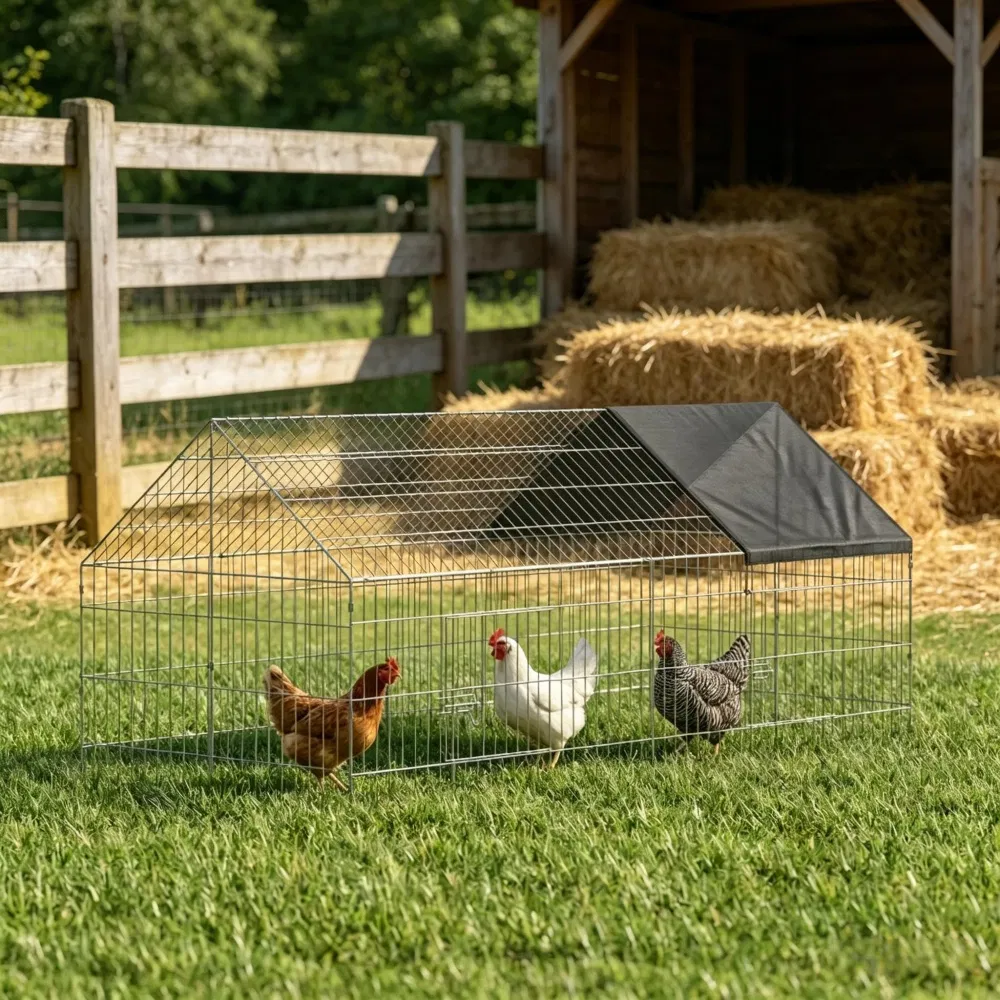 Chicken Coop, Steel Run with 90D Oxford Canopy and Two Latched Doors, 70.9 x 29.5 x in, for Chickens, Ducks and Rabbits, Black and Silver$76.99View on Mallflare
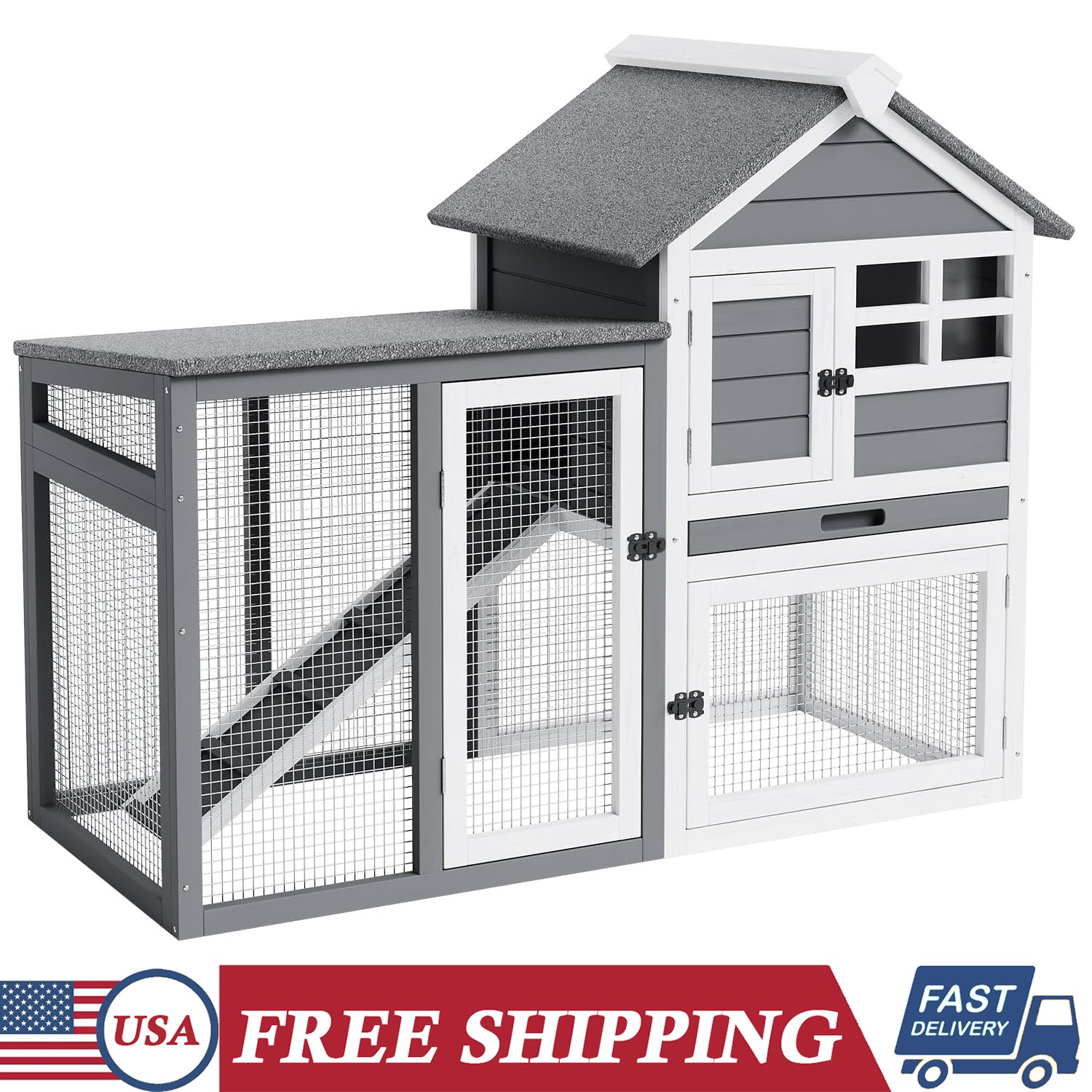 Large Chicken Coop Outdoor Wooden Backyard 2-Story Hen Rabbit House Chicken Run$109.98View on eBay
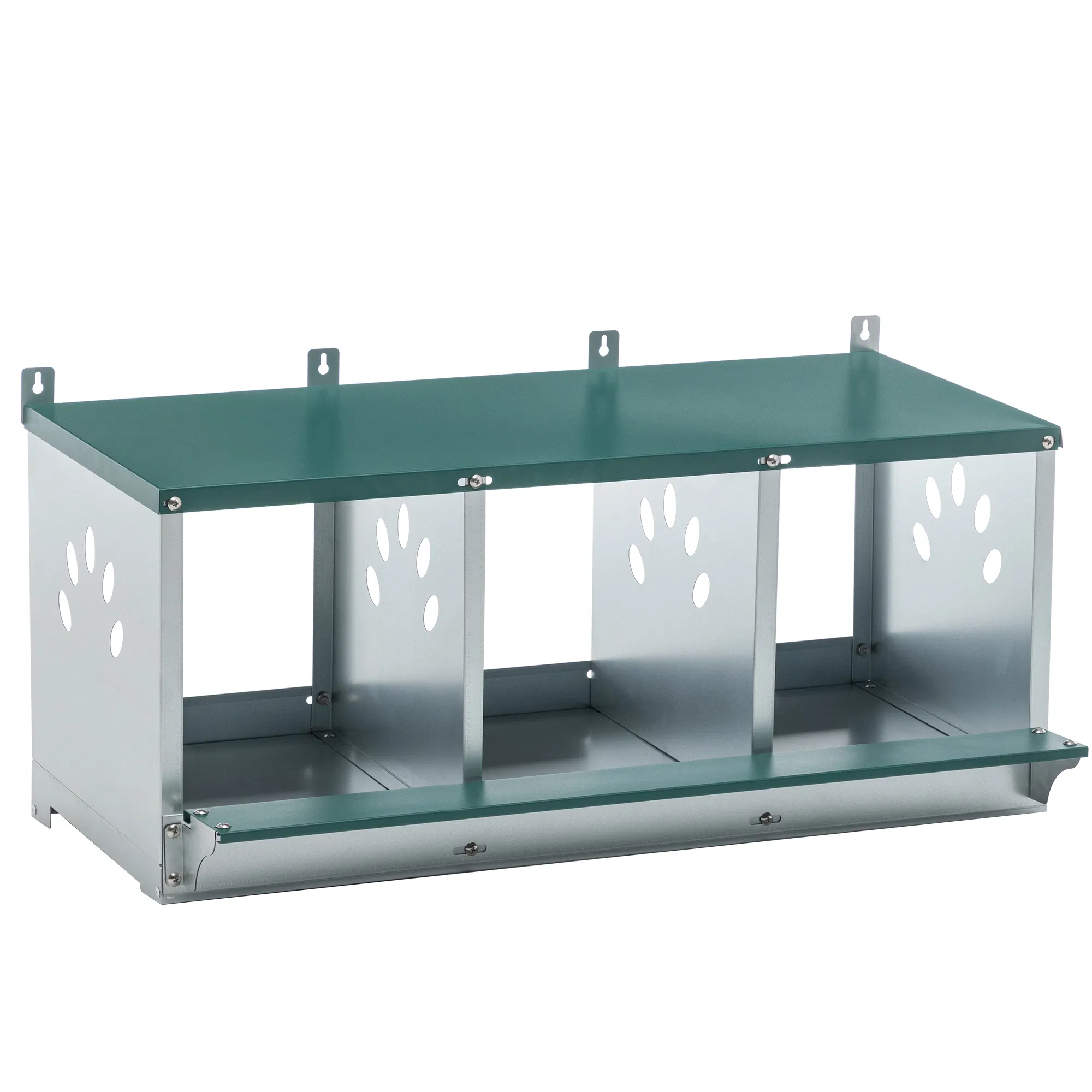 3 Room Metal Chicken Nesting Boxes 3 Compartment Egg Coop$76.99View on Mallflare
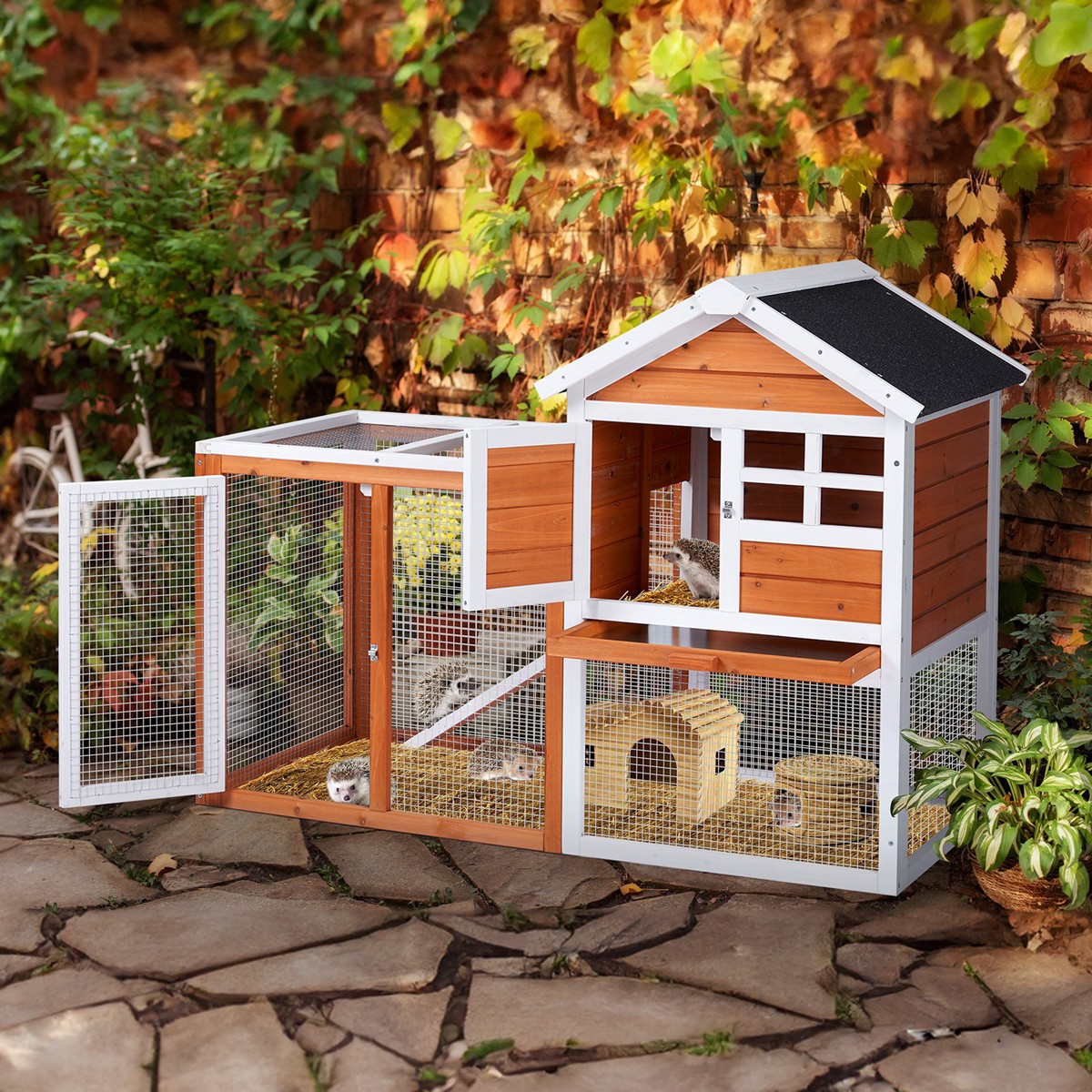 Wooden Chicken Coop Hen House Poultry Hutch Pet Cage with Nesting Box Backyard$111.99View on eBay
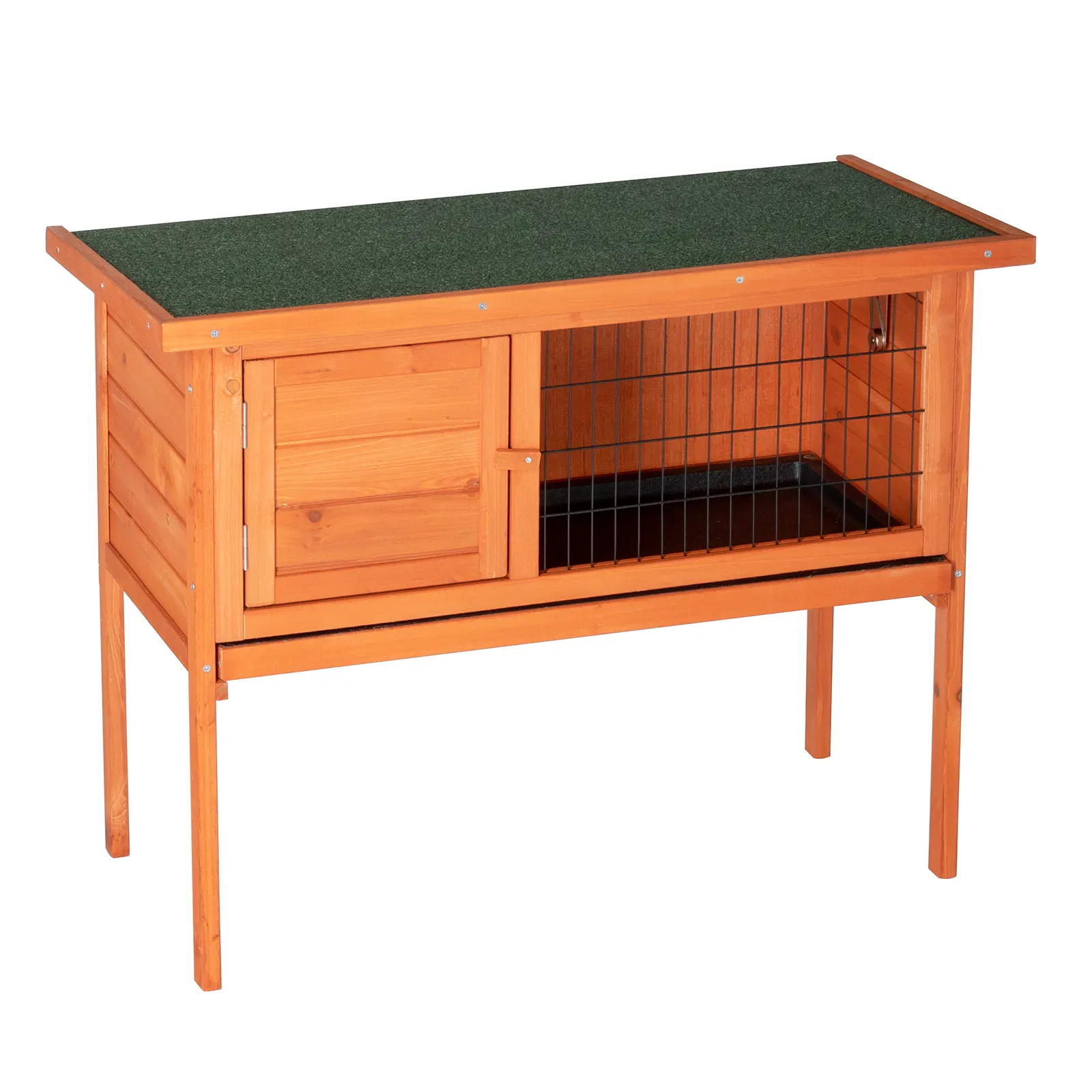 Replace 2225192136" Single Deck Waterproof Wooden Chicken Coop Hen House Pet Animal Poultry Cage Rabbit Hutch Nature$85.99View on Mallflare
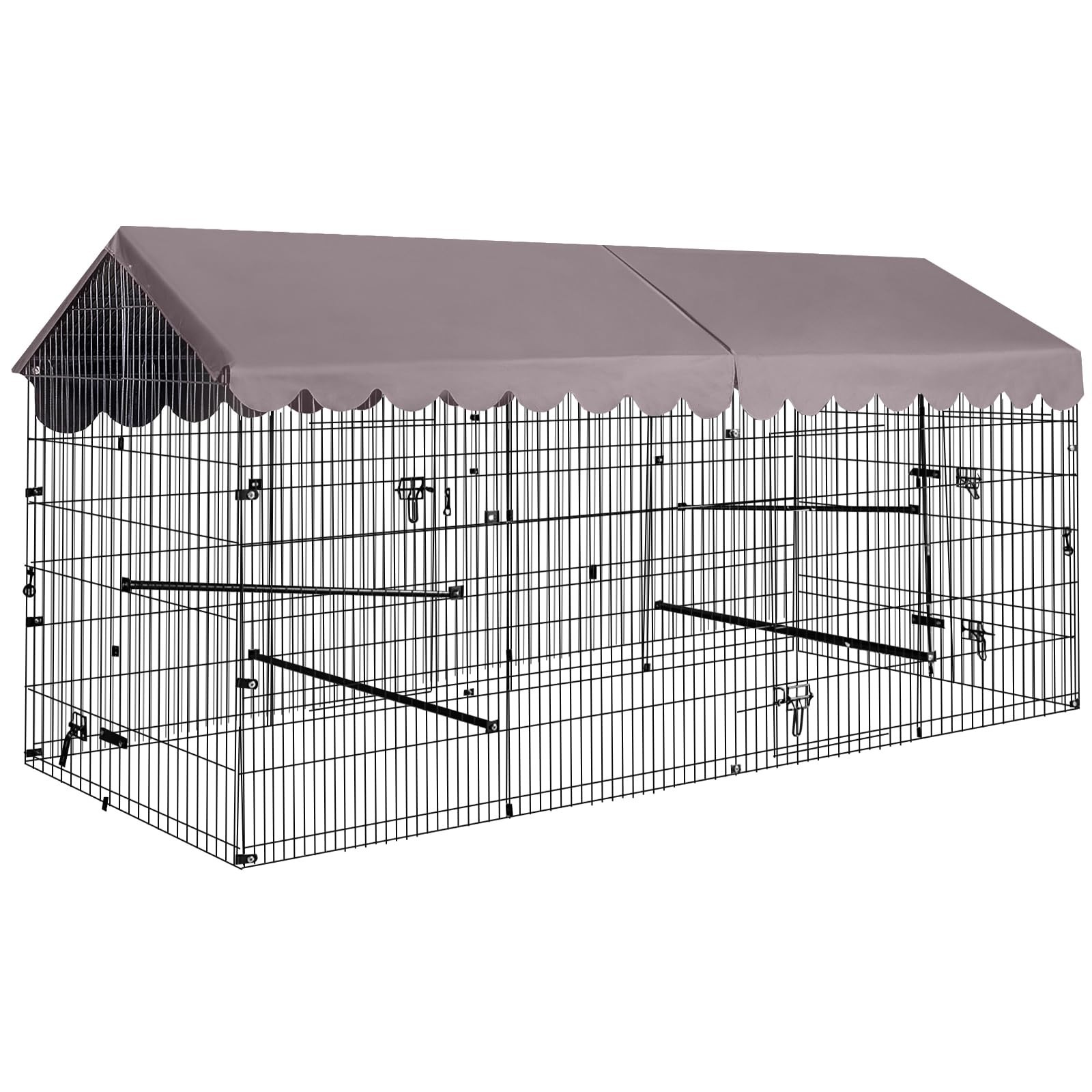 Super Large Metal Chicken Coop with Waterproof Cover Portable Poultry Cage$114.99View on eBay
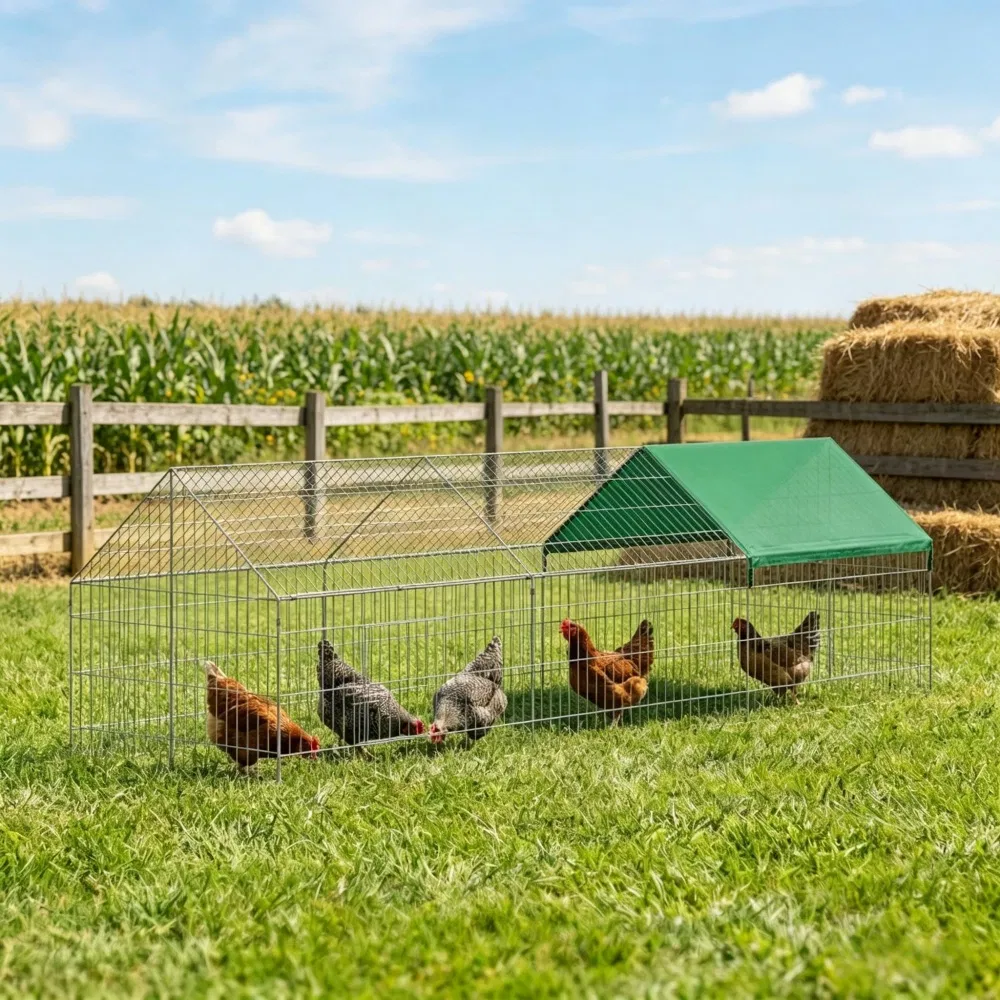 Chicken Coop 106.3 Inches for Outdoor$90.99View on Mallflare
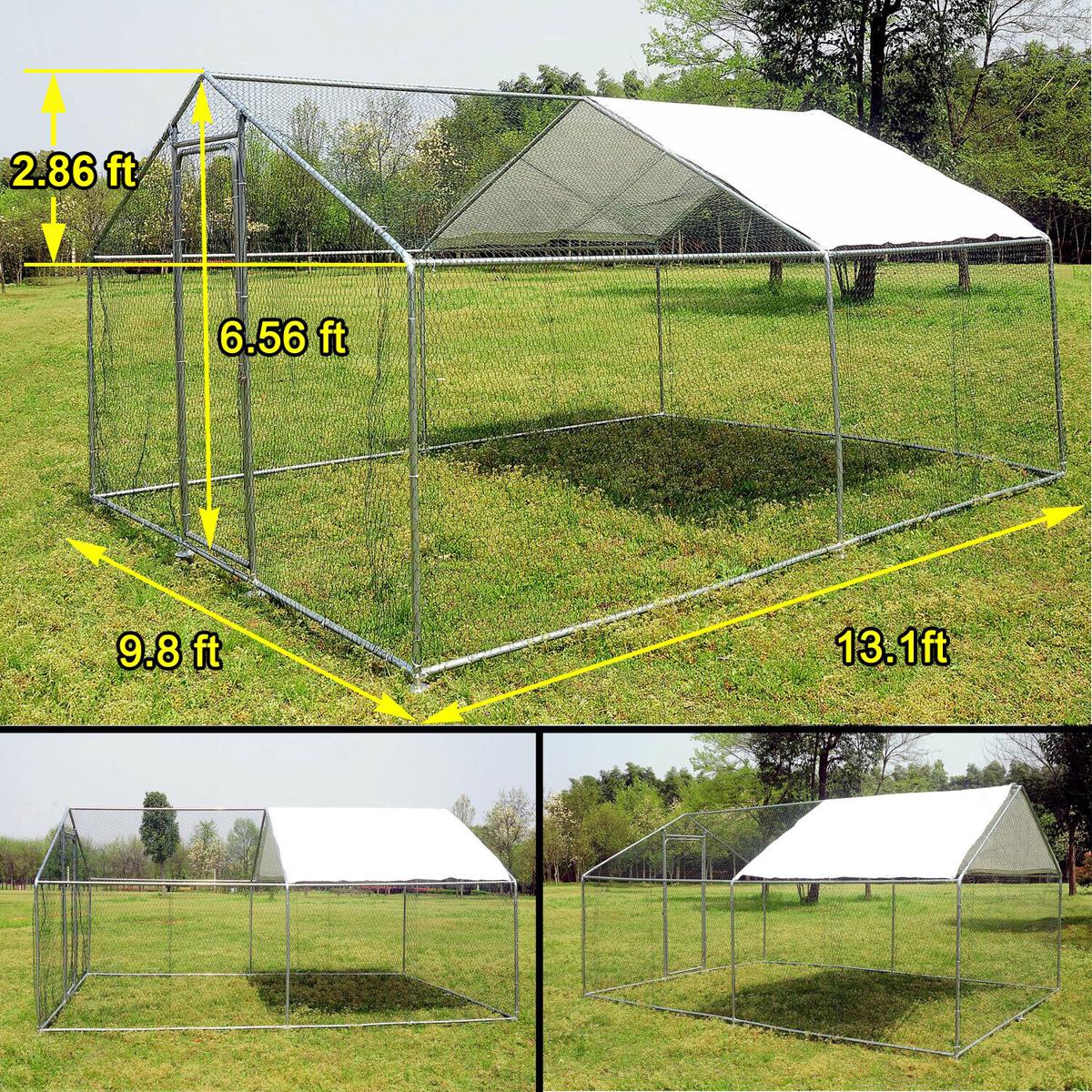 10x10'/ 13x10'/ 20x10' Chicken Coop Run Hen House Enclosed Backyard Poultry Cage$124.99View on eBay
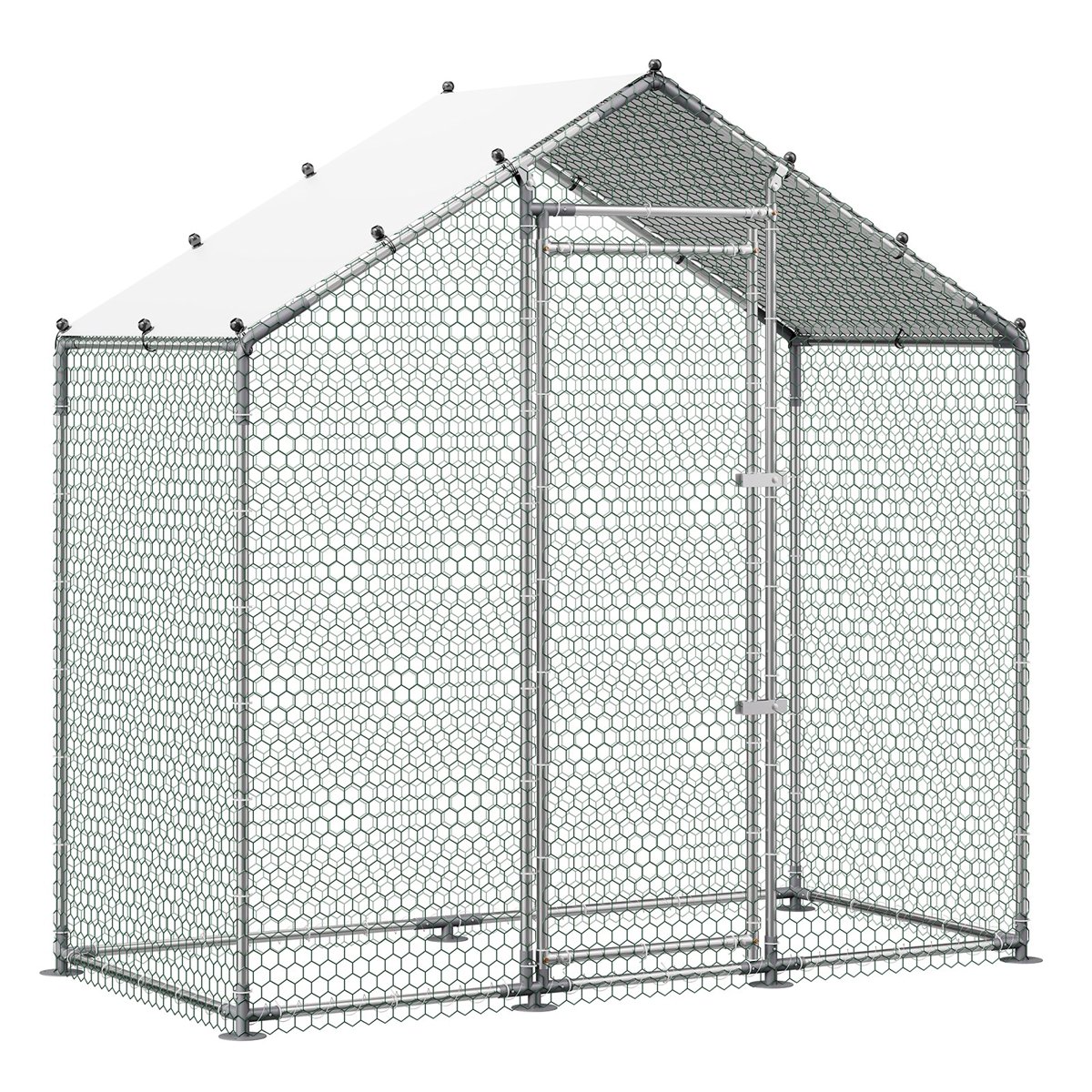 Large Metal Chicken Coop,6.6 X 3.3 X 6.6 Ft, Walk-in Run House With Waterproof Cover & Sturdy Frame, Spire Roof Poultry Cage Duck Pen For Rabbit Hen Goose Outdoor Backyard Farm Use$95.99View on Mallflare
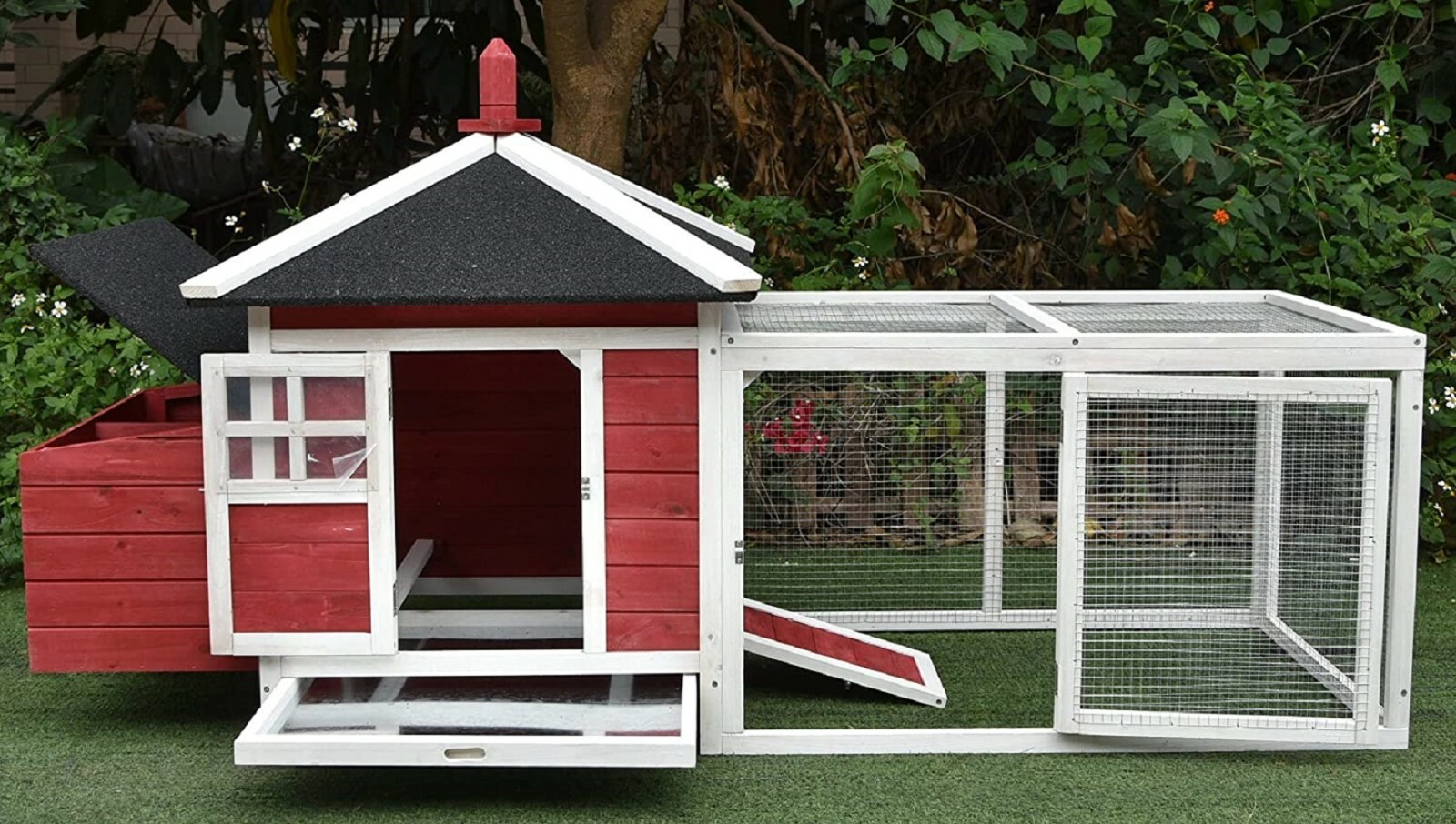 77" Wood Chicken Coop Backyard Hen House 2-4 Chickens with 2 Nesting Boxes New$137.37View on eBay
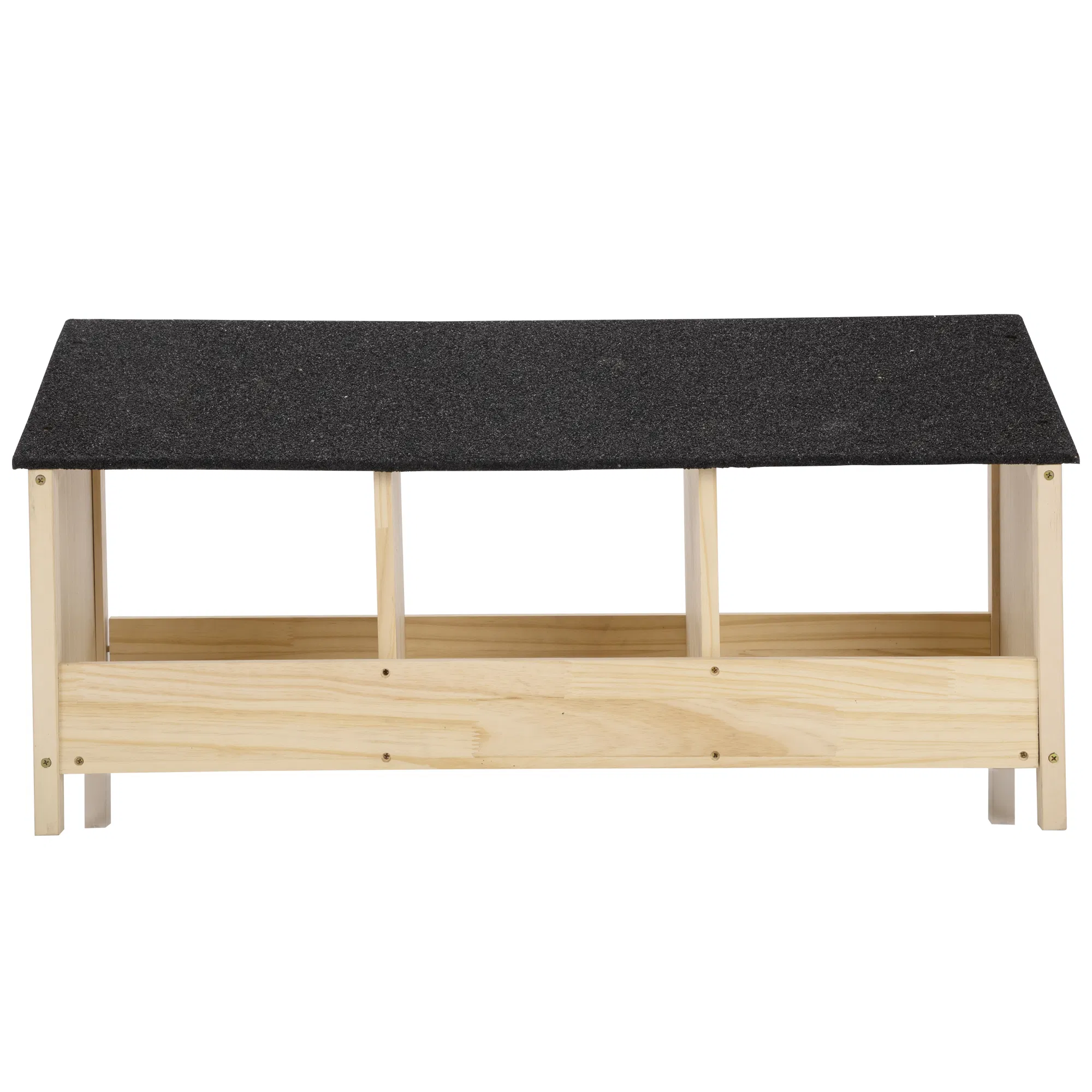 Chicken Coop with Waterproof Roof and 3 Nest Areas$95.99View on Mallflare
Highlights
- Frame tube diameter separates tiers: 25mm (1in) tubes flex under snow and wind load, while 32mm (1.25in) or larger thick-wall steel is required for permanent heavy-duty claims.
- Mesh gauge matters more than mesh pattern: 19-20 gauge welded wire resists predator bite and push-through; 23-gauge hexagonal chicken wire is a predator failure point and should be treated as a secondary layer only.
- Spring-button and pin connectors enable tool-free assembly but loosen over seasons; bolted or clamped reinforced corners hold tension and square far better under wind and snow.
- Roof geometry controls lifespan: slanted or arc roofs shed rain and snow, but only a waterproof anti-UV tarp or polycarbonate panel over the mesh prevents interior soak-through and UV degradation of the frame coating.
Best use cases
- Best fit: a permanent backyard flock in a windy or snowy climate — pick a thicker-tube, bolted or clamped frame with a slanted roof and add a solid polycarbonate roof panel; skip lightweight spring-button kits with tarp-only roofs.
- Best fit: predator pressure from foxes, raccoons, or hawks — choose a welded-wire mesh run with a skirt or buried apron plus a lockable pop door; skip hexagonal chicken-wire-only enclosures regardless of frame strength.
- Best fit: seasonal or rental yards needing relocation — a modular walk-in run with pin connectors and a removable cover assembles and moves without concrete footings; skip permanent heavy frames that need ground anchors and level pads.
Buying tips
- Size by usable run area, not footprint: a 19.7x9.8ft run gives roughly 190 sq ft, which supports about 7-9 standard hens at 10 sq ft run space each plus 2-3 sq ft of coop house per bird.
- Specify tube wall thickness, not just diameter: 25mm tubes under 1.0mm wall deform at panel joints under snow load; prioritize frames advertising thick-wall galvanized steel and reinforced mesh-to-frame clips.
- Require a predator-resistant mesh: choose 1-inch welded wire at 19-20 gauge with a buried or skirted ground apron; fasten panels with stainless or galvanized hog rings and bolts rather than zip ties alone.
- Match the roof and cover to climate: a slanted or arc roof with waterproof anti-UV tarp suits mild rainy regions, while snow or high-UV regions need a rigid polycarbonate panel over the run top for load and UV resistance.
Specs
| Frame Material | Galvanized steel > powder-coated |
|---|---|
| Tube Wall | Thick-wall 1.0mm+ vs thin 0.6mm |
| Predator Mesh | 19-20 ga welded wire vs hex chicken wire |
| Roof Coverage | Slant/arc + tarp vs rigid polycarbonate |
Related searches
What to check before buying
- Measure your yard pad and gate access: a walk-in coop needs firm, level ground and enough clearance to move assembled panels through gates; plan anchoring stakes or a concrete perimeter for exposed sites.
- Confirm wind and snow exposure at the site: choose thicker-wall tubes and a rigid roof panel for areas with heavy snow or sustained wind, and add a skirt or buried mesh apron against digging predators.
- Verify companion parts: a coop house or nesting box, lockable pop door, feeder and waterer, and predator apron are usually sold separately and must be sized to the run height and door opening.
- Check ground and drainage: set the frame on level ground with drainage away from the run, and use galvanized or stainless fasteners so the frame does not rust at ground contact.
FAQ
Data sources: eBay / Amazon listings and product attribute feeds. Updated Nov 28, 2026.
Some links on this page are affiliate links. If you buy after clicking one, we may earn a commission at no extra cost to you. This does not change which products appear here or their order. Affiliate disclosure.