
Photos from current listings. Actual item, color, and included accessories may vary.
5 Chicken Coop Buying Guide
A 5-chicken coop is a small-flock housing unit sized to comfortably shelter up to five standard hens, but the category splits sharply between flimsy fabric/light-frame pens and rigid wood or galvanized-steel structures. The primary trade-off is upfront material cost versus predator resistance and weather durability: welded wire and true lumber last years, while zip-tied fabric and thin tubing fail within seasons. The decision rule is simple—buy a rigid frame with 1-inch or smaller galvanized mesh and a raised, ventilated house if the coop must survive raccoons, wind, and rain; choose a fabric pen only for supervised daytime ranging in mild climates.
Median $123.99 · New listings
Key takeaways
- Predator security is determined by mesh gauge and aperture: 1/2-inch hardware cloth blocks rats and snakes, while 1-inch chicken wire stops only large hens and is easily torn by raccoons.
- Walk-in runs use 6.5 ft peak height on 1.0–1.5 inch diameter galvanized tube frames; shorter 40–42 inch coops require bending or full daily lifting for cleaning.
- Wooden coops with nesting boxes, sliding trays, and asphalt/felt roofs handle rain and sun; fabric covers and tarps degrade under UV within one to two seasons.
At a glance
- Category
- Chicken Coops & Runs
- Last updated
- Nov 28, 2026
Current offers
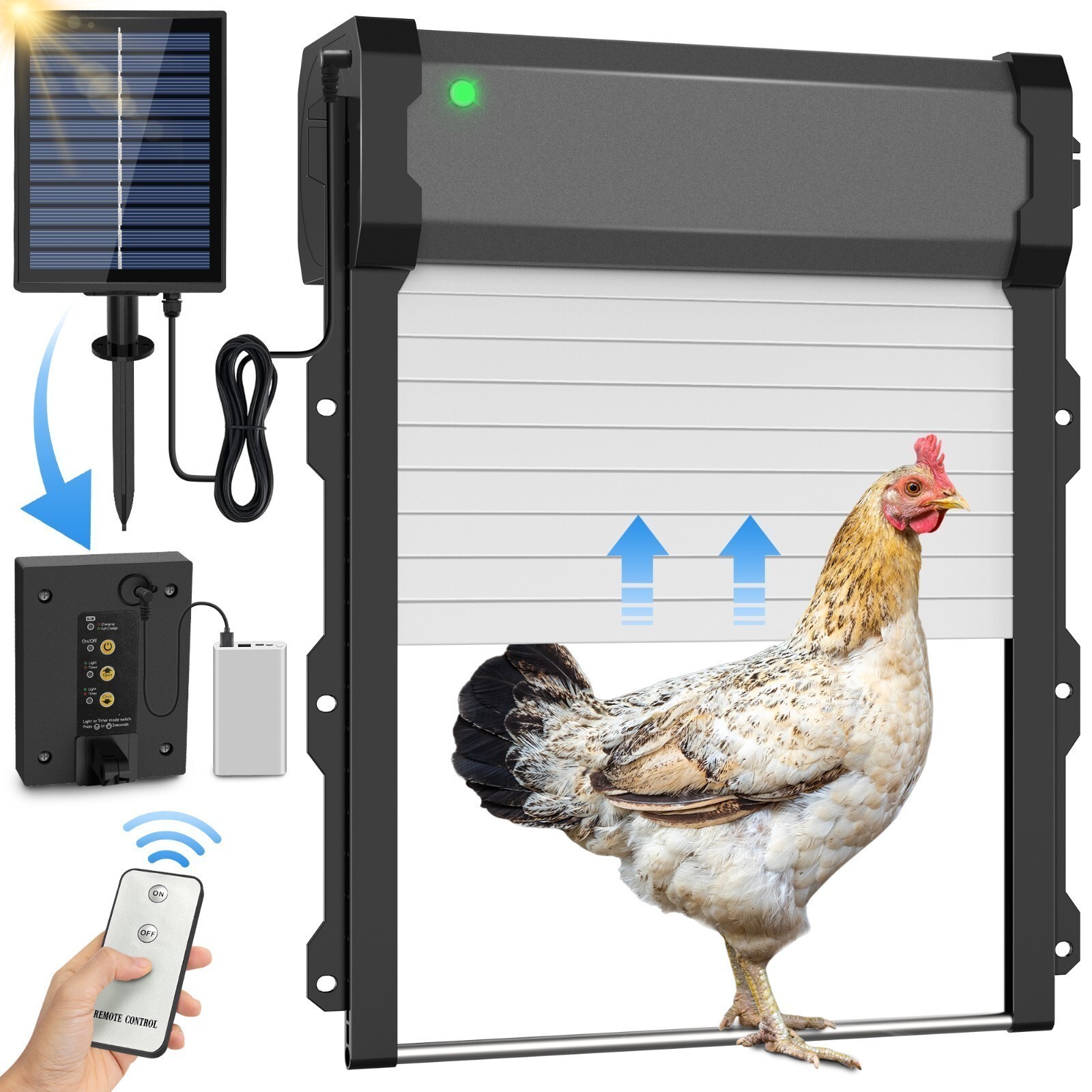 Solar Powered Chicken Coop Door Opener Timer & Light Sensor Auto Door Waterproof$65.99View on eBay
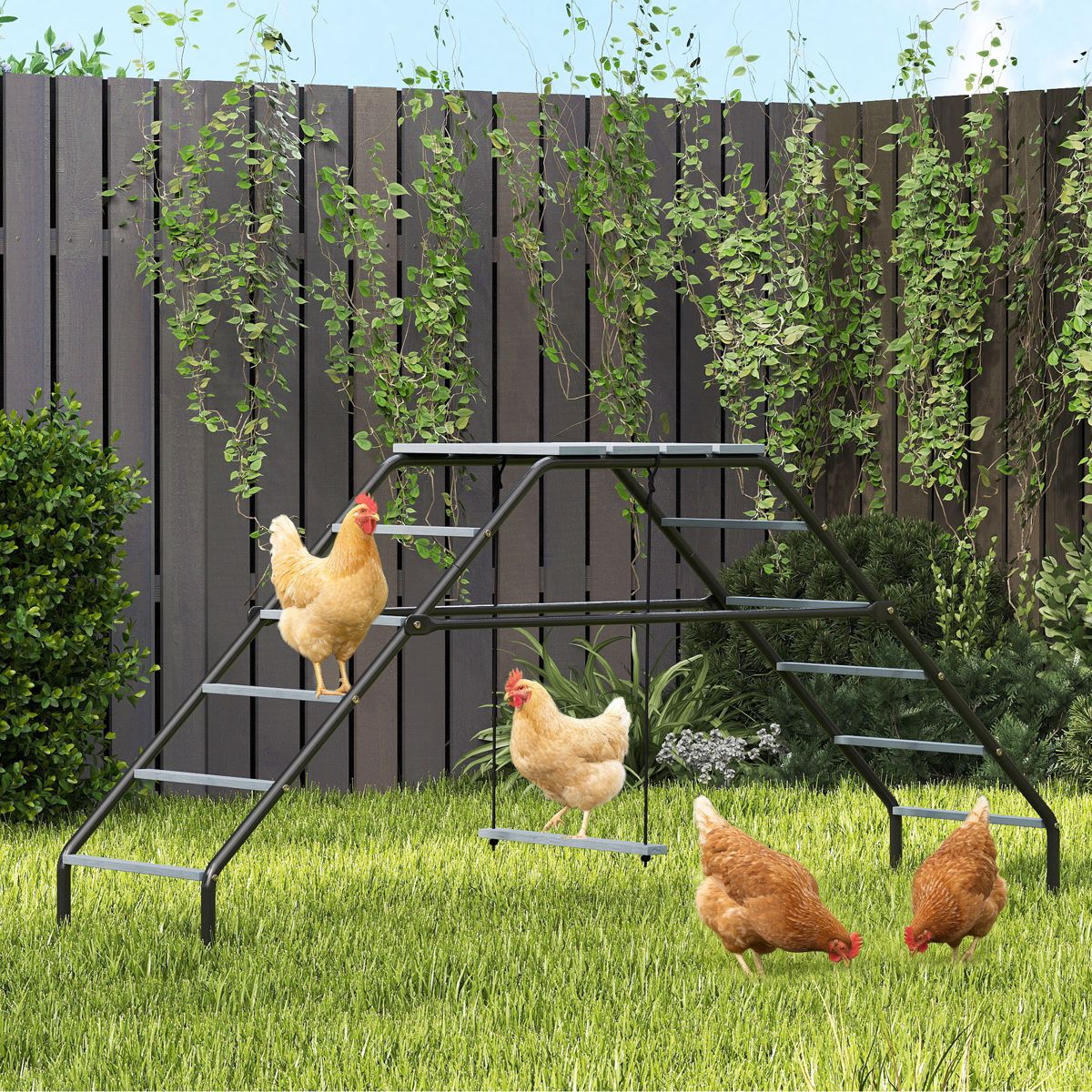 Chicken Coop Perches with Adjustable Swing, 10 Roosting Bars, for Backyard, Farm$40.99View on Mallflare
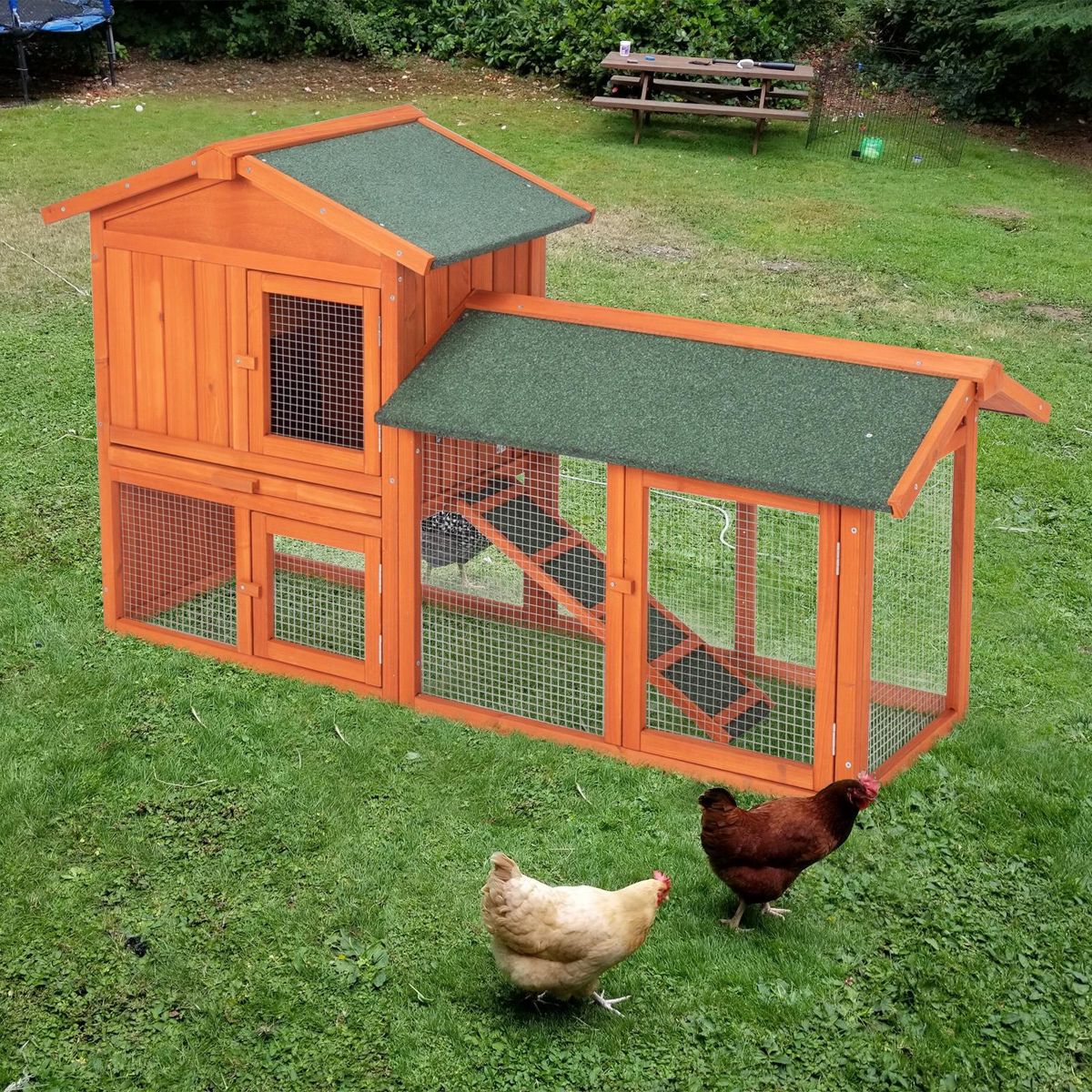 Wooden Chicken Coop Hen House Poultry Hutch Pet Cage with Nesting Box, Backyard$102.99View on eBay
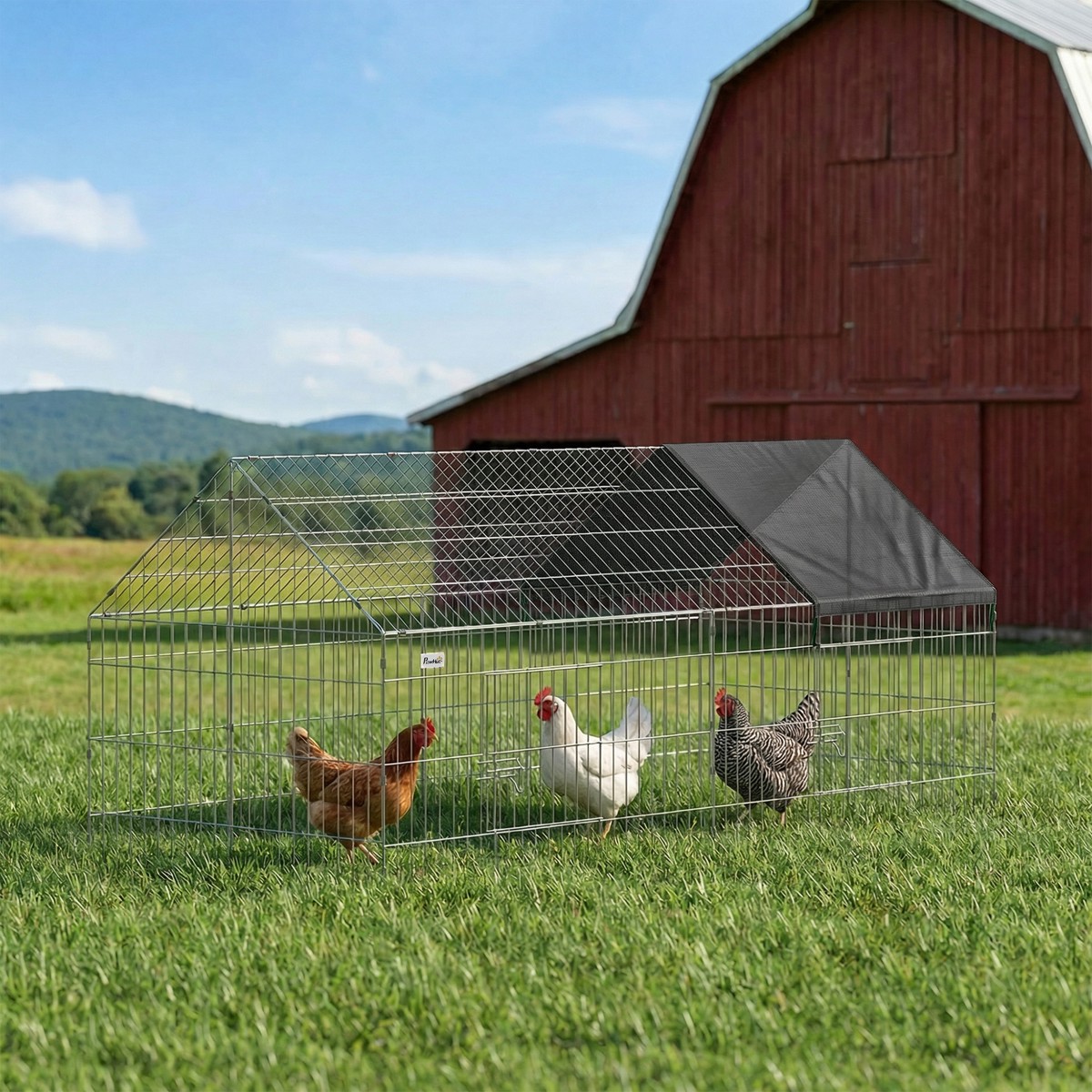 Metal Chicken Coop with Cover for Backyard Small Animals Duck Rabbit, 71" x 29.5" x Black$51.99View on Mallflare
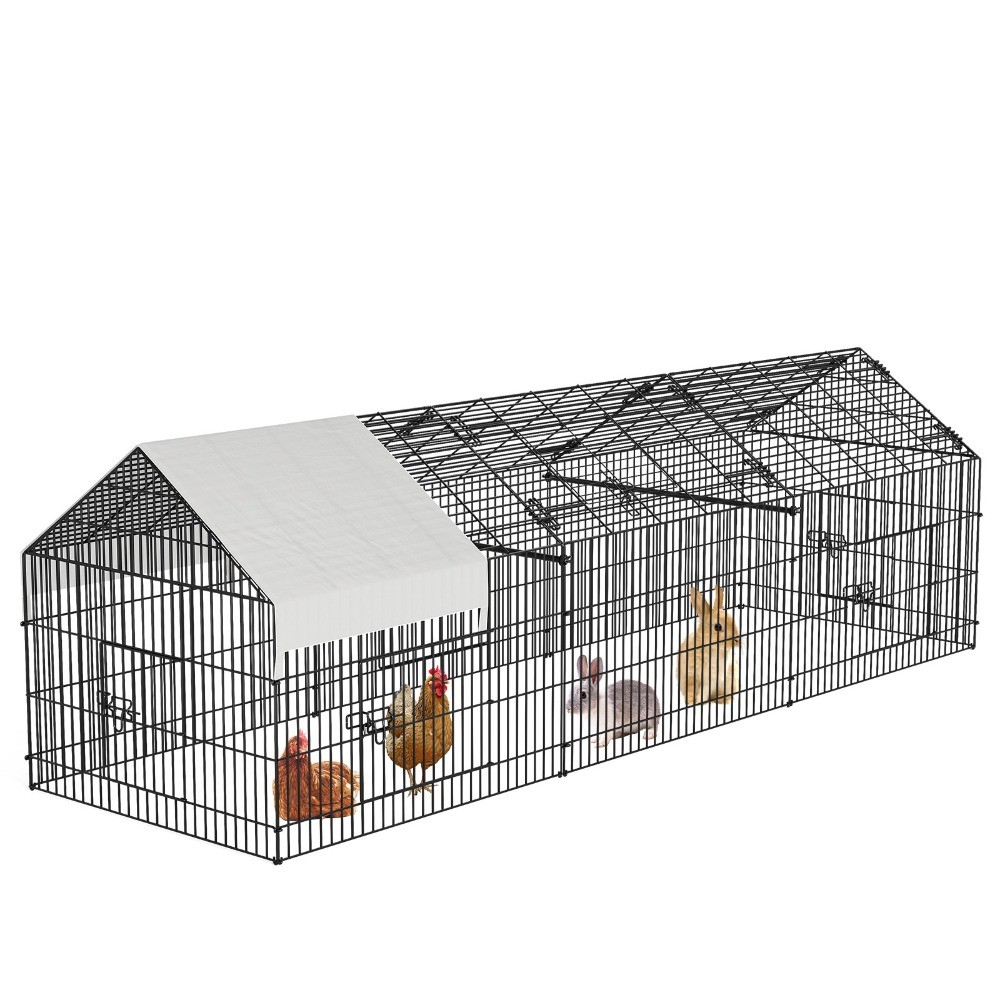 130"*40"Metal Chicken Coop Chicken Run Backyard Hen House Poultry Habitat Cage$105.99View on eBay
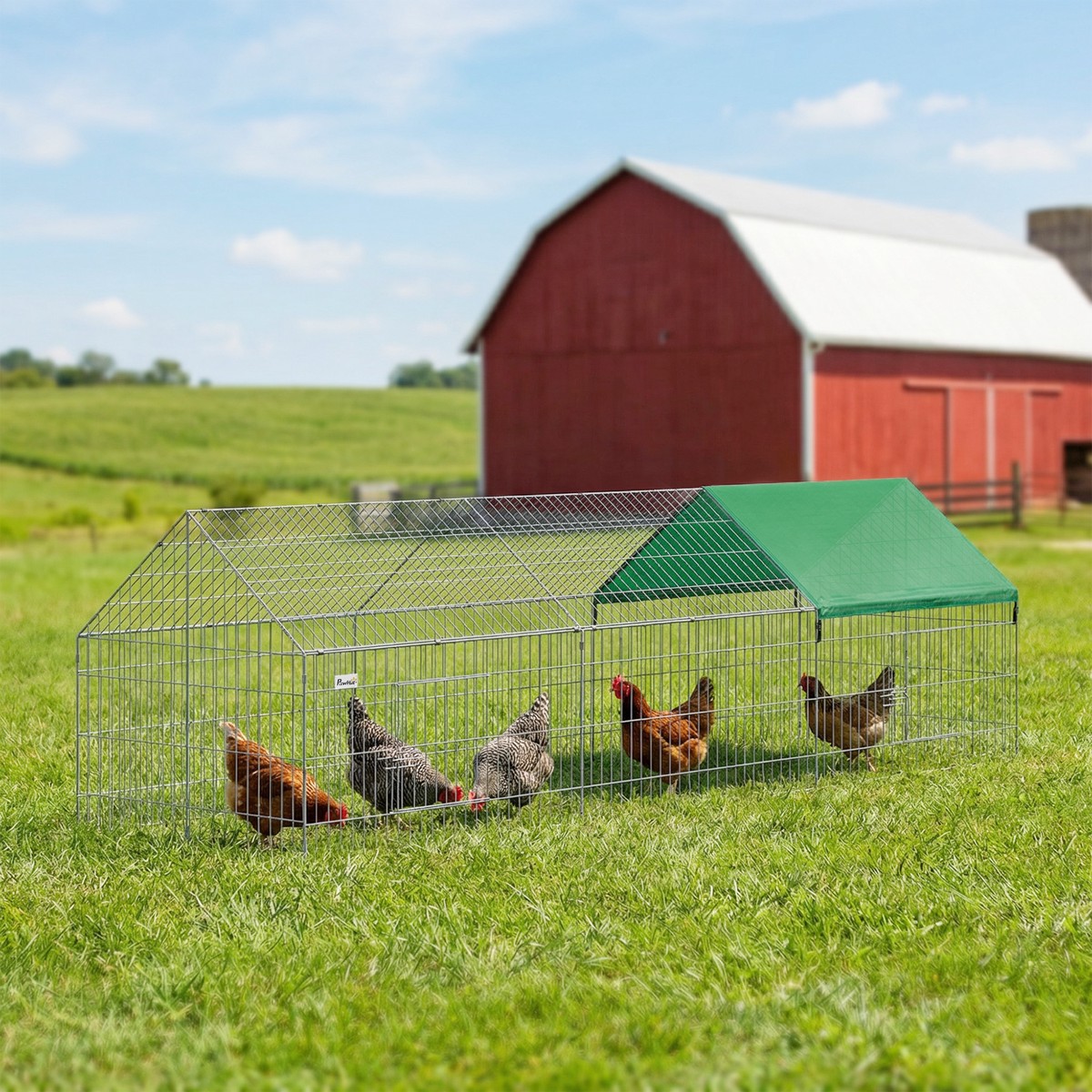 Metal Chicken Coop with Cover for Backyard Small Animals Duck Rabbit, 106" x 29.5" x Green$61.99View on Mallflare
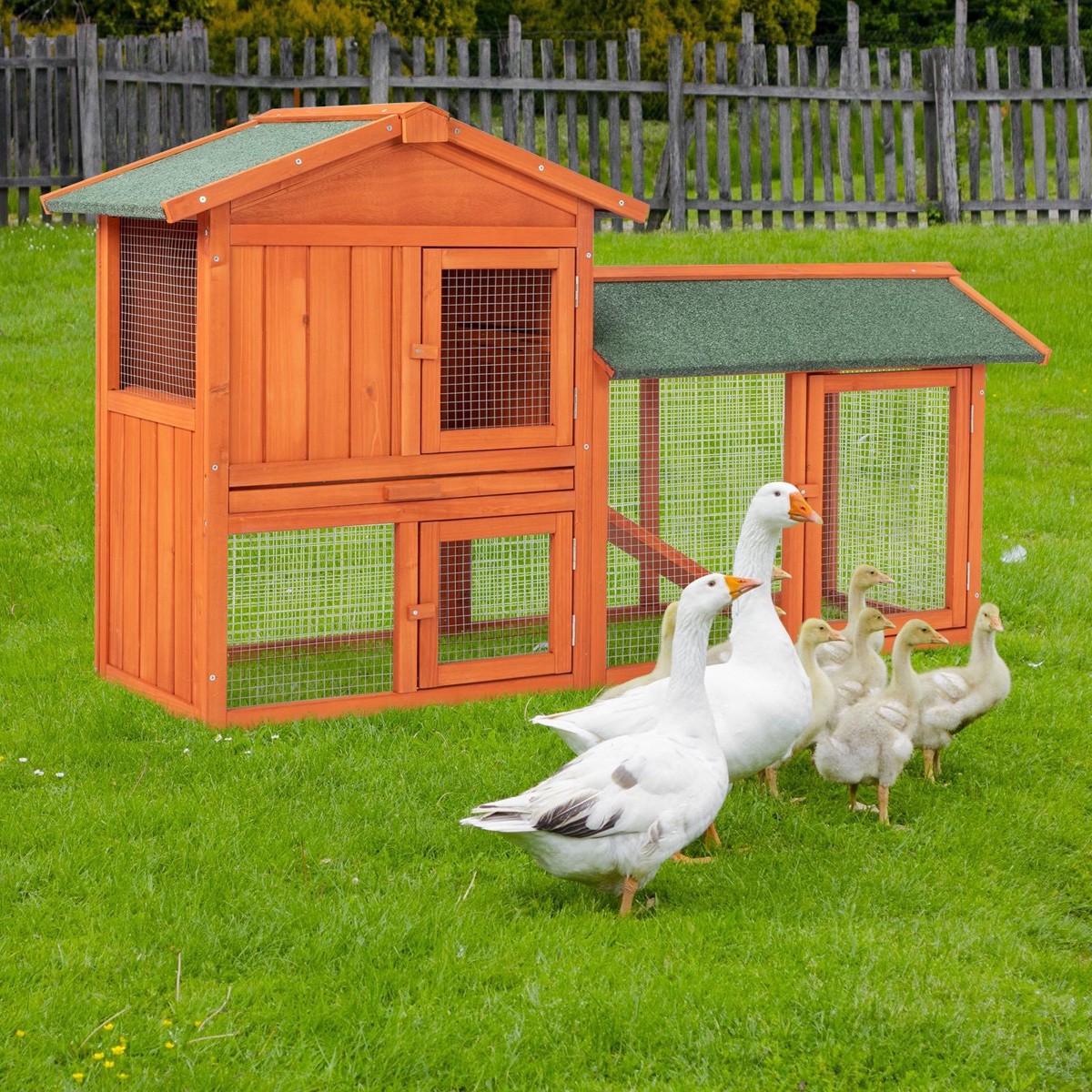 Wooden Chicken Coop Hen House Poultry Hutch Pet Cage w/ Nesting Box Backyard$106.79View on eBay
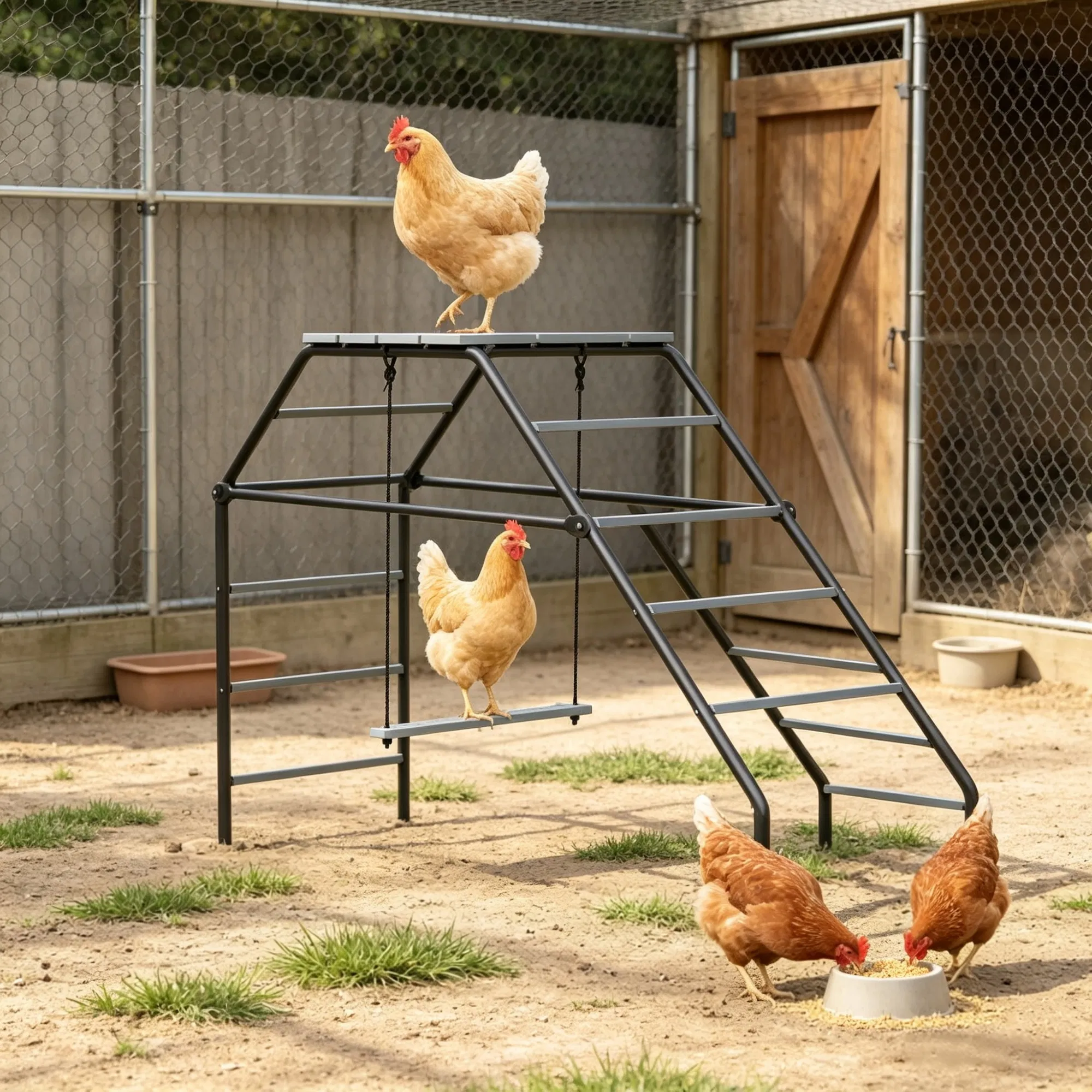 10 Pcs Chicken Coop Perches - with Adjustable Swing, Roosting Bars for Backyard Brooder & Farm Upgrade$73.99View on Mallflare
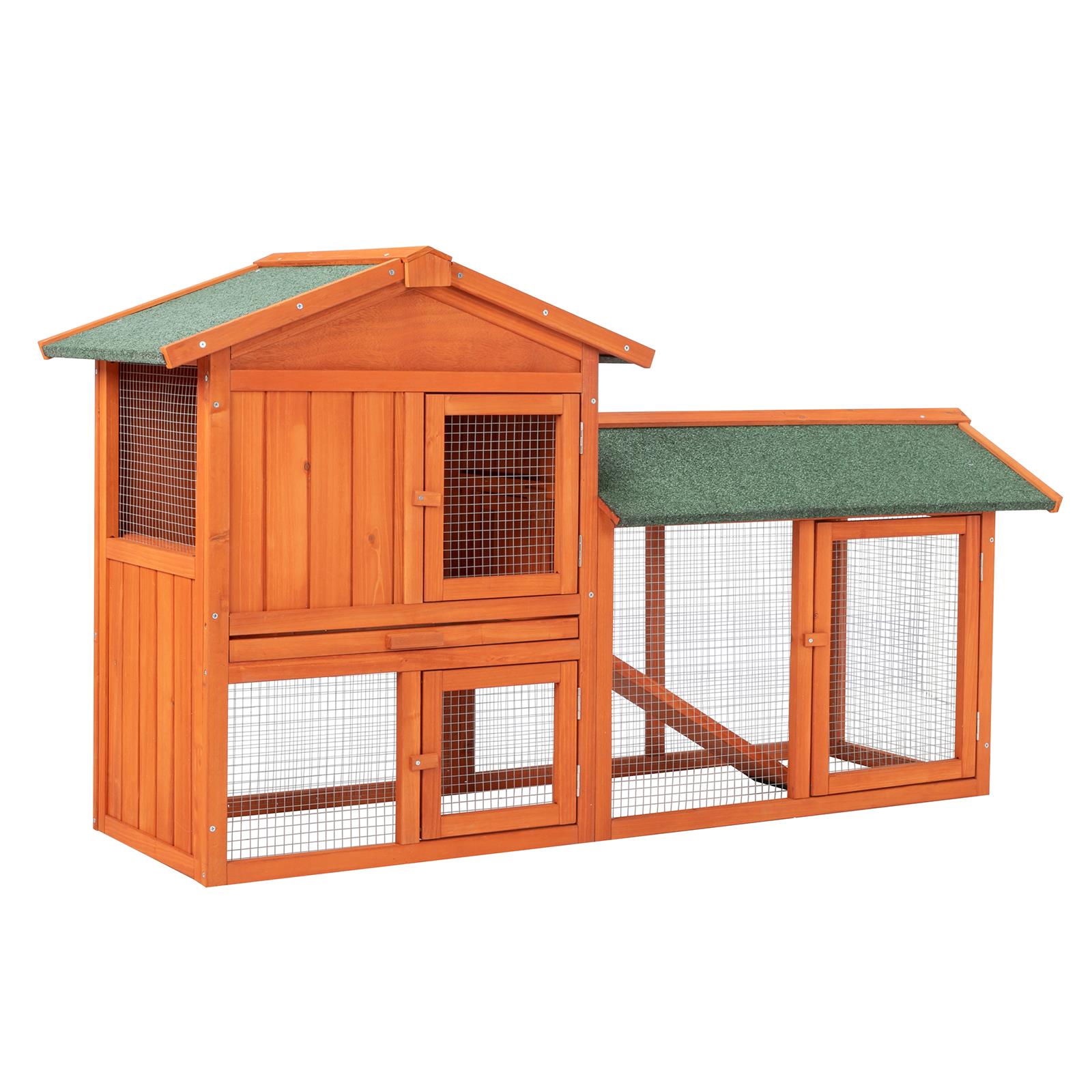 Garden Wood Chicken Coop House Poultry Hutch Pet Cage w/ Nesting Box Backyard$107.99View on eBay
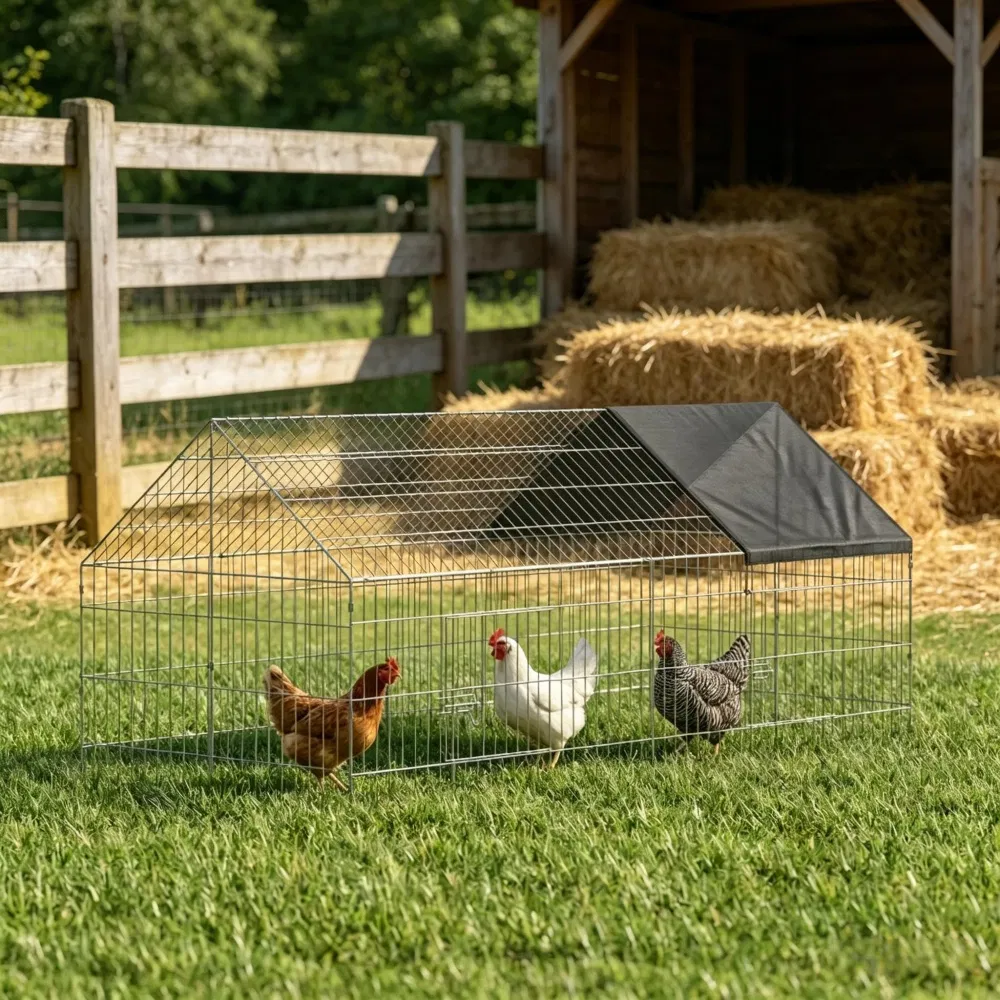 Chicken Coop, Steel Run with 90D Oxford Canopy and Two Latched Doors, 70.9 x 29.5 x in, for Chickens, Ducks and Rabbits, Black and Silver$76.99View on Mallflare
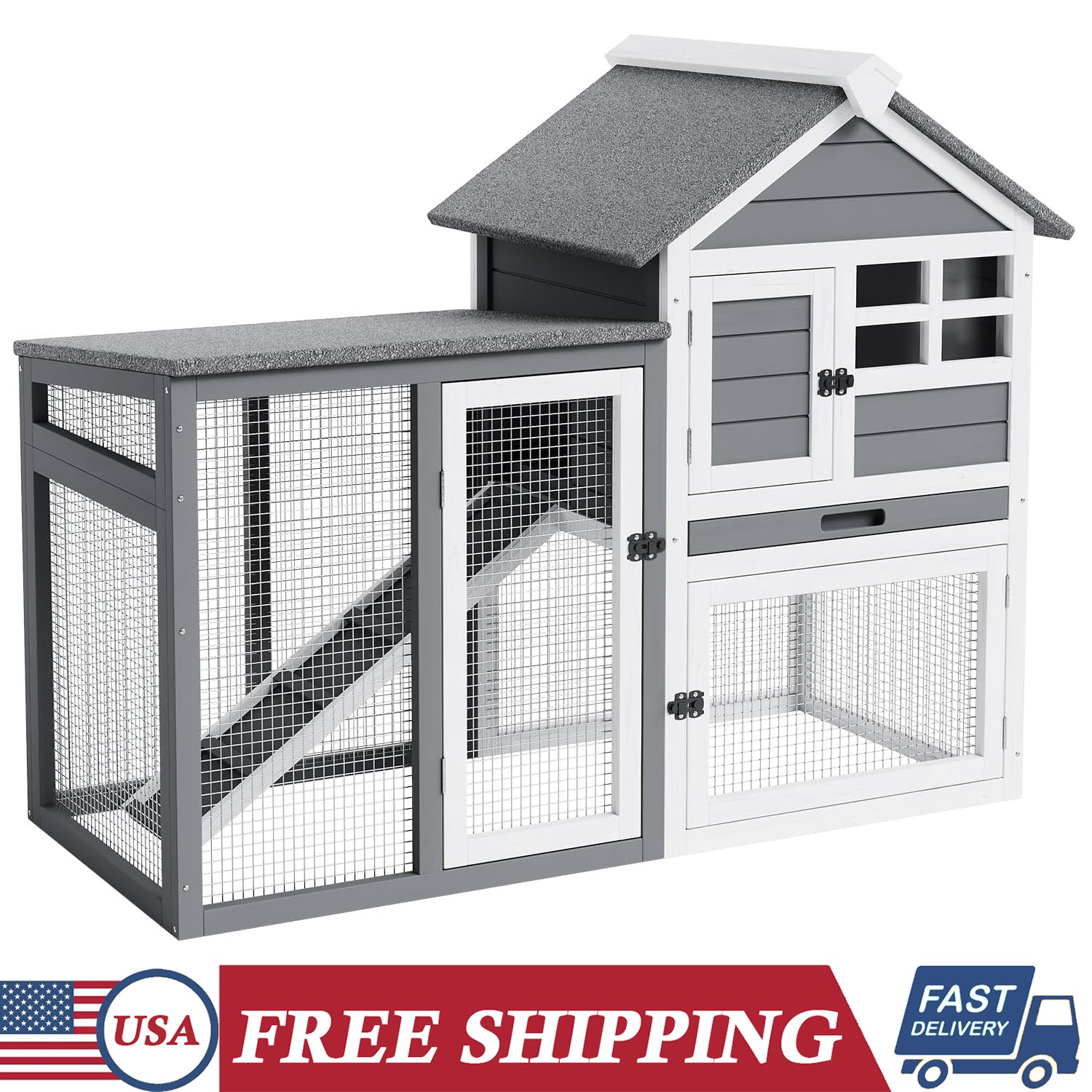 Large Chicken Coop Outdoor Wooden Backyard 2-Story Hen Rabbit House Chicken Run$109.98View on eBay
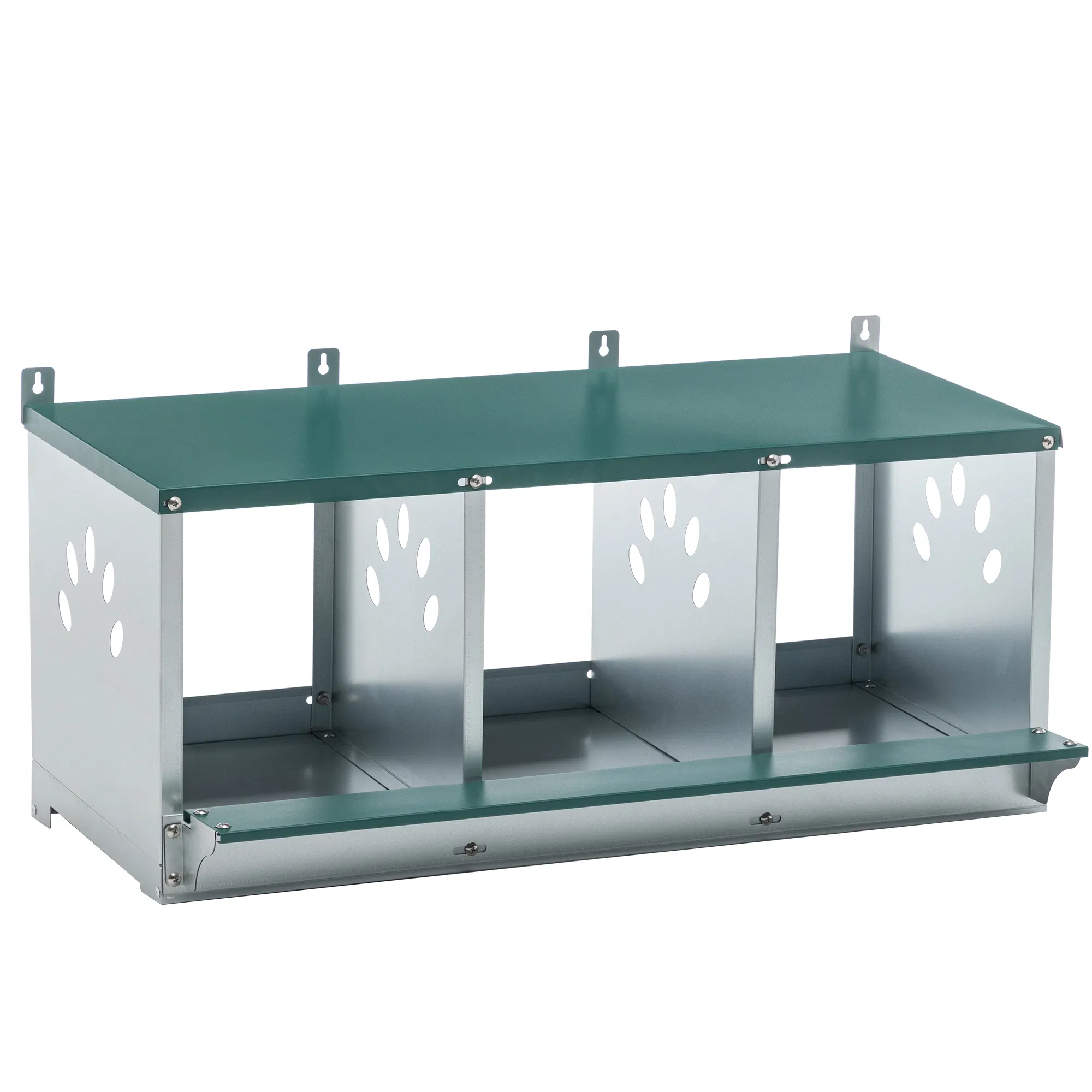 3 Room Metal Chicken Nesting Boxes 3 Compartment Egg Coop$76.99View on Mallflare
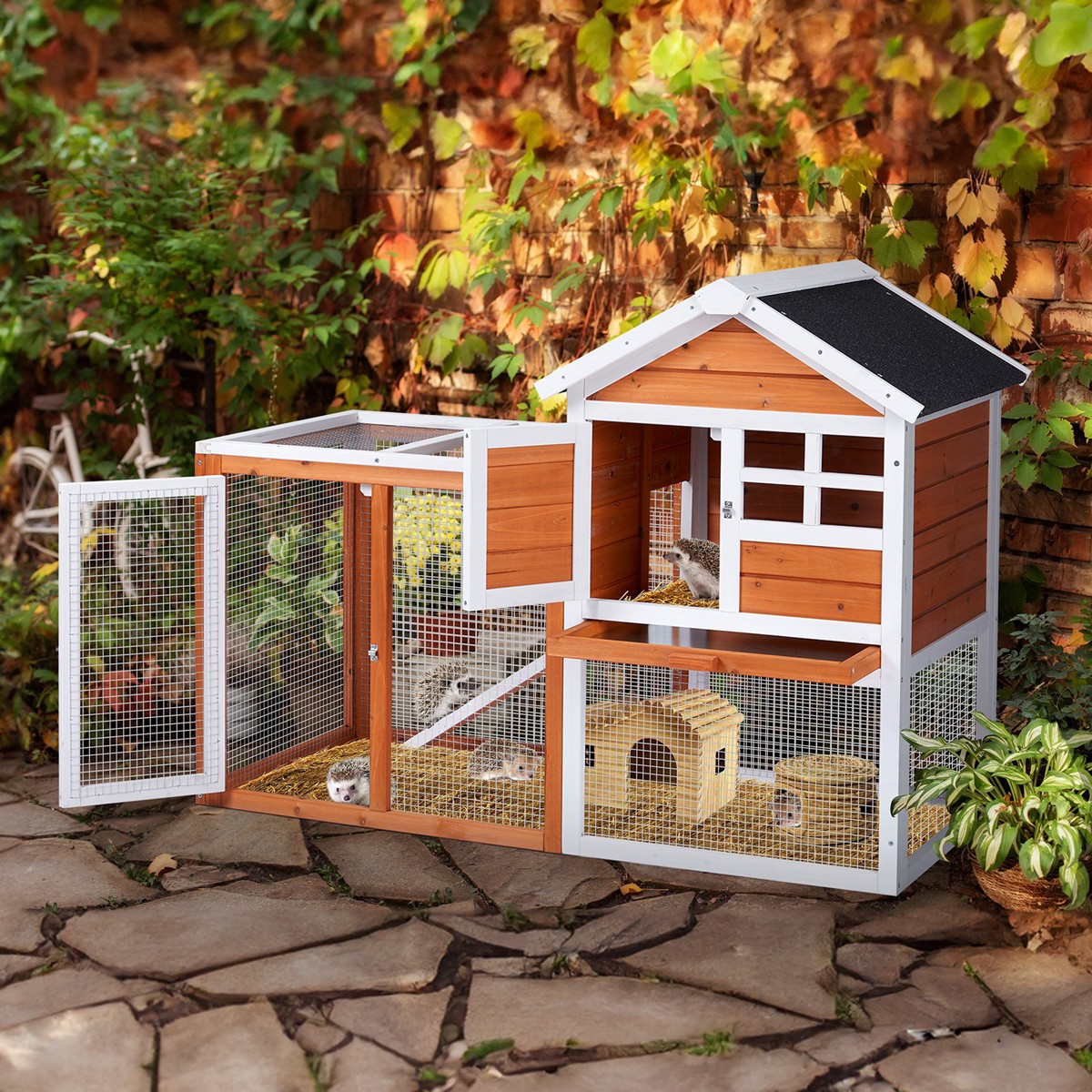 Wooden Chicken Coop Hen House Poultry Hutch Pet Cage with Nesting Box Backyard$111.99View on eBay
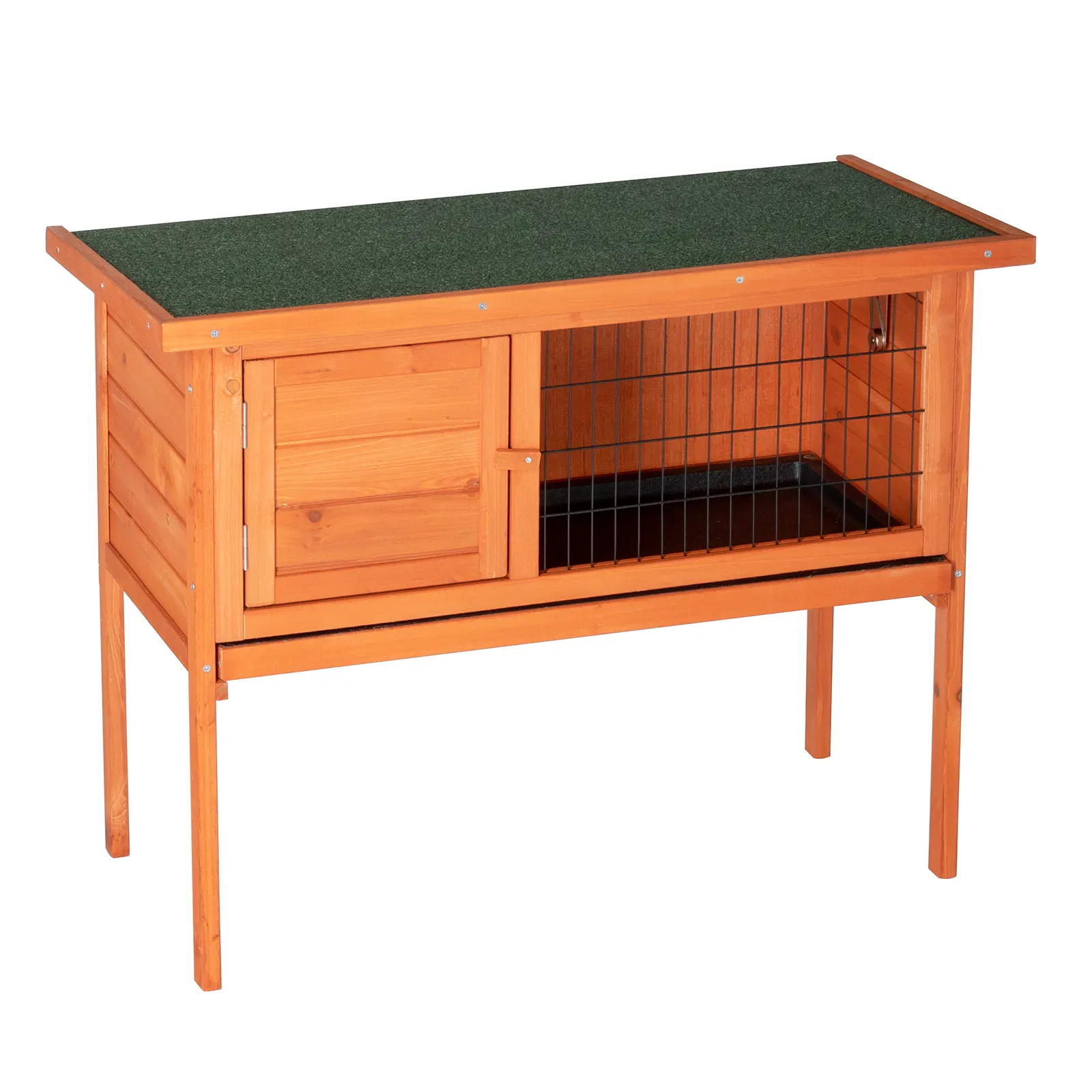 Replace 2225192136" Single Deck Waterproof Wooden Chicken Coop Hen House Pet Animal Poultry Cage Rabbit Hutch Nature$85.99View on Mallflare
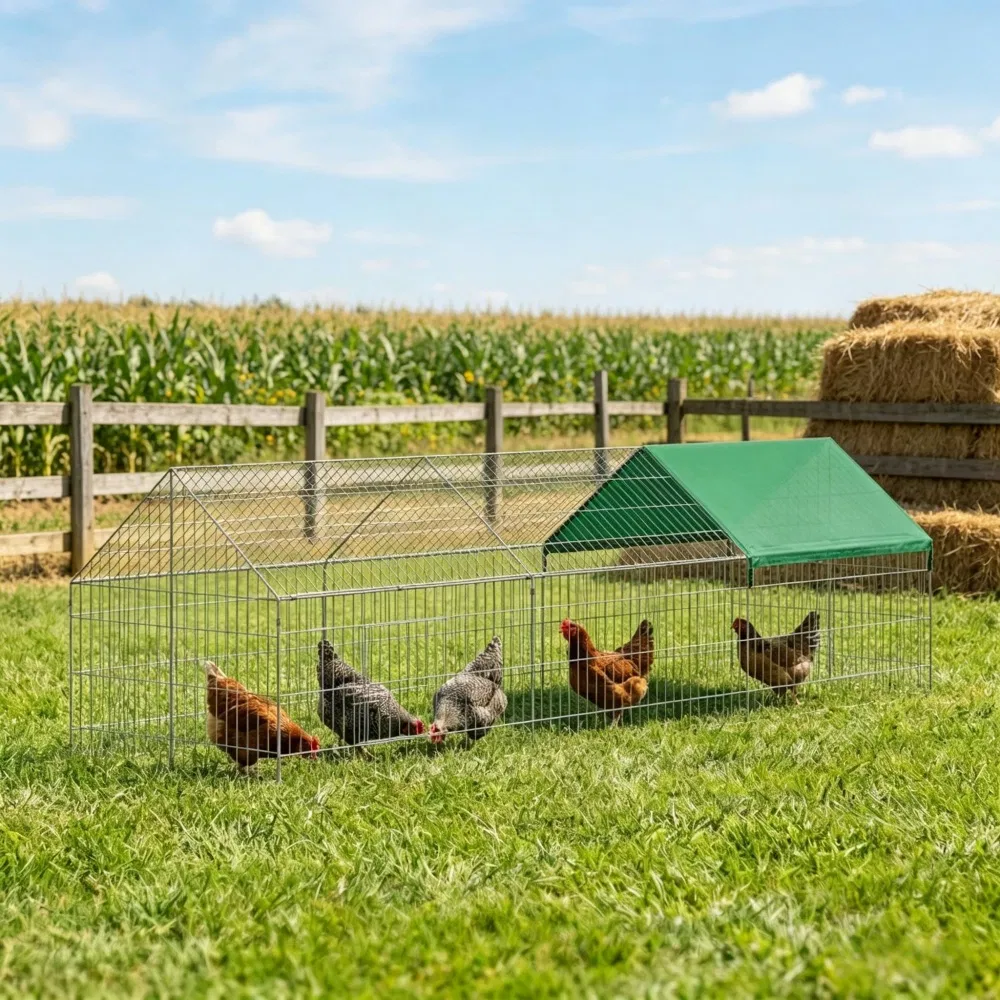
 Super Large Metal Chicken Coop with Waterproof Cover Portable Poultry Cage$114.99View on eBay
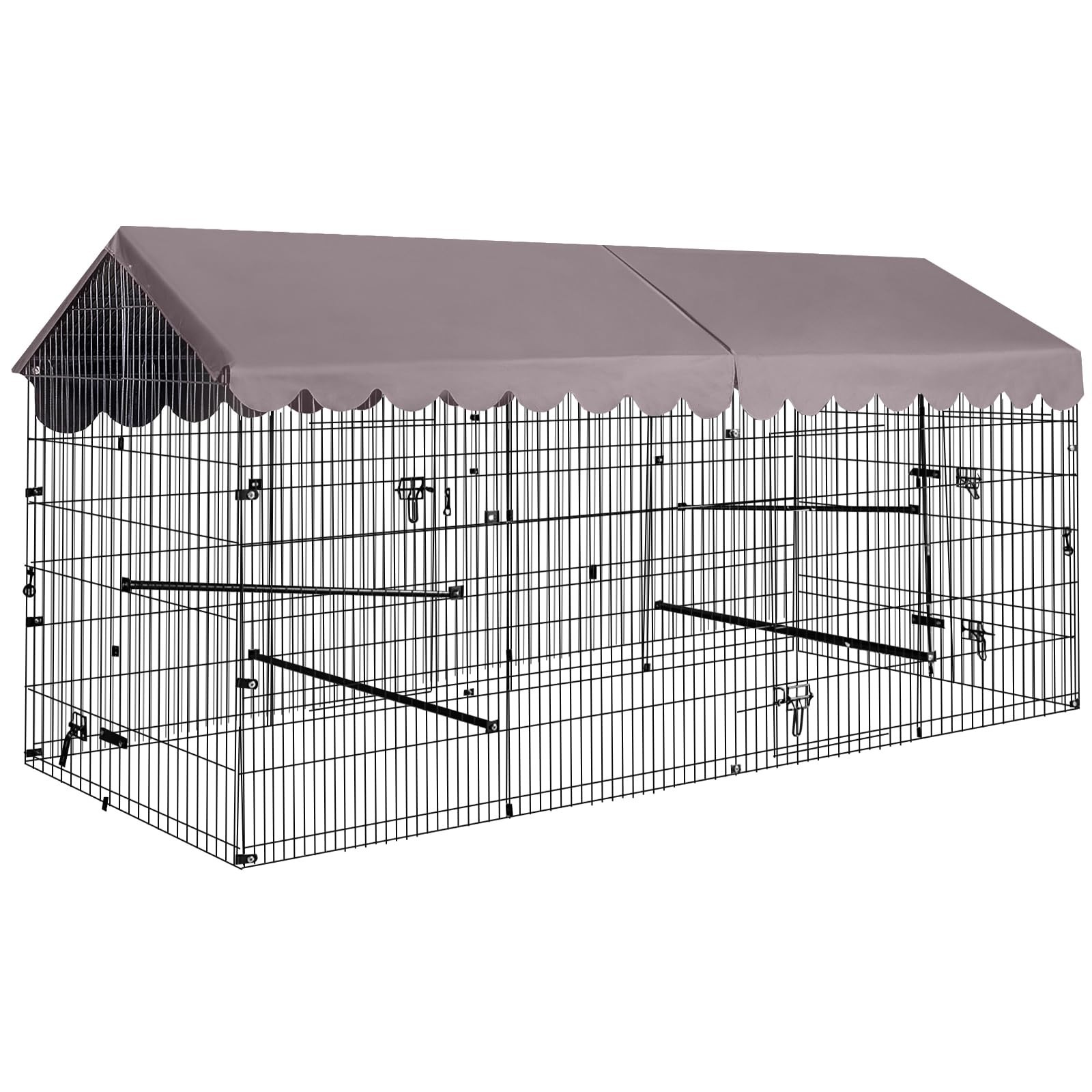
 Chicken Coop 106.3 Inches for Outdoor$90.99View on Mallflare
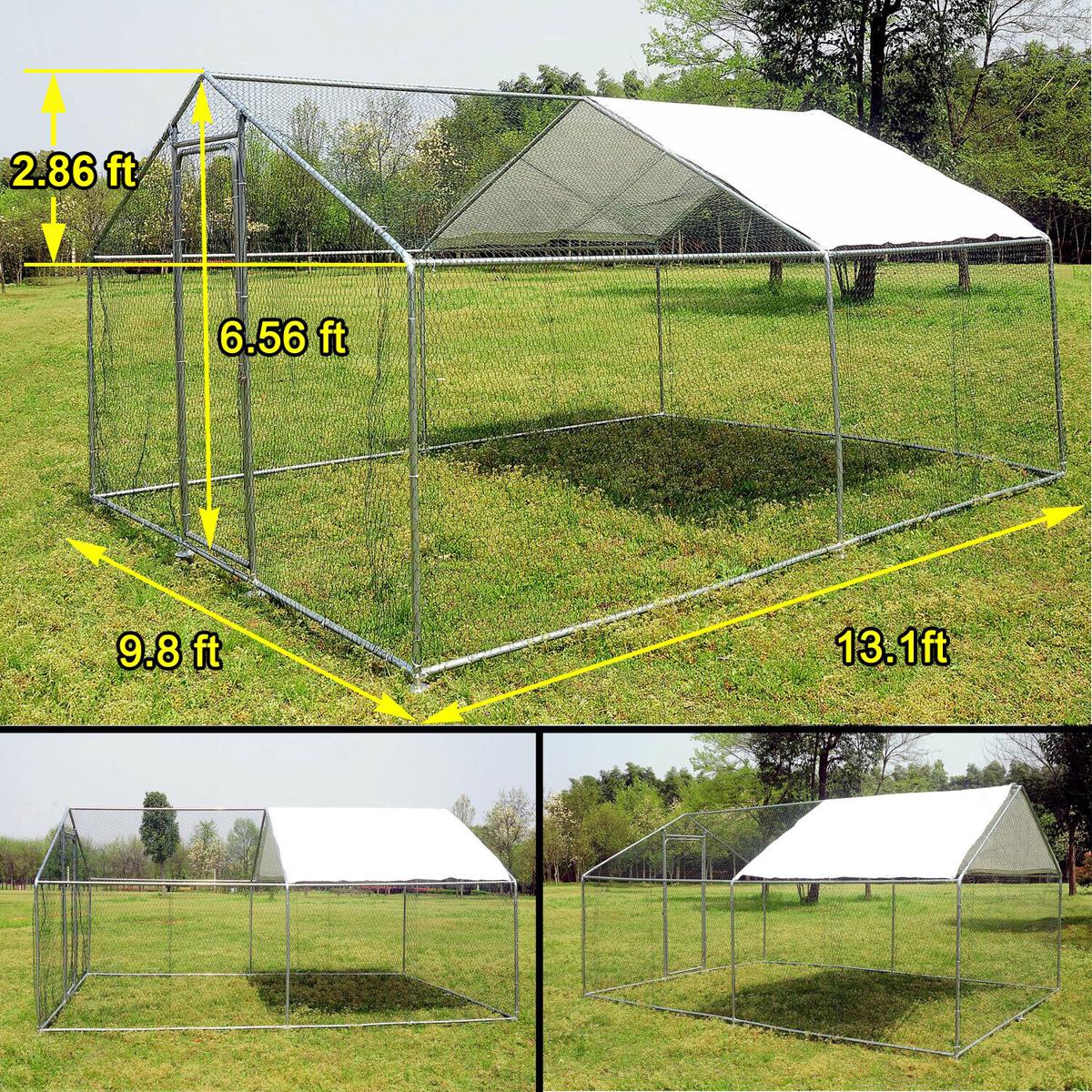 10x10'/ 13x10'/ 20x10' Chicken Coop Run Hen House Enclosed Backyard Poultry Cage$124.99View on eBay
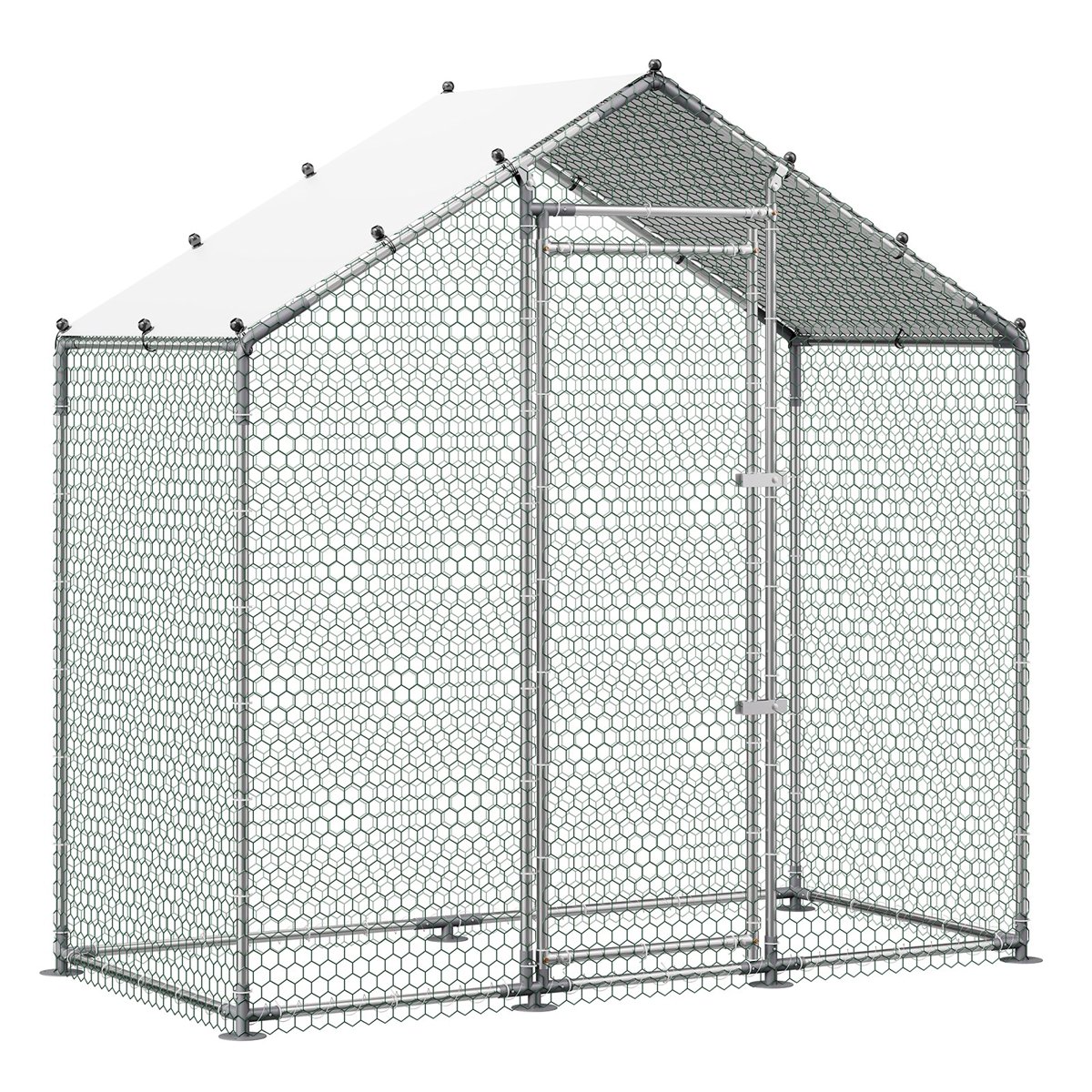 Large Metal Chicken Coop,6.6 X 3.3 X 6.6 Ft, Walk-in Run House With Waterproof Cover & Sturdy Frame, Spire Roof Poultry Cage Duck Pen For Rabbit Hen Goose Outdoor Backyard Farm Use$95.99View on Mallflare
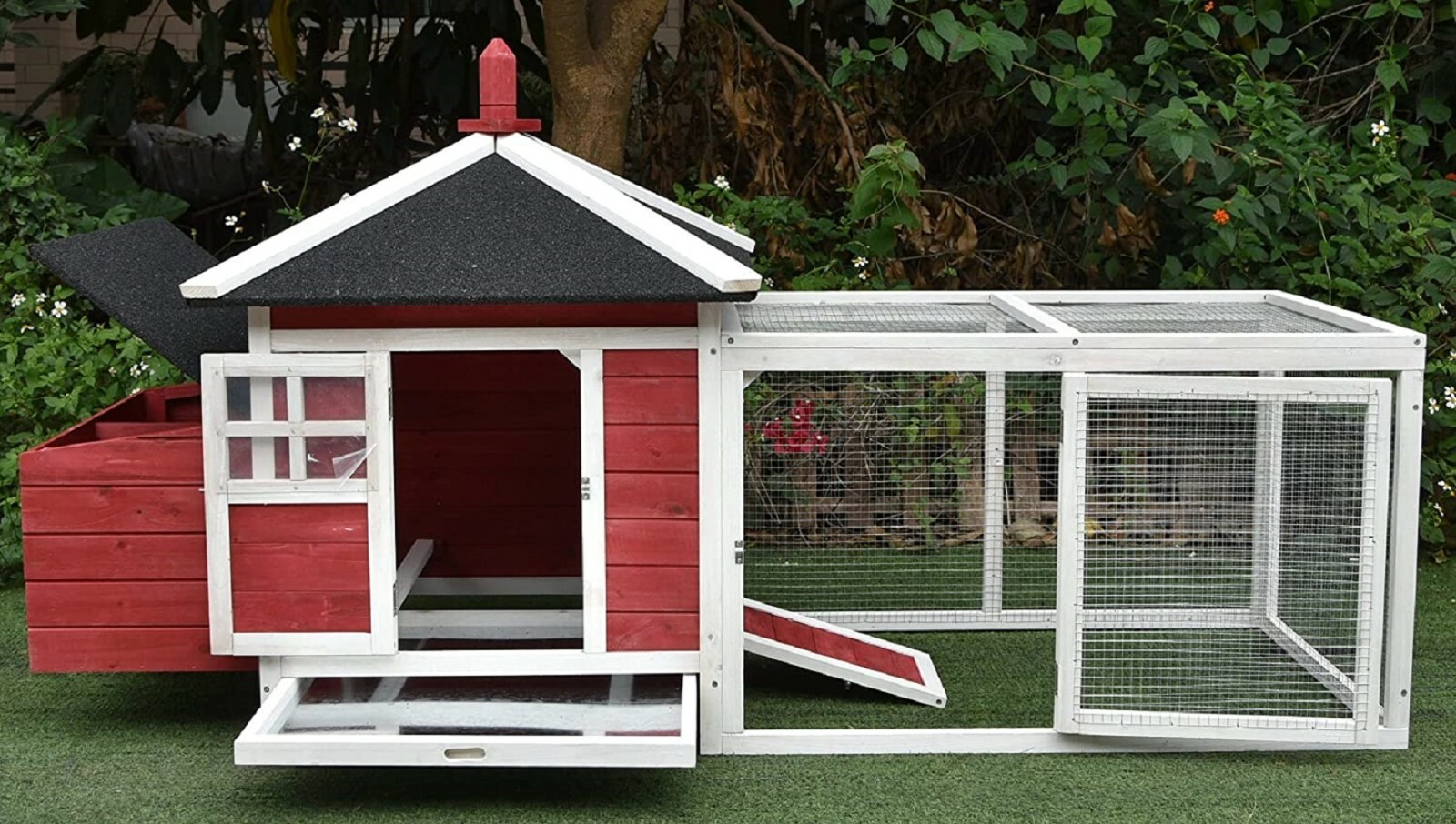 77" Wood Chicken Coop Backyard Hen House 2-4 Chickens with 2 Nesting Boxes New$137.37View on eBay
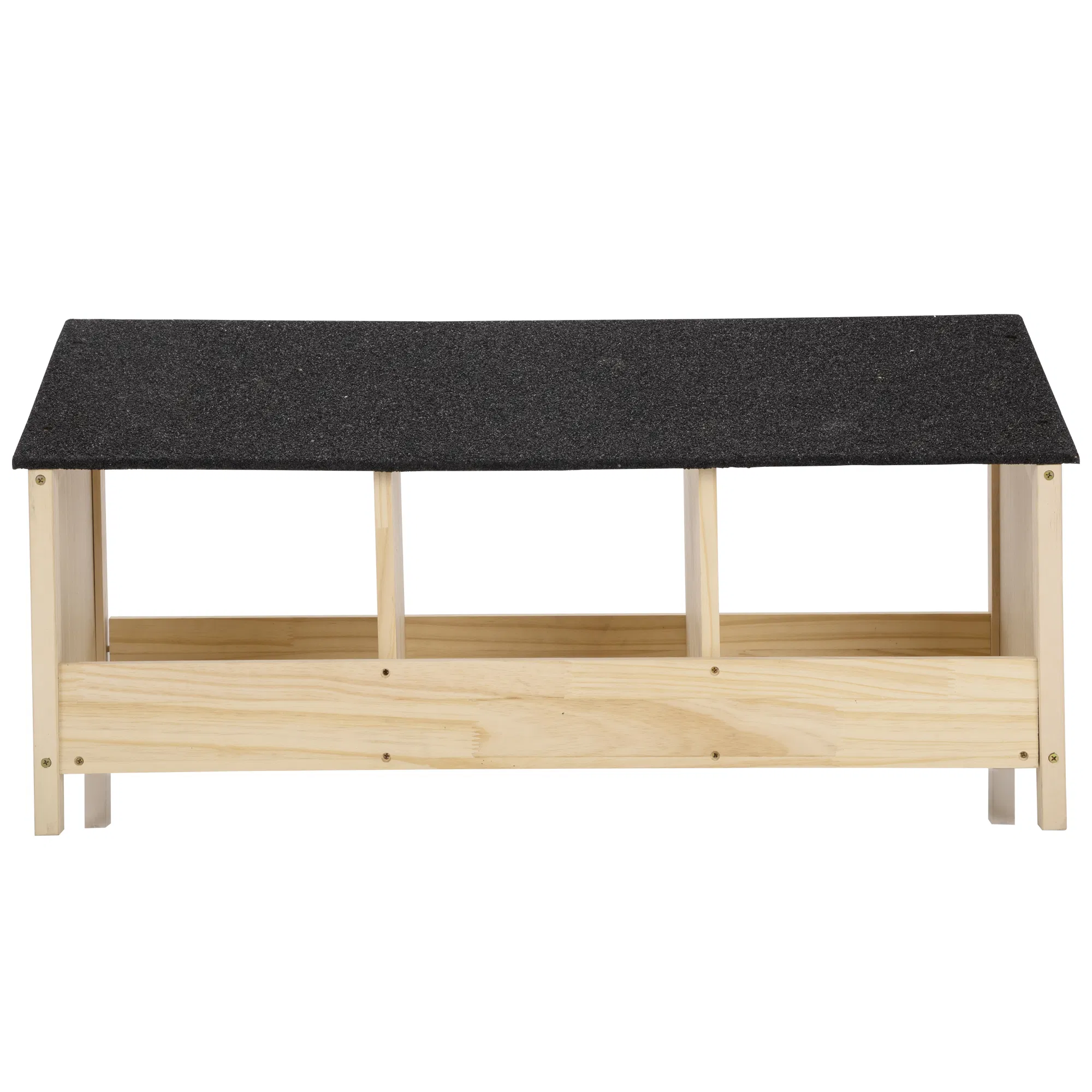 Chicken Coop with Waterproof Roof and 3 Nest Areas$95.99View on Mallflare
Highlights
- Predator security is determined by mesh gauge and aperture: 1/2-inch hardware cloth blocks rats and snakes, while 1-inch chicken wire stops only large hens and is easily torn by raccoons.
- Walk-in runs use 6.5 ft peak height on 1.0–1.5 inch diameter galvanized tube frames; shorter 40–42 inch coops require bending or full daily lifting for cleaning.
- Wooden coops with nesting boxes, sliding trays, and asphalt/felt roofs handle rain and sun; fabric covers and tarps degrade under UV within one to two seasons.
- Floor area per hen should be 3–4 sq ft inside the house plus 8–10 sq ft in the run—a 5-bird flock needs roughly 15–20 sq ft sheltered and 40–50 sq ft of run.
Best use cases
- Best fit: a backyard flock of 3–5 hens in a predator-heavy suburb—pick a wooden coop with 2 nesting boxes, a sliding manure tray, and a lockable pop door, or a walk-in galvanized run with a covered roost.
- Best fit: temporary or rotational grazing in a mild climate—a 6.5 x 10 ft metal walk-in pen with a waterproof cover works for daytime ranging if the flock is locked in a solid house at night.
- Wrong fit: open fabric or tarp-only pens in coyote, fox, or raccoon territory—mesh and zippers fail; skip straight to welded-wire panels with a hard roof.
- Wrong fit: a 40-inch-tall wooden coop for five full-size hens if you want walk-in access—choose the 6.5 ft walk-in run instead to avoid daily crouching and back strain.
Buying tips
- Size by usable floor: 5 standard hens need at least 15 sq ft inside the house; a 66.5-inch coop with two nesting boxes fits, while a 40-inch-wide house is tight for five.
- Demand 1/2-inch hardware cloth on all openings and apron skirts; 1-inch chicken wire is only a fence, not a predator barrier, and should be doubled with mesh.
- Check frame tubing: 1.0 inch or thicker galvanized steel with bolted or clamped joints outlasts 0.6-inch push-fit tubing that wobbles in wind.
- For wooden coops, require tongue-and-groove or plywood thicker than 1/2 inch, a sloped waterproof roof, and elevated legs—ground-contact wood rots within two seasons.
Specs
| Frame Material | Wood lumber vs galvanized steel |
|---|---|
| Mesh Aperture | 1/2-inch hardware cloth vs 1-inch wire |
| Walk-in Height | 6.5 ft peak vs 40–42 inch low |
| House Floor Area | 15–20 sq ft for 5 hens |
Related searches
What to check before buying
- Measure your yard pad: walk-in runs from 6.5 x 10 ft to 9.8 x 26.2 ft need a level, drained base; a 3–5 hen wooden coop needs about 6 x 3 ft of footprint.
- Confirm local predator pressure—raccoons, foxes, coyotes, or snakes—and match mesh aperture and latch type (locking carabiner or padlock, not a simple hook).
- Check climate: snow load and wind require a rigid roof and anchored frame; fabric covers are fair-weather only and must be removed before heavy snow.
- Plan companion parts: feeders, nipple waterers, and a 12–18 inch roost bar per 5 hens; verify the coop door height clears your tallest bird and your cleaning tools.
FAQ
Data sources: eBay / Amazon listings and product attribute feeds. Updated Nov 28, 2026.
Some links on this page are affiliate links. If you buy after clicking one, we may earn a commission at no extra cost to you. This does not change which products appear here or their order. Affiliate disclosure.