
Photos from current listings. Actual item, color, and included accessories may vary.
Chicken Coop Without Run Buying Guide
A chicken coop without a run is the enclosed, predator-proof housing structure only, leaving the run as a separate or DIY build. The primary trade-off is square-footage per bird versus construction durability: cheap thin-wood hutches rot and warp, while galvanized steel or thick cedar with proper ventilation last decades. The decision rule is simple: if you free-range or already have a fenced run, buy a standalone coop rated at minimum 4 sq ft per bird inside, prioritizing steel or 3/4-inch cedar over 1/2-inch fir and metal hardware over staples.
Median $190.99 · New listings
Key takeaways
- Coop-only footprints are sized by internal floor area, not overall dimensions: allow 4 sq ft per standard hen inside the house plus 8-10 inches of roost bar per bird.
- Steel coops use 22-24 gauge galvanized panels with powder coating, resisting rot and mites; wood coops need cedar or pressure-treated 3/4-inch plywood, not 1/2-inch fir.
- Predator hardware is the durability threshold: welded 1/2-inch hardware cloth and barrel or lockable slide bolts stop raccoons; stapled chicken wire fails.
At a glance
- Category
- Chicken Coops & Runs
- Last updated
- Nov 28, 2026
Current offers
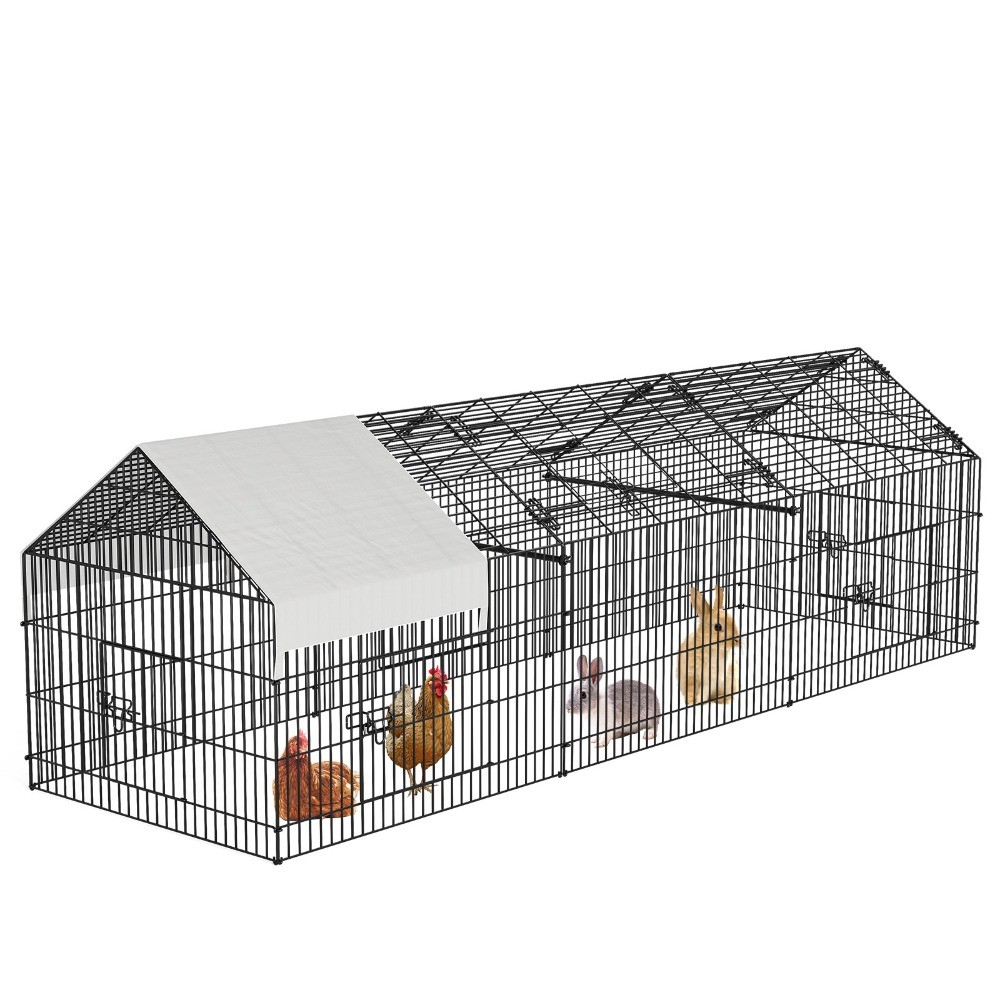 130"*40"Metal Chicken Coop Chicken Run Backyard Hen House Poultry Habitat Cage$105.99View on eBay
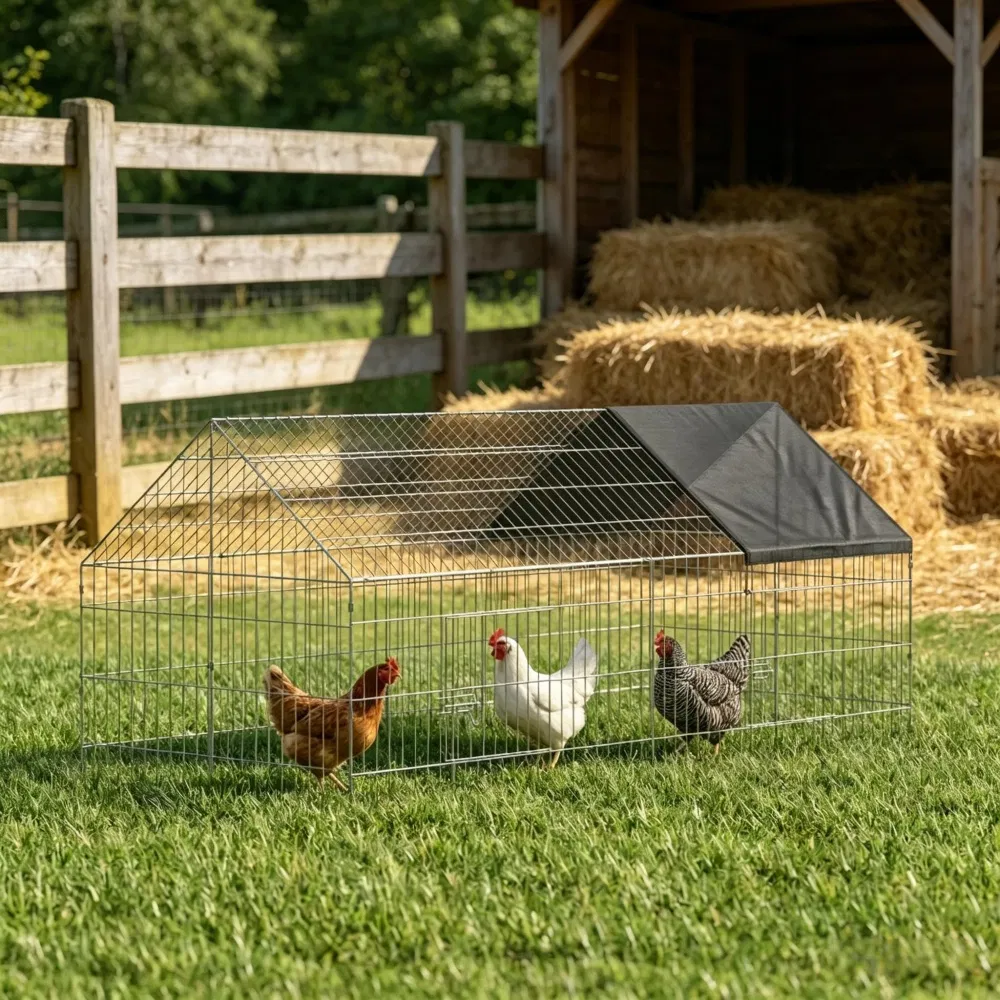 Chicken Coop, Steel Run with 90D Oxford Canopy and Two Latched Doors, 70.9 x 29.5 x in, for Chickens, Ducks and Rabbits, Black and Silver$76.99View on Mallflare
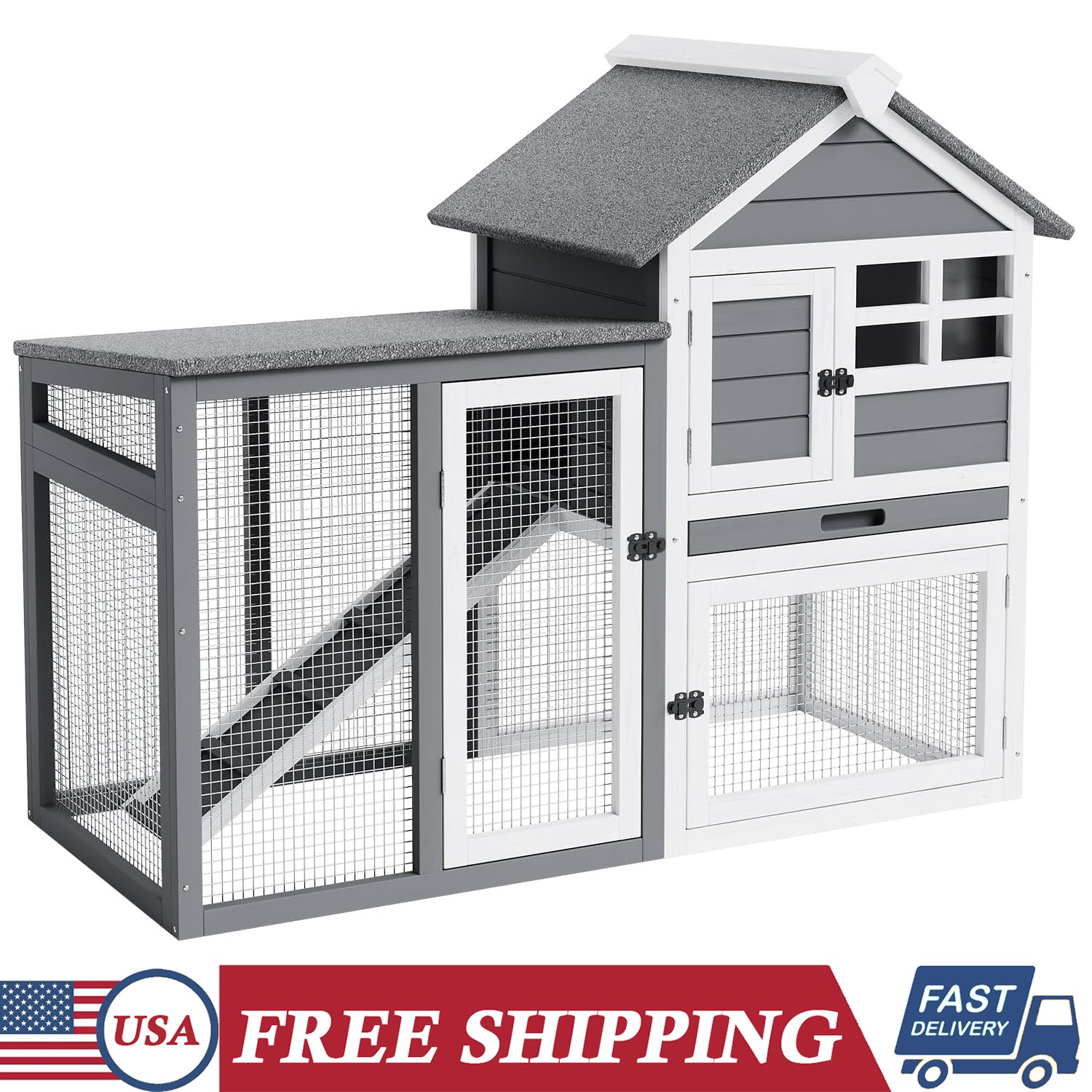 Large Chicken Coop Outdoor Wooden Backyard 2-Story Hen Rabbit House Chicken Run$109.98View on eBay
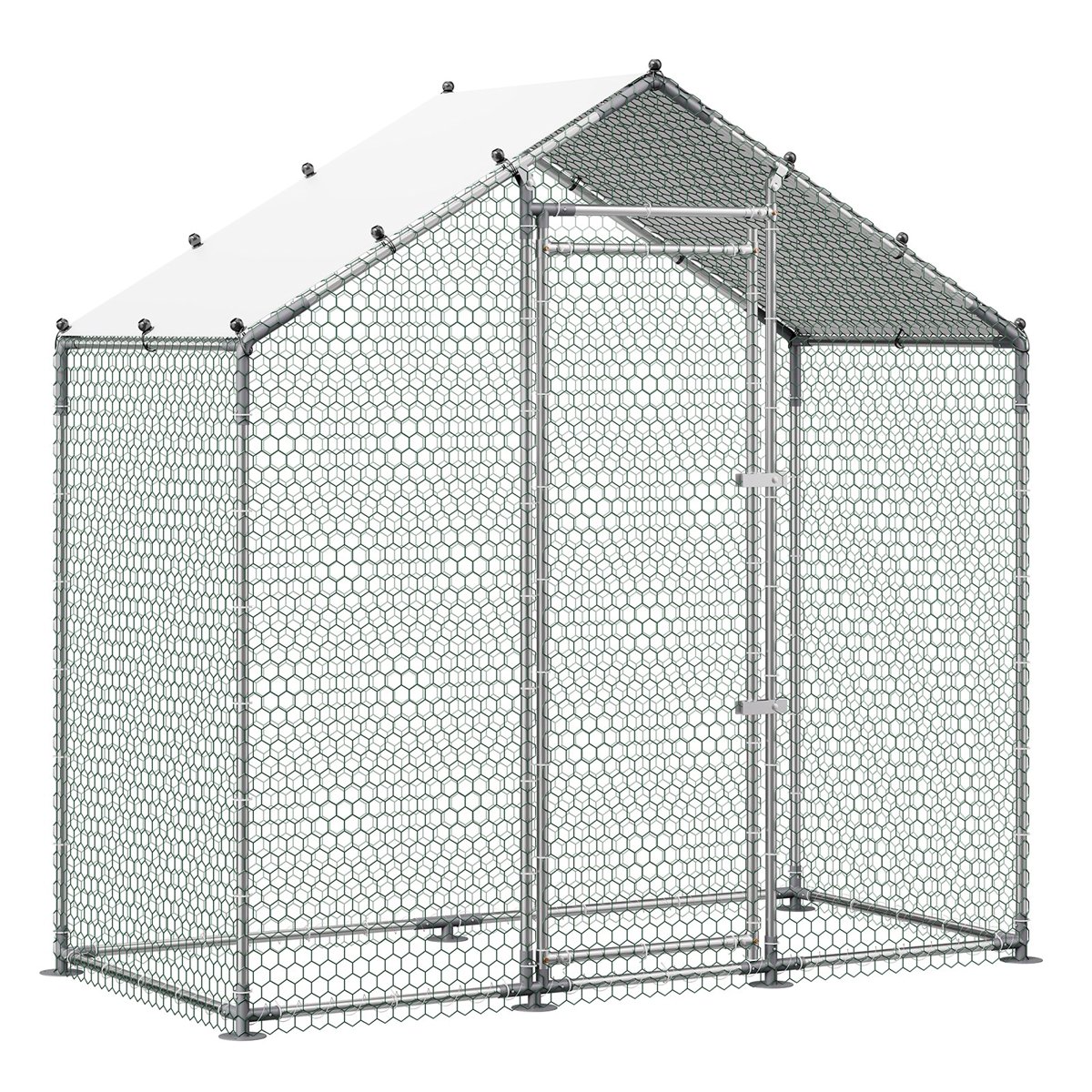 Large Metal Chicken Coop,6.6 X 3.3 X 6.6 Ft, Walk-in Run House With Waterproof Cover & Sturdy Frame, Spire Roof Poultry Cage Duck Pen For Rabbit Hen Goose Outdoor Backyard Farm Use$95.99View on Mallflare
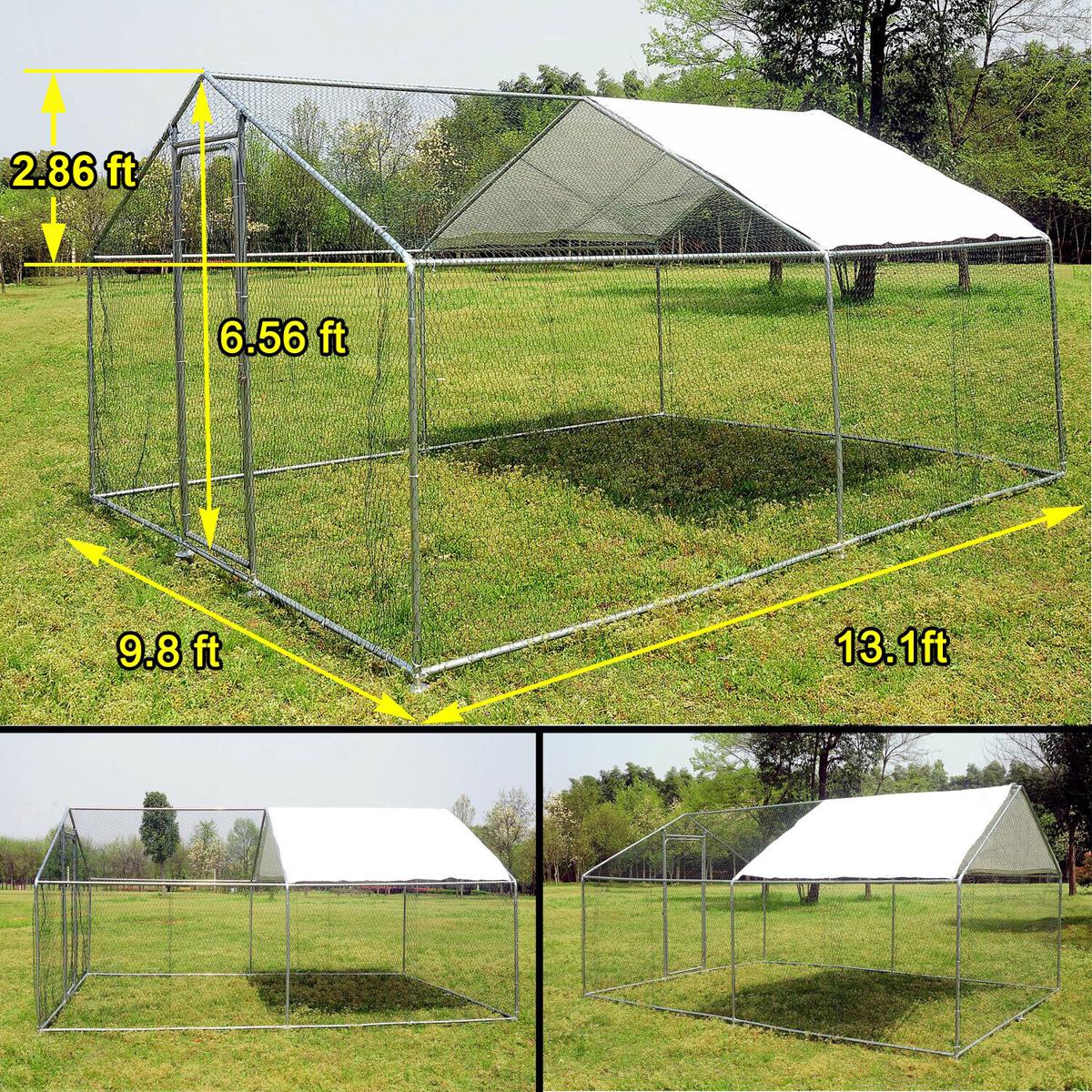 10x10'/ 13x10'/ 20x10' Chicken Coop Run Hen House Enclosed Backyard Poultry Cage$124.99View on eBay
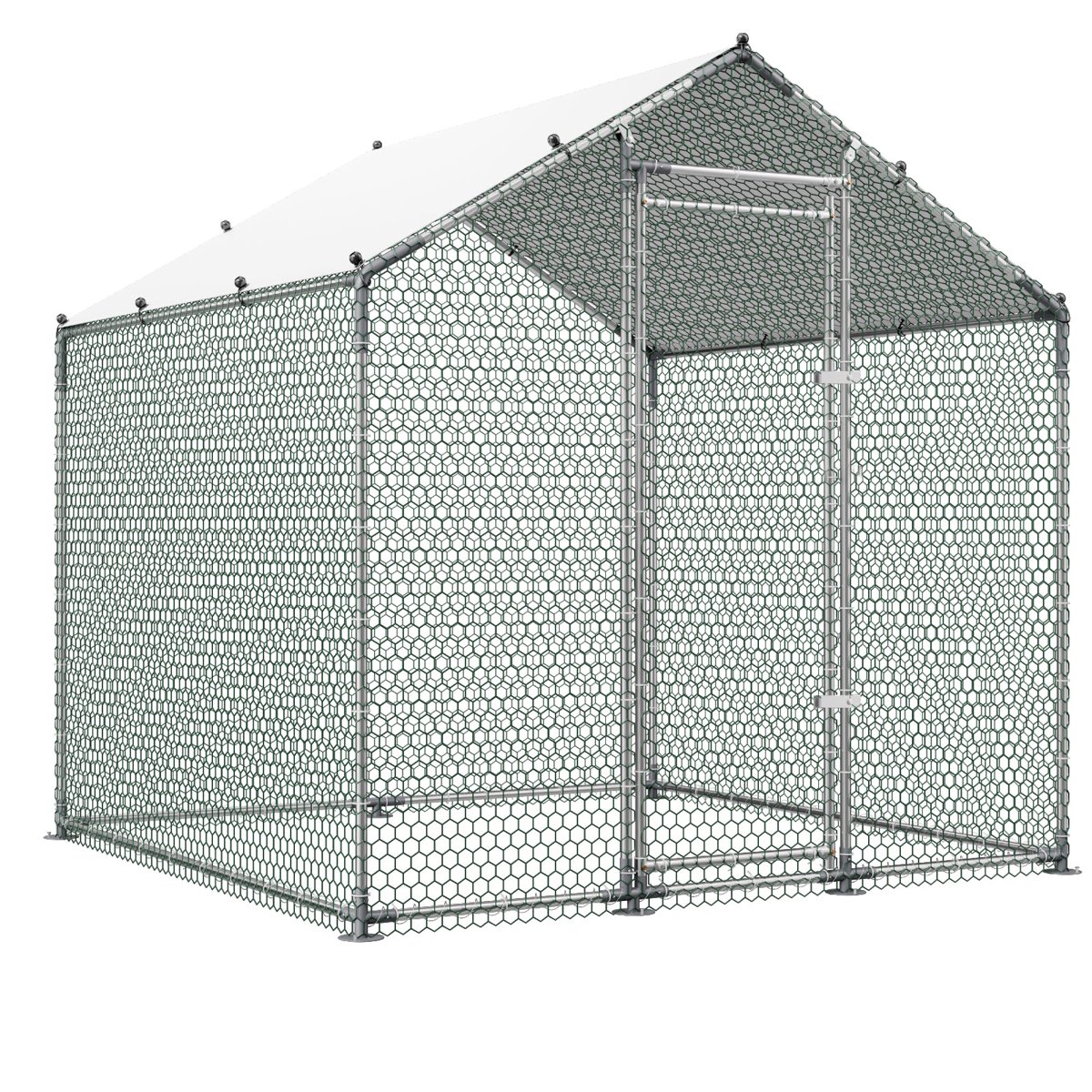 Large Metal Chicken Coop 6.6x6.6x6.6 Ft Walk-in Run House, Spire Roof Hen Enclosure With Cover And Security Lock, Outdoor Duck Rabbit Cage Poultry Pen For Backyard, Farm, Yard$115.99View on Mallflare
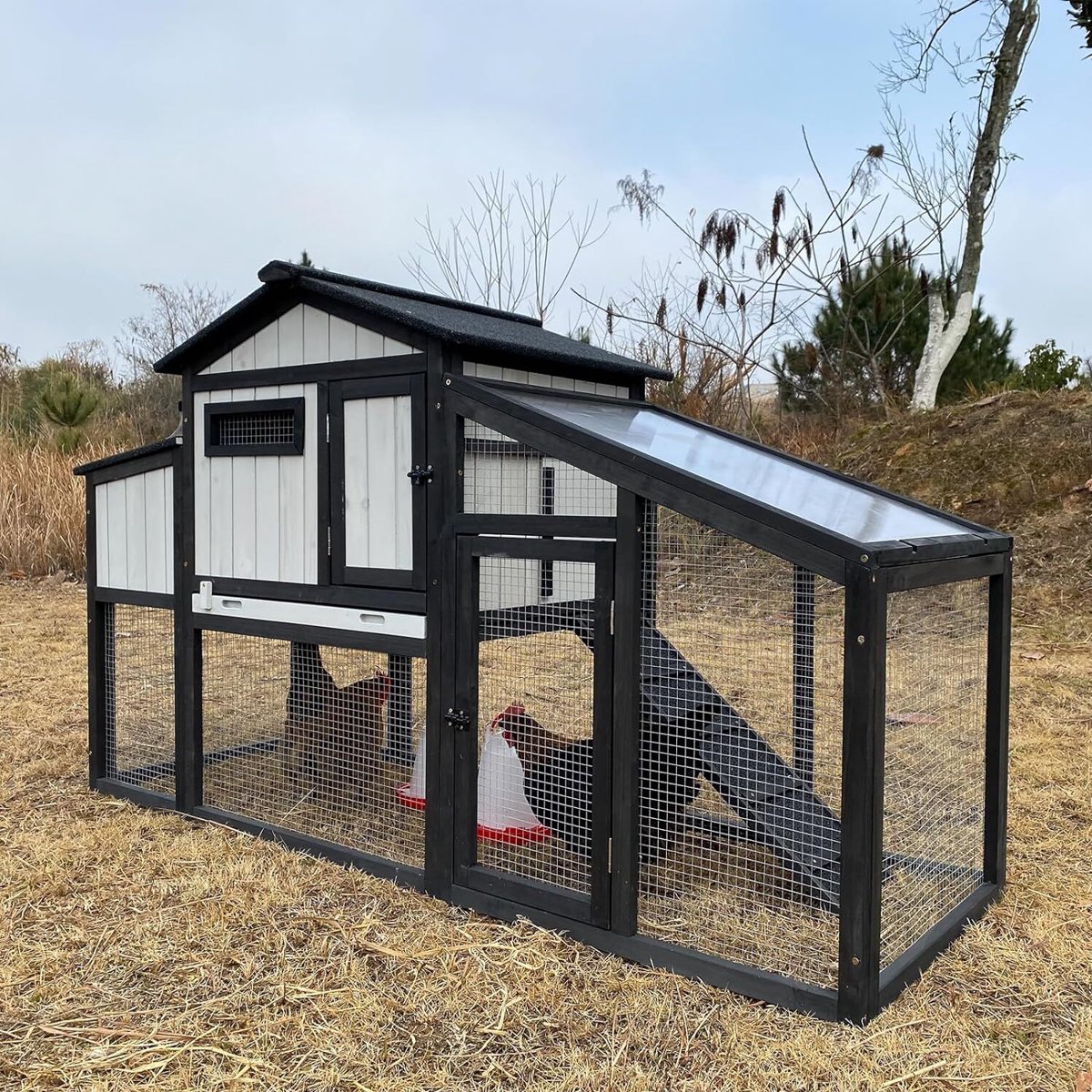 PetsCosset Chicken Coop Outdoor Wooden Backyard 2-Story Hen House Chicken Run$139.99View on eBay
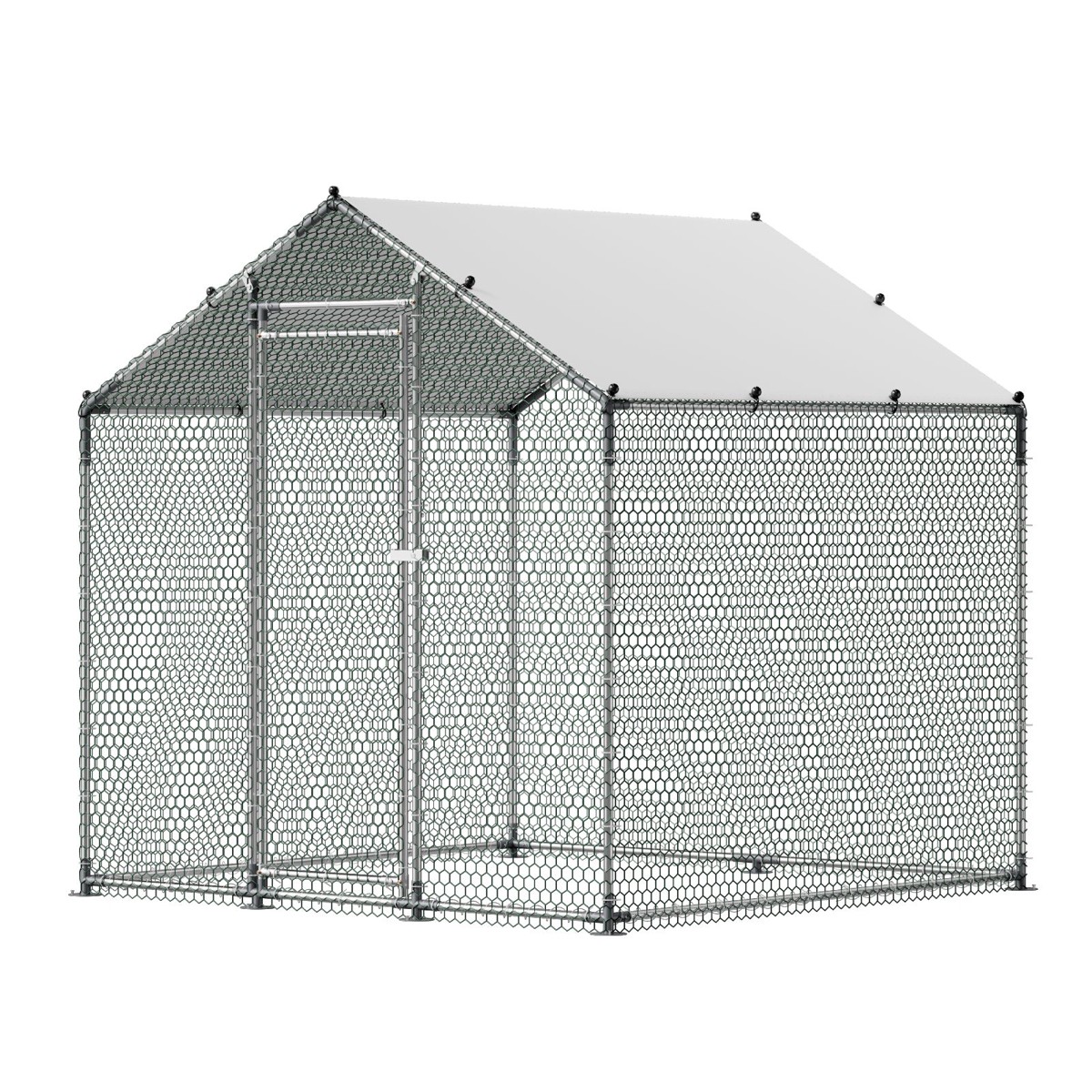 Metal Chicken Coop, 6.56x6.56x6.56ft Large Walk-in Runs With Cover, Spire Roof Hen House Enclosure Security Lock, Outdoor Duck Rabbit Cage Poultry Pen For Backyard, Farm, Yard$122.99View on Mallflare
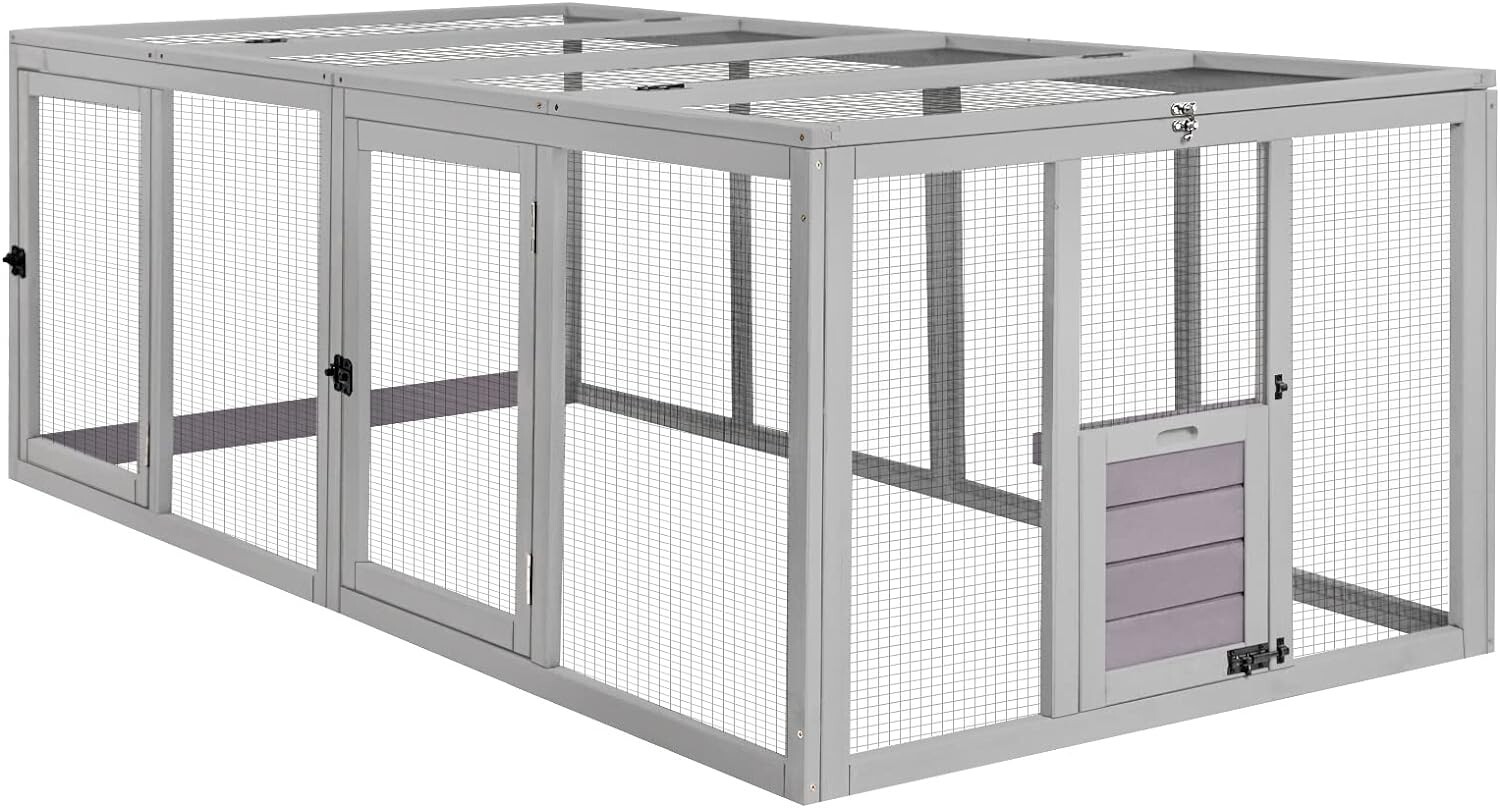 Aivituvin Chicken Coop Run Extension Rabbit Enclosure Outdoor Duck Playpen$159.99View on eBay
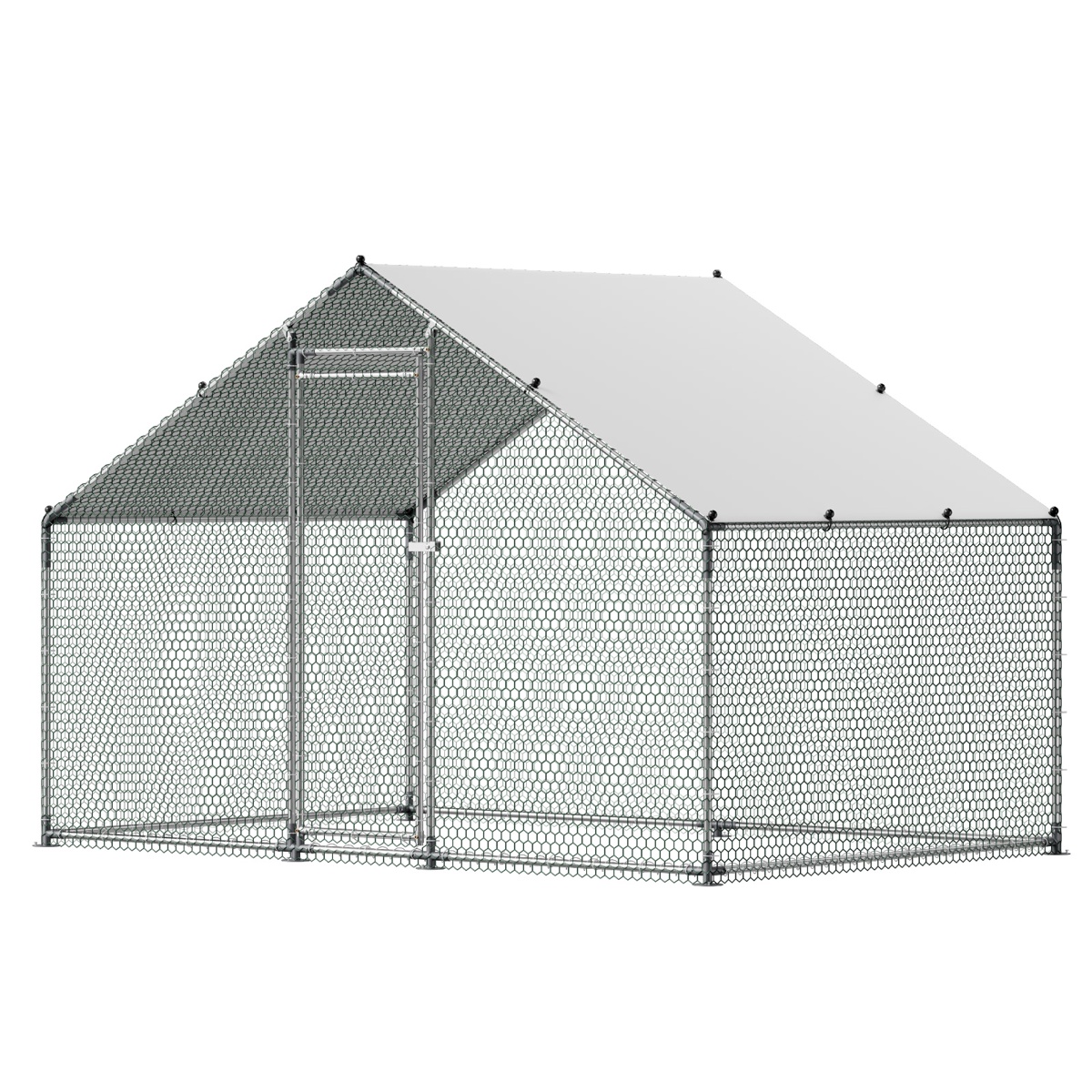 Large Metal Chicken Coop, 9.8 X 6.6 X 6.6 Ft, Walk-in Runs With Waterproof Cover, Spire Roof Hen House Enclosure Lock, Outdoor Duck Rabbit Cage Poultry Pen For Backyard, Farm, Yard$133.99View on Mallflare
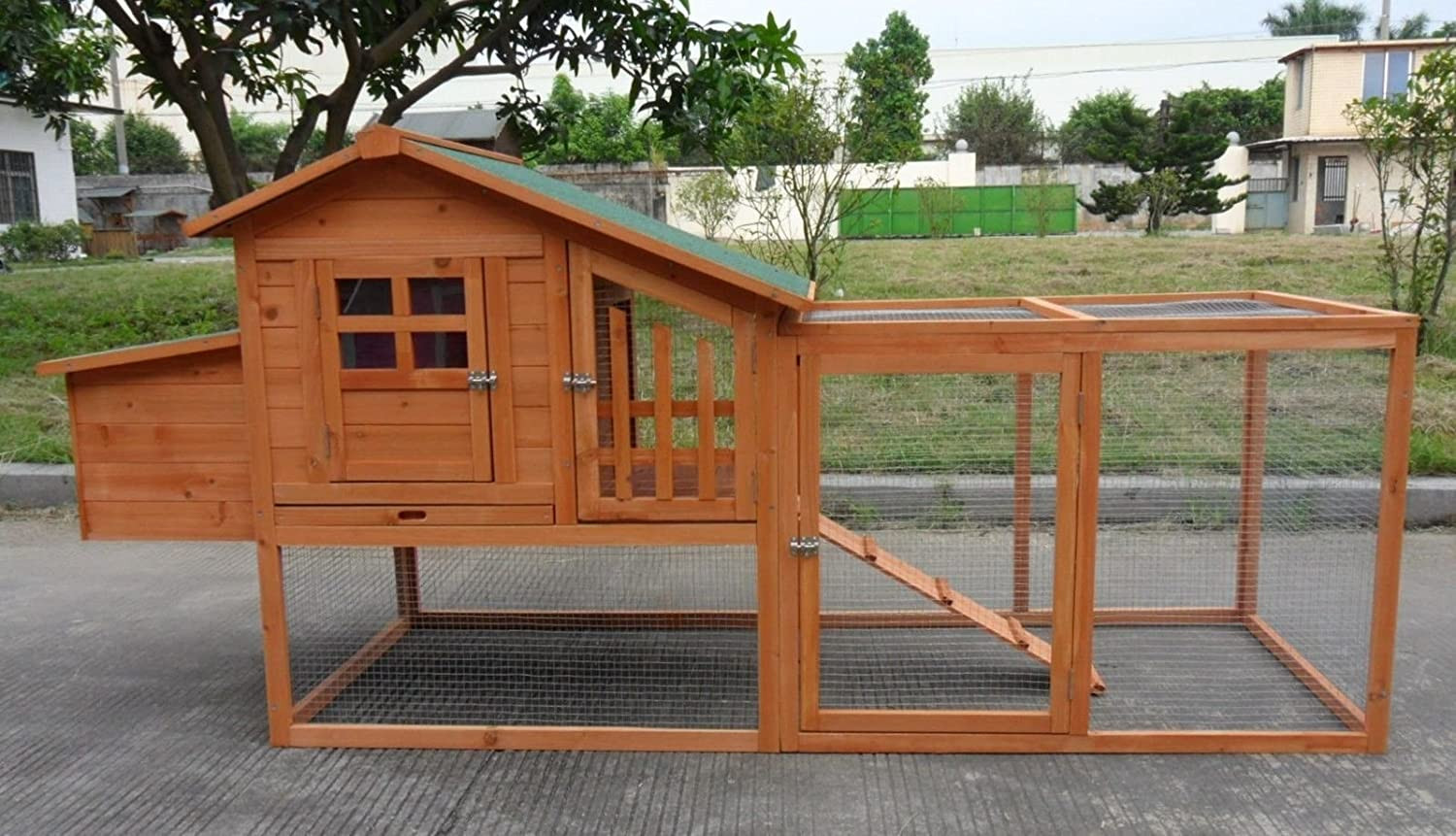 Deluxe Large Wood Chicken Coop Backyard Hen House 3-5 Chickens w Nesting Box Run$169.98View on eBay
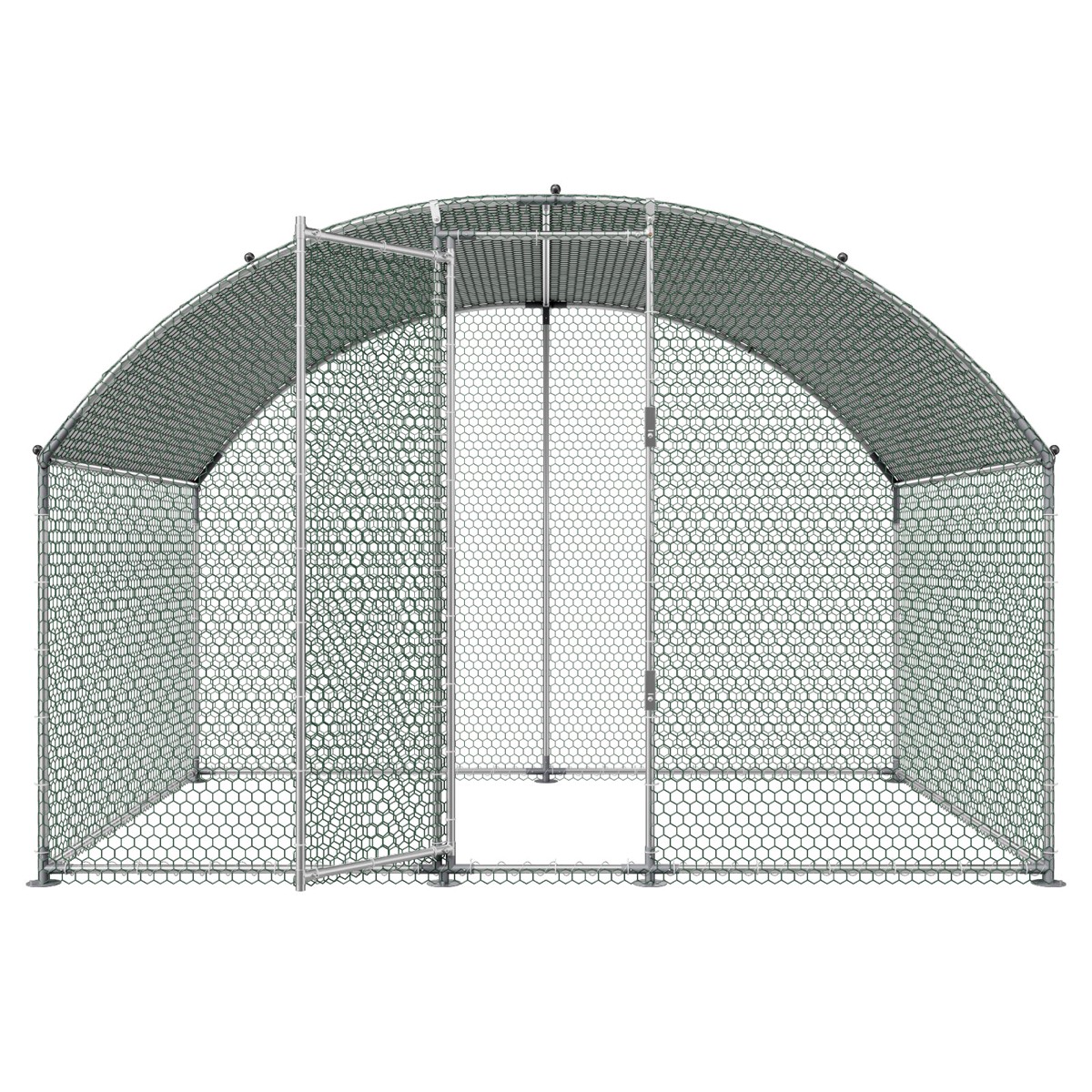 Large Metal Chicken Coop 9.8x6.6x6.6 Ft Walk-in Run House, Doom Roof Hen Enclosure With Cover And Security Lock, Outdoor Duck Rabbit Cage Poultry Pen For Backyard, Farm, Yard Use$156.99View on Mallflare
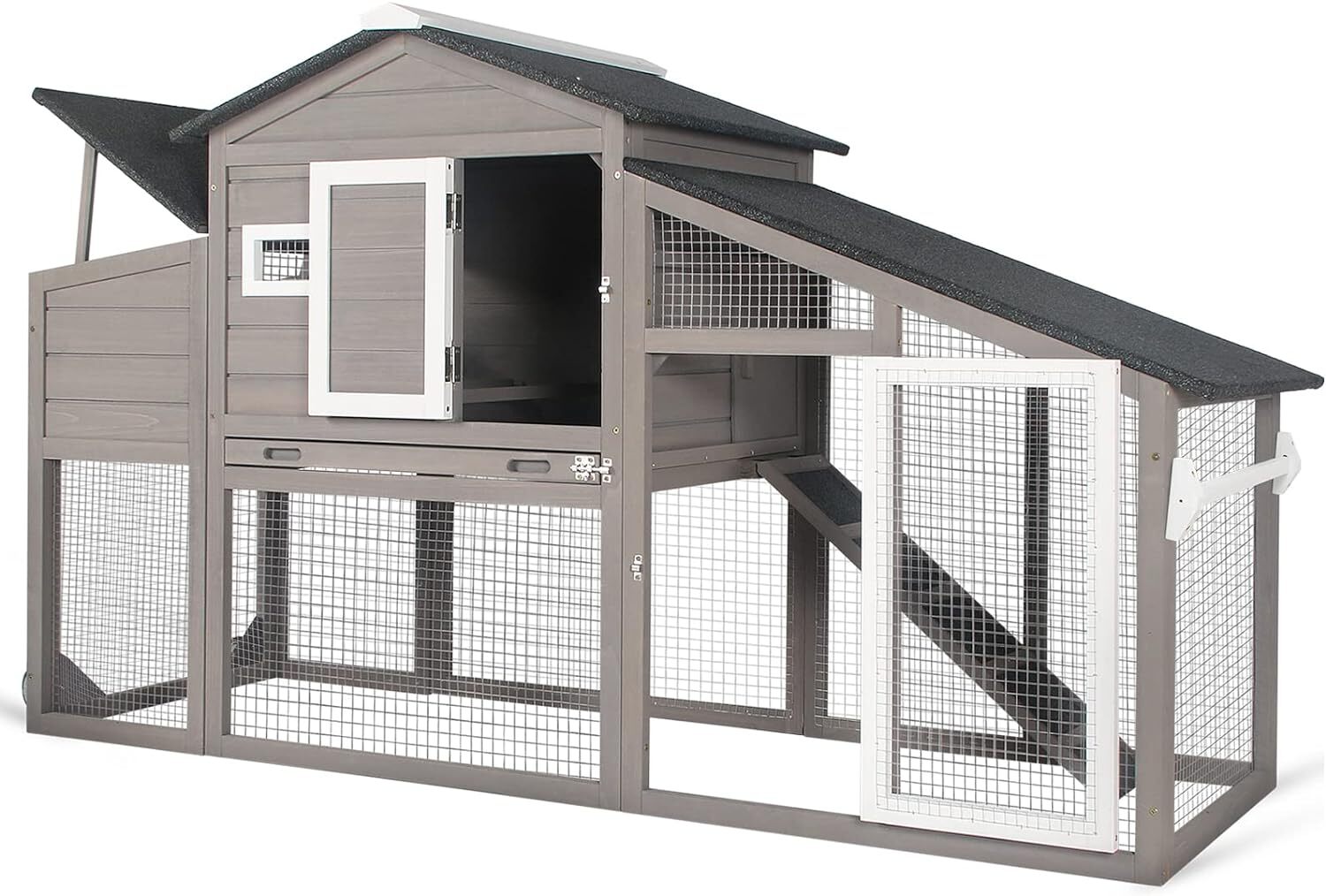 PetsCosset Chicken Coop Wooden Backyard Hen House with Run Nesting Box & Trays$169.99View on eBay
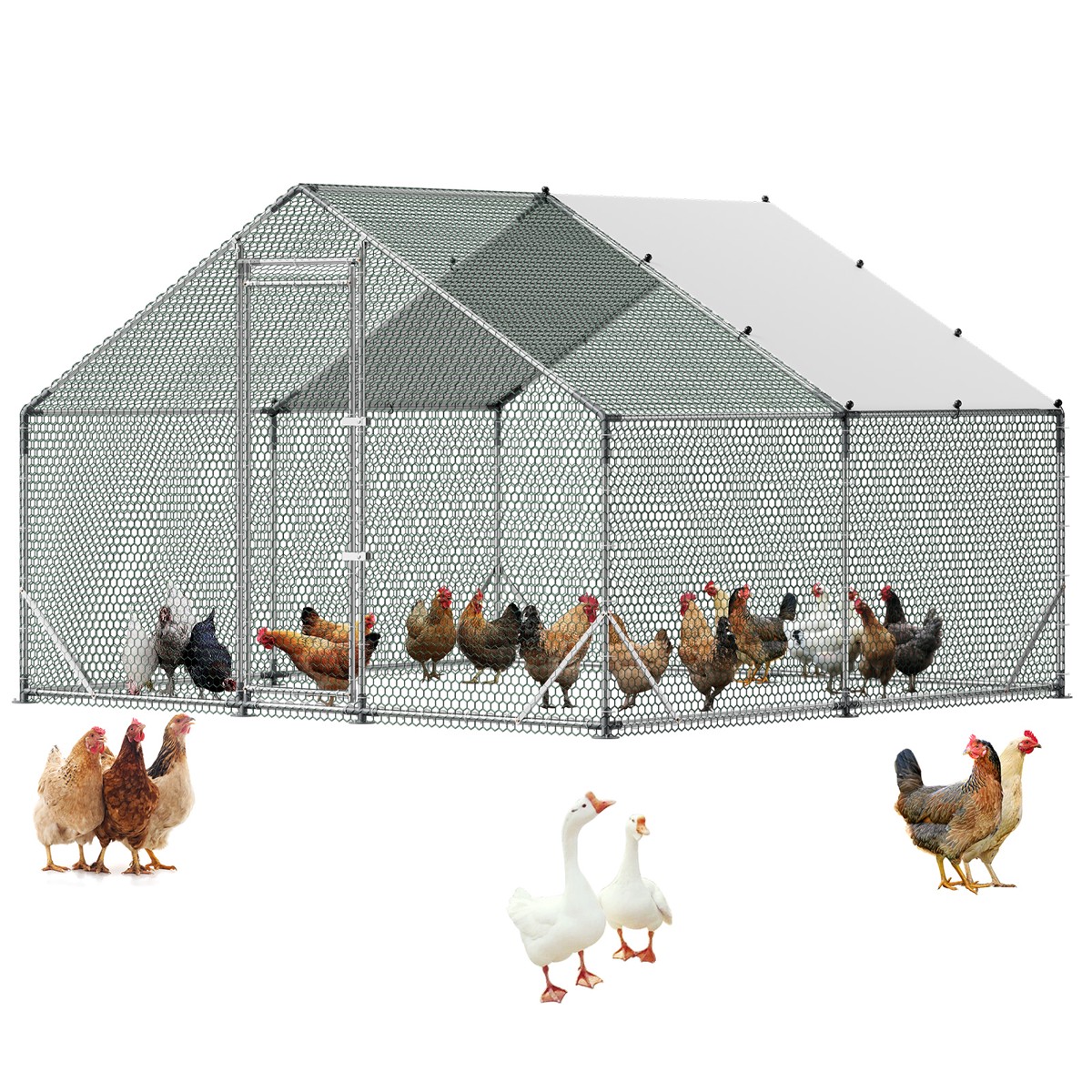 Large Metal Chicken Coop, 9.8 X 9.8 X 6.6 Ft, Walk-in Run House With Waterproof Cover & Sturdy Frame, Spire Roof Poultry Cage Duck Pen For Rabbit Hen Goose Outdoor Backyard Farm Use$161.99View on Mallflare
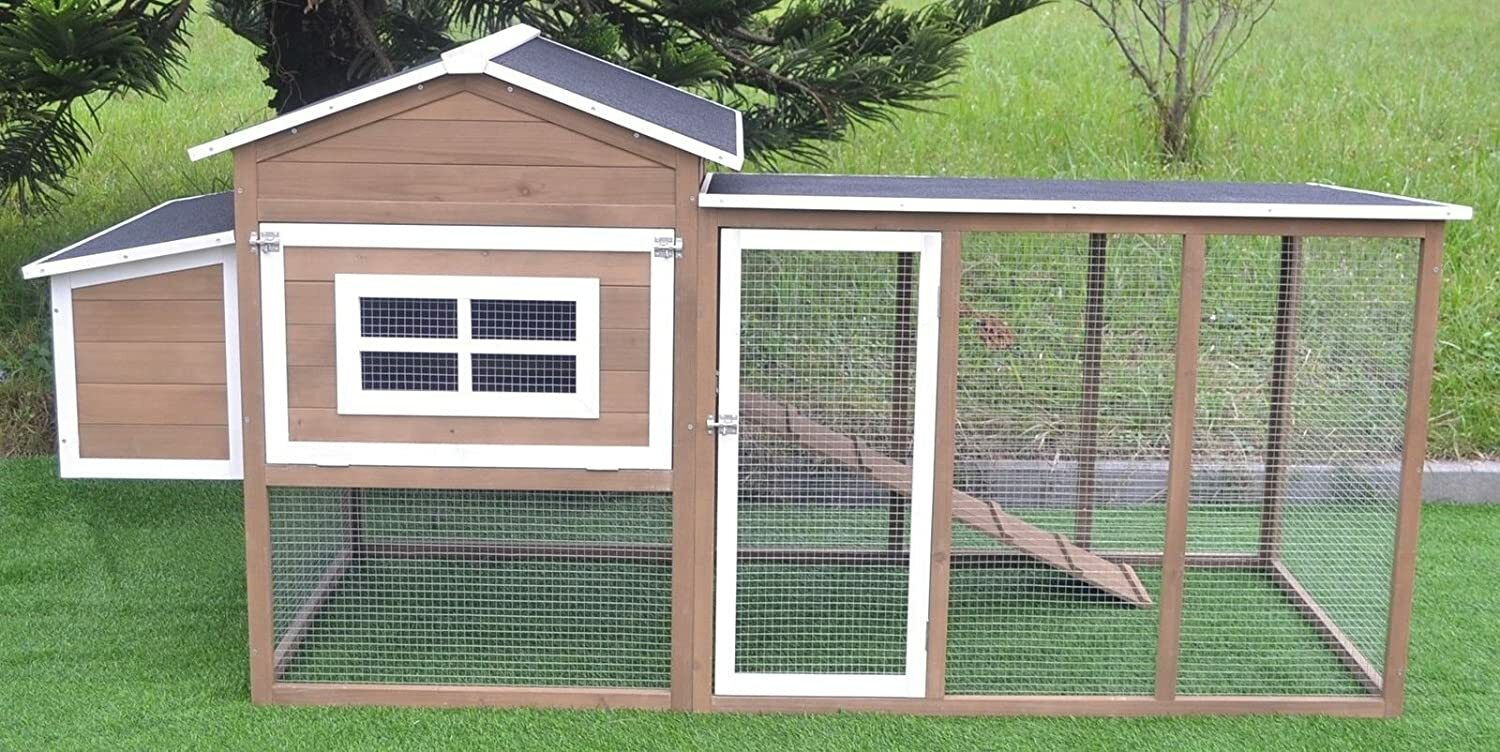 Large 87" Wood Chicken Coop Backyard Hen House 4-6 Chickens Nesting Box & Run$187.98View on eBay
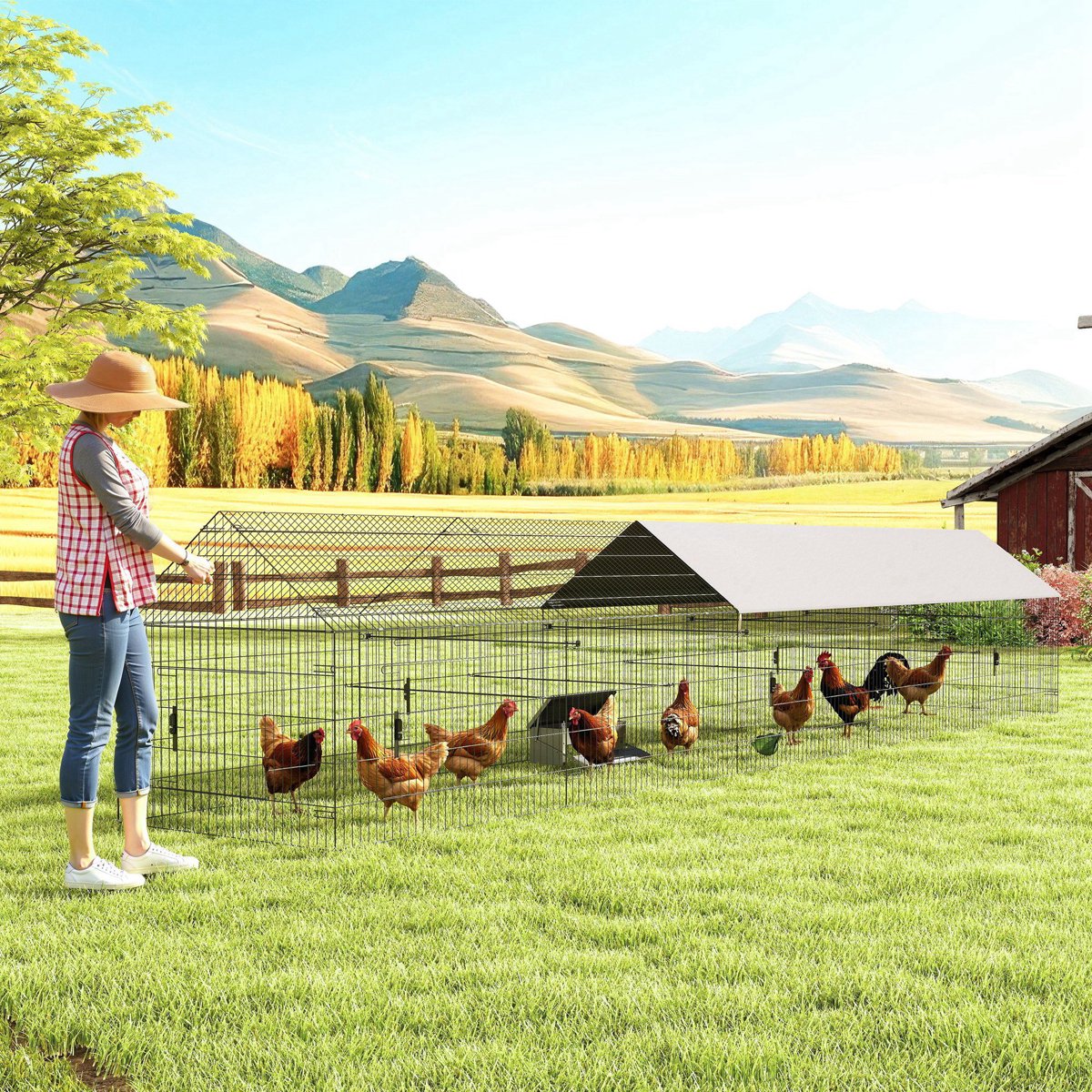 Metal Chicken Coop, Large Run with Water-Resistant & Anti-UV Cover for 7-9 Hens, Outdoor Hen House 10 Doors$170.99View on Mallflare
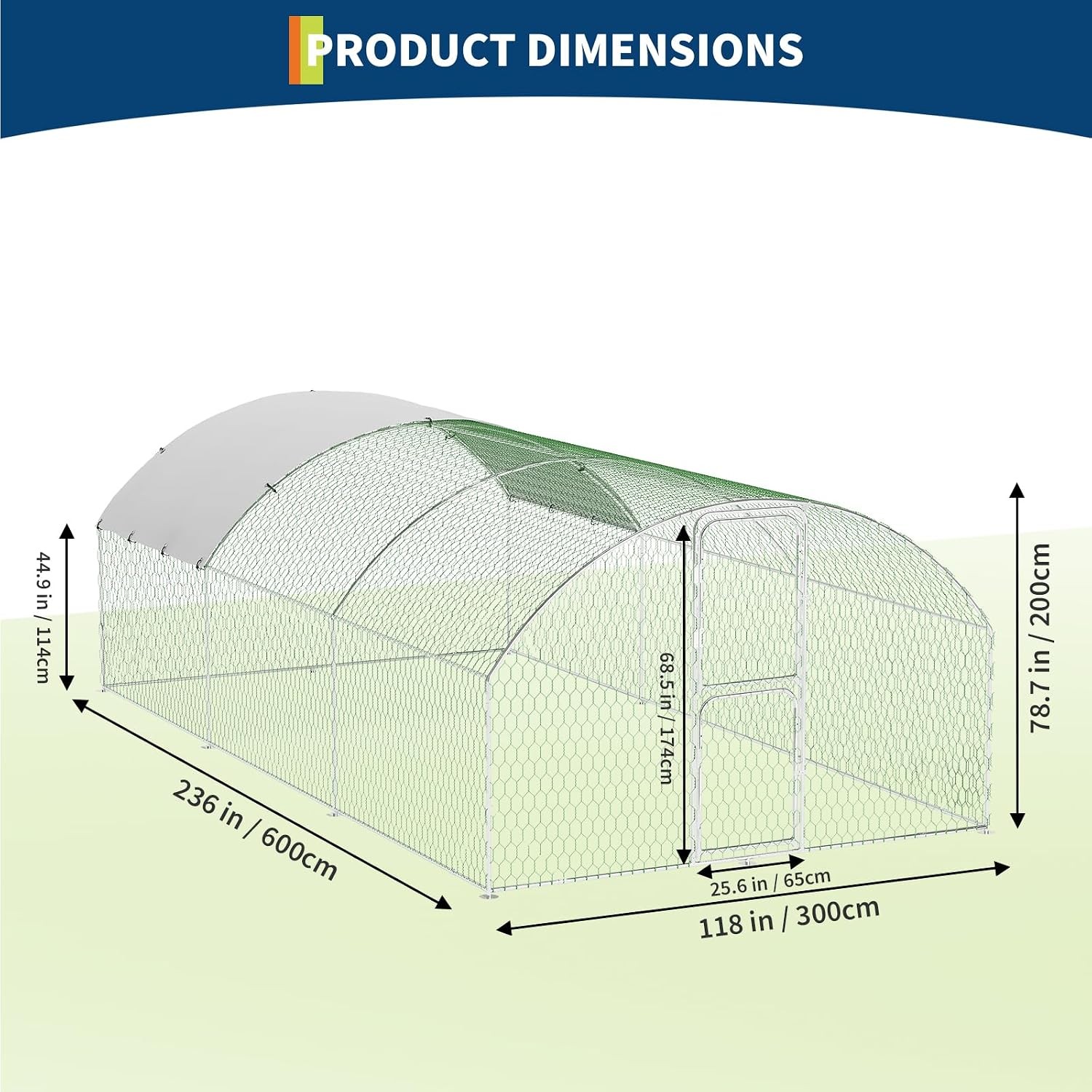 6.5/13/20 FT Metal Chicken Coop Poultry Cage Walk-in Chicken Run with Cover Roof$219.82New · Last checked Nov 22, 2026View on eBay
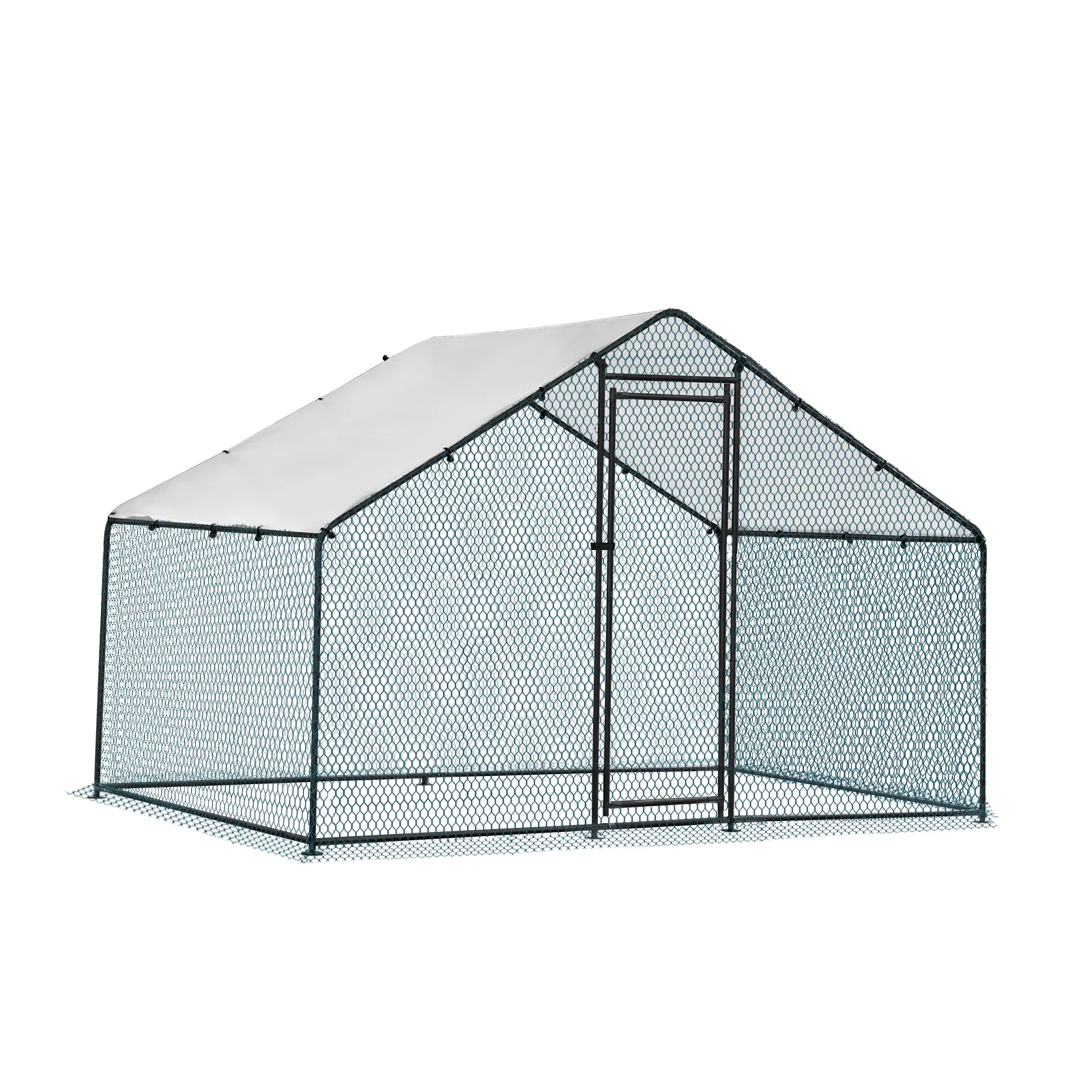 6.5 x 10 ft Large Metal Chicken Coop, Walk-in Poultry Cage Hen Run House with Waterproof Cover, Rabbits Cats Dogs Farm Pen for Outdoor Backyard Garden$171.99View on Mallflare
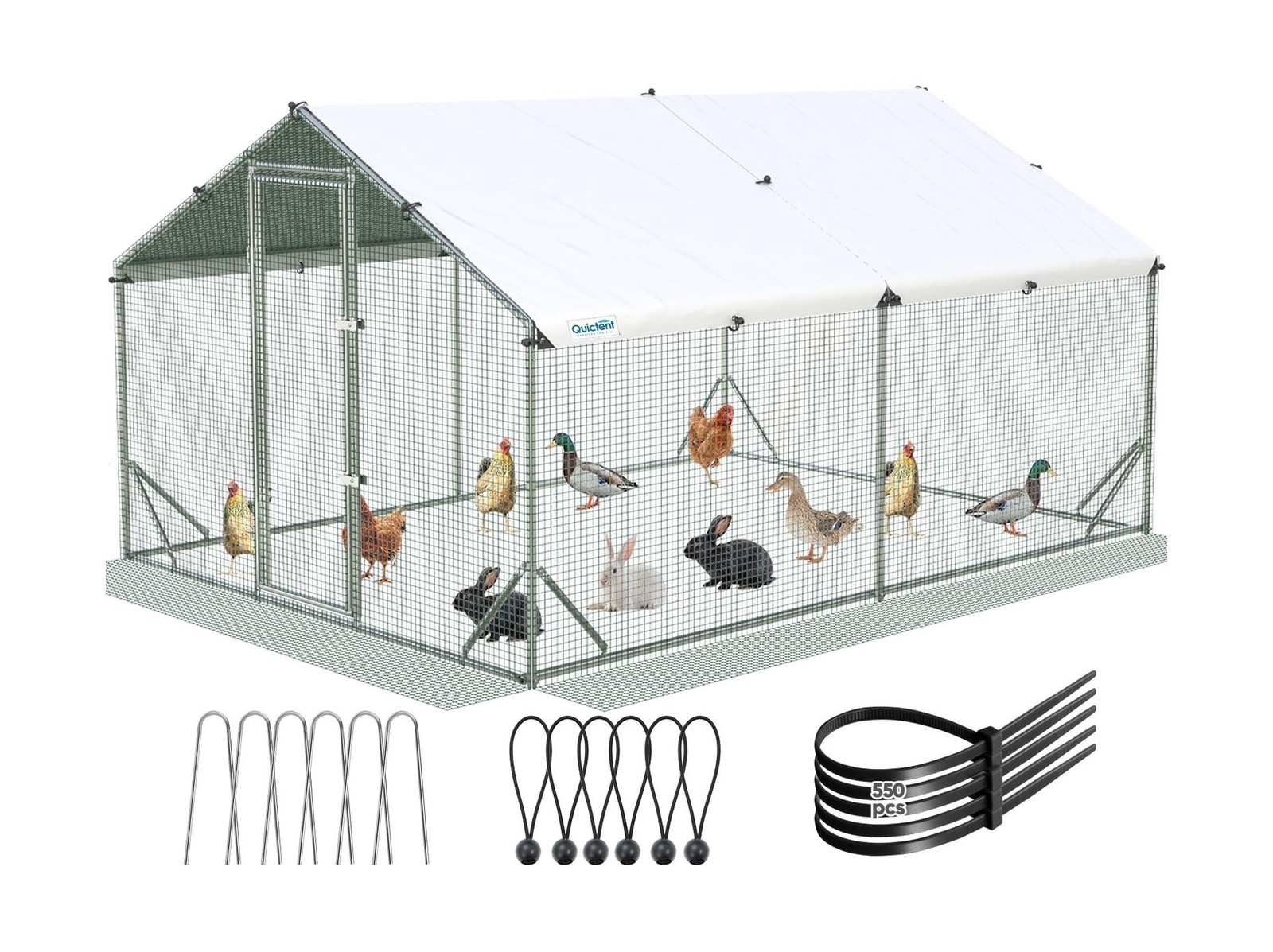 Quictent Large Metal Chicken Coop Run for 20+ Poultry w/Side Hardware Cloth$227.61New · Last checked Nov 18, 2026View on eBay
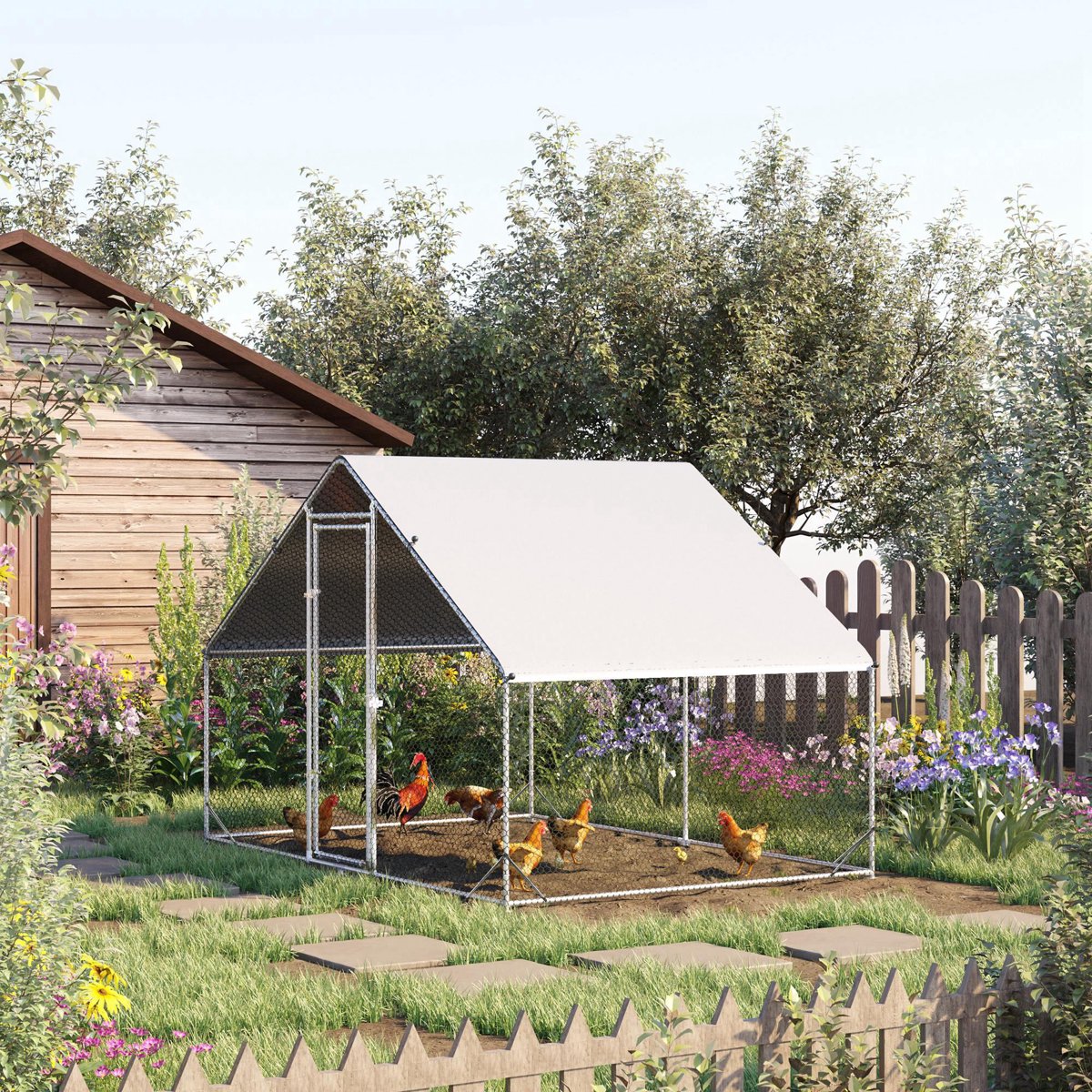 Large Chicken Coop Metal Run with Waterproof and Anti-UV Cover, Spire Shaped Walk in Fence Cage Hen House for Outdoor and Yard Farm Use, 1" Tube Diameter, 9.8 x 6.6 x 6.6$171.99View on Mallflare
Highlights
- Coop-only footprints are sized by internal floor area, not overall dimensions: allow 4 sq ft per standard hen inside the house plus 8-10 inches of roost bar per bird.
- Steel coops use 22-24 gauge galvanized panels with powder coating, resisting rot and mites; wood coops need cedar or pressure-treated 3/4-inch plywood, not 1/2-inch fir.
- Predator hardware is the durability threshold: welded 1/2-inch hardware cloth and barrel or lockable slide bolts stop raccoons; stapled chicken wire fails.
- Ventilation must be high and draft-free: 1 sq ft of soffit/eave venting per bird above roost height controls ammonia and frostbite without chilling layers.
Best use cases
- Best fit: free-range or fenced-yard owners needing night-only shelter — pick a raised wooden coop with 4 sq ft per bird and a lockable pop door; skip integrated-run hutches.
- Best fit: suburban keepers with an existing covered run — choose a steel coop with lift-off roof for cleaning and nest-box access from outside; avoid coops requiring interior reach-in.
- Wrong fit: buyers wanting daytime protection without a fence — a coop without a run leaves hens exposed; instead buy a hutch-with-run or build a 10 sq ft per bird run.
Buying tips
- Size by floor math: 3 hens need at least 12 sq ft interior (4 sq ft each), 6 hens need 24 sq ft; nesting boxes add 1 sq ft per 3-4 hens and must be excluded from floor-area claims.
- Pick material by climate: galvanized steel for humid or rainy regions, cedar or pressure-treated pine for dry cold; avoid uncoated particleboard and MDF entirely.
- Require 1/2-inch hardware cloth over any window or vent and rafter-proof latches; chicken wire and hook-and-eye closures are raccoon-accessible.
- Raise the coop 12-18 inches off grade or set on a solid frame to block digging predators and prevent floor rot; confirm the pop door clears your run panel height.
Specs
| Housing Type | Standalone coop (no integrated run) |
|---|---|
| Floor Area per Bird | 4 sq ft standard / 3 sq ft bantam |
| Frame Material | Galvanized steel / cedar / PT pine |
| Predator Mesh | 1/2-inch hardware cloth, lockable latches |
Related searches
What to check before buying
- Measure your run or fence line and confirm the coop footprint plus door swing fits with 2-3 ft of clearance for cleaning and egg collection.
- Check floor framing and anchoring: coops over 4 ft tall need ground anchors or a skirt; verify the roof pitch sheds snow if you get winter accumulation.
- Confirm ventilation count and roost height: at least 1 sq ft vent per bird above the roost, roost 18-24 inches off the floor with 8-10 inches per hen.
- Verify nesting box access is exterior and lockable, and that the pop door opening is at least 10x12 inches for standard breeds.
FAQ
Data sources: eBay / Amazon listings and product attribute feeds. Updated Nov 28, 2026.
Some links on this page are affiliate links. If you buy after clicking one, we may earn a commission at no extra cost to you. This does not change which products appear here or their order. Affiliate disclosure.