
Photos from current listings. Actual item, color, and included accessories may vary.
20 Chicken Coop Buying Guide
A 20-chicken coop is a housing system sized for a flock of twenty, balancing floor area, predator security, and ventilation against climate and labor. The primary trade-off is between wooden coops with insulated nesting boxes and walk-in metal runs that prioritize space and airflow over warmth. The decision rule: buy for the number of birds you will actually keep at peak, and reject any coop that gives less than 2–3 ft² of indoor floor space per bird or uses mesh larger than ½-inch hardware cloth in predator zones.
Median $123.99 · New listings
Key takeaways
- Indoor floor area is the hard constraint: 20 birds need 40–60 ft² of enclosed coop space, meaning a 4×10 ft or 5×12 ft footprint minimum, before counting nest boxes and roosts.
- Run mesh gauge determines predator resistance: ½-inch hardware cloth blocks rats and weasels, while 1-inch poultry netting only stops hawks and large dogs.
- Walk-in height of 6.5 ft allows upright cleaning and egg collection, versus 3–4 ft reach-in coops that force kneeling and are impractical above 8–10 birds.
At a glance
- Category
- Chicken Coops & Runs
- Last updated
- Nov 28, 2026
Current offers
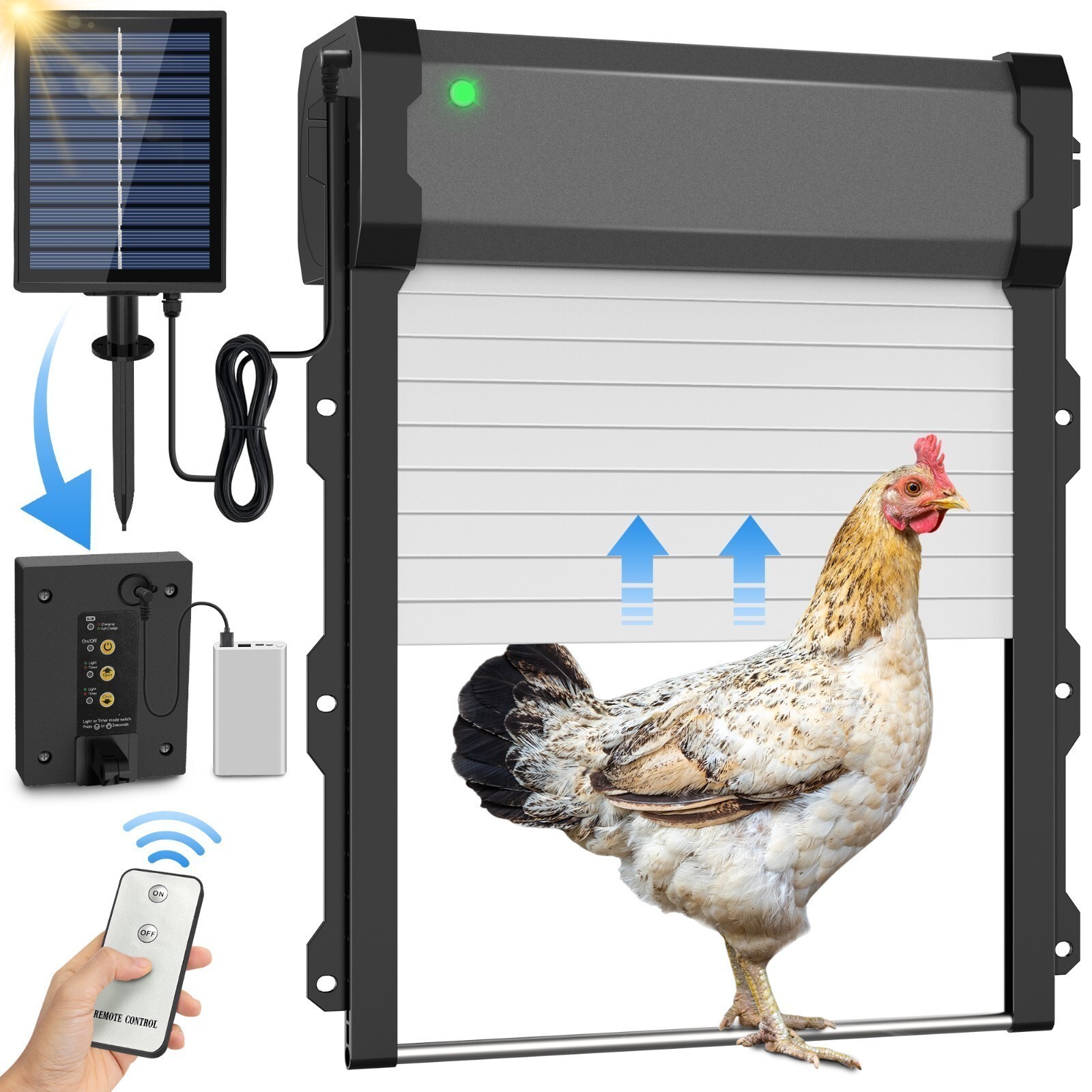 Solar Powered Chicken Coop Door Opener Timer & Light Sensor Auto Door Waterproof$65.99View on eBay
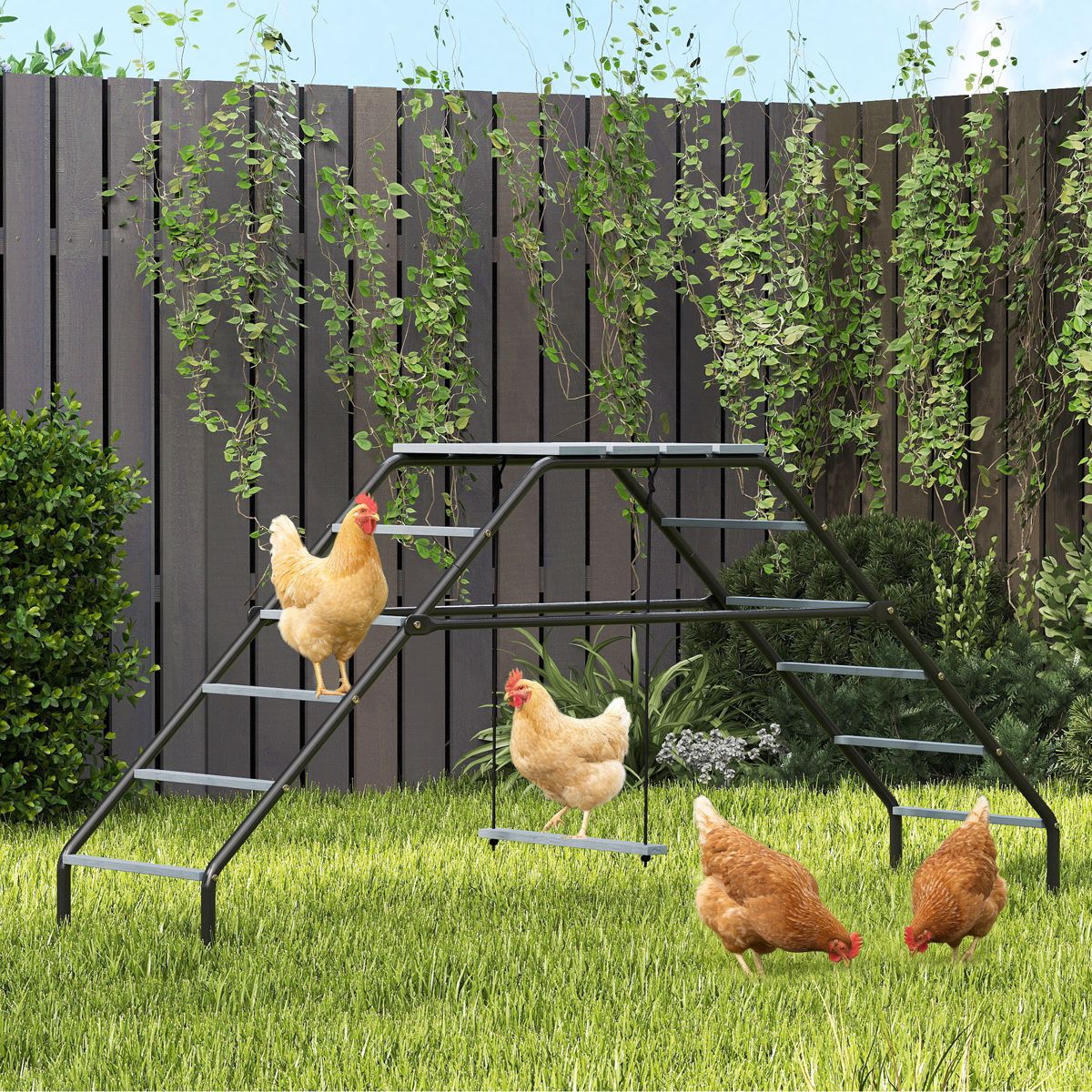 Chicken Coop Perches with Adjustable Swing, 10 Roosting Bars, for Backyard, Farm$40.99View on Mallflare
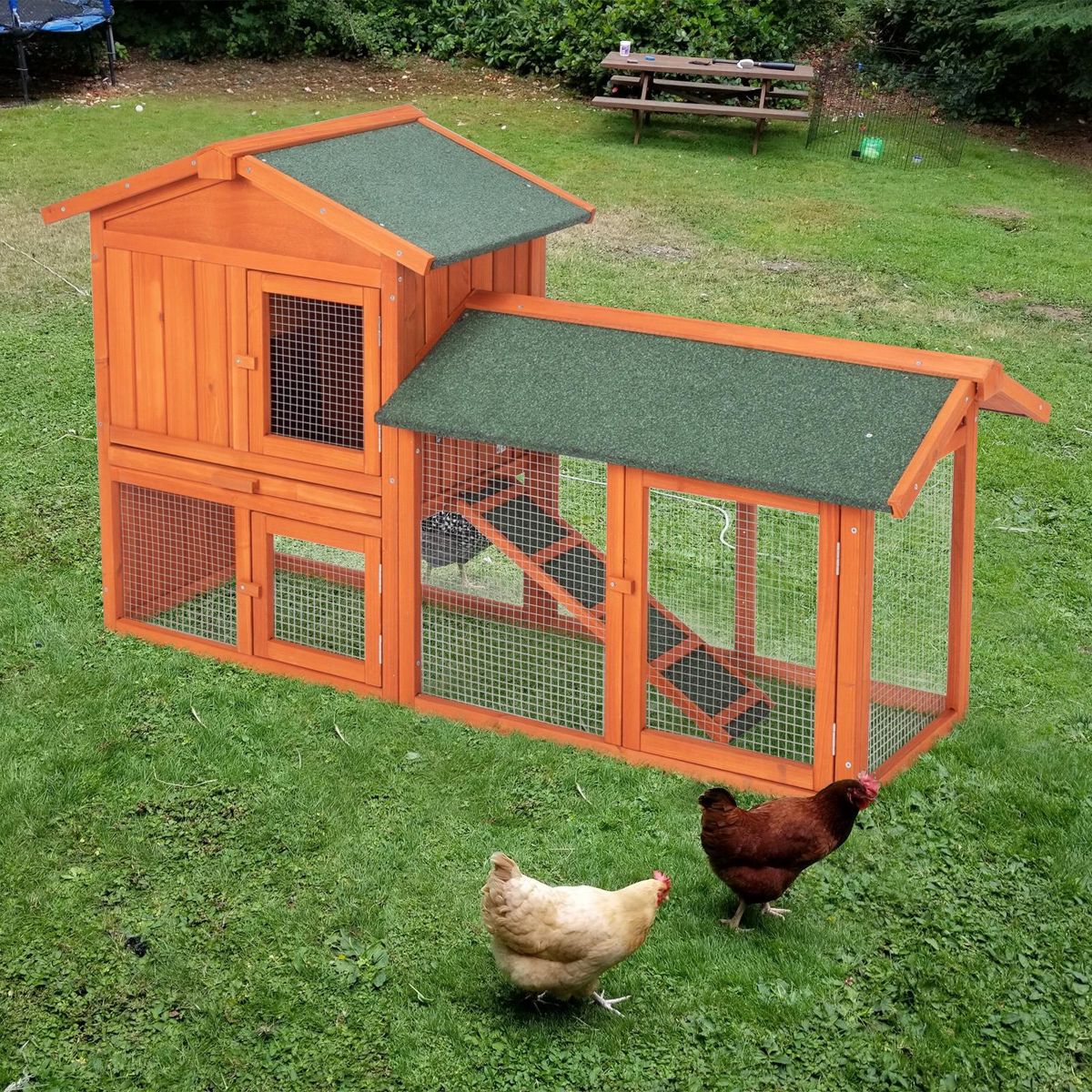 Wooden Chicken Coop Hen House Poultry Hutch Pet Cage with Nesting Box, Backyard$102.99View on eBay
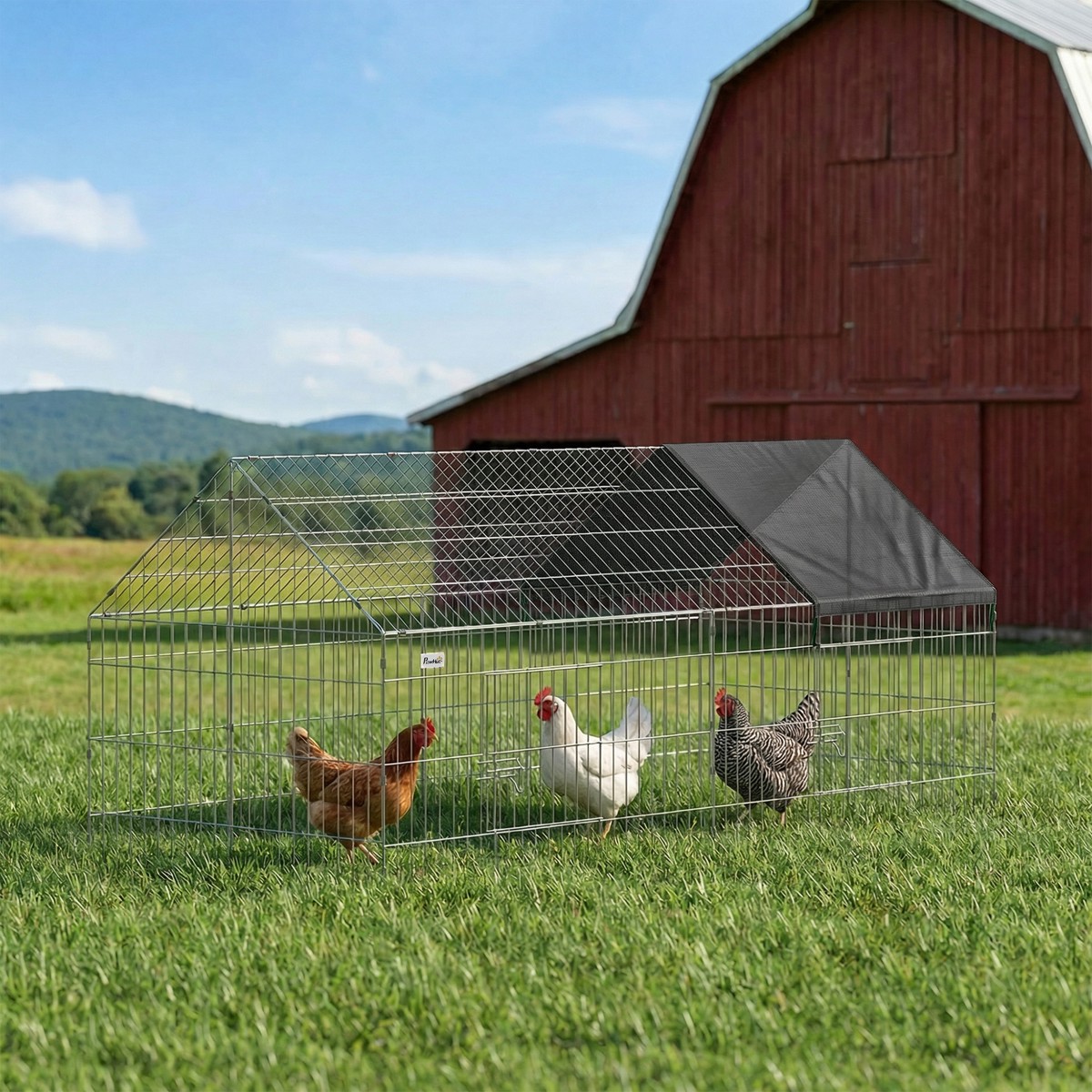 Metal Chicken Coop with Cover for Backyard Small Animals Duck Rabbit, 71" x 29.5" x Black$51.99View on Mallflare
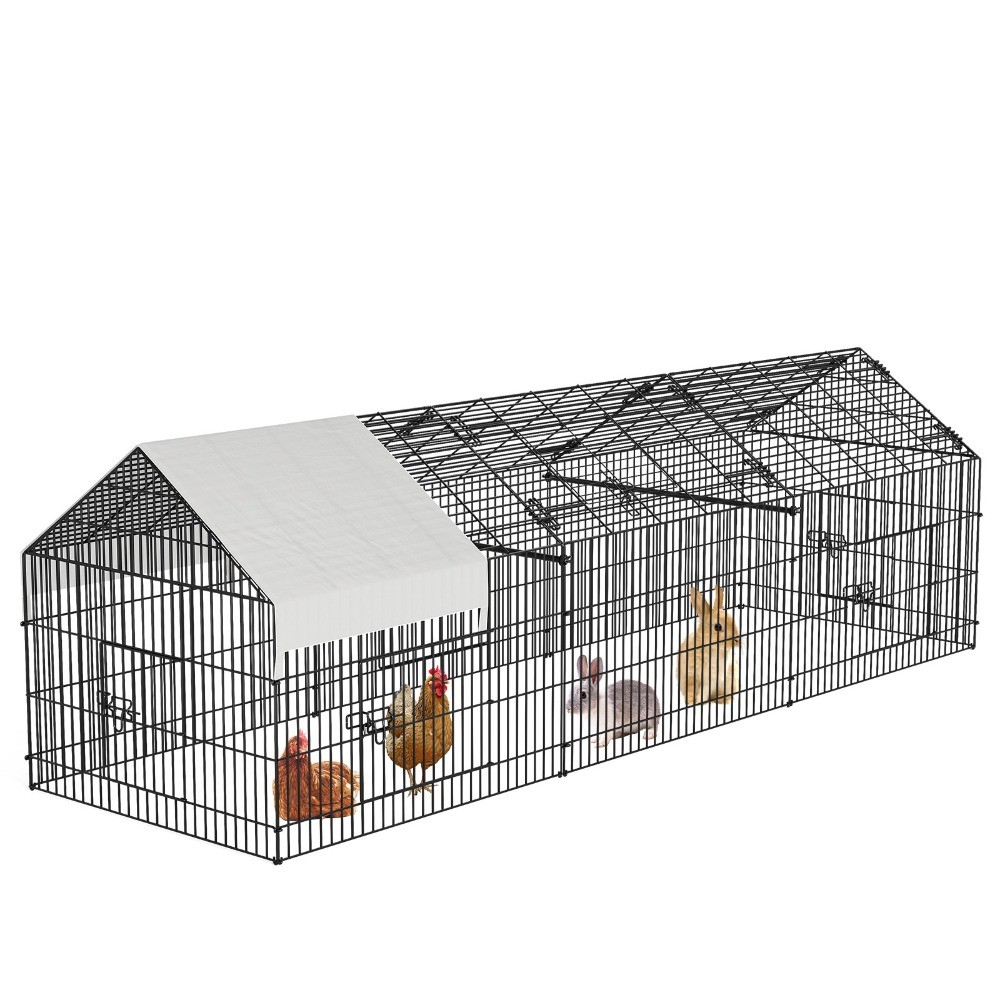 130"*40"Metal Chicken Coop Chicken Run Backyard Hen House Poultry Habitat Cage$105.99View on eBay
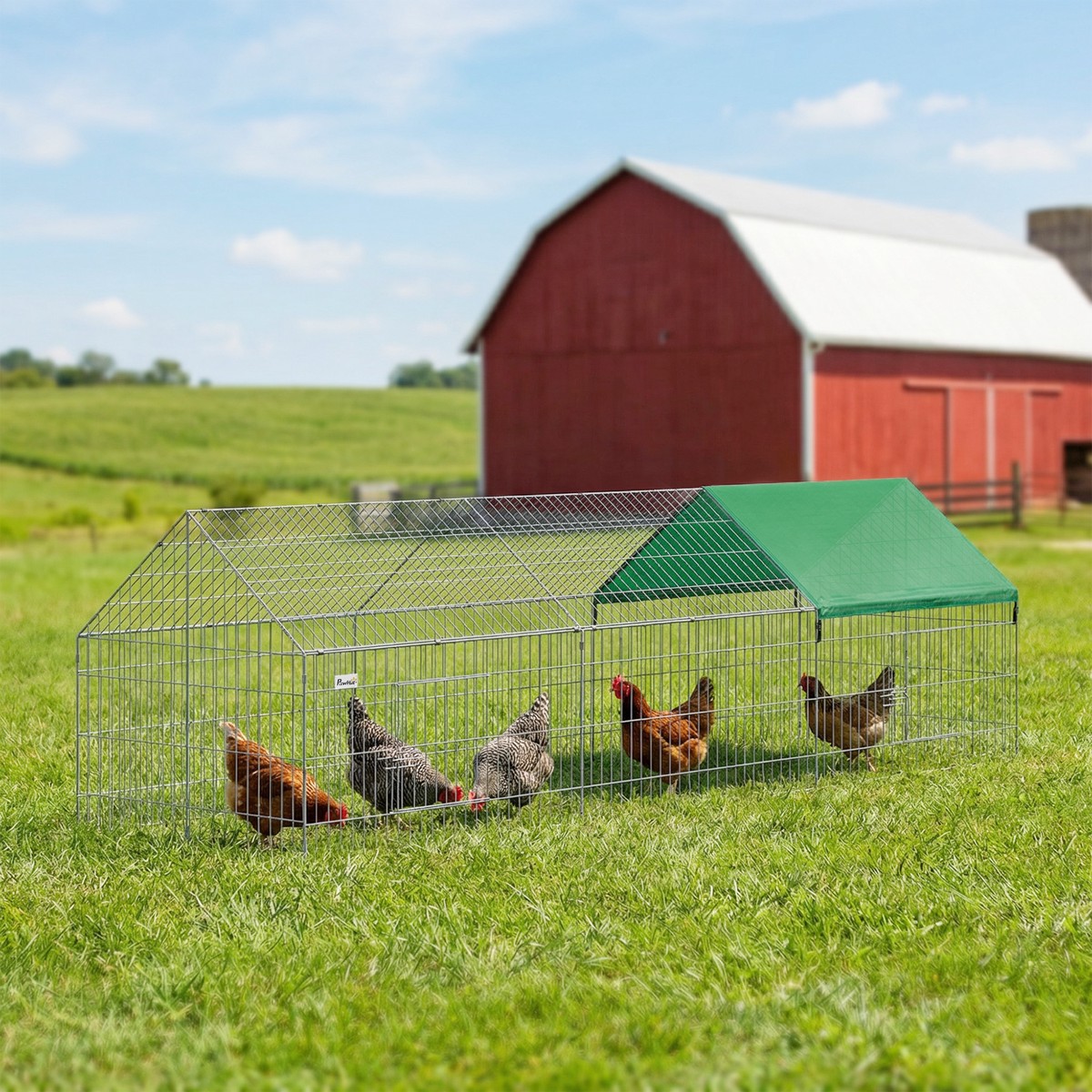 Metal Chicken Coop with Cover for Backyard Small Animals Duck Rabbit, 106" x 29.5" x Green$61.99View on Mallflare
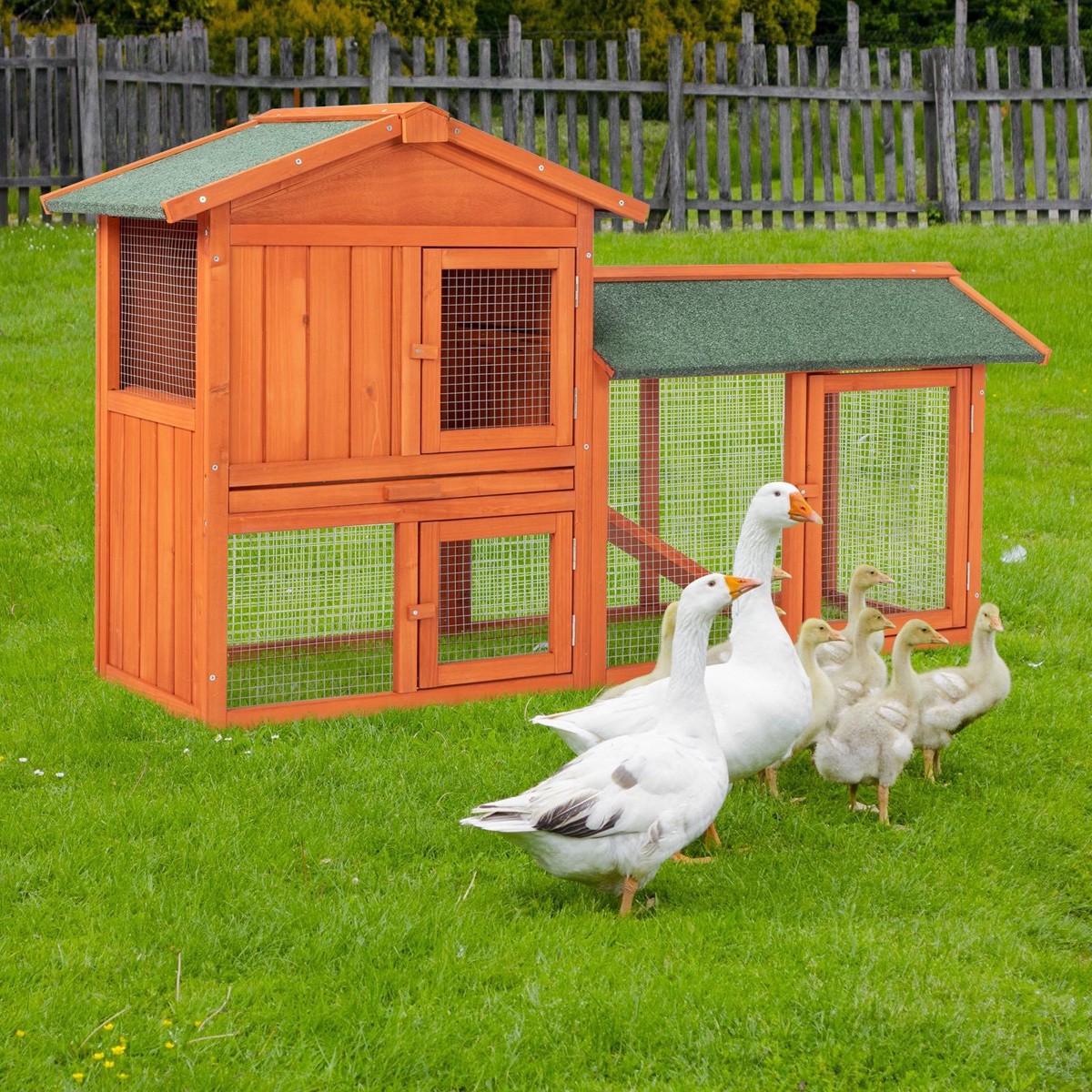 Wooden Chicken Coop Hen House Poultry Hutch Pet Cage w/ Nesting Box Backyard$106.79View on eBay
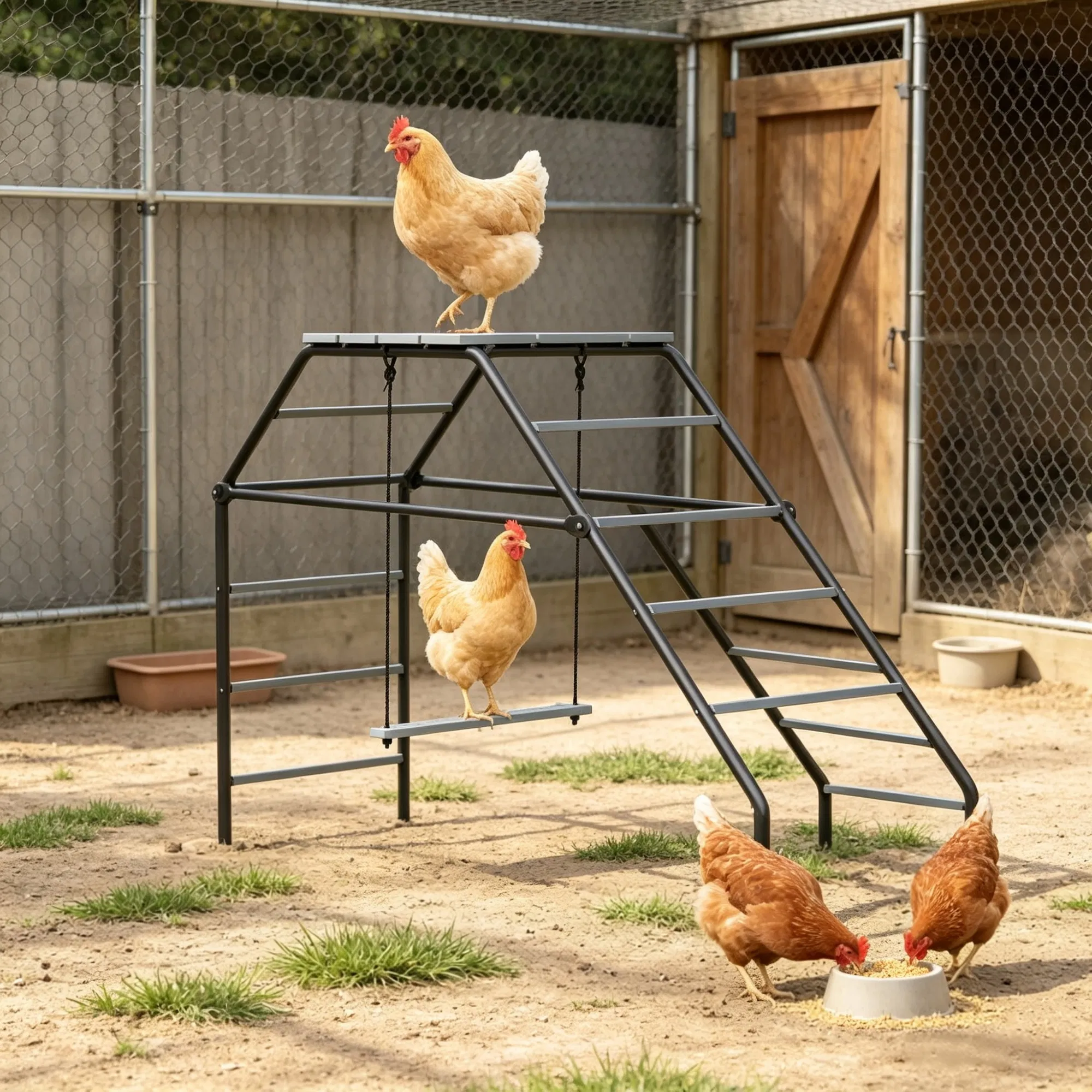 10 Pcs Chicken Coop Perches - with Adjustable Swing, Roosting Bars for Backyard Brooder & Farm Upgrade$73.99View on Mallflare
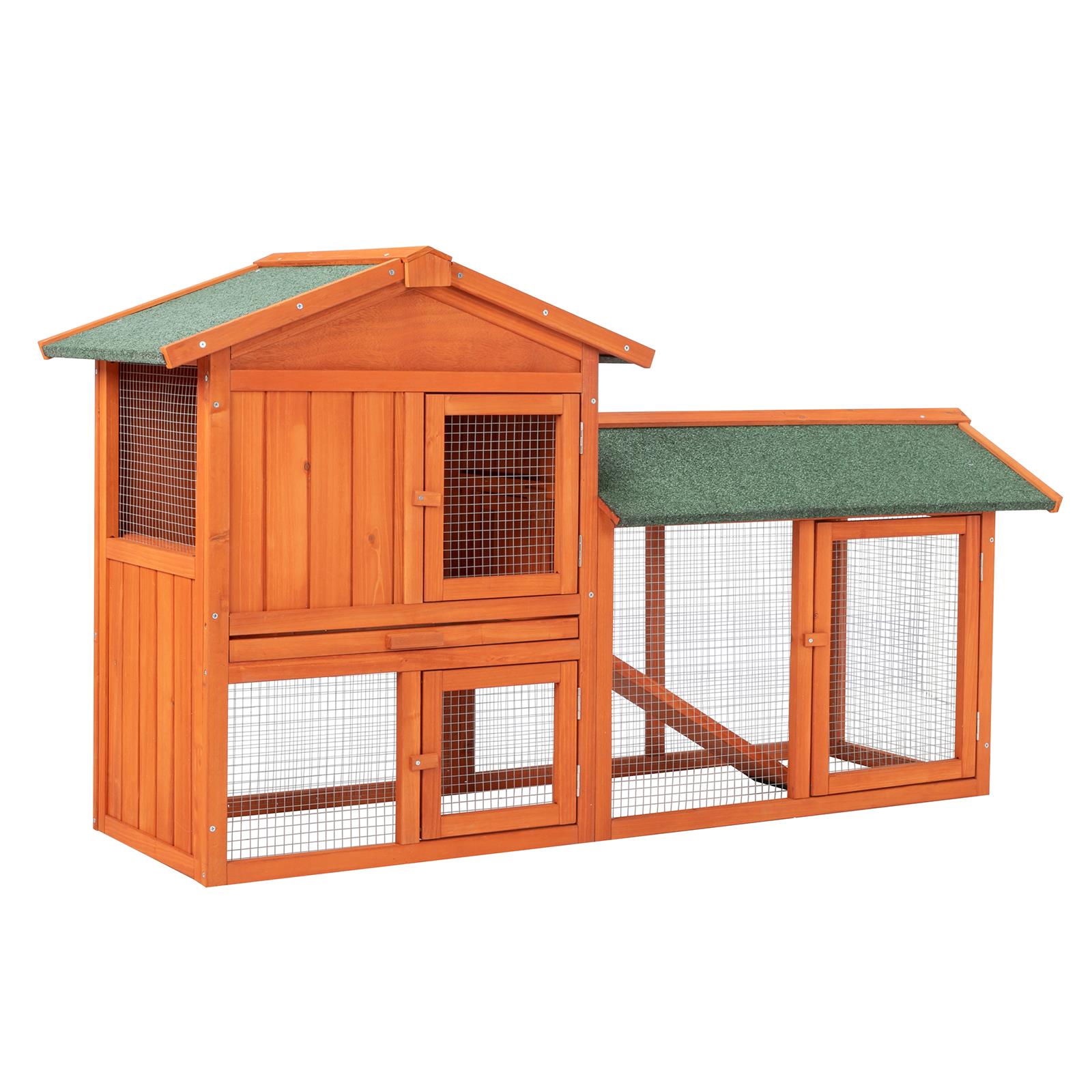 Garden Wood Chicken Coop House Poultry Hutch Pet Cage w/ Nesting Box Backyard$107.99View on eBay
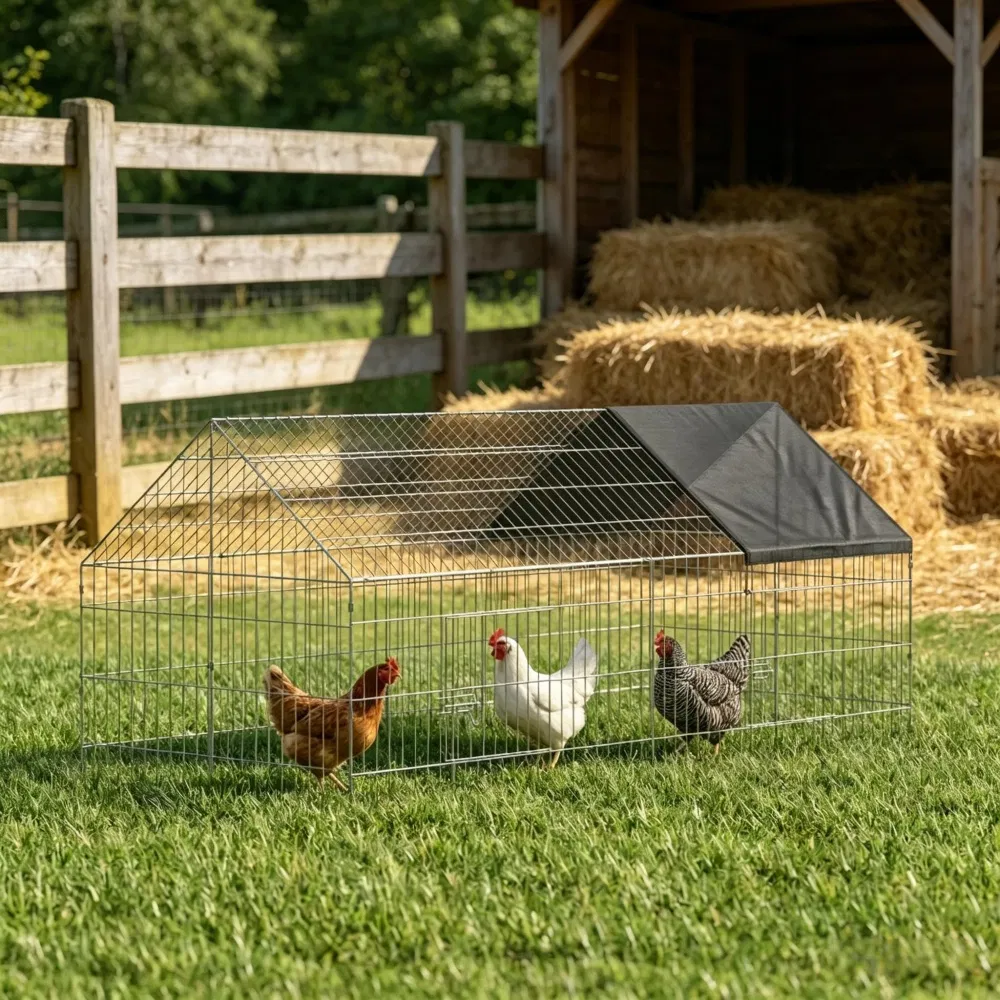 Chicken Coop, Steel Run with 90D Oxford Canopy and Two Latched Doors, 70.9 x 29.5 x in, for Chickens, Ducks and Rabbits, Black and Silver$76.99View on Mallflare
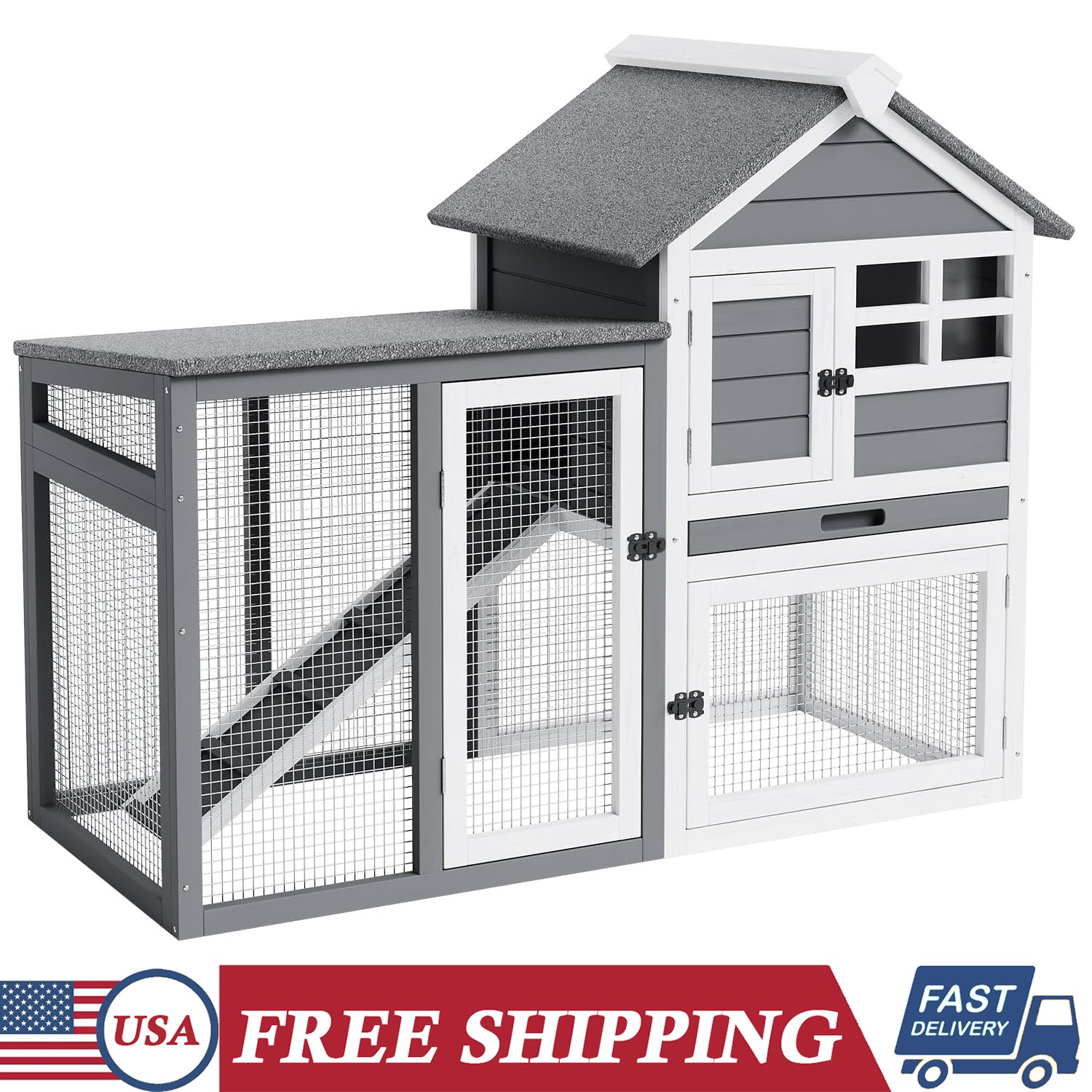 Large Chicken Coop Outdoor Wooden Backyard 2-Story Hen Rabbit House Chicken Run$109.98View on eBay
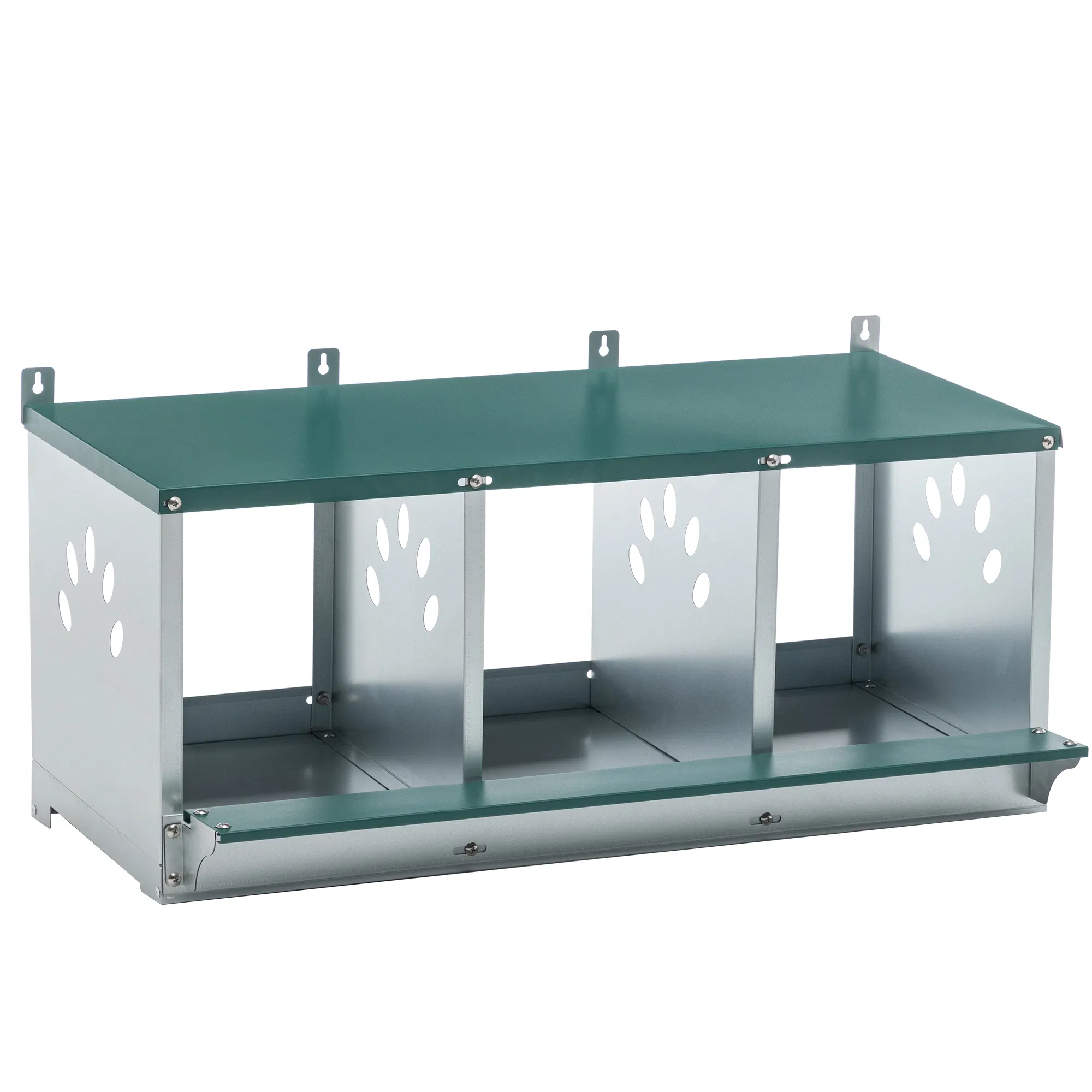 3 Room Metal Chicken Nesting Boxes 3 Compartment Egg Coop$76.99View on Mallflare
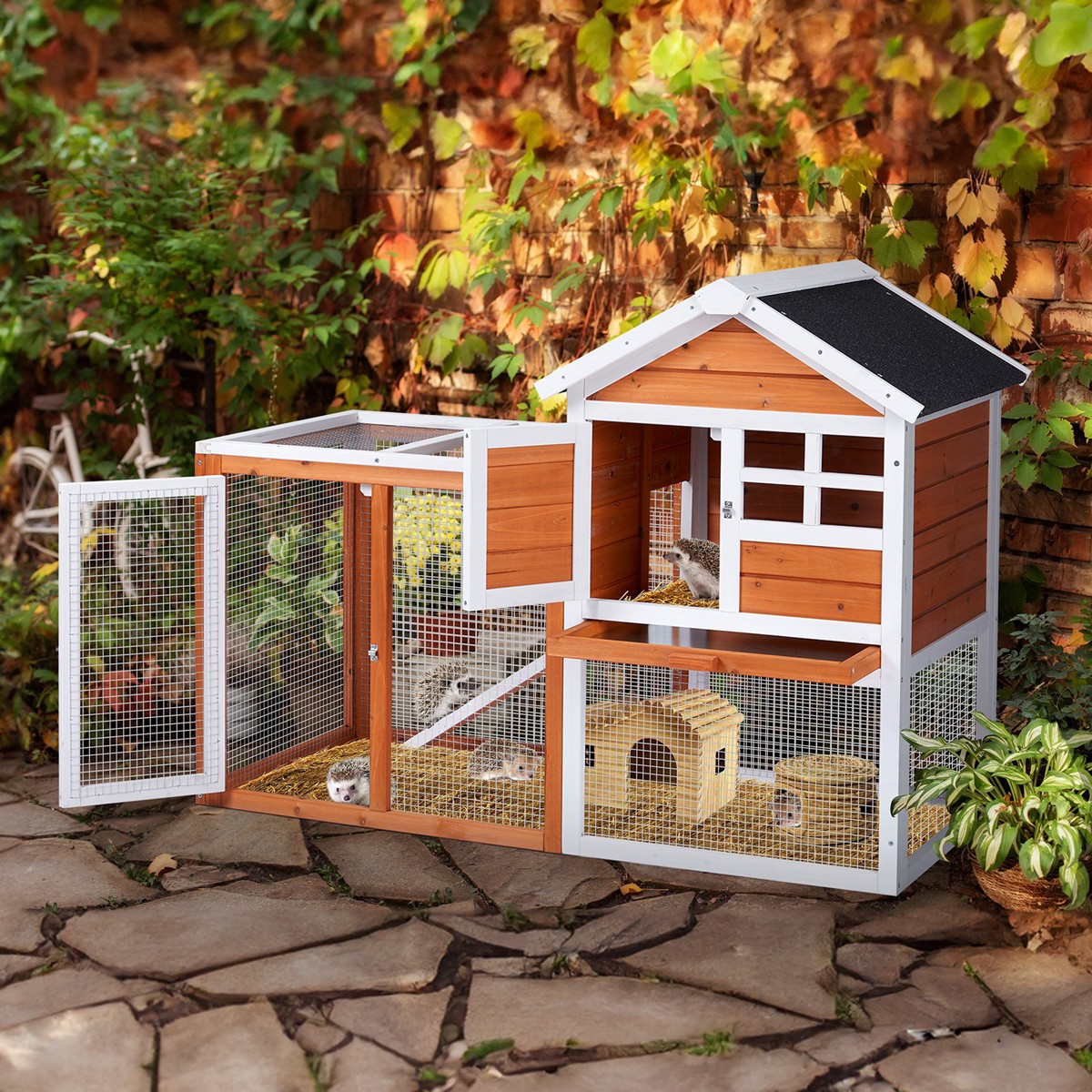 Wooden Chicken Coop Hen House Poultry Hutch Pet Cage with Nesting Box Backyard$111.99View on eBay
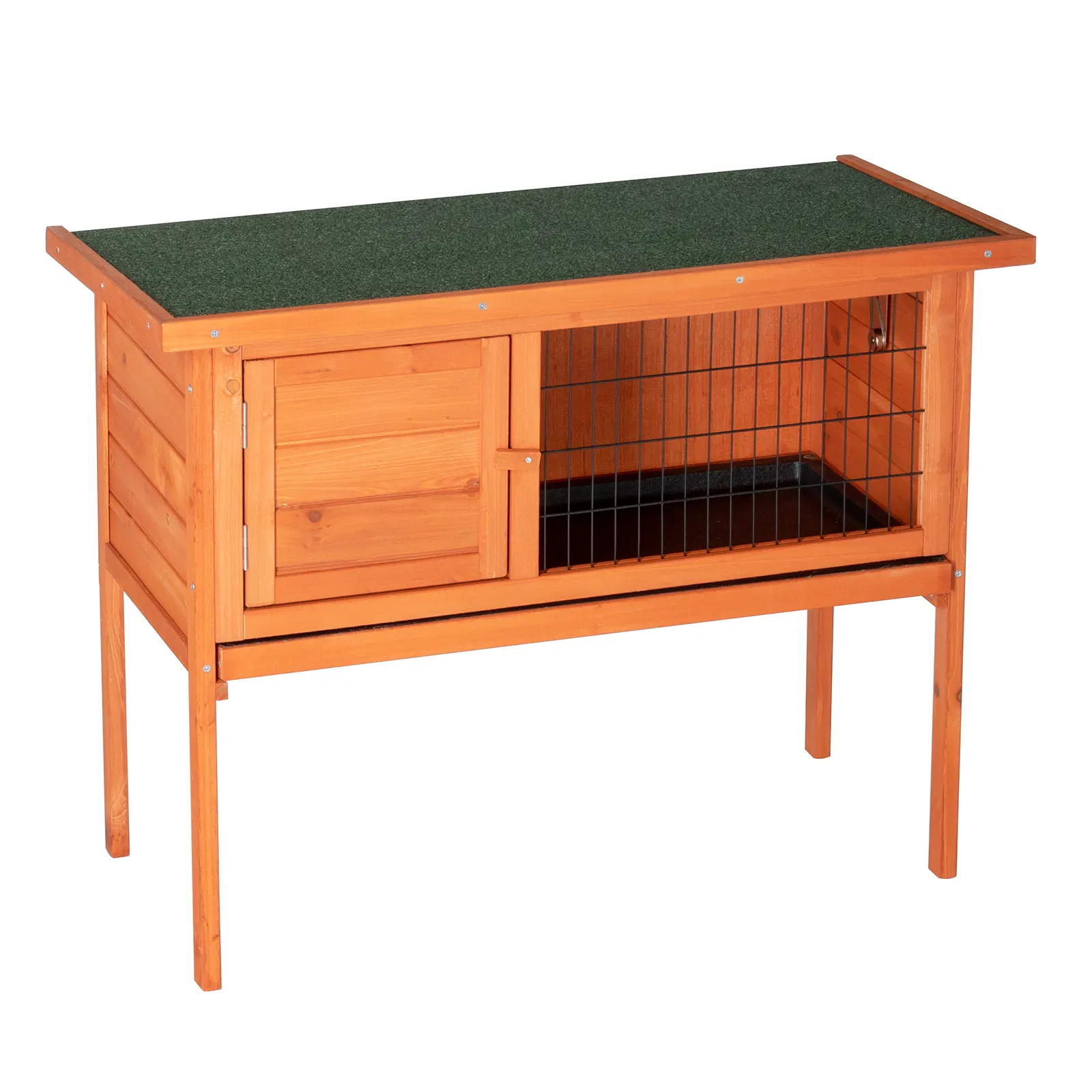 Replace 2225192136" Single Deck Waterproof Wooden Chicken Coop Hen House Pet Animal Poultry Cage Rabbit Hutch Nature$85.99View on Mallflare
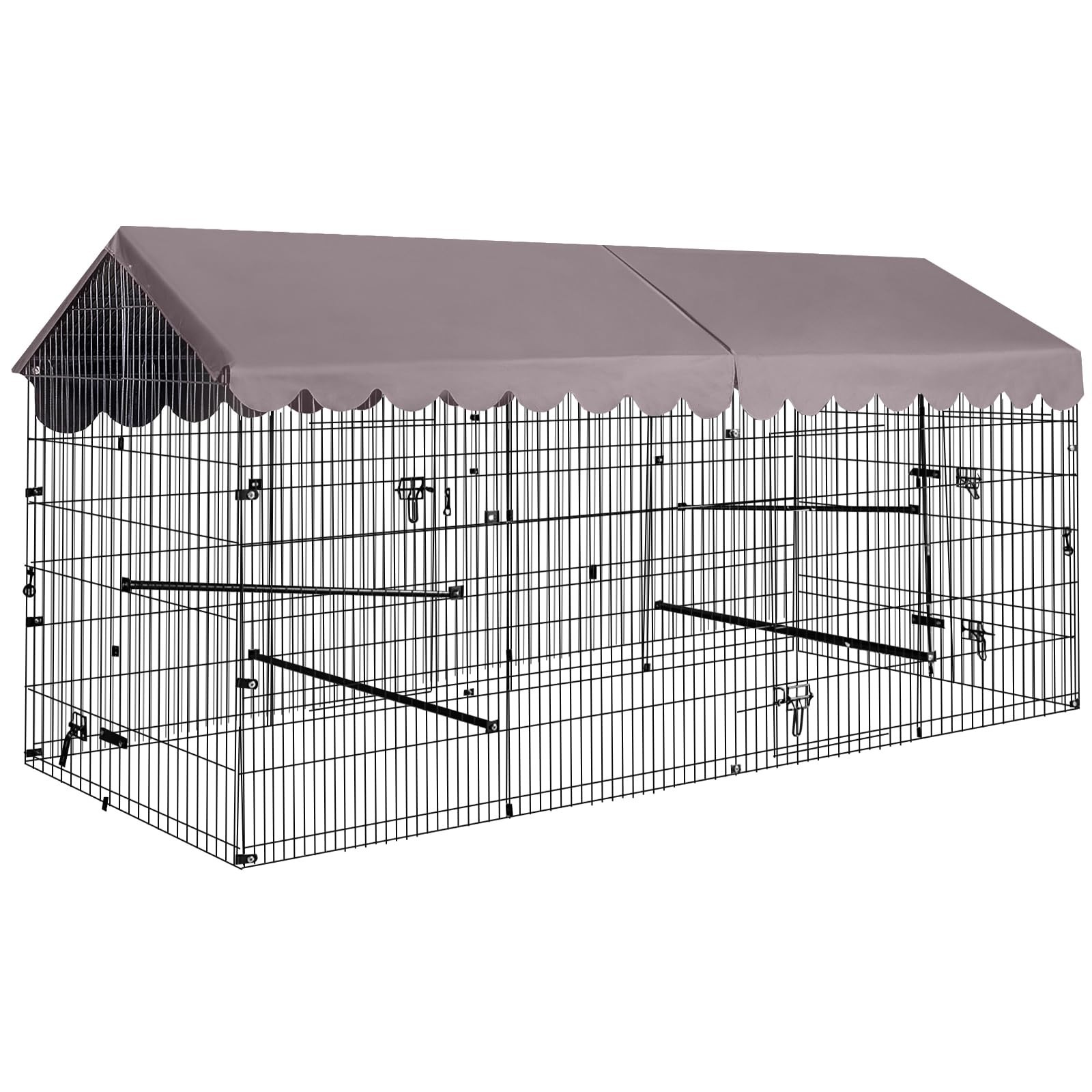 Super Large Metal Chicken Coop with Waterproof Cover Portable Poultry Cage$114.99View on eBay
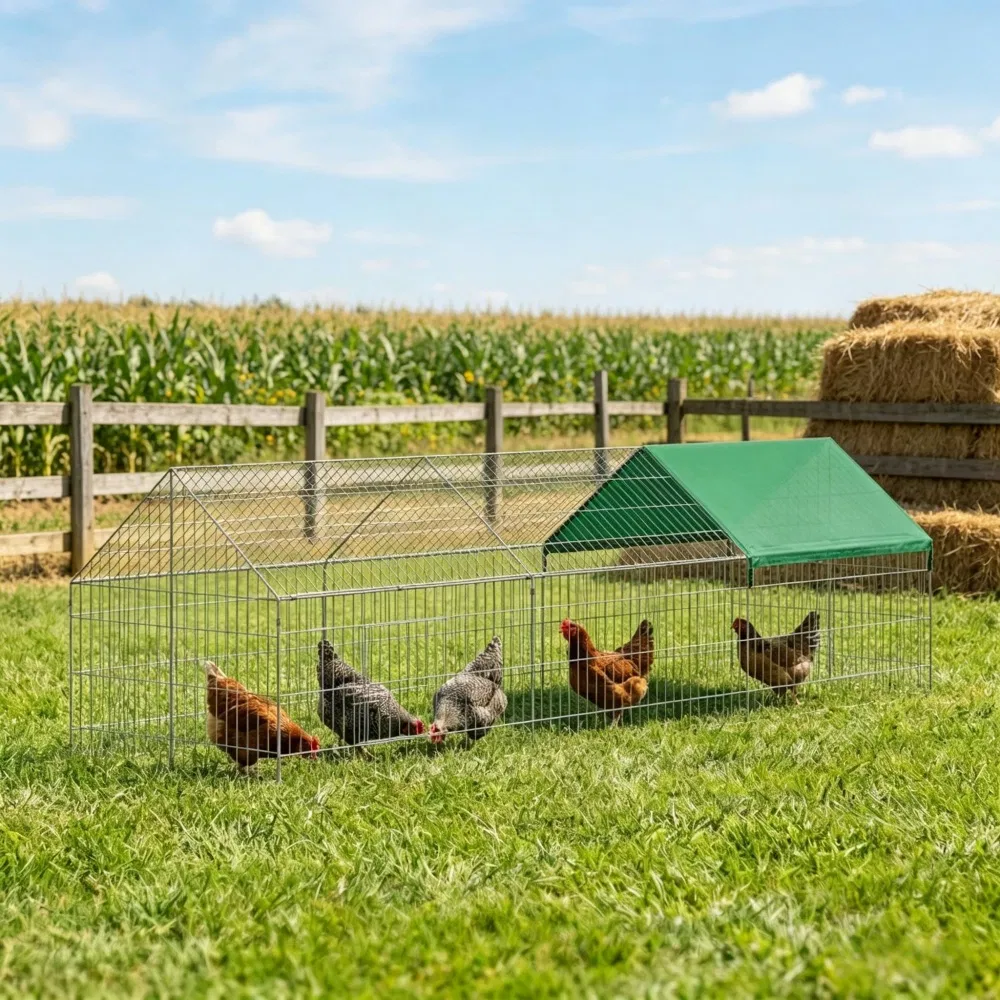 Chicken Coop 106.3 Inches for Outdoor$90.99View on Mallflare
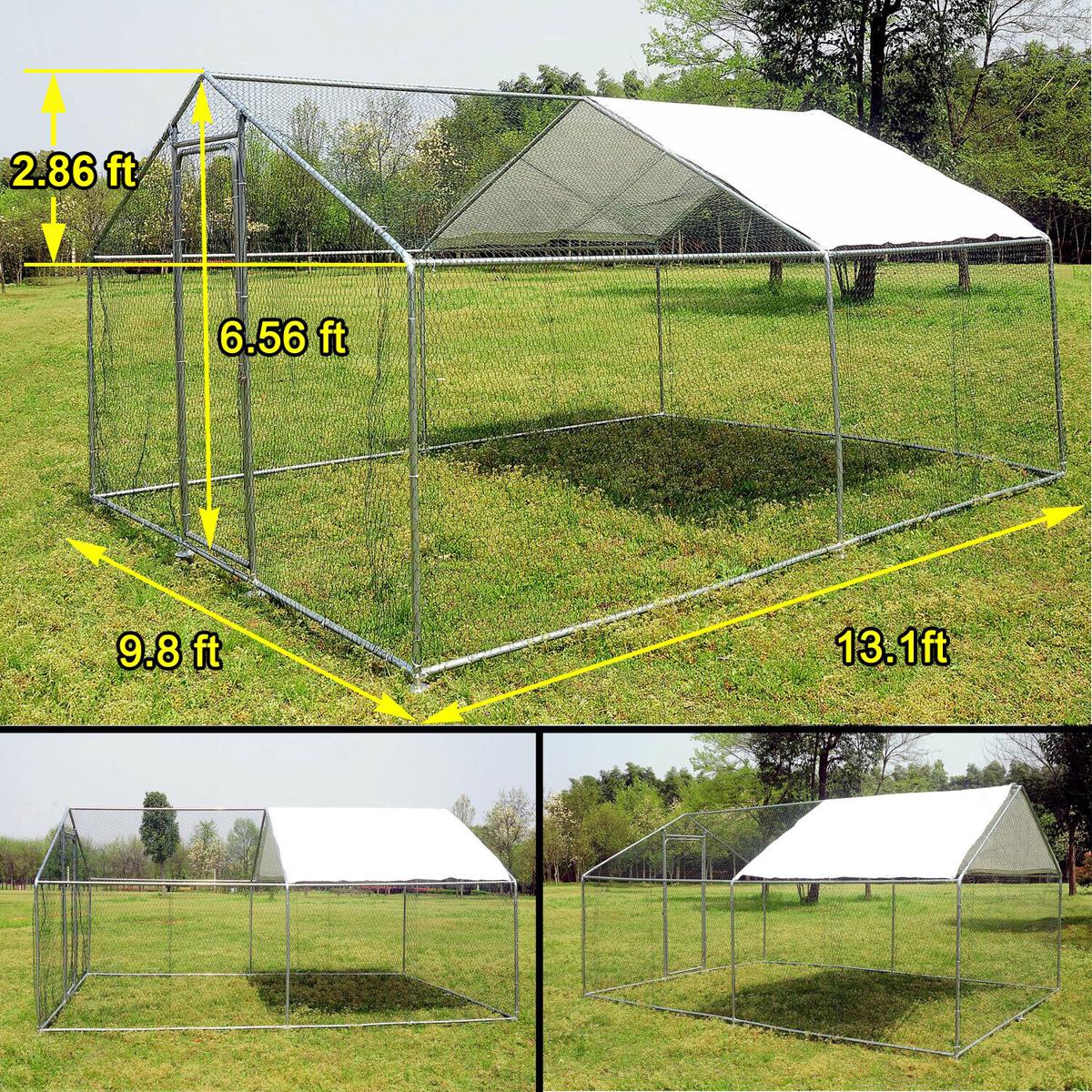 10x10'/ 13x10'/ 20x10' Chicken Coop Run Hen House Enclosed Backyard Poultry Cage$124.99View on eBay
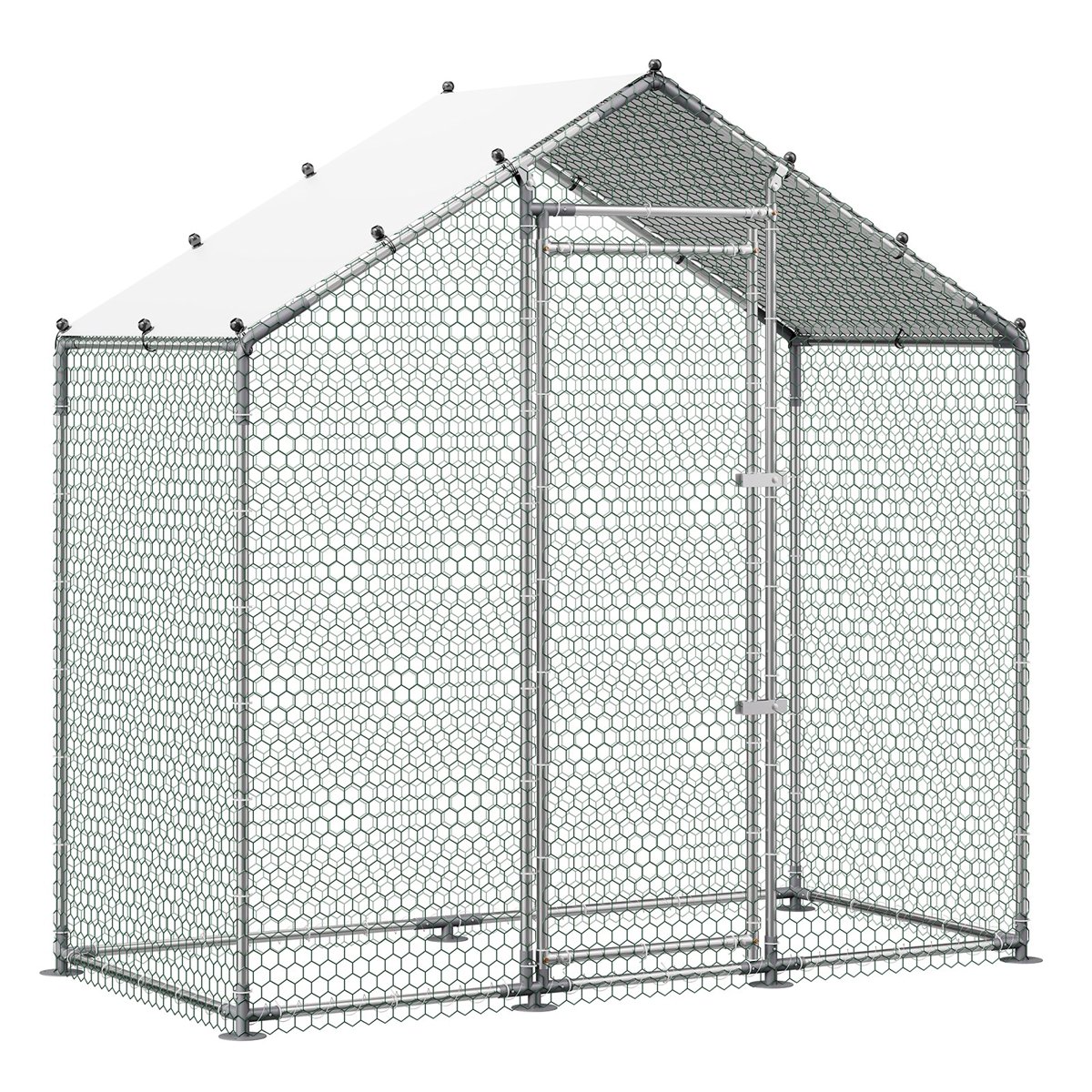 Large Metal Chicken Coop,6.6 X 3.3 X 6.6 Ft, Walk-in Run House With Waterproof Cover & Sturdy Frame, Spire Roof Poultry Cage Duck Pen For Rabbit Hen Goose Outdoor Backyard Farm Use$95.99View on Mallflare
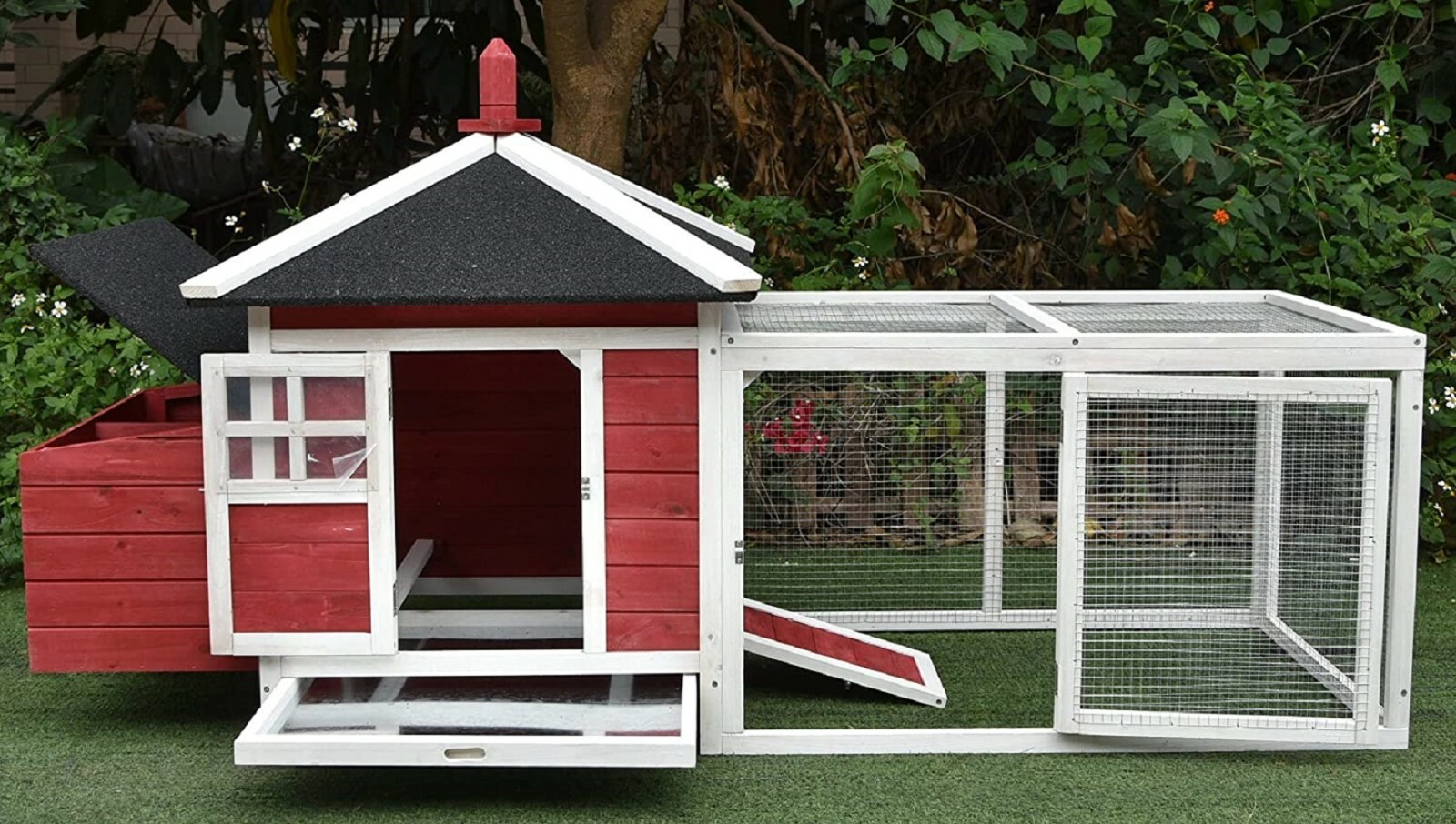 77" Wood Chicken Coop Backyard Hen House 2-4 Chickens with 2 Nesting Boxes New$137.37View on eBay
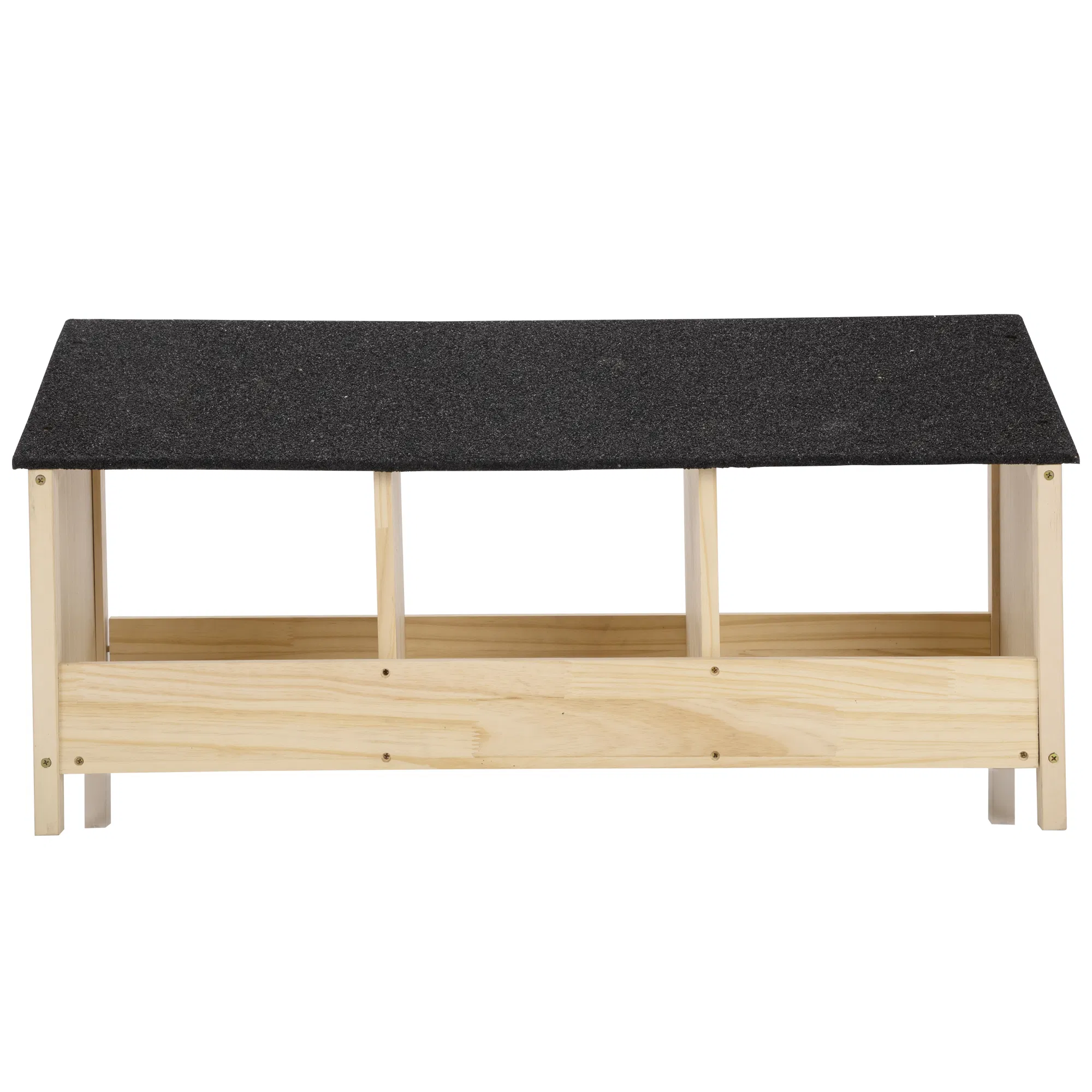 Chicken Coop with Waterproof Roof and 3 Nest Areas$95.99View on Mallflare
Highlights
- Indoor floor area is the hard constraint: 20 birds need 40–60 ft² of enclosed coop space, meaning a 4×10 ft or 5×12 ft footprint minimum, before counting nest boxes and roosts.
- Run mesh gauge determines predator resistance: ½-inch hardware cloth blocks rats and weasels, while 1-inch poultry netting only stops hawks and large dogs.
- Walk-in height of 6.5 ft allows upright cleaning and egg collection, versus 3–4 ft reach-in coops that force kneeling and are impractical above 8–10 birds.
- Wooden coops with asphalt roofs and insulated nest boxes suit cold climates; galvanized metal runs with covers suit heat and humidity but need shade and windbreak additions.
Best use cases
- Best fit: a backyard flock of 18–22 hens in a temperate climate — choose a 10×20 ft walk-in metal run with a covered roost section and add ½-inch hardware cloth skirting.
- Best fit: cold-winter regions — choose a wooden coop with nesting boxes and asphalt roof, then attach a covered metal run for daytime exercise so birds stay dry.
- Wrong fit: expecting a 20.93 ft² wooden coop to house 20 birds — that is roughly 1 ft² per bird and only suits 6–8 standard hens or 10–12 bantams.
- Skip: open-bottom runs on bare soil without an apron or buried mesh; predators dig under within days, and mud turns the run into a disease reservoir.
Buying tips
- Size math: allow 2–3 ft² indoor coop per standard hen and 8–10 ft² run space, so 20 hens need 40–60 ft² enclosed plus 160–200 ft² run.
- Mesh spec: demand ½-inch 19-gauge hardware cloth for the lower 2 ft and aprons; 1-inch chicken wire is only acceptable for upper panels above 4 ft.
- Roof and cover: a solid asphalt or UV-treated polycarbonate roof over at least one-third of the run keeps feed dry and prevents muddy bedding.
- Frame and anchoring: galvanized steel tube frames resist rust, but must be secured with ground anchors or concrete footings against wind uplift.
Specs
| Indoor Floor Area | 40–60 ft² for 20 hens (2–3 ft²/bird) |
|---|---|
| Run Space | 160–200 ft² (8–10 ft²/bird) |
| Predator Mesh | ½-inch 19-gauge hardware cloth |
| Walk-In Height | 6.5 ft frame / lockable door |
Related searches
What to check before buying
- Measure your yard for the full footprint plus clearance: a 10×20 ft run needs a 12×22 ft level area for access and anchoring.
- Confirm local setback and flock ordinances; many suburbs cap hens at 6–10, making a 20-bird structure non-compliant.
- Check ground conditions: level, well-drained soil or a gravel pad; slope over 3 inches requires grading or a raised platform.
- Plan power and water access: heated waterers and coop lights need a GFCI outdoor outlet within cord reach, or rely on solar-powered units.
FAQ
Data sources: eBay / Amazon listings and product attribute feeds. Updated Nov 28, 2026.
Some links on this page are affiliate links. If you buy after clicking one, we may earn a commission at no extra cost to you. This does not change which products appear here or their order. Affiliate disclosure.