
Photos from current listings. Actual item, color, and included accessories may vary.
Outdoor Garden Storage Buying Guide
Outdoor garden storage covers rigid metal or resin sheds and soft-sided canopy/tent shelters used to protect tools, bikes, and equipment from weather and theft. The core trade-off is between rigid, lockable, anchored structures (steel or resin sheds) versus portable, low-cost fabric shelters that sacrifice security and wind resistance. Buy a rigid anchored shed for year-round tool and bike protection; choose a soft shelter only for seasonal, light-duty, or temporary overflow storage.
Median $353.77 · New listings
Key takeaways
- Rigid sheds use galvanized or powder-coated steel panels (typically 0.25–0.6 mm) or double-wall resin; steel resists impact better, resin resists rust and dents and never needs repainting.
- Soft shelters rely on a polyethylene or PVC tarp over a steel or aluminum frame; waterproof rating and UV stabilization determine lifespan, with uncoated fabrics failing within 1–2 seasons.
- Wind resistance is governed by anchoring, not panel strength: rigid sheds require a concrete or timber base plus ground anchors, while soft tents need leg weights and guy lines rated for local wind zones.
At a glance
- Category
- Outdoor Structures, Shade & Awnings
- Last updated
- Nov 27, 2026
Current offers
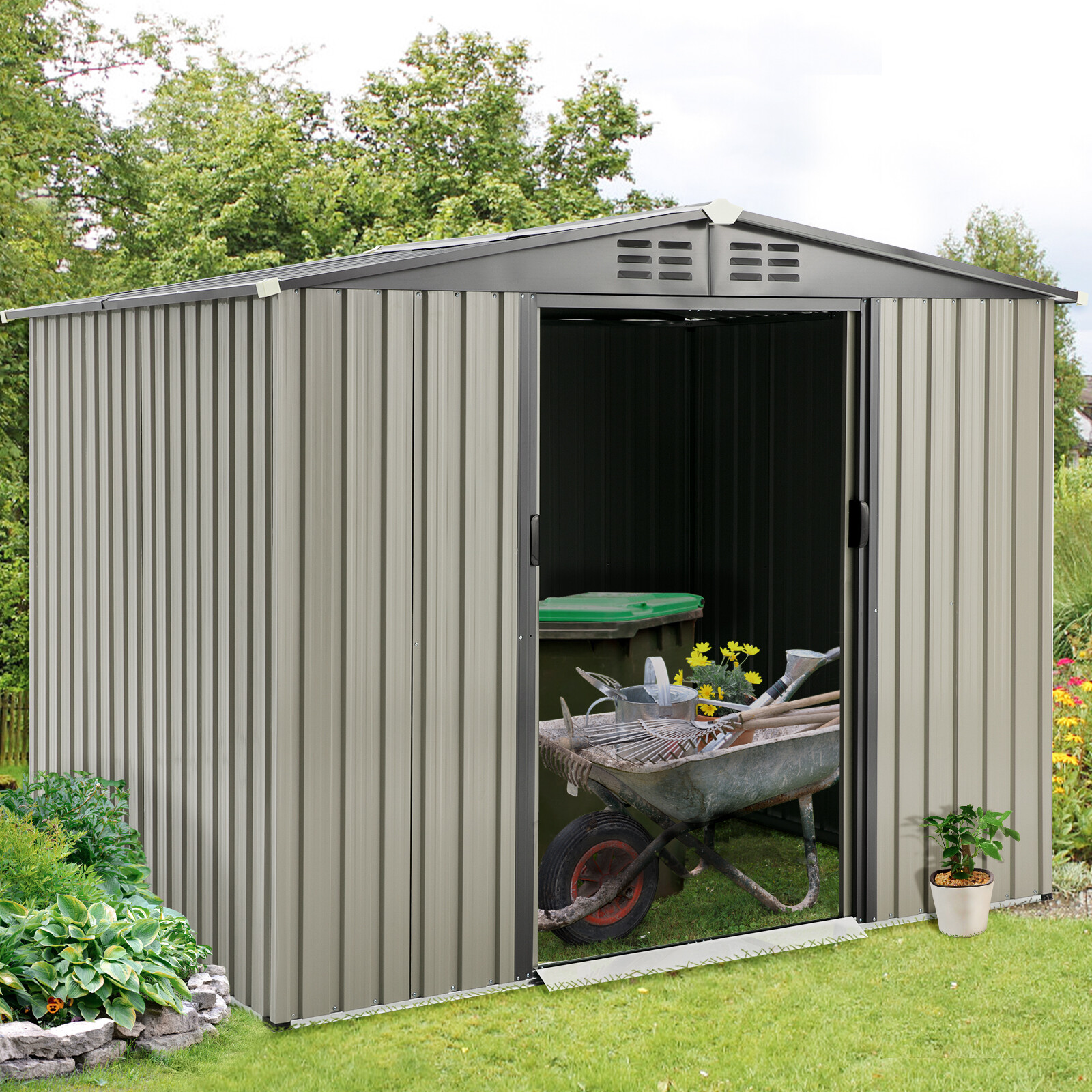 Outdoor Storage Shed Small Tool Shed w/ Sliding Door Storage Cabinet for Garden$126.98View on eBay
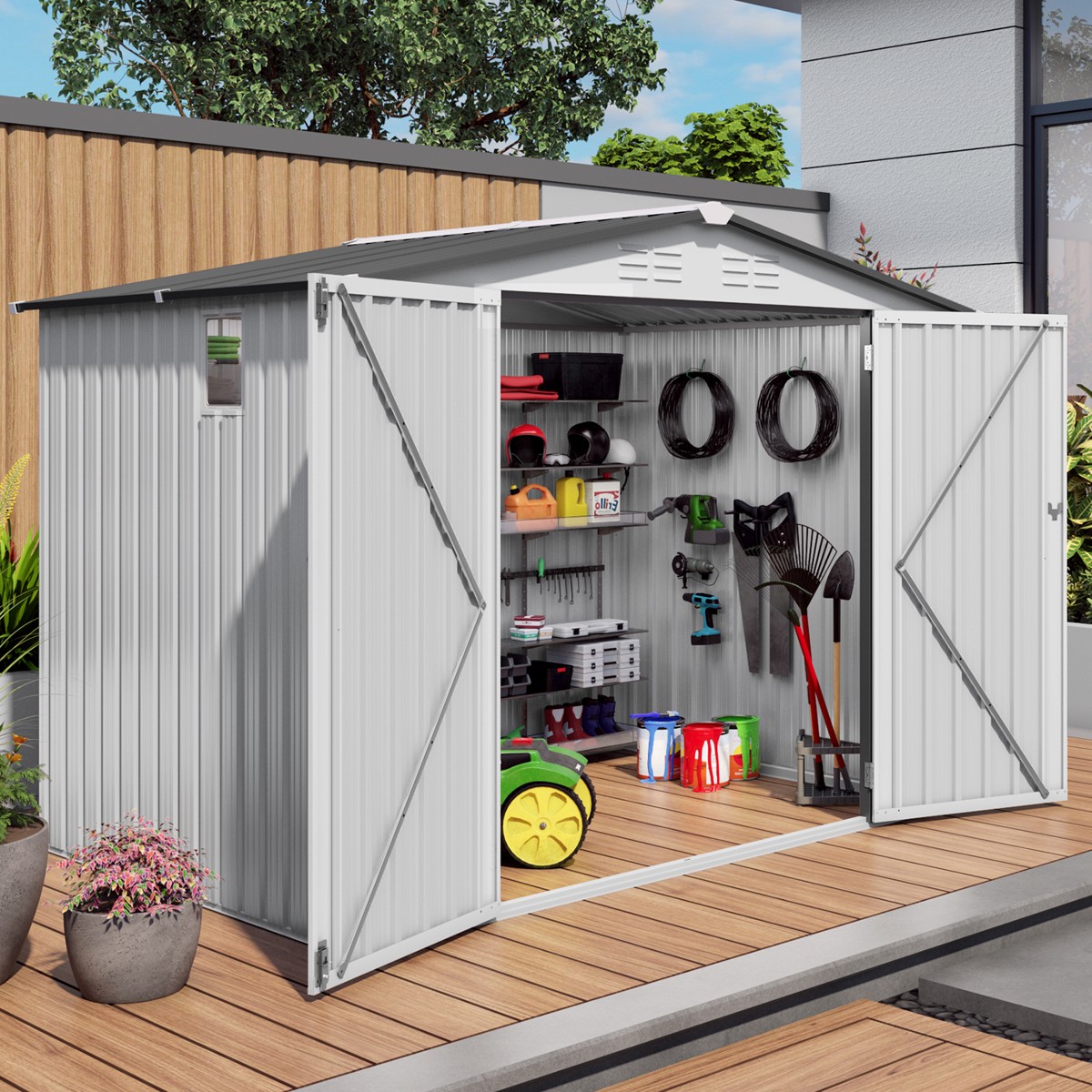 8X6 FT Metal Outdoor Garden Storage Shed, Tool With Pitched Roof Waterproof One Window And Two Lockable Door, For Sundries And Bike White Gray$292.99View on Mallflare
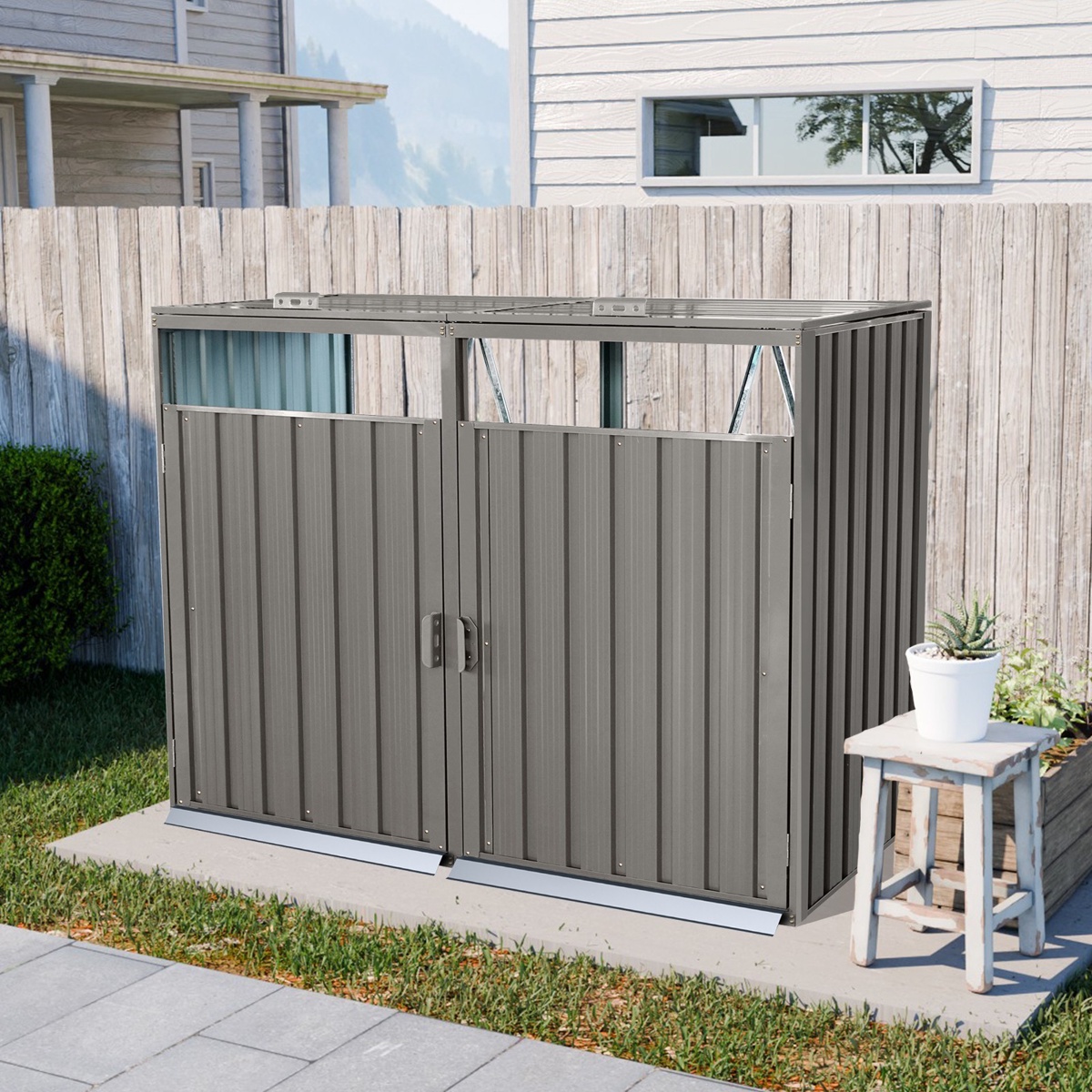 Metal Garbage Bin Shed 2/3 Trash Cans Outdoor Storage Shed Lockable for Garden$129.99Last checked Nov 24, 2026View on eBay
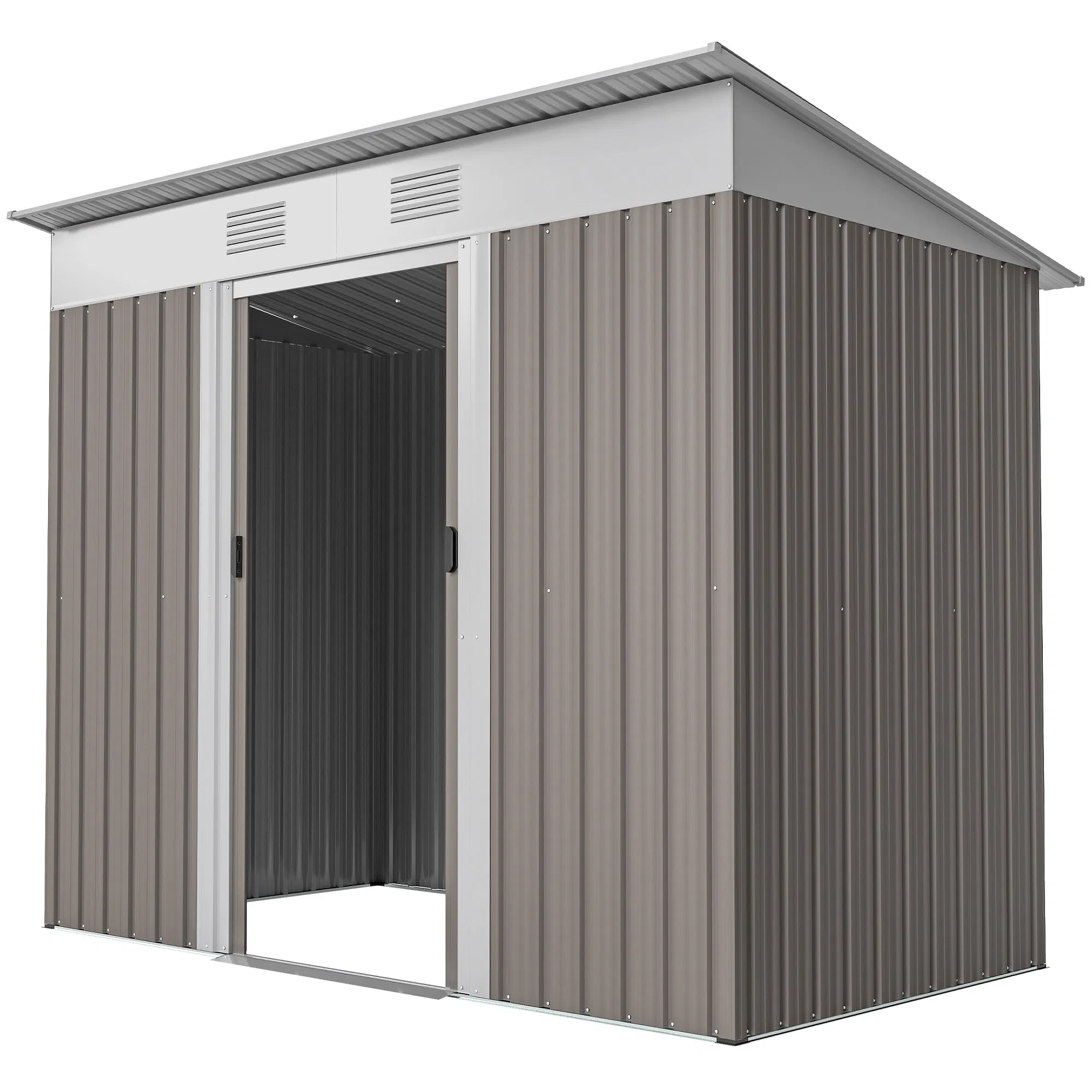 7' x 4' Outdoor Storage Shed, Metal Garden Tool House Organizer with Lockable Sliding Doors and Vents for Backyard Patio Lawn, Light Grey$383.99View on Mallflare
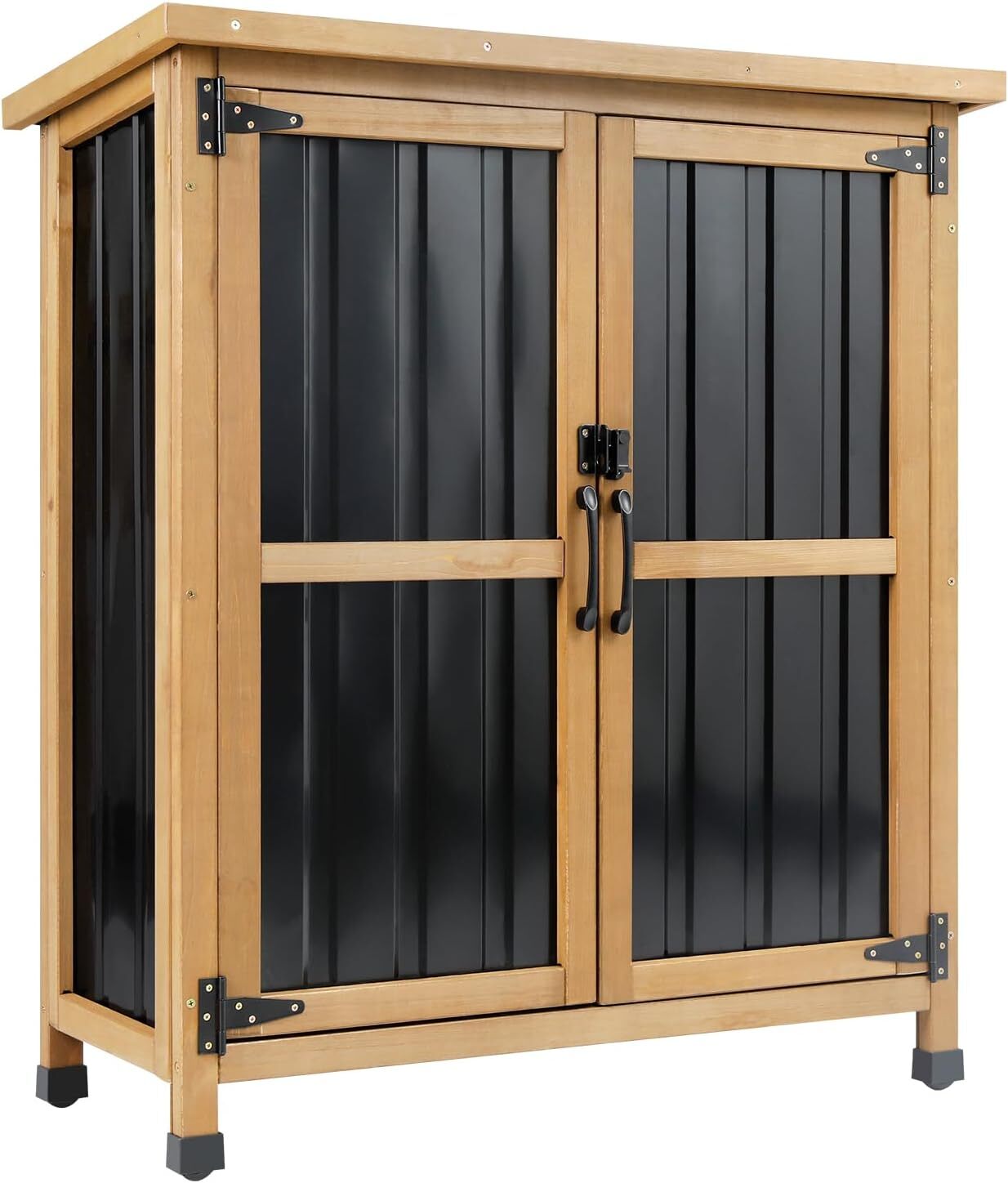 PETSCOSSET Outdoor Storage Shed, Garden Storage Cabinet$129.99Last checked Nov 23, 2026View on eBay
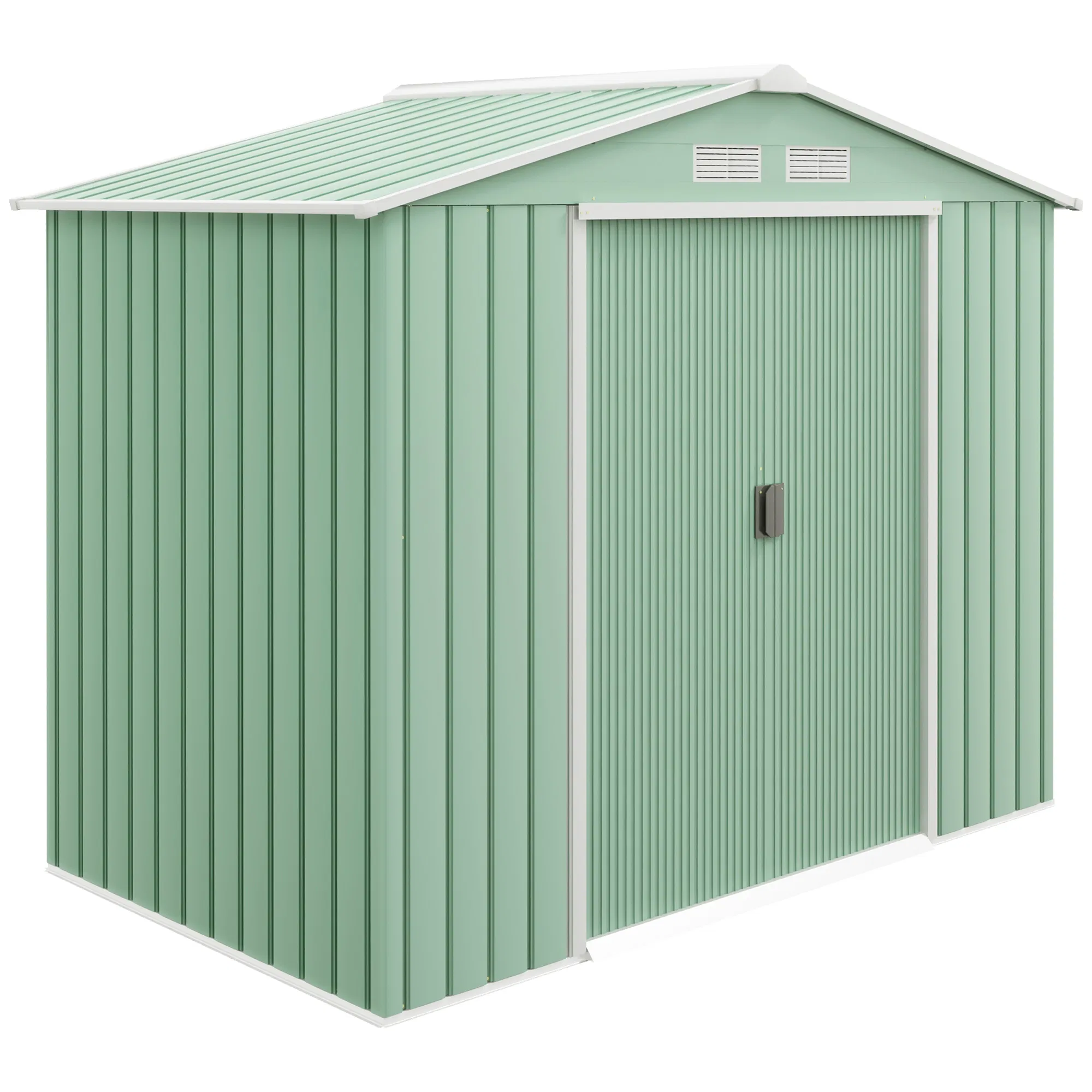 7' x 4' x 6' Garden Storage Shed Outdoor Patio Metal Tool House w/ Foundation Kit and Double Doors Light Green$400.99View on Mallflare
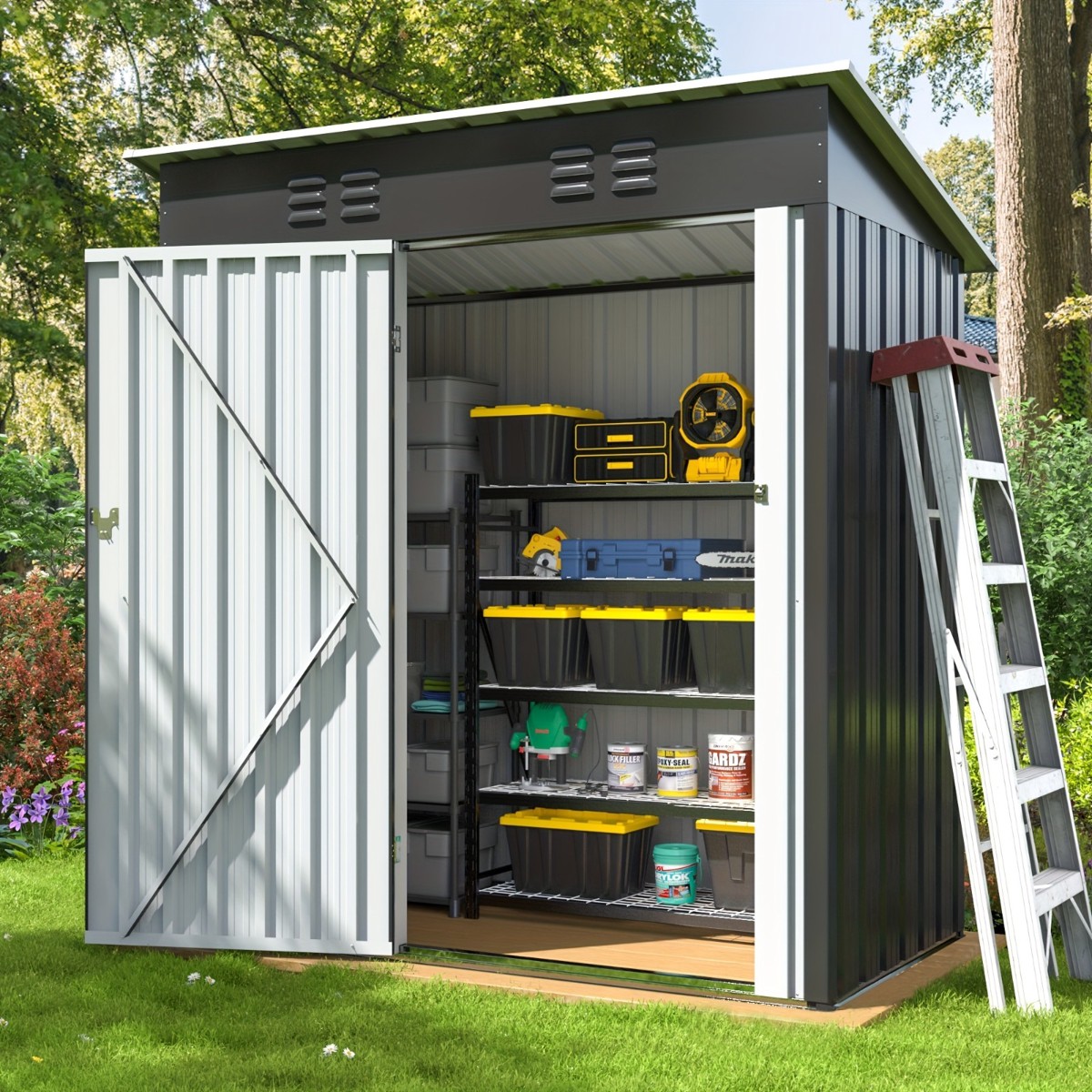 5x3 ft Metal Storage Shed Outdoor Lockable Tool Sheds for Backyard Garden, Black$149.99Last checked Nov 24, 2026View on eBay
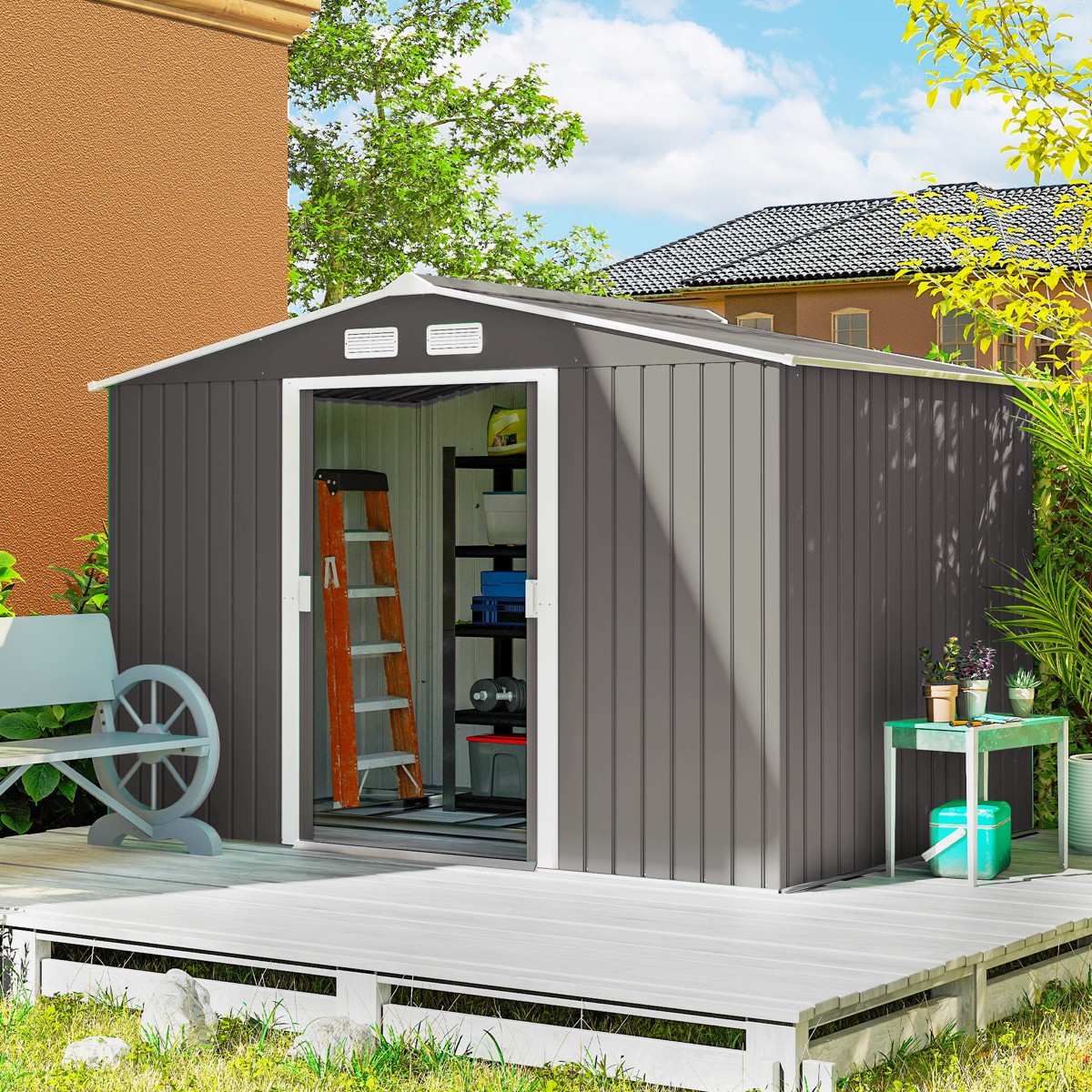 9 x 6 Outdoor Storage Shed, Garden Tool Metal with Foundation Kit, Light Gray$560.99View on Mallflare
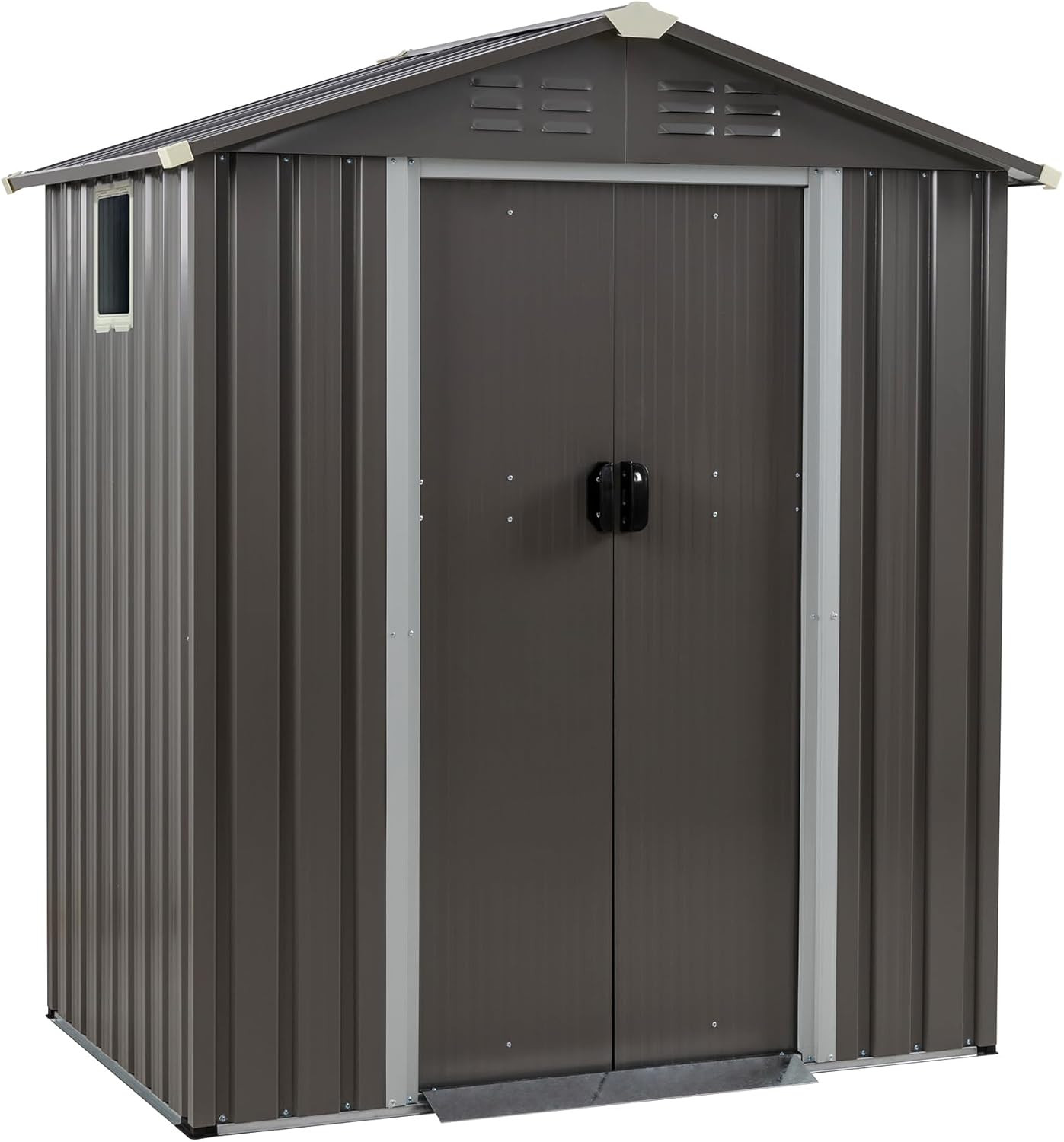 JY QAQA 5X3 FT Metal Outdoor Garden Storage Shed,Waterproof Metal Garden Sheds w$152.40Last checked Nov 22, 2026View on eBay
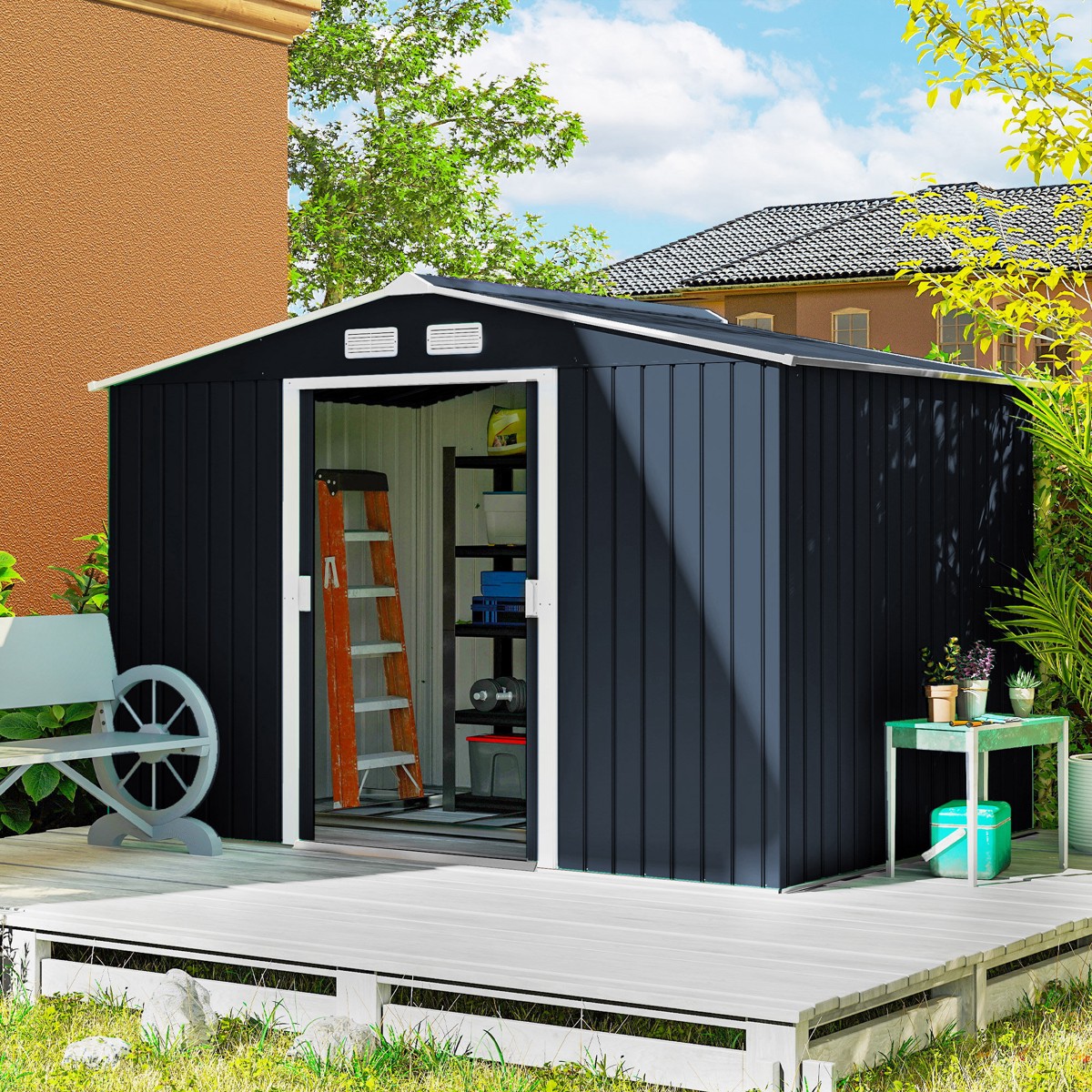 9 x 6 Outdoor Storage Shed, Garden Tool Metal with Foundation Kit, Dark Gray$560.99View on Mallflare
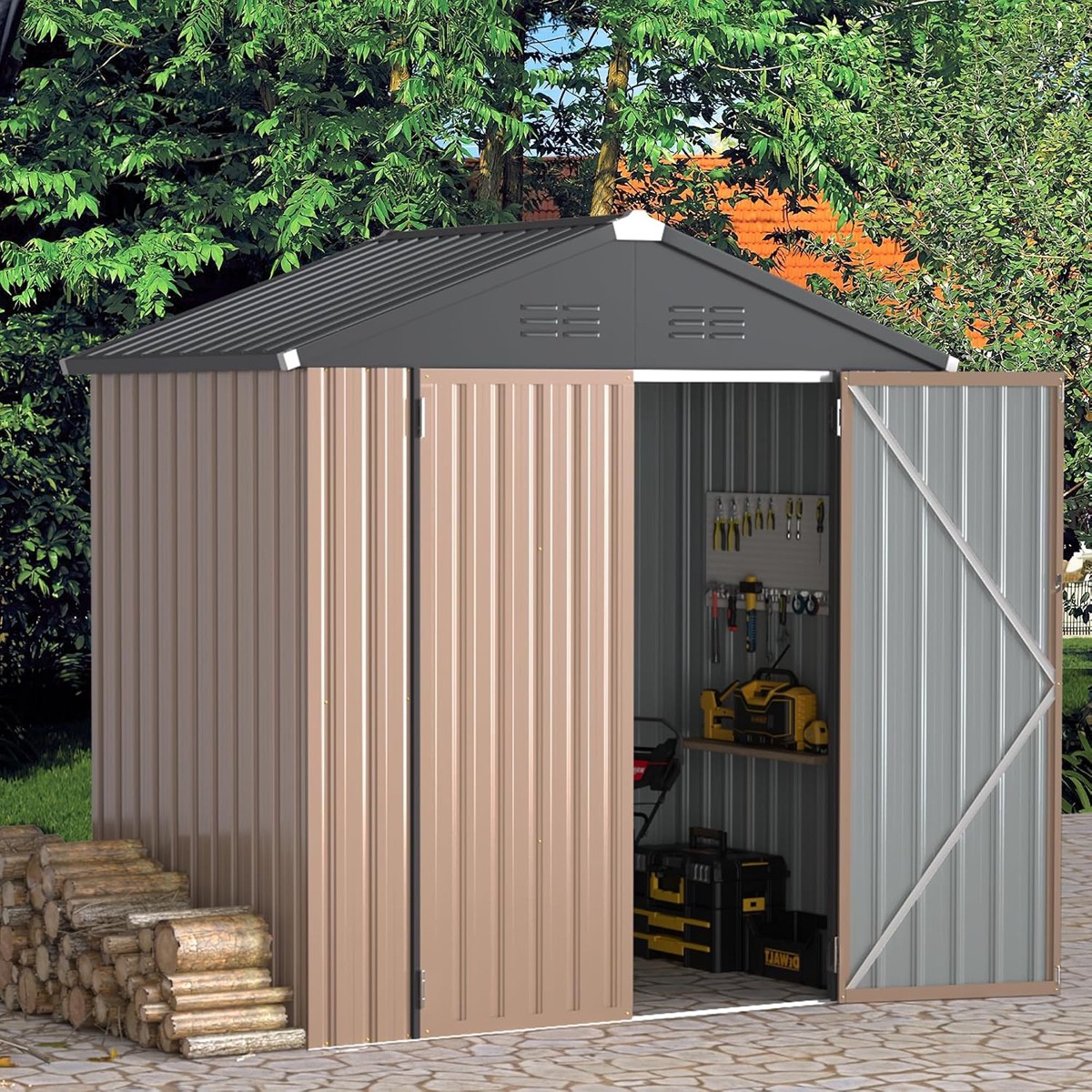 6x4 Storage Sheds & Outdoor Storage, Small Storage Garden Outside Shed kit$152.99View on eBay
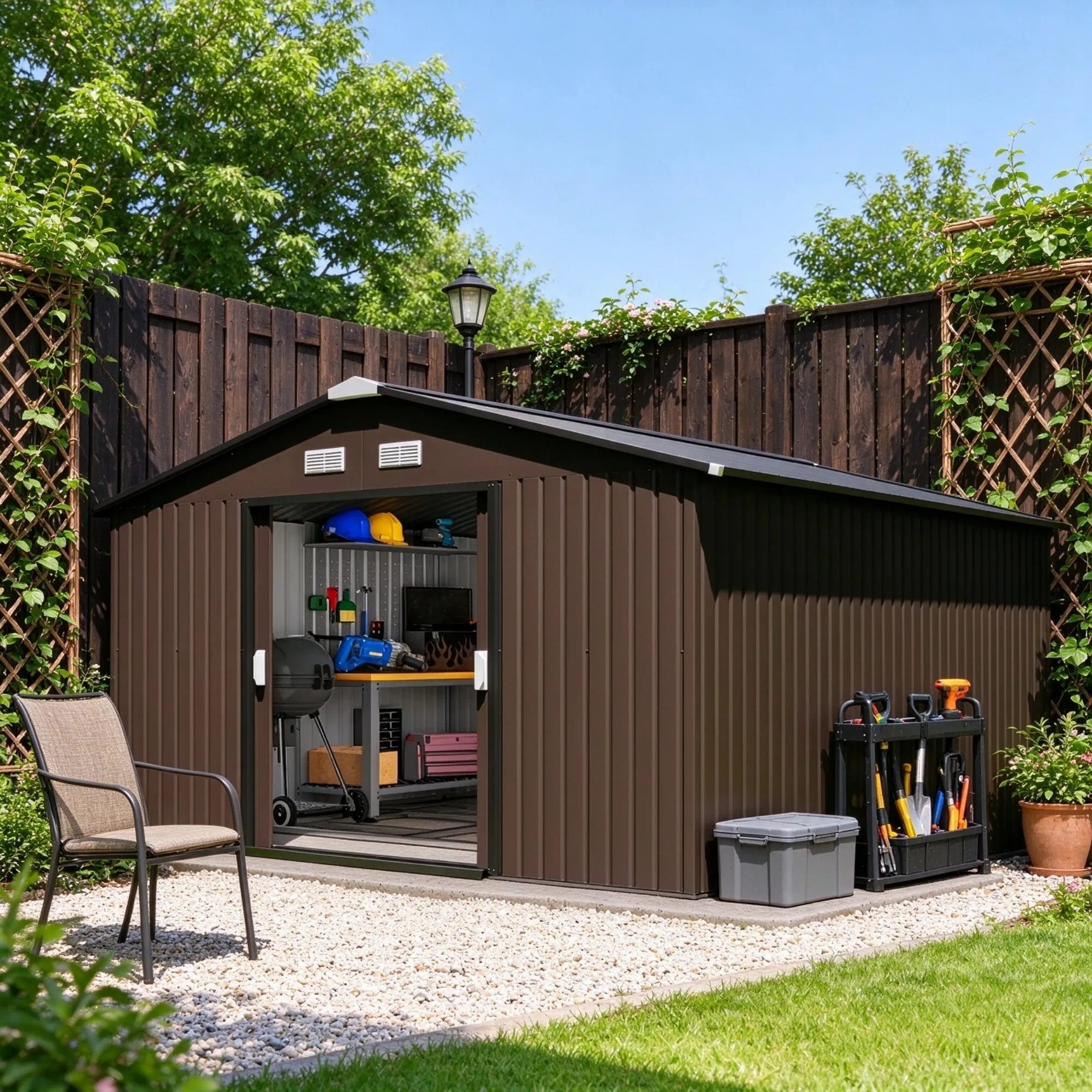 Large Metal Garden Shed, Outdoor Storage with Double Locking Doors & Sloped Roof for Tools, Bikes & Gear$1,328.99View on Mallflare
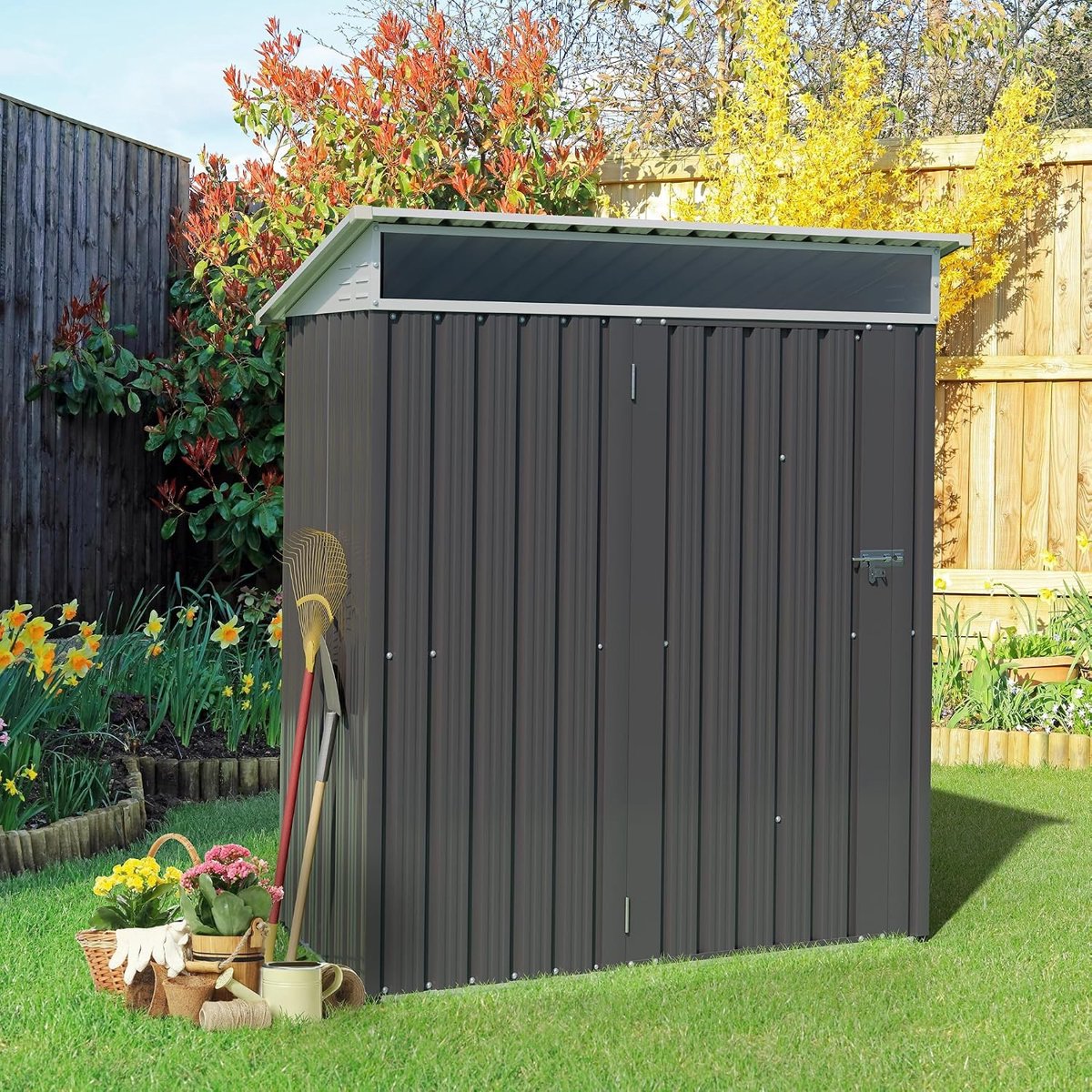 5 x 3 x 6 FT Outdoor Storage Shed Clearance Metal Garden Shed with Large Window$163.01Last checked Nov 26, 2026View on eBay
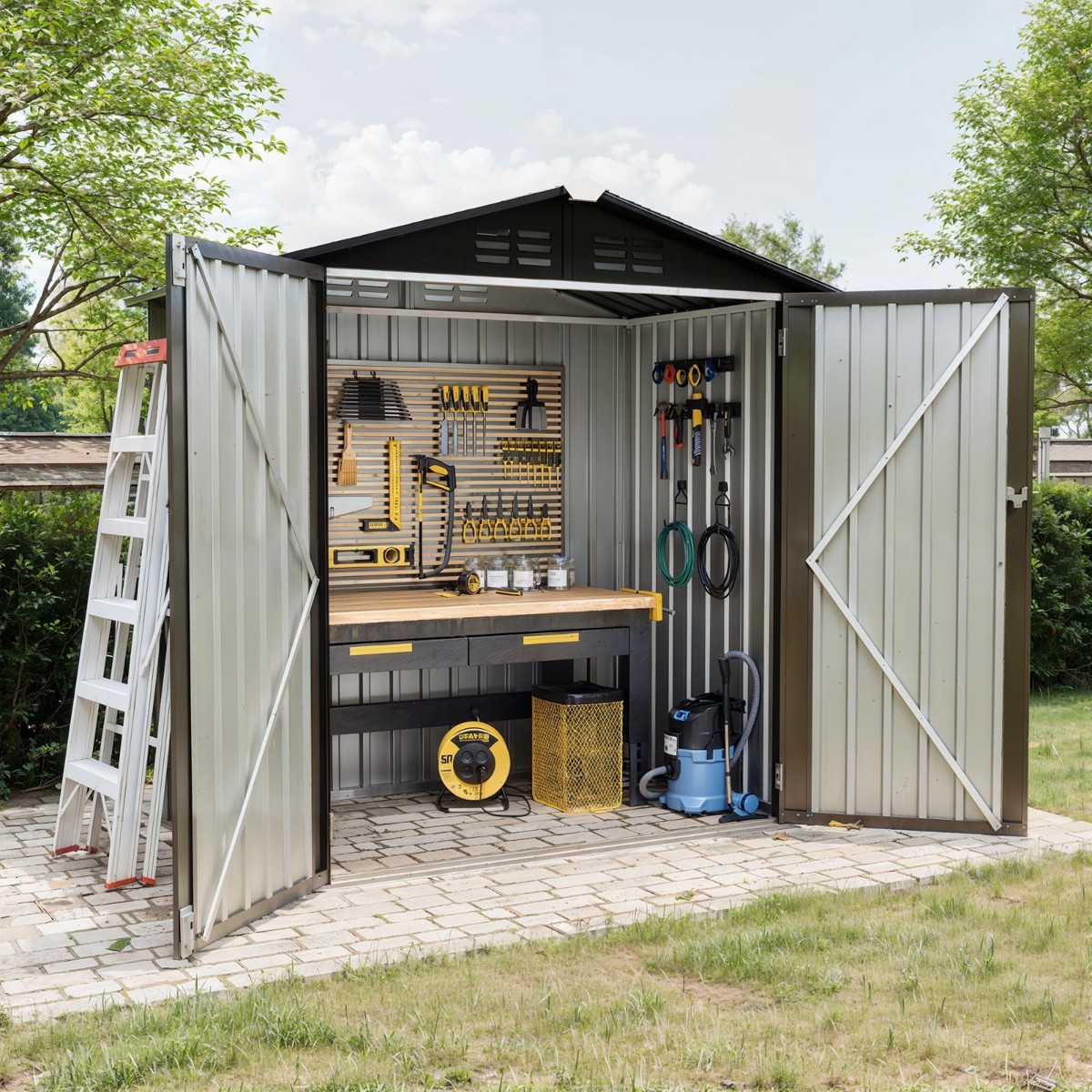 6×4FT Heavy Duty Metal Outdoor Storage Shed, Weather-Resistant Garden Tool Shed$171.39Last checked Nov 24, 2026View on eBay
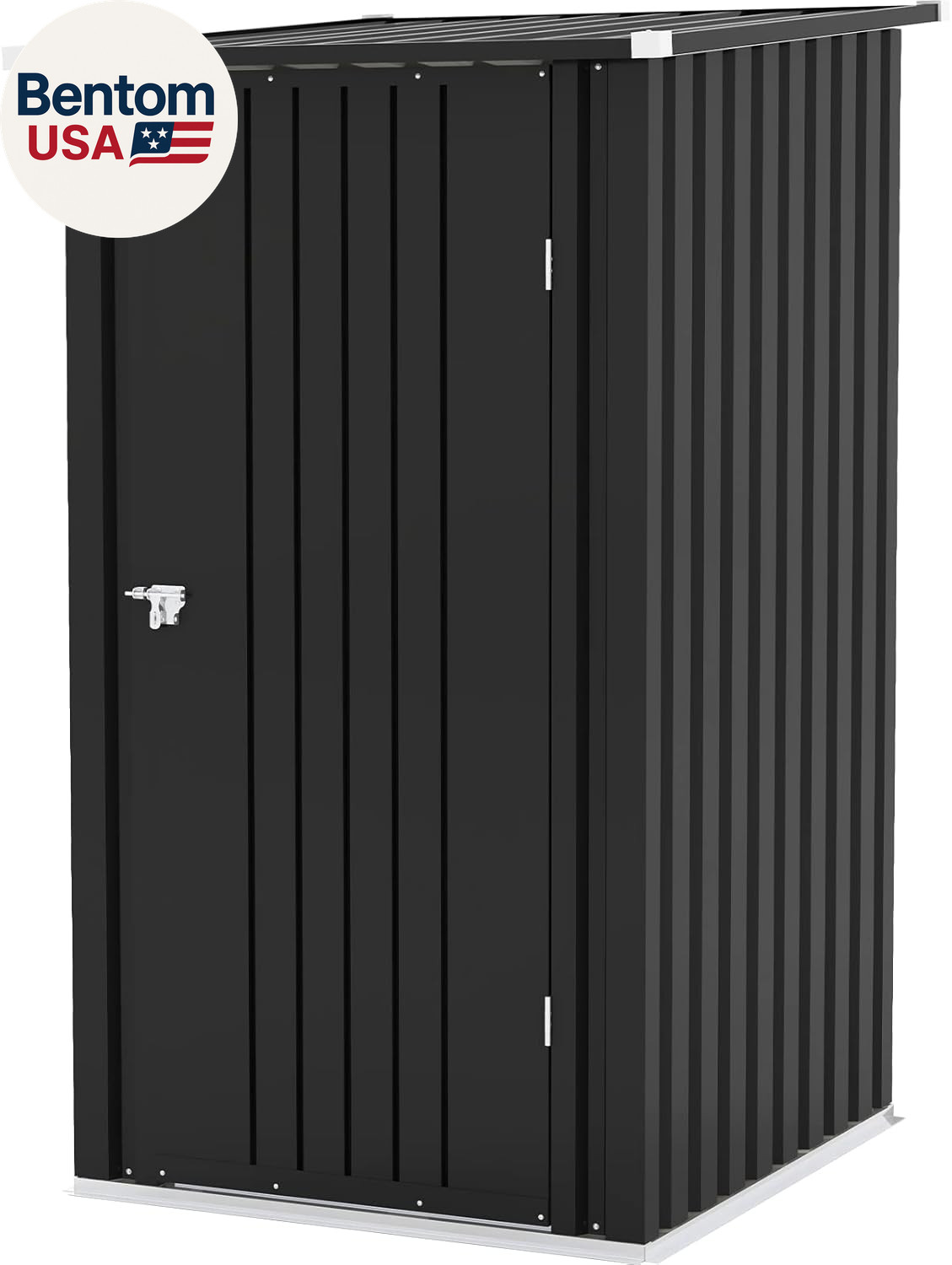 3 X 3 FT Outdoor Storage Shed,Small Garden Tool Storage Shed with Sloping Roof a$180.50Last checked Nov 22, 2026View on eBay
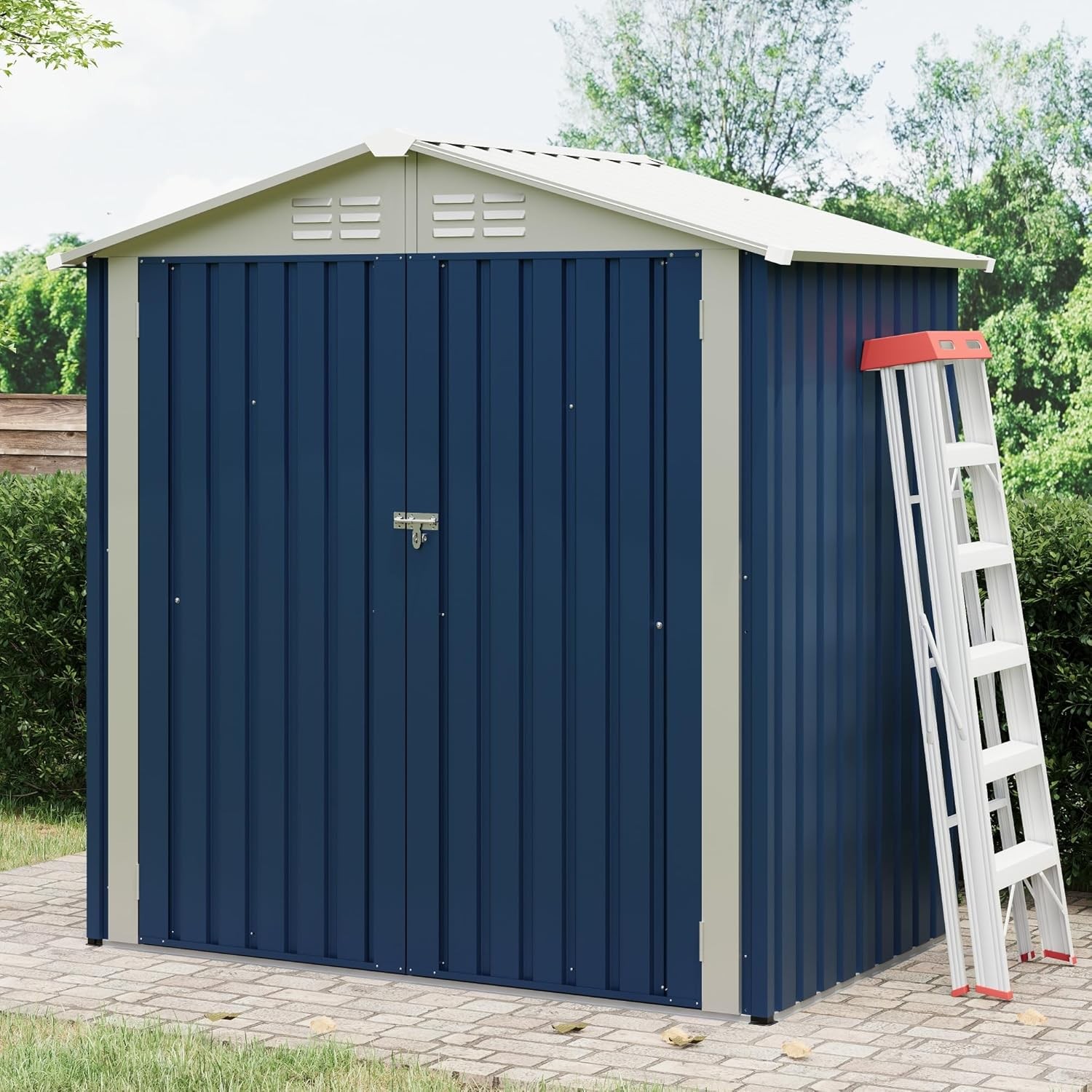 Outdoor Storage Shed 6x4 FT, Garden Tool Storage Shed with Double Lockable Door$185.50Last checked Nov 25, 2026View on eBay
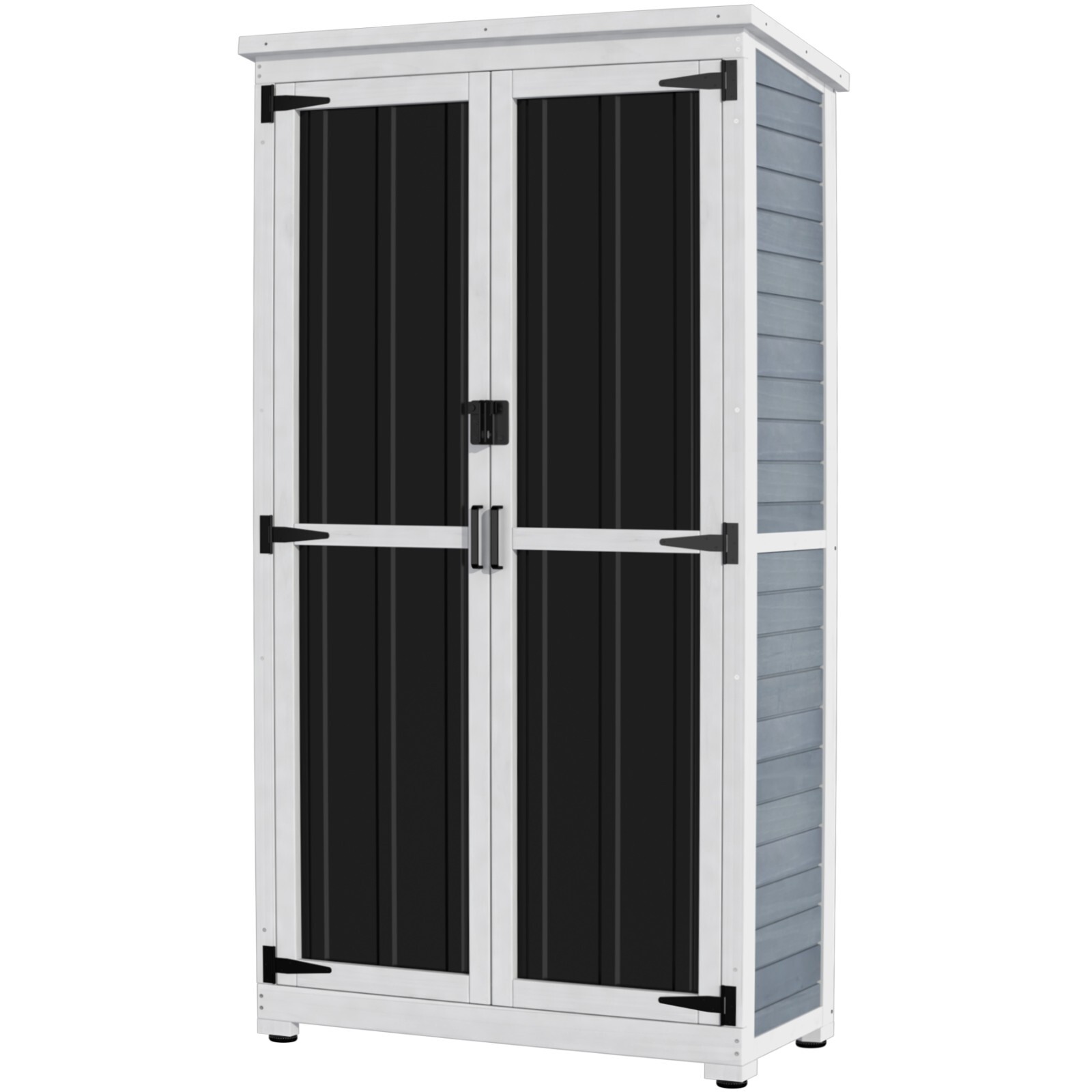 GDLF Outdoor Storage Cabinet Wood & Metal Garden Shed, Lockable Doors$199.99Last checked Nov 25, 2026View on eBay
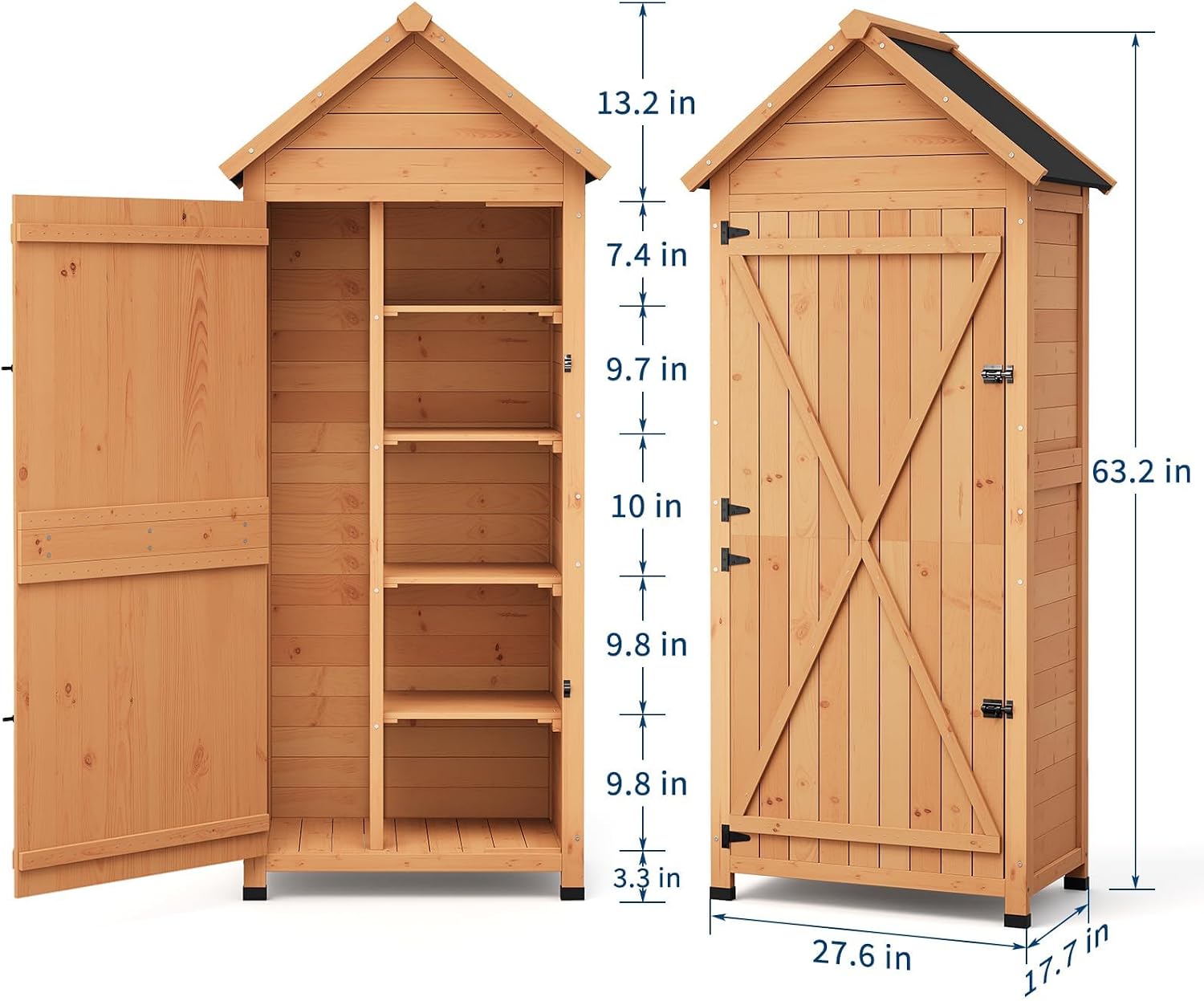 63"/70" Outdoor Storage Shed Garden Tool Shed Cabinet w/ Lockable Door & Shelves$199.99Last checked Nov 24, 2026View on eBay
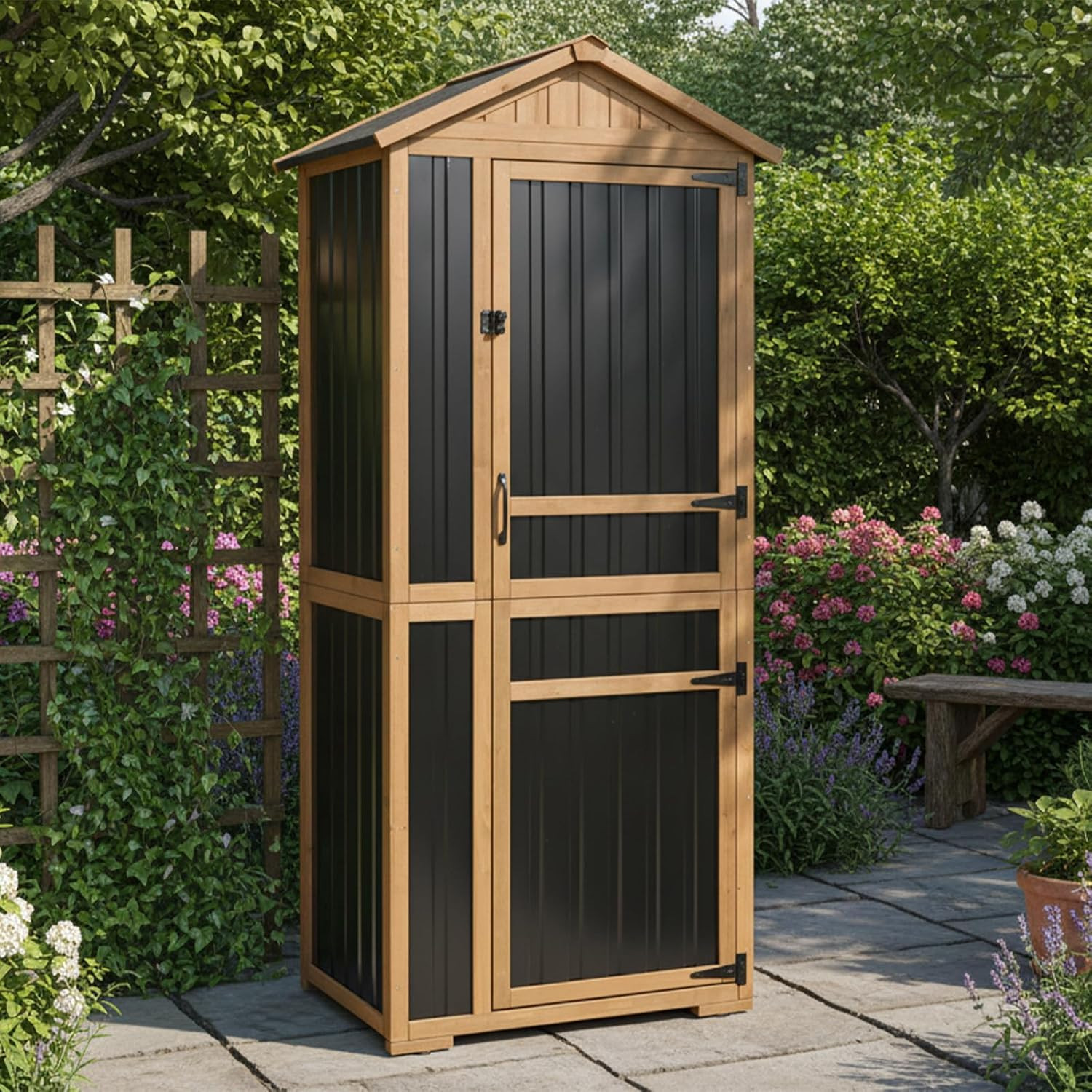 Outdoor Storage Cabinet, Wood & Metal Garden Shed with Waterproof Asphalt Roof,$215.62Last checked Nov 14, 2026View on eBay
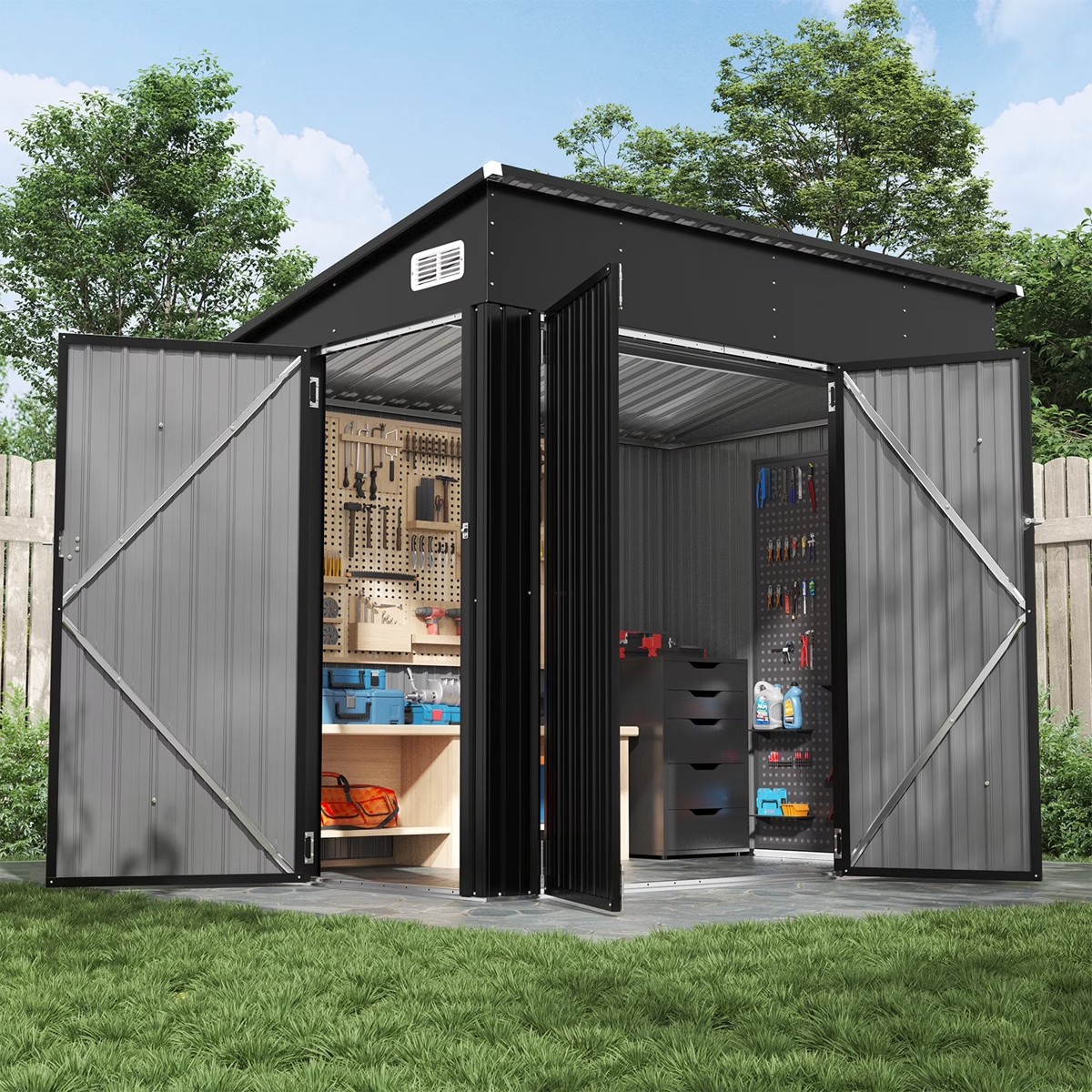 8'x4' Metal Storage Shed Outdoor Lockable Triple Doors Vents Garden Patio Deck$219.98Last checked Nov 14, 2026View on eBay
Highlights
- Rigid sheds use galvanized or powder-coated steel panels (typically 0.25–0.6 mm) or double-wall resin; steel resists impact better, resin resists rust and dents and never needs repainting.
- Soft shelters rely on a polyethylene or PVC tarp over a steel or aluminum frame; waterproof rating and UV stabilization determine lifespan, with uncoated fabrics failing within 1–2 seasons.
- Wind resistance is governed by anchoring, not panel strength: rigid sheds require a concrete or timber base plus ground anchors, while soft tents need leg weights and guy lines rated for local wind zones.
- Lockability separates tiers: metal sheds include a hasp for a padlock, resin sheds often have molded lock points, and fabric tents use zippers that deter casual access only.
Best use cases
- Year-round lawnmower, bike, and tool storage in a windy region: pick a galvanized steel or double-wall resin shed with a lockable door and anchor it to a concrete slab; skip soft tents, which shred in sustained wind.
- Seasonal overflow for patio cushions, firewood, or garden pots: a PE-tarp soft shelter with a roll-up zipper door is sufficient and costs far less; skip it for anything valuable or theft-prone.
- Small urban courtyard or side-yard storage (under 5 x 3 ft footprint): choose a compact metal lean-to or sloped-roof shed with a single door; skip large 10x10 ft footprints and double-door units that need clearance.
- Temporary event or carport-style coverage: a galvanized-frame canopy with removable sidewalls works for parties and boat/car overflow; skip it as permanent tool storage unless anchored and taken down seasonally.
Buying tips
- Match footprint to use: allow 2 ft of clearance on the door side and 1 ft on other sides for ventilation; a 5x3 ft shed fits a mower and hand tools but not a full-size bike plus shelving.
- Choose steel gauge wisely: 0.25–0.3 mm panels suit light-duty garden tools; 0.4–0.6 mm or double-wall resin is needed for year-round exposure and snow load.
- For soft shelters, insist on UV-stabilized PE or PVC tarp with heat-sealed seams and a frame of at least 1-inch steel tubing; powder-coated frames outlast painted ones.
- Confirm anchoring hardware is included or specified: rigid sheds need a floor kit or timber base plus anchor bolts; soft tents need leg weights or stake-down kits rated for the site's wind exposure.
Specs
| Structure Type | Rigid shed vs soft canopy/tent |
|---|---|
| Panel Material | Galvanized steel / resin / PE tarp |
| Typical Footprint | 3x3 to 10x10 ft; soft tents larger |
| Locking & Anchoring | Padlock hasp / zipper; base anchors |
Related searches
What to check before buying
- Measure the exact pad footprint and door swing clearance; verify the chosen size fits with at least 1 ft side clearance and 2 ft door clearance.
- Confirm base type: concrete slab, paving stones, or pressure-treated timber frame; most rigid sheds require a level, solid base and will void warranty on soil alone.
- Check local wind and snow load expectations; soft tents are seasonal, and rigid sheds need roof reinforcement or snow removal in heavy-snow zones.
- Verify lock compatibility and door hardware: padlock-ready hasp on metal sheds, molded lock points on resin, and zipper locks on soft tents; confirm what is included.
FAQ
Data sources: eBay / Amazon listings and product attribute feeds. Updated Nov 27, 2026.
Some links on this page are affiliate links. If you buy after clicking one, we may earn a commission at no extra cost to you. This does not change which products appear here or their order. Affiliate disclosure.