
Photos from current listings. Actual item, color, and included accessories may vary.
Plant Irrigation System Buying Guide
Plant irrigation systems range from passive ceramic spikes to timer-driven drip kits, and picking the wrong architecture for your container count and water source wastes both money and water. Focus on whether you need vacation triage for a few houseplants or a metered drip line for a garden bed, because passive spikes and programmable manifolds solve different problems. Sizing the emitter count to your actual container count and matching the kit to a gravity or pressurized source is where most buyers go wrong.
Median $24.34
Key takeaways
- Passive self-watering spikes rely on capillary wicking from a reservoir or bottle and deliver no measurable flow rate, so they suit short vacations, not continuous duty.
- Battery or USB-rechargeable LCD timers drive small submersible pumps at low head pressure; they cannot push water up more than roughly a few feet without losing prime.
- Drip kits use 1/4-inch micro tubing with barbed emitters or misting heads, and require a pressure-reducing regulator when tapped from a municipal hose bib.
At a glance
- Category
- Watering & Irrigation
- Last updated
- Nov 28, 2026
Current offers
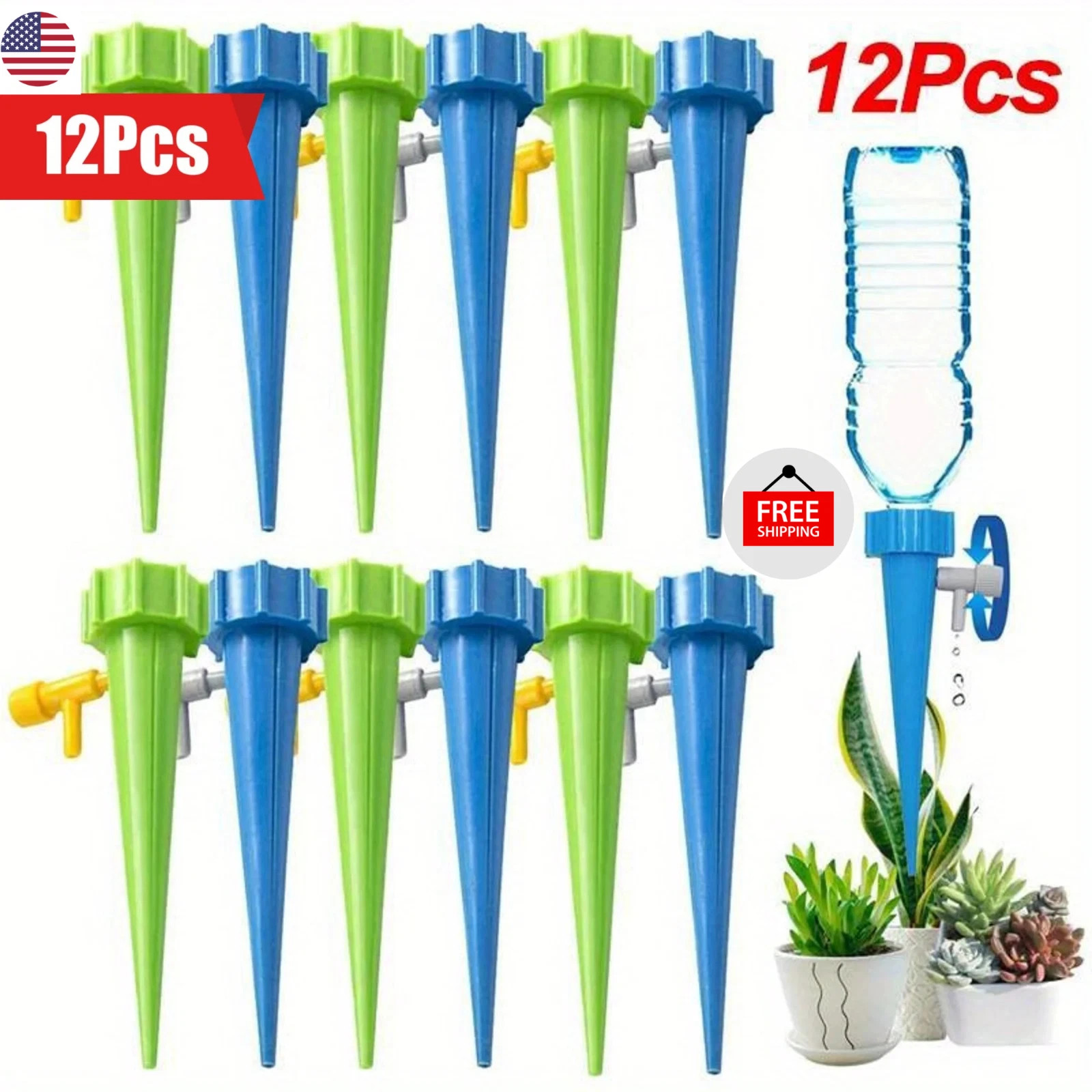 12Pcs Self Watering Spikes Automatic Irrigation Watering Drip System for Plants$5.45View on eBay
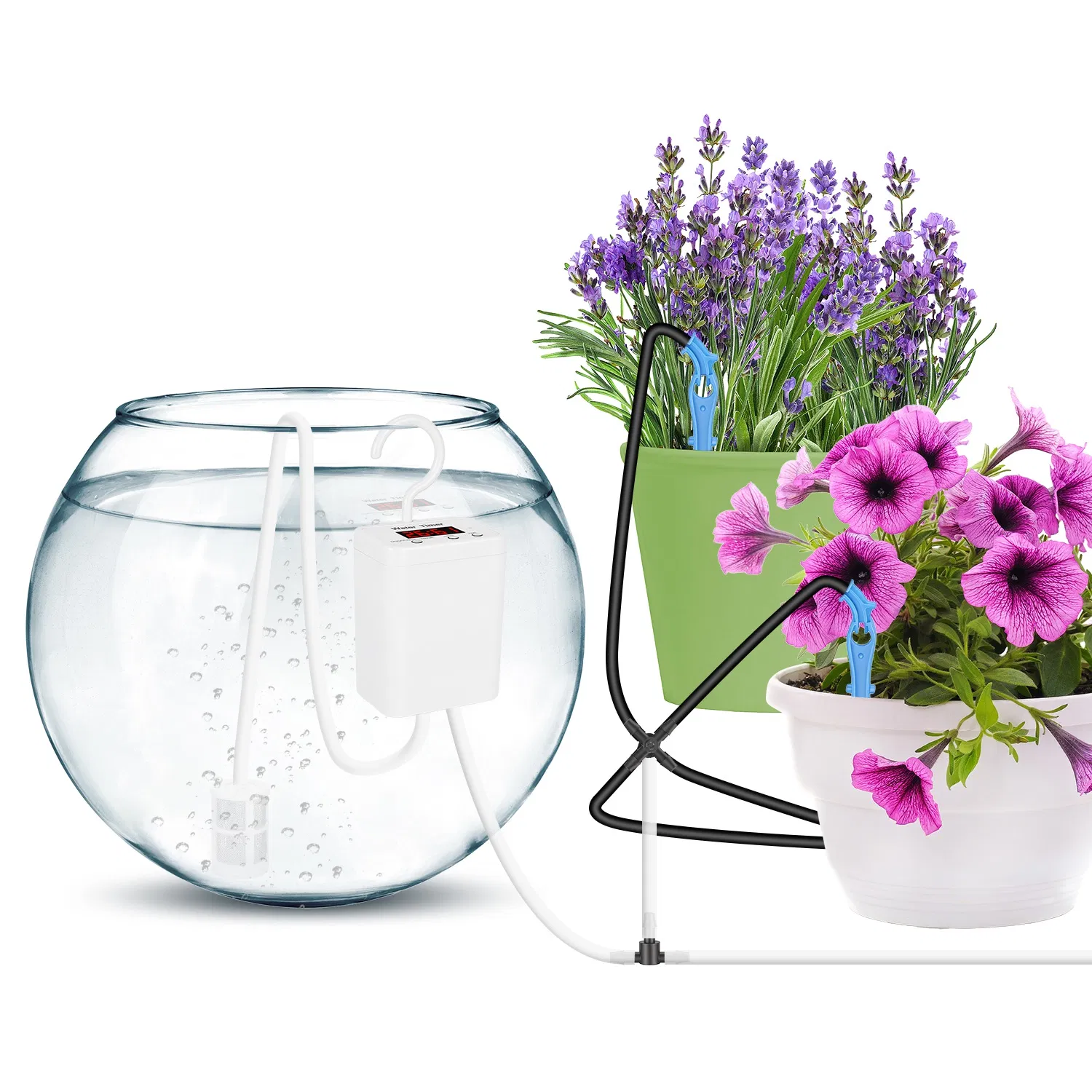 Automatic Plant Watering Device Indoor Drip Irrigation System with LCD Display Rechargeable Adjustable Timer for Up to 16 Arrows Vacation Self for Houseplant$35.99View on Mallflare
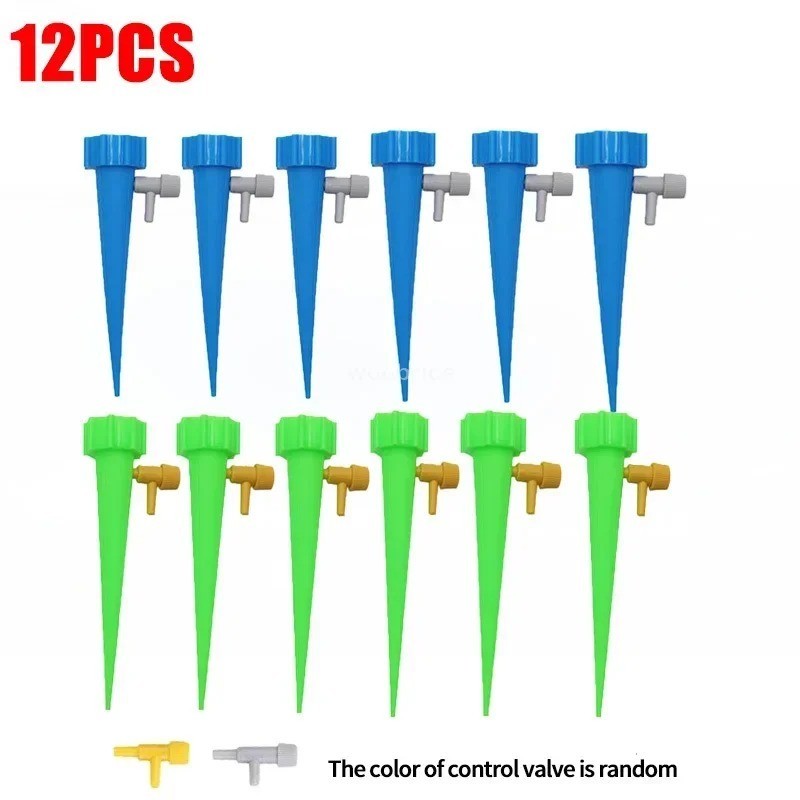 12PCS Mixed Automatic Drip Irrigation Plant Self Watering Kit Garden Device$5.91Last checked Nov 19, 2026View on eBay
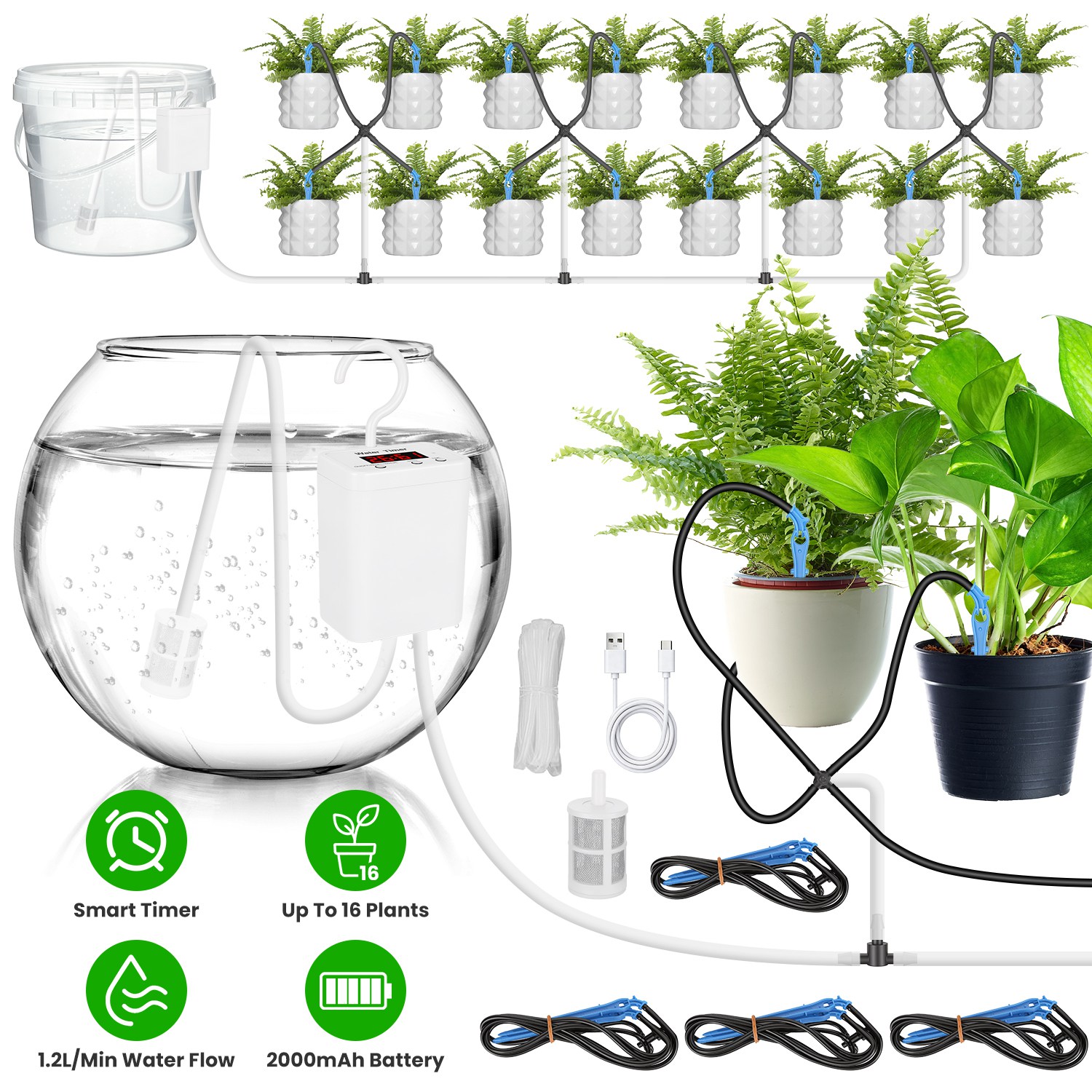 1Pc Automatic Plant Watering Device Indoor Drip Irrigation System With LCD Display Rechargeable Adjustable Timer For Up To 16 Arrows Vacation Self For House$37.99View on Mallflare
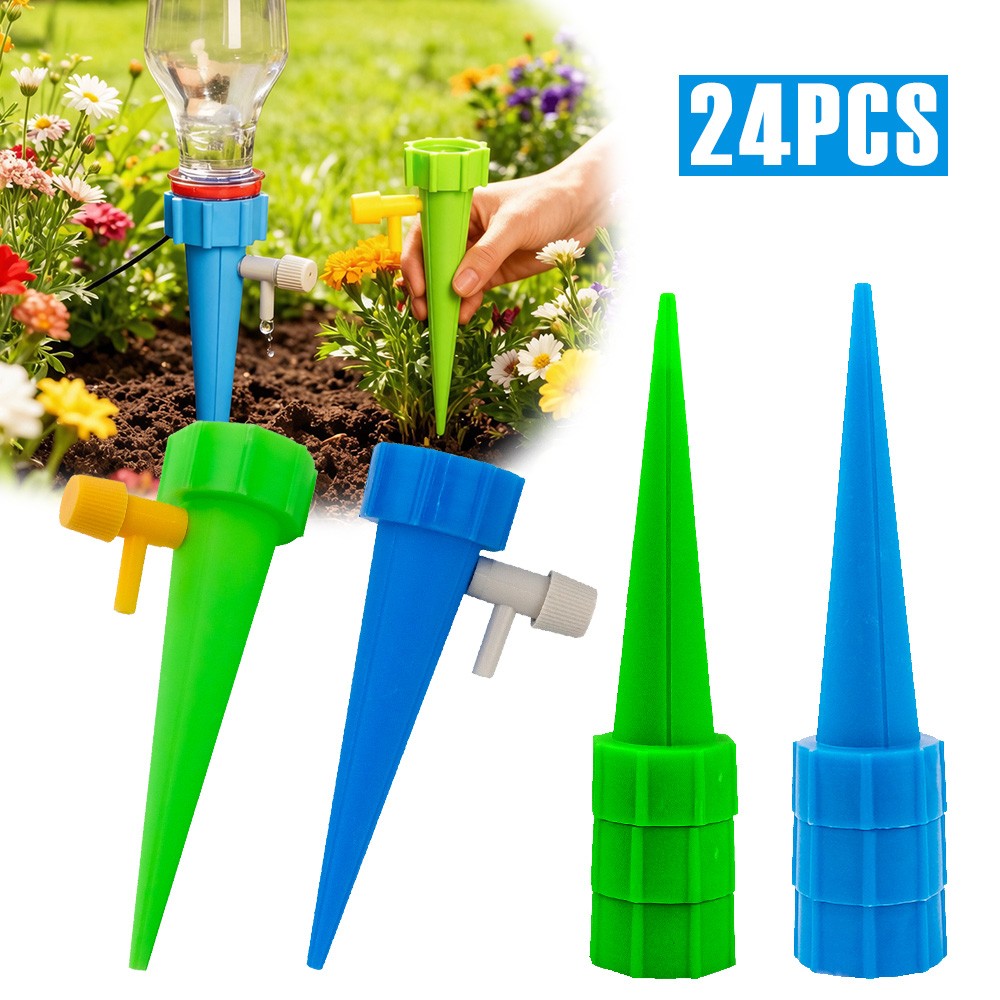 24PCS Self Watering Spikes Automatic Irrigation Watering Drip System for Plants$7.88View on eBay
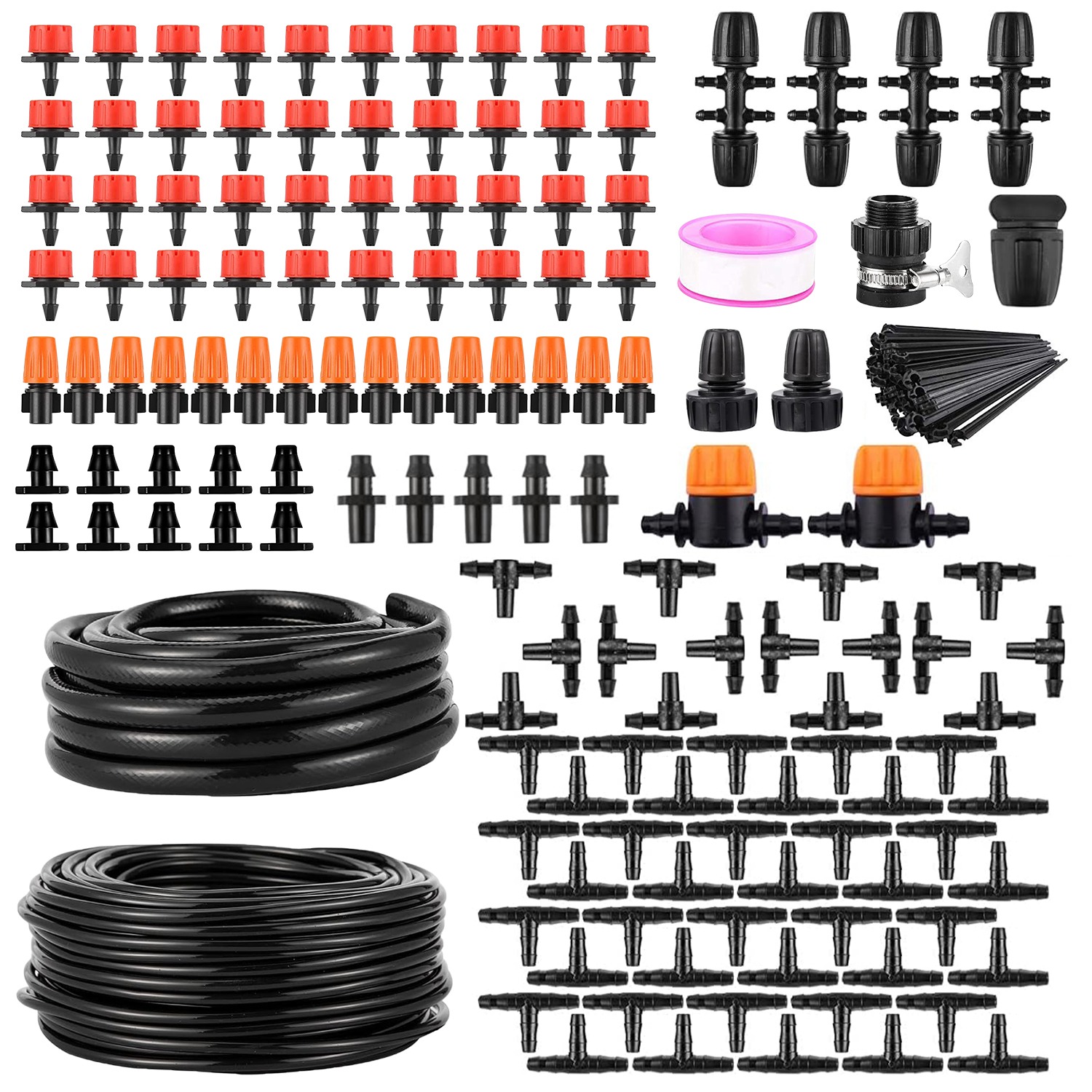 1Set Drip Irrigation Kit Automatic Garden System Misting Plant Watering Kit For Greenhouse Flower Bed Patio Lawn$43.99View on Mallflare
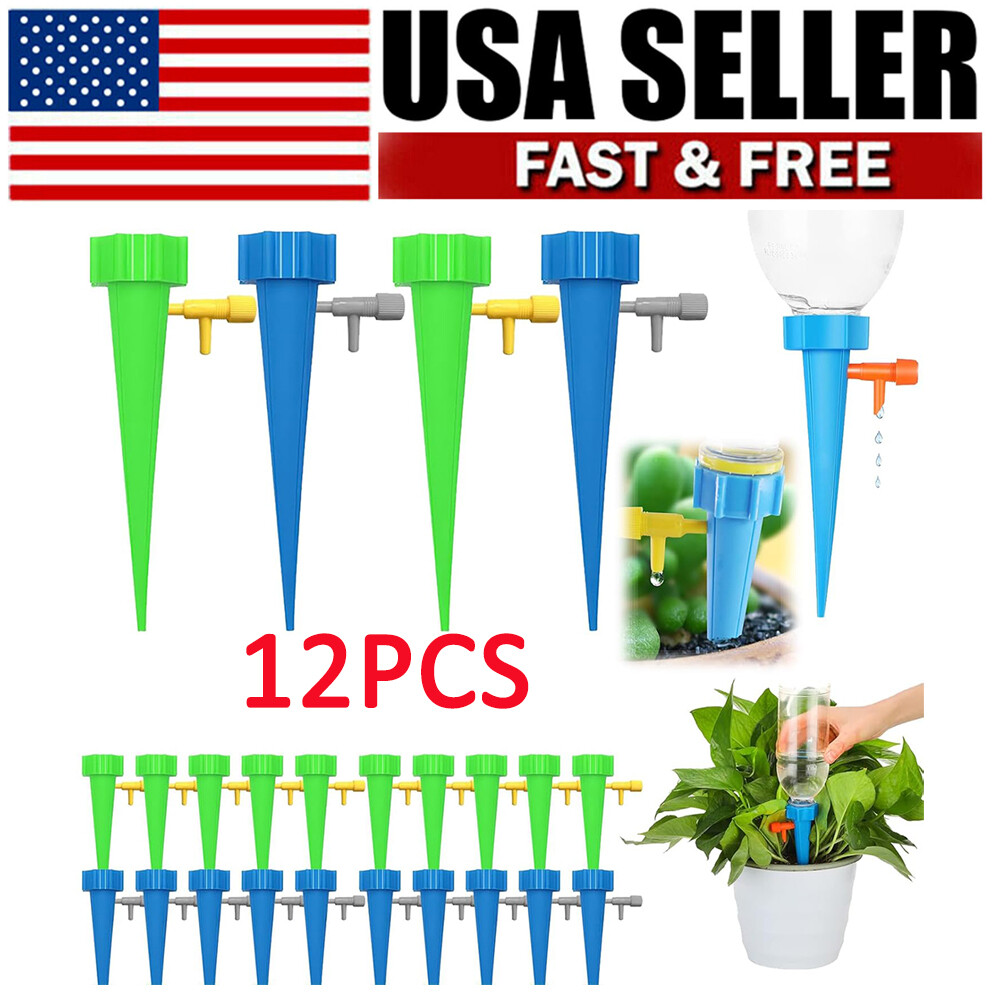 12Pcs Self Watering Spikes Automatic Irrigation Watering Drip System for Plants$8.79View on eBay
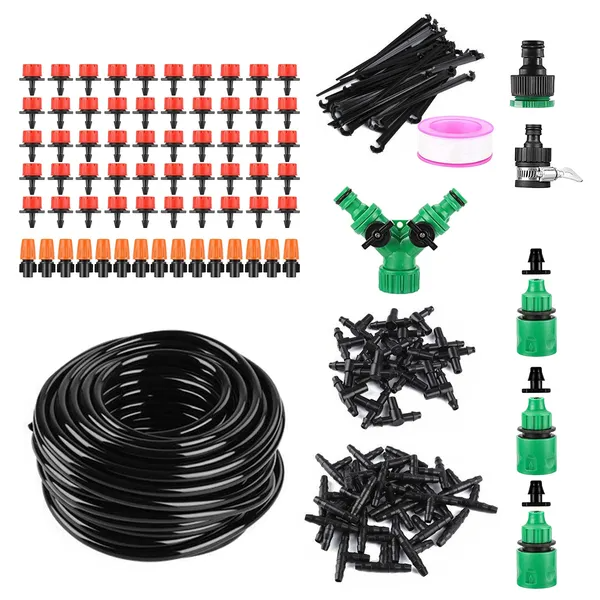 164FT Drip Irrigation Kit Automatic Garden System Misting Plant Watering Kit For Greenhouse Flower Bed Patio Lawn$44.99View on Mallflare
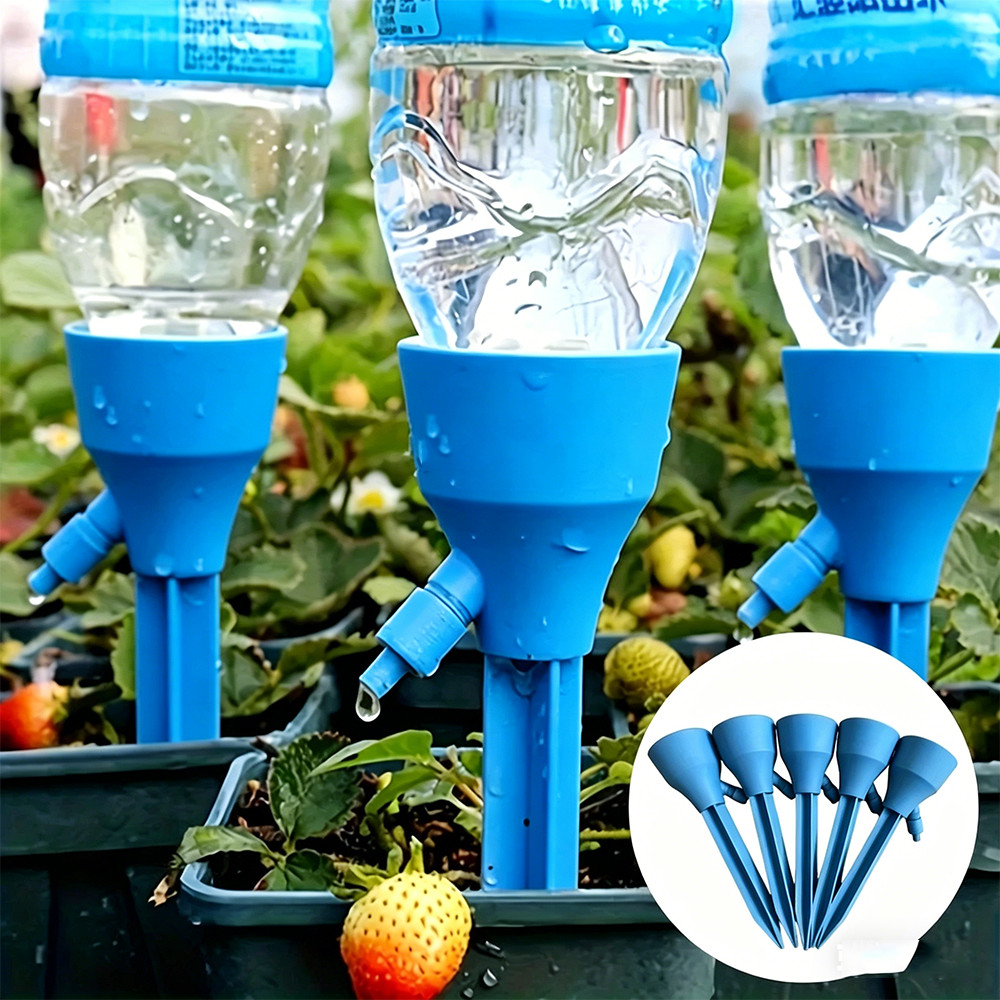 5 pcs Automatic Plant Watering Spikes Self Drip Irrigation for Potted Plants$9.99Last checked Nov 18, 2026View on eBay
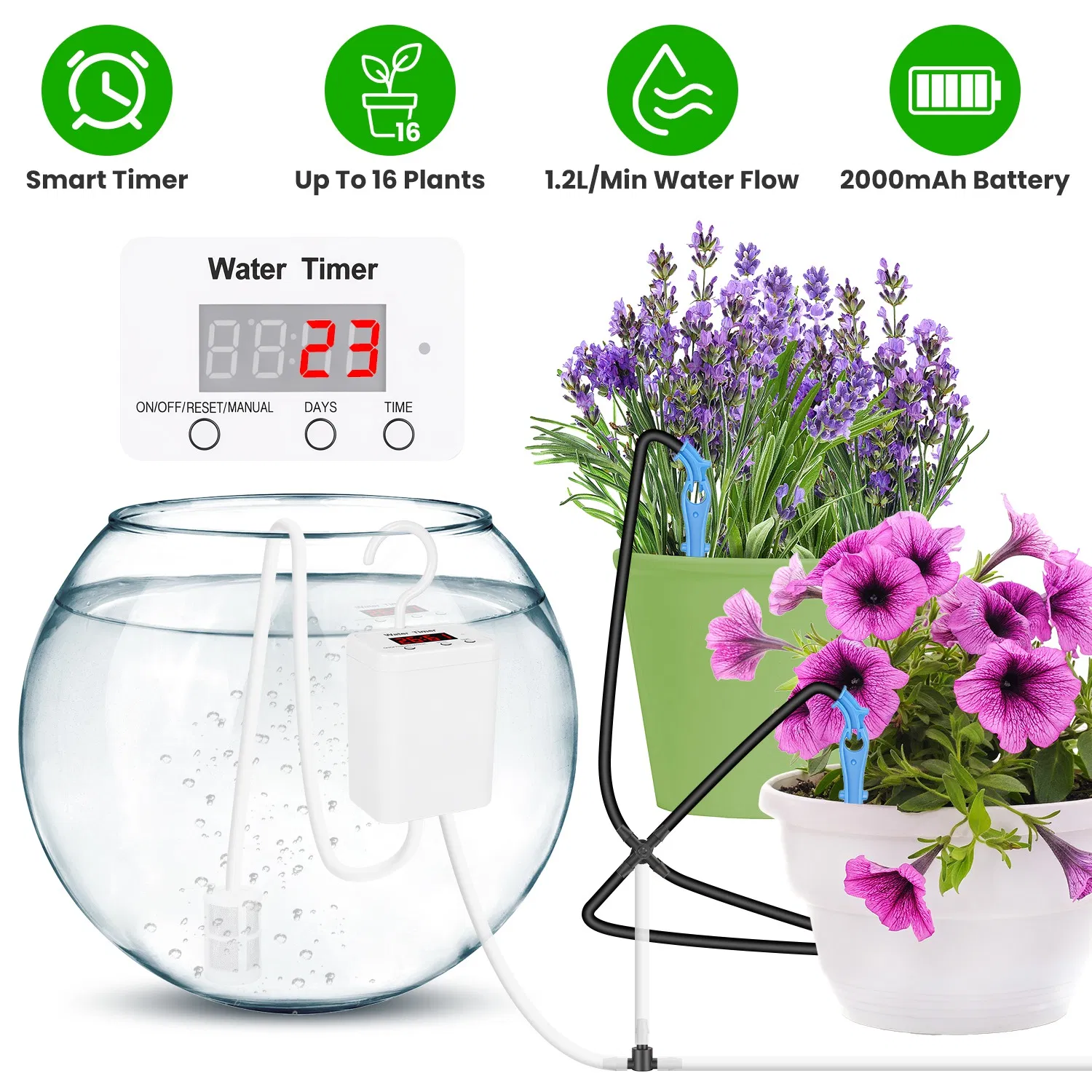 Smart Auto Plant Watering Device Low Noise 4W Efficient Drip Irrigation Kit with Low Water & Low Battery Alarm, 16 Arrows for Indoor Balcony Greenhouse$46.99View on Mallflare
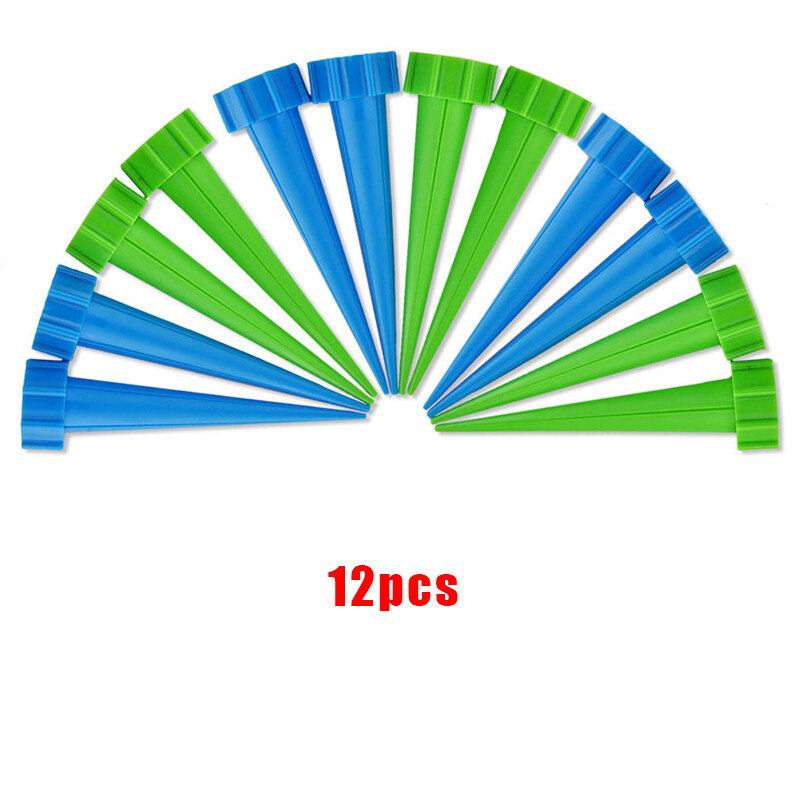 72 Packs Plant Self Watering Spikes Automatic Waterer Devices Bottle Irrigation$9.99Last checked Nov 18, 2026View on eBay
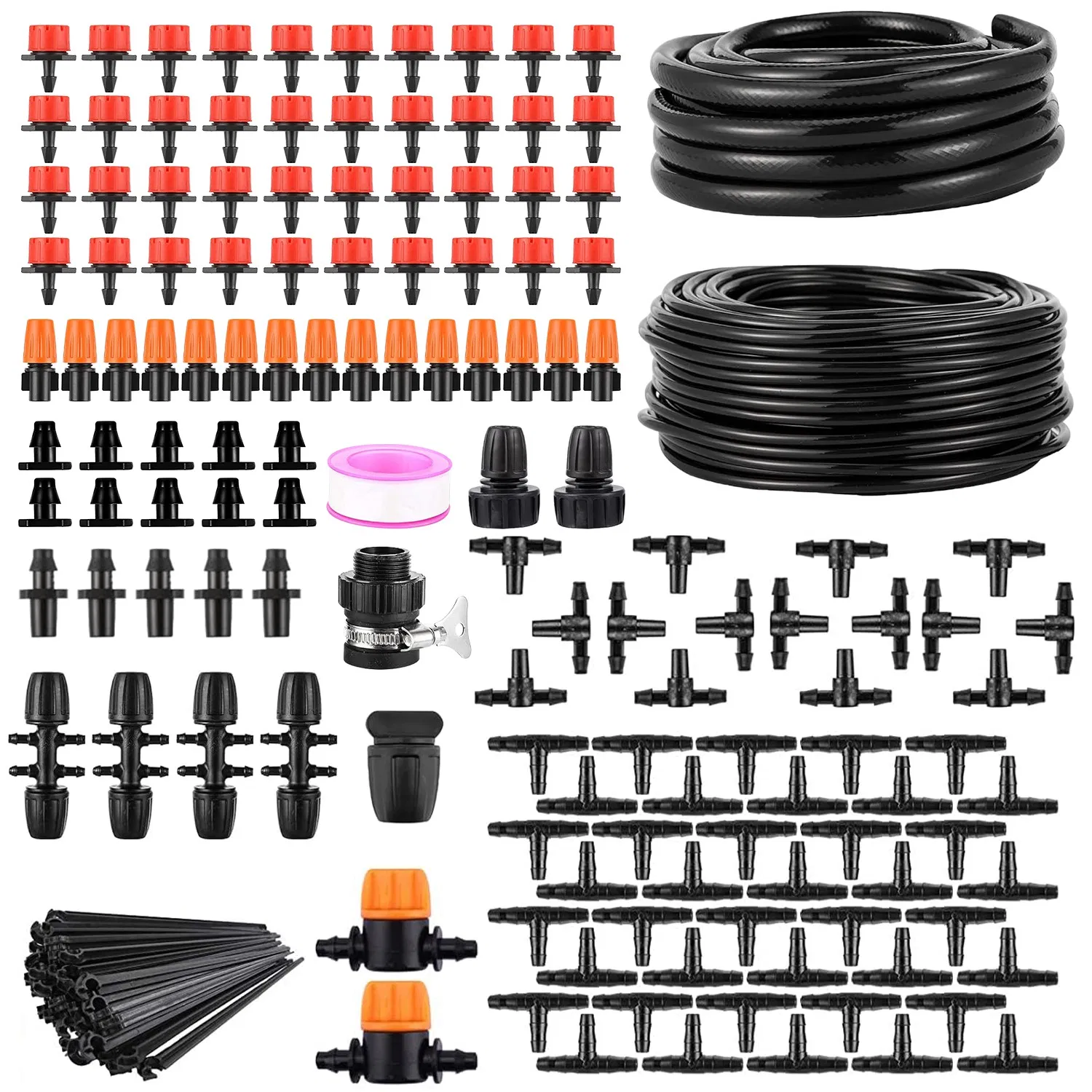 Drip Irrigation Kit Automatic Garden System Misting Plant Watering Kit for Greenhouse Flower Bed Patio Lawn$47.99View on Mallflare
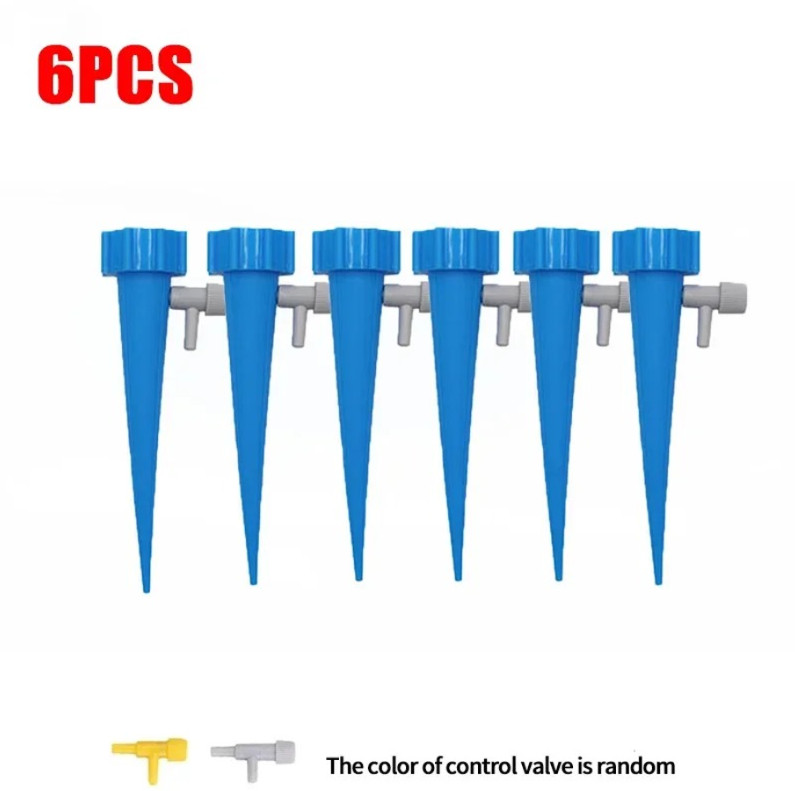 6pcs Automatic Drip Irrigation Self Watering Adjustable Plant Drippers Set - NEW$10.68View on eBay
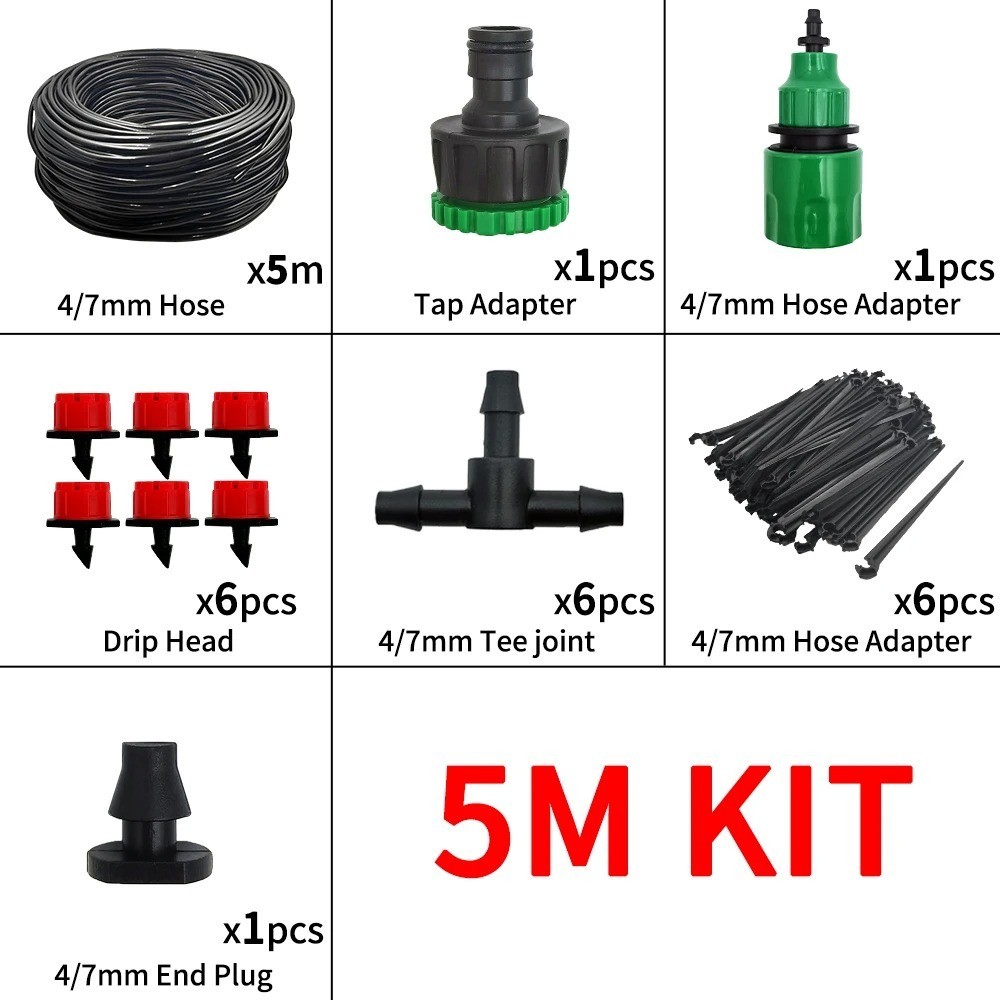 Drip Irrigation System Garden Plant Self Watering Mist Hose Micro Sprinkler Kit$10.70View on eBay
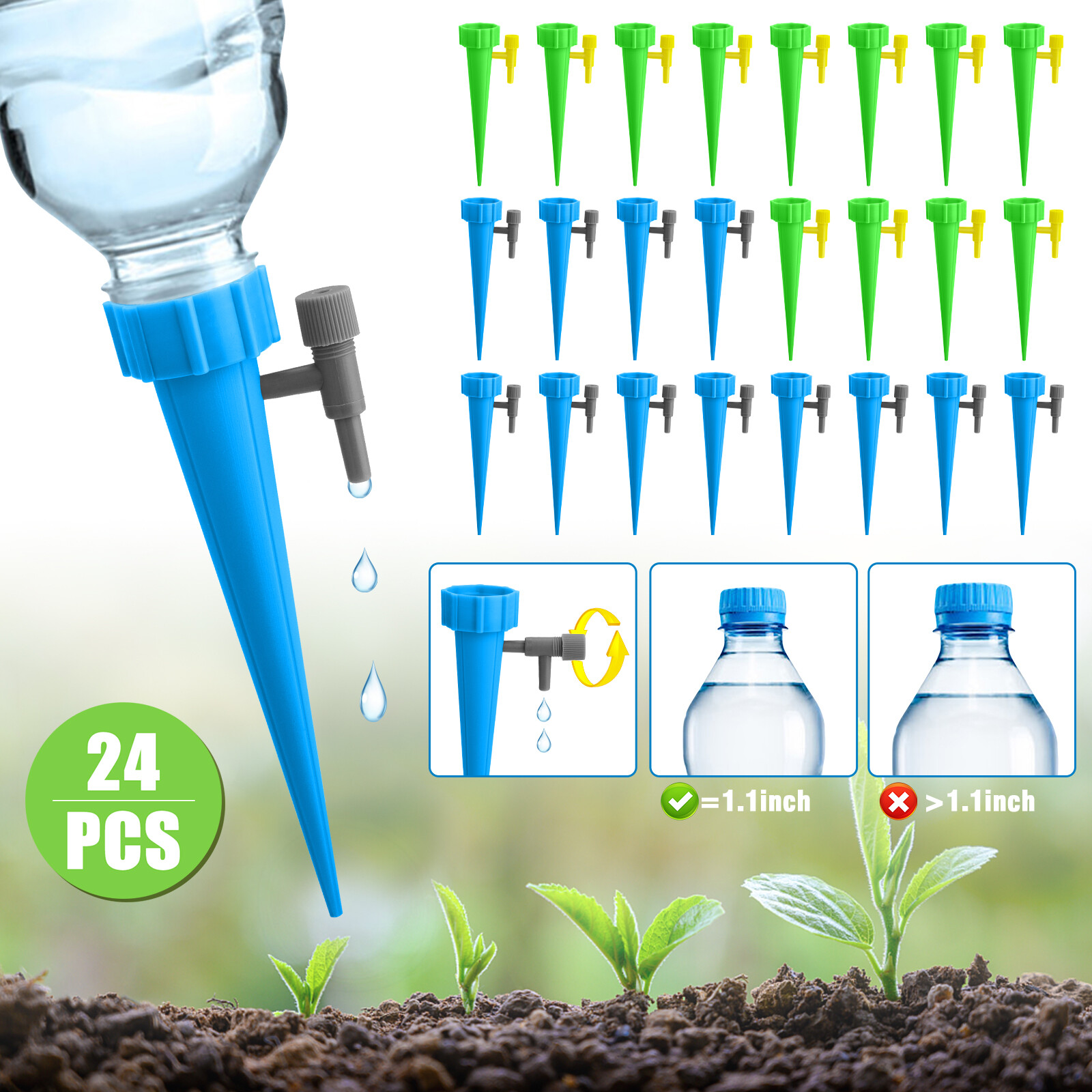 24x Plant Self Watering Insert Spike Auto Irrigation Adjustable Valve 0-60s/Drip$11.49Last checked Nov 18, 2026View on eBay
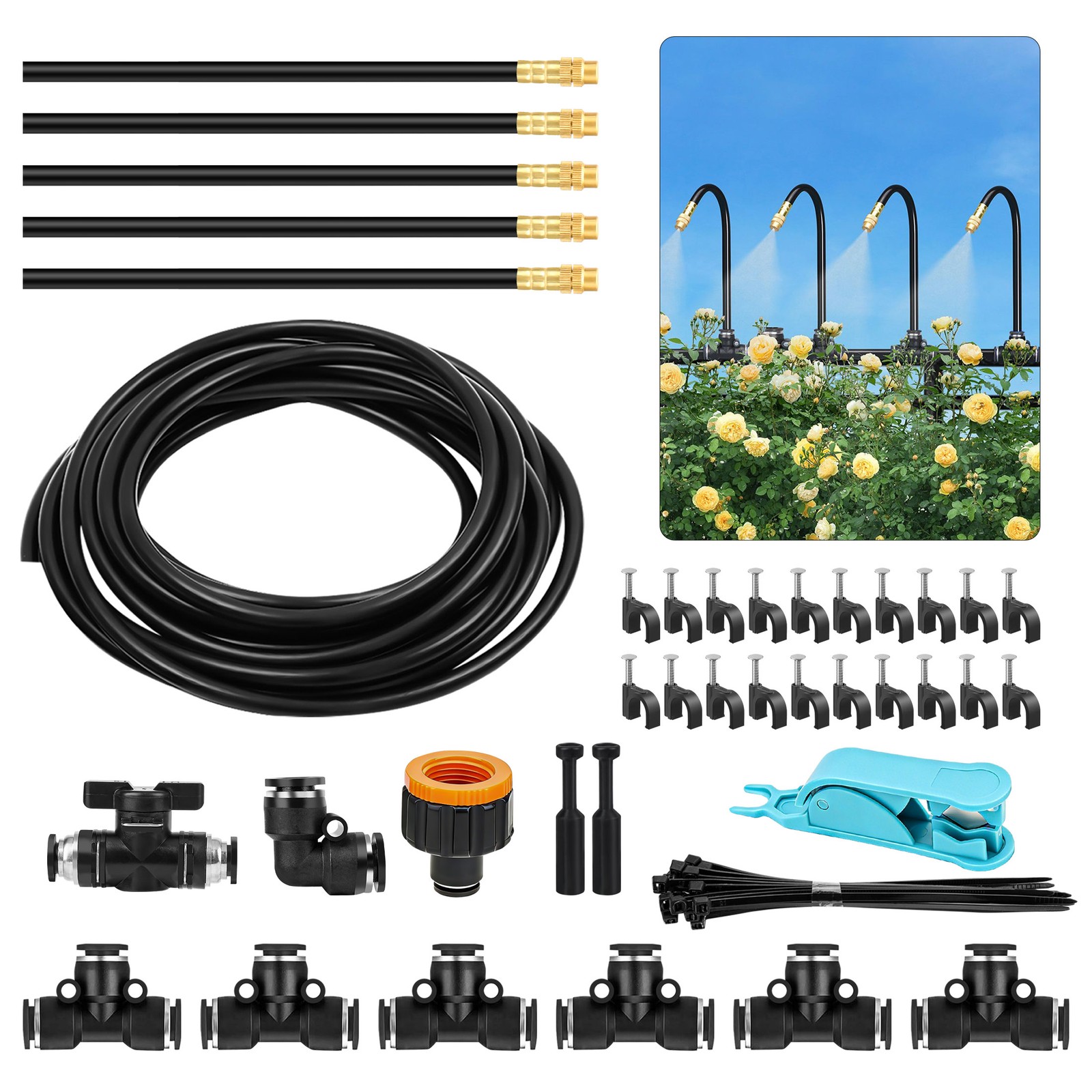 Drip Irrigation Kit DIY Garden Watering System Adjustable Sprayer Plant Lawn 1/4$11.95Last checked Nov 22, 2026View on eBay
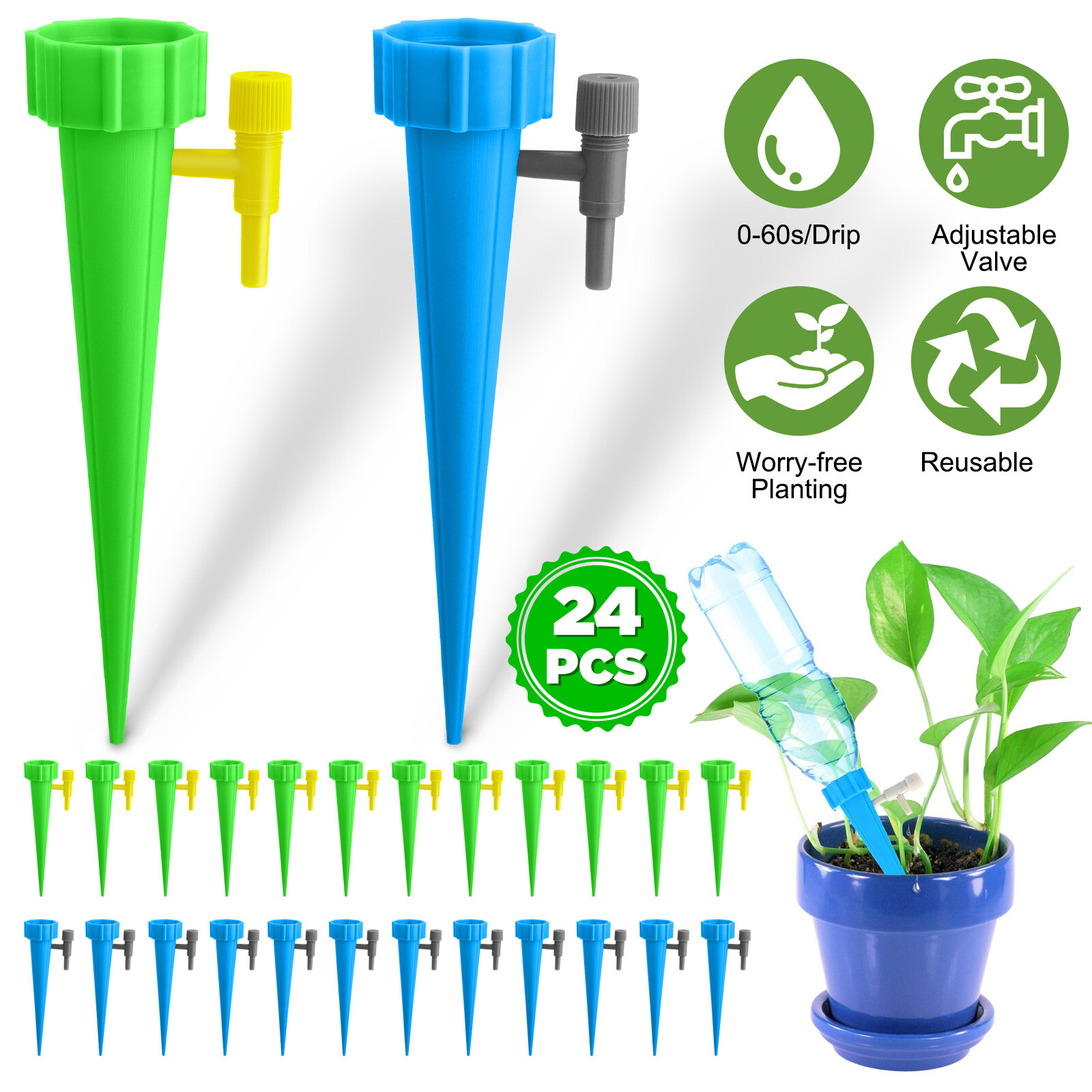 24PCS Self Watering Spikes Automatic Irrigation Watering Drip System for Plants$12.48Last checked Nov 19, 2026View on eBay
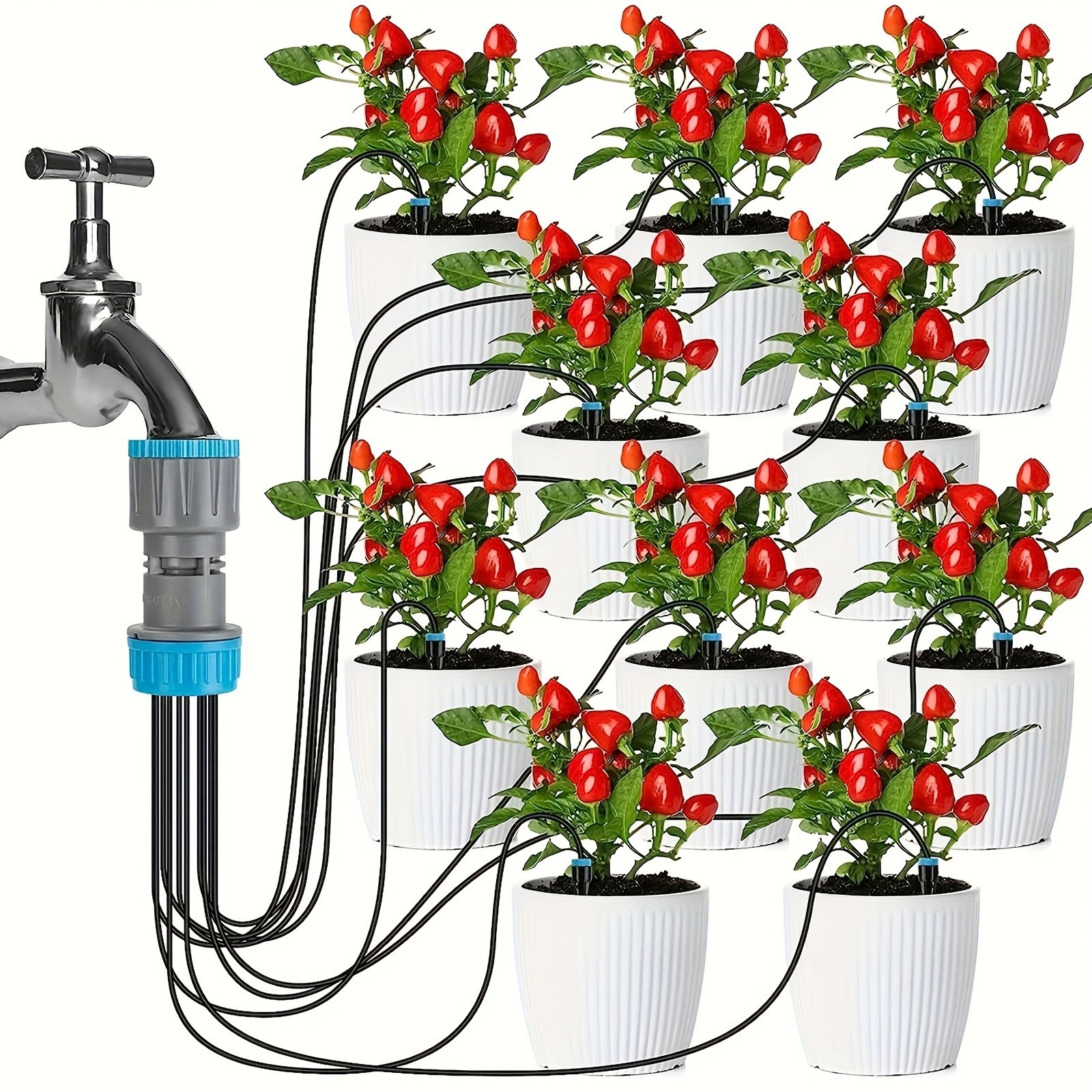 Garden Drip Irrigation Kit - Automatic Watering System for Potted Plants$12.49Last checked Nov 19, 2026View on eBay
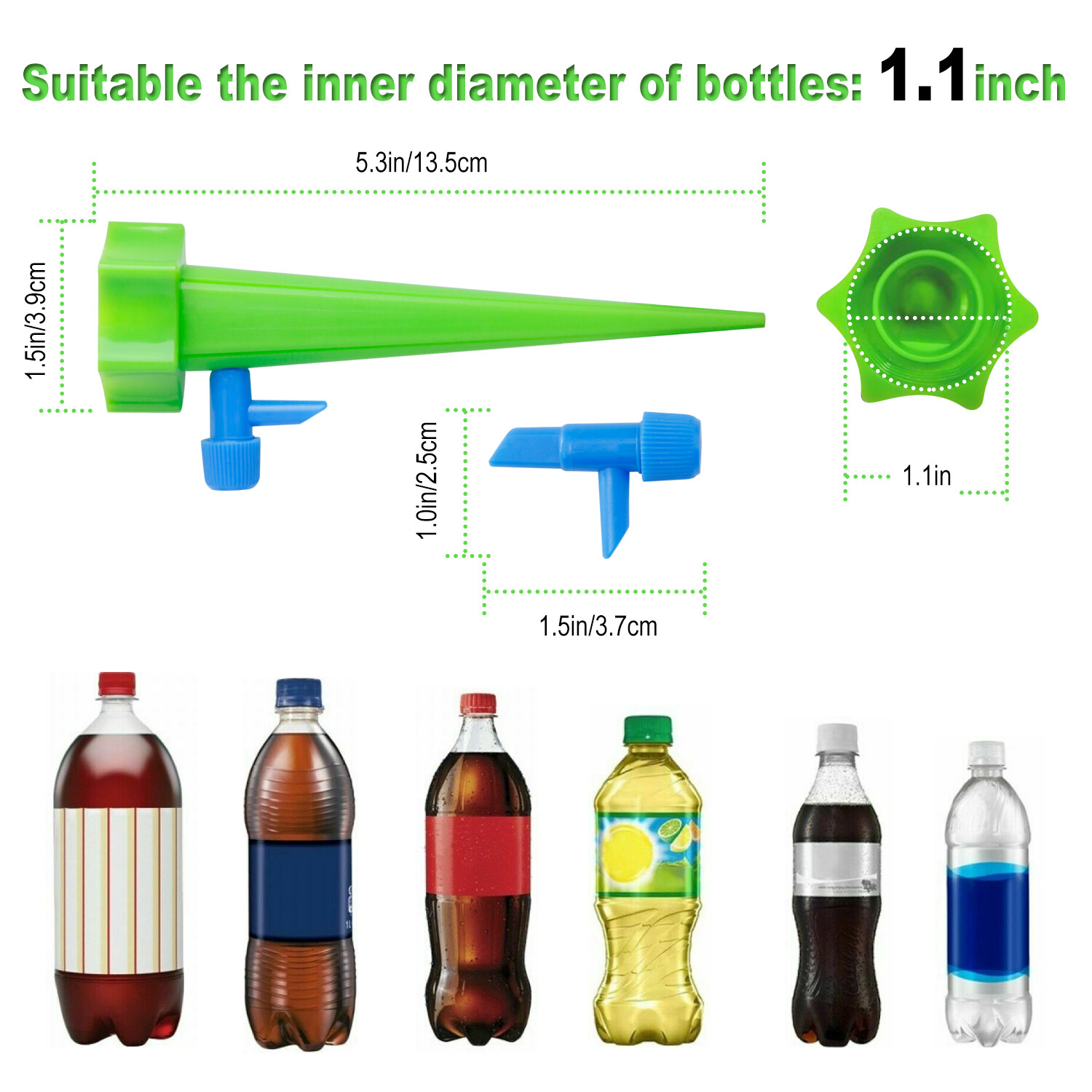 12/24PCS Automatic Self Watering System Plant Water Drip Irrigation Garden Tools$14.95Last checked Nov 19, 2026View on eBay
- 12/24PCS Plant Drip Irrigation Garden Tools - Automatic Self Watering System$15.59View on eBay
Highlights
- Passive self-watering spikes rely on capillary wicking from a reservoir or bottle and deliver no measurable flow rate, so they suit short vacations, not continuous duty.
- Battery or USB-rechargeable LCD timers drive small submersible pumps at low head pressure; they cannot push water up more than roughly a few feet without losing prime.
- Drip kits use 1/4-inch micro tubing with barbed emitters or misting heads, and require a pressure-reducing regulator when tapped from a municipal hose bib.
- Emitter count per circuit is capped by pump flow: entry-level timer pumps typically support around 10 to 16 drip points before pressure drops across the run.
Best use cases
- Choose a rechargeable LCD timer with 10 to 16 drip arrows for indoor houseplant collections during 1 to 3 week vacations, since it meters volume and can be scheduled.
- Pick passive ceramic or terracotta spikes only for short trips with 6 to 12 potted plants and no electrical outlet nearby; skip them for outdoor beds or long absences.
- Buy a 1/4-inch drip or misting kit with a hose-bib adapter for raised beds, greenhouses, and patio containers; skip timer-pump kits for anything requiring more than a few dozen emitters.
Buying tips
- Count your containers and assign one emitter per pot for drip setups, then confirm the pump or timer is rated for that emitter total before purchase.
- Check the water source: hose-bib drip kits need a pressure regulator around 25 to 30 PSI, while indoor timer pumps need a nearby reservoir bucket or tank.
- Prioritize UV-stable polyethylene tubing and brass or ABS barbed fittings for outdoor runs; cheap PVC tubing embrittles and cracks after one or two seasons.
- Avoid mixing misting heads and drip emitters on one circuit, because misters demand higher pressure and will starve the drip emitters downstream.
Specs
| System Type | Passive spike / Timer pump / Hose-bib drip |
|---|---|
| Emitter Count | 1-16 drip points per circuit |
| Tubing Size | 1/4 in micro tubing (6 mm) |
| Pressure Regulator | 25-30 PSI for hose-bib drip |
Related searches
What to check before buying
- Measure the distance from your water tap or reservoir to the farthest container, since micro tubing runs beyond about 30 feet lose pressure at the end.
- Confirm an outdoor power outlet or USB charging access exists for timer pumps; passive spikes need no power but deliver no scheduling.
- Verify your hose bib thread standard (typically 3/4-inch GHT in North America) before buying a tap adapter or regulator.
- Check reservoir capacity against your trip length: a 50-liter tank feeding 10 emitters at low flow covers roughly one to two weeks, so size up for longer absences.
FAQ
Data sources: eBay / Amazon listings and product attribute feeds. Updated Nov 28, 2026.
Some links on this page are affiliate links. If you buy after clicking one, we may earn a commission at no extra cost to you. This does not change which products appear here or their order. Affiliate disclosure.