GardenPulse Guide

GardenPulse Guide

Garden, Yard & Outdoor Living Reviews & Buying Guides

Compare garden, yard & outdoor living by use case, features, trade-offs, price, returns, and seller terms before you buy.

Buying guides

Buying guide image
Honey Extraction & Packaging

Honey Spinner

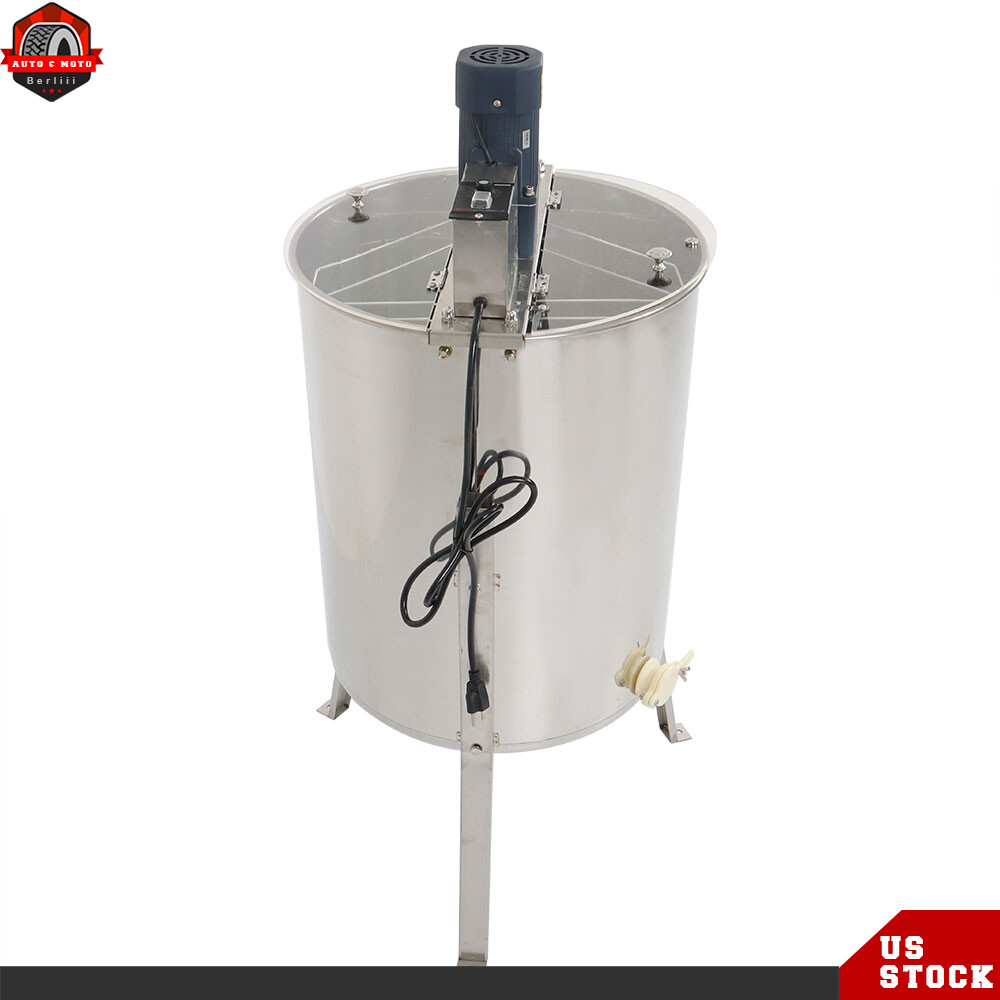
A honey spinner (extractor) separates honey from uncapped comb by centrifugal force, and the decisive trade-off is manual crank vs. electric drive paired with drum material and frame capacity. Durable extractors use food-grade 304 stainless steel drums, welded (not riveted) seams, and true tangential/radial frame cages; bargain units cut corners with thin 201-grade steel, spot welds, and undersized bearings. Rule: buy for your frame count and harvest volume — 2–4 frames manual for hobbyists, 4–8+ frames electric for sideliners — and skip any drum under 0.6 mm wall thickness or with plastic gears.
Buying guide image
Honey Extraction & Packaging

Honey Separator

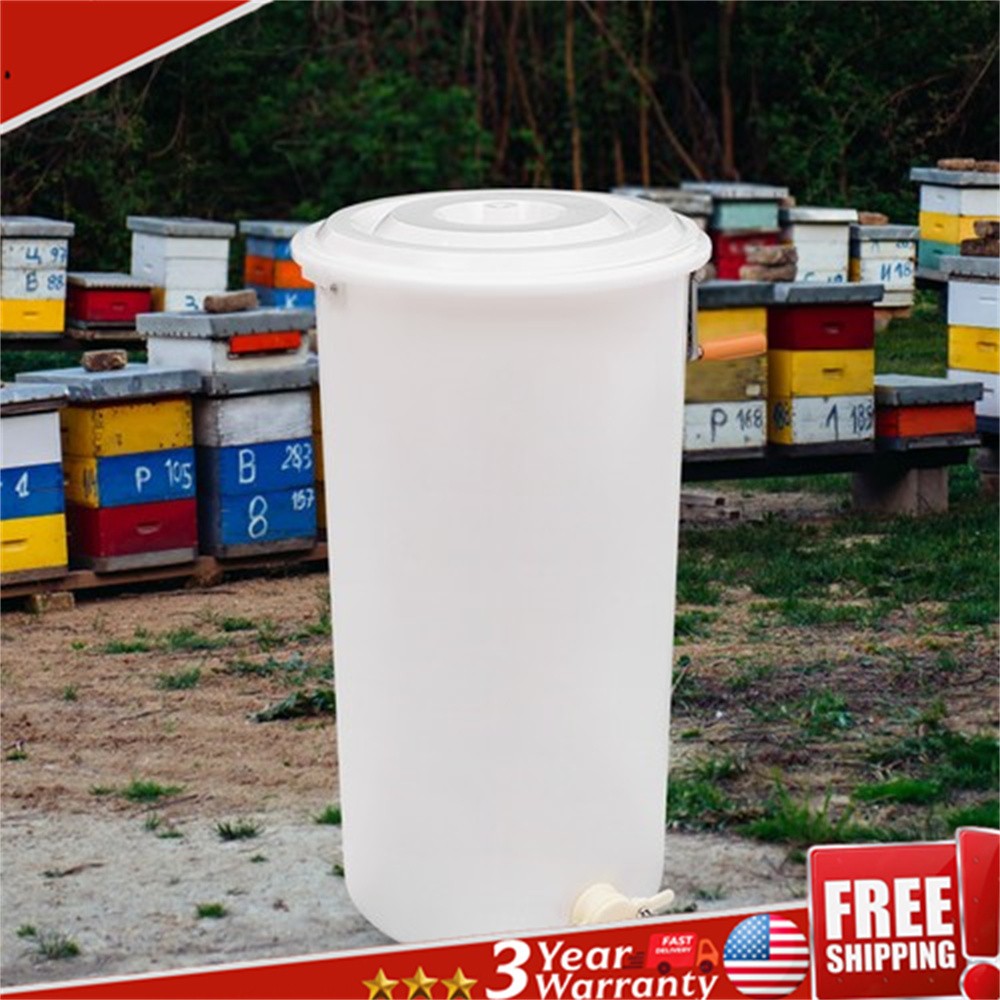
A honey separator is the centrifuge that spins uncapped comb so honey leaves the cells without crushing the wax. Buyers get burned by three things: buying a drum too small for their frame count, choosing a manual crank when they actually run more than a few hives, and ignoring frame-size compatibility (Langstroth deep vs medium). Decide your frame count, drive type, and frame standard first, then pick the drum gauge and stand.

Buying guide image
Outdoor Structures, Shade & Awnings

Canopy And Gazebo

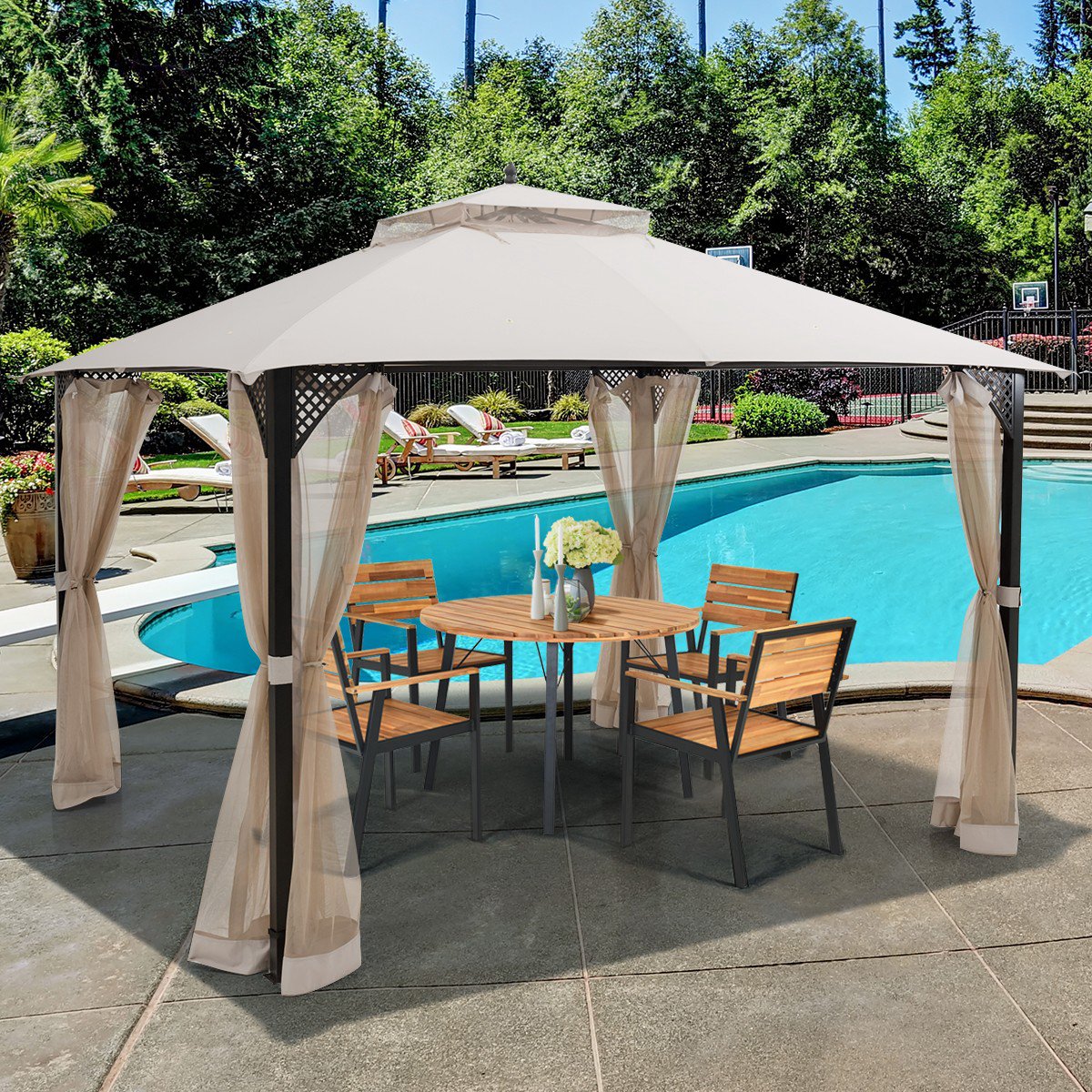
Canopy and gazebo shoppers are usually trying to solve one of two problems: temporary event shade that packs away, or a semi-permanent backyard structure that survives weather. The most common mistakes are buying a pop-up tent for year-round use, or a hardtop gazebo without checking HOA rules and anchoring requirements.

Buying guide image
Outdoor Storage

Storage Deck Box

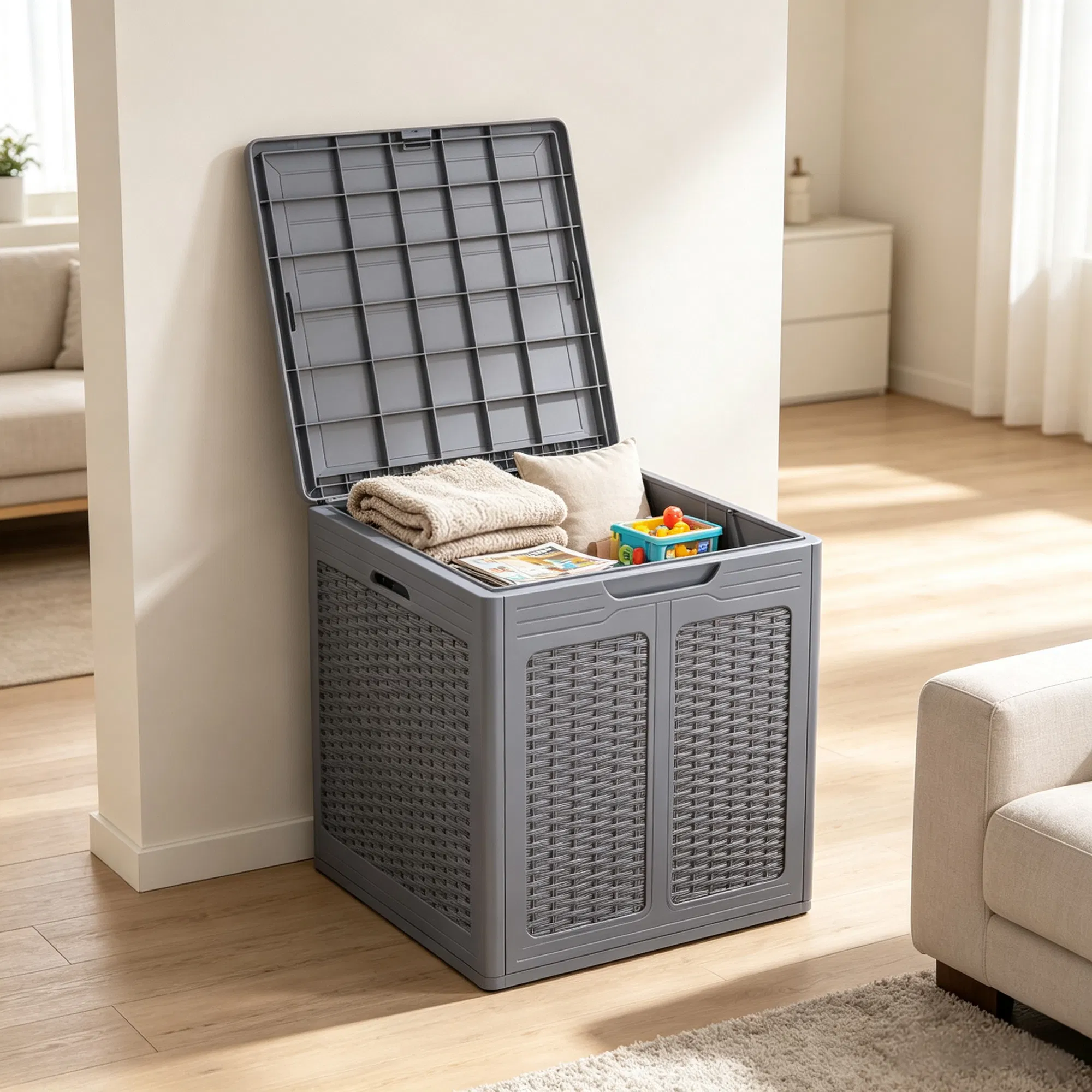
A storage deck box is a weatherproof outdoor chest that doubles as seating and protects cushions, tools, or pool gear. The primary trade-off is between rot-proof resin/plastic (low maintenance, UV-stable) and powder-coated steel (higher load and security). Choose resin with UV inhibitors for sun-exposed patios; choose steel for lockable security and heavy loads.

Buying guide image
Honey Extraction & Packaging

Honey Extractor Machine

A honey extractor machine is the single biggest equipment upgrade for a beekeeper moving beyond crush-and-strain, and the wrong frame count or drive type wastes money and harvest time. Buyers must separate real capacity (frame count and comb size) from marketing promises, because a 2-frame manual tangential unit and a 20-frame radial motorized extractor serve completely different apiary sizes. Getting the basket type, power source, and tank material right matters more than any single spec sheet claim.

Buying guide image
Outdoor Storage

Deck Storage Box

Deck storage boxes are weatherproof outdoor chests used to protect cushions, tools, and pool gear while doubling as seating or side tables. The core trade-off is resin grade and wall thickness versus capacity: thin hollow PP warps and fades in UV, while thick double-wall resin with reinforced lids holds weight and seals out rain. Buyers should treat 50–120 gallon lockable resin chests as the durable baseline and avoid fabric bags or sub-30-gallon novelty boxes for anything left outside year-round.

Buying guide image
Outdoor Structures, Shade & Awnings

Garden Shed

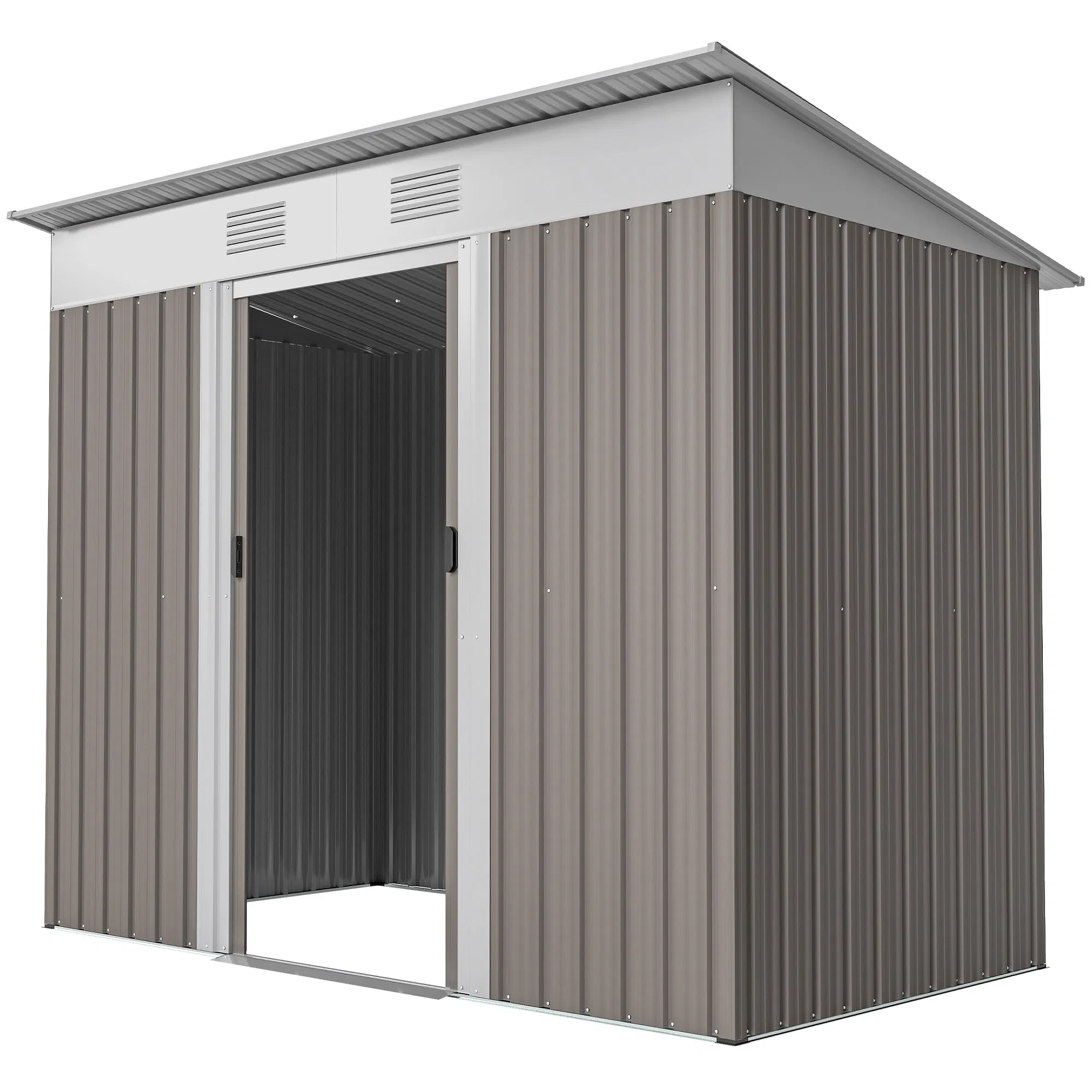
Garden sheds are outdoor storage structures defined by their frame material, panel gauge, and anchoring method, with the primary trade-off being rust-proof resin versus high-strength galvanized steel. The decision rule is simple: choose a hot-dipped galvanized steel shed with a reinforced floor frame for heavy tools and bikes, or a UV-stabilized resin shed for low-maintenance, rust-free lawn and garden storage.

Buying guide image
Chicken Coops & Runs

Portable Chicken Run

A portable chicken run is a movable, predator-resistant enclosure that lets a small flock rotate onto fresh grass without permanent fencing. The core trade-off is wire gauge and frame rigidity versus weight and tool-free assembly — thin 1-inch mesh and snap-together tubing fold fast but fail against digging predators and heavy breeds, while welded 12.5-gauge wire on rigid frames lasts years but moves in panels, not a backpack. The decision rule: buy for the predator load and bird weight you actually have, and treat tunnel-style and walk-in panel runs as different products, not trim levels.

Buying guide image
Chicken Coops & Runs

Chicken Run With Door

A chicken run with a door is only as good as its weakest hinge, latch, and wire gauge—flimsy doors and 1-inch mesh are the top failure points against raccoons and hawks. Most buyers underestimate how many access points they need (human door, feeding door, hen door) and oversize the flock count for the actual scratch space. Focus on door hardware, mesh spec, and predator aprons rather than cosmetic covers.

Buying guide image
Chicken Coops & Runs

Heavy Duty Chicken Run

A heavy duty chicken run is a permanent, predator-resistant outdoor enclosure built from galvanized steel tubing, welded-wire mesh, and weatherproof roofing rather than thin poultry netting or untreated wood. The core trade-off is tube wall thickness and mesh gauge versus cost: 1.0–1.5 mm wall galvanized tube with 1x2 inch 14–16 gauge welded mesh survives predators and weather, while 0.6–0.8 mm tube and 1-inch hex netting is a temporary compromise. Buy heavy duty whenever the run is the birds' primary 24/7 housing or the site has documented fox, coyote, raccoon, or hawk pressure.

Buying guide image
Raised Garden Beds & Planters

Garden Planter

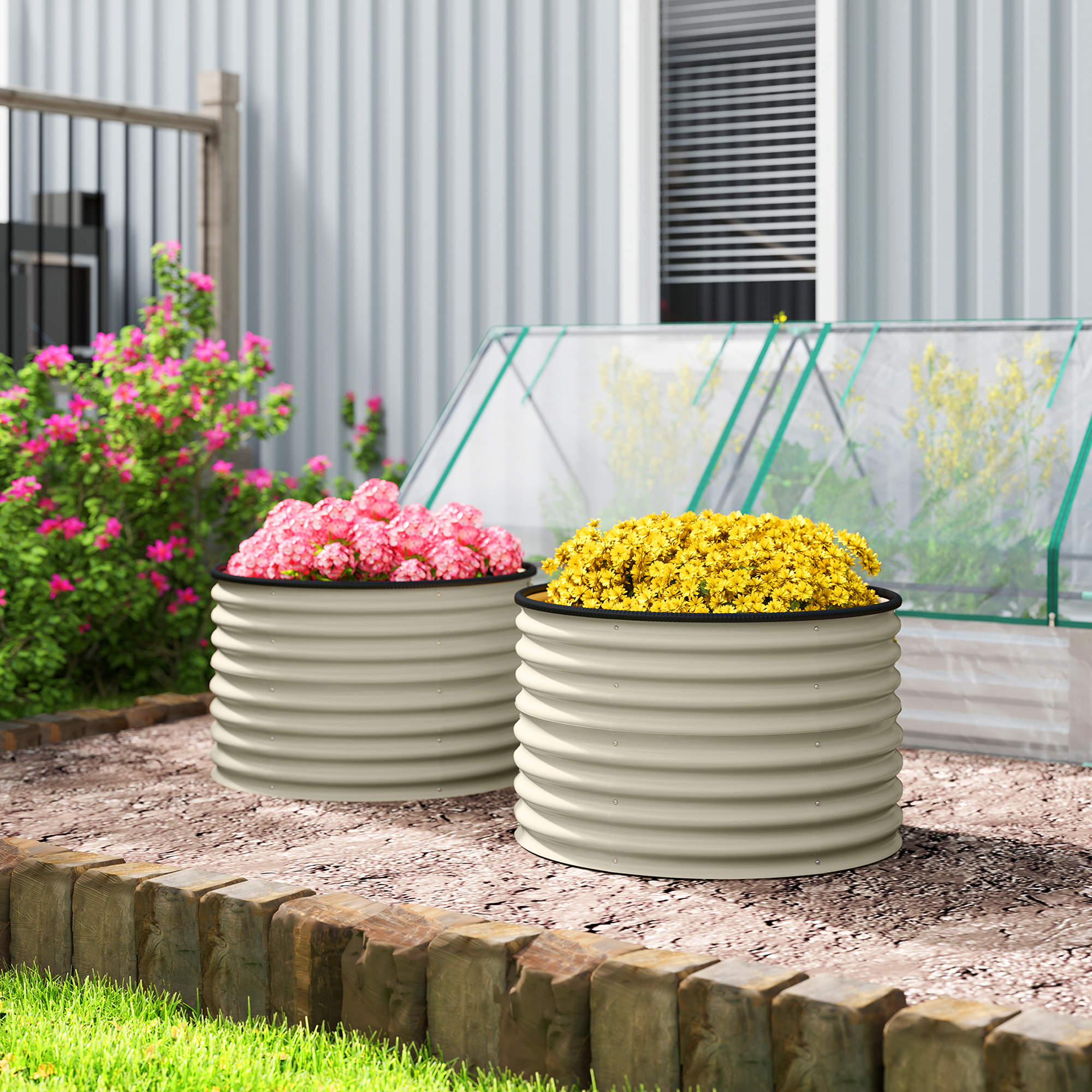
Garden planters range from decorative pots to functional raised beds, with the core trade-off between material durability (metal, wood, fabric, plastic) and intended use (in-ground vs. container growing). Metal and thick wood resist rot and weather best for long-term outdoor beds; fabric offers breathable, mobile growing for annuals, while thin plastic suits seasonal decor only. Choose based on whether you need soil volume for deep-rooted vegetables, portability for seasonal rotation, or purely ornamental display.

Buying guide image
Chicken Coops & Runs

Rabbit Chicken Coop

A rabbit chicken coop is a dual-purpose outdoor enclosure that must simultaneously satisfy a rabbit's need for solid floors and chew-resistant materials and a chicken's need for elevated roosts and secure ventilation. The core trade-off is wood (predator-resistant, chewable, rots without treatment) versus metal (chew-proof, ventilated, but needs a solid floor insert for rabbits). The decision rule: buy wood only if it is thick, treated, and floor-lined for rabbits; buy metal only if you add a solid resting floor and secure locks, otherwise skip both.

Buying guide image
Watering & Irrigation

Automatic Drip Irrigation System

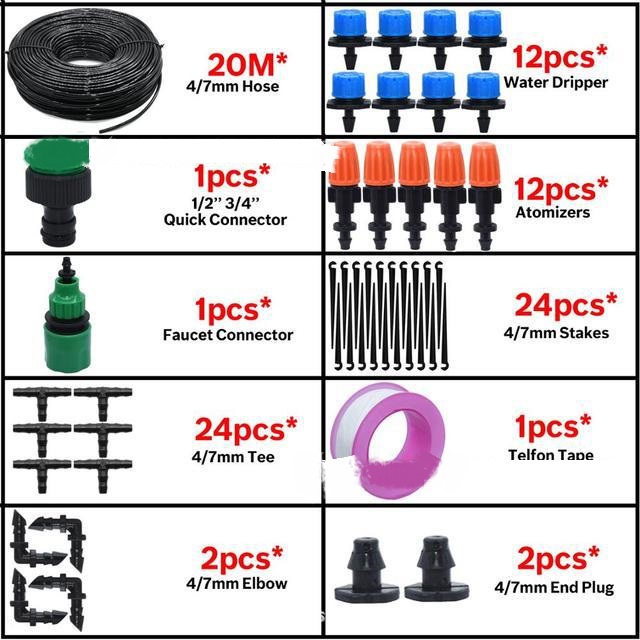
Automatic drip irrigation systems range from solar-powered timers for balcony pots to multi-zone garden kits, so match the power source, tubing length, and emitter count to your actual layout. Most failures come from undersizing the timer's valve count or ignoring water pressure, not from the drip line itself.

Buying guide image
Pools & Spas

Pool

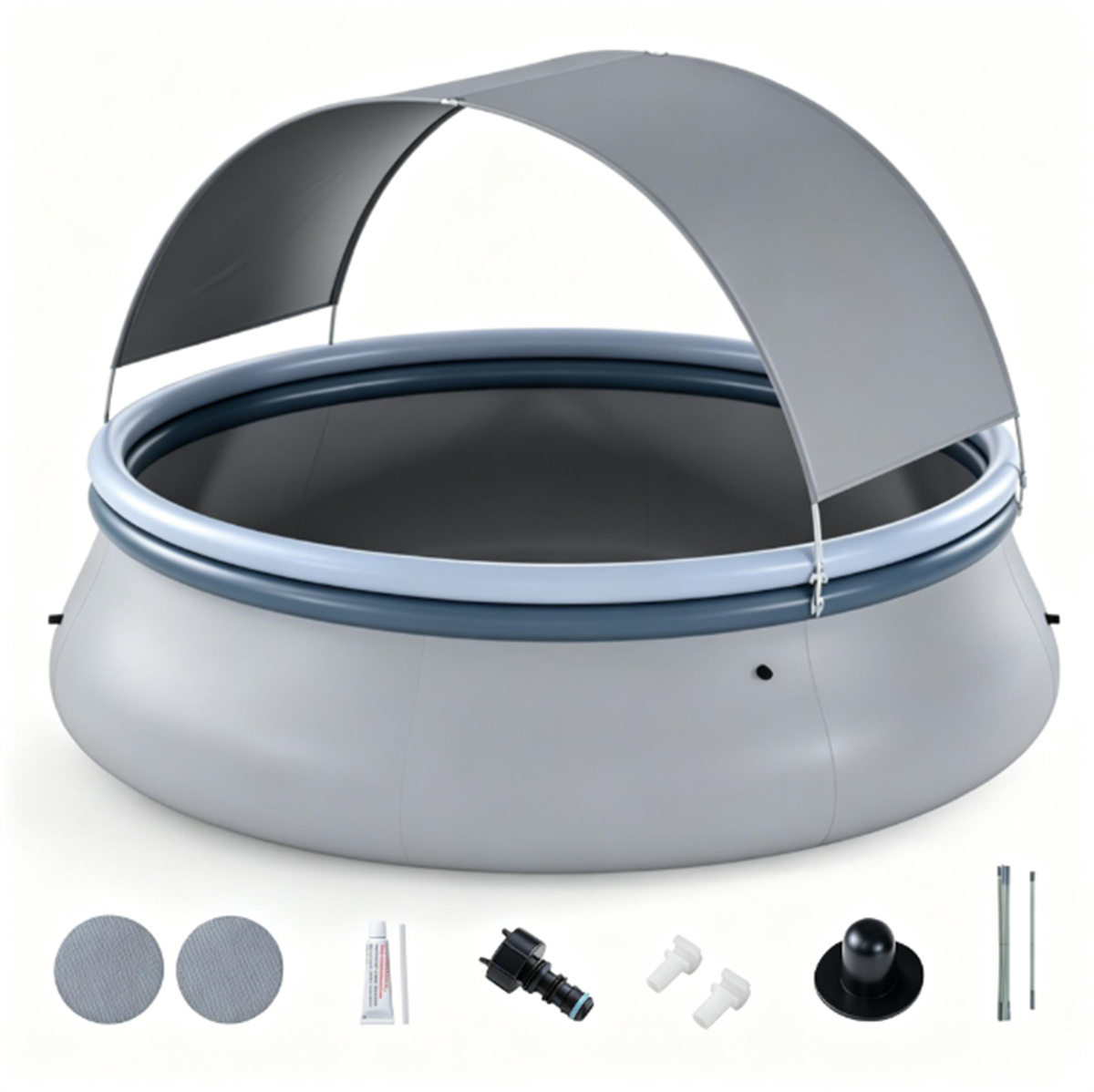
The 'pool' category spans temporary inflatable basins, rigid above-ground frames, and permanent in-ground shells, so buyers must first separate portable leisure from structural water-holding. The core trade-off is wall rigidity and liner/finish lifespan versus portability and upfront simplicity. Choose a rigid or framed shell if the pool stays up year-round; choose inflatable or soft-sided only for seasonal, drain-and-store use.

Buying guide image
Chicken Coops & Runs

Walk In Chicken Coop

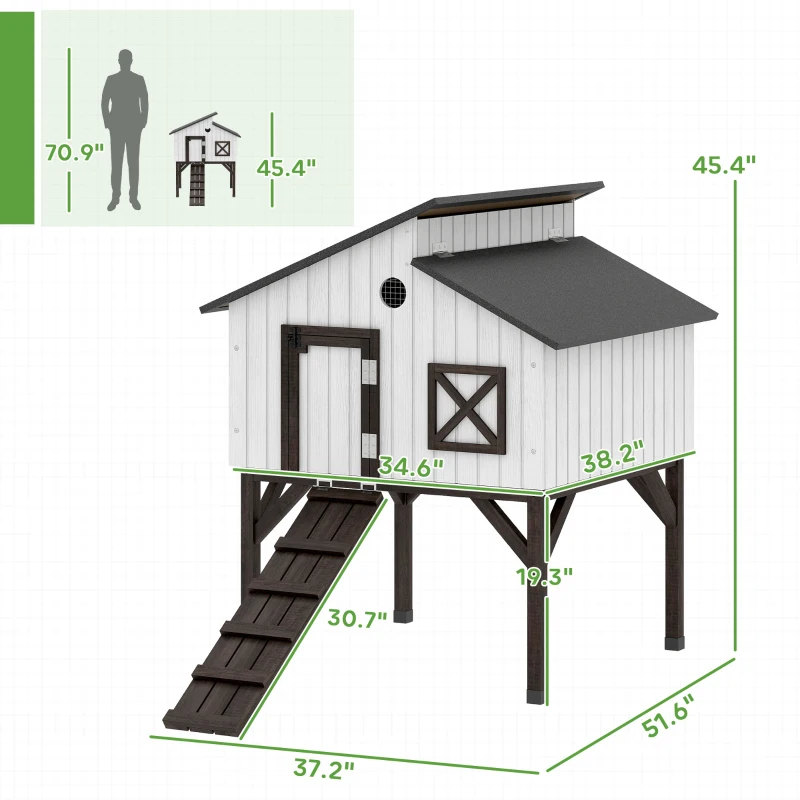
A walk-in chicken coop is a full-height (typically 6.5 ft) metal or wood-framed enclosure you enter upright, as opposed to a low crawl-in ark or a fixed shed. The core trade-off is wire gauge and frame tube wall thickness versus footprint — thin 20-22 ga mesh and 0.6 mm tube walls sag and fail to predators, while 16-19 ga hardware cloth on 1-inch-thick galvanized tube lasts decades. Decision rule: buy only if the mesh is welded galvanized hardware cloth (not hexagonal poultry netting) and the frame posts are at least 1 inch OD steel; anything lighter is a seasonal pen, not a coop.

Buying guide image
Chicken Coops & Runs

Walk In Chicken Cage

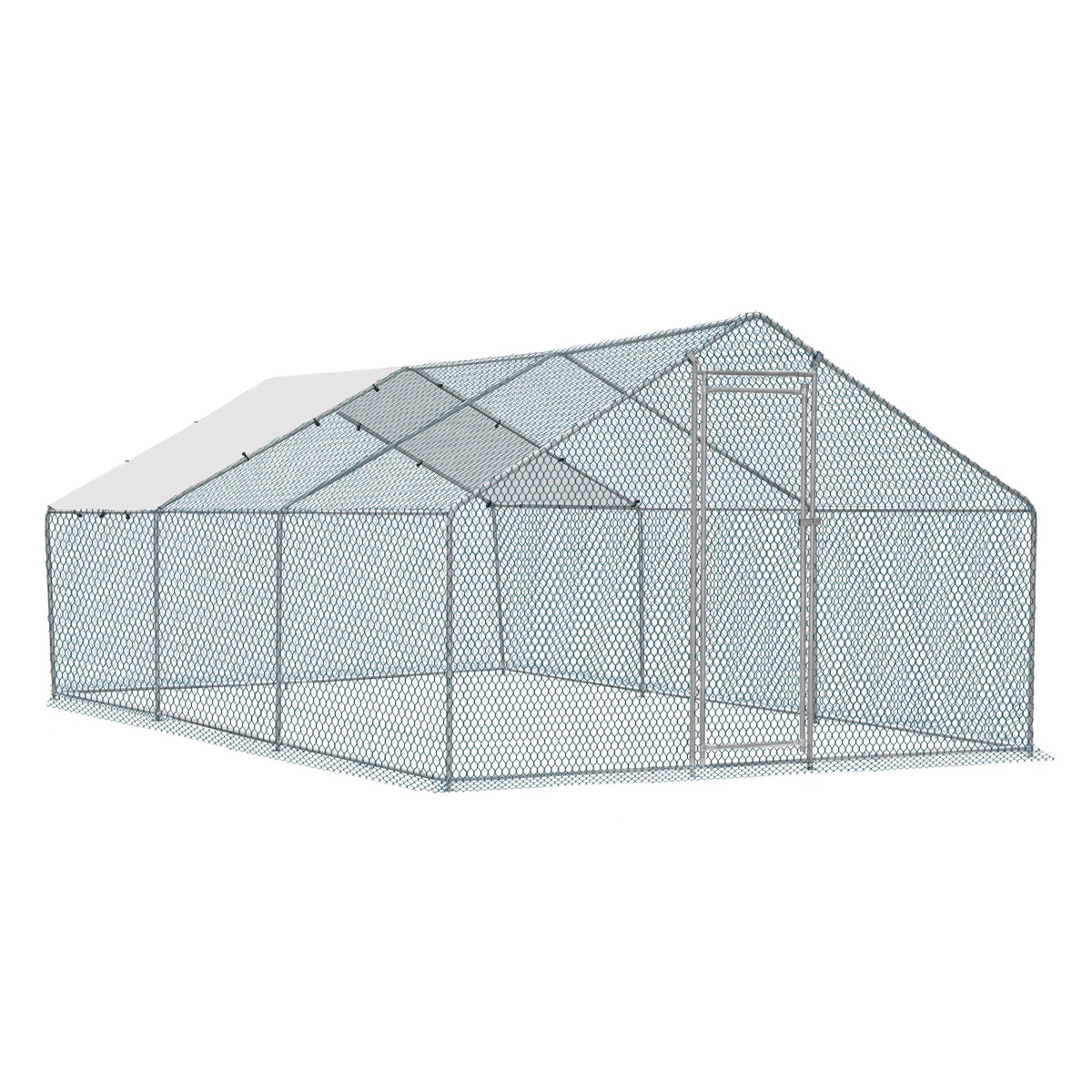
Walk-in chicken cages are freestanding tubular-steel runs tall enough to enter, sold with or without a waterproof cover, that trade structural rigidity and predator-grade mesh for low cost and flat-pack convenience. The core trade-off is tube gauge and wire mesh spec: thin 0.8mm tube with 1-inch hexagonal chicken wire is a confinement pen, while 1.5mm+ tube with 19-gauge welded hardware cloth is a true predator barrier. The decision rule: choose a walk-in cage only if you can anchor it to the ground with a skirt or ground stakes, because lightweight frames fail by lifting and mesh fails by chewing.

Buying guide image
Chicken Coops & Runs

Walk In Chicken House

A walk-in chicken house is a full-height steel-frame run or coop enclosure that lets you stand inside for cleaning, feeding, and flock handling. The primary trade-off is frame tube gauge and mesh gauge versus cost: thin 0.8mm tubing and 1-inch hex wire fail under predator load, while 1.5mm+ galvanized tube and 19-gauge welded hardware cloth last for years. Buy a welded or bolted galvanized steel frame with hardware cloth and a rated waterproof cover; skip pop-hole-only coops and chicken-wire kits if you need a true walk-in structure.

Buying guide image
Chicken Coops & Runs

Walk In Chicken Pen

Walk-in chicken pens are tall, frame-and-mesh outdoor enclosures that let keepers stand upright inside while giving flocks secure daytime ranging space. The core trade-off is tube wall thickness and mesh gauge versus coating durability: thin-wall 0.8mm tubing with 1-inch hex wire flexes and rusts within seasons, while 1.2mm+ galvanized or powder-coated frames with welded-wire or hardware-cloth panels hold shape against predators and weather. Choose by footprint per bird and mesh aperture, not by advertised bird counts.

Buying guide image
Patio Furniture

Outdoor Sectional

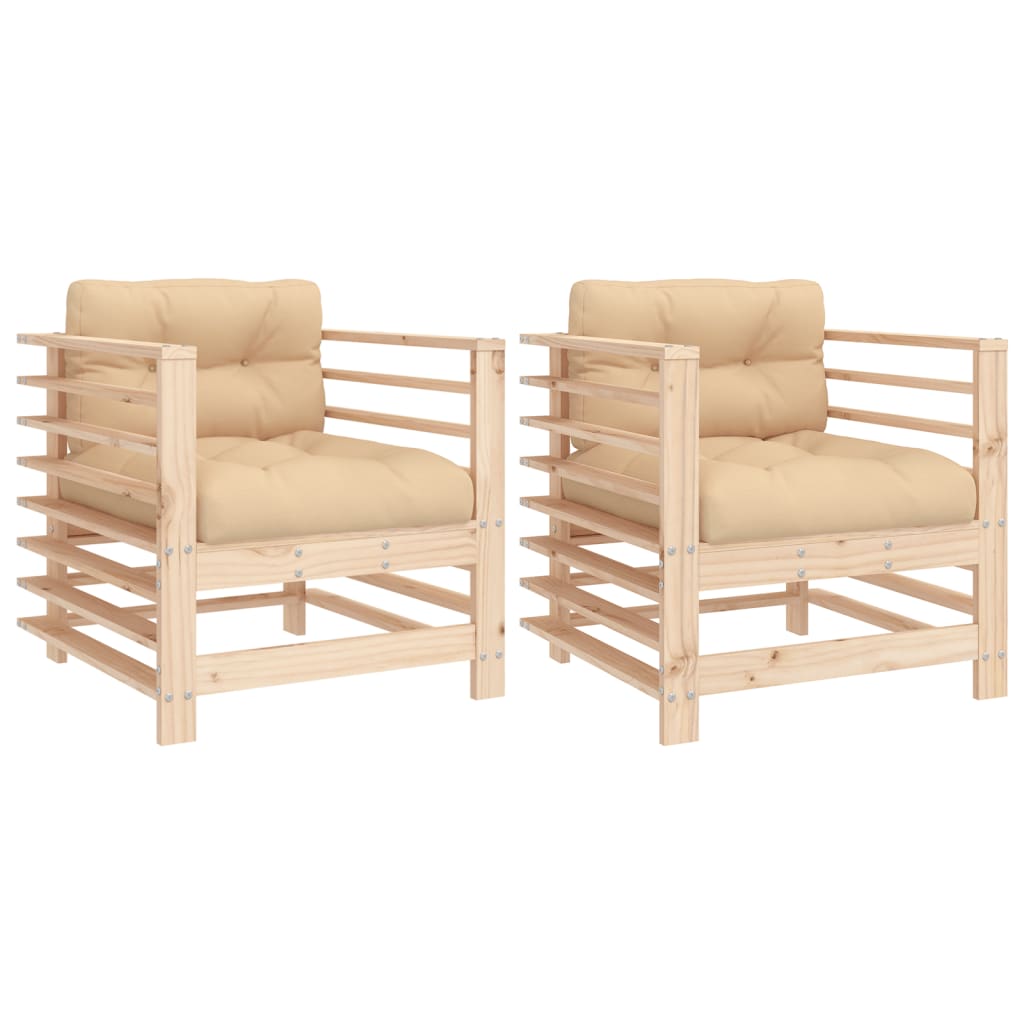
Outdoor sectionals are a frame-and-cushion system, not a single sofa: the metal or wood substructure determines how many seasons it survives, while the fabric grade determines how the seat feels in year three. Buyers most often go wrong by sizing the footprint before checking whether the modular pieces can actually be reconfigured on their patio, and by treating PE rattan and powder-coated aluminum as interchangeable when they handle sun and rain very differently.

Buying guide image
Patio Furniture

Patio Table And Chair

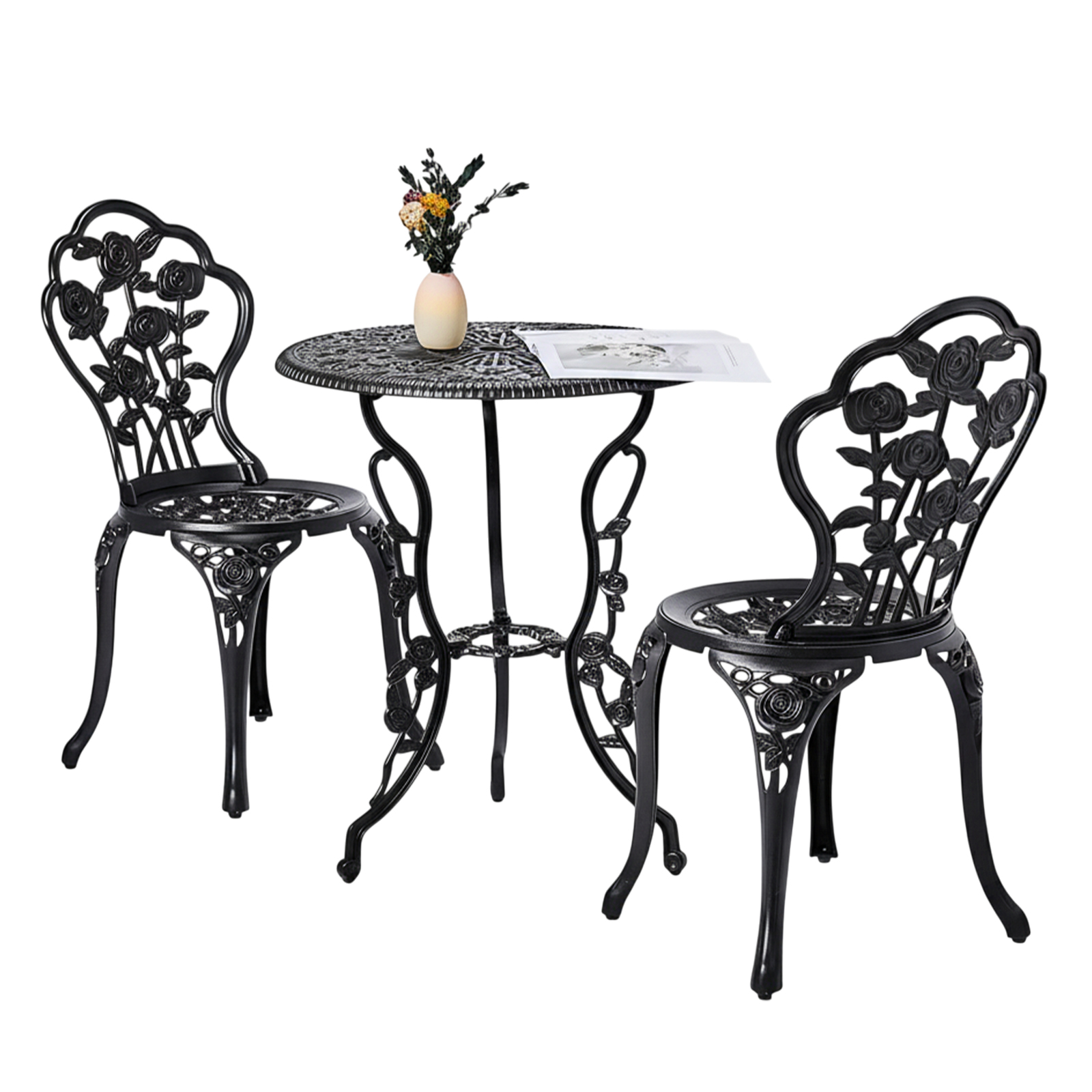
A patio table and chair set is a matched outdoor dining or bistro grouping where the frame material, surface finish, and seating construction determine how many seasons it survives. The core trade-off is metal (aluminum or steel) for low maintenance versus natural wood (acacia, eucalyptus) for warmth and repairability, with HDPE and rattan deciding UV fade and moisture resistance. Buy aluminum or HDPE for exposed, wet climates; buy acacia or eucalyptus only if you will oil and cover it, and skip thin steel tubing and unseasoned poplar for year-round outdoor use.

You may also like

Finding more guides for you…